Preparation is the key to success in any interview. In this post, we’ll explore crucial Safety Regulations and Guidelines interview questions and equip you with strategies to craft impactful answers. Whether you’re a beginner or a pro, these tips will elevate your preparation.
Questions Asked in Safety Regulations and Guidelines Interview
Q 1. Describe your experience with OSHA regulations.
My experience with OSHA regulations spans over ten years, encompassing both direct application and advisory roles. I’ve been involved in developing and implementing OSHA-compliant safety programs for various industries, including manufacturing, construction, and healthcare. This includes ensuring compliance with general industry standards (like those for hazard communication, personal protective equipment, and machine guarding) as well as specific regulations for particular hazards, such as lockout/tagout procedures for energy control and fall protection in construction. I’m proficient in interpreting OSHA standards, conducting inspections, and identifying areas needing improvement to prevent workplace accidents and illnesses. For example, in a recent project for a manufacturing facility, I helped them implement a comprehensive lockout/tagout program, reducing near-miss incidents by 40% within six months. This involved training employees, creating standardized procedures, and auditing the program regularly to ensure continued effectiveness.
Q 2. Explain the hierarchy of hazard controls.
The hierarchy of hazard controls is a fundamental principle in safety management, prioritizing control methods based on their effectiveness in eliminating or minimizing hazards. It’s often visualized as a pyramid, with the most effective methods at the top. Think of it like this: You wouldn’t want to rely on a seatbelt (personal protective equipment) if the car didn’t have brakes (engineering controls).
- Elimination: Physically removing the hazard. Example: Replacing a hazardous chemical with a less hazardous alternative.
- Substitution: Replacing the hazard with a less hazardous substitute. Example: Using a water-based cleaning solution instead of a solvent-based one.
- Engineering Controls: Modifying the workplace or equipment to reduce or eliminate the hazard. Example: Installing machine guards to prevent worker contact with moving parts.
- Administrative Controls: Changing work practices or procedures to minimize exposure to the hazard. Example: Implementing a rotation system to limit exposure to repetitive tasks.
- Personal Protective Equipment (PPE): Providing workers with protective gear to minimize exposure to the hazard. Example: Requiring workers to wear safety glasses, gloves, and respirators.
The hierarchy emphasizes that you should always strive to implement the highest level of control possible. Using PPE should be the last resort, as it only protects the individual, not the source of the hazard.
Q 3. How would you conduct a workplace safety audit?
Conducting a workplace safety audit involves a systematic process to identify existing and potential hazards. It’s not just about finding violations; it’s about proactively improving safety. My approach typically includes these steps:
- Planning: Defining the scope, objectives, and timeline of the audit, identifying key areas to focus on, and selecting the audit team.
- Walkthrough Inspection: A physical inspection of the workplace to identify hazards using checklists, observation, and interviews with workers. I always look for potential hazards such as unsafe conditions, inadequate training, and lack of personal protective equipment.
- Documentation: Recording all observations, findings, and any non-compliance issues using photos, videos, and detailed reports. This is crucial for tracking progress and proving compliance.
- Analysis: Reviewing collected data to identify trends, root causes of potential hazards, and the effectiveness of existing safety measures. For example, we might find that repetitive movements contribute to a high rate of musculoskeletal injuries.
- Reporting: Summarizing the findings and recommendations in a clear and concise report, highlighting critical issues and suggesting corrective actions.
- Follow-up: Verifying that corrective actions are implemented effectively and monitoring their impact on workplace safety.
During the walkthrough, I engage employees in conversation, encouraging them to identify hazards they might encounter daily. This participatory approach increases buy-in and helps create a more effective safety culture.
Q 4. What are the key elements of a safety program?
A comprehensive safety program consists of several interconnected elements that work together to create a safe and healthy workplace. These include:
- Management Commitment: Demonstrating leadership commitment to safety by allocating sufficient resources and establishing clear safety policies.
- Hazard Identification and Risk Assessment: Systematically identifying and evaluating potential hazards and their associated risks.
- Hazard Prevention and Control: Implementing control measures according to the hierarchy of controls.
- Training and Education: Providing employees with the necessary training and information to perform their tasks safely.
- Emergency Preparedness: Developing and practicing emergency response plans.
- Incident Investigation and Reporting: Investigating incidents to identify root causes and prevent recurrence.
- Recordkeeping and Documentation: Maintaining accurate records of safety performance, training, and incident investigations.
- Communication and Consultation: Establishing effective communication channels to ensure employees are informed about safety issues and can provide feedback.
Think of it as a well-oiled machine—each part is vital for the system to function properly. A strong safety program doesn’t just prevent accidents; it fosters a culture of safety and responsibility.
Q 5. How do you identify and assess workplace hazards?
Identifying and assessing workplace hazards requires a multi-faceted approach. It’s about actively seeking out potential dangers, not just reacting to incidents. Methods include:
- Walkthrough Inspections: Physically inspecting the workplace to identify unsafe conditions and practices.
- Job Hazard Analyses (JHAs): Systematically analyzing tasks to identify potential hazards and control measures. This involves breaking down tasks into steps and identifying the hazards for each.
- Incident Investigations: Thoroughly investigating incidents to understand their root causes and prevent recurrence. This often uses techniques like the “five whys” to get to the bottom of the cause.
- Employee Input: Encouraging workers to report hazards they observe. A safe workplace is a collaborative effort.
- Safety Audits: Formal assessments to identify and evaluate existing and potential hazards.
- Near Miss Reporting: Analyzing near-miss events to prevent serious accidents. These near misses often signal underlying systemic problems.
For example, a JHA for a construction worker might identify the hazard of falling from a height while working on scaffolding. This leads to implementing control measures such as ensuring the scaffolding is properly erected and maintained, workers use fall arrest systems, and training is provided on safe working practices.
Q 6. Explain your experience with incident investigation and reporting.
My experience in incident investigation and reporting is extensive. I follow a structured approach to ensure thoroughness and objectivity. It begins with immediately securing the scene (if necessary), preventing further harm, and providing first aid. The process then involves:
- Gathering Information: Collecting data from multiple sources, such as witness statements, incident reports, and physical evidence. This data may include photos, videos, or equipment logs.
- Analyzing Data: Identifying contributing factors and root causes of the incident using tools like fault tree analysis or fishbone diagrams. This often goes beyond the immediate cause to pinpoint systemic issues.
- Determining Corrective Actions: Developing and implementing effective corrective actions to prevent similar incidents from occurring. This includes engineering controls, administrative controls, or changes in training and procedures.
- Reporting: Documenting the findings and recommendations in a formal report, including timelines, costs, and recommendations. Reports are shared with relevant stakeholders to foster accountability.
- Follow-up: Monitoring the effectiveness of corrective actions and ensuring compliance.
For instance, I once investigated a workplace injury caused by improper use of machinery. My investigation revealed a lack of adequate training, leading to a revised training program and implementation of new safety procedures. This reduced similar incidents by 75% within a year.
Q 7. Describe your experience with risk assessment methodologies.
I have extensive experience with various risk assessment methodologies, adapting my approach to the specific context. Common methods I utilize include:
- Qualitative Risk Assessment: A less quantitative approach based on expert judgment and experience, often using simple matrices to categorize risks based on likelihood and severity. This can be efficient for quickly prioritizing hazards.
- Quantitative Risk Assessment: A more data-driven approach using statistical data and modeling techniques to estimate the probability and consequences of risks. This is suitable for situations where data is available.
- Fault Tree Analysis (FTA): A top-down, deductive method to analyze the events that lead to an undesired event. It helps identify root causes and critical failure points.
- Failure Mode and Effects Analysis (FMEA): A systematic approach to identify potential failure modes and their effects on a system or process, allowing for proactive risk mitigation.
- HAZOP (Hazard and Operability Study): A structured and systematic technique used to identify potential hazards and operational problems in a process or system.
The choice of methodology depends on the complexity of the hazard, the availability of data, and the resources available. For instance, a qualitative approach might suffice for a small business assessing general workplace hazards, while a quantitative approach may be necessary for a large-scale industrial facility managing risks associated with chemical processes. Combining methods often yields the most comprehensive and accurate assessments.
Q 8. How do you develop and deliver safety training programs?
Developing and delivering effective safety training programs requires a systematic approach. It begins with a thorough needs assessment to identify specific hazards and the knowledge gaps within the workforce. This assessment informs the design of the training, ensuring it’s relevant and addresses the specific risks.
My approach involves a blended learning methodology, combining classroom instruction, hands-on training, simulations, and e-learning modules. For example, in a construction setting, I’d incorporate classroom sessions on fall protection regulations, followed by practical demonstrations on proper harness usage and hands-on practice with rescue techniques. Simulations, like virtual reality scenarios, can provide risk-free practice of emergency procedures. E-learning modules allow for self-paced review and reinforcement of key concepts.
Post-training, evaluation is crucial. This might involve written tests, practical assessments, or observation of trainees in real-world scenarios. Feedback mechanisms are built into the process for continuous improvement. Regular refresher training ensures knowledge remains current and addresses emerging safety concerns.
Q 9. What are your strategies for improving safety culture within an organization?
Improving safety culture is a long-term process that requires a multifaceted strategy. It’s not just about implementing rules; it’s about fostering a mindset where safety is valued by every individual at all levels of the organization. My approach emphasizes leadership commitment, employee empowerment, and consistent communication.
- Leadership Commitment: Visible and active support from upper management is paramount. This includes actively participating in safety initiatives, setting a positive example, and allocating resources to safety improvements.
- Employee Empowerment: Encouraging employees to identify and report hazards, participate in safety committees, and contribute to hazard mitigation strategies empowers them to take ownership of their safety and the safety of their colleagues. This includes creating a ‘no blame’ culture for reporting near misses.
- Communication: Clear and consistent communication is vital. This involves regular safety meetings, newsletters, visual aids like posters and safety alerts, and easily accessible safety information. I’d also use a variety of communication channels to reach different employees effectively.
- Recognition and Rewards: Recognizing and rewarding safe behavior is crucial for reinforcing positive actions and building a positive safety culture. This can range from verbal praise to formal safety awards.
For example, in a manufacturing environment, I’d implement a system where employees are actively involved in identifying and reporting near misses through a dedicated reporting system. Regular feedback sessions with management on these reports would ensure proactive hazard mitigation and employee involvement.
Q 10. Explain your experience with implementing safety management systems (SMS).
My experience with Safety Management Systems (SMS) involves implementing and auditing systems that align with international best practices, such as those defined by the International Civil Aviation Organization (ICAO). A robust SMS is a proactive approach to managing risk and improving safety performance.
Implementation involves defining safety policies, establishing hazard identification and risk assessment procedures, developing mitigation strategies, and monitoring the effectiveness of safety interventions. This requires a structured approach involving multiple stages:
- Hazard Identification and Risk Assessment: Systematic methods like HAZOP (Hazard and Operability studies) or Job Safety Analyses (JSAs) are used to identify potential hazards and assess their associated risks.
- Risk Mitigation: Implementing control measures to mitigate identified risks, ranging from engineering controls (e.g., guarding machinery) to administrative controls (e.g., safety training) and personal protective equipment (PPE).
- Safety Performance Monitoring: Tracking key safety indicators (KSIs), such as accident rates, near misses, and safety observations, to assess the effectiveness of the SMS. Data analysis is used to identify trends and areas for improvement.
- Continuous Improvement: Regular audits and reviews are crucial to ensure the SMS remains effective and adapts to changing conditions and new risks.
In a previous role, I successfully implemented an SMS in a transportation company, resulting in a significant reduction in accidents and improved overall safety performance. This involved training all employees in hazard identification, risk assessment, and the reporting procedures outlined in the SMS.
Q 11. How do you ensure compliance with environmental regulations?
Ensuring compliance with environmental regulations requires a comprehensive understanding of relevant laws and guidelines, coupled with robust monitoring and reporting procedures. This involves staying updated on changes in legislation, conducting regular environmental audits, and implementing appropriate environmental management systems.
My approach includes:
- Regulatory Knowledge: A deep understanding of applicable environmental laws, permits, and standards is essential. This involves regular monitoring of regulatory updates and changes.
- Environmental Audits: Conducting regular environmental audits to identify potential non-compliance issues and assess the effectiveness of environmental controls. These audits should cover all aspects of operations that have environmental impact.
- Environmental Management Systems (EMS): Implementing an EMS, such as ISO 14001, provides a framework for managing environmental aspects and improving environmental performance. This includes setting environmental objectives, targets, and monitoring progress.
- Waste Management: Developing and implementing appropriate waste management strategies to minimize waste generation and ensure proper disposal or recycling of hazardous and non-hazardous materials. This includes compliance with waste disposal permits and regulations.
- Reporting and Record-Keeping: Maintaining accurate records of all environmental activities, including monitoring data, audit reports, and compliance documentation. This is vital for demonstrating compliance to regulatory authorities.
For instance, in a manufacturing facility, I would oversee the implementation of a waste management plan that complies with all relevant permits, ensuring proper segregation, treatment, and disposal of hazardous wastes. This would include regular monitoring of effluent discharges to maintain compliance with water quality standards.
Q 12. Describe your experience with emergency response planning and execution.
Emergency response planning and execution are critical for minimizing the impact of unforeseen events. Effective planning requires a proactive approach, identifying potential hazards, developing response procedures, and regularly testing preparedness. My experience spans various industries, and my approach is always tailored to the specific risks of each operation.
My methodology includes:
- Hazard Identification and Risk Assessment: Identifying potential emergencies, such as fires, spills, or natural disasters, and assessing their likelihood and potential impact.
- Emergency Response Plan Development: Creating a detailed emergency response plan that outlines procedures for evacuation, rescue, first aid, and communication.
- Emergency Response Team Training: Training personnel in emergency response procedures, including evacuation drills, first aid, and the use of emergency equipment.
- Communication Protocols: Establishing clear communication protocols to ensure effective communication during an emergency. This includes establishing a communication chain and ensuring regular testing of communication systems.
- Post-Incident Review: Conducting a thorough post-incident review to identify areas for improvement in emergency response procedures and preparedness.
In a previous role, I developed and implemented an emergency response plan for a chemical plant, which included detailed procedures for handling chemical spills, fire emergencies, and medical emergencies. This plan was regularly tested through drills and simulations, resulting in improved response time and effectiveness.
Q 13. What are your strategies for communicating safety information effectively?
Effective communication of safety information is essential for creating a strong safety culture. It needs to be clear, concise, accessible, and tailored to the audience. My strategies involve a multi-channel approach to ensure information reaches everyone.
I utilize various methods:
- Toolbox Talks: Regular briefings on specific safety topics, often conducted at the start of shifts or workdays. These are especially effective for addressing immediate safety concerns.
- Safety Newsletters/Emails: Regular updates on safety incidents, upcoming training sessions, and safety reminders. This provides a consistent stream of safety-related information.
- Visual Aids: Using posters, signs, and videos to communicate key safety messages visually. This is particularly effective for reinforcing safety rules and procedures.
- Interactive Training: Incorporating interactive elements into training sessions, such as simulations and games, to enhance engagement and knowledge retention.
- Safety Meetings: Regular safety meetings provide a platform for discussing safety issues, sharing best practices, and addressing employee concerns. They are also ideal for feedback collection and communication from management.
- Multi-lingual communication: Ensuring safety information is available in all languages spoken by workers.
For example, I’d use toolbox talks to discuss recent near-miss incidents and share lessons learned. Safety newsletters would keep everyone informed of updates to safety procedures and relevant regulations.
Q 14. How do you handle safety violations or non-compliance?
Handling safety violations and non-compliance requires a fair and consistent approach, focused on prevention and corrective action. My strategy emphasizes investigation, corrective action, and prevention.
The process I follow:
- Investigation: A thorough investigation into the root cause of the violation is crucial. This often involves interviewing witnesses, reviewing documentation, and examining the circumstances surrounding the incident. This should be documented thoroughly.
- Disciplinary Action: Appropriate disciplinary action, in accordance with company policy, should be taken for violations. This might range from verbal warnings to suspension or termination, depending on the severity of the violation.
- Corrective Actions: Implementing corrective actions to prevent recurrence of the violation. This might involve improving procedures, providing additional training, or modifying equipment.
- Reporting and Documentation: Maintaining detailed records of all incidents, investigations, and corrective actions. This data is critical for identifying trends, improving safety procedures, and demonstrating compliance to regulatory authorities.
- Follow-up: Regular follow-up to ensure that corrective actions have been implemented effectively and that the problem has been resolved.
For instance, if a worker is found operating equipment without proper PPE, the investigation might reveal inadequate training or a lack of readily available equipment. Corrective actions could include additional training, improved access to PPE, and a reinforcement of the importance of PPE usage.
Q 15. How do you measure the effectiveness of safety programs?
Measuring the effectiveness of a safety program isn’t a simple task; it requires a multi-faceted approach. We shouldn’t just look at the absence of incidents, but rather delve into the underlying factors that contribute to a safe work environment. A robust evaluation uses leading and lagging indicators.
- Lagging Indicators: These are retrospective measures reflecting past performance. Examples include the number of accidents, lost-time injury frequency rate (LTIFR), and the number of near misses reported. While important, lagging indicators only tell us what has happened, not necessarily *why*.
- Leading Indicators: These are proactive measures that predict future safety performance. They focus on identifying potential hazards before incidents occur. Examples include the number of safety training hours completed, the participation rate in safety audits, the effectiveness of hazard identification processes (e.g., Job Hazard Analysis, JHA), and the number of safety suggestions implemented.
For example, a low LTIFR might seem positive, but if safety training participation is low and hazard identification processes are inadequate, it may indicate a false sense of security. A comprehensive analysis uses both types of indicators to provide a complete picture of safety program effectiveness. Regular audits, employee feedback surveys, and safety committee meetings are vital components in gathering data for a thorough evaluation.
Career Expert Tips:
- Ace those interviews! Prepare effectively by reviewing the Top 50 Most Common Interview Questions on ResumeGemini.
- Navigate your job search with confidence! Explore a wide range of Career Tips on ResumeGemini. Learn about common challenges and recommendations to overcome them.
- Craft the perfect resume! Master the Art of Resume Writing with ResumeGemini’s guide. Showcase your unique qualifications and achievements effectively.
- Don’t miss out on holiday savings! Build your dream resume with ResumeGemini’s ATS optimized templates.
Q 16. Explain your experience with personal protective equipment (PPE) selection and use.
My experience with PPE selection and use is extensive. It begins with a thorough hazard assessment. Identifying the specific hazards – chemical exposure, impact risks, electrical hazards, etc. – dictates the appropriate PPE. A good selection process considers:
- Hazard Identification and Risk Assessment: What are the specific hazards? What is the likelihood and severity of exposure? This determines the level of protection required.
- PPE Selection: This involves choosing PPE that meets or exceeds relevant standards (e.g., ANSI, OSHA). For instance, selecting safety glasses with appropriate impact ratings for a specific task.
- Training and Fit Testing: Employees must receive proper training on the correct use, limitations, and maintenance of the PPE. Fit testing is crucial, especially for respirators, to ensure a proper seal and optimal protection.
- Inspection and Maintenance: Regularly inspecting PPE for damage and ensuring proper storage are essential for maintaining its effectiveness. Damaged PPE should be replaced immediately.
- Compliance and Documentation: Maintaining accurate records of PPE issuance, training, and inspections is vital for demonstrating compliance with regulations.
In a past role, I implemented a new PPE program for a construction site, which reduced eye injuries by 40% within a year. This success resulted from a combination of thorough hazard assessments, a tailored PPE selection based on specific job tasks, effective training sessions, and strict enforcement of proper PPE use.
Q 17. What is your experience with lockout/tagout procedures?
Lockout/Tagout (LOTO) procedures are critical for preventing the release of hazardous energy during maintenance or repair activities. My experience includes developing, implementing, and auditing LOTO programs across various industrial settings. The key elements include:
- Energy Isolation: Identifying all sources of hazardous energy (electrical, mechanical, hydraulic, pneumatic, etc.) and safely isolating them.
- Lockout: Applying a lockout device (a lock) to the energy isolation device to prevent the accidental re-energization of the equipment.
- Tagout: Attaching a tag to the lockout device, clearly identifying the individual who performed the lockout and the date and time.
- Verification: Verifying that the energy has been successfully isolated before starting work.
- Release: Following a systematic procedure for releasing the lockout/tagout after work is complete, ensuring all personnel are clear and the equipment is safe to re-energize.
A common error is neglecting to de-energize all energy sources. A thorough job safety analysis is paramount to identify all potential energy sources, especially hidden or less obvious ones. Proper training, regular audits, and clear documentation are essential to ensure compliance and prevent accidents. I’ve personally conducted numerous LOTO training sessions and audits, ensuring compliance and reducing the risk of serious injury.
Q 18. How do you manage workplace injuries and illnesses?
Managing workplace injuries and illnesses requires a comprehensive approach starting with prevention. The process involves several key steps:
- First Aid and Emergency Response: Ensuring readily available first aid supplies and trained personnel to provide immediate medical attention.
- Incident Investigation: Conducting thorough investigations to determine the root cause of each incident. This involves gathering information from witnesses, examining equipment, and analyzing the work procedures. The goal is not to assign blame but to identify hazards and implement corrective actions.
- Injury Reporting and Record Keeping: Maintaining accurate records of all injuries and illnesses in compliance with regulatory requirements.
- Medical Treatment and Follow-up: Ensuring injured employees receive appropriate medical care and follow-up treatment. This includes facilitating return-to-work programs and providing necessary accommodations.
- Corrective Actions and Prevention: Implementing corrective actions to prevent similar incidents from occurring in the future. This might involve modifying equipment, improving work procedures, or enhancing training programs.
In a previous role, I implemented a new injury reporting system that increased reporting accuracy by 25% and led to the identification and remediation of several previously unrecognized hazards. The key was creating a culture of open communication where employees felt comfortable reporting incidents without fear of reprisal.
Q 19. Describe your experience with confined space entry procedures.
Confined space entry procedures demand rigorous adherence to safety protocols due to the inherent risks involved – oxygen deficiency, hazardous atmospheres, engulfment, and entrapment. My experience encompasses the development and implementation of comprehensive confined space entry programs. These procedures typically include:
- Permit-Required Confined Space Program: This formal program outlines the procedures for entering, working in, and exiting confined spaces. It includes pre-entry assessments, atmospheric testing, ventilation, rescue plans, and communication protocols.
- Atmospheric Monitoring: Testing the atmosphere for oxygen levels, flammable gases, and toxic substances before, during, and after entry to ensure a safe working environment.
- Ventilation: Providing adequate ventilation to remove hazardous gases or oxygen-deficient air.
- Rescue Plan: Having a detailed rescue plan in place, including trained personnel and appropriate equipment.
- Communication Systems: Maintaining constant communication between personnel inside and outside the confined space.
- Personal Protective Equipment (PPE): Ensuring all entrants are equipped with appropriate PPE, including respirators, harnesses, and fall protection.
Failure to follow these procedures can have fatal consequences. I’ve overseen numerous confined space entries, ensuring all steps are followed meticulously to protect workers’ lives. Regular training, drills, and audits are critical for maintaining proficiency and identifying areas for improvement.
Q 20. Explain your understanding of hazard communication standards.
Hazard Communication standards, often referenced as OSHA’s Hazard Communication Standard (HCS), aim to protect employees from chemical hazards by providing them with information about those hazards. My understanding includes a thorough knowledge of the requirements for labeling, safety data sheets (SDS), employee training, and the development and implementation of written hazard communication programs. The core components are:
- Chemical Labeling: All containers of hazardous chemicals must be properly labeled with hazard pictograms, signal words (danger or warning), hazard statements, and precautionary statements.
- Safety Data Sheets (SDS): SDSs provide detailed information about the physical and health hazards of a chemical, first-aid measures, handling precautions, and emergency procedures. They are a critical tool for understanding and managing chemical risks.
- Employee Training: Employees must receive training on the hazards of the chemicals they handle, the use of SDSs, and proper protective measures.
- Written Hazard Communication Program: A written program is essential for documenting procedures, training records, and other elements of the hazard communication system.
Ensuring accurate labeling, readily available SDSs, and comprehensive employee training are crucial for preventing chemical exposures and ensuring a safe working environment. I have personally developed and implemented hazard communication programs for various industries, ensuring compliance with all relevant regulations and standards.
Q 21. How do you ensure the safe handling and storage of hazardous materials?
Safe handling and storage of hazardous materials are paramount to preventing accidents and protecting the environment. My approach focuses on several key areas:
- Proper Labeling and Identification: Ensuring all containers are clearly labeled with the name of the material, hazard warnings, and any special handling instructions.
- Storage Compatibility: Storing incompatible materials separately to prevent reactions or fires. For example, oxidizers should be kept away from flammable materials.
- Container Integrity: Regularly inspecting containers for damage and replacing damaged or leaking containers immediately.
- Spill Control and Containment: Having appropriate spill control materials (e.g., absorbent pads, spill kits) readily available and a plan in place for handling spills.
- Ventilation: Providing adequate ventilation in storage areas to prevent the buildup of hazardous gases.
- Security: Restricting access to hazardous materials storage areas to authorized personnel only.
- Emergency Procedures: Having well-defined emergency procedures in place for handling accidental releases or spills.
I have implemented comprehensive hazardous materials management programs, including training employees on safe handling procedures and performing regular inspections of storage areas. A key to success is a strong emphasis on preventive measures and clear, well-communicated procedures that are easily understood and followed.
Q 22. Describe your experience with machine guarding and safety devices.
Machine guarding is paramount to preventing workplace injuries. My experience spans various industries, encompassing the design, implementation, and regular inspection of safeguarding systems. I’ve worked extensively with a range of devices, from simple guards like interlocks and light curtains, to more complex systems such as robotic safety systems and emergency stop mechanisms.
For instance, in a previous role at a manufacturing plant, we implemented a comprehensive machine guarding program. This involved risk assessments for each machine to identify potential hazards. We then selected appropriate safeguards based on the identified risks, considering factors such as the machine’s function, the severity of potential injuries, and the feasibility of implementing different guard types. We used a combination of fixed guards, interlocks (preventing operation unless the guard is closed), and light curtains (stopping the machine if the beam is broken), tailored to the specific needs of each machine.
Regular inspections and maintenance were crucial. We established a schedule for routine checks, documented any issues found, and promptly addressed any deficiencies to prevent accidents. This proactive approach significantly reduced workplace incidents and improved overall safety.
Q 23. How do you incorporate ergonomics into workplace design?
Ergonomics plays a vital role in creating a safe and productive workplace. My approach focuses on designing workspaces and tasks to minimize physical strain and promote comfort. It’s not just about comfortable chairs; it’s a holistic approach.
- Workstation Assessment: This involves evaluating each workstation to ensure proper chair height, monitor placement, keyboard and mouse positioning, and adequate workspace. We use standardized checklists and ergonomic assessments to identify potential issues.
- Tool and Equipment Design: Choosing tools and equipment that are appropriately sized and weighted for the task and the user is crucial. We may recommend alternative tools or adjust the work process to reduce repetitive movements or awkward postures.
- Work Process Optimization: Identifying and eliminating repetitive movements, awkward postures, and excessive force is key. This often involves workflow redesign, such as implementing lean principles or using automated systems where appropriate.
- Training and Education: Employees need to understand the importance of good posture and proper work techniques. Providing training and education, reinforced with visual aids and interactive exercises, is essential for lasting impact.
For example, in one project, we redesigned a packaging line to reduce the risk of musculoskeletal disorders. By adjusting the conveyor height, redesigning the packaging containers to reduce weight, and providing adjustable height work surfaces, we dramatically improved worker comfort and productivity. We also implemented short breaks for workers to change positions, thereby reducing fatigue.
Q 24. Explain your experience with fire safety regulations and procedures.
My experience with fire safety regulations and procedures encompasses developing and implementing fire safety plans, conducting fire drills, and ensuring compliance with relevant codes and standards (e.g., NFPA). This includes detailed knowledge of fire detection and suppression systems, evacuation routes, and emergency response protocols.
In a previous role, I was responsible for developing and updating our company’s fire safety plan. This involved conducting a thorough risk assessment, identifying potential fire hazards, and implementing appropriate preventative measures. The plan detailed evacuation routes, assembly points, emergency contact information, and roles and responsibilities for fire wardens. We ensured that all employees understood the plan through regular training and fire drills.
We also regularly inspected and maintained our fire suppression systems, including sprinklers, fire extinguishers, and smoke detectors, ensuring they were fully operational. Proper documentation and record-keeping were critical in demonstrating compliance to regulatory bodies.
Q 25. Describe your understanding of emergency evacuation plans and procedures.
Emergency evacuation plans are critical for ensuring the safety of personnel during emergencies. My experience involves developing and implementing comprehensive plans that meet legal requirements and best practices. This involves mapping evacuation routes, designating assembly points, and training employees on procedures.
A well-designed plan includes clear signage indicating evacuation routes and assembly points. It accounts for people with disabilities, ensures adequate lighting and accessibility in emergency situations, and specifies the roles and responsibilities of designated personnel, such as floor wardens or emergency response teams. Regular drills are essential to ensure familiarity and effectiveness of the plan.
For example, I developed an evacuation plan for a multi-story office building that incorporated multiple stairwells, designated assembly points on different levels, and accounted for individuals with mobility limitations. The plan also included procedures for accounting for all personnel after evacuation.
Q 26. How do you ensure the safety of contractors and visitors?
Contractor and visitor safety is a top priority. My approach includes a multi-layered system of controls. This starts with pre-qualification of contractors, ensuring they have appropriate safety certifications and insurance. Before any work begins, we conduct thorough site-specific safety orientations covering potential hazards and required personal protective equipment (PPE).
We provide visitors with clear instructions and designated areas to ensure their safety. This includes providing appropriate PPE where necessary and maintaining a safe working environment. We also keep detailed records of all contractors and visitors on-site, to ensure accountability and efficient response in case of an emergency.
For instance, when contractors were working on electrical upgrades in an office building, we provided them with site-specific training on lockout/tagout procedures, fall protection protocols, and emergency response plans. This ensured their safety and minimized the risk of incidents.
Q 27. What is your experience with developing and maintaining safety policies and procedures?
Developing and maintaining effective safety policies and procedures is a continuous process. I’ve been involved in creating comprehensive safety management systems, incorporating risk assessments, hazard identification, and control measures. This includes documenting procedures, ensuring they’re easily accessible to all employees, and regularly reviewing and updating them.
For example, I led a project to develop a new safety management system for a manufacturing facility. This involved conducting a thorough risk assessment of all operations, identifying potential hazards, and developing control measures to mitigate these risks. The system included detailed safety policies, standard operating procedures (SOPs), and emergency response plans. We used a combination of training, visual aids, and regular audits to ensure compliance and effectiveness.
Regular review and updates are crucial to maintain effectiveness. We conduct regular audits and inspections to identify areas for improvement and address any deficiencies promptly. This iterative process ensures that safety policies remain current, relevant, and effective in preventing accidents.
Q 28. How do you stay current with changes in safety regulations and best practices?
Staying current with safety regulations and best practices is essential. I achieve this through a combination of strategies:
- Professional Development: Regularly attending conferences, seminars, and workshops to stay updated on new regulations, technologies, and best practices.
- Industry Publications and Journals: Subscribing to and reviewing industry publications and journals that provide insights into current safety issues and trends.
- Networking with Other Professionals: Engaging with other safety professionals through professional organizations and online forums to share information and best practices.
- Regulatory Websites and Databases: Regularly checking government and industry websites for updates to regulations and standards.
- Internal Knowledge Sharing: Maintaining a system within the organization to ensure that relevant safety information is shared effectively amongst colleagues.
This multifaceted approach allows me to maintain a high level of expertise and consistently apply the most up-to-date safety standards in my work.
Key Topics to Learn for Safety Regulations and Guidelines Interview
- Hazard Identification and Risk Assessment: Understanding methodologies like HAZOP, What-If analysis, and Failure Mode and Effects Analysis (FMEA). Practical application: Demonstrate your ability to identify potential hazards in a given scenario and propose mitigation strategies.
- Regulatory Compliance: Familiarity with relevant legislation (OSHA, ANSI, etc., mentioning specific regulations relevant to the target job is beneficial). Practical application: Explain how you would ensure compliance with specific regulations in a workplace setting.
- Emergency Response Planning and Procedures: Knowledge of emergency procedures, evacuation plans, and the use of PPE. Practical application: Describe your experience in developing or implementing emergency response plans, and how you’d handle a specific emergency situation.
- Accident Investigation and Reporting: Understanding root cause analysis techniques and reporting procedures. Practical application: Detail your experience investigating incidents, identifying root causes, and implementing corrective actions to prevent recurrence.
- Safety Training and Communication: Methods for delivering effective safety training and promoting a strong safety culture. Practical application: Explain how you would train employees on specific safety procedures and ensure their understanding.
- Personal Protective Equipment (PPE): Selection, use, and maintenance of appropriate PPE for various hazards. Practical application: Discuss the selection criteria for PPE in different work environments and how to ensure its proper use and maintenance.
- Incident Prevention and Control: Implementing preventative measures to minimize workplace accidents and injuries. Practical application: Describe strategies for proactively identifying and mitigating hazards before they lead to incidents.
Next Steps
Mastering Safety Regulations and Guidelines is crucial for career advancement in this field. A strong understanding of these principles demonstrates your commitment to workplace safety and significantly increases your value to any employer. To boost your job prospects, create an ATS-friendly resume that highlights your skills and experience effectively. ResumeGemini is a trusted resource that can help you build a professional and impactful resume tailored to the specifics of your Safety Regulations and Guidelines experience. Examples of resumes tailored to this field are available to guide you through the process.
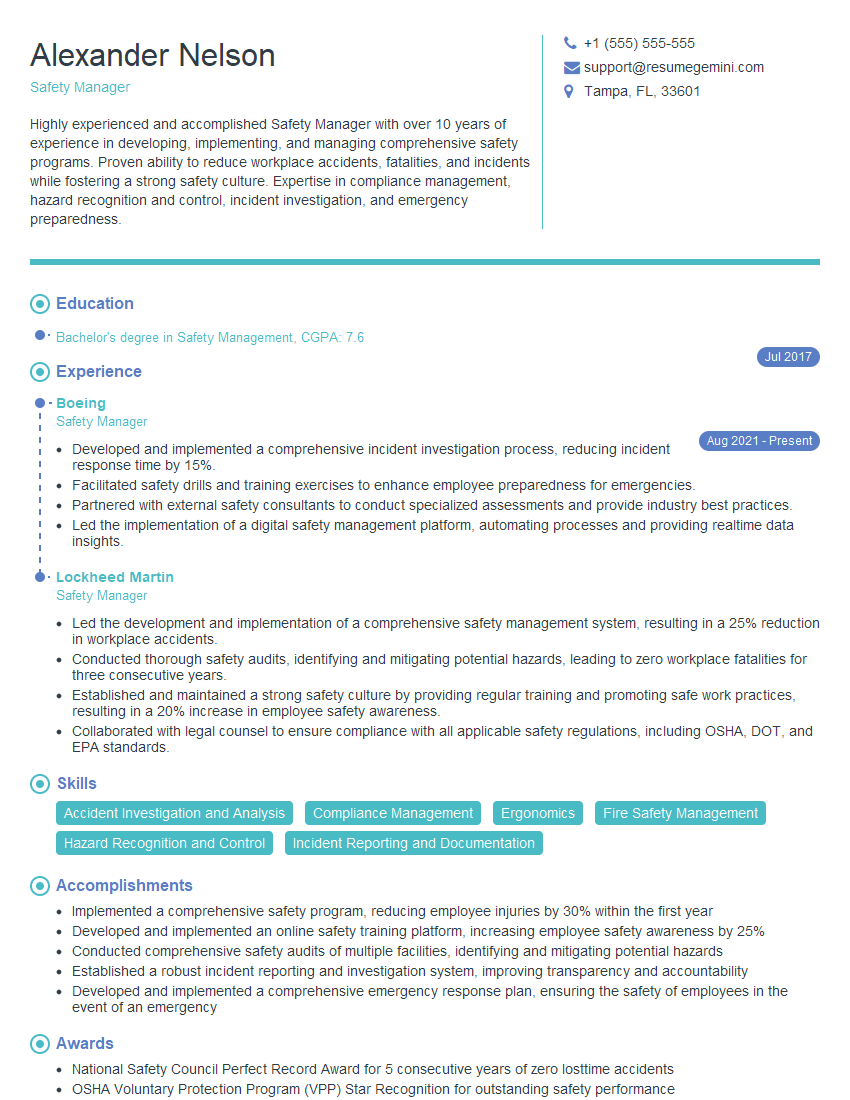
Safety Manager Resume Sample
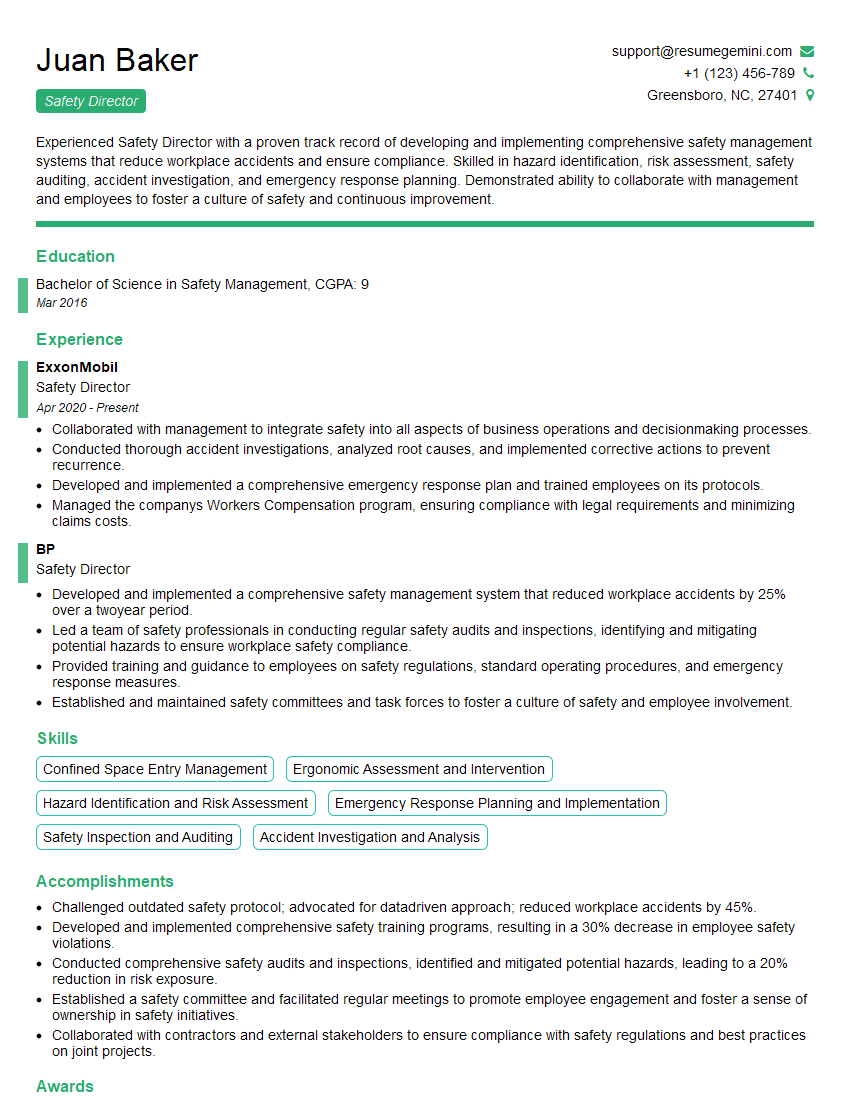
Safety Director Resume Sample
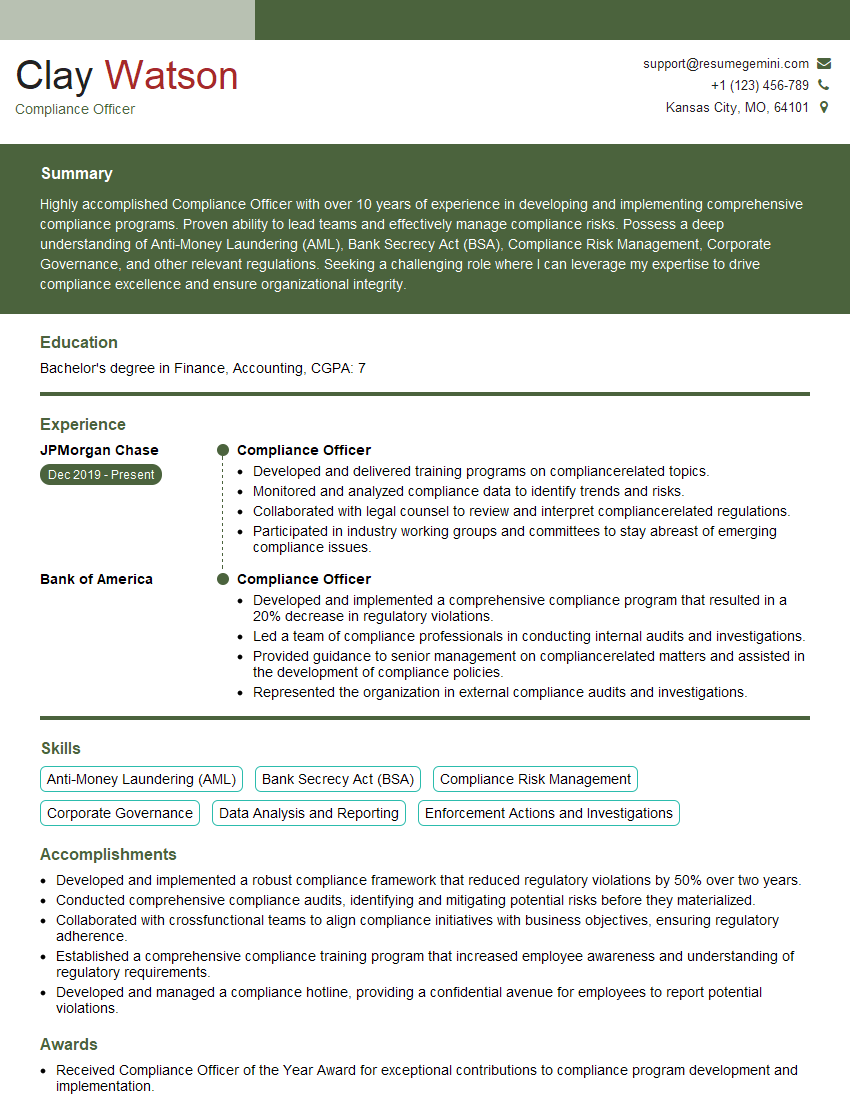
Compliance Officer Resume Sample
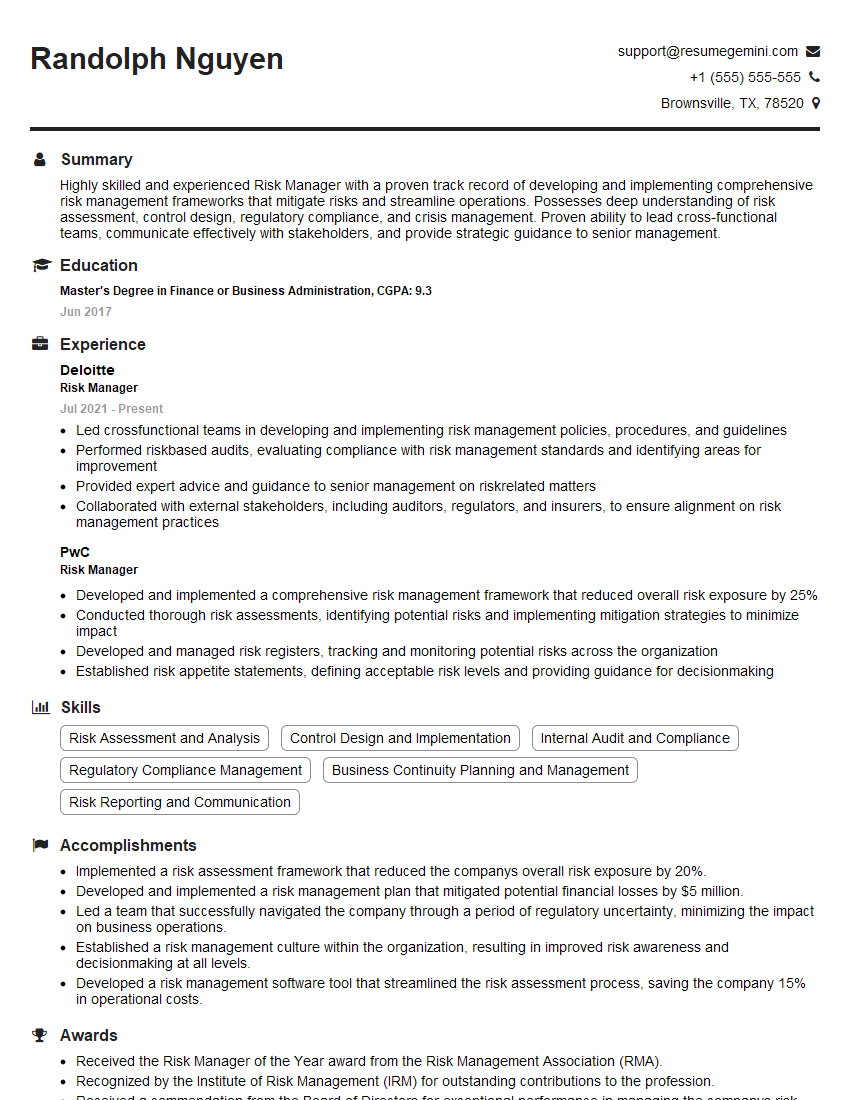
Risk Manager Resume Sample
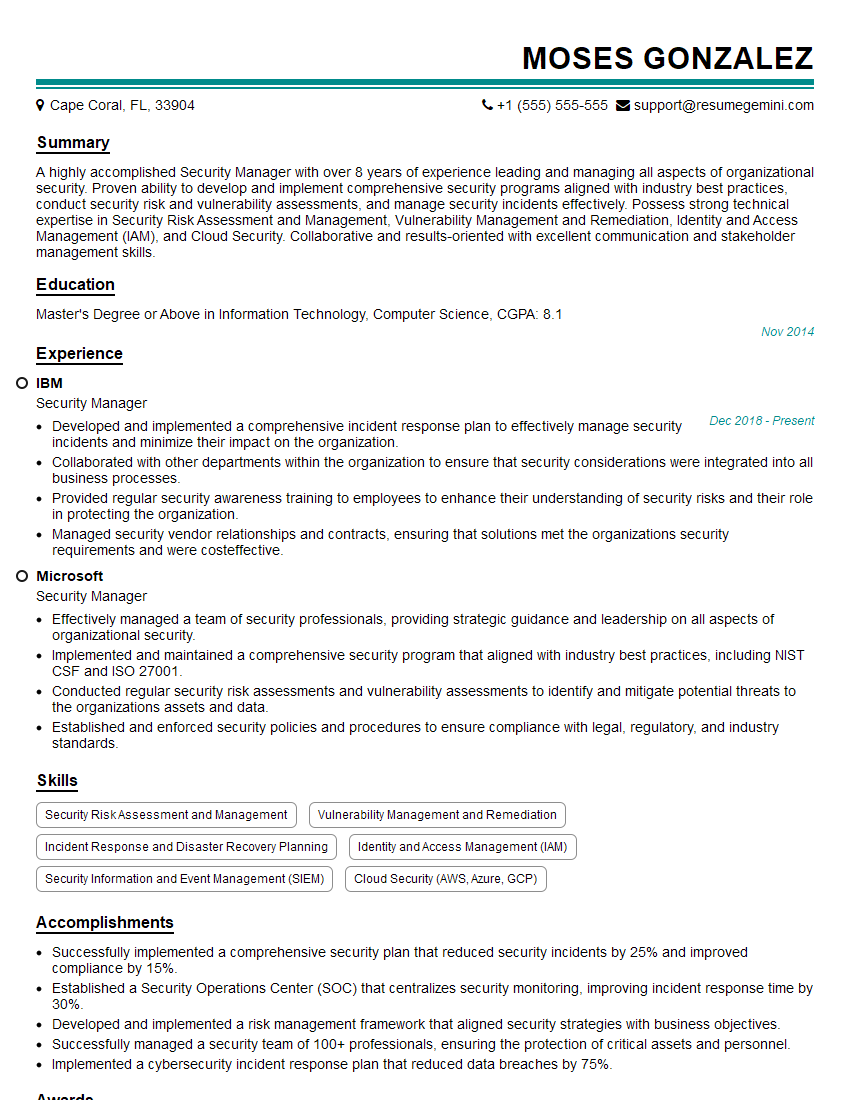
Security Manager Resume Sample
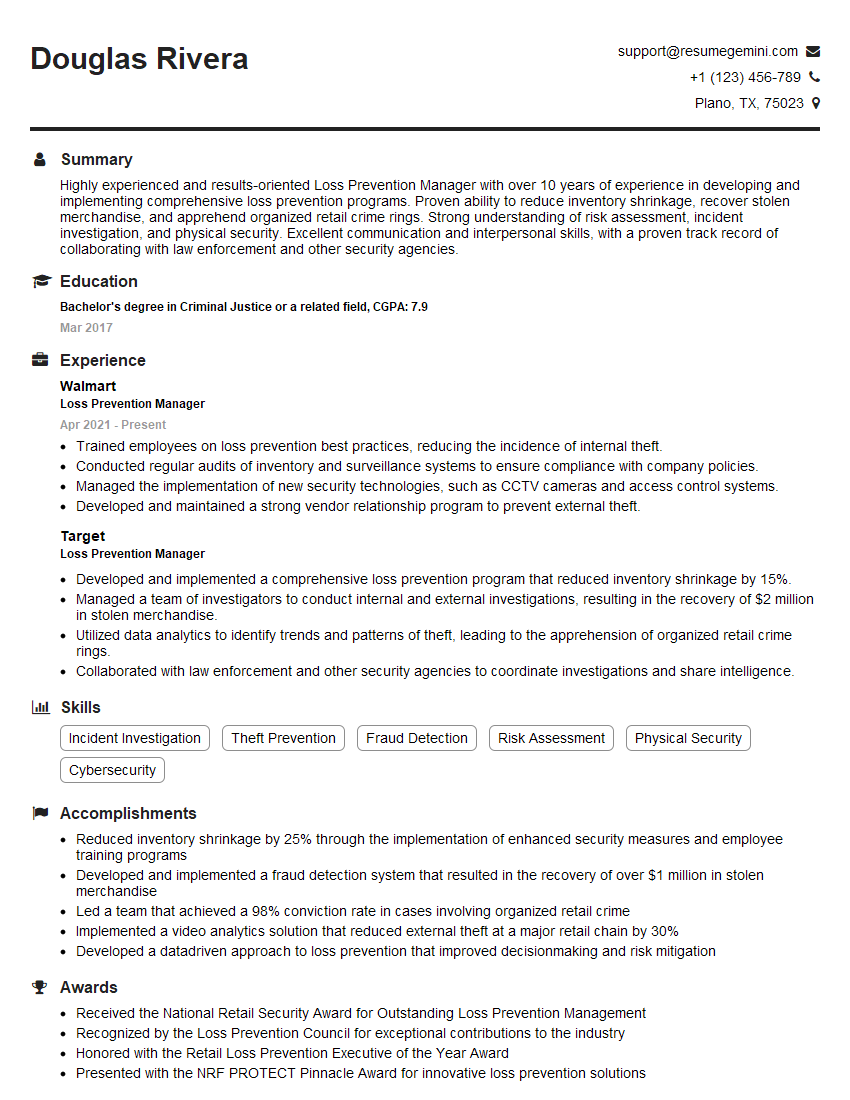
Loss Prevention Manager Resume Sample
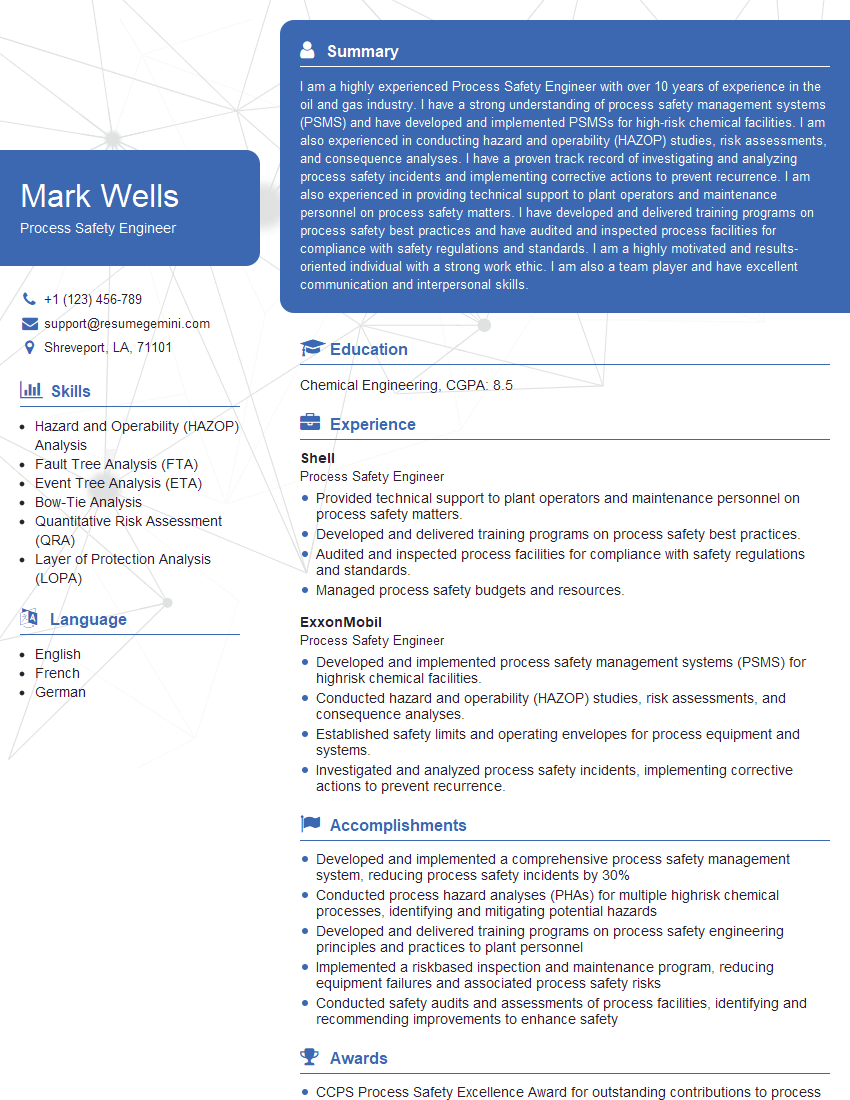
Process Safety Engineer Resume Sample
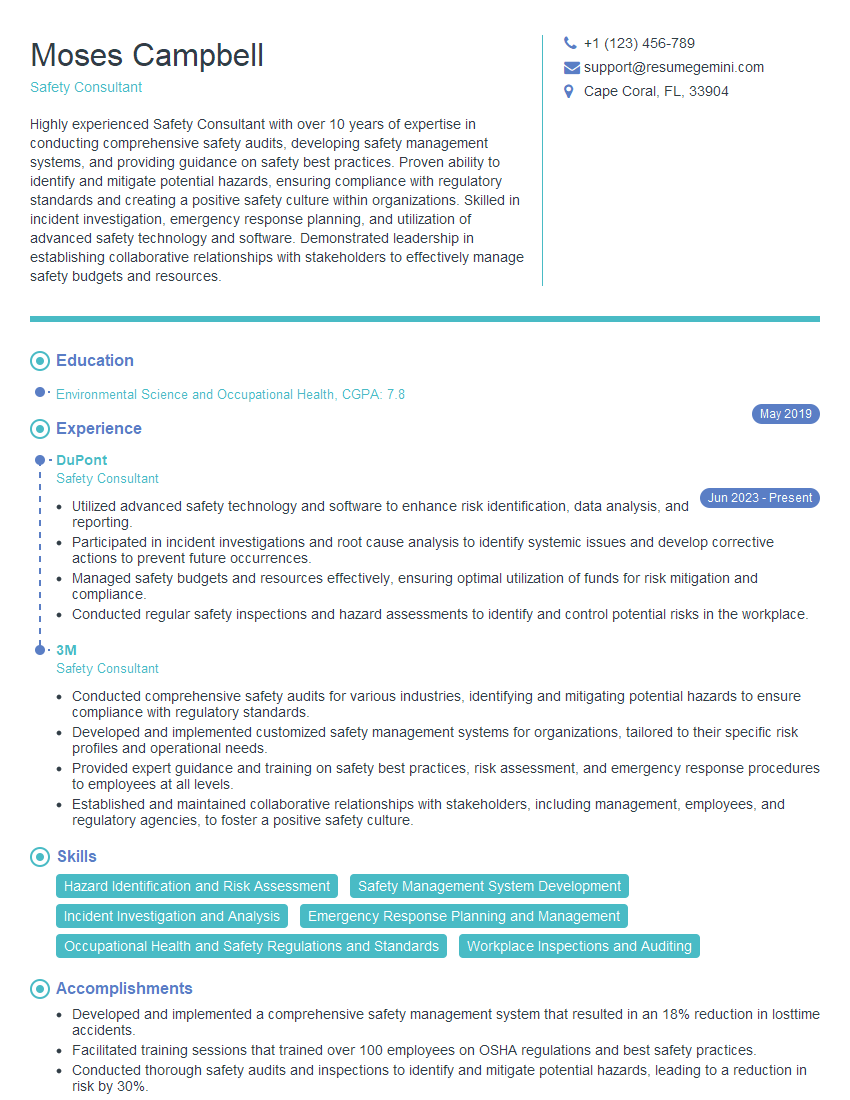
Safety Consultant Resume Sample
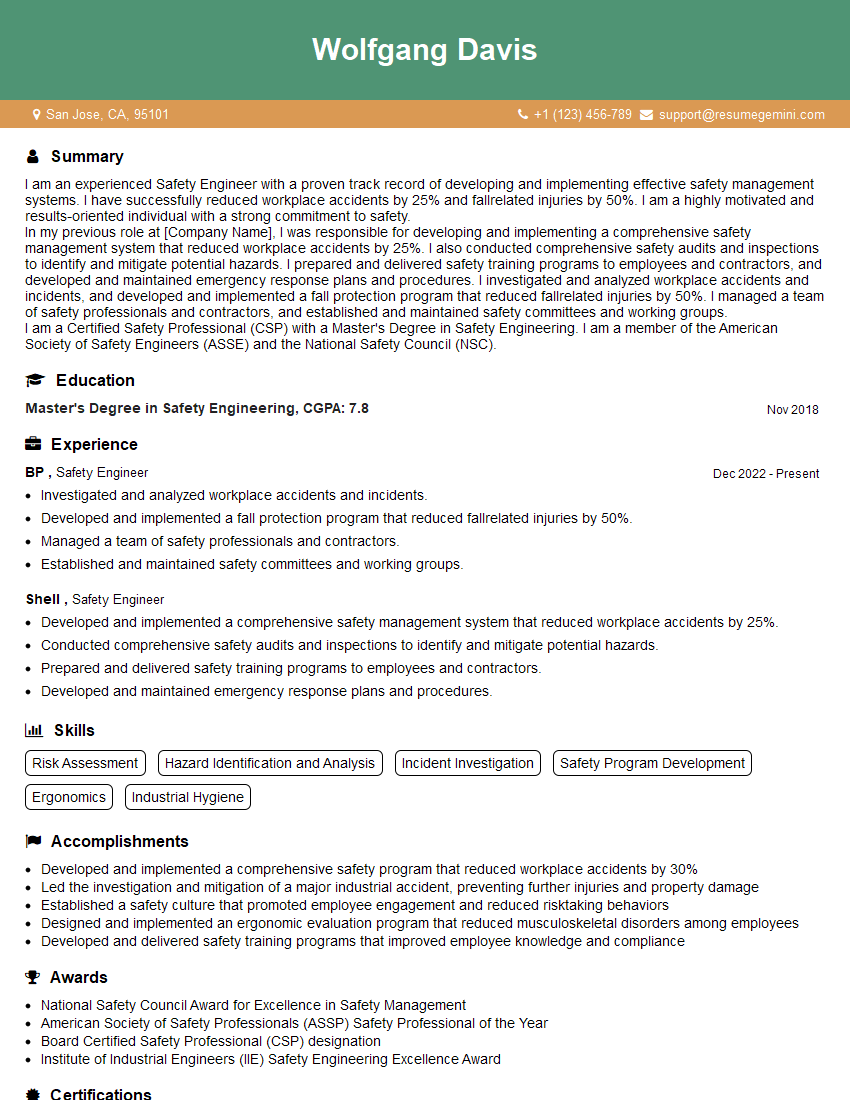
Safety Engineer Resume Sample
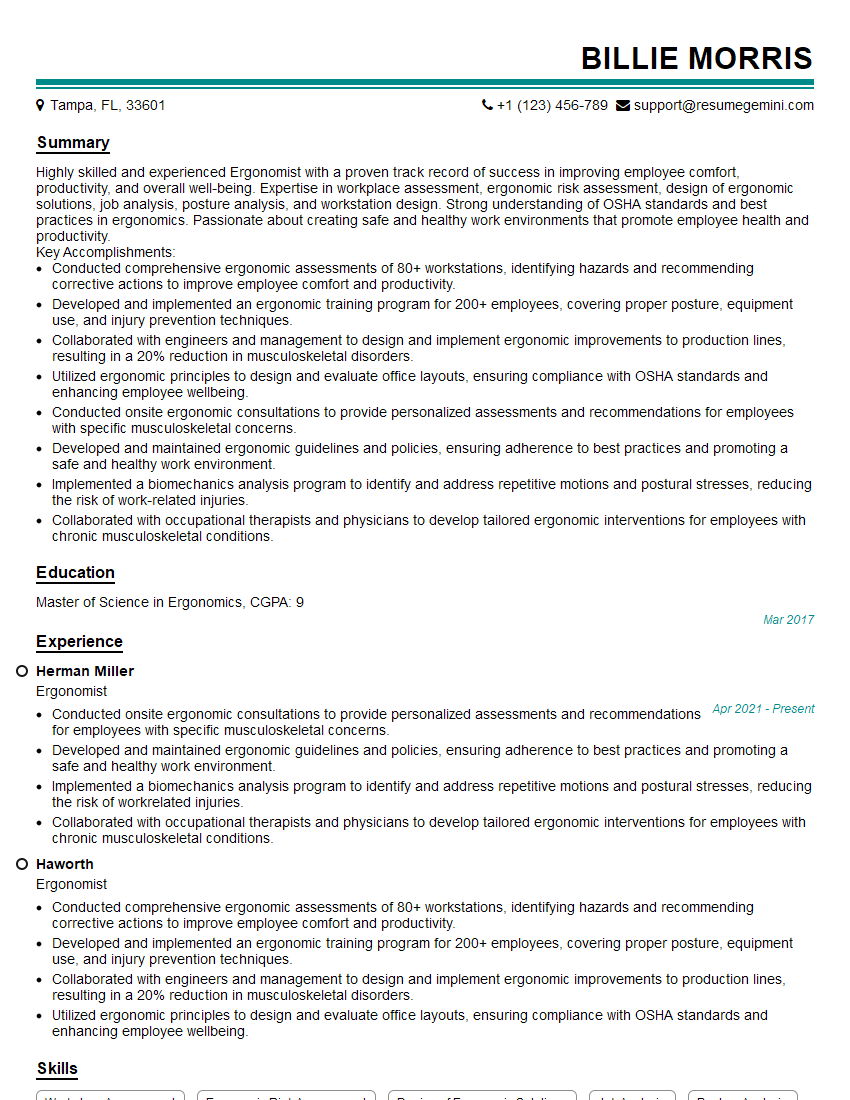
Ergonomist Resume Sample
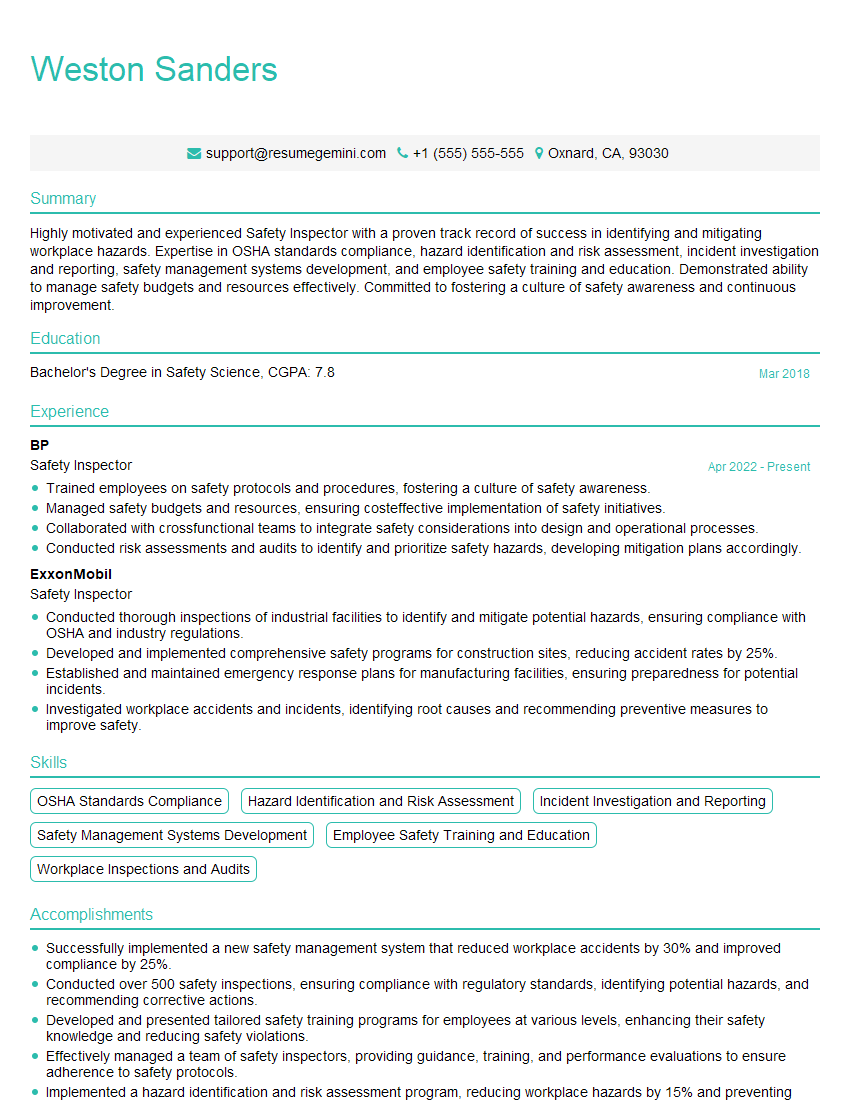
Safety Inspector Resume Sample
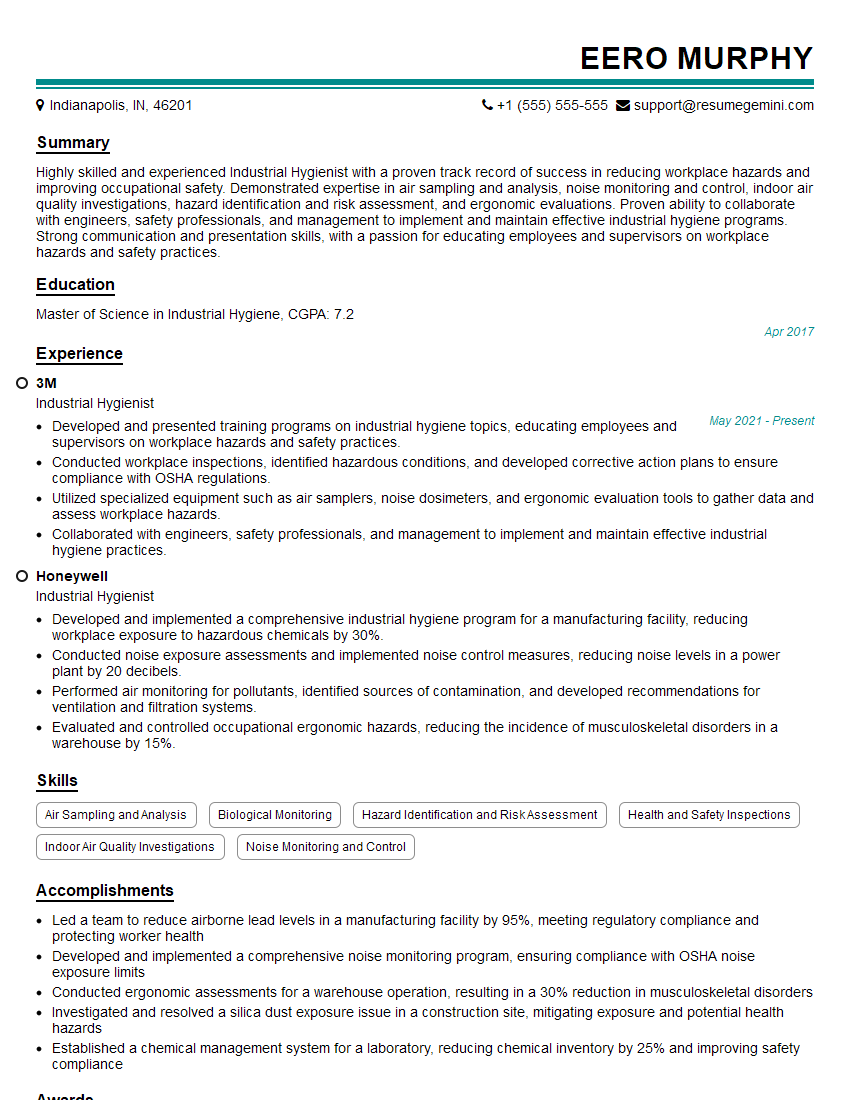
Industrial Hygienist Resume Sample
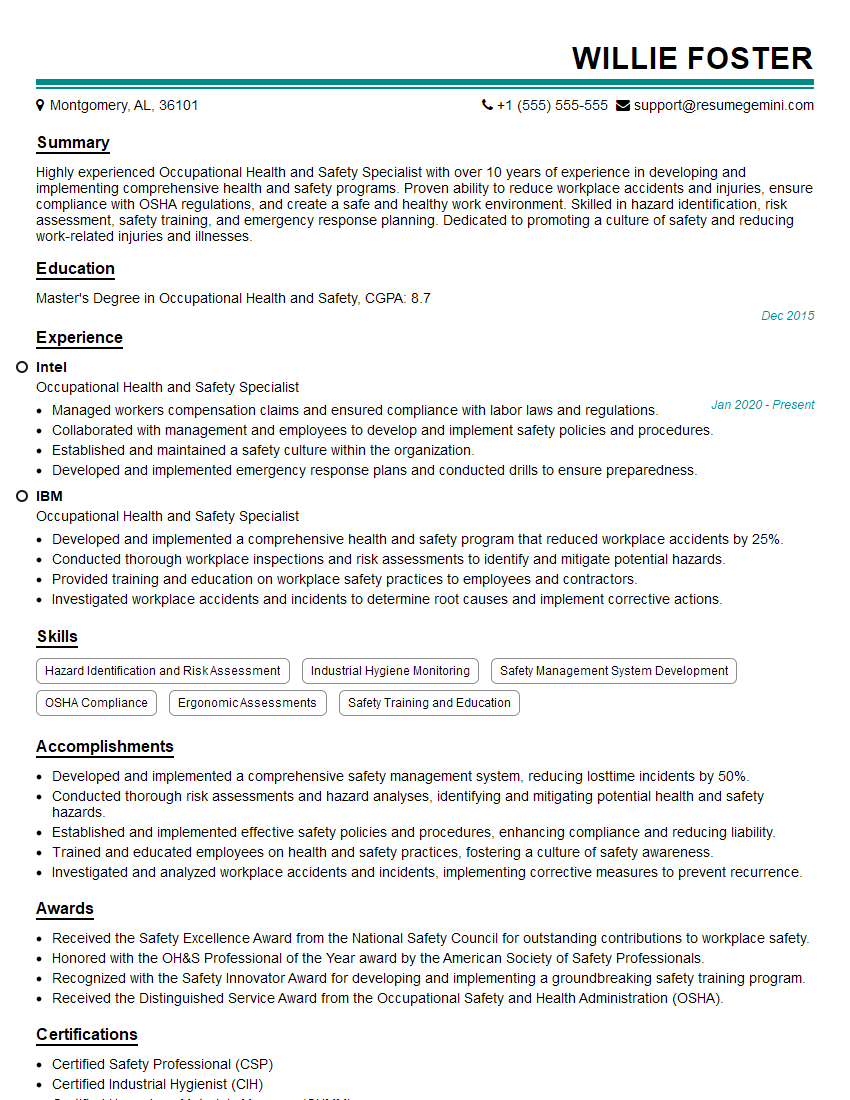
Occupational Health and Safety Specialist Resume Sample
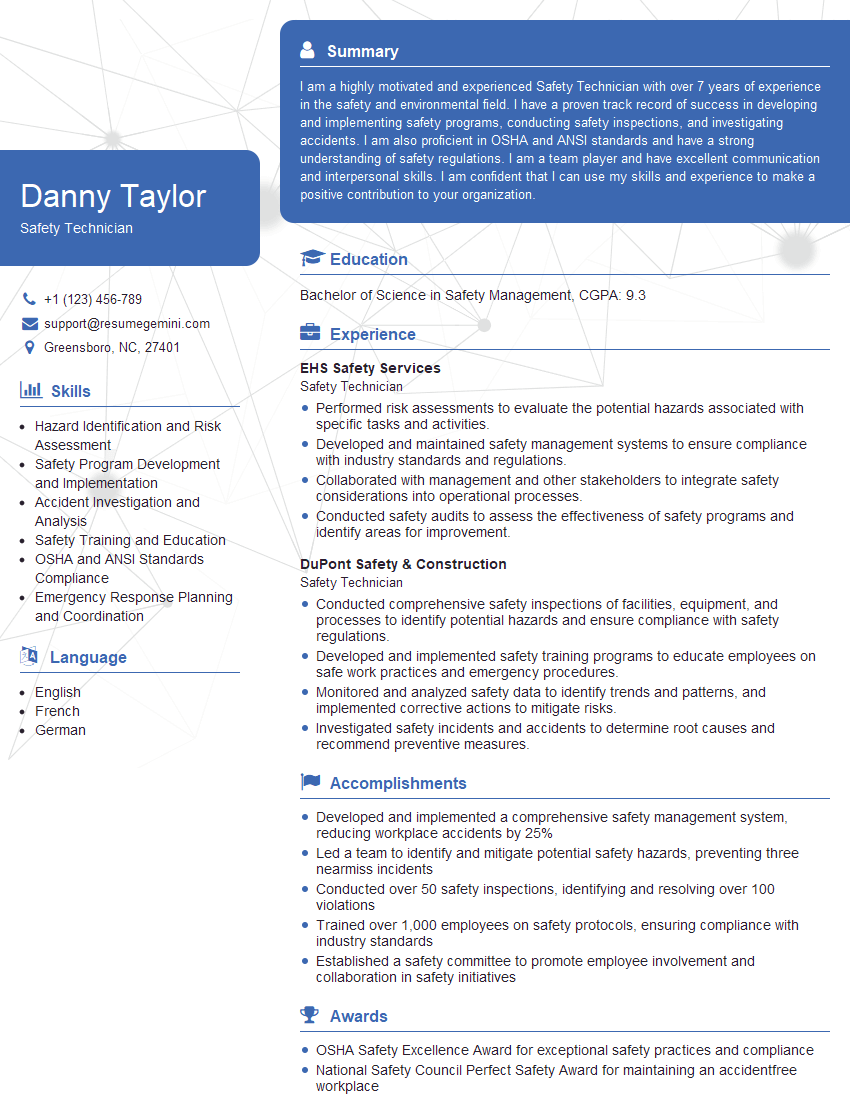
Safety Technician Resume Sample
Explore more articles
Users Rating of Our Blogs
Share Your Experience
We value your feedback! Please rate our content and share your thoughts (optional).
What Readers Say About Our Blog
Really detailed insights and content, thank you for writing this detailed article.
IT gave me an insight and words to use and be able to think of examples