Every successful interview starts with knowing what to expect. In this blog, we’ll take you through the top Sealing and Protection interview questions, breaking them down with expert tips to help you deliver impactful answers. Step into your next interview fully prepared and ready to succeed.
Questions Asked in Sealing and Protection Interview
Q 1. Explain the different types of sealants and their applications.
Sealants are materials used to create a watertight and airtight barrier between two surfaces. They come in a vast array, categorized primarily by their chemical base and application method. Here are some key types:
- Silicone Sealants: Excellent weather resistance, flexibility, and adhesion to various substrates. Commonly used in bathrooms, kitchens, and exterior applications. Think of the caulk around your shower.
- Polyurethane Sealants: High strength, fast curing, and good adhesion. Often used in construction, automotive, and industrial applications where strong bonds are crucial. Imagine sealing cracks in a concrete foundation.
- Acrylic Sealants: Water-based, paintable, and relatively inexpensive. Suitable for interior applications where high durability isn’t paramount. Think of sealing gaps around window frames inside the house.
- Butyl Sealants: Excellent for vibration dampening and sealing against air and moisture. Often used in automotive and construction applications requiring a long lasting flexible seal.
- Polysulfide Sealants: Highly flexible and durable sealants that exhibit excellent resistance to chemicals and UV degradation. Often specified in demanding marine and industrial applications
- Hybrid Sealants: Combine the advantages of different sealant types, offering a blend of properties like high strength and flexibility. This allows for broader applicability.
The choice of sealant depends heavily on the specific application’s requirements, which we’ll discuss further.
Q 2. Describe the factors influencing sealant selection for a specific application.
Selecting the right sealant involves considering several crucial factors:
- Substrate Compatibility: The sealant must adhere well to the materials being joined (e.g., wood, metal, glass, concrete). Poor adhesion leads to failure. For example, using an acrylic sealant on a wet surface will compromise the bond.
- Movement Capability: Structures expand and contract with temperature changes. The sealant needs sufficient elasticity (elongation) to accommodate this movement without cracking. A rigid sealant on a moving joint is a recipe for disaster.
- Environmental Exposure: UV radiation, moisture, temperature extremes, and chemicals can degrade sealants. Choosing a sealant with appropriate resistance is vital for longevity. An exterior sealant needs much higher UV resistance than an interior one.
- Service Temperature Range: The sealant must remain functional within the expected temperature fluctuations. For example, a sealant used in a freezer must remain flexible at very low temperatures.
- Chemical Resistance: If the sealant will be exposed to chemicals (e.g., cleaning agents, fuels), it must be resistant to those chemicals to maintain its integrity.
- Appearance: In some applications, the sealant’s color and finish are important aesthetic considerations.
A thorough assessment of these factors ensures the chosen sealant will perform effectively and last.
Q 3. How do you ensure the proper adhesion of a sealant to a substrate?
Proper adhesion is paramount for sealant longevity. It’s a multi-step process:
- Thorough Surface Preparation: This is arguably the most crucial step. Surfaces must be clean, dry, and free of dust, grease, oil, and loose particles. This often involves cleaning with a suitable solvent and mechanically abrading the surface (e.g., sanding).
- Primer Application (if needed): Some substrates require a primer to improve adhesion. Primers promote chemical bonding between the sealant and the surface. The manufacturer’s instructions should always be followed.
- Correct Sealant Application: The sealant should be applied in a continuous bead, ensuring full contact with the substrate. Too much or too little sealant can compromise the bond. Ensure the sealant is properly tooled (smoothed) to create a consistent and aesthetically pleasing joint.
- Curing Time: Allow sufficient curing time before exposing the sealant to stress or environmental factors. The curing process allows the sealant to reach its full strength and durability. The manufacturer will specify a curing time and further instructions for optimum performance
Failing to follow these steps can lead to poor adhesion, sealant failure, and costly repairs.
Q 4. What are the common failure modes of sealants, and how can they be prevented?
Sealant failure can manifest in several ways:
- Adhesion Failure: The sealant separates from the substrate, often due to poor surface preparation or incompatibility.
- Cohesive Failure: The sealant itself cracks or breaks due to insufficient flexibility, excessive movement, or degradation from environmental factors.
- Shrinkage: The sealant shrinks excessively after application, leaving gaps and compromising the seal.
- Chemical Degradation: Exposure to UV radiation, chemicals, or moisture can degrade the sealant’s properties, leading to cracking, discoloration, and loss of adhesion.
Prevention involves proper sealant selection, meticulous surface preparation, correct application techniques, and consideration of environmental factors. Regular inspection and timely maintenance can also help identify and address potential problems before they become major failures.
Q 5. Explain the importance of surface preparation before sealant application.
Surface preparation is critical for achieving a strong, lasting bond between the sealant and the substrate. Think of it as the foundation of a house – a weak foundation leads to structural problems. Similarly, a poorly prepared surface compromises the sealant’s adhesion and ultimately its performance.
Preparation involves cleaning the surface to remove any contaminants (dust, grease, oil, etc.) that can hinder adhesion. This may involve using solvents, abrasive cleaning pads, or high-pressure water jets. The surface also needs to be dry to allow for proper bonding. In addition, some surfaces may benefit from mechanical abrasion, such as sanding or etching, to create a slightly rough surface that improves the mechanical interlocking between sealant and surface.
Thorough surface preparation ensures the sealant can effectively bond to the substrate, resulting in a long-lasting, watertight seal.
Q 6. Describe the testing methods used to evaluate sealant performance.
Several testing methods assess sealant performance:
- Tensile Strength Test: Measures the sealant’s resistance to being pulled apart.
- Elongation Test: Determines the sealant’s ability to stretch without breaking (important for accommodating movement).
- Adhesion Test: Evaluates the bond strength between the sealant and the substrate.
- Weathering Test: Exposes the sealant to simulated environmental conditions (UV radiation, temperature cycling, moisture) to assess its durability.
- Chemical Resistance Test: Determines the sealant’s resistance to various chemicals.
- Hardness Test: Measures the sealant’s resistance to indentation or scratching.
These tests help determine the sealant’s suitability for specific applications and ensure it meets the required performance standards. Specific test methods are often outlined in industry standards and specifications.
Q 7. What are the environmental considerations for selecting a sealant?
Environmental considerations heavily influence sealant selection. Extreme temperatures, high humidity, prolonged UV exposure, and chemical pollutants can all degrade sealants. For example:
- UV Degradation: Sealants used outdoors need excellent UV resistance to prevent cracking and discoloration. A sealant formulated for exterior use will include UV stabilizers.
- Temperature Extremes: Sealants used in very hot or cold climates must maintain flexibility and adhesion within that temperature range. A sealant that becomes brittle in cold weather will crack and fail.
- Moisture Exposure: Sealants in constantly damp or wet environments need to resist water absorption and degradation. For example, a silicone sealant is well suited for bathroom applications.
- Chemical Exposure: Sealants exposed to chemicals (e.g., cleaning agents, industrial fumes) must exhibit resistance to those chemicals. This often requires a specialized sealant formulation.
Understanding the environmental conditions is crucial to selecting a sealant that can withstand the stresses and maintain its integrity for the intended lifespan.
Q 8. How do you determine the appropriate cure time for a sealant?
Determining the appropriate cure time for a sealant is crucial for ensuring its effectiveness. It’s not a one-size-fits-all answer, but depends on several factors. Think of it like baking a cake – you need the right temperature and time for it to set properly. Similarly, sealants need specific conditions to fully cure.
- Sealant Type: Different sealants (silicone, polyurethane, acrylic, etc.) have vastly different cure times. A manufacturer’s data sheet is your bible here; it will specify the cure time under ideal conditions (temperature and humidity).
- Environmental Conditions: Temperature and humidity significantly impact cure time. Lower temperatures and high humidity generally slow down curing, while higher temperatures and low humidity speed it up. Extreme conditions can even prevent proper curing.
- Joint Design: The depth and width of the joint influence how quickly the sealant cures. Deep joints take longer to cure completely because the sealant needs to cure from the inside out.
- Substrate: The material the sealant is applied to can affect cure time. Porous substrates can absorb solvents from some sealants, potentially affecting the cure.
Practical Application: Imagine sealing a window frame. A polyurethane sealant might require 24 hours to skin over (form a surface film), but a full cure (reaching maximum strength and durability) could take several days, depending on the temperature. Always refer to the manufacturer’s instructions for the specific sealant and conditions.
Q 9. Explain the concept of sealant compatibility.
Sealant compatibility refers to the ability of a sealant to adhere properly to the substrates (materials) it’s applied to, and to remain chemically stable in contact with those materials. Incompatible sealants can lead to failure – think of it like trying to mix oil and water; they don’t blend and often repel each other.
- Substrate Compatibility: A sealant must be compatible with both surfaces it’s joining. For example, a sealant designed for use with glass might not adhere well to certain plastics or metals. Check the manufacturer’s data sheet for a list of compatible substrates.
- Chemical Compatibility: Some sealants react negatively with other substances. For instance, using a sealant containing isocyanates near acidic materials could compromise the sealant’s properties. This can also occur when two different sealants are used in close proximity.
- Primer Use: Sometimes a primer is needed to ensure compatibility, especially when sealing materials with low surface energy (like plastics). Primers help the sealant adhere properly by creating a better bonding surface.
Example: Using a silicone sealant on a painted surface that isn’t compatible could result in the sealant peeling off over time.
Q 10. Describe the different methods for applying sealants.
Sealant application methods vary depending on the sealant type, the joint design, and the desired outcome. Just like a painter needs different brushes for different tasks, we use various tools for sealant application.
- Manual Gun Application: This is a common method for caulks and sealants that come in cartridges. A caulking gun applies consistent pressure for even bead distribution.
- Automated Dispensing Systems: For large-scale projects or specialized applications, automated systems provide precise and consistent sealant application.
- Brush Application: Some sealants, particularly liquid sealants, can be applied with a brush for better control in smaller areas or intricate details.
- Pouring/Flooding: For larger areas or crack filling, pouring the sealant directly into the void might be the most efficient method.
- Spray Application: Specialized spray equipment is used for large surface applications, providing an even coat across a large area.
Choosing the right method is critical for a successful seal. For instance, brush application might be ideal for intricate window details, while a caulking gun is efficient for larger gaps.
Q 11. How do you troubleshoot sealant application issues?
Troubleshooting sealant application issues requires a systematic approach. Think of it like a detective solving a mystery – you need to gather clues and analyze the situation.
- Poor Adhesion: If the sealant is peeling or separating from the substrate, check for compatibility issues, surface cleanliness, and proper surface preparation (cleaning, priming).
- Uneven Bead: This often indicates improper gun pressure or technique. Consistent pressure and a smooth, even application are key.
- Sagging or slumping: This points to using a sealant that’s too thin, excessive application, or application in a location where gravity is a factor (vertical surfaces).
- Incomplete Cure: If the sealant remains sticky or soft, it might not have had enough time to cure or the environmental conditions were unfavorable. Check the manufacturer’s instructions and environmental factors (temperature, humidity).
Step-by-Step Troubleshooting: 1. Identify the problem. 2. Examine the sealant, substrate, and application method. 3. Consult the manufacturer’s data sheet. 4. If necessary, remove the faulty sealant and reapply, following best practices.
Q 12. What are the safety precautions associated with sealant handling and application?
Safety is paramount when handling and applying sealants. Many contain chemicals that can be harmful if mishandled. It’s crucial to treat sealants with the same care as other hazardous materials.
- Personal Protective Equipment (PPE): Always wear appropriate PPE, including gloves (nitrile or neoprene are good choices), safety glasses, and a respirator (if the sealant emits fumes or dust). Appropriate clothing should also be worn to prevent skin contact.
- Ventilation: Work in a well-ventilated area to prevent inhalation of fumes. If working indoors, ensure adequate ventilation or use respirators designed for specific sealant fumes.
- Skin Contact: Avoid skin contact. Wash immediately with soap and water if contact occurs. Consult a physician if irritation persists.
- Fire Hazard: Some sealants are flammable. Keep away from open flames and sparks. Check the manufacturer’s data sheet for fire hazards and appropriate storage.
- Waste Disposal: Dispose of sealant containers and waste according to local regulations. Never pour sealant down the drain or into the environment.
Remember, safety is not optional; it’s essential to prevent injury and environmental damage.
Q 13. Explain the concept of corrosion protection and its importance.
Corrosion protection is the process of preventing or slowing down the deterioration of materials due to chemical or electrochemical reactions, primarily with their environment. Think of rust on a car – that’s corrosion. Corrosion protection is crucial for maintaining the structural integrity, functionality, and lifespan of various components.
Importance: Corrosion can lead to significant economic losses due to equipment failure, repairs, and replacements. In critical infrastructure (bridges, pipelines, etc.), corrosion can pose safety risks. In addition, corrosion can lead to environmental contamination due to material breakdown.
Example: Corrosion of a steel pipeline can lead to leaks and environmental damage, potentially costing millions in repairs and environmental remediation.
Q 14. Describe different methods of corrosion prevention.
Corrosion prevention employs various strategies, and the best method depends on the material, environment, and application. Imagine a doctor choosing a treatment based on the patient’s specific condition – that’s the same approach here.
- Coatings: Applying protective coatings (paints, sealants, polymers) creates a barrier between the material and the environment, preventing corrosive agents from reaching the surface. This is analogous to putting sunscreen on your skin to protect it from the sun.
- Protective Layers: Utilizing materials less susceptible to corrosion as a protective layer. For instance, galvanizing steel with zinc provides a sacrificial anode to protect the underlying steel from corrosion.
- Corrosion Inhibitors: Adding chemicals (inhibitors) to the environment to slow down corrosion reactions. These chemicals react preferentially with the corrosive agents or form a protective film on the material.
- Cathodic Protection: Applying an electric current to reverse the corrosion process. This method is often used for large structures like pipelines and ships, essentially making the structure the cathode in an electrochemical cell.
- Material Selection: Choosing materials inherently resistant to corrosion for the specific application. For instance, using stainless steel instead of carbon steel in a corrosive environment.
- Design Considerations: Designing structures to minimize exposure to corrosive elements and prevent the buildup of moisture or contaminants.
Often, a combination of methods is used to provide optimal corrosion protection. Selecting the appropriate method requires careful consideration of all factors.
Q 15. What are the common causes of corrosion?
Corrosion is the deterioration of a material, usually a metal, due to a chemical reaction with its environment. Think of it like rust on a car – it’s a gradual process that weakens the material. The most common cause is exposure to oxygen and moisture, but many other factors contribute.
- Electrochemical Corrosion: This is the most prevalent type, occurring when different metals are in contact in the presence of an electrolyte (like saltwater). The more active metal loses electrons, corroding, while the less active metal gains electrons, protecting itself. This is similar to a battery, where a chemical reaction produces electricity.
- Chemical Corrosion: This involves direct chemical attack on a material without electron transfer. A good example is the reaction of metals with strong acids or bases. Imagine dropping a steel bolt into battery acid; it will quickly corrode.
- Environmental Factors: Temperature, humidity, and the presence of corrosive substances in the air or soil greatly influence corrosion rates. Coastal areas, for example, experience much higher corrosion rates due to salt spray.
- Microbiological Corrosion: Certain bacteria and fungi can accelerate corrosion by producing corrosive byproducts or creating conditions favorable for corrosion reactions. Think of the damage caused by microbes in underground pipelines.
Understanding these causes is crucial for implementing effective corrosion protection strategies.
Career Expert Tips:
- Ace those interviews! Prepare effectively by reviewing the Top 50 Most Common Interview Questions on ResumeGemini.
- Navigate your job search with confidence! Explore a wide range of Career Tips on ResumeGemini. Learn about common challenges and recommendations to overcome them.
- Craft the perfect resume! Master the Art of Resume Writing with ResumeGemini’s guide. Showcase your unique qualifications and achievements effectively.
- Don’t miss out on holiday savings! Build your dream resume with ResumeGemini’s ATS optimized templates.
Q 16. How do you assess the effectiveness of corrosion protection measures?
Assessing the effectiveness of corrosion protection is a multi-faceted process involving both visual inspection and quantitative measurements. It’s like checking your car’s health regularly – a mix of visual checks and data analysis.
- Visual Inspection: This involves regularly checking for signs of rust, pitting, scaling, or discoloration. A simple visual check can often reveal whether your protection strategy is working.
- Weight Loss Measurements: This involves weighing a protected sample before and after exposure to a corrosive environment. A significant weight loss indicates corrosion is occurring.
- Thickness Measurements: Using specialized tools like ultrasonic thickness gauges, we can measure the remaining thickness of a material and determine any loss due to corrosion. This is particularly useful for pipes and other components where thickness is critical.
- Electrochemical Measurements: Techniques like potentiodynamic polarization and electrochemical impedance spectroscopy can measure the corrosion rate and the effectiveness of the protective layer in resisting corrosion. These measurements provide detailed insights into corrosion mechanisms.
- Non-Destructive Testing (NDT): Methods such as X-ray radiography, magnetic particle inspection, and dye penetrant testing can detect hidden corrosion within components without damaging them.
The chosen method depends on the specific application and the type of protection used. A combination of these methods often provides the most comprehensive assessment.
Q 17. Explain the principles of barrier protection.
Barrier protection works on a simple principle: it creates a physical barrier between the metal and the corrosive environment, preventing contact and thus preventing corrosion. Think of it as putting a raincoat on yourself to stay dry in the rain.
The effectiveness of barrier protection relies on the integrity of the barrier. Any cracks, pinholes, or imperfections in the barrier will compromise its protective ability, allowing the corrosive agent to reach the metal surface. Therefore, careful selection of the barrier material and meticulous application are crucial. This is particularly important in harsh conditions where the barrier may be exposed to significant mechanical stress or chemical attack.
Examples of barrier protection methods include painting, coatings, plating, and the use of protective films. Each method provides a different level of protection based on the material and the method of application.
Q 18. Describe different types of protective coatings.
Protective coatings are materials applied to surfaces to prevent or reduce corrosion. There’s a wide variety, each with specific characteristics and applications. Think of them like different types of sunscreen – some are better for certain skin types and conditions.
- Organic Coatings: These include paints, varnishes, lacquers, and epoxy coatings. They are commonly used due to their ease of application and relatively low cost. They provide good protection in many environments but may not be suitable for extremely harsh conditions.
- Inorganic Coatings: These are typically applied using processes like electroplating, hot-dipping (galvanizing), or thermal spraying. Examples include zinc coatings (galvanizing), chrome plating, and ceramic coatings. They offer superior corrosion resistance compared to organic coatings but are often more expensive and more difficult to apply.
- Metallic Coatings: These coatings use metallic layers to protect the substrate. Zinc, aluminum, and nickel are frequently used. They act as sacrificial anodes, protecting the base metal by corroding themselves preferentially.
- Conversion Coatings: These involve chemical treatments that alter the surface of the metal to create a protective layer. Examples include chromating and phosphating. They improve corrosion resistance and provide a good base for further coatings.
Q 19. What are the factors to consider when choosing a protective coating?
Choosing the right protective coating involves careful consideration of several factors, as it’s like choosing the right tool for a job. A hammer is no good for fixing a pipe.
- Environment: The severity of the environment (humidity, temperature, presence of chemicals) significantly impacts the choice of coating. A coating suitable for indoor use may fail quickly outdoors.
- Substrate Material: Different coatings adhere better to certain materials. A coating that works well on steel may not perform as well on aluminum.
- Required Coating Properties: Consider factors such as the required thickness, durability, appearance, and chemical resistance. The coating needs to meet the specific performance requirements of the application.
- Cost: Coatings range widely in price. Balancing cost with performance is crucial. Sometimes, a slightly more expensive but longer-lasting coating can save money in the long run.
- Application Method: Consider the ease and practicality of applying the coating, the required equipment, and the available skilled labor. Some coatings need specialized application techniques.
Q 20. How do you ensure the proper application of protective coatings?
Proper application is paramount for effective corrosion protection. It’s like baking a cake – if you don’t follow the recipe, you won’t get a good result.
- Surface Preparation: This is critical. The surface must be clean, dry, and free of contaminants to ensure good adhesion. Techniques like blasting, grinding, and chemical cleaning are often used.
- Coating Application: The coating must be applied according to the manufacturer’s instructions, paying attention to the specified thickness, number of coats, and drying times. Techniques include brushing, spraying, dipping, and electrostatic application.
- Quality Control: Regular inspections during and after application are essential to ensure the coating is applied correctly and meets the required standards. This includes verifying the thickness, inspecting for defects, and confirming proper adhesion.
- Curing: Many coatings require a curing period to fully harden and develop their protective properties. This period should be carefully controlled to ensure optimal performance.
Proper application procedures are essential to prevent defects, ensure long-term performance, and maximize the return on investment.
Q 21. Explain the importance of surface preparation for protective coatings.
Surface preparation is the most critical step in applying protective coatings. A poor surface preparation will result in a poor coating adhesion and early coating failure, similar to trying to paint a wall with dirt and dust on it. The quality of the final protective layer directly depends on the quality of the surface preparation.
Surface preparation aims to remove all contaminants such as rust, scale, mill scale, dirt, grease, and other impurities that could prevent proper adhesion of the coating. This is achieved through a range of methods such as:
- Abrasive Blasting: This is a highly effective technique that removes contaminants using high-velocity abrasive particles. It’s effective but can also damage the substrate if not done correctly.
- Grinding and Machining: Mechanical methods that remove surface contaminants and create a profile to improve coating adhesion.
- Chemical Cleaning: This utilizes solvents, acids, or alkaline solutions to remove contaminants from the surface.
- Flame Cleaning: This involves using a high-temperature flame to burn off contaminants, but it needs to be carefully controlled to avoid substrate damage.
The specific method chosen depends on the nature of the contaminant, the substrate material, and the type of protective coating to be applied. Proper surface preparation ensures a durable, long-lasting protective coating, maximizing its effectiveness and longevity.
Q 22. Describe the testing methods used to evaluate protective coating performance.
Evaluating protective coating performance requires a multifaceted approach using various testing methods, each designed to assess a specific aspect of the coating’s properties. These tests can be broadly categorized into those assessing the coating’s physical properties, its chemical resistance, and its long-term durability.
Physical Properties: These tests measure aspects like adhesion (pull-off or cross-hatch adhesion tests), thickness (wet film and dry film thickness measurements using gauges), hardness (using methods like pencil hardness or durometer testing), and flexibility (bend tests). For example, a pull-off adhesion test measures the force required to detach the coating from the substrate, indicating the strength of the bond. A low pull-off strength suggests poor adhesion and potential coating failure.
Chemical Resistance: This involves exposing the coating to various chemicals, such as acids, alkalis, solvents, and salts, for specified durations. Visual inspection and measurements (e.g., weight loss) are used to evaluate the degree of chemical attack. This is crucial in applications involving exposure to harsh environments, like chemical plants or marine settings. For instance, a coating designed for a chemical tank must withstand prolonged exposure to the specific chemicals stored within.
Long-Term Durability: Accelerated weathering tests simulate years of natural weathering in a short period. These involve exposure to UV radiation, temperature cycling, and moisture. Examples include QUV testing (using UV light and moisture) and salt spray testing (simulating coastal environments). These tests help predict the coating’s lifespan and resistance to degradation over time.
Other Tests: Depending on the application, additional tests may be needed, such as impact resistance, abrasion resistance, and permeability to water vapor. For instance, a coating for a bridge deck would require excellent abrasion resistance to withstand traffic and de-icing salt.
The choice of testing methods depends on the specific requirements of the application and the type of coating used. A comprehensive testing program ensures the selected coating meets the project’s performance criteria and provides the necessary protection.
Q 23. How do you handle incompatible materials in a sealing or protection application?
Incompatible materials in sealing or protection applications can lead to premature failure of the sealant or coating, compromising the intended protection. Handling this requires careful planning and execution.
Material Compatibility Testing: Before application, compatibility testing is crucial. This involves testing the interaction between the sealant/coating and the substrate material, as well as any other materials that might come into contact (e.g., adjacent coatings, chemicals). This testing could involve immersion tests, chemical resistance tests, or adhesion tests.
Surface Preparation: Proper surface preparation is paramount. This may involve cleaning, degreasing, priming, and/or abrasive blasting to remove contaminants and create a suitable surface profile for optimal adhesion. A contaminated or improperly prepared surface can significantly reduce the effectiveness of the sealant or coating.
Primer Selection: If compatibility issues exist, using a suitable primer can bridge the gap between incompatible materials. The primer acts as an intermediary layer, improving adhesion and preventing chemical reactions between the substrate and the topcoat.
Barrier Layers: In some cases, a barrier layer (e.g., a chemically inert material) can be used to isolate incompatible materials. This prevents direct contact and minimizes the risk of negative interactions.
Material Selection: Selecting compatible materials from the outset is the best approach. Consult material data sheets (MSDS) and manufacturer recommendations to ensure compatibility.
For example, I once encountered incompatibility issues between an epoxy coating and a previously applied polyurethane coating on a steel structure. After thorough testing, we found a suitable epoxy primer that resolved the adhesion problems and allowed for a successful and durable coating system.
Q 24. Explain your experience with different types of sealing equipment.
My experience encompasses a wide range of sealing and coating equipment, each suited to different applications and material types. This includes:
Spray Equipment: Airless sprayers, air sprayers, and HVLP (high-volume, low-pressure) sprayers are used for applying coatings efficiently over large areas. The choice depends on the viscosity and type of coating, and the desired finish. Airless sprayers are commonly used for high-viscosity coatings, while HVLP sprayers are preferred for finer finishes and reduced overspray.
Brush and Roller Application: These methods are suitable for smaller areas and detailed work, offering greater control over application. However, they are more labor-intensive and can be less efficient for large projects.
Trowel Application: Used for applying thick coatings like cementitious sealants or mastics, trowel application ensures even distribution and fills gaps effectively.
Automated Equipment: For high-volume production or large-scale projects, automated coating systems, such as robotic sprayers or automated dipping systems, increase efficiency and consistency.
My experience includes selecting the right equipment for the job based on factors such as coating type, surface area, required finish, environmental conditions, and budget. Proper equipment maintenance and operator training are crucial to ensure consistent quality and safety.
Q 25. Describe your experience with Quality Control and Assurance in a sealing application.
Quality control and assurance (QA/QC) are integral to any sealing and protection project to ensure the work meets the specified standards and provides the desired level of protection. My experience involves implementing and overseeing QA/QC procedures throughout the project lifecycle.
Material Inspection: Before application, materials are inspected to verify their identity, quality, and compliance with specifications. This includes checking for proper labeling, expiration dates, and physical properties.
Surface Preparation Inspection: The quality of surface preparation is meticulously inspected to ensure it meets the requirements for optimal adhesion. This may involve visual inspection, profile measurements, and cleanliness testing.
Application Inspection: During the application process, regular inspections are conducted to monitor the coating thickness, application method, and any defects. This often involves using specialized measuring instruments and visual checks.
Testing and Inspection: After application, various tests are performed to verify the coating’s performance characteristics, as discussed earlier. This ensures that the coating meets the specified criteria for adhesion, thickness, chemical resistance, and durability.
Documentation: Comprehensive documentation of all inspection and testing activities is maintained to provide a complete audit trail of the project. This includes recording any non-conformances and the actions taken to correct them.
For instance, on a recent project involving the application of a protective coating to a large steel tank, regular inspections and testing ensured the coating’s uniformity, thickness, and adhesion met the stringent requirements of the client and applicable industry standards.
Q 26. How do you manage projects within budget and deadlines in a sealing project?
Managing sealing projects within budget and deadlines requires meticulous planning, efficient resource allocation, and proactive problem-solving. My approach involves:
Detailed Project Planning: A comprehensive project plan is developed, outlining the scope of work, schedule, budget, and resource requirements. This plan includes contingency planning to address potential delays or cost overruns.
Resource Allocation: Resources (materials, equipment, personnel) are carefully allocated to optimize efficiency and minimize waste. This often involves negotiating favorable pricing with suppliers and scheduling work to avoid unnecessary delays.
Regular Monitoring and Reporting: The project’s progress is closely monitored, and regular reports are generated to track progress against the plan and identify any potential issues early on. This allows for proactive adjustments to the schedule or budget as needed.
Risk Management: Potential risks and challenges are identified and assessed, and mitigation strategies are developed to minimize their impact on the project’s timeline and budget. This might involve contingency planning for weather delays or material shortages.
Communication: Open and consistent communication is maintained with the client, subcontractors, and team members to ensure everyone is informed of the project’s progress, potential issues, and necessary changes.
For example, on a project involving the sealing of a large number of underground utility pipes, careful planning and resource allocation allowed us to complete the project within the allocated budget and deadline, despite encountering unexpected ground conditions in some areas.
Q 27. Describe your experience with regulatory compliance related to sealants and protective coatings.
Regulatory compliance is paramount in the sealing and protection industry, as sealants and protective coatings are often subject to strict environmental, health, and safety regulations. My experience includes ensuring compliance with various regulations.
Material Safety Data Sheets (MSDS): I ensure that all materials used comply with relevant safety regulations and that MSDS sheets are readily available and understood by all personnel involved. These sheets provide critical information about the hazards associated with the materials and the necessary safety precautions.
Environmental Regulations: I am familiar with environmental regulations related to the disposal of hazardous waste materials. Proper disposal procedures are followed to minimize environmental impact. This often involves using licensed waste disposal companies and maintaining proper documentation.
Occupational Safety and Health Administration (OSHA) Standards: I ensure compliance with OSHA standards regarding personal protective equipment (PPE), safe work practices, and hazard communication. Proper training and supervision are provided to ensure worker safety.
Industry Standards: I am familiar with industry-specific standards and specifications, such as those published by ASTM International or SSPC (The Society for Protective Coatings). These standards guide material selection, application methods, and quality control procedures.
Permitting and Approvals: When required, I assist with obtaining necessary permits and approvals from regulatory authorities before commencing work. This ensures compliance with local, regional, and national regulations.
My experience includes navigating the complexities of VOC (volatile organic compound) regulations and selecting low-VOC materials to minimize environmental impact and meet regulatory requirements.
Q 28. Explain your experience in troubleshooting and resolving sealing and protection issues in the field.
Troubleshooting and resolving sealing and protection issues in the field require a systematic approach, combining practical experience with diagnostic skills. My experience involves:
Visual Inspection: A thorough visual inspection is the first step, identifying the nature and extent of the problem. This might involve looking for signs of coating failure, such as blistering, cracking, peeling, or discoloration.
Data Analysis: Reviewing relevant data, such as project specifications, material data sheets, application records, and environmental conditions, can often provide clues about the cause of the problem.
Testing: Further testing might be needed to determine the root cause. This could include adhesion testing, thickness measurements, or chemical analysis.
Root Cause Analysis: Once the cause of the problem has been identified, a root cause analysis is performed to determine the underlying factors that contributed to the failure. This can involve examining the project planning, material selection, surface preparation, and application methods.
Corrective Actions: Based on the root cause analysis, appropriate corrective actions are developed and implemented to resolve the problem and prevent future occurrences. This might involve repairing the damaged areas, replacing defective materials, or modifying the application process.
For example, I once encountered a case of premature coating failure on a marine structure due to improper surface preparation. After thorough investigation, we identified the presence of residual salt contamination on the steel substrate. By implementing more stringent cleaning procedures and applying a suitable primer, we were able to resolve the issue and prevent further damage.
Key Topics to Learn for Sealing and Protection Interview
- Adhesive Selection and Application: Understanding different adhesive types (epoxies, silicones, etc.), their properties, and appropriate application techniques for various substrates and environmental conditions. Consider factors like curing time, temperature resistance, and shear strength.
- Gasket Design and Material Selection: Exploring the principles of gasket design for effective sealing, including considerations for material compatibility, compression set, and surface finish. Analyze different gasket materials (rubber, PTFE, metal) and their suitability for specific applications.
- Sealing Technologies: Familiarize yourself with various sealing methods, such as O-rings, static seals, dynamic seals, and specialized sealing techniques for high-pressure or extreme temperature applications. Understand the advantages and limitations of each.
- Testing and Quality Control: Learn about the different methods used to test the effectiveness of seals, including leak detection techniques and pressure testing. Understand quality control procedures and standards relevant to sealing and protection.
- Environmental Considerations: Explore the impact of environmental factors (temperature, humidity, chemicals) on seal performance and longevity. Understand how to select and implement sealing solutions that withstand various environmental challenges.
- Problem-solving and Troubleshooting: Develop your ability to diagnose sealing failures, identify root causes, and implement effective solutions. Practice analyzing scenarios and proposing practical remedies.
- Industry Standards and Regulations: Be aware of relevant industry standards and regulations related to sealing and protection in your specific field. This demonstrates your commitment to safety and compliance.
Next Steps
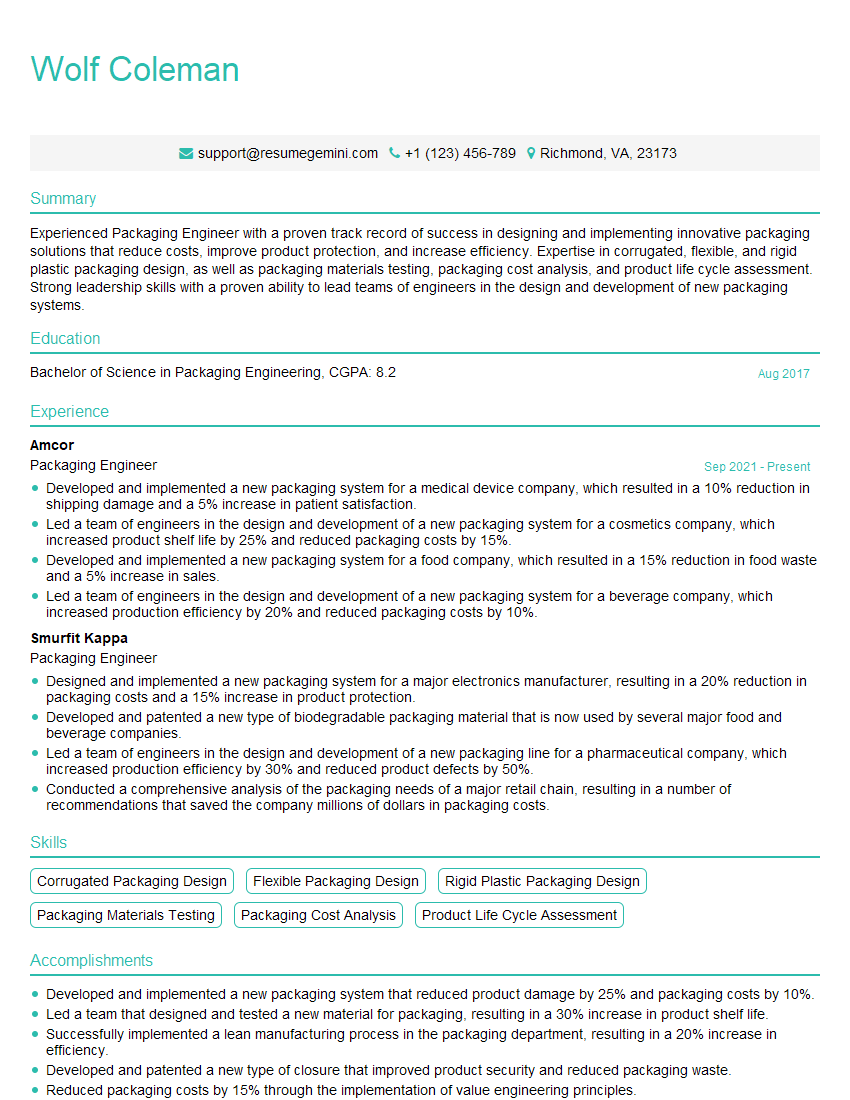
Mastering Sealing and Protection principles significantly enhances your career prospects in various industries, opening doors to specialized roles and higher earning potential. To maximize your chances of securing your dream job, a well-crafted, ATS-friendly resume is crucial. ResumeGemini is a trusted resource that can help you build a professional and impactful resume, designed to highlight your skills and experience effectively. Examples of resumes tailored specifically to Sealing and Protection are available to guide you through the process. Invest time in crafting a compelling resume – it’s your first impression with potential employers.

Explore more articles
Users Rating of Our Blogs
Share Your Experience
We value your feedback! Please rate our content and share your thoughts (optional).
What Readers Say About Our Blog
Really detailed insights and content, thank you for writing this detailed article.
IT gave me an insight and words to use and be able to think of examples