Cracking a skill-specific interview, like one for Sewage Disposal, requires understanding the nuances of the role. In this blog, we present the questions you’re most likely to encounter, along with insights into how to answer them effectively. Let’s ensure you’re ready to make a strong impression.
Questions Asked in Sewage Disposal Interview
Q 1. Explain the different stages of wastewater treatment.
Wastewater treatment is a multi-stage process designed to remove contaminants from wastewater before it’s safely returned to the environment. Think of it like cleaning a very dirty dish – it takes several steps to get it sparkling clean! The stages typically include:
- Preliminary Treatment: This initial stage involves removing large debris like sticks, rags, and grit through screening and grit removal. Imagine a strainer catching the big chunks of food before washing your dishes.
- Primary Treatment: This stage uses gravity to separate out settleable solids, forming sludge at the bottom of a settling tank (clarifier). This is like letting the sediment settle at the bottom of your dirty dishwater.
- Secondary Treatment: This is where the real cleaning happens! Biological processes, like the activated sludge process (explained in the next answer), break down dissolved organic matter. This is analogous to using soap and water to remove grease and food particles.
- Tertiary Treatment (Optional): This advanced treatment removes remaining nutrients (nitrogen and phosphorus) and pathogens, resulting in a much higher quality effluent. This step is like giving your dish an extra polish for a perfect shine.
- Disinfection: Before discharge, the treated wastewater is disinfected using chemicals like chlorine or UV light to kill harmful bacteria and viruses. Think of this as a final rinse to ensure the dish is completely sanitary.
Q 2. Describe the process of activated sludge treatment.
Activated sludge is a highly effective secondary treatment process that uses microorganisms to break down organic matter in wastewater. Imagine a tiny army of microscopic workers diligently cleaning up the mess! It involves these steps:
- Aeration: Wastewater is mixed with a concentrated suspension of microorganisms (activated sludge) in an aeration tank. Air is pumped in to provide oxygen for these microorganisms, which aerobically (using oxygen) consume organic matter.
- Clarification: After aeration, the mixture flows into a clarifier where the sludge settles to the bottom, forming a concentrated mass. The clarified effluent (treated water) is then discharged.
- Sludge Return: A portion of the settled sludge is recycled back into the aeration tank to maintain a healthy population of microorganisms for continuous treatment. This ensures the ‘cleaning crew’ remains strong and effective.
The microorganisms in the activated sludge form flocs – clumps of bacteria – that effectively trap and break down pollutants. The process effectively removes BOD (Biological Oxygen Demand) and suspended solids, leaving cleaner water.
Q 3. What are the key parameters monitored in a wastewater treatment plant?
Monitoring key parameters ensures efficient and safe wastewater treatment plant operation. Think of this as regularly checking your car’s vital signs. Key parameters include:
- pH: Measures acidity or alkalinity. Maintaining the correct pH is crucial for the effectiveness of biological processes.
- BOD (Biological Oxygen Demand): Indicates the amount of oxygen needed by microorganisms to break down organic matter. Lower BOD means cleaner water.
- COD (Chemical Oxygen Demand): Measures the total amount of organic matter, including both biodegradable and non-biodegradable substances.
- Suspended Solids (SS): The amount of solid particles suspended in the water.
- Nitrogen and Phosphorus: These nutrients can cause eutrophication (excessive algal growth) in receiving waters. Their levels are carefully monitored.
- Dissolved Oxygen (DO): The amount of oxygen in the water, crucial for aerobic microorganisms in the activated sludge process.
- Temperature: Affects microbial activity.
Regular monitoring allows operators to make adjustments to the treatment process to ensure optimal performance and compliance with environmental regulations.
Q 4. How do you handle sludge disposal?
Sludge disposal is a critical aspect of wastewater treatment. It’s managing the ‘leftovers’ from the cleaning process responsibly. Methods include:
- Anaerobic Digestion: Sludge is digested in the absence of oxygen, producing biogas (methane) that can be used for energy generation. This is like composting, but on a much larger scale.
- Land Application: Sludge, after proper treatment, can be applied to land as a fertilizer, enriching the soil with nutrients. However, stringent regulations exist to prevent contamination.
- Incineration: Burning sludge reduces its volume and eliminates pathogens. This is a common method, but it requires careful emission control.
- Landfilling: Sludge can be disposed of in landfills, but this is becoming less common due to environmental concerns. Strict regulations ensure safe disposal.
The choice of method depends on factors like local regulations, energy needs, and environmental impact considerations. Sustainable sludge management is increasingly important.
Q 5. Explain the role of aeration in wastewater treatment.
Aeration plays a vital role in wastewater treatment, particularly in the activated sludge process. It’s like providing the ‘cleaning crew’ with the air they need to do their job. Oxygen is essential for aerobic microorganisms to break down organic matter. Without sufficient oxygen, anaerobic conditions develop, leading to the production of foul-smelling gases and incomplete treatment. Aeration can be achieved through various methods:
- Surface Aeration: Mechanical aerators (like rotating paddles) agitate the surface, introducing oxygen into the wastewater.
- Diffused Aeration: Compressed air is pumped through diffusers at the bottom of the aeration tank, creating small bubbles that increase oxygen transfer.
Adequate aeration is crucial for maintaining a healthy microbial population, ensuring effective removal of organic pollutants, and preventing odor problems.
Q 6. What are the common types of wastewater pumps and their applications?
Various pumps are used in wastewater collection and treatment, each suited to specific applications. They are the ‘circulatory system’ of the entire process:
- Submersible Pumps: These pumps are submerged in the wastewater and are ideal for pumping from wet wells or lift stations. They’re great for handling solids and are reliable in challenging environments.
- Centrifugal Pumps: These pumps use centrifugal force to move wastewater. They are efficient for high-flow applications but can be less effective with large solids.
- Progressive Cavity Pumps: These pumps are well-suited for handling highly viscous or abrasive materials, making them suitable for sludge pumping.
- Diaphragm Pumps: These pumps are effective for pumping highly viscous or shear-sensitive fluids and slurries, ideal for some sludge applications.
The selection of pumps depends on factors like flow rate, head pressure, the characteristics of the wastewater, and maintenance requirements.
Q 7. Describe different types of wastewater collection systems.
Wastewater collection systems are the infrastructure that gathers wastewater from homes and businesses before it reaches the treatment plant. These are the ‘veins’ carrying wastewater to the ‘heart’ of the treatment process:
- Combined Sewers: These systems carry both sanitary sewage and stormwater runoff in a single pipe. This can lead to overflows during heavy rainfall, making them less desirable in modern design.
- Separate Sewers: Sanitary sewage and stormwater are carried in separate pipes. This system avoids overflows and allows for more efficient treatment, as stormwater doesn’t overload the sewage treatment plant. This is the preferred modern approach.
The design of the collection system involves gravity flow through pipes of varying sizes, with pump stations used to lift wastewater to higher elevations. The system’s design is critical to preventing sewage backups and protecting public health and the environment.
Q 8. How do you ensure compliance with environmental regulations?
Ensuring compliance with environmental regulations in sewage disposal is paramount. It involves a multi-faceted approach, starting with a thorough understanding of all applicable local, regional, and national laws and permits. This includes discharge permits specifying effluent quality limits for parameters like BOD (Biochemical Oxygen Demand), COD (Chemical Oxygen Demand), suspended solids, nutrients (nitrogen and phosphorus), and pH. We meticulously monitor these parameters through regular sampling and laboratory analysis. This data is then meticulously documented and reported to the regulatory agencies as per their specified reporting frequency and format. Furthermore, we implement a robust preventative maintenance program for all treatment plant equipment to minimize the risk of spills or exceeding permitted limits. Any deviations from permitted limits trigger immediate investigations, corrective actions, and reporting to the relevant authorities. We also maintain detailed records of all maintenance activities, calibration certificates, and operational data for audits and to demonstrate continuous compliance.
For example, if our nitrogen levels consistently exceed the permitted limit, we might need to optimize the biological nutrient removal process by adjusting aeration rates, influent flow, or even consider upgrading the treatment plant to incorporate advanced treatment technologies like membrane bioreactors (MBRs). Regular internal audits and external inspections also play a crucial role in identifying areas for improvement and ensuring consistent adherence to the regulations.
Q 9. What are the common causes of wastewater treatment plant malfunctions?
Wastewater treatment plant malfunctions can stem from a variety of sources, broadly categorized as operational, mechanical, and biological issues. Operational issues often arise from improper process control, such as incorrect chemical dosing or inadequate aeration. This can lead to reduced treatment efficiency and effluent quality issues. Mechanical failures, often due to age or lack of maintenance, can involve pump failures, clogged pipes, or malfunctioning equipment like clarifiers or blowers. These lead to process interruptions and potential environmental risks. Biological malfunctions frequently involve imbalances in the microbial community responsible for treatment. This could be triggered by shock loads of toxic substances, changes in influent characteristics, or inadequate nutrient levels. This can result in reduced treatment efficiency and increased effluent concentrations of pollutants.
Imagine a scenario where a critical pump fails during peak hours. This can cause a backup of wastewater, leading to overflows and potential environmental contamination. Another example is an unexpected surge in industrial wastewater with high levels of toxic chemicals, potentially disrupting the delicate balance of the biological treatment processes, leading to treatment inefficiencies.
Q 10. Explain the importance of regular maintenance in a wastewater treatment plant.
Regular maintenance is the cornerstone of a well-functioning and compliant wastewater treatment plant. It is vital for preventing equipment failures, ensuring optimal operational efficiency, and protecting the environment. A proactive maintenance program minimizes unplanned downtime, reducing the risk of expensive repairs and environmental incidents. Regular maintenance includes scheduled inspections, lubrication, cleaning, and replacement of worn-out parts. This extends the lifespan of equipment, reduces energy consumption, and ensures consistent effluent quality. Preventive maintenance helps identify and address minor problems before they escalate into major malfunctions. It also improves safety for workers by minimizing the risk of accidents caused by faulty equipment.
Think of a car; regular oil changes, tire rotations, and inspections prevent major breakdowns and enhance its lifespan. Similarly, regular maintenance at a wastewater treatment plant ensures its smooth operation and prevents costly and environmentally damaging failures.
Q 11. How do you troubleshoot issues related to pump failures?
Troubleshooting pump failures begins with a systematic approach. Firstly, safety is paramount—isolate the affected pump and ensure power is switched off before commencing any inspection. The troubleshooting process typically involves checking for obvious issues: Is there power to the pump? Are there any visual signs of damage or leaks? We would then check the pump’s motor for overheating or unusual noises. Are there any blockages in the suction or discharge lines? We may use pressure gauges to measure the suction and discharge pressures to determine if the pump is operating within its design parameters. Sometimes, a simple clog is the cause; other times, it could be a more complex issue like a faulty motor bearing, impeller wear, or electrical malfunction. In more advanced scenarios, we may employ specialized equipment like vibration sensors to diagnose mechanical problems. For example, excessive vibration could indicate a bearing failure. Maintaining detailed maintenance logs is essential for tracing the history of the pump and identifying patterns that might predict future failures. We frequently use flow meters and pressure gauges to help diagnose pump issues and determine appropriate action. Replacing worn parts, repairing electrical components, or even a complete pump replacement might be necessary depending on the diagnosis.
Q 12. Describe your experience with SCADA systems in wastewater treatment.
SCADA (Supervisory Control and Data Acquisition) systems are integral to modern wastewater treatment plants. They provide real-time monitoring and control of various plant parameters, such as flow rates, levels, chemical dosages, and effluent quality. My experience with SCADA systems encompasses their implementation, operation, and maintenance. This involves configuring the system to monitor critical parameters, setting alarm thresholds, and developing automated control strategies. SCADA systems allow for remote monitoring and control, enabling proactive interventions and optimizing plant performance. I have extensive experience analyzing data from SCADA systems to identify trends, diagnose problems, and optimize operational strategies. For example, using historical SCADA data, we can identify patterns in energy consumption to optimize aeration strategies and reduce operational costs. SCADA systems also help us meet regulatory reporting requirements by automatically logging data and generating reports. Furthermore, I have been involved in troubleshooting SCADA system malfunctions and integrating it with other plant systems, like laboratory information management systems (LIMS).
Q 13. Explain the concept of biological nutrient removal.
Biological nutrient removal (BNR) is a crucial process in modern wastewater treatment designed to remove nitrogen and phosphorus, key nutrients that contribute to eutrophication (excessive algal growth) in receiving water bodies. BNR relies on a series of biological processes facilitated by specific microorganisms. The process typically involves two stages: nitrification and denitrification. Nitrification converts ammonia (NH3) into nitrite (NO2-) and then nitrate (NO3-) by aerobic bacteria. Denitrification then converts nitrate to nitrogen gas (N2), which is released into the atmosphere, using anaerobic bacteria. Phosphorus removal is achieved through biological uptake by microorganisms, followed by its removal during the wastewater sludge treatment process. Effective BNR requires careful control of dissolved oxygen levels, carbon sources for denitrification, and appropriate microbial populations. This is often achieved through the use of sequencing batch reactors (SBRs) or modified activated sludge processes.
Think of it like a multi-stage cleaning process. First, we remove the ammonia, the ‘grit,’ and then we transform the remaining nitrates to nitrogen gas, making the water much cleaner and preventing excessive plant growth in rivers and lakes.
Q 14. How do you manage the safety of workers in a wastewater treatment plant?
Worker safety is a top priority in a wastewater treatment plant. The environment presents inherent risks such as exposure to hazardous chemicals, confined spaces, and heavy machinery. We implement comprehensive safety protocols including regular safety training, the use of personal protective equipment (PPE), and adherence to lockout/tagout procedures for equipment maintenance. Regular inspections of equipment and facilities are conducted to identify and address any potential hazards. Emergency response plans are in place to handle accidents or spills. We also employ confined space entry procedures and permit-to-work systems for high-risk tasks. Regular safety meetings and training sessions reinforce safe work practices and address potential hazards. Furthermore, we promote a strong safety culture where employees are encouraged to report hazards and near misses without fear of retribution. This proactive approach contributes to a safer working environment and prevents accidents.
For example, before entering a confined space like a clarifier, workers must follow a strict confined space entry procedure, including atmospheric monitoring, ensuring proper ventilation, and using harnesses and lifelines. We use regular safety drills, including emergency response exercises, to ensure workers are prepared for all scenarios.
Q 15. What is your experience with wastewater disinfection techniques?
Wastewater disinfection is crucial for protecting public health and the environment. My experience encompasses a range of techniques, primarily focusing on chemical and physical methods. Chemical disinfection relies on the use of agents like chlorine, chlorine dioxide, and ozone to kill harmful pathogens. Chlorine, for instance, is a widely used and cost-effective disinfectant, but its efficacy depends on factors such as contact time and pH. Ozone, while more expensive, is a powerful disinfectant that leaves no harmful byproducts. Physical methods include UV disinfection, which uses ultraviolet light to inactivate microorganisms. I’ve been involved in projects evaluating the effectiveness of these methods, comparing their performance under various conditions, and optimizing their application to achieve maximum disinfection while minimizing operational costs and potential environmental impacts. For example, I optimized a chlorine disinfection system at a treatment plant, reducing chlorine consumption by 15% without compromising disinfection efficacy by carefully adjusting the contact time and pH levels. This resulted in significant cost savings and reduced the risk of disinfection byproducts formation.
Career Expert Tips:
- Ace those interviews! Prepare effectively by reviewing the Top 50 Most Common Interview Questions on ResumeGemini.
- Navigate your job search with confidence! Explore a wide range of Career Tips on ResumeGemini. Learn about common challenges and recommendations to overcome them.
- Craft the perfect resume! Master the Art of Resume Writing with ResumeGemini’s guide. Showcase your unique qualifications and achievements effectively.
- Don’t miss out on holiday savings! Build your dream resume with ResumeGemini’s ATS optimized templates.
Q 16. Describe your experience with laboratory analysis of wastewater samples.
My experience with laboratory analysis of wastewater samples is extensive, covering a wide array of parameters. This includes physical parameters such as pH, temperature, turbidity, and solids content, as well as chemical parameters like BOD (Biochemical Oxygen Demand), COD (Chemical Oxygen Demand), nitrogen (ammonia, nitrite, nitrate), phosphorus, and various heavy metals. I’m proficient in using a variety of analytical techniques, including spectrophotometry, titrations, and chromatography. In addition, I’m experienced in microbiology analysis, specifically identifying and quantifying pathogenic bacteria and other microorganisms. A recent project involved identifying the source of elevated E. coli levels in a municipal wastewater system. Through rigorous laboratory analysis, coupled with field investigations, we pinpointed a failing sewer line as the culprit, leading to its timely repair and the restoration of water quality. My attention to detail in data analysis and quality control ensures accurate and reliable results which form the foundation for informed decision-making in wastewater treatment operations.
Q 17. How do you interpret wastewater treatment plant data?
Interpreting wastewater treatment plant data is central to effective plant operation and optimization. I approach this by examining several key indicators. First, I look at influent and effluent characteristics, comparing them to regulatory limits and plant design criteria. This helps identify potential operational issues or areas for improvement. Then I analyze operational parameters like aeration efficiency, sludge production, and energy consumption, comparing them to historical data and industry benchmarks. I use statistical process control (SPC) charts to monitor key parameters, detecting trends and anomalies that may indicate problems. For example, a sudden increase in BOD in the effluent might suggest a failure in the biological treatment process, prompting me to investigate potential causes such as a malfunctioning aeration system or an increase in influent pollutants. I leverage this data to create optimization strategies, ensuring compliance with regulatory requirements and maximizing treatment efficiency while minimizing operational costs. This often involves using data analytics software to model plant performance and predict future trends.
Q 18. What are the different types of wastewater treatment plants?
Wastewater treatment plants vary significantly in design and complexity depending on factors such as the size of the community served, the characteristics of the wastewater, and regulatory requirements. Common types include:
- Primary Treatment Plants: These plants primarily remove solids through screening, grit removal, and sedimentation. They’re relatively simple and inexpensive but offer limited treatment capabilities.
- Secondary Treatment Plants: These plants use biological processes, such as activated sludge or trickling filters, to further remove organic matter. This significantly reduces BOD and suspended solids, providing a higher level of treatment than primary treatment.
- Tertiary Treatment Plants: These plants add advanced treatment processes, like filtration, disinfection, and nutrient removal (nitrogen and phosphorus), to achieve a higher level of effluent quality. These are often needed to meet stringent discharge permits for sensitive receiving waters.
- Lagoon Systems: These systems utilize natural processes, such as sunlight, algae, and bacteria, to treat wastewater. They are typically used for smaller communities or in areas where land is readily available.
The selection of an appropriate plant type depends on a thorough assessment of the specific circumstances of each project. I’ve worked with all these types in various projects, adapting my expertise to optimize each system’s performance.
Q 19. Explain the concept of flow equalization in wastewater treatment.
Flow equalization in wastewater treatment is a crucial pre-treatment step aimed at smoothing out variations in wastewater flow and concentration. Wastewater flow often fluctuates significantly throughout the day, with peaks during periods of high water use. These flow variations can overload the treatment process, resulting in reduced treatment efficiency and potentially violating discharge permits. Flow equalization involves storing wastewater in a tank during peak flow periods and releasing it at a more constant rate to the treatment process. This ensures a more consistent flow and concentration for optimal treatment performance. The equalization basin acts as a buffer, mitigating the impacts of fluctuating influent flows. I’ve personally overseen the design and implementation of an equalization basin for a treatment plant experiencing significant flow surges. This upgrade improved treatment performance, reduced operational costs, and ensured consistent compliance with discharge standards. The design involved careful consideration of basin volume, inflow and outflow rates, and mixing strategies to optimize the equalization process.
Q 20. How do you handle spills and leaks in a wastewater collection system?
Handling spills and leaks in a wastewater collection system requires a swift and organized response to minimize environmental damage and public health risks. My approach involves several key steps:
- Immediate Containment: First, we prioritize containing the spill or leak to prevent further spread. This might involve using sandbags, booms, or other temporary barriers.
- Assessment and Characterization: Next, we assess the nature and extent of the spill, identifying the type and volume of wastewater involved. This includes sampling to determine the presence of hazardous materials.
- Notification: Relevant authorities, such as the environmental protection agency and emergency services, must be notified immediately, particularly if the spill poses a significant environmental or public health threat.
- Remediation: Appropriate remediation measures are implemented, depending on the nature of the spill. This could involve vacuuming up the wastewater, cleaning affected areas, or employing specialized techniques for hazardous materials.
- Repair: The source of the leak or spill is identified and repaired promptly to prevent future occurrences.
- Monitoring: Following the remediation, monitoring is conducted to ensure the effectiveness of the cleanup and to prevent further environmental impacts.
I’ve managed several such incidents, ensuring a rapid and effective response that mitigated potential harm while adhering to all relevant regulations. One example involved a significant sewer line break, requiring quick action to divert flow, contain the spill, and initiate emergency repairs. Our prompt response minimized environmental impact and ensured the safety of the community.
Q 21. Describe your experience with different types of wastewater filters.
Wastewater filters play a critical role in removing suspended solids and other pollutants. My experience includes various filter types, each with its strengths and weaknesses:
- Media Filters: These use granular media like sand, anthracite, or garnet to remove suspended solids through physical straining and adsorption. They’re effective for removing fine particles but require regular backwashing to maintain their efficiency.
- Membrane Filters: These use membranes with tiny pores to separate solids and dissolved substances from the water. They provide higher levels of treatment compared to media filters, but are more expensive and require specialized operation and maintenance. Types include microfiltration, ultrafiltration, and nanofiltration.
- Rotating Biological Contactors (RBCs): These systems use rotating discs with biofilm to treat wastewater biologically. They provide good removal of organic matter and are relatively energy-efficient.
The choice of filter depends on factors such as the desired level of treatment, influent characteristics, and operational costs. I’ve been involved in projects evaluating the performance of different filter types under various conditions, optimizing their operation to maximize their efficiency and minimize costs. For instance, at one treatment plant, I optimized the backwashing cycle for media filters, reducing water consumption by 20% without compromising filtration efficiency.
Q 22. What is your understanding of the Clean Water Act?
The Clean Water Act (CWA) is a landmark federal law in the United States that establishes the basic structure for regulating pollutant discharges into the waters of the United States. Think of it as the foundational rulebook for keeping our rivers and lakes clean. It’s main goal is to restore and maintain the chemical, physical, and biological integrity of the nation’s waters. This is achieved through several key mechanisms:
- Setting Water Quality Standards: The CWA mandates states to set water quality standards for various pollutants, based on the intended uses of those water bodies (e.g., drinking water, recreation, aquatic life support).
- National Pollutant Discharge Elimination System (NPDES): This permit program regulates point source pollution – any identifiable source of pollution, like a wastewater treatment plant or industrial discharge. Plants need permits to discharge treated effluent, ensuring they meet the established standards.
- Addressing Non-Point Source Pollution: While the NPDES focuses on point sources, the CWA also addresses non-point source pollution (like agricultural runoff) through various management strategies, although regulation is less direct.
- Funding for Wastewater Treatment: The CWA provides funding mechanisms to assist states and municipalities in constructing and upgrading wastewater treatment facilities, crucial for meeting water quality goals.
My work consistently adheres to the principles of the CWA, from designing treatment systems to ensuring compliance with NPDES permits. For example, in a recent project, we used advanced modeling techniques to predict effluent quality and ensure compliance with the stringent discharge limits set by the relevant state agency, aligning perfectly with the CWA’s objectives.
Q 23. How do you ensure the efficient use of energy in a wastewater treatment plant?
Energy efficiency is paramount in wastewater treatment, both economically and environmentally. We strive for efficiency in several ways:
- Optimized Aeration Systems: Aeration, used in biological treatment processes, is a significant energy consumer. We use advanced aeration systems with precise oxygen control, optimizing airflow and minimizing energy waste. This often involves employing dissolved oxygen sensors and automated control systems.
- Variable Speed Drives (VSDs): Installing VSDs on pumps and other equipment allows us to adjust their speed based on demand, reducing energy consumption during periods of lower flow or less intense treatment needs. Think of it like adjusting the speed of a fan – you only need high speed when it’s really hot.
- Energy Recovery Technologies: Some processes, like anaerobic digestion, generate biogas, which can be captured and used to generate electricity or heat, offsetting reliance on the electrical grid. This is a sustainable and cost-effective strategy.
- Process Optimization: We continuously monitor and optimize processes to ensure peak efficiency. This might involve adjusting retention times in basins or tweaking the ratios of chemicals used in treatment, all to reduce energy usage without compromising treatment effectiveness.
- Renewable Energy Sources: Exploring and implementing renewable energy sources like solar or wind power can significantly reduce a plant’s carbon footprint and operational costs.
For instance, in one project, we implemented VSDs on our primary and secondary clarifier pumps, resulting in a 20% reduction in energy consumption without affecting effluent quality. This kind of practical approach ensures both environmental sustainability and financial responsibility.
Q 24. What are the common challenges faced in wastewater treatment?
Wastewater treatment faces numerous challenges. Some key issues include:
- Increasing Population and Development: Growing populations and urbanization put more stress on existing wastewater infrastructure, demanding increased capacity and improved treatment technologies. Think of the strain on a city’s sewer system during a rapid growth period.
- Emerging Contaminants: Pharmaceuticals, personal care products, and industrial chemicals are increasingly present in wastewater, posing challenges to traditional treatment methods. These ’emerging contaminants’ require innovative treatment solutions and monitoring strategies.
- Climate Change Impacts: Increased rainfall events can overwhelm treatment systems, leading to overflows and pollution. Droughts can impact water availability for treatment processes. Climate change is a major concern.
- Funding Limitations: Upgrading aging infrastructure and implementing new technologies requires substantial funding, often a constraint for many municipalities. Balancing cost-effectiveness and environmental responsibility is crucial.
- Public Perception and Engagement: Building public trust and ensuring transparent communication about treatment processes and effluent quality are essential for successful operation and the acceptance of new projects or upgrades.
For example, dealing with increased rainfall events requires robust storm water management practices, which might include upgrading pump stations, improving storage capacity, or implementing green infrastructure solutions.
Q 25. Describe your experience with different types of wastewater treatment technologies.
My experience encompasses a wide range of wastewater treatment technologies. I’ve worked with:
- Conventional Activated Sludge: This is a widely used biological treatment process, where microorganisms break down organic matter in wastewater. I’ve been involved in optimizing aeration strategies and biomass control for improved efficiency in various plants using this method.
- Membrane Bioreactors (MBRs): MBRs combine biological treatment with membrane filtration, providing a highly effective treatment process, producing effluent of exceptionally high quality. I have expertise in membrane cleaning and maintenance procedures to ensure optimal performance.
- Anaerobic Digestion: This process uses microorganisms in an oxygen-free environment to break down organic matter, producing biogas. I’ve worked on projects optimizing biogas production and utilization for energy generation.
- Advanced Oxidation Processes (AOPs): AOPs, such as UV disinfection and ozonation, are used to remove recalcitrant pollutants, including emerging contaminants. I have practical experience selecting and designing AOP systems tailored to specific water quality needs.
- Nutrient Removal Processes: Technologies like biological nutrient removal (BNR) and chemical phosphorus removal are crucial for meeting stringent effluent limits. I’ve overseen the implementation and optimization of various BNR strategies.
In one particular project, we transitioned a plant from conventional activated sludge to an MBR system, significantly improving effluent quality and reducing the overall land footprint of the facility. This involved detailed planning, stakeholder engagement, and careful implementation to ensure a smooth transition.
Q 26. How do you manage the costs associated with wastewater treatment?
Managing wastewater treatment costs involves a multifaceted approach:
- Lifecycle Cost Analysis (LCCA): Conducting an LCCA from the initial design phase helps us assess the long-term costs of different technologies, factoring in construction, operation, maintenance, and replacement costs. It allows us to make informed decisions based on total cost of ownership.
- Energy Efficiency Measures: As previously discussed, optimizing energy consumption is a crucial element of cost control, as energy is a significant operating expense.
- Preventative Maintenance: Regular preventative maintenance extends the lifespan of equipment and minimizes costly repairs. This involves creating a robust maintenance schedule and training staff accordingly.
- Process Optimization: Optimizing treatment processes ensures efficient chemical usage and reduces sludge production, minimizing associated disposal costs. Fine-tuning parameters regularly is key.
- Sludge Management: Effective sludge management is vital. This involves strategies to minimize sludge production, optimize dewatering, and explore options for beneficial reuse or disposal.
- Innovative Financing Mechanisms: Exploring public-private partnerships or other innovative financing options can help secure funding for upgrades and expansions.
For example, in a recent cost-saving initiative, we implemented a rigorous preventative maintenance program, reducing equipment failures by 15% and saving substantial repair costs. This required the development of a detailed schedule, staff training, and close monitoring of equipment performance.
Q 27. What are your skills in using specialized software for wastewater treatment?
My proficiency in specialized software is a key asset. I am adept at using:
- SCADA (Supervisory Control and Data Acquisition) systems: These systems are essential for monitoring and controlling treatment processes in real-time. I’m proficient in configuring and troubleshooting various SCADA systems.
- Hydraulic and Process Modeling Software: Programs like WaterGEMS and EPA-NET are used for designing and analyzing wastewater treatment systems. I have experience developing hydraulic models to optimize plant operations and predict system performance.
- GIS (Geographic Information Systems) software: GIS is used for managing and visualizing spatial data related to wastewater infrastructure. I’m comfortable using GIS software for planning and managing sewer networks.
- Data Analysis and Statistical Software: I utilize software like R or Python for data analysis and statistical modeling, assisting in optimization and troubleshooting.
In a recent project, we used WaterGEMS to simulate the hydraulic performance of a proposed sewer network expansion, identifying potential bottlenecks and optimizing the design to meet future demands cost-effectively.
Q 28. Describe your experience with emergency response procedures in wastewater treatment.
Emergency response procedures are critical in wastewater treatment. My experience includes:
- Developing and Implementing Emergency Response Plans (ERPs): I have participated in developing comprehensive ERPs that address various scenarios, including equipment failures, spills, power outages, and natural disasters. These plans outline procedures for personnel safety, environmental protection, and system recovery.
- Training Personnel in Emergency Procedures: I’ve provided training to plant operators and other staff on emergency response procedures, ensuring they are prepared to handle various situations safely and effectively. Regular drills are crucial.
- Responding to Emergencies: I’ve directly responded to emergencies, managing situations, coordinating personnel, and ensuring compliance with regulatory requirements. This involves rapid assessment, decisive action, and documentation.
- Post-Emergency Analysis and Improvement: After an emergency event, I assist in conducting a thorough analysis to identify areas for improvement in our ERPs and training programs. Continuous improvement is key.
For example, during a recent power outage, our pre-planned emergency procedures enabled a smooth transition to backup generators, minimizing downtime and preventing any serious environmental impact. This was a direct result of our well-defined ERP and the thorough training our personnel had received.
Key Topics to Learn for Sewage Disposal Interview
- Wastewater Treatment Processes: Understanding primary, secondary, and tertiary treatment methods, including physical, chemical, and biological processes. This includes knowing the advantages and disadvantages of each.
- Pumping and Conveyance Systems: Familiarize yourself with the design, operation, and maintenance of sewage pumps, lift stations, and collection systems. Be prepared to discuss troubleshooting common issues.
- Sludge Management: Learn about different sludge treatment methods (e.g., digestion, dewatering, incineration) and their environmental impacts. Consider the regulations surrounding sludge disposal.
- Water Quality Parameters: Master the key indicators of wastewater quality (BOD, COD, TSS, nutrients) and their significance in treatment plant performance. Understand relevant regulations and compliance.
- Instrumentation and Control Systems: Become familiar with the technologies used to monitor and control wastewater treatment processes, including SCADA systems and process instrumentation.
- Health and Safety Regulations: Demonstrate a strong understanding of OSHA and other relevant safety regulations pertaining to wastewater treatment facilities. Be prepared to discuss personal protective equipment (PPE) and risk management.
- Environmental Regulations and Compliance: Understand local, state, and federal regulations related to wastewater discharge permits and environmental protection.
- Sustainable Wastewater Management Practices: Discuss innovative approaches to wastewater treatment, including resource recovery and energy efficiency.
- Problem-Solving and Troubleshooting: Be prepared to discuss how you would approach and solve common problems encountered in wastewater treatment plants.
Next Steps
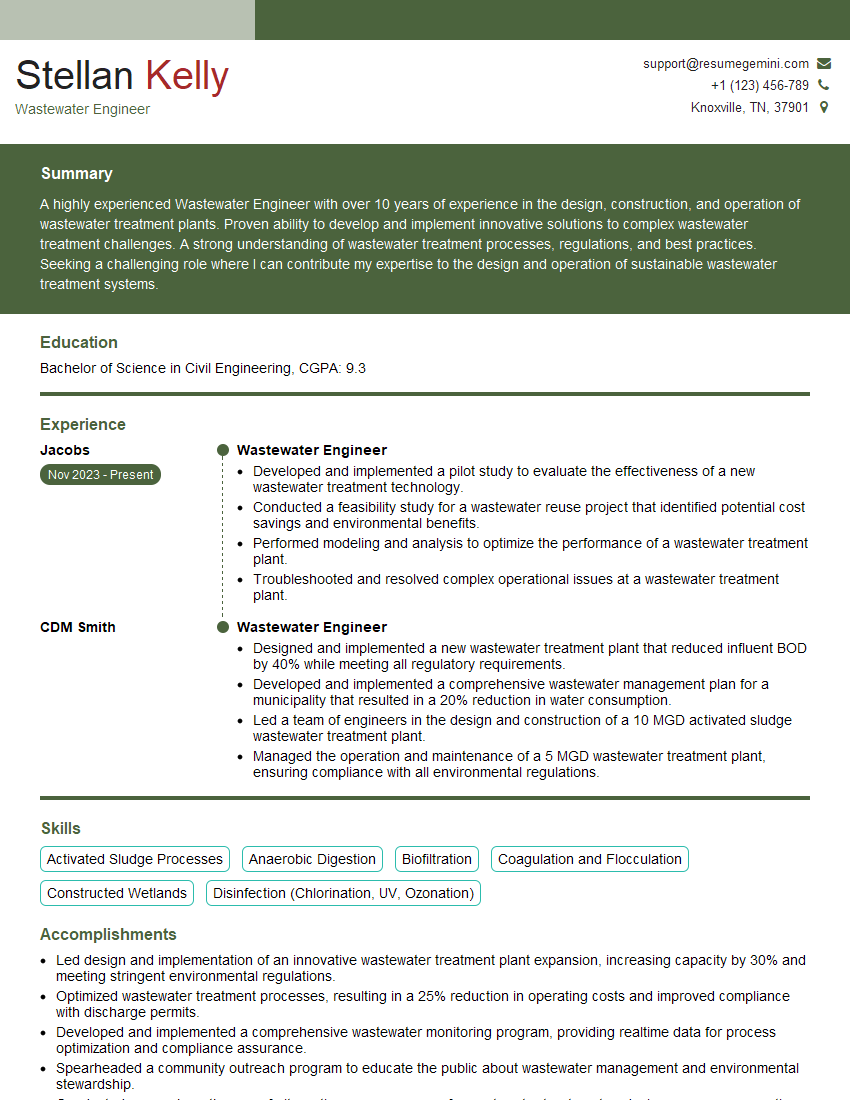
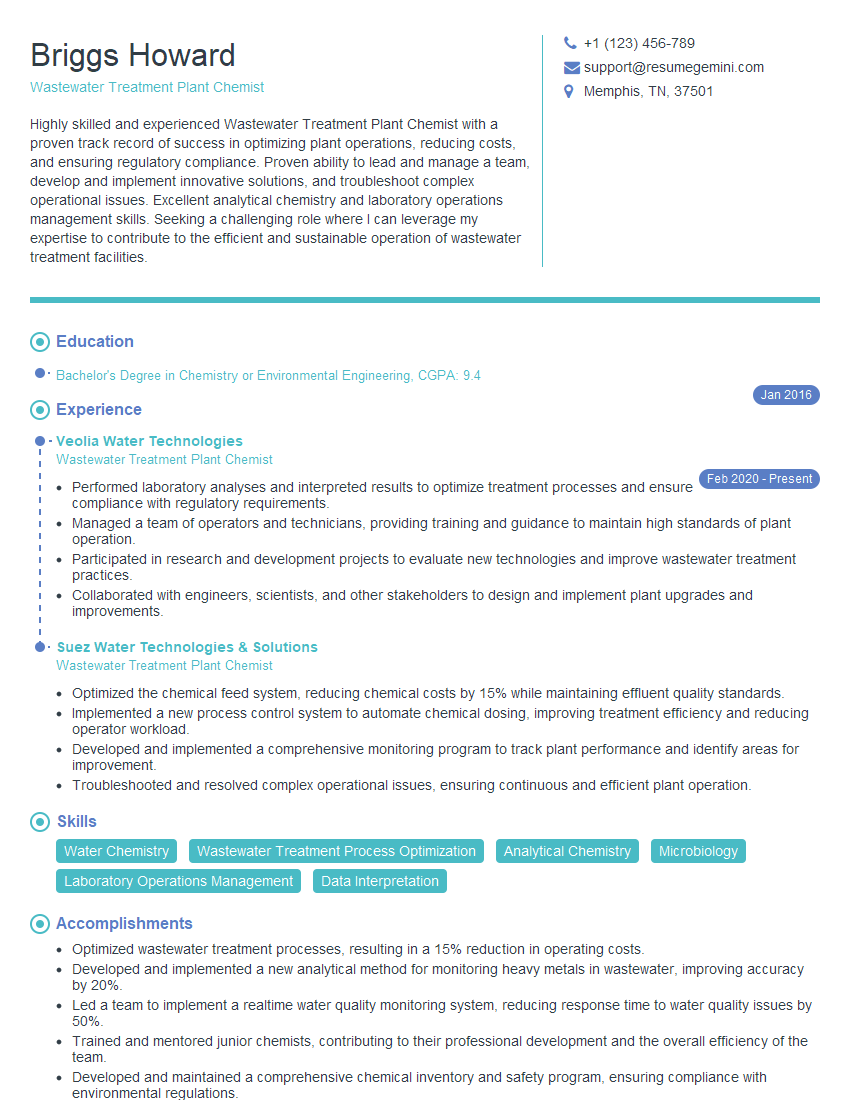
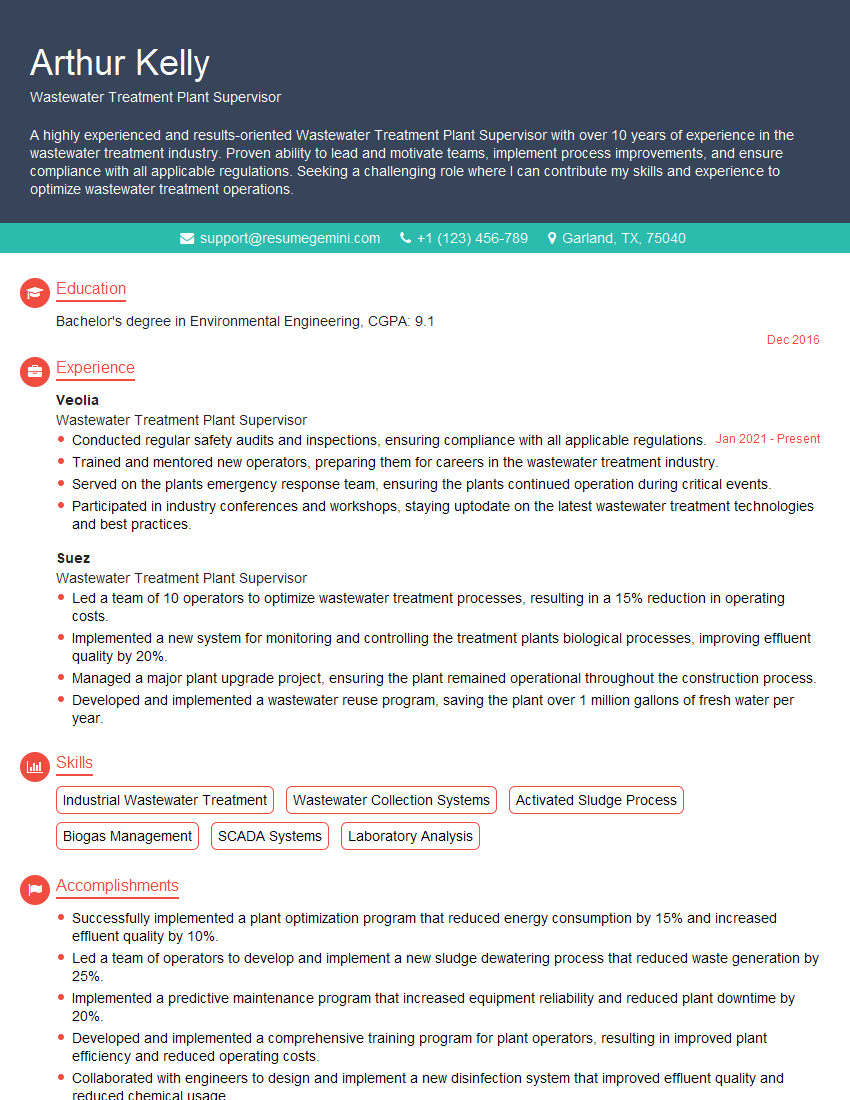
Mastering the complexities of sewage disposal is crucial for a successful and rewarding career in this essential field. A strong understanding of these processes will open doors to advancement and leadership opportunities. To maximize your job prospects, it’s vital to present your skills and experience effectively. Creating an ATS-friendly resume is key to getting your application noticed by potential employers. We recommend using ResumeGemini, a trusted resource for building professional resumes that highlight your qualifications. ResumeGemini provides examples of resumes tailored to the Sewage Disposal industry to help you create a compelling application that showcases your expertise.
Explore more articles
Users Rating of Our Blogs
Share Your Experience
We value your feedback! Please rate our content and share your thoughts (optional).
What Readers Say About Our Blog
Really detailed insights and content, thank you for writing this detailed article.
IT gave me an insight and words to use and be able to think of examples