Cracking a skill-specific interview, like one for Shift Work and 24/7 Availability, requires understanding the nuances of the role. In this blog, we present the questions you’re most likely to encounter, along with insights into how to answer them effectively. Let’s ensure you’re ready to make a strong impression.
Questions Asked in Shift Work and 24/7 Availability Interview
Q 1. Describe your experience working rotating shifts.
My experience with rotating shifts spans over eight years, encompassing various roles within the manufacturing and healthcare sectors. I’ve worked across day, evening, and night shifts, experiencing firsthand the challenges and rewards of adapting to irregular schedules. Early in my career, I found the transition difficult, struggling with sleep disruption and social adjustments. However, I’ve developed effective strategies to mitigate these challenges, including maintaining a consistent sleep schedule on my off days, regardless of the shift I’ve just worked, and strategically scheduling personal appointments to minimize disruption to my sleep patterns. For example, I recently completed a demanding project involving a two-month rotation on night shifts. While challenging, I successfully maintained high productivity and effectively collaborated with my colleagues on all shifts by utilizing a consistent communication plan and scheduling.
Q 2. How do you manage fatigue while working irregular hours?
Managing fatigue on irregular hours requires a multi-pronged approach. Prioritizing sleep is paramount; I aim for 7-8 hours of quality sleep whenever possible, regardless of the shift I’m working. This means creating a conducive sleep environment – dark, quiet, and cool – and sticking to a consistent sleep schedule on my days off to regulate my circadian rhythm. In addition to sleep hygiene, I incorporate regular exercise into my routine, even on my workdays if feasible, as physical activity improves sleep quality and energy levels. A balanced diet, rich in fruits and vegetables, and low in processed foods and sugar, further contributes to sustained energy. Hydration is also critical; I drink plenty of water throughout the day, especially during night shifts. Finally, short, strategic naps during my downtime can be incredibly effective in combating fatigue without disrupting my overall sleep schedule. I often schedule a 20-30 minute power nap on my longer breaks if feeling particularly tired.
Q 3. What strategies do you use to maintain productivity during night shifts?
Maintaining productivity during night shifts requires a proactive approach to managing circadian rhythm disruption. I prioritize creating a stimulating work environment by ensuring adequate lighting, taking short breaks every hour or so, and frequently changing tasks to maintain focus. I also utilize energy-boosting techniques, such as drinking caffeine strategically (avoiding late in the shift to prevent sleep disruption), and ensuring proper hydration. The key is to avoid long periods of inactivity. For example, during my time working overnight in a call center, I experimented with different lighting setups, discovering that brighter, full-spectrum lighting significantly improved my alertness and focus. I also found that incorporating short stretches during my breaks helped combat stiffness and improve concentration.
Q 4. Explain your approach to teamwork in a 24/7 environment.
Teamwork in a 24/7 environment is essential for seamless operations. My approach emphasizes clear and consistent communication, using various tools such as shift hand-off reports, shared digital calendars, and instant messaging platforms. Building strong relationships with colleagues across all shifts is vital; I proactively initiate communication, seeking input and sharing information freely. I understand the importance of mutual respect and support, understanding that each shift faces unique challenges. For instance, in a previous role, we established a weekly team meeting involving representatives from each shift to discuss ongoing issues, share best practices, and identify areas for improvement. This fostered a stronger sense of collaboration and significantly enhanced overall team performance. We also developed a standardized handover process including a detailed log of all ongoing issues and tasks, ensuring that every shift was fully informed.
Q 5. How do you handle stressful situations during overnight or weekend shifts?
Handling stressful situations during overnight or weekend shifts requires a calm and methodical approach. I prioritize deep breathing exercises or mindfulness techniques to manage anxiety. I rely on my training and experience to assess the situation logically, focusing on finding solutions rather than dwelling on the problem. If overwhelmed, I seek support from colleagues or supervisors, using established communication channels to escalate issues appropriately. For example, during a particularly busy overnight shift in a hospital setting, a critical incident occurred requiring immediate action. By remaining calm and applying my established protocols, I effectively coordinated with other team members, ensuring the situation was resolved efficiently and effectively. The support of my team was essential in mitigating the stressful situation and maintaining overall operations.
Q 6. Describe a time you had to adapt to a sudden change in schedule.
I once faced a sudden change in schedule due to an unexpected staff shortage. My original schedule was day shift, but I was asked to switch to night shift with only a few hours’ notice. My initial reaction was surprise but I immediately assessed the situation. I rearranged my personal plans, confirmed childcare arrangements, and most importantly, focused on doing my job to help the team during this critical period. I adopted the same sleep hygiene practices and alertness strategies mentioned previously to navigate the change, which ultimately allowed me to complete my duties effectively. The quick adaptation showcased my flexibility and commitment to the team, leading to praise from my supervisor.
Q 7. How do you ensure effective communication across different shifts?
Effective communication across different shifts requires a multi-faceted strategy. We use digital tools like shared online documents and instant messaging to quickly share information, and we have established a standardized shift hand-off procedure. This ensures critical information is communicated consistently. Regular team meetings, involving representatives from all shifts, provide a forum for open dialogue and collaboration. In some cases, we utilized project management software to keep everyone up to date, allowing each shift to track tasks and responsibilities. This reduces miscommunication and ensures smoother transitions between shifts. Additionally, proactive communication, ensuring all team members are kept informed of any changes or issues, is paramount to prevent confusion and foster collaboration.
Q 8. What are your strategies for maintaining work-life balance with shift work?
Maintaining work-life balance on shift work requires proactive planning and self-discipline. It’s like juggling multiple balls – work, family, personal time – and you need to keep them all in the air. My strategies revolve around three key areas:
- Structured Scheduling: I meticulously plan my time off, ensuring sufficient rest periods between shifts. This includes scheduling personal appointments, family time, and even dedicated relaxation periods, just as one would schedule a business meeting. For example, I might block out Saturday mornings for a family hike regardless of my work schedule the previous days.
- Consistent Sleep Hygiene: Irregular sleep patterns are a major challenge. To combat this, I maintain a consistent sleep schedule even on my days off, aiming for 7-8 hours of sleep, regardless of when I woke up. This might mean adjusting my sleep schedule gradually to better adapt to changing shift patterns.
- Healthy Boundaries: I establish clear boundaries between work and personal life. This includes minimizing work-related activities during off-time and dedicating specific times for personal pursuits, such as reading, exercising, or spending time with loved ones. This means actively switching off from work communications during personal time.
By prioritizing these strategies, I’ve found I can effectively manage the demands of shift work while still enjoying a fulfilling personal life.
Q 9. How do you prioritize tasks in a high-pressure, 24/7 environment?
Prioritization in a high-pressure, 24/7 environment is crucial. I use a combination of techniques adapted to the urgency and criticality of each task. Think of it as a triage system in a hospital – prioritizing the most critical cases first. My approach involves:
- Task Categorization: I categorize tasks based on urgency and importance using a matrix (urgent/important, important/not urgent, etc.). This helps me visually prioritize.
- Time Blocking: I allocate specific time blocks for completing tasks, recognizing that some tasks will require more focus than others. I incorporate short breaks to avoid burnout.
- Delegation: Where possible, I delegate tasks to other team members, ensuring proper handover and follow-up. Effective delegation increases efficiency and reduces individual workload.
- Flexibility: I understand that in a 24/7 environment, priorities can shift rapidly. I remain adaptable and flexible, adjusting my schedule as needed to handle unexpected events or critical issues.
By combining these strategies, I can effectively manage my workload and ensure timely completion of critical tasks even under significant pressure.
Q 10. How do you handle conflicts with colleagues regarding shift preferences?
Shift preference conflicts are inevitable in a 24/7 operation. My approach focuses on open communication and collaborative problem-solving. I believe in finding solutions that are fair to everyone involved. My strategy includes:
- Open Dialogue: I encourage open and respectful communication with colleagues. I actively listen to their concerns and perspectives.
- Compromise and Negotiation: I am willing to compromise and negotiate to find solutions that accommodate the needs of as many team members as possible. This might involve a rotation system or a point system based on seniority or other factors.
- Fairness and Transparency: I strive for fairness and transparency in the process. Shift assignments are clearly communicated and the rationale behind any decisions is explained.
- Mediation: If conflicts cannot be resolved directly, I seek the assistance of a supervisor or manager to mediate the situation.
By fostering a collaborative environment and emphasizing open communication, we can minimize conflict and create a more harmonious team.
Q 11. How do you ensure accurate record-keeping and reporting during all shifts?
Accurate record-keeping and reporting are essential in any operational environment, and even more critical in a 24/7 setting. This involves a combination of technical skills, systematic processes, and attention to detail. My approach is based on:
- Standardized Procedures: I strictly adhere to standardized procedures for data entry and reporting. This ensures consistency and minimizes errors.
- Technology Utilization: I proficiently use various software and digital tools for data recording and reporting. This includes electronic logbooks, databases, and reporting systems, utilizing features like automatic timestamping and validation checks.
- Regular Audits: I participate in regular audits and reviews to verify data accuracy and identify areas for improvement. This ensures consistent quality of data over time.
- Double-Checking: Where critical, I employ double-checking mechanisms, especially during night shifts where fatigue can be a factor. This can involve peer review or automated system checks.
By employing these strategies, I maintain a high level of accuracy in my record-keeping and reporting, which is crucial for maintaining operational efficiency and regulatory compliance.
Q 12. Describe your experience using shift scheduling software.
I have extensive experience using various shift scheduling software, including [mention specific software names if comfortable, otherwise, use generic examples like]: `Kronos`, `When I Work`, and custom in-house solutions. My experience spans from basic scheduling features to advanced functionalities such as:
- Shift Creation and Assignment: Proficiently creating and assigning shifts based on team member availability, skills, and regulatory requirements.
- Absence Management: Efficiently managing employee absences and ensuring appropriate shift coverage.
- Reporting and Analytics: Utilizing reporting tools to generate insights on workforce productivity, cost analysis, and scheduling optimization.
- Integration: Integrating scheduling software with other HR and operational systems to streamline workflows.
I am adept at using these tools to optimize shift patterns, minimize overtime costs, and improve employee satisfaction through fair and equitable scheduling practices. For example, I’ve used predictive analytics features in some systems to optimize staffing levels based on historical demand data and seasonal fluctuations.
Q 13. How do you stay informed about changes in procedures during your off-time?
Staying updated during off-time is essential to maintain operational efficiency and safety. I employ a multi-faceted approach:
- Dedicated Communication Channels: I use designated communication channels such as email, company intranet, or messaging apps to access updates promptly. Often, this is supplemented by routine meetings or shift handover reports.
- Regular Briefings: I participate in regular team briefings or check-in meetings to receive updates on changes in procedures or policies. This might be a daily quick call or a weekly email from a manager.
- Documentation Review: I review relevant documents, standard operating procedures (SOPs), and policy updates regularly, even when not on shift.
- Mentorship and Collaboration: I maintain open communication with colleagues, particularly during handover, to ensure any immediate changes are communicated efficiently.
This proactive approach ensures I remain abreast of all relevant information, enabling me to maintain efficiency and prevent potential errors or safety issues upon my return to work.
Q 14. How familiar are you with safety protocols for night/irregular shifts?
I am very familiar with safety protocols for night and irregular shifts. These protocols are crucial to mitigating risks associated with fatigue, reduced visibility, and increased potential for accidents. My knowledge encompasses:
- Fatigue Management: Understanding the impact of fatigue and employing strategies to mitigate its effects, such as proper rest, hydration, and regular breaks.
- Enhanced Visibility: Awareness of the need for increased lighting and the use of high-visibility clothing in low-light conditions.
- Emergency Procedures: Thorough understanding of emergency procedures and evacuation plans, and the ability to implement them effectively. This includes knowing the location of emergency equipment and understanding communication protocols during emergencies.
- Security Measures: Knowledge of security measures relevant to the work environment, such as access control procedures and reporting suspicious activities.
- Risk Assessment: Understanding how to conduct risk assessments specific to night and irregular shifts and implement appropriate safety measures.
I prioritize safety in all my work activities, recognizing that vigilance and adherence to safety protocols are paramount in minimizing risks during non-standard shift patterns.
Q 15. What is your experience with on-call responsibilities?
Throughout my career, on-call responsibilities have been a significant part of my role, encompassing various levels of urgency and technical complexity. I’ve managed on-call rotations in teams ranging from 2 to 10 people, using different scheduling tools and communication platforms. My experience includes handling both routine maintenance tasks and critical production incidents, requiring swift problem diagnosis and resolution, often under considerable pressure. I’m proficient in using monitoring tools to proactively identify potential issues before they escalate into major incidents, minimizing downtime and disruption.
For example, in my previous role at Acme Corp, I was part of a 24/7 on-call rotation for our core database infrastructure. We utilized a pager system and a ticketing system to manage incoming alerts and requests. This required meticulous documentation, clear communication, and effective handover procedures between team members.
Career Expert Tips:
- Ace those interviews! Prepare effectively by reviewing the Top 50 Most Common Interview Questions on ResumeGemini.
- Navigate your job search with confidence! Explore a wide range of Career Tips on ResumeGemini. Learn about common challenges and recommendations to overcome them.
- Craft the perfect resume! Master the Art of Resume Writing with ResumeGemini’s guide. Showcase your unique qualifications and achievements effectively.
- Don’t miss out on holiday savings! Build your dream resume with ResumeGemini’s ATS optimized templates.
Q 16. How do you handle urgent requests or incidents outside of your scheduled hours?
Handling urgent requests outside scheduled hours requires a structured approach. First, I prioritize assessing the severity of the request or incident. Is it a critical system failure, a minor inconvenience, or something that can wait until my next scheduled shift? Once the severity is assessed, I follow established escalation protocols. This often involves checking the company’s internal knowledge base, collaborating remotely with colleagues (if necessary), and deploying solutions or workarounds based on the situation. I meticulously document all actions taken and follow up with relevant teams once my normal working hours resume.
For instance, one time I received an alert about a significant drop in website traffic during a late-night shift. After initial checks and collaboration with the network team, we identified a misconfiguration in our load balancer, which was swiftly rectified, restoring service.
Q 17. Describe a time you had to troubleshoot a critical issue during an off-peak shift.
During a quiet night shift, we experienced an unexpected surge in database errors. Initial diagnostics pointed to a potential memory leak in one of our applications. Since this was a critical system, immediate action was required. I systematically checked server logs, application metrics, and memory usage patterns. I then engaged with the development team remotely, walking them through the diagnostics I’d performed. We discovered an overlooked bug in a recently deployed code update. While it wasn’t my code, my understanding of the system and methodical troubleshooting enabled us to identify the problem rapidly. We implemented a temporary hotfix, prevented further issues, and coordinated a permanent fix for the next day’s regular maintenance window. This experience highlighted the importance of comprehensive system knowledge and effective collaboration, even during off-peak times.
Q 18. How do you manage your sleep schedule with a rotating shift pattern?
Managing sleep on a rotating shift pattern is crucial for both productivity and health. I use a few key strategies: I maintain a consistent sleep schedule on my days off, regardless of when I last worked. I try to optimize my sleep environment – ensuring darkness, quiet, and a comfortable temperature. I also prioritize sleep hygiene, avoiding caffeine and alcohol before bed, and using relaxation techniques like meditation. Consistency is key; sticking to a routine, even on weekends, helps regulate my body clock. Regular exercise and a healthy diet also contribute to better sleep quality.
I find using apps that track sleep patterns helpful in identifying and addressing any sleep disruption. This proactive approach ensures I’m well-rested and performing optimally, even on those challenging shifts.
Q 19. What are your preferred methods for staying alert during long shifts?
Maintaining alertness during long shifts is essential for safety and performance. My approach involves a combination of strategies. Regular short breaks are critical – stepping away from the screen, moving around, and getting some fresh air. Staying hydrated is essential; I keep water readily available. I also avoid heavy meals, opting for lighter snacks that provide sustained energy. For longer shifts, I sometimes use short bursts of light exercise or stretching to improve circulation and prevent fatigue. Finally, good lighting and maintaining a clean workspace contribute to a more alert and productive environment.
Q 20. How do you maintain focus during monotonous tasks on a night shift?
Monotonous tasks on night shifts can be challenging. To stay focused, I employ a few techniques. I break down large tasks into smaller, more manageable chunks, setting realistic goals for each segment. I use timers to maintain a rhythm and prevent myself from getting bogged down. I also try to vary my tasks whenever possible, switching between different responsibilities to prevent mental fatigue. Listening to instrumental music or podcasts (at a low volume) can also be helpful in maintaining focus and reducing the monotony.
To maintain engagement, I sometimes reward myself with short breaks after completing a specific number of tasks, keeping my focus goal-oriented.
Q 21. Describe your experience working with diverse teams across different shifts.
Working with diverse teams across different shifts requires strong communication and collaboration skills. I’ve found that clear documentation, regular briefings, and using collaborative tools are crucial for effective teamwork. This includes ensuring everyone has access to the same information and is aware of each other’s responsibilities. We utilize shared communication platforms such as Slack or Microsoft Teams to facilitate seamless information exchange, ensuring smooth handovers between shifts. Respect for different working styles and time zones is paramount. I actively participate in all-hands meetings to keep myself informed and connected with the broader team, fostering a cohesive environment.
In my experience, building trust and rapport with colleagues, regardless of their shift pattern, is crucial for success in this environment. We often make an effort to celebrate successes and acknowledge the hard work of the entire team, fostering a strong team spirit.
Q 22. What are your strengths and weaknesses in a 24/7 work setting?
My strengths in a 24/7 setting lie in my adaptability and resilience. I thrive in dynamic environments and can readily adjust to changing priorities and unexpected events. I’m a highly organized individual, capable of managing my time effectively across different shifts, ensuring consistent productivity regardless of the hour. I also possess excellent communication skills, vital for seamless handovers and collaboration with colleagues across different shifts. A weakness I’ve identified is the potential for sleep deprivation to impact my focus if proper rest and shift planning aren’t prioritized. I actively mitigate this by meticulously following a sleep hygiene routine and communicating proactively with my team about potential fatigue.
Q 23. How do you ensure consistent performance across all shifts?
Consistent performance across all shifts requires a multi-pronged approach. First, standardized operating procedures (SOPs) and clear documentation are crucial. Every team member, regardless of shift, must understand and follow these protocols. Second, regular training and cross-training are essential to ensure everyone is proficient in all aspects of the job. This allows for flexible coverage and prevents a single point of failure. Third, robust communication systems, such as shift handovers and real-time communication tools, are key to maintaining continuity. Finally, performance monitoring and feedback mechanisms allow for adjustments and improvements based on identified trends and challenges. For example, if we see a drop in efficiency during a specific shift, we can investigate the root cause and implement corrective actions, maybe through additional training or process optimization.
Q 24. What measures do you take to ensure your personal safety during night shifts?
Personal safety during night shifts is paramount. My strategy includes always being aware of my surroundings, particularly when walking to and from my vehicle. I avoid poorly lit areas and utilize well-traveled routes. I inform someone of my work schedule and expected arrival and departure times, and I regularly check in with colleagues while on shift. I also ensure my work area is well-lit and secure. In the event of a security concern, I’m trained to follow specific emergency procedures and contact appropriate authorities immediately. Prevention is key; I avoid complacency and remain vigilant throughout my shift.
Q 25. How would you handle a situation where there’s a critical shortage of staff during your shift?
A critical staff shortage demands immediate and decisive action. My first step would be to assess the severity of the shortage and its impact on critical operations. Then, I would immediately communicate the situation to my supervisor and other team members. We would prioritize tasks based on their urgency and importance, focusing on the most critical functions. We might need to redistribute tasks among the available staff, potentially utilizing overtime if feasible and allowed. If the shortage is severe, we may need to implement contingency plans, such as requesting assistance from other departments or temporarily scaling back non-critical operations. The key is clear communication, prioritization, and flexible problem-solving to maintain essential services during the emergency.
Q 26. How do you effectively delegate tasks and responsibilities to others across different shifts?
Effective delegation across shifts necessitates clear communication, well-defined roles, and accessible documentation. I utilize a task management system to assign tasks with clear deadlines and expectations, outlining specific responsibilities for each team member. This system is accessible across all shifts, providing transparency and accountability. Regular meetings and communication channels ensure that tasks are being completed effectively and any challenges are addressed promptly. Before delegating, I ensure the individual has the necessary training and resources to complete the task successfully. Follow-up and feedback are essential to ensure consistent performance and identify areas for improvement.
Q 27. How do you manage personal commitments alongside the demands of a 24/7 role?
Balancing personal commitments with a 24/7 role requires careful planning and strong time management skills. I utilize scheduling tools and calendars to effectively manage both work and personal appointments. Open communication with family and friends is crucial, ensuring they understand the demands of the job and are kept informed of my availability. I prioritize self-care and ensure I get adequate rest and relaxation during my time off. Building routines helps to create structure and predictability, mitigating some of the challenges of a non-traditional work schedule. For example, scheduling specific times for exercise, meal preparation, or social activities helps maintain a healthy work-life balance. Flexibility and proactive planning are paramount.
Q 28. What are your salary expectations for a 24/7 position?
My salary expectations for a 24/7 position are commensurate with my experience, skills, and the demands of the role. I’ve researched industry standards for similar positions and considered the added responsibilities and challenges of a 24/7 work environment, including shift differentials and potential compensation for working holidays or weekends. I’m open to discussing a competitive compensation package that reflects the value I bring to the organization.
Key Topics to Learn for Shift Work and 24/7 Availability Interview
- Understanding Shift Patterns: Explore different shift patterns (rotating, fixed, compressed), their impact on work-life balance, and how to optimize personal schedules for peak performance.
- Adaptability and Flexibility: Discuss your experience adapting to changing schedules and priorities. Highlight instances where you thrived in dynamic environments demanding immediate response and problem-solving.
- Teamwork and Communication in Shift-Based Environments: Explain how effective communication and collaboration are crucial for seamless handovers and efficient team performance across different shifts. Provide examples.
- Time Management and Prioritization: Detail your strategies for managing time effectively, prioritizing tasks under pressure, and meeting deadlines across varied shift schedules.
- Health and Safety Considerations: Discuss awareness of fatigue management, safety protocols specific to shift work (e.g., night shifts), and strategies for maintaining well-being.
- Technological Proficiency: Showcase any experience with scheduling software, communication tools, or other technologies commonly used in 24/7 operations.
- Problem-Solving and Decision-Making Under Pressure: Explain your approach to resolving issues independently and collaboratively, especially in time-sensitive situations common in 24/7 roles.
Next Steps
Mastering shift work and 24/7 availability significantly enhances your career prospects, opening doors to a wider range of opportunities and higher earning potential. To make the most of these opportunities, a strong, ATS-friendly resume is crucial. ResumeGemini can help you craft a compelling resume that highlights your skills and experience in a way that catches the eye of recruiters. We provide examples of resumes tailored to Shift Work and 24/7 Availability roles to guide you through the process. Use ResumeGemini to build a resume that showcases your adaptability, reliability, and expertise, and land your dream job.
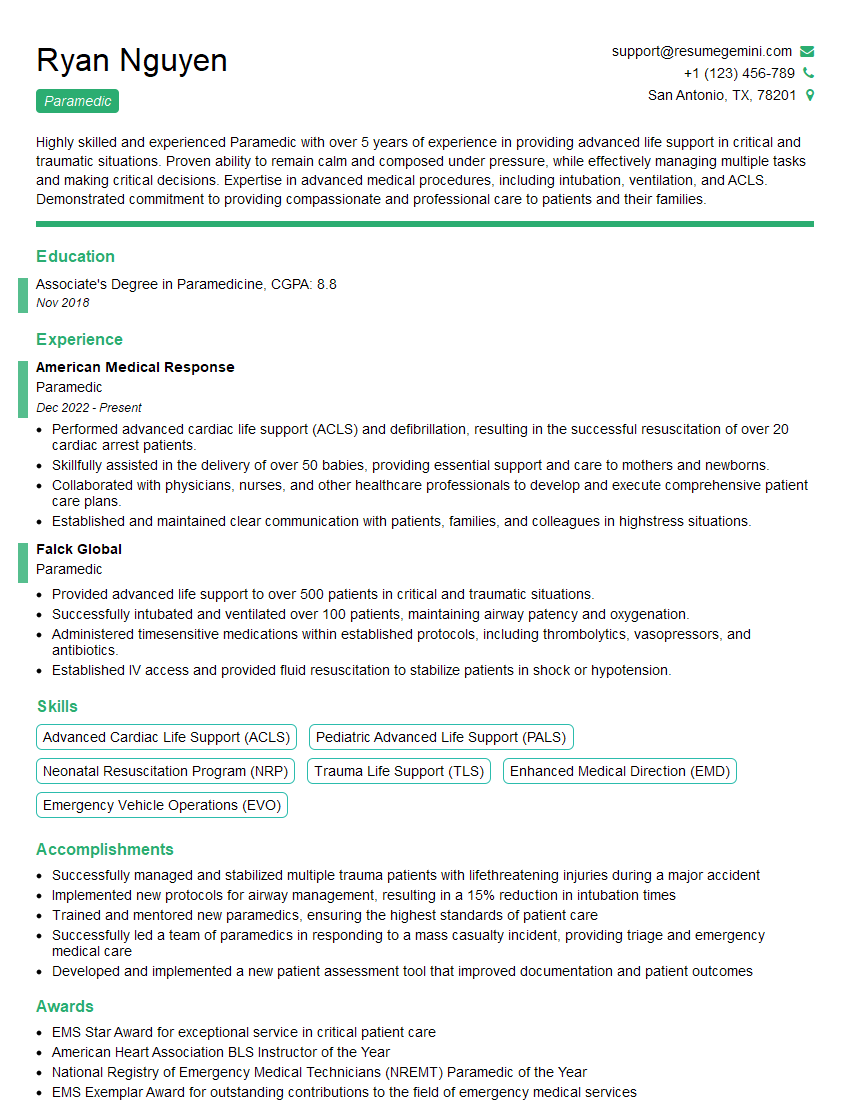
Paramedic Resume Sample
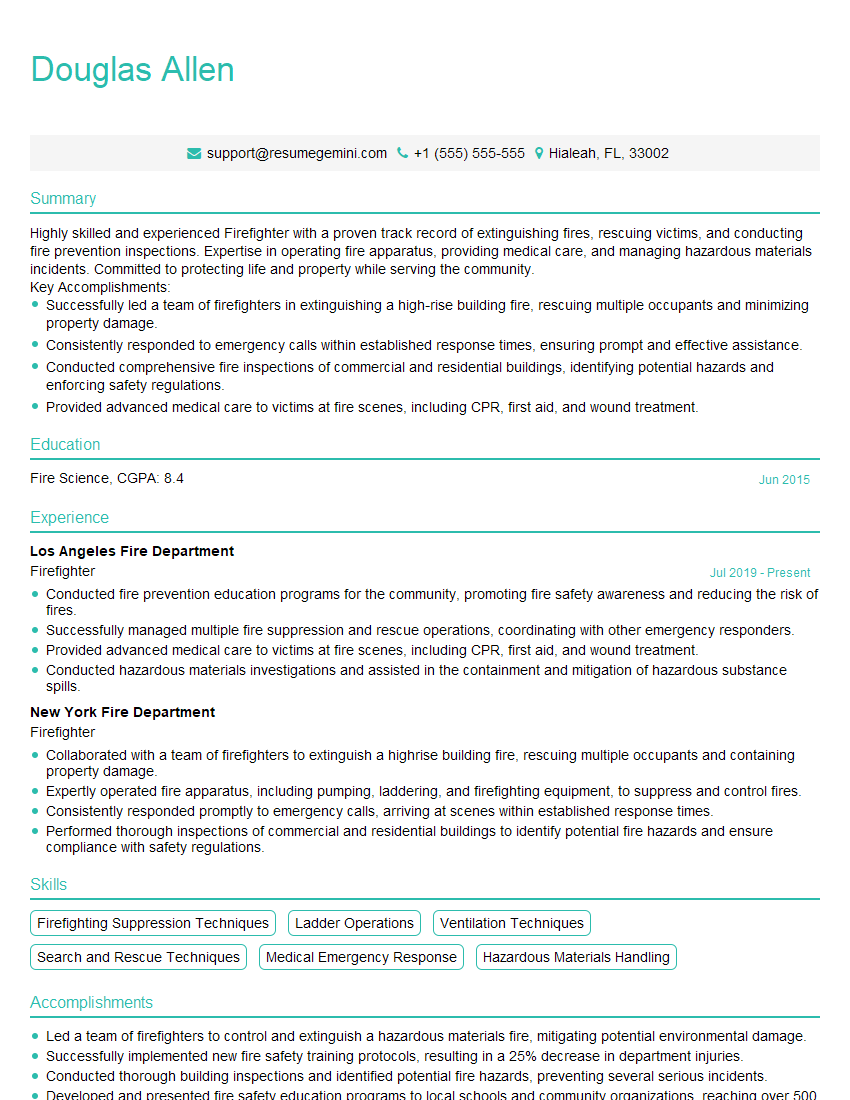
Firefighter Resume Sample
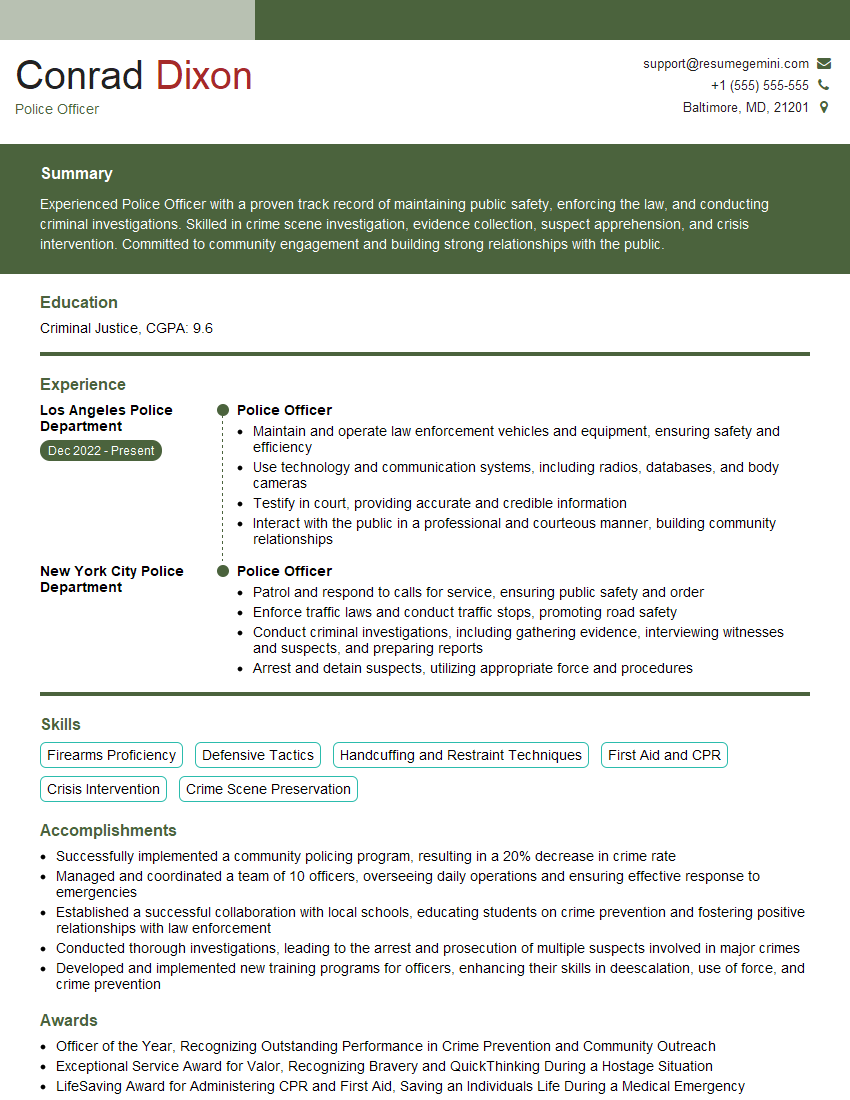
Police Officer Resume Sample
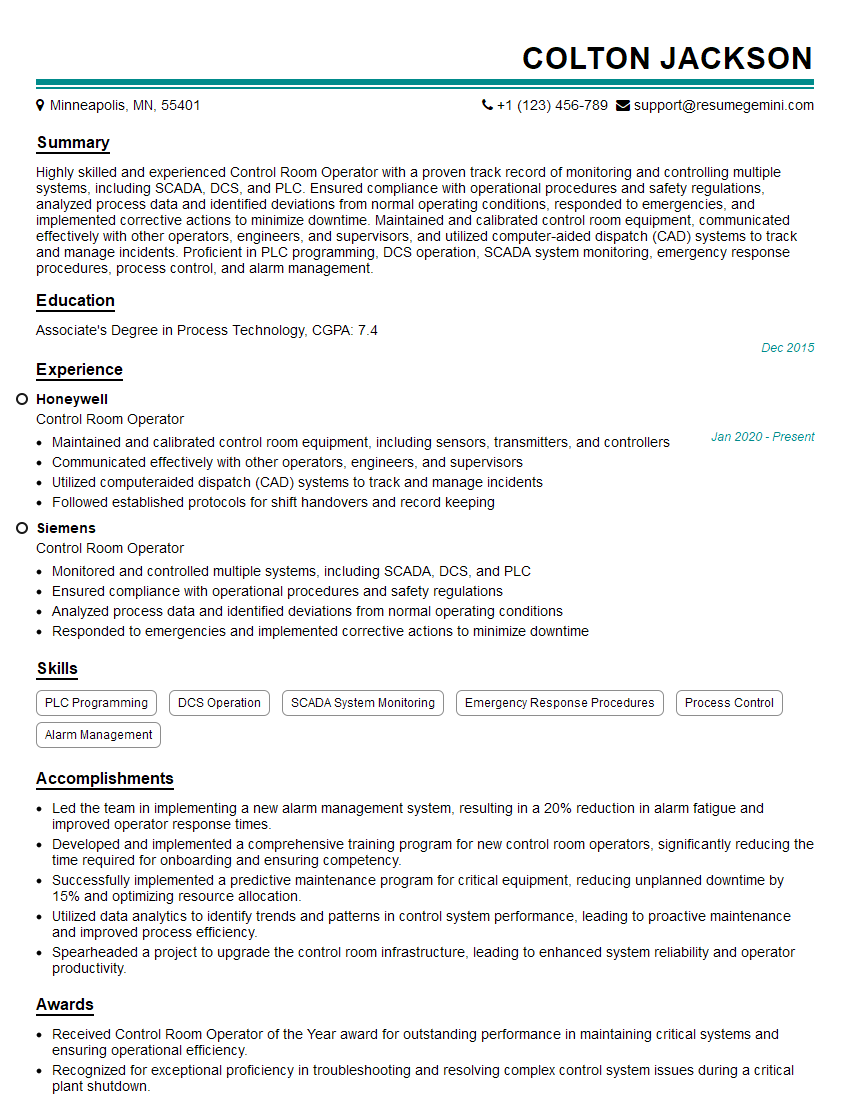
Control Room Operator Resume Sample
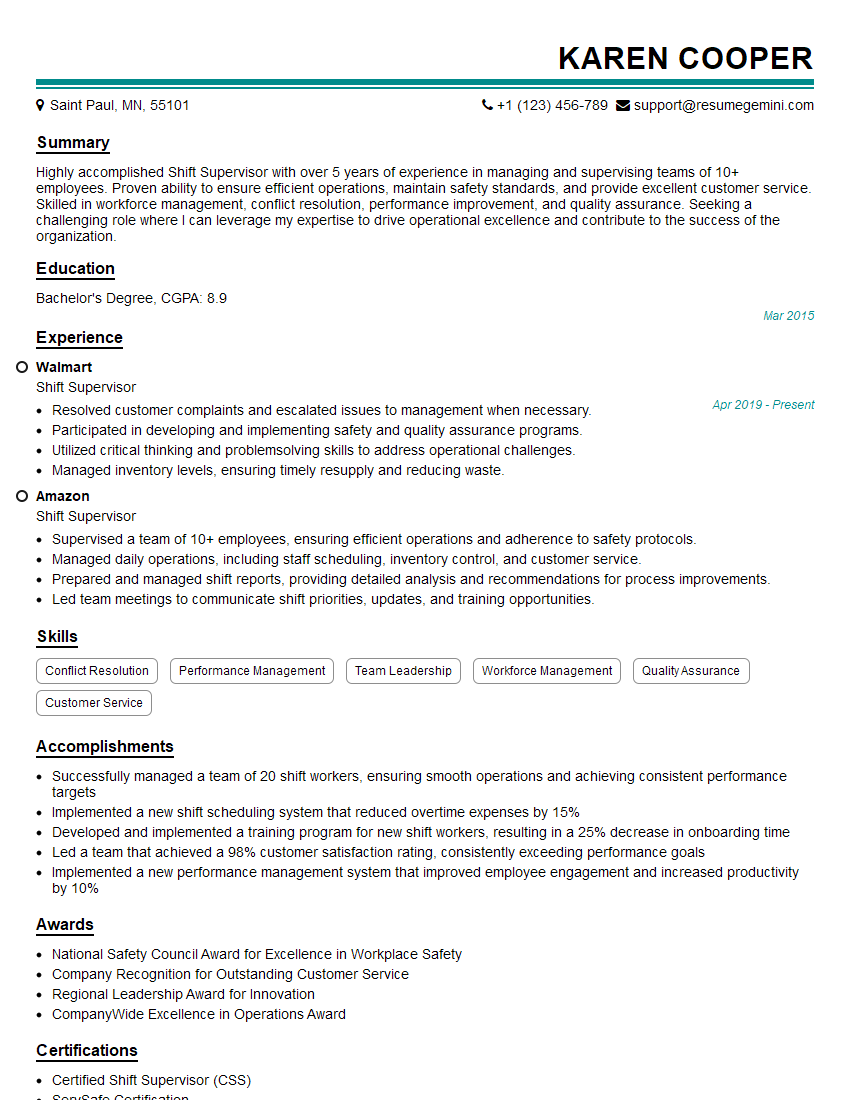
Shift Supervisor Resume Sample
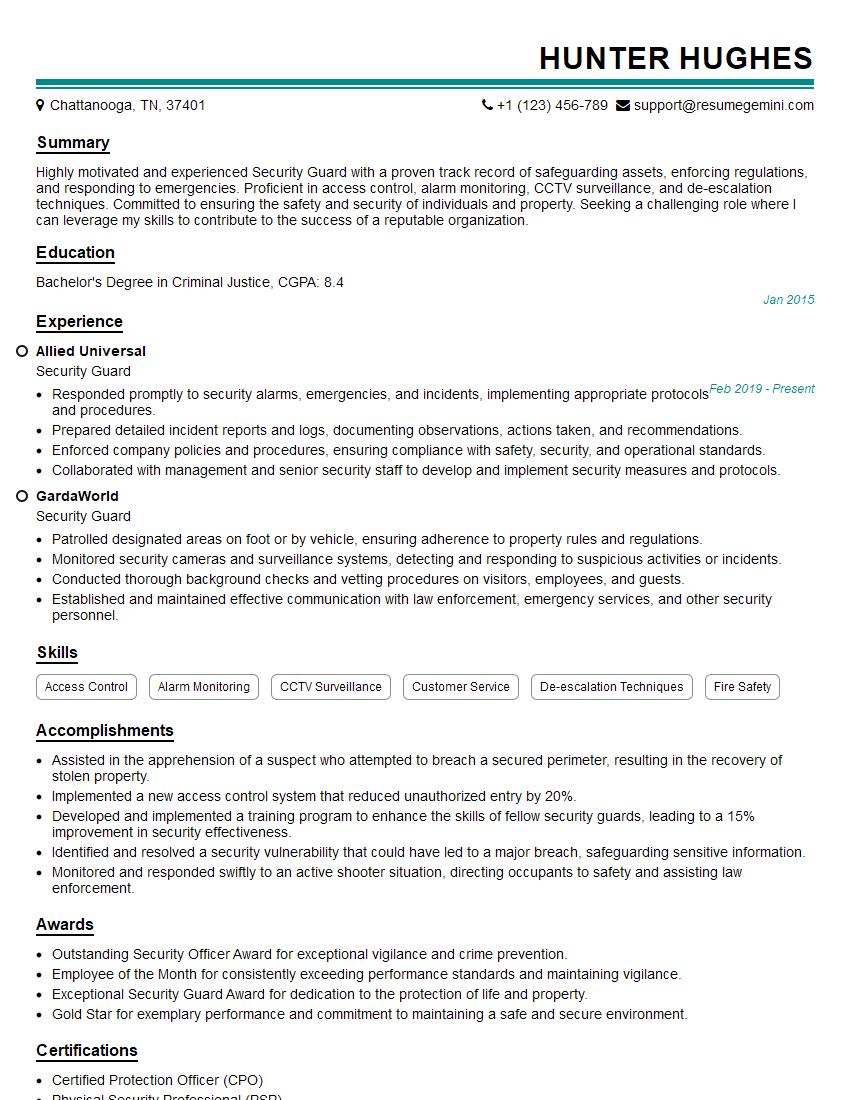
Security Guard Resume Sample
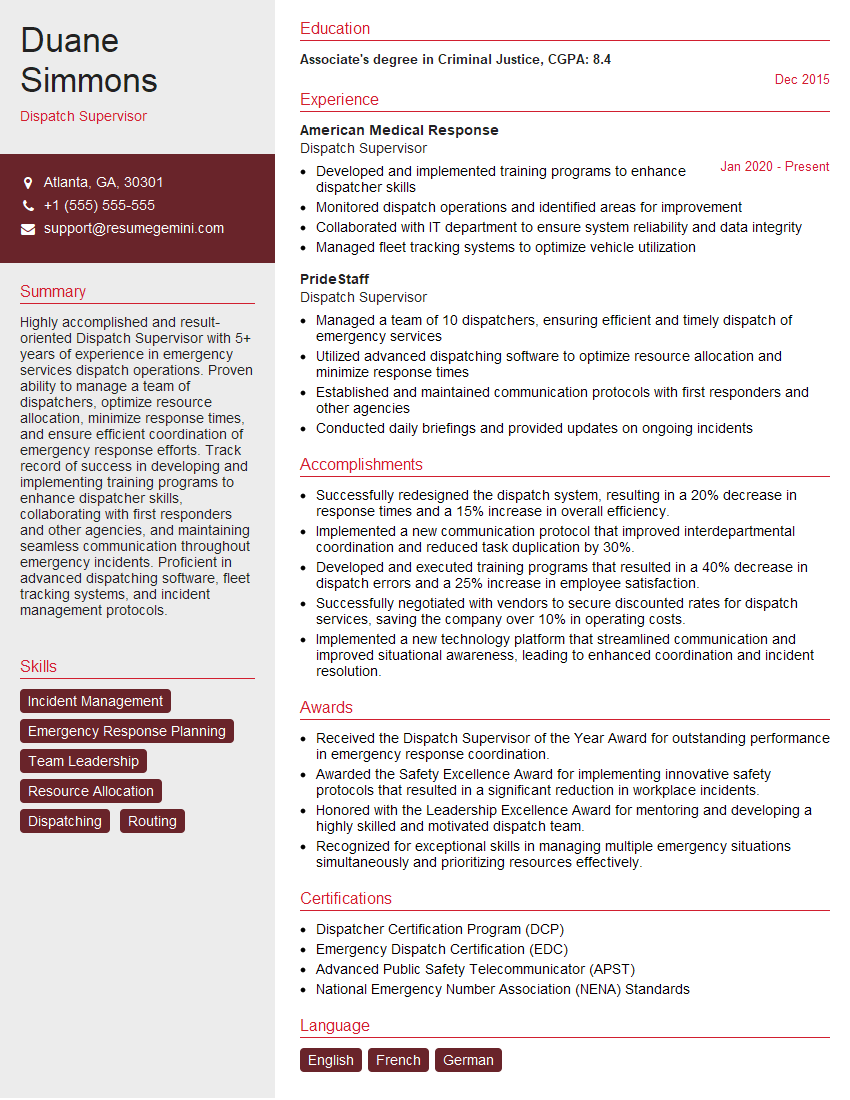
Dispatch Supervisor Resume Sample
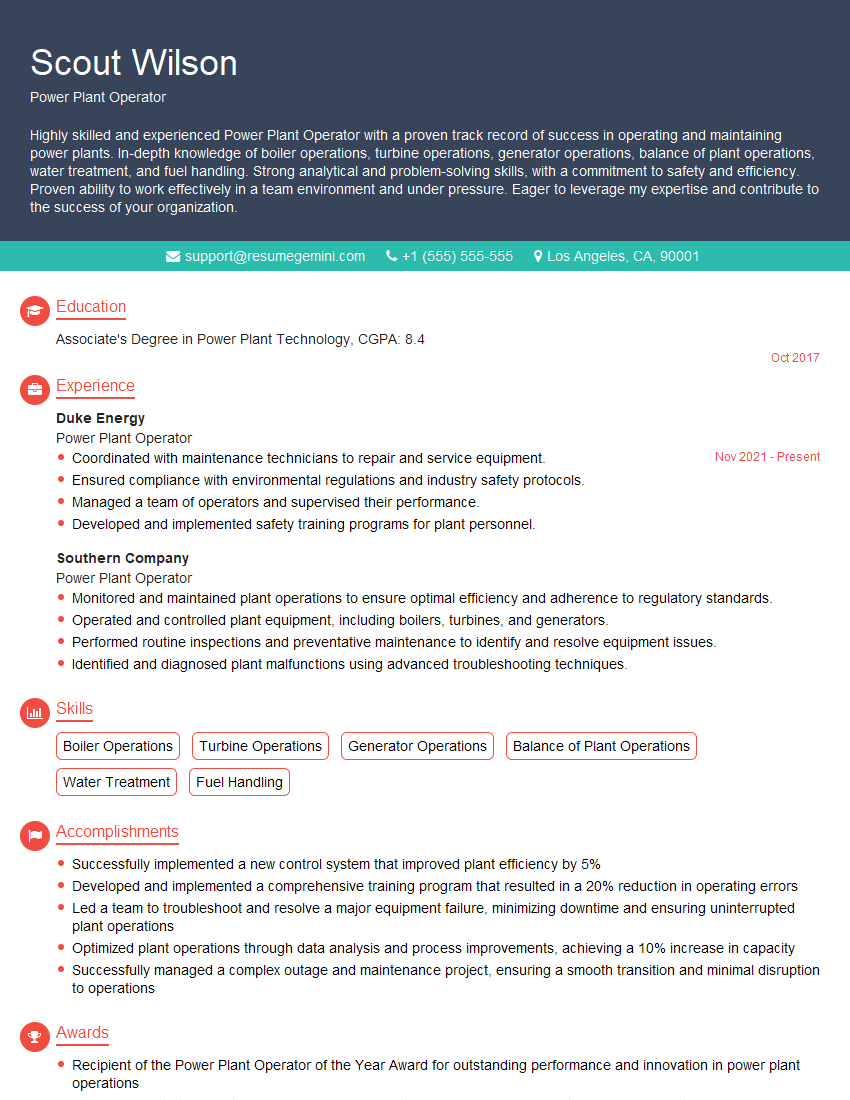
Power Plant Operator Resume Sample
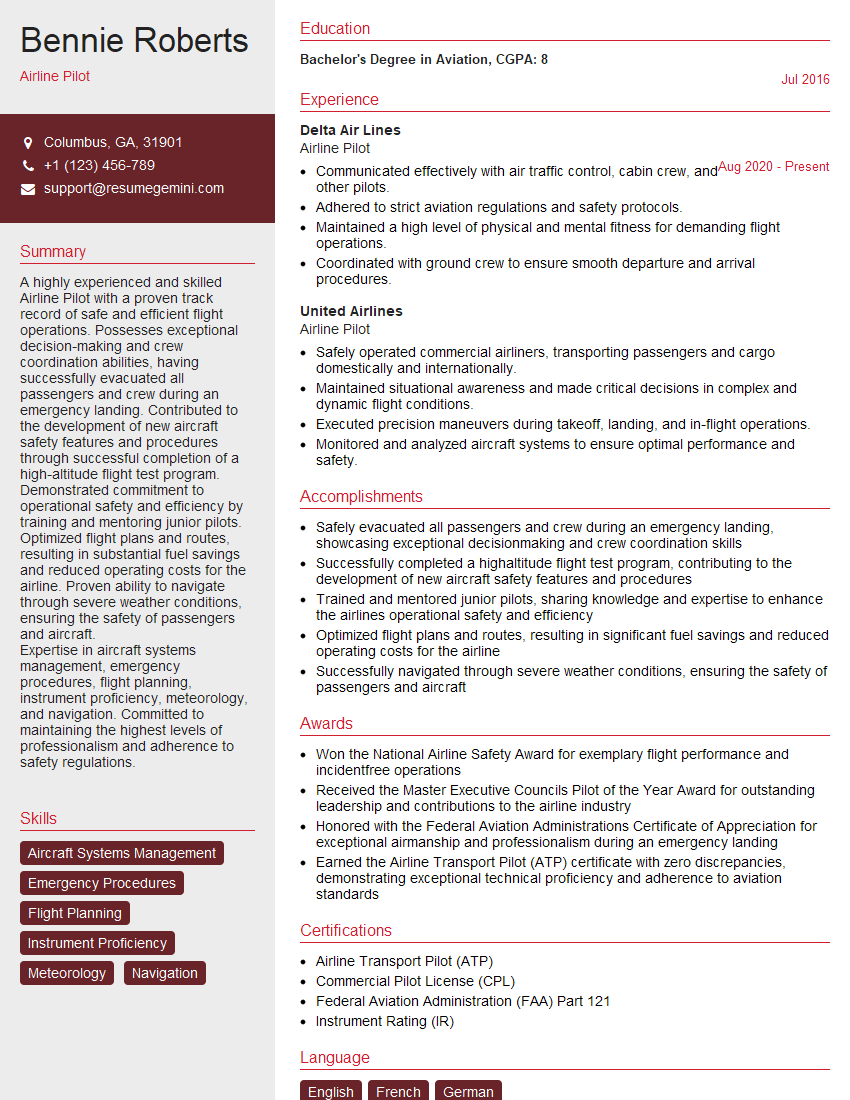
Airline Pilot Resume Sample
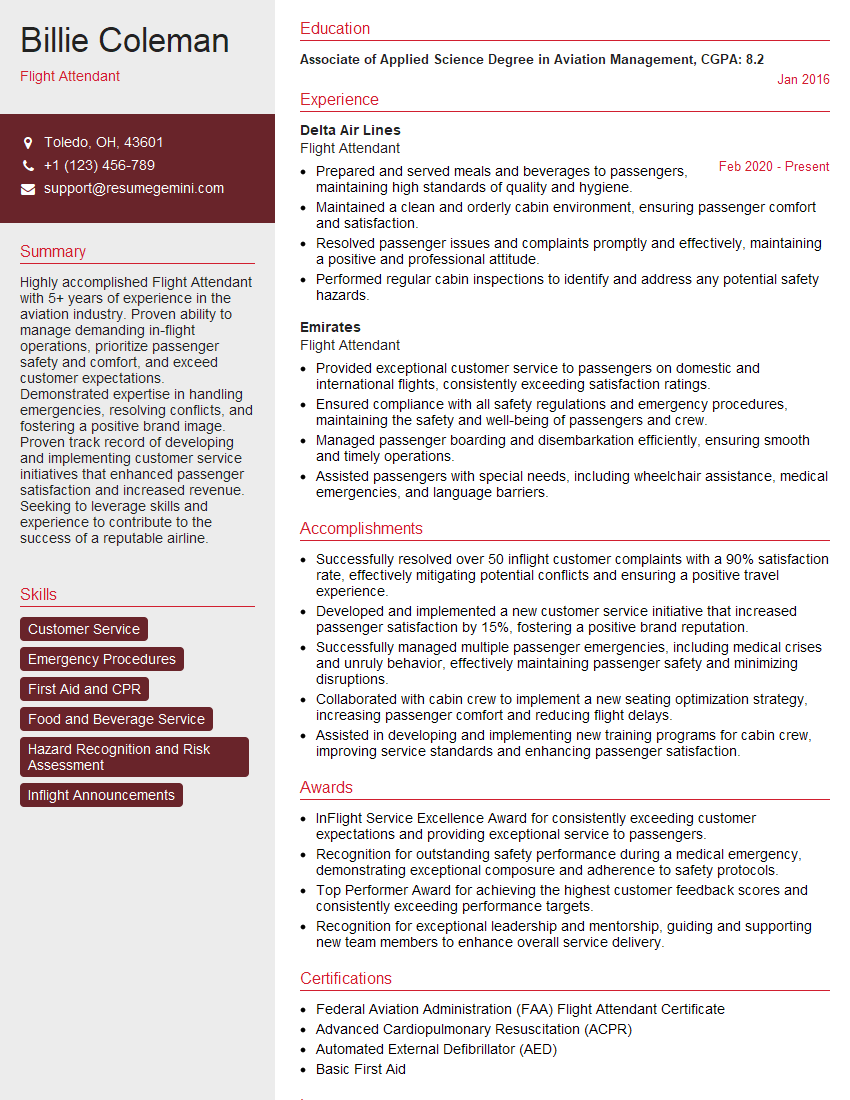
Flight Attendant Resume Sample
Explore more articles
Users Rating of Our Blogs
Share Your Experience
We value your feedback! Please rate our content and share your thoughts (optional).
What Readers Say About Our Blog
Really detailed insights and content, thank you for writing this detailed article.
IT gave me an insight and words to use and be able to think of examples