The right preparation can turn an interview into an opportunity to showcase your expertise. This guide to Shipboard Firefighting Techniques interview questions is your ultimate resource, providing key insights and tips to help you ace your responses and stand out as a top candidate.
Questions Asked in Shipboard Firefighting Techniques Interview
Q 1. Describe the different classes of shipboard fires.
Shipboard fires are classified into different classes based on the type of material burning and the most effective extinguishing agent. This classification is crucial for selecting the appropriate firefighting equipment and techniques.
- Class A: Fires involving ordinary combustible materials like wood, paper, cloth, and rubber. These fires are best extinguished by cooling the burning material with water.
- Class B: Fires involving flammable liquids such as gasoline, oil, and paints. These require extinguishing agents that interrupt the combustion process, like foam, CO2, or dry chemical powder. Water is generally ineffective, as it can spread the fire.
- Class C: Fires involving energized electrical equipment. The primary hazard is electrical shock. Power must be isolated before attempting to extinguish the fire. CO2 or dry chemical extinguishers are preferred due to their non-conductive nature.
- Class D: Fires involving combustible metals like magnesium, titanium, and sodium. These require specialized extinguishing agents and techniques, often involving dry powder specifically designed for metal fires. Water can react violently with some of these metals, exacerbating the fire.
- Class F: Fires involving cooking oils and fats. These require special extinguishing agents designed to prevent re-ignition and contain the fire, often wet chemical agents. Water is highly ineffective and can cause a flare-up.
Understanding these classes is paramount to effective firefighting aboard a vessel. For example, using water on a Class B fire could spread the burning liquid, making the situation worse. Always correctly identify the fire class before deploying any extinguishing agent.
Q 2. Explain the PASS method for using a fire extinguisher.
The PASS method is a simple yet effective acronym for using a fire extinguisher: Pull, Aim, Squeeze, Sweep.
- Pull: Pull the pin or release the locking mechanism on the extinguisher.
- Aim: Aim the nozzle at the base of the fire, not the flames themselves. Targeting the base ensures you attack the fuel source.
- Squeeze: Squeeze the handle or lever to discharge the extinguishing agent.
- Sweep: Sweep the nozzle from side to side, covering the base of the fire, until it is extinguished. Keep a safe distance from the fire while doing this.
Imagine you’re fighting a small grease fire in the galley. Following PASS, you pull the pin, aim at the base of the flames near the pan, squeeze the handle, and sweep the extinguisher across the base of the fire until it is completely out. Remember to never turn your back on the fire, and if the fire is large or beyond your ability to control, evacuate immediately and call for assistance.
Q 3. What are the limitations of a CO2 fire extinguisher?
While CO2 extinguishers are effective for Class B and C fires, they have limitations:
- Limited range: The CO2 discharge is relatively short-ranged, making them less effective against larger fires.
- Cannot extinguish deeply seated fires: CO2 is a gas and doesn’t effectively cool or penetrate solid materials. It’s ineffective against Class A fires.
- Risk of asphyxiation: In enclosed spaces, the high concentration of CO2 can displace oxygen, posing a significant risk of asphyxiation to firefighters and anyone nearby. Proper ventilation is essential after use.
- Freezing effect: CO2 can cause frostbite if it comes into direct contact with skin. Appropriate protective clothing is essential.
- Not effective on all Class B fires: It may not be effective on fires involving certain types of flammable liquids that need more substantial cooling.
For instance, using a CO2 extinguisher on a large oil spill fire would be ineffective due to its limited range and inability to cool the fuel source efficiently. Proper assessment of the fire is vital before deploying a CO2 extinguisher. Always ensure adequate ventilation after use.
Q 4. How do you operate a fire hose and nozzle?
Operating a fire hose and nozzle requires training and practice. It’s crucial to understand the pressure control and nozzle operation for effective firefighting.
- Connecting to the hydrant: Connect the fire hose to the hydrant outlet ensuring a secure connection. This is often a threaded connection and requires proper tightening.
- Nozzle control: Familiarize yourself with the nozzle control mechanism. Many nozzles allow for variable spray patterns (straight stream, fog, spray), each appropriate for different fire types and distances.
- Pressure regulation: Some hose systems allow pressure regulation, which is necessary to prevent damage to equipment and ensure effective extinguishment. A high pressure stream may be needed to penetrate deep seated fires, while a fog stream can help cool and suppress flames on larger fires.
- Hose handling: Efficient hose handling is crucial, especially with large hoses under pressure. Avoid kinks that restrict water flow. Teamwork is essential for managing large hose lines. Remember to always keep a safe distance from the fire
- Teamwork: Effective firefighting requires teamwork. One person may operate the nozzle while another manages the hose and hydrant.
Imagine you’re battling a fire in the engine room. You would first connect the hose, then adjust the nozzle to a straight stream for deep penetration into machinery spaces, carefully handling the hose to avoid obstructions and working as a team to maintain pressure and control the water flow. Switching to a fog pattern might be necessary to cool down hot surfaces and prevent reignition. A constant assessment of the fire and effective communication is vital for success.
Q 5. Describe the procedures for using a fire hydrant system.
A ship’s fire hydrant system is a network of pipes, hydrants, and hoses designed to deliver water for firefighting. Knowing how to operate it is crucial.
- Locate the nearest hydrant: Identify the nearest fire hydrant to the fire.
- Open the hydrant valve: Open the valve to allow water to flow into the system. This may require turning a wheel or lever.
- Connect the hose: Connect a fire hose to the hydrant outlet, ensuring a tight and secure connection.
- Charge the hose: Open the nozzle to allow water to flow through the hose and charge it. This removes air from the line and prepares the hose for operation.
- Control the water flow: Use the nozzle to control the flow and direction of the water, adjusting for the type of fire.
- Teamwork and communication: Effective operation of a fire hydrant system requires teamwork and clear communication among crew members.
Picture a scenario where a fire breaks out in a cargo hold. You’d need to locate the nearest hydrant, open the valve quickly, connect the hose, and charge the system. Teamwork is vital here—one person manages the hydrant, another connects and handles the hose, and a third operates the nozzle. Clear communication about pressure, water flow, and fire conditions ensures efficient firefighting.
Q 6. What are the different types of shipboard fire detection systems?
Several types of shipboard fire detection systems are employed to provide early warning of fires. These systems vary in their detection methods and application.
- Heat detectors: These detectors sense a rise in temperature, triggering an alarm. They’re relatively simple but may not detect small, smoldering fires early enough.
- Smoke detectors: These detectors sense the presence of smoke particles, providing an early warning of fires, even before visible flames appear. These are commonly used and are highly sensitive.
- Flame detectors: These detectors use infrared or ultraviolet sensors to detect the presence of flames, providing immediate warning of visible fires. They’re often used in high-risk areas.
- Gas detectors: These detectors sense the presence of specific combustible gases, providing early warning of potential fire hazards. They’re often crucial for detecting leaks of flammable gases.
- Addressable systems: These systems identify the precise location of the alarm, providing critical information for the fire-fighting response team.
For example, a combination of smoke and heat detectors in a passenger cabin would offer a robust fire detection system. The combination of detection technologies increases the likelihood of early detection and the ability to locate the source of the fire.
Q 7. Explain the importance of pre-fire planning.
Pre-fire planning is essential for effective shipboard firefighting. It involves identifying potential fire hazards, developing strategies, and training crew members.
- Hazard identification: Identify all potential fire hazards aboard the vessel, including flammable materials, electrical equipment, and areas with high fire risk.
- Escape routes: Establish clear and well-marked escape routes from all areas of the vessel, ensuring crew members can safely evacuate in case of fire.
- Firefighting equipment location and use: All crew members should be trained on the location, use, and maintenance of all fire-fighting equipment, including fire extinguishers, hoses, and hydrants.
- Emergency procedures: Develop and practice emergency procedures for fire response, including alarm procedures, evacuation procedures, and communication protocols. This should include regular fire drills.
- Communication protocols: Establish clear communication protocols between crew members during fire emergencies, ensuring information is quickly relayed to the appropriate personnel.
Consider a large cargo ship. Pre-fire planning would involve identifying high-risk cargo areas, mapping escape routes from each deck, conducting regular fire drills, and ensuring crew members know the locations of fire extinguishers and how to operate them. Regular inspection of firefighting equipment should also be included. This planning is critical for a rapid and efficient response to reduce the risk of injury and property damage.
Q 8. How do you assess and control the risk of fire onboard a vessel?
Assessing and controlling fire risk onboard a vessel is a multifaceted process involving proactive measures and reactive responses. It begins with a thorough understanding of potential fire hazards present on the ship – from the type of cargo carried to the age and condition of electrical systems. This hazard identification forms the basis of a comprehensive risk assessment.
- Identifying Hazards: This involves a systematic survey of the vessel, identifying potential ignition sources (e.g., faulty wiring, hot work areas, flammable materials), fuel sources (e.g., fuel tanks, cargo holds), and potential pathways for fire spread (e.g., ventilation systems, open spaces).
- Risk Evaluation: Once hazards are identified, their likelihood and potential consequences are assessed. This helps prioritize mitigation efforts. For example, a high-likelihood, high-consequence hazard like a faulty electrical panel requires immediate attention, while a low-likelihood, low-consequence hazard might require less urgent action.
- Mitigation Strategies: This involves implementing control measures to reduce the risk. These can include improved housekeeping (eliminating flammable debris), regular maintenance of equipment, fire detection and alarm systems (e.g., smoke detectors, heat detectors), fire suppression systems (e.g., sprinklers, CO2 flooding), and well-defined fire prevention procedures. Regular inspections and drills are crucial for verification.
- Emergency Response Plan: A detailed emergency response plan needs to be in place, specifying procedures for fire detection, alarm, initial response, and evacuation. It should detail the roles and responsibilities of crew members and outline the use of available firefighting resources.
For example, on a tanker carrying highly flammable crude oil, the risk assessment would prioritize the integrity of fuel tanks, proper ventilation in cargo holds, and the availability of foam firefighting systems. On a container ship carrying diverse cargo, the focus would be on segregating hazardous materials and having robust fire detection in each compartment.
Q 9. What are the emergency procedures for a fire outbreak in the engine room?
Engine room fires are particularly dangerous due to the presence of fuel, lubricants, and high temperatures. The emergency procedures must be swift and decisive. A typical response would involve the following steps:
- Raise the Alarm: Activate the general alarm and immediately notify the bridge.
- Contain the Fire: Attempt to contain the fire using available onboard firefighting equipment, such as portable extinguishers or the local engine room fire suppression system. If it’s safe to do so, close fire doors and dampers to limit the spread of fire and smoke.
- Evacuate Personnel: Ensure all personnel in the engine room safely evacuate to a designated assembly point. Never risk your life trying to fight a fire you can’t handle.
- Engage Fixed Fire Fighting Systems: Activate the appropriate fixed fire suppression system (e.g., CO2, water spray) according to the type of fire and location, if appropriate and safe to do so.
- Initiate Damage Control: Once the fire is under control, damage control measures are initiated to prevent further damage, such as cooling down hot surfaces, preventing fuel leaks, and assessing structural integrity.
- Contact External Assistance: Depending on the severity of the fire, external assistance from other vessels or shore-based fire services may be requested.
Regular training and drills are crucial in ensuring the crew’s familiarity with these procedures and effective coordination during a real emergency. We use scenarios like ‘a fire in the auxiliary generator room’ or ‘a fire in the main engine lubrication system’ in our drills.
Q 10. How do you handle different types of fire suppression systems (e.g., foam, water spray)?
Different fire suppression systems are used for various types of fires based on the class of fire (A, B, C, D). Knowing how to use each effectively is paramount.
- Water Spray: Effective against Class A fires (ordinary combustibles like wood and paper), water spray cools the fuel and reduces the intensity of the fire. It should be used judiciously on electrical fires (Class C) to avoid electrocution.
- Foam: Highly effective on Class B fires (flammable liquids like oil and fuel). Foam creates a barrier that separates the fuel from the oxygen, suppressing the fire. Different types of foam are used depending on the type of flammable liquid. Applying foam incorrectly, such as not creating a proper blanket, could be ineffective.
- CO2: Used on Class B and C fires. CO2 displaces oxygen, suffocating the fire. However, it must be used carefully as it can displace oxygen in the area and cause asphyxiation. Proper ventilation is essential after its use.
- Dry Chemical Powder: Used on Class A, B, and C fires. This agent disrupts the chemical chain reaction of the fire. The powder is effective but can leave a residue that needs cleaning.
Using the wrong suppression system can be counterproductive and even dangerous. For instance, using water on a Class B fire could spread the burning liquid. Therefore, training emphasizes the proper application of each system based on the class of fire.
Q 11. What safety equipment is essential for shipboard firefighting?
Essential safety equipment for shipboard firefighting includes:
- Portable Fire Extinguishers: Various types (water, foam, CO2, dry powder) strategically located throughout the vessel.
- Fire Hoses and Nozzles: Connected to fire hydrants and equipped with various nozzles for different fire scenarios.
- Breathing Apparatus (BA): Self-contained breathing apparatus provides clean air in smoke-filled environments.
- Fire Blankets: Used to smother small fires or protect personnel.
- Fire Detection and Alarm Systems: Smoke detectors, heat detectors, and manual call points that activate the alarm system.
- Fixed Fire Fighting Systems: Sprinklers, CO2 flooding systems, foam systems designed to protect specific areas.
- Emergency Lighting: To ensure visibility during power outages.
- Emergency Escape Routes: Clearly marked and maintained escape routes.
The availability and proper maintenance of this equipment are critical for effective fire prevention and control. Regular inspections and servicing are non-negotiable.
Q 12. Explain the importance of personal protective equipment (PPE) in firefighting.
Personal Protective Equipment (PPE) is essential for protecting firefighters from the dangers of fire, including heat, smoke inhalation, burns, and exposure to hazardous materials. It’s crucial for both safety and effectiveness.
- Fire-resistant Clothing: Protects against heat and flames.
- Gloves and Boots: Protect against heat, sharp objects, and hazardous materials.
- Helmets: Protect the head from falling debris.
- Breathing Apparatus: Essential in smoke-filled environments to provide clean, breathable air.
- Eye Protection: Protects against heat, smoke, and flying debris.
Without proper PPE, firefighters are at much greater risk of injury or death. I recall a training exercise where we simulated a fire in a confined space. The exercise highlighted the importance of wearing BA, as the smoke was incredibly thick and visibility was near zero. The PPE allowed us to operate effectively and safely.
Q 13. How do you effectively communicate during a fire emergency?
Effective communication during a fire emergency is vital for a coordinated and successful response. This requires a clear and concise system utilizing several methods:
- General Alarm System: The ship’s general alarm system immediately alerts everyone onboard.
- Public Address System (PA): Used to give instructions and updates during the emergency.
- Radio Communication: Used to coordinate actions between different teams (e.g., bridge, engine room, firefighting teams).
- Hand Signals: Used in noisy environments where verbal communication is difficult.
- Pre-determined Reporting System: Clear reporting protocols allow incident commanders to assess the situation effectively.
Clear and concise language is paramount, avoiding jargon and ambiguities. For instance, using phrases like ‘Fire in the forward hold, requesting immediate assistance’ instead of vague descriptions is essential. Regular drills using these communication methods ensure fluency in emergency situations. I’ve personally seen the effectiveness of clear communication in a drill that simulated a major fire, where efficient reporting allowed for a prompt and organized response.
Q 14. Describe your experience with fire drills and training exercises.
Fire drills and training exercises are crucial for maintaining a high level of preparedness. Throughout my career, I’ve participated in numerous drills, covering a wide range of scenarios.
- Regular Drills: We conduct regular fire drills, simulating different fire locations and severities. This includes practicing the use of fire extinguishers, fire hoses, and breathing apparatus. Drills also cover the use of fire suppression systems and emergency escape procedures.
- Emergency Response Drills: These drills include full-scale simulations involving multiple teams and various scenarios, such as a fire in the galley, a fire in a cargo hold, or a fire in the engine room, encompassing evacuation procedures and interaction with external authorities.
- Firefighting Training Courses: I’ve completed several advanced firefighting training courses, including those focused on specific fire suppression techniques and the use of specialized equipment. This ensures that our team maintains the highest standards of competence.
- Scenario-based Training: This involves working through specific fire scenarios, allowing for both practical application and critical thinking. For example, we might simulate a fire that has spread unexpectedly or requires the immediate use of the CO2 system.
These drills not only ensure the crew’s proficiency but also identify areas for improvement in the ship’s fire safety procedures and emergency response plans. Regular, rigorous training is the cornerstone of safe ship operation.
Q 15. How do you handle a fire involving hazardous materials?
Handling fires involving hazardous materials requires a significantly different approach than standard shipboard firefighting. The primary concern is the potential for exposure to toxic fumes, explosions, or other dangerous consequences. Before engaging, we must first identify the hazardous material involved. This often requires consulting the ship’s cargo manifest or emergency response plan. Once identified, we consult the Safety Data Sheet (SDS) for that material, which provides critical information on its properties and recommended firefighting techniques.
The SDS will indicate the appropriate extinguishing agent (water, foam, dry chemical, CO2, etc.) and any specific safety precautions. For instance, some materials might require the use of specialized foam to prevent reignition or the application of water to prevent a chemical reaction. Distance is crucial; we might need to use remote firefighting methods like monitors or fog nozzles from a safe distance. Personal Protective Equipment (PPE) is paramount, including self-contained breathing apparatus (SCBA) and appropriate hazmat suits.
Remember, a coordinated approach with the shore-based emergency response teams is vital. We need to inform them of the hazardous material involved for their safety and guidance. We also need to consider the potential for environmental contamination and implement containment measures as needed. This whole process emphasizes the importance of thorough pre-voyage planning and regular training for all crew members.
Career Expert Tips:
- Ace those interviews! Prepare effectively by reviewing the Top 50 Most Common Interview Questions on ResumeGemini.
- Navigate your job search with confidence! Explore a wide range of Career Tips on ResumeGemini. Learn about common challenges and recommendations to overcome them.
- Craft the perfect resume! Master the Art of Resume Writing with ResumeGemini’s guide. Showcase your unique qualifications and achievements effectively.
- Don’t miss out on holiday savings! Build your dream resume with ResumeGemini’s ATS optimized templates.
Q 16. What is the role of the fire party during a fire emergency?
The fire party is the ship’s dedicated firefighting team, trained to handle emergencies swiftly and efficiently. Their roles are multifaceted and crucial to containing and extinguishing fires. Their responsibilities begin with early detection and alarm activation—responding to the alarm immediately and proceeding to the location of the fire.
Once at the scene, their duties include:
- Assessing the situation: Determining the fire’s size, location, and type of material involved.
- Containing the fire: Utilizing firebreaks, closing doors, and deploying fire-fighting equipment strategically.
- Extinguishing the fire: Employing appropriate extinguishing agents and techniques based on the fire’s nature.
- Protecting life and property: Evacuating personnel, saving valuable equipment, and preventing the fire from spreading.
- Providing reports: Detailed reporting of the incident to the master, including the cause, damage extent, and actions taken.
The fire party acts as the first line of defense, their effectiveness directly correlating with the training they’ve received and the preparedness of the vessel.
Q 17. Describe the procedure for evacuating a vessel in case of fire.
Evacuating a vessel during a fire is a critical process, prioritizing the safety of all onboard. The procedure starts with activating the general alarm, ensuring everyone is aware of the emergency. The muster stations, clearly marked and known to all crew members, are where everyone assembles for headcount and instructions.
A structured, systematic evacuation is essential. Designated personnel guide passengers and crew to their assigned muster stations, ensuring no one is left behind. The ship’s emergency plans dictate evacuation routes and procedures. This often involves utilizing escape routes clearly marked with illuminated signage. Lifeboats and life rafts are prepared for launch under the guidance of the designated lifeboat crews.
The master or designated officer oversees the evacuation, coordinating communication with the shore-based authorities and ensuring the safety of all. A headcount is paramount, confirming everyone has safely evacuated. In practice, successful evacuation depends on thorough training, regular drills, and a clear understanding of emergency procedures by all onboard personnel.
Q 18. How do you manage casualties during a fire emergency?
Managing casualties during a fire emergency is a high-priority task that demands immediate and efficient action. First aid is administered by trained personnel at the scene and those casualties requiring immediate medical attention are identified and prioritized for evacuation.
The emergency medical response team (if one exists) takes charge, stabilizing injuries, controlling bleeding, and administering necessary treatments. Casualties are transported to a safe location, typically a designated medical area or a safe part of the vessel, away from the fire. Communication with external emergency services is crucial for arranging medical evacuation if necessary.
Documentation of injuries and treatment administered is vital for post-incident investigation and reports. This systematic approach ensures that casualties receive the best possible care, reducing the impact of the traumatic event. Adequate medical supplies and trained personnel are paramount to effective casualty management.
Q 19. What are the post-fire investigation procedures?
Post-fire investigations are vital for determining the cause, contributing factors, and lessons learned from the incident. This process involves a thorough examination of the damage, interviewing witnesses, analyzing the fire’s progression, and reviewing all relevant documentation.
The investigation typically involves:
- Damage Assessment: A meticulous inspection of the fire’s extent and location.
- Witness Interviews: Gathering statements from crew members and passengers to reconstruct events.
- Fire Pattern Analysis: Determining the origin and spread of the fire based on burn patterns.
- Equipment Examination: Inspecting fire-fighting equipment for malfunctions or inadequate maintenance.
- Review of Records: Examining ship logs, maintenance records, and safety drills to identify contributing factors.
The findings are documented in a detailed report, often submitted to relevant authorities. This report helps identify areas for improvement in safety procedures, crew training, equipment maintenance, and emergency response planning. It’s a crucial step in preventing similar incidents in the future.
Q 20. How do you maintain fire-fighting equipment onboard a vessel?
Maintaining fire-fighting equipment is crucial for ensuring its readiness during emergencies. This is an ongoing process, encompassing regular inspections, testing, and servicing.
The maintenance schedule should be strictly adhered to and includes:
- Regular Inspections: Daily checks of fire extinguishers, hoses, and other equipment for damage or leaks.
- Functional Testing: Periodic testing of fire pumps, sprinkler systems, and other equipment to ensure they’re operational.
- Scheduled Servicing: Regular servicing and maintenance of fire extinguishers, including refilling and pressure checks.
- Record Keeping: Maintaining detailed records of all inspections, testing, and servicing to track the equipment’s condition and compliance with regulations.
Proper maintenance not only ensures the equipment’s functionality but also enhances the safety of the crew and vessel. Neglecting this can lead to equipment failure during a fire, seriously compromising the ability to effectively combat the fire.
Q 21. Explain the regulations and standards related to shipboard firefighting.
Shipboard firefighting is governed by a comprehensive set of international regulations and standards. The International Maritime Organization (IMO) plays a significant role in setting these standards. Key regulations include the International Convention for the Safety of Life at Sea (SOLAS), which outlines requirements for fire detection, prevention, and firefighting systems.
These regulations cover various aspects, including:
- Fire Detection Systems: Requirements for automatic fire detection systems, including smoke detectors, heat detectors, and fire alarms.
- Fire Extinguishing Systems: Regulations specifying the types and quantities of fire extinguishers, sprinkler systems, and fixed fire-fighting systems required.
- Fire Prevention Measures: Standards for fire-resistant materials, firebreaks, and safe storage of hazardous materials.
- Emergency Procedures: Guidelines for developing and implementing shipboard fire emergency plans, including evacuation procedures and crew training.
- Crew Training: Requirements for the training and certification of crew members in fire prevention and firefighting techniques.
Compliance with these regulations is essential for ensuring the safety of the vessel, its crew, and its cargo. Regular inspections and audits by maritime authorities are conducted to verify compliance.
Q 22. Describe the different types of fixed fire-fighting systems (e.g., sprinkler, deluge)?
Fixed fire-fighting systems are crucial for automated fire suppression on ships. They’re designed to activate automatically or manually to control or extinguish fires in specific areas. Several types exist, each with its own application and operating mechanism.
- Sprinkler Systems: These systems use a network of pipes with sprinkler heads that release water when the temperature in a localized area reaches a predetermined threshold. They’re effective for controlling small, localized fires, limiting their spread. Think of them like tiny, strategically placed firefighters constantly on watch. Each sprinkler head is individually activated. For instance, a fire in a galley might only trigger sprinklers in that immediate vicinity, preserving other areas.
- Deluge Systems: Unlike sprinkler systems, deluge systems activate *all* sprinkler heads in a designated zone simultaneously upon activation. This is ideal for areas with high fire risks, where a fast, widespread response is paramount, such as engine rooms. They use a deluge valve which opens on detection of a fire, releasing water from all heads simultaneously. Imagine a rapid, widespread drenching to quickly extinguish a large, fast-spreading fire.
- Foam Systems: These systems use foam to extinguish fires, particularly those involving flammable liquids. The foam acts as a blanket, suppressing oxygen and the fire. They are frequently found in machinery spaces and cargo holds containing flammable goods. A foam system in a tank farm, for example, would use high expansion foam to quickly blanket the fire.
- CO2 Systems: Carbon dioxide systems displace oxygen, suffocating the fire. They are suitable for enclosed spaces containing electrical equipment or where water damage would be detrimental. They are commonly used to protect engine rooms and server rooms. Note that CO2 systems require personnel evacuation of the protected space before activation due to the asphyxiating nature of the gas.
- Water Spray Systems: These systems use a fine water spray to cool the fire and reduce the spread of flames. They’re often used in areas where water damage needs to be minimized, such as computer rooms or electrical panels.
Q 23. What are the methods for ventilation control during a fire?
Ventilation control is paramount during a fire to prevent the spread of smoke and heat. Effective strategies involve both positive and negative pressure ventilation.
- Positive Pressure Ventilation: This method involves introducing large volumes of fresh air into the affected area, pushing smoke and heat outwards. It’s often used to clear smoke from spaces before personnel entry. Imagine blowing a strong wind through the space, pushing the smoke away. Using fans and carefully positioned ventilation ducts is key to effective positive pressure.
- Negative Pressure Ventilation: This involves extracting smoke and heat from the affected area using exhaust fans, creating a lower pressure zone compared to the surroundings. This helps prevent the fire from spreading and creates a safer entry route for firefighters. Think of it like creating a vacuum to pull smoke out. Proper placement of extraction fans is crucial here.
- Smoke Diverters and Stack Effect: Natural ventilation, utilizing the ‘stack effect’ of smoke rising to higher points, can be a valuable tool. This can be enhanced with strategically deployed smoke diverters to guide the smoke away from certain areas or people. For example, carefully opened hatches can use the natural stack effect to help remove smoke.
The choice of method depends on the location and size of the fire, wind conditions and the overall layout of the vessel. Proper risk assessment before attempting any ventilation control is crucial. Improperly applied ventilation can actually worsen the situation.
Q 24. How do you assess the structural integrity of the vessel after a fire?
Assessing structural integrity after a fire requires a systematic approach combining visual inspection with potentially more advanced techniques.
- Visual Inspection: This involves a thorough examination of the affected area for signs of damage such as charring, cracking, buckling, or sagging of structural members. Specific attention must be given to load-bearing elements like beams, columns, and bulkheads. Areas around the fire are assessed for weakening and structural integrity concerns.
- Non-Destructive Testing (NDT): If significant damage is suspected, NDT methods might be required. These may include ultrasonic testing to check for internal flaws in steel, or thermographic imaging to detect heat-affected zones, indicating potential weakening in materials even where no visible damage is present. These give a deeper, more quantitative look into the extent of damage.
- Load Testing: In extreme cases, load testing might be necessary to ascertain the carrying capacity of weakened structures. This involves applying controlled loads to determine the structural limits of a compromised section.
The assessment’s results will dictate whether repairs are needed, if the area needs to be reinforced, or if the whole section needs replacing. A qualified structural engineer should oversee this whole process, especially if considering any structural repairs or reinforcements.
Q 25. Explain the importance of regular fire safety inspections and maintenance.
Regular fire safety inspections and maintenance are not just recommended – they’re absolutely crucial for preventing and mitigating shipboard fires.
- Proactive Prevention: Regular inspections help identify potential hazards early on, allowing for prompt remediation before they escalate into major incidents. This includes checking fire suppression systems, emergency exits, and fire detection systems.
- System Functionality: Maintenance ensures the proper functioning of all fire-fighting equipment, including sprinkler systems, fire pumps, fire hoses, and breathing apparatus. Regular testing verifies they’re ready for use in an emergency.
- Crew Training: Inspections should also include assessments of crew familiarity with fire prevention procedures and the location and use of fire-fighting equipment. Regular drills ensure competence and rapid response.
- Compliance: Regular inspections help ensure compliance with international maritime regulations and company safety standards. This demonstrates commitment to safety, reducing liability risks and penalties.
A well-maintained and inspected vessel shows a clear commitment to safety and well-being of the crew and the vessel itself. Neglecting this can lead to catastrophic outcomes.
Q 26. How do you recognize and respond to the different stages of a fire?
Recognizing and responding to the different stages of a fire is crucial for effective firefighting.
- Incipient Stage: This is the initial stage where the fire is small and confined to a single item or area. Quick action is key! This stage can often be extinguished with a simple fire extinguisher. Immediate action is crucial here.
- Growth Stage: The fire grows rapidly, consuming more fuel and producing significant heat and smoke. This stage requires immediate deployment of appropriate fire fighting equipment and potentially evacuation. Calling for assistance and initiating emergency procedures is crucial.
- Fully Developed Stage: The fire has consumed all available fuel and is burning intensely. This is the most dangerous stage. Focus shifts to containing the fire’s spread and protecting personnel. Defensive fire-fighting tactics may be required.
- Decay Stage: The fire begins to diminish due to fuel depletion or effective suppression efforts. The focus shifts to extinguishing remaining hot spots and ensuring the fire will not reignite. Continued vigilance is essential.
Effective response requires proper training, quick decision-making, and a clear understanding of the fire’s characteristics and the resources available. This is why regular training drills are so important.
Q 27. What are the common causes of shipboard fires?
Shipboard fires have numerous causes, often stemming from a combination of factors. It’s crucial to understand these to implement effective preventative measures.
- Electrical Faults: Overheating wiring, faulty equipment, and short circuits are common culprits. Regular inspections and preventative maintenance are key.
- Smoking Materials: Improperly disposed cigarettes are a significant fire hazard, especially in areas with flammable materials. Strict smoking policies and designated smoking areas are essential.
- Hot Work: Welding, cutting, and other hot work operations can easily ignite flammable materials if precautions aren’t taken. Proper permits, fire watches, and protective measures are mandatory.
- Flammable Liquids and Gases: The improper storage, handling, and use of flammable materials significantly increase the risk. Strict adherence to safety protocols is vital.
- Cargo Fires: Spontaneous combustion of certain cargo types is a potential hazard. Understanding and managing risks associated with cargo is crucial.
- Engine Room Fires: Machinery malfunctions, oil leaks, and overheating components are common causes of engine room fires. Regular maintenance and monitoring are essential.
The root causes often involve human error, negligence, and a lack of preventative measures. Therefore, a strong safety culture and regular training are essential in mitigating these risks.
Q 28. Describe your experience with using breathing apparatus (BA).
I have extensive experience using Breathing Apparatus (BA), having completed numerous training courses and participated in countless drills and real-world fire-fighting operations. My experience spans various types of BA, from open-circuit to closed-circuit systems.
Proper donning and doffing procedures are second nature to me; I can confidently put on and remove the BA under pressure, ensuring a secure and airtight seal. I’m proficient in checking the air supply, communicating effectively through the communication system, and navigating through smoky environments with limited visibility. I understand the limitations of the BA, including duration of air supply and physical exertion.
I’ve used BA during simulated and actual shipboard fires, navigating tight spaces, assisting in rescue operations, and fighting fires in various compartments. These experiences have honed my ability to remain calm under pressure, make informed decisions, and work effectively as part of a team. Crucially, I understand the importance of buddy checks and maintaining constant awareness of my surroundings and my teammate’s conditions. Regular maintenance and familiarity with the equipment are paramount, enabling me to effectively perform my role.
Key Topics to Learn for Shipboard Firefighting Techniques Interview
- Understanding Fire Triangle and Tetrahedron: Theoretical understanding of the elements required for combustion and how to interrupt the chain reaction.
- Types of Shipboard Fires (Classes A, B, C, D, F): Practical application of identifying different fire classes and selecting appropriate extinguishing agents.
- Fixed Firefighting Systems: Knowledge of sprinkler systems, foam systems, and CO2 systems; their operation, limitations, and maintenance.
- Portable Fire Extinguishers: Practical experience with various extinguisher types (e.g., water, CO2, dry chemical, foam) and their proper usage.
- Fire Detection and Alarm Systems: Understanding how these systems function, their limitations, and how to respond to alarms effectively.
- Emergency Procedures and Escape Routes: Practical knowledge of shipboard evacuation plans, muster stations, and personal protective equipment (PPE).
- Respiratory Protection and Breathing Apparatus: Understanding the limitations and proper use of SCBA equipment in confined spaces.
- Fire Prevention and Control Measures: Practical application of fire safety regulations, risk assessment, and preventative maintenance.
- Incident Reporting and Documentation: Understanding the importance of accurate record-keeping and post-incident analysis.
- Working with a Team in Emergency Situations: Problem-solving approaches, communication skills, and teamwork during fire response operations.
Next Steps
Mastering Shipboard Firefighting Techniques is crucial for career advancement in the maritime industry, demonstrating your commitment to safety and operational efficiency. A strong resume is your first step towards securing your dream role. To increase your chances of getting noticed by Applicant Tracking Systems (ATS), create an ATS-friendly resume that highlights your relevant skills and experience. ResumeGemini is a trusted resource for building professional, impactful resumes. They offer examples of resumes tailored to Shipboard Firefighting Techniques to help you showcase your expertise effectively. Invest time in crafting a compelling resume – it’s your key to unlocking exciting career opportunities.
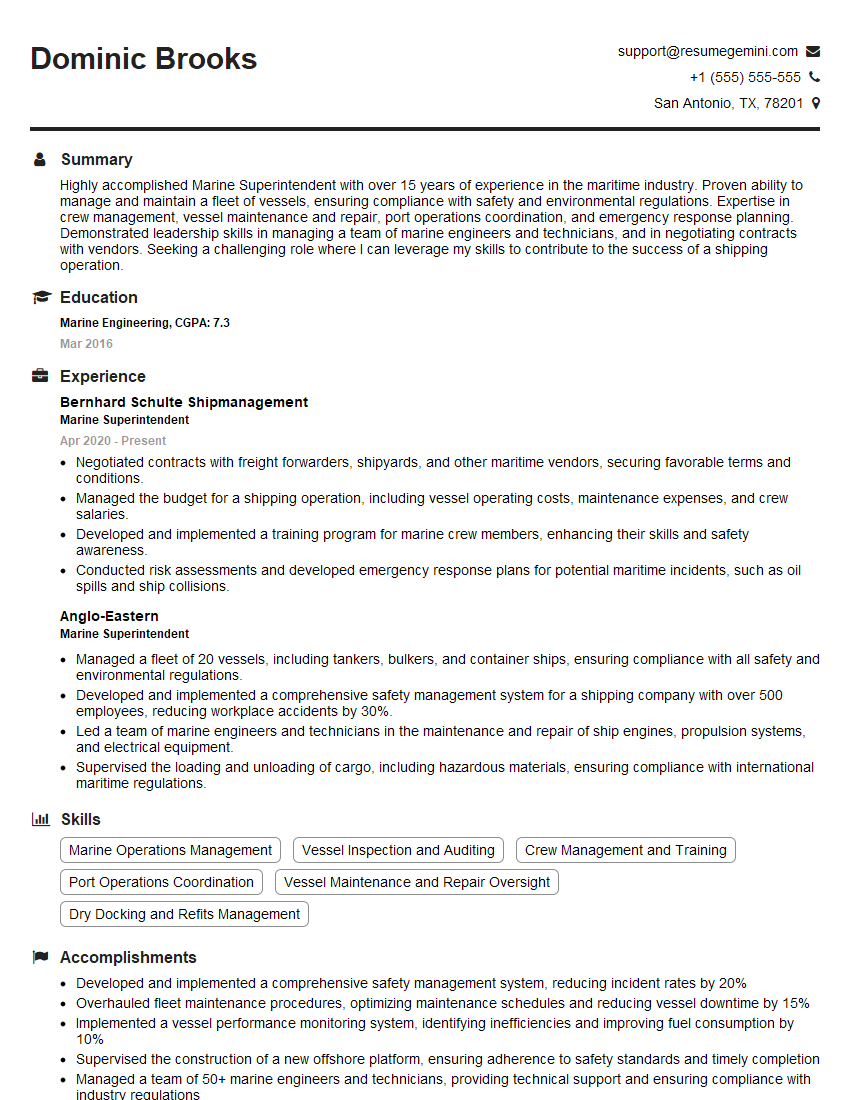
Marine Superintendent Resume Sample
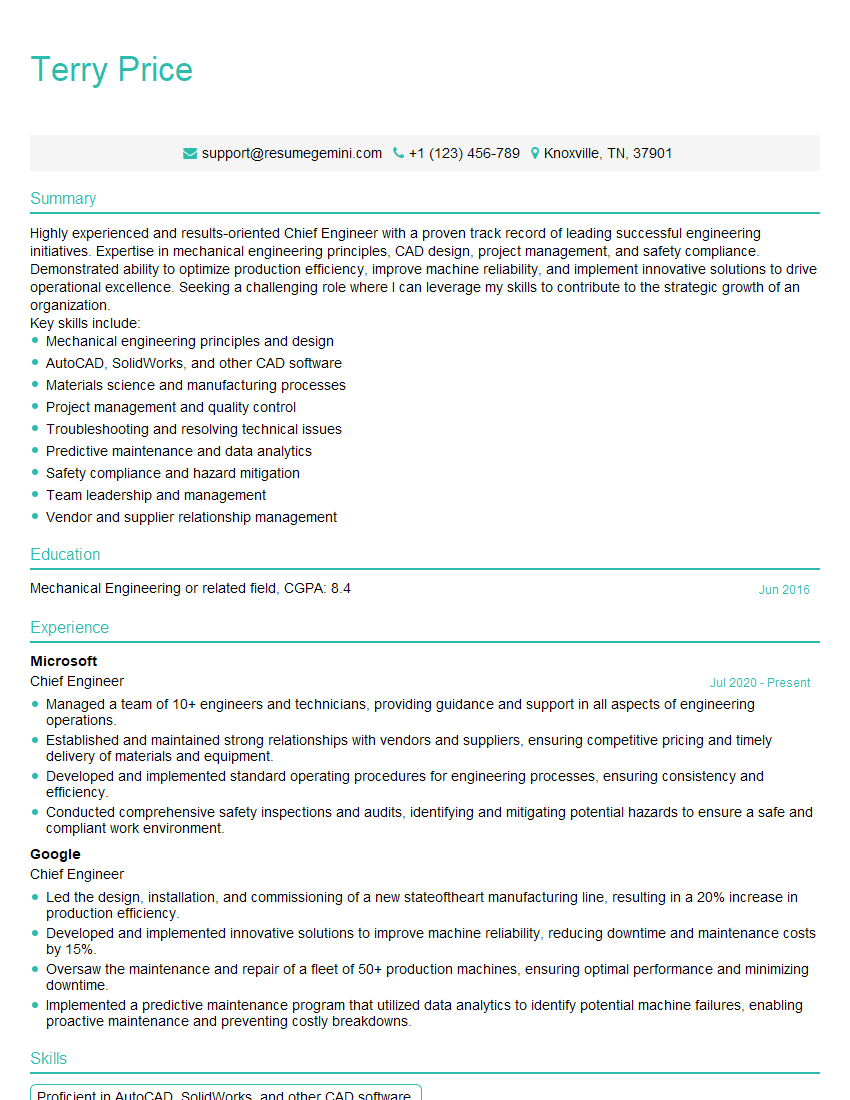
Chief Engineer Resume Sample
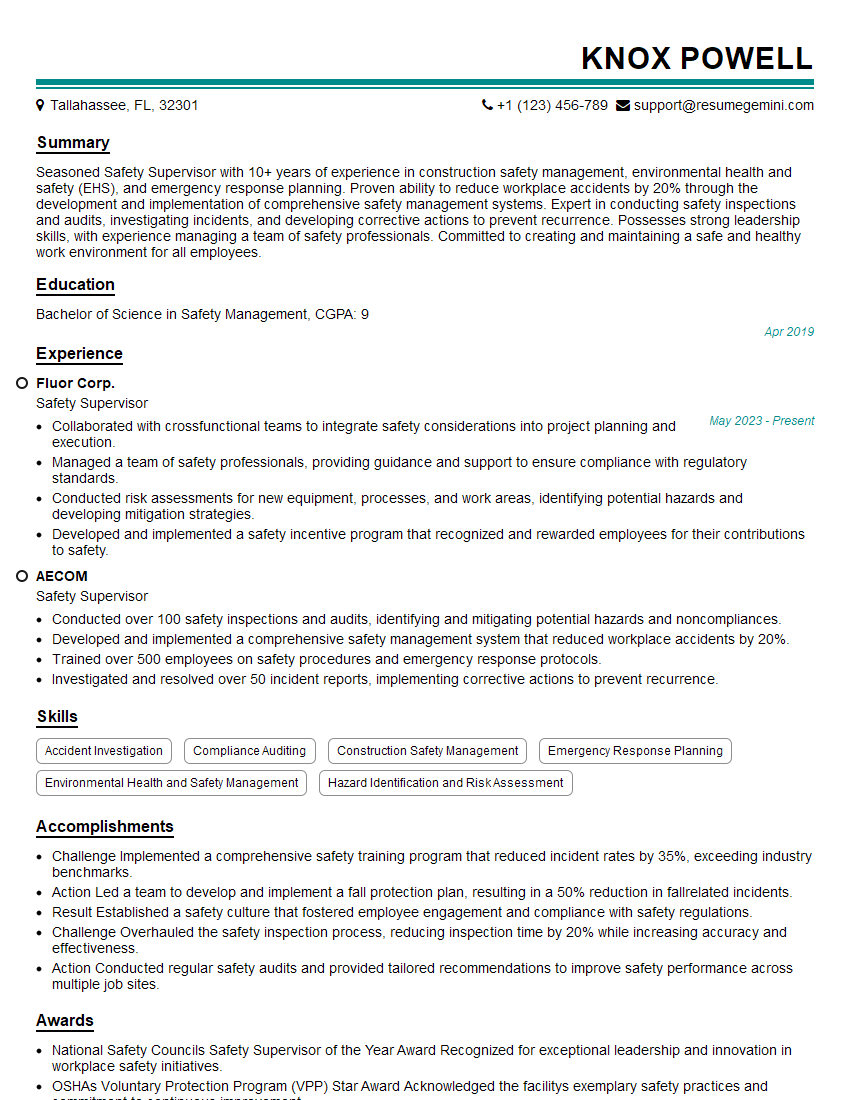
Safety Supervisor Resume Sample
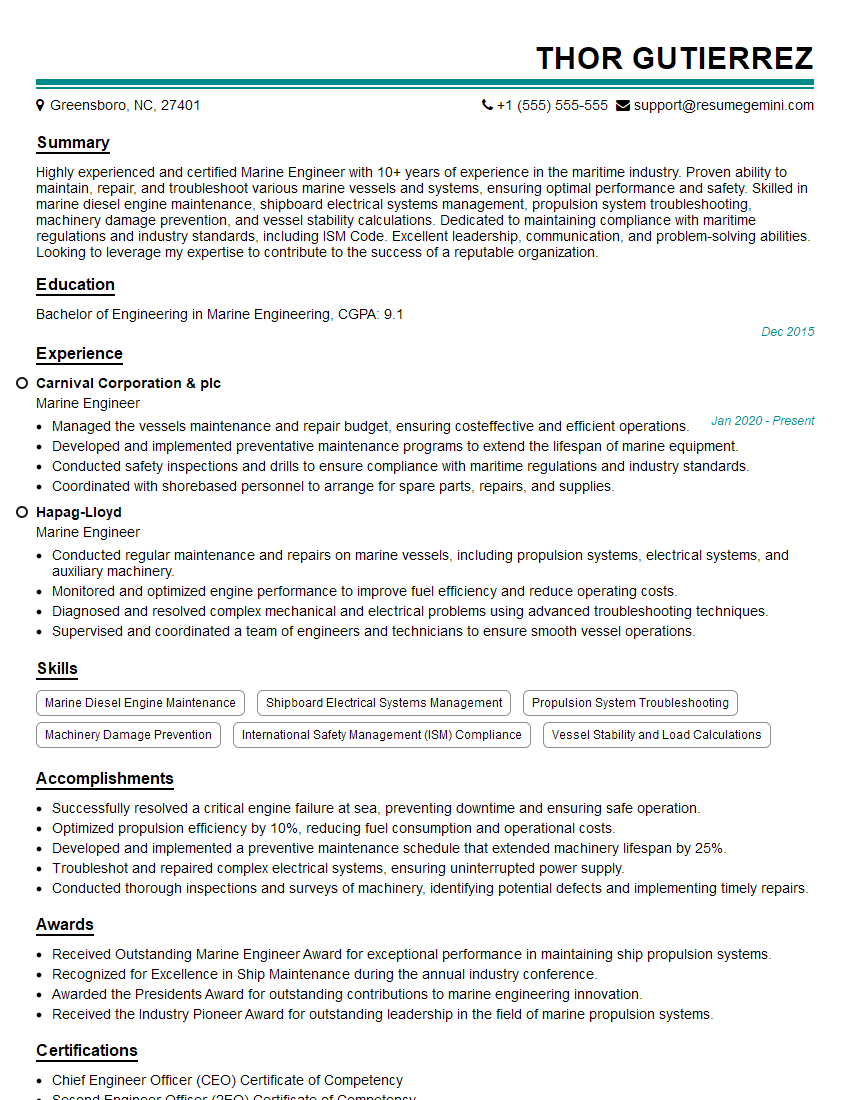
Marine Engineer Resume Sample
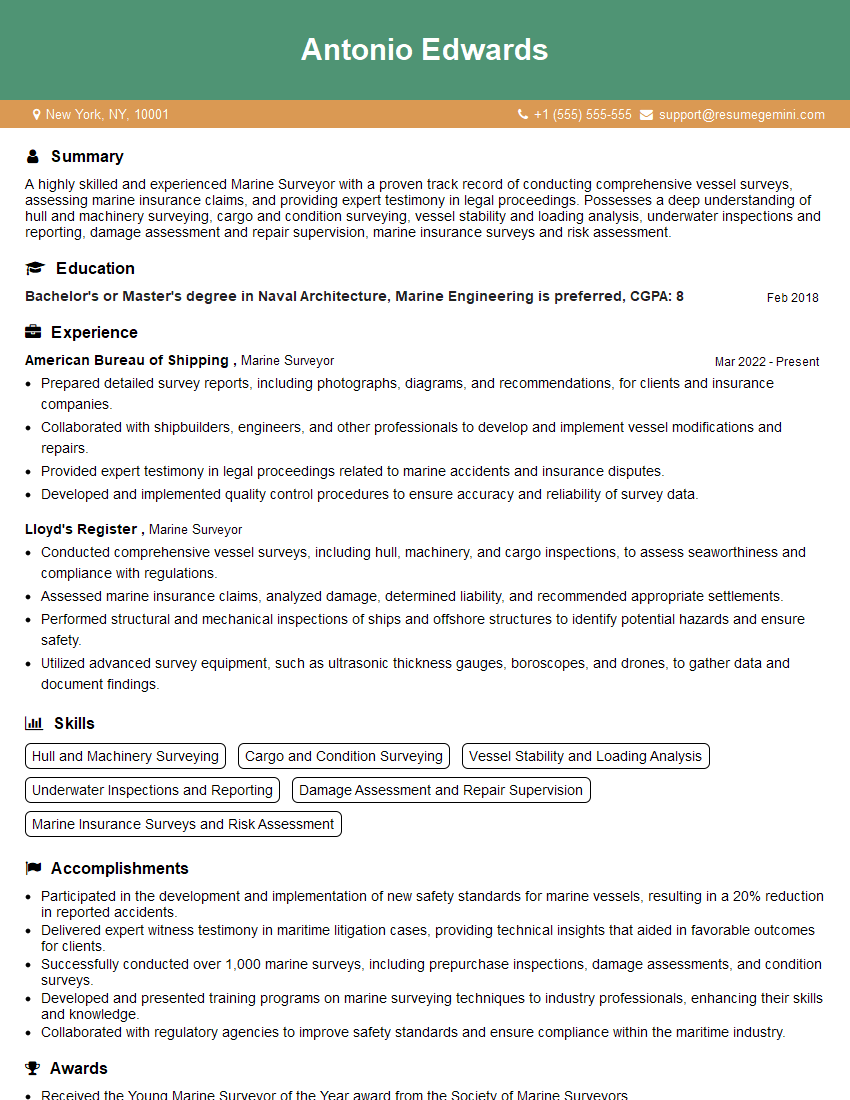
Marine Surveyor Resume Sample
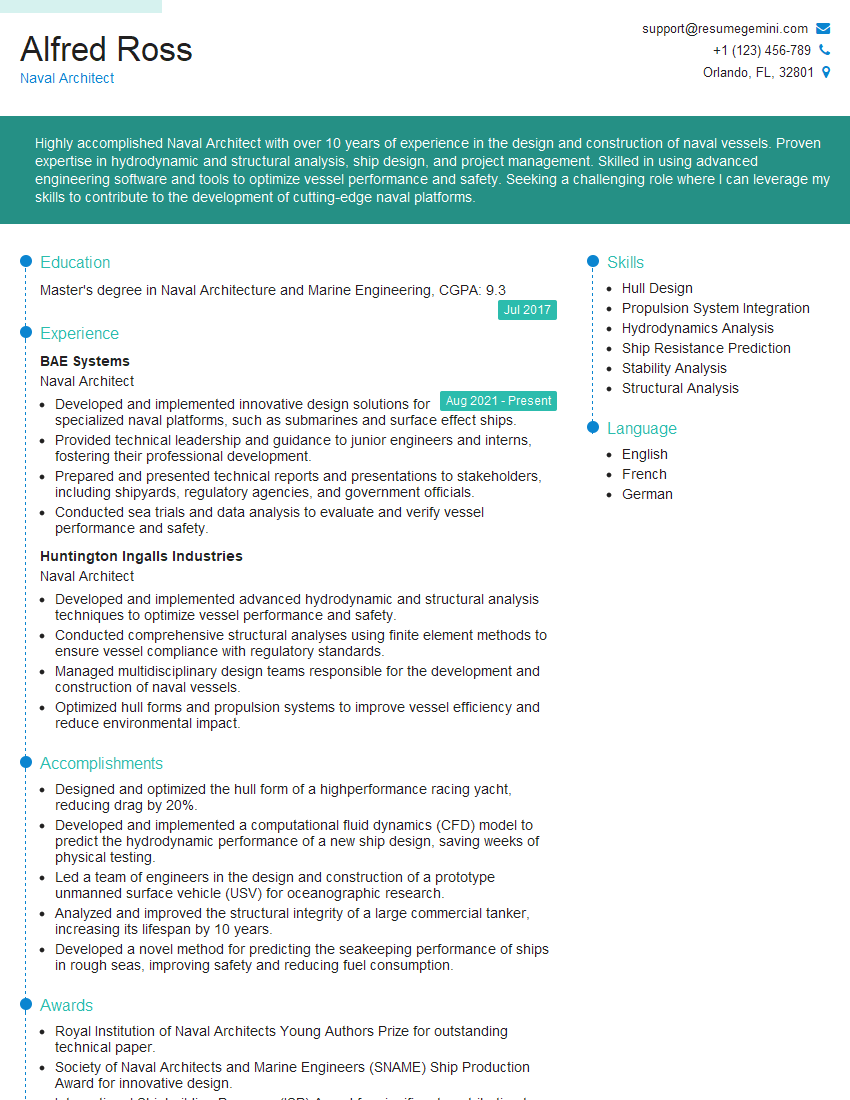
Naval Architect Resume Sample
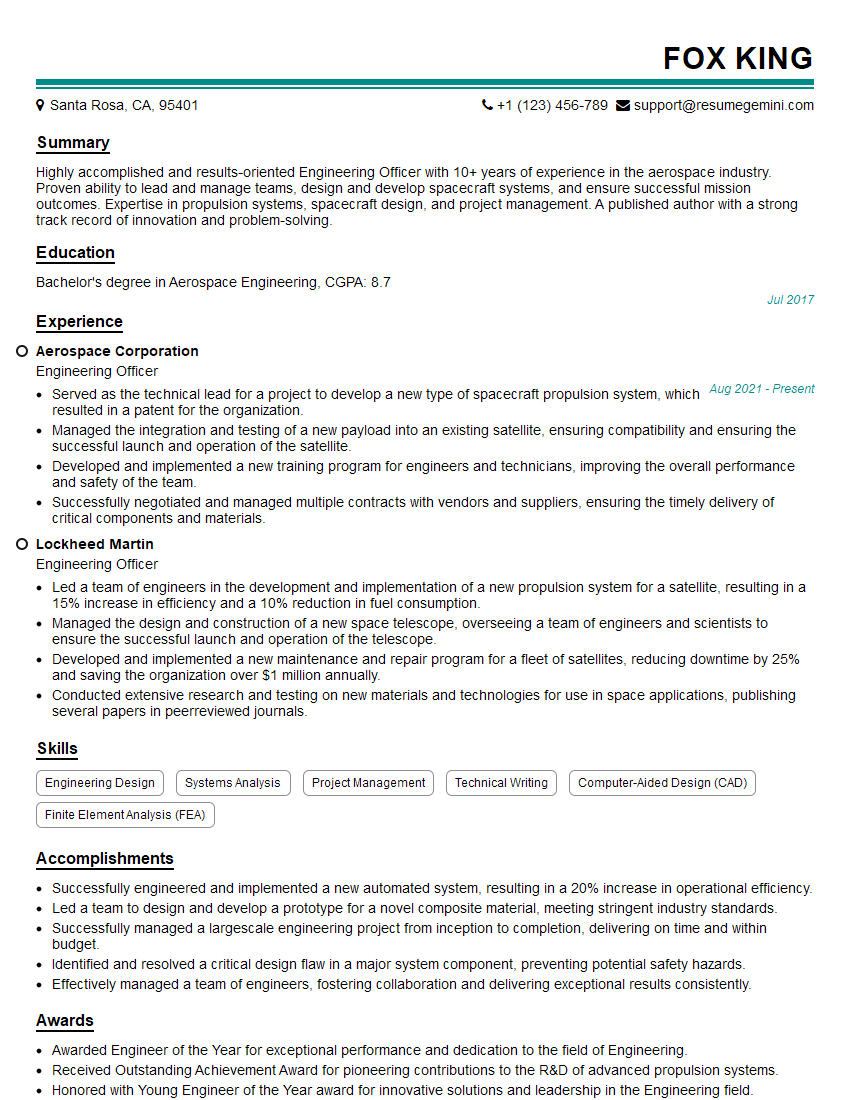
Engineering Officer Resume Sample
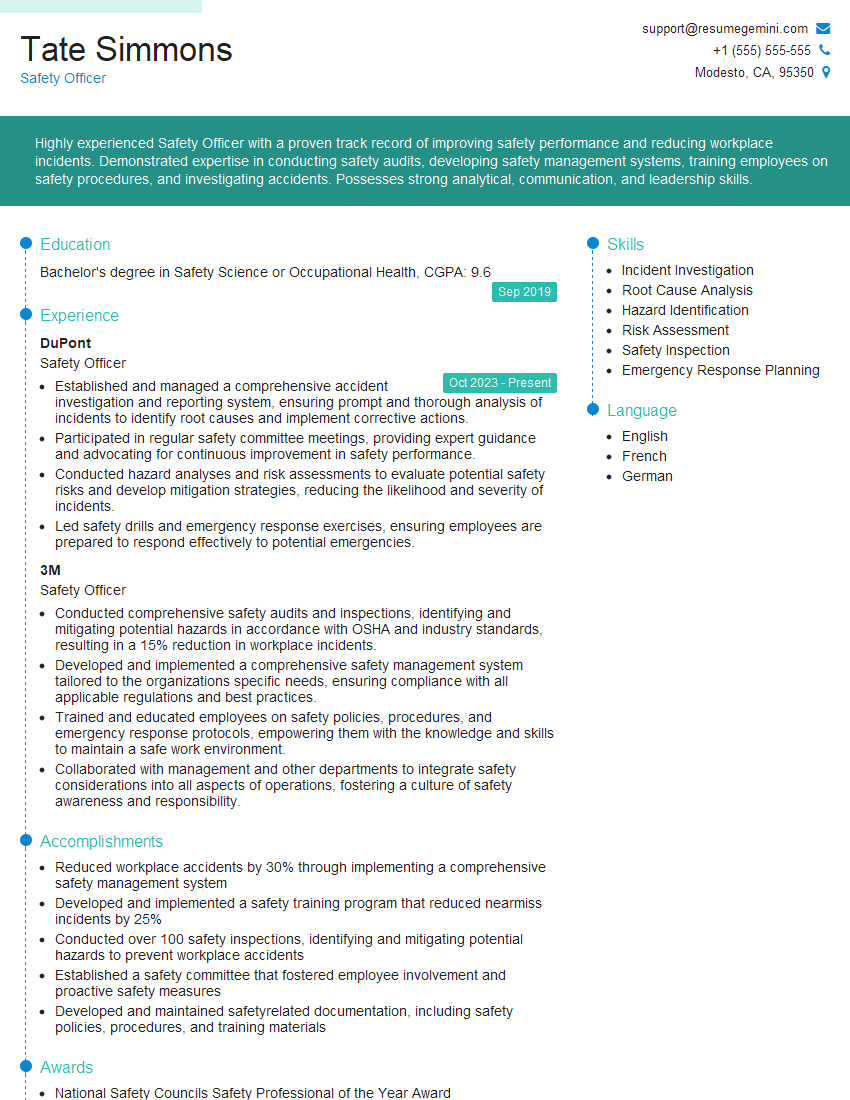
Safety Officer Resume Sample
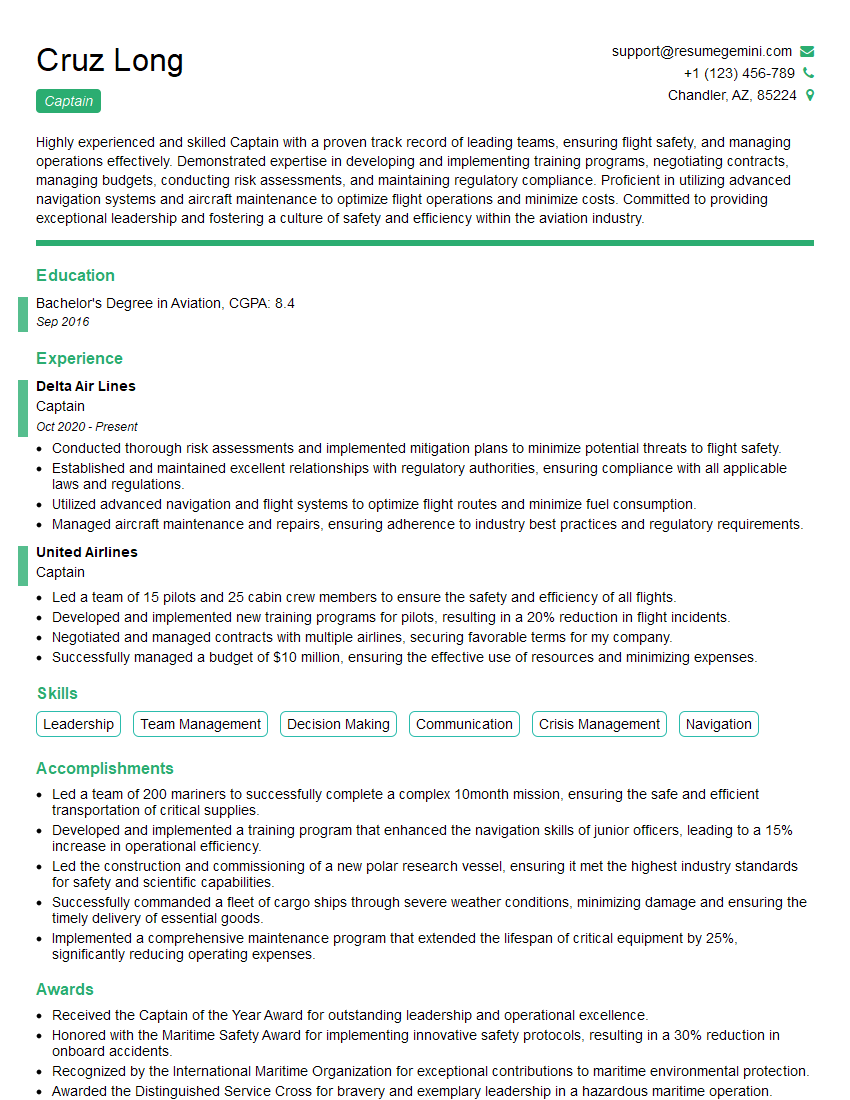
Captain Resume Sample
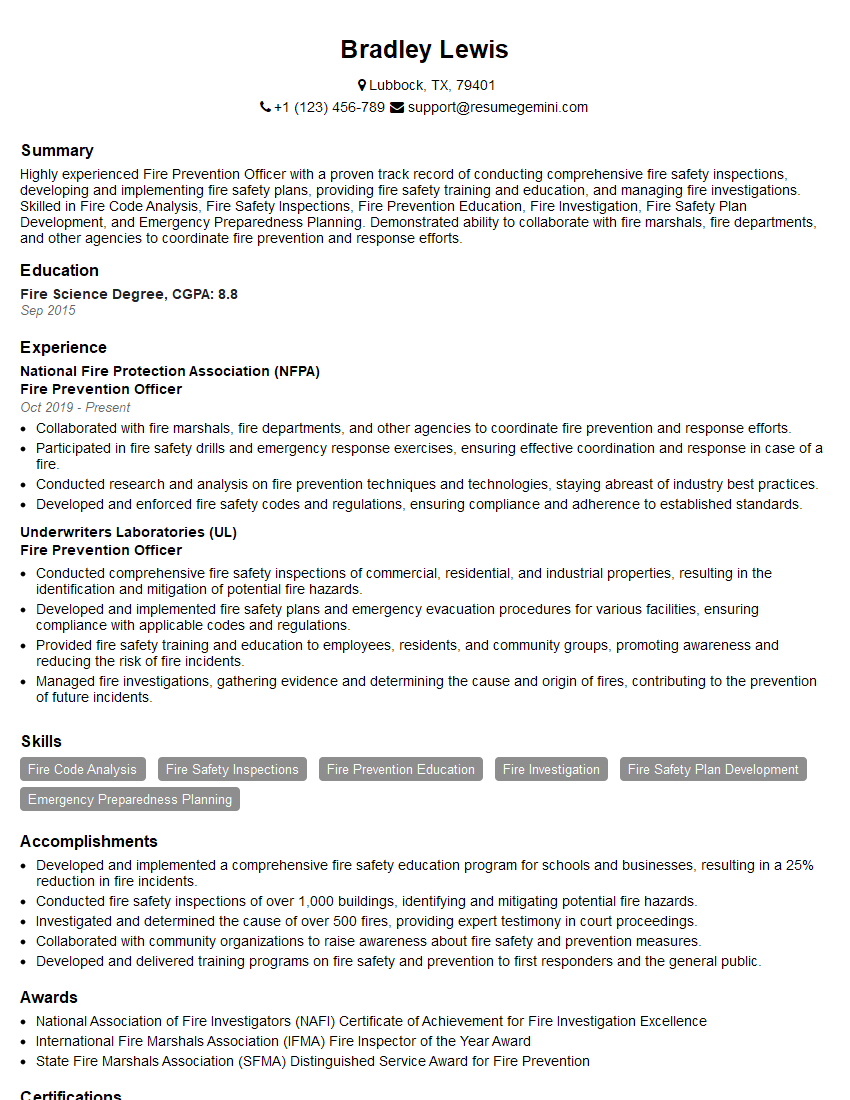
Fire Prevention Officer Resume Sample
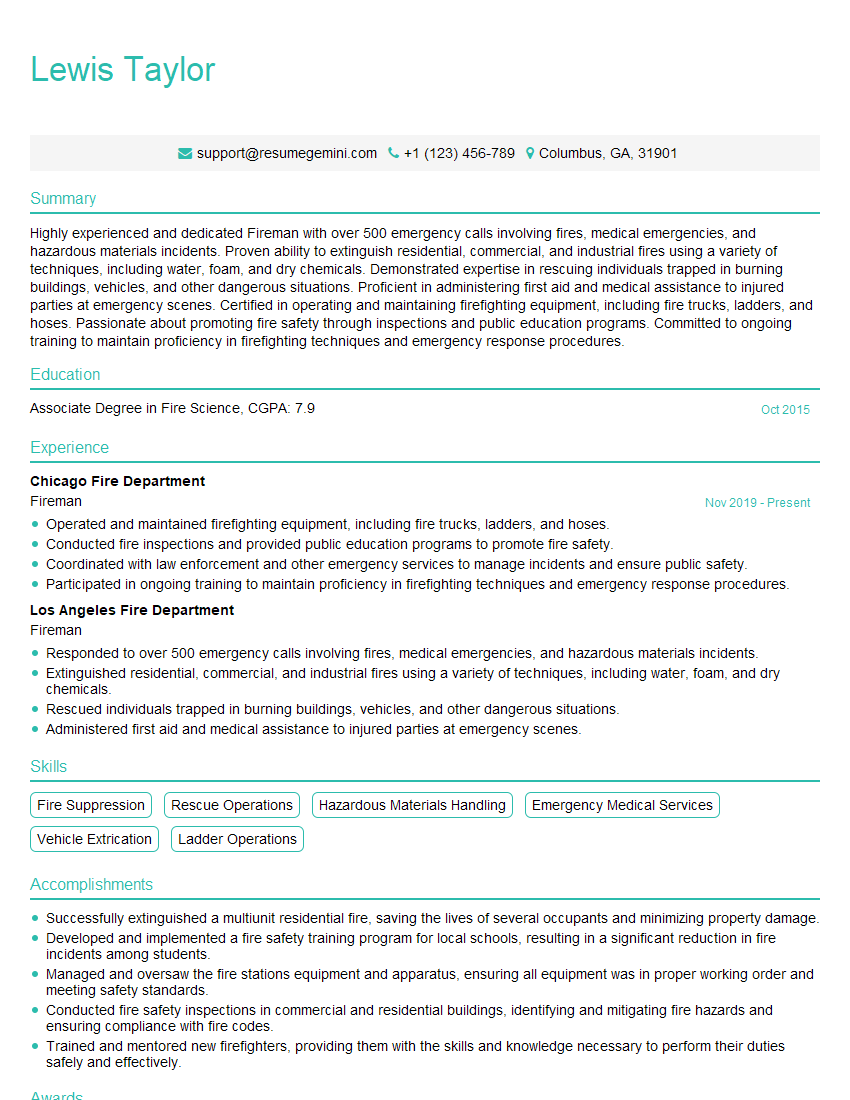
Fireman Resume Sample
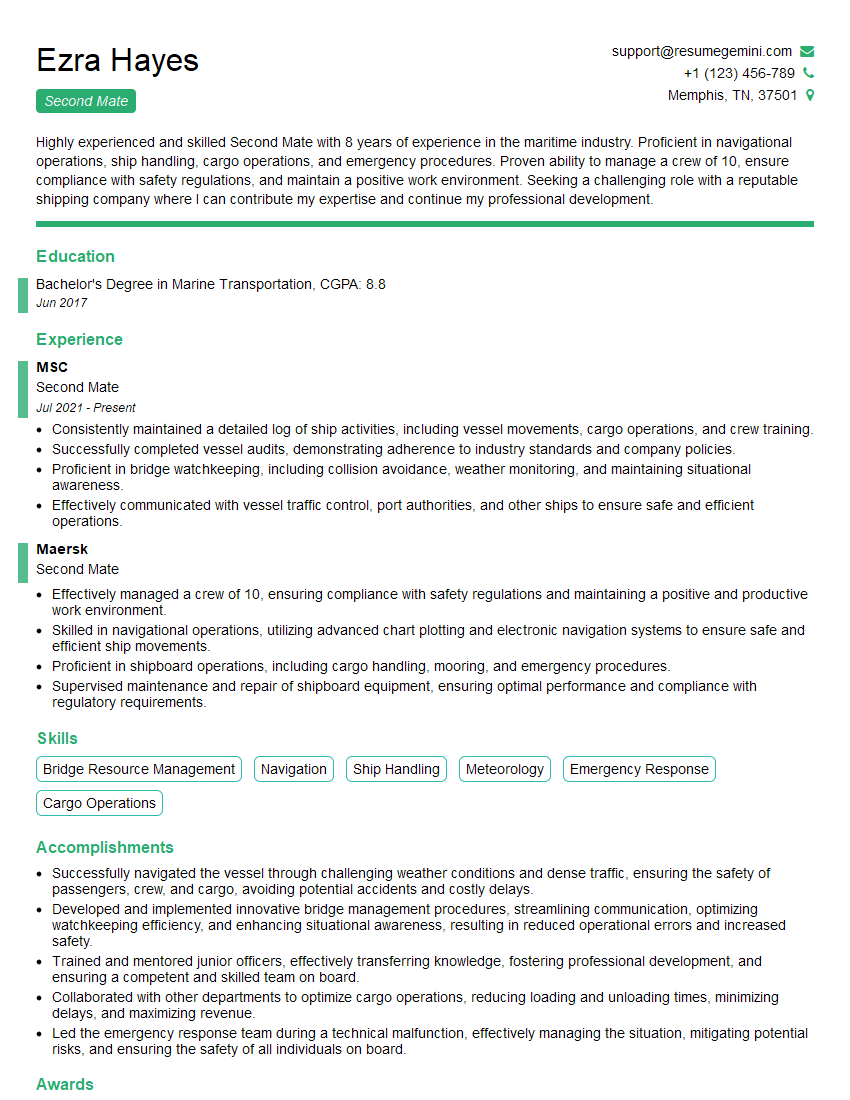
Second Mate Resume Sample
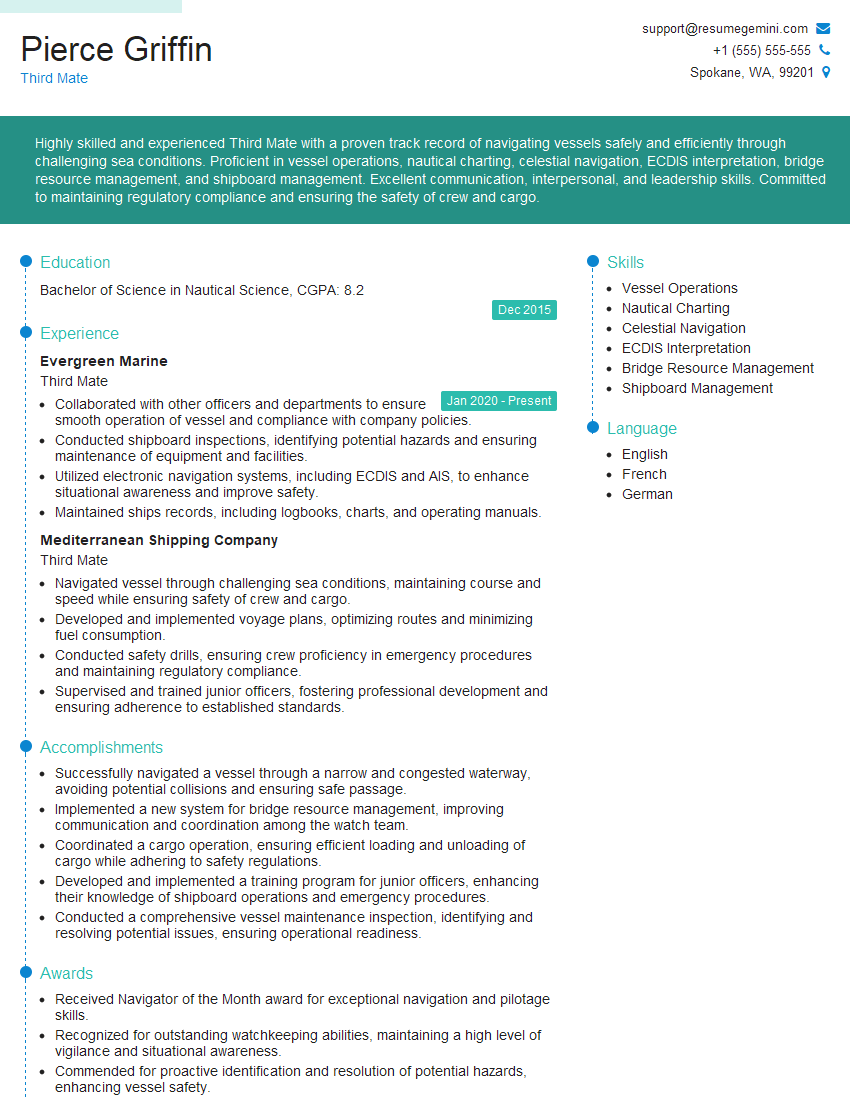
Third Mate Resume Sample
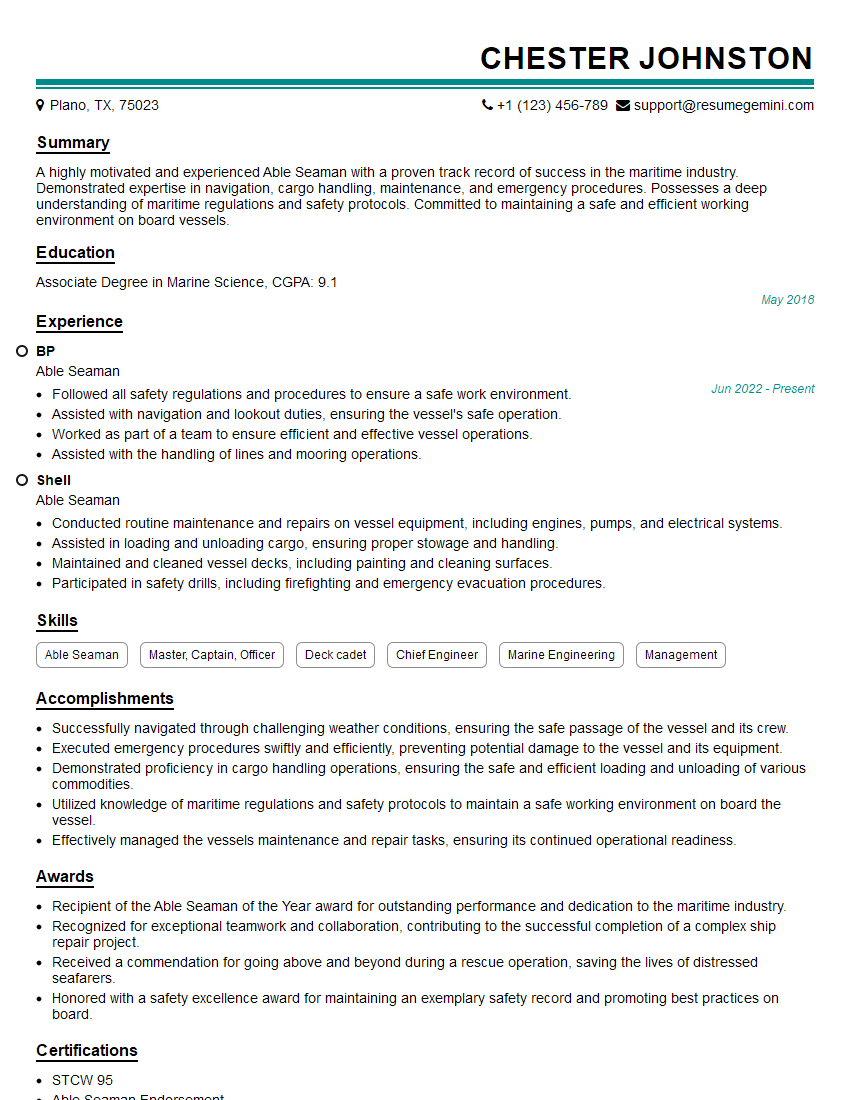
Able Seaman Resume Sample
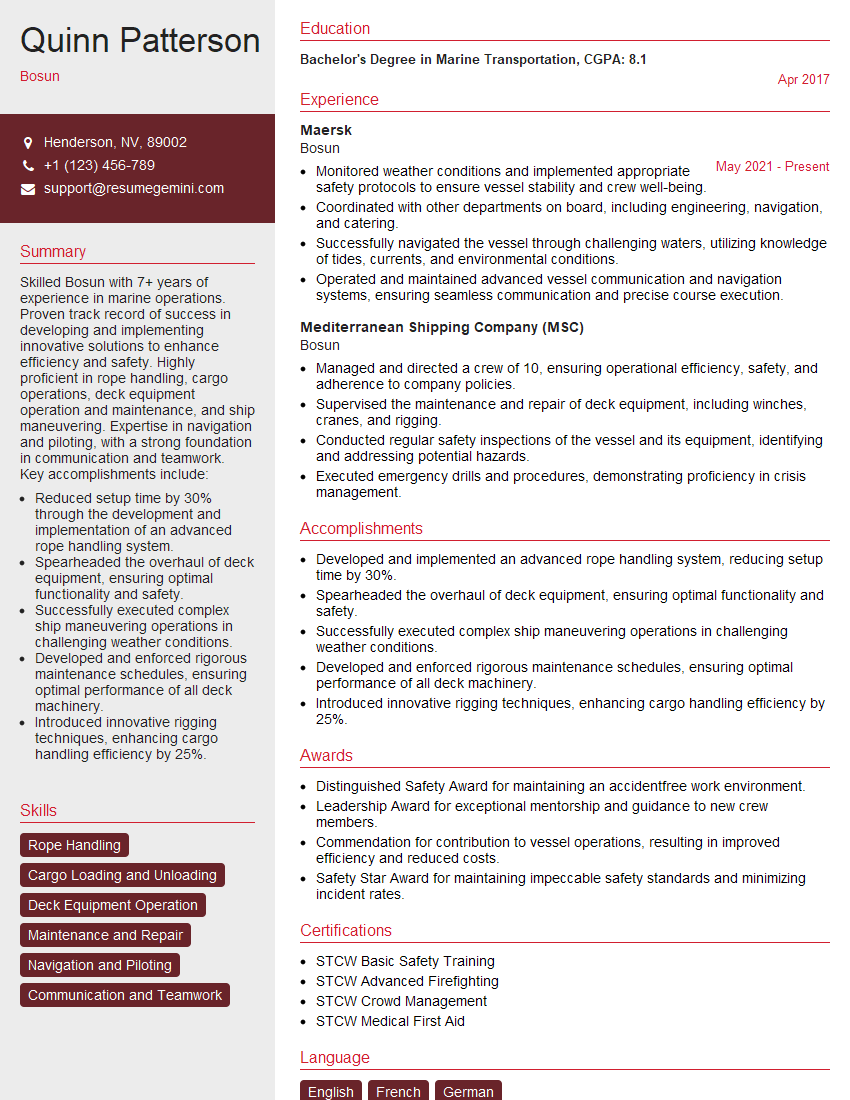
Bosun Resume Sample
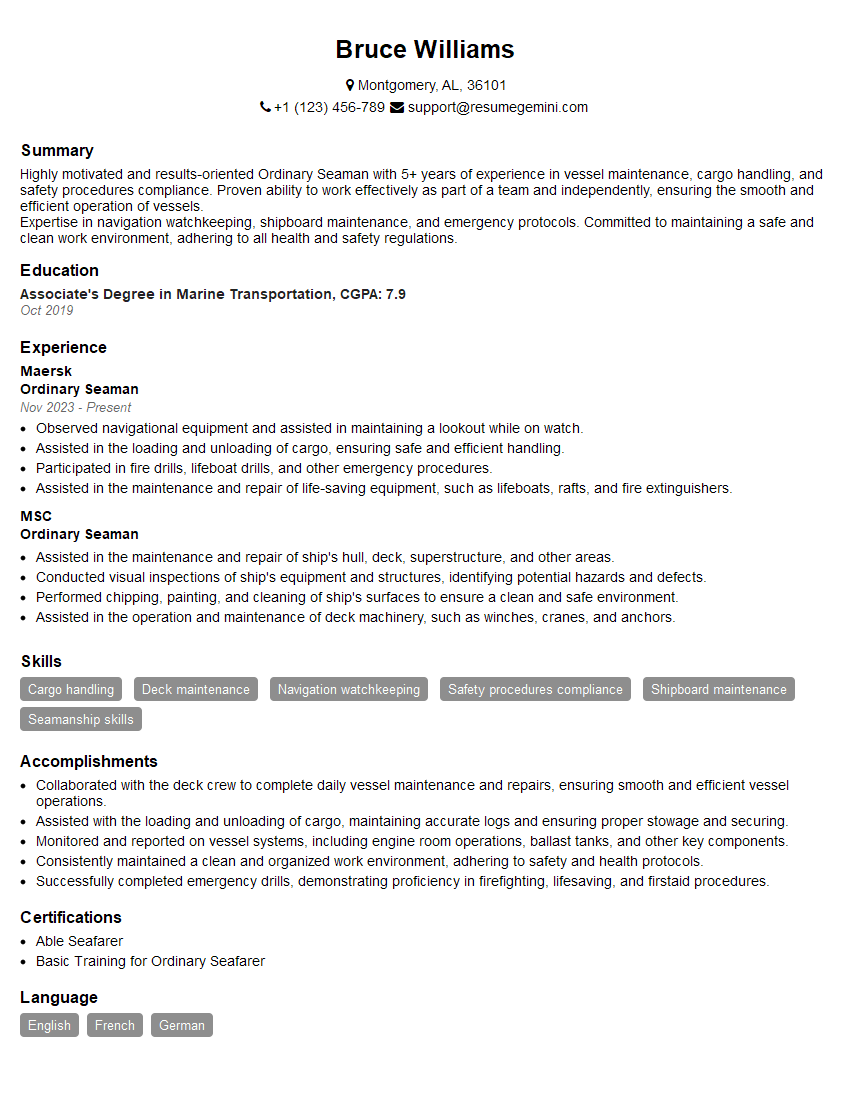
Ordinary Seaman Resume Sample
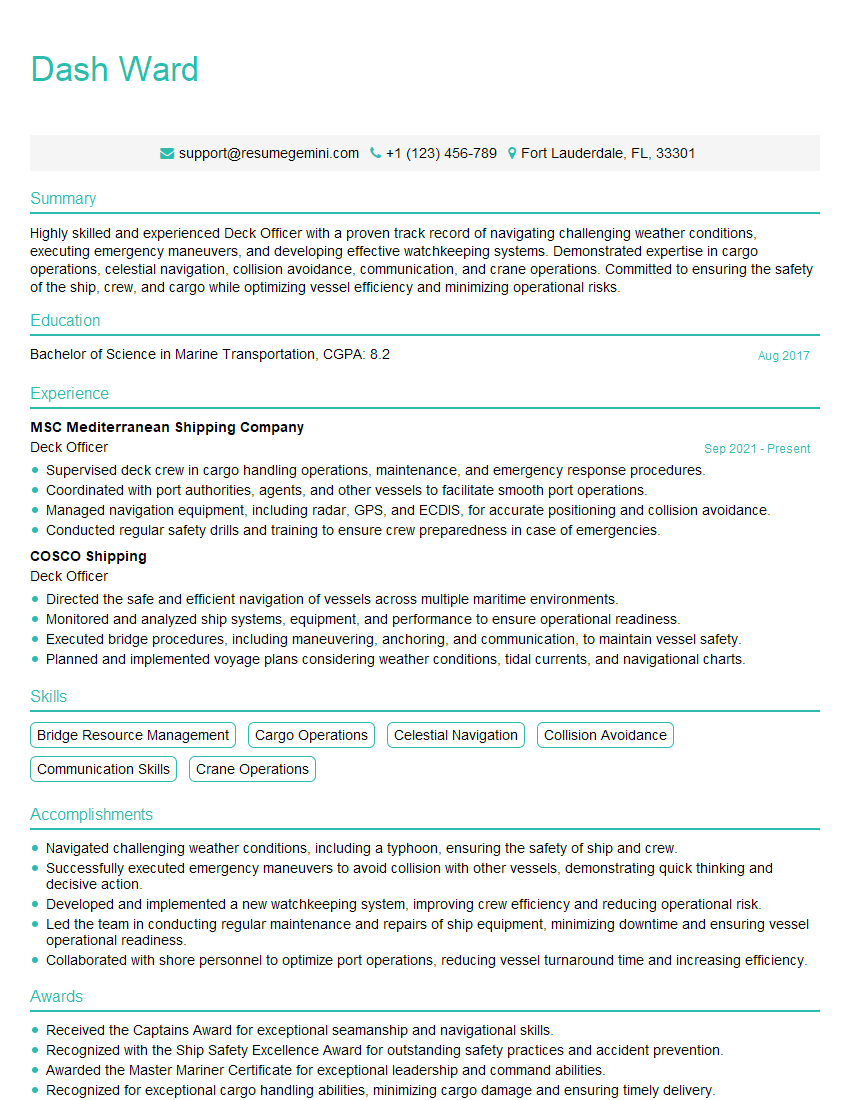
Deck Officer Resume Sample
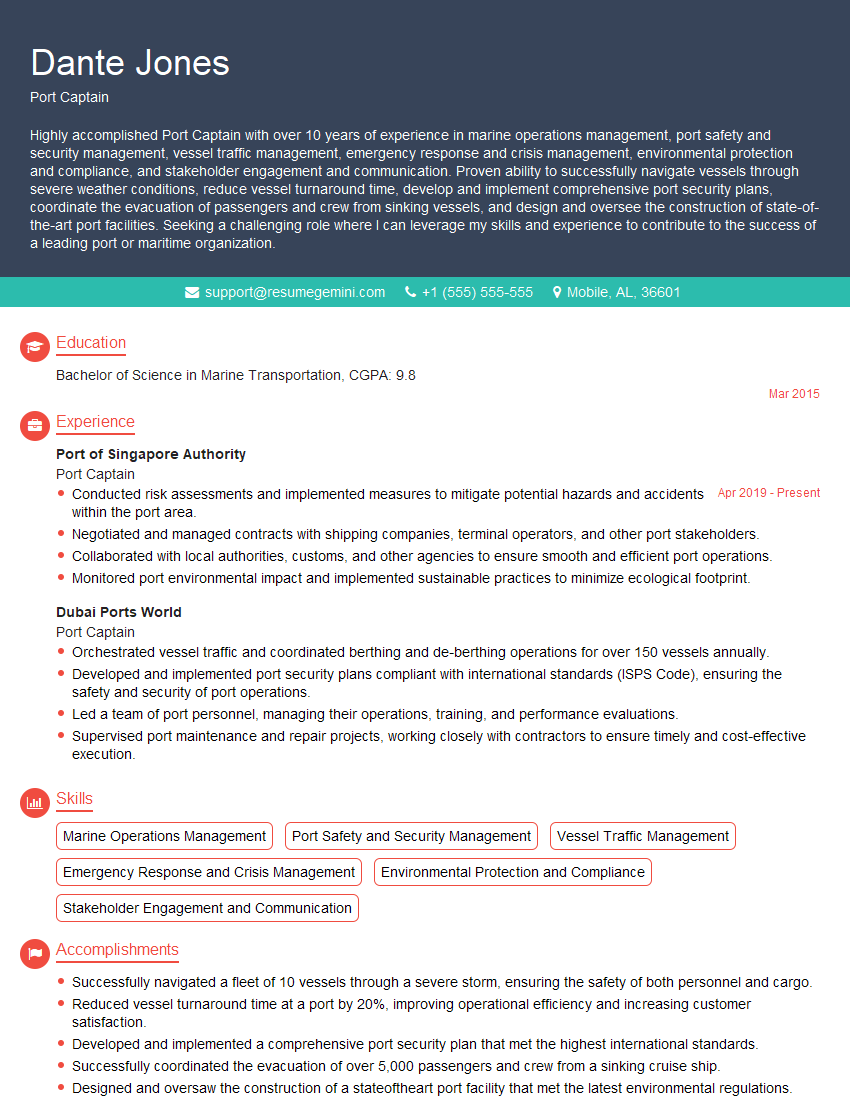
Port Captain Resume Sample
Explore more articles
Users Rating of Our Blogs
Share Your Experience
We value your feedback! Please rate our content and share your thoughts (optional).
What Readers Say About Our Blog
Really detailed insights and content, thank you for writing this detailed article.
IT gave me an insight and words to use and be able to think of examples