Preparation is the key to success in any interview. In this post, we’ll explore crucial Shipboard Safety Management System Implementation interview questions and equip you with strategies to craft impactful answers. Whether you’re a beginner or a pro, these tips will elevate your preparation.
Questions Asked in Shipboard Safety Management System Implementation Interview
Q 1. Explain the key principles of the International Safety Management (ISM) Code.
The International Safety Management (ISM) Code is a mandatory international standard for safe management and operation of ships and for pollution prevention. Its key principles revolve around establishing a safety management system (SMS) that’s tailored to a company’s specific needs and operations. These principles can be summarized as follows:
- Commitment from Senior Management: This is the bedrock of an effective SMS. Top management must demonstrate a clear commitment to safety, allocating sufficient resources and empowering personnel to prioritize safety without fear of reprisal.
- Safety Policy: A clearly defined safety policy must be established and documented, setting the overall direction and goals for safety within the company. This policy should be communicated to all personnel.
- Safety Responsibilities: Clear lines of accountability and responsibility for safety must be established at all levels of the organization. Everyone should understand their role in maintaining a safe working environment.
- Resources and Personnel: Adequate resources, both financial and personnel-wise, must be allocated to effectively implement and maintain the SMS. Competent personnel are key to successful SMS implementation.
- Continuous Improvement: The SMS is not a static system. It should be continuously monitored, reviewed, and improved based on lessons learned from accidents, incidents, and audits. Regular internal audits are crucial for this process.
- Emergency Preparedness: Effective emergency preparedness plans must be in place, covering various scenarios, with regular drills and training to ensure crew proficiency.
- Documentation: Thorough documentation is essential for demonstrating compliance with the ISM Code and maintaining a record of safety performance.
Think of it like building a house: Senior management sets the foundation (commitment), the safety policy is the blueprint, responsibilities are the construction crew, resources are the materials, continuous improvement is ongoing maintenance, and emergency preparedness is the fire escape plan. All are crucial for a safe and functional structure.
Q 2. Describe your experience conducting internal audits of a Shipboard Safety Management System (SMS).
My experience with conducting internal audits of Shipboard SMS involves a systematic approach focusing on compliance with the ISM Code and the company’s own SMS documentation. I typically use a checklist-based approach, referencing the company’s SMS manual and relevant procedures. This checklist ensures consistent and comprehensive coverage of all aspects of the SMS.
During an audit, I’d review documentation (e.g., risk assessments, maintenance records, training records, emergency response plans), conduct interviews with crew members at various levels, and physically inspect areas of the vessel to verify compliance. For example, I might verify that emergency equipment is properly maintained and readily accessible, and I’d check that crew members are familiar with their roles in emergency procedures.
After the audit, I compile a report that highlights areas of compliance and non-compliance, including recommendations for corrective and preventive actions (CAPA). Follow-up is crucial to ensure that identified non-compliances are addressed effectively. A well-documented audit trail helps track progress and ensures continuous improvement.
In one instance, an audit revealed a gap in the company’s training program for new crew members on emergency procedures. Following this audit, we developed a comprehensive training module with detailed simulations and practical exercises, which improved crew competency significantly.
Q 3. How do you identify and assess safety hazards onboard a vessel?
Identifying and assessing safety hazards onboard a vessel requires a proactive and systematic approach. This typically involves a combination of methods, including:
- Hazard Identification Techniques: These can include checklists, HAZOP (Hazard and Operability) studies, What-If analysis, and Job Safety Analysis (JSA). Checklists provide a structured approach to systematically identify common hazards. HAZOP studies are more in-depth, reviewing every stage of a process to identify potential hazards. What-if analysis is less structured, posing ‘what if’ questions to anticipate potential problems.
- Observation and Inspections: Regular inspections of the vessel, equipment, and working areas are crucial to identify potential hazards. This could involve walking around the ship, observing work processes, and talking to crew members to gain their input.
- Incident Reporting and Investigation: A robust system for reporting and investigating accidents and near misses is essential. Analyzing past incidents can help identify recurring hazards and implement preventative measures.
- Review of Maintenance Records: Regularly reviewing the vessel’s maintenance records can reveal potential hazards due to equipment malfunction or degradation.
For example, during a routine inspection, I noticed worn-out handrails on a stairway, posing a potential slip, trip, and fall hazard. This was documented and immediately addressed through corrective action, preventing a potential injury.
Q 4. What methods do you employ for risk assessment and mitigation within a marine environment?
Risk assessment and mitigation in a marine environment utilize various methods, often in combination. The goal is to identify potential hazards, analyze their likelihood and severity, and implement control measures to reduce the risk to an acceptable level.
- Qualitative Risk Assessment: This involves using a simple matrix to rate the likelihood and severity of each hazard. This is often sufficient for many hazards, categorizing them as low, medium, or high risk.
- Quantitative Risk Assessment: This involves assigning numerical values to the likelihood and severity, allowing for more precise risk calculation. This method is often employed for more critical hazards.
- ALARP Principle (As Low As Reasonably Practicable): The overarching goal is to reduce risk to ALARP. This means reducing risk to a level where further reduction would be disproportionately expensive or difficult to implement.
- Hierarchy of Controls: Risk mitigation follows a hierarchy, starting with the most effective control measures: elimination, substitution, engineering controls, administrative controls, and finally, personal protective equipment (PPE).
For example, if a risk assessment identifies a high risk of collision in a particular area, the mitigation might involve implementing stricter speed restrictions, improved navigational procedures, and enhanced crew training. These control measures follow the hierarchy, starting with administrative controls and enhanced crew training before resorting to PPE (which offers only limited protection in collision situations).
Q 5. Explain your understanding of the Safety Management System (SMS) documentation requirements.
SMS documentation requirements are crucial for demonstrating compliance with the ISM Code. Comprehensive documentation is essential for auditing purposes and helps maintain a consistent safety culture. Key documentation requirements include:
- Safety Management Manual (SMM): This is the central document outlining the company’s SMS, including its safety policy, responsibilities, procedures, and emergency plans.
- Company’s Safety Policy: A formal statement reflecting senior management’s commitment to safety.
- Master’s Safety Management System (SMS) Document: The master’s implementation and adherence to the company’s SMS.
- Emergency Procedures: Detailed plans for handling various emergency situations.
- Maintenance Records: Detailed records of all maintenance activities carried out on the vessel and its equipment.
- Training Records: Records of all safety training received by crew members.
- Incident Investigation Reports: Reports of accidents, near misses, and other incidents, including root cause analysis and corrective actions.
- Internal Audit Reports: Records of internal audits conducted to verify the effectiveness of the SMS.
- Management Review Minutes: Records of meetings held to review the performance of the SMS and make improvements.
Think of the documentation as the ‘evidence’ supporting the SMS’s effectiveness. Complete and accurate documentation is vital during audits to demonstrate adherence to regulations and showcase a commitment to safety.
Q 6. How do you ensure the effective communication and dissemination of safety information to crew members?
Effective communication and dissemination of safety information to crew members are paramount for a successful SMS. A multi-faceted approach is necessary:
- Toolbox Talks: Regular briefings on specific safety topics or incidents.
- Safety Meetings: Formal meetings to discuss safety concerns, review incidents, and provide updates.
- Notice Boards and Posters: Visual aids to highlight key safety messages.
- Company Newsletter or Intranet: Regular updates on safety initiatives, incidents, and best practices.
- Direct Communication: Face-to-face interactions with crew members to address specific concerns.
- Training Programs: Formal training sessions to enhance knowledge and skills.
- Language Considerations: Information should be provided in languages understood by all crew members.
For example, after a near-miss incident involving a piece of equipment, I used a combination of toolbox talks, posters, and a company-wide email to ensure that all crew members understood the risks associated with this equipment and the proper procedures for safe operation.
Q 7. Describe your experience with developing and delivering safety training programs.
Developing and delivering effective safety training programs involves a thorough understanding of the specific needs of the crew and the potential hazards present on board. The process typically involves several key steps:
- Needs Assessment: Identifying training gaps and the specific skills and knowledge required by the crew.
- Curriculum Development: Designing a training program that covers all necessary topics, using a mix of methods like lectures, practical exercises, simulations, and case studies.
- Training Materials Development: Creating clear and concise training materials, ensuring they are appropriate for the target audience’s language and literacy levels.
- Delivery: Facilitating training sessions using interactive methods to engage learners.
- Assessment: Evaluating the effectiveness of the training through tests, practical assessments, or observations.
- Documentation: Maintaining thorough records of all training provided to each crew member.
I’ve developed and delivered numerous safety training programs, including courses on fire prevention and control, emergency response, and safe working practices. In one case, I developed a simulator-based training program for handling emergency situations, which significantly improved the crew’s response times and effectiveness. The key to successful training is making it engaging, practical, and relevant to the crew’s day-to-day responsibilities.
Q 8. How do you handle non-conformances and corrective actions within an SMS framework?
Handling non-conformances and corrective actions is crucial to a functioning SMS. It’s a continuous improvement cycle. When a non-conformity (a deviation from planned operations or procedures) is identified, a systematic approach is followed.
- Identification and Reporting: Non-conformances are reported through established channels, often using dedicated forms or software. This ensures transparency and accountability.
- Investigation: A thorough investigation determines the root cause of the non-conformity. This might involve interviewing personnel, reviewing records, and analyzing equipment.
- Corrective Action: Based on the root cause analysis, appropriate corrective actions are implemented to prevent recurrence. This could range from simple procedural changes to major equipment overhauls.
- Verification: Once corrective actions are implemented, their effectiveness is verified to ensure the problem is truly resolved. This might involve re-inspections or audits.
- Documentation: All stages of the process – identification, investigation, corrective action, and verification – are meticulously documented. This forms an audit trail and demonstrates continuous improvement.
Example: Imagine a life raft inspection reveals a missing securing strap. The non-conformity is reported, the missing strap is investigated (was it lost? stolen? damaged?), a replacement is installed (corrective action), and the raft is re-inspected to verify its seaworthiness (verification). The entire process is documented.
Q 9. Explain your understanding of the role of the Company Safety Officer.
The Company Safety Officer (CSO) is a pivotal role, acting as the driving force behind the SMS implementation and maintenance. They are responsible for ensuring the company’s safety policies and procedures are implemented effectively and consistently across all vessels. Their responsibilities include:
- Developing and implementing the SMS: This involves creating and updating safety manuals, procedures, and training programs.
- Monitoring and auditing: Regularly inspecting vessels and reviewing safety records to identify potential hazards and non-conformances.
- Investigating accidents and incidents: Leading investigations to determine root causes and implement preventative measures.
- Promoting a safety culture: Creating an environment where safety is prioritized and reporting hazards is encouraged.
- Liaising with external authorities: Working with Port State Control officers, classification societies, and other regulatory bodies.
- Training and education: Ensuring all crew members receive adequate safety training.
Essentially, the CSO is the company’s champion for safety, driving a proactive and preventative approach to risk management at sea.
Q 10. How do you monitor the effectiveness of the SMS?
Monitoring the effectiveness of an SMS is an ongoing process. It’s not a one-time event but a continuous cycle of evaluation and improvement. Key monitoring methods include:
- Internal Audits: Regular internal audits assess compliance with safety procedures and identify areas for improvement. These audits should be conducted by qualified personnel independent of the day-to-day operations.
- Safety Performance Indicators (KPIs): Tracking KPIs such as the number of accidents, near misses, non-conformances, and the time taken to rectify issues. Trends in these indicators highlight areas requiring attention.
- Management Reviews: Regular meetings of senior management to review the SMS performance, assess risks, and plan improvements. These reviews ensure top-level commitment to safety.
- Employee feedback: Gathering feedback from crew members regarding safety concerns and the effectiveness of safety procedures. This can be achieved through surveys, meetings, and open communication channels.
- Analysis of accident and incident investigations: Thoroughly analyzing accident and incident reports to identify systemic issues and develop preventative measures.
By combining these methods, a comprehensive picture of the SMS effectiveness emerges, facilitating continuous improvement.
Q 11. Describe your familiarity with Port State Control (PSC) inspections.
Port State Control (PSC) inspections are conducted by coastal states to ensure that foreign-flagged ships comply with international maritime safety, security, and environmental regulations. Familiarity with PSC inspections is essential for effective SMS implementation. My experience includes:
- Understanding the scope of PSC inspections: Knowing the conventions and regulations that PSC inspectors will assess (SOLAS, MARPOL, STCW, etc.).
- Preparing for inspections: Ensuring all necessary documentation (certificates, safety management certificates, records) is readily available and up-to-date.
- Maintaining compliant documentation: Properly maintaining ship records to demonstrate compliance with regulations and procedures.
- Addressing deficiencies: Effectively addressing deficiencies identified by PSC inspectors and implementing corrective actions.
- Understanding the consequences of non-compliance: Being aware of potential sanctions, such as detention of the vessel.
Successful PSC inspections are a testament to a well-implemented and effective SMS.
Q 12. How do you manage safety incidents and accidents?
Managing safety incidents and accidents requires a prompt, thorough, and systematic response. The process typically involves:
- Immediate Response: Prioritizing the safety of personnel and mitigating any immediate hazards.
- Preservation of Evidence: Securing the scene and preserving evidence relevant to the investigation.
- Incident Reporting: Formal reporting of the incident using a standardized reporting system.
- Investigation: Conducting a thorough investigation to determine the root cause of the incident, involving all relevant personnel and using appropriate investigation techniques.
- Corrective Actions: Implementing corrective actions to prevent recurrence.
- Lessons Learned: Sharing lessons learned from the incident to prevent similar occurrences in the future.
- Follow-up: Monitoring the effectiveness of the corrective actions implemented.
Example: If a fall from height occurs, immediate medical attention is provided, the area is secured, witness statements are gathered, the incident is reported, and a root cause analysis determines if there were failings in safety equipment, training, or procedures. Corrective actions are then implemented to address these failings.
Q 13. What is your experience with conducting safety investigations?
Conducting safety investigations requires a structured approach to uncover the root cause of incidents and accidents. My experience involves:
- Using a systematic methodology: Employing established investigation techniques, such as the ‘5 Whys’ or the ‘Bow Tie’ method, to drill down to the root cause.
- Gathering evidence: Collecting all relevant evidence, including witness statements, photographs, data logs, and equipment records.
- Analyzing data: Analyzing the collected evidence to identify contributing factors and patterns.
- Developing recommendations: Formulating recommendations for corrective actions to prevent similar incidents.
- Reporting findings: Preparing a comprehensive report detailing the findings, conclusions, and recommendations.
A crucial aspect is maintaining objectivity throughout the process and ensuring that the investigation is fair and impartial.
Q 14. What is your understanding of the role of human factors in marine safety?
Human factors play a significant role in marine safety, accounting for the majority of incidents. Understanding human factors involves recognizing that human error isn’t always intentional but often stems from various contributing elements:
- Fatigue: Long working hours, inadequate rest, and poor sleep hygiene can severely impair judgment and performance.
- Stress: Work-related stress, personal issues, and environmental factors can lead to errors and accidents.
- Training and Competency: Inadequate training, lack of proficiency, and insufficient knowledge can increase the risk of errors.
- Communication breakdowns: Poor communication between crew members can lead to misunderstandings and errors.
- Ergonomics: Poorly designed workspaces and equipment can lead to fatigue, discomfort, and errors.
An effective SMS addresses human factors through adequate training, clear communication protocols, robust risk assessment processes, and ergonomic workspaces. Addressing human factors helps proactively mitigate risks.
Q 15. How do you ensure compliance with relevant international maritime regulations?
Ensuring compliance with international maritime regulations, like the International Maritime Organization’s (IMO) International Safety Management (ISM) Code, is paramount. It’s not just about ticking boxes; it’s about fostering a proactive safety culture. My approach involves a multi-faceted strategy:
Regular Audits and Inspections: We conduct internal audits based on the ISM Code’s requirements, identifying gaps and implementing corrective actions. These audits aren’t just annual events; they’re integrated into our daily operations. For instance, we’d regularly review emergency procedures, check the maintenance records for life-saving appliances, and assess the competency of crew members in their assigned tasks.
Documentation and Record Keeping: Meticulous record-keeping is crucial. We maintain detailed logs of all safety-related activities, training, maintenance, and non-conformances. This allows us to track our performance and demonstrate compliance to external auditors.
Staying Updated on Amendments: Maritime regulations are constantly evolving. We subscribe to IMO circulars, attend industry conferences, and utilize online resources to stay abreast of changes and ensure our SMS aligns with the latest requirements. For example, we proactively adapted our procedures to the latest ballast water management regulations well in advance of implementation deadlines.
Proactive Risk Management: We utilize hazard identification and risk assessment methodologies, like HAZOP (Hazard and Operability Study), to proactively identify potential hazards and implement mitigation strategies. We don’t wait for incidents to occur; we actively seek them out to prevent them.
Career Expert Tips:
- Ace those interviews! Prepare effectively by reviewing the Top 50 Most Common Interview Questions on ResumeGemini.
- Navigate your job search with confidence! Explore a wide range of Career Tips on ResumeGemini. Learn about common challenges and recommendations to overcome them.
- Craft the perfect resume! Master the Art of Resume Writing with ResumeGemini’s guide. Showcase your unique qualifications and achievements effectively.
- Don’t miss out on holiday savings! Build your dream resume with ResumeGemini’s ATS optimized templates.
Q 16. Explain your experience with conducting safety drills and exercises.
Conducting safety drills and exercises is not merely a regulatory requirement; it’s a vital aspect of building crew competency and preparedness. My experience encompasses a wide range of drills, including:
Fire Drills: These drills are conducted regularly, emphasizing the proper use of fire-fighting equipment, escape routes, and emergency procedures. We regularly rotate crew roles to ensure everyone is familiar with all aspects of the drill.
Abandon Ship Drills: These are critical, involving the entire crew in practicing the orderly abandonment of the vessel, using lifeboats and life rafts. We simulate various scenarios, including night-time abandonments and different weather conditions.
Man Overboard Drills: These drills focus on the swift recovery of a person who has fallen overboard, including the use of life-saving appliances and communication procedures. We analyze each drill to identify areas for improvement.
Emergency Response Drills: We regularly simulate various emergencies, such as medical emergencies, groundings, and collisions, to test the crew’s ability to respond effectively. Each drill is thoroughly documented, analyzed for lessons learned, and improvements are implemented in subsequent training sessions.
Beyond the technical aspects, I emphasize participation and feedback. It’s about creating a safe space where crew members can actively participate and feel comfortable expressing concerns without fear of reprisal.
Q 17. How do you integrate SMS into the overall operational management of a vessel?
Integrating SMS into the overall operational management isn’t about creating a separate department; it’s about embedding safety into every aspect of the vessel’s operation. This is achieved through:
Leadership Commitment: The Master and senior officers must champion the SMS, actively participating in safety meetings and promoting a culture of safety throughout the crew.
Risk Assessment Integration: Risk assessments should be integrated into all operational decision-making, from cargo handling to navigation. For example, a risk assessment would be carried out before loading a potentially dangerous cargo to ensure appropriate safety measures are in place.
Regular Safety Meetings: Regular safety meetings provide a platform for discussing safety concerns, reviewing incidents, and sharing best practices. These meetings shouldn’t be formal lectures; instead they should be open discussions, encouraging contributions from all crew members.
Performance Monitoring: The SMS should incorporate mechanisms for monitoring key safety performance indicators (KPIs), such as the number of near misses, accidents, and non-conformances. This data is used to identify trends, address issues promptly, and continuously improve the safety system.
Continuous Improvement: The SMS should be a dynamic system, constantly adapting to new challenges and learning from experience. We use regular reviews and audits to continuously refine and improve the effectiveness of our SMS. We even consider incorporating lessons learned from similar incidents in other vessels, sharing best practices across our fleet through a network of communication.
Q 18. Describe your understanding of the importance of a safety culture.
A strong safety culture is the bedrock of any effective SMS. It’s more than just compliance; it’s a shared belief and commitment to safety at all levels. A robust safety culture:
Prioritizes Safety over Production: Safety is never compromised for efficiency or productivity. This is exemplified in scenarios where a crew member refuses to perform a task due to safety concerns; their decision is fully supported.
Promotes Open Communication: A culture where crew members feel comfortable reporting hazards, near misses, and incidents without fear of reprisal is essential. This requires trust and mutual respect.
Encourages Proactive Hazard Identification: Crew members are actively involved in identifying and reporting potential hazards, fostering a sense of shared responsibility for safety.
Values Continuous Learning: Regular training and development programs are implemented to maintain and enhance crew competence and awareness.
Leads by Example: Leadership actively demonstrates commitment to safety through their actions and decisions, setting a clear standard for the entire crew. This starts from the top down.
Q 19. How do you promote a positive safety culture amongst crew members?
Promoting a positive safety culture requires a multifaceted approach that goes beyond simply enforcing rules. I focus on:
Leading by Example: The master and senior officers must actively demonstrate a commitment to safety in their daily actions, setting a positive tone for the entire crew. This includes adhering to safety procedures, participating in safety meetings, and providing constructive feedback.
Empowering Crew Members: Crew members should be empowered to raise safety concerns without fear of retribution. This requires establishing clear communication channels and encouraging open dialogue. I’ve found that regular informal chats and discussions during coffee breaks or meals can be just as effective as formal meetings.
Rewarding Safe Behaviors: Acknowledging and rewarding safe behaviors, both individually and as a team, reinforces positive actions. This could involve verbal praise, awards, or other incentives.
Investigating Incidents Thoroughly: Investigating incidents thoroughly and objectively, focusing on root causes rather than blame, allows for learning and improvement. We always try to find solutions to prevent recurrence.
Continuous Training and Development: Providing regular training opportunities to update crew members’ skills and knowledge demonstrates a commitment to their safety and well-being. This training should be tailored to their specific roles and responsibilities.
Q 20. What are your experiences using safety management software or systems?
My experience with safety management software includes utilizing systems for:
Risk Assessment and Management: Software that allows for the systematic identification, assessment, and management of hazards and risks onboard. This allows for better tracking and analysis of risks over time.
Maintenance Management: Software for managing maintenance schedules, tracking repairs, and ensuring the proper maintenance of safety-critical equipment. This helps prevent equipment failures and ensures compliance with regulatory requirements.
Document Management: Software that facilitates the secure storage and retrieval of safety-related documentation, such as certificates, training records, and audit reports. This ensures easy access to critical information when needed.
Incident Reporting and Investigation: Software used to manage incident reporting, allowing for efficient investigation and analysis to identify root causes and implement preventive measures. This often includes statistical dashboards and reporting capabilities to track safety performance indicators.
I am proficient in using several different software packages and am adept at adapting to new systems. The key is not the specific software, but rather understanding how to utilize it effectively to support the overall SMS.
Q 21. Describe your experience with maintaining safety records and documentation.
Maintaining accurate and comprehensive safety records and documentation is critical for demonstrating compliance, identifying trends, and continuously improving the SMS. My experience encompasses:
Maintaining Logbooks: Accurate and up-to-date maintenance of all relevant logbooks, including the engine room log, deck log, and safety management system log. This includes noting any incidents, near misses, corrective actions, and preventative maintenance.
Managing Certificates and Documents: Ensuring all necessary safety certificates and documents are current and readily available for audits and inspections. This includes things like the ISM Code documentation, safety management manuals, and crew training records. We often utilize digital storage and access systems.
Incident Reporting and Investigation: Thorough documentation of all incidents and near misses, including detailed reports outlining the circumstances, root causes, and corrective actions implemented. These reports are key to analyzing trends and preventing future incidents.
Internal Audits and Inspections: Maintaining records of all internal audits and inspections, highlighting any non-conformances, corrective actions, and preventive measures taken. This is integral for demonstrating compliance.
Data Analysis: Regular analysis of safety data to identify trends and patterns, allowing for proactive measures to mitigate potential hazards. This can involve tracking safety performance indicators over time, identifying areas where improvements are needed.
In all my work, I adhere to strict data privacy and confidentiality protocols when managing sensitive safety-related information.
Q 22. How do you ensure compliance with environmental regulations?
Ensuring compliance with environmental regulations is paramount in shipboard safety management. It’s not just about avoiding penalties; it’s about protecting our oceans and the planet. We achieve this through a multi-pronged approach.
Proactive Training: All crew members receive comprehensive training on relevant regulations like MARPOL Annexes I-VI, Ballast Water Management Convention, and any region-specific rules. This training isn’t a one-time event but is regularly updated and reinforced through drills and refresher courses.
Record Keeping and Documentation: Meticulous record-keeping is crucial. We maintain detailed logs of all waste discharges, fuel consumption, ballast water operations, and other relevant activities. These records are regularly audited to ensure accuracy and compliance.
Equipment Maintenance and Inspection: Regular maintenance and inspection of pollution prevention equipment, such as oil water separators and sewage treatment plants, is essential. We follow a strict preventative maintenance schedule and immediately address any malfunction.
Emergency Response Planning: We have robust emergency response plans in place to handle oil spills or other environmental incidents. These plans are tested regularly through drills and exercises, ensuring the crew is well-prepared to respond effectively and minimize environmental damage.
Continuous Improvement: We regularly review our environmental performance, identifying areas for improvement. This might involve adopting new technologies, improving operational procedures, or enhancing crew training.
For instance, on a previous vessel, we implemented a new system for monitoring ballast water treatment, which allowed us to track its efficiency and ensure compliance with the Ballast Water Management Convention. This not only helped us avoid potential fines but also demonstrated our commitment to environmental stewardship.
Q 23. How would you handle a situation where a crew member refuses to comply with safety procedures?
Handling a crew member’s refusal to comply with safety procedures requires a calm, yet firm approach. Safety is not negotiable, and the well-being of the entire crew depends on everyone following established protocols.
Understanding the Reason: The first step is to understand why the crew member is refusing. Is it a misunderstanding of the procedure, a concern about safety, or something else? Open and respectful communication is key here.
Re-education and Clarification: If the refusal stems from a misunderstanding, I would provide additional training and clarification on the safety procedure. I’d ensure they understand the rationale behind the procedure and its importance for their safety and that of others.
Addressing Concerns: If they have safety concerns, I’d listen carefully and address them, potentially modifying the procedure if appropriate after consulting with relevant authorities and ensuring the change doesn’t compromise safety.
Progressive Discipline: If the refusal persists despite attempts at re-education and addressing concerns, I would implement progressive discipline as outlined in the company’s disciplinary procedures. This could involve verbal warnings, written warnings, and ultimately, more serious disciplinary actions.
Documentation: Throughout this process, thorough documentation is crucial. All interactions, training sessions, warnings, and disciplinary actions must be meticulously recorded.
For example, I once had a situation where a crew member refused to wear a safety harness while working at height. After discussing the risks and demonstrating the proper use of the harness, he still refused. Following company protocol, I issued a verbal warning, then a written warning, before referring the case to senior management. This resulted in appropriate disciplinary action, reminding the entire crew of the importance of safety regulations.
Q 24. Describe a situation where you had to implement a significant change to the SMS.
One significant SMS change I implemented involved transitioning to a new electronic logbook system. The previous paper-based system was inefficient, prone to errors, and difficult to audit. The new system offered enhanced data management, real-time monitoring, and improved compliance reporting.
The implementation involved several steps:
Needs Assessment: We carefully evaluated the shortcomings of the existing system and identified the key features required in a new system. This included user-friendliness, data security, integration with other shipboard systems, and regulatory compliance.
System Selection and Training: We evaluated different electronic logbook systems and selected one that met our needs. We then provided comprehensive training to the crew on using the new system. This included hands-on sessions, detailed manuals, and ongoing support.
Data Migration: Transferring data from the old paper-based system to the new electronic system was a challenging task. We developed a robust data migration plan, ensuring data accuracy and consistency.
System Testing and Validation: Before fully deploying the system, we conducted rigorous testing to identify and resolve any bugs or inconsistencies. This also ensured the system met our requirements and regulatory standards.
Ongoing Monitoring and Improvement: After implementation, we continued to monitor the system’s effectiveness, gathering feedback from the crew and making adjustments as needed. Regular audits ensured data integrity and compliance.
The transition to the electronic logbook system significantly improved our efficiency, accuracy, and compliance. It reduced paperwork, simplified data analysis, and enhanced our ability to track safety performance.
Q 25. Explain how you’ve used data analysis to improve safety performance.
Data analysis plays a vital role in improving safety performance. By analyzing various data sources, we can identify trends, pinpoint hazards, and implement targeted interventions.
For example, we use data from:
Near-miss reports: Analyzing near-miss reports allows us to identify potential hazards before they lead to accidents. Identifying recurring themes can highlight areas needing improved training or procedural changes.
Accident investigations: A detailed analysis of accident investigations helps determine root causes and implement preventive measures. This often includes identifying human factors, equipment failures, or environmental conditions.
Electronic logbooks: Data from electronic logbooks allows for trend analysis of various activities, such as equipment malfunctions, safety drills, or near misses. This can highlight patterns and areas needing attention.
Maintenance records: Analyzing maintenance records helps identify equipment that frequently malfunctions, allowing for proactive maintenance and preventing potential safety issues.
We use statistical methods, such as frequency analysis and trend analysis, to interpret the data. This allows us to prioritize interventions, allocate resources effectively, and monitor the effectiveness of our safety initiatives. For instance, by analyzing near-miss reports, we identified a recurring issue with improper use of lifting equipment. This led to enhanced training and clearer guidelines, significantly reducing near misses related to lifting operations.
Q 26. What are your strengths and weaknesses concerning SMS implementation?
My strengths in SMS implementation lie in my ability to foster a strong safety culture, my detailed understanding of maritime regulations, and my proficiency in data analysis. I excel at training and engaging crews, translating complex regulations into easily understood practical procedures. I’m also adept at using data to identify areas for improvement and drive change.
However, like everyone, I have areas for improvement. One area I’m actively working on is enhancing my communication skills in high-pressure situations. While I can effectively communicate complex safety information, I aim to further refine my ability to remain calm and effectively convey critical safety instructions during emergencies. I’m addressing this through active participation in emergency response drills and seeking feedback on my performance.
Q 27. How do you stay up-to-date on current maritime safety regulations and best practices?
Staying updated on current maritime safety regulations and best practices is critical. I utilize a multi-faceted approach:
International Maritime Organization (IMO) circulars and publications: I regularly review IMO circulars, publications, and guidelines for updates on regulations and best practices.
Industry publications and journals: I subscribe to several industry publications and journals, such as those published by the Nautical Institute and other maritime associations, to stay abreast of current trends and new developments.
Professional development courses and conferences: I participate in professional development courses and conferences, networking with other professionals and learning about best practices. This includes attending webinars and online courses.
Regulatory agency websites: I regularly check the websites of relevant regulatory agencies, such as the US Coast Guard, the UK Maritime and Coastguard Agency, or other national authorities, depending on the flags of the ships I’ve worked on, to stay informed about new regulations and advisories.
Company internal communication: I actively participate in internal communication channels within the company to ensure I am up-to-date with changes in company policies and procedures related to SMS.
This proactive approach ensures my knowledge remains current and allows me to effectively adapt and implement best practices.
Q 28. Describe your understanding of the role of technology in enhancing shipboard safety.
Technology plays a crucial role in enhancing shipboard safety. It offers numerous benefits, increasing efficiency and reducing risks. Here are some key areas:
Electronic Chart Display and Information Systems (ECDIS): ECDIS significantly improves navigation safety, reducing the risk of collisions and groundings.
Vessel Traffic Service (VTS): VTS systems enhance situational awareness and coordination, minimizing collision risks in congested waters.
Automatic Identification System (AIS): AIS improves collision avoidance by providing real-time information about nearby vessels.
Global Maritime Distress and Safety System (GMDSS): GMDSS ensures rapid communication and distress alerting, improving response times in emergencies.
Data loggers and monitoring systems: Data loggers and monitoring systems track various shipboard parameters, providing insights into equipment performance and potential safety hazards. This includes remote monitoring capabilities, allowing for preemptive maintenance and risk mitigation.
Integrated Navigation Systems: These systems combine various navigation and communication tools, providing a centralized and comprehensive view of the vessel’s operational status.
Incorporating these technologies, along with proper training and maintenance, substantially improves safety by enhancing situational awareness, improving communication, and enabling proactive hazard identification and mitigation.
Key Topics to Learn for Shipboard Safety Management System Implementation Interview
- ISM Code Understanding: Thorough grasp of the International Safety Management (ISM) Code requirements and its application onboard vessels. This includes understanding the company’s safety and environmental protection policy and its implementation.
- Safety Management System Documentation: Familiarity with developing, implementing, and maintaining the Safety Management System (SMS) documentation, including manuals, procedures, and records. Be prepared to discuss practical examples of creating and updating these documents.
- Risk Assessment & Management: Demonstrate knowledge of hazard identification, risk assessment techniques (e.g., HAZOP, What-If analysis), and the development of risk mitigation strategies. Be ready to discuss real-world scenarios and how you would approach risk reduction.
- Internal Audits & Non-Conformances: Understand the process of conducting internal audits, identifying non-conformances, corrective actions, and preventative measures. Be prepared to explain how to track and close out audit findings effectively.
- Emergency Preparedness & Response: Discuss your knowledge of emergency preparedness plans, drills, and response procedures. This includes familiarity with various emergency scenarios and the roles and responsibilities of crew members.
- Safety Training & Communication: Explain your understanding of the importance of effective safety training programs for crew members, and how to ensure clear communication of safety procedures and updates.
- Continuous Improvement: Discuss strategies for continuously improving the SMS through regular reviews, analysis of safety data, and implementation of best practices. Demonstrate an understanding of how to utilize data to inform safety improvements.
- Legal & Regulatory Compliance: Show familiarity with relevant international and national maritime regulations and their impact on SMS implementation. Be prepared to discuss how to ensure compliance with these regulations.
Next Steps
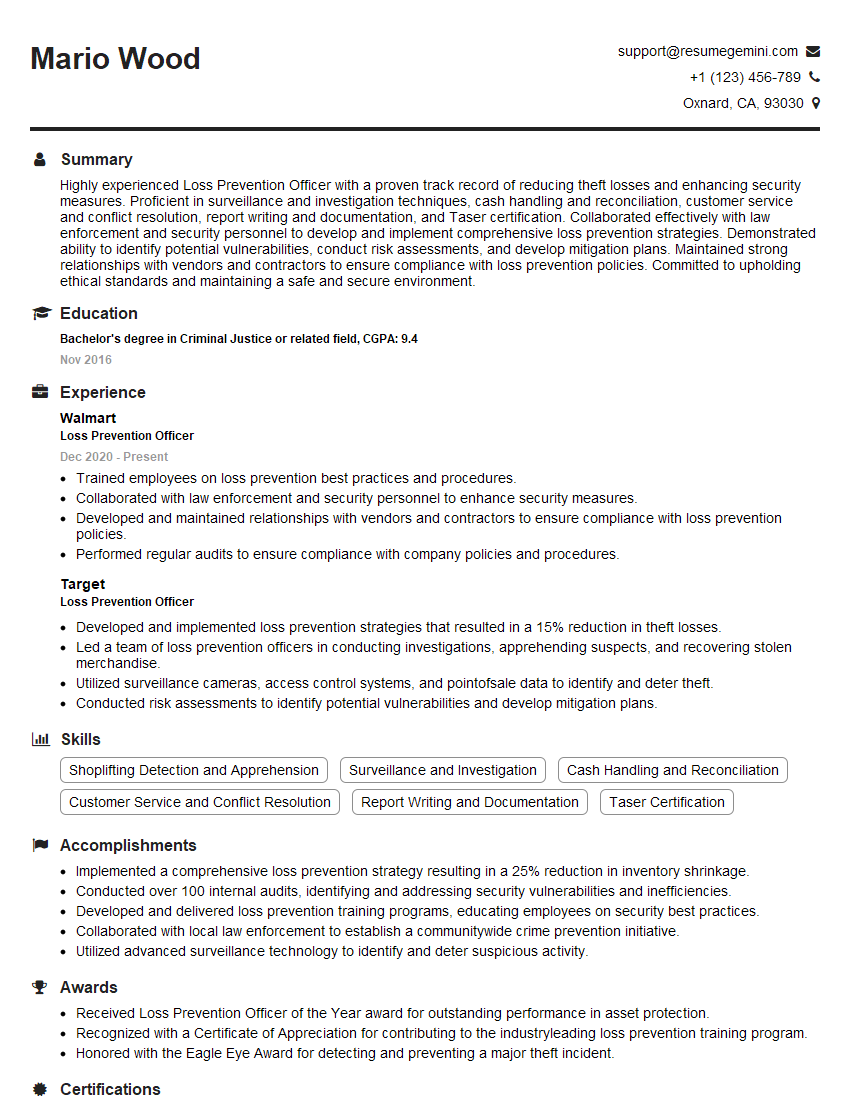
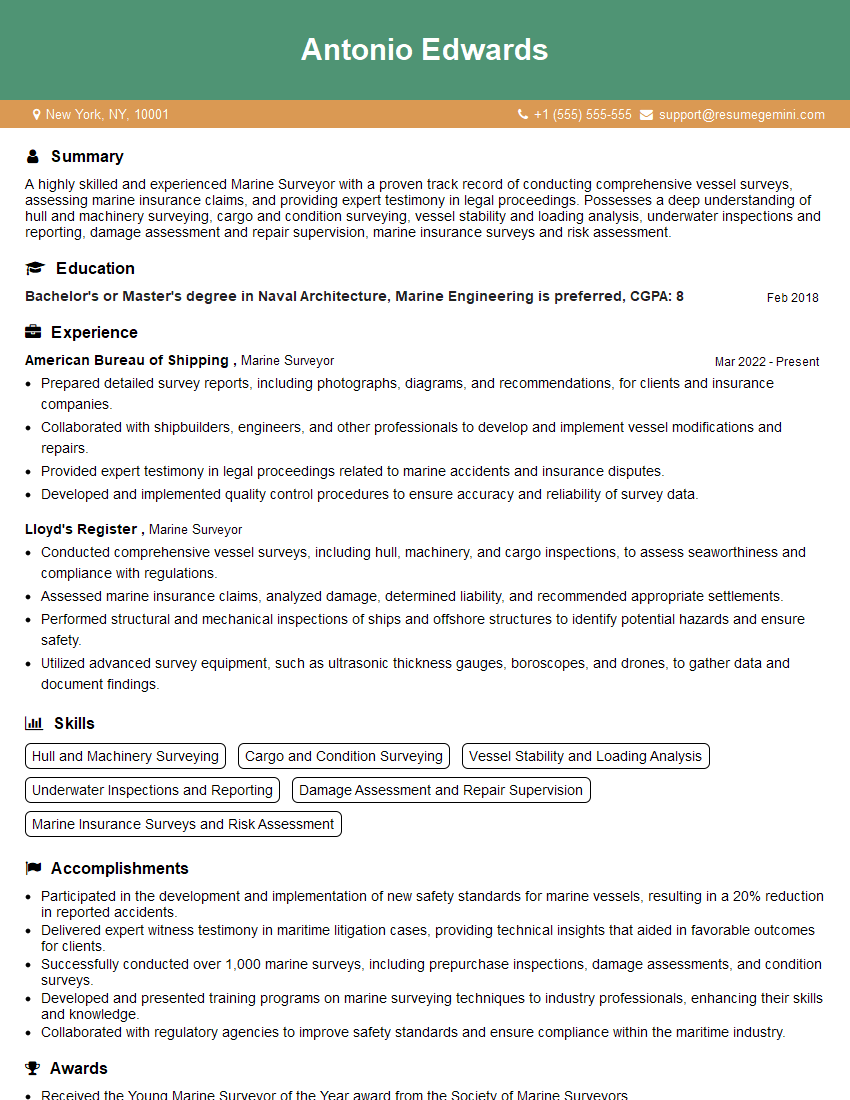
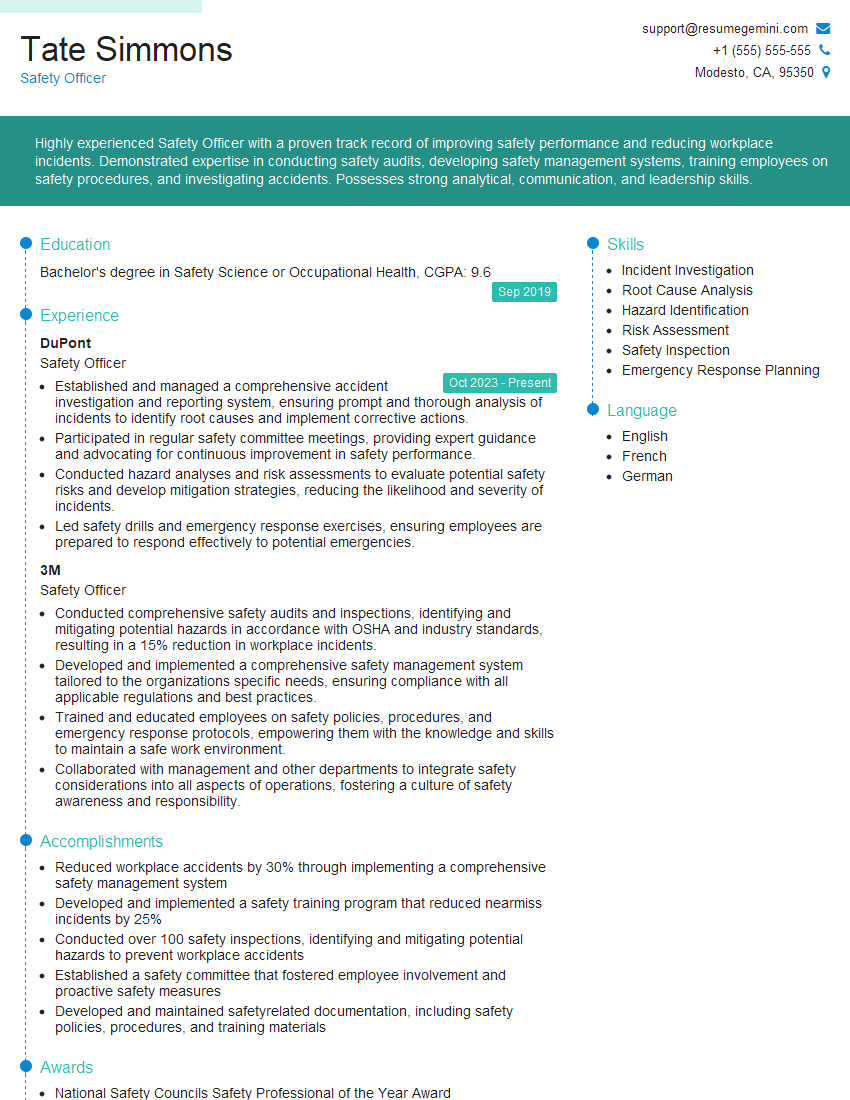
Mastering Shipboard Safety Management System Implementation significantly enhances your career prospects in the maritime industry, opening doors to leadership roles and higher earning potential. A well-crafted, ATS-friendly resume is crucial for getting your application noticed by recruiters. To help you build a compelling resume that showcases your expertise, we strongly recommend using ResumeGemini. ResumeGemini offers a user-friendly platform and provides examples of resumes tailored to Shipboard Safety Management System Implementation, ensuring your qualifications are presented effectively to potential employers. Invest the time to create a powerful resume – it’s your first impression!

Explore more articles
Users Rating of Our Blogs
Share Your Experience
We value your feedback! Please rate our content and share your thoughts (optional).
What Readers Say About Our Blog
Really detailed insights and content, thank you for writing this detailed article.
IT gave me an insight and words to use and be able to think of examples