Are you ready to stand out in your next interview? Understanding and preparing for Social Services Navigation interview questions is a game-changer. In this blog, we’ve compiled key questions and expert advice to help you showcase your skills with confidence and precision. Let’s get started on your journey to acing the interview.
Questions Asked in Social Services Navigation Interview
Q 1. Describe your experience identifying client needs and matching them with appropriate resources.
Identifying client needs and connecting them with the right resources is the cornerstone of effective social services navigation. It begins with active listening and a thorough needs assessment. This involves understanding not just the immediate problem, but also the underlying issues contributing to it. For example, a client presenting with housing insecurity might also be struggling with unemployment, mental health challenges, or substance abuse. My approach involves a multi-faceted assessment using standardized tools alongside open-ended discussions. I then leverage my extensive knowledge of local, regional, and national resources – from housing assistance programs and employment services to mental health clinics and addiction treatment centers – to create a personalized support plan. This plan isn’t static; it’s regularly reviewed and adjusted based on the client’s progress and evolving needs.
For instance, I recently worked with a single mother who was facing eviction. Through careful assessment, I discovered that her primary challenges were financial instability due to a recent job loss and lack of affordable childcare. I connected her with a local housing assistance program to prevent eviction, helped her apply for unemployment benefits, and assisted her in finding a subsidized childcare program. By addressing the interconnected issues, we achieved a more sustainable solution than just temporarily preventing her eviction.
Q 2. Explain your process for assessing client eligibility for various social programs.
Assessing client eligibility for social programs is a crucial and often complex process. Each program has specific criteria, which can vary significantly. My approach involves a systematic process: first, I carefully listen to the client’s situation and identify potential programs that might address their needs. Then, I gather the necessary documentation, such as proof of income, residency, and identity. I utilize a combination of online databases, program websites, and direct contact with program administrators to understand the precise requirements. For example, eligibility for SNAP (Supplemental Nutrition Assistance Program) requires demonstrating income below a certain threshold, while eligibility for subsidized housing depends on factors like family size and local rental costs. I meticulously document every piece of information collected, ensuring accuracy and accountability. Transparency is crucial; I always explain the eligibility criteria to the client, answering their questions and managing their expectations.
There are times when clients don’t meet the initial eligibility criteria for a program. In such cases, I explore potential avenues for appeal or alternative support systems. I might also help the client identify and address the barriers preventing them from meeting eligibility requirements.
Q 3. How do you prioritize competing client needs and manage your caseload effectively?
Prioritizing competing client needs and managing a caseload effectively requires a strategic and organized approach. I use a system that prioritizes urgency and the potential impact of intervention. For example, immediate needs like preventing homelessness or ensuring access to food and medication are given higher priority. I employ a case management software that allows me to track client progress, deadlines, and upcoming appointments. It facilitates efficient scheduling and ensures that all clients receive the attention they need. I regularly review my caseload to ensure that the most vulnerable clients receive timely assistance. This includes regular follow-up calls and scheduled in-person meetings to monitor progress and address any emerging issues. Additionally, I build strong relationships with other professionals and agencies to facilitate referrals and shared responsibilities, thereby ensuring a more comprehensive and coordinated approach to addressing client needs. It’s like juggling multiple balls – some are larger and require more immediate attention, while others are smaller and can be handled with more time.
Q 4. Describe a situation where you had to advocate for a client’s needs.
In one instance, I advocated for a client, an elderly woman with limited mobility and cognitive impairment, who was facing eviction due to a landlord dispute. The landlord claimed she had violated the lease, but the evidence was unclear and the client couldn’t adequately communicate her side of the story. I investigated the situation, gathered documentation, and met with the landlord and tenant’s rights organization. I presented a strong case emphasizing the client’s vulnerabilities and the landlord’s lack of clear evidence of lease violation. I also explored alternative housing options and successfully negotiated a resolution that allowed the client to remain in her home while addressing some minor maintenance issues. This experience highlighted the importance of persistent advocacy, strong documentation, and collaboration with other organizations.
Q 5. What strategies do you use to build rapport and trust with clients?
Building rapport and trust is essential for effective social work. I create a safe and non-judgmental space by actively listening to clients, validating their feelings, and respecting their autonomy. I use clear and concise language, avoiding jargon, and explaining the process in a way that is easy to understand. I consistently maintain confidentiality and follow ethical guidelines. It’s about showing empathy and understanding, not just as a professional, but as a person who cares. Small gestures like remembering details about their lives or offering a cup of coffee can go a long way. Building trust takes time and consistency, but it’s the foundation of a successful client-worker relationship.
Q 6. How do you handle conflicts or disagreements with clients or other service providers?
Conflicts can arise, either with clients or other service providers. My approach centers around open communication and active listening. With clients, I attempt to understand their perspective and address their concerns with patience and empathy. I ensure they feel heard and respected, even when we disagree. If the conflict involves another service provider, I focus on collaborative problem-solving. I initiate discussions to clarify misunderstandings, find common ground, and ensure coordinated service delivery. Documentation plays a key role in resolving disputes, providing a clear record of the events and agreed-upon solutions. Sometimes, mediating with a supervisor or a neutral third party can be helpful in reaching a mutually acceptable resolution. The goal is always to preserve the client’s best interests while maintaining professional relationships.
Q 7. Describe your experience with documenting client interactions and progress.
Meticulous documentation is fundamental to effective social work practice. I maintain detailed records of all client interactions, including assessment findings, service plans, progress notes, and referrals. I use electronic health records (EHR) software that ensures client confidentiality and complies with all relevant regulations. These records provide a comprehensive history of the client’s journey, enabling effective communication among team members and facilitating accurate tracking of client progress. Furthermore, this thorough documentation is crucial for accountability, program evaluation, and potential legal purposes. My documentation style is clear, concise, objective, and adheres to agency policies and professional ethical standards. I make sure to always obtain client consent for documentation and ensure their privacy is protected.
Q 8. How do you stay updated on changes in social services programs and regulations?
Staying current in the dynamic field of social services requires a multi-pronged approach. It’s not enough to simply rely on one source; continuous learning is crucial.
- Regularly reviewing government websites: I meticulously track updates on the websites of federal, state, and local agencies responsible for administering social programs. Changes in eligibility criteria, funding levels, and program guidelines are often announced here first.
- Subscribing to professional journals and newsletters: Publications like the Journal of Social Work and newsletters from organizations like the National Association of Social Workers (NASW) provide in-depth analyses of policy shifts and best practices.
- Attending professional development workshops and conferences: These events offer invaluable opportunities to network with colleagues and learn about emerging trends and challenges directly from experts in the field. I actively participate in continuing education to maintain my license and enhance my skills.
- Utilizing online resources and professional networks: I leverage online resources like government databases and professional social media groups to engage in discussions and stay informed about current events and evolving best practices.
This multifaceted approach ensures I remain informed and can effectively guide clients through the complexities of the social services system.
Q 9. What software or technology are you proficient in using for case management?
Proficiency in case management software is essential for efficient and effective social work. I’m experienced with several platforms, each offering unique functionalities.
- ClientTrack: This system excels at managing client records, scheduling appointments, and tracking progress towards goals. I’ve used its robust reporting features to demonstrate program impact.
- CareLogic: I’ve leveraged CareLogic’s collaborative features to facilitate communication among a client’s care team, ensuring everyone is informed and working towards the same objectives. Its ability to integrate with other health information systems is a significant advantage.
- Microsoft Excel and Google Sheets: Although not dedicated case management software, these tools are invaluable for data analysis, budget tracking, and report generation. I frequently use pivot tables and formulas to analyze client data and identify trends.
My experience with these platforms, along with my strong data analysis skills, allows me to effectively manage caseloads, track client progress, and generate meaningful reports to demonstrate program outcomes.
Q 10. Explain your understanding of HIPAA and client confidentiality.
HIPAA (Health Insurance Portability and Accountability Act) and client confidentiality are paramount in my work. HIPAA regulations protect the privacy of individuals’ health information, while ethical obligations extend beyond legal requirements. Maintaining confidentiality isn’t just a rule; it’s the cornerstone of trust in the client-worker relationship.
I understand that this means:
- Protecting client data: I strictly adhere to HIPAA guidelines, securing electronic records with strong passwords, using secure file-sharing systems, and limiting access to confidential information to authorized personnel only. I also follow protocols for disposing of paper records.
- Respecting client boundaries: I only share information with those who have a legitimate need to know, obtaining informed consent whenever necessary. This includes carefully considering who I discuss a client’s case with, even within the agency.
- Maintaining professional discretion: I never discuss client information in public spaces or with unauthorized individuals. Even casual conversations can inadvertently reveal sensitive details.
A breach of confidentiality can have severe legal and ethical consequences, significantly damaging the trust essential for effective social work. I approach every interaction with the utmost care and respect for client privacy.
Q 11. How do you handle situations where resources are limited or unavailable?
Resource scarcity is a common challenge in social services. When faced with limited or unavailable resources, a creative and resourceful approach is necessary.
My strategies include:
- Exploring alternative resources: I thoroughly investigate all potential avenues of assistance. This might involve contacting different agencies, exploring private charities, or reaching out to faith-based organizations. Sometimes a slightly different approach or a different agency can yield better results.
- Advocating for clients: I effectively advocate on behalf of my clients to access needed services, even if resources are constrained. This may involve writing letters, making phone calls, or attending meetings with decision-makers to explain the client’s situation and the urgency of the need.
- Prioritizing needs: When resources are truly limited, I work closely with the client to prioritize their most pressing needs, focusing on those that pose the most immediate risk or have the most significant impact on their well-being.
- Connecting clients with support networks: I often help clients connect with informal support systems such as family, friends, or community groups. This can help buffer the impact of limited formal resources.
Even in the face of limited resources, a resourceful approach can often lead to positive outcomes for the client.
Q 12. Describe your experience working with diverse populations.
Working with diverse populations is central to my role as a social services navigator. I embrace this diversity and strive to create inclusive and culturally sensitive environments.
My experience includes working with:
- Immigrant and refugee families: I’ve assisted families navigating the complexities of immigration laws, accessing healthcare, and enrolling children in school. This includes understanding the unique cultural and linguistic barriers they might face.
- Individuals experiencing homelessness: I’ve helped clients access shelter, find employment, and address underlying mental health and substance use issues. This requires building rapport and trust, often in challenging circumstances.
- LGBTQ+ individuals and families: I’ve provided support and advocacy to this community, ensuring they have access to affirming care and resources, while being mindful of their specific needs and concerns.
- Individuals with disabilities: I’ve worked with individuals with various disabilities, ensuring they receive the appropriate support and accommodations to live independently and participate fully in society.
Cultural competency is not just about awareness; it’s about actively seeking to understand and adapt my approaches to meet the unique needs of each client.
Q 13. How do you measure the success of your navigation efforts?
Measuring the success of navigation efforts requires a multi-faceted approach, going beyond simple numbers. It’s about assessing the impact on clients’ lives.
My methods include:
- Client outcomes: I track tangible results, such as securing housing, obtaining employment, accessing healthcare, or achieving educational goals. These are concrete indicators of progress.
- Client satisfaction surveys: Regular feedback from clients helps assess their experience and identify areas for improvement. This ensures our services are truly meeting their needs.
- Data analysis: I analyze case data to identify patterns, track trends, and measure the effectiveness of different intervention strategies. This informs program improvement and resource allocation.
- Qualitative feedback: Gathering stories and testimonials from clients provides a deeper understanding of their experiences and how navigation has made a difference in their lives. These narratives add a human dimension to the data.
By combining quantitative and qualitative data, I can create a comprehensive picture of program success and demonstrate the value of navigation services.
Q 14. What are some common challenges in social services navigation, and how do you address them?
Social services navigation presents several significant challenges, requiring adaptability and problem-solving skills.
- System complexity: The social services system is often fragmented and difficult to navigate, with multiple agencies, varying eligibility criteria, and bureaucratic hurdles. I address this by creating simplified pathways for clients and proactively coordinating services.
- Resource limitations: As mentioned earlier, limited resources require creative solutions, strategic prioritization of needs, and advocacy efforts to secure additional support for clients.
- Client barriers: Clients may face personal challenges like lack of transportation, literacy barriers, or mental health issues that hinder their ability to access services. I address this through collaboration with other agencies, provision of transportation assistance, and engagement with case management strategies.
- Lack of communication and coordination among agencies: Inefficient interagency communication can lead to delays and gaps in service delivery. I directly address this by establishing strong working relationships with other agencies and using collaborative platforms to facilitate information sharing.
Addressing these challenges requires strong communication, resourcefulness, and a deep understanding of the social services landscape. My approach is always client-centered and driven by the goal of empowering clients to achieve their goals.
Q 15. Explain your knowledge of different types of social programs (e.g., housing, healthcare, food assistance).
Social programs are designed to address various needs within a community. They fall into broad categories, each with numerous sub-programs and variations depending on location and funding.
- Housing Assistance: This includes programs like Section 8 housing vouchers, which subsidize rent for low-income families, and programs providing temporary housing in shelters or transitional housing for individuals experiencing homelessness. These programs aim to provide safe, affordable housing options.
- Healthcare: Access to healthcare is crucial. Medicaid provides healthcare coverage for low-income individuals and families. The Affordable Care Act (ACA) expanded access to health insurance through subsidies and marketplaces. Many programs also focus on specific health needs like mental health services or substance abuse treatment.
- Food Assistance: The Supplemental Nutrition Assistance Program (SNAP), commonly known as food stamps, provides benefits to purchase groceries. Other programs offer supplemental food for children (like the National School Lunch Program) or senior citizens (like Meals on Wheels). These programs aim to combat food insecurity.
- Other crucial programs: Beyond these core areas, there are programs addressing child care, job training, transportation assistance, legal aid, and much more. The specific programs available will vary by location and individual needs. Navigating these systems often requires deep knowledge and expertise.
For example, I once helped a client find a suitable combination of Section 8 housing and Medicaid, along with SNAP benefits, allowing her to stabilize her living situation and access necessary healthcare while addressing her immediate food needs. This required coordinating with multiple agencies and understanding the eligibility criteria for each program.
Career Expert Tips:
- Ace those interviews! Prepare effectively by reviewing the Top 50 Most Common Interview Questions on ResumeGemini.
- Navigate your job search with confidence! Explore a wide range of Career Tips on ResumeGemini. Learn about common challenges and recommendations to overcome them.
- Craft the perfect resume! Master the Art of Resume Writing with ResumeGemini’s guide. Showcase your unique qualifications and achievements effectively.
- Don’t miss out on holiday savings! Build your dream resume with ResumeGemini’s ATS optimized templates.
Q 16. How do you collaborate with other professionals in the social services field?
Collaboration is essential in social services. I regularly work with a multidisciplinary team including case managers, therapists, medical professionals, housing specialists, and legal advocates. Effective collaboration involves:
- Regular communication: This might involve attending case conferences, exchanging emails or phone calls, and utilizing shared case management systems.
- Shared goal setting: A collaborative approach starts by jointly identifying the client’s needs and setting achievable goals. For example, a collaborative plan for a client might include therapy to address mental health, vocational training for job skills, and assistance finding affordable housing.
- Information sharing: Maintaining client confidentiality is paramount, but necessary information must be shared securely among relevant professionals to avoid duplication of effort and ensure comprehensive support. Using HIPAA-compliant platforms and adhering to strict data privacy regulations is crucial here.
- Respectful communication: Acknowledging each professional’s expertise and working together as a team is key to effective collaboration. I value everyone’s input and ensure all perspectives are heard and considered.
In one instance, I worked with a therapist and a housing specialist to support a client experiencing homelessness due to severe depression. The therapist provided counseling while the housing specialist found appropriate housing and secured resources for moving expenses. My role was to navigate the multiple service systems, ensuring the client received the benefits they were entitled to.
Q 17. Describe your experience with crisis intervention.
Crisis intervention involves providing immediate support to individuals facing acute distress or a life-threatening situation. It requires rapid assessment, intervention, and stabilization. My experience includes:
- Assessing the immediate danger: Determining the level of risk, ensuring the individual’s safety, and possibly involving emergency services if needed.
- Providing emotional support: Offering a calm and empathetic presence to help the individual cope with overwhelming emotions. Active listening and validating their feelings are crucial.
- Connecting with resources: Quickly identifying and linking the individual to necessary services such as shelters, mental health crisis lines, or medical care.
- Developing a short-term safety plan: Creating a plan to address immediate needs and ensure safety. This might involve temporary housing, accessing food, or developing strategies to prevent future crisis.
I recall responding to a situation where a client was experiencing a severe mental health crisis and contemplating self-harm. By providing immediate emotional support, accessing a mobile crisis team, and connecting them with a psychiatric facility, I was able to ensure the client received the help they urgently needed.
Q 18. How do you maintain your professional boundaries while providing supportive services?
Maintaining professional boundaries is critical. This includes:
- Avoiding dual relationships: Not forming personal relationships with clients. This prevents potential conflicts of interest and ensures the client’s well-being is prioritized.
- Confidentiality: Protecting client information and adhering to all relevant privacy regulations. Sharing only necessary information with authorized professionals and obtaining informed consent whenever required.
- Setting clear limits: Establishing professional boundaries from the outset, clearly defining the scope of services and expectations.
- Self-reflection: Regularly evaluating my actions and interactions with clients to identify and address any potential boundary violations. Supervision helps with this process.
For instance, I avoid accepting gifts from clients, and I am always mindful of the power dynamic in our relationship, making sure I avoid any actions or words that could be perceived as overly personal or inappropriate.
Q 19. Explain your understanding of ethical considerations in social work.
Ethical considerations form the bedrock of social work. These include:
- Confidentiality: Protecting client privacy is paramount. Exceptions exist only under mandated reporting situations (such as child abuse or elder neglect), where I am legally obliged to report to the relevant authorities.
- Self-determination: Respecting the client’s right to make their own choices, even if those choices differ from my recommendations. Empowering the client is key.
- Beneficence and Non-maleficence: Working in the client’s best interest, and avoiding actions that could cause harm. This requires careful consideration of potential consequences.
- Justice: Advocating for fair and equitable access to resources and opportunities for all clients, regardless of background or circumstances.
- Competence: Providing services within the boundaries of my expertise, and seeking supervision or referral when needed.
I always strive to adhere to the NASW Code of Ethics, which guides my professional practice and helps me navigate complex ethical dilemmas. For example, a scenario where a client’s choices directly conflict with their safety requires a careful balancing of self-determination and beneficence, where I must ensure their safety without compromising their autonomy.
Q 20. How do you manage your own stress and burnout while working in this demanding field?
The social services field can be emotionally and mentally demanding. Self-care is not a luxury, but a necessity to prevent burnout and maintain effectiveness. My strategies include:
- Regular exercise and healthy diet: Maintaining physical health improves mental resilience.
- Mindfulness and meditation: Practicing mindfulness helps me manage stress and regulate my emotions.
- Support networks: Connecting with colleagues, supervisors, or mentors to share experiences and receive support.
- Setting boundaries: Learning to disconnect after work and avoid constantly thinking about work outside of work hours. Taking breaks and vacations are essential.
- Seeking supervision: Regular supervision provides guidance, support, and a space for self-reflection.
I also find engaging in hobbies outside of work to be crucial for maintaining a healthy work-life balance. This might involve spending time with family, reading, or pursuing creative interests.
Q 21. What are your strengths and weaknesses in the context of social services navigation?
My strengths in social services navigation include:
- Strong interpersonal skills: I am able to build rapport with clients from diverse backgrounds, fostering trust and open communication.
- Resourcefulness and problem-solving: I am adept at identifying and accessing appropriate resources to meet client needs. I am proactive in finding solutions.
- Organizational skills: I am highly organized and efficient in managing caseloads and coordinating services.
- Advocacy skills: I am confident in advocating for clients’ rights and needs within various systems.
An area for development is my knowledge of specific legal frameworks surrounding disability services, which I am actively working to improve through continuing education. Despite this, I am always committed to learning and refining my skills to become an even more effective social service navigator.
Q 22. Describe your experience developing and maintaining relationships with community partners.
Building and maintaining strong relationships with community partners is crucial for effective social services navigation. It’s about creating a network of support that extends beyond my own organization to provide comprehensive assistance to clients. This involves proactive outreach, consistent communication, and mutual respect.
For example, I regularly attend meetings with local healthcare providers, housing agencies, and educational institutions to discuss client needs and coordinate services. I also actively participate in community events to build rapport and increase awareness of available resources. I document all partnerships and communication meticulously, ensuring transparency and accountability. A strong network is essential for efficient referrals, collaborative case management, and addressing complex situations where multiple agencies are involved.
Maintaining these relationships requires consistent effort. I regularly follow up with partners, share updates on client progress, and celebrate successes together. This strengthens trust and fosters a collaborative environment focused on client well-being.
Q 23. How do you utilize data analysis to inform your case management strategies?
Data analysis plays a vital role in refining my case management strategies. I use data to identify trends, understand client needs, and evaluate the effectiveness of interventions. This data-driven approach allows me to personalize services and improve outcomes.
For instance, I track data points such as the types of services accessed by clients, the duration of services, and client outcomes. I use this information to identify areas where clients are struggling and to adapt my strategies. If I notice a high rate of housing instability among a specific client group, for example, I can focus on strengthening partnerships with housing agencies and advocating for more effective housing programs. I might also utilize visualization tools to present this data to stakeholders, illustrating the need for resource allocation or program adjustments.
Furthermore, I’m proficient in using various software tools for data analysis and reporting, ensuring accurate and timely insights.
Q 24. What is your preferred communication style when working with clients?
My preferred communication style is empathetic, clear, and respectful. I prioritize active listening and strive to create a safe and non-judgmental space where clients feel comfortable sharing their experiences and concerns.
I believe in using plain language, avoiding jargon, and tailoring my communication style to each individual’s needs and preferences. For instance, I adjust my communication based on a client’s literacy level, cultural background, and comfort level with technology. Sometimes, a simple phone call is best; other times, a face-to-face meeting or email might be more suitable. I always ensure that clients understand the information I’m conveying and have opportunities to ask questions.
Regular feedback is key; I frequently check in with clients to make sure they feel understood and supported throughout the process.
Q 25. How do you ensure cultural competency in your interactions with clients?
Cultural competency is paramount in social services. It means understanding and respecting the diverse backgrounds, beliefs, and values of my clients. I actively seek to understand the cultural context of each individual’s situation, avoiding generalizations and assumptions.
This involves ongoing self-reflection and continuous learning. I regularly attend training sessions and workshops that focus on cultural awareness and sensitivity. I also research cultural practices and customs that are relevant to my clients’ backgrounds. For instance, if I’m working with a client from a particular cultural background, I make sure to be mindful of communication styles, family structures, and potential religious or spiritual considerations.
Crucially, I avoid imposing my own cultural values and beliefs on my clients, ensuring that services are tailored to their individual needs and preferences. I actively seek guidance from community leaders and cultural experts when necessary.
Q 26. How do you adapt your approach to navigation based on individual client needs?
Adaptability is the cornerstone of effective social services navigation. I recognize that each client’s journey is unique, and a one-size-fits-all approach is ineffective.
My approach involves conducting a thorough assessment of the client’s individual needs, strengths, and goals. This assessment informs the development of a personalized navigation plan. For example, a client facing housing insecurity might need assistance with finding affordable housing, while another client might require support with accessing healthcare services or navigating the education system.
I use a strength-based approach, focusing on the client’s existing resources and capabilities. I empower clients to actively participate in the decision-making process, ensuring they feel ownership of their journey. Regular evaluation and adjustments to the navigation plan are essential to ensure its ongoing relevance and effectiveness.
Q 27. Describe a time you had to make a difficult ethical decision.
I once faced a difficult ethical dilemma involving a client who was struggling with substance abuse and neglecting their children. While I wanted to ensure the children’s safety, I also recognized the importance of respecting the client’s autonomy and dignity.
My initial approach involved collaborating with child protective services, while simultaneously working with the client to access substance abuse treatment and support services. The challenge was balancing the need to protect the children with the potential for stigmatization and alienation of the client. I navigated this by ensuring transparency with all parties involved, documenting every interaction meticulously and seeking guidance from my supervisor and colleagues.
Ultimately, it was a delicate balance between fulfilling my ethical obligations to both the client and the children. It underscored the importance of ethical frameworks, collaboration, and clear communication in navigating such challenging scenarios.
Q 28. What are your long-term career goals within the social services sector?
My long-term career goals center on advancing social justice and improving access to equitable social services. I aspire to move into a leadership role where I can mentor and support other professionals in the field.
I am particularly interested in developing and implementing innovative programs that address systemic inequalities and improve outcomes for vulnerable populations. My aim is to leverage data-driven strategies to enhance the effectiveness of social services and advocate for policy changes that promote social equity. I also envision contributing to research and development in the field of social services navigation, sharing my expertise to improve the practice and outcomes for those we serve.
Key Topics to Learn for Social Services Navigation Interview
- Understanding Client Needs: Assessing client needs through active listening, empathy, and effective questioning techniques. This includes identifying immediate needs and long-term goals.
- Resource Identification & Referral: Knowing the landscape of available social services (housing, healthcare, financial assistance, etc.) and effectively matching clients with appropriate programs. This includes navigating eligibility criteria and application processes.
- Case Management & Advocacy: Developing and implementing individualized care plans, advocating for clients’ rights and needs within the system, and coordinating services from multiple agencies.
- Crisis Intervention & Support: Responding effectively to client crises, providing immediate support, and de-escalating situations. This involves knowing appropriate resources for immediate assistance.
- Ethical Considerations & Confidentiality: Understanding and adhering to ethical guidelines, maintaining client confidentiality, and navigating potential conflicts of interest.
- Documentation & Reporting: Maintaining accurate and thorough client records, complying with reporting requirements, and utilizing case management software effectively.
- Collaboration & Teamwork: Working effectively with a multidisciplinary team, including social workers, healthcare professionals, and other service providers. This emphasizes communication and coordination skills.
- Community Resources & Partnerships: Developing and maintaining relationships with community organizations and service providers to expand access to resources for clients. Understanding the dynamics of community networks is key.
- Cultural Competency & Sensitivity: Demonstrating understanding and respect for diverse cultural backgrounds and beliefs, adapting approaches to meet the unique needs of clients from varying communities.
- Legal & Regulatory Frameworks: Understanding relevant laws and regulations governing social services, including privacy laws and eligibility requirements.
Next Steps
Mastering Social Services Navigation is crucial for a rewarding and impactful career. It demonstrates your ability to make a tangible difference in people’s lives and opens doors to diverse roles with increasing responsibility. To maximize your job prospects, invest in crafting an ATS-friendly resume that highlights your skills and experience effectively. ResumeGemini is a trusted resource to help you build a professional resume that stands out. Examples of resumes tailored to Social Services Navigation are provided to guide you. Take the next step and create a resume that showcases your potential!
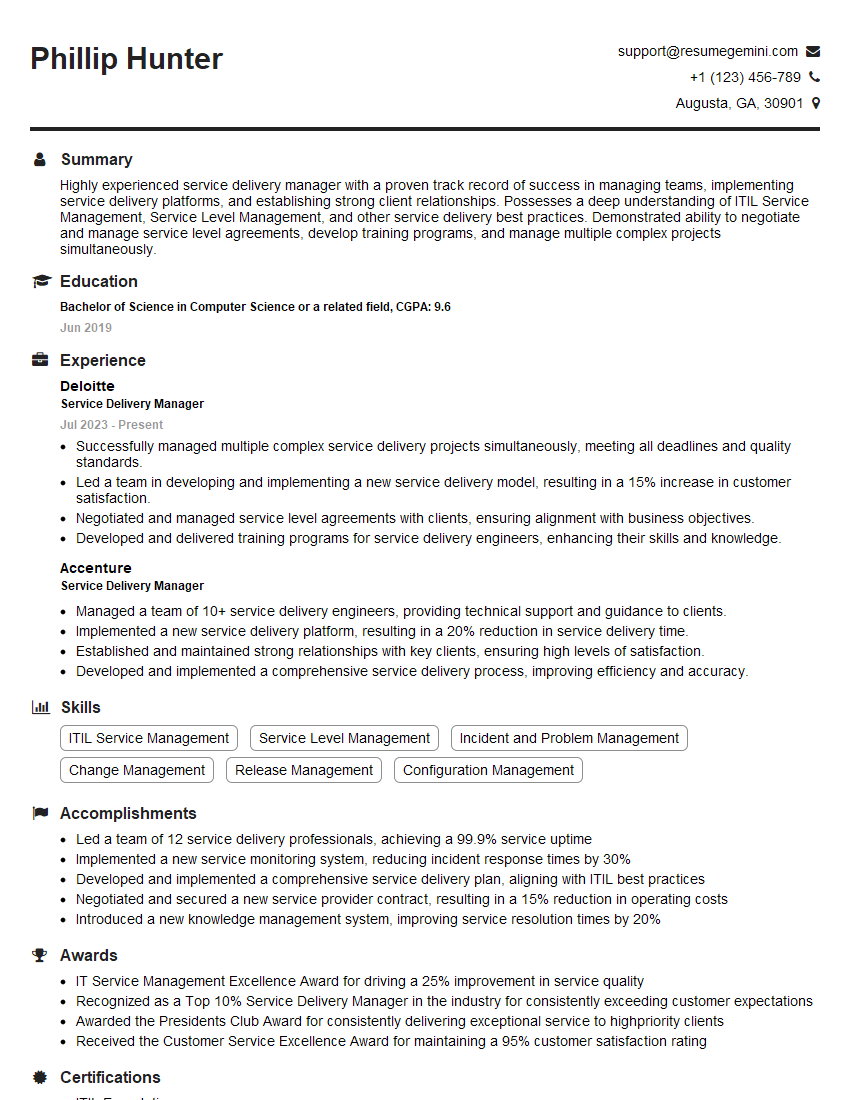
Service Delivery Manager Resume Sample
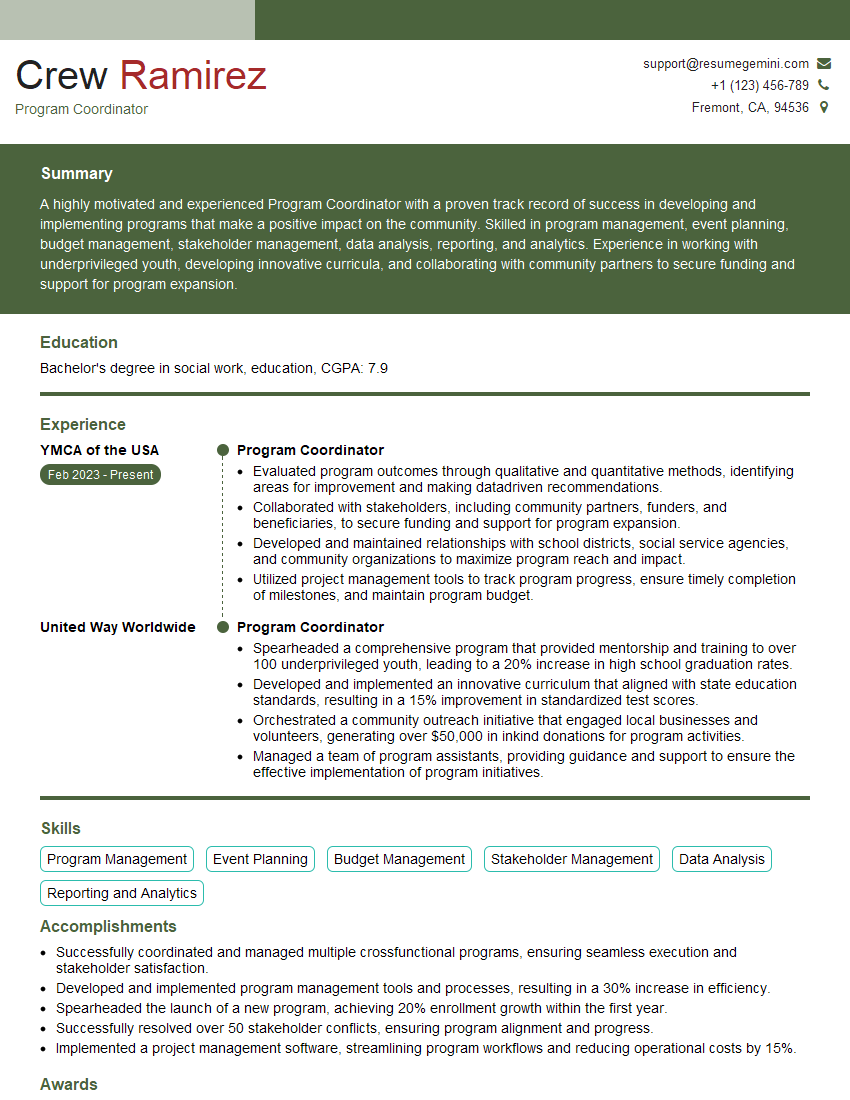
Program Coordinator Resume Sample
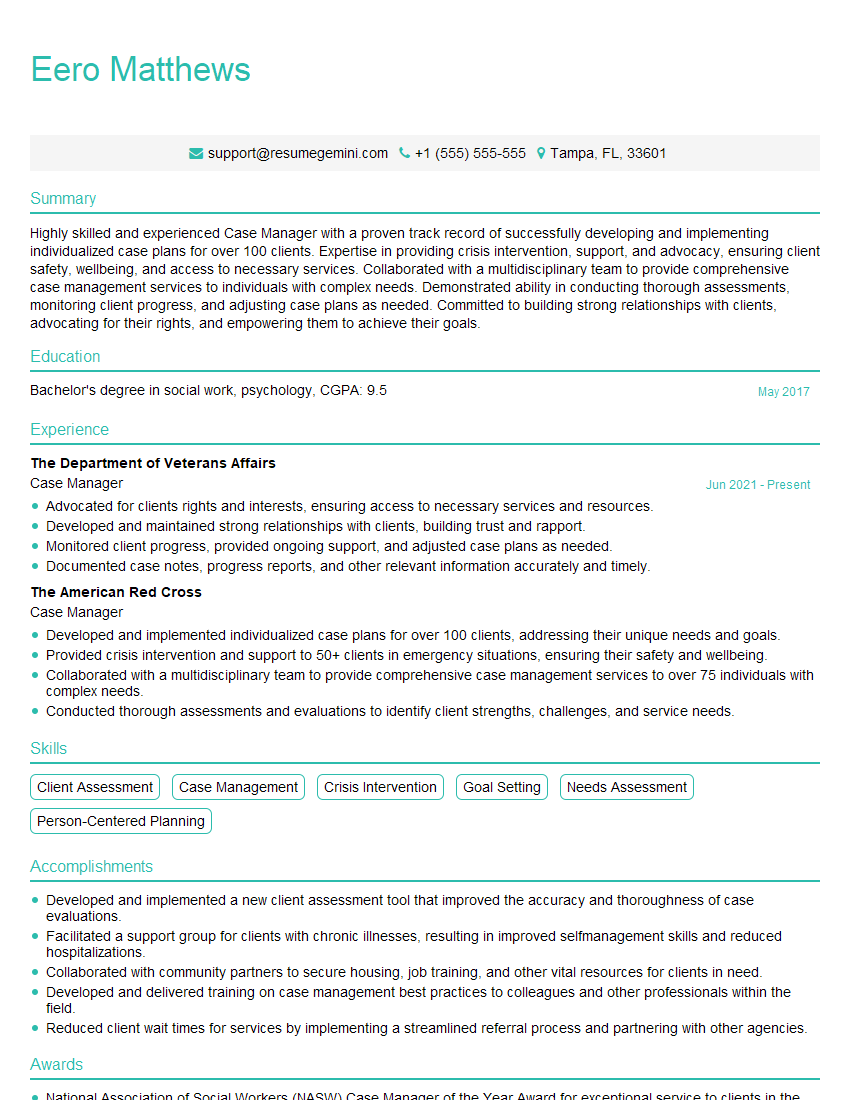
Case Manager Resume Sample
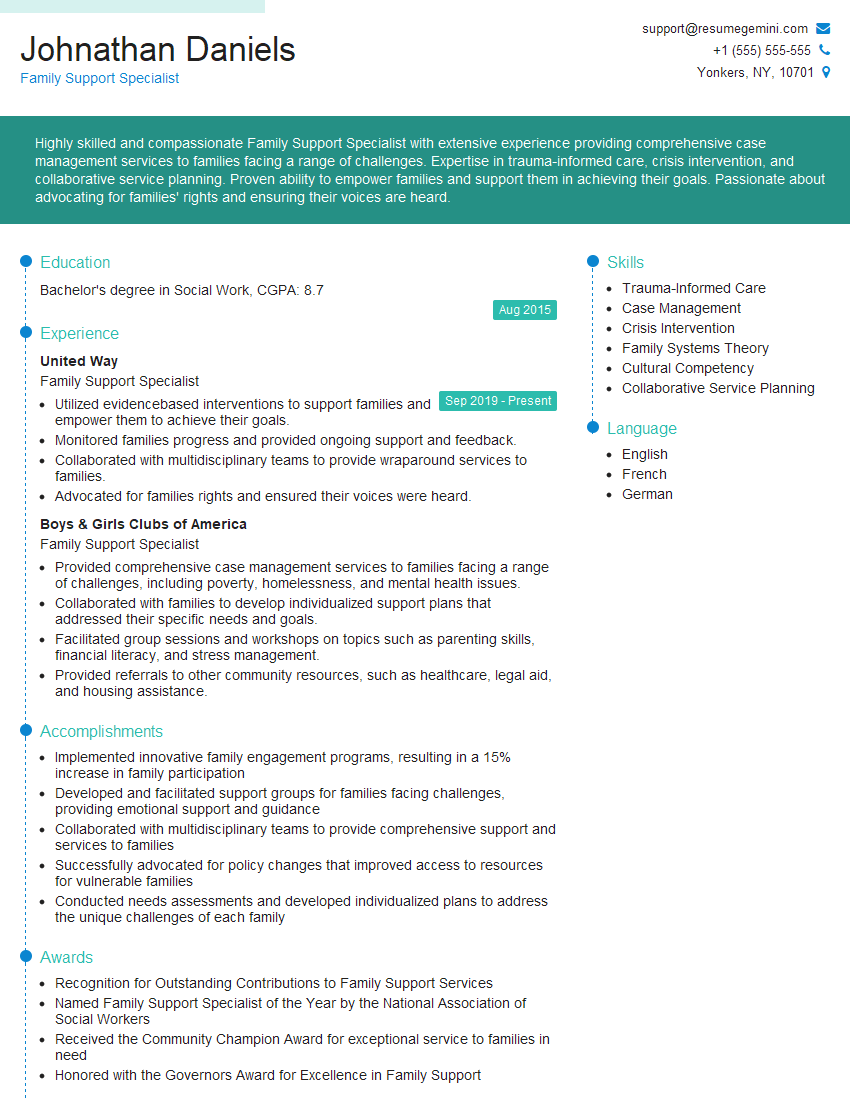
Family Support Specialist Resume Sample
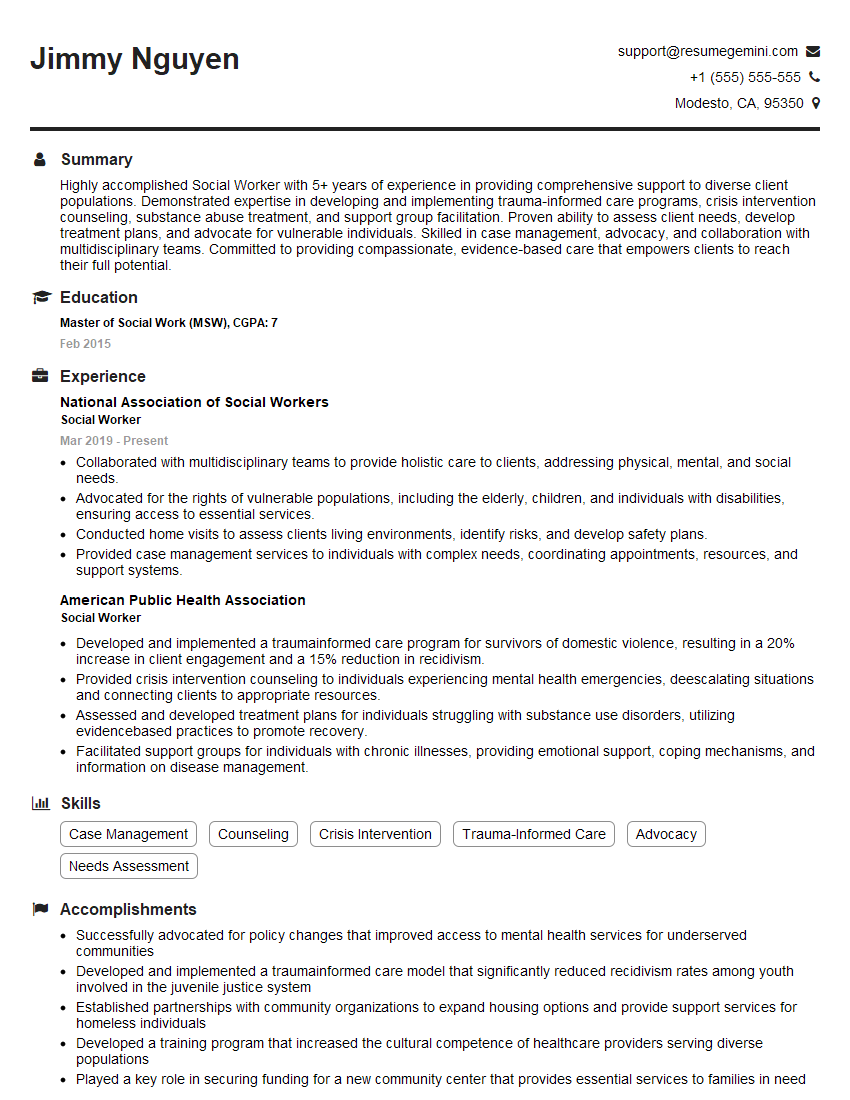
Social Worker Resume Sample
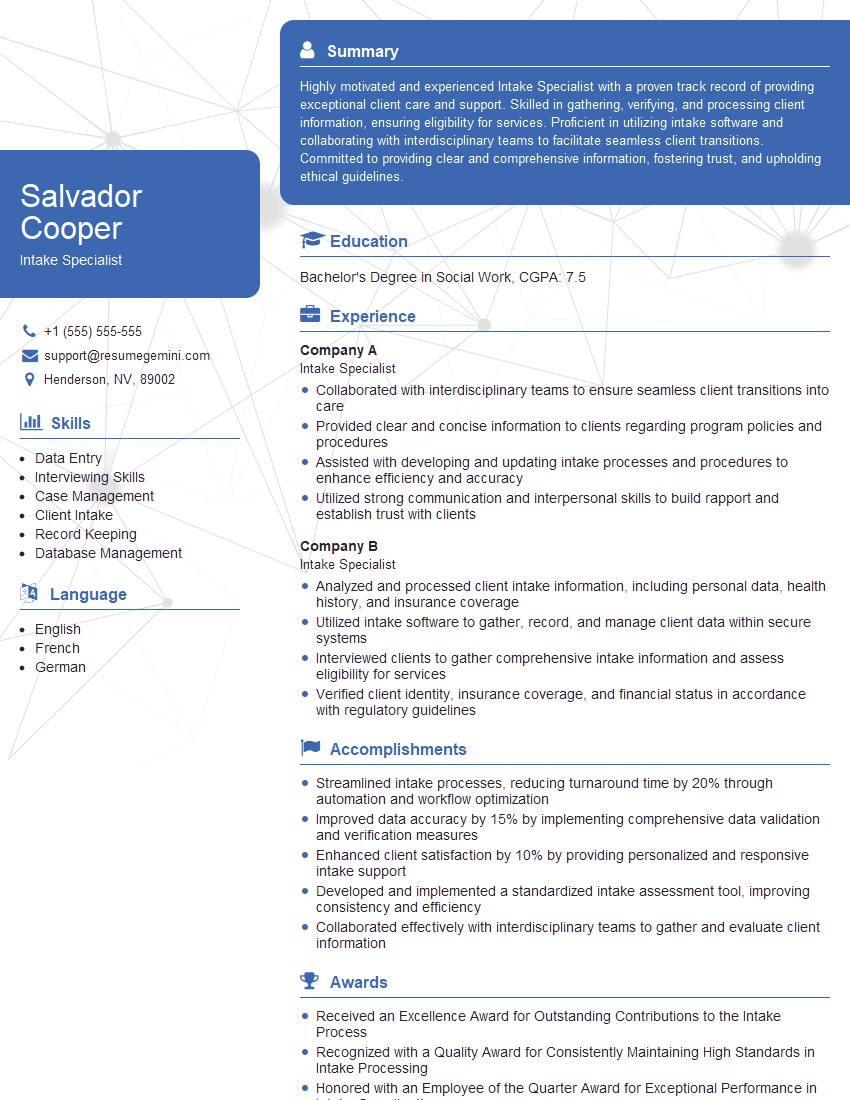
Intake Specialist Resume Sample
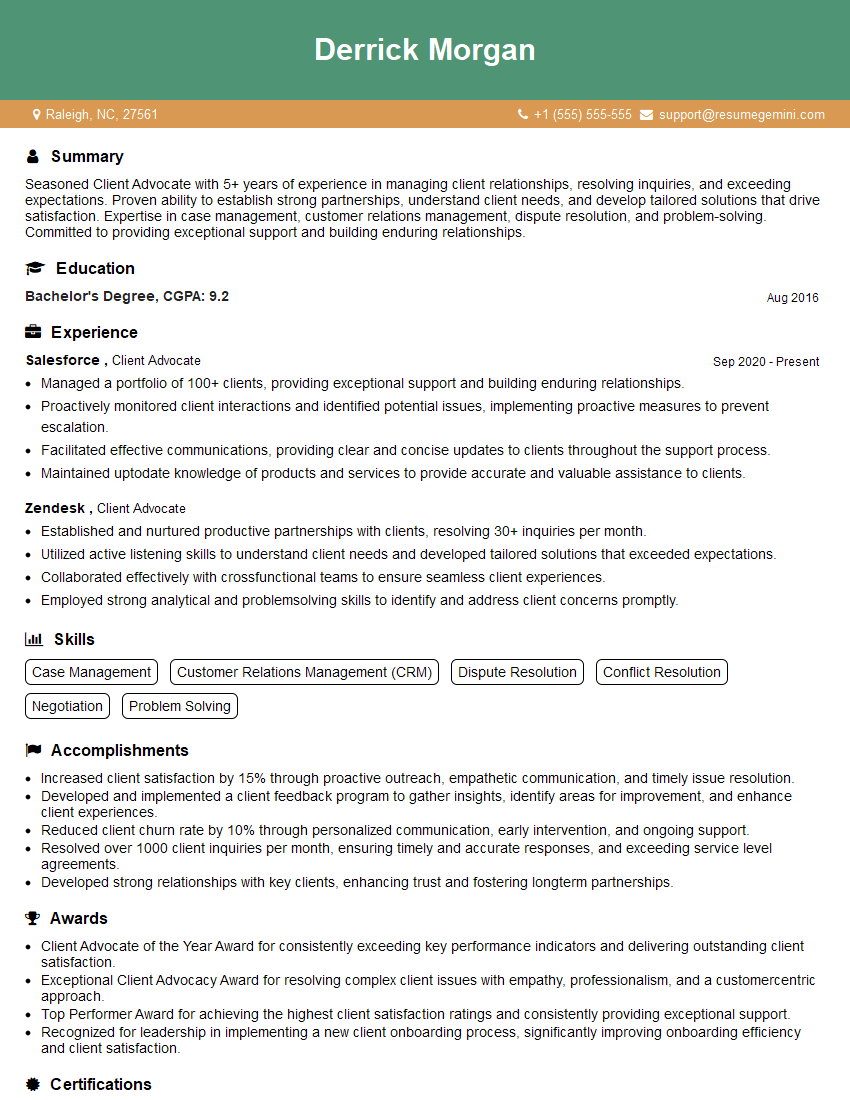
Client Advocate Resume Sample
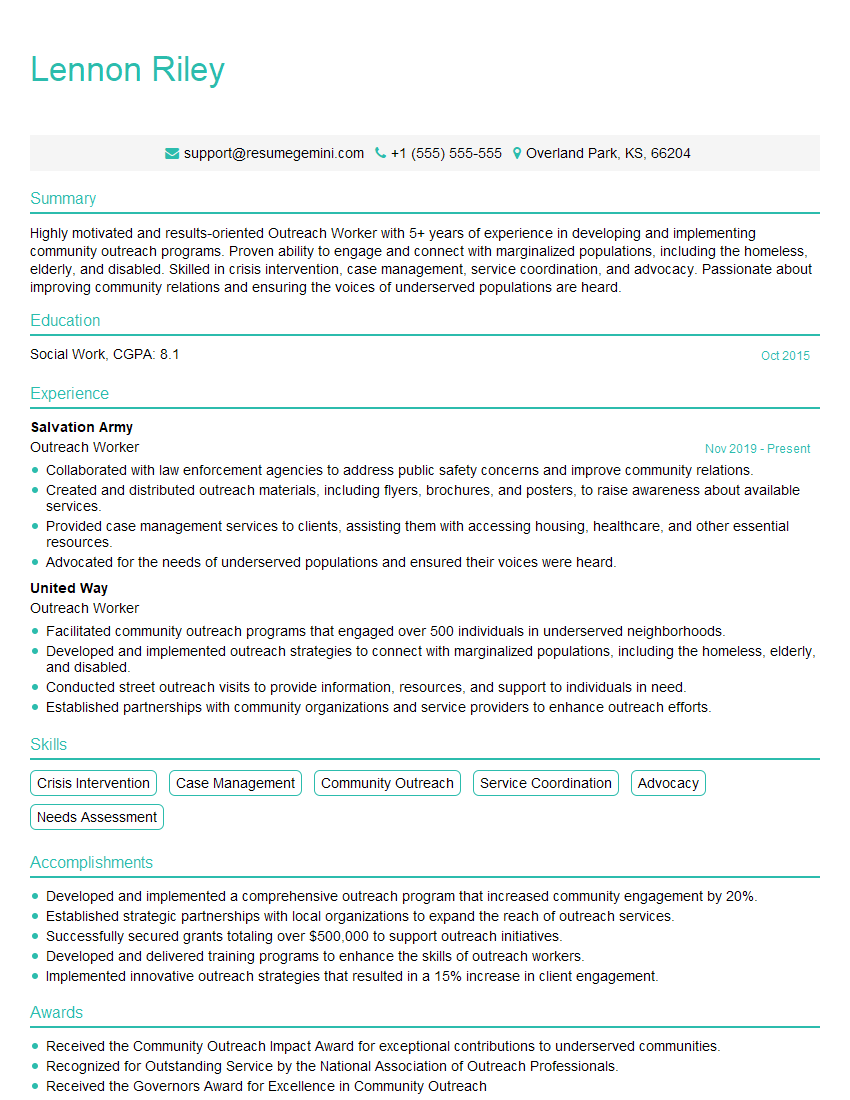
Outreach Worker Resume Sample
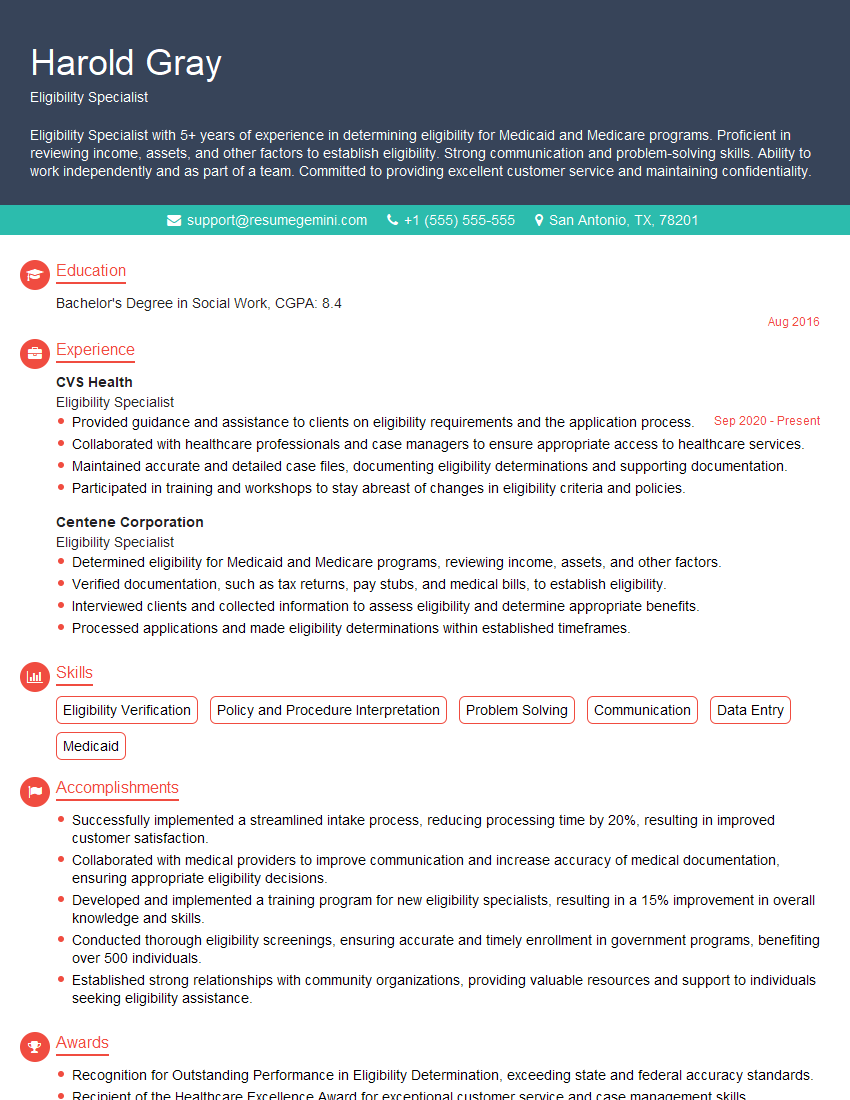
Eligibility Specialist Resume Sample
Explore more articles
Users Rating of Our Blogs
Share Your Experience
We value your feedback! Please rate our content and share your thoughts (optional).
What Readers Say About Our Blog
Really detailed insights and content, thank you for writing this detailed article.
IT gave me an insight and words to use and be able to think of examples