Unlock your full potential by mastering the most common Sokkia SDL30 Level interview questions. This blog offers a deep dive into the critical topics, ensuring you’re not only prepared to answer but to excel. With these insights, you’ll approach your interview with clarity and confidence.
Questions Asked in Sokkia SDL30 Level Interview
Q 1. Describe the key features and functions of the Sokkia SDL30 Level.
The Sokkia SDL30 is a highly accurate automatic level known for its user-friendliness and robust design. Key features include its automatic leveling system, which significantly speeds up the surveying process. It boasts a bright, easy-to-read LCD display showing precise readings. The instrument features a compensator that automatically corrects for minor tilts, ensuring accurate measurements even on uneven ground. Other important functions include various measurement modes (e.g., single readings, continuous readings), data storage capabilities, and often, a built-in distance measurement feature (depending on the specific model configuration). Its compact and lightweight design enhances portability, making it suitable for various fieldwork conditions.
Q 2. Explain the process of setting up the Sokkia SDL30 Level for a leveling survey.
Setting up the Sokkia SDL30 for a leveling survey is straightforward. First, ensure the tripod is firmly planted on stable ground. Carefully attach the level to the tripod, ensuring it’s securely fastened. Next, roughly level the instrument using the tripod legs. Then, switch on the SDL30. The automatic leveling system will then begin to operate. Once the instrument is leveled, the display will show a stable reading. Finally, choose the appropriate measurement mode (e.g., single reading for precise measurements, continuous reading for tracking changes over time). It’s crucial to always check the instrument’s stability and ensure no vibrations or external forces interfere with the leveling process. Imagine setting up a telescope – you want a stable, unobstructed view for the most precise results.
Q 3. How do you ensure the proper calibration and adjustment of the Sokkia SDL30 Level?
Calibration and adjustment of the Sokkia SDL30 should ideally be performed by a qualified technician. However, some basic checks can be carried out in the field. You can verify the accuracy of the compensator by checking if the readings remain consistent when slightly tilting the instrument. Observe the readings for any drift or instability, which might indicate a problem. Regular cleaning of the optical components is crucial. Any significant issues necessitate contacting Sokkia or a certified service center for professional calibration and adjustments. Think of it like getting your car’s alignment checked regularly; preventative maintenance ensures long-term accuracy and reliability.
Q 4. What are the common sources of error when using a Sokkia SDL30 Level, and how can they be minimized?
Common sources of error include instrument maladjustment (incorrect leveling), incorrect reading of the leveling staff, atmospheric refraction (especially over long distances affecting the line of sight), and curvature of the earth (significant over long distances). Minimizing these errors involves meticulous setup procedures, using a calibrated leveling staff and verifying readings, conducting surveys on less turbulent days, and employing appropriate corrections (like curvature and refraction corrections for longer sights). Always keep a systematic record of your measurements and survey process for quality control.
Q 5. Describe the different types of leveling techniques used with the Sokkia SDL30 Level.
Several leveling techniques can be used with the Sokkia SDL30, including:
- Simple Leveling or Differential Leveling: This involves setting up the instrument at a suitable point, taking readings on a staff at known benchmark and at the point whose elevation is to be determined. This is the most common method for finding elevation differences.
- Fly Leveling: This is used for extending a level line over a longer distance, involving multiple setups and utilizing intermediate points (turning points) for the elevation transfer.
- Trigonometric Leveling: This method uses angles and distances to determine the difference in elevation. While not directly performed with only the SDL30 level (it needs other equipment like a total station), the elevation differences found using trigonometry can be incorporated into the levelling calculations and data recording using the SDL30.
- Profile Leveling: This technique determines the elevation of points along a line, such as a road or pipeline. It’s very useful for creating cross-sections and longitudinal profiles.
Q 6. How do you perform a three-wire leveling using the Sokkia SDL30 Level?
Three-wire leveling improves accuracy by averaging readings taken at three distinct points on the leveling staff. Using the Sokkia SDL30, you would take a reading at the top wire, middle wire, and bottom wire of the staff. The difference between the top and bottom wires provides a more accurate measurement, minimizing errors due to staff misalignment or reading inaccuracies. Averaging these readings significantly reduces random errors and improves the overall precision of the elevation difference determination. The difference between top and bottom wires is divided by two and added to the middle wire reading; this is your corrected reading.
Q 7. Explain the process of calculating elevation differences using data from the Sokkia SDL30 Level.
Calculating elevation differences involves a systematic approach. First, record the backsight (BS) reading taken on a point of known elevation (benchmark). Then, record the foresight (FS) reading taken at the point whose elevation needs to be determined. The elevation difference is calculated using the formula: Elevation of new point = Elevation of benchmark + BS reading - FS reading. For example, if the benchmark elevation is 100m, the BS reading is 1.50m, and the FS reading is 2.00m, the elevation of the new point would be: 100m + 1.50m - 2.00m = 99.50m. This process is repeated for all points in a level run, keeping track of cumulative elevation changes.
Q 8. How do you handle and record data collected using the Sokkia SDL30 Level?
Data collected from the Sokkia SDL30 Level can be handled and recorded in several ways, depending on the project’s needs and the available technology. The most basic method involves manually recording readings from the instrument’s digital display into a field book. This approach is simple but prone to errors. For larger projects or where higher accuracy is required, data is usually downloaded directly to a data collector or field computer via a data cable. Most modern Sokkia SDL30 Levels support this direct data transfer.
Many field computers and data collectors offer software specifically designed for leveling, which allows for real-time data processing and error checking. This reduces the chance of mistakes during manual entry. Once downloaded, the data can be exported in various formats (like CSV or DXF) for further processing and analysis using dedicated surveying software like AutoCAD Civil 3D or other relevant packages. The key is to maintain a clear and organized system of recording, labeling, and storing the data to ensure traceability and prevent confusion. For example, each measurement point should be clearly identified with a unique identifier, and the date and time of each reading should also be recorded.
Q 9. What are the limitations of the Sokkia SDL30 Level, and how can these limitations be overcome?
The Sokkia SDL30 Level, while a precise instrument, has limitations. One major limitation is the instrument’s susceptibility to environmental factors like temperature fluctuations and atmospheric refraction. These can introduce errors in the readings, particularly over longer distances. Another limitation is the line of sight; obstacles like trees or buildings can interrupt the measurement process. Furthermore, the instrument’s accuracy is limited by the operator’s skill and the quality of the equipment. Even with the best equipment, human error can lead to incorrect measurements.
To overcome these limitations, several strategies can be employed. Environmental factors can be mitigated by conducting surveys during optimal atmospheric conditions (calm weather, minimal temperature variations). Careful planning of the survey route, using shorter sight distances where possible, can also improve accuracy and help to minimize the impacts of atmospheric refraction. For obstacles, alternative methods may need to be employed (e.g., indirect leveling techniques or using a total station). Regular calibration and maintenance of the instrument are crucial to ensure its optimal performance and to minimize errors caused by equipment malfunction. Lastly, using experienced surveyors ensures proper instrument handling and minimizes human errors significantly.
Q 10. How do you troubleshoot common problems encountered with the Sokkia SDL30 Level?
Troubleshooting the Sokkia SDL30 Level involves a systematic approach. If the instrument is not powering on, check the battery level and ensure proper connections. If the readings seem erratic or inaccurate, first, check the instrument’s level bubble. An improperly leveled instrument will produce erroneous results. If the level bubble is aligned, it’s worthwhile to check the collimation using a known level and a target at a distance. If the readings still appear off, it might indicate a problem with the internal components, necessitating professional servicing. The instrument’s display might also show error messages that can provide clues about specific issues. The user’s manual should include details about the error codes and suggested troubleshooting steps. Always make sure to follow the manufacturer’s instructions and safety precautions.
For example, if the display shows a low-battery warning, the solution is simple: replace or recharge the batteries. However, if the instrument consistently displays inaccurate readings, even after checking leveling and calibration, further investigation is required, potentially involving contacting Sokkia’s support or an authorized service center.
Q 11. What safety precautions should be taken when using the Sokkia SDL30 Level?
Safety when using the Sokkia SDL30 Level is paramount. Always follow standard construction site safety procedures. Wear appropriate personal protective equipment (PPE), including safety glasses and high-visibility clothing. Be mindful of your surroundings, particularly when working near traffic or on uneven terrain. Ensure that the instrument is stable and secured on the tripod to prevent accidental falls. Never attempt to adjust or repair the instrument yourself unless you are appropriately trained. During leveling, ensure that there is clear communication between the instrument operator and the rod person, to prevent mishaps.
For example, in high-wind conditions, it’s crucial to ensure that the tripod is firmly planted and the instrument secured against gusts, which can cause misalignment. Working at night requires extra precautions such as adequate lighting to ensure visibility and prevent accidents. Finally, never point the laser at any person’s eyes; the laser beam is dangerous and can cause serious injury.
Q 12. What is the significance of proper instrument handling and maintenance for the Sokkia SDL30 Level?
Proper instrument handling and maintenance are critical for the Sokkia SDL30 Level’s accuracy and longevity. Careful handling prevents accidental damage that can lead to misalignment or malfunction. Regular cleaning of the instrument, particularly the optical components, is crucial for maintaining clear readings. Regular calibration ensures that the instrument is within its specified accuracy limits. Following the manufacturer’s recommendations for storage and transportation (e.g., storing the instrument in a protective case in a dry environment) extends its lifespan and maintains its precision.
Neglecting maintenance can lead to costly repairs or instrument failure. For instance, dust and dirt accumulating on the leveling screws can make accurate leveling difficult. Similarly, failing to protect the instrument from shocks or impacts during transportation can easily damage the internal components. A well-maintained instrument provides reliable data, reducing the likelihood of costly rework or project delays.
Q 13. How does the Sokkia SDL30 Level compare to other similar leveling instruments?
The Sokkia SDL30 Level competes with other digital levels from manufacturers such as Leica, Topcon, and Nikon. Comparing the SDL30 to these competitors often comes down to specific features, budget, and user preferences. Factors like accuracy, range, ease of use, data processing capabilities, and after-sales service all play a role in the decision-making process. The Sokkia SDL30 is known for its user-friendly interface and reliable performance, making it a popular choice for many surveying professionals. However, other manufacturers offer instruments with advanced features, such as automatic leveling or longer measurement ranges, which may be advantageous for certain applications. The price point is also a key factor, and Sokkia often strikes a balance between providing advanced functionality and competitive pricing. Ultimately, the best instrument is the one that best suits the individual project requirements and the operator’s skills.
Q 14. Describe your experience with data processing and analysis using data from the Sokkia SDL30 Level.
My experience with data processing and analysis from the Sokkia SDL30 Level is extensive. Typically, I utilize the downloaded data in conjunction with surveying software. After importing the data, I typically perform quality checks, identifying and correcting any potential errors or outliers. I may perform computations for elevation differences, benchmark establishment, and volume calculations, depending on the nature of the project. This often involves leveraging software’s capabilities to create contour maps or cross-sections. Further analysis might include statistical analysis to determine the precision of the leveling measurements. Data visualization is a crucial step; creating graphical representations helps in understanding and presenting results effectively. The level of data processing and analysis is entirely dependent on the specific project needs and the required level of accuracy and detail.
For instance, on a recent highway project, I used data from the Sokkia SDL30 Level to establish benchmarks along the proposed route and created cross-sections for earthwork calculations. The software’s automated functions significantly accelerated the processing and reduced the possibility of human error.
Q 15. How familiar are you with the Sokkia SDL30 Level’s user interface and software?
I’m highly familiar with the Sokkia SDL30 Level’s user interface and software. The instrument boasts an intuitive design, with a clear LCD display showing key parameters like horizontal angle, vertical angle, slope distance, and height difference. The menu navigation is straightforward, using a combination of easily accessible buttons and a jog dial for precise adjustments. I’m proficient in setting up different measurement modes, including single-shot, continuous, and tracking modes, depending on the task at hand. The software, though simple, facilitates efficient data recording and management. I’m comfortable using the various data output options, including direct download to a data collector or storage on an SD card for later analysis. My experience extends to using the SDL30’s built-in functionalities for tasks like stakeout and volume calculations.
Career Expert Tips:
- Ace those interviews! Prepare effectively by reviewing the Top 50 Most Common Interview Questions on ResumeGemini.
- Navigate your job search with confidence! Explore a wide range of Career Tips on ResumeGemini. Learn about common challenges and recommendations to overcome them.
- Craft the perfect resume! Master the Art of Resume Writing with ResumeGemini’s guide. Showcase your unique qualifications and achievements effectively.
- Don’t miss out on holiday savings! Build your dream resume with ResumeGemini’s ATS optimized templates.
Q 16. Have you used the Sokkia SDL30 Level in different environmental conditions? Describe your experience.
I’ve used the Sokkia SDL30 Level in a variety of challenging environmental conditions, from scorching desert sun to cold, windy, and rainy weather. My experience has shown the SDL30 to be remarkably robust. In harsh sunlight, the bright LCD screen remains easily readable, and the instrument’s internal temperature compensation helps to maintain accuracy. In inclement weather, the instrument’s weatherproofing protects the internal components from moisture and dust. I’ve also used it in challenging terrain where stability was crucial, and found that proper setup techniques, including careful tripod placement and leveling, are paramount for achieving accurate results regardless of the environment.
For instance, I once had to conduct a survey in a dense forest during a light rain. The challenging visibility and damp conditions initially caused some concern, but the SDL30’s robust construction and bright screen allowed me to complete the survey with confidence and accuracy. Proper preparation, including using a rain cover and ensuring the battery was fully charged, was key to a successful operation.
Q 17. How do you ensure the accuracy of measurements taken using the Sokkia SDL30 Level?
Ensuring accurate measurements with the Sokkia SDL30 Level involves a multi-faceted approach that begins even before the instrument is turned on. It starts with proper instrument setup: precise leveling of the tripod, careful centering of the instrument, and the selection of appropriate leveling rods. Regular calibration checks are essential to ensure that the compensator and other internal components are working correctly. This usually involves comparing readings against a known benchmark or performing a two-peg test.
Secondly, proper measurement techniques are vital. This includes careful sighting of the rod, ensuring a stable and vertical rod reading, and understanding and compensating for potential sources of error such as atmospheric refraction, rod curvature and instrument collimation errors (which I’ll explain further in the next answer). Thirdly, data management plays a crucial role. Recording the readings accurately in the field and properly processing them using suitable software minimizes human error.
In essence, the accuracy depends on a combination of proper equipment maintenance, rigorous field techniques, and careful data handling, reinforcing the importance of both theoretical knowledge and practical skill.
Q 18. Explain the concept of collimation error and how it applies to the Sokkia SDL30 Level.
Collimation error refers to the misalignment of the line of sight of the telescope with the instrument’s vertical axis. Imagine aiming a laser pointer; if it’s slightly off-center, the beam won’t point exactly where you’re aiming. In the Sokkia SDL30 Level, this means readings might be consistently high or low, even after proper leveling. The error manifests as an increasing difference in readings with increasing distance from the instrument.
The SDL30 minimizes collimation error through its automatic compensator, which continuously corrects for small inclinations of the instrument. However, significant collimation errors can still exist, so it’s important to regularly check for and correct for them via calibration. A two-peg test is commonly used to identify and correct collimation errors. This involves taking readings at two points at different distances and using the observed discrepancies to adjust the instrument.
Q 19. What is the role of the compensator in the Sokkia SDL30 Level?
The compensator in the Sokkia SDL30 Level is a crucial component that automatically levels the line of sight, even if the instrument isn’t perfectly level. It’s a self-leveling mechanism, often using a pendulum or similar technology, that senses any slight inclination of the instrument and compensates for it by adjusting the line of sight. This means the user doesn’t need to meticulously level the instrument to a perfect horizontal position, saving time and effort. The compensator’s accuracy is essential to achieve the high precision of the SDL30.
Think of it like a tiny, incredibly precise gyroscope. It constantly monitors the instrument’s orientation and makes minute adjustments to keep the line of sight perfectly horizontal. This eliminates human error associated with imperfect leveling and drastically improves efficiency. The range of compensation is typically specified in the instrument’s manual and influences the permissible inclination before readings become inaccurate.
Q 20. Explain how you would determine the verticality of a building using the Sokkia SDL30 Level.
Determining the verticality of a building using the Sokkia SDL30 Level involves establishing a vertical reference line and then measuring deviations from that line at various points on the building. One method involves establishing a benchmark (a known elevation point) and then using the level to establish a series of level lines at different heights on the building. This can involve setting up the level at different locations around the building to measure vertical distances from these lines to points on the building’s facade. Differences from the established vertical line indicate deviations from perfect verticality.
Another approach involves using the SDL30 in conjunction with a plumb bob. The plumb bob establishes a precise vertical reference point, and the level is used to measure horizontal distances from the plumb bob to points on the building at various heights. Comparing these measurements will reveal any vertical irregularities. Accurate measurements require meticulous attention to detail, ensuring that the leveling rod is properly held and read. This process can be greatly improved by using specialized software for data collection and analysis which allows for quick and precise evaluation of verticality.
Q 21. Describe your experience with different types of leveling rods used with the Sokkia SDL30 Level.
My experience encompasses using various types of leveling rods with the Sokkia SDL30 Level, including standard fiberglass rods, invar rods (known for their low thermal expansion), and even some with built-in targets and digital encoders. Fiberglass rods are common due to their light weight, durability, and relatively low cost. Invar rods are preferred when high precision is required in conditions with significant temperature variations, as their minimal expansion reduces measurement errors. Rods with digital encoders speed up the measurement process and reduce reading errors.
The choice of rod depends on the specific application. For standard leveling tasks, a fiberglass rod is usually sufficient. However, for projects demanding extreme accuracy or those taking place in environments with significant temperature fluctuations, an invar rod is the better choice. Digital encoded rods are particularly useful when working on large-scale projects or conducting repetitive measurements, improving efficiency and reducing potential human error in reading the rod.
Q 22. How do you check for and correct errors in the leveling process?
Checking for and correcting errors in leveling with the Sokkia SDL30, or any level, is crucial for accurate results. Errors can stem from instrument misalignment, improper setup, or environmental factors. My approach involves a multi-step process:
Two-Peg Test: This is the fundamental method. I set up the level roughly halfway between two points, take readings to both, then move the instrument closer to one point and repeat the readings. Discrepancies reveal collimation errors. Adjustment involves using the leveling screws to minimize the difference between the two readings. The adjustment is iterative, checking and readjusting until the error is minimal.
Leveling the Instrument: Before any readings, I carefully level the instrument using the circular and plate bubbles. I ensure the bubbles are perfectly centered, rotating the instrument slightly to ensure they remain centered. Any discrepancy indicates the instrument needs adjustment, using the leveling screws.
Checking for Stability: I verify the instrument’s stability; a shaky tripod can lead to inaccurate readings. I firmly plant the tripod legs and ensure the ground is level and stable.
Reading Consistency: I take multiple readings on each point and ensure consistency. Significant variations might signal an issue with the instrument or the readings themselves. I would repeat the readings and check for any systematic errors.
Environmental Factors: I’m mindful of temperature fluctuations and strong winds, which can affect the instrument’s accuracy and readings. These should be addressed through appropriate timing and setup choices.
By systematically checking each step, I can identify and correct errors, ensuring the accuracy and reliability of my level readings.
Q 23. What are the key differences between a digital and a non-digital level like the Sokkia SDL30?
The Sokkia SDL30 is a digital level, offering significant advantages over traditional non-digital levels. The key differences lie in data capture, processing, and efficiency:
Digital Display: The SDL30 shows readings directly on a digital display, eliminating the need for manual interpretation of the leveling rod readings. This reduces errors from parallax and improves reading speed.
Data Storage and Transfer: The SDL30 stores measurements directly, which can later be downloaded and used with surveying software. This eliminates manual recording, reducing potential errors and saving considerable time. This digital data can be more easily analyzed and shared with team members.
Automatic Compensation: Most digital levels, including the SDL30, incorporate automatic compensation for small tilts in the instrument. This significantly reduces the need for meticulous leveling, speeding up the surveying process and increasing accuracy.
Increased Precision: Digital levels generally provide higher precision, often to millimeter levels, compared to non-digital levels that might rely on estimations to smaller increments.
Computation Capabilities: Some models offer built-in capabilities for basic computations, such as height differences, further streamlining workflow.
In essence, while a non-digital level relies on manual reading and recording, the Sokkia SDL30 automates significant aspects, leading to improved accuracy, efficiency, and data management.
Q 24. How would you deal with a situation where the Sokkia SDL30 Level malfunctions during a survey?
Malfunctions during a survey are always a concern. My response to a Sokkia SDL30 malfunction would follow a structured approach:
Initial Assessment: I’d first try to identify the nature of the malfunction. Is the display blank? Are the readings erratic? Is the automatic compensation failing? I’d check the batteries and ensure power is properly connected.
Troubleshooting Steps: Depending on the issue, I would consult the instrument’s manual for troubleshooting steps. This might involve resetting the device, checking connections, or even trying a different battery.
Alternative Methods: If the malfunction cannot be resolved quickly, I’d consider switching to alternative methods. This may involve using a backup level if available, or even adjusting the survey plan to minimize reliance on the malfunctioning instrument.
Communication: I would immediately communicate the malfunction to the surveying team and project manager, ensuring everyone is aware of the situation and the planned course of action. This would involve keeping detailed records of the malfunction.
Calibration and Repair: If the problem persists, I would arrange for calibration and/or repair of the Sokkia SDL30 through authorized service channels.
This systematic approach minimizes downtime and ensures the project remains on schedule and maintains data integrity, even if unexpected equipment issues arise.
Q 25. What are the best practices for storing and maintaining the Sokkia SDL30 Level?
Proper storage and maintenance are vital for the longevity and accuracy of the Sokkia SDL30. My practices include:
Cleanliness: After each use, I clean the instrument’s lenses and body with a soft, lint-free cloth. I avoid harsh chemicals that could damage the instrument.
Safe Storage: I store the level in its original case in a dry, climate-controlled environment, protecting it from extreme temperatures, moisture, and dust. The case safeguards it from physical impacts.
Battery Care: I ensure the batteries are fully charged before storing the level to maximize battery life. I avoid leaving batteries fully discharged for extended periods.
Regular Inspection: I perform periodic checks to ensure the instrument is functioning correctly. This includes checking the leveling screws, the compensator, and overall physical condition.
Professional Calibration: I schedule regular professional calibration, usually annually, to ensure the instrument’s accuracy is maintained within acceptable tolerances. This is critical to maintain the high precision of the SDL30.
These measures ensure the instrument remains accurate, reliable, and extends its useful lifespan significantly.
Q 26. Describe your experience working in a team using the Sokkia SDL30 Level.
I have extensive experience working in teams using the Sokkia SDL30. In one particular project, a large-scale road construction project, we had a team of three surveyors. Effective teamwork was crucial for efficiency and accuracy.
My role involved setting up and operating the SDL30, taking precise measurements, and recording data electronically. A teammate acted as a rod person, holding the leveling rod steadily at designated points. The third member assisted with data entry, calculations, and overall project management.
We established clear communication protocols to avoid errors and optimize workflow. Regular checks and discussions ensured accuracy, and data was regularly cross-referenced and verified to minimize errors. Clear roles, open communication, and meticulous data handling ensured the successful completion of the project within the given time frame.
Q 27. How would you explain the use of the Sokkia SDL30 Level to someone unfamiliar with surveying equipment?
Imagine you need to measure the precise height difference between two points, like determining the elevation of a building foundation or setting a precise grade for a road. A traditional level might use a telescope and a leveling rod to accomplish this, which are less precise and more time-consuming. The Sokkia SDL30 is a digital level that makes this process much faster and more accurate.
It’s essentially a sophisticated measuring device that uses a laser and an electronic sensor to determine heights. You set it up, point it at a leveling rod, and the digital display instantly shows the precise elevation. All that data is stored electronically, helping to greatly reduce errors and save time. This is a huge advantage over traditional levels, making surveying projects more efficient and precise.
Q 28. What are some examples of projects where you have successfully used the Sokkia SDL30 Level?
I’ve successfully used the Sokkia SDL30 on numerous projects:
Road Construction: Establishing precise grades and elevations for highway construction.
Building Construction: Setting foundations and determining elevation points for building projects.
Land Surveying: Creating detailed topographic maps of various terrains.
Pipeline Surveys: Measuring pipeline elevations for proper laying and preventing issues.
Flood Plain Mapping: Accurately determining elevation changes for flood risk analysis.
In all these scenarios, the accuracy, speed, and data management capabilities of the SDL30 proved essential for meeting the project requirements and delivering precise results. The automatic compensator saved a great deal of time by minimizing the meticulous leveling of the device, allowing us to focus on taking the measurements.
Key Topics to Learn for Sokkia SDL30 Level Interview
- Understanding the Sokkia SDL30 Level’s Functionality: Familiarize yourself with the instrument’s key features, including its digital display, compensation system, and various leveling methods. Understand the differences between automatic and manual leveling.
- Calibration and Maintenance Procedures: Master the proper techniques for calibrating the SDL30 Level and performing routine maintenance checks. This demonstrates a commitment to accuracy and responsible equipment handling.
- Practical Applications in Surveying: Explore diverse applications, such as establishing benchmarks, setting out points for construction, and performing leveling surveys for various projects. Be prepared to discuss real-world scenarios.
- Error Analysis and Mitigation: Understand potential sources of error during leveling, such as instrument maladjustment, atmospheric conditions, and human error. Be prepared to discuss strategies for minimizing these errors and ensuring accurate results.
- Data Recording and Interpretation: Learn how to accurately record level readings and interpret the data to produce accurate level notes and elevation calculations. Understand different note-taking methods and their advantages.
- Working with Different Terrain Conditions: Discuss your experience (or theoretical understanding) of using the SDL30 in various terrains, including challenging environments. This showcases adaptability and problem-solving skills.
- Safety Procedures and Best Practices: Understand and be able to articulate the importance of safety protocols when working with surveying equipment, including proper setup, handling, and storage.
Next Steps
Mastering the Sokkia SDL30 Level is crucial for advancing your career in surveying and construction. A strong understanding of this instrument demonstrates technical proficiency and a commitment to accuracy – highly valued attributes in the industry. To maximize your job prospects, create an ATS-friendly resume that highlights your skills and experience effectively. ResumeGemini is a trusted resource that can help you build a professional and impactful resume. Examples of resumes tailored to Sokkia SDL30 Level expertise are available to guide you through the process.

Project Engineer Resume Sample
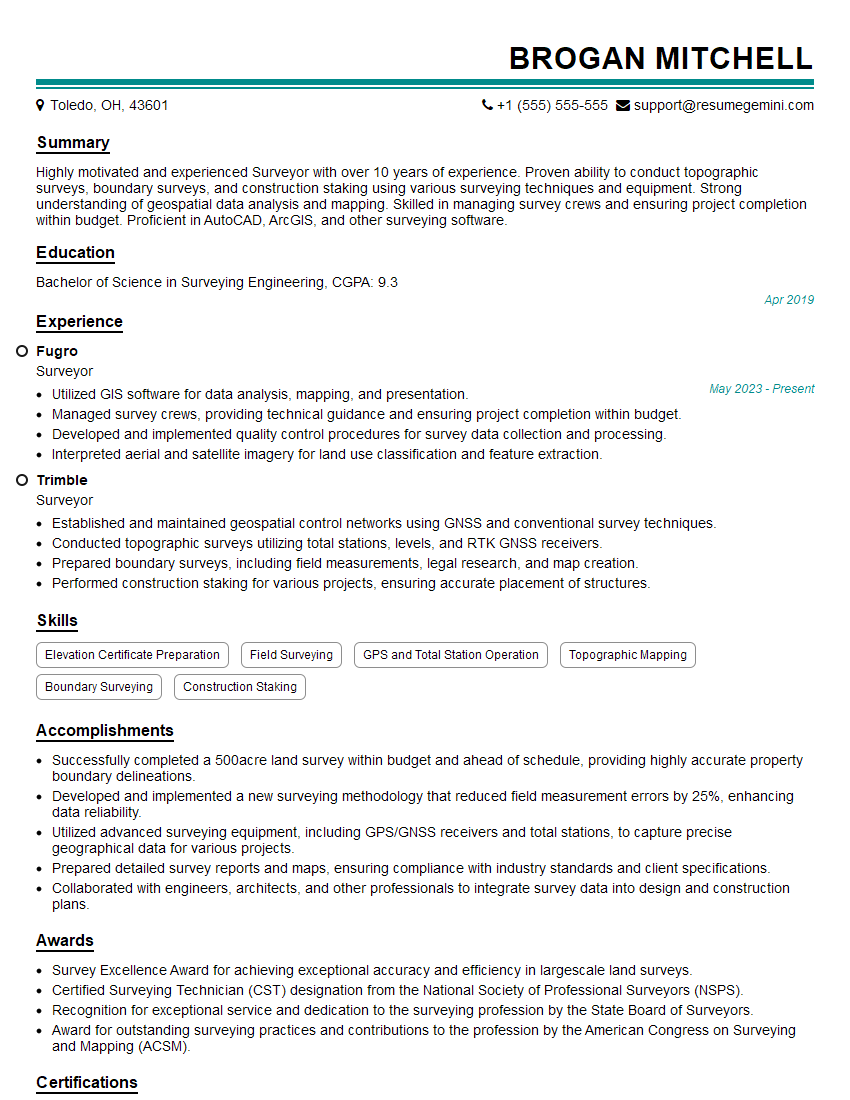
Surveyor Resume Sample

Engineering Technician Resume Sample
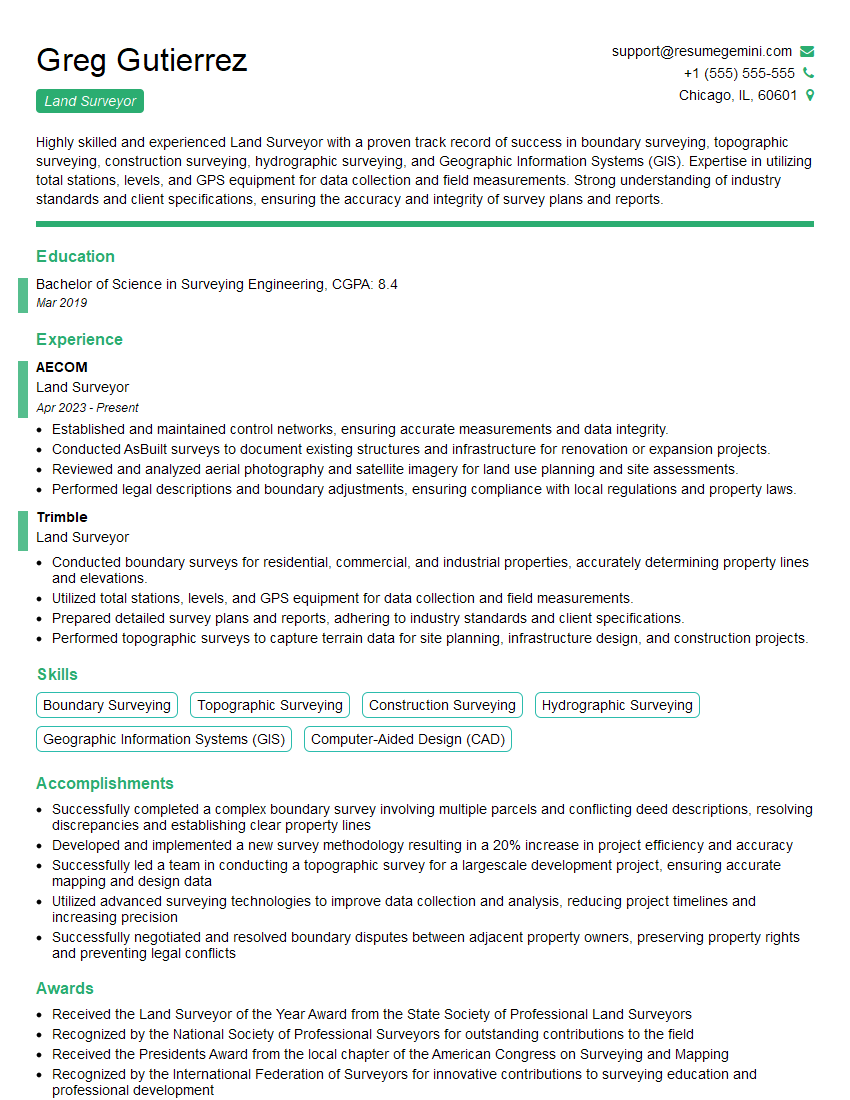
Land Surveyor Resume Sample
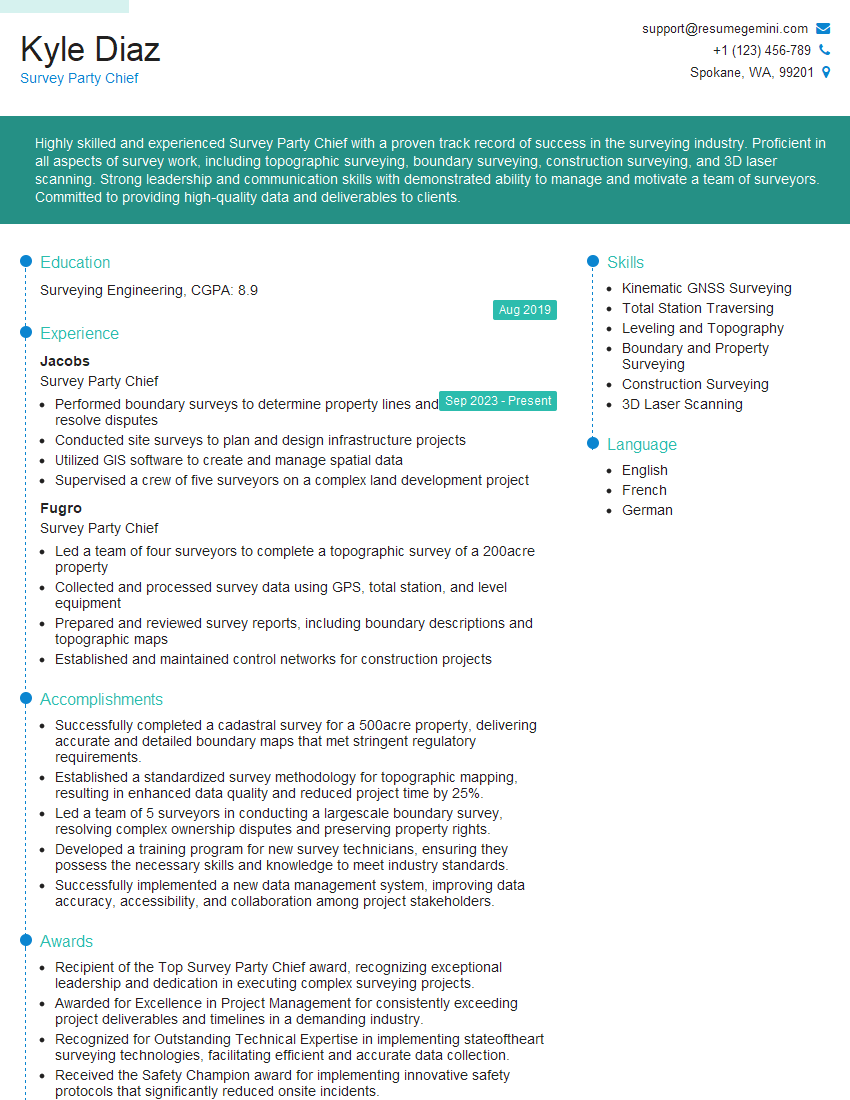
Survey Party Chief Resume Sample

Civil Engineer Resume Sample
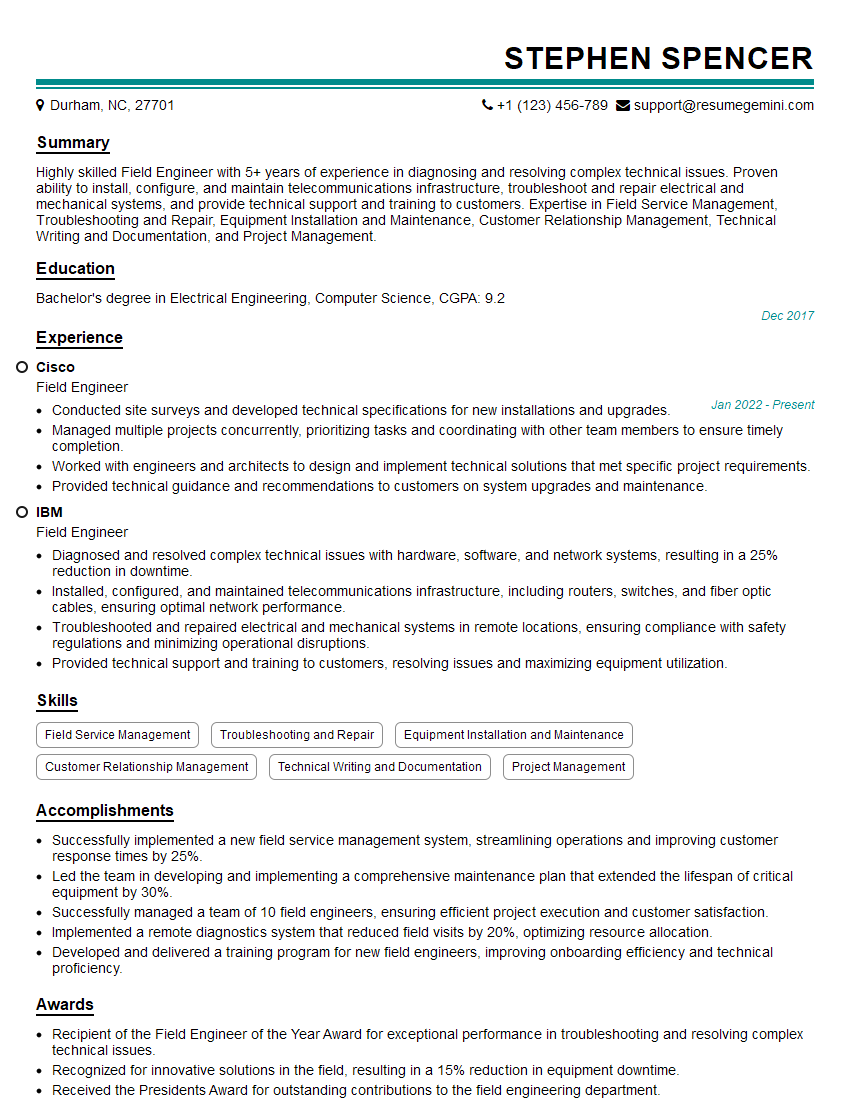
Field Engineer Resume Sample
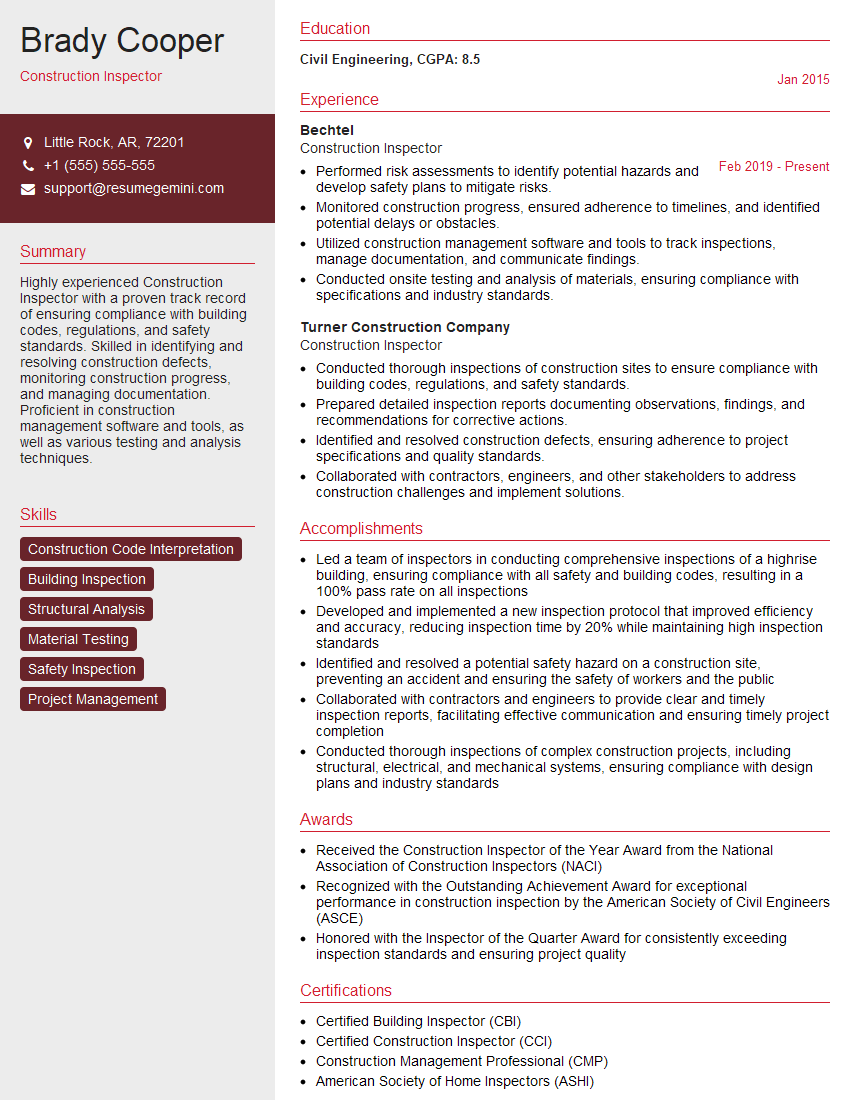
Construction Inspector Resume Sample
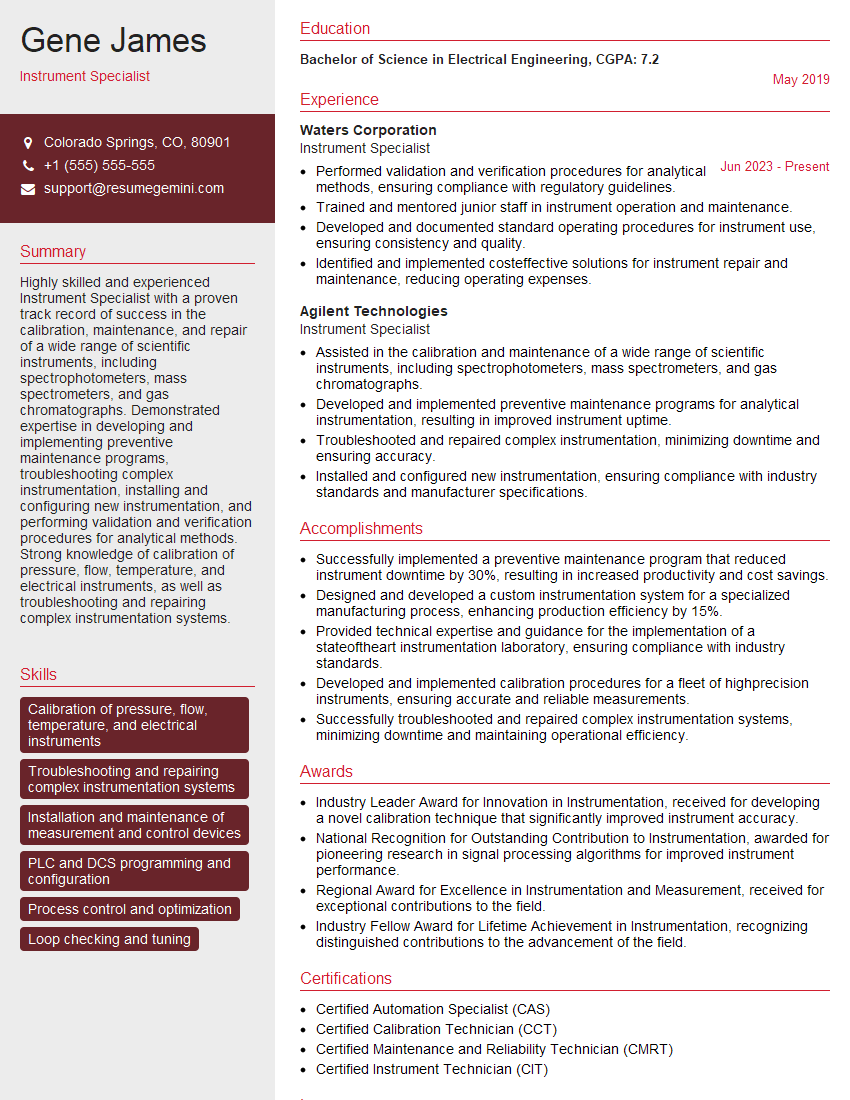
Instrument Specialist Resume Sample
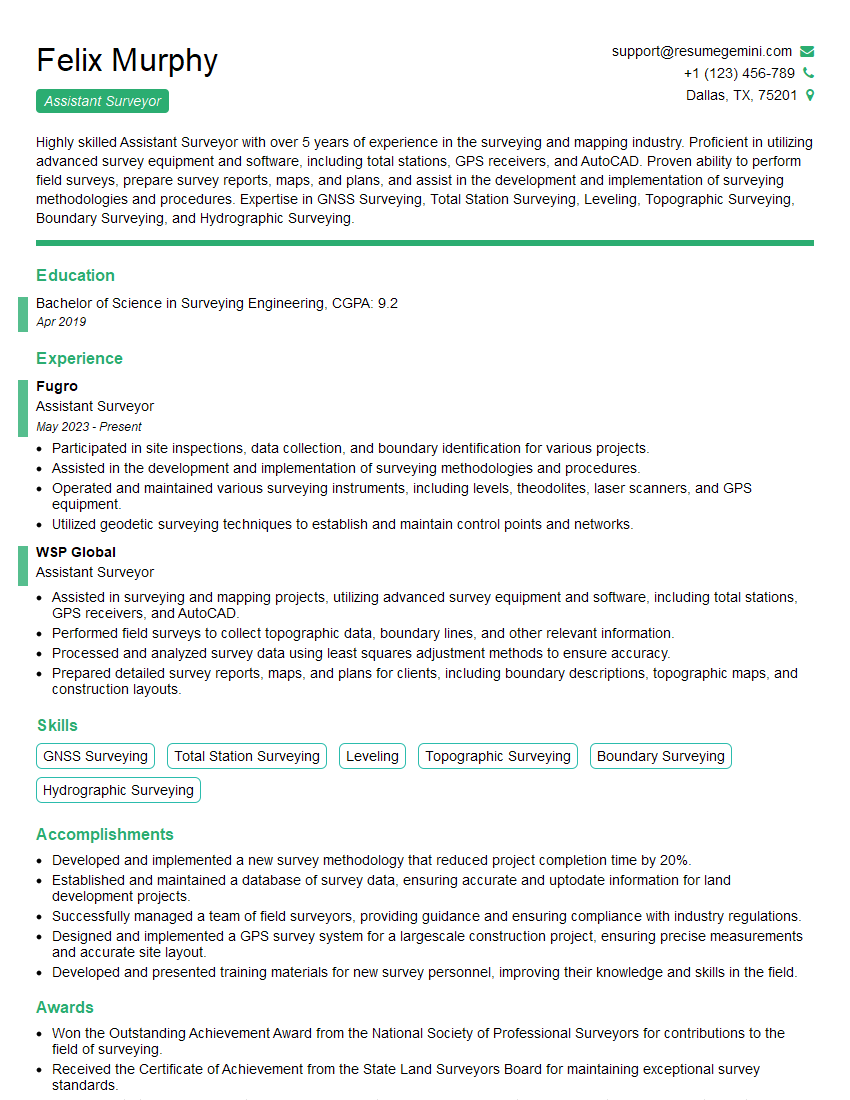
Assistant Surveyor Resume Sample
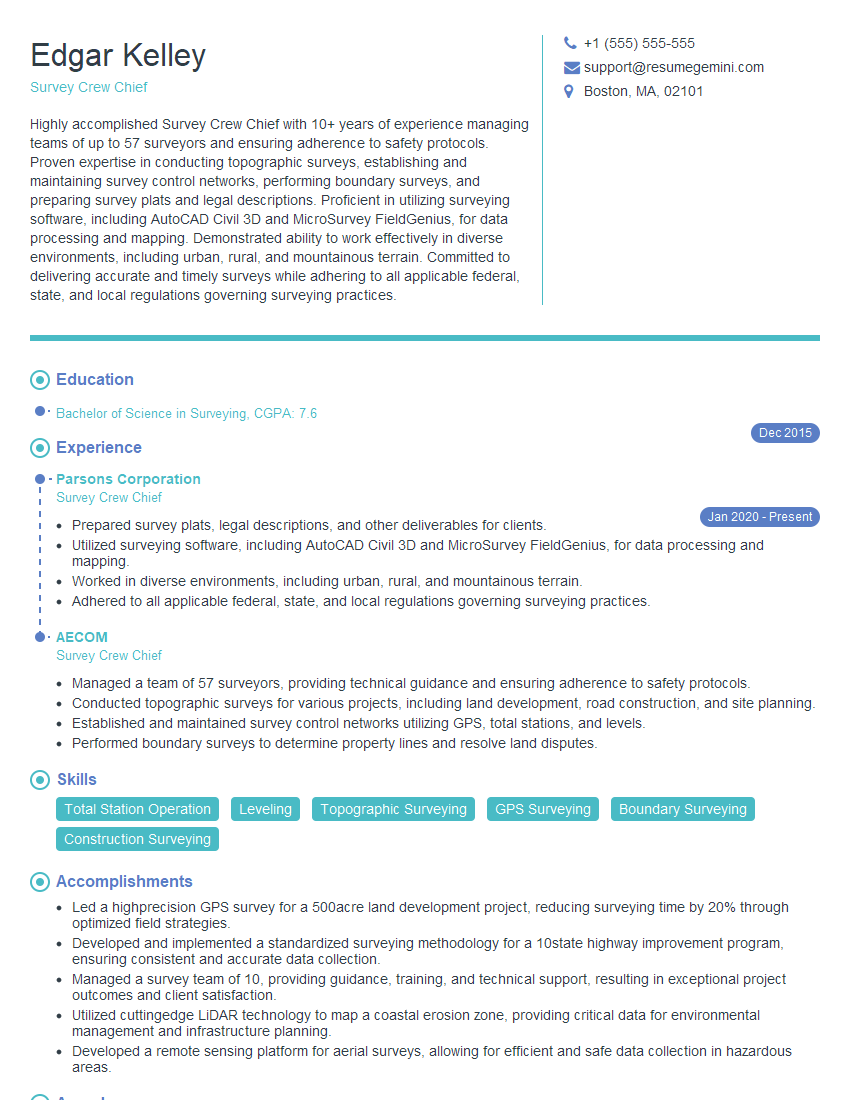
Survey Crew Chief Resume Sample
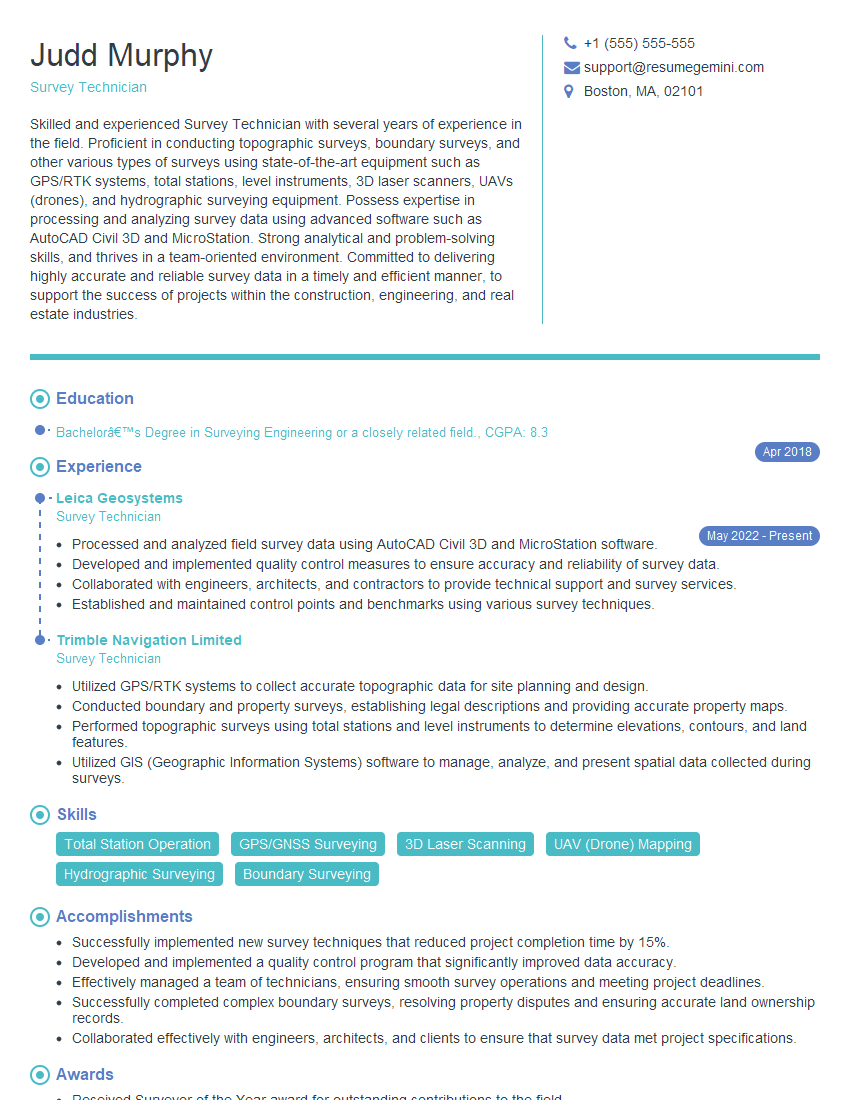
Survey Technician Resume Sample
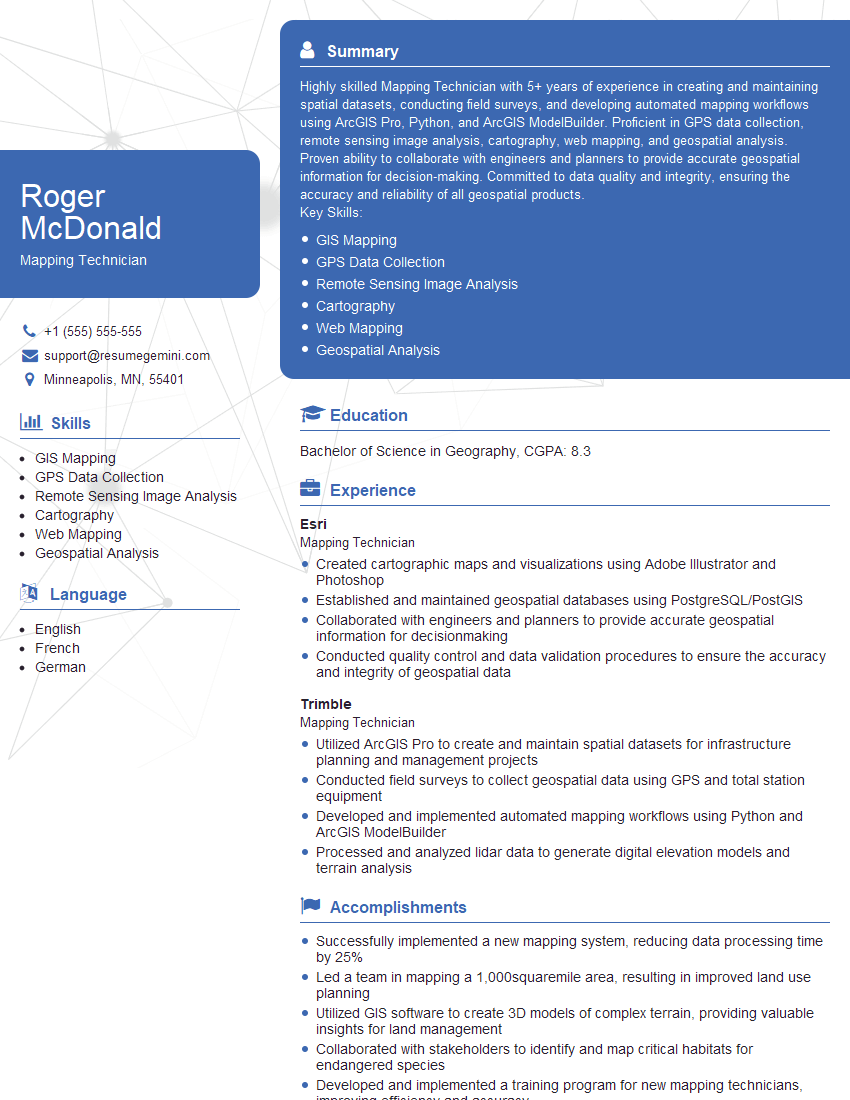
Mapping Technician Resume Sample
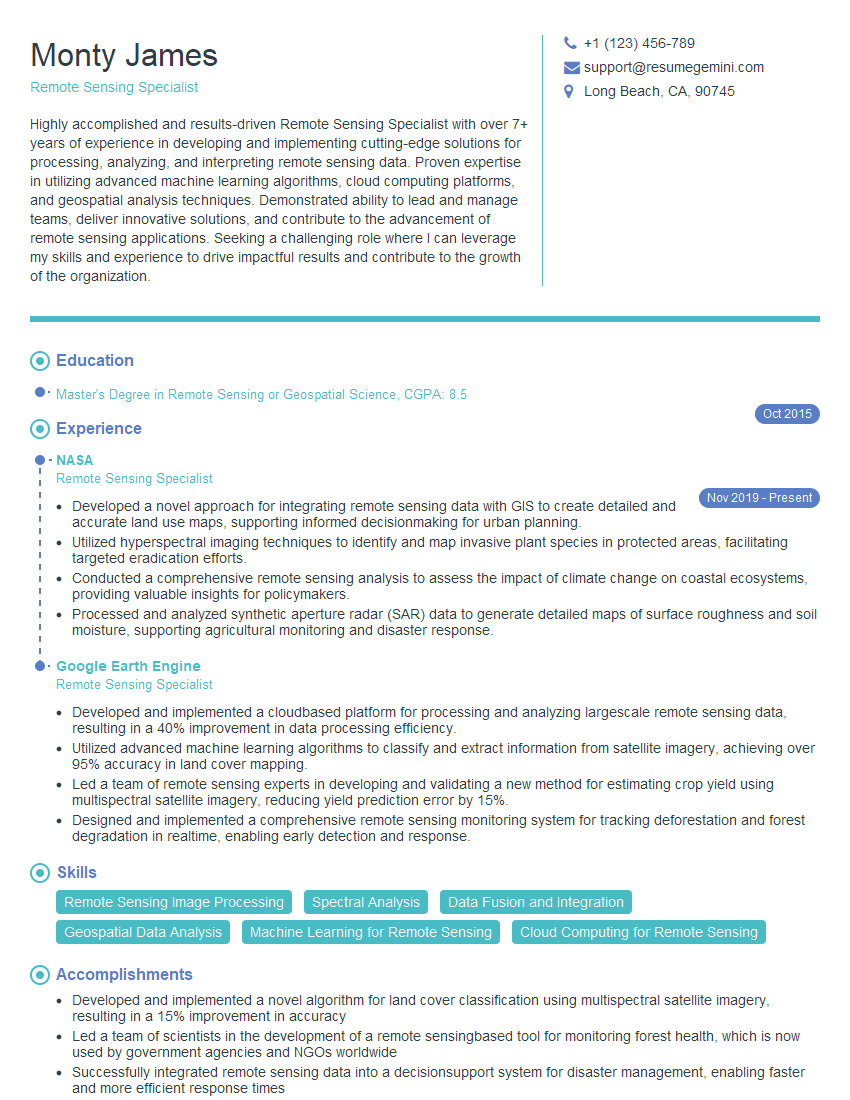
Remote Sensing Specialist Resume Sample

Site Supervisor Resume Sample
Explore more articles
Users Rating of Our Blogs
Share Your Experience
We value your feedback! Please rate our content and share your thoughts (optional).
What Readers Say About Our Blog
Really detailed insights and content, thank you for writing this detailed article.
IT gave me an insight and words to use and be able to think of examples