Preparation is the key to success in any interview. In this post, we’ll explore crucial Special Diets and Menu Modifications interview questions and equip you with strategies to craft impactful answers. Whether you’re a beginner or a pro, these tips will elevate your preparation.
Questions Asked in Special Diets and Menu Modifications Interview
Q 1. What are the key differences between a gluten-free diet and a celiac diet?
While both gluten-free and celiac diets exclude gluten, they differ significantly in their purpose and scope. A gluten-free diet simply eliminates gluten, a protein found in wheat, barley, and rye. People might choose this diet for various reasons, including non-celiac gluten sensitivity, perceived health benefits, or weight management. A celiac diet, on the other hand, is a strict, lifelong medical necessity for individuals with celiac disease. Celiac disease is an autoimmune disorder where gluten consumption triggers an immune response that damages the small intestine. The celiac diet is not just about avoiding gluten; it’s about preventing severe health complications, including malnutrition and long-term intestinal damage. Simply put: a gluten-free diet is a choice, a celiac diet is a medical requirement.
Imagine it like this: a gluten-free diet is like choosing to avoid spicy food because you don’t like the heat, while a celiac diet is like avoiding poison because it’s life-threatening. Both avoid a particular substance but for vastly different reasons and with vastly different consequences if the avoidance is not followed strictly.
Q 2. Explain the nutritional considerations for a diabetic diet.
A diabetic diet focuses on managing blood sugar levels through careful control of carbohydrate intake, consistent meal timing, and appropriate portion sizes. The goal is to prevent blood sugar spikes and crashes. Nutritional considerations include:
- Carbohydrate counting: Learning to measure and limit carbohydrate intake to prevent hyperglycemia (high blood sugar).
- Fiber intake: High-fiber foods slow down glucose absorption, helping to stabilize blood sugar. Examples include whole grains, fruits, and vegetables.
- Healthy fats: Incorporating unsaturated fats from sources like avocados, nuts, and olive oil.
- Lean protein: Including lean protein sources like chicken, fish, beans, and lentils to promote satiety and prevent blood sugar fluctuations.
- Portion control: Maintaining appropriate portion sizes to avoid consuming excessive carbohydrates.
For example, a person with diabetes might choose a breakfast of oatmeal with berries and nuts instead of a sugary cereal, opting for a slow-releasing carbohydrate source combined with fiber and healthy fats to maintain stable blood sugar throughout the morning.
Q 3. Describe the modifications needed for a renal diet.
A renal diet is designed for individuals with kidney disease to reduce the workload on the kidneys and prevent the buildup of waste products in the blood. Key modifications include:
- Protein restriction: Limiting protein intake to reduce the strain on the kidneys, as they are responsible for filtering waste products of protein metabolism. The specific protein allowance varies based on the stage of kidney disease.
- Phosphorous control: Restricting phosphorus-rich foods like dairy products, cola, and processed foods, as excess phosphorus can contribute to bone disease in individuals with kidney problems.
- Potassium control: Limiting potassium intake, as impaired kidney function can lead to potassium accumulation in the blood, potentially causing dangerous heart rhythm problems. High-potassium foods include bananas, potatoes, and tomatoes.
- Sodium restriction: Reducing sodium intake to help control fluid balance and blood pressure, which are often affected in kidney disease.
- Fluid restriction: In some cases, fluid intake might be limited to manage fluid overload.
For example, a renal diet might substitute milk with lactose-free alternatives lower in phosphorus and potassium and use herbs and spices instead of salt for flavor.
Q 4. How would you adapt a menu for a patient with dysphagia?
Dysphagia is difficulty swallowing. Adapting a menu for a patient with dysphagia requires careful consideration of food texture and consistency. Modifications might include:
- Pureed diets: Foods are blended into a smooth, homogenous consistency. Examples include pureed soups, fruits, and vegetables.
- Mechanical soft diets: Foods are soft and easily mashed with a fork. Examples include cooked vegetables, ground meats, and soft fruits.
- Thickened liquids: Liquids may need to be thickened to improve swallowing safety. Commercial thickeners are available for this purpose.
- Avoiding foods that are difficult to swallow: These include hard, crunchy foods, sticky foods, and foods that are too dry.
- Small, frequent meals: Smaller portions throughout the day can be easier to manage than large meals.
For instance, instead of offering a steak, a patient with dysphagia might receive finely ground beef mixed with pureed vegetables. Instead of water, they may consume thickened liquids to prevent choking.
Q 5. What are the common food allergens and how can menus accommodate them?
Common food allergens include milk, eggs, peanuts, tree nuts, soy, wheat, fish, and shellfish. Accommodating these allergies in menus requires meticulous attention to detail and cross-contamination prevention. This involves:
- Careful ingredient selection: Using allergen-free ingredients and checking labels diligently for hidden allergens.
- Separate preparation areas: Preparing allergen-free meals in designated areas to avoid cross-contamination with allergen-containing foods.
- Dedicated cooking equipment: Using separate utensils, cutting boards, and cooking equipment to prevent cross-contamination.
- Clear labeling: Clearly labeling dishes to indicate the presence or absence of allergens.
- Staff training: Thoroughly training kitchen staff about allergen awareness and safe handling procedures.
For example, a menu for a patient with a peanut allergy would eliminate all products containing peanuts or peanut derivatives, and strict precautions would be followed to ensure there is no accidental cross-contamination.
Q 6. How do you handle menu substitutions for special dietary needs?
Handling menu substitutions for special dietary needs requires careful consideration of the nutritional value and safety of the replacement. The substitution must meet the specific dietary restrictions and maintain the overall nutritional balance of the meal. This involves:
- Understanding the dietary restrictions: Thoroughly reviewing the patient’s dietary needs and restrictions.
- Nutritional equivalence: Selecting substitutes that maintain similar macronutrient profiles (protein, carbohydrates, fats) and micronutrient content.
- Allergen considerations: Ensuring the substitute is free of allergens.
- Texture and consistency: Considering the texture and consistency of the substitute, especially in cases of dysphagia.
- Patient preferences: Involving the patient in the substitution process when possible to ensure their satisfaction and adherence to the diet.
For example, if a patient on a low-sodium diet requests to substitute the planned side of salted potatoes, a suitable alternative might be roasted sweet potatoes or unsalted steamed green beans.
Q 7. Explain the importance of portion control in special diets.
Portion control is crucial in special diets because it ensures the intake of nutrients and energy aligns with the individual’s metabolic needs and dietary restrictions. Overconsumption of certain nutrients can exacerbate underlying health conditions, while inadequate intake can lead to nutritional deficiencies. Portion control contributes to:
- Blood sugar management: In diabetes, controlled portions prevent blood sugar spikes.
- Kidney health: In renal disease, appropriate protein and fluid portions reduce strain on the kidneys.
- Weight management: Controlled portions aid weight loss or maintenance.
- Improved overall health: Balancing nutrient intake prevents deficiencies and promotes health.
Using standardized portion sizes, measuring foods, and providing visual guides can all support effective portion control in special diets. For example, providing a patient with a measured amount of carbohydrates using a food scale ensures adherence to their diabetic meal plan.
Q 8. Describe your experience with creating vegetarian or vegan menus.
Creating vegetarian and vegan menus requires a deep understanding of nutrition and culinary creativity. It’s not just about omitting meat; it’s about ensuring balanced meals with sufficient protein, iron, calcium, and other essential nutrients often found in animal products.
My approach involves carefully selecting plant-based protein sources like legumes (lentils, beans, chickpeas), tofu, tempeh, seitan, nuts, and seeds. I focus on incorporating a variety of colorful vegetables and fruits to maximize vitamin and mineral intake. I also consider different cooking methods to enhance flavor and texture, avoiding monotony. For example, I might create a menu featuring a hearty lentil soup with whole-grain bread, a vibrant quinoa salad with roasted vegetables and a tahini dressing, and a flavorful tofu stir-fry with brown rice. Each meal is carefully planned to meet nutritional guidelines, ensuring a satisfying and healthy experience for the diner.
I also consider cultural preferences and dietary restrictions beyond vegetarianism/veganism. For example, I would ensure gluten-free options are readily available if necessary.
Q 9. How would you address a customer complaint about a special diet menu item?
Addressing a customer complaint about a special diet menu item requires empathy, professionalism, and a solution-oriented approach. First, I would listen attentively to the customer’s concerns without interruption, validating their feelings. I would then clarify the specifics of their complaint, asking questions to understand the issue fully (e.g., was the food improperly prepared? Did it contain unexpected ingredients? Was the portion size inadequate?).
Depending on the nature of the complaint, my response might involve:
- Apologizing sincerely: Acknowledging their disappointment and taking ownership of any shortcomings.
- Offering a replacement meal: Preparing a fresh dish that meets their dietary needs and preferences.
- Providing a refund or discount: Depending on the severity of the issue and the establishment’s policy.
- Explaining the preparation process: If the customer has a misunderstanding about the ingredients or preparation, I would patiently explain the methods used to ensure accuracy and safety.
Finally, I’d follow up with the customer to ensure their satisfaction and address any remaining concerns. This approach demonstrates professionalism and builds trust, transforming a negative experience into a positive one.
Q 10. What are the challenges in implementing special diets in a large-scale food service setting?
Implementing special diets in a large-scale food service setting presents numerous challenges. The biggest hurdles include:
- Cross-contamination: Preventing the accidental mixing of ingredients or allergens poses a significant risk, requiring strict protocols for food preparation, storage, and handling.
- Ingredient sourcing and cost: Sourcing specialized ingredients for various dietary restrictions can be expensive and logistically challenging. The availability of certain items might also be limited depending on location and season.
- Staff training and awareness: All staff members, from cooks to servers, must be thoroughly trained to understand the requirements of different special diets and follow proper food safety procedures. Inconsistency in training can lead to errors.
- Menu planning and complexity: Creating diverse and appealing menus that cater to a wide range of special diets can be complex, requiring careful planning and collaboration between dieticians, chefs, and management.
- Inventory management: Keeping track of specialized ingredients and ensuring adequate stock levels to meet demand can be challenging.
Overcoming these challenges involves establishing clear protocols, investing in staff training, developing a robust inventory management system, and using technology to streamline the ordering and preparation processes. For instance, color-coded utensils and containers can help prevent cross-contamination, and specialized software can help manage dietary requirements and streamline ordering.
Q 11. How do you ensure accuracy in preparing and serving special diet meals?
Ensuring accuracy in preparing and serving special diet meals is paramount. It’s a multi-step process that begins with careful menu planning, utilizing standardized recipes that clearly list all ingredients and preparation instructions. Then, during the food preparation process:
- Dedicated equipment and workspaces: Utilizing separate equipment and designated areas for preparing different dietary meals minimizes cross-contamination.
- Ingredient verification: Double-checking ingredient labels to confirm compliance with dietary restrictions is crucial. This involves verifying that ingredients are indeed allergen-free, gluten-free, or meet any other specified criteria.
- Detailed order tracking: Implementing a system for tracking orders with special dietary requirements, ensuring that the correct meal is prepared and served to the right customer is crucial.
- Staff training and supervision: Thorough staff training and regular supervision are essential to maintain consistency and ensure that all procedures are followed correctly.
- Visual verification: Before serving, visually checking each meal to ensure it aligns with the order and dietary requirements provides a final check.
Clear communication between kitchen staff and servers is vital to prevent errors. Using standardized labeling (e.g., color-coded labels, stickers) can also help identify dietary restrictions.
Q 12. Explain your understanding of food labeling and its relevance to special diets.
Food labeling is critical for individuals with special diets because it provides essential information about the ingredients, nutritional content, and potential allergens in food products. This information allows individuals to make informed choices that align with their dietary needs and restrictions. Accurate labeling is regulated by government agencies to ensure consistency and prevent misrepresentation.
Key elements of food labels relevant to special diets include:
- Ingredient list: A complete list of ingredients, listed in descending order by weight, allowing individuals to identify potential allergens or unwanted ingredients.
- Allergen information: Clear labeling of common allergens (e.g., milk, eggs, soy, wheat, peanuts, tree nuts, fish, shellfish) is crucial for individuals with allergies.
- Nutrition facts panel: Provides information on serving sizes, calories, fat, carbohydrates, protein, vitamins, and minerals, allowing individuals to make informed choices that meet their nutritional requirements. The absence of certain nutrients should be highlighted where necessary (e.g., Vitamin B12 in vegan diets).
- Claims and certifications: Claims such as “gluten-free,” “dairy-free,” or “vegan” must meet specific criteria to be used, ensuring the product truly complies with the labeling.
Understanding food labels empowers individuals to make informed decisions and enhances food safety, especially for those with special dietary needs.
Q 13. What are some common nutrient deficiencies associated with specific dietary restrictions?
Certain dietary restrictions can lead to nutrient deficiencies. For example:
- Vegan diets: May be deficient in Vitamin B12 (found primarily in animal products), Vitamin D (often obtained from sunlight or fortified foods), iron (from heme sources in meat), calcium (from dairy products), and omega-3 fatty acids (found in fatty fish).
- Gluten-free diets: Can lead to deficiencies in fiber, iron, and B vitamins if not carefully planned, as many gluten-containing grains are also good sources of these nutrients.
- Dairy-free diets: May result in calcium and vitamin D deficiencies if adequate alternatives aren’t consumed.
- Low-carbohydrate diets: Could lead to deficiencies in certain B vitamins and fiber if not planned carefully.
It’s essential to emphasize the importance of supplementation or strategic food choices to mitigate these deficiencies. For instance, a well-planned vegan diet might include fortified plant milks, B12 supplements, and iron-rich foods like lentils and spinach. A registered dietitian can provide personalized guidance to prevent nutritional gaps.
Q 14. How do you stay updated on the latest guidelines and best practices for special diets?
Staying updated on the latest guidelines and best practices for special diets is crucial in this ever-evolving field. I actively engage in several strategies:
- Professional memberships and organizations: I maintain memberships in professional organizations such as the Academy of Nutrition and Dietetics, which provide access to continuing education resources, journals, and conferences.
- Scientific journals and publications: I regularly review peer-reviewed journals and reputable publications on nutrition and dietetics to stay abreast of the latest research and evidence-based practices.
- Government agencies and regulatory bodies: I monitor updates and guidelines issued by government agencies, such as the FDA (in the US) or equivalent bodies in other countries, regarding food labeling, allergen management, and dietary recommendations.
- Continuing education courses and workshops: I actively participate in continuing education courses and workshops to expand my knowledge and skills in specialized areas of dietetics.
- Networking with peers and experts: I regularly engage with other professionals in the field through conferences, workshops, and online forums to share best practices and stay updated on emerging trends.
By combining these approaches, I can ensure that my knowledge and skills remain current, allowing me to provide the best possible care and support to individuals with special dietary needs.
Q 15. Describe your experience with menu costing and managing food waste in relation to special diets.
Menu costing and managing food waste are critical aspects of providing special diets cost-effectively and sustainably. My approach involves meticulous recipe costing, considering the often higher price of specialized ingredients. For example, organic produce, gluten-free flours, and dairy-free alternatives can significantly impact the bottom line. I use spreadsheet software to track ingredient costs per recipe, portion size, and labor involved. This allows for accurate pricing and identification of high-cost items, which can then be substituted with equally nutritious but more affordable options where possible, without compromising quality or nutritional value. Food waste management requires careful forecasting of patient needs, precise portion control, and efficient storage practices. I employ a ‘first-in, first-out’ (FIFO) system to minimize spoilage. Regular inventory checks and staff training on proper food handling prevent waste. We also actively repurpose leftovers where appropriate, for example, using leftover vegetables in soups or stews, creatively incorporating them into other menu items.
In one instance, we successfully reduced food waste by 15% by implementing a more accurate forecasting model based on historical patient data and anticipated dietary changes. This involved analyzing trends in specific diet orders and incorporating these insights into our ordering and preparation processes.
Career Expert Tips:
- Ace those interviews! Prepare effectively by reviewing the Top 50 Most Common Interview Questions on ResumeGemini.
- Navigate your job search with confidence! Explore a wide range of Career Tips on ResumeGemini. Learn about common challenges and recommendations to overcome them.
- Craft the perfect resume! Master the Art of Resume Writing with ResumeGemini’s guide. Showcase your unique qualifications and achievements effectively.
- Don’t miss out on holiday savings! Build your dream resume with ResumeGemini’s ATS optimized templates.
Q 16. How would you handle a situation where a patient’s dietary needs change unexpectedly?
Unexpected dietary changes require immediate and careful action. My first step is to verify the change with the physician’s order and patient’s medical chart. Once confirmed, I coordinate with the dietitian to understand the new dietary restrictions or needs. Then I promptly adjust the patient’s meal plan, ensuring the new menu aligns with their condition and any allergies or intolerances. This might involve removing certain ingredients, substituting them with appropriate alternatives, or completely redesigning a meal. Effective communication is key – I immediately inform the kitchen staff about the change and provide detailed instructions on the modified menu. Transparency with the patient about the adjustment is crucial too. We explain the reasons behind the changes and answer any questions they may have to ensure a smooth transition.
For instance, a patient with a previously tolerated food suddenly developing an allergy requires a swift response. We would immediately eliminate that food from their diet and implement cross-contamination prevention measures. We would also review the entire meal plan to identify any hidden sources of the allergen.
Q 17. What software or systems are you familiar with for managing special diet menus?
I’m proficient in several software systems for managing special diet menus. I have extensive experience with specialized nutrition management software like Nutritics and ChefHero. These systems allow for the creation and modification of menus based on specific dietary restrictions, nutritional requirements, and patient allergies. They also facilitate accurate recipe costing, inventory management, and menu rotation. In addition, I’m familiar with electronic health record (EHR) systems commonly used in hospitals, as they integrate with nutrition software, allowing for seamless access to patient dietary information. I also utilize standard spreadsheet software like Microsoft Excel for menu costing, inventory tracking, and data analysis. This flexibility ensures that I can adapt to various technological environments and needs.
Q 18. Describe your approach to educating staff about special dietary needs and requirements.
Educating staff is crucial for consistently providing safe and accurate special diets. My approach combines interactive training sessions, readily accessible resources, and ongoing reinforcement. I use a multi-faceted strategy: we start with in-depth classroom training covering each special diet category. We use visual aids like charts and food models to explain ingredient substitutions and cross-contamination risks. We then conduct hands-on training in the kitchen to show how to safely prepare meals. We create easily accessible visual aids (e.g., posters with dietary guidelines) and training manuals detailing the specific needs of each diet. Ongoing quizzes and updates reinforce learning. Regular feedback sessions allow for addressing questions and concerns, making it a collaborative learning process. We use real-life scenarios and case studies, focusing on problem-solving related to special diets. Regular auditing ensures compliance and further reinforces learning.
Q 19. How do you ensure the safety and hygiene of food preparation for special diets?
Ensuring food safety and hygiene for special diets requires meticulous attention to detail and adherence to strict protocols. We implement rigorous hygiene standards, starting with handwashing and proper use of personal protective equipment (PPE). We maintain strict separation of food preparation areas to prevent cross-contamination between different diets. This involves dedicated equipment, utensils, and storage areas for each dietary requirement. For example, we use separate cutting boards and serving utensils for gluten-free, vegetarian, and allergen-free foods. We strictly follow temperature control guidelines for food storage and preparation, using thermometers to ensure proper cooking and holding temperatures. Regular equipment sanitation and staff training on HACCP (Hazard Analysis and Critical Control Points) principles are essential to maintaining food safety. We also meticulously document all processes and maintain detailed records to ensure traceability in case of incidents.
Q 20. What are the legal and ethical considerations surrounding special diets in food service?
Legal and ethical considerations surrounding special diets are paramount. We must comply with all relevant food safety regulations and legislation, such as those outlined by regulatory bodies like the FDA (Food and Drug Administration) and local health departments. These include regulations related to allergen labeling, food handling, and sanitation. Ethically, we have a responsibility to provide accurate and culturally sensitive meals that meet the nutritional and religious needs of our patients. We must also respect patient autonomy and provide choices within their dietary restrictions. Transparency and open communication with patients about their dietary needs and potential challenges are essential. Failing to meet these legal and ethical obligations can lead to legal repercussions, loss of trust, and potentially harm to patients.
Q 21. How would you create a menu that caters to a variety of special dietary needs?
Creating a diverse menu accommodating various special diets requires careful planning and creativity. I start by identifying the most common dietary needs among our population. Then, I design a menu that offers flexibility, using core recipes that can easily be adapted to suit different restrictions. For example, a grilled chicken breast can be served plain for those avoiding additional seasonings, with a gluten-free marinade for those with celiac disease, or served with a vegetarian side dish for those who don’t consume meat. I incorporate a variety of cuisines and flavor profiles to provide appealing options for diverse preferences. I use ingredient cross-references to ensure that dishes don’t contain hidden allergens or ingredients that clash with specific diets. We meticulously label each dish, clearly indicating all allergens and dietary modifications using standardized codes and symbols, ensuring the menu is understandable to all, including those with limited English comprehension. Regular menu reviews and feedback from patients and staff help us refine the menu to better meet their evolving needs and preferences.
Q 22. Describe a time you had to troubleshoot a problem related to a special diet menu item.
One instance involved a patient on a low-sodium, diabetic diet who was unhappy with the blandness of their prescribed meals. Their usual enjoyment of flavorful foods was significantly impacted. I recognized the challenge was to balance their dietary restrictions with palatability.
My approach involved a collaborative process. First, I carefully reviewed their medical chart to ensure I fully understood their sodium and carbohydrate limitations. Then, I consulted the patient directly, inquiring about their preferred spices, herbs, and cooking methods. We discussed using low-sodium broths, citrus zest, and a variety of fresh herbs to enhance the flavor profile of their meals without compromising their dietary needs. We also explored creative meal presentations to make the food more visually appealing. This process involved several rounds of tasting and feedback to ensure we arrived at a palatable and nutritionally sound menu. The outcome was a positive change in the patient’s satisfaction with their meals and improved dietary compliance.
Q 23. Explain your understanding of the different types of texture-modified diets.
Texture-modified diets are designed to alter the consistency of food to improve swallowing safety and ease of consumption, often for patients with dysphagia (difficulty swallowing). They’re categorized based on the degree of modification:
- Pureed: Foods are blended into a completely smooth, homogenous consistency, like a thick soup or applesauce. Think baby food consistency.
- Mechanical Soft: Foods are chopped, ground, or mashed to a soft texture. Small, tender pieces are easy to manage. This avoids tough or stringy textures like raw vegetables or steak.
- Minced/Moist: Foods are finely minced and moistened to help with swallowing. The consistency is slightly more textured than pureed but still relatively soft.
- Soft/Regular: This is a less restrictive diet, offering soft, easily chewed foods with minimal chewing required. It might exclude raw vegetables, very tough meats, and crunchy foods.
The specific texture modification is determined by a speech-language pathologist (SLP) after a thorough swallowing assessment. It’s crucial to match the diet to the patient’s individual needs to prevent choking and aspiration.
Q 24. How would you ensure appropriate communication with patients and staff regarding dietary restrictions?
Effective communication is paramount. I use a multi-pronged approach:
- Patient Education: I explain dietary restrictions clearly, using simple language and visual aids where necessary. I answer all questions patiently and thoroughly, ensuring the patient understands why the restrictions are in place and how they can best manage them. I provide written instructions and recipes as needed.
- Staff Training: Regular training sessions with kitchen staff, nursing staff, and other relevant personnel are crucial. This ensures that everyone understands the dietary restrictions and how to prepare, handle, and serve meals correctly. I use standardized recipes and procedures, emphasizing the importance of accurate portion control and ingredient substitution.
- Documentation: Accurate and detailed documentation is essential to maintaining consistency and accountability. I ensure all dietary restrictions and modifications are clearly documented in the patient’s chart and communicated via a standard communication system within the healthcare team.
- Collaboration: I regularly communicate with the patient’s physician and other healthcare professionals to ensure that any dietary changes or adjustments are made in a coordinated and safe manner.
Open communication channels and clear guidelines are vital for successful implementation and monitoring of special diets.
Q 25. What is your experience with creating culturally sensitive menus that adhere to special dietary needs?
Creating culturally sensitive menus requires careful consideration of patient preferences and cultural practices. For example, a patient following a low-sodium diet might have cultural traditions that incorporate high-sodium ingredients. The challenge is to find alternatives that maintain the cultural essence of the dish while adhering to the dietary requirements.
My approach involves actively engaging with patients about their food preferences and cultural background. I collaborate with dietitians specializing in ethnic cuisines to adapt traditional dishes, substituting ingredients judiciously to meet the dietary needs. For example, I might adapt a traditional high-sodium Indian curry by using low-sodium spices and reducing the amount of added salt while still preserving the flavor profile and spices familiar to the patient. Thorough research into cultural food practices and their nutritional components is essential to ensure that we not only meet dietary restrictions but also preserve the cultural significance of food in their lives. This approach improves patient satisfaction and promotes dietary adherence.
Q 26. How do you balance cost-effectiveness with the nutritional requirements of special diets?
Balancing cost-effectiveness with nutritional requirements is a constant challenge. It requires strategic planning and resourcefulness:
- Menu Planning: I focus on using seasonal produce, which is often cheaper and nutritionally rich. I also explore bulk purchasing options and negotiate prices with suppliers.
- Ingredient Substitution: Sometimes, less expensive, nutritionally equivalent alternatives can be used. For example, lentils can often substitute for more expensive proteins while still providing valuable fiber and protein.
- Recipe Standardization: Standardized recipes minimize food waste and ensure consistency in portion sizes and nutritional content.
- Collaboration: I work closely with the food service team to optimize processes and reduce waste, maximizing the efficiency of food preparation and minimizing costs.
The goal is to provide nutritionally complete and flavorful meals that meet dietary restrictions without exceeding the allocated budget. It’s a matter of creative resource management and careful planning.
Q 27. Describe your approach to working collaboratively with other healthcare professionals to ensure patient needs are met regarding diet.
Collaboration is key to providing holistic care. I routinely work with a multidisciplinary team including:
- Physicians: I discuss patient’s medical history, diagnoses, and medication interactions that might affect their dietary needs.
- Registered Dietitians (RDs): Collaboration ensures consistency in dietary recommendations and allows for expertise in specialized areas.
- Speech-Language Pathologists (SLPs): For patients with dysphagia, I collaborate to ensure the texture-modified diet aligns with their swallowing capabilities.
- Nursing Staff: Open communication keeps nursing staff informed of dietary restrictions, meal timing, and any potential challenges.
Regular team meetings and case conferences facilitate information sharing and proactive problem-solving to meet each patient’s needs effectively. This collaborative approach enhances the quality of care and fosters a supportive environment for patients.
Q 28. Explain your understanding of the impact of food on the gut microbiome and how this relates to specific dietary approaches.
The gut microbiome, the community of microorganisms living in our digestive tract, plays a significant role in overall health. Diet profoundly impacts its composition and function.
For example, a diet high in fiber promotes the growth of beneficial bacteria that produce short-chain fatty acids, which have anti-inflammatory properties and can improve gut health. Conversely, a diet high in processed foods and sugar can lead to an imbalance in the microbiome, potentially contributing to inflammation, digestive issues, and even chronic diseases.
Specific dietary approaches, such as the Mediterranean diet, which is rich in fruits, vegetables, whole grains, and healthy fats, are associated with a more diverse and beneficial gut microbiome. Conversely, diets high in saturated and trans fats can negatively impact microbial diversity. Understanding these relationships informs targeted dietary interventions for conditions like inflammatory bowel disease (IBD) or irritable bowel syndrome (IBS), where modifying the gut microbiome through diet can be a crucial aspect of treatment. It’s a rapidly evolving field with ongoing research uncovering more complexities and nuances in the food-gut-microbiome axis.
Key Topics to Learn for Special Diets and Menu Modifications Interview
- Understanding Dietary Restrictions: Learn the nuances of common dietary restrictions like allergies (e.g., nut allergies, shellfish allergies), intolerances (e.g., lactose intolerance, gluten intolerance), and medical conditions (e.g., diabetes, celiac disease). Understand the severity and potential cross-contamination risks associated with each.
- Menu Modification Techniques: Explore practical methods for adapting existing menus to accommodate various dietary needs. This includes ingredient substitutions, portion control, cooking methods, and presentation techniques to maintain palatability and nutritional value.
- Nutritional Considerations: Master the principles of balanced nutrition and understand how to ensure modified menus meet the required nutritional needs for different dietary restrictions. Be prepared to discuss macronutrient and micronutrient considerations.
- Food Safety and Hygiene: Demonstrate a thorough understanding of food safety protocols, particularly concerning allergen management and cross-contamination prevention. This includes proper storage, handling, and preparation techniques to avoid health risks.
- Legal and Regulatory Compliance: Familiarize yourself with relevant food safety regulations and legislation pertaining to special diets and menu modifications. Understand labeling requirements and potential legal implications of non-compliance.
- Communication and Client Interaction: Practice effective communication skills for interacting with clients and colleagues. This includes clearly explaining dietary options, answering questions confidently, and handling potential concerns or complaints professionally.
- Problem-Solving and Adaptability: Be prepared to discuss your approach to resolving challenging situations, such as unexpected dietary requests or ingredient shortages, while maintaining food safety and quality.
Next Steps
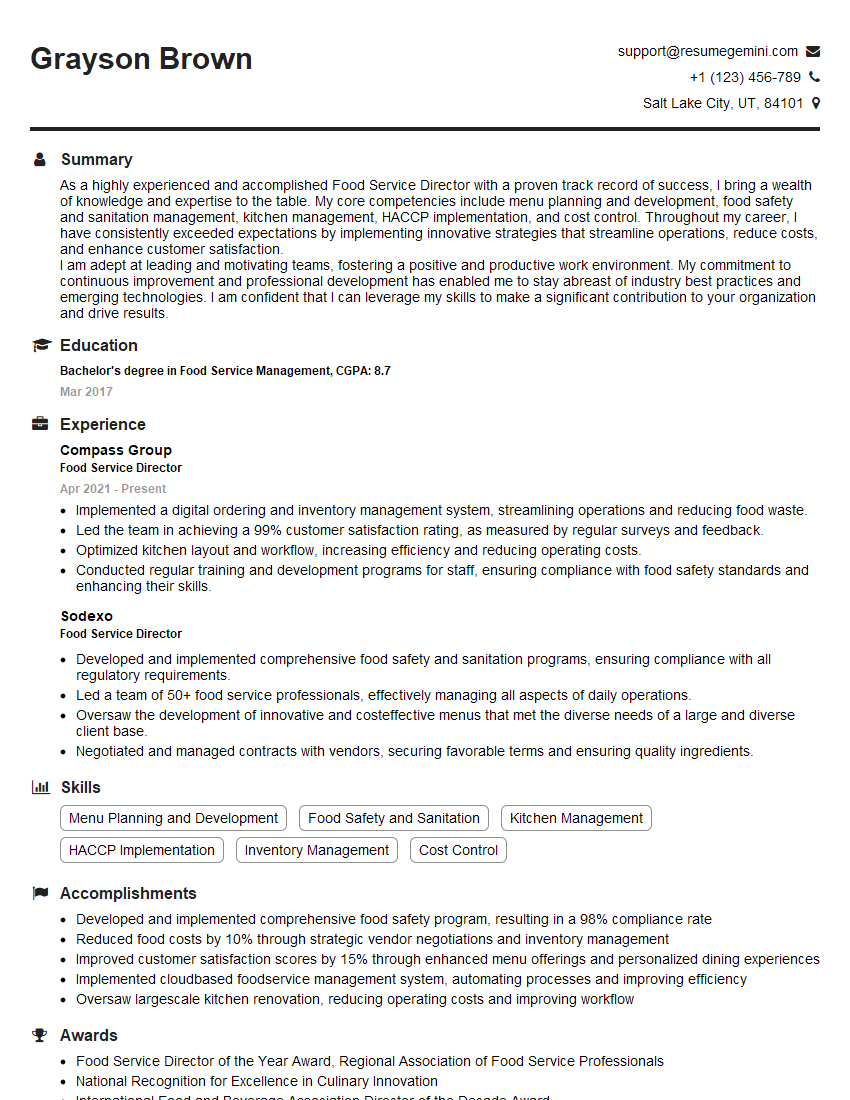
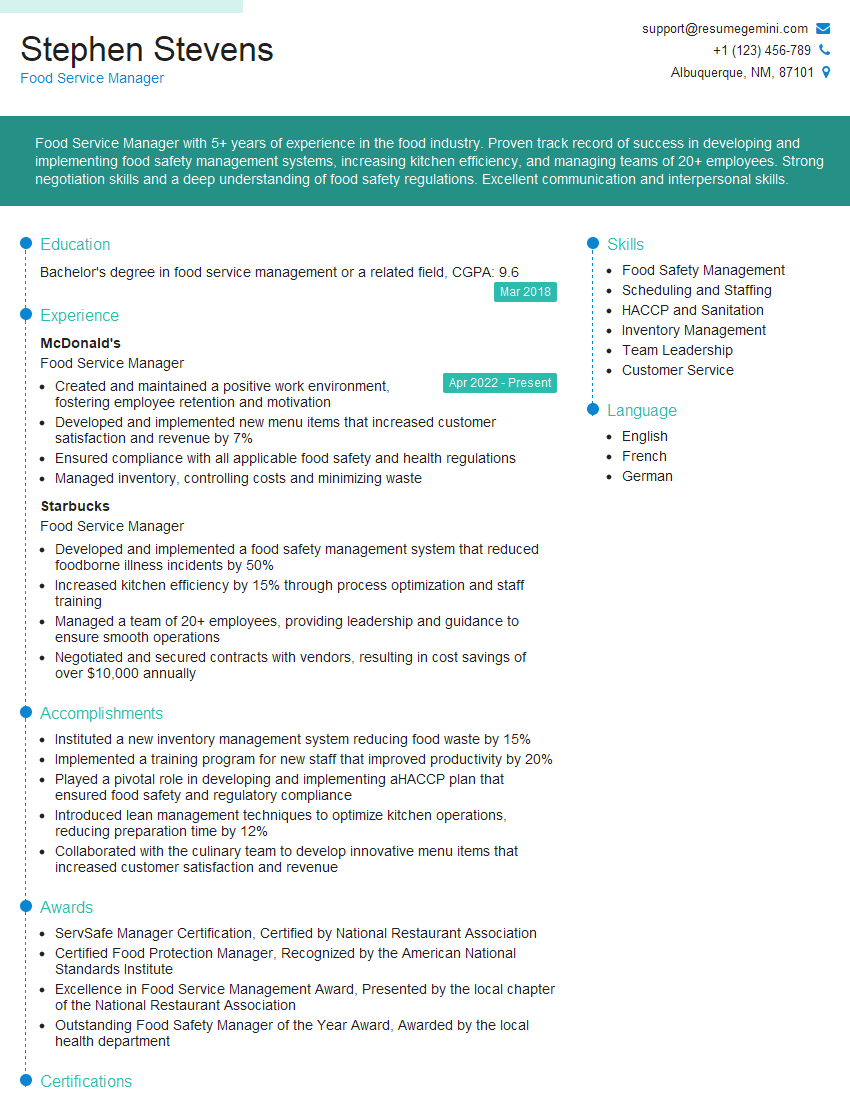
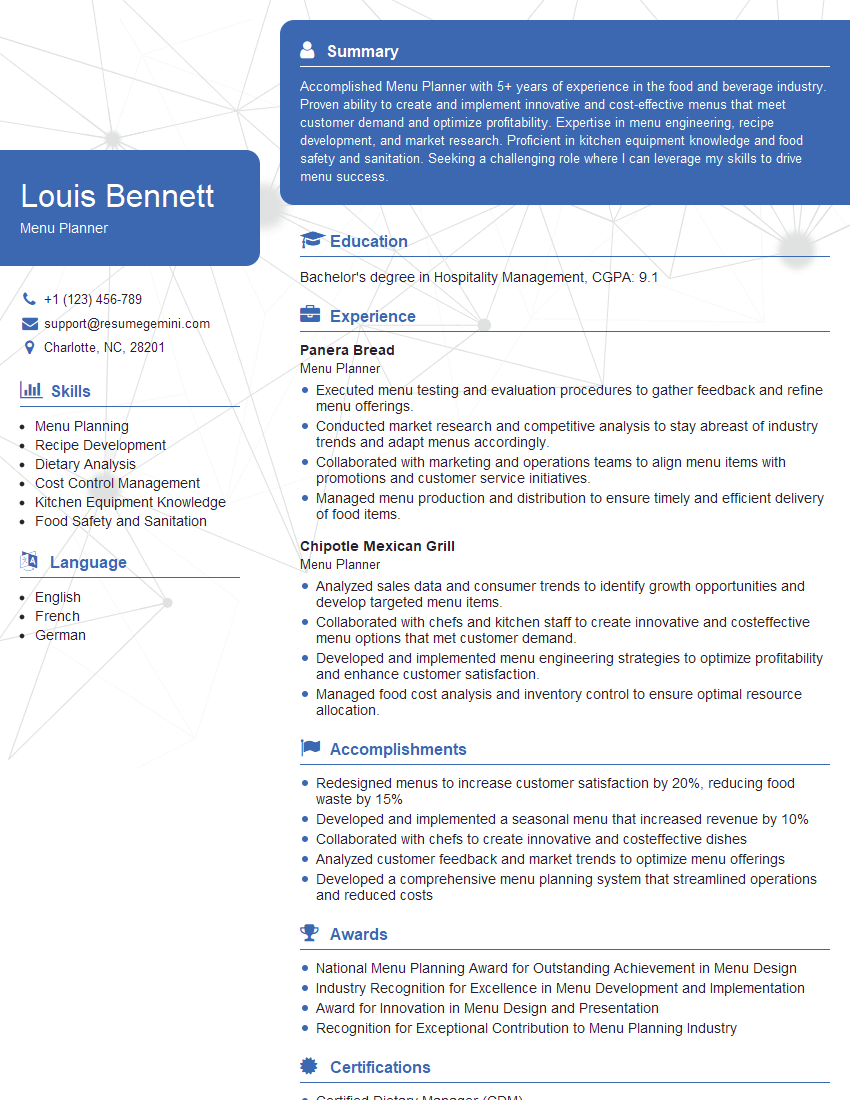
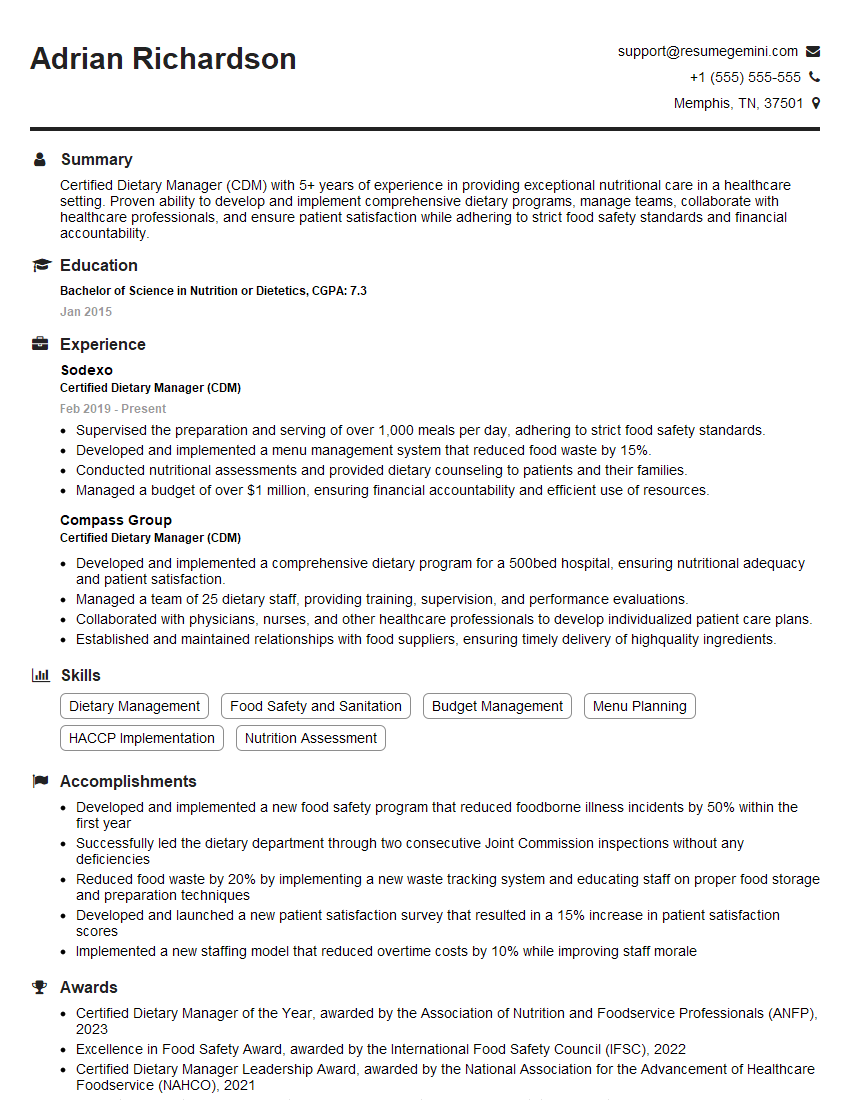
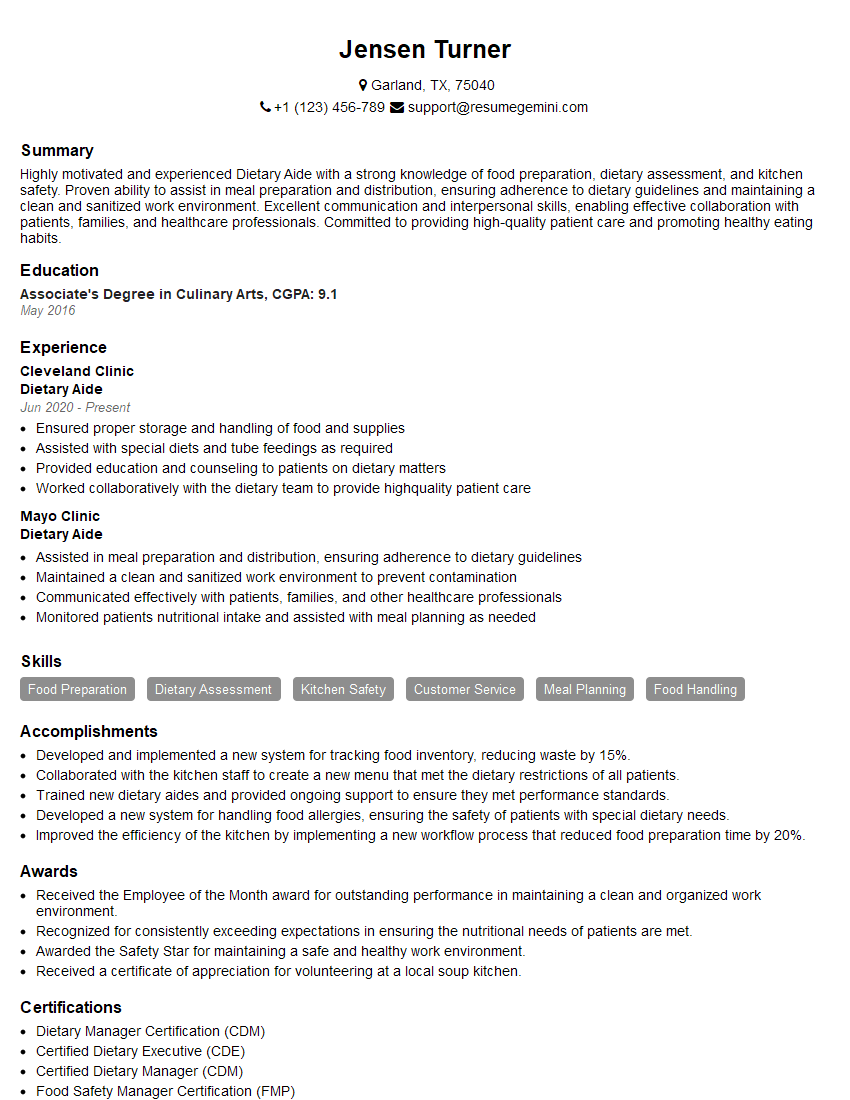
Mastering Special Diets and Menu Modifications significantly enhances your career prospects in the food service and hospitality industries. It demonstrates your commitment to client well-being and your ability to provide inclusive and safe dining experiences. To stand out, create an ATS-friendly resume that highlights your relevant skills and experience. ResumeGemini is a trusted resource to help you build a professional and impactful resume. They provide examples of resumes tailored to Special Diets and Menu Modifications to guide you. Take advantage of these resources to showcase your expertise and land your dream job!
Explore more articles
Users Rating of Our Blogs
Share Your Experience
We value your feedback! Please rate our content and share your thoughts (optional).
What Readers Say About Our Blog
Really detailed insights and content, thank you for writing this detailed article.
IT gave me an insight and words to use and be able to think of examples