Preparation is the key to success in any interview. In this post, we’ll explore crucial Specimen handling interview questions and equip you with strategies to craft impactful answers. Whether you’re a beginner or a pro, these tips will elevate your preparation.
Questions Asked in Specimen handling Interview
Q 1. Explain the proper procedure for labeling a specimen.
Proper specimen labeling is paramount to avoid errors and ensure accurate results. Think of it like addressing a letter – if the address is wrong, it won’t reach its destination. Every specimen must be labeled immediately upon collection, directly on the container itself, never on the lid. This prevents confusion and potential loss of the label.
- Patient Identifier: This is crucial and usually includes the patient’s full name, date of birth, and unique medical record number (MRN). Using barcodes or RFID tags helps minimize transcription errors.
- Specimen Type: Clearly state what type of specimen it is (e.g., blood, urine, tissue). Be specific, for example, instead of just “blood,” specify “serum” or “plasma”.
- Collection Date and Time: This helps track the specimen’s journey and ensure timely processing. The time is essential for time-sensitive tests.
- Collector’s Initials or Identification: This establishes accountability and enables tracing back to the person who collected the sample.
- Additional Information: Depending on the test, additional information may be needed, such as the site of collection (e.g., left arm) or the type of preservative used.
Example: Imagine a blood sample labeled simply ‘Blood’. This is inadequate. A proper label would read: ‘John Doe, DOB: 01/01/1980, MRN: 1234567, Serum, 10/26/2024 09:00 AM, Collected by: Jane Smith’.
Q 2. Describe the different types of specimen containers and their uses.
Specimen containers are selected based on the type of specimen and the tests to be performed. Choosing the wrong container can compromise the specimen’s integrity and lead to inaccurate results. It’s like using the wrong tool for a job – you won’t get the desired outcome.
- Sterile containers: Used for sterile specimens such as blood cultures or urine cultures to prevent contamination. These are usually clear plastic containers with tight-fitting lids.
- Non-sterile containers: Used for non-sterile specimens like stool or sputum. These can be plastic or glass containers with secure lids.
- Vacuum tubes: Commonly used for blood collection. They contain various additives like anticoagulants (e.g., EDTA, heparin) or clot activators (for serum separation) and are color-coded to indicate their contents. For example, a lavender-top tube contains EDTA, used for complete blood count (CBC).
- Transport media containers: Contain a solution that preserves the specimen during transport, particularly for microbiology specimens.
- Special containers: Certain specimens like cytology samples might require special containers with fixatives or preservatives to maintain cellular integrity.
Improper container selection can introduce contaminants, causing inaccurate test results. For instance, using a non-sterile container for a blood culture could lead to false-positive results.
Q 3. What are the critical steps to maintain specimen integrity?
Maintaining specimen integrity is crucial for reliable test results. It’s like keeping ingredients fresh for a recipe – if the ingredients are spoiled, the dish will be ruined. Here are the key steps:
- Proper Collection Techniques: Following standardized procedures during collection minimizes contamination and degradation.
- Appropriate Temperature Control: Many specimens require specific temperature storage (e.g., refrigeration, freezing) to prevent deterioration. This is particularly crucial for blood gas samples, which need to be kept on ice.
- Protection from Light: Some specimens are light-sensitive, so they should be shielded from direct light during transport and storage. Bilirubin, for instance, degrades when exposed to light.
- Prevent Contamination: Aseptic techniques during collection and handling prevent contamination by microorganisms.
- Avoiding Delays: Processing specimens promptly reduces the risk of degradation. Time is of the essence for some tests.
- Proper Transportation: Employing appropriate transport methods (refrigerated containers, specialized carriers) maintains specimen integrity during transit.
Failure to maintain integrity leads to inaccurate or misleading results, delaying diagnosis or treatment. Imagine a microbiology sample that’s contaminated – the culture results would be useless.
Q 4. How do you handle a mislabeled or damaged specimen?
Handling mislabeled or damaged specimens requires careful attention to detail and adherence to established protocols. It’s like dealing with a damaged package – you need to assess the damage and determine the best course of action.
- Immediate Assessment: Assess the extent of the damage or mislabeling. Document the issue thoroughly.
- Notification: Immediately inform the appropriate personnel (e.g., supervisor, pathologist, lab manager) about the issue.
- Do Not Process: Do not process the specimen. Attempting to use a mislabeled or damaged specimen will generate unreliable results.
- Quarantine: Isolate the specimen to prevent accidental use or further damage.
- Investigation: Investigate the cause of the error to prevent recurrence. This may involve reviewing collection procedures and personnel training.
- Documentation: Maintain complete documentation of the incident, including the details of the error, actions taken, and the outcome.
Failing to follow this protocol can cause diagnostic errors with significant medical consequences. A mislabeled blood sample, for instance, could lead to incorrect transfusion or treatment.
Q 5. What are the common errors in specimen handling and how to prevent them?
Common errors in specimen handling often stem from a lack of standardized procedures, inadequate training, or lapses in attention to detail.
- Improper Labeling: Incomplete or inaccurate labeling is a frequent issue.
- Incorrect Specimen Collection: Not adhering to correct collection techniques can lead to hemolysis, contamination, or inadequate specimen volume.
- Delayed Processing: Untimely processing due to delays in transport or arrival can cause specimen degradation.
- Temperature Issues: Failure to maintain the proper temperature during transport and storage.
- Contamination: Introduction of contaminants during collection, transport, or processing.
- Insufficient Specimen Volume: Not collecting enough specimen can prevent sufficient analysis.
Prevention Strategies: Implement comprehensive training programs for personnel, use standardized collection procedures and checklists, utilize automated systems for specimen tracking, and conduct regular quality control audits to identify and rectify deficiencies. A robust quality assurance program is essential.
Q 6. Explain the chain of custody for specimens and its importance.
Chain of custody (COC) refers to the documented process that tracks the possession and handling of a specimen from the time of collection to final disposal. It’s like a detailed record of a package’s journey from sender to receiver, ensuring its integrity. This is especially critical in forensic or legal settings.
- Documentation: Each individual who handles the specimen must sign and date a COC form, recording the transfer of possession.
- Security: The specimen must be secured to prevent tampering or unauthorized access. This might involve using tamper-evident seals or secure storage facilities.
- Transparency: The COC provides a complete and auditable trail of the specimen’s whereabouts.
- Legal Implications: Maintaining a proper COC is critical for legal admissibility of evidence in court cases.
A broken chain of custody compromises the integrity and admissibility of evidence. Imagine a forensic investigation – if the COC is not properly maintained, the evidence may be deemed inadmissible, jeopardizing the entire case.
Q 7. Describe your experience with different specimen transport methods.
My experience encompasses various specimen transport methods, each suited to different scenarios and specimen types. Choosing the right method is crucial for maintaining specimen integrity.
- Hand Delivery: For specimens requiring immediate processing, hand delivery ensures the fastest transport. This is often used for time-sensitive tests like blood gases.
- Pneumatic Tube System: Hospitals often use these systems for rapid transport within the facility. They’re efficient but limited by distance.
- Refrigerated Transport: For temperature-sensitive specimens, insulated containers with ice packs or refrigeration units are essential. This is standard for most blood samples.
- Courier Services: For longer distances, specialized courier services provide secure and timely transportation, often with temperature control.
- Automated Systems: Some labs employ automated systems for specimen tracking and transportation, improving efficiency and reducing manual handling.
Choosing the wrong transport method can ruin a specimen. For example, sending a temperature-sensitive specimen via standard mail would almost certainly compromise its integrity.
Q 8. How do you ensure the safety and security of specimens?
Ensuring specimen safety and security is paramount in maintaining the integrity of test results and preventing hazards. It’s a multi-layered approach encompassing physical security, proper handling techniques, and robust chain-of-custody procedures.
- Physical Security: This involves secure storage areas with controlled access, often requiring specific authorization or keycard access. Specimens are stored in appropriate containers to prevent breakage or spillage. For example, we use biohazard bags for infectious materials and tamper-evident seals to track access and prevent unauthorized tampering.
- Proper Handling: This includes following strict protocols for specimen collection, transportation, processing, and storage, preventing contamination and degradation. Imagine handling a blood sample – you would always wear gloves, ensure the tubes are properly labeled, and avoid any unnecessary jostling that could lead to hemolysis (rupture of red blood cells).
- Chain of Custody: This meticulously documents every step a specimen takes, from collection to testing and disposal. Each individual who handles the specimen signs and dates the documentation. This is crucial for legal purposes and to ensure sample integrity. For instance, in forensic analysis, a broken chain of custody can invalidate test results in a court of law.
Q 9. What are the appropriate temperature requirements for various specimen types?
Temperature is critical for preserving specimen integrity, preventing degradation, and ensuring accurate test results. Different specimens have specific requirements:
- Ambient Temperature (15-25°C): Some specimens, such as urine samples for routine urinalysis, are stable at room temperature for a limited time.
- Refrigerated Temperature (2-8°C): Many specimens, including blood samples for most hematology and chemistry tests, require refrigeration to prevent bacterial growth and enzymatic degradation. This slows down the metabolic processes that could alter the analyte concentrations.
- Frozen Temperature (-20°C or lower): Specimens that need longer-term storage or those used for specific tests requiring preservation of labile analytes are stored at -20°C or lower. For example, some virology tests need to be stored at -80°C.
Deviation from these temperatures can significantly impact results; for example, storing blood samples at room temperature for an extended period can lead to clotting and inaccurate results.
Q 10. Explain the process of accessioning specimens in a laboratory setting.
Accessioning is the critical first step in the laboratory process, assigning a unique identifier to each specimen and recording essential patient and sample information. It acts as a bridge between specimen collection and testing.
- Specimen Reception: Specimens arrive at the lab and are checked against the requisition form for accuracy and completeness (patient ID, test requests, collection date/time).
- Data Entry: The accession number (a unique identifier) is generated and entered into the laboratory information system (LIS). Relevant patient demographic data and the requested tests are entered into the system, linking this information to the specimen.
- Labeling: The accession number is clearly labeled on the specimen container, ensuring the specimen’s unique identity throughout the testing process. Barcodes are frequently used for automated tracking.
- Specimen Sorting: Specimens are then sorted and routed to the appropriate laboratory sections (hematology, chemistry, microbiology, etc.) based on the requested tests.
Accessioning is crucial for preventing errors and tracking specimens. A well-executed accessioning process ensures that the correct tests are performed on the correct specimen for the correct patient, safeguarding patient safety and the accuracy of results.
Q 11. Describe your experience with using a laboratory information system (LIS).
I have extensive experience using laboratory information systems (LIS), including [Mention specific LIS systems you have used]. The LIS is the backbone of laboratory operations, managing all aspects from specimen tracking and test ordering to result reporting.
- Specimen Tracking: I utilize the LIS to track specimens throughout the entire testing process, from accessioning to result release, ensuring traceability and minimizing the risk of lost or misidentified samples. For instance, if a specimen is flagged as problematic, the LIS system helps me quickly trace its history and potential issues.
- Test Ordering & Reporting: I use the LIS to order tests, manage workload, and review and validate test results before release to clinicians. This integration minimizes manual entry, decreasing errors and improving efficiency.
- Quality Control: The LIS often integrates with quality control systems. This facilitates tracking quality control data and trend analysis, ensuring the reliability of our test results.
My proficiency in LIS allows me to streamline workflows, improve data accuracy, and enhance the overall efficiency of the laboratory.
Q 12. How do you handle hazardous specimens?
Handling hazardous specimens requires adherence to strict safety protocols to protect laboratory personnel and the environment. This includes:
- Personal Protective Equipment (PPE): Using appropriate PPE, such as gloves, lab coats, eye protection, and face shields, is mandatory. Specific PPE requirements depend on the type of hazard. For example, handling blood samples always requires gloves, and dealing with highly infectious specimens may require additional respiratory protection.
- Biosafety Cabinets: Infectious or potentially infectious specimens are handled within biosafety cabinets to prevent aerosol generation and protect lab personnel. These cabinets provide containment for both the worker and the environment.
- Spill Kits: Having readily available spill kits with appropriate disinfectants is critical to neutralize and clean up any accidental spills. Specific disinfectants are chosen depending on the type of biohazard spilled. For instance, a spill of blood may be cleaned with a 10% bleach solution.
- Disposal: Hazardous waste is disposed of according to local, regional and national regulations, typically involving autoclaving or chemical inactivation followed by proper waste disposal routes. Medical waste is strictly segregated from other waste streams.
Following these rigorous procedures is paramount to preventing accidental exposure to hazardous materials and safeguarding both lab workers and the environment.
Q 13. What are the regulations and guidelines you follow regarding specimen handling?
Specimen handling adheres to numerous regulations and guidelines, including:
- CLIA (Clinical Laboratory Improvement Amendments): These regulations ensure the quality and accuracy of laboratory testing in the US.
- CAP (College of American Pathologists): CAP accreditation involves rigorous inspections and adherence to their standards for quality and safety in laboratory operations.
- OSHA (Occupational Safety and Health Administration): OSHA standards mandate workplace safety protocols, particularly regarding the handling of hazardous materials.
- Local and regional regulations: Specific regulations may apply at the state and local levels concerning waste disposal and infection control.
We adhere to all relevant regulations, undergoing regular audits and inspections to ensure compliance. These regulations are essential for patient safety, accurate test results, and the safety of laboratory personnel.
Q 14. Explain the importance of proper documentation in specimen handling.
Proper documentation is the cornerstone of reliable and defensible specimen handling. It ensures traceability, accountability, and quality control. Think of it like a detailed recipe for the life of a specimen.
- Chain of Custody: As mentioned earlier, meticulous documentation of each step a specimen takes is crucial for legal and quality assurance purposes.
- Temperature Monitoring Logs: Recording the temperature of refrigerators and freezers is essential to ensure that specimens are stored within the required temperature range. Deviation reports need to be investigated immediately.
- Specimen Handling Logs: Maintaining logs of specimen receipt, processing, testing, and disposal enables us to reconstruct the handling history of each specimen. This allows for traceability in case of errors or discrepancies.
- Quality Control Records: Detailed records of quality control checks are required to ensure the accuracy and reliability of the test results.
Thorough documentation allows for tracing errors, verifying procedures, and ensuring that all processes are conducted according to established guidelines. In short, detailed documentation is essential for maintaining quality, compliance, and legal defensibility.
Q 15. How do you manage high-volume specimen processing efficiently?
Efficient high-volume specimen processing hinges on streamlined workflows and automation. Think of it like a well-oiled machine – each step needs to be optimized. In my experience, this involves several key strategies:
- Pre-analytical optimization: This is crucial. Clear and concise collection instructions to phlebotomists are key. We used standardized checklists and training to minimize errors like incorrect labeling or inadequate specimen volume.
- Automation: Implementing automated systems for sorting, labeling, and centrifugation significantly reduces manual handling time and human error. For example, we used a robotic arm system for automated sample sorting, cutting processing time by 40%.
- Batch processing: Analyzing specimens in batches allows for efficient use of analytical instruments. We prioritized tests based on urgency and instrument capabilities. This minimizes turnaround time and reagent waste.
- Inventory management: Proper inventory control of supplies (tubes, reagents, labels) prevents delays. We implemented a just-in-time inventory system, minimizing storage space and preventing expiration.
- Staff training: Well-trained staff are essential. Continuous training on best practices, new technologies, and troubleshooting improves efficiency and quality.
For instance, in my previous role, we implemented a new LIMS (Laboratory Information Management System) that integrated with our automated analyzers. This integrated system significantly reduced manual data entry, improved tracking, and reduced errors associated with data transcription.
Career Expert Tips:
- Ace those interviews! Prepare effectively by reviewing the Top 50 Most Common Interview Questions on ResumeGemini.
- Navigate your job search with confidence! Explore a wide range of Career Tips on ResumeGemini. Learn about common challenges and recommendations to overcome them.
- Craft the perfect resume! Master the Art of Resume Writing with ResumeGemini’s guide. Showcase your unique qualifications and achievements effectively.
- Don’t miss out on holiday savings! Build your dream resume with ResumeGemini’s ATS optimized templates.
Q 16. Describe your experience with quality control procedures in specimen handling.
Quality control in specimen handling is paramount to ensure reliable results. It’s a multi-faceted process that begins before the specimen even reaches the lab. Think of it as a chain of custody, each link needs to be strong.
- Pre-analytical QC: This involves verifying patient identification, correct collection tubes, proper labeling, and appropriate handling (temperature, light protection). We utilized barcoding systems to minimize transcription errors and maintained rigorous logs of temperature monitoring.
- Analytical QC: This focuses on the accuracy and precision of the analytical instruments. We used control samples with known values to monitor instrument performance and regularly calibrated our equipment following manufacturer’s instructions. We also participated in external quality assessment programs for blind testing to compare our results against other labs.
- Post-analytical QC: This involves reviewing results for outliers, inconsistencies, and potential errors. We implemented automated flagging systems within our LIMS that highlighted unusual results, prompting manual review and potentially repeating the test.
- Documentation: Meticulous record-keeping is crucial. We maintained detailed logs of all QC procedures, calibrations, and any discrepancies identified. This documentation is essential for auditing purposes and troubleshooting.
One example of a successful QC initiative was our implementation of a new centrifuge calibration procedure. This improved the consistency of our centrifugation and reduced variation in our hematology results.
Q 17. How do you identify and resolve discrepancies in specimen information?
Discrepancies in specimen information can lead to inaccurate results and patient safety risks. Identifying and resolving these issues is a systematic process.
- Automated alerts: Our LIMS system flagged discrepancies, such as mismatched patient identifiers or missing information. This immediate notification allowed for timely intervention.
- Manual verification: We have a dedicated team that performs manual verification of patient information against the requisition form and the specimen label. This often involves contacting the referring physician’s office for clarification.
- Chain of custody review: Examining the entire process – from specimen collection to lab reception – helps to pinpoint the source of the error. This involved tracing the specimen’s journey using our LIMS tracking system.
- Data reconciliation: We developed a protocol for reconciling data discrepancies between different systems. This ensured consistency across different databases.
- Corrective action: Once the discrepancy is identified, a corrective action plan is implemented to prevent future errors. We used root cause analysis to address recurring issues.
For example, a recent discrepancy involved a mislabeled specimen. Our investigation revealed a flaw in our labeling process. We then implemented additional training for staff and upgraded our labeling system to improve accuracy and prevent future occurrences.
Q 18. What is your approach to troubleshooting problems with specimen integrity?
Troubleshooting specimen integrity issues requires a systematic approach, focusing on identifying the root cause and implementing corrective measures. It is vital to maintain the integrity of specimens to ensure valid and accurate test results.
- Visual inspection: The first step is often a visual inspection of the specimen for hemolysis, clots, inadequate volume, or contamination. We have standardized guidelines for assessing specimen quality.
- Temperature monitoring: Temperature deviations are a common cause of specimen degradation. We routinely monitor the temperature of refrigerators and transport containers. We investigated any deviation to identify and correct problems with our cooling systems.
- Time sensitivity: Many tests have strict time limitations from collection to processing. We use timer alerts to ensure specimens are processed promptly. We frequently recalibrated the timers and improved our sample collection timing to ensure we stayed within the acceptable timeframe.
- Contamination: We investigate any indication of contamination. This frequently includes a review of collection procedures and environmental controls in collection sites. Our contamination rates dropped significantly after we implemented new cleaning protocols.
- Re-collection: In cases of severe compromise, re-collection may be necessary. This is a last resort, but patient safety is paramount.
For example, we once experienced a series of hemolyzed blood specimens. After investigation, we discovered a faulty needle on the automated blood collection system. Replacing the needle immediately resolved the problem. We also implemented more frequent inspections of the equipment.
Q 19. How do you maintain a clean and organized work environment for specimen handling?
Maintaining a clean and organized work environment is crucial for specimen handling. This reduces the risk of contamination, errors, and improves efficiency.
- Dedicated spaces: We maintain clearly demarcated areas for different specimen types (e.g., blood, urine, tissue). This helps prevent cross-contamination.
- Regular cleaning: We have a strict cleaning schedule using appropriate disinfectants, ensuring that all surfaces are decontaminated. We also use color-coded cleaning supplies to track completion.
- Organized storage: Specimens are stored according to temperature requirements, test urgency, and patient identification. We implemented a barcoding system for easy location and tracking.
- Waste disposal: We follow strict protocols for waste disposal, segregating different waste types (e.g., biohazardous, sharps) to meet safety regulations. We conducted regular training to ensure proper waste handling.
- Inventory management: Organized storage of supplies prevents clutter and ensures easy access to necessary materials.
A 5S methodology (Sort, Set in Order, Shine, Standardize, Sustain) has been highly effective in optimizing our workspace, leading to a 20% reduction in processing time.
Q 20. Explain your experience with different types of analytical instruments used in specimen analysis.
My experience encompasses a wide range of analytical instruments used in specimen analysis. This is crucial as the instrument choice dictates the specimen preparation method.
- Clinical chemistry analyzers: These automated systems are widely used for measuring blood glucose, electrolytes, enzymes, and other analytes. My experience includes operation and maintenance of Roche Cobas and Siemens Advia systems.
- Hematology analyzers: These instruments analyze blood cells (red blood cells, white blood cells, platelets), using techniques like impedance and flow cytometry. I’m proficient with Sysmex and Coulter hematology analyzers.
- Immunoassay analyzers: These are used to measure hormones, antibodies, and other biomarkers using techniques like ELISA and chemiluminescence. I’ve worked with Roche Elecsys and Siemens Immulite systems.
- Microscopy equipment: Microscopy is essential for examining cells, tissues, and microorganisms. I’m experienced with both bright-field and fluorescence microscopy, including image analysis software.
- Mass spectrometers: For more complex analyses such as proteomics and metabolomics, mass spectrometers are indispensable. I’ve had some training in mass spectrometry techniques, though it was not a primary focus in past roles.
Each instrument has unique requirements for specimen preparation and quality control. For example, hemolysis can significantly interfere with many clinical chemistry tests, while improper storage can affect hormone levels measured by immunoassay.
Q 21. Describe the process of preparing specimens for various analytical tests.
Specimen preparation is crucial for obtaining accurate and reliable results. The preparation method varies greatly depending on the type of specimen and the analytical test.
- Blood samples: These might require centrifugation to separate serum or plasma, dilution for certain tests, or specific anticoagulants to prevent clotting. We always follow manufacturer’s instructions carefully, including appropriate anticoagulant selection and storage conditions.
- Urine samples: Urine samples may require centrifugation to remove particulate matter, or dilution for certain assays. We also follow strict time limits for testing and often need to perform a dipstick urinalysis before further processing.
- Tissue samples: Tissue samples require specific processing depending on the test. This often involves fixation (e.g., in formalin), embedding in paraffin, sectioning, and staining before microscopic examination. My experience includes using various fixation methods depending on the required analysis.
- Microbiological samples: These require sterile techniques to prevent contamination and often involve culturing microorganisms on specific media. Our team followed strict protocols for aseptic techniques.
For example, preparing a blood sample for glucose measurement requires careful collection in a non-anticoagulated tube, while preparing it for a coagulation test necessitates a specific anticoagulant such as sodium citrate. This level of detail is important to ensure test validity.
Q 22. How do you ensure the accuracy and reliability of specimen results?
Ensuring accurate and reliable specimen results hinges on meticulous attention to detail throughout the entire process, from collection to analysis. Think of it like baking a cake – if you miss a crucial ingredient or step, the final product suffers. Here’s how we maintain accuracy:
Proper Specimen Collection: Using the correct collection devices, following established protocols for patient identification (two identifiers!), and adhering to specific collection times are paramount. For example, a blood glucose test requires a specific time of day for accurate results, while a urine culture needs sterile collection techniques to avoid contamination.
Appropriate Handling and Transportation: Maintaining the specimen’s integrity is crucial. This involves appropriate temperature control (refrigeration, freezing, or room temperature, depending on the specimen type), avoiding excessive shaking or agitation, and prompt transportation to the laboratory to minimize degradation. Imagine transporting ice cream – you wouldn’t leave it in a hot car!
Quality Control Measures: Laboratories utilize rigorous quality control procedures, including running control samples alongside patient specimens, to verify the accuracy and reliability of the analytical methods. These controls act as a benchmark to ensure the test is performing within acceptable limits.
Chain of Custody: Maintaining a detailed record of who handled the specimen, when, and where, is critical, especially in forensic or legal contexts. This ensures the sample’s integrity and traceability throughout the process.
Q 23. What are your strategies for preventing contamination during specimen handling?
Preventing contamination is a top priority. We employ a multi-layered approach, focusing on cleanliness, proper technique, and careful selection of materials. Think of it as building a defense against invaders!
Strict Aseptic Techniques: This includes hand hygiene (handwashing with soap and water or using alcohol-based hand sanitizers), wearing appropriate personal protective equipment (PPE) like gloves, gowns, and masks, and utilizing sterile collection and handling materials. For instance, using a sterile swab to collect a throat culture ensures that only the patient’s sample is collected.
Environmental Control: Maintaining a clean and organized workspace is essential. Regular disinfection of surfaces, equipment, and instruments helps minimize the risk of contamination. We treat our work area as an operating room, maintaining the highest level of cleanliness.
Proper Labeling and Identification: Clear, accurate labeling is crucial to avoid sample mix-ups. Two identifiers (name and date of birth) are always used to ensure the correct match. Mislabeling could lead to incorrect diagnosis and treatment.
Dedicated Equipment: Using separate, dedicated equipment for different specimen types minimizes cross-contamination. Imagine mixing your paintbrushes – you wouldn’t get a good result!
Q 24. Describe your experience with handling different types of biological samples.
My experience encompasses a broad range of biological samples, including blood (serum, plasma, whole blood), urine, stool, tissue biopsies, cerebrospinal fluid (CSF), and swabs (throat, nasal, vaginal). Each sample type demands unique handling procedures.
Blood Samples: Proper venipuncture technique, appropriate anticoagulants (if needed), and prompt centrifugation are key to prevent clotting and hemolysis (rupture of red blood cells). Specific blood tubes are used for different tests, such as serum separator tubes or anticoagulant-containing tubes.
Urine Samples: Maintaining a cold chain for urine cultures prevents bacterial overgrowth. Midstream clean-catch methods are used to minimize contamination.
Tissue Biopsies: These require careful handling and preservation to prevent degradation. They are often fixed in formalin or frozen for later analysis.
CSF: This is a highly sensitive sample requiring sterile collection and immediate processing to prevent bacterial growth and cellular degradation.
My proficiency extends to understanding the specific requirements for each type, including the correct storage temperature, processing methods, and potential stability issues.
Q 25. How do you prioritize specimens based on urgency and testing requirements?
Prioritization of specimens is guided by urgency and testing requirements, often using a combination of factors:
Stat Orders: These are time-sensitive tests, often related to critical care situations such as emergencies or trauma, and are processed immediately. Think of it like a fire alarm – you need to respond instantly.
Turnaround Time (TAT): Each test has a specific TAT, reflecting the time needed for processing and analysis. Urgent tests are prioritized to meet their TAT goals.
Specimen Type: Some specimens, like blood cultures, require immediate processing to prevent bacterial overgrowth, while others are more stable.
Testing Methodology: Some tests require specialized equipment or reagents that might not be readily available, leading to variations in processing time.
We utilize laboratory information systems (LIS) to manage workflow, track specimen status, and ensure efficient processing based on these factors. We also have a system of color-coded labels and trays to visually distinguish priority levels.
Q 26. What are the ethical considerations involved in specimen handling?
Ethical considerations in specimen handling are paramount. Patient confidentiality, data privacy, and informed consent are central.
Confidentiality: Strict adherence to HIPAA (Health Insurance Portability and Accountability Act) regulations and other relevant privacy laws ensures patient data is protected. This includes secure handling of specimen labels, test results, and all associated information.
Informed Consent: Patients must be informed about the purpose of specimen collection, the potential risks, and how their data will be used. This ensures their autonomy and trust in the process.
Proper Disposal: Specimens and associated materials are disposed of safely and responsibly, following all local, state, and federal regulations related to biohazardous waste. This protects both the environment and healthcare personnel.
Data Security: All electronic data related to specimens and test results must be stored securely, with access limited to authorized personnel. This includes protection against unauthorized access and breaches.
Ethical considerations are not just guidelines; they are the bedrock of responsible specimen handling.
Q 27. How do you stay updated on the latest best practices and regulations in specimen handling?
Staying updated on best practices and regulations is crucial. We achieve this through several methods:
Professional Organizations: Active membership in organizations like the American Society for Clinical Pathology (ASCP) provides access to continuing education opportunities, journals, and guidelines.
Conferences and Workshops: Attending professional conferences keeps me abreast of the latest advancements in specimen handling techniques and technologies.
Continuing Education Units (CEUs): Completing regularly scheduled CEUs ensures my knowledge remains current, meeting licensing requirements and professional standards.
Regulatory Updates: I actively monitor changes in regulations from agencies like the Clinical Laboratory Improvement Amendments (CLIA) and the Centers for Disease Control and Prevention (CDC) to ensure compliance.
Literature Reviews: Staying current on relevant scientific literature through peer-reviewed journals ensures awareness of the latest research in sample handling and quality control.
Q 28. Describe a challenging situation you encountered while handling specimens and how you resolved it.
One particularly challenging situation involved a critical blood sample that arrived in the lab with an incomplete label, missing the patient’s date of birth. This compromised the chain of custody and posed a significant risk of misidentification.
My immediate response was to initiate our protocol for incompletely labeled specimens. This included:
Contacting the collecting facility: We immediately contacted the facility where the sample originated to request clarification on the patient’s identity. This involved a series of calls and verifications to ensure the correct patient was identified.
Reviewing accompanying documentation: We carefully reviewed all accompanying paperwork for any additional patient identifiers. This often involves additional documentation and information like patient requisition.
Implementing our escalation protocol: Given the critical nature of the sample, the incident was reported to the supervisor and laboratory director, outlining the steps taken and the potential risks involved.
Implementing corrective measures: Following the resolution of the patient identification, we identified where our protocol lacked and developed a new procedure that prevented a similar scenario from occurring again. This included new checks at the specimen collection.
Ultimately, we successfully identified the patient, completed the testing, and learned valuable lessons about the importance of clear, comprehensive labeling procedures. The experience also reinforced the importance of clear communication and collaboration within the lab and with external healthcare facilities.
Key Topics to Learn for Specimen Handling Interview
- Specimen Accessioning and Tracking: Understanding the complete process from receipt to analysis, including proper labeling, logging, and chain-of-custody procedures. Practical application: Describe your experience with different laboratory information systems (LIS) and how you ensured accurate data entry and specimen identification.
- Specimen Processing Techniques: Mastering various techniques such as centrifugation, aliquoting, and preparation for specific tests. Practical application: Explain your experience with different specimen types (blood, urine, tissue) and the specific processing steps involved for each.
- Quality Control and Quality Assurance in Specimen Handling: Understanding and implementing quality control measures to ensure the integrity and reliability of specimens. Practical application: Describe your experience with identifying and resolving issues related to specimen quality, such as hemolysis or inadequate volume.
- Safety and Infection Control Protocols: Adhering to strict safety protocols to prevent exposure to hazardous materials and maintain a sterile work environment. Practical application: Explain your understanding of universal precautions and your experience with handling biohazardous waste.
- Regulatory Compliance: Familiarity with relevant regulations and guidelines related to specimen handling and laboratory practices (e.g., CLIA, CAP). Practical application: Discuss your understanding of the importance of maintaining accurate records and following established protocols.
- Troubleshooting and Problem-Solving: Identifying and resolving issues related to specimen integrity, processing errors, or equipment malfunctions. Practical application: Describe a situation where you had to troubleshoot a problem related to specimen handling and the steps you took to resolve it.
Next Steps
Mastering specimen handling is crucial for a successful and rewarding career in the medical laboratory field. It demonstrates attention to detail, adherence to protocols, and a commitment to patient care. To significantly increase your job prospects, create an ATS-friendly resume that highlights your skills and experience effectively. ResumeGemini is a trusted resource to help you build a professional and impactful resume that stands out. We offer examples of resumes tailored specifically to specimen handling roles, providing you with a template to showcase your abilities and experience in the best possible light.
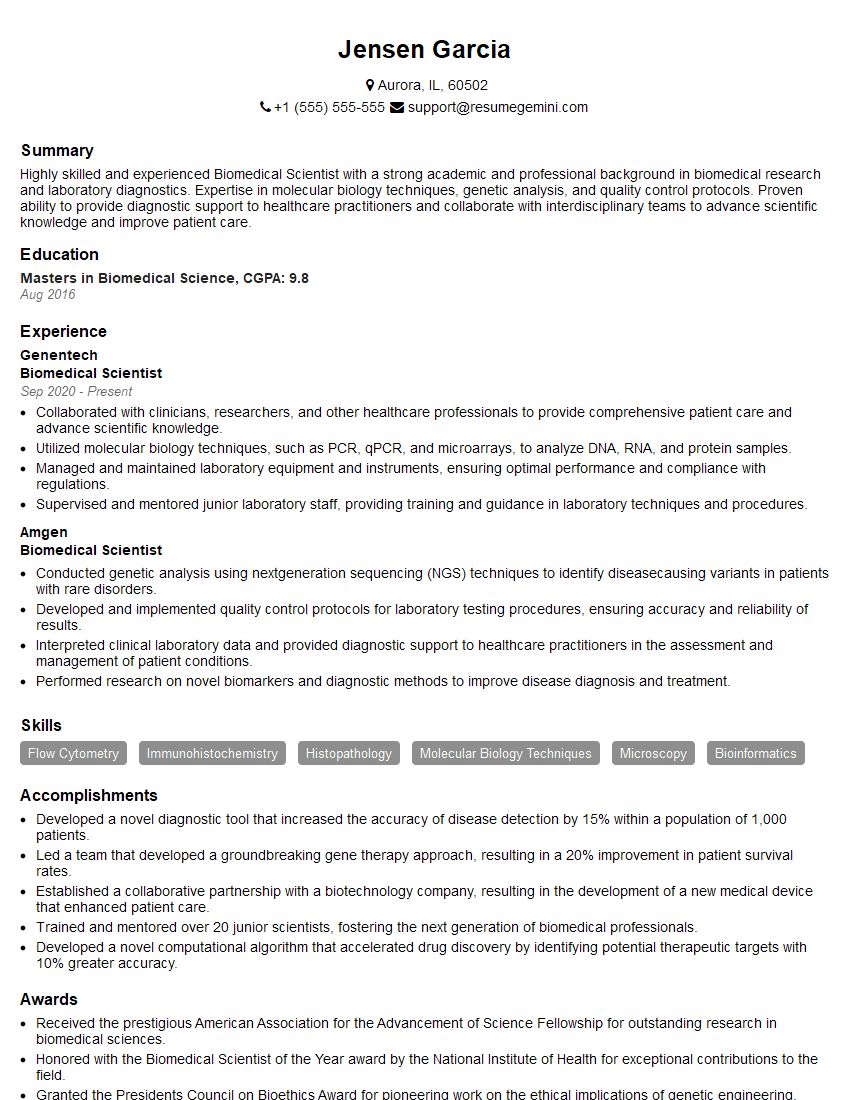
Biomedical Scientist Resume Sample
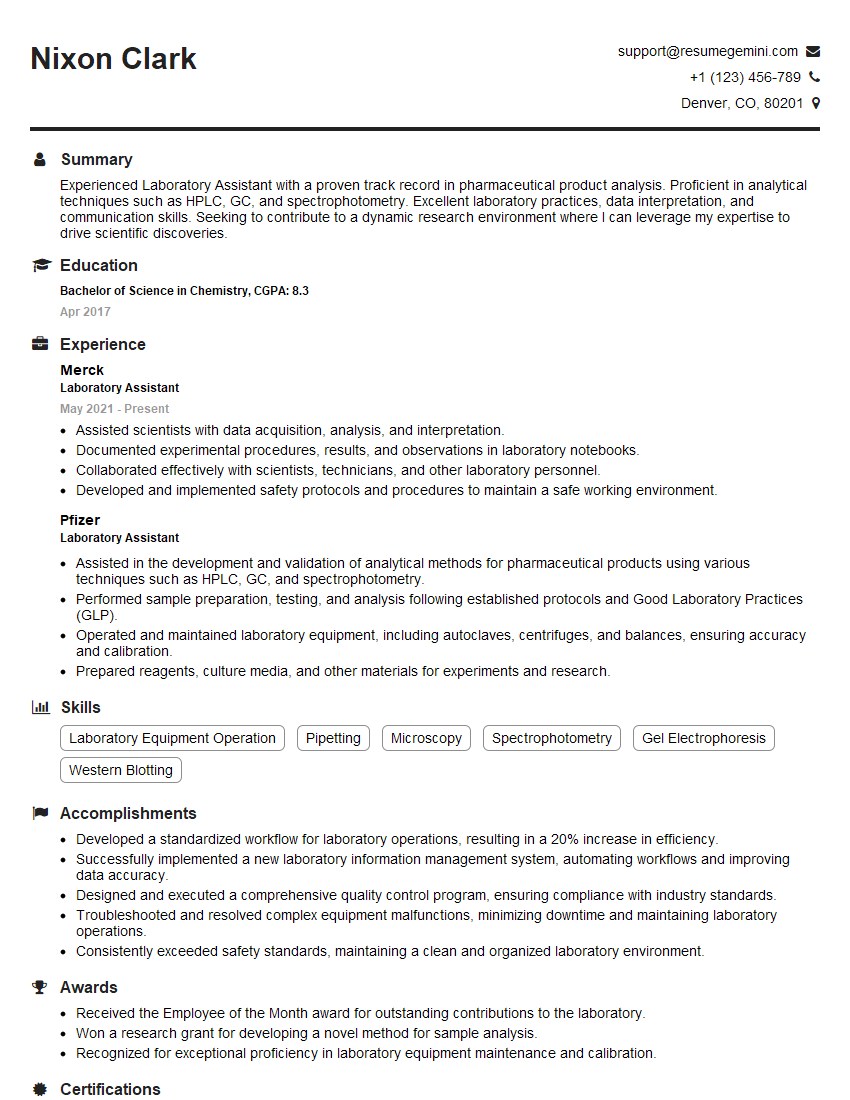
Laboratory Assistant Resume Sample

Laboratory Technician Resume Sample
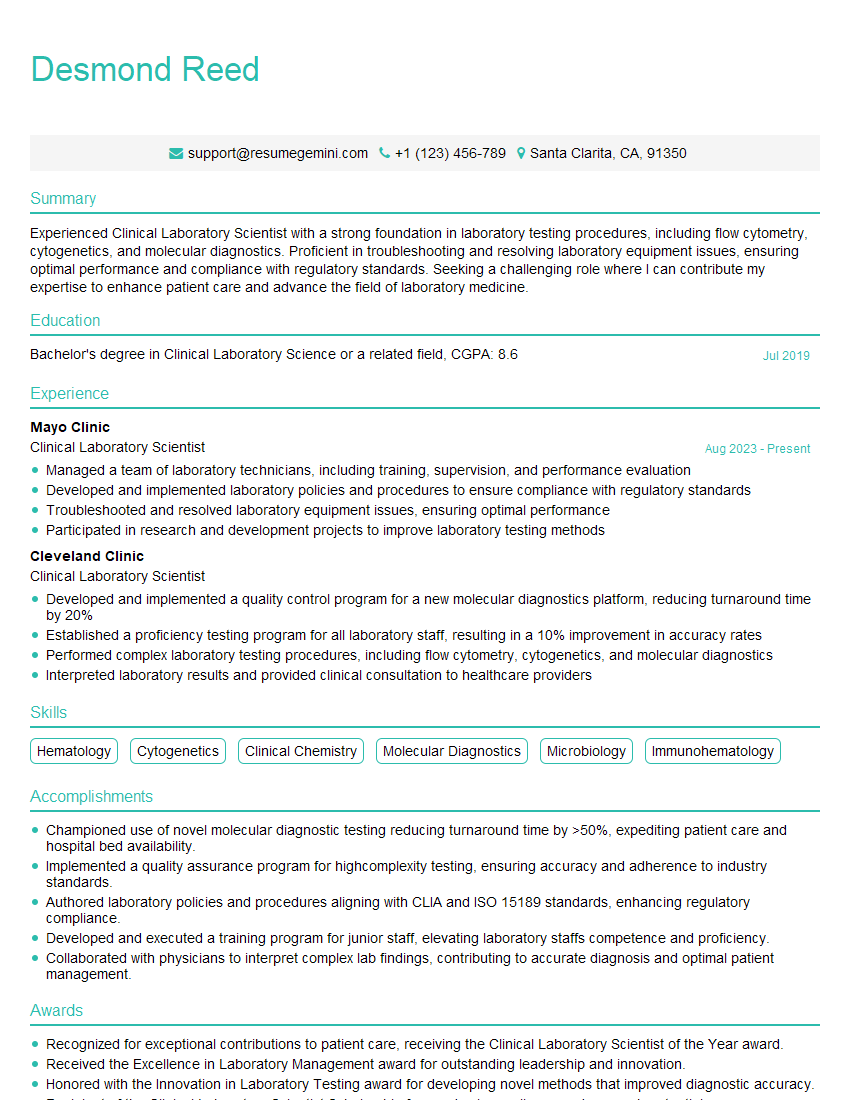
Clinical Laboratory Scientist Resume Sample
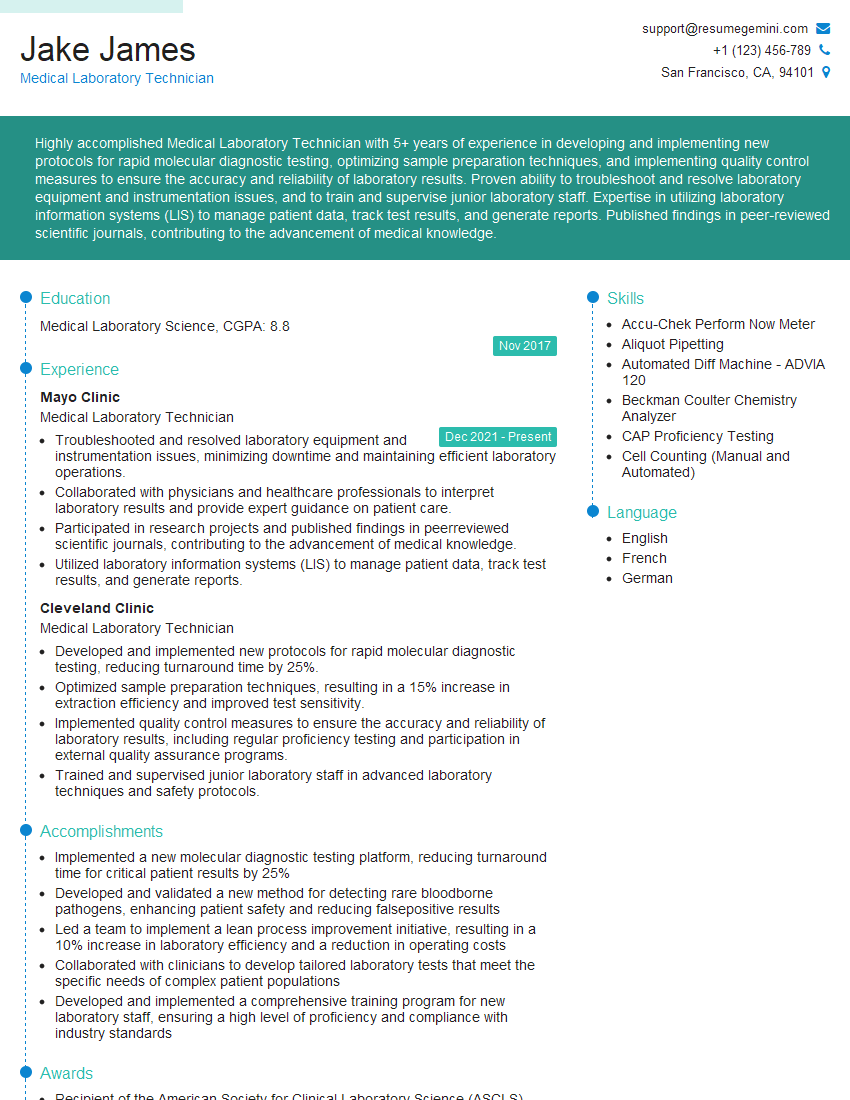
Medical Laboratory Technician Resume Sample
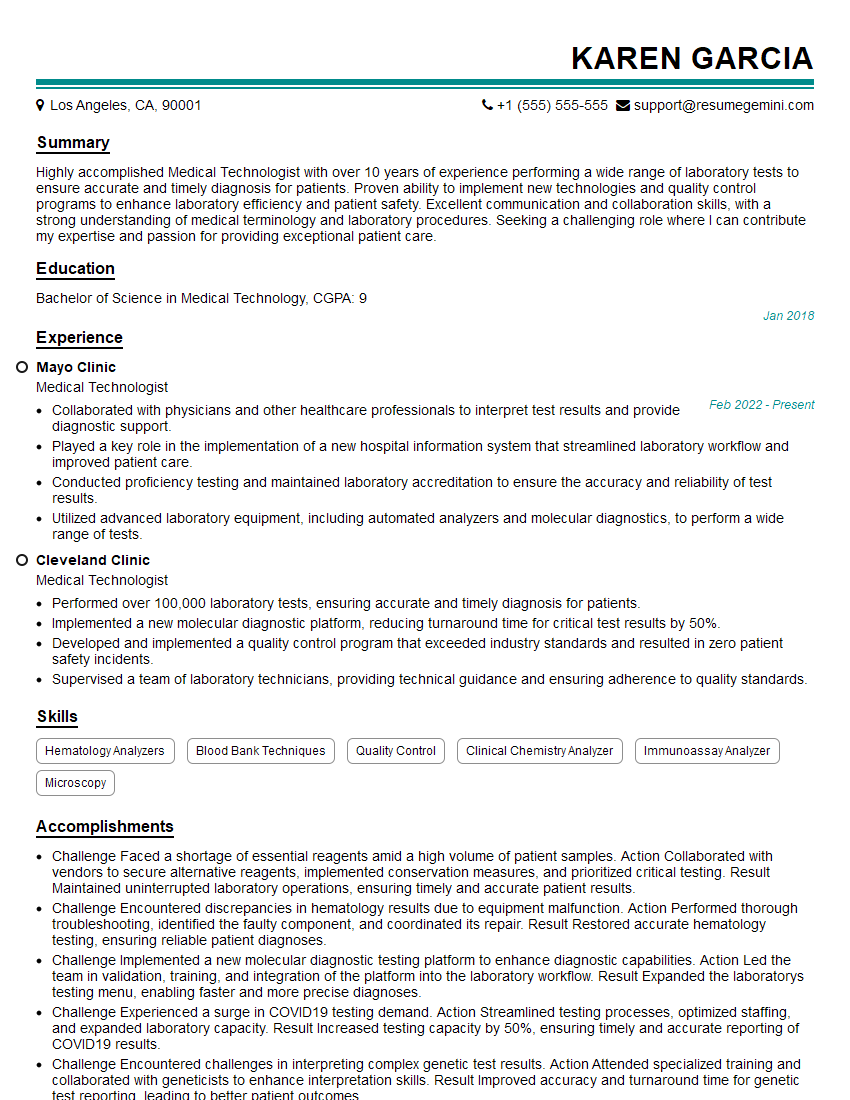
Medical Technologist Resume Sample
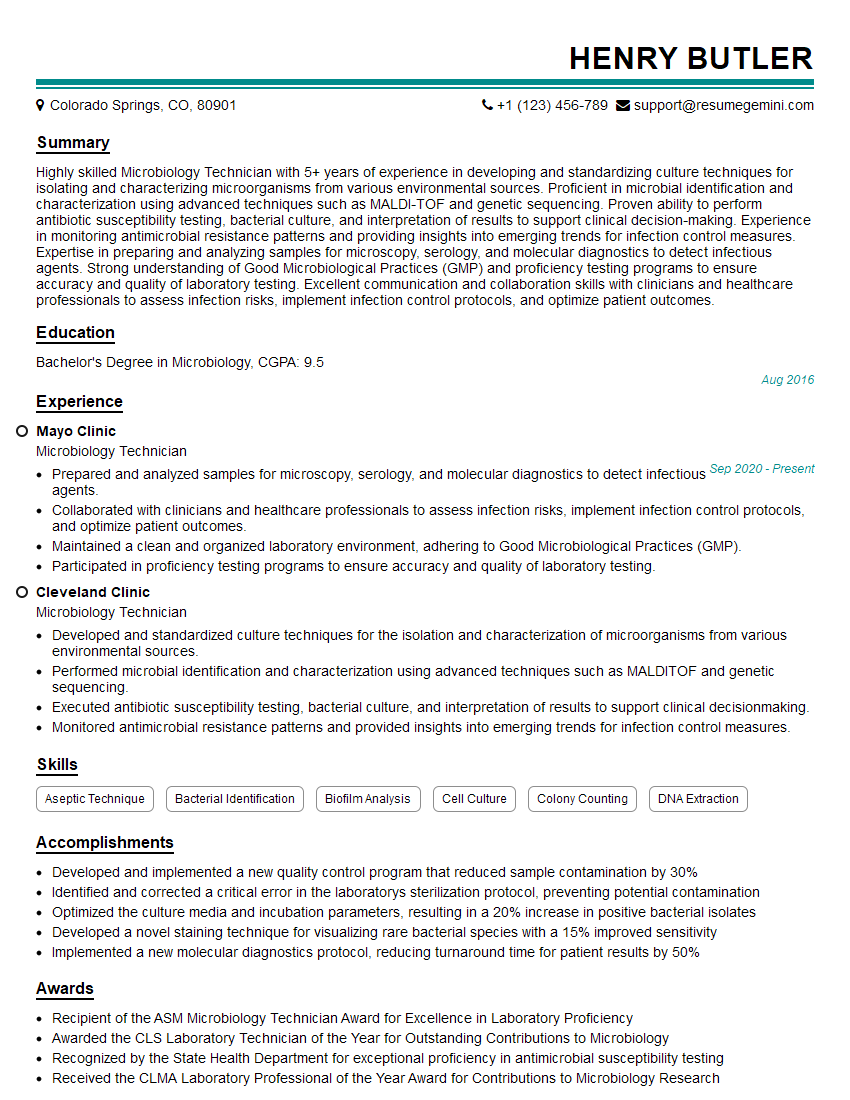
Microbiology Technician Resume Sample
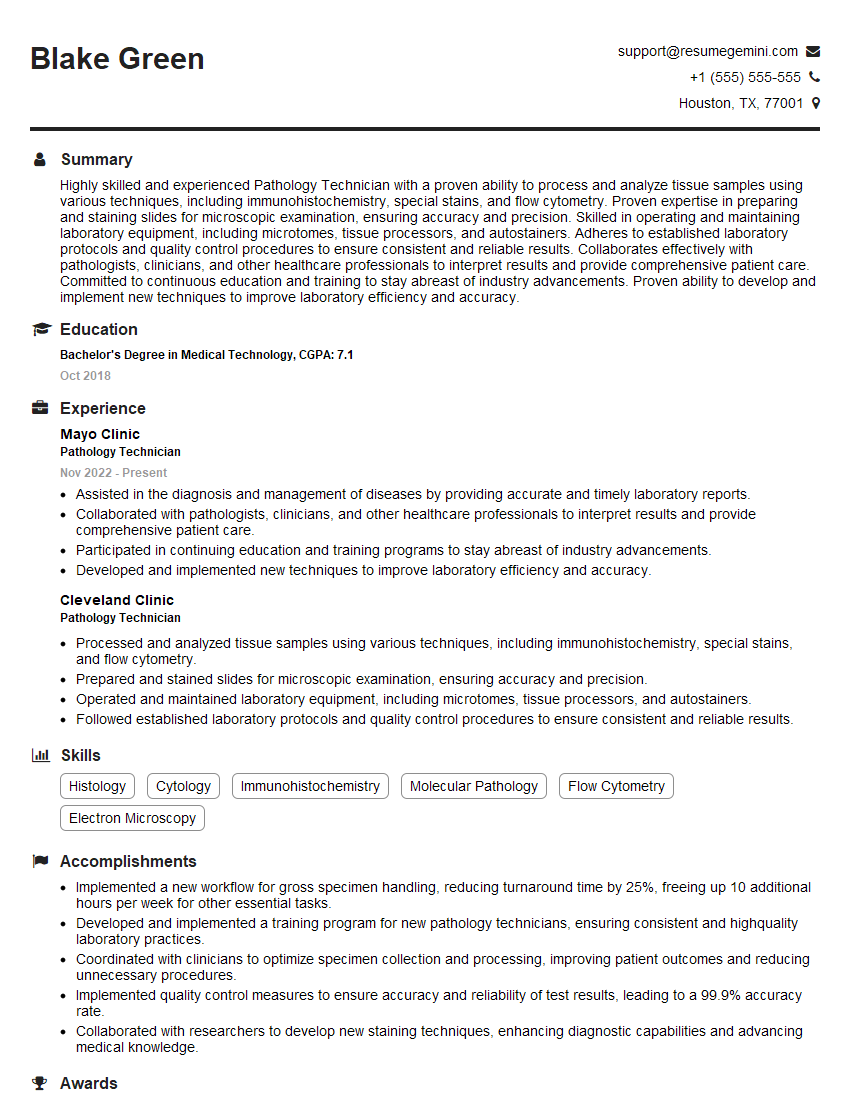
Pathology Technician Resume Sample

Histology Technician Resume Sample

Hematology Technician Resume Sample
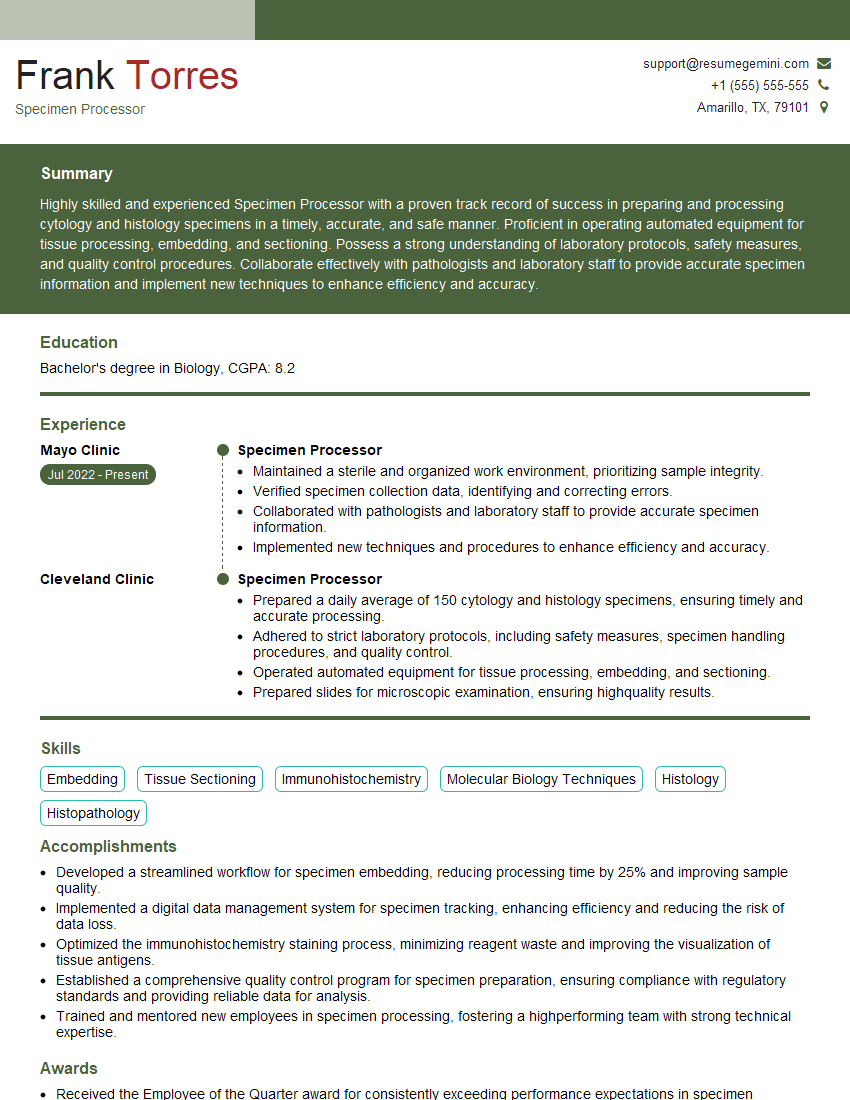
Specimen Processor Resume Sample
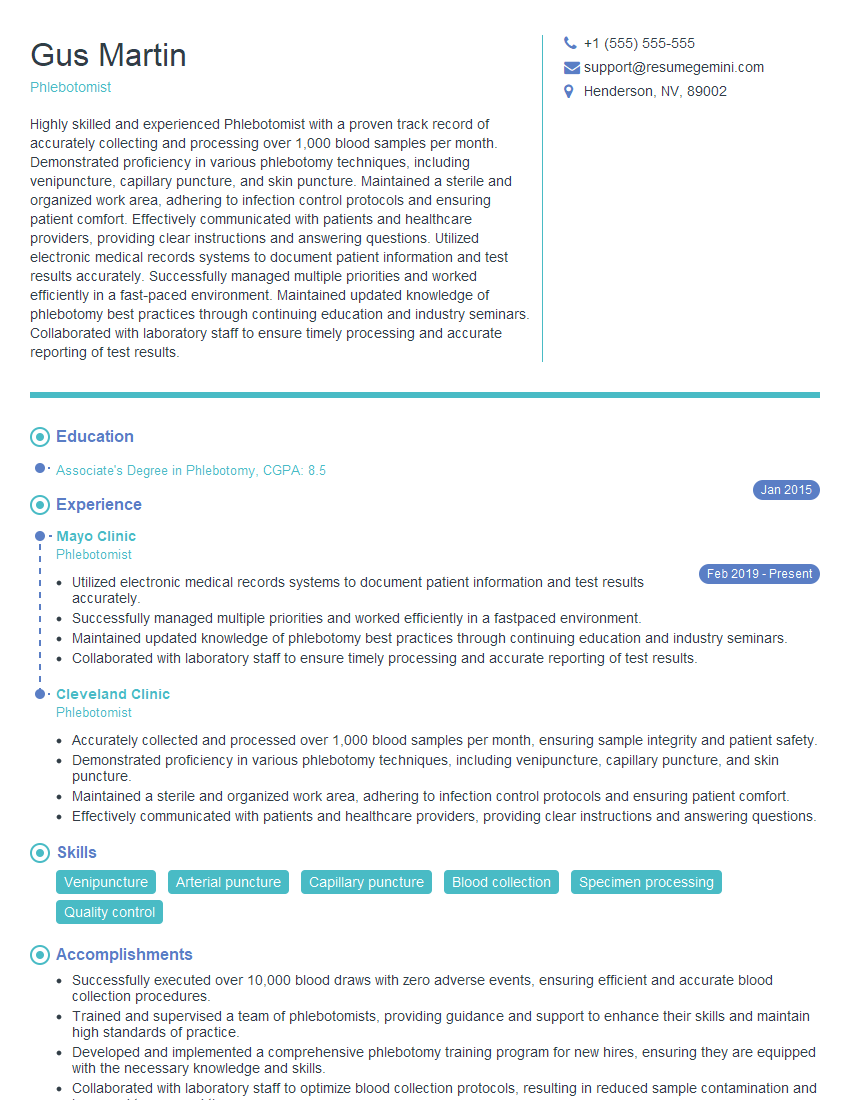
Phlebotomist Resume Sample
Explore more articles
Users Rating of Our Blogs
Share Your Experience
We value your feedback! Please rate our content and share your thoughts (optional).
What Readers Say About Our Blog
Really detailed insights and content, thank you for writing this detailed article.
IT gave me an insight and words to use and be able to think of examples