Every successful interview starts with knowing what to expect. In this blog, we’ll take you through the top Standard Operating Procedure (SOP) Development and Review interview questions, breaking them down with expert tips to help you deliver impactful answers. Step into your next interview fully prepared and ready to succeed.
Questions Asked in Standard Operating Procedure (SOP) Development and Review Interview
Q 1. Describe your experience in developing Standard Operating Procedures (SOPs).
Developing effective Standard Operating Procedures (SOPs) is crucial for maintaining consistency, efficiency, and quality within any organization. My experience spans diverse industries, including pharmaceuticals, manufacturing, and software development. I’ve led the creation of SOPs for everything from complex manufacturing processes to simple administrative tasks. For instance, in my previous role at a pharmaceutical company, I was responsible for developing and implementing SOPs for the entire drug manufacturing process, ensuring compliance with stringent regulatory requirements like GMP (Good Manufacturing Practice). This involved detailed documentation of each step, including equipment calibration, raw material handling, and quality control checks. In another project, I helped a software company streamline its customer onboarding process by developing an SOP that clarified roles, responsibilities, and timelines, resulting in improved customer satisfaction and reduced onboarding time.
Q 2. What methodologies do you utilize for SOP development?
My SOP development methodology is a blend of best practices and tailored approaches based on the specific context. I typically use a six-step process: 1. Needs Analysis: Identifying the process needing an SOP and understanding its goals and challenges. 2. Process Mapping: Visually documenting the workflow, using tools like flowcharts or swim lane diagrams. 3. Procedure Writing: Clearly defining each step, including necessary equipment, materials, and safety precautions. 4. Review and Feedback: Getting input from stakeholders to ensure accuracy and clarity. 5. Approval and Distribution: Obtaining necessary approvals and disseminating the finalized SOP to relevant personnel. 6. Implementation and Monitoring: Tracking effectiveness and making updates as needed. For example, when creating an SOP for a complex chemical reaction, I would incorporate detailed safety protocols and equipment specifications, while for a simpler task like answering customer emails, the focus would be on consistent communication and response times.
Q 3. Explain your process for reviewing and updating existing SOPs.
Regular review and updates are critical to ensure SOPs remain current and effective. My process begins with a scheduled review (e.g., annually or whenever significant changes occur). This involves: 1. Assessing Relevance: Determining if the SOP still accurately reflects current practices and regulatory requirements. 2. Gathering Feedback: Collecting input from individuals who use the SOP, identifying areas for improvement or outdated information. 3. Updating the Document: Incorporating feedback, correcting errors, and clarifying ambiguities. 4. Re-approval: Obtaining necessary approvals from relevant stakeholders before redistributing the updated SOP. For instance, if a new piece of equipment is introduced into a manufacturing process, the related SOP would need to be updated to reflect the changes in procedure and safety considerations.
Q 4. How do you ensure SOPs are user-friendly and easily understood?
User-friendliness is paramount for SOP effectiveness. I achieve this by: 1. Clear and Concise Language: Avoiding jargon and using simple, straightforward language. 2. Logical Structure: Organizing information logically using headings, subheadings, and numbered steps. 3. Visual Aids: Incorporating diagrams, flowcharts, and tables to improve comprehension. 4. Consistent Formatting: Using consistent formatting and style throughout the document to enhance readability. 5. Accessibility Considerations: Ensuring the SOP is accessible to individuals with disabilities (e.g., using appropriate font sizes and color contrast). For example, instead of saying “Titrate the solution to pH 7.2,” I’d use a more accessible description, including images showing the correct titration process and the use of the appropriate equipment.
Q 5. How do you incorporate feedback into the SOP development process?
Feedback is integral to the SOP development and revision process. I actively solicit feedback at various stages: 1. Initial Draft Review: Sharing drafts with key stakeholders to obtain initial input on accuracy, clarity, and completeness. 2. Post-Implementation Review: Gathering feedback from users after the SOP has been implemented, identifying any issues or areas requiring clarification. 3. Regular Audits: Conducting periodic audits to assess the ongoing effectiveness of the SOP and identify any necessary changes. For instance, if feedback reveals confusion about a particular step, I might add a clarifying diagram or reword the instructions for improved understanding. I regularly utilize surveys, feedback forms, and informal discussions to gather this feedback effectively.
Q 6. How do you measure the effectiveness of SOPs?
Measuring SOP effectiveness is essential to demonstrate their value and ensure continuous improvement. My methods include: 1. Observation: Directly observing users following the SOP to identify any deviations or difficulties. 2. Data Analysis: Analyzing relevant data (e.g., error rates, production efficiency, compliance records) to assess the impact of the SOP. 3. User Feedback: Regularly collecting feedback from SOP users to determine if the document is meeting their needs. 4. Audits and Inspections: Conducting regular internal and external audits to verify compliance with the SOP and identify any areas for improvement. For example, in a manufacturing setting, tracking the number of defects produced before and after SOP implementation can demonstrate its impact on product quality.
Q 7. What software or tools do you use for SOP development and management?
I utilize a range of software and tools for SOP development and management, depending on the project’s needs and organizational preferences. These include: 1. Document Management Systems (DMS): Software like SharePoint or Google Workspace for central storage, version control, and access control. 2. Word Processing Software: Microsoft Word or Google Docs for writing and formatting SOPs. 3. Diagram Software: Lucidchart or draw.io for creating flowcharts and other visual aids. 4. Collaborative Platforms: Microsoft Teams or Slack for facilitating feedback and collaboration. The selection of tools is always driven by ensuring efficient document creation, version control, accessibility, and effective communication among stakeholders.
Q 8. How do you handle conflicting requirements during SOP development?
Conflicting requirements during SOP development are a common challenge. Think of it like building a house – you might have the homeowner wanting a modern design, the contractor prioritizing cost-effectiveness, and the local building codes dictating specific structural requirements. To resolve this, I employ a structured approach:
- Identify and Document Conflicts: First, I meticulously document all conflicting requirements, noting their source (e.g., regulatory body, department head, safety guidelines).
- Prioritize Requirements: Next, I prioritize these conflicts based on criticality and risk. Regulatory compliance always takes precedence, followed by safety concerns, then operational efficiency, and finally, less critical aspects.
- Negotiation and Compromise: I then facilitate discussions among stakeholders to find common ground. This often involves explaining the implications of each requirement and exploring alternative solutions that meet the most important needs. For example, if a particular procedure is time-consuming but not crucial for safety, we might explore streamlining it without compromising safety or regulatory compliance.
- Documentation and Justification: Any compromises or deviations from initial requirements are documented, along with a clear justification for the chosen approach. This transparent documentation ensures everyone understands the reasoning behind the final SOP.
- Review and Approval: Finally, the revised SOP is reviewed and approved by all relevant stakeholders to ensure buy-in and minimize future conflicts.
This approach ensures a balanced SOP that addresses all essential requirements while minimizing conflicts.
Q 9. Describe a time you had to revise an SOP due to unforeseen circumstances.
During my time at a pharmaceutical company, we had a meticulously crafted SOP for handling sensitive chemical waste. This SOP detailed a specific disposal process using a particular vendor. Due to unforeseen circumstances, this vendor unexpectedly ceased operations. This presented a critical issue as we needed to ensure immediate and compliant waste disposal.
My team immediately convened to revise the SOP. We followed these steps:
- Emergency Response: First, we established an interim solution to ensure immediate, compliant disposal, utilizing a temporary alternative vendor and documenting all actions.
- Vendor Research and Evaluation: Next, we conducted thorough research to identify and evaluate several replacement vendors, carefully considering factors such as cost, reliability, compliance history, and proximity to our facility.
- SOP Revision: Based on this evaluation, we revised the SOP to include details about the new approved vendor, including their contact information, handling procedures, and any necessary documentation.
- Training and Communication: Finally, we immediately trained all relevant staff on the revised SOP, emphasizing the changes and the reasons for them.
This quick response and systematic approach ensured continued compliance and minimal disruption to our operations. The revised SOP was meticulously documented, including the changes, their justifications, and the date of implementation to maintain a complete audit trail.
Q 10. How do you ensure compliance with regulatory requirements when developing SOPs?
Ensuring regulatory compliance is paramount in SOP development. It’s like building a house to meet all building codes – you can’t just build it however you want; you must follow regulations. This requires a proactive and multi-step approach:
- Identify Applicable Regulations: The first step is identifying all applicable regulations, guidelines, and standards relevant to the process being documented. This might include FDA regulations (for pharmaceuticals), ISO standards (for quality management), or industry-specific best practices.
- Incorporate Regulatory Requirements: These requirements are then integrated directly into the SOP. This ensures every step aligns with the regulations. For example, if a regulation mandates specific record-keeping, the SOP will explicitly include instructions for maintaining those records.
- Regular Audits and Reviews: SOPs should undergo regular audits and reviews to ensure they remain compliant with any updates or changes in regulations. This proactive approach minimizes the risk of non-compliance.
- Documentation and Traceability: Detailed documentation supporting compliance decisions, such as references to specific regulations, needs to be maintained. This ensures traceability and aids in audits.
By using this integrated approach, we ensure the SOP not only reflects current best practices but also remains legally sound and protected from potential regulatory issues.
Q 11. What are some common challenges in SOP development, and how do you address them?
Common challenges in SOP development often stem from inadequate planning, unclear communication, or a lack of stakeholder engagement. Some typical challenges include:
- Lack of Stakeholder Input: This leads to SOPs that aren’t practical or useful for those who will use them.
- Unclear Objectives and Scope: If the purpose of the SOP is poorly defined, the document becomes ambiguous and ineffective.
- Poorly Defined Processes: If the process itself is not well-understood, the SOP will be inaccurate and potentially unsafe.
- Lack of Review and Updates: Outdated SOPs are a significant compliance risk.
Addressing these requires a systematic approach:
- Involve Stakeholders Early and Often: Engage those who will use the SOP from the beginning. Solicit their input, address their concerns, and ensure buy-in.
- Clearly Define Objectives and Scope: Ensure the SOP’s purpose and boundaries are clearly established.
- Use Visual Aids: Diagrams, flowcharts, and other visuals aid comprehension.
- Establish a Review and Update Schedule: Regular reviews ensure the SOP remains relevant and accurate.
By proactively addressing these common challenges, you can create SOPs that are effective, useful, and compliant.
Q 12. How do you balance the need for detailed SOPs with the need for efficiency?
Balancing detailed SOPs with efficiency requires careful consideration. Too much detail can lead to cumbersome documents that nobody reads, while too little detail can result in ambiguity and errors. The key is to strike a balance using a process known as ‘just-in-time’ documentation.
My approach:
- Focus on Critical Steps: Prioritize detailed instructions for critical steps that require precision or have significant safety implications. Less critical steps can be described more concisely.
- Use Visual Aids: Flowcharts, diagrams, and tables can convey information more efficiently than lengthy paragraphs.
- Targeted Audience: Tailor the level of detail to the audience’s experience level. Experienced personnel might require less detailed instructions than new employees.
- Reference Materials: Instead of repeating detailed information, link to relevant appendices or other resources.
- Regular Review and Refinement: Continuously review and refine the SOP based on user feedback and operational experience. This iterative process allows for optimization of both detail and efficiency.
This approach ensures the SOP provides sufficient detail for accuracy and safety without becoming overly burdensome.
Q 13. Explain your experience with version control for SOPs.
Version control for SOPs is essential for maintaining accuracy and traceability. It’s like keeping a detailed history of a document’s evolution; you always know what changes were made, when, and by whom. I utilize a version control system, preferably one that integrates with our document management system.
My usual practices include:
- Sequential Versioning: Each revision receives a unique version number (e.g., v1.0, v1.1, v2.0). This allows easy identification of the current and previous versions.
- Change Log: A detailed change log accompanies each revision, documenting the specific alterations made and their rationale.
- Approval Workflow: A formal approval process ensures all changes are reviewed and authorized by relevant stakeholders before being implemented.
- Centralized Repository: SOPs are stored in a centralized repository, preventing confusion and ensuring everyone works with the most up-to-date version.
- Access Control: Appropriate access controls restrict editing to authorized personnel, maintaining document integrity.
This systematic approach guarantees a clear history of SOP revisions, simplifying audits and ensuring the correct version is always used. This is particularly important in regulated industries where a robust audit trail is mandatory.
Q 14. How do you train employees on new or updated SOPs?
Training employees on new or updated SOPs requires a multifaceted approach, ensuring comprehension and retention. It’s like teaching someone to ride a bike – you can’t just give them the instructions; you need practical demonstration and hands-on practice.
My approach includes:
- Structured Training Sessions: Formal training sessions that include both theoretical explanations and practical demonstrations are crucial. This active learning approach maximizes understanding.
- Interactive Exercises and Quizzes: Testing comprehension through quizzes and practical exercises reinforces learning and identifies any knowledge gaps.
- Hands-on Practice: Allowing employees to practice the procedures under supervision helps them gain confidence and identify potential challenges.
- Mentorship and Feedback: Pairing new employees with experienced staff provides further guidance and allows for immediate feedback and correction.
- Documentation and Reference Materials: Providing easy access to the SOP and other relevant documentation empowers employees to self-learn and review the information later.
- Regular Refresher Training: Periodic refresher training, particularly for critical procedures, helps maintain competency and addresses any changes.
This comprehensive approach ensures employees are adequately trained and competent in following the updated SOPs, reducing errors and promoting a safer work environment.
Q 15. How do you ensure SOPs are consistently followed?
Ensuring consistent SOP adherence requires a multi-pronged approach that goes beyond simply creating the document. Think of it like baking a cake – having a great recipe (SOP) is only half the battle; you need the right ingredients and technique (training and oversight).
- Training and Competency Assessments: Thorough training on new and updated SOPs is crucial. Post-training assessments help ensure understanding and competency. For example, in a pharmaceutical setting, we might use quizzes and practical demonstrations to assess a technician’s understanding of aseptic techniques outlined in the SOP.
- Regular Audits and Reviews: Periodic audits, both internal and potentially external, are essential to check for compliance. These audits might involve reviewing documentation, observing procedures in action, and interviewing employees. Inconsistencies highlight areas needing improvement in the SOP or the training process.
- Easy Access and Clear Communication: SOPs must be readily accessible – ideally digitally, with version control – and easy to understand. Using clear, concise language and visual aids is key. Consider using a centralized system that allows easy search and updates.
- Feedback Mechanisms: A system for employees to provide feedback on the SOPs is essential. This allows for identification of areas of confusion, ambiguities, or impractical steps. Anonymous feedback forms or regular meetings are effective methods.
- Accountability and Consequences: Non-compliance must have consequences, clearly defined in the SOP or company policy. This could include retraining, disciplinary action, or other measures depending on the severity and context. However, it’s crucial to focus on corrective action and improvement, rather than purely punitive measures.
Career Expert Tips:
- Ace those interviews! Prepare effectively by reviewing the Top 50 Most Common Interview Questions on ResumeGemini.
- Navigate your job search with confidence! Explore a wide range of Career Tips on ResumeGemini. Learn about common challenges and recommendations to overcome them.
- Craft the perfect resume! Master the Art of Resume Writing with ResumeGemini’s guide. Showcase your unique qualifications and achievements effectively.
- Don’t miss out on holiday savings! Build your dream resume with ResumeGemini’s ATS optimized templates.
Q 16. How do you identify areas for improvement in existing SOPs?
Identifying areas for improvement in existing SOPs is an iterative process. Think of it as quality control for a manufacturing process, constantly refining for better efficiency and safety.
- Data Analysis: Analyze error rates, near misses, and incident reports. These often pinpoint weaknesses in the existing SOP. For instance, a high error rate in one particular step might indicate the instructions are unclear or too complex.
- Employee Feedback: Regularly solicit feedback from employees using the SOP. They’re the ones working with it daily and can identify inefficiencies, confusing steps, or missing information. Anonymous surveys or focus groups can be very beneficial.
- Process Observation: Observe the process as it’s being performed. This allows you to see firsthand any deviations from the SOP, bottlenecks, or areas where improvement is needed. This is especially useful for identifying workflow problems not evident from simply reading the document.
- Benchmarking: Compare your SOPs with industry best practices and those of other organizations in your sector. This helps reveal opportunities for simplification, improvement, or the adoption of more efficient methodologies.
- Technology Assessment: Assess if technology can streamline the process described in the SOP. Automation or the use of digital tools can often improve efficiency and reduce error rates.
Q 17. What is your experience with process mapping?
Process mapping is fundamental to SOP development. It’s like creating a blueprint for a building; you need to understand the process flow before you can write instructions. I’m proficient in various process mapping techniques, including flowcharting, swimlane diagrams, and value stream mapping.
For example, in a recent project involving streamlining order fulfillment, I used a swimlane diagram to visually represent the roles and responsibilities of different departments involved in the process. This helped identify bottlenecks and areas of duplication, leading to significant efficiency improvements. The resulting process map served as the foundation for the revised SOP.
My experience extends to using different software tools for process mapping, such as Lucidchart and Visio, facilitating collaboration and ensuring accurate documentation.
Q 18. How do you prioritize SOP development projects?
Prioritizing SOP development projects requires a structured approach. Think of it like managing a project portfolio, aiming for the greatest impact with available resources.
- Risk Assessment: Prioritize SOPs for high-risk processes first. These are areas where non-compliance could lead to significant safety, financial, or regulatory consequences. For example, safety protocols in a chemical manufacturing plant would take precedence.
- Frequency and Impact: Processes that are frequently performed and have a significant impact on the organization should be prioritized. This might include core operational processes.
- Regulatory Requirements: Meet all regulatory requirements and deadlines. Non-compliance can lead to serious repercussions.
- Resource Availability: Consider the resources required for SOP development, including personnel, time, and budget.
- Stakeholder Input: Consult stakeholders to gain their input and ensure alignment on priorities.
I often employ a weighted scoring system to quantitatively assess the relative importance of each project, ensuring transparency and objectivity in the prioritization process.
Q 19. How do you communicate changes to SOPs effectively?
Effective communication of SOP changes is essential to ensure compliance. It’s like releasing a software update – you need to clearly communicate what’s changed and why.
- Clear and Concise Communication: Clearly outline the changes, their rationale, and their impact. Use simple, non-technical language whenever possible.
- Multiple Communication Channels: Use a variety of methods to reach everyone, including email, intranet announcements, team meetings, and even short training videos.
- Version Control: Implement a version control system to track changes and ensure everyone is working with the most up-to-date version. This is crucial for preventing confusion and ensuring traceability.
- Training and Updates: Provide training on the changes to ensure employees understand and can apply them correctly. This might involve short online modules or hands-on sessions.
- Feedback Mechanisms: Provide opportunities for employees to ask questions and provide feedback on the changes. This helps to identify and address any confusion or concerns promptly.
Q 20. Describe your experience with different SOP formatting styles.
I’m familiar with various SOP formatting styles, and my approach is always tailored to the specific needs of the organization and the process being documented. Some common styles include:
- Linear Style: A straightforward, step-by-step approach, suitable for simple procedures.
- Flowchart Style: Uses visual elements to represent the process flow, ideal for complex or multi-step procedures.
- Matrix Style: Organizes information in a tabular format, useful for comparing different aspects of a process or providing decision trees.
Regardless of the style, I prioritize clarity, consistency, and ease of use. For instance, I might use numbered steps, clear headings, and visuals such as diagrams or flowcharts to improve comprehension. Consistency in formatting, including font, spacing, and the use of headings, is crucial for readability and professional presentation. I also consider the specific needs of the end-users when selecting a style, for example, a more visual style might be better suited for a less technically-literate audience.
Q 21. How do you incorporate best practices into SOP development?
Incorporating best practices into SOP development is essential for creating effective and efficient procedures. This involves a holistic approach, focusing on both content and presentation.
- User-Centric Design: Design SOPs with the end-user in mind. This means using clear, concise language, logical flow, and appropriate visuals. Consider the user’s technical skills and level of experience.
- Conciseness and Clarity: Avoid jargon and overly technical language. Use simple, direct language and avoid ambiguity.
- Visual Aids: Use diagrams, flowcharts, and other visual aids to enhance comprehension, particularly for complex processes.
- Version Control: Implement a version control system to track changes and ensure everyone is working with the most up-to-date version.
- Regular Review and Updates: Regularly review and update SOPs to reflect changes in processes, technology, or regulations. This ensures the documents remain relevant and accurate.
- Accessibility: Ensure SOPs are accessible to all employees, regardless of their disabilities or language proficiency. This might involve providing multiple formats or translated versions.
By following these best practices, we ensure the SOP is not just a document, but a practical, effective tool that supports consistent, safe, and efficient operations.
Q 22. What is your experience with quality audits related to SOP compliance?
My experience with quality audits related to SOP compliance is extensive. I’ve conducted numerous audits across various industries, focusing on the effectiveness and adherence to established Standard Operating Procedures. This involves reviewing documentation, observing processes in action, and interviewing personnel to assess compliance. A key part of my approach is to not just identify deviations, but also to understand the root causes. For example, in a recent audit of a pharmaceutical manufacturing facility, we discovered inconsistencies in temperature logging during a critical process. While this was a significant non-compliance finding, the root cause analysis revealed a lack of adequate training on the new logging system, which we then addressed in our recommendations. I also focus on identifying opportunities for improvement, ensuring that the audit isn’t just about finding fault but contributes to better SOPs and overall quality.
During audits, I utilize a variety of techniques, including checklists, sampling methods, and data analysis to determine the level of SOP compliance. The findings are then documented in a comprehensive report, which includes details of any non-conformances, their impact, and suggested corrective actions. I always ensure that the audit process itself adheres to established quality management system standards.
Q 23. How do you involve stakeholders in the SOP development process?
Involving stakeholders in SOP development is crucial for buy-in and successful implementation. I use a collaborative approach, ensuring representation from all relevant departments and levels. This often begins with identifying key stakeholders and understanding their roles and responsibilities related to the process the SOP covers. Think of it like building a house – you need architects (process owners), builders (those who will execute the process), and inspectors (quality control). Each brings vital expertise.
My typical process involves:
- Initial meetings: To define the scope, objectives, and identify key stakeholders.
- Workshops: Facilitated sessions to brainstorm content, ensure clarity, and address potential challenges.
- Draft reviews: Circulating drafts to stakeholders for feedback and revisions. I typically use version control to track changes.
- Training sessions: Providing training on the final SOP to ensure understanding and consistent application.
Effective communication is key throughout this process, including using clear, concise language and visual aids to enhance understanding. For example, when developing an SOP for a complex manufacturing process, I’d utilize flowcharts and diagrams alongside written instructions to make it easier for everyone to understand.
Q 24. What metrics do you use to track SOP effectiveness?
Tracking SOP effectiveness requires a multi-faceted approach. I utilize a range of metrics, including:
- Compliance rate: The percentage of times the SOP is followed correctly. This is often tracked through audits, observations, and data analysis.
- Error rate: The number of errors made while following the SOP. This helps identify areas needing improvement in the SOP or training.
- Process efficiency: Metrics like cycle time, throughput, and resource utilization help to gauge the SOP’s effectiveness in optimizing the process.
- Employee feedback: Surveys and interviews can identify areas where the SOP is unclear, cumbersome, or ineffective.
- Key Performance Indicators (KPIs): These are specific to the process, but could include things like defect rates, customer satisfaction, or on-time delivery.
By regularly monitoring these metrics, we can identify trends and pinpoint areas for improvement. For example, a consistently high error rate in a specific section of an SOP might indicate a need for clarification or additional training. Data visualization techniques, such as dashboards, are often employed to make the information easily accessible and understandable.
Q 25. How do you handle resistance to change when implementing new SOPs?
Resistance to change is common when implementing new SOPs. My approach is based on understanding the source of the resistance and addressing it proactively. This often involves:
- Communication: Clearly explaining the rationale behind the new SOP and how it benefits the employees and the organization.
- Collaboration: Involving employees in the development and implementation process to foster ownership and reduce resistance.
- Training: Providing thorough training to ensure employees understand the new SOP and are comfortable using it.
- Incentives: Offering incentives or rewards for successful adoption of the new SOP.
- Addressing concerns: Actively listening to employee concerns and addressing them appropriately. This might involve making modifications to the SOP or providing additional support.
For example, if employees are resistant to a new, more efficient process due to concerns about increased workload, we could address this by providing additional resources or streamlining other parts of their work. Active listening and open communication are critical to overcome this hurdle.
Q 26. Describe your experience with different SOP management systems.
My experience encompasses various SOP management systems, ranging from simple document control systems to sophisticated enterprise content management (ECM) platforms. I’ve worked with:
- Shared network drives: These offer basic version control and access but can lack robust features for larger organizations.
- Document management systems (DMS): These offer improved version control, workflows, and access control. I’ve used systems like SharePoint and M-Files in the past.
- Enterprise content management (ECM) systems: These provide comprehensive solutions for managing large volumes of documents, often integrating with other business systems. Examples include Documentum and OpenText.
The choice of system depends on the organization’s size, complexity, and specific needs. Regardless of the system, I emphasize the importance of a well-defined document control process, including versioning, approvals, and training. The key is to find a balance between functionality and usability to ensure that the SOPs are readily accessible and effectively managed.
Q 27. How do you ensure SOPs are accessible to all relevant personnel?
Accessibility is paramount. SOPs must be easily accessible to all relevant personnel. My strategies include:
- Centralized repository: Storing SOPs in a centralized location, such as a document management system or shared network drive, accessible to authorized personnel.
- Clear naming conventions: Using a consistent and logical naming convention to make it easy to find specific SOPs.
- User-friendly interface: Ensuring the SOP management system has a user-friendly interface that is intuitive and easy to navigate.
- Version control: Implementing a robust version control system to ensure that everyone is using the most up-to-date version of the SOP.
- Multiple formats: Making SOPs available in multiple formats (e.g., PDF, online document) to cater to different preferences and device capabilities.
- Targeted distribution: Employing targeted distribution methods, such as email notifications or internal messaging systems, to alert employees about new or updated SOPs.
In addition, accessibility must consider individuals with disabilities. Providing SOPs in accessible formats, such as screen reader-compatible versions or plain text, is critical to ensure inclusivity.
Q 28. How do you maintain the accuracy and relevance of SOPs over time?
Maintaining the accuracy and relevance of SOPs is an ongoing process. My approach involves a combination of regular reviews, updates, and feedback mechanisms. This ensures the SOPs remain current, compliant, and effective.
- Regular reviews: Scheduling regular reviews (e.g., annually or as needed) to identify any outdated information, inefficiencies, or regulatory changes.
- Change control process: Implementing a formal change control process to ensure all updates are properly documented, approved, and communicated.
- Feedback mechanisms: Establishing feedback mechanisms (e.g., surveys, suggestion boxes) to collect input from employees and other stakeholders on the effectiveness of the SOPs.
- Training updates: Updating training materials whenever the SOPs are revised to ensure consistent application.
- Audits and inspections: Conducting regular audits and inspections to assess compliance and identify any deviations from the SOPs.
Think of SOPs as living documents – they need regular maintenance to stay relevant. This proactive approach prevents outdated or inaccurate information from leading to errors or non-compliance issues. A clear change control process ensures that all updates are managed effectively and traceability is maintained.
Key Topics to Learn for Standard Operating Procedure (SOP) Development and Review Interview
- Understanding SOP Purpose and Scope: Defining clear objectives, target audience, and the overall process covered by the SOP. Practical application: Analyzing existing processes to identify areas needing SOP development.
- SOP Development Methodology: Mastering the steps involved in creating an effective SOP, from initial planning and documentation to final review and approval. Practical application: Creating a step-by-step SOP for a complex task, ensuring clarity and ease of understanding.
- Writing Clear and Concise SOPs: Using precise language, avoiding jargon, and employing visual aids to improve readability and comprehension. Practical application: Revising an existing poorly written SOP to enhance its clarity and effectiveness.
- SOP Review and Revision Processes: Understanding the importance of regular reviews, incorporating feedback, and making necessary updates to ensure accuracy and relevance. Practical application: Conducting a thorough review of an existing SOP, identifying areas for improvement and suggesting revisions.
- Workflow Optimization through SOPs: Identifying bottlenecks and inefficiencies within processes and designing SOPs to streamline workflows and improve overall efficiency. Practical application: Analyzing a workflow diagram to pinpoint areas for SOP implementation to enhance process flow.
- Compliance and Regulatory Considerations: Integrating relevant regulations and compliance standards into SOP development and review processes. Practical application: Adapting an SOP to meet specific industry or regulatory requirements.
- Training and Implementation Strategies: Developing effective training programs to ensure consistent application of SOPs across teams. Practical application: Designing a training module for a newly implemented SOP.
- Document Control and Version Management: Implementing a system for tracking changes, maintaining version control, and ensuring access to the most up-to-date SOPs. Practical application: Implementing a version control system for SOPs and managing document revisions.
Next Steps
Mastering Standard Operating Procedure (SOP) Development and Review is crucial for career advancement in many fields, demonstrating your ability to manage processes, improve efficiency, and ensure compliance. An ATS-friendly resume is essential for showcasing your skills effectively to potential employers. To enhance your job prospects, we strongly encourage you to use ResumeGemini to build a professional and impactful resume. ResumeGemini offers tailored resume examples for Standard Operating Procedure (SOP) Development and Review roles, providing valuable guidance and templates to help you create a standout application.
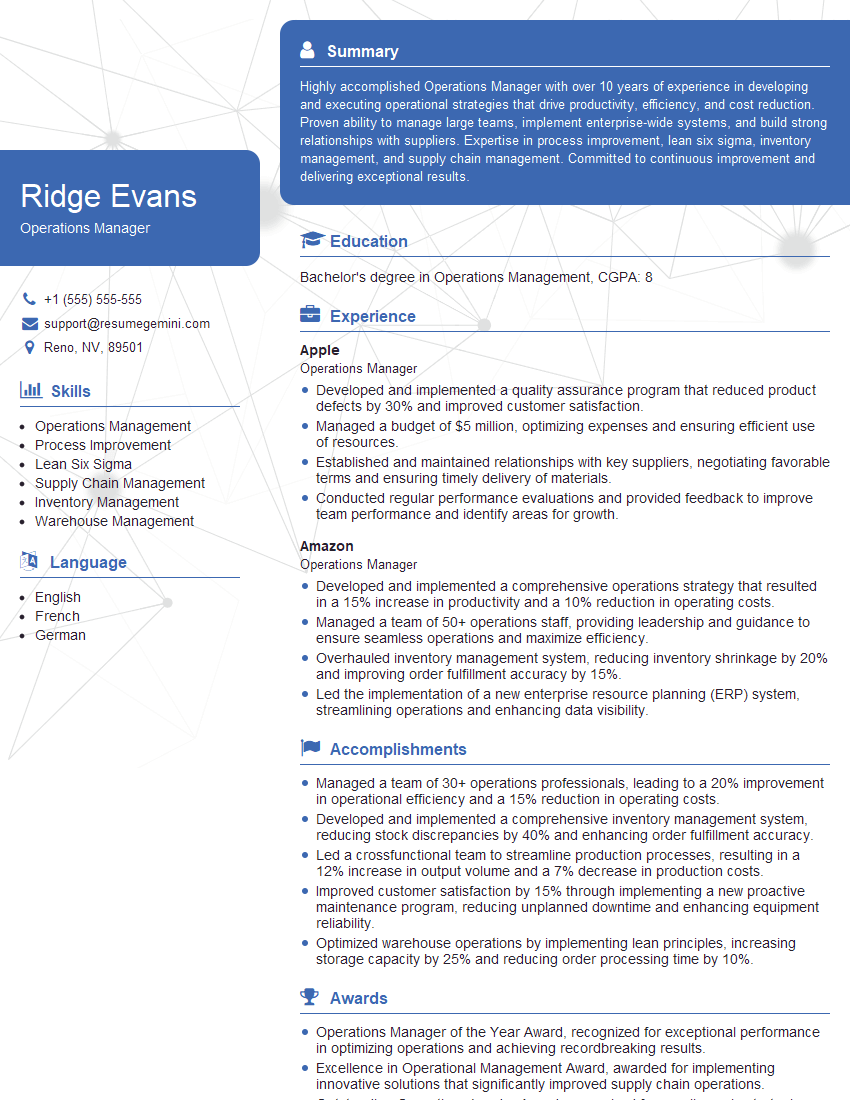
Operations Manager Resume Sample

Knowledge Manager Resume Sample
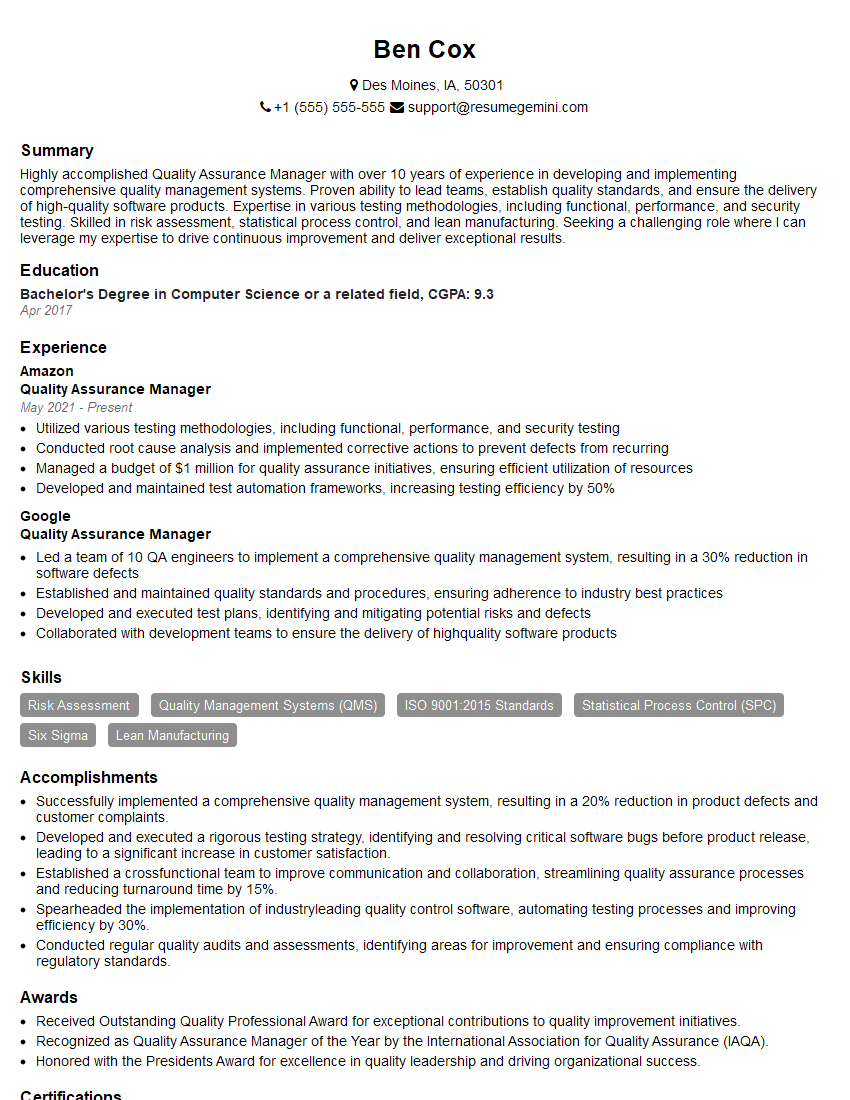
Quality Assurance Manager Resume Sample
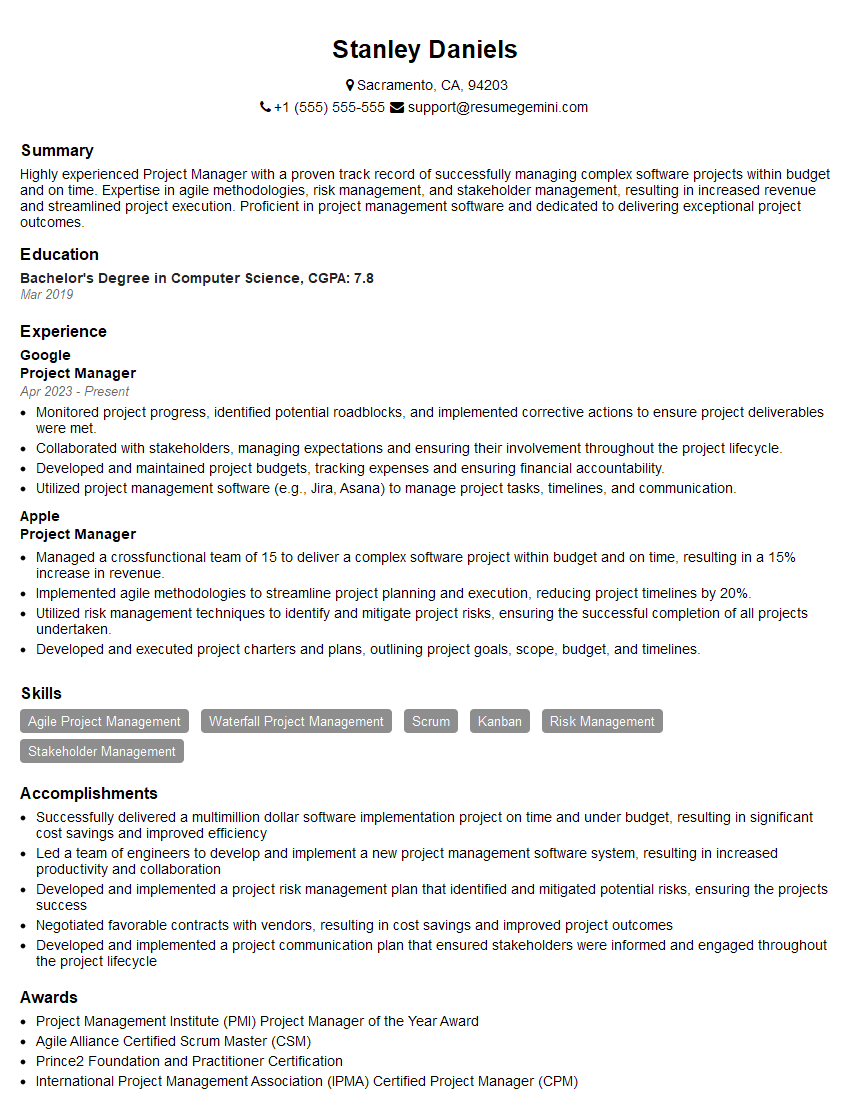
Project Manager Resume Sample
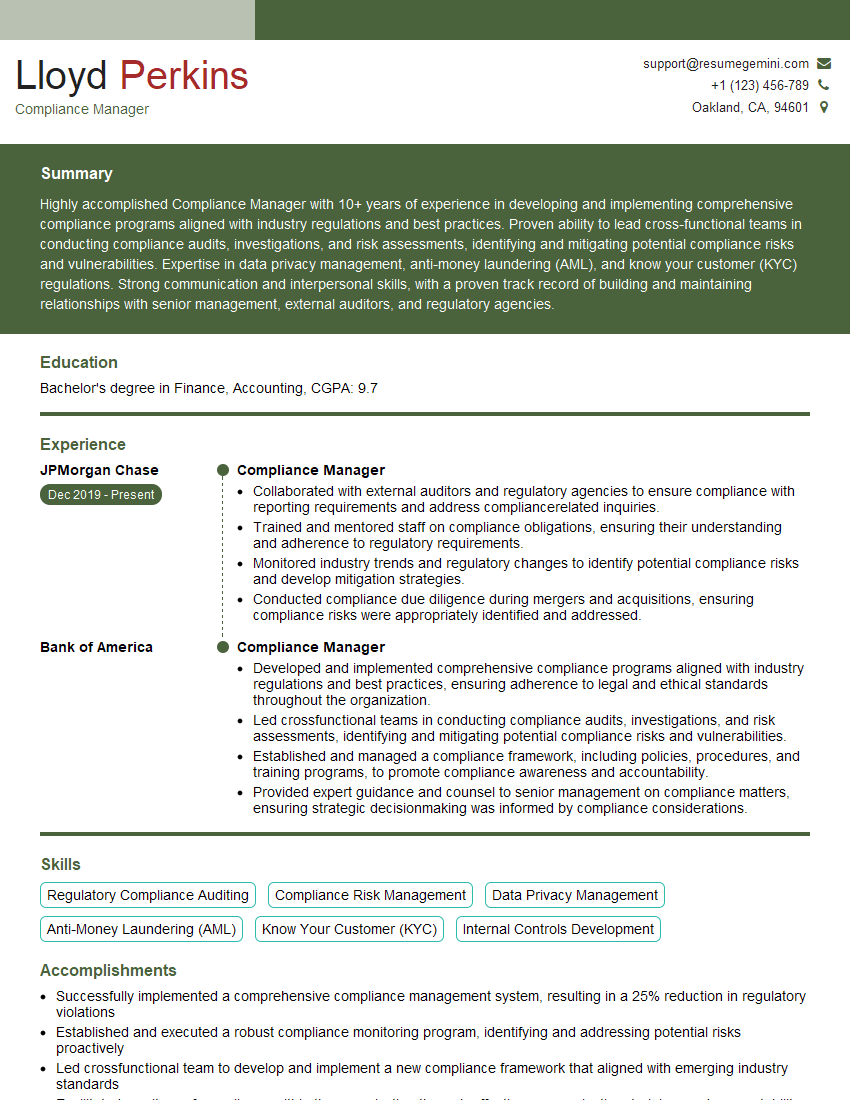
Compliance Manager Resume Sample
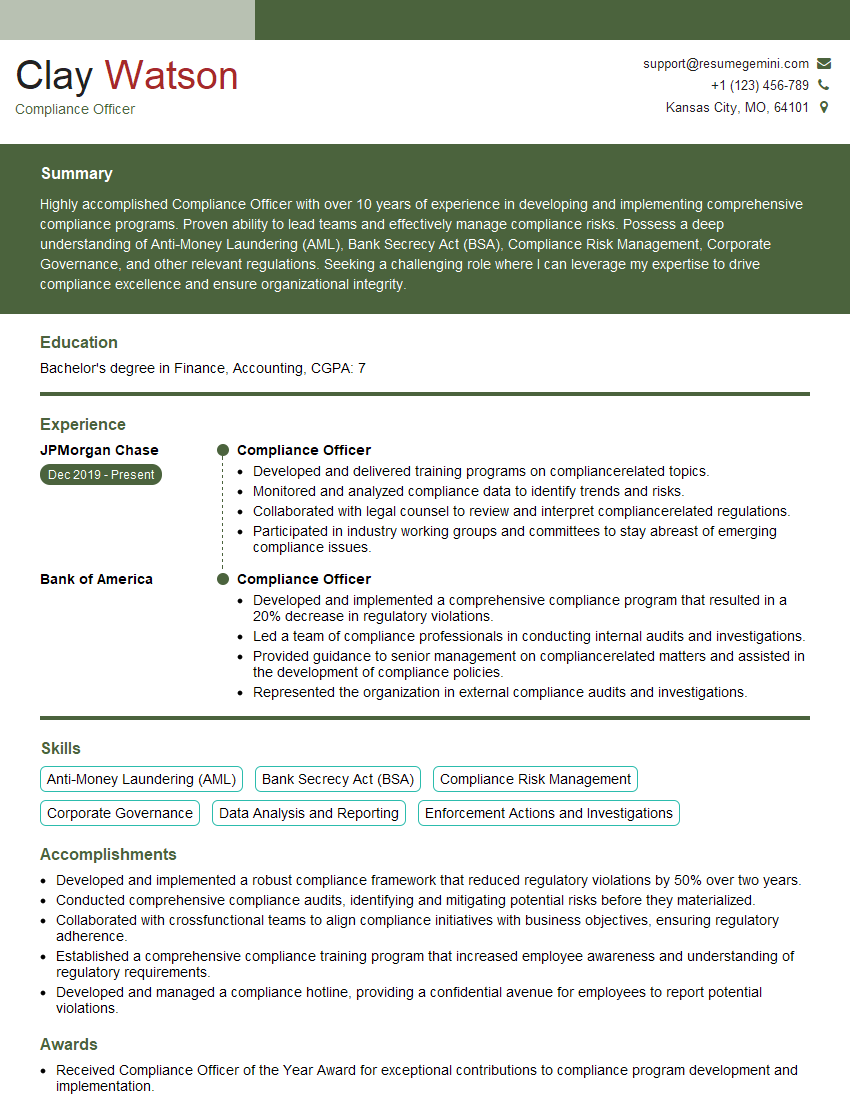
Compliance Officer Resume Sample
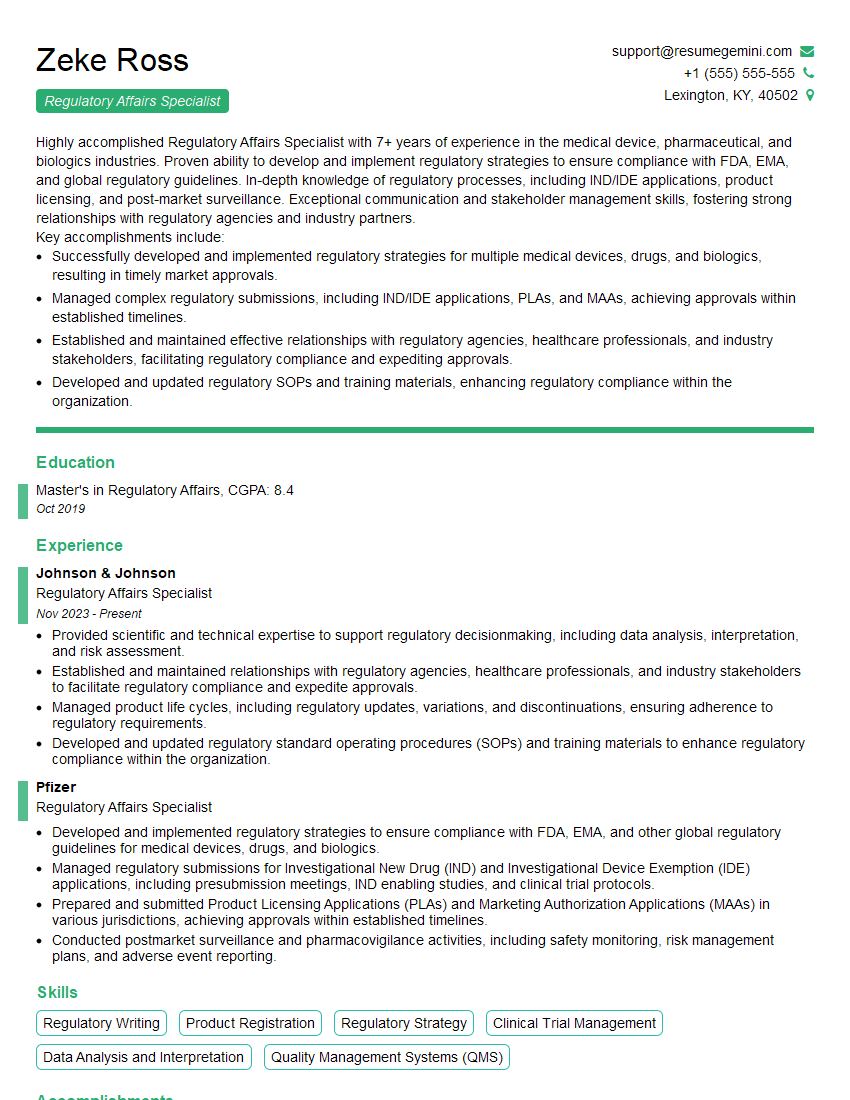
Regulatory Affairs Specialist Resume Sample
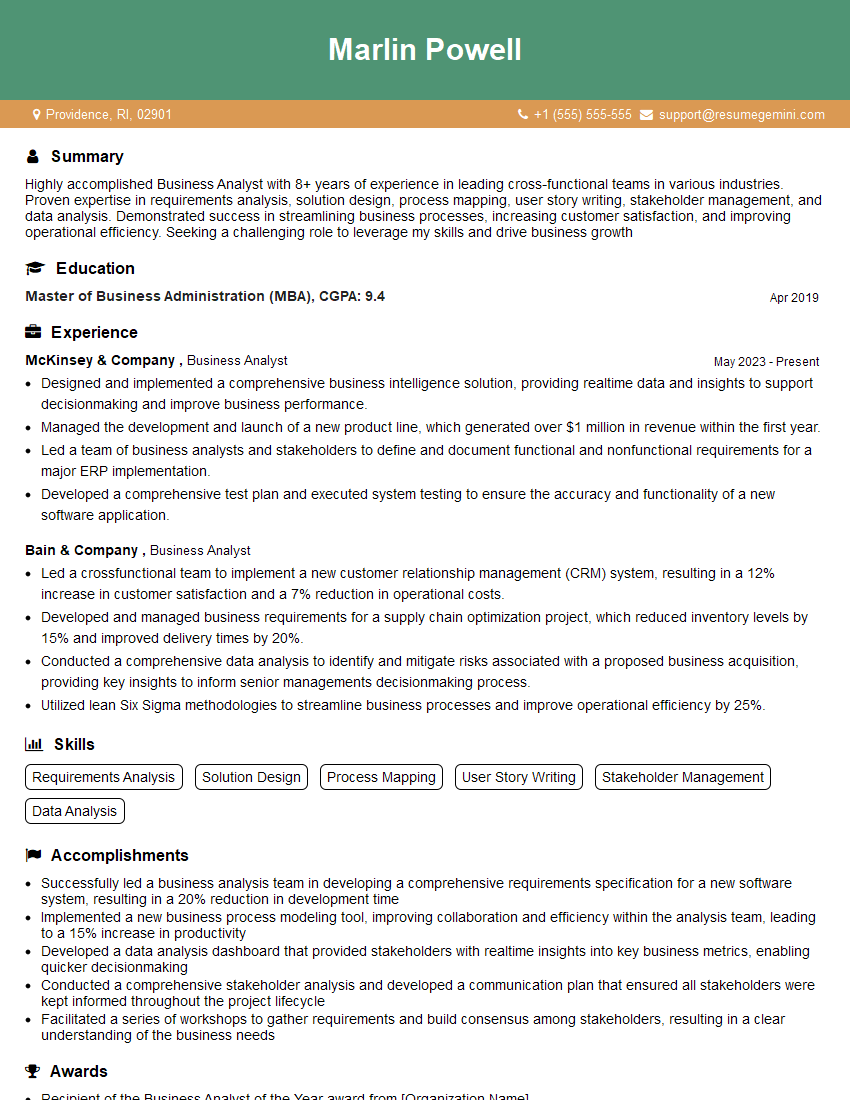
Business Analyst Resume Sample

Training Specialist Resume Sample
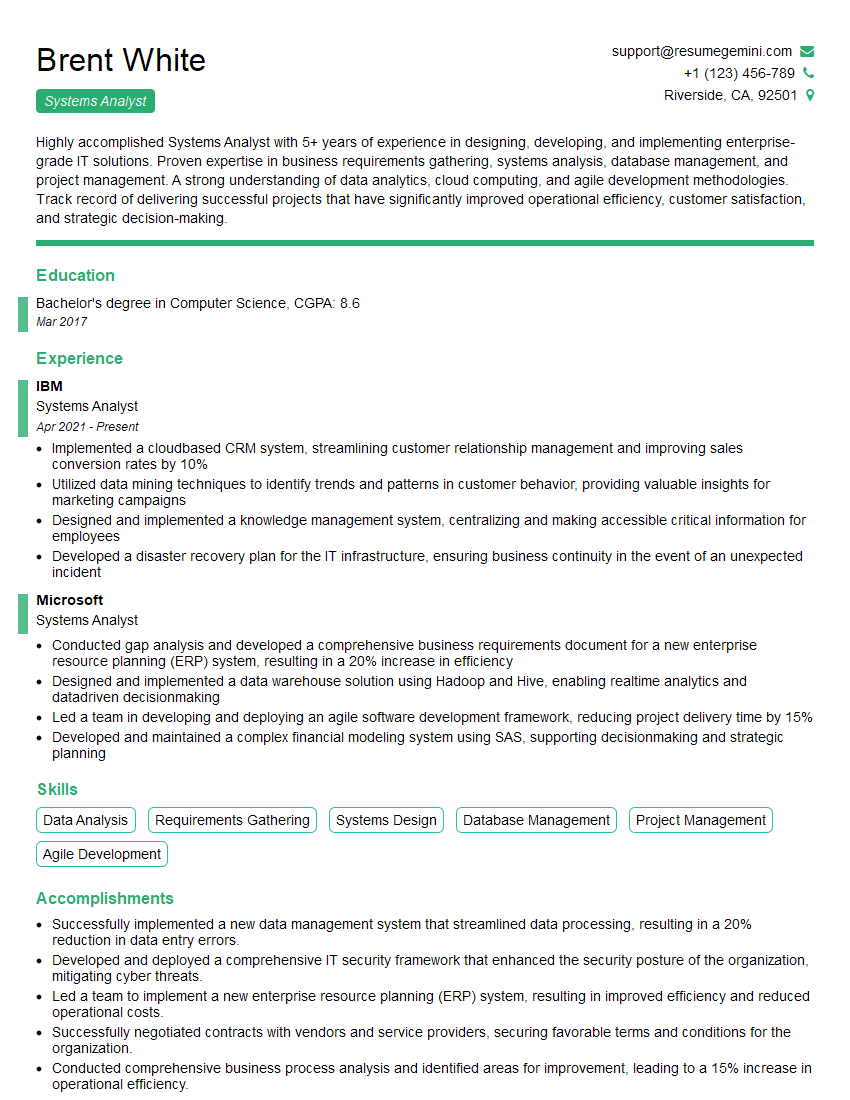
Systems Analyst Resume Sample

Information Architect Resume Sample
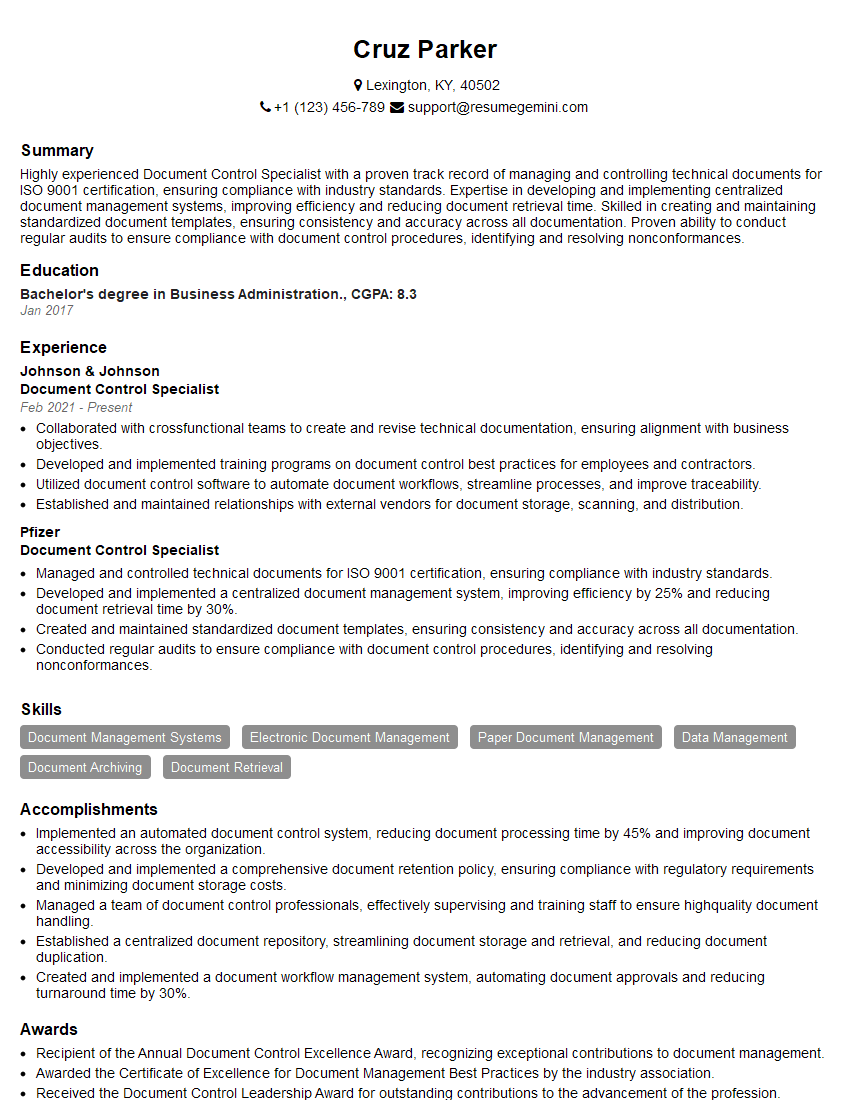
Document Control Specialist Resume Sample
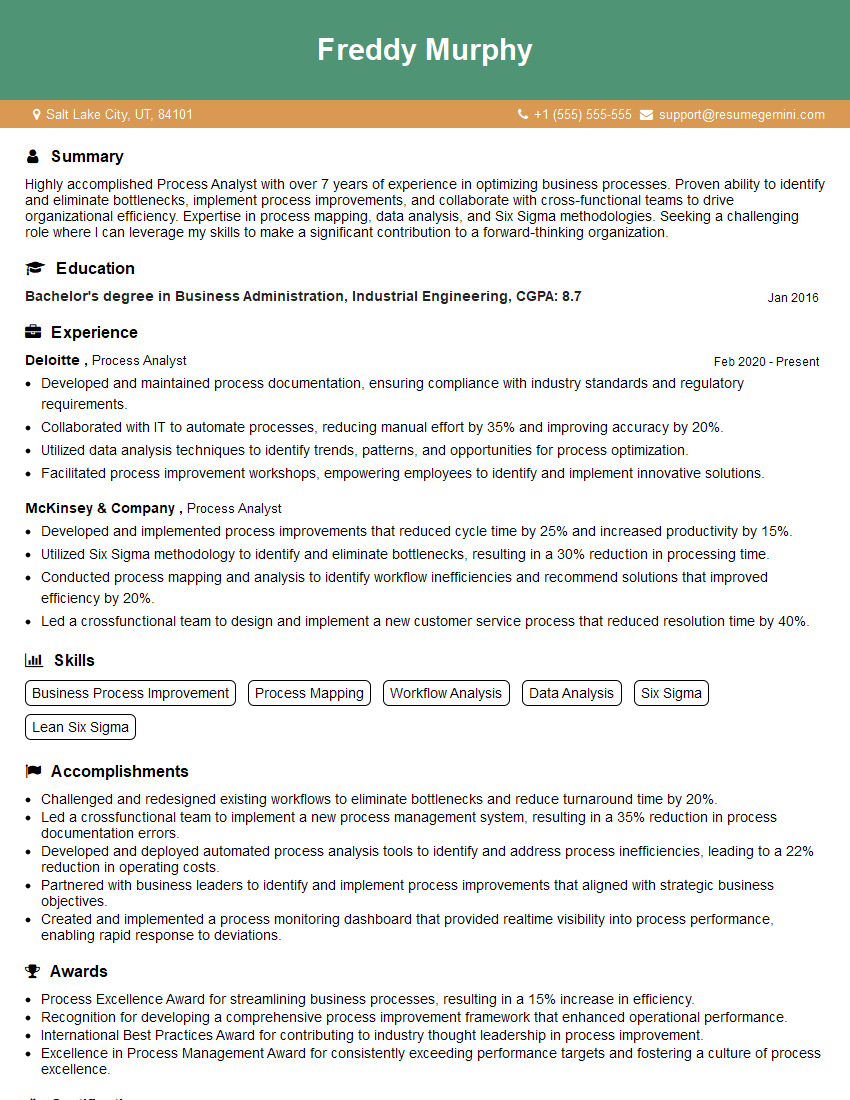
Process Analyst Resume Sample
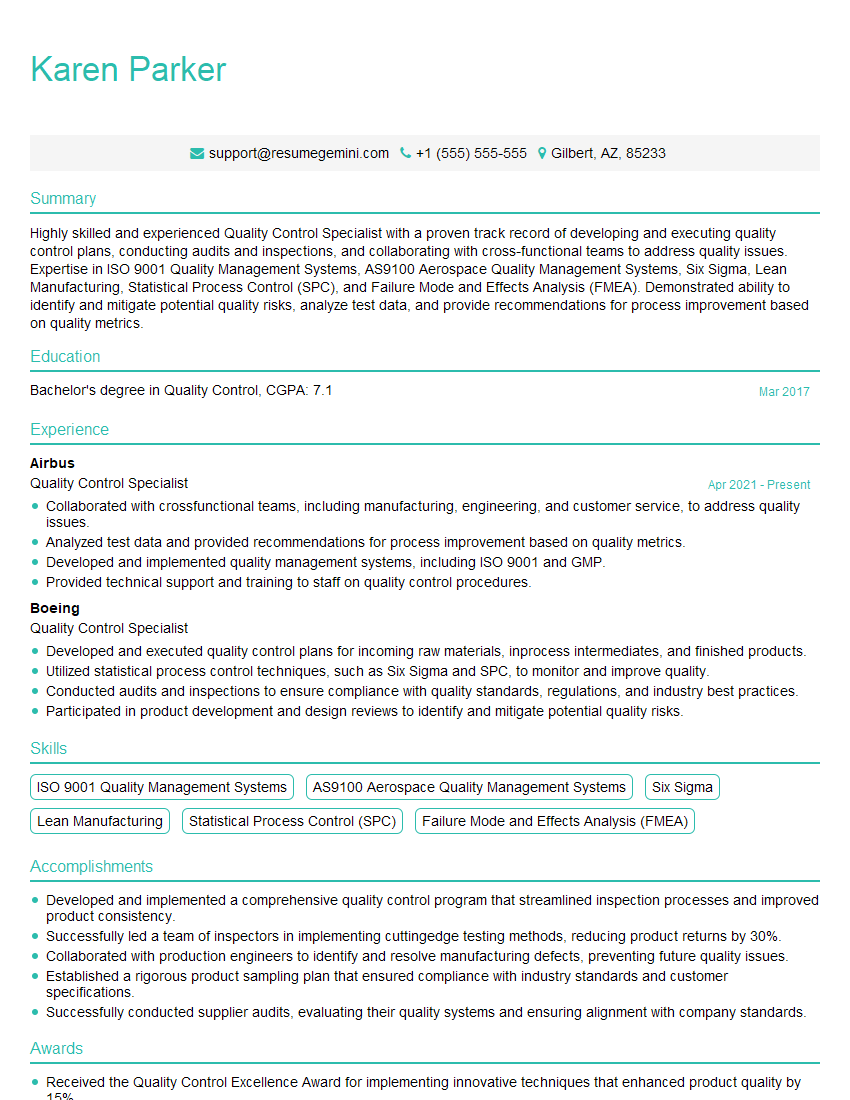
Quality Control Specialist Resume Sample
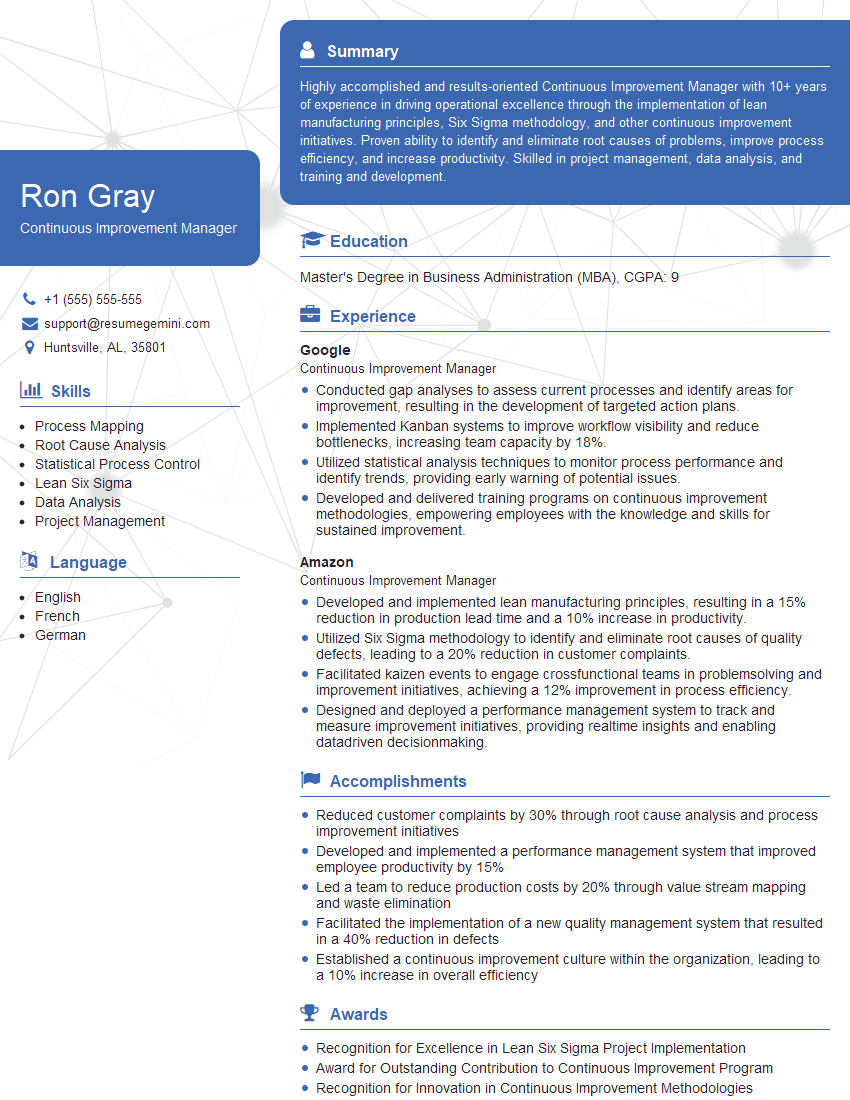
Continuous Improvement Manager Resume Sample
Instructional Designer Resume Sample

Technical Writer Resume Sample
- Operations Manager
- Knowledge Manager
- Quality Assurance Manager
- Project Manager
- Compliance Manager
- Compliance Officer
- Regulatory Affairs Specialist
- Business Analyst
- Training Specialist
- Systems Analyst
- Information Architect
- Document Control Specialist
- Process Analyst
- Quality Control Specialist
- Continuous Improvement Manager
- Instructional Designer
- Technical Writer
Explore more articles
Users Rating of Our Blogs
Share Your Experience
We value your feedback! Please rate our content and share your thoughts (optional).
What Readers Say About Our Blog
Really detailed insights and content, thank you for writing this detailed article.
IT gave me an insight and words to use and be able to think of examples