Cracking a skill-specific interview, like one for Standard Operating Procedures (SOPs) and Regulations Adherence, requires understanding the nuances of the role. In this blog, we present the questions you’re most likely to encounter, along with insights into how to answer them effectively. Let’s ensure you’re ready to make a strong impression.
Questions Asked in Standard Operating Procedures (SOPs) and Regulations Adherence Interview
Q 1. Describe your experience in developing and implementing Standard Operating Procedures (SOPs).
Developing and implementing SOPs is a crucial part of ensuring consistent, high-quality work. It involves a systematic approach, starting with thorough needs assessment to identify the processes requiring standardization.
My experience includes leading cross-functional teams to collaboratively develop SOPs. This involves breaking down complex processes into manageable steps, using clear and concise language, incorporating visuals like flowcharts and diagrams for better understanding, and ensuring the SOPs are accessible to all relevant personnel. For example, in my previous role at a pharmaceutical company, I led the development of SOPs for clinical trial data management, focusing on data integrity and regulatory compliance. We used a phased implementation approach, starting with a pilot group to test and refine the SOP before full rollout. We also incorporated regular feedback mechanisms to ensure the SOPs remained relevant and practical.
The implementation process often includes training sessions, providing resources for staff to access the SOPs easily (e.g., a central SOP repository), and establishing mechanisms to track adherence and identify areas for improvement. This is critical for consistency and to prevent inconsistencies in workflow or quality issues.
Q 2. How do you ensure SOPs are consistently followed?
Ensuring consistent SOP adherence requires a multi-pronged approach. It’s not enough to simply create SOPs; you must actively monitor, enforce, and continually improve them. This includes regular audits, both internal and potentially external depending on industry requirements. Think of it like following a recipe – the recipe (SOP) needs to be clear, and you need to regularly check that the cook (employee) is following it correctly.
- Training and Education: Comprehensive training is vital. This isn’t just a one-time event but an ongoing process, including refresher training and updates as SOPs are revised.
- Regular Monitoring and Audits: Scheduled audits, observations, and spot checks can identify deviations from SOPs and pinpoint areas needing improvement. This could involve reviewing documentation, observing processes firsthand, and even interviewing employees.
- Feedback Mechanisms: Employees should feel comfortable reporting any issues or suggesting improvements. Feedback mechanisms such as suggestion boxes, regular team meetings, or online forums can facilitate this.
- Accountability and Consequences: Clear consequences for non-compliance must be established and consistently applied. This can deter violations and reinforce the importance of following SOPs. This may involve retraining, corrective actions, or formal disciplinary procedures.
- Technology-Based Solutions: Leveraging technology, such as electronic SOPs, automated workflows, and data tracking systems, can greatly enhance monitoring and traceability. This can automate many compliance checks and greatly reduce the risk of error.
A combination of these measures helps foster a culture of compliance where adhering to SOPs becomes ingrained in daily practices.
Q 3. Explain a time you identified a gap in an existing SOP. How did you address it?
In a previous role, I discovered a gap in our SOP for handling customer complaints. While the SOP outlined the initial steps of acknowledging the complaint, it lacked a clear escalation path for complex or unresolved issues. This created ambiguity and inconsistent handling of escalated complaints, potentially impacting customer satisfaction and company reputation.
To address this, I followed these steps:
- Identified the Problem: Through internal reviews and analysis of complaint handling data, I identified the lack of a clear escalation procedure as a major weakness.
- Gathered Input: I consulted with customer service representatives, supervisors, and management to understand their experiences and gather suggestions for improvement.
- Developed Solutions: I proposed a revised SOP that included a detailed escalation matrix defining different complaint types and the corresponding escalation procedures, including timelines and responsible parties. This involved clearly outlining the escalation process to the relevant team and supervisors and what actions to take based on the issue.
- Implemented Changes: The revised SOP was circulated for review, feedback, and approval, followed by mandatory training for all relevant personnel. We updated our internal complaint-tracking system to reflect the new escalation path.
- Monitored Effectiveness: We monitored complaint handling data post-implementation to assess the effectiveness of the revised SOP and make further adjustments as needed.
The result was a more streamlined and effective complaint handling process, leading to improved customer satisfaction and reduced risk of negative consequences.
Q 4. How do you measure the effectiveness of an SOP?
Measuring the effectiveness of an SOP is crucial to ensure it achieves its intended purpose. A multi-faceted approach is necessary, moving beyond simply verifying adherence to assessing the actual impact on key performance indicators (KPIs).
- Adherence Rate: This measures the percentage of times the SOP is followed correctly. Data can be gathered through observations, audits, and review of documentation.
- Error Rate: Tracking the number of errors or deviations from the SOP helps identify areas needing improvement. A reduction in error rate is a key indicator of SOP effectiveness.
- Time Efficiency: Analyzing the time taken to complete the process outlined in the SOP can reveal improvements in efficiency and productivity.
- Quality Metrics: The impact of the SOP on product or service quality should be measured using relevant quality metrics. Examples include defect rates, customer satisfaction scores, or process yield.
- Compliance Audits: Regular compliance audits based on SOPs, internal and potentially external depending on industry and regulations, provide a comprehensive assessment of effectiveness.
By combining these metrics, a comprehensive picture of the SOP’s effectiveness can be gained, allowing for data-driven improvements and optimization.
Q 5. What is your process for updating and revising SOPs?
Updating and revising SOPs is an ongoing process that ensures their continued relevance and effectiveness. It’s a cyclical process, not a one-time event. Think of it as regularly updating a software program – you need to patch it to fix bugs and add new features to make it current and effective.
- Trigger for Revision: Revisions are triggered by various factors, including changes in regulations, technology, processes, or feedback from employees and audits. Audits are usually the most common method to find areas of improvement.
- Review and Assessment: A thorough review of the current SOP is conducted to identify areas requiring modification. This might involve reviewing previous audit findings, employee feedback, or analysis of process data.
- Revision and Approval: The SOP is revised, incorporating any necessary changes. The revised SOP must be reviewed and approved by the relevant stakeholders. This should include a formal approval process by designated individuals or teams.
- Training and Communication: All relevant personnel must be notified about the changes and receive appropriate training. Distribution of the updated SOP should be done through a central location with version control.
- Implementation and Monitoring: The revised SOP is implemented, and its effectiveness is closely monitored using the metrics described previously. Any further issues will trigger another revision cycle.
Version control is essential to track changes over time, making it easy to compare different versions and understand the evolution of the SOP.
Q 6. How familiar are you with ISO 9001 or other relevant quality management systems?
I am very familiar with ISO 9001 and other relevant quality management systems. ISO 9001 provides a framework for establishing, implementing, maintaining, and continually improving a quality management system. My experience includes working in organizations that are certified to ISO 9001, and I have directly participated in internal audits, management reviews, and continuous improvement initiatives aligned with this standard.
Understanding the principles of ISO 9001 has greatly informed my approach to SOP development and implementation. This includes a strong emphasis on:
- Documented Processes: ISO 9001 emphasizes documenting all key processes, which aligns perfectly with the development of comprehensive SOPs.
- Risk-Based Thinking: Identifying and managing risks is a crucial aspect of ISO 9001, and this directly influences the design of effective SOPs to mitigate risks.
- Continuous Improvement: The PDCA cycle (Plan-Do-Check-Act) is central to ISO 9001, and I consistently apply this approach to continuously improve SOPs based on performance data and feedback.
- Management Review: Regularly reviewing the effectiveness of the quality management system, including the SOPs, is integral to maintaining compliance and continuous improvement.
My knowledge of ISO 9001 and other similar standards ensures that SOPs are developed and implemented effectively within a framework of quality and compliance.
Q 7. Describe your experience with regulatory compliance (e.g., FDA, HIPAA, etc.)
My experience with regulatory compliance encompasses several areas, including FDA regulations for pharmaceutical and medical device industries and HIPAA regulations for handling protected health information (PHI). Compliance is paramount, and not adhering to these regulations can have significant consequences, including legal penalties, reputational damage, and operational disruptions.
In my previous roles, I have:
- Developed and maintained SOPs compliant with relevant regulations: This includes ensuring SOPs align with current regulations and industry best practices.
- Conducted internal audits to assess compliance: Regular audits help identify areas needing improvement and mitigate potential non-compliance issues.
- Participated in regulatory inspections: I’ve actively participated in inspections conducted by regulatory bodies, demonstrating the organization’s commitment to compliance and providing necessary documentation.
- Implemented corrective and preventative actions (CAPAs): In cases of non-compliance or potential risks, I’ve led the development and implementation of effective CAPAs to address the issues and prevent recurrence.
- Kept abreast of regulatory changes: Staying informed about changes in regulations is essential for maintaining compliance. This includes actively monitoring relevant regulatory websites, attending industry conferences, and engaging with regulatory experts.
Maintaining regulatory compliance is a continuous process requiring vigilance, proactive measures, and a commitment to staying up-to-date with evolving regulations and best practices.
Q 8. How do you ensure compliance with relevant regulations in your daily work?
Ensuring regulatory compliance is fundamental to my work. It’s not just about ticking boxes; it’s about building a culture of responsibility. My approach is multifaceted and starts with a thorough understanding of the applicable regulations. This includes regularly reviewing relevant legislation, industry standards (like ISO 9001 or GMP, depending on the industry), and internal policies.
- Proactive Monitoring: I actively monitor updates and changes in these regulations through newsletters, professional organizations, and government websites.
- Documentation Review: I meticulously review all relevant documentation, including SOPs, to ensure they accurately reflect current regulations and best practices. Any discrepancies are immediately flagged and addressed.
- Process Mapping: I use process mapping to visualize workflows and identify potential compliance risks at each stage. This allows for proactive risk mitigation.
- Training and Education: I ensure that all team members receive appropriate training on relevant regulations and how they apply to their specific roles.
Think of it like a ship’s captain navigating by chart and compass. The regulations are the chart, and my vigilance is the compass, ensuring we stay on course and avoid regulatory ‘icebergs’.
Q 9. Explain a time you had to resolve a compliance issue. What was your approach?
In my previous role, we discovered a discrepancy in our data logging procedures that violated FDA regulations regarding record retention. This could have led to serious consequences. My approach was systematic:
- Identify the Root Cause: We investigated the reason for the non-compliance, which stemmed from a misunderstanding of the updated regulations and inadequate staff training.
- Implement Corrective Actions: We immediately corrected the data logging errors and implemented a robust retraining program with clear examples and practical exercises.
- Develop Preventive Actions: We revised the SOPs to be more explicit and user-friendly, introducing a checklist system to minimize future errors. We also implemented a regular internal audit process to monitor adherence to the updated procedures.
- Documentation and Reporting: All corrective and preventive actions were meticulously documented and reported to the relevant authorities. We also conducted a thorough internal investigation, identifying any gaps in our existing systems.
The key was not to panic, but to follow a structured approach, focusing on remediation, prevention, and transparent reporting. The situation highlighted the importance of continuous improvement and proactive risk management.
Q 10. How do you communicate regulatory changes to relevant stakeholders?
Communicating regulatory changes effectively is crucial. I employ a multi-pronged approach:
- Formal Communication: I utilize formal channels like email announcements, memos, and training sessions to ensure all stakeholders are aware of changes and their implications. For instance, I might create a detailed email outlining the changes with specific examples of how they affect daily tasks.
- Targeted Communication: I tailor the communication to the audience, using clear and concise language that is relevant to each stakeholder group. For example, a technical document would be used for engineering teams and a brief summary for upper management.
- Interactive Sessions: I conduct interactive training sessions or Q&A sessions to address any concerns or clarify any misunderstandings. This ensures everyone understands and accepts the changes.
- Documentation Updates: I ensure that all relevant documents, including SOPs and training materials, are updated to reflect the regulatory changes. This serves as a lasting reference point.
- Follow-Up: I conduct follow-ups to check understanding and address any lingering questions.
Think of it like a ripple effect. Clear communication ensures the impact of regulatory changes spreads evenly and effectively throughout the organization.
Q 11. How do you identify and mitigate risks related to SOP adherence?
Identifying and mitigating risks related to SOP adherence is a continuous process. My approach combines proactive risk assessment with ongoing monitoring:
- Risk Assessment: I regularly conduct risk assessments, identifying potential points of failure within our SOPs. This may involve brainstorming sessions, checklists, or formal risk assessment matrices (like FMEA).
- Gap Analysis: I perform gap analysis between our existing practices and the regulatory requirements to identify any areas where improvements are needed.
- SOP Review and Updates: I regularly review and update our SOPs to address identified risks, incorporate best practices, and reflect evolving regulations. This includes making the SOPs easier to understand and follow.
- Monitoring and Auditing: I use various monitoring tools and conduct regular audits to verify adherence to SOPs and identify any emerging risks. This might include data analysis, direct observation, or sampling techniques.
- Corrective and Preventive Actions: When deviations are found, I follow a structured approach to implement corrective actions to address the immediate problem and preventive actions to avoid future recurrence.
This proactive approach helps us stay ahead of potential problems rather than reacting to crises. It’s about building a resilient system that can withstand deviations and maintain compliance.
Q 12. What is your experience with internal audits and compliance reviews?
I have extensive experience with internal audits and compliance reviews. I have participated in numerous audits, both as an auditor and an auditee.
- Audit Planning and Execution: I’m proficient in developing audit plans, conducting on-site observations, reviewing documentation, and interviewing staff to assess compliance.
- Audit Reporting: I’m skilled in compiling audit findings, identifying areas of non-compliance, and recommending corrective and preventive actions. I ensure the reports are clear, concise, and actionable.
- Corrective Action Follow-up: I actively participate in monitoring the implementation of corrective actions to ensure effectiveness and lasting improvements.
- Continuous Improvement: I utilize audit findings to improve our SOPs, processes, and overall compliance program. This is a key element of continuous improvement.
These audits serve as valuable learning experiences, helping us strengthen our compliance posture and identify areas for improvement. They’re not about finding fault but about improving performance.
Q 13. Describe your experience with training employees on SOPs and regulatory compliance.
Training employees on SOPs and regulatory compliance is a critical part of my role. I believe in a blended learning approach:
- Needs Assessment: I begin by assessing the training needs of the employees, ensuring the training is relevant and addresses their specific roles and responsibilities.
- Modular Training: I design modular training programs that break down complex information into easily digestible units. This allows for flexible learning and targeted skill development.
- Interactive Methods: I utilize interactive training methods, such as role-playing, case studies, and quizzes to enhance engagement and knowledge retention. For example, I might create a mock scenario where employees have to handle a non-compliance situation.
- Hands-on Practice: I incorporate hands-on practice and simulations to give employees the opportunity to apply their knowledge in a safe environment.
- Assessment and Feedback: I use assessments to measure understanding and provide feedback to employees. This allows for continuous improvement.
- Documentation: I maintain detailed records of all training activities, including attendance, assessment results, and feedback.
Effective training empowers employees to adhere to SOPs and maintain compliance, transforming them from passive participants to active contributors to a culture of compliance.
Q 14. How do you use technology to support SOP management and compliance?
Technology plays a significant role in supporting SOP management and compliance. I leverage several tools:
- Electronic SOP Management Systems: We use a digital system to store, manage, and version-control our SOPs, ensuring everyone has access to the most up-to-date versions. This system often includes features for approval workflows and audit trails.
- Learning Management Systems (LMS): Our LMS facilitates online training, tracking employee progress, and managing certifications related to SOPs and regulatory compliance. This helps ensure that our training is consistent and trackable.
- Data Analytics Tools: We use data analytics tools to monitor key performance indicators (KPIs) related to SOP adherence, identify trends, and pinpoint areas needing improvement. This provides valuable insights into our compliance status.
- Workflow Automation: Where appropriate, we automate certain workflows to reduce manual intervention and minimize the risk of human error. This can help us streamline processes and improve efficiency while reducing the risk of compliance violations.
Technology isn’t just a tool; it’s a strategic partner in streamlining operations and bolstering our commitment to compliance. It allows us to be more efficient and more effective.
Q 15. What is your experience with document control systems?
My experience with document control systems spans over eight years, encompassing various industries including pharmaceuticals and medical devices. I’ve worked extensively with systems like Documentum, SharePoint, and Veeva Vault. My expertise includes not only using these systems for document storage and retrieval, but also in implementing and maintaining robust document control processes within them. This involves defining workflows for document creation, review, approval, and archival, ensuring compliance with regulatory requirements (like 21 CFR Part 11 where applicable) and implementing effective version control mechanisms. For example, in my previous role, I streamlined our document approval workflow using SharePoint, reducing the average approval time from five days to less than two, significantly improving operational efficiency.
Career Expert Tips:
- Ace those interviews! Prepare effectively by reviewing the Top 50 Most Common Interview Questions on ResumeGemini.
- Navigate your job search with confidence! Explore a wide range of Career Tips on ResumeGemini. Learn about common challenges and recommendations to overcome them.
- Craft the perfect resume! Master the Art of Resume Writing with ResumeGemini’s guide. Showcase your unique qualifications and achievements effectively.
- Don’t miss out on holiday savings! Build your dream resume with ResumeGemini’s ATS optimized templates.
Q 16. How do you ensure version control of SOPs?
Ensuring version control of SOPs is crucial for maintaining accuracy and preventing confusion. We employ a numbered revision system, typically using a date-based format (e.g., SOP-XYZ-v1.0-20240308). Each revision reflects changes made to the document. A comprehensive change log, detailing the reasons for each modification, accompanies every revision. This log is crucial for traceability and audit purposes. Furthermore, only authorized personnel with appropriate training and permissions can edit and approve SOPs. The system automatically tracks all revisions, allowing users to access and compare previous versions. This robust system guarantees that everyone is working with the most up-to-date and accurate version of the SOP. Imagine the chaos if a team was using an outdated version of an SOP that outlines safety procedures –version control avoids such catastrophes.
Q 17. How do you handle deviations from SOPs?
Deviations from SOPs are treated seriously and investigated thoroughly. A deviation report is immediately filed, documenting the nature of the deviation, the date and time it occurred, the personnel involved, and the impact (if any). A root cause analysis is then conducted to identify the underlying reasons for the deviation. This might involve interviewing staff, reviewing data, and analyzing processes. Based on the findings, corrective actions are implemented to prevent recurrence. These actions are documented, and the effectiveness of the corrective actions is monitored. For instance, if a deviation resulted from insufficient training, we would implement additional training and update the SOP to reflect the improvement. This process ensures continuous improvement and reduces the likelihood of future deviations.
Q 18. How do you track and report compliance metrics?
Compliance metrics are tracked and reported regularly using a combination of manual and automated methods. We use data from our document control system, quality management system, and other relevant sources to generate reports on key performance indicators (KPIs). These KPIs might include the number of SOP deviations, the time it takes to investigate deviations, the compliance rate of personnel with training requirements, and the effectiveness of corrective actions. Data visualization tools are utilized to present the data clearly and concisely, enabling easy identification of trends and areas needing improvement. Regular reporting ensures that management is informed about our compliance status and can make timely interventions.
Q 19. Describe your experience with CAPA (Corrective and Preventive Actions).
My experience with CAPA (Corrective and Preventive Actions) is extensive. I’ve been involved in all stages of the CAPA process, from identifying and investigating deviations to implementing corrective actions and verifying their effectiveness. I’m proficient in using CAPA management software to track CAPAs, assign responsibilities, set deadlines, and ensure timely closure. I understand the importance of documentation and thorough investigation to prevent recurrence. For example, in a recent project, we implemented a robust CAPA system after a serious deviation was discovered. This included improved training, revised SOPs, and a strengthened quality oversight process. The results demonstrated a significant reduction in deviations following implementation of the system. My CAPA expertise includes leading investigations and collaborating with cross-functional teams to implement effective and sustainable solutions.
Q 20. How do you ensure the accuracy and completeness of SOP documentation?
Ensuring accuracy and completeness of SOP documentation involves a multi-faceted approach. This starts with clear and concise writing guidelines, ensuring that SOPs are easy to understand and follow. The creation and review process is subject to multiple levels of checks and balances. This includes a review by subject matter experts, peer review by colleagues, and a final approval by management. Regular updates and revisions keep the SOPs aligned with best practices and regulatory changes. Furthermore, training is provided to staff on the proper use and interpretation of SOPs. In addition, regular audits and inspections ensure that the SOPs are being followed effectively in practice. Imagine the risk if incomplete SOPs are used in a critical process – using multiple checks makes sure that doesn’t happen.
Q 21. What is your understanding of root cause analysis?
Root cause analysis (RCA) is a systematic process to identify the underlying cause of a problem, not just the symptoms. I’m proficient in using various RCA methodologies, such as the 5 Whys, Fishbone diagrams (Ishikawa diagrams), and Fault Tree Analysis. The goal of RCA is to understand *why* something happened, not just *what* happened. This prevents reactive solutions that only address the immediate problem, rather than preventing future occurrences. A thorough RCA will identify the root causes to ensure that corrective actions are effective in preventing future problems. For example, if a manufacturing error occurs, a superficial analysis might blame a single operator. A proper RCA may reveal systemic issues such as inadequate training or equipment malfunction. Addressing these underlying issues is vital for long-term improvement.
Q 22. How do you prioritize competing compliance demands?
Prioritizing competing compliance demands requires a systematic approach. Think of it like a triage system in a hospital – you address the most critical issues first. I use a risk-based prioritization matrix, considering factors like the likelihood of non-compliance, the potential severity of consequences (financial penalties, reputational damage, safety risks), and the urgency of the deadline. For example, a critical safety regulation violation demanding immediate action would supersede a less urgent, though still important, compliance task related to documentation. This matrix allows me to visualize and objectively rank the demands, ensuring that resources are allocated effectively to mitigate the highest risks.
- Step 1: Identify all compliance demands. Create a comprehensive list of all regulatory requirements and internal SOPs.
- Step 2: Assess risk for each demand. Evaluate the likelihood and severity of non-compliance for each item. A simple risk matrix (low, medium, high for both likelihood and severity) can be helpful.
- Step 3: Prioritize based on risk. Focus on high-risk, high-impact items first. Consider using a weighted scoring system to break ties.
- Step 4: Develop an action plan. Create a timeline for addressing each item, assigning responsibilities and setting milestones.
- Step 5: Monitor and adjust. Regularly review the prioritization and action plan to adapt to changing circumstances or newly identified risks.
Q 23. Describe your experience with change management related to SOPs.
My experience with change management concerning SOPs involves a structured approach that emphasizes communication, training, and continuous improvement. In one instance, we transitioned from a paper-based system to a fully digital SOP management platform. To minimize disruption, we implemented a phased rollout, starting with a pilot program in one department. This allowed us to identify and address any unforeseen challenges before a full-scale deployment. Crucially, we provided comprehensive training to all staff, using a combination of online modules, hands-on workshops, and one-on-one support. We also established clear communication channels, ensuring that employees felt heard and understood throughout the process. Post-implementation, we conducted regular reviews, soliciting feedback and making iterative improvements to the SOPs and the platform itself to ensure continuous alignment with evolving needs and regulatory requirements.
Q 24. How do you handle conflicting regulations or SOPs?
Conflicting regulations or SOPs are unfortunately a reality in many industries. When faced with such a scenario, my approach is methodical and documented. First, I meticulously identify and document all the conflicting elements. Then, I research and analyze the source of the conflict, examining the dates of implementation, the jurisdictions involved, and any relevant interpretations or guidelines from regulatory bodies. I often consult with legal counsel to get clarity on the matter. The goal is to determine which regulation or SOP takes precedence based on legal interpretation and organizational policy. Once resolved, I communicate the solution clearly and transparently to all affected parties. The resolution and rationale are documented for future reference and to prevent similar conflicts.
For example, if a new state regulation conflicts with an existing company SOP, I would investigate both documents thoroughly. I might find that the state regulation is more stringent and therefore supersedes the existing SOP. Then I would update the SOP to align with the stricter regulation, ensuring all employees are informed of the change through training and updated documentation.
Q 25. What is your understanding of the legal implications of non-compliance?
Non-compliance carries significant legal implications, ranging from minor administrative penalties to severe legal actions, including hefty fines, criminal charges, and even business closure. The severity of the consequences depends on numerous factors, including the nature of the violation, the industry, the jurisdiction, and the company’s history of compliance. For example, violating safety regulations can lead to substantial fines and potential lawsuits if accidents occur due to non-compliance. In the pharmaceutical or healthcare industries, non-compliance can result in product recalls, license revocation, and criminal prosecution. Understanding these implications is crucial for proactive compliance management. It emphasizes the importance of robust SOPs, thorough training, and a culture of compliance within the organization.
Q 26. How would you handle resistance to SOP implementation?
Resistance to SOP implementation is often rooted in misunderstanding, fear of change, or perceived inconvenience. My approach involves a multi-pronged strategy focusing on communication, collaboration, and addressing concerns. I begin by actively engaging with stakeholders, listening to their concerns, and addressing them through open dialogue. I emphasize the importance of the SOPs in terms of safety, efficiency, compliance, and risk mitigation. If there are valid concerns, I work collaboratively to modify the SOPs where appropriate. Providing training and support is crucial, empowering employees to use the new SOPs effectively. Furthermore, I celebrate early successes and use positive reinforcement to build momentum and encourage adoption. Addressing resistance proactively and transparently fosters trust and ensures smooth SOP implementation.
Q 27. Describe your experience working with cross-functional teams on compliance initiatives.
My experience working with cross-functional teams on compliance initiatives is extensive. I believe that successful compliance requires a collaborative effort involving various departments. In past projects, I’ve worked with teams including legal, operations, quality assurance, human resources, and IT. My approach centers on fostering clear communication, establishing shared goals, and defining individual roles and responsibilities. This includes regular meetings, progress updates, and open forums to address any challenges. Successful collaboration necessitates a shared understanding of compliance requirements and a collective commitment to achieving compliance goals. By working collaboratively, we can leverage diverse expertise and ensure that compliance initiatives are integrated effectively throughout the organization.
Q 28. How do you stay current with changes in regulations and best practices?
Staying current with changes in regulations and best practices is an ongoing process. I utilize multiple strategies to ensure I remain informed. This includes subscribing to relevant industry publications and newsletters, attending industry conferences and workshops, actively participating in professional organizations, and monitoring regulatory agency websites for updates. I also utilize online resources and databases to access the latest information. Additionally, I leverage my network of colleagues and contacts to share information and best practices. It’s crucial to maintain a proactive approach to continuous learning, ensuring that our organization’s SOPs and compliance practices remain current, efficient, and aligned with the latest regulations and industry best practices. Regular internal updates and training sessions help to disseminate this knowledge throughout the organization.
Key Topics to Learn for Standard Operating Procedures (SOPs) and Regulations Adherence Interview
- Understanding SOPs: Define Standard Operating Procedures, their purpose, and the benefits of adhering to them. Explore different types of SOPs and their application in various industries.
- Regulatory Compliance: Identify relevant regulations and compliance standards within your target industry. Understand the implications of non-compliance and the importance of proactive adherence.
- Documentation and Record Keeping: Learn best practices for documenting processes, maintaining accurate records, and ensuring data integrity in relation to SOPs and regulations.
- Risk Assessment and Mitigation: Understand how SOPs contribute to risk management. Explore methods for identifying potential hazards and implementing mitigation strategies.
- Practical Application: Consider how you would apply SOPs and regulatory knowledge in real-world scenarios. Think about examples of how you have followed procedures or addressed deviations from them in past roles.
- Continuous Improvement: Explore the importance of ongoing review and improvement of SOPs to ensure efficiency and effectiveness. Discuss methods for identifying areas for improvement and implementing changes.
- Communication and Training: Understand the importance of effective communication in ensuring SOP understanding and compliance, including training methods and materials.
- Auditing and Compliance Monitoring: Learn about the different auditing methods used to ensure SOP compliance and how to effectively respond to audit findings.
Next Steps
Mastering Standard Operating Procedures (SOPs) and Regulations Adherence demonstrates a crucial skillset highly valued by employers across diverse industries. It showcases your commitment to safety, quality, and efficiency, significantly boosting your career prospects. To further enhance your job search, creating a strong, ATS-friendly resume is paramount. ResumeGemini can be a trusted partner in this process, providing the tools and resources to craft a compelling resume that highlights your skills and experience effectively. Examples of resumes tailored to Standard Operating Procedures (SOPs) and Regulations Adherence are available to guide your resume creation with ResumeGemini.
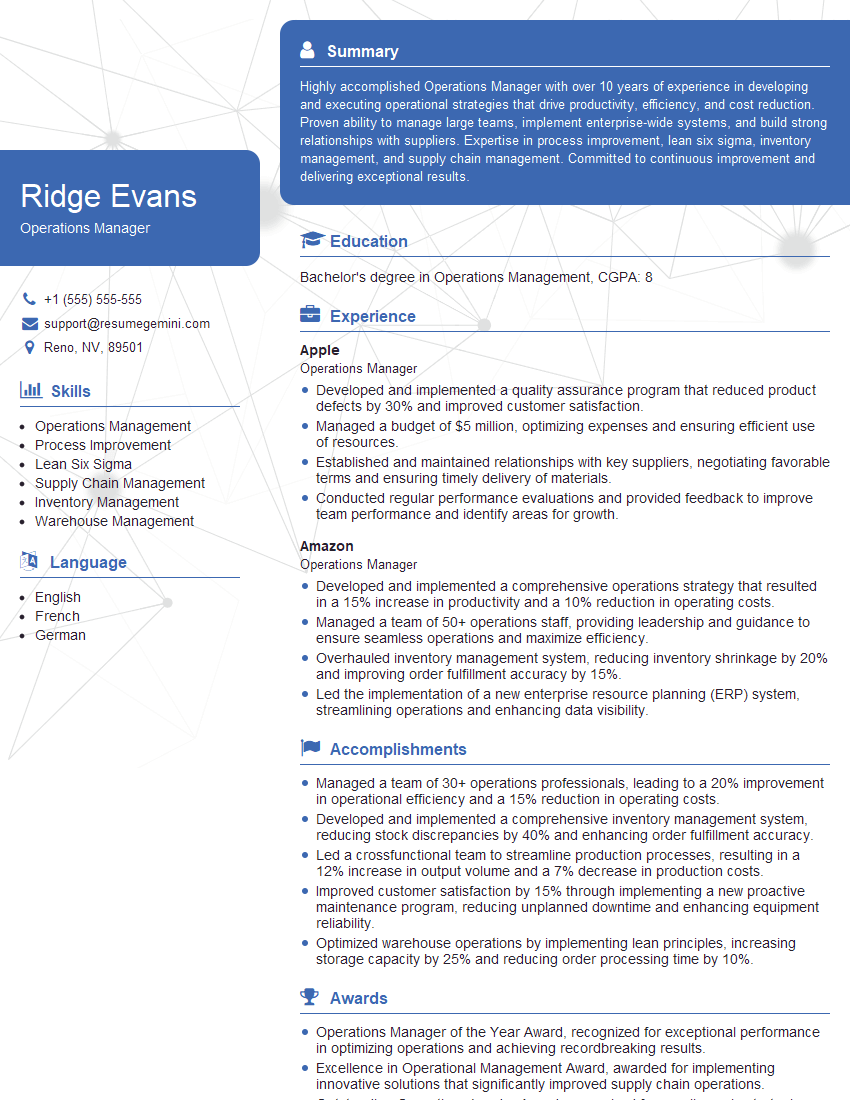
Operations Manager Resume Sample
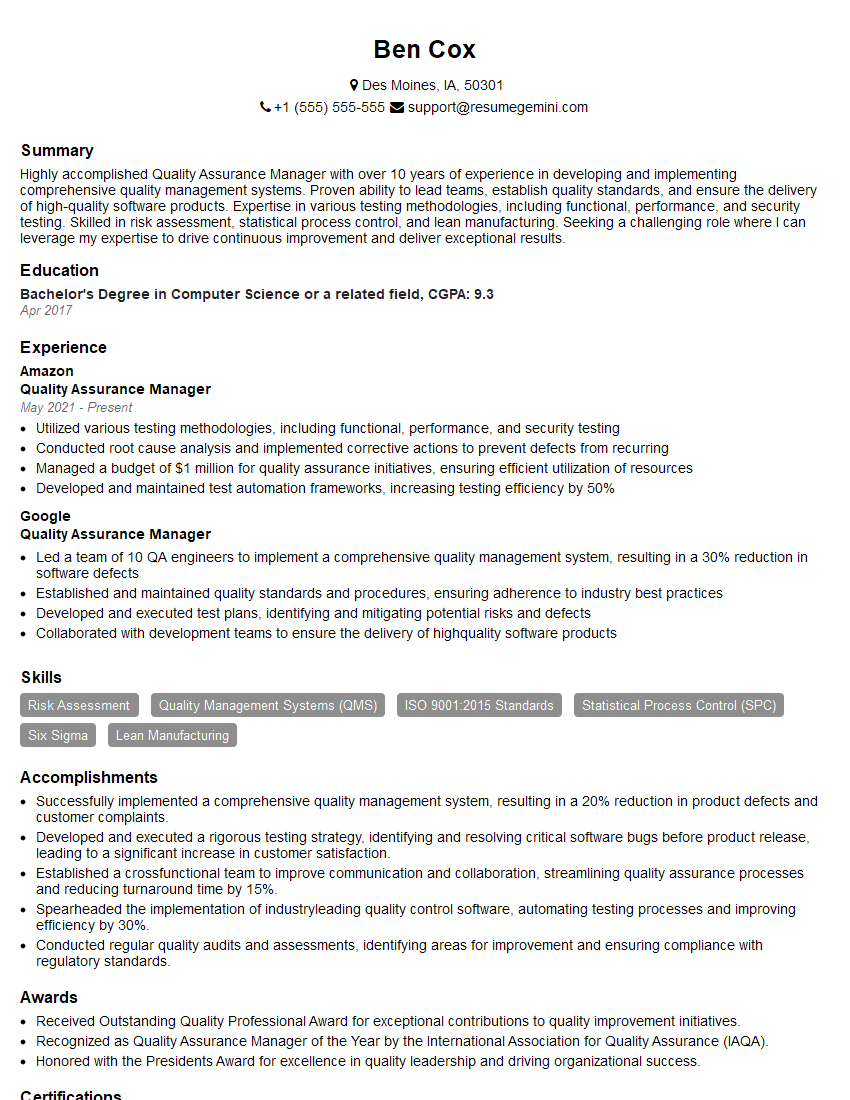
Quality Assurance Manager Resume Sample
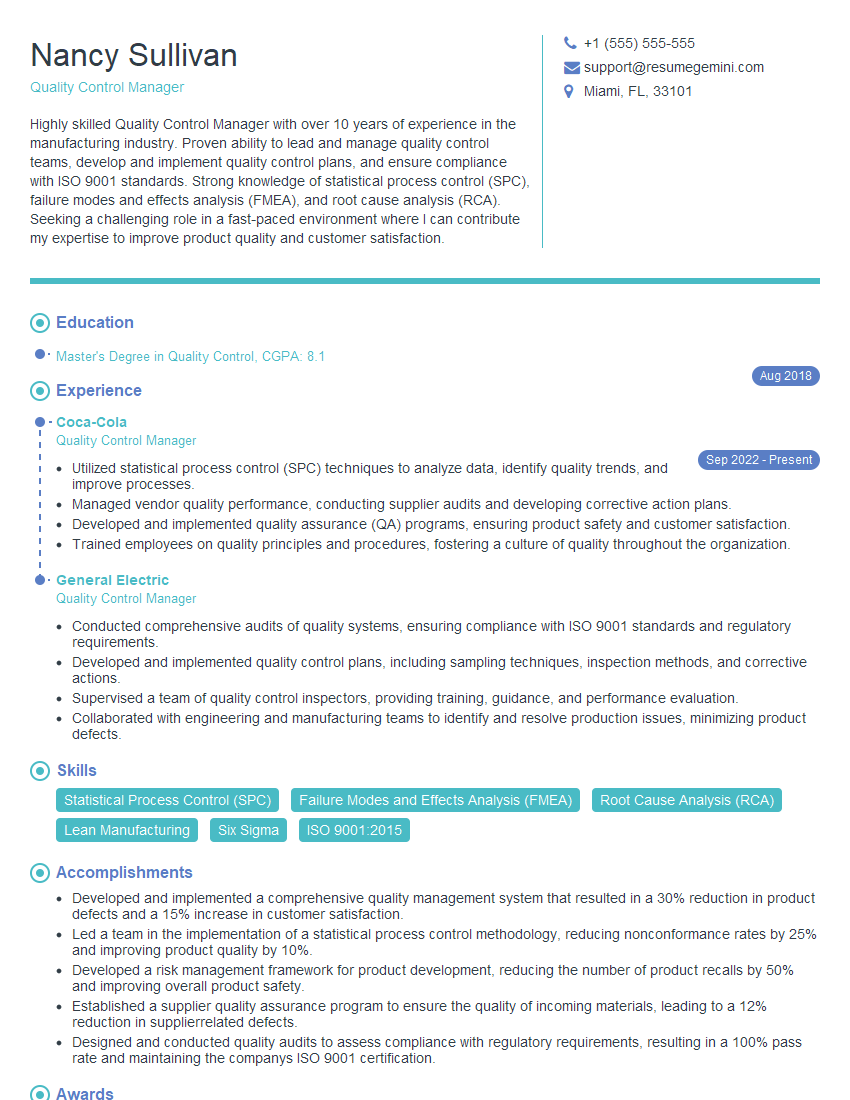
Quality Control Manager Resume Sample
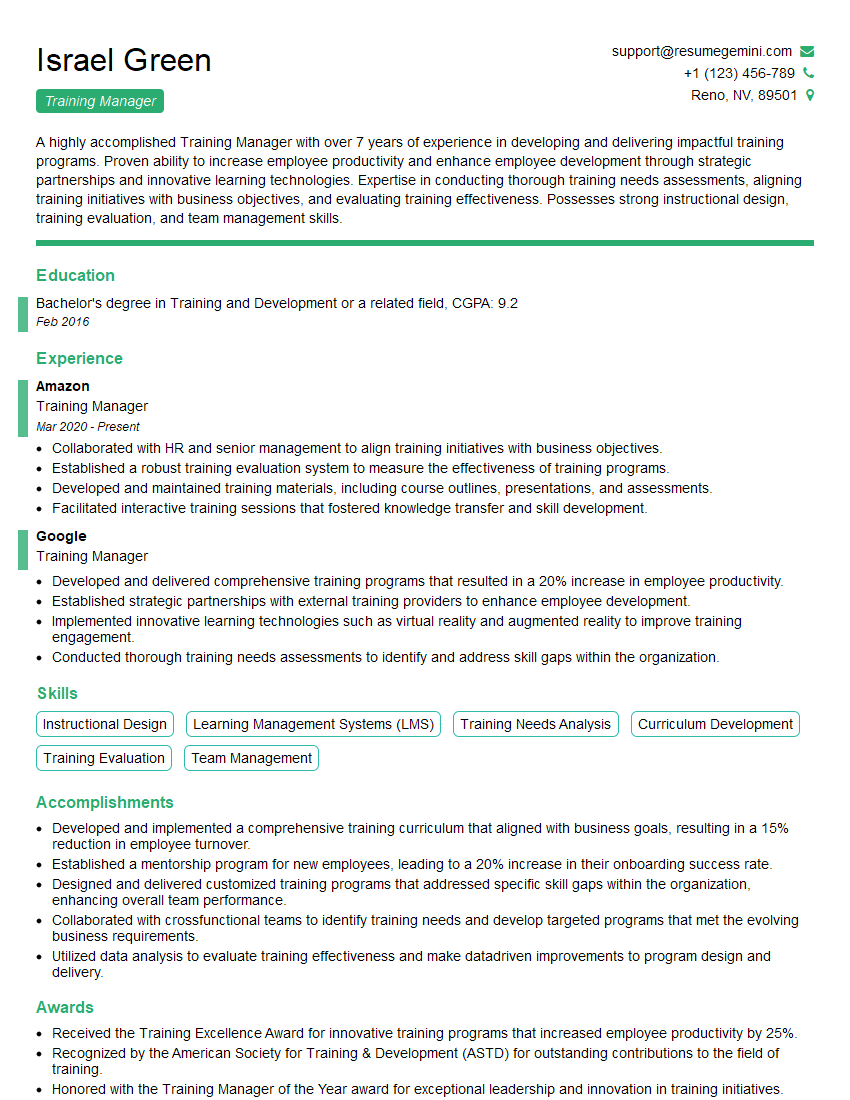
Training Manager Resume Sample
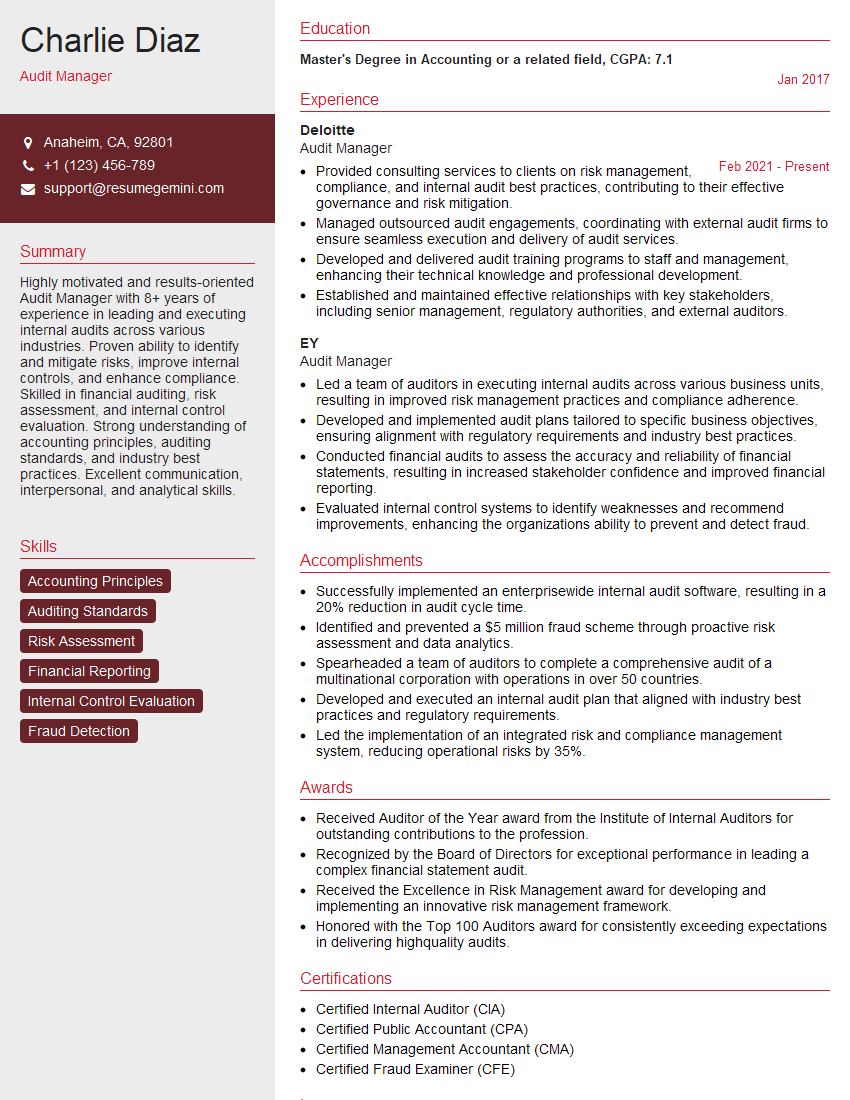
Audit Manager Resume Sample
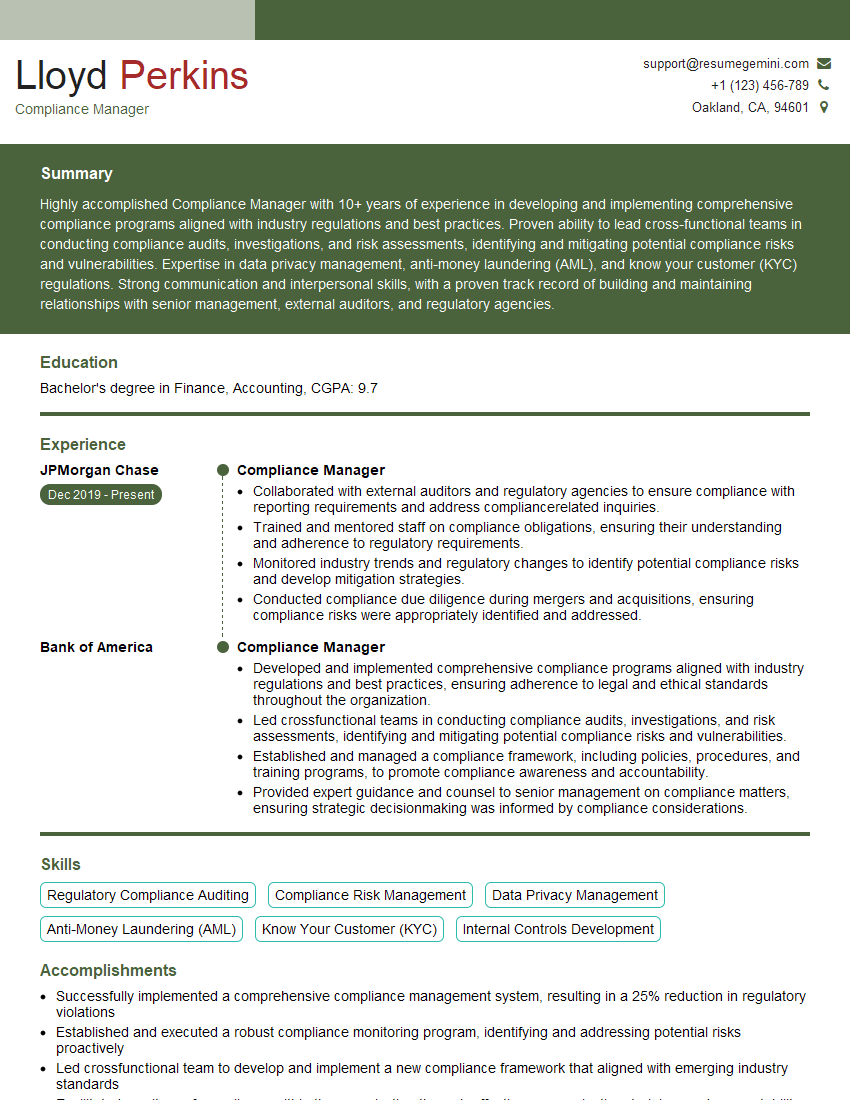
Compliance Manager Resume Sample
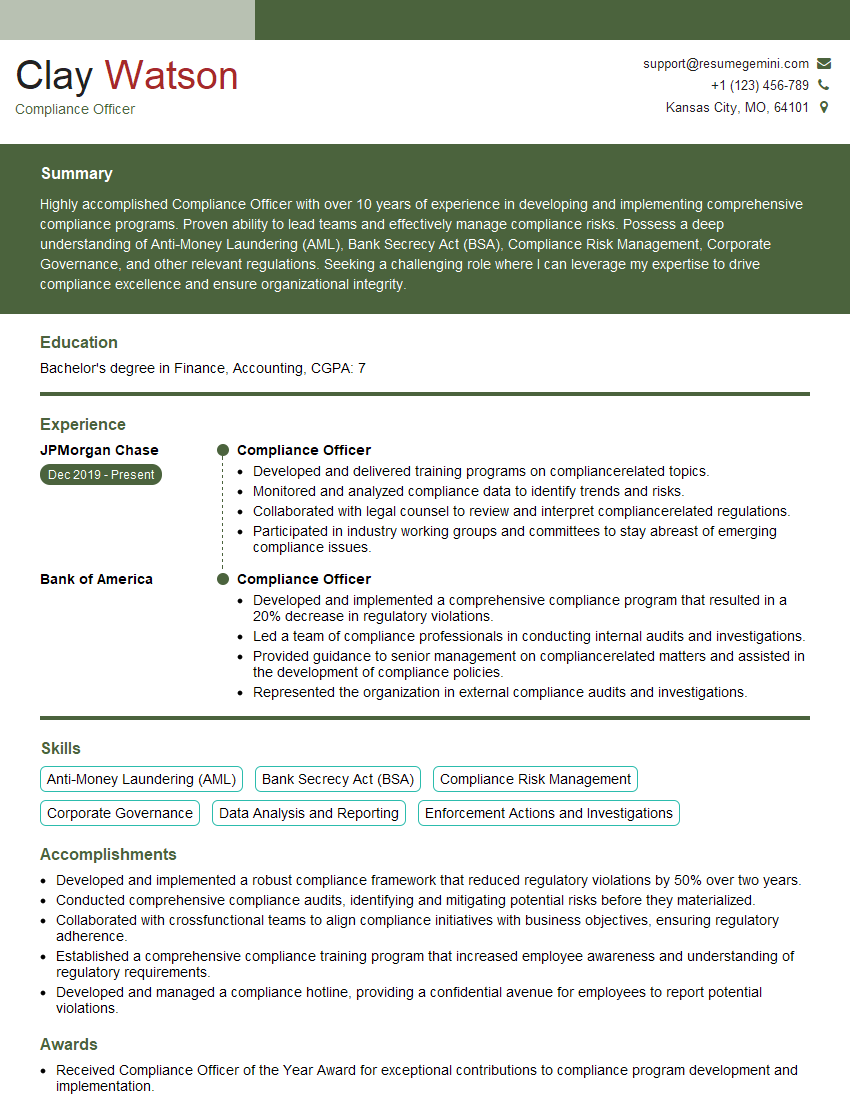
Compliance Officer Resume Sample
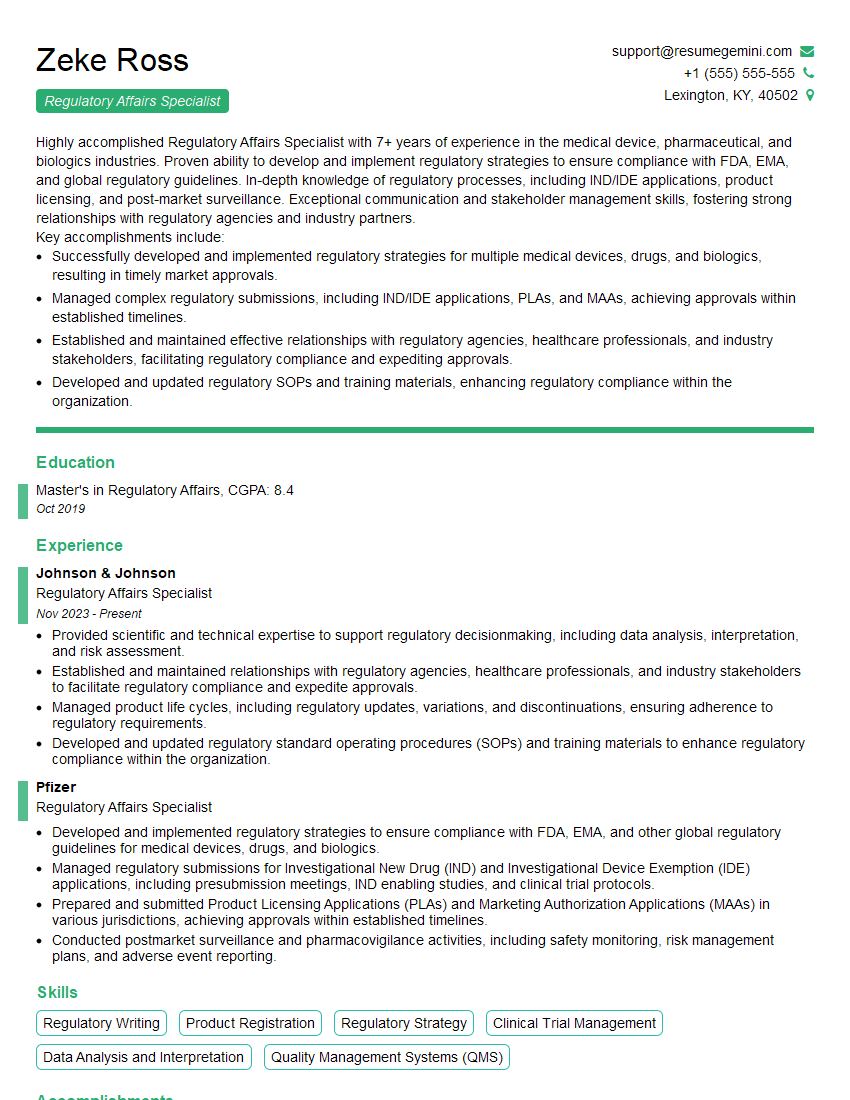
Regulatory Affairs Specialist Resume Sample
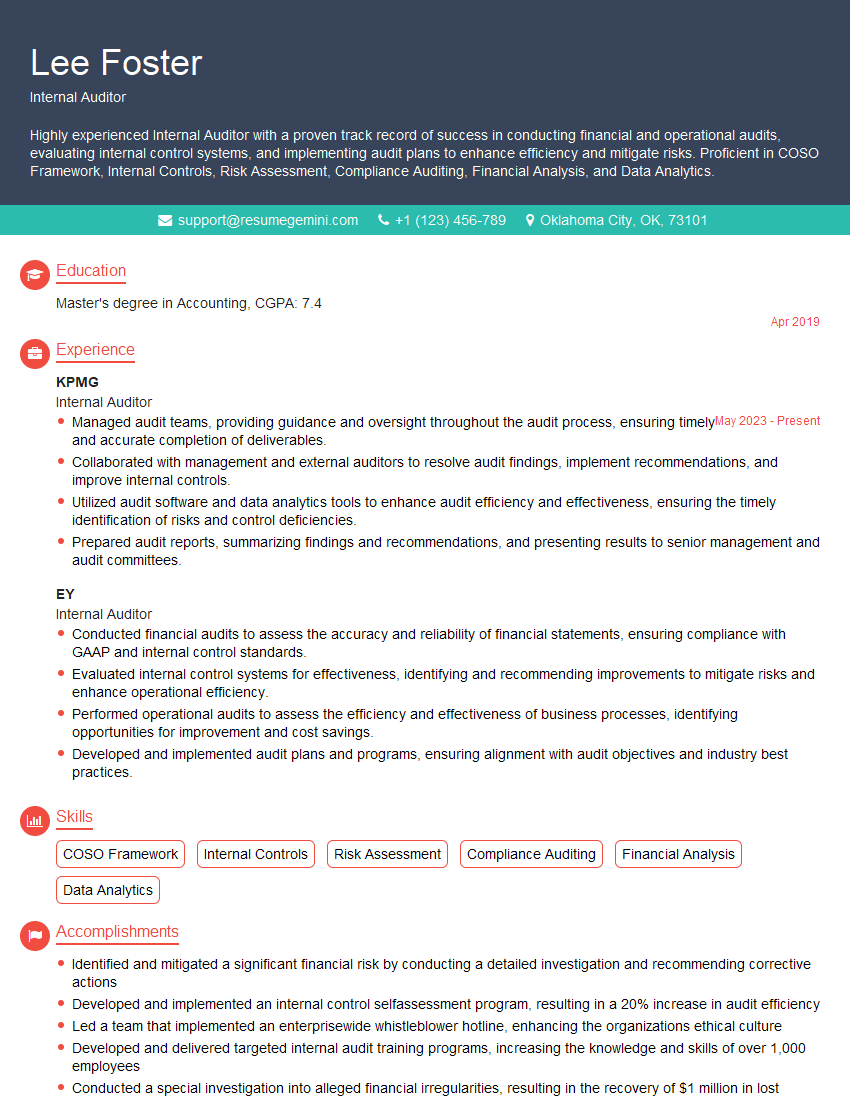
Internal Auditor Resume Sample

Risk Management Specialist Resume Sample
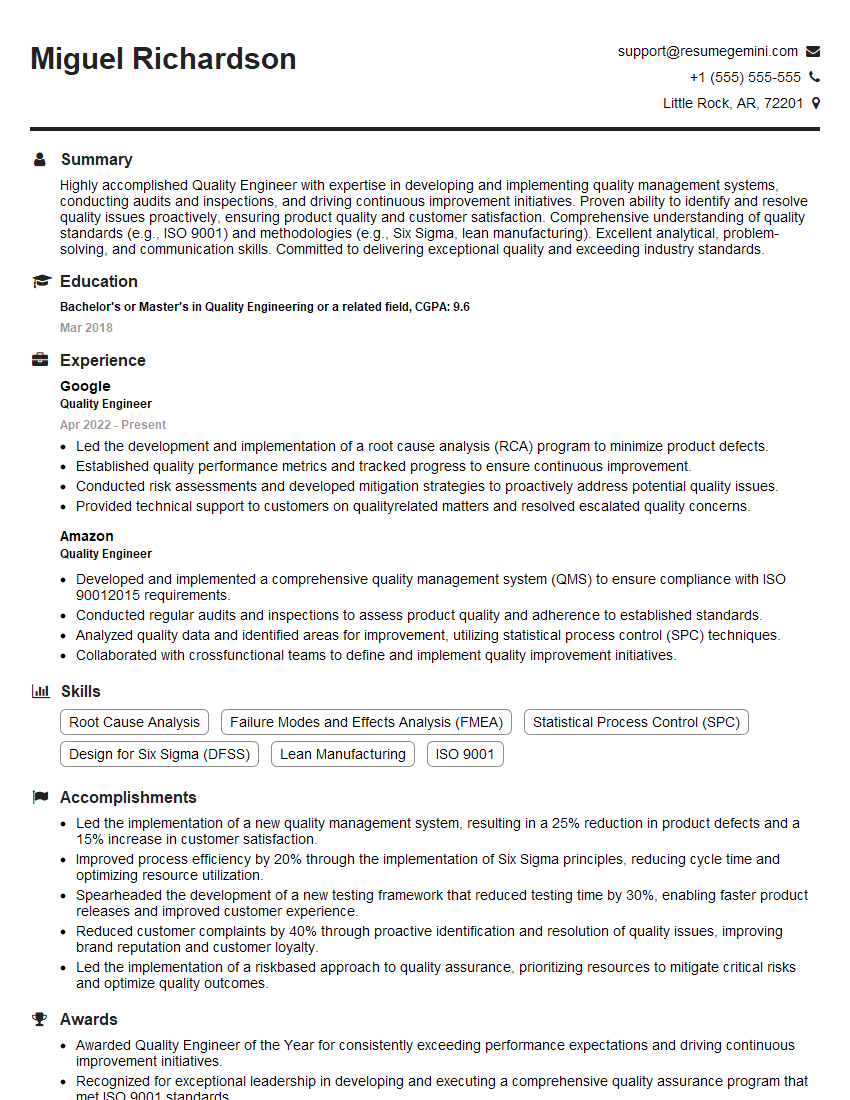
Quality Engineer Resume Sample
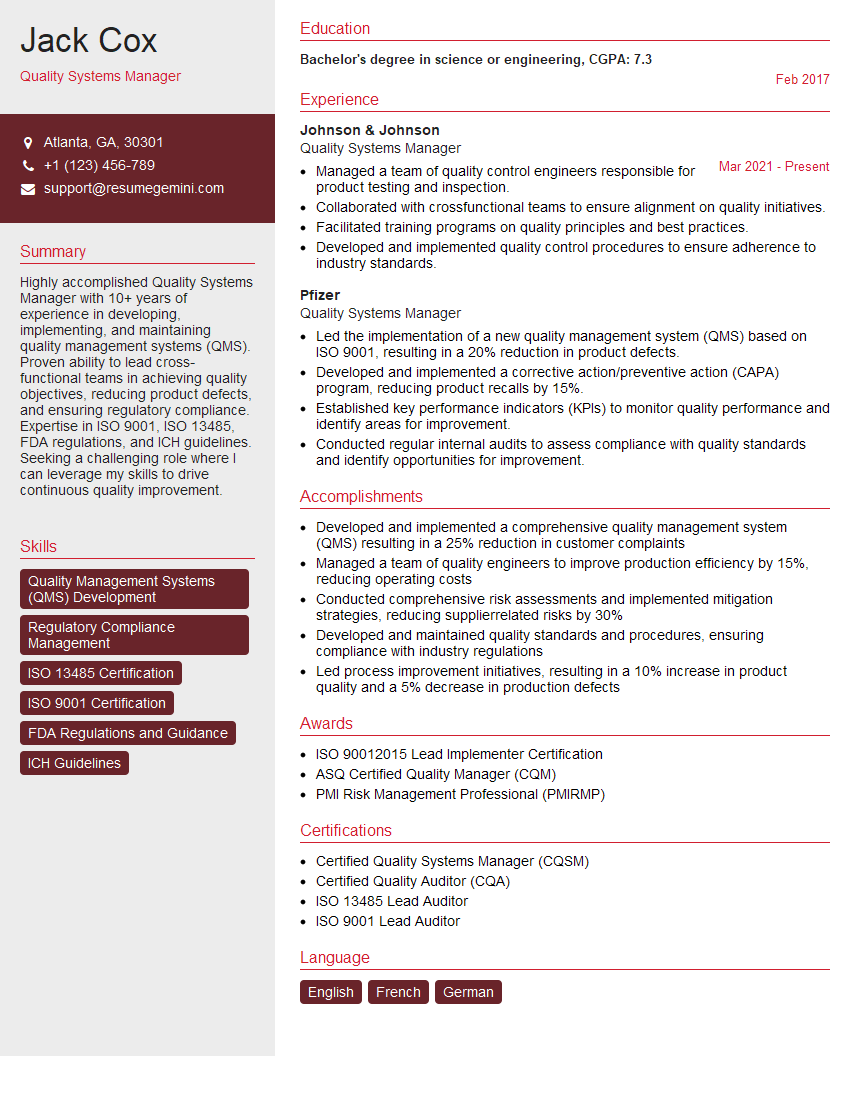
Quality Systems Manager Resume Sample
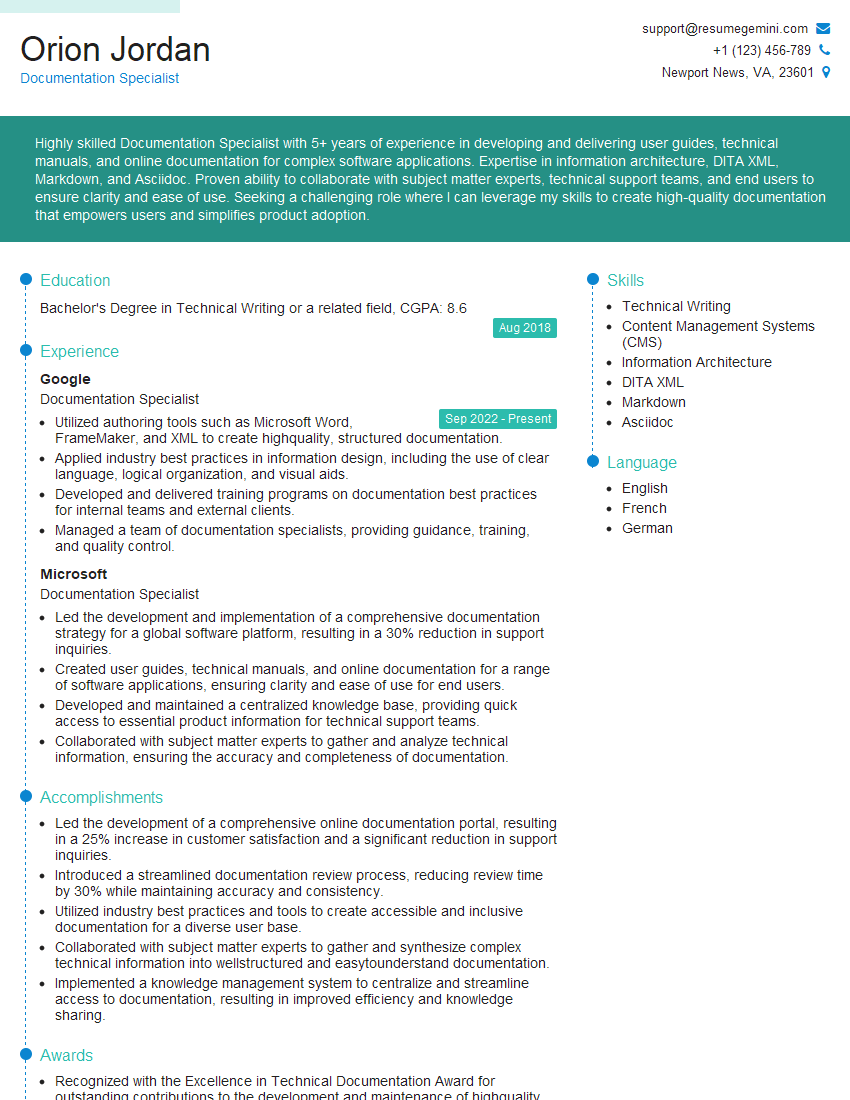
Documentation Specialist Resume Sample
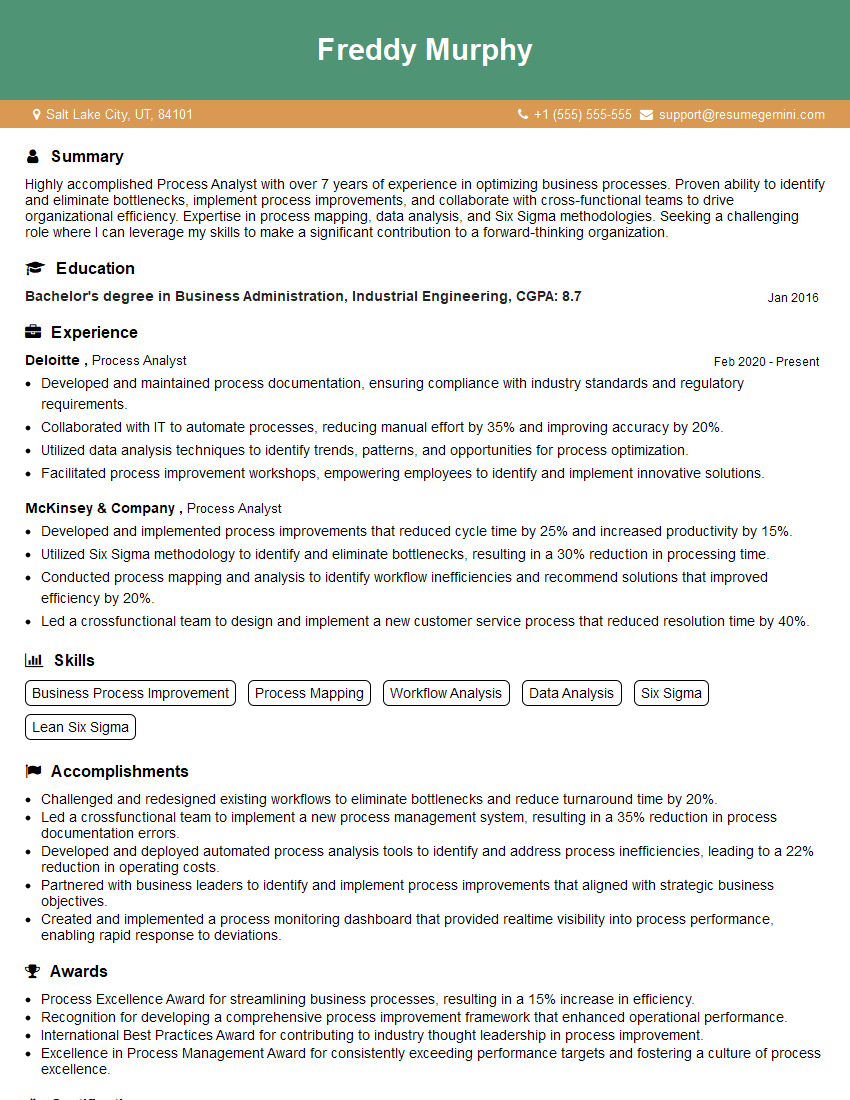
Process Analyst Resume Sample
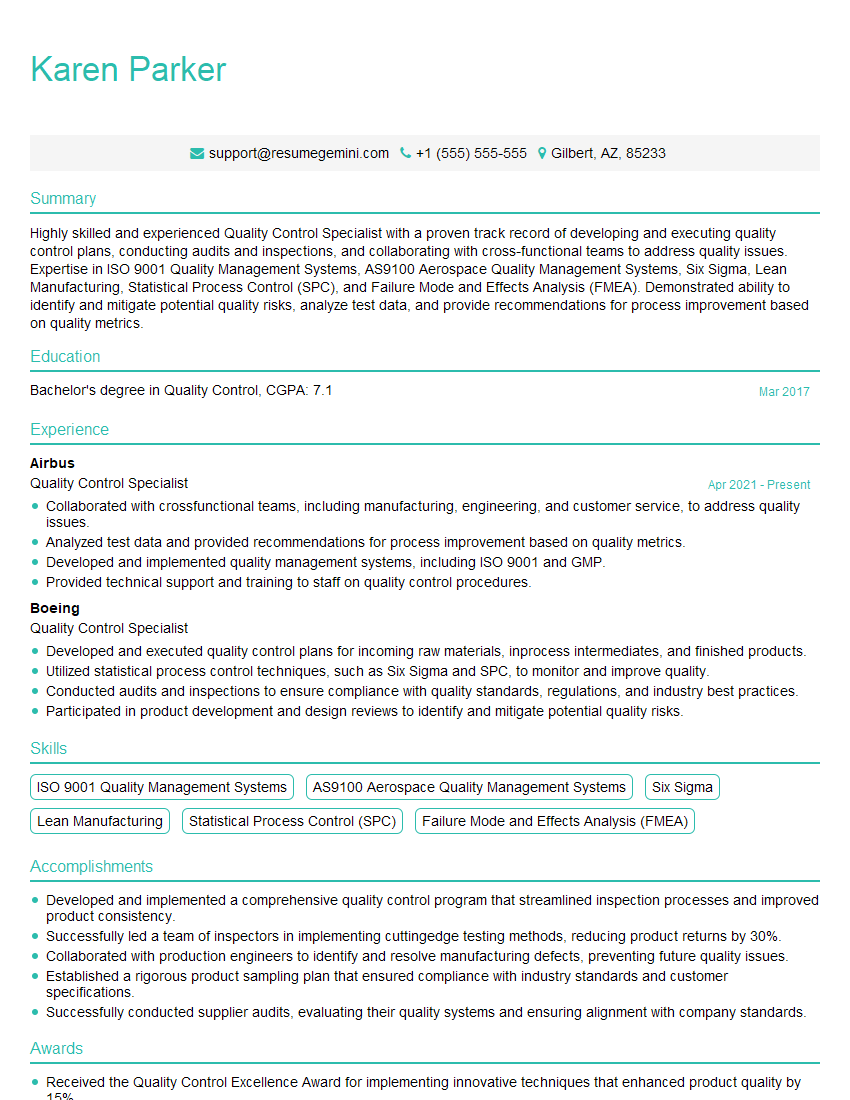
Quality Control Specialist Resume Sample
- Operations Manager
- Quality Assurance Manager
- Quality Control Manager
- Training Manager
- Audit Manager
- Compliance Manager
- Compliance Officer
- Regulatory Affairs Specialist
- Internal Auditor
- Risk Management Specialist
- Quality Engineer
- Quality Systems Manager
- Documentation Specialist
- Process Analyst
- Quality Control Specialist
Explore more articles
Users Rating of Our Blogs
Share Your Experience
We value your feedback! Please rate our content and share your thoughts (optional).
What Readers Say About Our Blog
Really detailed insights and content, thank you for writing this detailed article.
IT gave me an insight and words to use and be able to think of examples