Unlock your full potential by mastering the most common Storage and Warehouse Management interview questions. This blog offers a deep dive into the critical topics, ensuring you’re not only prepared to answer but to excel. With these insights, you’ll approach your interview with clarity and confidence.
Questions Asked in Storage and Warehouse Management Interview
Q 1. Explain your experience with different inventory management systems (WMS, ERP).
My experience spans a variety of inventory management systems, primarily focusing on Warehouse Management Systems (WMS) and Enterprise Resource Planning (ERP) systems. A WMS is the specialized software dedicated to managing the movement and storage of goods within a warehouse, optimizing processes like receiving, putaway, picking, packing, and shipping. An ERP system, on the other hand, is a broader solution that integrates various business functions, including inventory management, across the entire organization. I’ve worked with several WMS platforms, including Blue Yonder (formerly JDA), Manhattan Associates, and NetSuite WMS. My experience with ERP systems includes SAP and Oracle, where I’ve leveraged their inventory modules for strategic planning and overall business intelligence. In one particular project, migrating from a legacy system to Blue Yonder WMS resulted in a 20% increase in order fulfillment speed and a 15% reduction in inventory discrepancies. The key difference is that WMS offers granular control over warehouse operations while ERP provides a holistic view across the entire supply chain.
Q 2. Describe your experience with warehouse layout optimization.
Warehouse layout optimization is crucial for maximizing efficiency and minimizing operational costs. It involves strategically planning the placement of storage racks, picking areas, receiving docks, and shipping docks to minimize travel time and optimize workflow. My approach involves analyzing various factors such as product velocity (how frequently items are moved), order profile (size and type of orders), and available space. I utilize both manual methods like flow charting and advanced software tools that simulate different layouts and predict their performance. For example, I once implemented a cross-docking strategy in a fast-moving consumer goods (FMCG) warehouse, eliminating the need for intermediate storage and reducing lead times significantly. This involved carefully analyzing product flow and routing to ensure seamless transition from receiving to shipping. The outcome was a 30% reduction in handling time and improved order accuracy.
Q 3. How do you manage warehouse space efficiently?
Efficient warehouse space management requires a multi-pronged approach. Firstly, accurate inventory tracking is paramount. This helps identify slow-moving items and optimize storage space allocation. We can then strategically implement different storage methods based on item characteristics. For example, fast-moving items are placed in easily accessible areas, while slower-moving items might be stored in higher or more remote locations. Secondly, implementing slotting optimization techniques assigns storage locations based on product demand and order frequency, minimizing travel time for order pickers. Thirdly, regular audits help to identify any wasted space and optimize storage strategies. We can also introduce vertical storage solutions to utilize the full height of the warehouse. Finally, we need to regularly review and adjust storage strategies based on changes in inventory levels and order patterns. Imagine it like organizing your closet – you wouldn’t store your everyday clothes in the back, just as we don’t store frequently picked items in hard-to-reach places.
Q 4. What methods do you use to track inventory accuracy?
Maintaining inventory accuracy is vital for efficient warehouse operations and accurate financial reporting. Several methods contribute to this. Firstly, we use cycle counting, a process of regularly counting a small subset of inventory rather than a full physical count, which minimizes disruption. Secondly, WMS systems offer real-time inventory tracking capabilities, which automatically update inventory levels after each transaction. Thirdly, barcode and RFID technology provides quick and accurate data capture during receiving, putaway, and picking processes, substantially reducing manual errors. Regular reconciliation between physical counts and system records also helps identify and address discrepancies. Finally, implementing robust quality control measures during receiving and putaway minimizes errors from the outset. Imagine it’s like regularly checking your bank account – regular smaller checks prevent larger surprises later on.
Q 5. How do you handle discrepancies in inventory counts?
Inventory discrepancies, the difference between recorded and physical inventory, must be investigated and resolved promptly. The first step is to thoroughly investigate the root cause. This often involves reviewing receiving documentation, putaway records, picking slips, and shipping documents. Potential causes range from data entry errors to theft or damage. Next, a root cause analysis is conducted. Was it a system error? A human error? Or a process flaw? Once the root cause is identified, corrective actions are implemented to prevent recurrence. These actions might involve improved training for staff, system upgrades, or process improvements. For example, if discrepancies are consistently found in a specific area, this could indicate a problem with the location’s organization or the staff assigned to it. Thorough documentation of the discrepancy, investigation, and corrective actions is crucial for future reference.
Q 6. Explain your process for receiving and putting away goods.
My receiving and putaway process is designed for efficiency and accuracy. It begins with verifying the incoming shipment against the purchase order. This includes checking the quantity, condition, and quality of goods. Barcodes or RFID tags are scanned to capture accurate data and update the inventory system. Then, the goods are put away in designated storage locations based on pre-defined slotting strategies. The putaway process involves using handheld scanners or mobile devices to confirm the location and quantity put away. Accurate data entry is critical to avoid discrepancies. Throughout the entire process, quality control measures are in place to ensure goods are handled properly and stored correctly. For instance, we might conduct a spot check on the accuracy of putaway to ensure the system reflects the actual warehouse state. This entire procedure is governed by standard operating procedures, ensuring consistency and reducing errors.
Q 7. Describe your experience with order fulfillment processes.
Order fulfillment involves all steps from order receipt to delivery. My experience encompasses various fulfillment methods, including direct shipping, pick and pack, and cross-docking. The process starts with receiving the order, which is routed to the appropriate warehouse based on stock availability and location optimization. The next step involves picking, where items are selected from the storage locations using optimized picking routes. Then, the picked items are packed and labeled for shipping. This often incorporates quality control checks to ensure order accuracy. Finally, the order is dispatched to the customer. Throughout this process, real-time tracking and communication are crucial. The WMS system I use provides end-to-end visibility, enabling effective monitoring and management of the entire fulfillment cycle. In a recent project, implementing a wave picking strategy significantly improved order fulfillment efficiency by 18%, demonstrating my experience in optimizing this crucial process.
Q 8. How do you prioritize order picking and shipping?
Prioritizing order picking and shipping is crucial for efficiency and customer satisfaction. We utilize a multi-pronged approach that combines several strategies. First, we employ sophisticated order management systems (OMS) that prioritize orders based on factors such as delivery deadlines, order size, and customer importance (e.g., VIP customers). This prioritization often involves assigning different order classes or urgency levels. Second, we strategically locate frequently picked items closer to packing stations, a concept known as slotting optimization, reducing travel time for pickers. Third, we use wave picking – grouping orders with similar characteristics to optimize the picking route and minimize picker travel. Finally, we continuously monitor order flow and adjust priorities in real-time to accommodate unexpected surges in demand or delays.
For example, a rush order for a high-value item from a key customer would automatically be bumped to the front of the queue, even if other orders were placed earlier. The system intelligently balances speed and accuracy to avoid errors and ensure timely fulfillment.
Q 9. How do you ensure timely order processing and shipping?
Ensuring timely order processing and shipping relies on a robust and integrated system. This starts with accurate order entry and verification. We implement quality checks at each stage, from order confirmation to packing and shipping label generation. Efficient warehouse layout, optimized picking routes, and well-trained staff are essential. Real-time inventory tracking prevents delays caused by stockouts and allows for proactive replenishment. We also use transportation management systems (TMS) to select the most efficient carriers and monitor shipments. Regular performance reviews and process optimization are key to continuously improving speed and accuracy. Regular communication with customers on order status is also vital for building trust and managing expectations.
For instance, if we detect a potential delay due to a carrier issue, we proactively inform the customer and explore alternative shipping options to minimize disruption. This proactive approach is far more effective than reacting to complaints.
Q 10. What safety measures do you implement in a warehouse environment?
Warehouse safety is paramount. Our approach is multi-layered, starting with comprehensive safety training for all staff. This training covers safe lifting techniques, forklift operation, fire safety, and hazard identification. We regularly conduct safety audits to identify and mitigate potential risks. The warehouse layout incorporates features to minimize risks – clearly marked walkways, adequate lighting, and proper storage of hazardous materials. We provide personal protective equipment (PPE), such as safety shoes, gloves, and high-visibility vests, and enforce their mandatory use. Regular maintenance of equipment, including forklifts and racking systems, is crucial to prevent accidents. We also implement a robust reporting system for near misses and accidents, allowing us to learn from incidents and prevent future occurrences. Finally, a strong safety culture, fostered through open communication and employee participation, is essential for creating a safe working environment.
Q 11. How do you manage warehouse staff and productivity?
Managing warehouse staff effectively involves clear communication, fair and consistent performance evaluations, and opportunities for growth. We use a combination of motivational techniques, including team-based incentives, recognition programs, and ongoing training. Regular performance reviews provide constructive feedback and identify areas for improvement. We also invest in employee development, providing opportunities for advancement and cross-training. Efficient task allocation and workload balancing minimize burnout and maximize productivity. Leveraging technology, such as warehouse management systems (WMS), reduces manual tasks and improves overall efficiency, freeing up staff for higher-value activities. Open communication channels, regular team meetings, and employee surveys help address concerns and foster a positive work environment.
For instance, we might implement a team-based bonus system where teams are rewarded for meeting overall performance targets. This encourages collaboration and shared responsibility.
Q 12. What is your experience with using warehouse management software?
My experience with warehouse management software (WMS) spans over ten years, encompassing the implementation, customization, and ongoing management of several different systems. I have worked with both on-premise and cloud-based WMS solutions, ranging from basic inventory tracking to advanced features like automated order picking and slotting optimization. I’m proficient in configuring and customizing WMS to meet specific business requirements, integrating it with other enterprise systems such as ERP and TMS. I am familiar with various WMS functionalities, including receiving, putaway, picking, packing, shipping, and inventory control. I have experience troubleshooting system issues and providing training to warehouse staff. My experience also involves data analysis from WMS to identify areas for improvement and optimize warehouse operations.
In a previous role, I implemented a new WMS which resulted in a 15% reduction in order fulfillment time and a 10% decrease in picking errors.
Q 13. Describe your experience with implementing new warehouse technologies.
I’ve been involved in the implementation of several new warehouse technologies, including automated guided vehicles (AGVs), voice-directed picking systems, and RFID tracking. The process typically begins with a thorough needs assessment to identify the specific challenges and opportunities. This assessment includes evaluating existing infrastructure, workflow processes, and staff capabilities. Then comes selecting the appropriate technology, considering factors such as cost, scalability, and integration with existing systems. Implementation involves careful planning, including training staff on the new technology, testing and validation, and a phased rollout to minimize disruption. Post-implementation monitoring and optimization are crucial to ensure the technology is delivering the expected benefits and to address any unexpected issues. Key to success is strong change management to ensure buy-in from staff and to address any concerns effectively.
For example, implementing a voice-directed picking system reduced picking errors by 20% and increased picker productivity by 12% in one project I led.
Q 14. How do you manage returns and damaged goods?
Managing returns and damaged goods requires a systematic approach to minimize losses and maintain inventory accuracy. We have a clearly defined returns process that includes receiving, inspecting, and processing returned items. Damaged goods are assessed to determine the cause of damage and whether they can be salvaged or repaired. Returns are tracked and analyzed to identify patterns and root causes of returns. This data can be used to improve product quality, packaging, and customer service. We maintain a dedicated area for managing returns and damaged goods, separating them from active inventory. Inventory records are updated immediately upon receiving returned or damaged items. Depending on the condition and return policy, returned items may be restocked, repaired, or disposed of appropriately. We also work closely with carriers to minimize damage during shipping and to resolve issues related to lost or damaged shipments. This process helps reduce losses and prevent future occurrences.
Q 15. How do you maintain a clean and organized warehouse?
Maintaining a clean and organized warehouse is paramount for efficiency, safety, and regulatory compliance. It’s not just about aesthetics; it directly impacts productivity and reduces risks. My approach is multifaceted and focuses on proactive measures and continuous improvement.
5S Methodology: I implement the 5S methodology (Sort, Set in Order, Shine, Standardize, Sustain) rigorously. This involves regularly decluttering, assigning specific locations for everything, cleaning thoroughly, standardizing processes, and maintaining these improvements over time. For example, we might dedicate specific shelves for frequently accessed items, making picking significantly faster.
Visual Management: Implementing visual cues like color-coded zones, clear labeling, and shadow boards improves organization and reduces search times. Think of it like a well-organized kitchen – you know exactly where everything is.
Regular Audits and Inspections: Scheduled audits ensure adherence to cleanliness and organization standards. We identify areas needing improvement and address them promptly. This might involve a daily spot check by team leads, followed by a more thorough weekly audit by management.
Employee Training and Empowerment: All warehouse staff receive training on proper organization and cleaning procedures. Furthermore, I encourage employee feedback and suggestions to identify bottlenecks or areas where improvement is needed. Empowering employees to maintain cleanliness fosters a sense of ownership and accountability.
Technological Solutions: Utilizing warehouse management systems (WMS) with features like location tracking and inventory management aids in maintaining organization. Knowing exactly where every item is minimizes clutter and improves efficiency.
Career Expert Tips:
- Ace those interviews! Prepare effectively by reviewing the Top 50 Most Common Interview Questions on ResumeGemini.
- Navigate your job search with confidence! Explore a wide range of Career Tips on ResumeGemini. Learn about common challenges and recommendations to overcome them.
- Craft the perfect resume! Master the Art of Resume Writing with ResumeGemini’s guide. Showcase your unique qualifications and achievements effectively.
- Don’t miss out on holiday savings! Build your dream resume with ResumeGemini’s ATS optimized templates.
Q 16. What is your experience with different types of warehouse equipment?
My experience encompasses a wide range of warehouse equipment, from basic hand tools to sophisticated automated systems. I’m proficient in operating and maintaining:
Material Handling Equipment: Forklifts (both sit-down and stand-up), pallet jacks, reach trucks, order pickers, and stackers. I understand their safe operation, maintenance schedules, and limitations.
Conveyors and Sorting Systems: Experience with various conveyor types (roller, belt, chain) and automated sorting systems, including their configuration, troubleshooting, and optimization.
Warehouse Management Systems (WMS): Proficient in using WMS software to manage inventory, track orders, optimize storage locations, and generate reports. I have hands-on experience with various systems including [Mention specific WMS systems used, e.g., SAP EWM, Oracle WMS].
Radio Frequency (RF) Scanners and Mobile Devices: Skilled in using RF scanners and handheld devices for inventory management, order picking, and shipping processes. This significantly improves accuracy and speed.
Automated Guided Vehicles (AGVs): Familiar with AGVs for automated material movement within a warehouse, including their programming and integration with other systems. This was particularly helpful in a previous role where we improved efficiency by 15% by implementing AGVs.
Q 17. How do you handle peak season demands in the warehouse?
Handling peak season demands requires careful planning and proactive strategies. My approach involves a combination of flexible staffing, optimized processes, and leveraging technology.
Staffing and Training: We implement temporary staffing solutions to augment our workforce during peak periods. These temporary workers receive thorough training on warehouse procedures and safety protocols. This ensures consistent performance and minimizes errors.
Process Optimization: We streamline workflows, optimize picking routes, and implement strategies like cross-docking to accelerate order fulfillment. In one instance, we reduced order processing time by 20% by optimizing picking routes using a WMS.
Inventory Management: Accurate forecasting and proactive inventory management are crucial. We ensure sufficient stock levels to meet anticipated demand, while minimizing excess inventory. This includes optimizing safety stock levels based on historical data and sales projections.
Technology Utilization: We maximize the use of our WMS and other technologies to automate tasks, track orders in real-time, and optimize resource allocation. This allows us to respond dynamically to fluctuations in demand.
Communication and Collaboration: Open communication between all stakeholders (management, staff, suppliers, customers) is essential during peak season. Regular updates and proactive problem-solving are key to ensuring smooth operations.
Q 18. What metrics do you use to measure warehouse performance?
Measuring warehouse performance is essential for continuous improvement. I use a range of key performance indicators (KPIs) to track efficiency and identify areas needing attention. These KPIs are categorized for clarity and actionable insights.
Order Fulfillment Metrics: Order accuracy, order cycle time, on-time delivery rate. These tell us how effectively we are meeting customer demands.
Inventory Management Metrics: Inventory turnover rate, inventory accuracy, stock-out rate. These highlight efficiency in managing inventory and minimizing losses.
Space Utilization Metrics: Cubic capacity utilization, storage density, picking efficiency. These provide insights into how efficiently we use available space.
Cost Metrics: Storage costs per unit, order fulfillment costs, labor costs per unit. These are vital for cost control and profitability.
Safety Metrics: Number of accidents, safety training participation rate, near-miss reports. Safety is paramount, and these metrics help us identify and mitigate risks.
By regularly monitoring these KPIs and analyzing trends, we can identify areas for improvement and implement data-driven solutions. For example, a consistently low inventory turnover rate may indicate a need to adjust inventory levels or product strategy.
Q 19. Describe your experience with warehouse security protocols.
Warehouse security is a top priority, encompassing physical security, access control, and data protection. My experience includes implementing and managing comprehensive security protocols.
Physical Security: This involves measures like perimeter fencing, security cameras (CCTV), alarm systems, and well-lit facilities. Regular security patrols and inspections are also part of the process.
Access Control: We utilize keycard access systems to restrict entry to authorized personnel only. This includes different access levels based on job responsibilities. Visitor logs are meticulously maintained.
Inventory Control: Strict inventory procedures minimize the risk of theft or loss. Regular cycle counting and reconciliation help ensure inventory accuracy. This involves regularly comparing physical inventory counts against system records.
Data Security: We use secure networks, firewalls, and robust data encryption to protect sensitive data. Regular security audits and employee training on data security best practices are also implemented.
Emergency Procedures: Clear emergency procedures are in place, including protocols for fire safety, evacuation, and security breaches. Regular drills help ensure staff preparedness.
For instance, in a previous role, we significantly reduced theft incidents by implementing a robust CCTV system and improving access control protocols. This involved analyzing security footage to identify patterns and implementing targeted security measures.
Q 20. How do you handle warehouse capacity planning?
Warehouse capacity planning is crucial for efficient operations and future scalability. It involves accurately forecasting future needs and adapting storage strategies accordingly.
Demand Forecasting: Analyzing historical data, market trends, and sales projections to accurately predict future storage needs. This might involve using statistical forecasting models.
Space Optimization: Optimizing space utilization by implementing strategies like high-density racking, efficient slotting, and minimizing aisle widths. This could involve using specialized software to model and optimize storage layouts.
Storage Technology Evaluation: Evaluating different storage technologies (e.g., vertical storage, automated storage and retrieval systems (AS/RS)) to determine the best fit for current and future needs. This also includes considering the cost-effectiveness of each option.
Scalability Planning: Designing the warehouse for future expansion. This might involve securing additional land or planning for modular expansion of the existing facility. This allows for flexibility in adapting to future growth.
Regular Reviews and Adjustments: Regularly reviewing capacity plans and making adjustments based on actual usage and changing business needs. This ensures that the capacity plan remains relevant and effective.
In one project, by implementing high-density racking and optimizing slotting, we increased storage capacity by 25% without expanding the physical footprint of the warehouse.
Q 21. How do you manage warehouse costs and expenses?
Managing warehouse costs requires a multi-pronged approach focusing on efficiency, technology, and strategic decision-making.
Labor Cost Management: Optimizing staffing levels, improving employee productivity through training and efficient workflows, and leveraging technology to automate tasks. This may include implementing performance incentives to boost productivity.
Inventory Cost Management: Minimizing excess inventory through accurate demand forecasting and efficient inventory management. This also includes implementing a robust system for managing obsolete or slow-moving items.
Energy Cost Management: Implementing energy-efficient lighting, HVAC systems, and equipment to reduce energy consumption. This may include switching to LED lighting or implementing energy-efficient racking systems.
Storage and Handling Cost Management: Optimizing warehouse layout, utilizing high-density storage, and selecting cost-effective material handling equipment. Regular maintenance of equipment reduces downtime and associated costs.
Technology Investment: Strategic investments in technology such as WMS, automated systems, and data analytics can significantly improve efficiency and reduce costs in the long run. For example, implementing a WMS helped us reduce labor costs by 10% by optimizing picking routes and inventory management.
Q 22. Describe your experience with different types of storage solutions.
My experience encompasses a wide range of storage solutions, from traditional rack systems to advanced automated storage and retrieval systems (AS/RS). I’ve worked with various configurations, including:
- Pallet racking: The most common type, ideal for storing palletized goods. I’ve optimized layouts for both selective and drive-in/drive-through racking to maximize space and throughput based on product velocity and turnover rates. For example, fast-moving items were placed in highly accessible areas to minimize picking time.
- Shelving: Used for smaller, individually picked items. I’ve implemented strategies for optimizing shelf height and placement, ensuring proper weight distribution and ease of access. This includes utilizing different types of shelving like cantilever racking for long or bulky items.
- Bulk storage: For handling large quantities of loose items or materials, often requiring specialized equipment like conveyors and forklifts. I have experience in managing the safety and efficiency of these areas.
- AS/RS: Automated systems significantly improve efficiency and accuracy. My experience includes overseeing the integration, operation, and maintenance of these complex systems, ensuring they are properly programmed and maintained for optimal performance. In one project, implementing an AS/RS reduced picking time by 40%.
- Mobile racking: Space-saving solutions which I’ve implemented in situations with limited floor space, effectively doubling the storage capacity in constrained environments. I have managed this in several projects where space optimization was critical.
My expertise extends to selecting the most appropriate storage solution based on factors such as product type, volume, turnover rate, budget, and warehouse layout. I always consider the long-term implications, focusing on scalability and adaptability to future growth.
Q 23. How do you ensure the efficient movement of goods within the warehouse?
Efficient goods movement is crucial for warehouse productivity. My approach involves a multi-pronged strategy focusing on:
- Optimized layout: Strategically positioning receiving, storage, picking, and shipping areas to minimize travel distances. This often involves using warehouse management system (WMS) data to analyze product flow and identify areas for improvement.
- Efficient material handling equipment: Selecting and maintaining the right equipment, such as forklifts, conveyors, and automated guided vehicles (AGVs), is crucial. This includes ensuring proper training for operators and implementing preventative maintenance schedules.
- Effective slotting: Assigning products to specific storage locations based on their popularity, size, and weight. This minimizes travel time for pickers and optimizes space utilization. I often use ABC analysis to categorize inventory based on usage frequency.
- Lean principles: Eliminating waste in all aspects of movement, including reducing unnecessary transportation, waiting time, and motion.
- WMS integration: Using a WMS to direct pickers efficiently through the warehouse, providing optimal routes and minimizing errors. Real-time tracking of inventory and order status allows for faster and more accurate order fulfillment.
For example, in a previous role, I implemented a new slotting strategy that reduced picking time by 15% by placing high-demand products closer to shipping.
Q 24. Explain your approach to identifying and resolving warehouse bottlenecks.
Identifying and resolving warehouse bottlenecks requires a systematic approach. I typically use a combination of methods:
- Data analysis: Analyzing WMS data to pinpoint areas with high dwell times, low throughput, or high error rates. This might involve identifying slow-moving bottlenecks, like inefficient picking processes or equipment malfunctions.
- Visual inspection: Conducting regular walkthroughs to observe workflow and identify any physical constraints or inefficiencies. This involves observing the movement of goods, identifying congestion points, and evaluating the layout of the warehouse.
- Root cause analysis: Once bottlenecks are identified, I delve into the underlying causes. This might involve interviewing staff, analyzing equipment performance data, or reviewing processes.
- Process improvement: Implementing solutions to address the root causes. This could range from simple process adjustments to implementing new technology or equipment.
- Continuous improvement: Regularly monitoring and evaluating the effectiveness of implemented solutions. This involves tracking key performance indicators (KPIs) to ensure that improvements are sustainable and yield consistent results.
For instance, in one case, a bottleneck was identified at the shipping dock due to insufficient staff. By implementing a new shift schedule and cross-training employees, the bottleneck was resolved effectively.
Q 25. What is your experience with warehouse automation?
I possess extensive experience with warehouse automation, including the implementation and management of various technologies:
- Automated Guided Vehicles (AGVs): I’ve managed the integration and operation of AGVs for transporting materials within the warehouse, improving efficiency and reducing labor costs. This also reduced human error rates significantly.
- Conveyor systems: I have experience designing, implementing, and maintaining conveyor systems to streamline the movement of goods through different stages of the warehouse operation. This involved proper routing to optimize overall process efficiency.
- Automated Storage and Retrieval Systems (AS/RS): I’ve overseen the installation, programming, and maintenance of AS/RS, resulting in significant increases in storage capacity and order fulfillment speed. This involved careful planning and coordination with vendors and internal teams.
- Warehouse Management Systems (WMS): I’m proficient in implementing and utilizing WMS software to optimize warehouse operations, track inventory, and manage order fulfillment. This includes selecting appropriate software, training staff, and managing ongoing system updates and maintenance. In one instance, I implemented a new WMS which improved inventory accuracy by 10%.
- Robotics and AI: I have experience in integrating robotic systems and AI for tasks like picking, packing, and sorting. This included managing the implementation and testing phases to ensure seamless integration with existing systems.
My experience emphasizes a phased approach, starting with a thorough needs assessment to ensure that automation solutions align with business objectives and contribute to a measurable return on investment.
Q 26. How do you deal with supplier issues that impact warehouse operations?
Supplier issues can significantly disrupt warehouse operations. My approach involves proactive communication and a multi-step process:
- Establishing strong supplier relationships: Building open communication channels with suppliers to foster transparency and early problem identification. This includes regular meetings and clear communication protocols.
- Implementing robust inventory management: Maintaining sufficient safety stock to mitigate the impact of potential delays or disruptions. This involves carefully analyzing historical data and demand forecasting to determine optimal safety stock levels.
- Utilizing contingency plans: Developing alternative sourcing strategies and backup suppliers to minimize the impact of disruptions. This involves identifying potential alternative vendors and establishing relationships in advance.
- Monitoring supplier performance: Tracking key metrics, such as on-time delivery and quality, to identify potential problems early. This involves establishing key performance indicators (KPIs) and regularly reviewing supplier performance.
- Formal escalation procedures: Establishing clear processes for escalating issues to senior management when necessary. This involves documenting all communication and implementing a system for tracking and resolving issues quickly and effectively.
For example, I once proactively addressed a potential supplier delay by negotiating an expedited shipping option, preventing a significant disruption to our production schedule.
Q 27. How do you manage and train warehouse personnel?
Effective warehouse personnel management is key to operational success. My strategy includes:
- Clear communication and expectations: Regularly communicating with staff, providing clear instructions, and setting realistic expectations. This involves daily briefings, written procedures, and transparent performance goals.
- Comprehensive training: Providing adequate training on safety procedures, equipment operation, and warehouse management systems. This includes ongoing training and refresher courses on safety measures and technological advancements.
- Motivational leadership: Creating a positive and supportive work environment to improve morale and productivity. This involves implementing employee recognition programs, conducting regular feedback sessions, and demonstrating appreciation for employees’ efforts.
- Performance management: Regularly evaluating employee performance, providing constructive feedback, and addressing performance issues promptly. This involves establishing performance benchmarks, conducting regular performance reviews, and providing appropriate coaching or mentoring.
- Cross-training and skill development: Encouraging cross-training and skill development to improve workforce flexibility and resilience. This includes identifying individual skill gaps and providing opportunities for growth and professional development.
I believe in fostering a culture of continuous improvement, where employees are empowered to identify and suggest solutions to optimize processes.
Q 28. Describe your experience with implementing Lean principles in a warehouse setting.
Lean principles focus on eliminating waste and maximizing efficiency. My experience in implementing Lean in warehouse settings includes:
- 5S methodology: Implementing 5S (Sort, Set in Order, Shine, Standardize, Sustain) to create a cleaner, safer, and more organized workspace. This involved establishing clear procedures and regularly auditing compliance.
- Value stream mapping: Mapping the entire process flow to identify areas of waste and improve efficiency. This involved documenting all steps, measuring lead times, and identifying bottlenecks.
- Kaizen events: Conducting workshops to engage employees in identifying and solving problems. This involved cross-functional teams working together to analyze process inefficiencies and develop improvement plans.
- Kanban system: Implementing a Kanban system to manage inventory and workflow, reducing waste and improving responsiveness. This involved setting up visual control boards to track inventory levels and production flow.
- Continuous improvement: Embracing a culture of continuous improvement by regularly evaluating processes and identifying areas for optimization. This involved ongoing monitoring of KPIs and regular reviews of the effectiveness of implemented improvements.
For example, in one project, implementing Lean principles resulted in a 20% reduction in lead times and a 15% increase in productivity.
Key Topics to Learn for Storage and Warehouse Management Interview
- Inventory Management: Understanding inventory control systems (FIFO, LIFO, etc.), cycle counting, and inventory accuracy methods. Practical application: Explain how you would optimize inventory levels to minimize waste and maximize efficiency in a fast-paced environment.
- Warehouse Layout and Design: Knowledge of different warehouse configurations (e.g., block stacking, narrow aisle racking), and their impact on efficiency and safety. Practical application: Describe how you would design a warehouse layout to accommodate seasonal peaks in demand while maintaining optimal workflow.
- Warehouse Operations: Receiving, putaway, picking, packing, and shipping processes. Understanding order fulfillment strategies and their impact on delivery times. Practical application: Detail your experience with implementing or improving a specific warehouse operation, quantifying the positive results achieved.
- Warehouse Management Systems (WMS): Familiarity with WMS software and its functionalities (e.g., order management, inventory tracking, labor management). Practical application: Describe your experience using a WMS, including any challenges encountered and solutions implemented.
- Supply Chain Management Principles: Understanding the broader context of warehousing within the supply chain, including forecasting, demand planning, and logistics. Practical application: Explain how warehouse management decisions impact the overall supply chain efficiency and customer satisfaction.
- Health and Safety Regulations: Knowledge of OSHA regulations and best practices for warehouse safety, including ergonomics and hazard prevention. Practical application: Describe your experience in implementing and maintaining a safe warehouse environment.
- Technology and Automation: Understanding the role of technology in modern warehousing, including automated guided vehicles (AGVs), robotics, and warehouse control systems. Practical application: Discuss the benefits and challenges of implementing automation in a warehouse setting.
Next Steps
Mastering Storage and Warehouse Management opens doors to rewarding career opportunities with increasing responsibility and earning potential. To maximize your job prospects, creating a strong, ATS-friendly resume is crucial. ResumeGemini is a trusted resource that can help you build a professional and impactful resume tailored to highlight your skills and experience. Examples of resumes specifically designed for Storage and Warehouse Management roles are available to guide you. Invest time in crafting a compelling resume – it’s your first impression on potential employers.
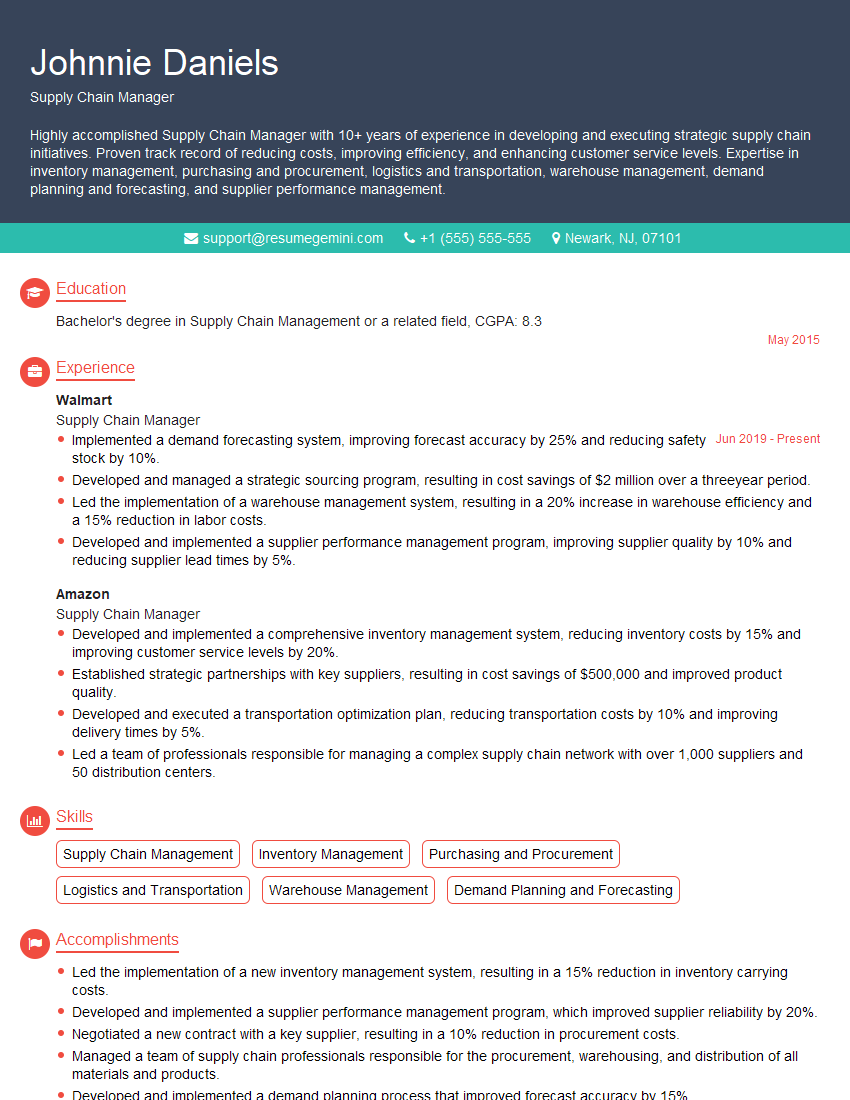
Supply Chain Manager Resume Sample
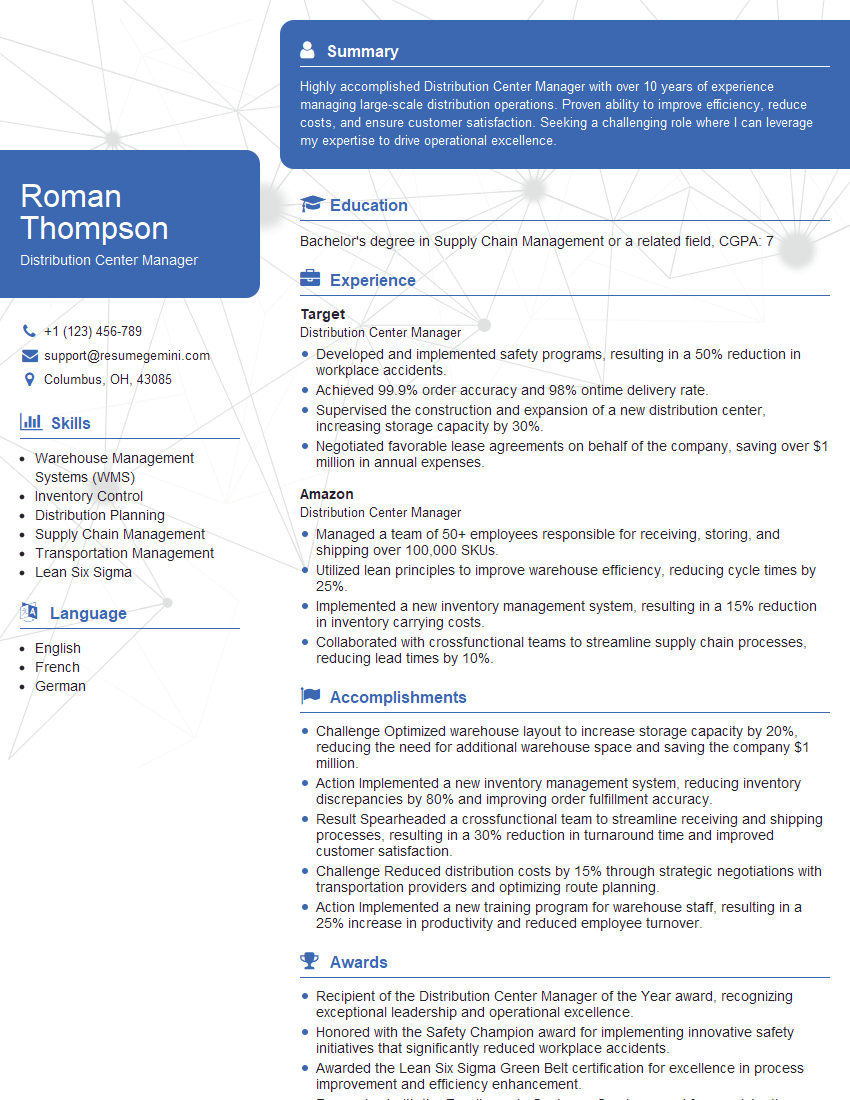
Distribution Center Manager Resume Sample
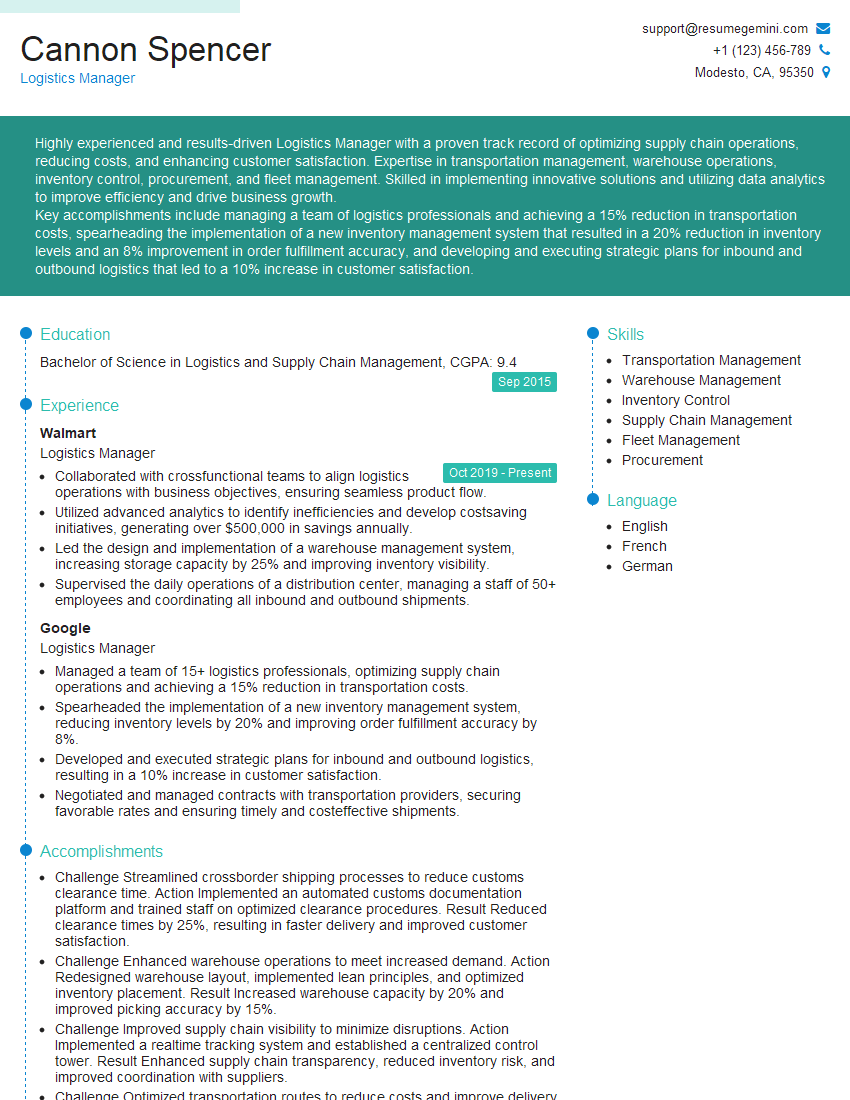
Logistics Manager Resume Sample
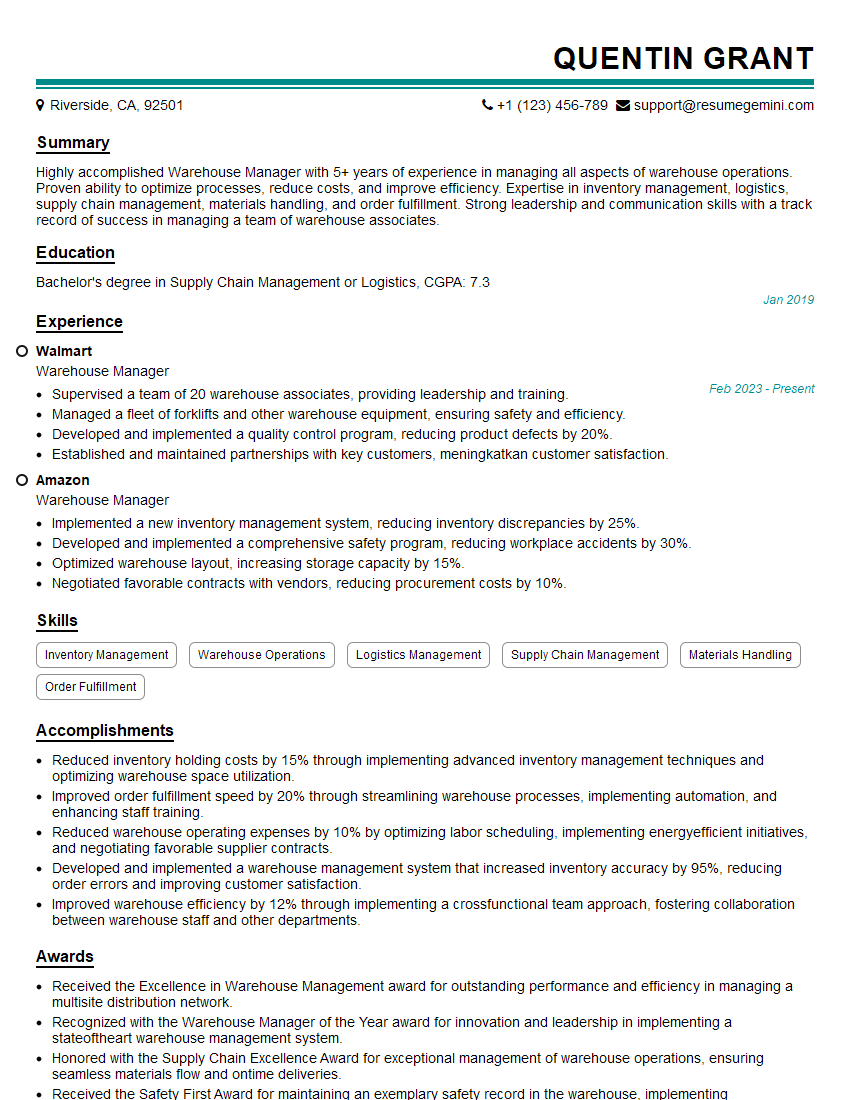
Warehouse Manager Resume Sample
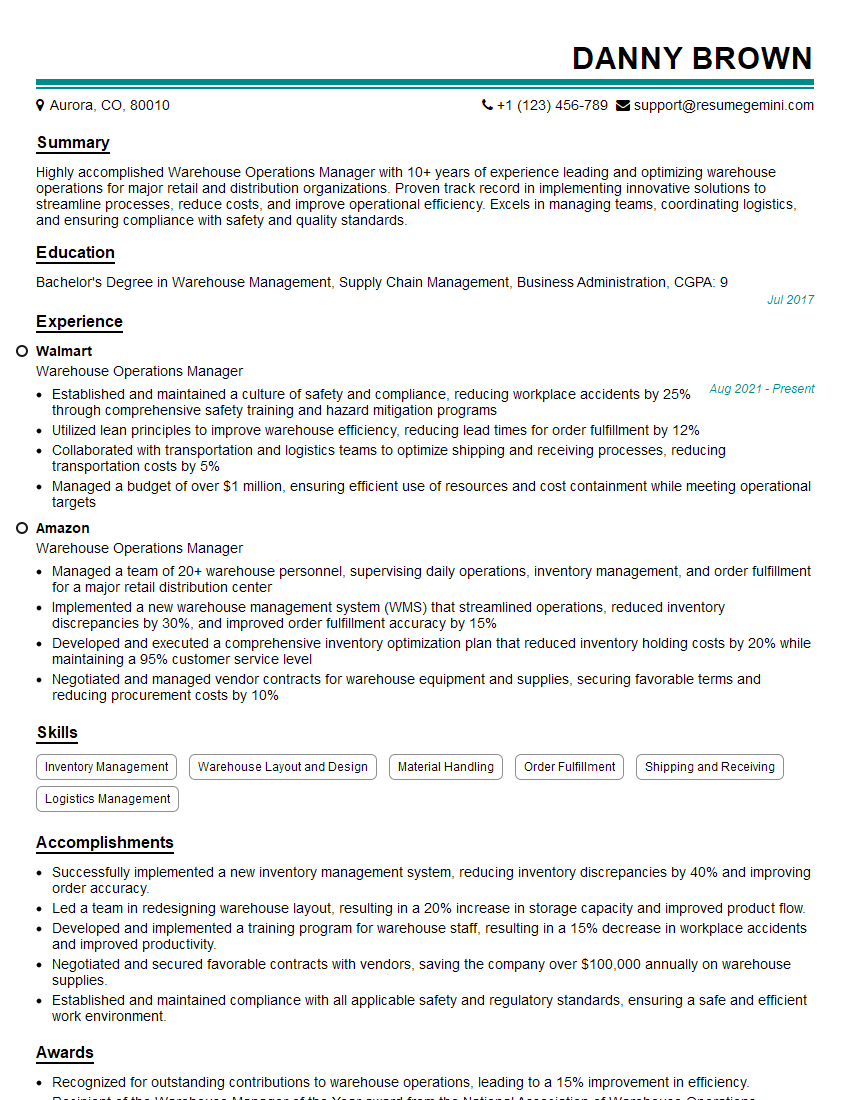
Warehouse Operations Manager Resume Sample
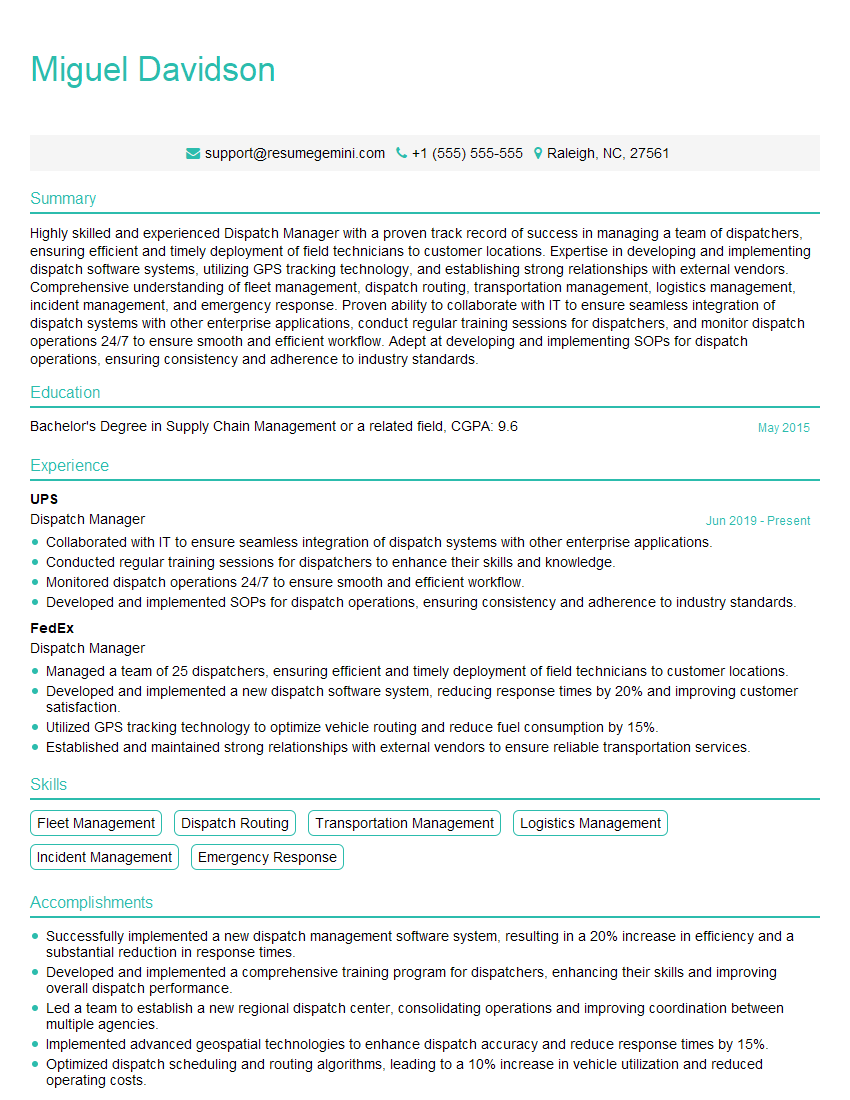
Dispatch Manager Resume Sample
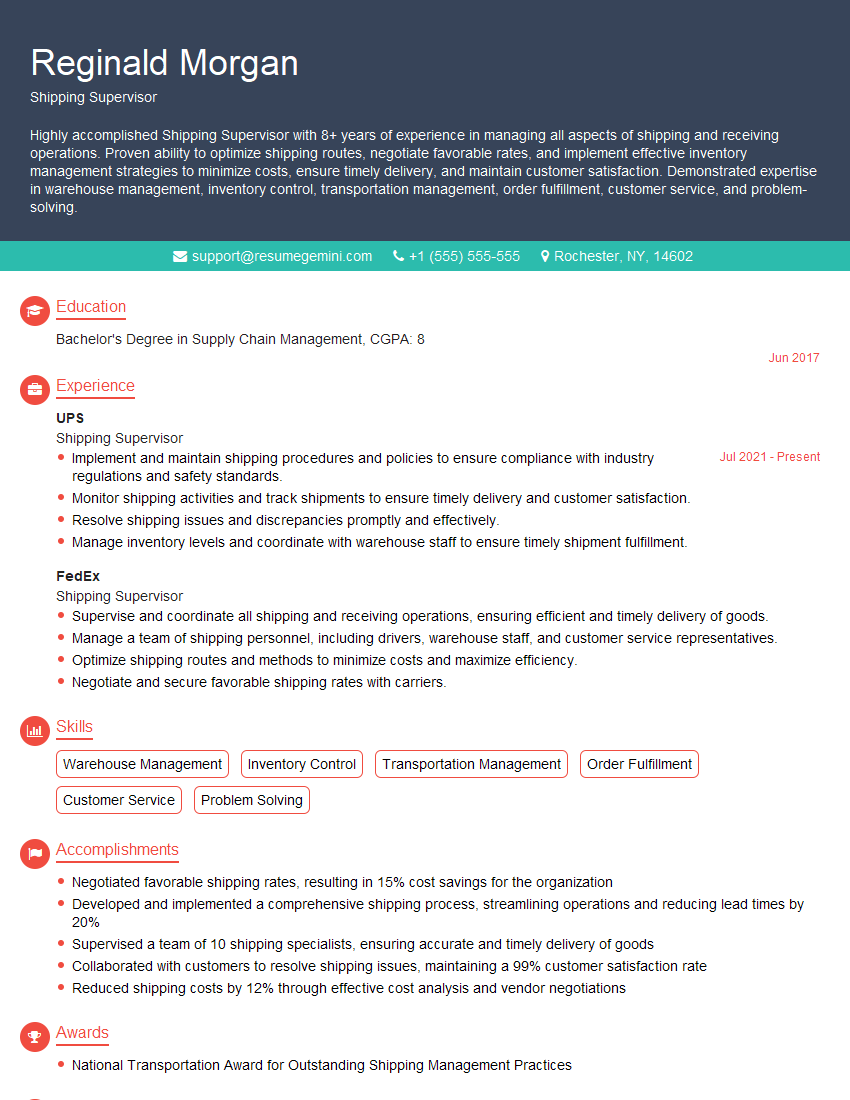
Shipping Supervisor Resume Sample
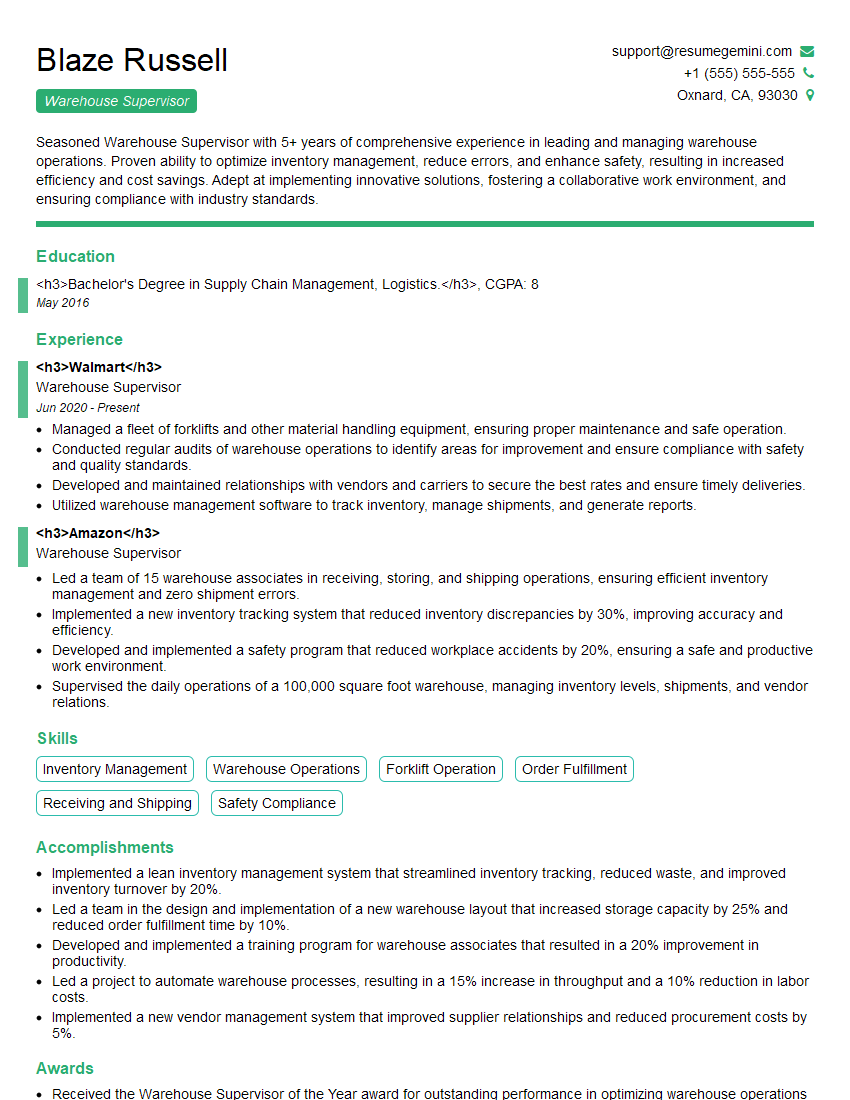
Warehouse Supervisor Resume Sample
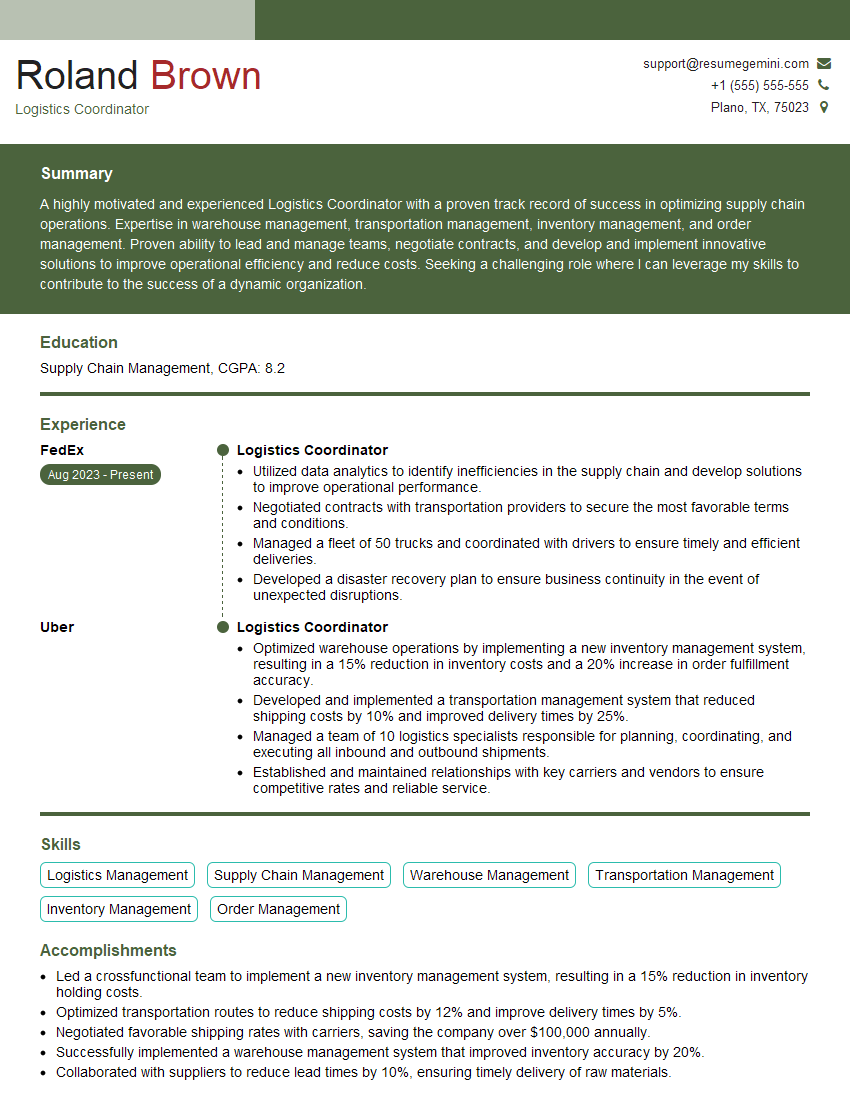
Logistics Coordinator Resume Sample
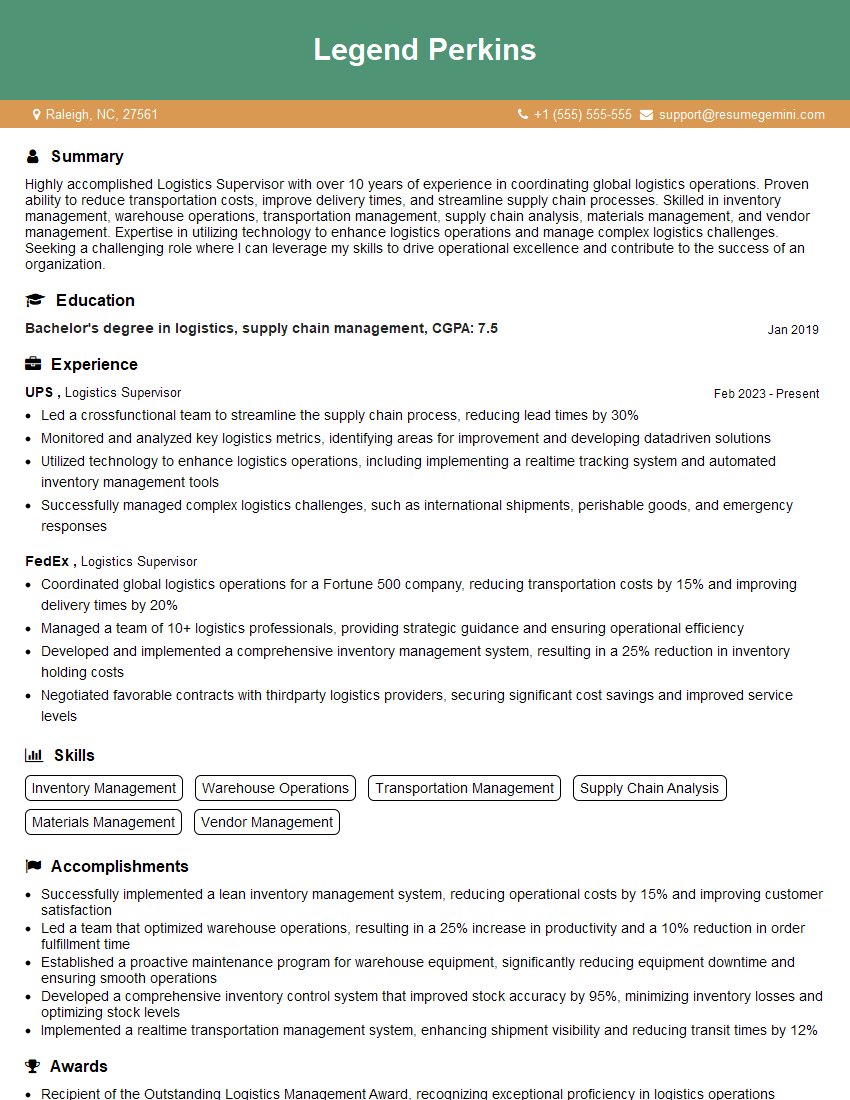
Logistics Supervisor Resume Sample
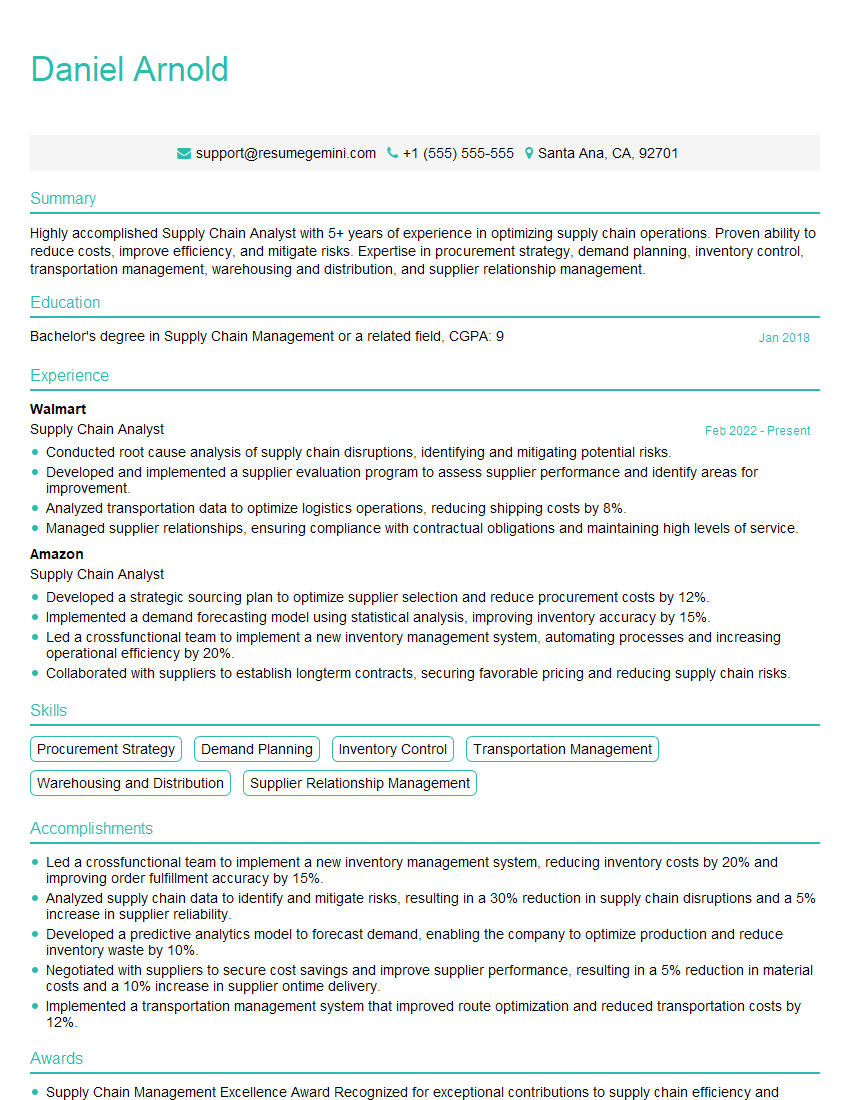
Supply Chain Analyst Resume Sample
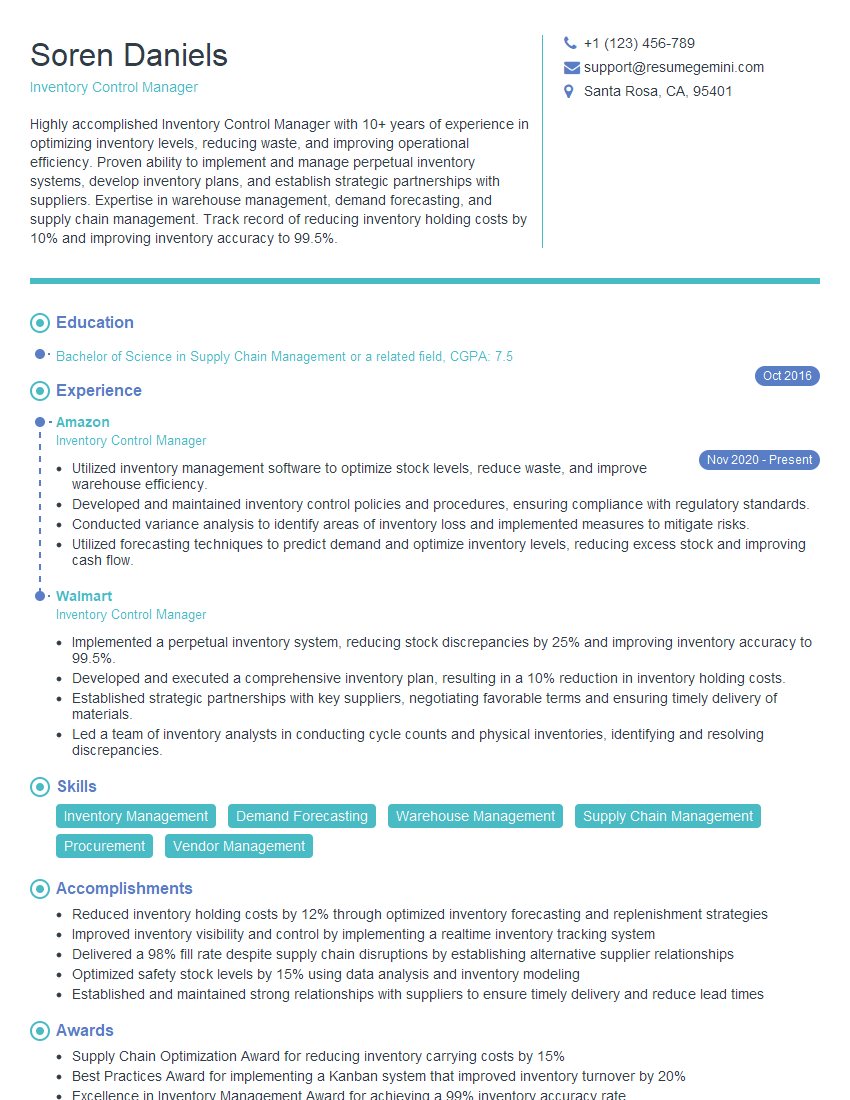
Inventory Control Manager Resume Sample
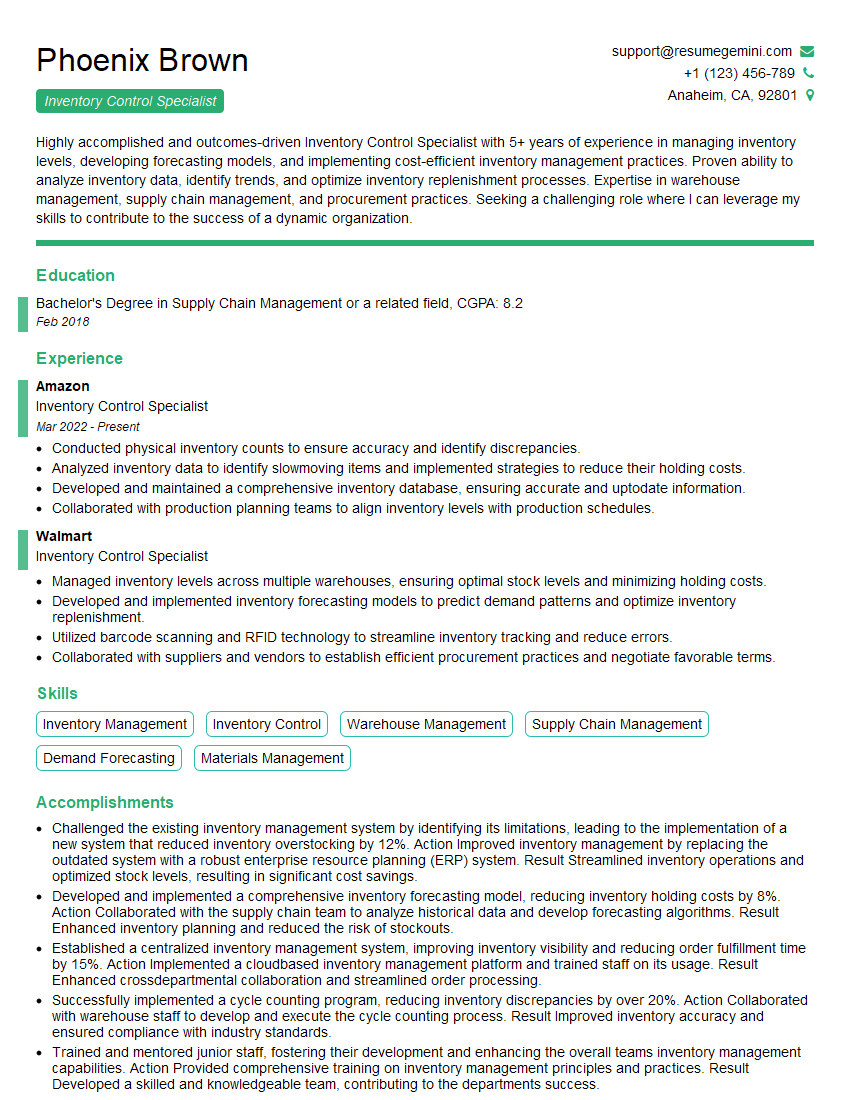
Inventory Control Specialist Resume Sample
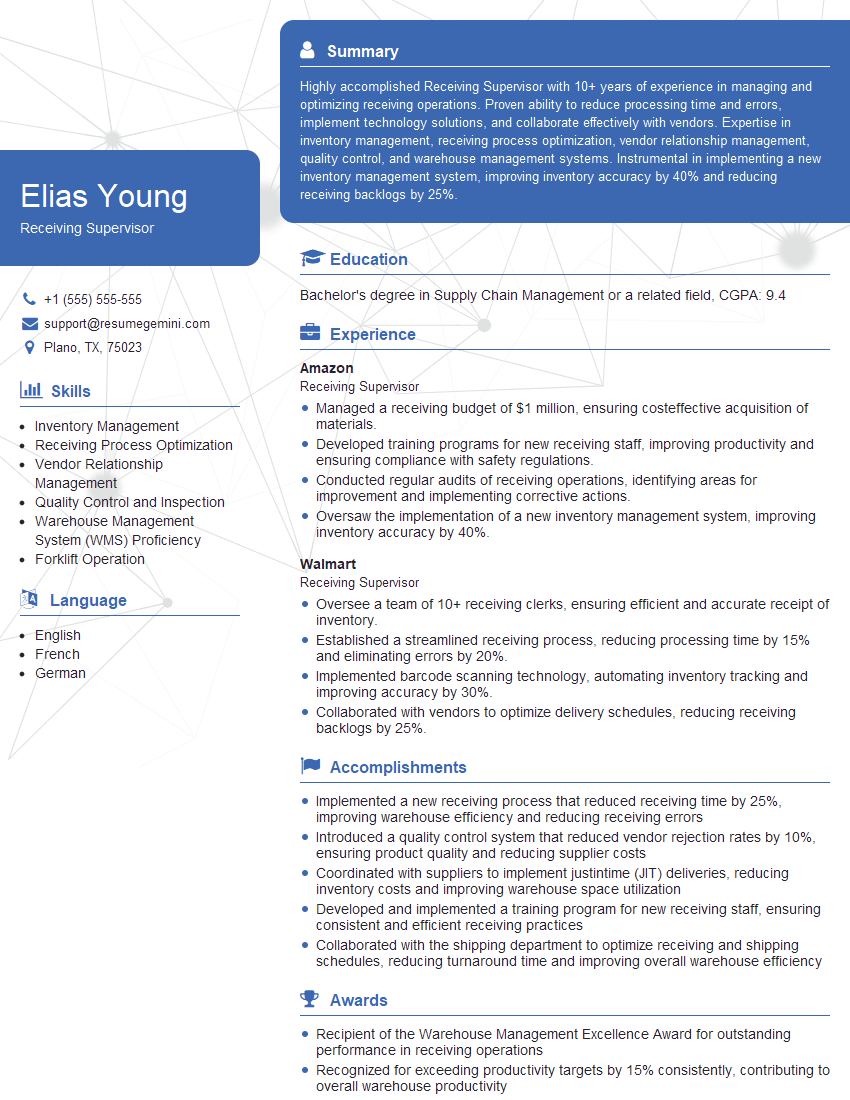
Receiving Supervisor Resume Sample

Shipping and Receiving Clerk Resume Sample
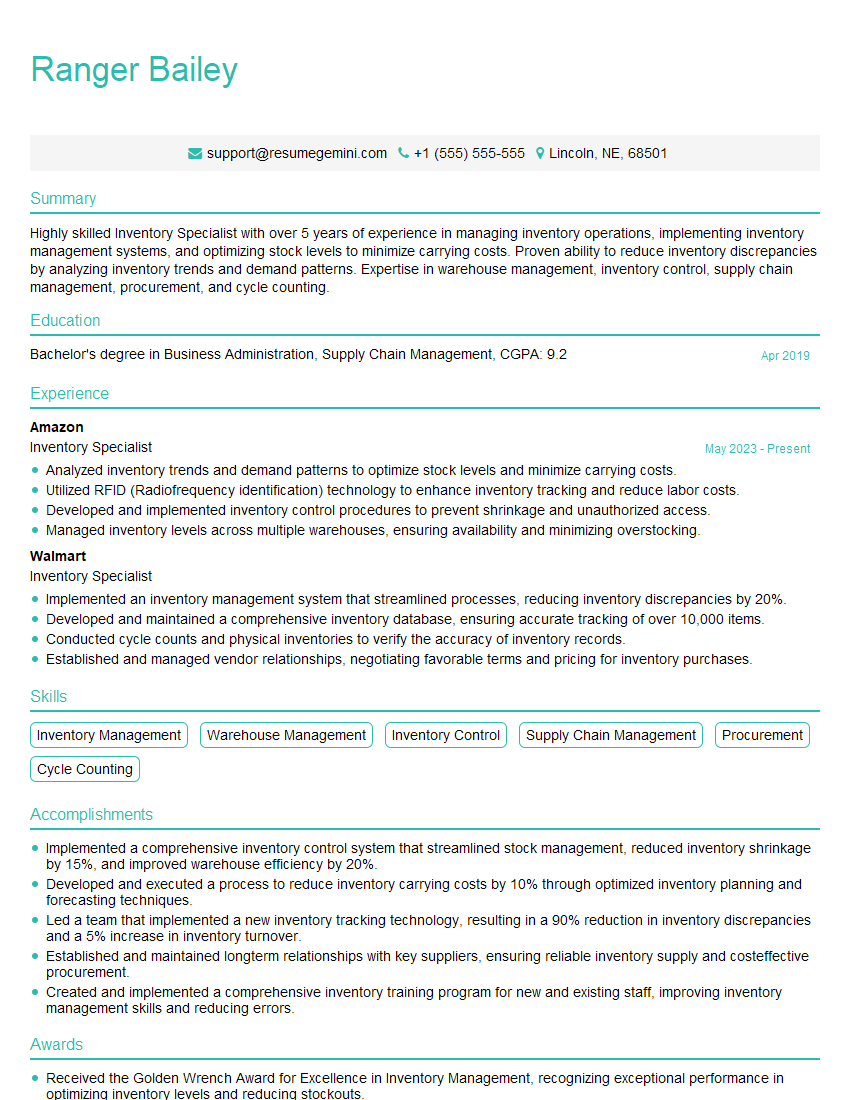
Inventory Specialist Resume Sample
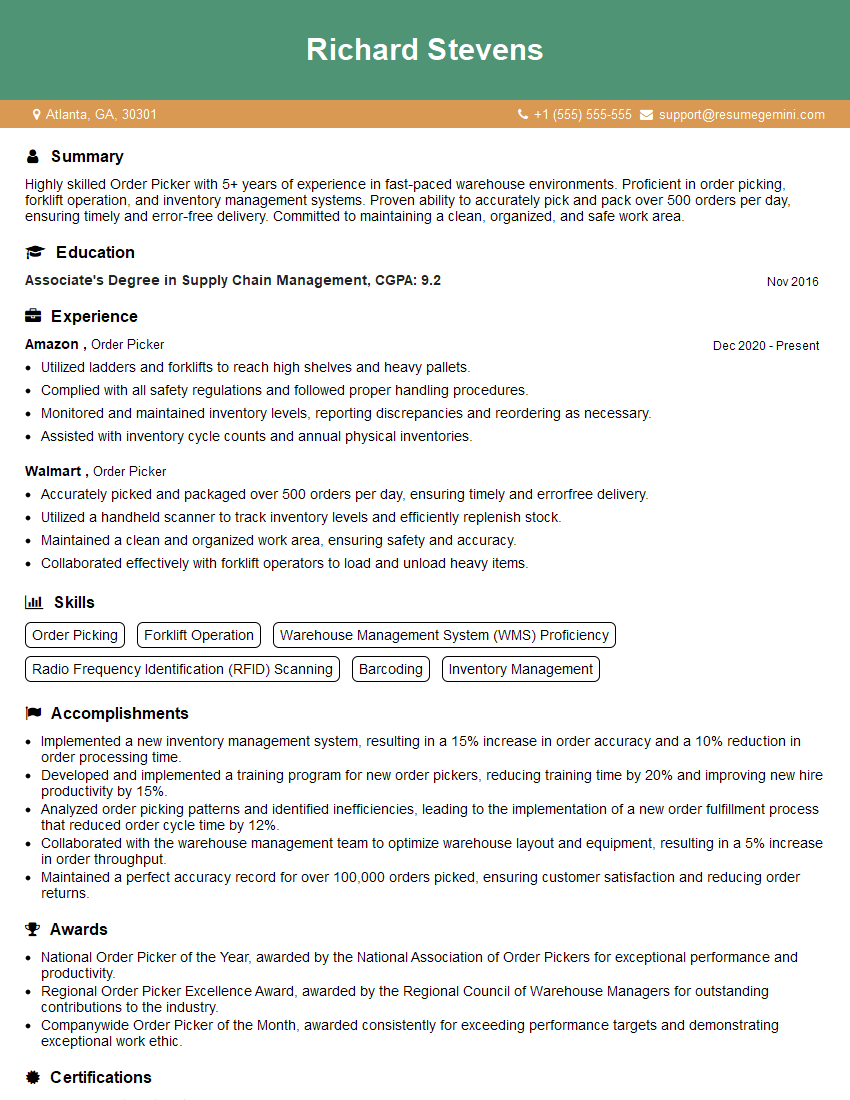
Order Picker Resume Sample
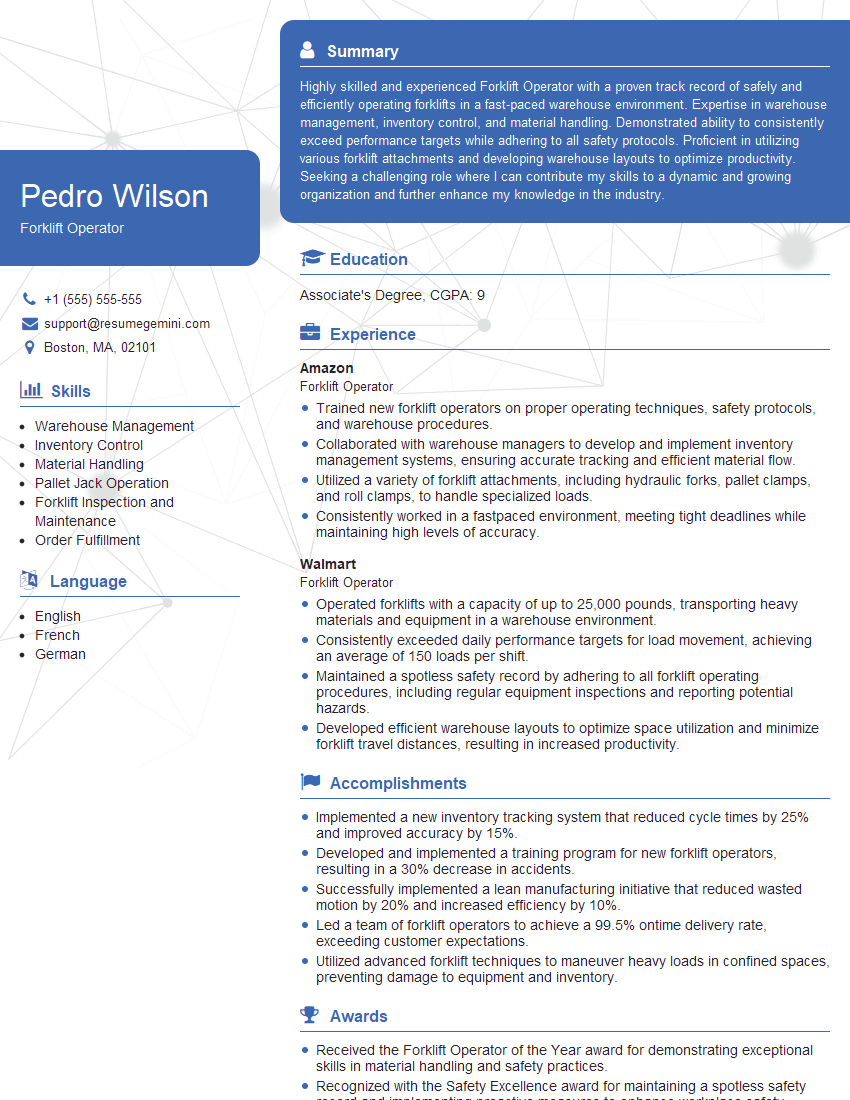
Forklift Operator Resume Sample
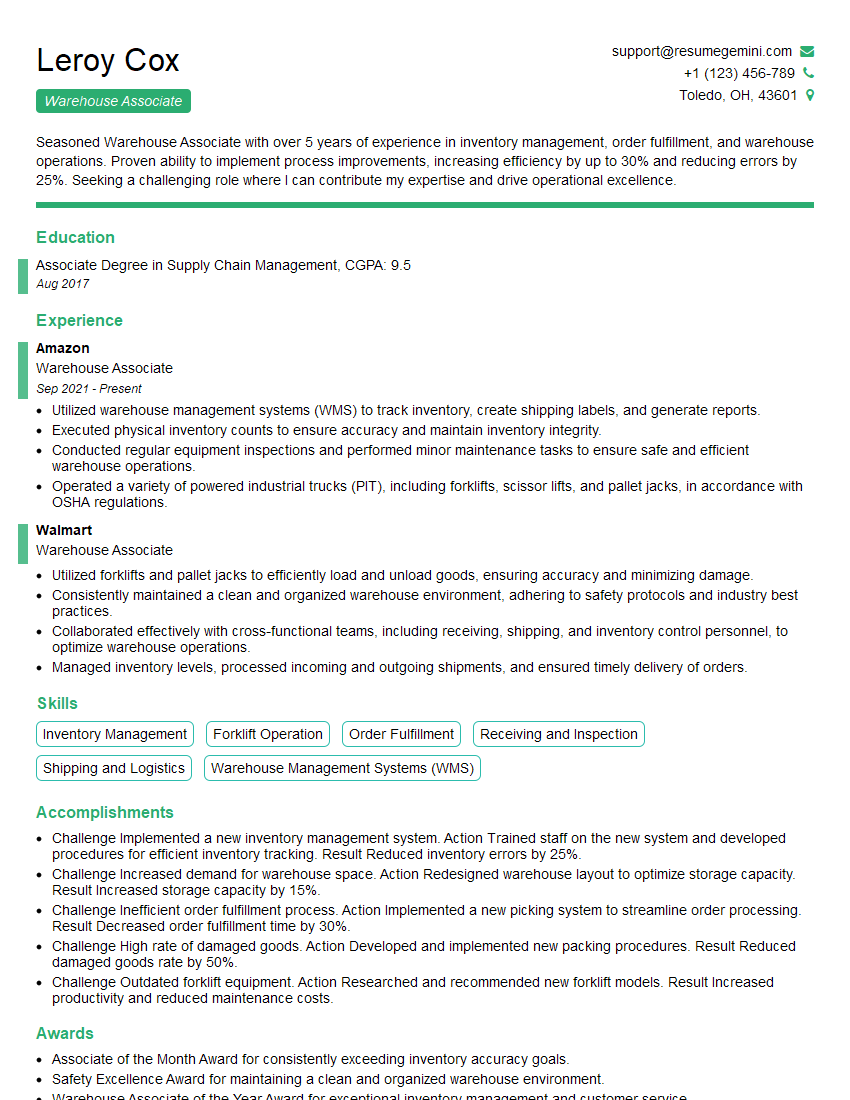
Warehouse Associate Resume Sample
- Supply Chain Manager
- Distribution Center Manager
- Logistics Manager
- Warehouse Manager
- Warehouse Operations Manager
- Dispatch Manager
- Shipping Supervisor
- Warehouse Supervisor
- Logistics Coordinator
- Logistics Supervisor
- Supply Chain Analyst
- Inventory Control Manager
- Inventory Control Specialist
- Receiving Supervisor
- Shipping and Receiving Clerk
- Inventory Specialist
- Order Picker
- Forklift Operator
- Warehouse Associate
Explore more articles
Users Rating of Our Blogs
Share Your Experience
We value your feedback! Please rate our content and share your thoughts (optional).
What Readers Say About Our Blog
Really detailed insights and content, thank you for writing this detailed article.
IT gave me an insight and words to use and be able to think of examples