Interviews are more than just a Q&A session—they’re a chance to prove your worth. This blog dives into essential support children’s cognitive, physical, social, and emotional development interview questions and expert tips to help you align your answers with what hiring managers are looking for. Start preparing to shine!
Questions Asked in support children’s cognitive, physical, social, and emotional development Interview
Q 1. Describe your experience working with children exhibiting different learning styles.
Understanding and catering to diverse learning styles is crucial for effective teaching. Children learn in various ways – visually, auditorily, kinesthetically, and through a combination of these. My experience involves adapting my teaching methods to suit each child’s preferences. For instance, a visually-oriented learner might benefit from colorful charts and diagrams, while a kinesthetic learner might learn best through hands-on activities and movement. I assess learning styles through observation, analyzing their responses to different teaching techniques, and using informal assessments.
For example, I once worked with a student who struggled with written instructions. After observing her preference for hands-on learning, I incorporated more tactile activities and real-world examples into my lessons. This approach significantly improved her comprehension and participation. I also utilize a variety of teaching methodologies – storytelling, games, role-playing – to cater to various learning preferences. This ensures that all children have opportunities to engage with the material in a way that suits them best.
Q 2. Explain your approach to assessing a child’s developmental milestones.
Assessing a child’s developmental milestones involves a multifaceted approach combining observation, standardized assessments, and parent/caregiver input. I utilize age-appropriate developmental checklists and tools to track progress in various domains – gross motor skills (e.g., walking, jumping), fine motor skills (e.g., grasping, writing), language development (e.g., speaking, understanding), cognitive skills (e.g., problem-solving, memory), and social-emotional development (e.g., sharing, empathy). I pay close attention to the child’s play, interactions with peers, and responses to different tasks.
For instance, observing a child’s ability to build a tower with blocks can reveal their fine motor skills and problem-solving abilities. Parent interviews provide valuable context and insights into the child’s behavior at home. I would use a combination of formal and informal assessments, adapting my approach based on the child’s age, abilities, and individual needs. If a delay is suspected, I would consult with specialists and parents to develop an individualized support plan.
Q 3. How would you identify and address a child’s social-emotional learning needs?
Identifying and addressing a child’s social-emotional learning (SEL) needs involves creating a safe and supportive environment where children feel comfortable expressing their feelings. This includes regular observation of their interactions with peers and adults. I use tools like social-emotional checklists, and anecdotal records to monitor emotional regulation, empathy, self-awareness, and social skills. Early identification is key, addressing any challenges through various strategies.
For example, if a child is struggling with anger management, we might use role-playing scenarios to practice coping mechanisms. If a child has difficulties with peer interactions, we would facilitate cooperative games and social skills group activities. Collaborative problem-solving techniques and positive reinforcement are crucial. For more complex issues, I collaborate with parents, counselors, and other specialists to provide comprehensive support.
Q 4. What strategies do you employ to foster cognitive development in young children?
Fostering cognitive development in young children requires creating engaging and stimulating learning experiences. I employ a variety of strategies, including play-based learning, storytelling, interactive games, and hands-on activities. Open-ended play allows children to explore their imagination, problem-solve, and develop critical thinking skills. Storytelling develops language skills and enhances comprehension. Interactive games enhance memory and cognitive flexibility.
For example, using building blocks can promote spatial reasoning and problem-solving. Singing songs and rhymes develops language and memory. Puzzles and sorting games improve cognitive skills, such as pattern recognition. Creating a stimulating environment that is rich in learning materials and opportunities for exploration is also critical.
Q 5. Describe your understanding of Piaget’s stages of cognitive development.
Piaget’s stages of cognitive development describe how children’s thinking evolves through four distinct stages: sensorimotor, preoperational, concrete operational, and formal operational. The sensorimotor stage (birth to 2 years) involves learning through senses and actions. The preoperational stage (2 to 7 years) is characterized by symbolic thinking, egocentrism, and centration. The concrete operational stage (7 to 11 years) sees the development of logical reasoning and conservation. Finally, the formal operational stage (11 years and beyond) involves abstract thinking and hypothetical reasoning.
Understanding these stages helps me tailor my teaching methods to the child’s cognitive abilities. For instance, with a preoperational child, I’d use concrete examples and visuals, while with a concrete operational child, I can introduce more complex problem-solving activities that require logical thinking. This understanding is vital for designing developmentally appropriate learning experiences.
Q 6. How would you create a developmentally appropriate learning environment?
Creating a developmentally appropriate learning environment involves designing a space that is safe, stimulating, and supportive of children’s growth and learning. This includes providing a variety of materials to encourage exploration and creativity, such as blocks, art supplies, books, and dramatic play props. The environment should also be organized and accessible, allowing children to easily navigate and find what they need.
I ensure the space fosters independence and self-reliance. Clear routines and predictable schedules create a sense of security and structure for young children. The learning environment should be flexible and adaptable, allowing for spontaneous play and exploration, while also providing opportunities for focused learning activities. Collaboration and communication with parents are key aspects of creating such an environment.
Q 7. Explain your approach to behavior management with children.
My approach to behavior management is based on positive reinforcement, proactive strategies, and a focus on understanding the underlying reasons for challenging behaviors. I avoid punitive measures and instead utilize positive guidance techniques to teach children appropriate behavior. This includes setting clear expectations, providing consistent positive feedback, and redirecting inappropriate behavior. I also build strong positive relationships with children and understand their individual needs and temperaments.
For instance, I use positive reinforcement to encourage desirable behaviors, and address misbehavior through logical consequences and collaborative problem-solving. I work with children to develop self-regulation strategies, such as deep breathing exercises or taking breaks when they feel overwhelmed. Open communication with parents is key to ensure consistency between home and school environments.
Q 8. How do you differentiate instruction to meet the diverse needs of children in a classroom?
Differentiated instruction is crucial for meeting the diverse learning needs of children. It’s about adapting teaching methods, materials, and assessment to match individual students’ learning styles, strengths, and challenges. Think of it like tailoring a suit – one size doesn’t fit all!
- Learning Styles: Some children are visual learners, thriving with diagrams and images. Others are auditory learners, benefiting from discussions and lectures, while kinesthetic learners learn best through hands-on activities. I would use a variety of methods to cater to all.
- Readiness Levels: Children in a classroom will be at different stages of understanding. I’d offer tiered activities, with varying levels of complexity for each concept. For example, in a math lesson on addition, some children might work on basic sums, others on word problems, and advanced learners on multi-step problems.
- Interests: Engaging students is easier when learning is relevant to their interests. I would incorporate student choices into learning activities whenever possible, allowing them to pursue projects that align with their passions. For instance, if children are fascinated by dinosaurs, I’d integrate dinosaur-themed activities into various subjects.
- Needs: Children with learning disabilities or other special needs require individualized support. I collaborate closely with special education teachers and utilize assistive technology and modified assignments as needed to ensure success for every student.
For example, during a science experiment, I might provide visual aids for visual learners, verbal instructions for auditory learners, and hands-on materials for kinesthetic learners. I would also modify the experiment for children with physical limitations, allowing them to participate using adaptive tools.
Q 9. What are some common physical developmental milestones and how would you identify delays?
Physical development milestones are key indicators of a child’s growth and development. These are age-related achievements in areas like gross motor skills (large muscle movements) and fine motor skills (small muscle movements).
- Gross Motor Skills: Examples include crawling, walking, running, jumping, and climbing. Delays might manifest as difficulty with balance, coordination, or achieving these milestones significantly later than expected for their age.
- Fine Motor Skills: This includes skills like grasping objects, using utensils, writing, and drawing. Delays could appear as difficulty with hand-eye coordination, poor pencil grip, or inability to perform age-appropriate tasks like buttoning clothes.
Identifying delays involves careful observation and comparison to normative data. Developmental screening tools and regular assessments are crucial. If a child consistently shows significant delays compared to their peers, it’s important to consult with specialists like pediatricians or occupational therapists for further evaluation and intervention.
For example, a 3-year-old who can’t walk independently or a 5-year-old who struggles to hold a crayon properly would warrant further investigation. It’s important to remember that individual variations exist, but consistent significant delays raise concerns.
Q 10. How would you adapt activities to accommodate children with physical disabilities?
Adapting activities for children with physical disabilities involves creating an inclusive and accessible learning environment. The key is to focus on adapting the activity, not the child.
- Adaptive Equipment: Using assistive technology such as adapted writing tools, specialized chairs, or communication devices can help children participate fully.
- Modified Activities: Some activities might require modifications. For instance, a child in a wheelchair might need ramps to access play areas or participate in art activities at an adapted table height. A child with limited hand function could use alternative tools like mouth sticks or adapted paintbrushes.
- Assistive Technology: Using technology like voice-to-text software, screen readers, or eye-gaze technology can aid children with various physical limitations.
- Collaboration: Working closely with occupational therapists, physical therapists, and the child’s family is crucial to understand their specific needs and preferences.
For example, during a group game, I’d ensure there’s space for wheelchairs and modify the rules to allow for different participation methods. I’d also provide alternatives for children who cannot use their hands for specific activities. Remember, the goal is to ensure equal access to learning and participation, fostering a sense of belonging and self-esteem.
Q 11. Describe your experience with inclusive education practices.
My experience with inclusive education practices has been deeply rewarding. I believe all children deserve to learn and grow together in a supportive and accepting environment. I have worked in classrooms where students with diverse learning needs and disabilities are fully integrated.
This includes using differentiated instruction strategies, co-teaching with special education professionals, and providing individualized support. I actively participate in professional development on inclusive teaching practices and utilize various assessment methods to track each child’s progress, considering their unique learning styles and needs. I prioritize creating a classroom culture of acceptance and understanding, where every child feels valued and respected for who they are.
For instance, I’ve helped create peer-buddies programs where students with and without disabilities support each other, promoting social interaction and collaboration. I’ve also adapted curriculum materials and assessment methods to accommodate diverse learners, focusing on their strengths and addressing their individual challenges.
Q 12. How do you promote positive peer interactions and conflict resolution?
Promoting positive peer interactions and conflict resolution is vital for a healthy classroom environment. I use a multifaceted approach:
- Modeling Positive Behavior: I consistently model respectful communication, empathy, and conflict-resolution strategies. Children learn through observation and imitation.
- Teaching Social Skills: I explicitly teach social skills such as sharing, taking turns, active listening, and expressing emotions appropriately. Role-playing and group discussions help reinforce these skills.
- Conflict Resolution Strategies: I teach children structured methods for resolving conflicts peacefully. This includes identifying the problem, brainstorming solutions, and evaluating the outcome together. Techniques like mediation and using “I” statements are very effective.
- Creating a Positive Classroom Climate: A welcoming and inclusive classroom fosters positive interactions. I encourage teamwork, cooperation, and celebrating diversity.
- Restorative Justice Practices: In case of conflicts, I would guide students through discussions to understand their perspectives and come up with solutions that make amends.
For example, if two children are arguing over a toy, I’d guide them through a process of explaining their feelings, finding a compromise (like sharing the toy or taking turns), and then praising their ability to resolve the issue peacefully.
Q 13. How do you support children’s emotional regulation skills?
Supporting children’s emotional regulation is crucial for their overall well-being and academic success. It’s about helping them understand, manage, and express their emotions in healthy ways.
- Emotional Literacy: I help children identify and name their emotions through books, games, and discussions. Understanding emotions is the first step to managing them.
- Mindfulness and Relaxation Techniques: I introduce practices like deep breathing, meditation, or yoga to help children calm down when they feel overwhelmed or stressed.
- Self-Soothing Strategies: I teach children self-soothing techniques such as listening to calming music, drawing, or engaging in quiet activities to manage their feelings independently.
- Social-Emotional Learning (SEL): I integrate SEL activities into the curriculum, focusing on empathy, self-awareness, and responsible decision-making. This can be as simple as morning circle discussions where children talk about how they’re feeling.
- Creating a Safe Space: A classroom where children feel safe and supported is essential for emotional development. I foster an environment of trust and acceptance where they feel comfortable expressing their emotions.
For instance, if a child is feeling angry, I might help them identify their anger and teach them to take deep breaths to calm down. I’d also encourage them to express their anger in a constructive way, perhaps by drawing a picture or talking about what made them angry.
Q 14. What are some signs of emotional distress in children, and how would you respond?
Signs of emotional distress in children can vary depending on their age and developmental stage, but some common indicators include:
- Changes in Behavior: Increased aggression, withdrawal, clinginess, difficulty concentrating, changes in sleep or appetite.
- Physical Symptoms: Stomach aches, headaches, or other unexplained physical complaints.
- Emotional Expressions: Excessive crying, anger outbursts, anxiety, fear, sadness, or expressions of hopelessness.
- Regression: A return to earlier behaviors such as thumb-sucking or bedwetting.
- Social Withdrawal: Avoiding social interactions or isolating themselves from friends and peers.
My response to emotional distress depends on the severity and nature of the situation. I would first create a safe and supportive environment, ensuring the child feels heard and understood. I would listen empathetically, validate their feelings, and offer comfort and support. If the distress is severe or persistent, I’d consult with parents, counselors, or other specialists to provide appropriate intervention.
For example, if a child is crying uncontrollably, I’d offer a comforting hug, a quiet space, and ask them what’s wrong. Depending on the situation, I might involve their parents, or seek professional guidance if the behavior persists or indicates a more serious problem.
Q 15. How do you build positive relationships with children and their families?
Building positive relationships with children and families is foundational to effective child development support. It’s about creating a safe, trusting environment where open communication and mutual respect thrive. This involves several key strategies:
- Active Listening: Truly hearing what children and parents are saying, both verbally and nonverbally, showing empathy and understanding. For example, if a child is upset about a lost toy, I wouldn’t dismiss their feelings but would acknowledge their sadness and help them explore solutions.
- Building Rapport: Finding common interests and engaging in activities that children enjoy. This could be anything from reading stories to playing games, allowing me to connect with them on their level.
- Respectful Communication: Addressing children and parents with respect, using appropriate language, and valuing their perspectives. I always ensure my communication is clear, concise, and sensitive to their emotional state.
- Collaboration: Working closely with families to develop individualized plans that meet their child’s unique needs. This involves regular communication, shared decision-making, and consistent follow-up.
- Consistent and Reliable Presence: Being a predictable and reliable presence in a child’s life builds trust and security. This consistency helps them feel safe and supported.
For example, I once worked with a family where the child was struggling with school. By actively listening to both the child and parents, I discovered underlying anxieties about social interaction. We collaborated on strategies, including social skills training and parent-child communication techniques, which significantly improved the child’s school experience and family dynamics.
Career Expert Tips:
- Ace those interviews! Prepare effectively by reviewing the Top 50 Most Common Interview Questions on ResumeGemini.
- Navigate your job search with confidence! Explore a wide range of Career Tips on ResumeGemini. Learn about common challenges and recommendations to overcome them.
- Craft the perfect resume! Master the Art of Resume Writing with ResumeGemini’s guide. Showcase your unique qualifications and achievements effectively.
- Don’t miss out on holiday savings! Build your dream resume with ResumeGemini’s ATS optimized templates.
Q 16. Describe your experience using assistive technology to support children with disabilities.
Assistive technology plays a crucial role in supporting children with disabilities, enabling them to access learning, communication, and social participation more effectively. My experience encompasses a range of technologies, including:
- Augmentative and Alternative Communication (AAC) devices: I’ve worked with children using speech-generating devices, picture exchange systems (PECS), and other AAC methods to enhance their communication skills. For example, I helped a non-verbal child learn to use a tablet-based AAC system, allowing him to express his needs and wants, fostering his independence and social interactions.
- Adaptive learning software: I’ve utilized various educational software programs tailored to specific learning differences, such as dyslexia or ADHD. These programs offer personalized learning pathways, adaptive difficulty levels, and engaging interactive elements.
- Mobility aids: I’ve assisted children using wheelchairs, walkers, and other mobility devices, ensuring their safe and effective movement in the classroom and beyond. This involves adapting the classroom environment and teaching appropriate mobility techniques.
- Sensory integration tools: I’ve incorporated sensory tools, such as weighted blankets, noise-canceling headphones, and fidget toys, to support children with sensory processing difficulties. These tools can help regulate sensory input and improve focus and concentration.
Integrating assistive technology requires careful consideration of the child’s individual needs, preferences, and learning style. It’s crucial to involve the child, family, and other professionals in the selection and implementation process to ensure a successful and empowering experience.
Q 17. How would you address a child’s anxiety or fear in a classroom setting?
Addressing a child’s anxiety or fear in the classroom requires a calm, empathetic, and supportive approach. The goal is to create a safe and predictable environment where the child feels understood and validated.
- Identify the Source: First, try to understand the root cause of the anxiety or fear. Is it related to specific tasks, social situations, or a broader issue? Open-ended questions can be very helpful here.
- Create a Safe Space: Designate a quiet, comfortable area in the classroom where the child can retreat when feeling overwhelmed. This could be a corner with a soft blanket or a special chair.
- Develop Coping Mechanisms: Teach the child relaxation techniques, such as deep breathing exercises or mindfulness practices. Role-playing can also be very effective in helping them prepare for anxiety-provoking situations.
- Positive Reinforcement: Acknowledge and praise the child’s efforts to manage their anxiety. Celebrate small victories and focus on their strengths.
- Collaboration with Parents and Professionals: Work closely with parents and other professionals, such as school counselors or therapists, to provide consistent support and address underlying issues.
For instance, if a child is afraid of public speaking, I would start by practicing with them in a small group setting, gradually increasing the audience size. I would also teach them relaxation techniques and provide positive reinforcement for each step forward.
Q 18. What strategies do you use to encourage creativity and imagination in children?
Encouraging creativity and imagination is vital for holistic child development. It fosters problem-solving skills, critical thinking, and emotional expression. I utilize various strategies:
- Open-Ended Activities: Provide activities with no single ‘right’ answer, such as drawing, painting, building with blocks, or dramatic play. This allows children to explore their ideas freely.
- Storytelling and Creative Writing: Encourage children to create their own stories, poems, or plays. This can be done individually or as a group.
- Role-Playing and Dramatic Play: Provide opportunities for children to act out scenarios, using costumes, props, and their imaginations. This promotes social interaction and emotional expression.
- Art and Music Exploration: Offer diverse art supplies and musical instruments, allowing children to experiment and express themselves through various mediums.
- Nature Exploration: Take children outdoors to explore nature, encouraging them to observe, create, and imagine based on their surroundings.
For example, I once organized a ‘junk art’ project where children used recycled materials to build imaginative creations. The results were astonishing, showcasing a wide range of creativity and problem-solving skills.
Q 19. How do you foster a sense of belonging and self-esteem in children?
Fostering a sense of belonging and self-esteem is crucial for a child’s well-being. It’s about helping them feel valued, accepted, and confident in their abilities. I employ several approaches:
- Positive Reinforcement and Encouragement: Regularly praise and encourage children’s efforts and achievements, focusing on their strengths and progress rather than solely on their weaknesses.
- Creating a Supportive Classroom Community: Establish a classroom environment characterized by respect, empathy, and collaboration. Encourage peer support and teamwork.
- Individualized Attention: Pay attention to each child’s unique needs and interests. Show genuine interest in their lives and perspectives.
- Opportunities for Leadership and Responsibility: Give children opportunities to take on leadership roles and responsibilities, helping them build confidence and a sense of ownership.
- Promoting Self-Expression: Provide opportunities for children to express themselves through various mediums, such as art, writing, music, or drama. This allows them to explore their identity and build self-awareness.
For example, I created a ‘kindness board’ in my classroom where children could write positive messages about each other, fostering a supportive and inclusive environment. This simple act boosted self-esteem and created a stronger sense of community.
Q 20. Explain your understanding of trauma-informed care.
Trauma-informed care is an approach that recognizes the pervasive impact of trauma on individuals’ lives and adjusts services and practices accordingly. It shifts the focus from ‘what’s wrong with you?’ to ‘what happened to you?’. Key principles include:
- Safety: Creating a safe and predictable environment where children feel physically and emotionally secure.
- Trustworthiness and Transparency: Building trust by being open, honest, and reliable in interactions with children and families.
- Choice, Collaboration, and Empowerment: Involving children and families in decision-making processes, respecting their choices, and empowering them to take control of their lives.
- Peer Support: Creating opportunities for peer support and connection amongst children who have experienced trauma.
A trauma-informed approach means understanding that a child’s behavior might be a manifestation of past trauma and responding with empathy and understanding rather than punishment. For instance, a child who exhibits aggressive behavior might be reacting to past experiences of violence or neglect. A trauma-informed approach would focus on addressing the underlying trauma through therapeutic interventions and creating a safe and supportive environment.
Q 21. How would you respond to a child experiencing a tantrum or emotional outburst?
Responding to a child’s tantrum or emotional outburst requires patience, empathy, and a calm approach. The goal is to help the child regulate their emotions and feel safe and understood.
- Remain Calm: The adult’s calm demeanor can help de-escalate the situation. Avoid reacting with anger or frustration.
- Ensure Safety: Make sure the child and others are safe from harm.
- Provide a Safe Space: Allow the child to move to a quiet space where they can calm down.
- Validate Feelings: Acknowledge the child’s feelings without judgment. For example, you could say, ‘I see you’re feeling really angry right now.’
- Offer Comfort: Once the child has calmed down, offer comfort and support. A hug or a quiet presence can be very reassuring.
- Problem-Solving: Once the child is calm, help them identify the cause of the outburst and work together to find a solution.
For example, if a child is having a tantrum because they can’t have a toy, I would acknowledge their frustration, saying something like, ‘I understand you really want that toy, but we can’t have it right now.’ I would then help them find another activity or offer an alternative solution. The focus is on helping them manage their emotions and learn coping skills.
Q 22. Describe your experience working with children with specific learning disabilities (e.g., ADHD, dyslexia).
My experience working with children with specific learning disabilities, such as ADHD and dyslexia, is extensive. I’ve worked with children exhibiting a wide range of symptoms and needs, tailoring my approach to each individual’s unique learning style and challenges. For example, I worked with a student diagnosed with ADHD who struggled with sustained attention and impulsivity. We implemented strategies such as breaking down tasks into smaller, more manageable chunks, providing frequent positive reinforcement, and incorporating movement breaks into the learning activities. This significantly improved his focus and task completion.
With children diagnosed with dyslexia, my approach focuses on multi-sensory learning, utilizing phonics-based instruction, visual aids, and hands-on activities to strengthen their phonological awareness and decoding skills. I’ve also worked closely with parents and specialists to develop individualized education plans (IEPs) that incorporate accommodations and modifications to help these children succeed in the classroom and beyond. One student I worked with benefited greatly from using assistive technology like text-to-speech software, allowing him to access and comprehend written material more easily. My experience includes utilizing various assessment tools to diagnose learning difficulties and to monitor progress, ensuring that interventions are effective and responsive to individual needs.
Q 23. What is your philosophy on discipline and how do you implement it?
My philosophy on discipline is based on positive guidance and building strong, respectful relationships. I believe in fostering a classroom environment where children feel safe, understood, and empowered to make good choices. Punishment alone is ineffective; it doesn’t teach children *why* certain behaviors are unacceptable. Instead, I focus on teaching self-regulation and problem-solving skills.
My approach involves clearly establishing expectations and consistently reinforcing positive behaviors through praise and rewards. When a child misbehaves, I take time to understand the underlying cause. Perhaps they’re tired, hungry, or frustrated. Addressing these needs can often resolve the behavioral issue. I use positive reinforcement techniques and teach children how to express their emotions in healthy ways. If a behavior is persistent, I collaborate with parents and relevant professionals to develop a comprehensive behavior management plan, always keeping the child’s well-being as the top priority. Think of it like gardening; you nurture the good and gently redirect the weeds instead of just pulling them out.
Q 24. How do you incorporate play-based learning into your teaching?
Play-based learning is fundamental to my teaching approach. It’s not just about fun and games; it’s a powerful tool for fostering cognitive, social, emotional, and physical development. I incorporate play into my lessons in various ways. For instance, we might use building blocks to explore concepts of geometry and engineering. Dramatic play helps children develop social skills, communication, and problem-solving abilities. Outdoor play allows for physical activity and exploration of nature. I design activities that are age-appropriate and aligned with learning objectives.
For example, when teaching about fractions, we could use playdough to create and manipulate fractions visually. Or, a game of Simon Says can reinforce listening skills and following directions. I observe children’s play and use it as an assessment tool to understand their learning styles, strengths, and areas needing further support. The goal is to make learning enjoyable, engaging, and meaningful, turning the classroom into a place of discovery and exploration.
Q 25. How would you handle a situation where a child is being bullied?
Bullying is a serious issue that requires immediate and effective intervention. My first step would be to ensure the safety and well-being of the child being bullied. I would listen empathetically and validate their feelings. It’s crucial to create a safe space where they feel comfortable sharing what happened without judgment. I would then gather information about the incident, including who was involved, what happened, and when and where it took place.
Next, I would address the situation by speaking to the bully, explaining why their behavior is unacceptable and harmful, and outlining the consequences of their actions. This may involve restorative justice practices, where the bully and victim work together to find a solution that addresses the harm caused. I would also involve parents or guardians of both the bully and the victim, fostering collaboration to address the issue consistently at home and school. Finally, I’d work on preventive measures, such as promoting empathy, building positive relationships among students, and establishing clear anti-bullying policies and procedures in the classroom and school. Ongoing monitoring is crucial to ensure that the bullying stops and that the victim feels safe and supported.
Q 26. Describe your understanding of different communication styles and how you adapt your approach.
Understanding different communication styles is vital for effective teaching. Children communicate differently based on their age, personality, and developmental stage. Some children are more verbal, while others may be more visual or kinesthetic learners. Some may express themselves through art or music. I adapt my communication style by actively listening to each child and observing their nonverbal cues. I adjust my language, tone, and pace to match their individual needs.
For example, I might use simple, concrete language with younger children, and more abstract concepts with older ones. For visual learners, I’ll use diagrams, charts, and other visual aids. For kinesthetic learners, I’ll incorporate hands-on activities and movement into my lessons. When communicating with parents, I tailor my approach to their preferences. Some prefer email updates, while others prefer phone calls or in-person meetings. My aim is always to build rapport and establish clear, consistent communication to ensure that everyone understands the child’s needs and progress.
Q 27. How do you ensure the safety and well-being of children in your care?
Ensuring the safety and well-being of children is my utmost priority. This starts with creating a nurturing and supportive classroom environment where children feel safe, respected, and valued. I follow all safety protocols and procedures established by the school and relevant authorities. This includes regular safety checks of the classroom, ensuring that all equipment is in good working order, and maintaining a clean and organized learning space.
I’m vigilant in monitoring children’s interactions and supervising them during activities, both indoors and outdoors. I teach children about safety rules and procedures, such as handwashing, stranger danger, and emergency evacuation plans. I also have a thorough understanding of child abuse and neglect prevention and reporting procedures and am trained to recognize signs of potential harm. Open communication with parents is essential, and I always encourage them to share any concerns they may have. My commitment to safety is unwavering and forms the bedrock of my teaching practice.
Q 28. How do you collaborate with other professionals to support a child’s development?
Collaboration with other professionals is crucial for supporting a child’s development. I regularly communicate with parents, specialists (such as therapists, doctors, and educational psychologists), and school staff to create a holistic and integrated approach to support the child. I participate in IEP meetings and case conferences to share my observations, contribute to goal setting, and collaborate on developing effective intervention strategies.
For instance, if a child is struggling with social-emotional regulation, I might collaborate with a school counselor or therapist to implement strategies in the classroom and at home. I would share information about the child’s progress with parents regularly, ensuring they are informed about their child’s strengths, challenges, and any necessary adjustments to their support plans. This team-based approach is vital for delivering comprehensive support that meets the diverse needs of each child, making sure all aspects of their development are considered and addressed effectively.
Key Topics to Learn for Supporting Children’s Cognitive, Physical, Social, and Emotional Development Interview
- Cognitive Development:
- Understanding Piaget’s stages of cognitive development and their implications for learning and teaching.
- Applying strategies to stimulate cognitive growth, such as play-based learning, problem-solving activities, and encouraging critical thinking.
- Recognizing and addressing learning differences and disabilities.
- Physical Development:
- Understanding the importance of gross and fine motor skill development at different ages.
- Creating developmentally appropriate physical activities and promoting healthy habits (nutrition, sleep, exercise).
- Identifying and addressing physical developmental delays or concerns.
- Social-Emotional Development:
- Understanding emotional regulation and social skills development across different age groups.
- Implementing strategies to foster empathy, cooperation, and conflict resolution skills.
- Recognizing and responding to children’s social-emotional needs, including anxiety, stress, and trauma.
- Applying theories of attachment and social learning.
- Practical Applications & Problem-Solving:
- Developing individualized learning plans based on children’s needs and abilities.
- Collaborating effectively with parents, teachers, and other professionals.
- Managing challenging behaviors and creating positive learning environments.
- Utilizing assessment tools to monitor children’s progress and adapt interventions as needed.
Next Steps
Mastering the support of children’s cognitive, physical, social, and emotional development is crucial for a rewarding and successful career in this field. It demonstrates a deep understanding of child development principles and your ability to translate theory into effective practice. To stand out to potential employers, creating a strong, ATS-friendly resume is essential. ResumeGemini is a trusted resource that can help you build a professional and impactful resume that showcases your skills and experience effectively. Examples of resumes tailored to this specific field are available through ResumeGemini to guide you in building your own.
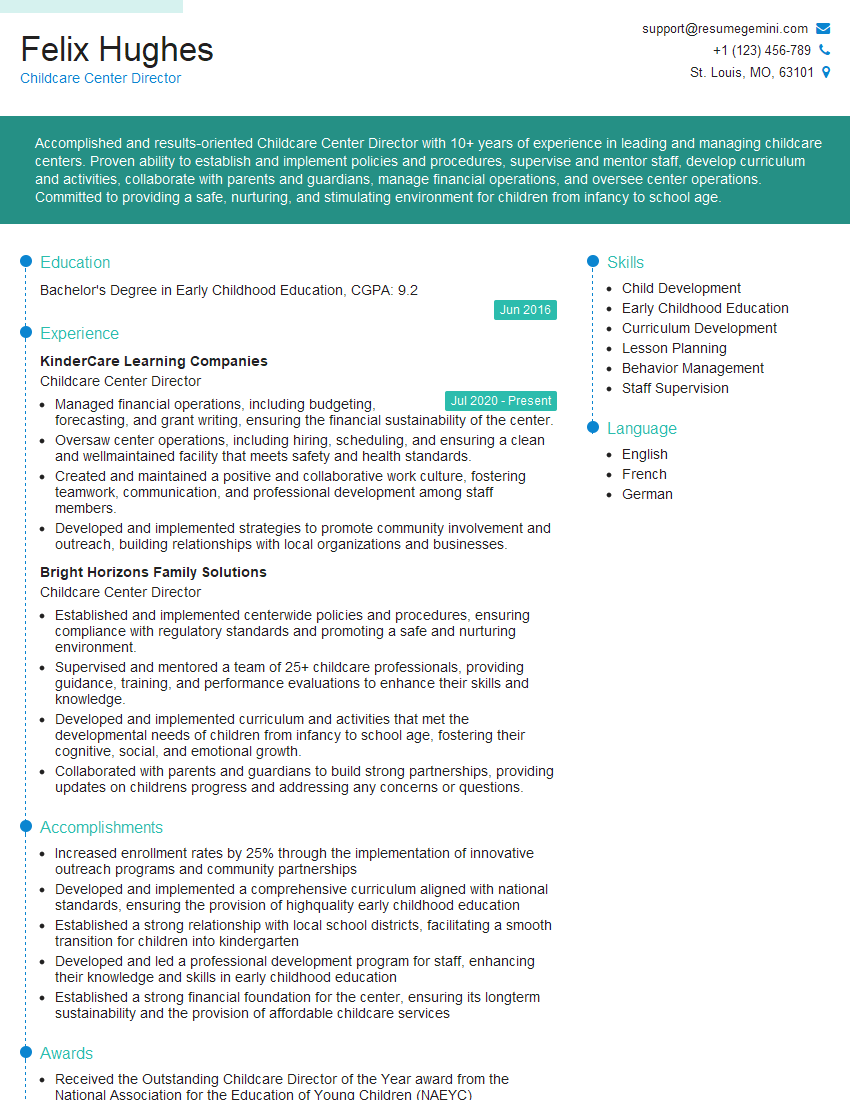
Childcare Center Director Resume Sample
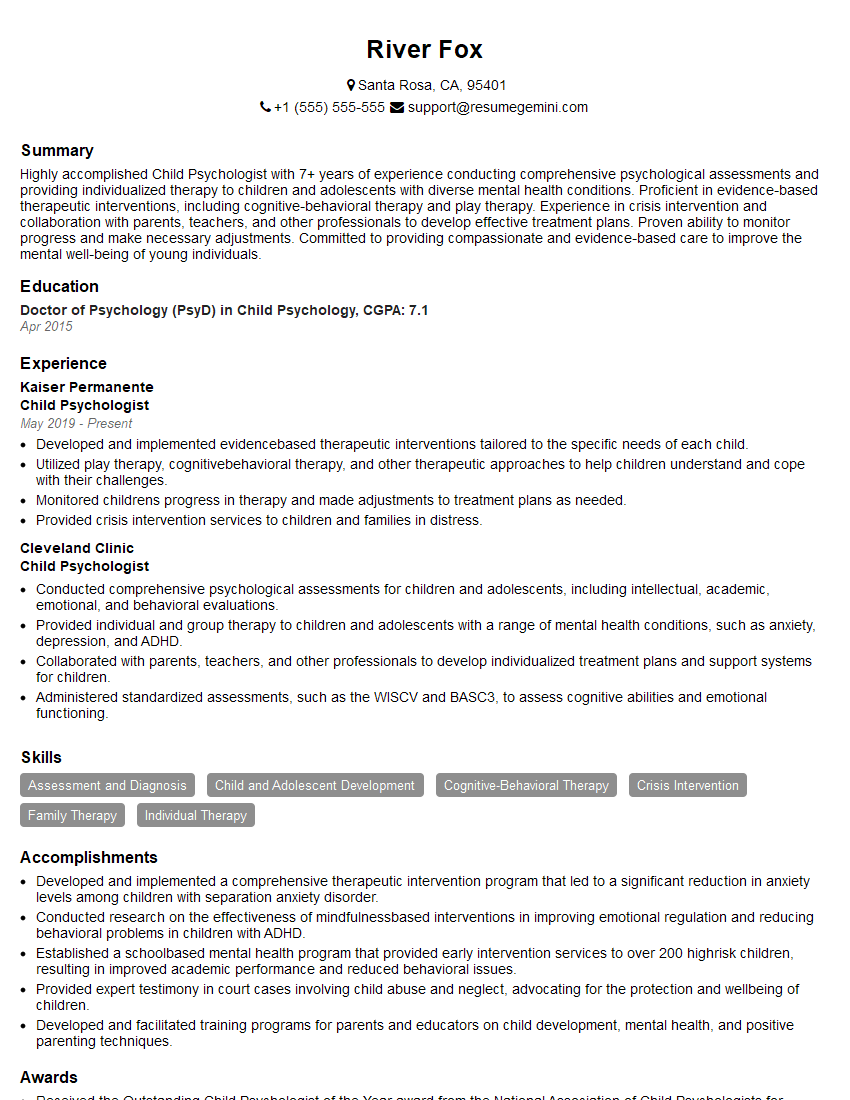
Child Psychologist Resume Sample
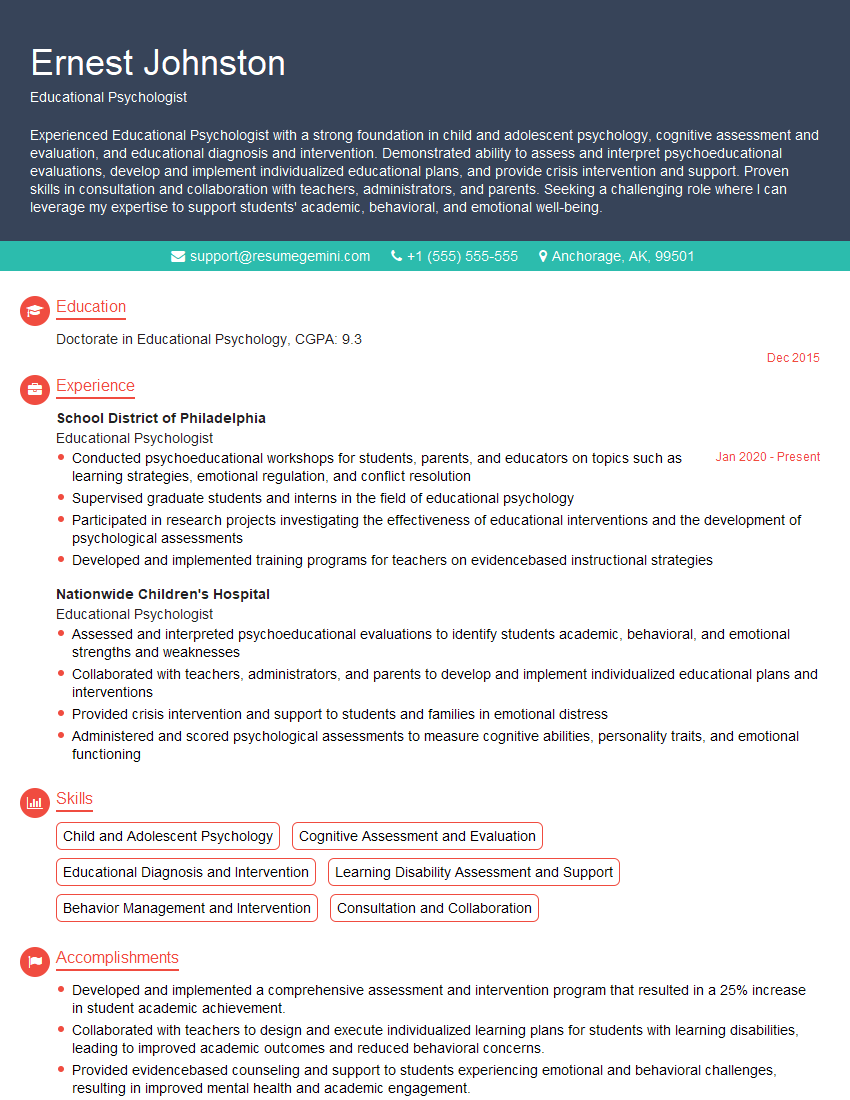
Educational Psychologist Resume Sample
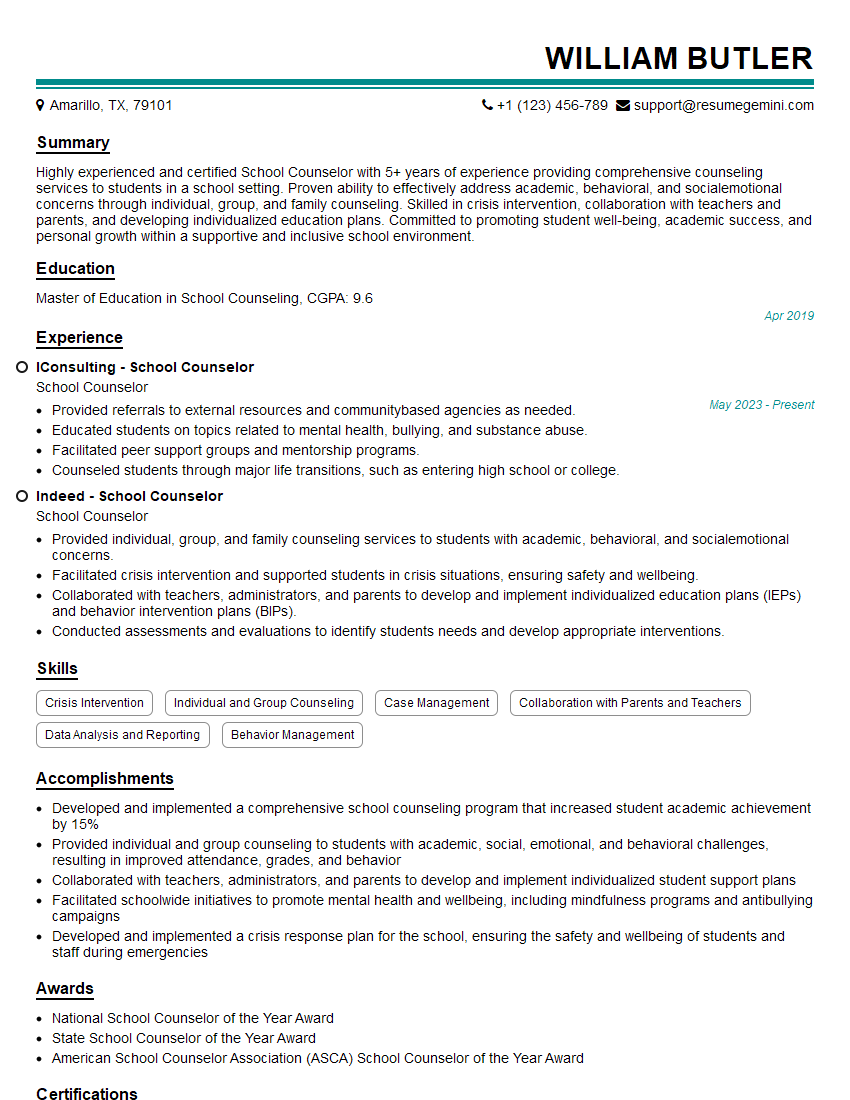
School Counselor Resume Sample
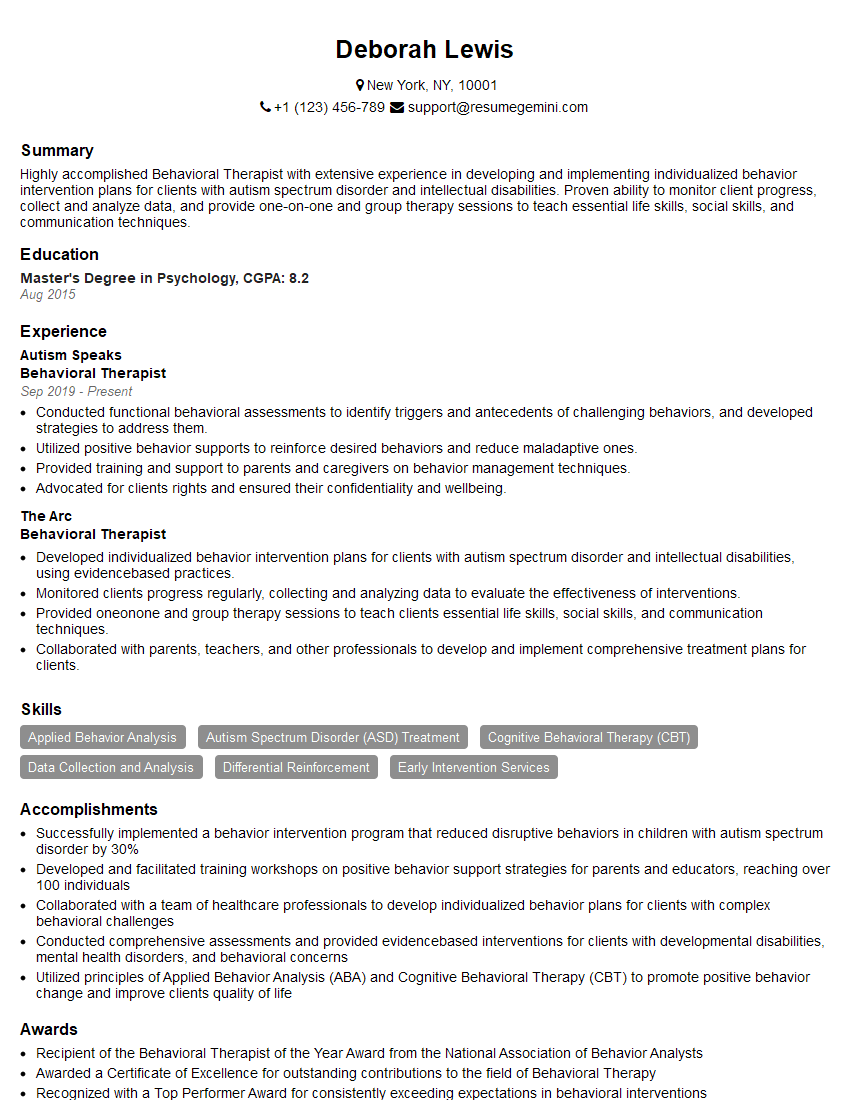
Behavioral Therapist Resume Sample
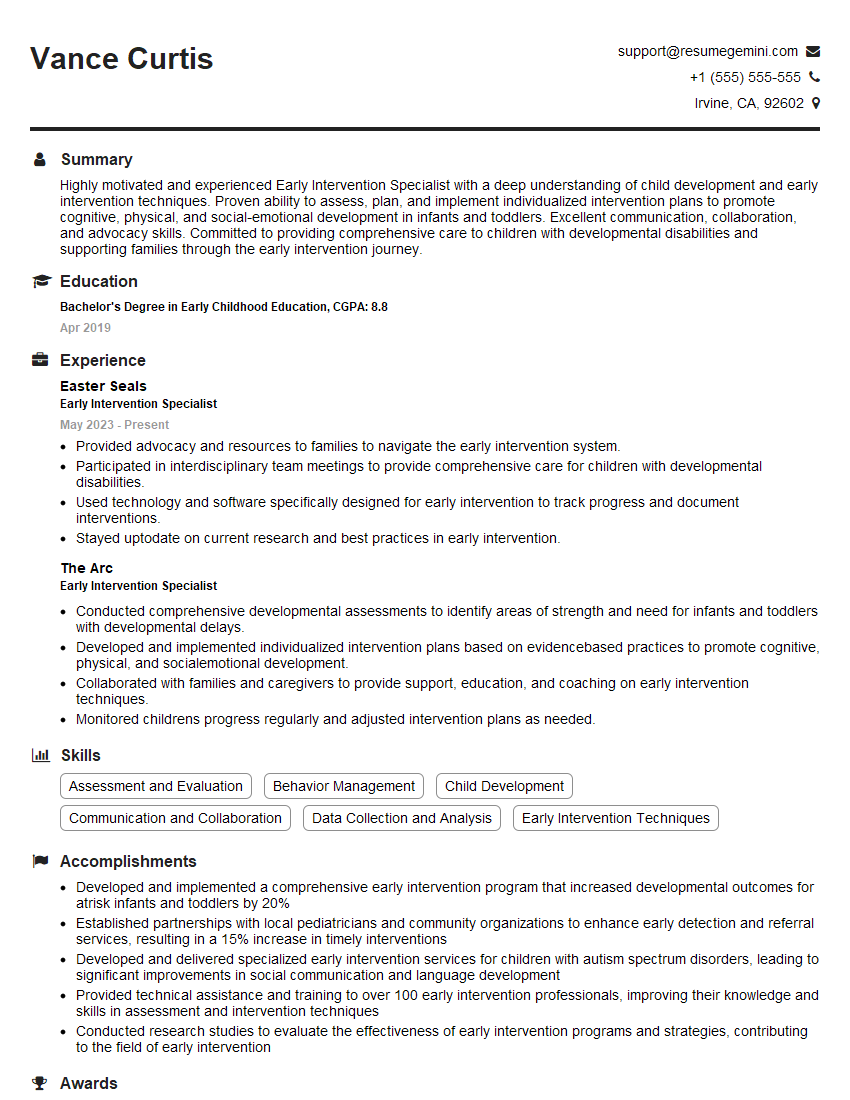
Early Intervention Specialist Resume Sample
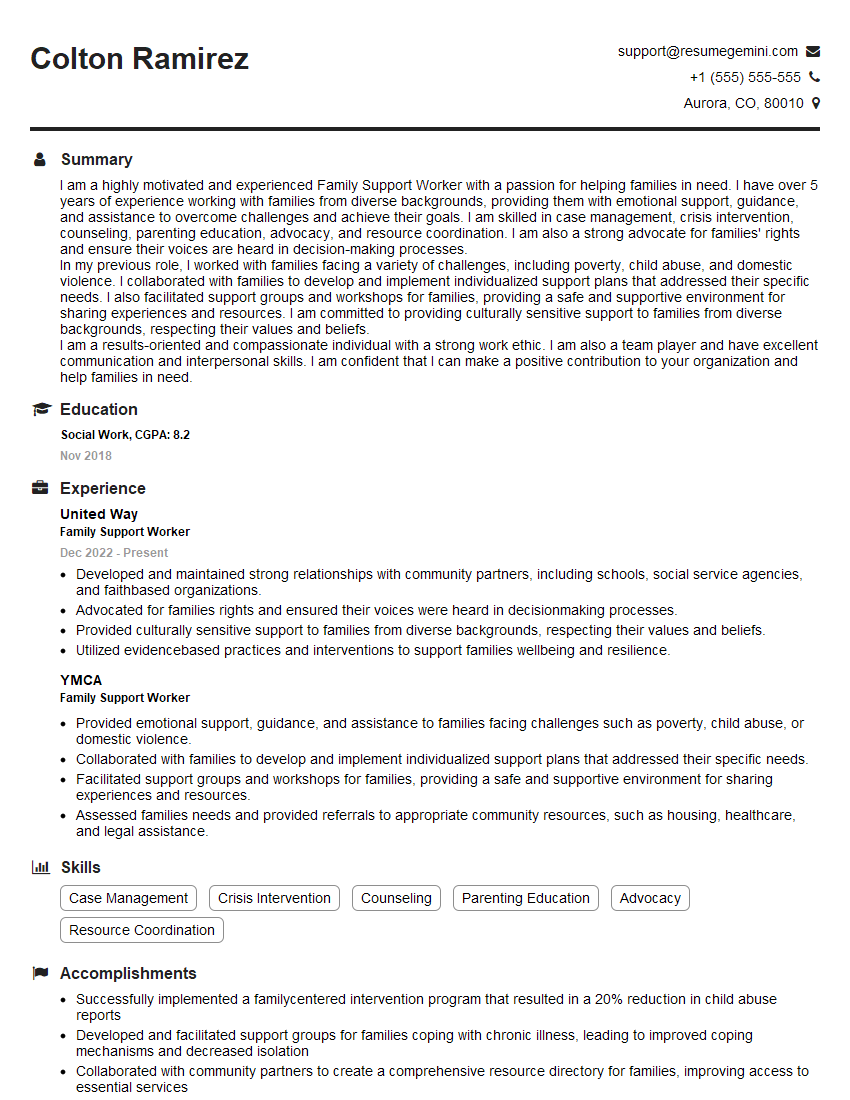
Family Support Worker Resume Sample
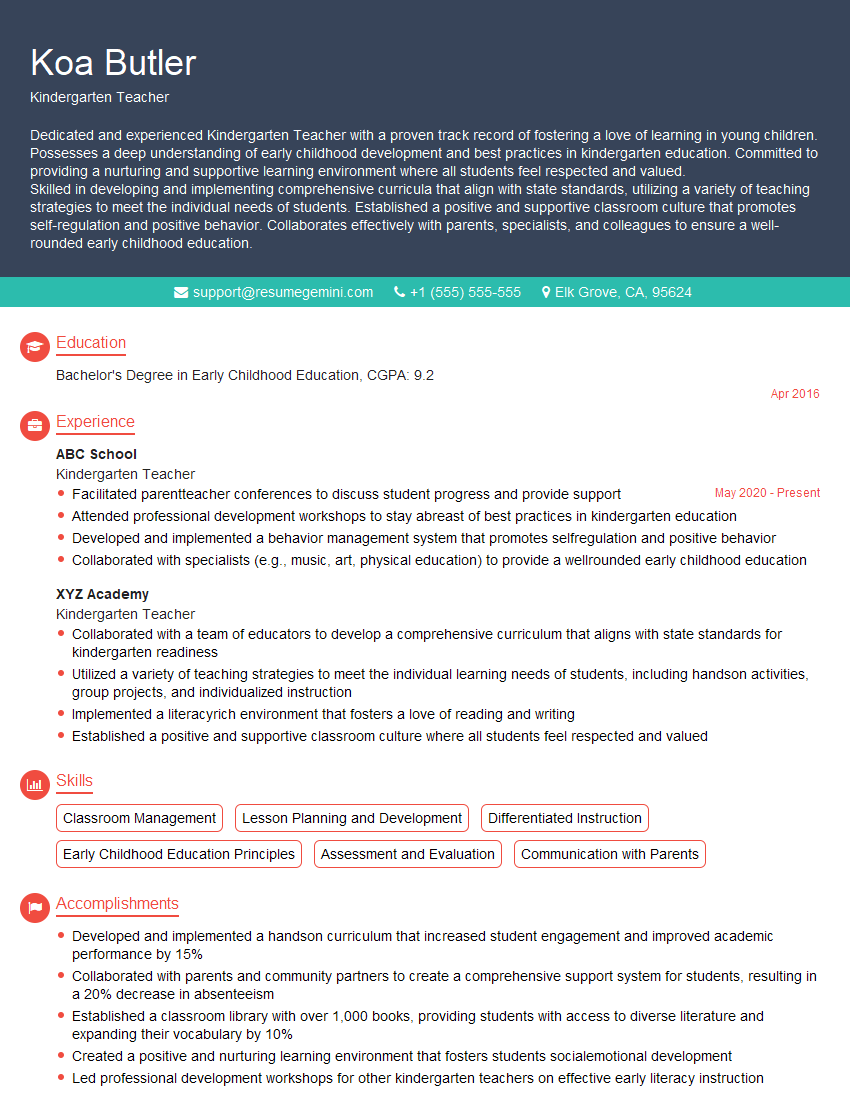
Kindergarten Teacher Resume Sample
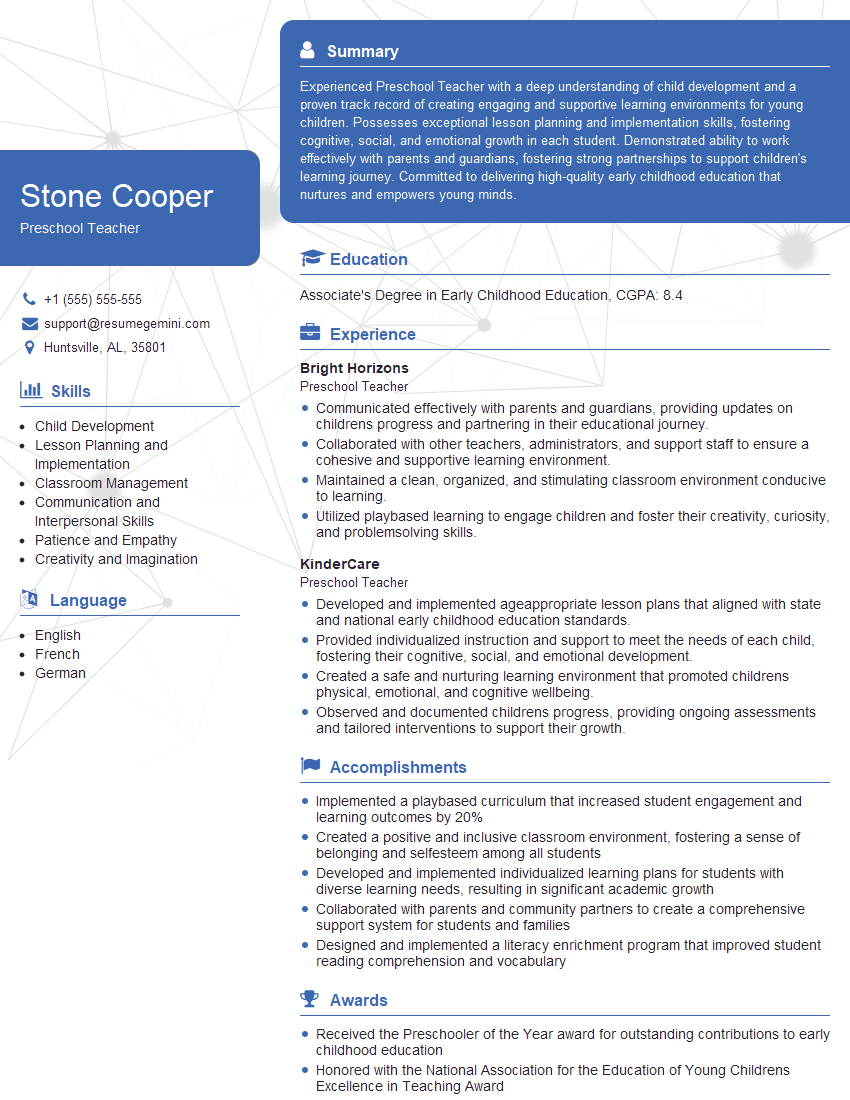
Preschool Teacher Resume Sample
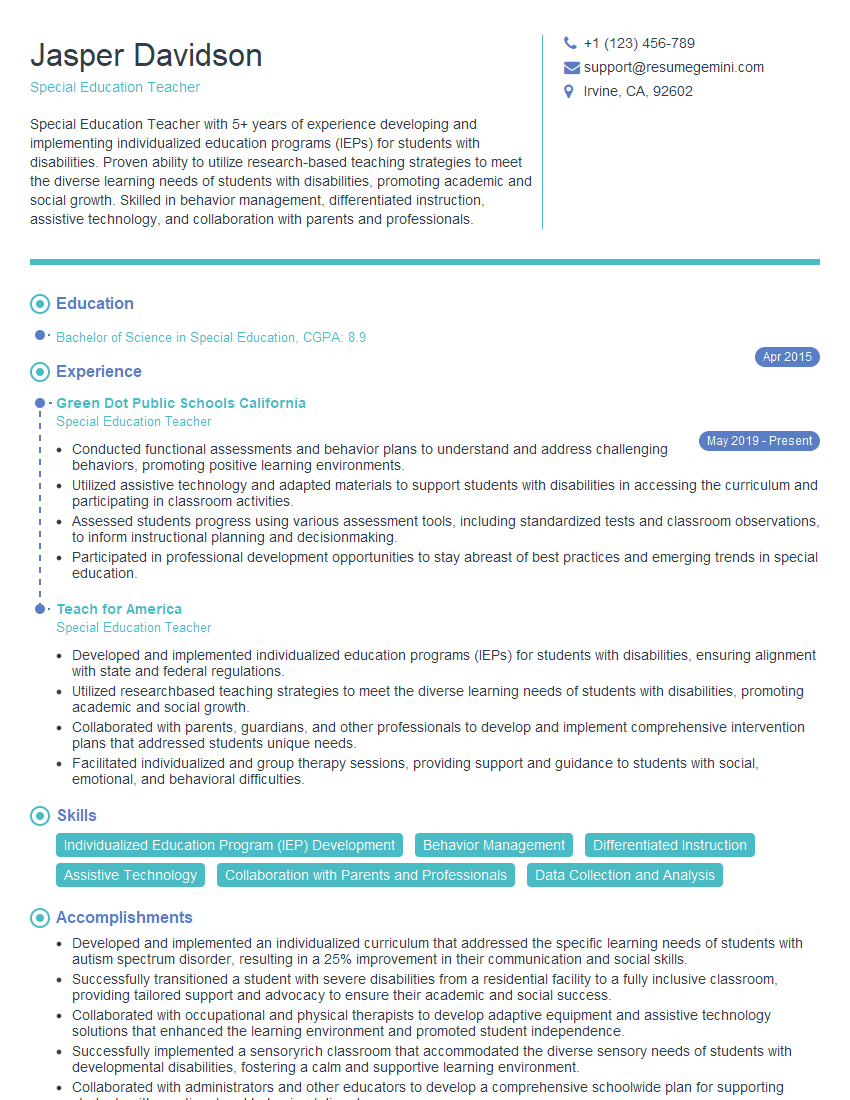
Special Education Teacher Resume Sample
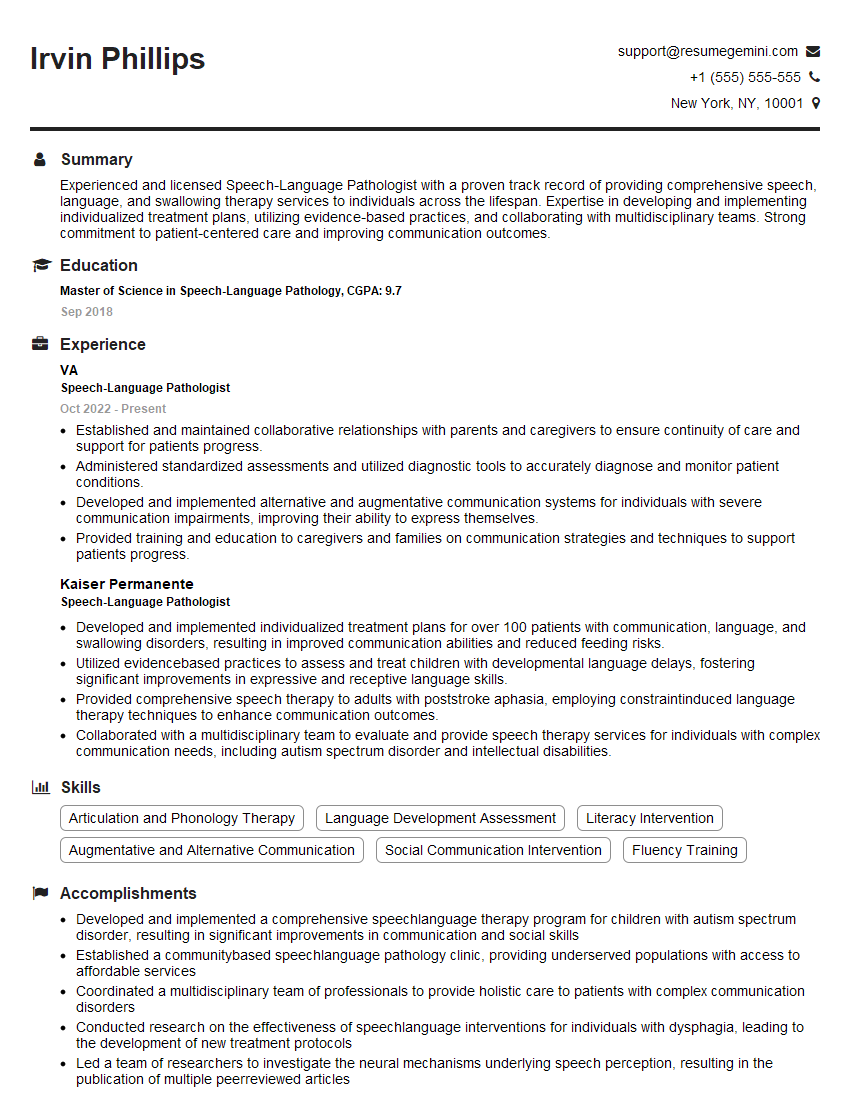
Speech-Language Pathologist Resume Sample
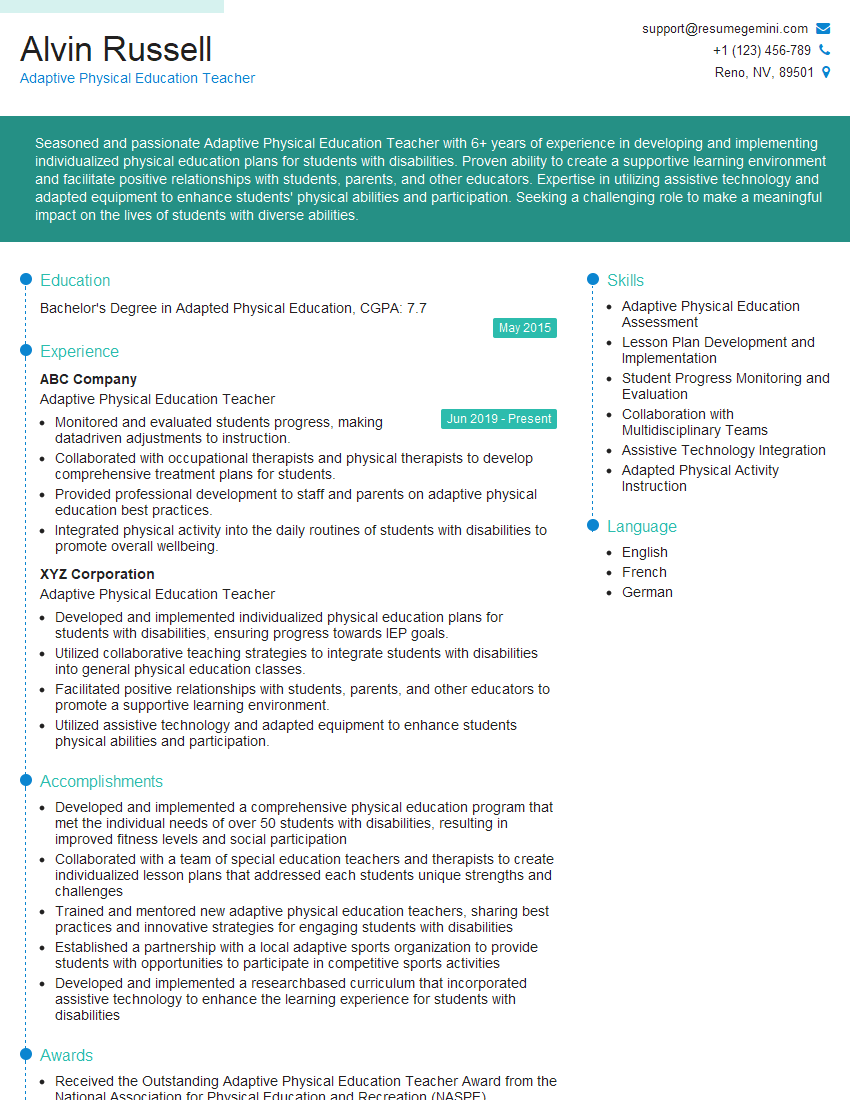
Adaptive Physical Education Teacher Resume Sample
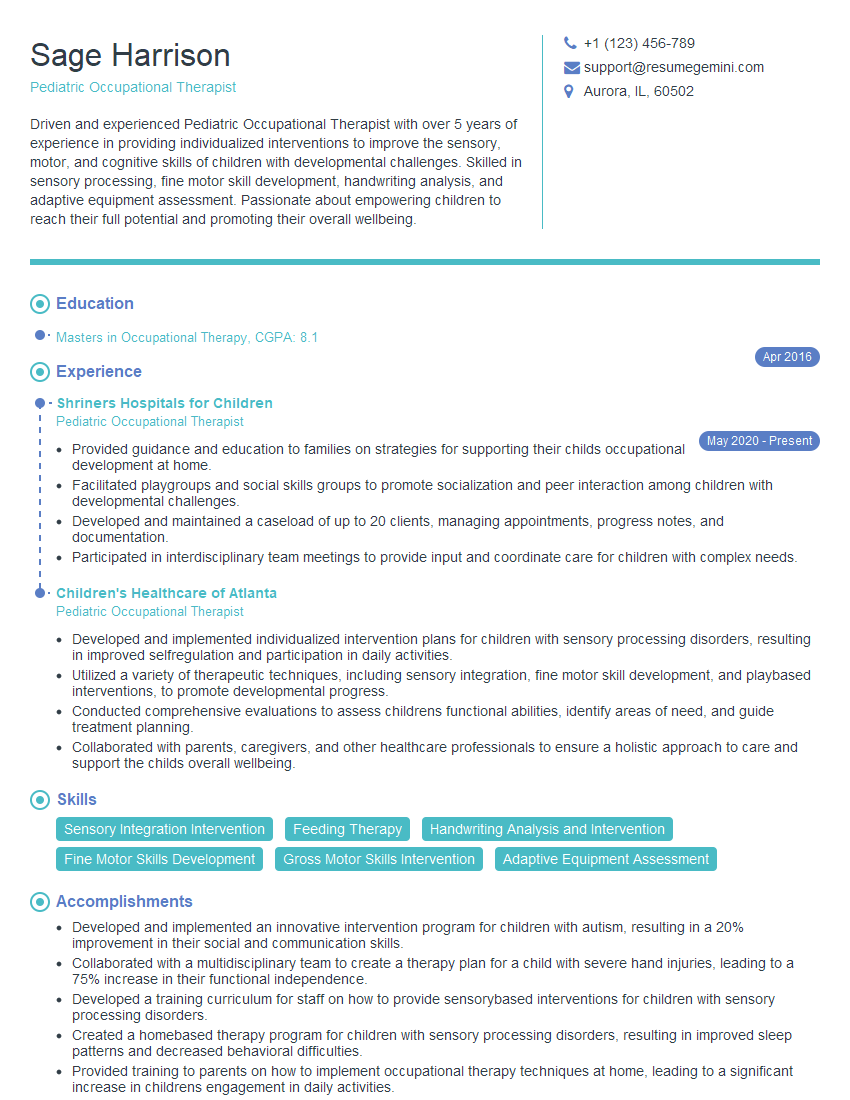
Pediatric Occupational Therapist Resume Sample
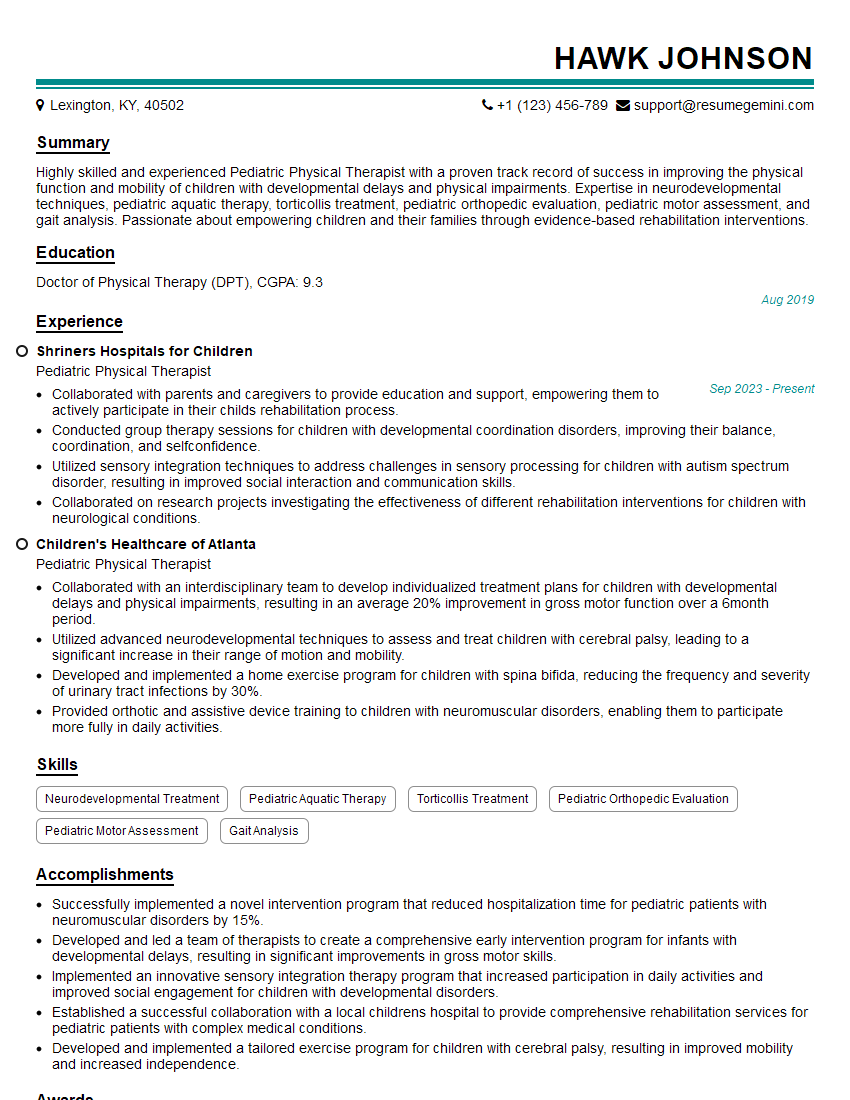
Pediatric Physical Therapist Resume Sample
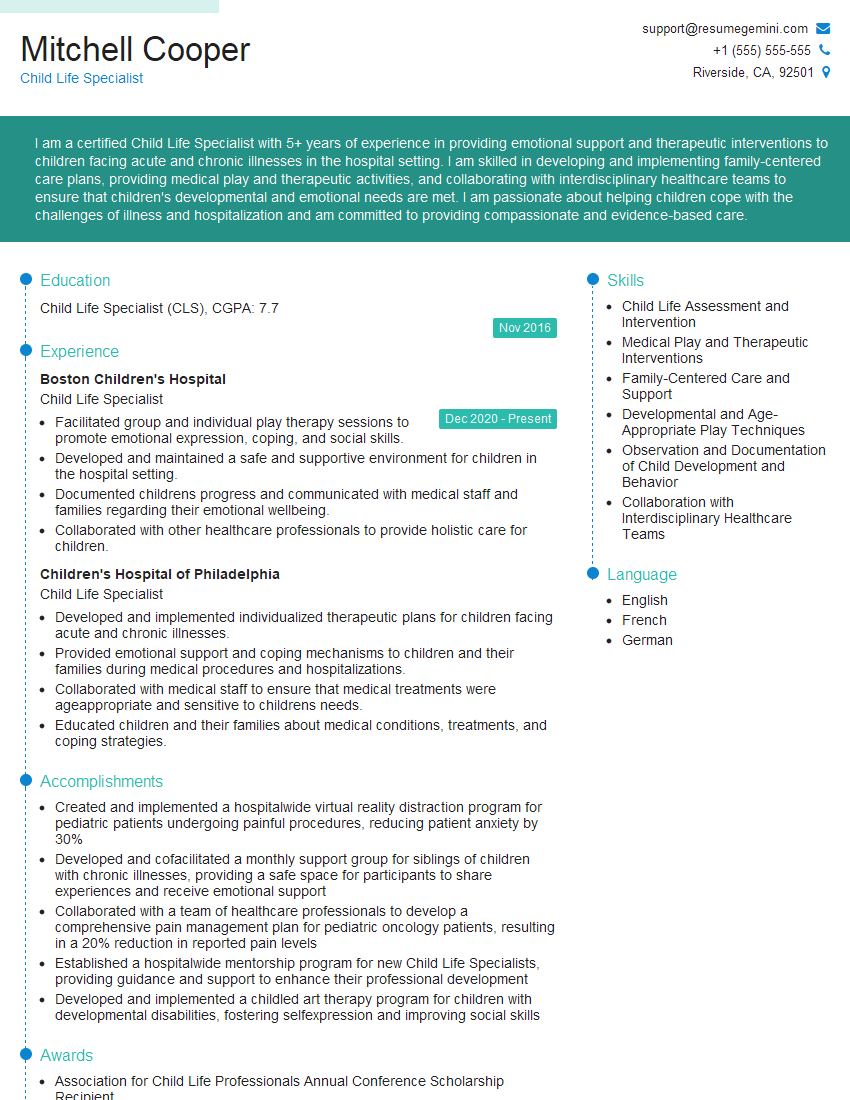
Child Life Specialist Resume Sample
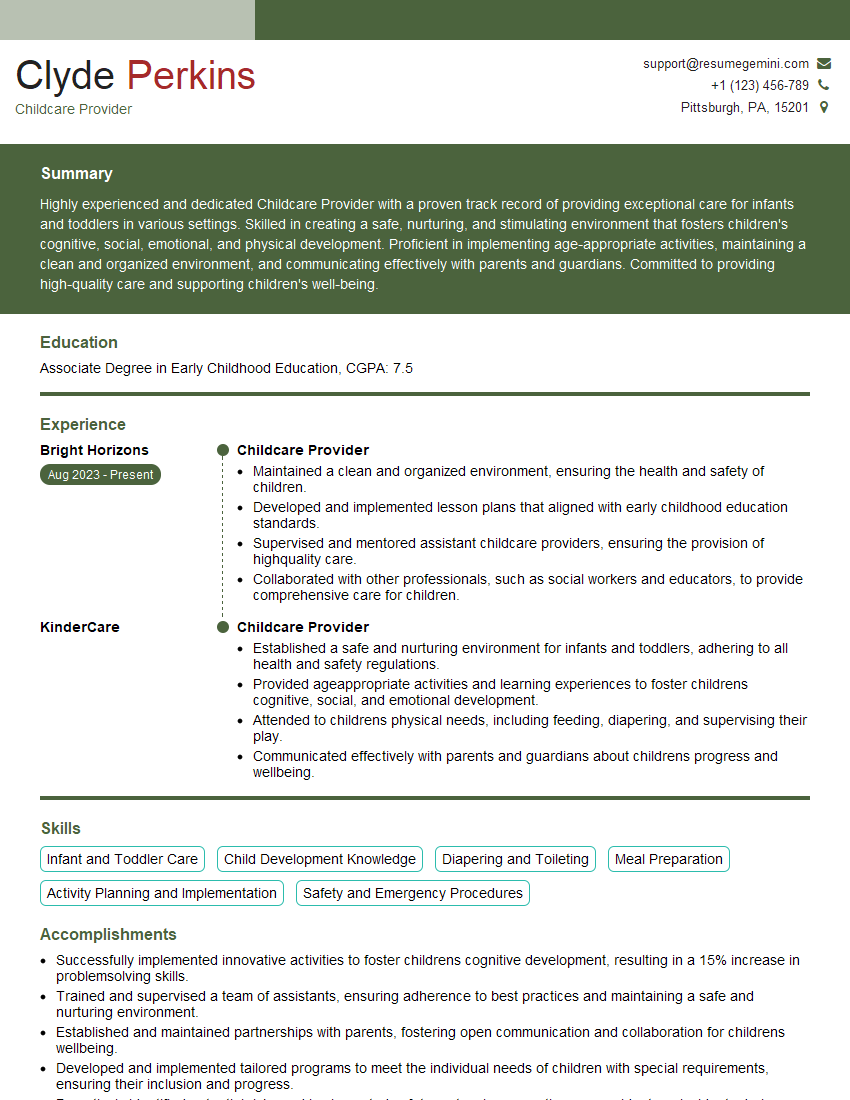
Childcare Provider Resume Sample
- Childcare Center Director
- Child Psychologist
- Educational Psychologist
- School Counselor
- Behavioral Therapist
- Early Intervention Specialist
- Family Support Worker
- Kindergarten Teacher
- Preschool Teacher
- Special Education Teacher
- Speech-Language Pathologist
- Adaptive Physical Education Teacher
- Pediatric Occupational Therapist
- Pediatric Physical Therapist
- Child Life Specialist
- Childcare Provider
Explore more articles
Users Rating of Our Blogs
Share Your Experience
We value your feedback! Please rate our content and share your thoughts (optional).
What Readers Say About Our Blog
Really detailed insights and content, thank you for writing this detailed article.
IT gave me an insight and words to use and be able to think of examples