Feeling uncertain about what to expect in your upcoming interview? We’ve got you covered! This blog highlights the most important Surveying Ethics interview questions and provides actionable advice to help you stand out as the ideal candidate. Let’s pave the way for your success.
Questions Asked in Surveying Ethics Interview
Q 1. Define professional ethics in the context of surveying.
Professional ethics in surveying encompass the principles of honesty, integrity, and responsibility that guide surveyors’ conduct and decision-making. It’s about upholding the public trust and ensuring that surveying work is performed to the highest standards of accuracy and professionalism. This includes adhering to professional codes of conduct, such as those established by organizations like the National Society of Professional Surveyors (NSPS). These codes often cover areas like client confidentiality, conflict of interest, and the appropriate use of technology.
Think of it like this: a doctor takes an oath to ‘do no harm’. Surveyors, similarly, have an ethical obligation to ensure their work doesn’t negatively impact landowners, the environment, or the public good. This involves careful planning, precise measurements, and accurate reporting.
Q 2. Explain the importance of accuracy and precision in surveying.
Accuracy and precision are paramount in surveying because even minor errors can have significant consequences. Accuracy refers to how close a measurement is to the true value, while precision refers to the reproducibility of measurements. A highly precise measurement might be consistently off by a small amount, while an accurate measurement is close to the true value. Both are vital.
For example, an inaccurate boundary survey could lead to property line disputes and costly legal battles. Similarly, imprecision in construction surveys could result in structural problems or safety hazards. Modern surveying techniques, like GPS and total stations, allow for high levels of both accuracy and precision, but the surveyor’s careful execution and quality control are equally crucial.
Q 3. Describe your understanding of boundary disputes and ethical handling.
Boundary disputes are unfortunately common. Ethical handling involves a commitment to impartiality, thorough investigation, and adherence to legal and professional standards. It’s crucial to gather all available evidence, including historical records, deeds, and physical evidence on the ground.
A surveyor’s role in a boundary dispute is to provide objective evidence, not to advocate for one party or the other. This requires a high level of professional integrity and the ability to remain neutral despite potential pressure from clients. If the surveyor is unable to remain impartial due to prior relationships or other conflicts of interest, they should immediately disclose this and withdraw from the project.
Mediation and collaboration are often helpful in resolving boundary disputes. The surveyor can facilitate communication between the parties involved, helping them to understand the available evidence and potentially reach a mutually acceptable solution. If an amicable resolution cannot be reached, the surveyor’s objective findings may serve as important evidence in a legal proceeding.
Q 4. How would you handle a conflict of interest in a surveying project?
A conflict of interest arises when a surveyor’s personal interests could potentially influence their professional judgment or objectivity. Examples include having a financial stake in a project or having a personal relationship with a client.
The ethical approach is always transparency and disclosure. If a potential conflict of interest arises, the surveyor should immediately disclose this to all parties involved. This ensures everyone is aware of the situation and can make informed decisions. If the conflict cannot be resolved to maintain objectivity, the surveyor should withdraw from the project to avoid any appearance of impropriety. This might be difficult, but maintaining ethical standards is paramount.
Q 5. What are the ethical implications of using outdated equipment or methods?
Using outdated equipment or methods has significant ethical implications. It compromises the accuracy and reliability of survey data, potentially leading to errors that could have serious consequences. For example, using an outdated GPS receiver might result in positional inaccuracies that could affect property boundaries or construction layouts.
Ethically, surveyors have a responsibility to use the most appropriate and up-to-date technology and methods available. This demonstrates a commitment to professional excellence and client satisfaction. Failure to do so could be considered negligence and could potentially lead to liability. Continuing professional development is therefore essential to remain current with the latest advancements in surveying techniques and technologies.
Q 6. How do you ensure data integrity and confidentiality in your surveying work?
Data integrity and confidentiality are cornerstones of ethical surveying practice. Data integrity refers to the accuracy and completeness of survey data. This is maintained through rigorous quality control procedures, proper calibration of equipment, and careful data processing. Confidentiality means protecting client data from unauthorized access or disclosure.
Measures to ensure data integrity include regularly checking equipment calibration, implementing rigorous data processing checks, and maintaining comprehensive field notes and records. To maintain confidentiality, surveyors should secure data through encryption, password protection, and secure storage. Client data should only be accessed by authorized personnel and only for the purposes for which it was collected. This is particularly important when handling sensitive data related to property ownership, land development, or environmental information.
Q 7. Explain your understanding of professional negligence in surveying.
Professional negligence in surveying occurs when a surveyor fails to exercise the level of care and skill that a reasonably competent surveyor would have exercised in similar circumstances. This can result in errors or omissions in survey work that cause harm to clients or others. Examples include making significant errors in boundary determination, failing to detect obvious errors in data, or failing to follow appropriate procedures.
The consequences of professional negligence can be severe, including legal liability, financial losses for clients, and damage to the surveyor’s reputation. To avoid negligence, surveyors must adhere to professional standards, use appropriate equipment and techniques, maintain comprehensive records, and obtain necessary approvals. Professional indemnity insurance is crucial for mitigating potential financial risks.
Q 8. Discuss the role of professional organizations in upholding surveying ethics.
Professional organizations like the National Society of Professional Surveyors (NSPS) play a crucial role in upholding surveying ethics. They establish and enforce codes of conduct, providing a framework for ethical behavior. These codes address issues such as honesty, integrity, impartiality, and client confidentiality. Beyond codes, organizations offer continuing education opportunities focusing on ethical dilemmas and best practices. This ensures surveyors remain up-to-date with evolving ethical standards and legal requirements. They also provide a mechanism for investigating and addressing complaints of unethical conduct, potentially resulting in sanctions such as suspension or expulsion from the organization – a significant penalty given the reputational value of membership.
For example, NSPS’s code of ethics clearly outlines the surveyor’s responsibility to the public, clients, and the profession itself. By promoting adherence to these standards, organizations safeguard the public trust in the surveying profession and ensure the accuracy and reliability of survey data.
Q 9. How do you balance client needs with professional responsibilities?
Balancing client needs with professional responsibilities requires careful consideration and a commitment to ethical practice. While it’s essential to meet a client’s needs, this must never compromise professional standards or legal requirements. Imagine a client requesting a survey that would violate zoning laws. While the client may want the survey completed, the ethical surveyor must explain the legal ramifications and refuse to participate in activities that would violate established rules and regulations. It’s about open communication: explaining the limitations of what is achievable ethically and legally, while still offering solutions that align with both client desires and professional obligations. This often involves finding creative solutions that meet the core needs of the client while upholding professional ethics. Transparency and clear communication are paramount in navigating this balance.
Q 10. Describe a situation where you had to make an ethical decision in your surveying work.
During a boundary survey, I discovered an encroachment that benefited my client. The property line clearly showed their neighbor’s shed extended several feet onto my client’s land. While my client was understandably thrilled, I had an ethical obligation to disclose this finding to the neighbor. I knew that revealing this could potentially lead to conflict, but withholding this information would have been a violation of my professional code of ethics, and potentially led to legal problems later on. I carefully documented my findings, and presented them to my client and the neighbor, advocating for a fair and amicable resolution. This involved explaining the legal aspects, and ultimately helped facilitate a peaceful negotiation to resolve the encroachment.
Q 11. How would you address a situation where a colleague is behaving unethically?
Addressing unethical behavior by a colleague requires a thoughtful and measured approach. The first step involves gathering evidence and documenting the specific instances of unethical conduct. A private conversation with the colleague is usually the best first step to address the situation informally, emphasizing the impact of their actions on both the profession and the clients. If the informal approach fails, escalating the matter to a supervisor or the relevant professional organization’s ethics committee is necessary. Reporting the incident formally provides a structured avenue for addressing serious violations and protects you and the profession from reputational damage. It’s important to prioritize a professional and respectful approach throughout the process, focusing on the behavior, not on the individual. The goal is resolution and maintaining a positive working environment while upholding the highest ethical standards.
Q 12. Explain the importance of complying with surveying regulations and laws.
Compliance with surveying regulations and laws is paramount. These regulations ensure the accuracy and reliability of survey data, protecting public safety and preventing disputes. Laws and regulations cover various aspects, from licensing and qualifications to data accuracy and standards. Failure to comply can result in inaccurate maps and legal issues. Imagine a land surveyor creating a map without proper licensing, leading to incorrect property lines. This could lead to significant financial losses and legal battles for property owners and the surveyor. Therefore, strict adherence to all relevant rules and regulations is non-negotiable, protecting both the surveyor and the public.
Q 13. How do you stay updated on changes in surveying ethics and best practices?
Staying updated on surveying ethics and best practices is an ongoing process. Professional organizations (like NSPS) offer continuing education courses and webinars. Professional journals and publications keep surveyors informed about changes in laws, regulations, and ethical considerations. Participating in industry conferences and workshops provides a valuable opportunity for networking and learning from experts. Additionally, staying informed about legal precedents related to surveying ethics is crucial, ensuring practitioners are aware of current interpretations and rulings. This commitment to ongoing learning safeguards surveyors’ ability to perform their roles ethically and legally.
Q 14. What are the potential legal consequences of unethical surveying practices?
Unethical surveying practices can have severe legal consequences. These consequences range from fines and license suspension to lawsuits for negligence or malpractice. Inaccuracies in survey data leading to property disputes can result in costly litigation for the surveyor. Fraudulent activities, such as falsifying data or misrepresenting qualifications, can lead to criminal charges. The severity of the consequences depends on the nature and extent of the unethical behavior, but the potential for financial penalties and reputational damage is significant. Maintaining ethical conduct is not just a moral imperative but a crucial aspect of legal compliance for surveyors.
Q 15. Describe your approach to handling errors or mistakes in your surveying work.
My approach to handling errors or mistakes in surveying is built on a foundation of transparency, thoroughness, and a commitment to rectifying any inaccuracies. It begins with a proactive mindset – implementing robust quality control procedures throughout the entire surveying process. This includes regularly checking equipment calibration, meticulously documenting every step, and employing peer review where appropriate.
If an error is discovered, my first step is to identify its source and magnitude. A simple calculation error might be easily corrected and documented as a minor revision, while a more significant error might require a re-survey of a portion or the entire project. Crucially, I immediately inform the client of the error, explaining its cause and the steps I’m taking to correct it. This transparency is vital in maintaining trust and ensuring project integrity. I also maintain detailed records of the error, the correction process, and any impact on the final deliverables. This documentation is vital for both learning from mistakes and providing accountability.
For example, during a recent boundary survey, we discovered a discrepancy between our measurements and existing records. After rigorous double-checking, we identified a small error in the initial data input. Instead of ignoring it, we re-surveyed the affected area, updated our report, and fully explained the correction to the client. They appreciated our honesty and the prompt corrective action.
Career Expert Tips:
- Ace those interviews! Prepare effectively by reviewing the Top 50 Most Common Interview Questions on ResumeGemini.
- Navigate your job search with confidence! Explore a wide range of Career Tips on ResumeGemini. Learn about common challenges and recommendations to overcome them.
- Craft the perfect resume! Master the Art of Resume Writing with ResumeGemini’s guide. Showcase your unique qualifications and achievements effectively.
- Don’t miss out on holiday savings! Build your dream resume with ResumeGemini’s ATS optimized templates.
Q 16. How would you handle a situation where you suspect data manipulation?
Suspecting data manipulation is a serious ethical breach that demands immediate and decisive action. My response would involve a systematic investigation adhering to strict protocols. First, I’d carefully review all the data, looking for inconsistencies, anomalies, or patterns that suggest manipulation. This would involve cross-checking data points against multiple sources and applying statistical analysis where applicable.
If my suspicions are confirmed, I would document everything meticulously, including dates, times, specific data points, and any evidence of manipulation. I would then report my findings to my supervisor and potentially relevant regulatory bodies, depending on the severity and implications of the manipulation. Maintaining complete objectivity throughout the process is crucial. This is not about blaming individuals but about ensuring the integrity of the data and the reputation of the surveying profession. In some cases, it might be necessary to initiate an independent audit to further investigate the matter. The safety and well-being of my team might also need to be considered, depending on the context of the data manipulation.
Ultimately, my actions would prioritize upholding ethical standards and ensuring the accuracy of the surveying work, even if that means potentially facing uncomfortable consequences.
Q 17. Explain the importance of transparency in reporting surveying results.
Transparency in reporting surveying results is paramount to maintaining public trust and ensuring the responsible use of surveying data. It signifies honesty, accountability, and professionalism. Transparency involves clearly presenting all data, including uncertainties, limitations, and potential sources of error, alongside the final results. It’s about presenting a complete picture, not just the conclusions.
For instance, omitting crucial details about data acquisition methods, uncertainties in measurements, or assumptions made in the analysis could lead to misinterpretations and potentially costly consequences for clients and stakeholders who rely on our findings. Transparent reporting allows clients to understand the limitations of the survey data and make informed decisions. It also fosters collaboration and allows for independent verification of our findings. We must be willing to fully disclose our methods, even if the results aren’t precisely what the client initially hoped for. Our primary ethical duty is to the integrity of the data, not necessarily the client’s desired outcome.
Q 18. How do you ensure the safety of yourself and your team during surveying operations?
Ensuring the safety of myself and my team is my top priority. This involves a multi-faceted approach that starts before we even arrive on-site. We meticulously plan our surveying operations, assessing potential hazards like uneven terrain, weather conditions, traffic, and proximity to power lines or construction sites. We thoroughly brief the team on the specific risks associated with each project, discussing emergency procedures and communication protocols.
On-site, we adhere to strict safety regulations. We use appropriate Personal Protective Equipment (PPE), including hard hats, high-visibility clothing, and safety glasses. We utilize proper signaling and traffic control measures whenever necessary. We also have regular safety checks and communicate openly about any concerns. For example, if we’re working near a busy road, we ensure traffic control personnel are on site, and team members maintain a safe distance from traffic. Furthermore, we use modern technology like GPS trackers to monitor team members’ locations and ensure timely communication in case of emergencies. Regular training and refresher courses on safety procedures are integral to our practices. A safe work environment is not only ethical but essential for productivity and avoiding potential legal issues.
Q 19. Discuss the ethical considerations of using drones in surveying.
The use of drones in surveying presents both exciting opportunities and significant ethical considerations. On the positive side, drones offer increased efficiency, cost savings, and access to previously inaccessible areas. However, the ethical implications must be carefully addressed. Privacy is a major concern. We must always obtain the necessary permissions and adhere to all relevant regulations before operating drones, particularly over private property. We must respect individual privacy rights and ensure that drone imagery is only collected and used for legitimate surveying purposes.
Data security is another key issue. We must implement secure data storage and transmission methods to prevent unauthorized access and protect sensitive information. Data breaches could compromise client confidentiality and lead to legal repercussions. Furthermore, the responsible and ethical operation of drones requires a high level of skill and training. Operators must be fully competent in operating drones safely and in compliance with all regulations. Improper drone use can lead to accidents or property damage. A thorough understanding of relevant laws and ethical guidelines is non-negotiable when using drones in surveying.
Q 20. How would you handle pressure from a client to compromise ethical standards?
Pressure from a client to compromise ethical standards is a situation I would handle firmly and professionally. My first response would be to reiterate the importance of adhering to professional codes of ethics and regulations. I would politely but clearly explain why compromising those standards is unacceptable. I would emphasize the potential legal and reputational risks involved in cutting corners or falsifying data. My response is grounded in the knowledge that upholding ethical standards is not just a personal commitment but a legal and professional obligation.
If the pressure persists, I would document the conversation, including the nature of the pressure and my response. I would escalate the matter to my supervisor or senior management. In extreme cases, where the client’s demands are blatantly unethical and unacceptable, and internal escalation doesn’t resolve the issue, I would be prepared to withdraw from the project. Maintaining my professional integrity and adhering to ethical guidelines are far more important than any potential financial gain or client relationship. This might seem like a drastic step, but protecting my professional reputation and the integrity of our work far outweighs the potential loss of a single project.
Q 21. Explain the concept of professional liability insurance in surveying.
Professional liability insurance, also known as errors and omissions insurance, is crucial for surveyors. It protects against financial losses resulting from claims of negligence, mistakes, or errors in professional services. This coverage is essential because surveying involves potentially high-risk activities with significant financial consequences if mistakes occur. A single inaccurate survey could lead to costly legal disputes, property boundary disagreements, and significant financial losses for the client.
The insurance policy helps cover legal fees, settlements, and judgments associated with such claims. It provides a safety net that protects both the surveyor and the client. Choosing an appropriate policy with adequate coverage is vital. It is a professional responsibility to carry adequate insurance reflecting the level and types of surveying services offered. Not having adequate insurance could expose a surveyor to considerable personal financial risk. It’s a cost of doing business that offers invaluable protection and is a demonstration of professional responsibility.
Q 22. How do you document your ethical decision-making processes?
Documenting ethical decision-making is crucial for transparency and accountability in surveying. I employ a systematic approach, beginning with clearly defining the ethical dilemma. This involves identifying all stakeholders involved and their potential interests. I then meticulously outline the relevant ethical codes and professional standards – such as those from the National Society of Professional Surveyors (NSPS) – applicable to the situation.
Next, I explore alternative courses of action, weighing the potential consequences of each choice. This process is documented in a detailed log, which includes the date, a description of the dilemma, the options considered, the reasoning behind my final decision, and the potential risks and benefits of that decision. This log serves as a record of my thought process, which can be reviewed in the future, or by a supervising professional if needed.
For example, if faced with a conflict between a client’s desire for a rushed survey and the need for thorough accuracy, my log would detail the pressure to expedite, the risks of compromised accuracy, the discussion with the client, and my ultimate decision to adhere to professional standards, possibly explaining the delays transparently.
Q 23. Describe your understanding of whistleblowing in relation to surveying ethics.
Whistleblowing in surveying involves reporting unethical or illegal activities within the profession. It’s a critical mechanism for upholding professional integrity and public safety. However, it’s a serious step with potential repercussions. I understand that before blowing the whistle, I must have solid evidence of wrongdoing, and I should have exhausted all internal avenues for addressing the issue first.
The decision to become a whistleblower is a personal one, but it’s guided by ethical obligations. If I uncover evidence of fraudulent surveying practices, data manipulation, or bribery that compromises public safety or the integrity of professional standards, I would carefully document the evidence, and I would consult with legal counsel before reporting it to the appropriate regulatory bodies or professional organizations. The potential professional risks are significant and must be weighed carefully, but the ethical imperative to protect the public and uphold professional standards outweighs personal risks in such serious cases.
Q 24. How do you approach ethical challenges involving environmental considerations?
Environmental considerations are paramount in surveying. I approach ethical challenges involving the environment by prioritizing sustainability and minimizing environmental impact. This begins with a thorough understanding of relevant environmental regulations and laws applicable to the project location. It involves careful planning and execution of fieldwork to prevent habitat disruption, soil erosion, or pollution.
For instance, if a surveying project could potentially affect a protected wetland area, I would proactively consult with environmental experts, explore alternative surveying methods that minimize intrusion, and ensure all necessary permits and approvals are obtained. This demonstrates a commitment to responsible land management and ethical environmental stewardship. If a client pushes for shortcuts that could negatively affect the environment, I would clearly explain the potential consequences and advocate for environmentally responsible practices. My ethical obligation extends to protecting the environment, even if it presents challenges to project timelines or budgets.
Q 25. What are the ethical implications of using AI and automation in surveying?
AI and automation are transforming surveying, presenting both opportunities and ethical challenges. One major concern is the potential for bias in algorithms. AI systems are trained on data, and if that data reflects existing societal biases, the AI’s output may perpetuate those biases, leading to inaccurate or unfair results. For example, a biased algorithm used in property valuation could unfairly disadvantage certain communities.
Another ethical consideration is data security and privacy. Autonomous surveying drones and other technologies collect vast amounts of data, raising concerns about data breaches and misuse. Ensuring data security and complying with privacy regulations is vital. Finally, the increased efficiency of AI could lead to job displacement within the surveying profession. Ethically, we have a responsibility to consider the impact of technology on the workforce and ensure a just transition for those affected.
Q 26. How would you address a situation where your professional judgment is challenged?
When my professional judgment is challenged, I approach the situation calmly and professionally. First, I would thoroughly review the basis for the challenge, ensuring I have fully considered all relevant factors and followed appropriate professional standards. Open and respectful communication is key. I would engage in a dialogue with the individual or group challenging my judgment, explaining my reasoning clearly and presenting supporting evidence.
If the disagreement persists, I may seek a second opinion from a trusted colleague or mentor within the surveying profession. If the conflict remains unresolved, I would follow the established dispute resolution procedures of my professional organization or relevant governing body. Maintaining a respectful and professional demeanor throughout the process is paramount. The goal is to resolve the conflict fairly and maintain the integrity of my work and the profession.
Q 27. Discuss the role of continuing professional development in maintaining ethical standards.
Continuing professional development (CPD) is essential for maintaining ethical standards in surveying. It ensures that surveyors remain current with the latest technologies, regulations, and ethical guidelines. This ongoing learning helps surveyors adapt to changing environments, challenges, and ethical dilemmas.
CPD might involve attending conferences, completing online courses, participating in workshops, or engaging in self-directed learning on emerging technologies or legal updates. Staying informed about ethical codes and best practices allows surveyors to make informed decisions and to anticipate potential ethical conflicts. By actively engaging in CPD, surveyors demonstrate a commitment to professional excellence and adherence to ethical standards, thereby enhancing the integrity and reputation of the profession.
Q 28. Explain how you would respond to allegations of unethical conduct.
Responding to allegations of unethical conduct requires a serious and measured approach. First, I would carefully review the allegations to understand the specifics of the claim. I would gather all relevant documentation to support my actions and my adherence to professional standards. Then, I would cooperate fully with any investigation, providing complete and truthful information.
If the allegations are substantiated, I would take full responsibility for my actions, and if necessary, I would work to rectify any mistakes or harm caused. If the allegations are unfounded, I would work to clear my name, presenting a robust defense based on facts and evidence. Transparency and open communication are critical throughout this process. Maintaining my professional integrity and reputation are paramount, requiring honesty and collaboration throughout the process of addressing any misconduct allegations.
Key Topics to Learn for Your Surveying Ethics Interview
Succeeding in your Surveying Ethics interview requires a solid understanding of both the theoretical foundations and practical applications of ethical conduct in the field. This section outlines key areas to focus your preparation.
- Professional Codes of Conduct: Thoroughly review the relevant codes of ethics for surveyors in your region. Understand the principles behind these codes and how they apply to different scenarios.
- Accuracy and Precision: Explore the ethical implications of data integrity, error handling, and reporting. Consider how to handle discrepancies and potential biases in your work.
- Client Relationships: Examine the ethical responsibilities you have towards clients, including confidentiality, transparency, and conflict of interest management. Practice scenarios involving client expectations and potential disagreements.
- Environmental Responsibility: Understand the ethical considerations related to environmental impact assessments and sustainable surveying practices. Be prepared to discuss the importance of responsible resource use.
- Data Security and Privacy: Explore the ethical implications of handling sensitive geospatial data and adhering to data protection regulations. Consider situations involving data breaches or unauthorized access.
- Professional Liability and Insurance: Learn about the importance of professional liability insurance and its role in protecting both you and your clients. Understand the ethical implications of errors and omissions.
- Collaboration and Teamwork: Discuss the ethical responsibilities involved in collaborating with colleagues, contractors, and other professionals on surveying projects.
Next Steps: Level Up Your Career with a Strong Resume
Mastering Surveying Ethics is crucial for career advancement. It demonstrates your commitment to professional integrity and responsible practice, making you a highly desirable candidate. To further enhance your job prospects, creating a strong, ATS-friendly resume is essential. This ensures your application is seen and understood by hiring managers and Applicant Tracking Systems.
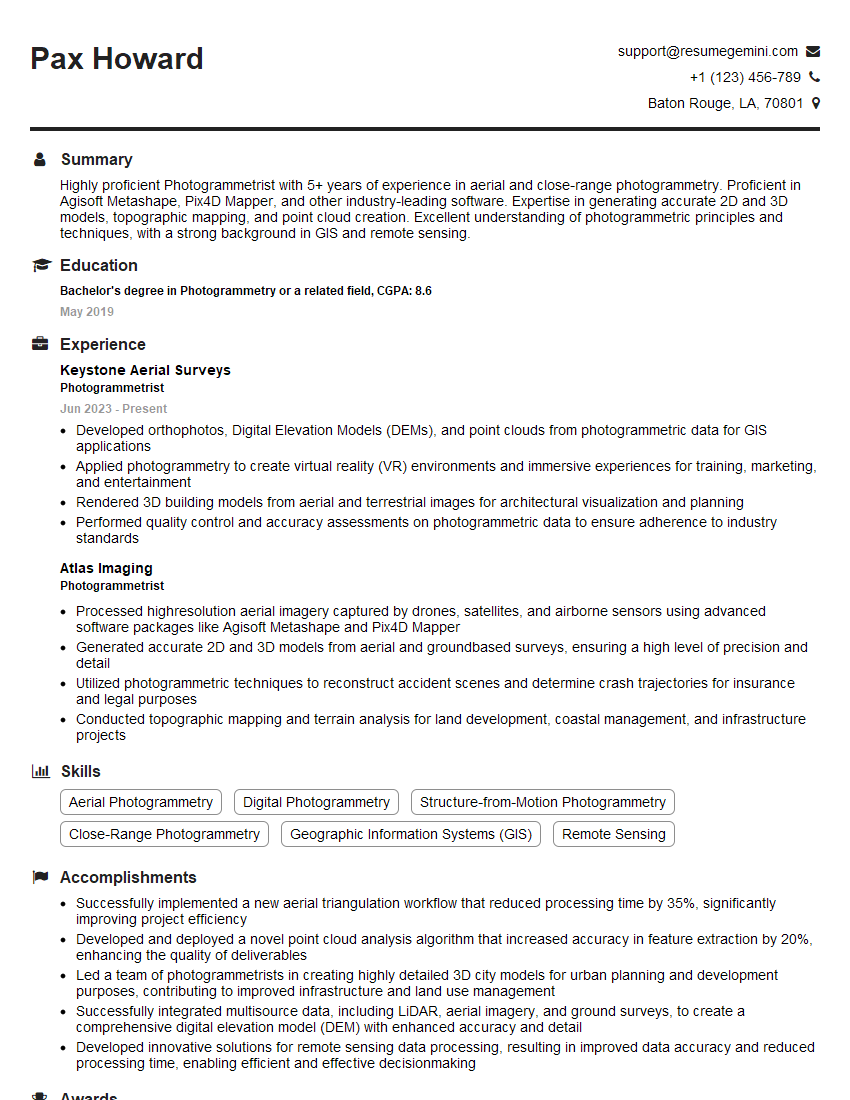
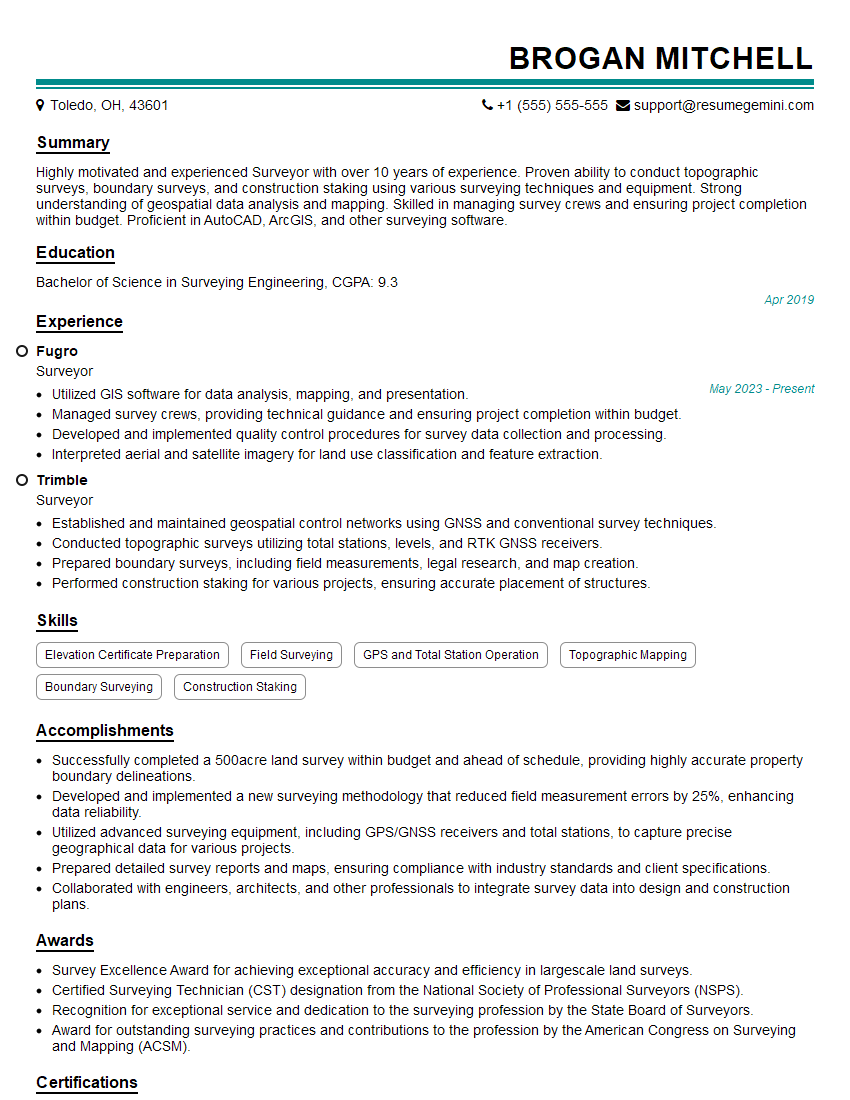
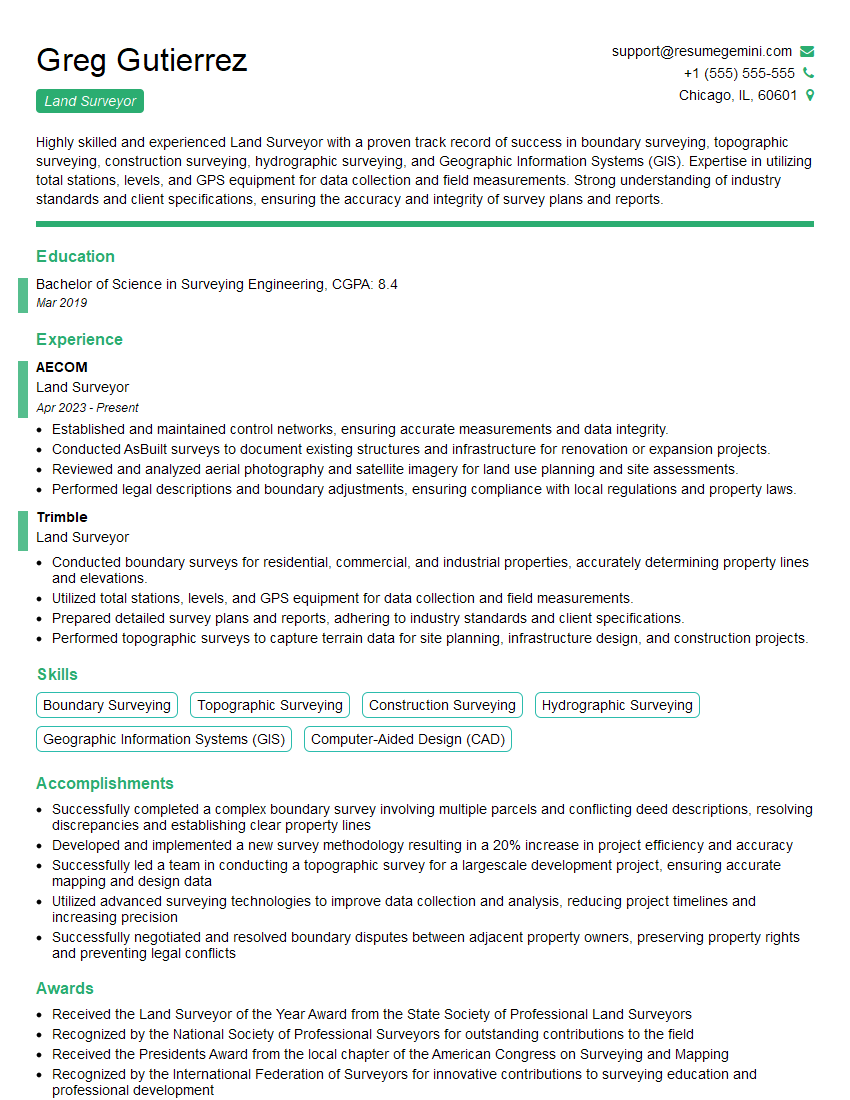
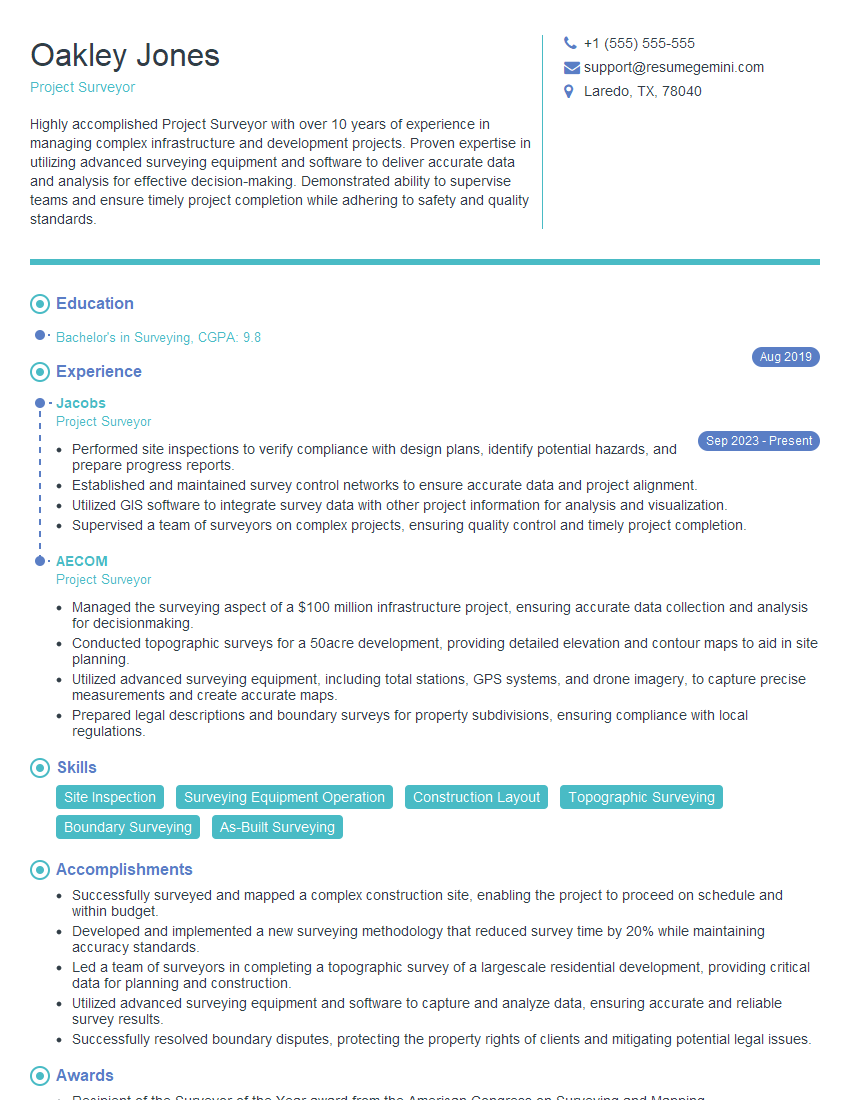
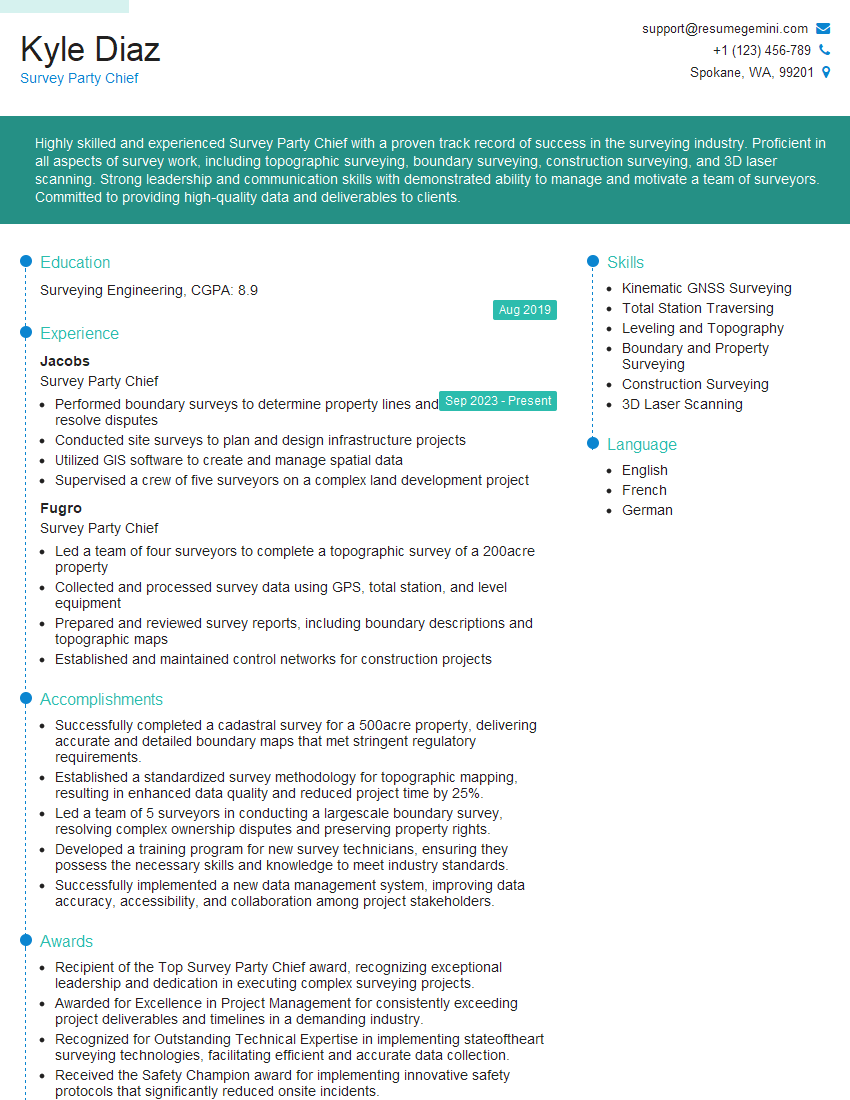
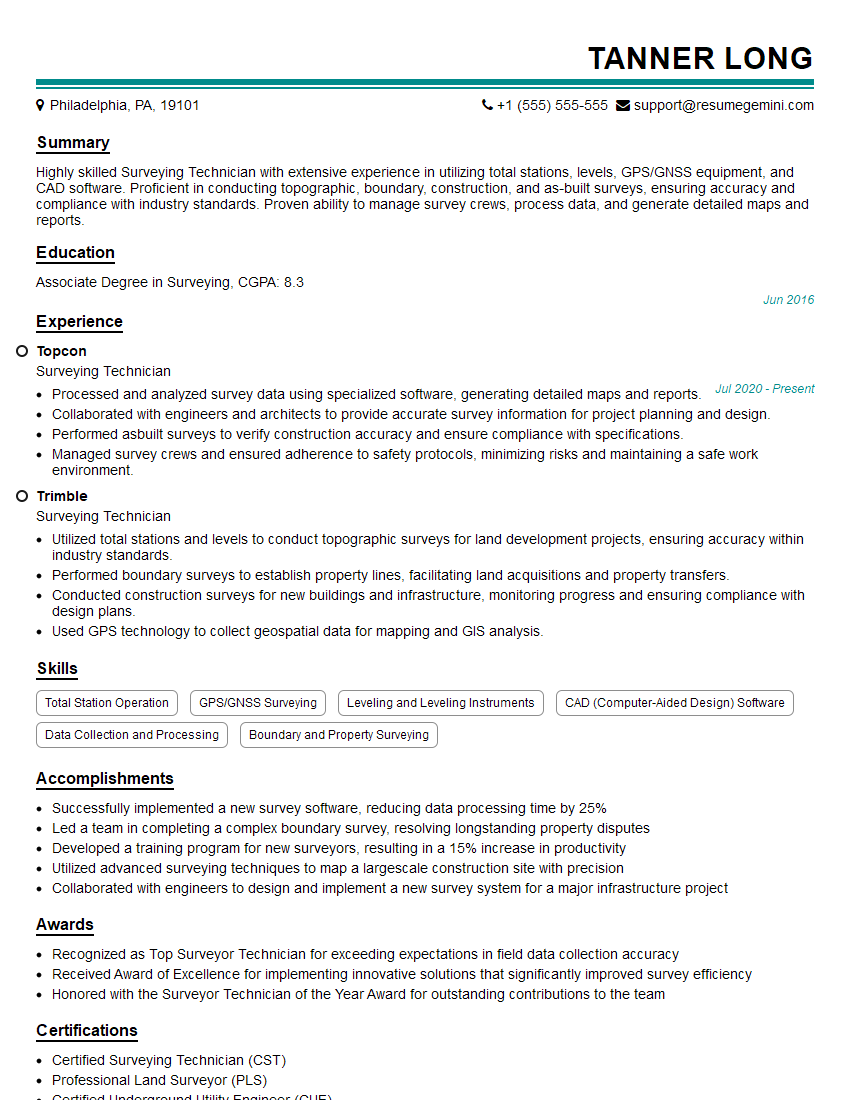
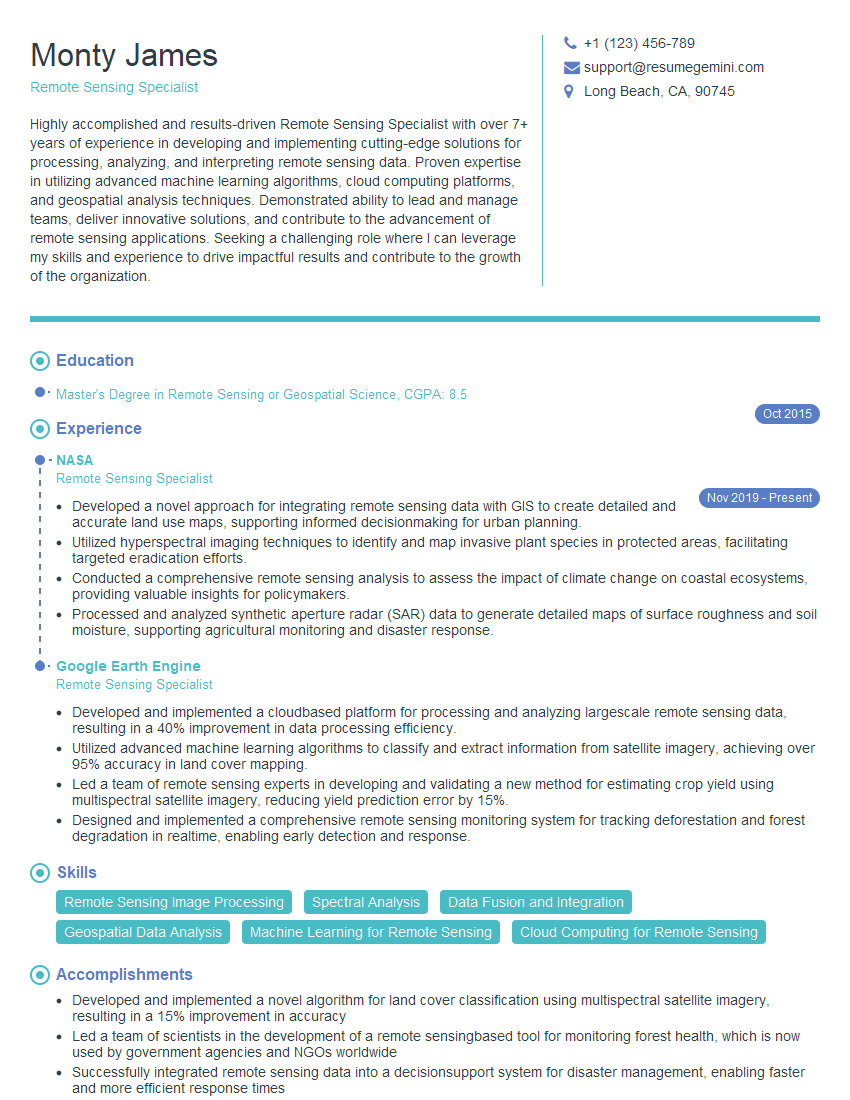
ResumeGemini can help you build a compelling resume that highlights your expertise and ethical commitment. They offer resources and examples tailored specifically to the surveying profession, including examples showcasing experience in Surveying Ethics. Use ResumeGemini to craft a professional resume that truly reflects your capabilities and sets you apart from the competition.
Explore more articles
Users Rating of Our Blogs
Share Your Experience
We value your feedback! Please rate our content and share your thoughts (optional).
What Readers Say About Our Blog
Really detailed insights and content, thank you for writing this detailed article.
IT gave me an insight and words to use and be able to think of examples