Interviews are more than just a Q&A session—they’re a chance to prove your worth. This blog dives into essential Team Management and Supervision interview questions and expert tips to help you align your answers with what hiring managers are looking for. Start preparing to shine!
Questions Asked in Team Management and Supervision Interview
Q 1. Describe your experience in delegating tasks effectively within a team.
Effective delegation is about assigning tasks to the right person at the right time, ensuring successful project completion. It’s not just about offloading work; it’s about empowering team members and optimizing their skills.
My approach involves a thorough understanding of each team member’s strengths, weaknesses, and workload. I use a matrix that considers task complexity, urgency, and individual capabilities. For instance, a new team member might receive a simpler task to build confidence, while a seasoned member handles complex projects. Before delegating, I clearly define expectations, including deadlines, deliverables, and available resources. I also establish clear communication channels for regular updates and support.
For example, in a recent project, we needed to design a marketing campaign. Instead of taking it all on myself, I assessed my team: Sarah excels at creative design, while John is a data analysis whiz. I delegated the visual aspect to Sarah and the data-driven strategy to John. This not only ensured the project was completed efficiently but also fostered individual growth and ownership.
Q 2. How do you motivate team members to achieve optimal performance?
Motivating a team to optimal performance requires a multi-faceted approach focusing on both individual needs and collective goals. It’s about creating an environment where everyone feels valued, challenged, and supported.
I believe in fostering a culture of recognition and appreciation. Celebrating successes, both big and small, is crucial. Regular feedback, both positive reinforcement and constructive criticism, keeps team members engaged and informed of their progress. I also empower team members by giving them autonomy and ownership over their tasks. This includes involving them in decision-making processes relevant to their work.
Beyond that, I tailor my motivational strategies to each individual. Some thrive on public recognition, while others prefer private acknowledgment. Understanding these individual preferences is key. Finally, I ensure a healthy work-life balance is maintained, as burnout is a significant demotivator.
Q 3. Explain your approach to conflict resolution within a team environment.
Conflict is inevitable in any team, but how it’s handled determines its impact. My approach to conflict resolution is proactive, focusing on addressing issues early and constructively.
I first create a safe space for open and honest communication. I encourage all parties to express their perspectives without interruption, ensuring everyone feels heard. Then, I facilitate a collaborative discussion, focusing on identifying the root cause of the conflict, not just the symptoms. We work together to find mutually acceptable solutions, ensuring that everyone’s concerns are addressed and a resolution that benefits the team as a whole is reached. Finally, I document the agreed-upon solution to ensure clarity and accountability.
For instance, if a disagreement arises about project priorities, I would facilitate a meeting to discuss individual concerns, explore the project goals, and then collaboratively prioritize tasks based on their impact and feasibility. This process ensures that the team remains aligned and focused.
Q 4. What strategies do you use to build a strong and cohesive team?
Building a strong and cohesive team requires nurturing trust, open communication, and shared goals. It’s about creating a sense of community where everyone feels valued and supported.
I start by establishing clear team goals and expectations from the outset. This ensures everyone is on the same page and working towards a common objective. Regular team-building activities, both formal and informal, help foster camaraderie and improve communication. These could be anything from casual team lunches to more structured workshops or outdoor adventures.
Open and honest communication is vital. I encourage regular team meetings where members can share updates, discuss challenges, and brainstorm solutions. I also promote a culture of feedback, where members feel comfortable sharing both positive and constructive criticism. Finally, I actively promote a supportive and inclusive environment, where everyone feels respected and valued for their unique contributions.
Q 5. How do you provide constructive feedback to team members?
Constructive feedback is about providing specific, actionable advice that helps team members improve their performance. It’s not about criticism for criticism’s sake, but about fostering growth.
My approach is based on the SBI (Situation-Behavior-Impact) model. I start by describing the specific situation, then the observed behavior, and finally, the impact that behavior had. This ensures the feedback is clear, objective, and avoids generalizations. I avoid making sweeping statements and focus on observable actions. I always frame my feedback in a supportive and encouraging manner, focusing on solutions rather than dwelling on the problem.
For example, instead of saying “You’re not performing well,” I might say, “In the last presentation, I noticed some of the key points were not clearly articulated. This impacted the client’s understanding. Perhaps we can work together on structuring your presentations in a more concise and impactful way?” This offers specific guidance and is more likely to be accepted positively.
Q 6. Describe your experience with performance management and appraisals.
Performance management and appraisals are crucial for ensuring individual and team success. It’s about providing regular feedback, identifying areas for improvement, and recognizing achievements.
I conduct regular check-ins with team members, not just during formal appraisals. These informal discussions provide opportunities for open dialogue and address any emerging concerns promptly. Formal appraisals involve a structured process, combining self-assessment with manager evaluation. We discuss goals set at the start of the review period, assess progress, and identify areas for improvement. This process is not just about evaluating past performance but also setting goals for the future, establishing development plans, and agreeing on objectives for the next period.
The process also includes documentation that helps track progress, provide a historical record of performance, and inform future decisions regarding compensation, promotion, or training needs.
Q 7. How do you handle underperforming team members?
Addressing underperformance requires a careful and sensitive approach. It’s not about punishment, but about helping the team member improve and contribute effectively.
I start by identifying the root cause of the underperformance. This might involve open conversations to understand any underlying issues, such as lack of training, insufficient resources, or personal challenges. Once the cause is identified, I work with the team member to develop a performance improvement plan (PIP). This plan outlines specific, measurable, achievable, relevant, and time-bound (SMART) goals, along with the support and resources needed to achieve them. Regular follow-ups are crucial to monitor progress and provide ongoing support. If the improvement plan is not successful, further action might be necessary, but this should always be a last resort, and legal implications should be carefully considered.
For instance, if a team member consistently misses deadlines, we’d investigate why. Is it a lack of skills, too much workload, or something personal? Once identified, the PIP would include training, adjusted workload, or perhaps some time off to address personal matters. The key is to be supportive and collaborative while ensuring accountability.
Q 8. What methods do you utilize to track team progress and productivity?
Tracking team progress and productivity requires a multifaceted approach. I don’t rely on a single metric but rather a combination of methods tailored to the specific project and team.
Regular Check-ins: Short, focused meetings (daily stand-ups, weekly progress reviews) allow for quick updates, identification of roadblocks, and proactive problem-solving. I find these invaluable for maintaining momentum and addressing issues early.
Project Management Software: Tools like Jira, Asana, or Trello are essential for visualizing workflows, tracking tasks, and monitoring individual and team progress. This provides a clear picture of task completion rates, timelines, and potential bottlenecks.
Key Performance Indicators (KPIs): Depending on the project, KPIs could include lines of code written, bugs fixed, sales generated, or customer satisfaction scores. These quantifiable metrics provide objective measures of productivity.
Qualitative Feedback: Regular feedback sessions, both formal and informal, allow me to understand the team’s morale, identify challenges, and gather insights beyond numerical data. I actively seek both positive and constructive feedback.
For instance, in a previous role leading a software development team, we used Jira to track sprints. Weekly reviews helped identify and address any impediments to timely delivery, and we used customer satisfaction surveys to measure the impact of our work. This combination gave us a comprehensive view of productivity and success.
Q 9. How do you ensure that team goals align with organizational objectives?
Aligning team goals with organizational objectives is crucial for success. I approach this using a top-down and bottom-up approach:
Organizational Strategy Understanding: I begin by thoroughly understanding the company’s overall strategic goals and objectives. This ensures that team efforts contribute directly to the bigger picture.
Goal Setting Workshops: I facilitate workshops involving team members to collaboratively define team goals that directly support organizational objectives. This ensures buy-in and fosters a sense of ownership.
Regular Communication: Open and consistent communication ensures everyone understands how their work impacts the overall strategy. This includes regular updates on organizational performance and how the team contributes to that success.
Performance Reviews: Performance reviews are opportunities to assess the team’s progress against organizational objectives and adjust strategies as needed.
In a previous project, our team’s goal was to improve customer retention by 15%. This directly supported the company’s broader strategy of sustainable growth. We achieved this by focusing on customer relationship management, resulting in significant improvement in customer satisfaction.
Q 10. Describe your experience with team training and development.
Team training and development is an ongoing process I prioritize. I believe in investing in my team’s growth to improve skills, enhance performance, and boost morale.
Needs Assessment: I start by identifying individual skill gaps and areas where training can improve team performance. This often involves discussions with team members, reviewing performance data, and analyzing project requirements.
Targeted Training: Based on the needs assessment, I implement targeted training programs. This could include online courses, workshops, mentoring opportunities, or on-the-job training. I prioritize both technical skills and soft skills, such as communication and teamwork.
Mentorship and Coaching: I actively encourage mentorship and coaching relationships within the team. Experienced members can guide newer team members, fostering knowledge sharing and accelerating professional development.
Feedback and Performance Reviews: Regular feedback sessions and performance reviews are essential for providing constructive criticism, identifying areas for improvement, and tracking progress on training objectives.
For example, I once identified a need for improved data analysis skills within my team. I organized a workshop led by an external expert, which resulted in a noticeable improvement in the team’s ability to extract insights from data, directly impacting project decision-making.
Q 11. How do you manage competing priorities within a team?
Managing competing priorities requires a structured approach. It’s not about simply prioritizing tasks; it’s about ensuring the team stays focused and productive while balancing various demands.
Prioritization Framework: I use a prioritization framework like the Eisenhower Matrix (urgent/important) or MoSCoW method (must have, should have, could have, won’t have) to help the team understand the relative importance of tasks.
Clear Communication: Open communication is vital. I ensure the team is aware of all priorities, the reasons behind them, and the potential impact of delays or trade-offs.
Task Delegation: I delegate tasks effectively, considering individual strengths and workloads. This ensures efficient task completion and prevents team members from being overwhelmed.
Regular Re-evaluation: Priorities can shift. I schedule regular review sessions to reassess tasks, adjust timelines, and ensure the team remains focused on the most critical objectives.
Saying No: It’s crucial to say no to tasks that don’t align with the team’s strategic objectives or capacity. This prevents burnout and protects the team’s productivity.
In a past project, we had competing deadlines for two major releases. Using the MoSCoW method, we prioritized features and successfully launched both products on time without compromising quality.
Q 12. How do you foster a positive and inclusive team culture?
Fostering a positive and inclusive team culture is paramount for success. It’s about creating an environment where everyone feels valued, respected, and empowered.
Open Communication: I encourage open and honest communication, ensuring team members feel comfortable sharing ideas, concerns, and feedback.
Respectful Interactions: I lead by example, demonstrating respect and empathy in all interactions. I actively address any instances of disrespect or exclusion.
Team Building Activities: Regular team-building activities help foster camaraderie and strengthen relationships. These could be social events, collaborative projects, or even short games.
Diversity and Inclusion Initiatives: I actively promote diversity and inclusion, creating an environment where individuals from all backgrounds feel welcome and valued.
Recognition and Appreciation: Regularly acknowledging and appreciating team members’ contributions boosts morale and reinforces positive behavior.
In one team, we introduced ‘Kudos’ – a system for recognizing outstanding contributions, fostering a culture of appreciation and positive reinforcement.
Q 13. How do you measure the success of your team?
Measuring team success requires a balanced approach combining quantitative and qualitative metrics. It’s not just about achieving goals but also about the process and impact.
KPIs Achievement: Meeting or exceeding pre-defined KPIs demonstrates tangible success. This could be revenue targets, project completion rates, customer satisfaction scores, or quality metrics.
Project Deliverables: Successfully delivering projects on time and within budget is a key indicator of success. This reflects efficient planning, execution, and resource management.
Team Morale and Engagement: High team morale and engagement are vital indicators of a positive and productive work environment. Regular surveys and feedback sessions help measure these aspects.
Individual Growth and Development: Tracking individual growth and skill development within the team reflects the effectiveness of training programs and mentorship initiatives.
Innovation and Problem Solving: Identifying instances where the team demonstrated innovation in problem-solving showcases their adaptability and proactive approach to challenges.
In a past role, our team exceeded its revenue target by 20% while simultaneously improving customer satisfaction scores. This demonstrated success not only in terms of financial performance but also in building strong customer relationships.
Q 14. Describe a time you had to make a difficult decision regarding team members.
One challenging situation involved a team member consistently missing deadlines and exhibiting poor communication. It was a difficult decision, but I followed a structured approach.
One-on-One Meeting: I first met with the team member privately to discuss the performance issues. I focused on specific examples, avoiding generalizations or emotional accusations.
Understanding the Root Cause: I sought to understand the root cause of the problem. Were there personal issues, lack of clarity on tasks, or skill gaps? This was crucial for identifying appropriate solutions.
Developing an Action Plan: Together, we created a detailed action plan with clear goals, timelines, and support mechanisms. This included additional training or mentorship to address any skill gaps.
Regular Check-ins: I scheduled regular check-in meetings to monitor progress, provide support, and offer guidance. This ensured accountability and allowed me to adjust the action plan if needed.
Performance Improvement Plan (PIP): In some cases, a formal PIP may be necessary. This involves clearly defining performance expectations, the consequences of not meeting those expectations, and a timeline for improvement.
Difficult Decision: Unfortunately, despite our efforts, the team member’s performance did not improve. Ultimately, I had to make the difficult decision to let the member go. This was not a decision I took lightly, but it was necessary for the overall health and performance of the team.
This experience taught me the importance of early intervention, clear communication, and thorough documentation throughout the process.
Q 15. How do you handle disagreements or conflicts between team members?
Handling disagreements is crucial for a healthy team dynamic. My approach focuses on fostering open communication and finding mutually agreeable solutions. I believe in creating a safe space where team members feel comfortable expressing their concerns without fear of retribution.
My process typically involves:
- Active Listening: I ensure everyone feels heard before offering solutions. This means actively listening, asking clarifying questions, and summarizing each person’s perspective to confirm understanding.
- Identifying the Root Cause: Disagreements often stem from misunderstandings or underlying issues. I work to uncover the root cause rather than simply addressing the surface-level conflict.
- Collaborative Problem-Solving: I facilitate a discussion where team members collaboratively brainstorm solutions. This approach empowers them and encourages ownership of the outcome.
- Mediation (if necessary): If the disagreement escalates, I act as a neutral mediator, guiding the conversation towards a resolution while ensuring fairness and respect.
- Documentation & Follow-up: Key agreements and action items are documented to ensure clarity and accountability. I follow up to monitor progress and ensure the solution is effective.
For instance, in a previous project, two team members had conflicting views on the best approach to a design challenge. Instead of imposing a solution, I facilitated a workshop where they presented their arguments, listened to each other’s perspectives, and collaboratively developed a hybrid approach that incorporated the best aspects of both ideas. The result was a stronger design and a strengthened working relationship.
Career Expert Tips:
- Ace those interviews! Prepare effectively by reviewing the Top 50 Most Common Interview Questions on ResumeGemini.
- Navigate your job search with confidence! Explore a wide range of Career Tips on ResumeGemini. Learn about common challenges and recommendations to overcome them.
- Craft the perfect resume! Master the Art of Resume Writing with ResumeGemini’s guide. Showcase your unique qualifications and achievements effectively.
- Don’t miss out on holiday savings! Build your dream resume with ResumeGemini’s ATS optimized templates.
Q 16. What is your approach to managing remote or hybrid teams?
Managing remote or hybrid teams requires a different approach than managing co-located teams. Clear communication, trust, and leveraging technology are paramount. My approach emphasizes:
- Over-Communication: Regular updates, both formal and informal, are essential to keep everyone informed and engaged. This includes daily stand-ups (virtual), weekly team meetings, and asynchronous communication through tools like Slack or Microsoft Teams.
- Structured Communication Channels: Establishing clear communication protocols helps avoid confusion and ensures important information doesn’t get lost. This might involve designating specific channels for different project-related discussions.
- Technology Adoption: I leverage project management tools (e.g., Asana, Trello, Jira) to track progress, assign tasks, and facilitate collaboration. Video conferencing is crucial for maintaining a sense of connection and fostering team cohesion.
- Building Trust and Rapport: Regular virtual social interactions help build relationships and trust among team members. This could include virtual coffee breaks or team-building activities.
- Individualized Support: Recognizing that remote work can be isolating, I make a point of checking in with each team member individually to understand their challenges and offer support.
For example, during a recent project with a fully remote team, we used a combination of daily stand-up calls via video conferencing and a project management software to keep everyone aligned on tasks and deadlines. We also scheduled a virtual team-building activity to enhance communication and team spirit.
Q 17. How do you stay organized and manage your workload as a team leader?
Staying organized and managing workload as a team leader requires a systematic approach. My strategy involves a combination of planning, prioritization, delegation, and leveraging tools:
- Prioritization: I use methods like the Eisenhower Matrix (urgent/important) to prioritize tasks and delegate accordingly.
- Time Blocking: I schedule specific blocks of time for different activities to ensure focus and avoid multitasking.
- Project Management Tools: Utilizing project management software (e.g., Asana, Trello) is essential for tracking progress, managing deadlines, and assigning tasks effectively.
- Delegation: I delegate tasks based on team members’ strengths and skill sets, empowering them and improving efficiency.
- Regular Review and Adjustment: I regularly review my schedule and adjust it based on changing priorities and unforeseen circumstances.
For instance, I typically begin each week by reviewing my calendar and outlining priorities. I then block specific time slots for focused work, meetings, and communication. This structured approach prevents me from feeling overwhelmed and ensures that I’m effectively managing my time and workload.
Q 18. Describe your experience using project management methodologies.
I have extensive experience using various project management methodologies, including Agile (Scrum, Kanban), Waterfall, and Lean. My choice of methodology depends on the project’s complexity, size, and the client’s needs.
Agile (Scrum): I’ve successfully used Scrum in fast-paced, iterative projects where flexibility and adaptability are crucial. The iterative nature of Scrum allows for continuous feedback and adjustments, leading to higher quality deliverables. I’m comfortable facilitating sprint planning, daily stand-ups, sprint reviews, and retrospectives.
Waterfall: For projects with clearly defined requirements and minimal expected changes, the Waterfall methodology provides a structured approach. I’ve used Waterfall in projects with rigid deadlines and sequential steps where changes during the development phase are costly or difficult to implement.
Lean: I’ve applied Lean principles to optimize workflows and eliminate waste in various projects. Focusing on eliminating non-value-added activities and streamlining processes leads to increased efficiency and improved delivery times.
My experience with these methodologies has equipped me with the skills to select and adapt the best approach for any given project, ensuring successful project completion.
Q 19. What are your preferred communication methods for team interactions?
My preferred communication methods are tailored to the specific situation and the audience. I prioritize clarity, efficiency, and accessibility.
- For quick updates and informal discussions: Instant messaging tools like Slack or Microsoft Teams are ideal.
- For detailed information sharing or complex discussions: Emails are suitable, especially when documentation is required.
- For team meetings, brainstorming sessions, and collaborative work: Video conferencing tools like Zoom or Google Meet are invaluable, as they facilitate face-to-face interaction.
- For formal announcements or policy updates: Company intranet or formal email communication ensures wide reach and creates a documented record.
I also emphasize active listening and clear, concise language in all forms of communication to avoid misunderstandings and ensure everyone is on the same page.
Q 20. How do you ensure that your team adheres to company policies and procedures?
Ensuring adherence to company policies and procedures requires a proactive and consistent approach. My strategy involves:
- Clear Communication: I ensure that all team members understand the relevant policies and procedures through clear communication during onboarding and regular reminders.
- Training and Education: Providing training sessions and readily accessible documentation ensures everyone has the necessary knowledge to comply.
- Leading by Example: I demonstrate commitment to the company’s policies and procedures through my own actions.
- Regular Monitoring and Feedback: I regularly monitor team activities to ensure compliance and provide feedback as needed.
- Addressing Non-Compliance: When non-compliance occurs, I address it promptly and constructively, providing guidance and support while maintaining accountability.
For example, I regularly review project documentation to ensure compliance with data privacy policies. If any deviations are identified, I address them immediately with the involved team members to prevent future occurrences.
Q 21. How do you handle situations where team members lack the necessary skills or training?
Addressing skill gaps within a team is crucial for success. My approach is multi-faceted and focuses on both immediate needs and long-term development:
- Needs Assessment: I identify specific skill gaps through performance reviews, observation, and discussions with team members.
- Training and Development: I provide appropriate training opportunities, including online courses, workshops, mentoring programs, or on-the-job training, tailored to the specific needs of the individual.
- Mentorship and Coaching: I assign experienced team members to mentor those with skill gaps, facilitating knowledge transfer and skill development.
- Cross-Training: Where applicable, I encourage cross-training to broaden team members’ skill sets and create a more resilient team.
- External Resources: If internal resources are insufficient, I explore external training programs or consultants to address the skill gap.
For instance, if a team member struggles with a particular software tool, I might arrange for them to attend a relevant training session or pair them with an experienced colleague for on-the-job training and mentorship.
Q 22. Describe your approach to conducting regular team meetings.
My approach to regular team meetings prioritizes efficiency and engagement. I believe in structured yet flexible meetings, avoiding lengthy, unproductive sessions. I always begin with a clear agenda distributed beforehand, ensuring everyone knows the purpose and desired outcomes. This minimizes wasted time and allows for focused discussion.
The meeting itself is structured around key updates, brainstorming sessions (if relevant), and dedicated time for problem-solving. I actively encourage participation from everyone, using techniques like round-robin updates to ensure all voices are heard. I also incorporate visual aids like charts and graphs to enhance understanding and maintain engagement. Finally, I always conclude with clear action items and assigned responsibilities, ensuring follow-up and accountability.
For example, during a recent project milestone meeting, we used a Kanban board projected onto a screen to visually track progress. This fostered transparency and sparked a collaborative problem-solving session around a roadblock identified by one team member. The result was a revised timeline and a renewed sense of teamwork.
Q 23. How do you ensure that your team maintains a high level of morale and engagement?
Maintaining high morale and engagement is crucial for team success. My strategy focuses on three key pillars: recognition, empowerment, and open communication. I actively acknowledge and celebrate individual and team achievements, both big and small. This could involve public praise, informal acknowledgments, or even small rewards. It’s vital to tailor the recognition to the individual’s preferences.
Empowerment is equally important. I delegate tasks based on team members’ skills and interests, allowing them to own their work and take pride in their contributions. I also encourage them to take initiative and suggest improvements, fostering a sense of ownership and value. Open communication is paramount. I create an environment where everyone feels comfortable sharing ideas, concerns, and feedback without fear of judgment. This involves regular one-on-one check-ins, open-door policy, and team-building activities.
For instance, when a team member successfully navigated a particularly challenging client interaction, I publicly acknowledged their problem-solving skills and calm demeanor during our next team meeting, showcasing their positive contribution to the entire team.
Q 24. How do you adapt your leadership style to different team members and situations?
Adaptability is key to effective leadership. I utilize a situational leadership style, adapting my approach based on individual team members’ maturity levels and the specific demands of the situation. This means understanding each team member’s strengths, weaknesses, experience, and preferred communication styles. For some, a more directive approach might be needed, providing clear guidance and direction. Others thrive with a more supportive and collaborative approach.
Similarly, the situational context dictates the best leadership style. During a crisis, a more directive style might be necessary to quickly resolve the situation. During routine tasks, a more delegative approach allowing for autonomy is often more effective. I consistently observe, assess, and adjust my approach accordingly, ensuring that I am providing the right level of support and guidance to each individual in the context of the situation. I find using tools like 360-degree feedback helps me better understand how I’m perceived and adjust my approach as needed.
Q 25. Describe a time you had to address a crisis or emergency situation within your team.
In a previous role, we faced a critical system failure just hours before a major product launch. The initial reaction was panic and uncertainty. My immediate response was to remain calm and actively communicate the situation to the entire team, emphasizing transparency and collaboration. I organized the team into smaller, focused groups, assigning specific tasks based on individual expertise.
We utilized a structured problem-solving approach, systematically identifying the root cause of the failure and developing contingency plans. Regular updates kept everyone informed, alleviating anxiety and maintaining momentum. Through collaborative effort and decisive action, we managed to restore the system within the critical timeframe, successfully launching the product without significant disruption. This experience highlighted the importance of clear communication, decisive action, and empowering team members to tackle challenges.
Q 26. How do you use technology to improve team communication and collaboration?
Technology plays a vital role in enhancing team communication and collaboration. We utilize a range of tools to optimize workflow and communication. For project management, we use tools like Asana or Jira, which allow for centralized task assignment, progress tracking, and efficient communication. For real-time communication, we leverage tools like Slack or Microsoft Teams, which facilitate quick updates, file sharing, and instant messaging. Video conferencing platforms like Zoom are used for meetings and collaborative brainstorming sessions.
Furthermore, we utilize cloud-based storage solutions to ensure seamless document sharing and version control. This reduces confusion and promotes consistency. I regularly assess the effectiveness of these tools and explore new solutions based on the evolving needs of the team. For example, recently we implemented a project management tool which drastically improved our ability to track tasks, deadlines, and resources, leading to improved project efficiency and reduced errors.
Q 27. What are your strategies for maintaining work-life balance for yourself and your team?
Maintaining work-life balance for myself and my team is a non-negotiable priority. I lead by example, setting clear boundaries and prioritizing my own well-being. This includes setting realistic expectations for workload, encouraging the use of vacation time, and fostering a culture that respects personal time. I actively promote flexible work arrangements whenever possible, recognizing that individual needs vary.
For the team, I regularly emphasize the importance of taking breaks, disconnecting after work hours, and utilizing available resources to support their well-being. This might include access to employee assistance programs, wellness initiatives, or simply creating a supportive and understanding work environment. I encourage open communication about workload and stress levels, providing support and guidance when needed. Regular feedback sessions help identify potential burnout risks, enabling proactive interventions.
Q 28. Explain your process for identifying and developing future team leaders.
Identifying and developing future team leaders is an ongoing process. I begin by observing team members’ performance, paying close attention to their leadership potential. This involves looking for individuals who demonstrate initiative, problem-solving skills, a strong work ethic, and a commitment to teamwork. I also assess their communication skills, ability to delegate tasks, and their capacity to mentor and motivate others.
Once potential candidates are identified, I offer them opportunities for growth and development. This could include assigning them more responsibility, providing them with mentorship opportunities, or enrolling them in relevant leadership training programs. I regularly provide constructive feedback and coaching, helping them to identify areas for improvement and build their leadership capabilities. I also encourage them to participate in team-building activities and cross-functional projects to broaden their experience and enhance their collaborative skills. This multi-faceted approach ensures a pipeline of strong, well-prepared future leaders.
Key Topics to Learn for Team Management and Supervision Interview
- Team Dynamics and Communication: Understanding team stages, communication styles, conflict resolution strategies, and building a positive team environment. Practical application: Describe a situation where you successfully navigated a team conflict and the strategies you employed.
- Delegation and Empowerment: Effectively assigning tasks, providing clear expectations, offering support and guidance, and fostering individual growth within the team. Practical application: Explain your approach to delegating tasks, ensuring accountability, and motivating team members to exceed expectations.
- Performance Management: Setting clear goals, providing regular feedback (both positive and constructive), conducting performance reviews, and addressing performance issues. Practical application: Detail your experience in providing constructive criticism and developing performance improvement plans.
- Motivation and Leadership Styles: Exploring various leadership approaches (transformational, transactional, servant leadership), understanding motivational theories, and adapting your style to different team members and situations. Practical application: Discuss your preferred leadership style and how you adapt it based on team dynamics and project needs.
- Time Management and Project Planning: Efficiently managing team workload, prioritizing tasks, utilizing project management tools, and tracking progress toward goals. Practical application: Describe a project where you successfully managed time constraints and resources to achieve desired outcomes.
- Training and Development: Identifying training needs, developing and delivering training programs, mentoring team members, and fostering continuous learning within the team. Practical application: Share an example of how you identified and addressed a skill gap within your team.
- Recruitment and Selection (if applicable): Understanding the recruitment process, conducting interviews, assessing candidates, and making hiring recommendations. Practical application: Describe your experience in interviewing candidates and selecting the best fit for a team role.
Next Steps
Mastering Team Management and Supervision is crucial for career advancement, opening doors to leadership roles and increased responsibility. A strong, ATS-friendly resume is your key to unlocking these opportunities. To ensure your resume effectively showcases your skills and experience, we highly recommend using ResumeGemini. ResumeGemini provides a user-friendly platform for creating professional, impactful resumes. Examples of resumes tailored to Team Management and Supervision roles are available to help guide your creation process.
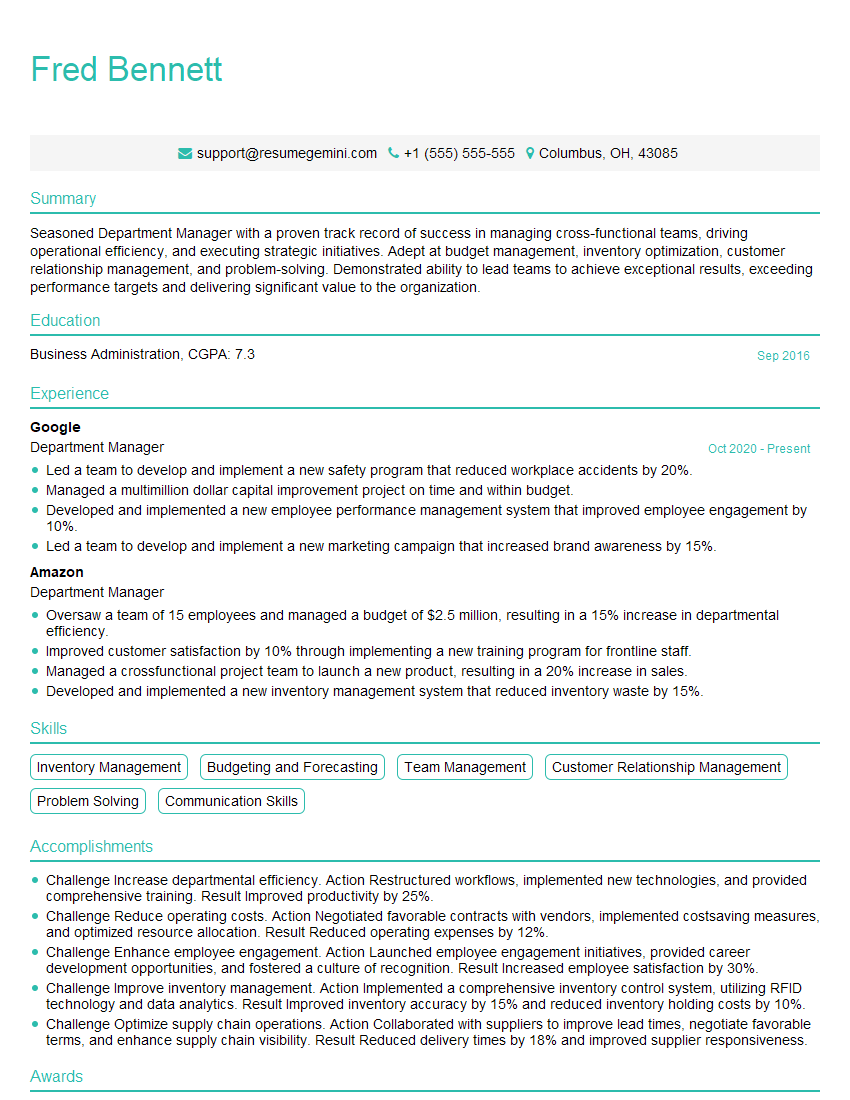
Department Manager Resume Sample
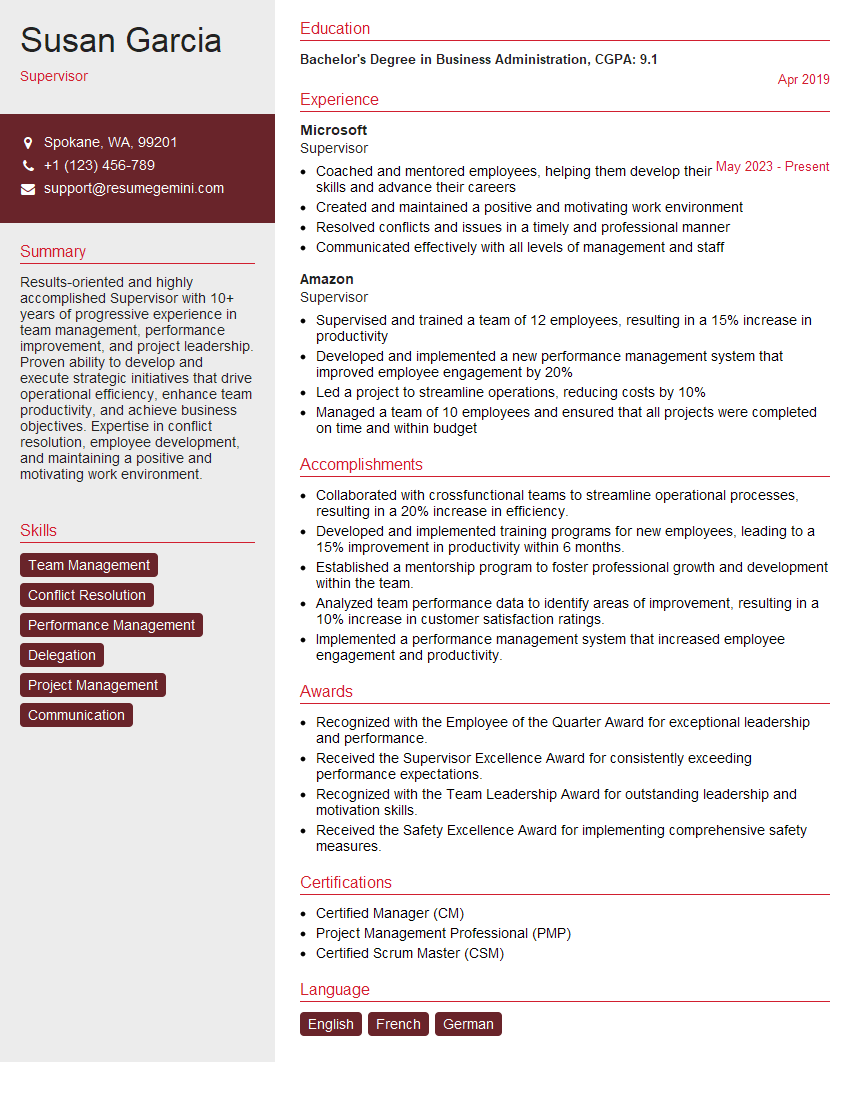
Supervisor Resume Sample
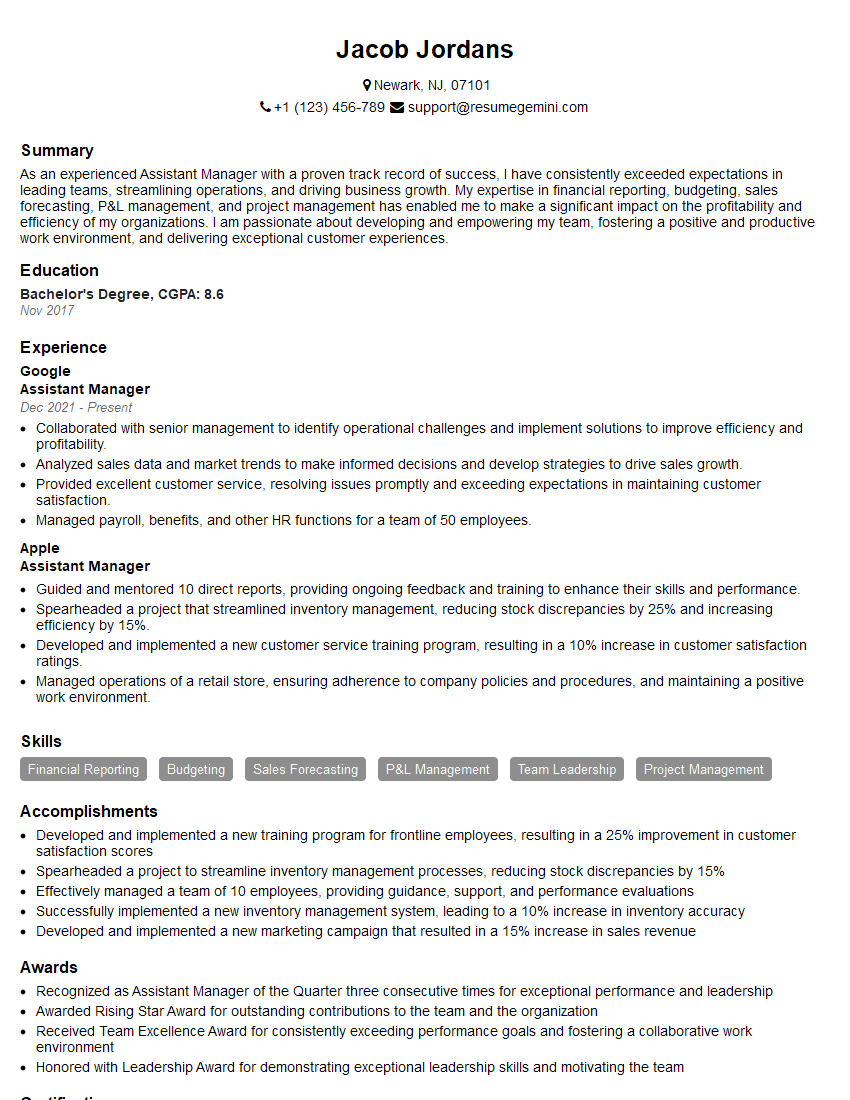
Assistant Manager Resume Sample
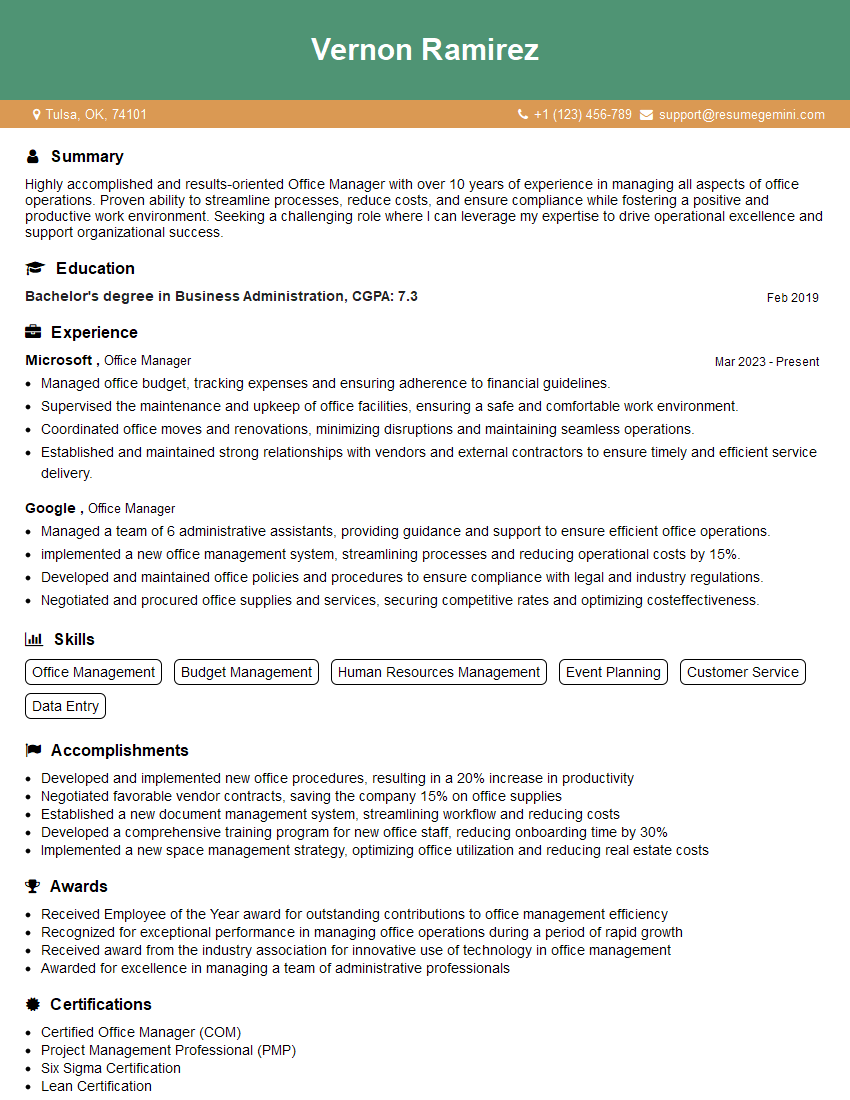
Office Manager Resume Sample

Operations Manager Resume Sample
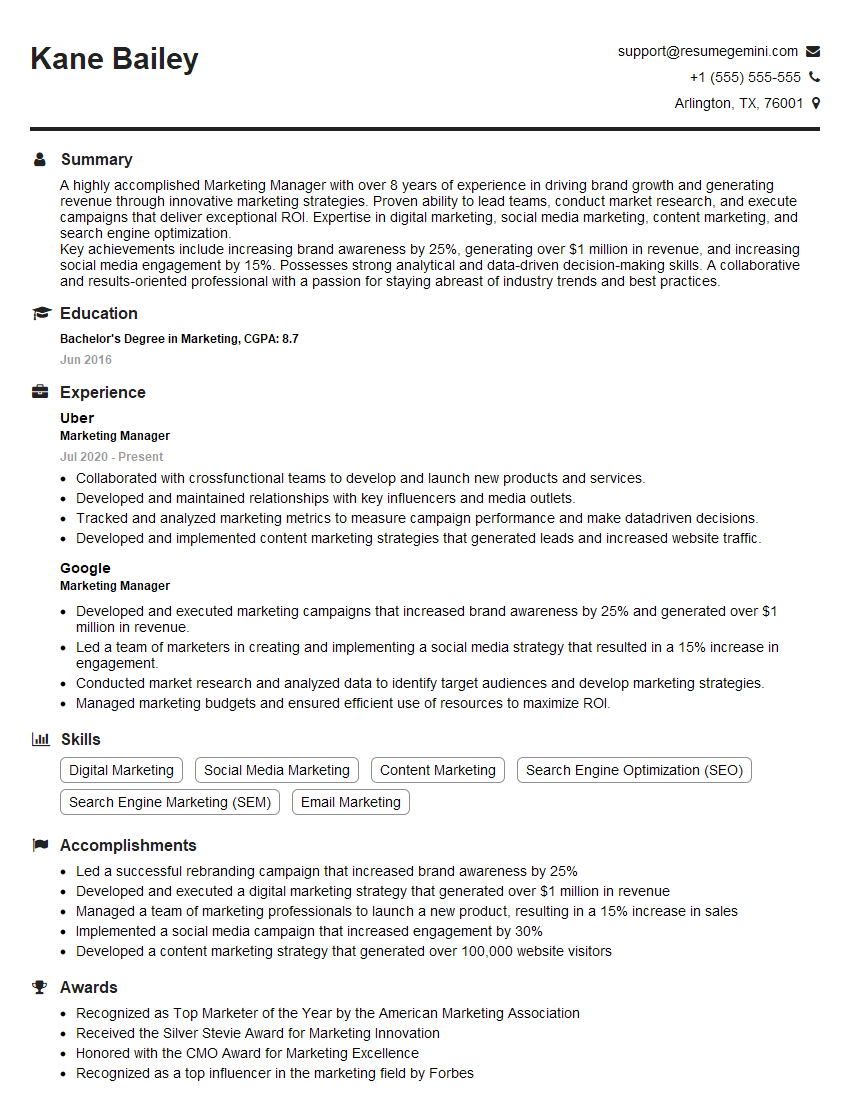
Marketing Manager Resume Sample
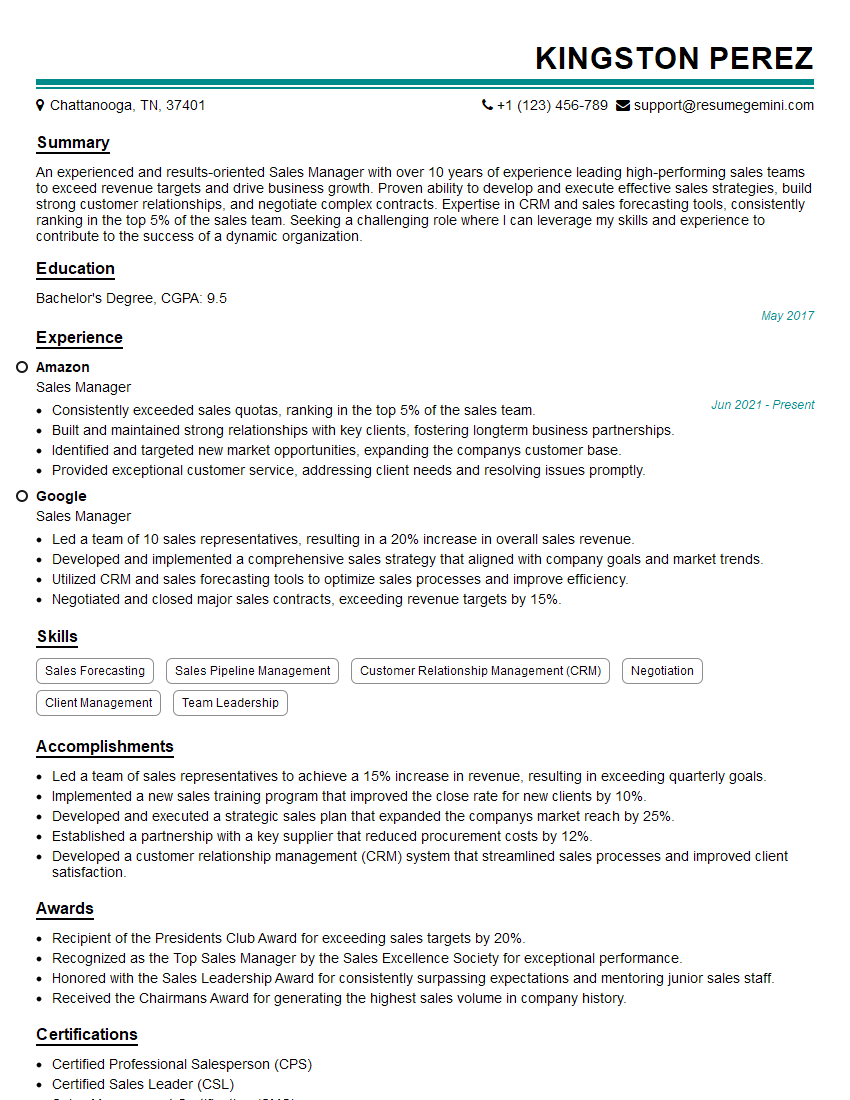
Sales Manager Resume Sample
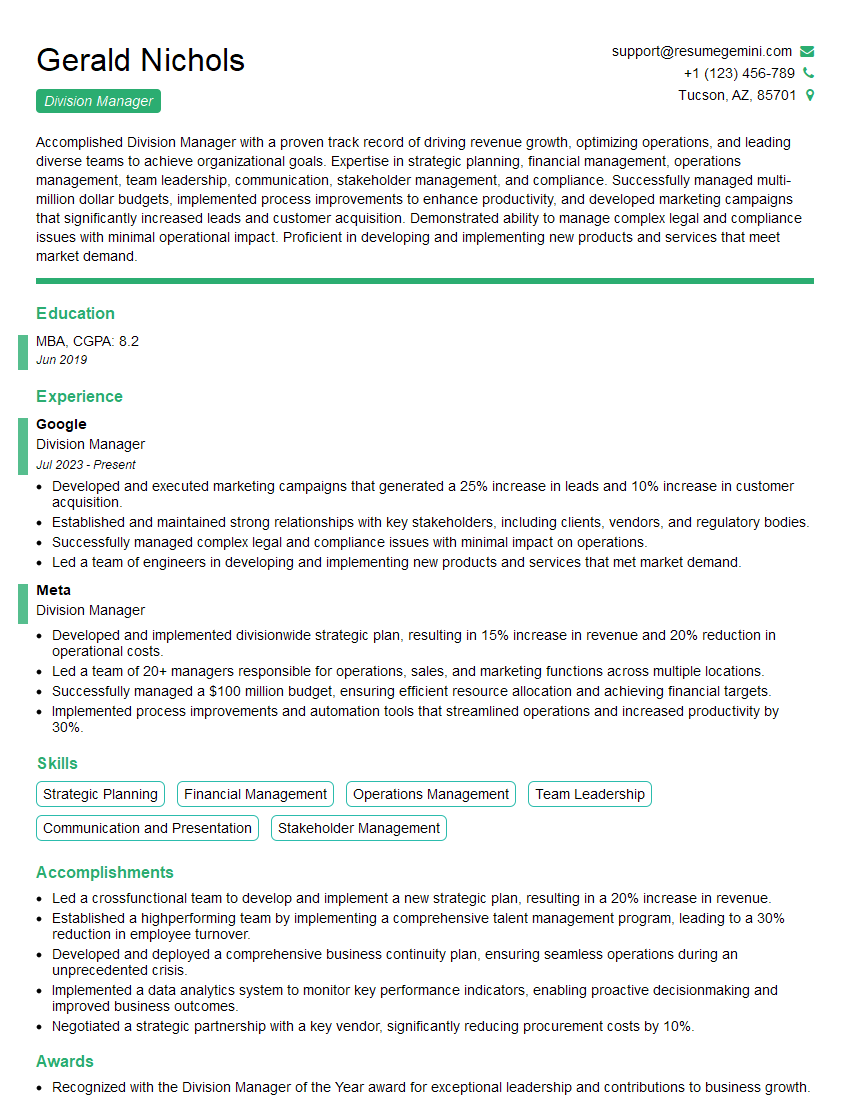
Division Manager Resume Sample
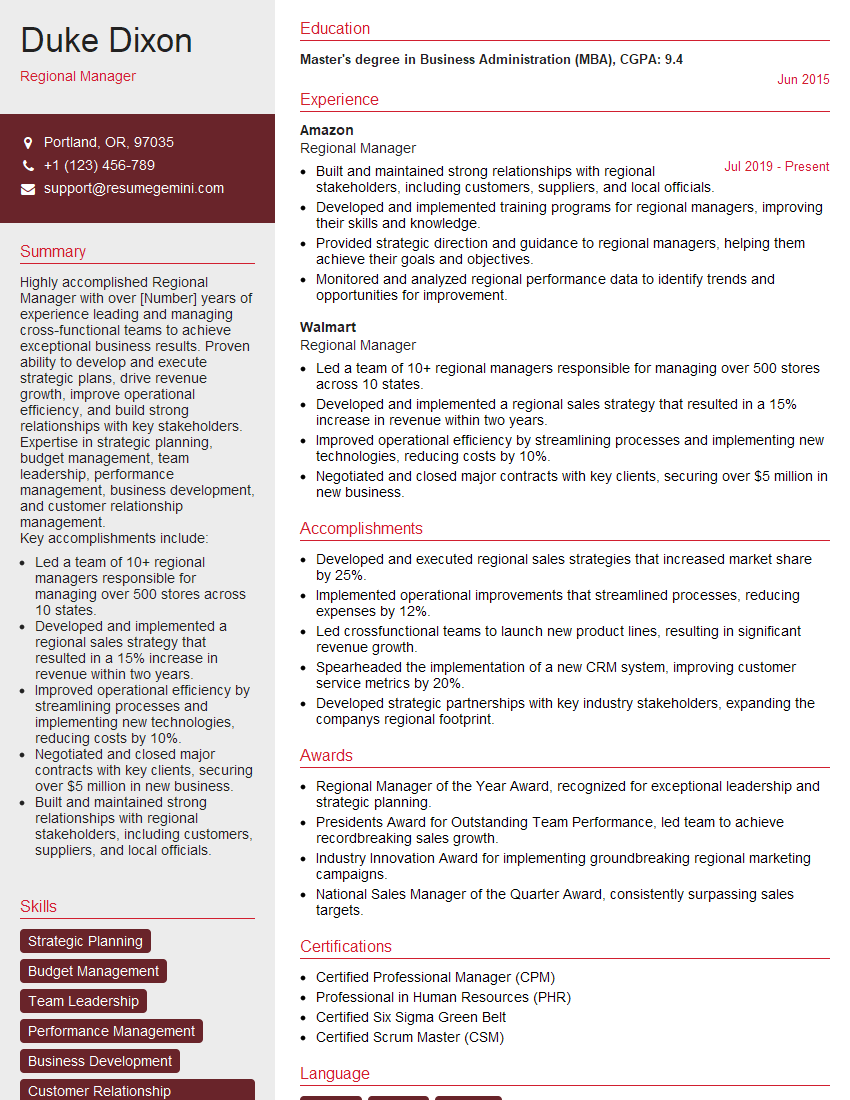
Regional Manager Resume Sample
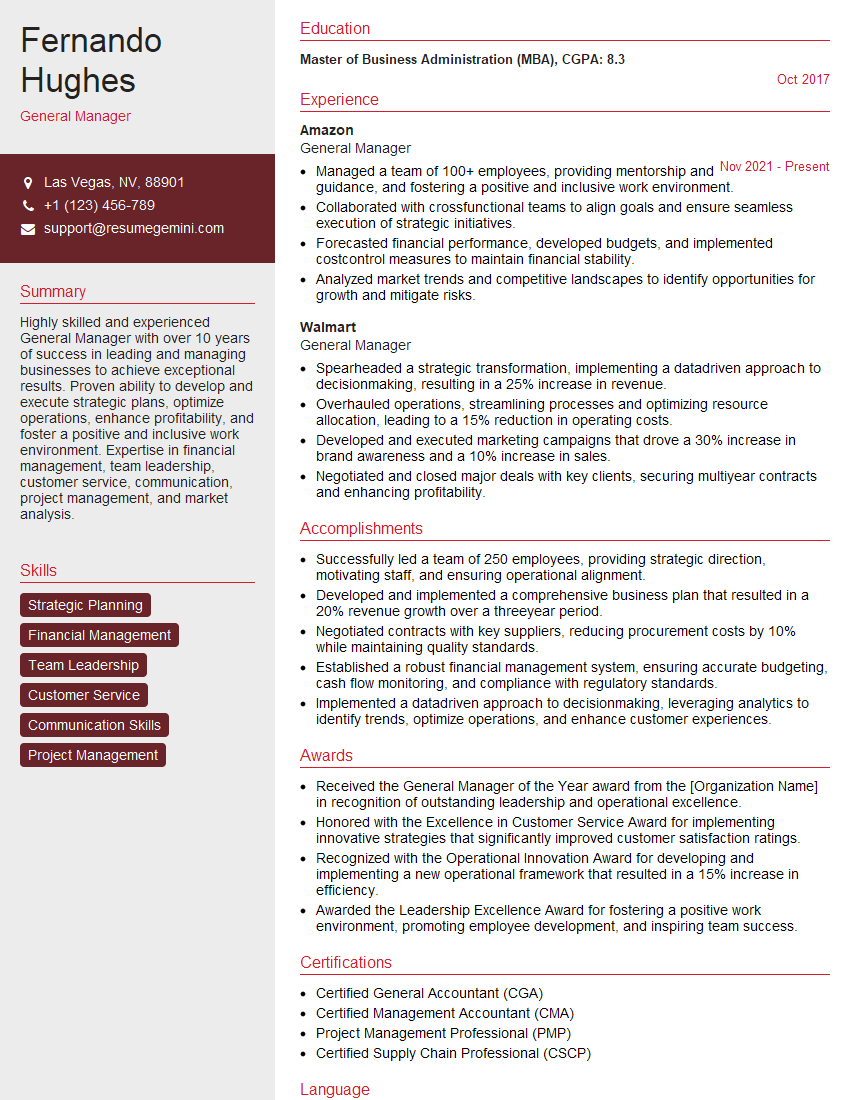
General Manager Resume Sample
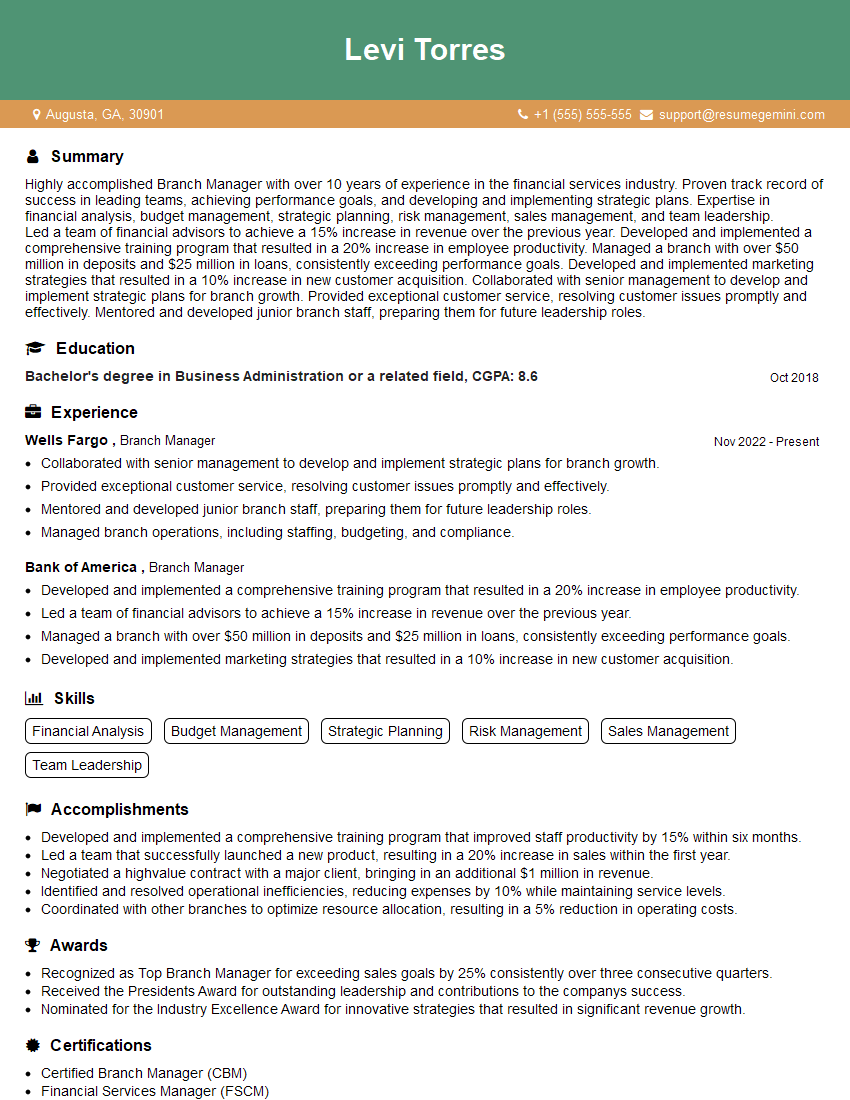
Branch Manager Resume Sample
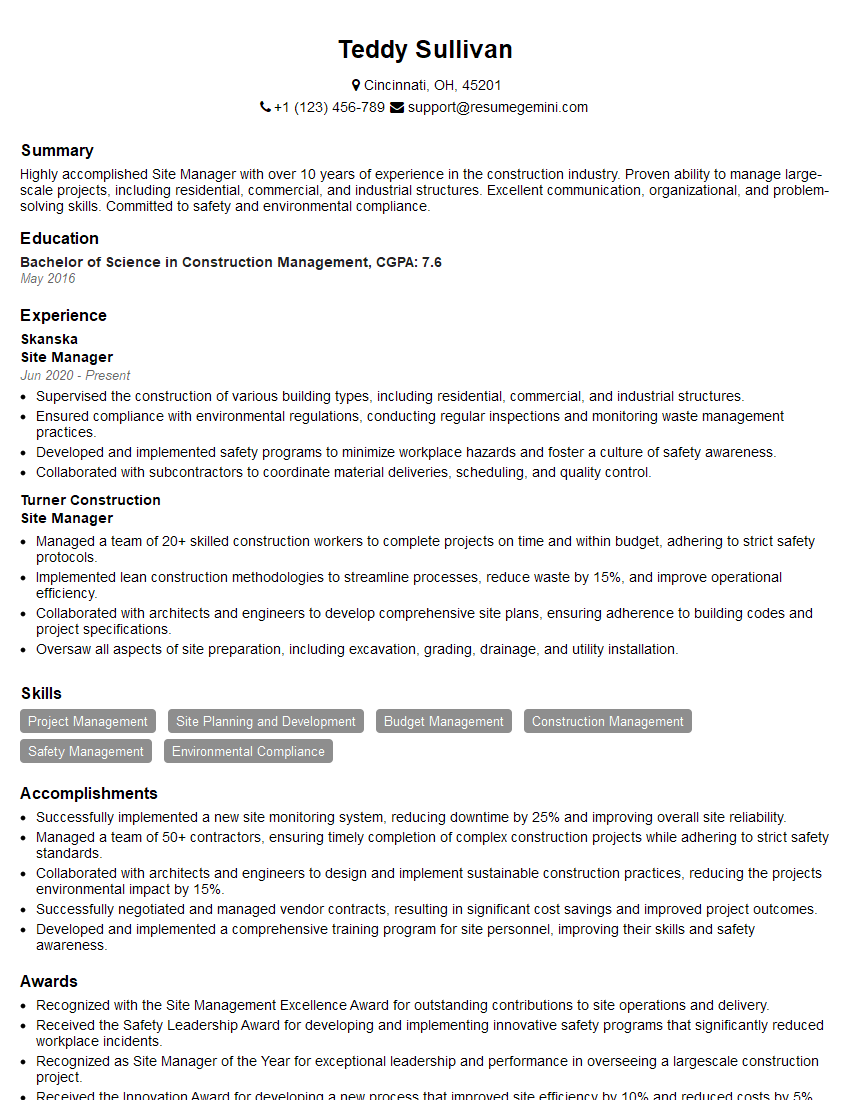
Site Manager Resume Sample
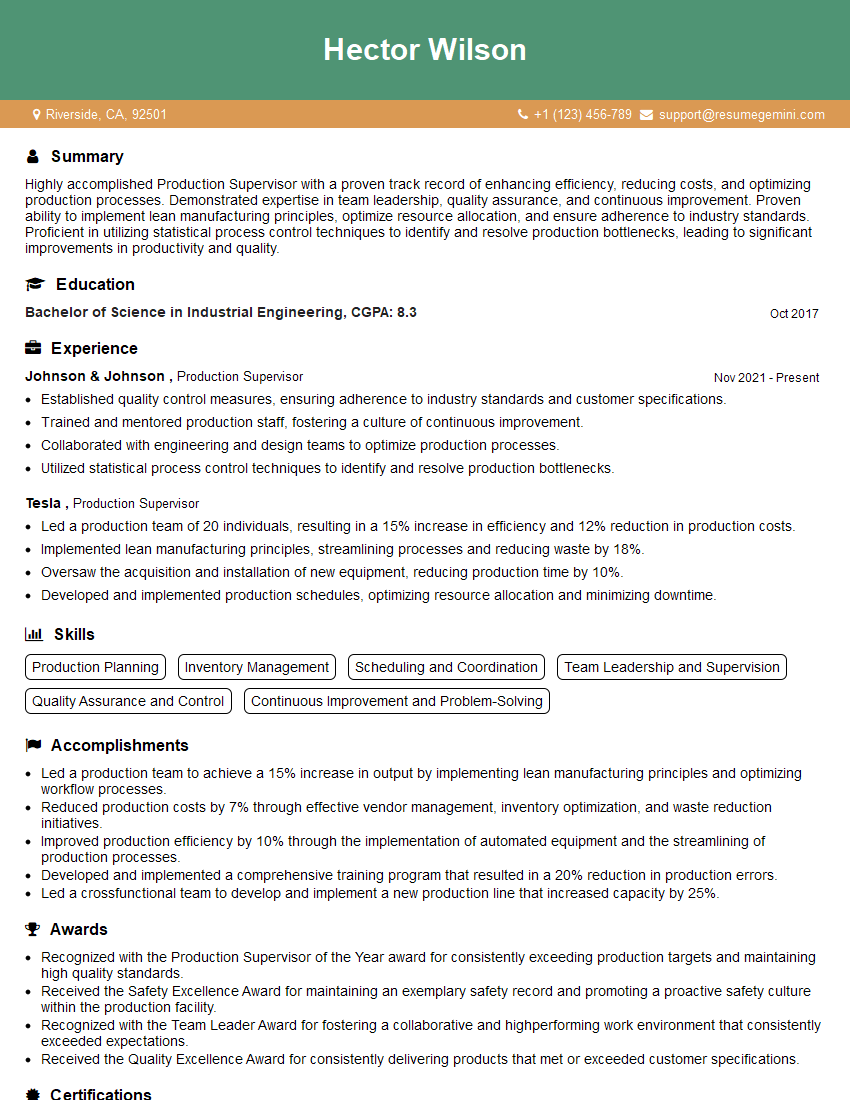
Production Supervisor Resume Sample
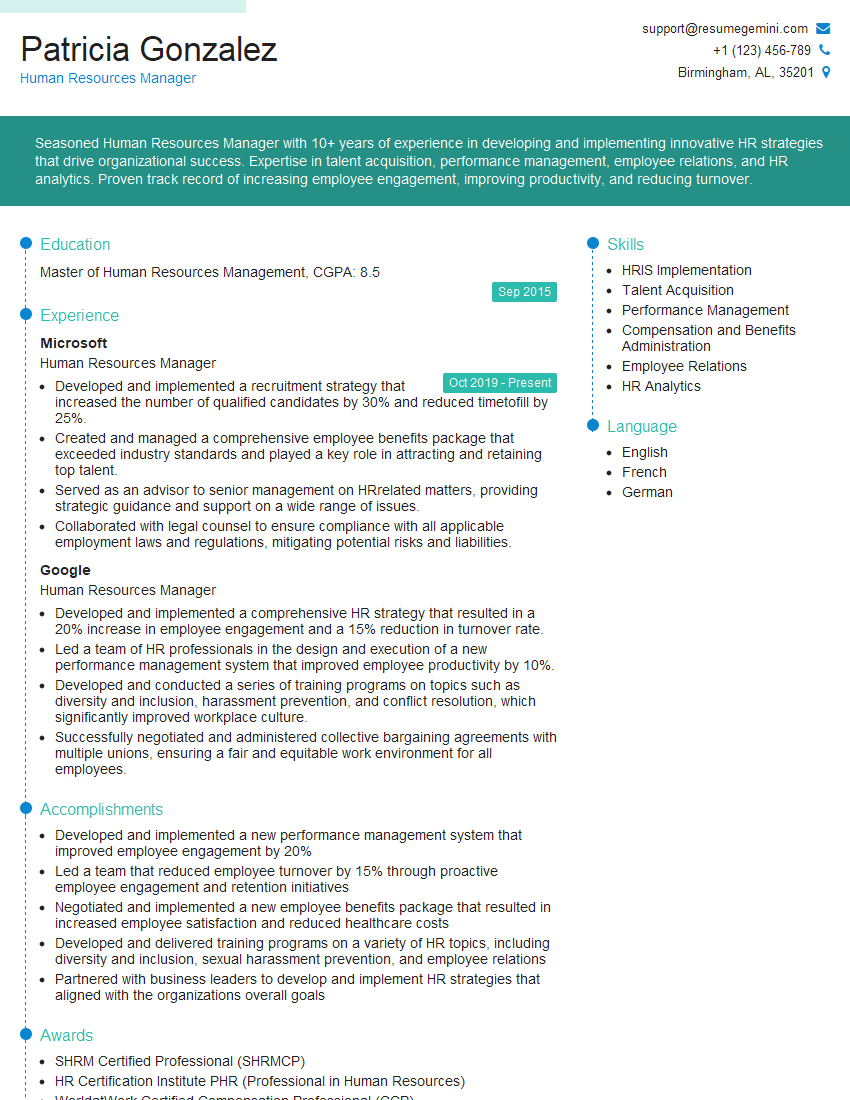
Human Resources Manager Resume Sample
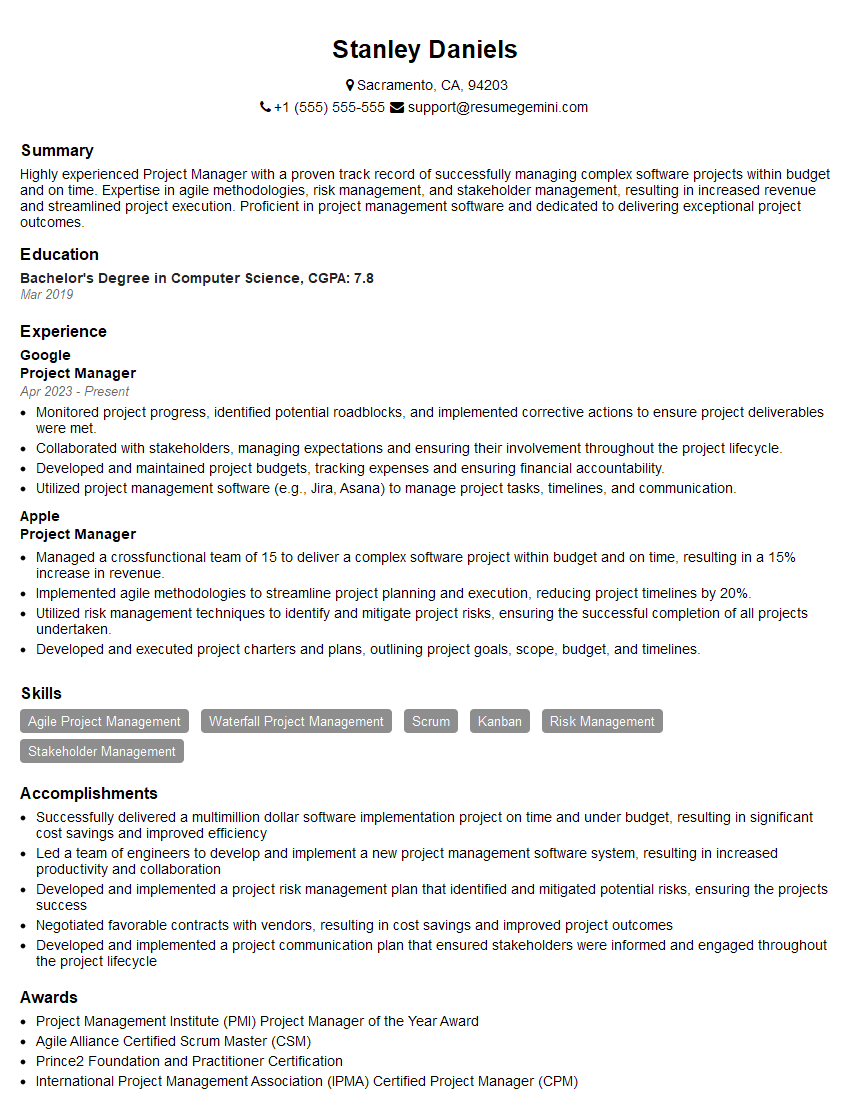
Project Manager Resume Sample
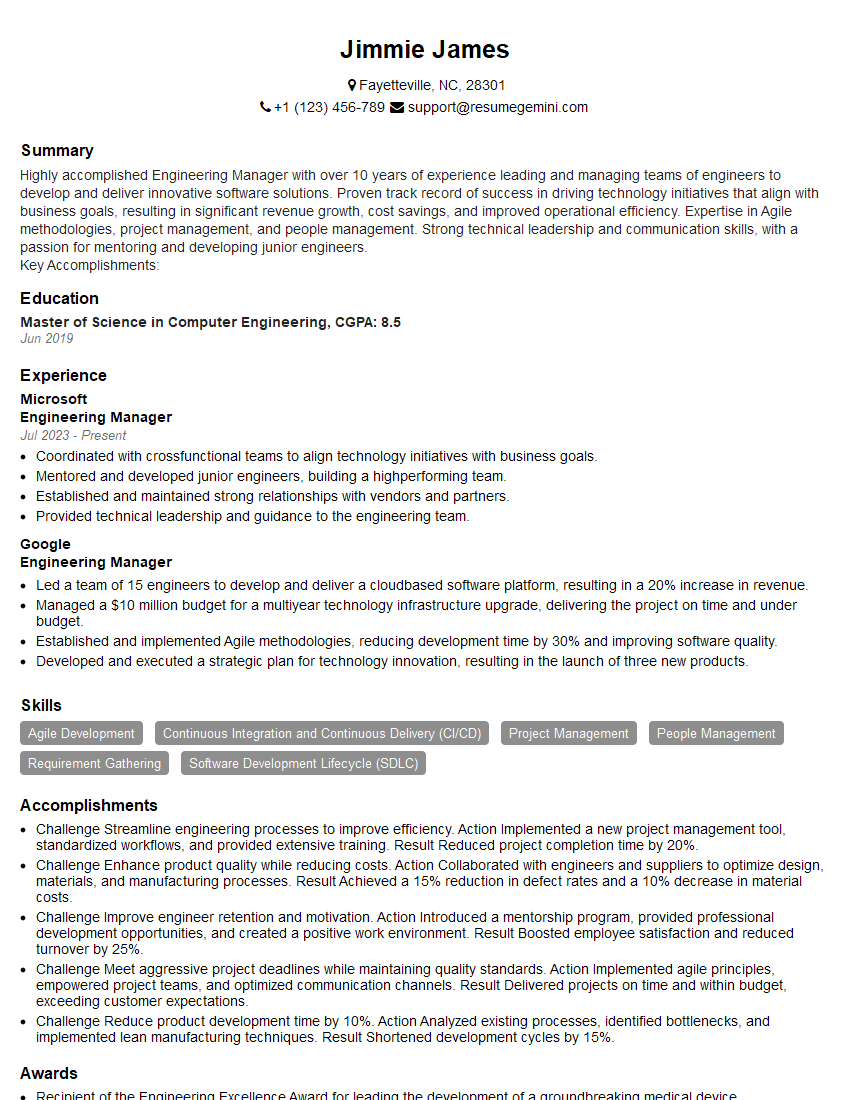
Engineering Manager Resume Sample
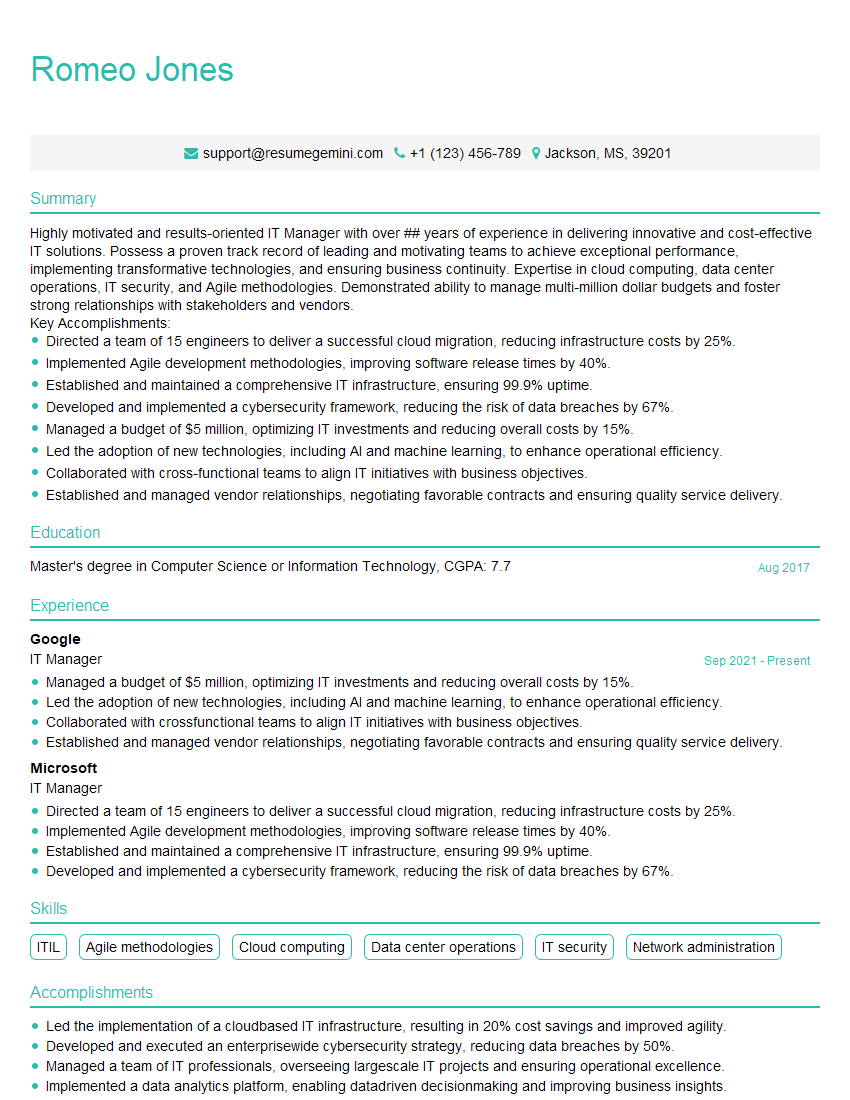
IT Manager Resume Sample
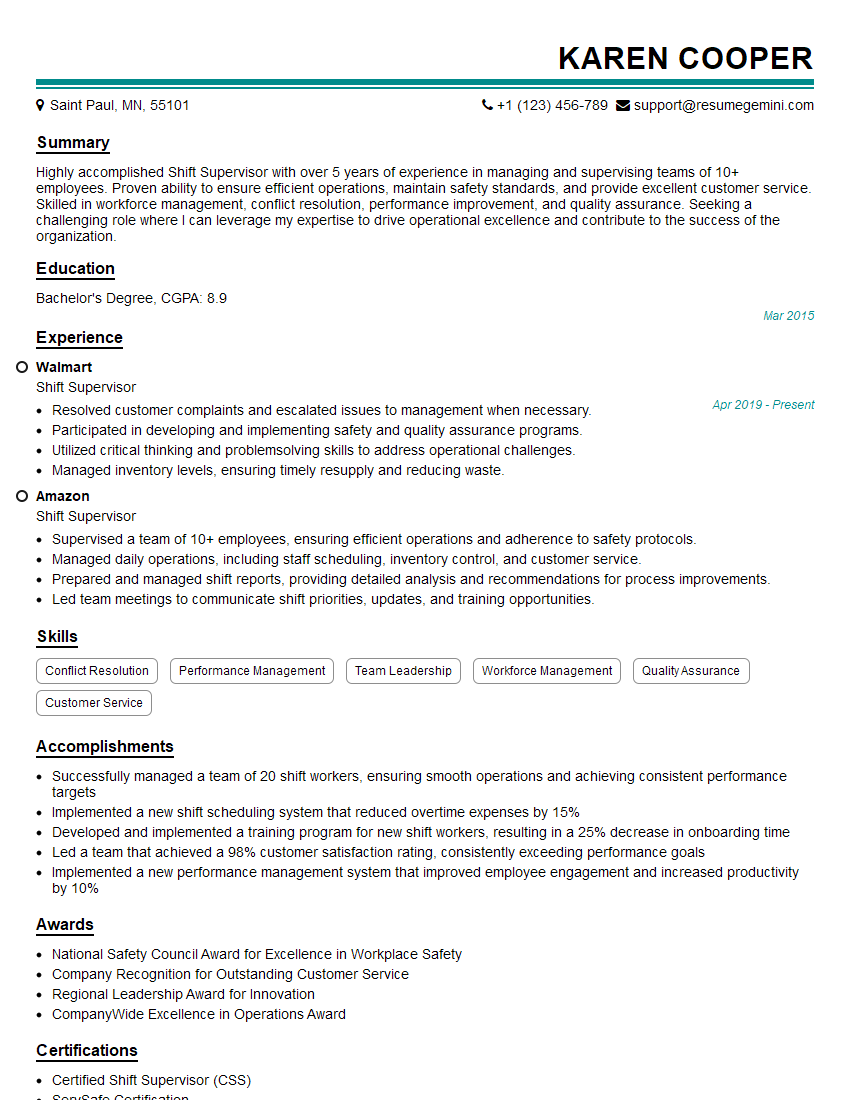
Shift Supervisor Resume Sample
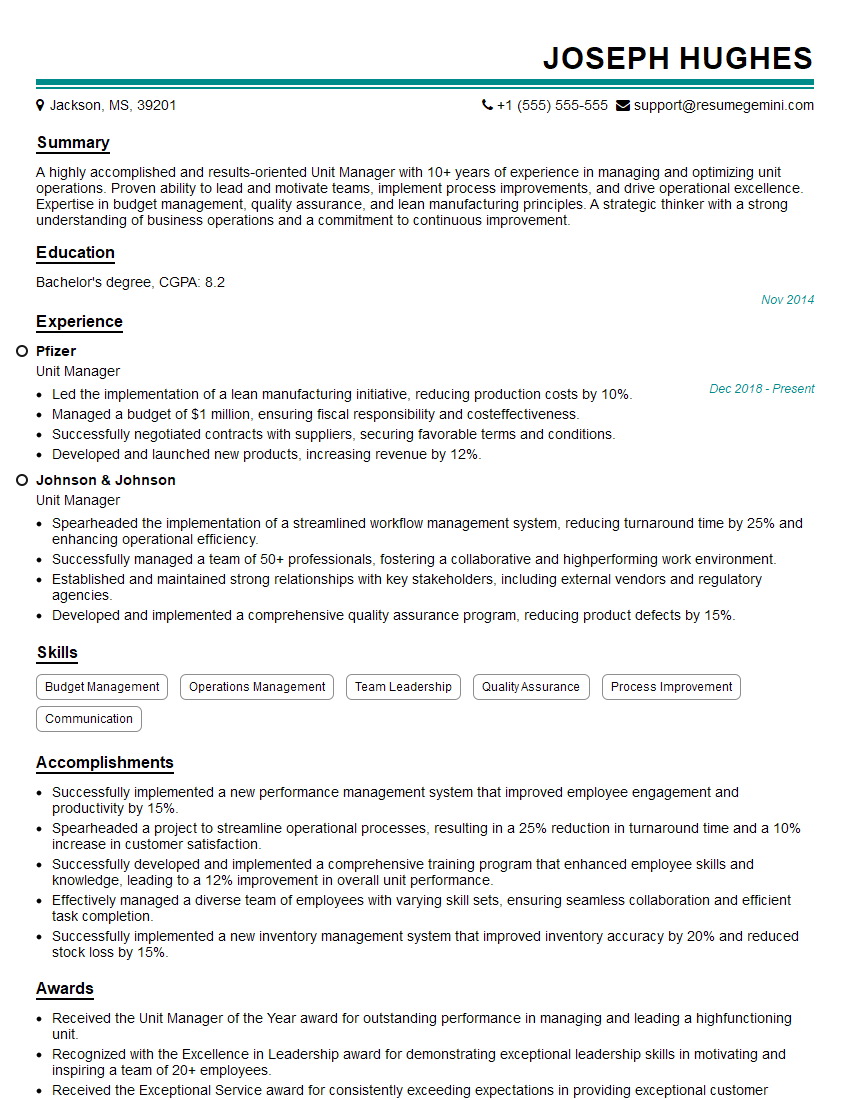
Unit Manager Resume Sample
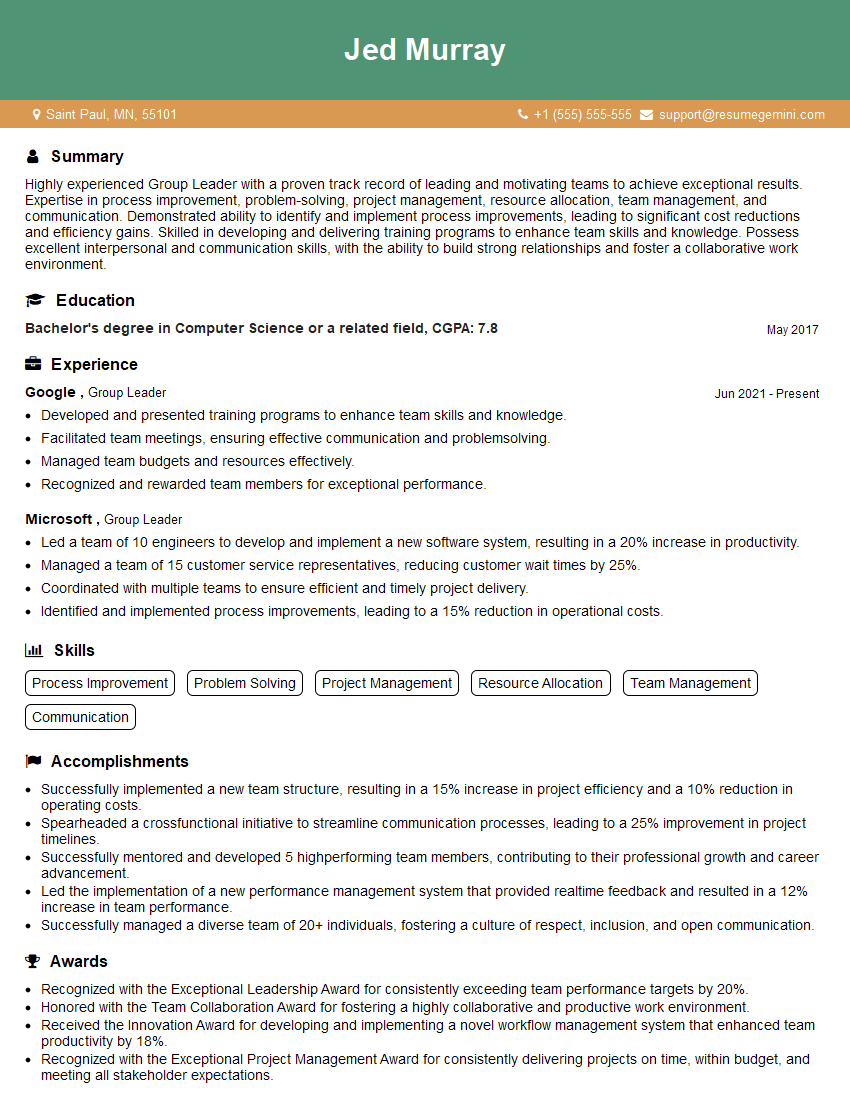
Group Leader Resume Sample
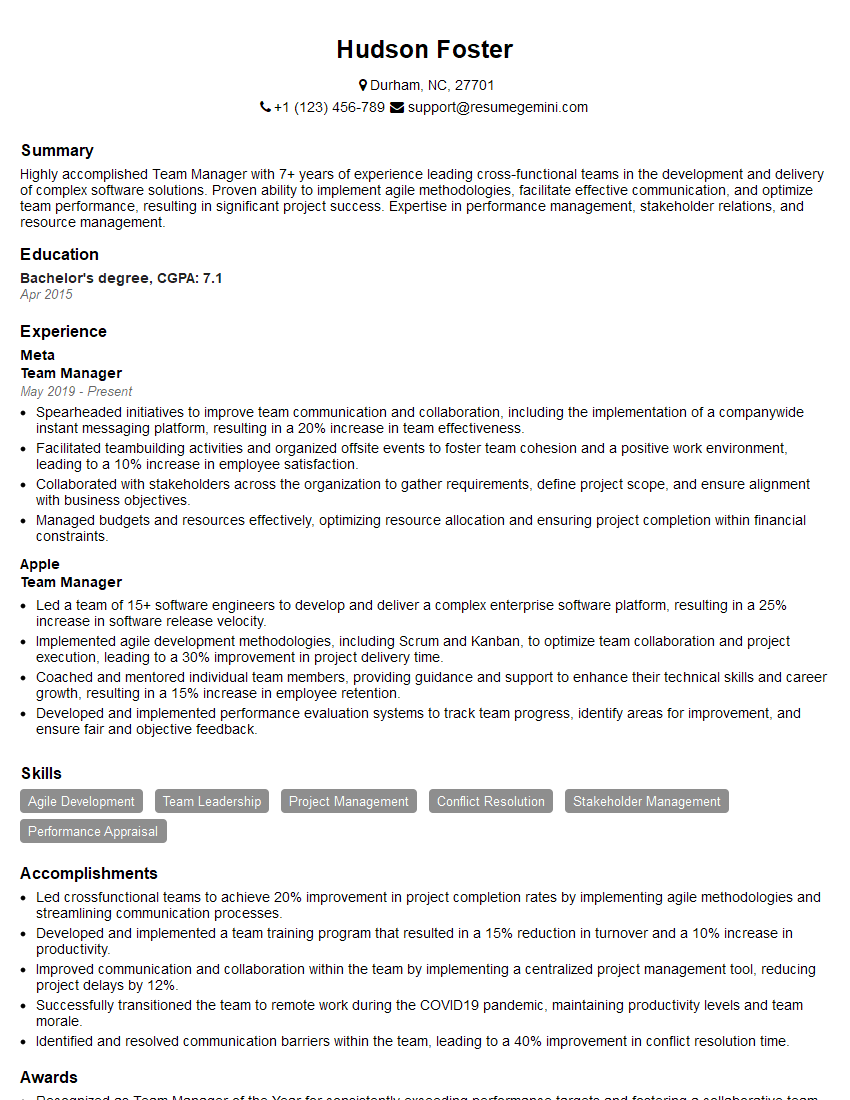
Team Manager Resume Sample
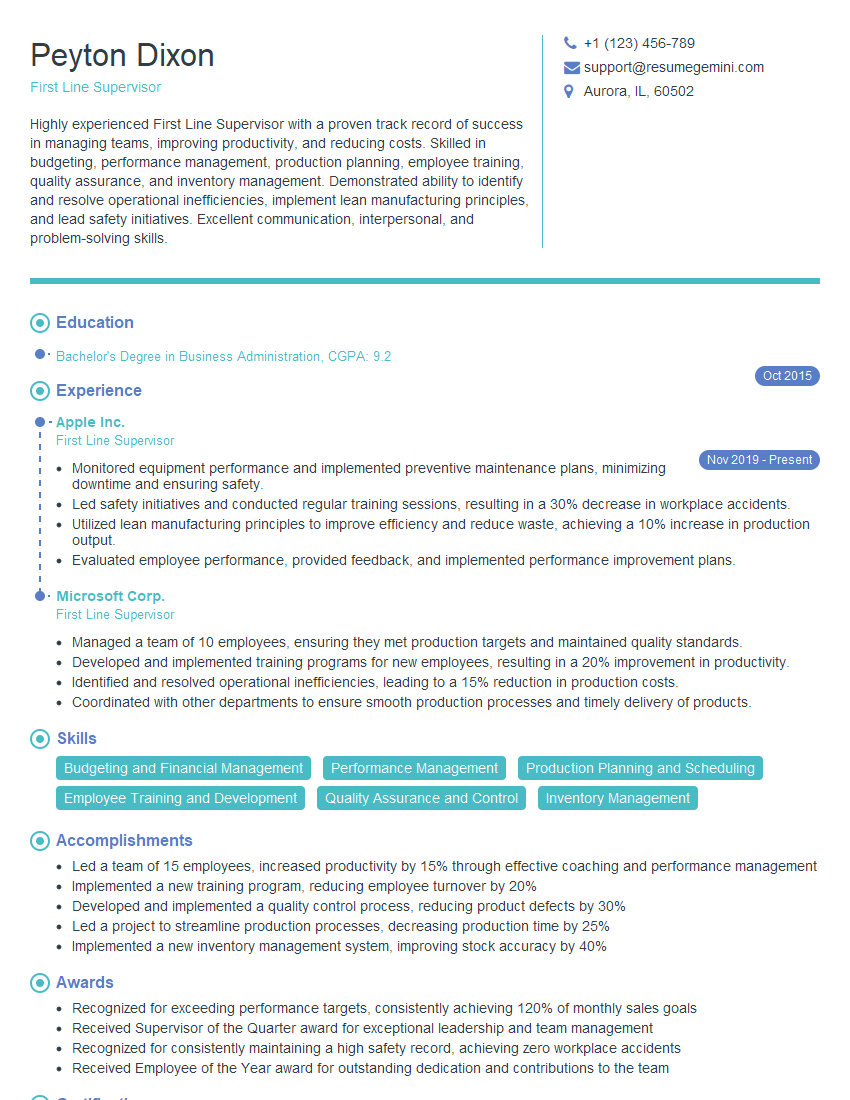
First Line Supervisor Resume Sample
- Department Manager
- Supervisor
- Assistant Manager
- Office Manager
- Operations Manager
- Marketing Manager
- Sales Manager
- Division Manager
- Regional Manager
- General Manager
- Branch Manager
- Site Manager
- Production Supervisor
- Human Resources Manager
- Project Manager
- Engineering Manager
- IT Manager
- Shift Supervisor
- Unit Manager
- Group Leader
- Team Manager
- First Line Supervisor
Explore more articles
Users Rating of Our Blogs
Share Your Experience
We value your feedback! Please rate our content and share your thoughts (optional).
What Readers Say About Our Blog
Really detailed insights and content, thank you for writing this detailed article.
IT gave me an insight and words to use and be able to think of examples