Every successful interview starts with knowing what to expect. In this blog, we’ll take you through the top Testing and Repair interview questions, breaking them down with expert tips to help you deliver impactful answers. Step into your next interview fully prepared and ready to succeed.
Questions Asked in Testing and Repair Interview
Q 1. Describe your experience with diagnostic testing procedures.
Diagnostic testing procedures are the systematic steps taken to identify the cause of a malfunction in equipment or systems. This involves a combination of visual inspections, functional tests, and often specialized tools and software. My experience encompasses a wide range of diagnostic techniques, adapted to the specific technology involved. For instance, when working on a failing server, I’d begin with a visual inspection for loose connections or obvious damage. Then, I’d move to functional testing – checking CPU, memory, and disk performance using tools like memtest86+ and SMART utilities. If the issue is network-related, I’d utilize packet analyzers like Wireshark to identify network bottlenecks or errors. In the case of a faulty robotic arm, I might use specialized diagnostic software provided by the manufacturer to pinpoint faulty motors or sensors. Each situation demands a tailored approach.
For example, I once worked on a manufacturing line where a critical component – a programmable logic controller (PLC) – stopped functioning. After initial visual checks revealed nothing, I used the PLC’s diagnostic tools to isolate the problem to a specific module. Through careful analysis of the error logs, I discovered a faulty input module caused by a power surge. Replacing that module resolved the issue, minimizing downtime.
Q 2. Explain your troubleshooting methodology.
My troubleshooting methodology follows a structured approach I like to call the ‘5-Step Method’: Identify, Isolate, Test, Repair, Verify.
- Identify: Clearly define the problem. What is malfunctioning and what are the symptoms?
- Isolate: Systematically narrow down the potential causes. This often involves asking questions like: ‘When did this start?’, ‘Has anything changed recently?’, and ‘What conditions precede the failure?’
- Test: Conduct specific tests to validate or rule out hypotheses. This is where diagnostic tools and procedures come into play.
- Repair: Implement the necessary repair, following established safety procedures and using appropriate parts.
- Verify: Thoroughly test the system to confirm the repair’s success and prevent recurrence. This is critical for avoiding future problems.
This method helps ensure a systematic and thorough investigation. Using this approach, I successfully diagnosed a recurring network outage in a large office environment. By systematically testing network segments, I discovered a faulty router causing intermittent connectivity issues. Replacing the router resolved the problem permanently.
Q 3. How do you identify root causes of equipment failure?
Identifying the root cause of equipment failure is crucial to prevent recurrence. I employ a combination of techniques:
- Analyzing error logs and diagnostic reports: Modern equipment often provides detailed logs of errors and system events. Carefully examining these logs can often pinpoint the initial cause of the failure.
- Performing systematic tests: This involves checking components individually to determine which is faulty. For example, if a computer won’t boot, I might test the RAM, hard drive, and power supply separately.
- Visual inspection: Often, a simple visual inspection can reveal obvious signs of damage, such as burnt components, loose connections, or physical damage.
- Using specialized diagnostic tools: Multimeters, oscilloscopes, and other specialized instruments are vital for pinpointing electrical faults.
A recent example involved a malfunctioning industrial pump. Initial diagnostics pointed to the motor, but by carefully examining the pump’s internal components, I discovered significant wear on the impeller, indicating a mechanical issue rather than an electrical one. This highlighted the importance of a thorough examination beyond initial diagnostics.
Q 4. What are your preferred methods for documenting repair procedures?
Detailed documentation is critical for efficient repair and future troubleshooting. I utilize a combination of methods:
- Detailed written reports: These reports include a description of the problem, diagnostic steps undertaken, findings, repairs made, and test results. I usually use a standardized template to ensure consistency.
- Digital photography and videography: Pictures and videos are extremely useful for documenting visual aspects of the equipment, damage, and the repair process itself.
- Schematic diagrams and wiring layouts: For complex systems, these diagrams are indispensable for understanding the system’s architecture and tracing signal paths.
- Software-based documentation tools: I’m proficient in using various software solutions for generating technical reports and managing maintenance logs. These digital systems allow easy data searching and retrieval.
Maintaining clear and concise documentation ensures that repairs can be easily reproduced or reviewed by others, enhancing collaboration and knowledge sharing within the team.
Q 5. How do you ensure the accuracy of your repairs?
Ensuring the accuracy of repairs is paramount. I use several techniques:
- Multiple verification steps: After a repair, I perform multiple tests to ensure the system functions correctly under various conditions. This includes load testing and stress testing where applicable.
- Calibration and verification of tools: Regularly calibrating my testing equipment ensures that measurements are precise and reliable. This is especially crucial in situations with tight tolerances.
- Using certified parts and components: I prioritize using only genuine or certified replacement parts to avoid compatibility issues and ensure longevity.
- Following established repair procedures: Strict adherence to manufacturer-recommended repair procedures and safety protocols minimizes the risk of errors and ensures the repair is done correctly.
In one instance, I repaired a sensitive scientific instrument that required meticulous calibration. Following the manufacturer’s rigorous calibration procedures, and meticulously documenting every step, I ensured the instrument was restored to its original accuracy, validated by repeated measurements.
Q 6. Describe your experience with preventative maintenance.
Preventative maintenance (PM) is proactive, aimed at preventing equipment failures before they occur. My experience includes developing and executing PM schedules for diverse equipment, including industrial machinery and computer systems. These schedules often encompass:
- Regular inspections: Visual checks for wear and tear, loose connections, and potential hazards.
- Cleaning and lubrication: Removing dust, debris, and applying lubricants to reduce friction and wear.
- Functional testing: Periodically testing the equipment’s functionality to identify potential issues early.
- Component replacement: Replacing components prone to failure before they fail, based on their expected lifespan.
For instance, I developed a PM schedule for a fleet of forklifts, incorporating regular checks of hydraulic fluid levels, battery testing, and tire inspections. This proactive approach significantly reduced downtime and improved safety.
Q 7. Explain your understanding of quality control standards.
My understanding of quality control standards encompasses various aspects, including adherence to safety regulations, compliance with industry best practices, and the implementation of quality assurance procedures.
- ISO 9001: This is a widely recognized standard for quality management systems. I am familiar with its principles and understand the importance of documented procedures, continuous improvement, and customer satisfaction.
- Safety regulations (e.g., OSHA): Safety is paramount. I adhere strictly to relevant safety regulations and best practices during repairs and maintenance. This includes proper lockout/tagout procedures, the use of personal protective equipment (PPE), and following safety guidelines stipulated by the manufacturer.
- Root cause analysis (RCA): Identifying and addressing the root cause of equipment failures is vital to prevent future occurrences. This often involves using techniques like the ‘5 Whys’ methodology.
- Documentation and traceability: Maintaining accurate and complete records of repairs, inspections, and maintenance is essential for demonstrating compliance and identifying trends.
I consistently strive to meet or exceed these standards, ensuring high-quality repairs and minimizing the risk of accidents or future equipment failures.
Q 8. How do you prioritize multiple repair requests?
Prioritizing repair requests involves a systematic approach that balances urgency, impact, and resource allocation. I typically use a combination of methods, starting with a clear understanding of the severity of each issue.
- Urgency: Critical failures impacting safety or core operations (e.g., a power outage in a server room) take precedence.
- Impact: Repairs affecting a large number of users or causing significant downtime are prioritized higher than those with minimal impact. For example, a malfunctioning printer in a busy office needs quicker attention than a minor scratch on a desk.
- Resource Allocation: I consider the resources required for each repair—time, parts, personnel. Sometimes, combining smaller, less urgent tasks can increase efficiency.
I often use a ticketing system to track and manage these priorities, employing features such as severity levels (critical, high, medium, low), due dates, and assigned technicians. This allows for transparency and accountability in the repair process. Visual tools like Kanban boards can also be effective in visualizing workflow and prioritizing tasks.
Q 9. How do you handle situations where a repair is beyond your expertise?
When a repair is beyond my expertise, my first step is thorough documentation of the problem, including observations, error messages (if any), and any diagnostic steps I’ve already taken. This helps in accurately communicating the issue to the appropriate specialist.
Next, I escalate the request to the relevant team or individual—this might be a senior technician, an engineer, or an external vendor depending on the nature of the problem. Clear and concise communication is crucial at this stage. I provide them with all the information gathered, ensuring they have everything they need to quickly assess and resolve the issue.
Finally, I follow up to ensure the repair is completed and documented correctly, learning from the experience to improve my own skill set.
Q 10. Describe a time you had to troubleshoot a complex technical problem.
During my time at a previous company, we experienced intermittent network outages affecting our entire customer-facing system. Initially, diagnostic tools pointed towards several potential causes, from server issues to network hardware problems. It was like looking for a needle in a haystack.
My troubleshooting approach involved a systematic elimination process. I started by ruling out the simpler possibilities, checking for obvious cabling issues, power fluctuations, and common software glitches. Once these were eliminated, I started diving deeper using advanced network monitoring tools to analyze traffic patterns and identify bottlenecks.
After several hours of investigation, we found the root cause: a faulty network switch in a rarely-used section of the server room. It was a seemingly minor component, but its failure caused a ripple effect throughout the system. The solution involved replacing the switch, a relatively quick fix once the issue was pinpointed. This experience highlighted the importance of meticulous documentation, thorough testing, and not jumping to conclusions during troubleshooting.
Q 11. What safety procedures do you follow when performing repairs?
Safety is paramount in any repair process. My procedures always start with a comprehensive risk assessment before commencing any work. This involves identifying potential hazards, such as electrical shocks, exposure to hazardous materials, or moving parts. Appropriate Personal Protective Equipment (PPE) is always used, such as safety glasses, gloves, and insulated tools.
I strictly follow lockout/tagout procedures when dealing with electrical equipment to prevent accidental energization during repair. Working areas are kept clean and organized to minimize tripping hazards. I also adhere to proper lifting techniques to avoid injury. Furthermore, I am trained in emergency response protocols and know how to access and use safety equipment like fire extinguishers.
Q 12. How familiar are you with relevant safety regulations and standards?
I’m familiar with a range of safety regulations and standards relevant to my field, including OSHA guidelines (Occupational Safety and Health Administration), relevant national and international electrical codes (e.g., NEC in the US), and any industry-specific standards. These standards cover many areas, from proper use of PPE and hazard communication to safe handling of hazardous materials and emergency procedures.
Staying up-to-date on these regulations is crucial. I regularly review updates and attend relevant training courses to ensure compliance and maintain a safe working environment. Awareness of these regulations isn’t just about following rules; it’s about proactively protecting myself and those around me.
Q 13. Explain your experience with different testing equipment.
My experience with testing equipment spans various categories, from basic multimeters and oscilloscopes to more specialized instruments. I’m proficient in using multimeters for voltage, current, and resistance measurements; oscilloscopes for analyzing waveforms and signal integrity; and network analyzers for troubleshooting network connectivity issues.
I’ve also worked with specialized equipment depending on the systems I’ve maintained. This includes spectrum analyzers for radio frequency testing, logic analyzers for digital circuit debugging, and thermal imaging cameras for detecting overheating components. My skills extend beyond simply using the equipment; I understand their limitations, calibration requirements, and how to interpret the data they provide.
Q 14. Describe your experience with calibration procedures.
Calibration procedures are crucial for ensuring the accuracy of testing equipment. I have extensive experience with calibration, both in conducting it and interpreting calibration certificates. The process typically involves comparing the readings of the equipment under test to a known standard, typically a traceable standard that is itself calibrated to national or international standards.
I follow a strict protocol during calibration, recording all readings, adjustments made, and any discrepancies identified. A calibration certificate is generated upon completion, documenting the equipment’s status and validity period. I understand the importance of regular calibration to maintain the accuracy and reliability of testing equipment and avoid potentially incorrect results, which could lead to costly mistakes or safety hazards.
Q 15. How do you manage your inventory of parts and tools?
Managing inventory effectively is crucial for efficient testing and repair. My approach involves a multi-pronged strategy combining physical organization with digital tracking. Physically, I use a well-organized storage system, categorizing parts by type and manufacturer. This allows for quick retrieval. For example, all capacitors are stored together, further subdivided by voltage and capacitance. Tools are similarly organized by function – hand tools in one area, specialized equipment in another, all clearly labeled. Digitally, I leverage an inventory management system. This system allows me to track the quantity of each part, its location, and its purchase date. This helps with ordering new stock and identifying parts nearing depletion, avoiding costly downtime. We also use a system for tracking tool calibration and maintenance to ensure accuracy and safety.
This integrated system — combining physical organization with digital tracking — allows for accurate stock checks, faster repair times and minimizes waste.
Career Expert Tips:
- Ace those interviews! Prepare effectively by reviewing the Top 50 Most Common Interview Questions on ResumeGemini.
- Navigate your job search with confidence! Explore a wide range of Career Tips on ResumeGemini. Learn about common challenges and recommendations to overcome them.
- Craft the perfect resume! Master the Art of Resume Writing with ResumeGemini’s guide. Showcase your unique qualifications and achievements effectively.
- Don’t miss out on holiday savings! Build your dream resume with ResumeGemini’s ATS optimized templates.
Q 16. How do you stay current with new technologies and repair techniques?
Staying abreast of new technologies and repair techniques is paramount in this rapidly evolving field. I actively engage in several strategies to maintain my expertise. Firstly, I subscribe to industry-leading journals and online publications, such as IEEE Xplore and other relevant technical publications. These resources keep me updated on breakthroughs in testing methodologies and repair technologies.
Secondly, I participate regularly in industry conferences and workshops. These events provide opportunities to network with other experts, learn about new techniques directly from the developers, and see new equipment in action. I’ve even presented at a couple of conferences, sharing my own insights and experience.
Thirdly, I leverage online learning platforms, such as Coursera and edX, to complete specialized courses in emerging areas. For instance, I recently completed a course on the latest advancements in microchip repair techniques. Finally, I actively engage in hands-on practice, experimenting with new tools and methods in a controlled environment, ensuring that I understand their functionalities before applying them to real-world repairs.
Q 17. What is your experience with different types of testing software?
My experience encompasses a wide range of testing software, from basic multimeter applications to sophisticated diagnostic tools. I’m proficient in using various types of software for different purposes.
- Hardware diagnostic tools: I have extensive experience with specialized software designed for specific hardware such as network analyzers, spectrum analyzers, and logic analyzers for troubleshooting network, RF, and digital circuit issues respectively. For example, I use Keysight’s VSA software extensively for analyzing complex RF signals.
- Automated Test Equipment (ATE) software: I am familiar with several ATE software packages that provide automated testing of circuit boards, managing test sequences and reporting results. This includes both proprietary software for specific ATE systems and more generalized test management software.
- Software-based diagnostic tools: I have worked extensively with software used to diagnose issues in computer systems, including memory and hard drive diagnostics, system monitoring tools, and network troubleshooting software.
Each type of software requires a different skill set, and I’ve adapted quickly to using new tools as needed.
Q 18. Describe your experience with automated testing systems.
My experience with automated testing systems spans several years. I’ve worked with systems ranging from simple automated test sequences using LabVIEW to complex robotic systems capable of performing high-volume automated testing on electronic assemblies. In a previous role, I was responsible for developing and maintaining automated test scripts for a large production line, drastically reducing testing times and improving consistency. We used a combination of scripting languages (Python, LabVIEW) and specialized hardware interfaces to interact with the devices under test. This project required a solid understanding of programming concepts, hardware interfaces, and the specific requirements of the equipment being tested. The result was a significant increase in efficiency and a reduction in human error during the testing process. I’m familiar with various test automation frameworks and best practices such as continuous integration and continuous delivery (CI/CD).
Q 19. How do you ensure the security of the equipment you repair?
Ensuring the security of the equipment I repair is a top priority. This is done through a combination of physical security measures and data protection protocols. Physically, we maintain a secure and controlled environment for storing and repairing equipment. This includes access control, surveillance, and appropriate handling procedures to prevent physical damage or theft. Data security is equally important. If a device contains sensitive data, I follow strict protocols to ensure that data is erased completely and securely before the device leaves our facility. This includes using certified data erasure tools, and adhering to relevant data privacy regulations. The entire process is documented thoroughly.
Q 20. What is your understanding of different testing methodologies (e.g., black box, white box)?
Testing methodologies such as black box and white box testing are fundamental to effective troubleshooting and repair.
- Black box testing treats the system as a “black box,” meaning we don’t know the internal workings. Testing focuses on input and output, checking if the system behaves as expected given specific inputs. For example, testing a power supply by measuring its voltage output at different load levels is a black box approach. We don’t need to know the internal circuitry to perform the test.
- White box testing, on the other hand, requires knowledge of the internal structure and code. This allows for more targeted testing of specific components or code paths. For example, if I suspect a particular integrated circuit is faulty within a circuit board, I could use a logic analyzer to directly observe its signals to confirm its operation, this would be considered white box testing.
Choosing between these approaches depends on the complexity of the system, the available information, and the resources at hand. Often, a combination of both techniques is employed for thorough testing.
Q 21. Describe your experience with report writing and documentation.
Thorough report writing and documentation are essential to our process. For every repair or test, I create detailed reports outlining the process, findings, and solutions. This documentation includes:
- Problem description: A clear and concise statement of the issue.
- Testing procedures: Step-by-step description of the testing steps performed.
- Results: Detailed recording of test results, including data tables, graphs, and screenshots.
- Diagnosis: Precise identification of the cause of the problem.
- Repair steps: Detailed steps taken to rectify the issue, including part replacements and software changes.
- Verification: Confirmation that the repair was successful and the equipment is functioning correctly.
I use a combination of word processing software and specialized testing software to generate these reports. These reports are essential for tracking work done, justifying costs, and providing a reference point for future repairs. This ensures transparency, accountability, and maintains a high quality standard.
Q 22. How do you handle customer communication during a repair?
Effective customer communication is paramount during a repair. It builds trust, manages expectations, and ensures a positive experience. My approach involves several key steps:
- Initial Contact: I begin by actively listening to the customer’s description of the problem, asking clarifying questions to fully understand the issue. This avoids assumptions and ensures I address the core problem.
- Diagnosis and Explanation: Once I’ve diagnosed the issue, I explain it clearly and concisely, avoiding technical jargon. I use analogies or simple terms to make it understandable, for example, instead of saying “the capacitor is faulty,” I might say “a small part that stores energy is broken and needs replacing.”
- Timeline and Cost: I provide a realistic estimate of the repair time and cost, clearly outlining any potential additional expenses. Transparency is crucial here.
- Updates and Progress Reports: I keep the customer informed throughout the repair process, providing updates on significant milestones. If unforeseen issues arise, I communicate them promptly and discuss solutions.
- Completion and Follow-up: Upon completion, I thoroughly test the repair and explain the solution again, answering any remaining questions. A follow-up call or email a day or two later ensures continued satisfaction and addresses any lingering concerns.
For example, I once worked on a complex audio system repair. By communicating each step clearly – from initial diagnosis to final testing – the customer felt involved and confident in the process, despite the technical nature of the work.
Q 23. How do you manage your time effectively to meet deadlines?
Time management is critical in the testing and repair field, where deadlines are often tight. My approach involves a combination of planning, prioritization, and efficient execution.
- Prioritization: I use a system of prioritizing tasks based on urgency and importance, employing methods like the Eisenhower Matrix (urgent/important). This ensures I tackle the most critical tasks first.
- Detailed Scheduling: I break down large tasks into smaller, manageable steps with allocated time slots. This allows for better tracking of progress and identification of potential delays.
- Effective Resource Allocation: I efficiently use available tools, resources, and assistance to streamline the process. This could involve leveraging specialized equipment or seeking help from colleagues when needed.
- Regular Monitoring and Adjustment: I regularly review my schedule and make adjustments as needed, adapting to unforeseen circumstances and prioritizing tasks accordingly. This proactive approach minimizes the impact of unexpected delays.
- Time Blocking: I dedicate specific time blocks for focused work on particular tasks, minimizing interruptions and distractions.
For instance, when faced with multiple urgent repairs, I prioritize based on the severity of the problem and the customer’s needs, ensuring that critical systems are back online as quickly as possible.
Q 24. Describe your experience working independently and as part of a team.
I’m comfortable working both independently and collaboratively as part of a team. My experience encompasses both scenarios.
- Independent Work: I’m adept at self-managing my workload, troubleshooting complex issues, and completing tasks with minimal supervision. My attention to detail ensures accurate and high-quality work. For instance, while working on diagnosing and repairing a faulty server, I independently identified the root cause, ordered the necessary parts, and completed the repair within the allotted timeframe.
- Teamwork: I enjoy collaborating with colleagues, sharing knowledge and expertise to achieve common goals. I actively participate in team discussions, offering suggestions and providing support to others. In a recent project involving the overhaul of a large industrial machine, my team’s combined expertise led to a highly efficient and effective repair process. My contribution was the precise calibration of the repaired components.
I believe a balance of both independent work and teamwork is essential for success, as it allows for both focused problem-solving and collaborative innovation.
Q 25. How do you prioritize tasks based on urgency and impact?
Prioritizing tasks based on urgency and impact is essential for efficient workflow. I utilize several strategies:
- Urgency/Impact Matrix: The Eisenhower Matrix (urgent/important) helps me categorize tasks. Urgent and important tasks are addressed immediately; important but not urgent tasks are scheduled; urgent but not important tasks are delegated or streamlined; unimportant tasks are eliminated.
- Dependency Analysis: I identify tasks that are dependent on others and prioritize those that unlock subsequent tasks. This avoids bottlenecks and ensures a smooth workflow.
- Risk Assessment: I evaluate tasks considering potential risks and consequences of delays. High-risk tasks are prioritized to mitigate potential negative impacts.
- Customer Impact: I consider the impact of delays on the customer. Tasks impacting critical systems or essential services are prioritized.
For example, if a critical server is down (high urgency and impact), I immediately address the issue, even if other tasks are pending. However, a less critical issue, such as a minor software bug, might be scheduled for later.
Q 26. How do you ensure the quality of your work meets or exceeds standards?
Ensuring quality is central to my work. I employ a multi-faceted approach:
- Thorough Testing: I perform rigorous testing at each stage of the repair process, checking for functionality, accuracy, and stability. This often includes both functional testing and stress testing to ensure the robustness of the repair.
- Documentation: I meticulously document all steps, findings, and solutions. This not only improves the quality of my own work but also facilitates troubleshooting and future repairs.
- Adherence to Standards: I strictly adhere to relevant industry standards, codes of practice, and company guidelines. This ensures consistent quality and compliance.
- Continuous Improvement: I actively seek opportunities to improve my skills and techniques. This might involve attending training courses, reading industry publications, or seeking feedback from colleagues.
- Quality Control Checklists: I use checklists to ensure all necessary steps are followed consistently, reducing errors and omissions.
For instance, after repairing a circuit board, I use a specialized testing device to verify its functionality under various conditions before declaring the repair complete. This ensures that the repaired component meets the original specifications and standards.
Q 27. What steps do you take to ensure compliance with regulations?
Compliance with regulations is a critical aspect of my work. My approach involves:
- Understanding Regulations: I stay updated on relevant safety regulations, environmental laws, and industry-specific standards. This includes OSHA regulations for workplace safety and any specific regulations related to handling hazardous materials.
- Proper Handling of Materials: I correctly handle and dispose of materials according to relevant regulations. This is especially important when dealing with hazardous substances or e-waste.
- Record Keeping: I maintain accurate and detailed records of all repairs, including materials used and any safety measures taken. This ensures traceability and facilitates audits.
- Regular Training: I participate in regular training sessions on relevant regulations and safety procedures to stay informed and maintain compliance.
- Reporting Non-Compliance: I immediately report any potential non-compliance issues to the appropriate authorities, prioritizing safety and legal adherence.
For example, when handling electronic components containing lead, I ensure proper disposal methods are followed, adhering to all applicable environmental regulations. I maintain comprehensive records of this process for auditing purposes.
Q 28. Describe your experience with preventative maintenance programs.
Preventative maintenance programs are crucial for minimizing downtime and extending the lifespan of equipment. My experience involves:
- Developing and Implementing Programs: I’ve been involved in developing and implementing preventative maintenance programs, including creating schedules, identifying necessary tasks, and procuring required parts.
- Inspection and Diagnosis: I’m skilled in conducting regular inspections to identify potential issues before they become major problems. This includes visual inspections, functional checks, and diagnostic testing.
- Cleanliness and Lubrication: I’m proficient in performing tasks such as cleaning, lubricating, and adjusting components to ensure optimal performance and prevent wear and tear.
- Calibration and Adjustment: I can calibrate and adjust equipment to ensure it meets specified performance parameters.
- Record Keeping and Reporting: I maintain detailed records of all preventative maintenance activities and generate reports to track progress and identify trends.
For example, in my previous role, I designed a preventative maintenance program for a fleet of industrial robots, leading to a significant reduction in unexpected downtime and repair costs.
Key Topics to Learn for Testing and Repair Interview
- Diagnostic Techniques: Understanding fault isolation methodologies, including visual inspection, electrical testing, and functional testing. Practical application: Troubleshooting a malfunctioning circuit board by systematically checking components and connections.
- Repair Procedures: Mastering the safe and efficient execution of repairs, including component replacement, soldering techniques, and calibration procedures. Practical application: Repairing a damaged power supply unit while adhering to safety regulations.
- Testing Equipment: Familiarizing yourself with various testing instruments (multimeters, oscilloscopes, signal generators) and their applications. Practical application: Using an oscilloscope to analyze waveforms and identify signal integrity issues.
- Documentation and Reporting: Understanding the importance of accurate and detailed documentation of testing procedures, findings, and repair actions. Practical application: Creating a comprehensive report detailing the troubleshooting process, identified faults, and implemented repairs.
- Safety Procedures: Demonstrating knowledge and adherence to relevant safety regulations and best practices when handling equipment and performing repairs. Practical application: Correctly using personal protective equipment (PPE) during repairs involving high voltage.
- Troubleshooting Methodologies: Applying systematic approaches to problem-solving, including using flowcharts and diagnostic trees. Practical application: Effectively using a troubleshooting flowchart to diagnose the cause of intermittent system failures.
- Quality Control: Understanding the importance of quality control measures in ensuring the reliability and functionality of repaired equipment. Practical application: Performing post-repair testing to verify functionality and meet quality standards.
Next Steps
Mastering Testing and Repair skills opens doors to diverse and rewarding career opportunities, offering excellent growth potential within various industries. A strong resume is crucial for showcasing your expertise and securing your ideal role. Creating an ATS-friendly resume is essential to navigate Applicant Tracking Systems effectively and increase your chances of getting your application noticed. ResumeGemini is a trusted resource for building professional, ATS-optimized resumes tailored to your specific career goals. We offer examples of resumes specifically designed for candidates in Testing and Repair to help you get started.
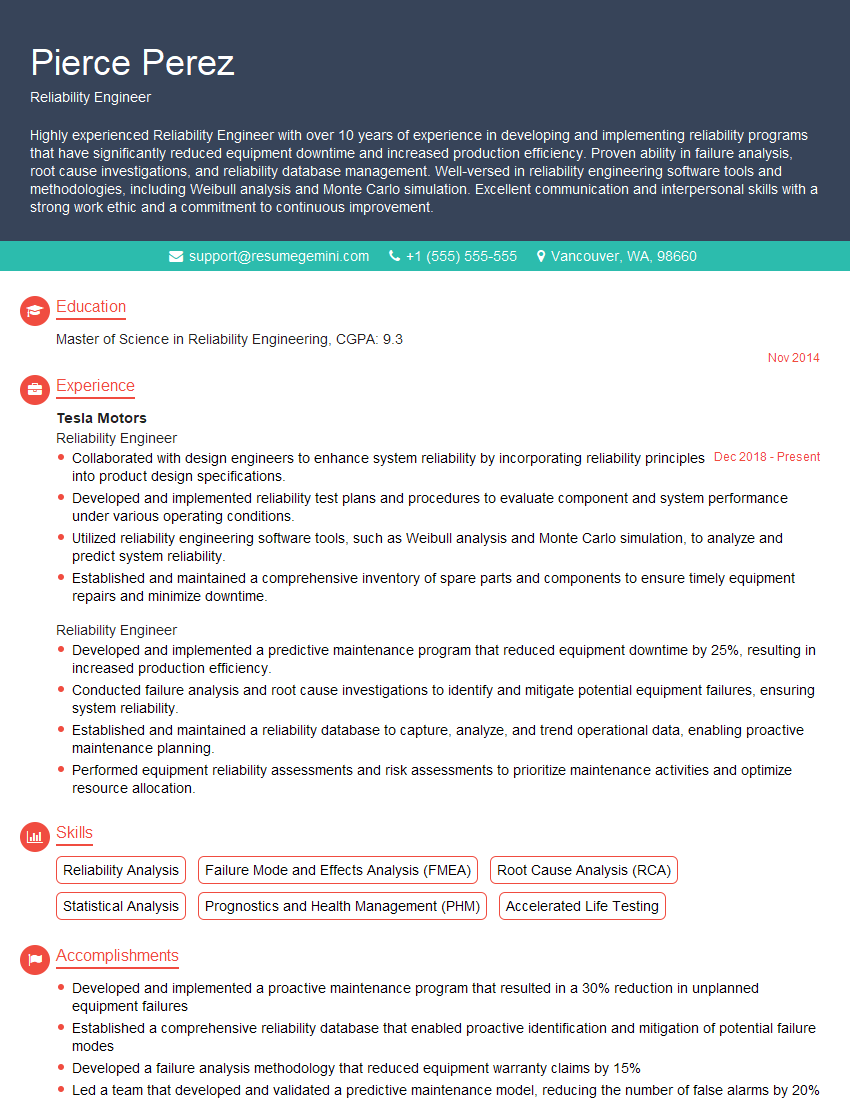
Reliability Engineer Resume Sample
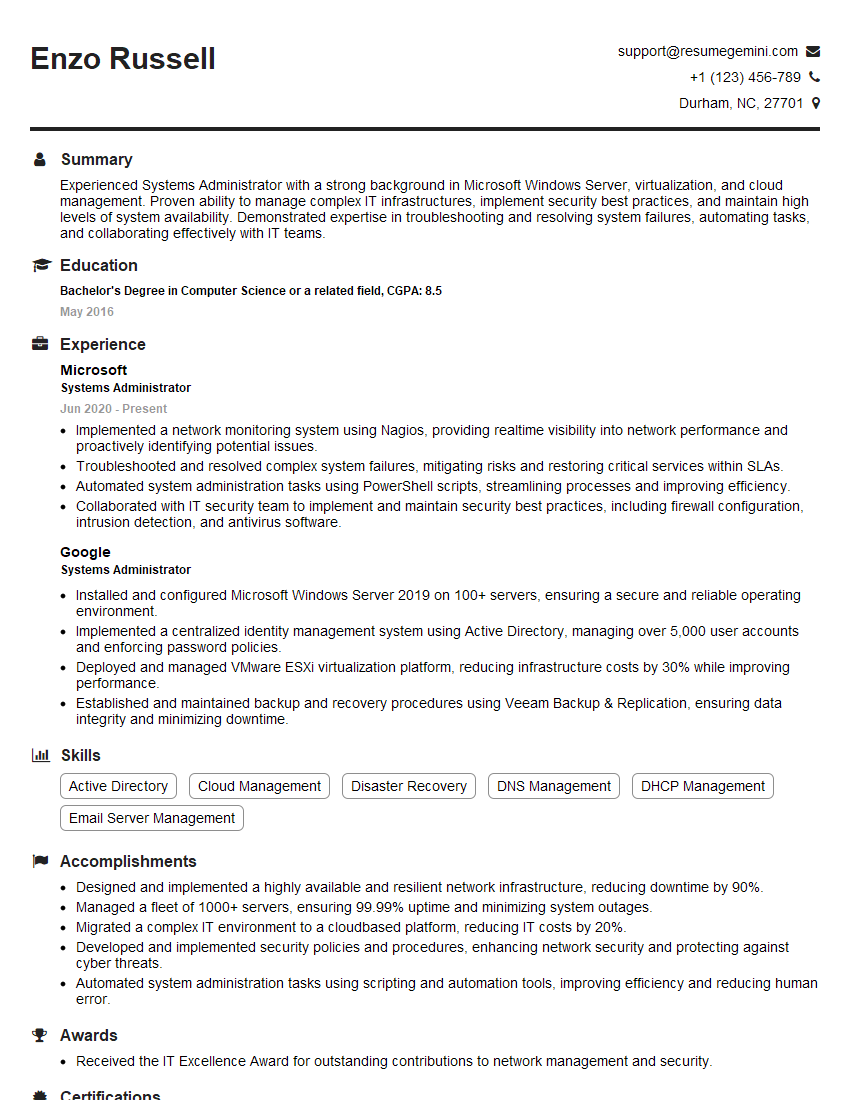
Systems Administrator Resume Sample
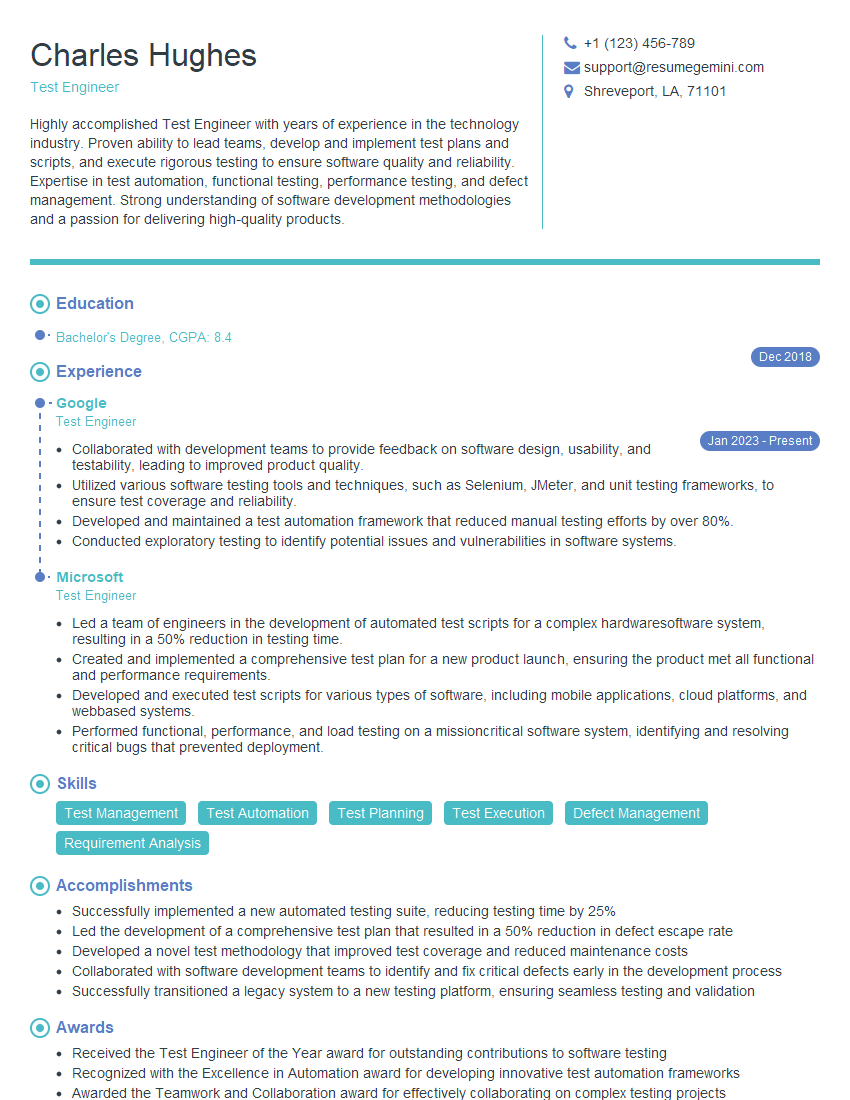
Test Engineer Resume Sample
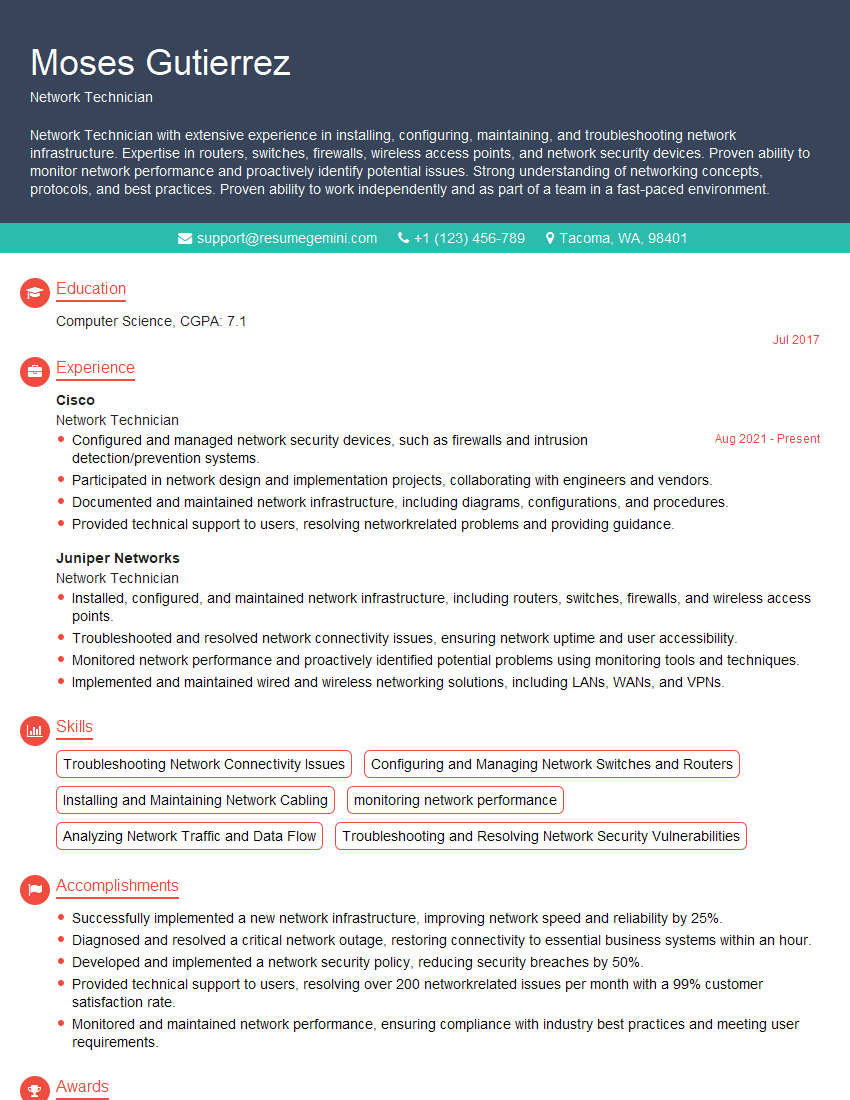
Network Technician Resume Sample
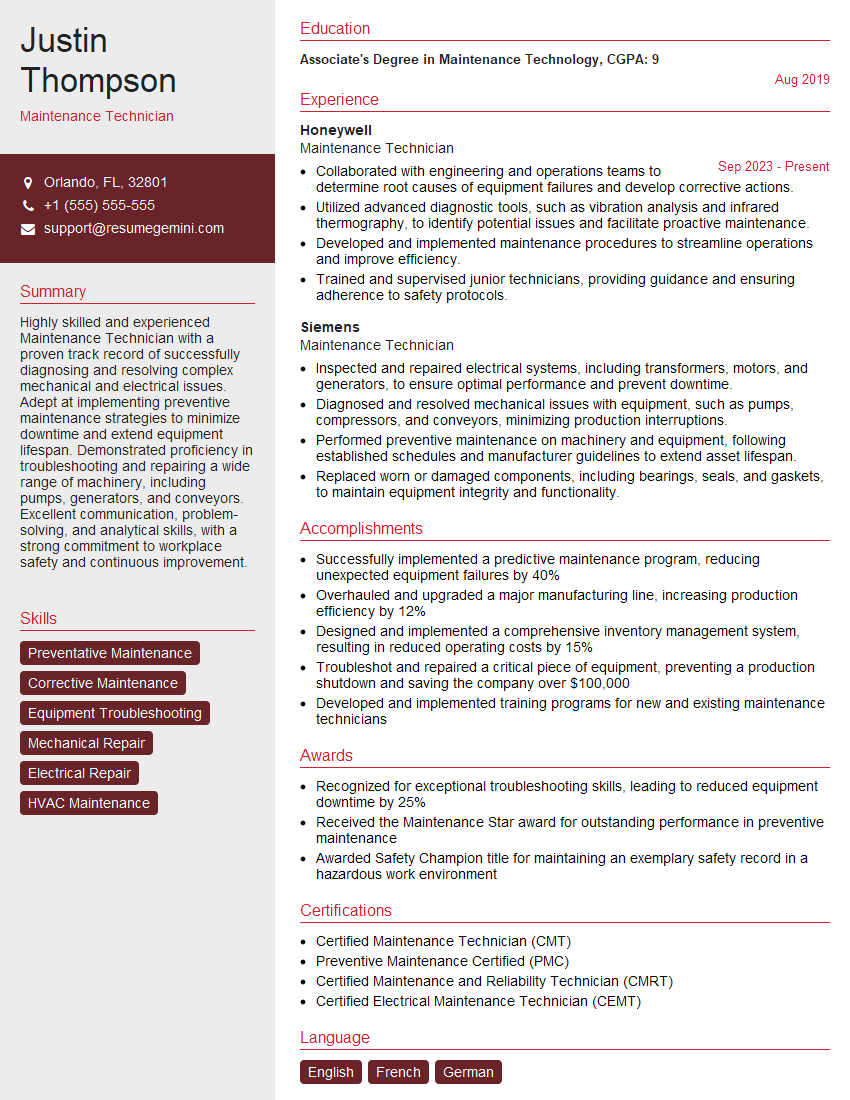
Maintenance Technician Resume Sample
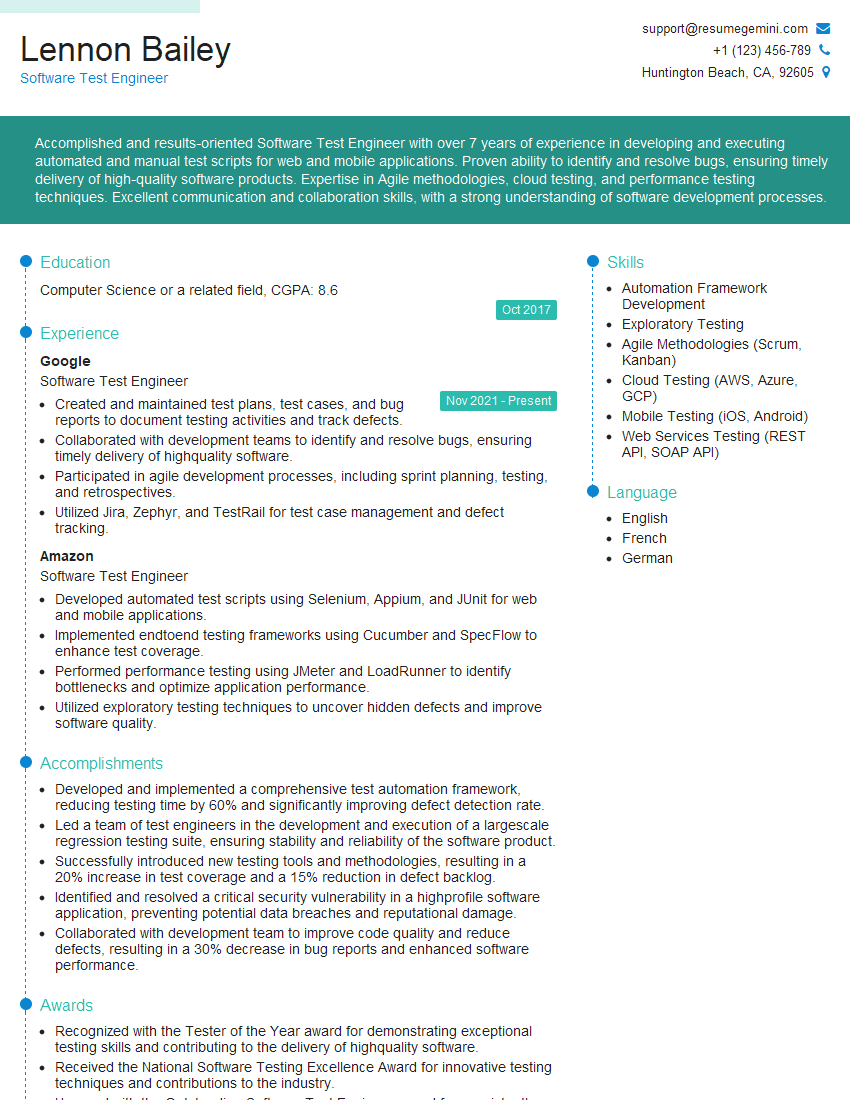
Software Test Engineer Resume Sample
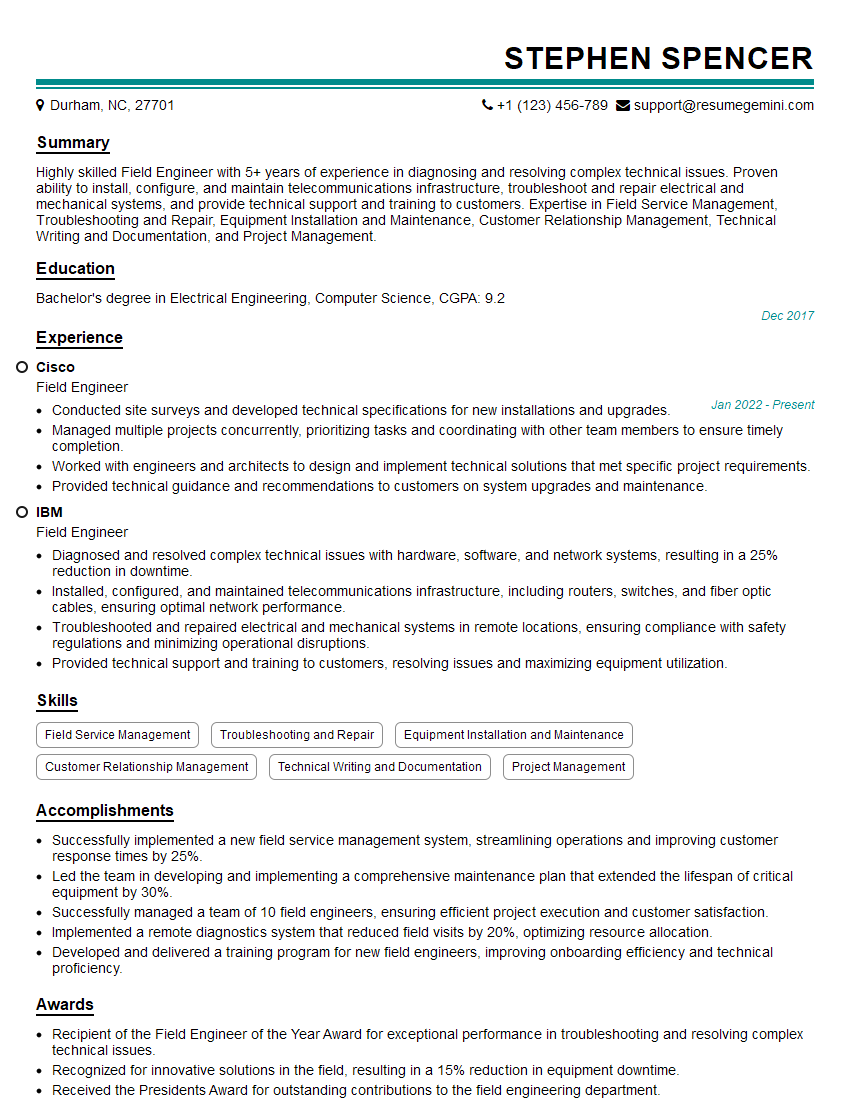
Field Engineer Resume Sample
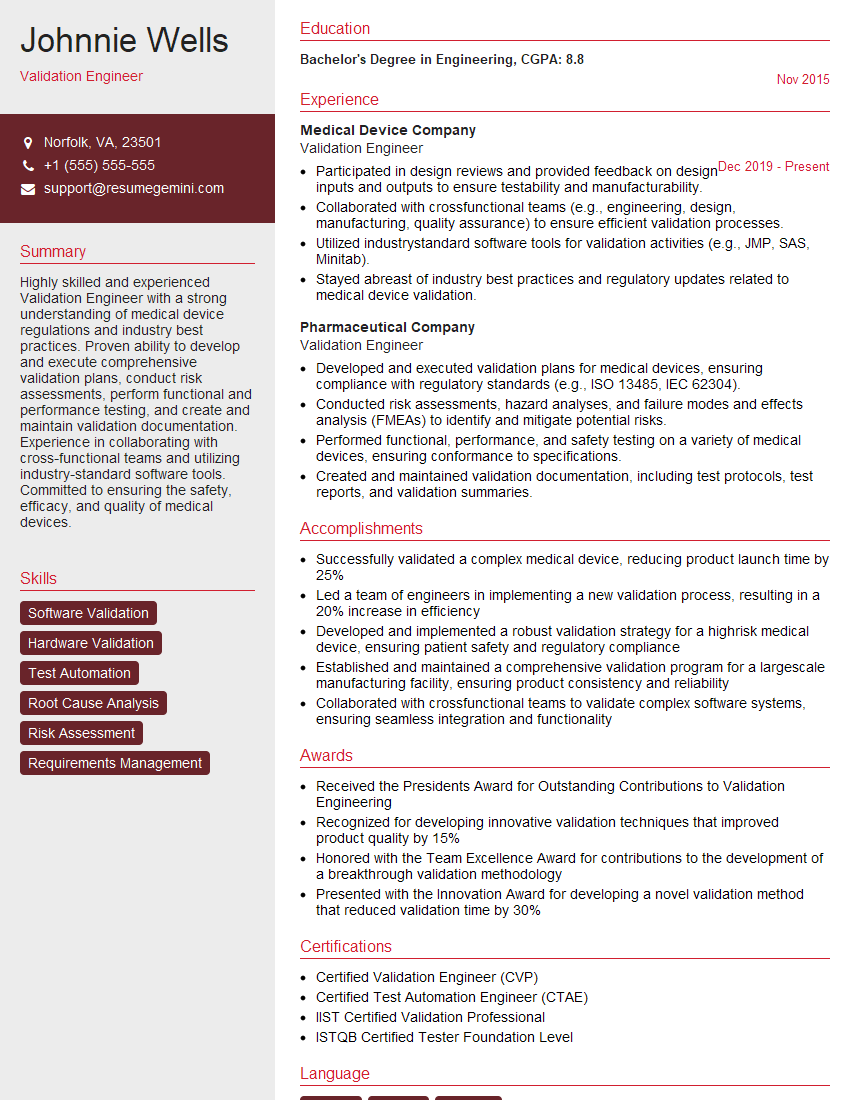
Validation Engineer Resume Sample
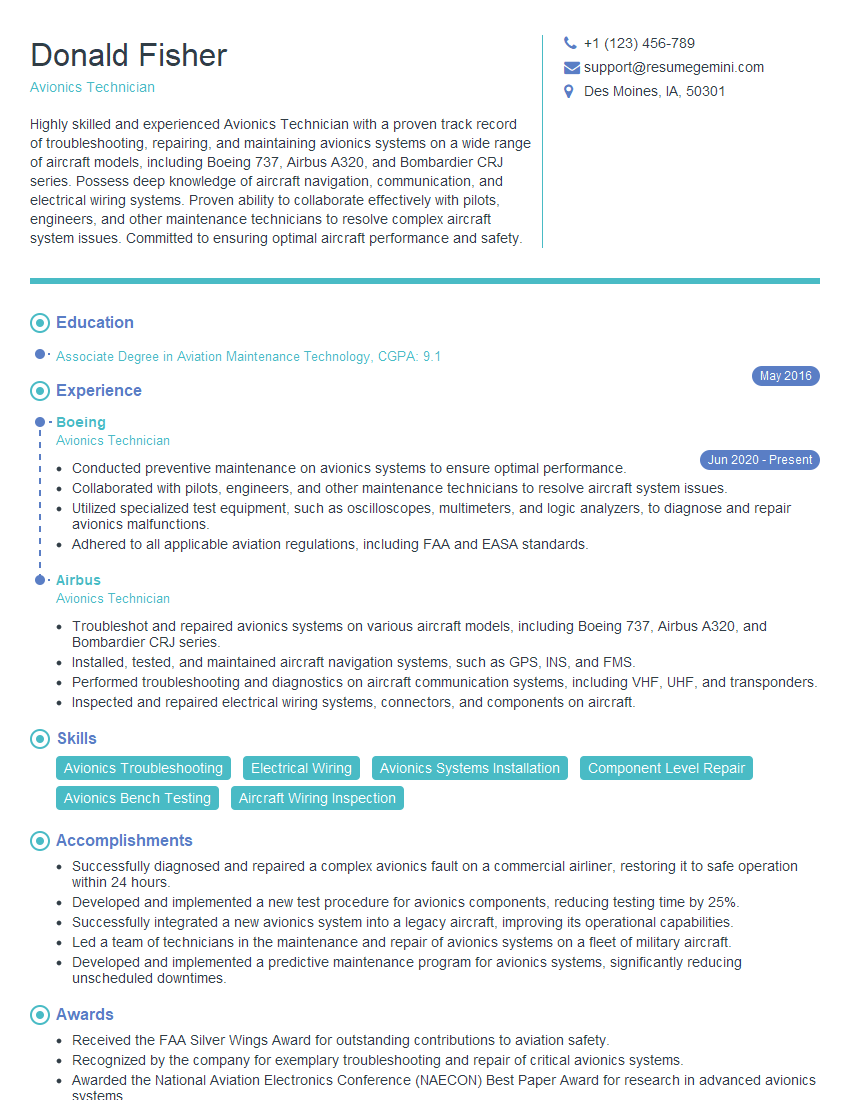
Avionics Technician Resume Sample
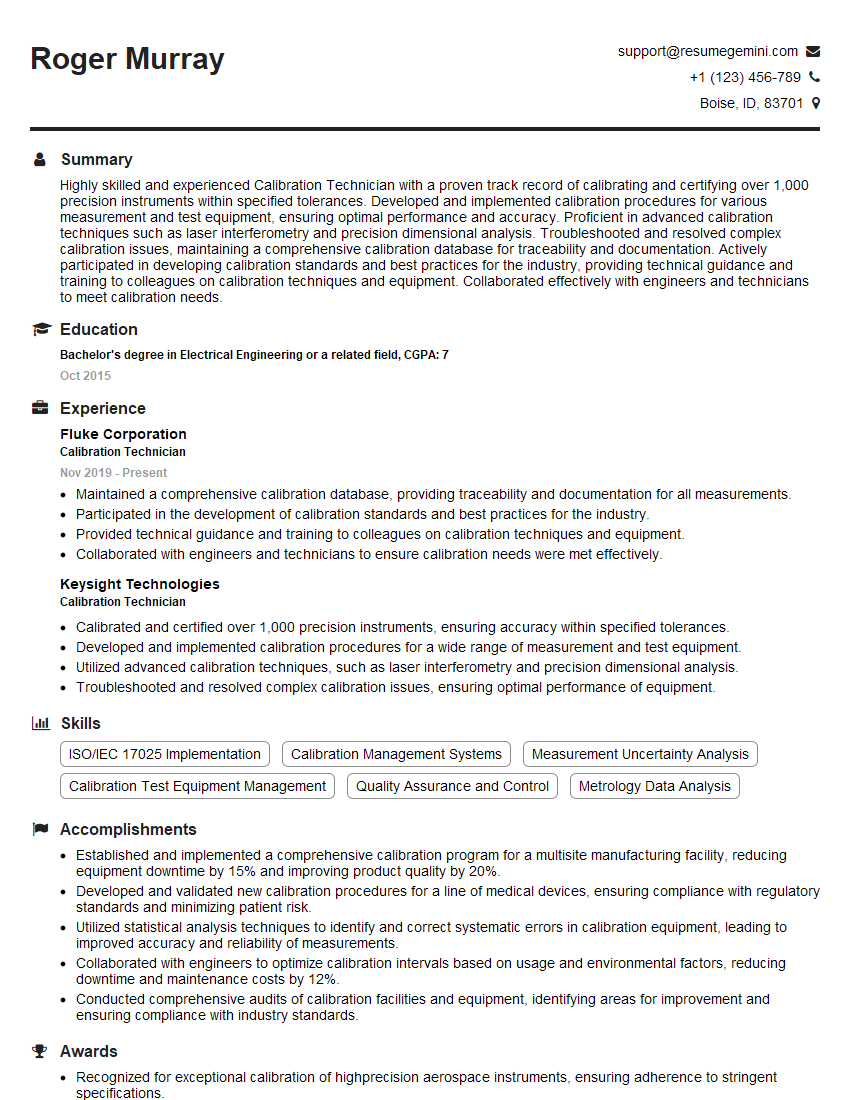
Calibration Technician Resume Sample
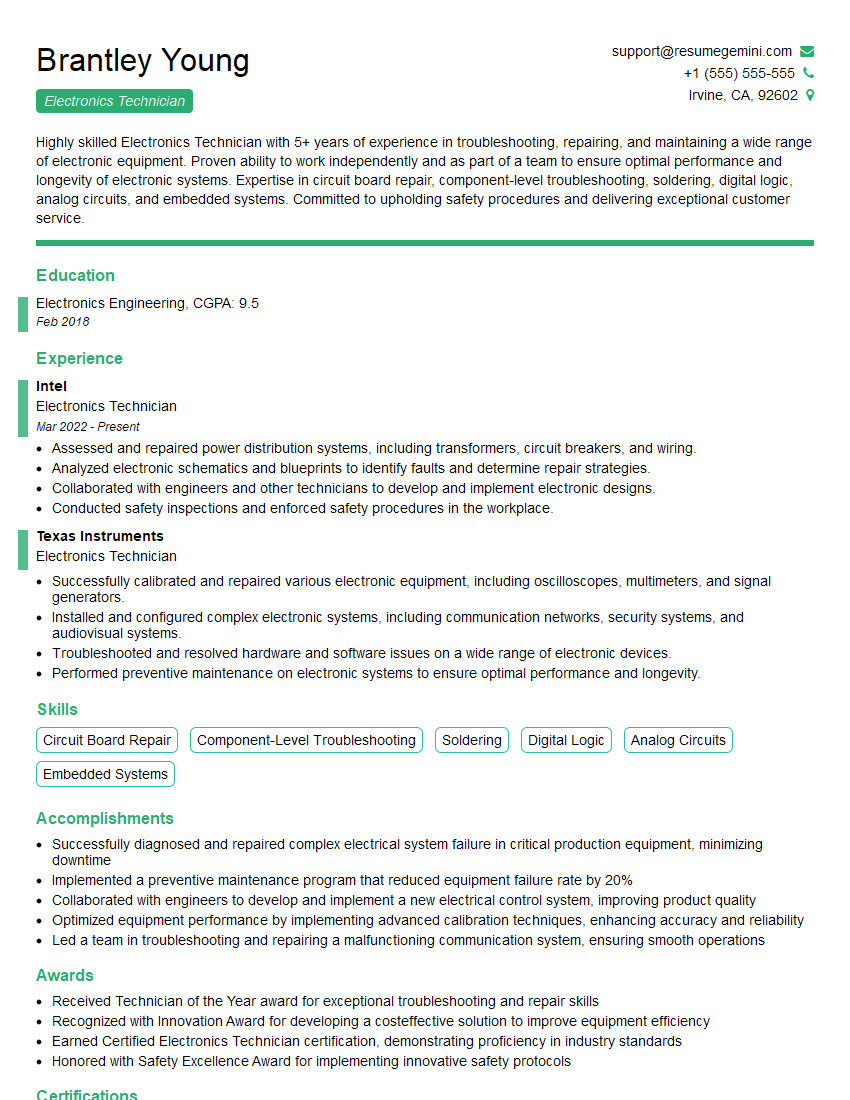
Electronics Technician Resume Sample
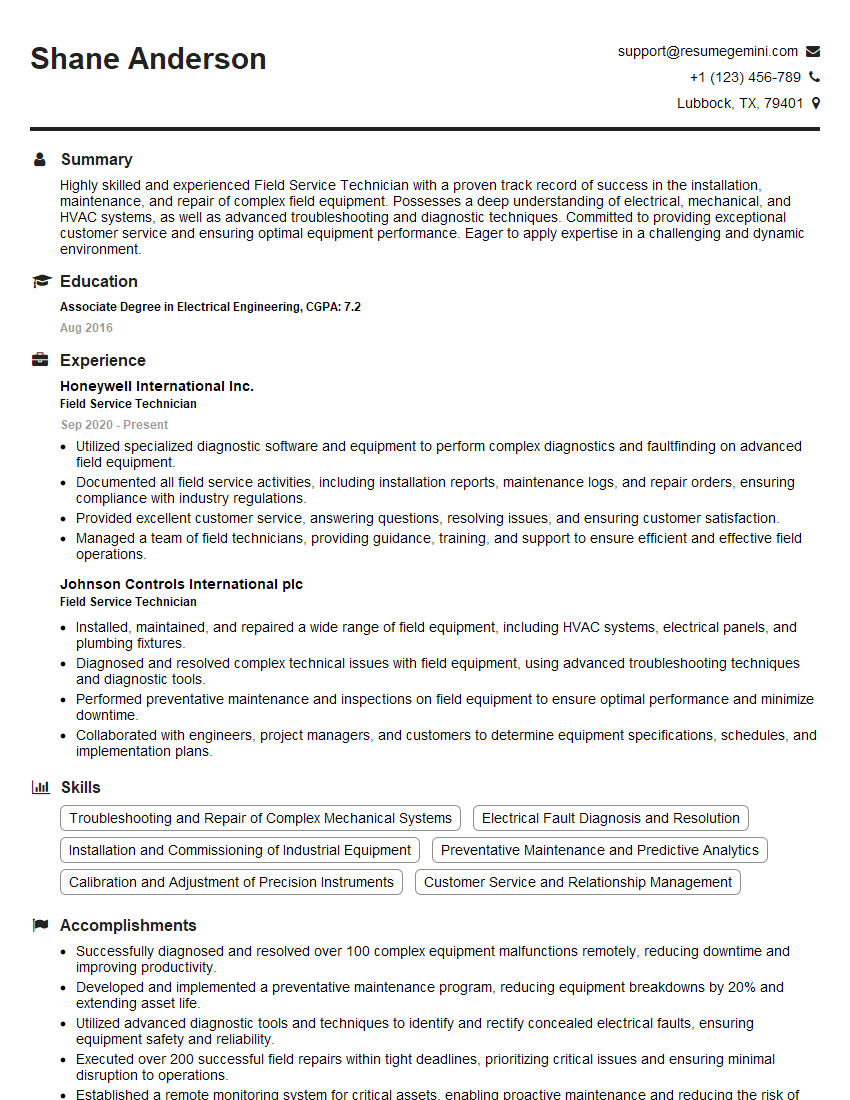
Field Service Technician Resume Sample
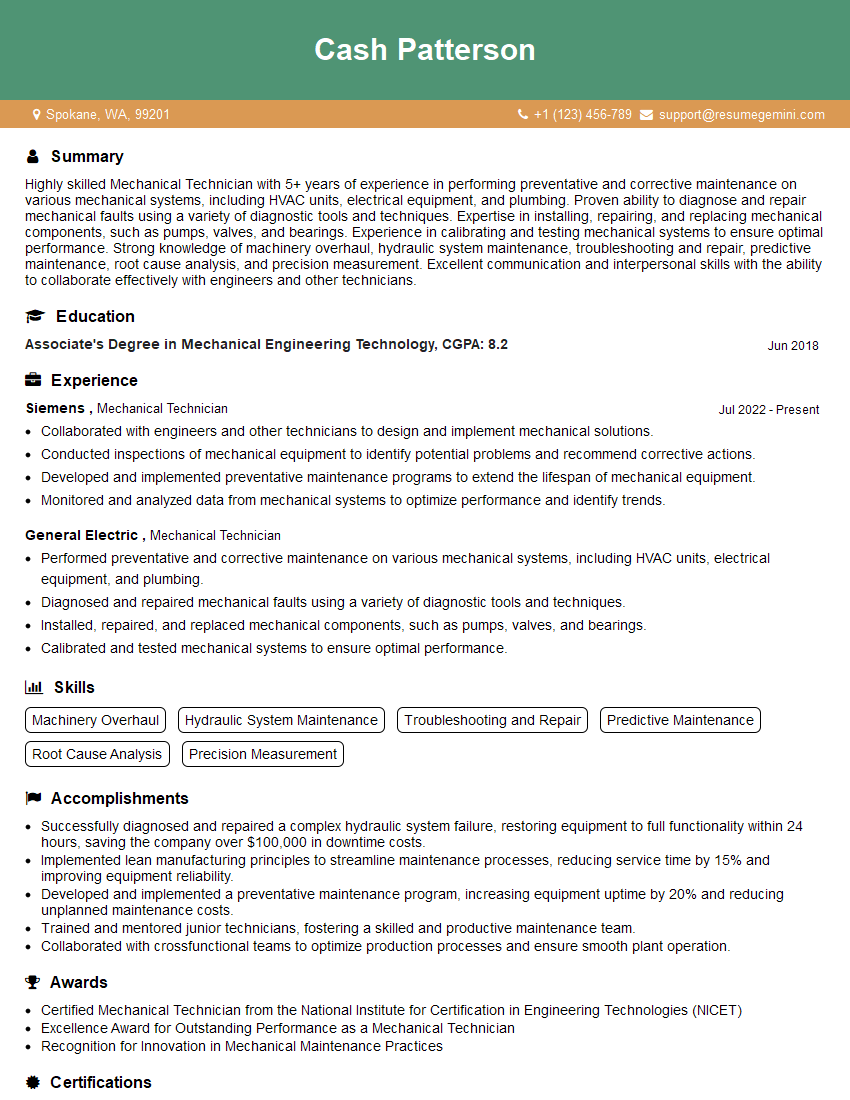
Mechanical Technician Resume Sample
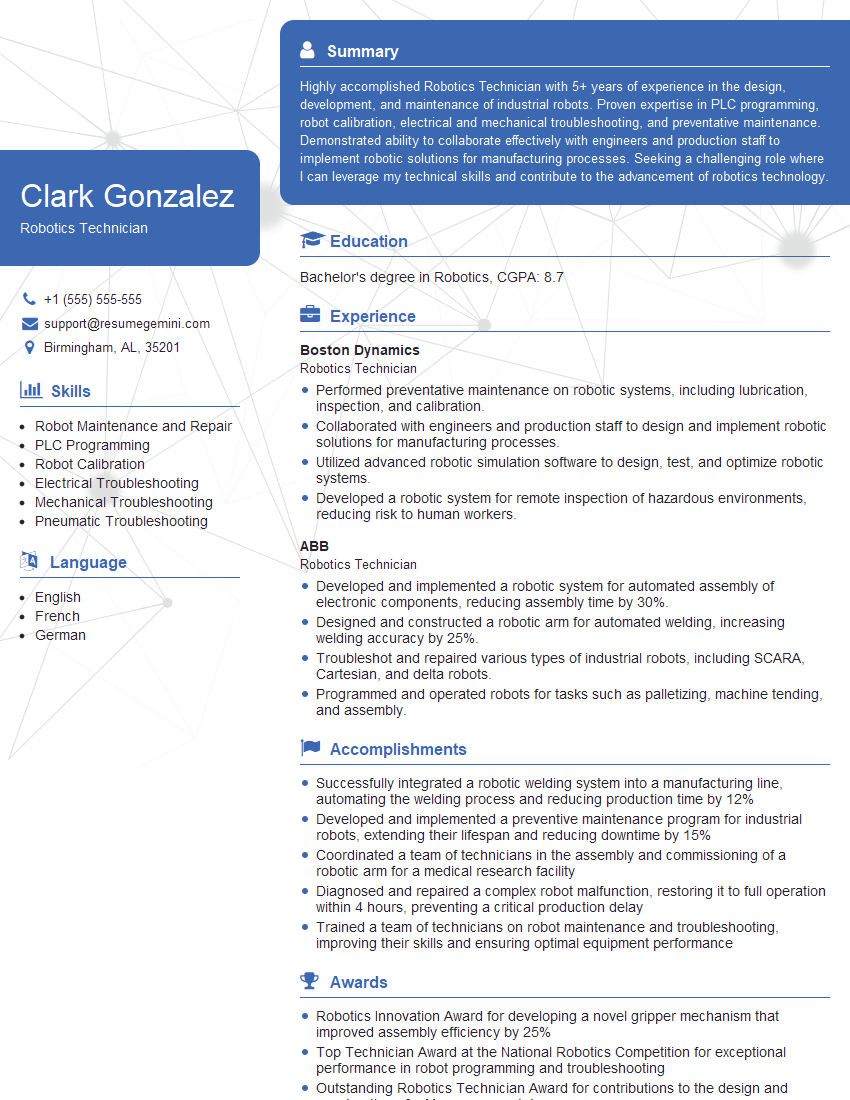
Robotics Technician Resume Sample
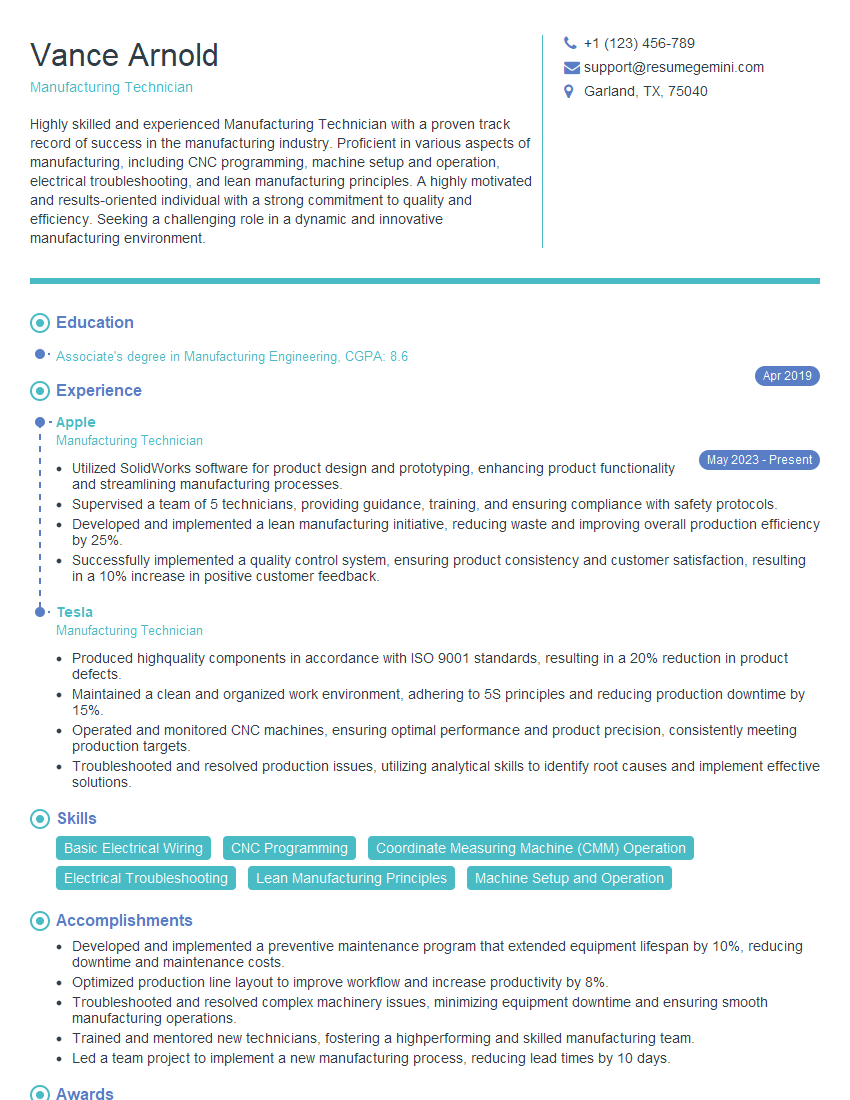
Manufacturing Technician Resume Sample
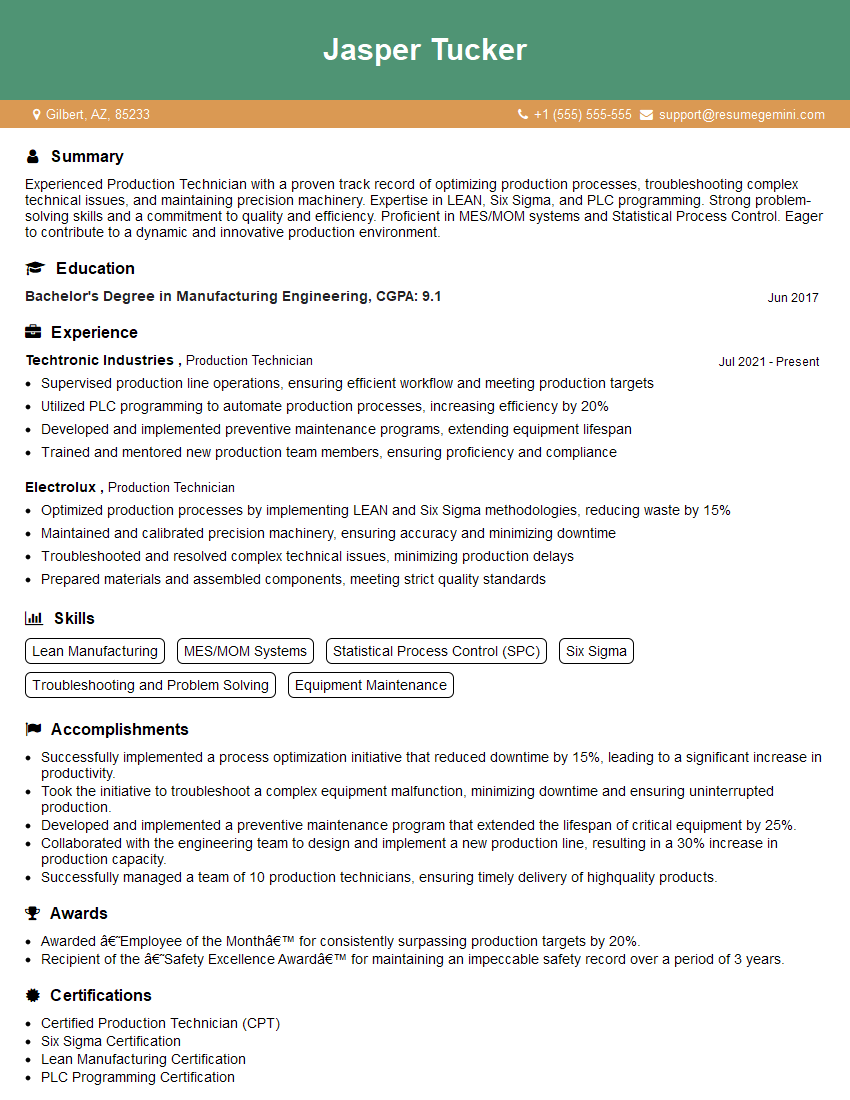
Production Technician Resume Sample
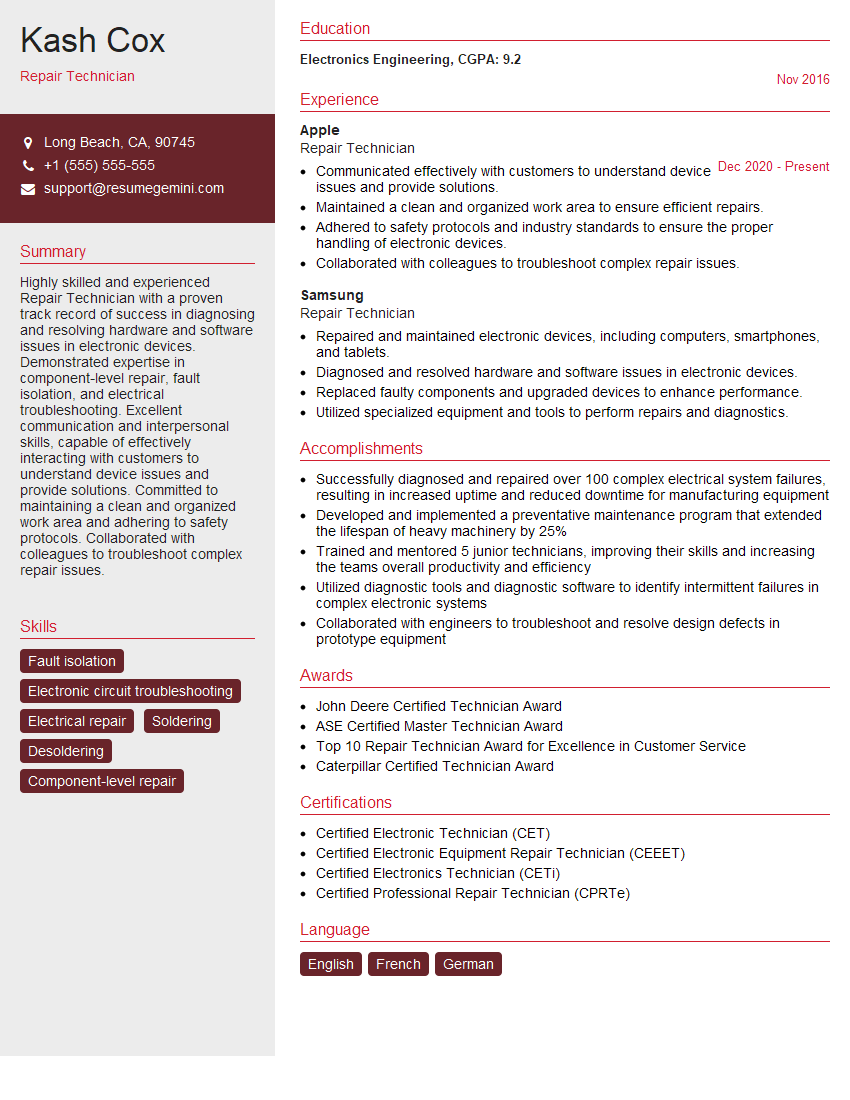
Repair Technician Resume Sample
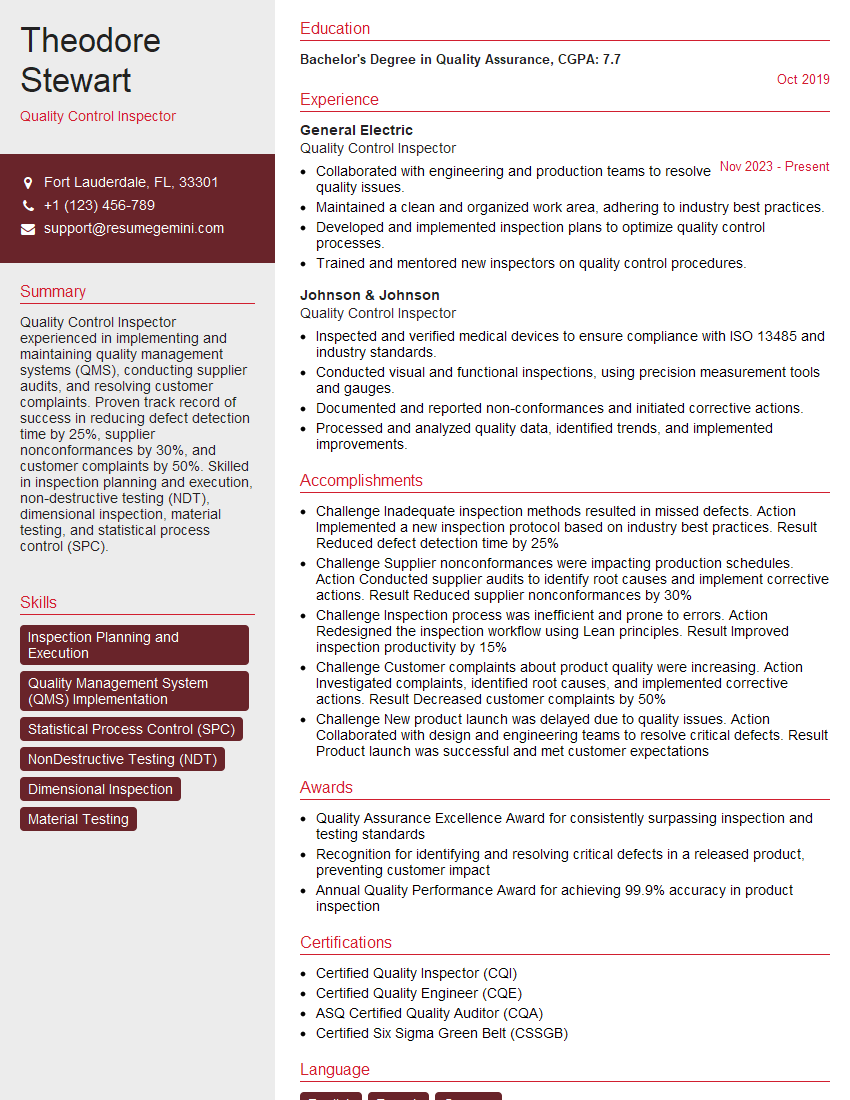
Quality Control Inspector Resume Sample
- Reliability Engineer
- Systems Administrator
- Test Engineer
- Network Technician
- Maintenance Technician
- Software Test Engineer
- Field Engineer
- Validation Engineer
- Avionics Technician
- Calibration Technician
- Electronics Technician
- Field Service Technician
- Mechanical Technician
- Robotics Technician
- Manufacturing Technician
- Production Technician
- Repair Technician
- Quality Control Inspector
Explore more articles
Users Rating of Our Blogs
Share Your Experience
We value your feedback! Please rate our content and share your thoughts (optional).
What Readers Say About Our Blog
Really detailed insights and content, thank you for writing this detailed article.
IT gave me an insight and words to use and be able to think of examples