Cracking a skill-specific interview, like one for Theory of Cargo Bracing, requires understanding the nuances of the role. In this blog, we present the questions you’re most likely to encounter, along with insights into how to answer them effectively. Let’s ensure you’re ready to make a strong impression.
Questions Asked in Theory of Cargo Bracing Interview
Q 1. Explain the difference between static and dynamic loads in cargo bracing.
In cargo bracing, understanding the difference between static and dynamic loads is crucial for safe transportation. Static loads are constant and unchanging forces acting on the cargo, such as the weight of the goods themselves. Think of a stack of boxes sitting still on a truck bed – gravity exerts a consistent downward force. Dynamic loads, on the other hand, are forces that change over time, often due to vehicle movement. These include acceleration, braking, cornering, and even vibrations during transit. Imagine the same stack of boxes during sudden braking; inertia tries to keep them moving forward, creating a dynamic load that the bracing must resist.
Consider a scenario where a container of fragile ceramics is being transported. The static load is simply the weight of the ceramics. However, during a sharp turn, dynamic forces will try to shift the cargo. If the bracing isn’t strong enough to withstand these dynamic loads, the ceramics could break. Therefore, successful cargo bracing accounts for both static and dynamic forces, often using safety factors to account for unexpected occurrences.
Q 2. Describe the various methods used to secure cargo during transportation.
Securing cargo involves a variety of methods, each chosen based on the type of cargo, the mode of transport, and the journey’s anticipated stresses. Common methods include:
- Lashing: Using straps, chains, or ropes to tightly bind cargo to the vehicle. This is particularly effective for preventing shifting during acceleration and deceleration. Different lashing patterns exist to suit various load distributions.
- Blocking and bracing: Using wood, metal, or other materials to physically restrain and support cargo. This is essential for preventing movement and protecting cargo from damage, especially in case of stacking or uneven surfaces.
- Wedging: Placing wedges between cargo items or between cargo and the vehicle to prevent movement and reduce the risk of shifting. It’s particularly useful for securing irregularly shaped objects.
- Dunnage: Materials used to fill empty spaces within the load or between cargo items, minimizing movement and preventing damage. Examples include wood, cardboard, and inflatable bags.
- Containers and crates: Using standardized containers or custom-built crates to enclose and protect cargo. These provide an extra layer of security and facilitate handling.
The choice of method often involves combining several techniques. For instance, a shipment of heavy machinery might use blocking and bracing alongside lashing to secure it to the flatbed trailer, preventing any movement and protecting against accidental damage.
Q 3. What are the key factors to consider when selecting appropriate lashing materials?
Selecting appropriate lashing materials is critical for safety and cargo integrity. Key factors to consider include:
- Strength: The material must be able to withstand the anticipated static and dynamic loads. Consider breaking strength and elongation properties.
- Durability: The material should be resistant to abrasion, weathering, and chemicals it might come into contact with during transit.
- Flexibility: Some materials provide more flexibility for securing oddly shaped items compared to others. Flexibility allows for a more secure, even tension.
- Compatibility: The material should be compatible with the cargo and the vehicle’s securing points. For example, certain materials may react negatively with corrosive materials.
- Safety: Consider aspects like the use of safety factors and the visibility of the lashing materials in case of inspection. The lashing system must be designed to fail safely, without causing further damage.
For example, using low-quality straps to secure a heavy load could lead to breakage and potential accidents. Similarly, using materials incompatible with the cargo might result in damage or chemical reactions. Therefore, careful material selection is a cornerstone of effective cargo securing.
Q 4. How do you calculate the required lashing tension for different cargo types?
Calculating the required lashing tension is crucial and isn’t a simple formula. It depends heavily on many interacting factors: the cargo’s weight, its center of gravity, its dimensions, the coefficient of friction between the cargo and the vehicle, the anticipated accelerations and decelerations during transport, and the type of lashing materials used.
Various standards and regulations provide guidance (e.g., ISO 27955 and national transport regulations). These often involve using factors of safety and complex calculations factoring in potential dynamic loads. Specialized software is commonly employed by professionals to perform these calculations, considering the specific circumstances of each shipment.
Simplified examples can illustrate the general principles: A heavier load needs higher tension, and a higher coefficient of friction (less slippery surfaces) allows for lower tension. However, relying on estimations is dangerous; accurate calculations, often with specialized software that considers the entire system, are essential for safety.
Q 5. Explain the importance of considering the center of gravity when securing cargo.
The center of gravity (CG) of cargo is the point where the weight of the cargo is considered to be concentrated. Its position significantly impacts the stability and security of the load. If the CG is too high or improperly positioned, the cargo is more susceptible to tipping or shifting during transit.
Imagine a tall stack of boxes. If the CG is too high, a small force could cause it to topple over. Similarly, if the CG is off-center, the cargo might sway during turns, potentially leading to damage or accidents. Proper bracing must ensure the CG remains within the vehicle’s stability envelope. This often involves techniques like using lower, wider base supports and ensuring uniform weight distribution.
In practice, understanding the CG is crucial for calculating the necessary lashing forces. Miscalculations arising from neglecting the CG can result in insufficiently secured cargo, leading to accidents or damages.
Q 6. What are the regulations and standards governing cargo securing in your industry?
Cargo securing regulations and standards vary globally but share common goals: preventing accidents, damage to property, and environmental harm. Key standards include:
- ISO 27955: This international standard provides guidelines for the safe securing of unit load devices (ULDs), containers and cargo within them during transport.
- National and regional regulations: Many countries and regions have their own regulations governing aspects of cargo security, often mirroring or expanding on international standards.
- Industry-specific regulations: Specific industries, such as maritime transport, may have additional regulations pertaining to hazardous materials or specific modes of transport.
Compliance with these regulations is essential. Regular inspections and audits ensure adherence, protecting transport companies and their customers from liability. Non-compliance may lead to fines, delays, or even legal repercussions.
Q 7. How do you handle securing oversized or oddly shaped cargo?
Securing oversized or oddly shaped cargo requires a tailored approach, often combining multiple securing methods. Understanding the cargo’s unique characteristics, its center of gravity, and potential stress points is vital. Strategies might include:
- Custom-designed cradles or supports: These provide a secure foundation to distribute weight evenly and prevent movement.
- Multiple lashing points: Employing extra straps, chains, or ropes at various points on the cargo to ensure stability in multiple directions.
- Specialized blocking and bracing: Utilizing custom-designed blocks, bracing, or dunnage materials to fill spaces and prevent shifting.
- Oversized load permits and escorts: When moving exceptionally large cargo, permits are necessary to comply with regulations, including possibly requiring escorts to ensure safe transport.
For instance, transporting a large turbine requires a customized frame designed to safely support and secure it to the truck, often coupled with extensive lashing and bracing systems to prevent movement during transit. Careful planning and collaboration between transport specialists and cargo owners are essential for ensuring safe and efficient transport of oversized or oddly shaped cargo.
Q 8. Describe your experience with different types of cargo securing equipment.
My experience encompasses a wide range of cargo securing equipment, from traditional methods to the latest technologies. I’ve worked extensively with various lashing materials, including steel wire rope, polyester webbing, and chain, each with its own strengths and weaknesses depending on the cargo type and transport mode. I’m also familiar with different types of securing devices like ratchet straps, cam buckles, and winches, and have experience with specialized equipment like container twist locks and timber head boards. My experience includes assessing the suitability of each piece of equipment for specific cargo characteristics and environmental conditions (like temperature and humidity) to ensure maximum safety and efficiency. For instance, I’ve successfully secured oversized, heavy-duty machinery using a combination of heavy-duty chains and strategically placed wooden dunnage for optimal load distribution, preventing movement during transit. I also have experience with the use of airbags and inflatable dunnage for added support and cushioning of fragile goods.
Q 9. Explain the concept of load distribution and its importance in cargo bracing.
Load distribution is the art and science of evenly distributing the weight of cargo across the available space within a vehicle or container. Imagine trying to balance a stack of books on a table—if all the weight is concentrated in one corner, the table will tip over. Similarly, uneven weight distribution in cargo can lead to instability, shifting, and damage. Proper load distribution minimizes stress points, preventing damage to both the cargo and the vehicle. This involves strategically placing heavier items lower and towards the center of gravity, distributing weight evenly across axles or supports, and using blocking and bracing to prevent movement. For example, when securing a shipment of palletized goods, I would ensure that heavier pallets are placed lower and heavier pallets are placed at the bottom and evenly spread within the confines of the vehicle. Techniques like using dunnage – wooden blocks or similar materials – are crucial in achieving a balanced load distribution, filling gaps and creating a stable base.
Q 10. How do you assess the risk of cargo shifting during transportation?
Assessing the risk of cargo shifting involves a multi-faceted approach. First, I evaluate the inherent characteristics of the cargo: its weight, dimensions, shape, fragility, and its center of gravity. Then, I consider the mode of transport and its inherent risks: a truck journey across bumpy terrain presents different challenges than a sea voyage. I’d account for the duration of transit, environmental factors (strong winds, rough seas, extreme temperatures), and the condition of the vehicle or container. A thorough inspection for existing defects in the packaging or the vehicle itself is also crucial. I often use risk assessment matrices to quantify and prioritize potential hazards. For instance, a high-value, fragile piece of equipment on a long sea voyage requires a significantly more robust securing plan than a pallet of sturdy bricks on a short truck haul. Documenting all these factors is essential for ensuring accountability and compliance with regulations.
Q 11. What are the common causes of cargo damage during transit?
Cargo damage during transit stems from several common causes. Improper bracing and securing are major culprits, leading to shifting, collision, and breakage. Poor packaging, where the cargo isn’t adequately protected against shocks and vibrations, is another frequent issue. External factors play a significant role as well. Severe weather, accidents, and even rough handling during loading and unloading can cause significant damage. Insufficient or damaged securing equipment adds to the risk. For example, using worn-out straps or failing to account for the effects of extreme temperatures can directly lead to cargo shifting and damage. Finally, inadequate planning, where the total cargo weight isn’t correctly assessed or the securement plan is not comprehensive, also contributes to damage.
Q 12. How do you prevent cargo damage during transportation?
Preventing cargo damage requires a proactive and comprehensive approach starting with proper planning. This includes selecting appropriate securing equipment and techniques based on the cargo’s characteristics and the transportation mode. Ensuring packaging is robust and suitable for the journey is vital. This could involve using protective materials like bubble wrap, air cushions, or even specialized containers. During loading and securing, following standardized procedures and regularly inspecting equipment for wear and tear are critical. Utilizing load distribution principles, as previously discussed, is key to prevent instability. In addition to appropriate securing, documentation of every step of the process is essential, from the initial cargo inspection to the final delivery. This provides evidence of due diligence and helps in case of disputes or claims. Regular training for staff involved in handling and securing cargo ensures consistent application of best practices.
Q 13. What are the different types of lashing techniques?
Lashing techniques vary depending on the cargo type and available equipment. Common methods include:
- Chain Lashing: Using chains and shackles to secure heavy or bulky items. Requires proper tensioning to avoid damage and slippage.
- Webbing Lashing: Using strong polyester webbing straps and ratchet or cam buckles. Offers flexibility and is relatively lightweight compared to chains.
- Wire Rope Lashing: Using steel wire ropes with clamps or turnbuckles for added security, particularly suitable for heavier loads.
- Combination Lashing: Combining different lashing materials to create a securement system tailored to the specific cargo needs. This can involve using a combination of chains for heavy securing and webbing straps for finer adjustments.
The choice of lashing technique depends critically on factors such as the weight and shape of the cargo, the strength and type of securing points on the vehicle, and the expected journey conditions. Proper tensioning is crucial in all cases; too little tension can lead to shifting and too much tension can damage cargo or securing equipment.
Q 14. Explain the importance of proper documentation for cargo securing.
Proper documentation is paramount in cargo securing for several reasons. First, it serves as proof of compliance with regulations and industry best practices. This documentation could include securing plans, load distribution diagrams, inspection reports of the cargo and equipment, and records of the securing process itself (including details about the equipment used, tension measurements and any observed damage). In the event of an accident or damage claim, detailed documentation provides crucial evidence to support liability assessments. Moreover, clear documentation streamlines communication between all parties involved in the shipment, from shippers and carriers to insurers. This reduces ambiguity and potential disputes. This documentation also helps track and analyze incidents, identifying patterns and areas for improvement in securing procedures, ultimately leading to more efficient and safer cargo transportation processes.
Q 15. How do you address unforeseen challenges during cargo securing?
Unforeseen challenges during cargo securing are inevitable. My approach involves a combination of proactive planning and reactive problem-solving. Proactive planning includes thorough risk assessment, considering factors like weather conditions, cargo characteristics, and vessel type. This allows me to anticipate potential issues and develop contingency plans. For example, if I’m securing a shipment of fragile ceramics during a storm, I would utilize extra lashing points and employ additional cushioning materials to mitigate potential damage from sea swells.
When unforeseen issues arise, I follow a systematic approach: Assess the situation, identifying the specific problem and its potential impact. Evaluate available resources and options. Implement the best solution, prioritizing safety and cargo integrity. Finally, I Document all actions taken, including any deviations from the initial plan. For instance, if unexpected high winds threaten the secured load, I would immediately halt operations, reassess the situation, and potentially add more securing devices, documenting the changes and the reasons for them.
Career Expert Tips:
- Ace those interviews! Prepare effectively by reviewing the Top 50 Most Common Interview Questions on ResumeGemini.
- Navigate your job search with confidence! Explore a wide range of Career Tips on ResumeGemini. Learn about common challenges and recommendations to overcome them.
- Craft the perfect resume! Master the Art of Resume Writing with ResumeGemini’s guide. Showcase your unique qualifications and achievements effectively.
- Don’t miss out on holiday savings! Build your dream resume with ResumeGemini’s ATS optimized templates.
Q 16. Describe your experience with using software or tools for cargo securing planning.
I have extensive experience using specialized cargo securing planning software. These tools allow for 3D modeling of the cargo space, enabling accurate calculations of lashing forces required to secure different types of cargo. They account for the weight, center of gravity, and dimensions of each item. This minimizes the risk of shifting during transit. One software I regularly use is [Software Name – replace with a real or fictional name, e.g., ‘CargoSecurePro’], which allows for detailed simulations of various sea conditions and provides reports demonstrating compliance with international standards. This software not only streamlines the planning process but also significantly reduces the margin for error, improving overall efficiency and safety.
Example input: Cargo weight = 1000 kg, Dimensions = 2m x 1m x 1m, Center of gravity = 0.7m from base. Software output: Required lashing force = 5000N, Recommended lashing pattern: (Diagram or code representation of a lashing pattern)Q 17. How do you ensure compliance with relevant safety regulations?
Compliance with safety regulations is paramount. I ensure this through meticulous adherence to international standards such as those set by IMO (International Maritime Organization) and national regulations. This includes using certified securing equipment, maintaining detailed documentation of all securing procedures and inspections, and regularly training team members on the latest safety protocols. We conduct regular audits against these standards to identify potential areas of improvement. For instance, we check that all lashings meet the required strength, that the correct type of securing devices are used for the specific cargo, and that all documentation is up to date and accurately reflects the securing process. Non-compliance can lead to serious consequences, including cargo damage, injuries, and hefty fines. Proactive compliance is a core value in maintaining a safe and efficient operation.
Q 18. Explain the importance of regular inspection and maintenance of cargo securing equipment.
Regular inspection and maintenance are crucial for ensuring the reliability and safety of cargo securing equipment. This prevents accidents and costly repairs. We have a scheduled maintenance program that includes visual inspections for wear and tear, strength testing of chains and straps, and regular lubrication of moving parts. Damaged or worn-out equipment is immediately replaced. Think of it like maintaining a car – regular service prevents breakdowns and accidents. Similarly, neglecting the maintenance of cargo securing equipment can lead to catastrophic failure during transit, resulting in cargo loss or damage, and potential safety hazards. The inspection process involves checking for corrosion, fraying, stretching, and any other signs of damage. Detailed records are kept of all inspections and maintenance activities.
Q 19. How do environmental factors affect cargo securing practices?
Environmental factors significantly influence cargo securing practices. Extreme temperatures, humidity, and high winds can affect the strength and performance of securing materials. For example, extreme cold can embrittle steel, making it more susceptible to failure. Similarly, excessive moisture can weaken ropes and straps, diminishing their securing capacity. We adjust our securing strategies accordingly, using appropriate materials and techniques. This might involve selecting materials resistant to corrosion or UV degradation in harsh climates, or employing additional securing points in high-wind conditions. Accurate weather forecasting and real-time monitoring of conditions are crucial in adapting our practices to minimize risk. In particularly challenging conditions, we may opt for more robust securing methods or even delay shipment until conditions improve.
Q 20. What are the consequences of inadequate cargo securing?
Inadequate cargo securing has severe consequences. The most obvious is cargo damage – goods can shift, break, or even be lost entirely, leading to financial losses for both the shipper and the carrier. More seriously, it can cause injuries to personnel during loading, unloading, or transit. In the worst-case scenario, inadequately secured cargo can lead to accidents and collisions, potentially damaging the vessel or even causing it to sink. Beyond the financial and safety implications, inadequate securing can damage a company’s reputation and create legal liabilities. The cost of addressing such issues far outweighs the investment in proper securing practices. It’s vital to prioritize safe and effective cargo securing from the outset.
Q 21. How do you communicate effectively with other teams involved in cargo handling?
Effective communication is vital in cargo handling. I use a multi-faceted approach: Clear documentation: All plans and procedures are meticulously documented and readily available to all involved parties. Regular briefings: Before any operation, I conduct thorough briefings with the loading crew, outlining the securing plan, potential hazards, and emergency procedures. Open communication channels: I maintain open lines of communication with all teams, ensuring that any issues or concerns are addressed promptly. Feedback mechanisms: I actively solicit feedback from all teams, using this information to refine our processes and continuously improve safety and efficiency. Clear communication minimizes misunderstandings, prevents errors, and ensures everyone is working towards a common goal – safe and efficient cargo handling.
Q 22. Describe your experience with handling dangerous goods.
Handling dangerous goods requires meticulous attention to detail and strict adherence to regulations. My experience encompasses the entire process, from initial assessment of the goods’ hazard classification (using the UN number and IMDG Code) to the selection of appropriate packaging, securing methods, and documentation. This includes understanding the specific requirements for segregation of incompatible goods, ensuring proper ventilation to prevent the buildup of hazardous gases, and using specialized containers and lashing techniques to minimize the risk of spills or leaks during transit. For example, I’ve been involved in securing shipments of flammable liquids, where we used specialized IBCs (Intermediate Bulk Containers) with secondary containment and implemented robust lashing systems to prevent shifting during transport. We also meticulously documented every step of the process, ensuring compliance with all relevant safety regulations and providing comprehensive documentation for customs and regulatory authorities.
Q 23. Explain your understanding of the different types of containers used in shipping.
The shipping industry utilizes a variety of containers, each designed for specific cargo types and transportation modes. The most common are:
- Standard Shipping Containers (20′ and 40′): These steel boxes are the workhorses of global shipping, suitable for a wide range of dry goods. Variations include high-cube containers for increased volume and refrigerated containers (reefers) for temperature-sensitive goods.
- Open-Top Containers: These containers lack a roof, making them ideal for oversized or heavy cargo that cannot be loaded through the standard doors.
- Flatrack Containers: Similar to open-top, but without sidewalls, they offer maximum flexibility for extremely large or oddly shaped items.
- Tank Containers: These specialized containers are designed for the safe transport of liquids and gases, often used for chemicals, petroleum products, and food-grade liquids. They have pressure relief valves and other safety features.
- Bulk Containers: These are used to transport loose cargo like grain, ore, or powders, often requiring specialized securing methods.
Understanding the structural limitations and capabilities of each container type is crucial for effective cargo securing.
Q 24. How do you manage multiple cargo securing projects simultaneously?
Managing multiple cargo securing projects simultaneously requires robust organizational skills and efficient project management techniques. I employ a combination of tools and strategies including:
- Prioritization: I assess each project based on urgency, complexity, and potential risks. This allows me to allocate resources effectively and focus on the most critical tasks first.
- Detailed Planning: For each project, I develop a detailed plan that includes timelines, resource allocation, and risk mitigation strategies. This ensures everyone is on the same page and that all necessary steps are taken.
- Communication & Collaboration: Effective communication with all stakeholders (clients, crew, port authorities) is paramount. I use regular progress meetings and reporting to maintain transparency and address any arising issues quickly.
- Software & Tools: I leverage project management software to track progress, manage deadlines, and document all activities. This allows for better oversight and efficient resource allocation.
By employing these strategies, I maintain control and efficiency, ensuring all projects meet their deadlines and safety standards are met.
Q 25. Describe a time when you had to solve a complex cargo securing problem.
During the transport of a large wind turbine component, the initial securing plan proved insufficient. The component, despite its massive size, was surprisingly susceptible to shifting due to its high center of gravity and the uneven loading surface. The initial lashing points were insufficient to counter the dynamic forces during transit. The solution involved a multi-stage approach:
- Re-assessment: We conducted a thorough re-evaluation of the cargo’s weight distribution and potential movement vectors.
- Additional Lashing: We added multiple layers of high-tensile lashing straps, strategically positioned to better distribute the forces and prevent any significant movement.
- Enhanced Blocking & Bracing: We incorporated additional blocking and bracing materials – strategically placed wood blocks and wedges – to create a more stable base and distribute the weight more evenly.
- Dynamic Load Monitoring: We implemented real-time monitoring of the cargo’s movement and stress levels during transit to ensure the securing measures were holding up under the dynamic forces.
This combined approach ensured the safe transport of the wind turbine component, highlighting the importance of adaptability and thorough problem-solving skills in cargo securing.
Q 26. How do you stay updated on the latest advancements in cargo securing techniques?
Staying updated in this field requires continuous learning. I actively engage in several strategies:
- Professional Organizations: Membership in professional organizations such as [mention relevant organizations] provides access to industry publications, conferences, and networking opportunities with other experts.
- Industry Publications & Journals: I regularly read industry publications and journals to stay abreast of the latest research, best practices, and regulatory updates.
- Webinars & Online Courses: I participate in webinars and online courses offered by industry leaders and educational institutions to enhance my knowledge on new techniques and technologies.
- Manufacturer Training: Direct training from manufacturers of lashing equipment, cargo securing systems, and other relevant products provides valuable insights into their capabilities and limitations.
This multi-faceted approach ensures I’m always equipped with the most up-to-date knowledge and best practices.
Q 27. Explain the role of friction in securing cargo.
Friction plays a critical role in cargo securing. It’s the force that resists the movement of one surface against another. In cargo securing, friction prevents cargo from sliding or shifting during transit. The effectiveness of securing depends largely on the coefficient of friction between the cargo, the container’s surface, and the securing materials (lashing straps, wedges, etc.).
For example, higher friction between the cargo and the container floor reduces the likelihood of cargo sliding due to acceleration or deceleration. Similarly, the friction between a lashing strap and the cargo prevents slippage and maintains the tension needed to secure the load. Factors influencing friction include the surface texture, material properties, and the presence of any lubricants or contaminants. Therefore, selecting appropriate materials, ensuring clean surfaces, and employing effective securing techniques that maximize friction are essential for successful cargo securing.
Q 28. What are the limitations of different types of lashing materials?
Different lashing materials have unique limitations:
- Steel Wire Rope: While strong and durable, it’s susceptible to corrosion and can be difficult to handle. It also requires specialized fittings and can be damaged by sharp edges.
- Polyester Webbing Straps: These are relatively lightweight, easy to handle, and have good strength. However, they can be weakened by UV exposure and are susceptible to damage from abrasion or sharp objects. They also have a lower breaking strength compared to steel wire rope.
- Chain: Chains are durable and resistant to abrasion but can be heavy, stiff, and prone to rust. They also require specialized fittings and can damage the cargo surface.
Choosing the right material depends on the cargo’s weight, shape, and fragility, as well as the environmental conditions. Proper inspection and maintenance of all lashing materials are critical to ensuring safe and reliable cargo securing.
Key Topics to Learn for Theory of Cargo Bracing Interview
- Fundamental Principles of Cargo Stability: Understanding center of gravity, weight distribution, and the impact of forces on secured cargo during transit.
- Types of Cargo Securing Devices: Familiarize yourself with various lashing techniques, including chains, straps, nets, and wedges, and their appropriate applications based on cargo type and transport mode.
- Calculating Securing Forces: Mastering the calculations needed to determine the appropriate number and tension of securing devices to ensure cargo stability under various conditions (acceleration, deceleration, cornering).
- Regulations and Standards: Understanding international and national regulations (e.g., IMO, IMDG Code) related to cargo securing and their practical implications.
- Risk Assessment and Mitigation: Learn how to identify potential hazards related to improper cargo securing and implement effective mitigation strategies.
- Practical Application: Understanding case studies of successful and unsuccessful cargo securing practices. Analyze the factors that contributed to success or failure.
- Material Properties and their Influence: Knowing how different cargo materials (wood, metal, etc.) affect securing requirements and strategies.
- Emergency Procedures: Understanding the procedures to follow in case of cargo shifting or damage during transit.
Next Steps
Mastering the Theory of Cargo Bracing is crucial for career advancement in logistics, shipping, and transportation. A strong understanding of these principles demonstrates your commitment to safety and efficiency, opening doors to more challenging and rewarding roles. To further enhance your job prospects, invest time in creating an ATS-friendly resume that highlights your skills and experience effectively. ResumeGemini is a trusted resource that can help you build a professional and impactful resume. Examples of resumes tailored to Theory of Cargo Bracing are available on ResumeGemini to guide your resume creation process. Take the next step towards your dream career today!
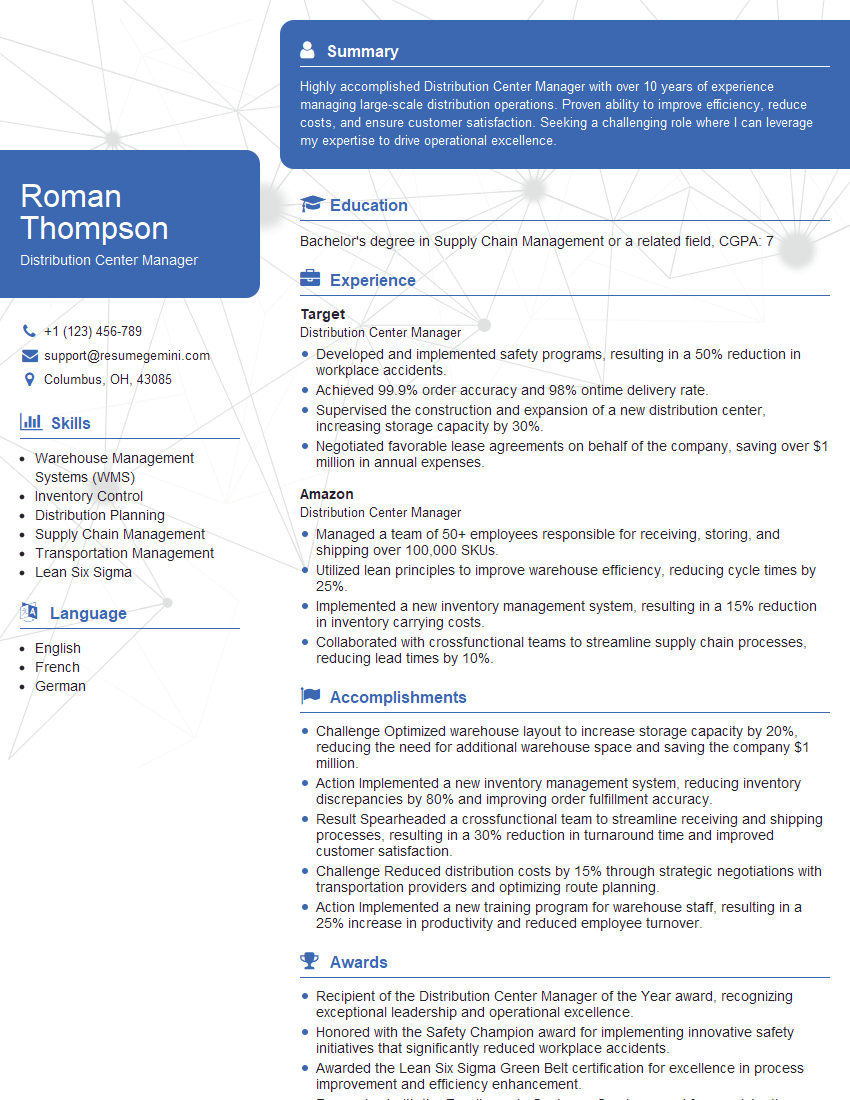
Distribution Center Manager Resume Sample

Logistics Manager Resume Sample

Shipping Coordinator Resume Sample
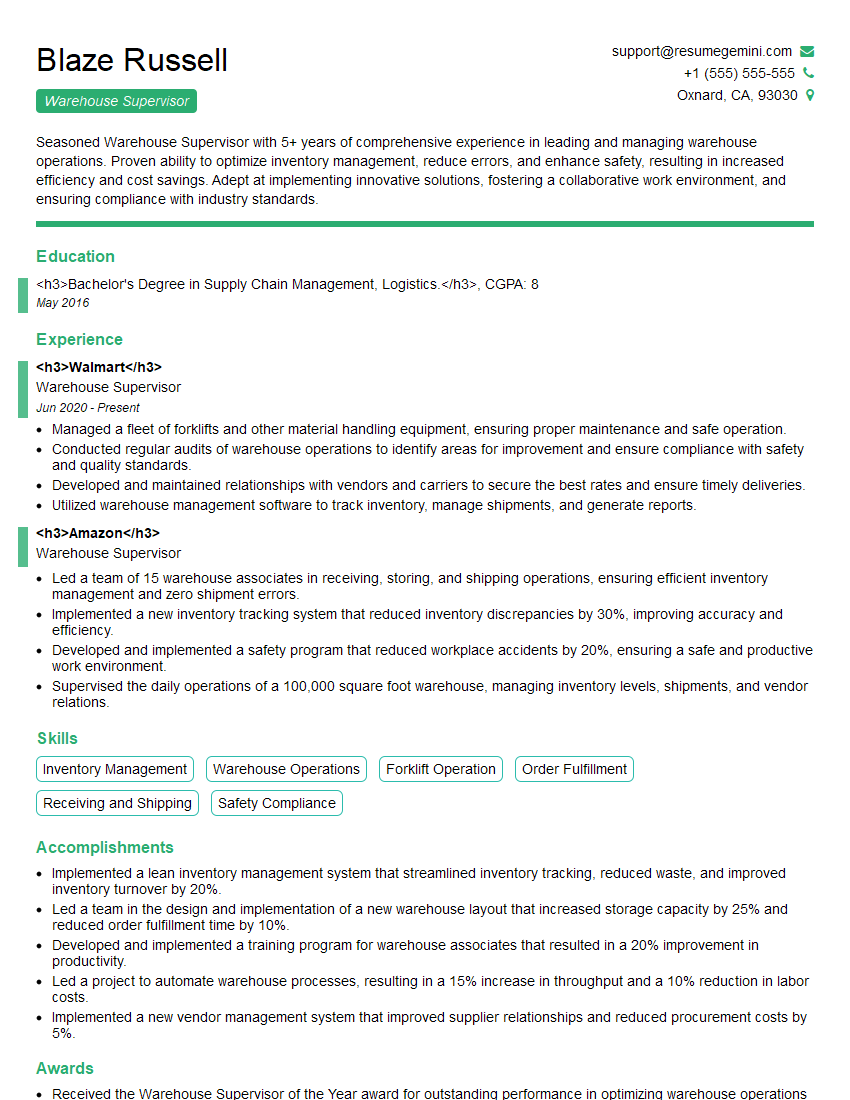
Warehouse Supervisor Resume Sample
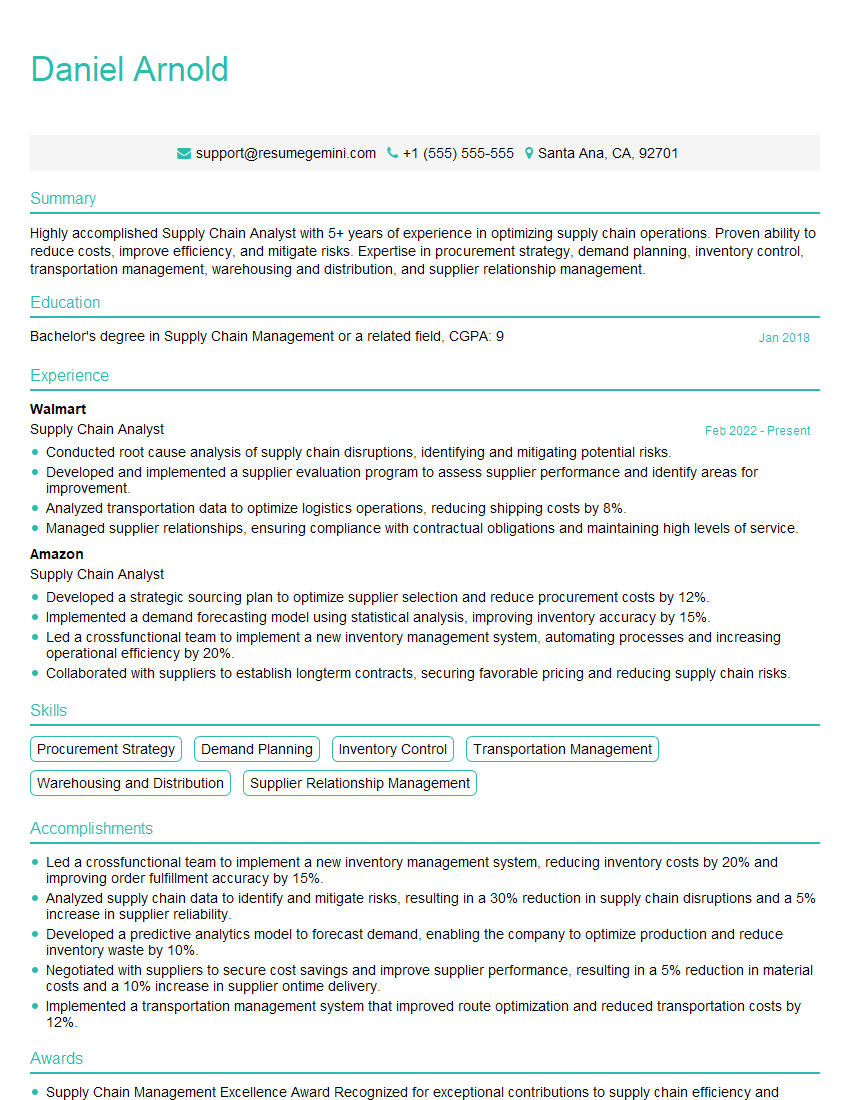
Supply Chain Analyst Resume Sample

Customs Broker Resume Sample

Packaging Engineer Resume Sample

Transportation Planner Resume Sample
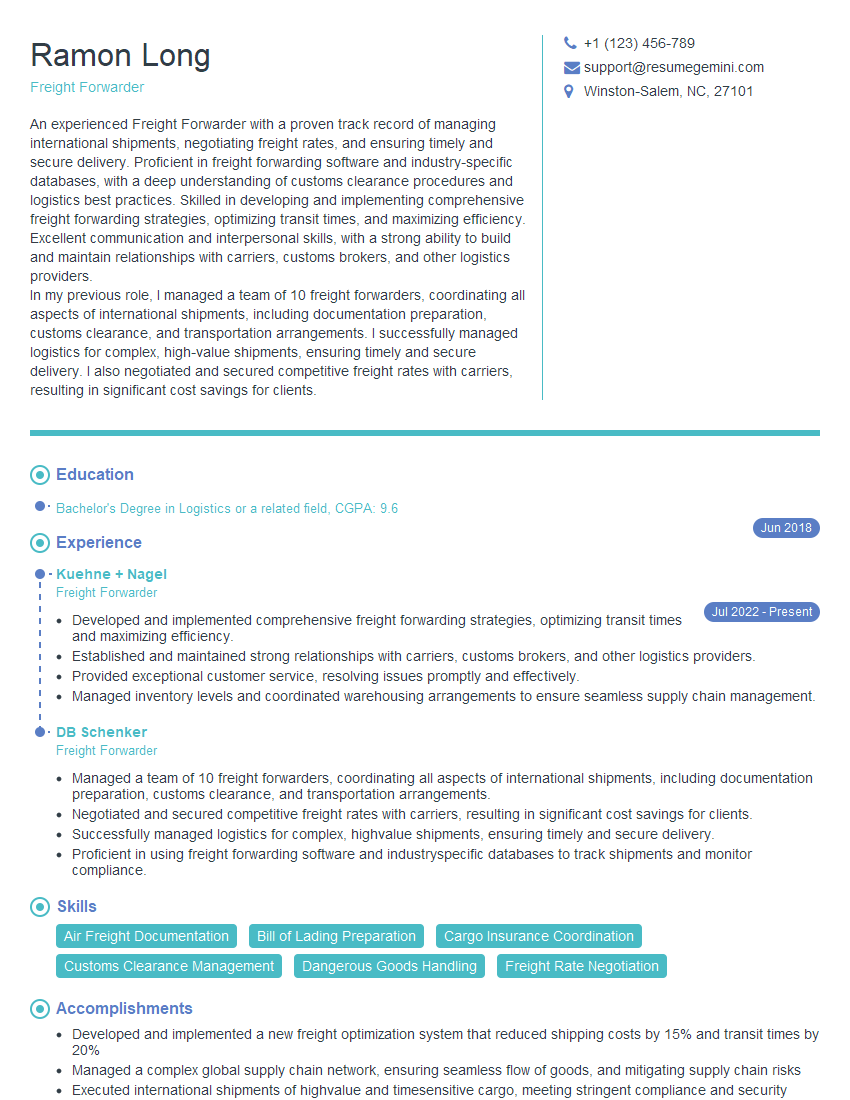
Freight Forwarder Resume Sample

Loadmaster Resume Sample
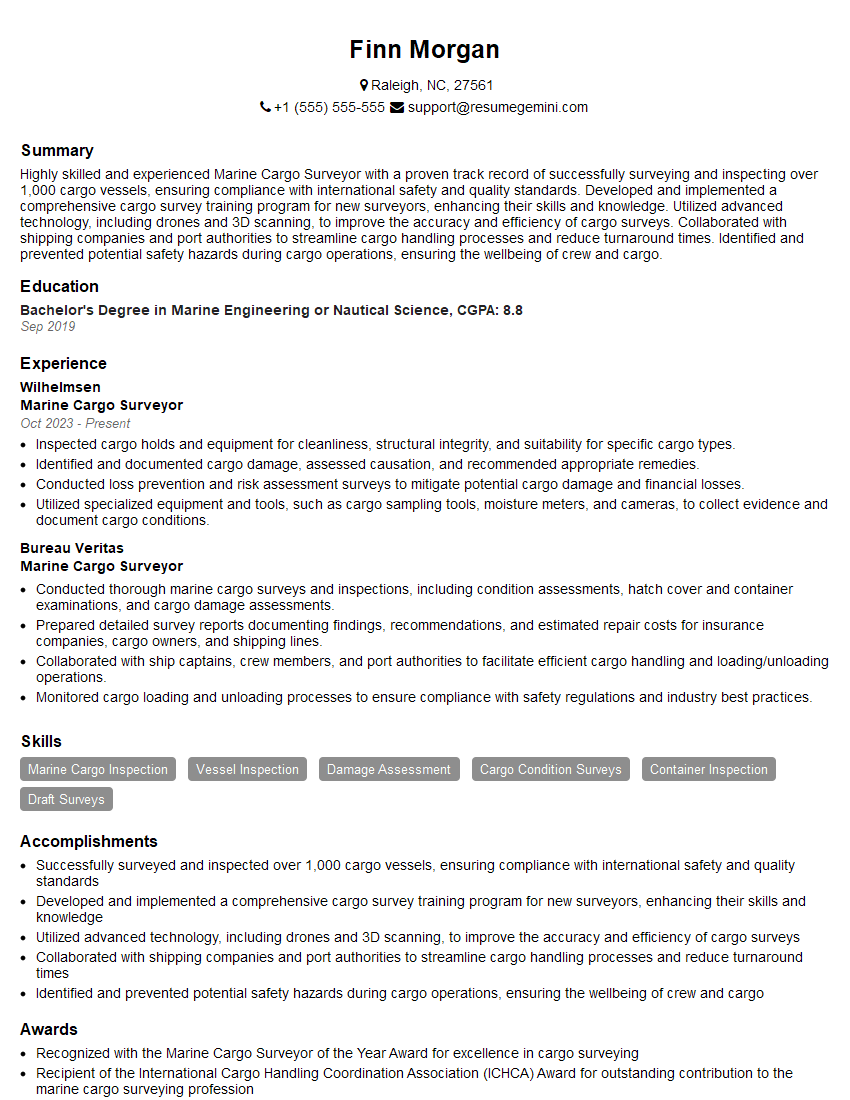
Marine Cargo Surveyor Resume Sample
Explore more articles
Users Rating of Our Blogs
Share Your Experience
We value your feedback! Please rate our content and share your thoughts (optional).
What Readers Say About Our Blog
Really detailed insights and content, thank you for writing this detailed article.
IT gave me an insight and words to use and be able to think of examples