Interviews are opportunities to demonstrate your expertise, and this guide is here to help you shine. Explore the essential Time-Management Skills interview questions that employers frequently ask, paired with strategies for crafting responses that set you apart from the competition.
Questions Asked in Time-Management Skills Interview
Q 1. Describe your preferred time management methodology.
My preferred time management methodology is a hybrid approach combining elements of the Eisenhower Matrix (urgent/important), time blocking, and the Pomodoro Technique. I don’t rigidly adhere to one system, but rather adapt my approach based on the project and my energy levels. The Eisenhower Matrix helps me prioritize tasks, ensuring I focus on the truly important, not just the urgent. Time blocking allows me to allocate specific time slots for focused work on particular tasks, minimizing context switching. Finally, the Pomodoro Technique helps maintain concentration and prevent burnout by incorporating short breaks into my work schedule. For example, a typical day might involve prioritizing tasks using the Eisenhower Matrix in the morning, then blocking out 2-hour chunks of time for focused work on high-priority items, interspersed with 25-minute Pomodoro sessions for more detailed tasks.
Q 2. How do you prioritize tasks with competing deadlines?
Prioritizing tasks with competing deadlines involves a structured approach. I start by listing all tasks with their deadlines. Then, I use the Eisenhower Matrix to categorize them: Urgent and Important, Important but Not Urgent, Urgent but Not Important, and Neither Urgent Nor Important. Tasks in the “Urgent and Important” quadrant get immediate attention. For “Important but Not Urgent” tasks, I schedule them strategically into my calendar, factoring in their deadlines. “Urgent but Not Important” tasks are often delegated or streamlined to reduce their urgency. “Neither Urgent Nor Important” tasks are either eliminated or postponed. Sometimes, I use a weighted scoring system assigning points based on deadline proximity, task complexity, and impact. This allows for a more nuanced prioritization beyond the simple four-quadrant system. For instance, if I have a presentation due in a week and a report due in a month, but the report carries significantly more weight for my career progression, I’d prioritize the report sections that can be completed before tackling the presentation.
Q 3. What tools or techniques do you use to manage your time effectively?
My toolkit for effective time management includes several key tools and techniques. I rely heavily on digital calendars (Google Calendar, Outlook Calendar) for scheduling appointments and blocking time for specific tasks. Task management software like Asana or Todoist helps me track progress on projects, break down large tasks into smaller, more manageable steps, and collaborate effectively with team members. Time tracking apps like Toggl Track help me understand where my time is actually going, allowing for better planning and identification of time-wasting activities. In addition, I use a physical notebook for brainstorming, note-taking, and quick task lists. This combination of digital and analog tools provides a flexible and effective system that caters to different work styles and preferences. I find the visual representation of tasks and deadlines in a calendar particularly helpful to visualize my workflow and maintain focus.
Q 4. Have you ever experienced a time management failure? How did you handle it?
Yes, I once underestimated the time required for a complex project, leading to a missed deadline. I had meticulously planned individual tasks but failed to account for unforeseen challenges and dependencies between tasks. My handling of this failure involved several steps: First, I immediately communicated the delay to stakeholders, explaining the reasons and proposing a revised timeline. Then, I conducted a thorough post-mortem analysis identifying the specific shortcomings in my planning. This analysis revealed the need for improved estimation techniques and better communication during the project. I implemented a more robust project management methodology incorporating risk assessment and contingency planning. Finally, I learned the importance of seeking timely feedback and involving team members in the planning process. This experience significantly improved my time management and project planning skills.
Q 5. How do you delegate tasks effectively to manage your time?
Effective delegation involves selecting the right person for the task, providing clear instructions, setting expectations, and granting the necessary authority. Before delegating, I assess the skills and experience of my team members. I clearly define the task, desired outcomes, deadlines, and any constraints. I communicate my expectations clearly and ensure the individual understands their responsibilities. I provide the necessary resources and support. I also schedule regular check-ins to monitor progress and provide assistance if needed. For instance, instead of spending hours creating a detailed presentation myself, I’d delegate the creation of specific slides to team members based on their expertise and ensure they understand the overall message and design guidelines. Regular feedback loops are critical in successful delegation. I encourage open communication and collaboration.
Q 6. How do you handle interruptions that disrupt your workflow?
Handling interruptions requires a proactive and strategic approach. I use several strategies to minimize disruption. I set aside specific times for focused work, free from interruptions (e.g., turning off notifications). I communicate my availability to colleagues and politely request that non-urgent matters be addressed later. When an unavoidable interruption occurs, I briefly acknowledge it, make a note of the request, and return to my focused work as soon as possible. I also utilize techniques like the Pomodoro Technique, which incorporates short breaks, to help me regain focus after an interruption. For example, if I’m working on a critical document and am interrupted with a quick question, I’ll quickly answer it, make a note to follow up later if needed, and immediately return to my writing within the structure of my Pomodoro session. The key is to manage interruptions efficiently and gracefully, minimizing their impact on overall productivity.
Q 7. How do you estimate the time required for a project or task?
Estimating time accurately is crucial for effective time management. My approach involves breaking down large projects into smaller, manageable tasks. Then, I estimate the time required for each task based on past experience, complexity, and potential challenges. I use a combination of top-down and bottom-up estimation techniques. For instance, I might initially estimate the total time for a project and then refine the estimate by breaking it down into individual tasks. Tools like time tracking software (Toggl Track) are invaluable in developing more accurate estimates over time. It’s important to consider potential delays and build in buffers. Regularly reviewing and adjusting estimates based on progress is also critical. For example, if I’m estimating the time for writing a report, I might break it down into research, outlining, writing, editing and proofreading, allocating time for each based on my experience, adjusting for complexity, and adding a buffer for unexpected delays.
Q 8. Describe a situation where you had to manage multiple projects simultaneously.
Managing multiple projects simultaneously requires a structured approach. It’s like juggling – you need to keep all the balls in the air without letting any fall. I typically employ a prioritization matrix, assigning each project a priority level based on urgency and importance. For instance, during my time at [Previous Company Name], I was responsible for launching a new product line while simultaneously overseeing the marketing campaign for an existing product. I used a project management tool (discussed further in question 4) to break down each project into smaller, manageable tasks with clear deadlines. This allowed me to allocate my time effectively, focusing on high-priority tasks first while ensuring consistent progress across all projects. Regularly reviewing the project schedule and adjusting my priorities as needed was also crucial. This prevented one project from monopolizing my time and allowed for successful completion of both.
Q 9. How do you stay organized and track your progress on projects?
Staying organized is paramount. I utilize a combination of methods. Firstly, I create detailed project plans, outlining all tasks, dependencies, and deadlines. I prefer using digital tools for this as they allow easy modification and sharing. Secondly, I employ a task management system, such as a Kanban board or a to-do list app, to track my progress visually. This allows me to see what’s completed, what’s in progress, and what’s upcoming. Thirdly, I schedule regular review sessions, both for myself and with team members where applicable, to assess progress, identify roadblocks, and make necessary adjustments. For example, I use color-coding in my task management system: red for urgent tasks, yellow for important tasks, and green for less urgent ones. This immediately helps visualize and prioritize my workload.
Q 10. What strategies do you use to avoid procrastination?
Procrastination is a common enemy, but I’ve developed effective strategies to combat it. The Pomodoro Technique is incredibly helpful: working in focused bursts (e.g., 25 minutes) followed by short breaks. This prevents burnout and maintains concentration. Another key strategy is the ‘Two-Minute Rule’ – if a task takes less than two minutes, I do it immediately. This eliminates the build-up of small tasks that can feel overwhelming. I also break down large, daunting tasks into smaller, more manageable chunks. This makes them less intimidating and easier to tackle. Finally, I reward myself after completing significant milestones. This positive reinforcement helps maintain motivation and prevents procrastination. For example, after finishing a particularly challenging section of a project, I might take a longer break to enjoy a hobby or spend time with loved ones. This reinforces the positive association between hard work and reward.
Q 11. How do you use technology to improve your time management?
Technology significantly enhances my time management. I rely heavily on project management software like Asana or Trello to track tasks, deadlines, and progress. These tools allow for collaboration and provide a centralized view of all my projects. Calendar applications with reminders are crucial for scheduling appointments and meetings. I also use time-tracking software to analyze how I spend my time, identifying areas where I can improve efficiency. For example, using time tracking, I discovered that I spent too much time on email in the mornings. By adjusting my schedule, I now respond to emails in designated blocks of time, which improves focus on other important tasks.
Q 12. How do you maintain a work-life balance while effectively managing your time?
Maintaining work-life balance is crucial for long-term productivity. I set clear boundaries between work and personal time. This includes defining specific work hours and sticking to them as much as possible. I also schedule regular breaks throughout the day and utilize vacation time effectively to recharge. In addition to this, I prioritize activities outside of work that bring me joy and help me relax – spending time with family and friends, pursuing hobbies, or simply engaging in mindful activities. It’s important to remember that prioritizing self-care is not a luxury but a necessity for effective time management and overall well-being. Ignoring this balance leads to burnout, negatively impacting both professional and personal life.
Q 13. How do you handle unexpected urgent tasks?
Unexpected urgent tasks require immediate attention but also strategic handling. I use the ‘Eisenhower Matrix’ (urgent/important) to prioritize. Urgent and important tasks are addressed immediately. Important but not urgent tasks are scheduled. Urgent but not important tasks are delegated if possible or quickly handled. Non-urgent and non-important tasks are eliminated. For example, if a critical system crashes, that’s urgent and important. I address it immediately. If a colleague needs help with a project, I assess its urgency and importance before committing my time. If it’s less critical, I might schedule it for later, prioritizing existing commitments.
Q 14. How do you adapt your time management approach to different projects or tasks?
My time management approach adapts based on project complexity and task nature. For complex projects requiring collaboration, I rely on detailed project plans, regular team meetings, and frequent progress reviews. For simpler tasks, a straightforward to-do list and the Pomodoro Technique might suffice. For creative projects, I allocate time for brainstorming and allow for flexibility in my schedule. The key is to be flexible and adaptable – recognizing that a rigid approach won’t always work and adjusting accordingly. I might use a Gantt chart for a long-term, complex project, but a simple checklist for smaller, routine tasks. The adaptability is what makes the approach successful across varied projects.
Q 15. Describe your approach to setting realistic goals and deadlines.
Setting realistic goals and deadlines is the cornerstone of effective time management. It’s not about cramming as much as possible into your schedule; it’s about strategically allocating time to achieve meaningful results. My approach involves a three-step process:
- SMART Goal Setting: I use the SMART framework – Specific, Measurable, Achievable, Relevant, and Time-bound. For example, instead of ‘improve client relations,’ I’d set a goal like ‘increase positive client feedback ratings by 15% by the end of Q3 by implementing a new client satisfaction survey and addressing feedback within 24 hours.’
- Time Estimation: I honestly assess the time each task requires, adding buffer time for unexpected delays. I break down large projects into smaller, manageable tasks, making estimation more accurate. For instance, writing a report might be broken down into research, outline, drafting, editing, and final review, each with its own time allocation.
- Prioritization and Sequencing: I prioritize tasks based on urgency and importance using methods like the Eisenhower Matrix (urgent/important). I schedule high-priority tasks for peak productivity times and less demanding tasks for periods when my focus might wane.
This structured approach ensures my goals are attainable and deadlines are realistic, minimizing stress and maximizing productivity.
Career Expert Tips:
- Ace those interviews! Prepare effectively by reviewing the Top 50 Most Common Interview Questions on ResumeGemini.
- Navigate your job search with confidence! Explore a wide range of Career Tips on ResumeGemini. Learn about common challenges and recommendations to overcome them.
- Craft the perfect resume! Master the Art of Resume Writing with ResumeGemini’s guide. Showcase your unique qualifications and achievements effectively.
- Don’t miss out on holiday savings! Build your dream resume with ResumeGemini’s ATS optimized templates.
Q 16. How do you measure your time management effectiveness?
Measuring time management effectiveness isn’t simply about completing tasks; it’s about evaluating efficiency and identifying areas for improvement. I use a multi-faceted approach:
- Task Completion Rate: I track the number of tasks completed against planned tasks. A consistent high completion rate indicates strong time management. This can be tracked using a simple spreadsheet or project management software.
- Time Tracking: I periodically log the actual time spent on tasks to compare against estimated times. This highlights where I’m over- or under-estimating and helps refine future estimations. Tools like Toggl or RescueTime can aid in this process.
- Goal Achievement: The ultimate measure is achieving my SMART goals within their deadlines. Regular reviews of progress against goals reveal the effectiveness of my time management strategies.
- Stress Levels and Work-Life Balance: Effective time management should lead to reduced stress and a healthier work-life balance. Regularly assessing these aspects provides valuable feedback on the overall effectiveness of my approach.
By combining these measurements, I gain a holistic understanding of my time management proficiency and pinpoint areas for improvement.
Q 17. What are some common time wasters you avoid?
Procrastination and its related time-wasters are my biggest enemies. I actively avoid these common pitfalls:
- Unnecessary Meetings: I only attend meetings with a clear agenda and defined outcomes, declining those that seem unproductive or could be replaced with email updates.
- Distracting Technology: Social media and email notifications are major culprits. I utilize website blockers and schedule specific times to check emails and social media to maintain focus.
- Multitasking: This is a myth. Context switching between tasks reduces overall efficiency. I focus on completing one task before moving to the next.
- Perfectionism: Striving for perfection can lead to analysis paralysis. I aim for ‘good enough’ for the current phase, knowing that iterations are possible later.
- Poor Planning: Lack of planning wastes time reacting to urgent issues rather than proactively managing them. I prioritize planning and scheduling at the beginning of each day/week.
By consciously addressing these time wasters, I free up significant time and mental energy for my high-priority tasks.
Q 18. How do you stay focused and avoid distractions?
Staying focused requires a combination of strategies tailored to my working style and environment. My techniques include:
- Dedicated Workspace: I maintain a clutter-free, organized workspace that promotes concentration. This includes minimizing visual and auditory distractions.
- Pomodoro Technique: I use the Pomodoro Technique—25 minutes of focused work followed by a 5-minute break—to maintain concentration and prevent burnout. This structured approach enhances my focus.
- Mindfulness and Meditation: Short mindfulness exercises help me regain focus when distracted. Regular meditation improves overall concentration and reduces stress.
- Batching Similar Tasks: Grouping similar tasks together minimizes mental context switching, improving efficiency and focus.
- Communication Boundaries: I clearly communicate my focus periods to colleagues and family to minimize interruptions during crucial work times.
These methods, combined with self-awareness of my peak productivity times, are crucial for maintaining focus and avoiding distractions throughout the day.
Q 19. What are your strategies for effective meeting management?
Effective meeting management hinges on preparation, clear communication, and respectful time constraints. My approach involves:
- Clear Agenda and Pre-reading: I circulate a detailed agenda with pre-reading materials before the meeting to ensure everyone is prepared and the meeting stays focused.
- Defined Objectives and Time Limits: Each agenda item has a designated time limit, keeping the meeting concise and preventing it from dragging on.
- Active Participation and Facilitation: I actively facilitate the meeting, keeping participants focused and on track. I encourage participation and manage discussions effectively to prevent derailments.
- Action Items and Follow-up: I clearly assign action items with deadlines and follow up on progress to ensure accountability and completion.
- Post-Meeting Summary: A concise summary of decisions and action items is circulated to ensure everyone is aligned.
By applying these principles, I ensure meetings are productive, respect everyone’s time, and lead to tangible outcomes.
Q 20. How do you handle stress and pressure when deadlines are tight?
Handling stress and pressure with tight deadlines requires a proactive and holistic approach. My strategies include:
- Prioritization and Delegation: I ruthlessly prioritize tasks, delegating where possible to lighten my workload. This prevents feeling overwhelmed.
- Time Blocking and Breaks: I schedule specific time blocks for high-pressure tasks and ensure regular breaks to avoid burnout. Stepping away for a short walk or mindful exercise can significantly reduce stress.
- Communication: Openly communicating challenges and potential delays to stakeholders prevents misunderstandings and unnecessary pressure. It also fosters collaboration and support.
- Stress Management Techniques: I incorporate relaxation techniques like deep breathing, meditation, or exercise into my daily routine to manage stress effectively.
- Realistic Expectations: I avoid setting unrealistic expectations for myself and others. This helps prevent unnecessary stress and promotes a healthy work environment.
By proactively managing pressure and stress, I enhance my resilience and maintain productivity even during peak demand.
Q 21. How do you communicate your time constraints effectively?
Communicating time constraints effectively requires clarity, proactive communication, and respect for others’ time. My approach involves:
- Proactive Communication: I communicate my availability and potential time constraints upfront to avoid misunderstandings and scheduling conflicts.
- Clear and Concise Communication: I use clear and concise language when discussing deadlines and time commitments, avoiding ambiguity.
- Realistic Expectations: I set realistic expectations regarding turnaround times, acknowledging potential delays or limitations.
- Regular Updates: I provide regular updates on progress to keep stakeholders informed and manage expectations.
- Alternative Solutions: When faced with conflicting deadlines, I proactively suggest alternative solutions or compromises to find mutually agreeable arrangements.
Effective communication regarding time constraints fosters collaboration, prevents misunderstandings, and demonstrates professionalism.
Q 22. Describe a time you successfully managed a complex schedule.
Successfully managing a complex schedule requires a blend of planning, prioritization, and flexibility. Think of it like orchestrating a symphony – each instrument (task) needs to play its part at the right time for the overall performance (project) to succeed.
For instance, during a recent product launch, I was responsible for coordinating a team of five, managing multiple deadlines (design, development, marketing, and testing), and ensuring alignment with the overall company strategy. I started by breaking down the project into smaller, manageable tasks, assigning specific responsibilities, and creating a detailed timeline using a Gantt chart. This allowed me to visually track progress, identify potential bottlenecks, and adjust the schedule as needed. Regular team meetings were crucial for communication and issue resolution. For example, when a delay in the design phase occurred, I immediately reallocated resources and adjusted the timeline to mitigate the impact on subsequent tasks. The launch was ultimately successful, demonstrating the effectiveness of proactive planning and adaptable scheduling.
Q 23. How do you learn new time management techniques?
I’m a firm believer in continuous learning when it comes to time management. It’s not a static skill; it’s constantly evolving with new tools and techniques. My approach is multifaceted:
- Reading and Research: I regularly read books and articles on time management, exploring different methodologies like the Pomodoro Technique, Eisenhower Matrix, and Getting Things Done (GTD). I also actively search for case studies on effective time management in various industries.
- Workshops and Seminars: Attending professional development workshops and seminars allows me to learn from experts and network with others in the field. This provides a chance to compare notes and adapt strategies to my specific needs.
- Experimentation and Iteration: I believe the most effective way to learn is through practical application. I try new techniques, track their effectiveness, and iterate based on what works best for me. For example, I experimented with time blocking for a month, tracking my progress using a spreadsheet. Analyzing the data helped me refine my approach and optimize my time allocation.
- Mentorship and Peer Learning: I actively seek feedback from mentors and colleagues on my time management strategies. Observing how others manage their time and exchanging best practices is invaluable.
Q 24. How do you proactively identify and mitigate potential time management challenges?
Proactively identifying and mitigating time management challenges is key to efficiency. It’s like a pre-flight check for your day or project.
- Realistic Planning: I avoid over-scheduling. I carefully estimate the time needed for each task, adding buffer time to account for unexpected delays or interruptions. Parkinson’s Law (work expands to fill the time allotted) is a constant reminder to be realistic.
- Identifying Potential Bottlenecks: Through careful task analysis and understanding dependencies, I identify potential bottlenecks beforehand. For example, if a certain task requires input from another team, I proactively communicate with them to ensure timely delivery.
- Prioritization and Delegation: Using techniques like the Eisenhower Matrix (urgent/important), I prioritize tasks effectively. I delegate tasks that can be handled by others, freeing up my time for high-impact activities.
- Regular Reviews and Adjustments: I regularly review my schedule and adjust it based on unforeseen circumstances or changes in priorities. Flexibility is crucial for navigating the unexpected.
Q 25. What is your approach to reviewing and improving your time management strategies?
Reviewing and improving my time management strategies is an ongoing process. It’s a cycle of reflection, analysis, and adaptation. I use several methods:
- Self-Reflection: At the end of each week, I take some time to reflect on my productivity. What went well? What could have been improved? What were my biggest time-wasters?
- Data Analysis: I track my time using a time-tracking app or spreadsheet. Analyzing this data reveals patterns and areas for improvement. For instance, if I consistently spend too much time on emails, I can implement strategies like dedicated email response times.
- Feedback Collection: I seek feedback from colleagues and supervisors on my time management and efficiency. External perspectives can provide valuable insights.
- Experimentation: Based on my reflection and data analysis, I experiment with new time management techniques to see if they improve my efficiency. This could involve trying different scheduling methods, using new productivity tools, or adjusting my workflow.
Q 26. How do you ensure that your team members are effectively managing their time?
Ensuring effective time management within a team requires a collaborative approach. It’s about empowering the team, not controlling it.
- Clear Expectations and Goals: I ensure that each team member understands their roles, responsibilities, and deadlines. Clear communication prevents confusion and wasted time.
- Training and Resources: I provide my team members with access to training materials and resources on time management techniques. This could include workshops, online courses, or recommended reading.
- Open Communication and Support: I foster a culture of open communication where team members feel comfortable discussing challenges and seeking assistance. I offer support and guidance when needed.
- Regular Check-ins: I conduct regular team meetings to monitor progress, identify potential bottlenecks, and adjust schedules as needed. This also provides an opportunity for team members to share their own time management challenges and brainstorm solutions together.
- Delegation and Empowerment: I empower team members by delegating tasks based on their skills and interests. This promotes ownership and increases efficiency.
Q 27. How do you use data to inform your time management decisions?
Data is essential for evidence-based decision-making in time management. It provides objective insights into our work habits and helps identify areas for improvement. I utilize data in several ways:
- Time Tracking: I use time tracking software or spreadsheets to record how I spend my time. This data reveals patterns of time wastage, such as unproductive meetings or excessive email checking. For example, tracking showed I was spending 2 hours daily on emails; by implementing focused email checking times, I reduced that to 30 minutes, freeing up significant time.
- Project Management Software: Project management tools often include built-in reporting features that track project timelines, task completion rates, and resource allocation. This data helps identify bottlenecks and improve future project planning.
- Productivity Metrics: I track key productivity metrics such as task completion rates, project delivery times, and client satisfaction. This helps evaluate the effectiveness of different time management strategies.
- Data-Driven Adjustments: Based on the data collected, I make data-driven adjustments to my time management strategies. This could involve changing my work schedule, prioritizing tasks differently, or using different tools.
Q 28. Describe your experience using project management software.
I have extensive experience using various project management software, including Asana, Trello, and Jira. My experience extends beyond basic task management; I leverage their features for collaborative work, progress tracking, and reporting.
For example, in a recent project using Asana, I utilized its features to create a detailed project roadmap, assign tasks to team members, set deadlines, and track progress visually. The Gantt chart view allowed us to identify potential conflicts and dependencies between tasks, ensuring smooth project execution. The reporting features helped us monitor individual and team performance, allowing for proactive intervention and adjustments to the schedule as needed. Beyond task management, the communication features within these platforms are vital for maintaining team alignment and reducing the time wasted on unproductive email exchanges.
Key Topics to Learn for Time-Management Skills Interview
- Prioritization Techniques: Understanding methods like Eisenhower Matrix (urgent/important), Pareto Principle (80/20 rule), and MoSCoW method (Must have, Should have, Could have, Won’t have) for effective task allocation.
- Planning & Scheduling: Practical application of calendars, to-do lists, and project management tools (e.g., Gantt charts) to visualize workloads and deadlines. Discuss effective strategies for breaking down large projects into smaller, manageable tasks.
- Goal Setting & Achievement: Defining SMART goals (Specific, Measurable, Achievable, Relevant, Time-bound) and employing techniques like time blocking and the Pomodoro Technique to maintain focus and track progress.
- Proactive vs. Reactive Time Management: Differentiating between proactive planning to prevent time-wasting activities and reactive problem-solving. Discuss the importance of anticipating potential delays and setbacks.
- Delegation & Teamwork: Recognizing when and how to effectively delegate tasks to others, fostering collaborative work environments and maximizing team efficiency.
- Stress Management & Time Boundaries: Identifying personal time-wasters and implementing strategies to mitigate stress and burnout. Discuss setting healthy work-life boundaries and prioritizing self-care.
- Time Tracking & Analysis: Utilizing time tracking tools to analyze time usage patterns, identify inefficiencies, and refine time management strategies. This includes reflecting on personal productivity and making data-driven adjustments.
Next Steps
Mastering time-management skills is crucial for career advancement. Employers highly value individuals who can prioritize tasks, meet deadlines consistently, and contribute effectively within teams. To enhance your job prospects, it’s essential to present your capabilities clearly through a well-crafted, ATS-friendly resume. ResumeGemini is a trusted resource to help you build a professional and impactful resume that highlights your time-management expertise. Examples of resumes tailored to showcase Time-Management Skills are available within ResumeGemini to guide your creation. Take advantage of this resource to showcase your skills effectively.
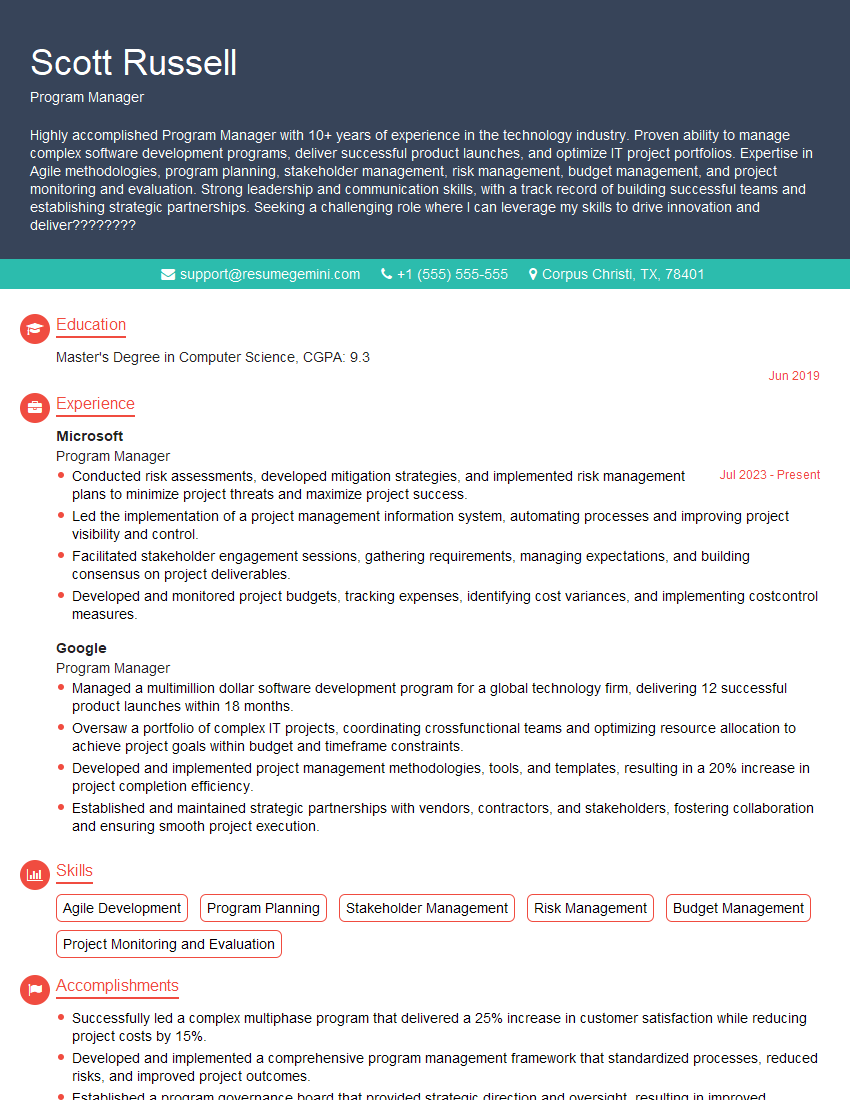
Program Manager Resume Sample
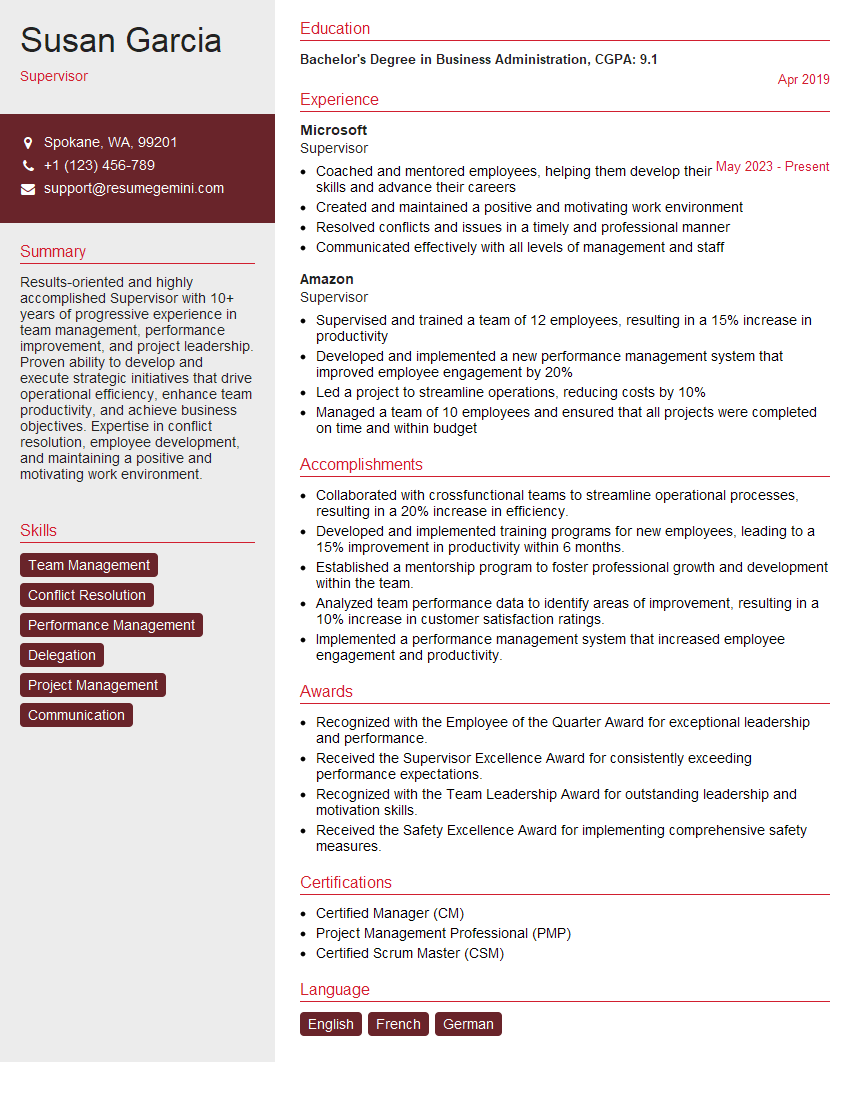
Supervisor Resume Sample
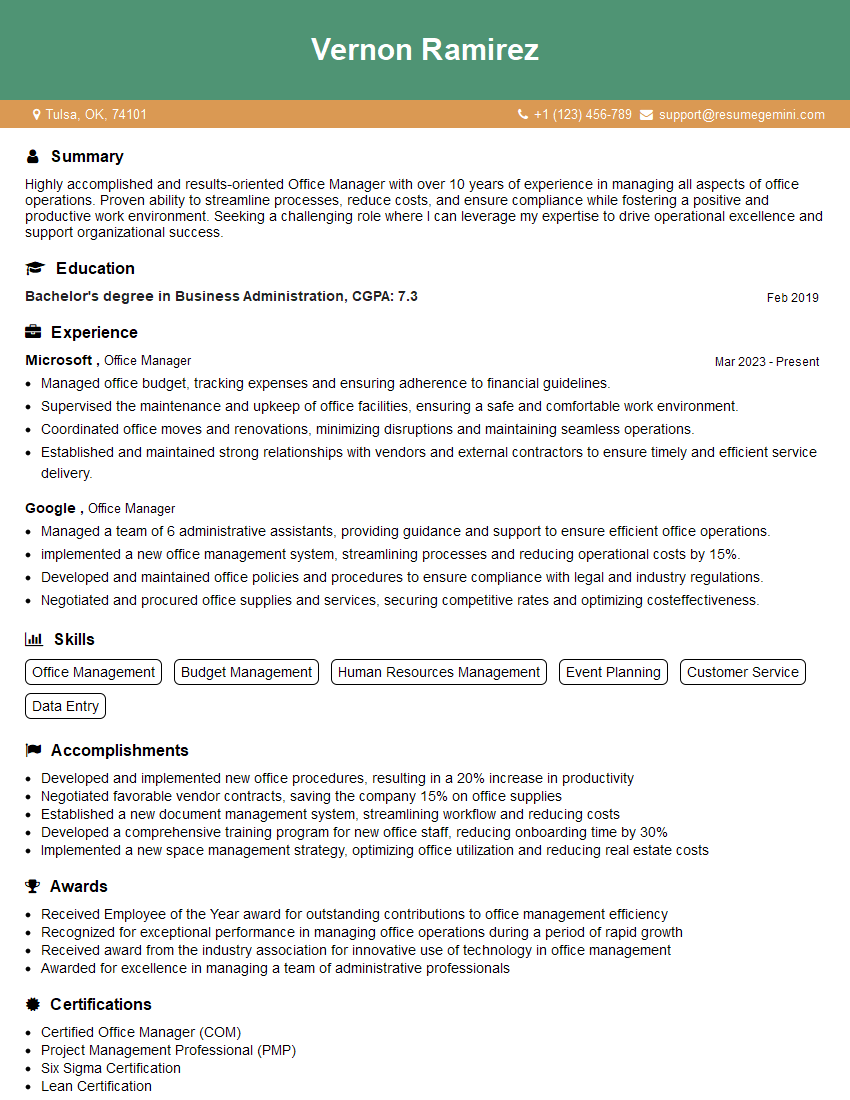
Office Manager Resume Sample
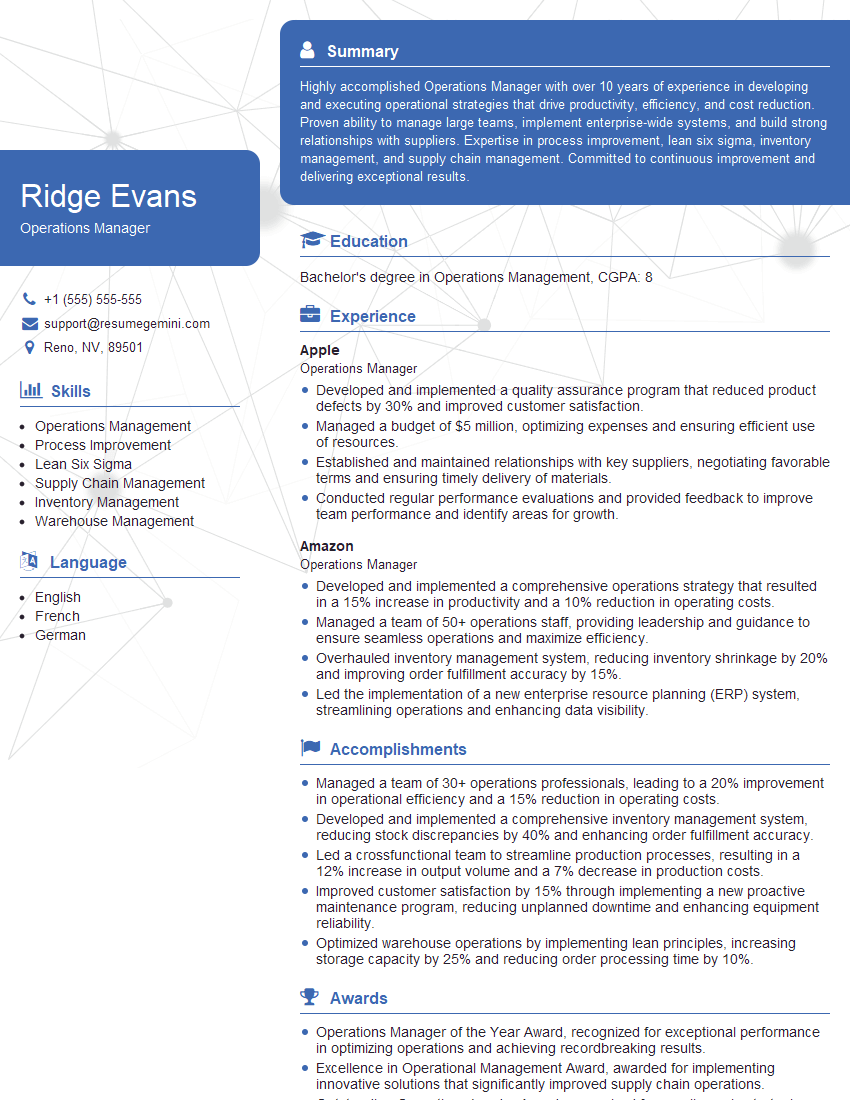
Operations Manager Resume Sample
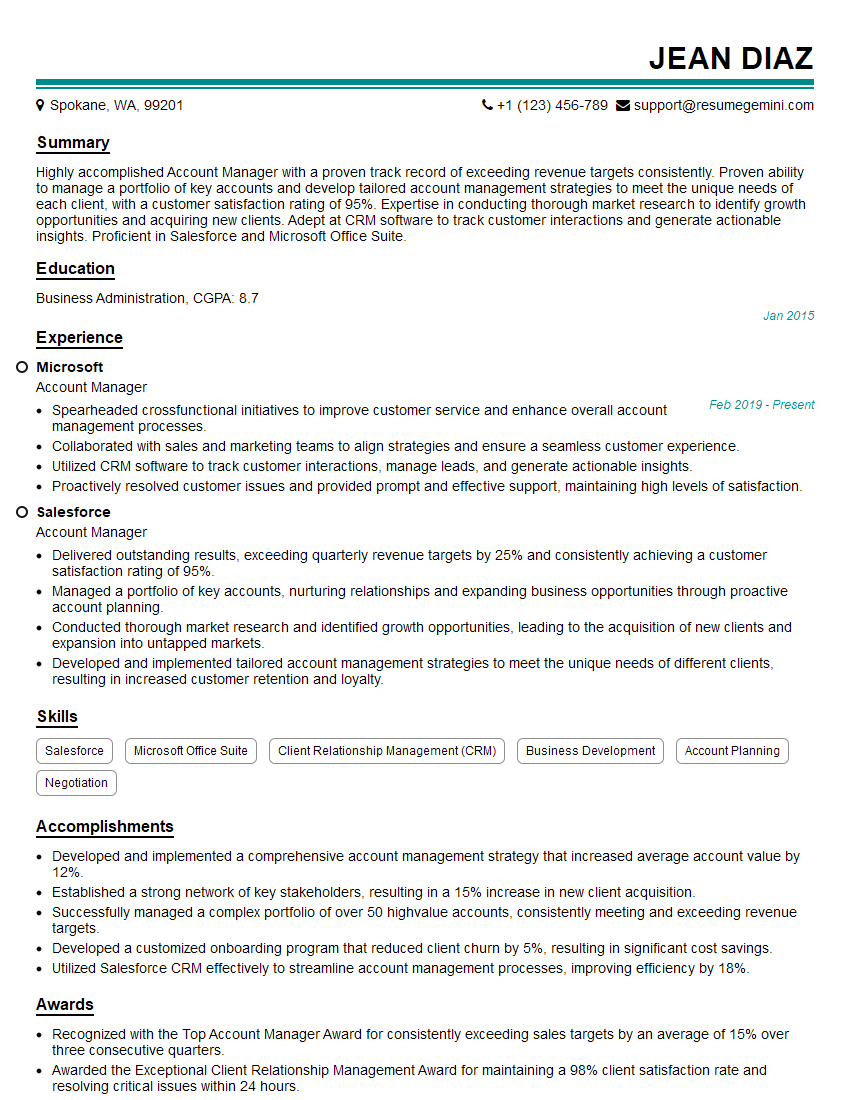
Account Manager Resume Sample
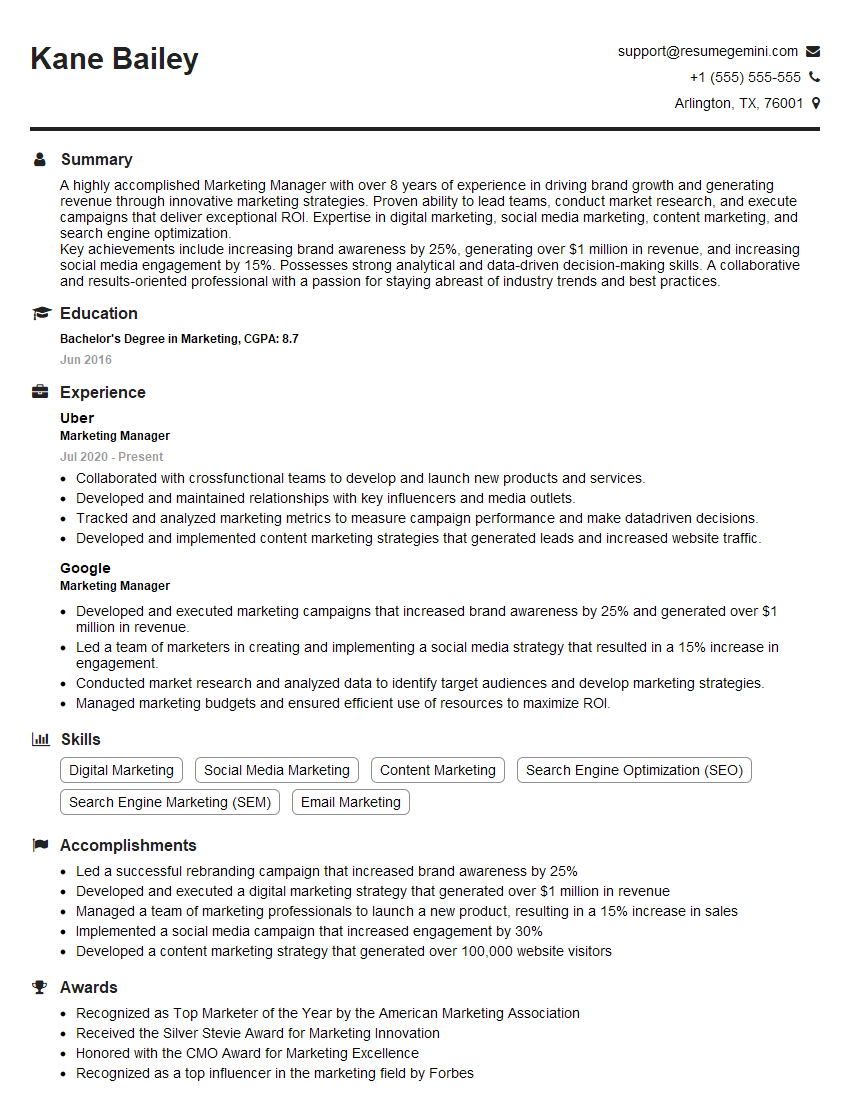
Marketing Manager Resume Sample
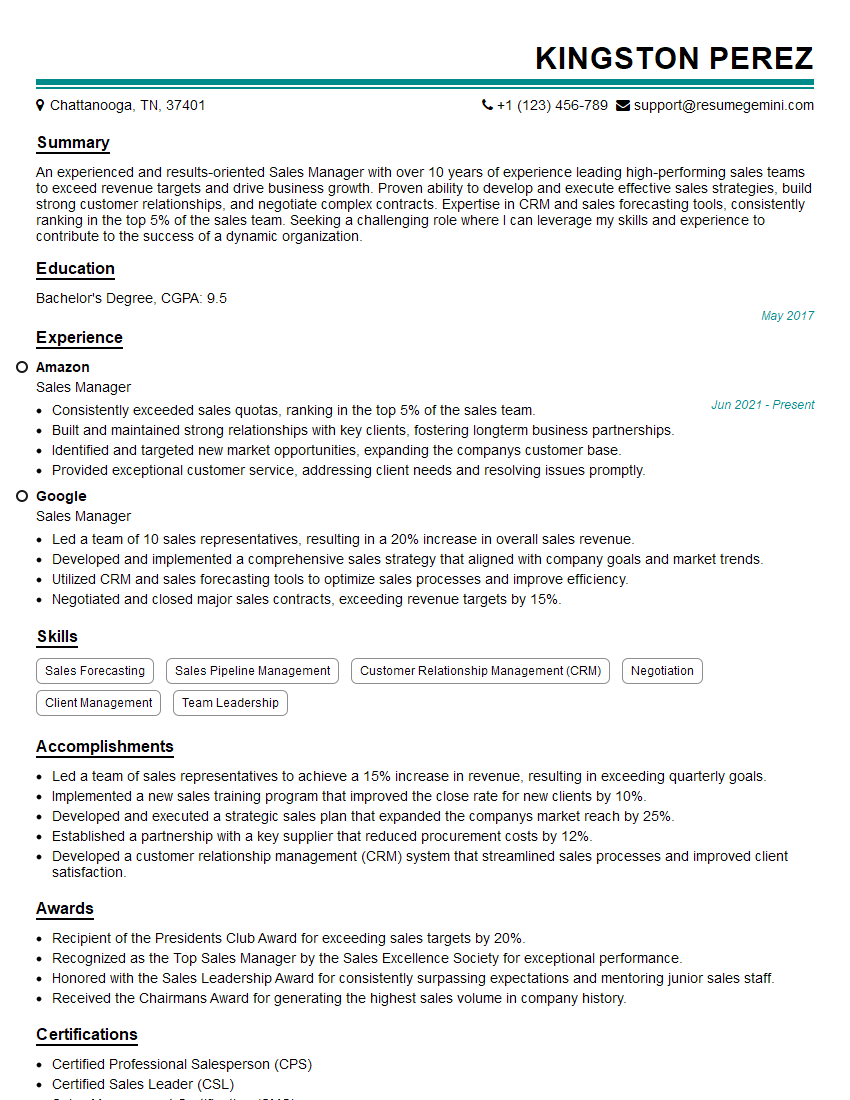
Sales Manager Resume Sample
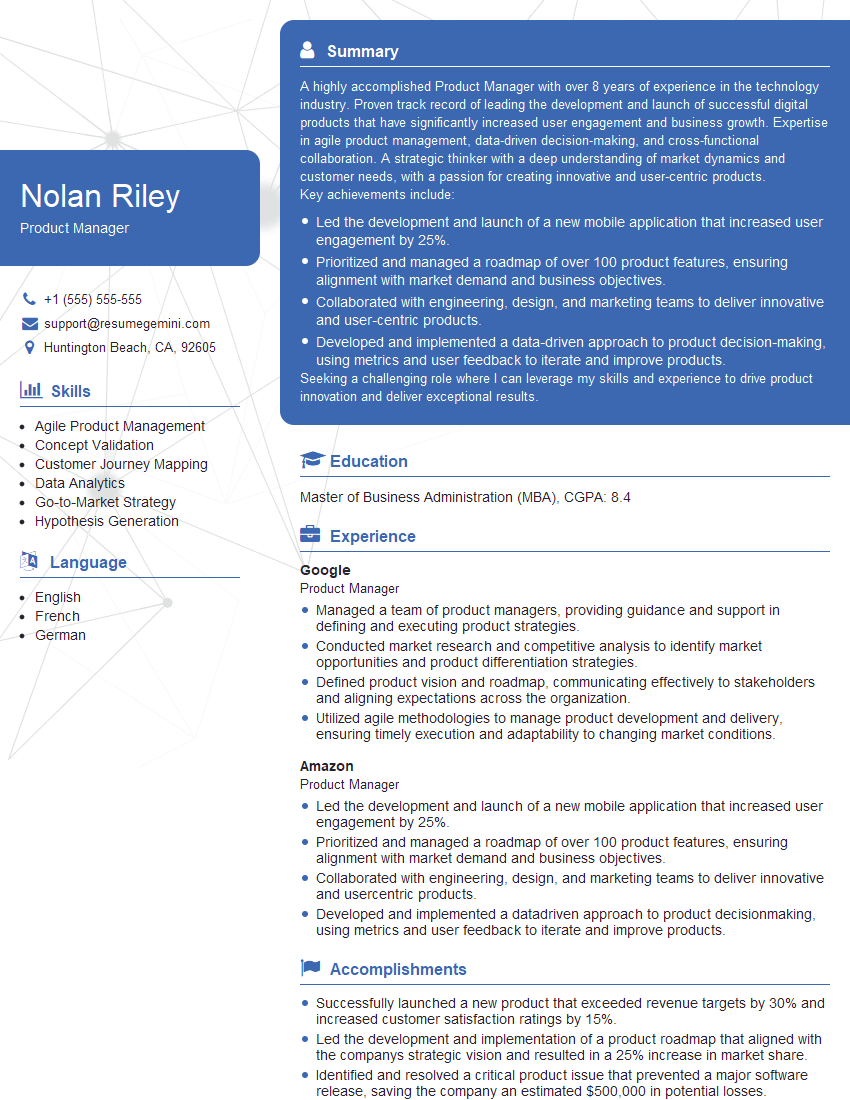
Product Manager Resume Sample

Customer Service Manager Resume Sample
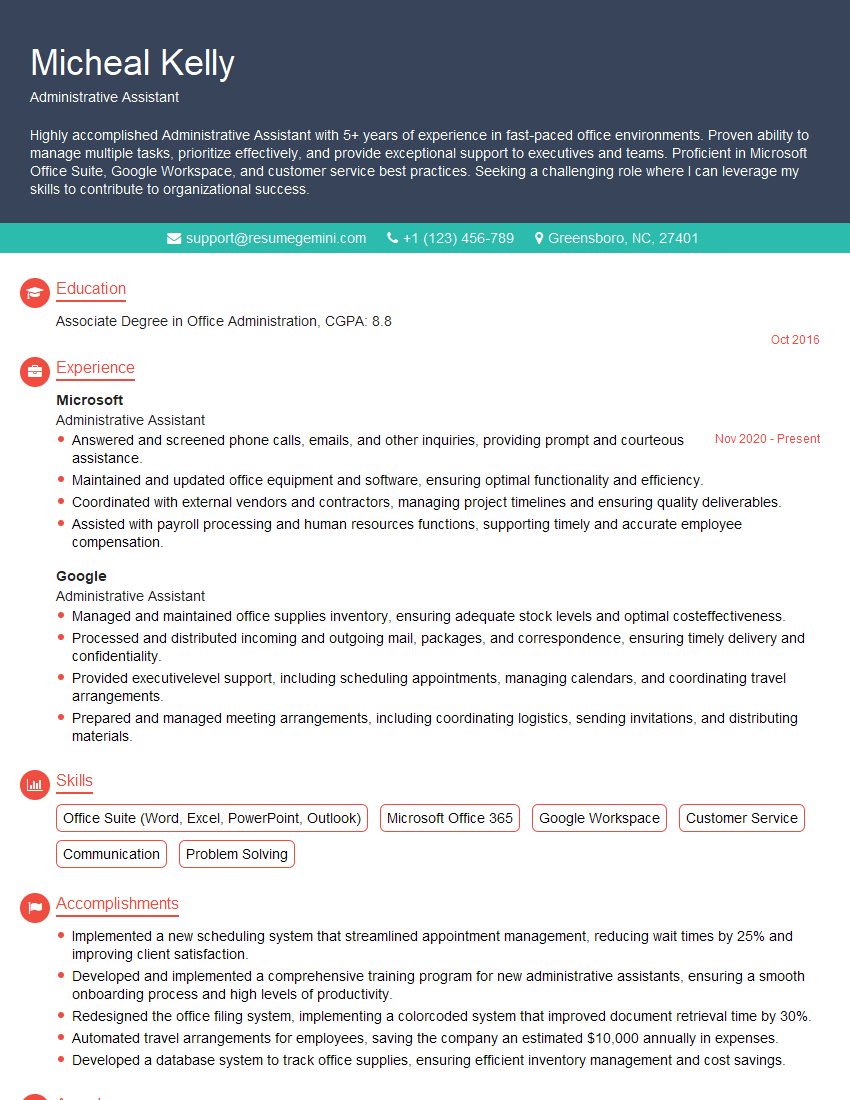
Administrative Assistant Resume Sample
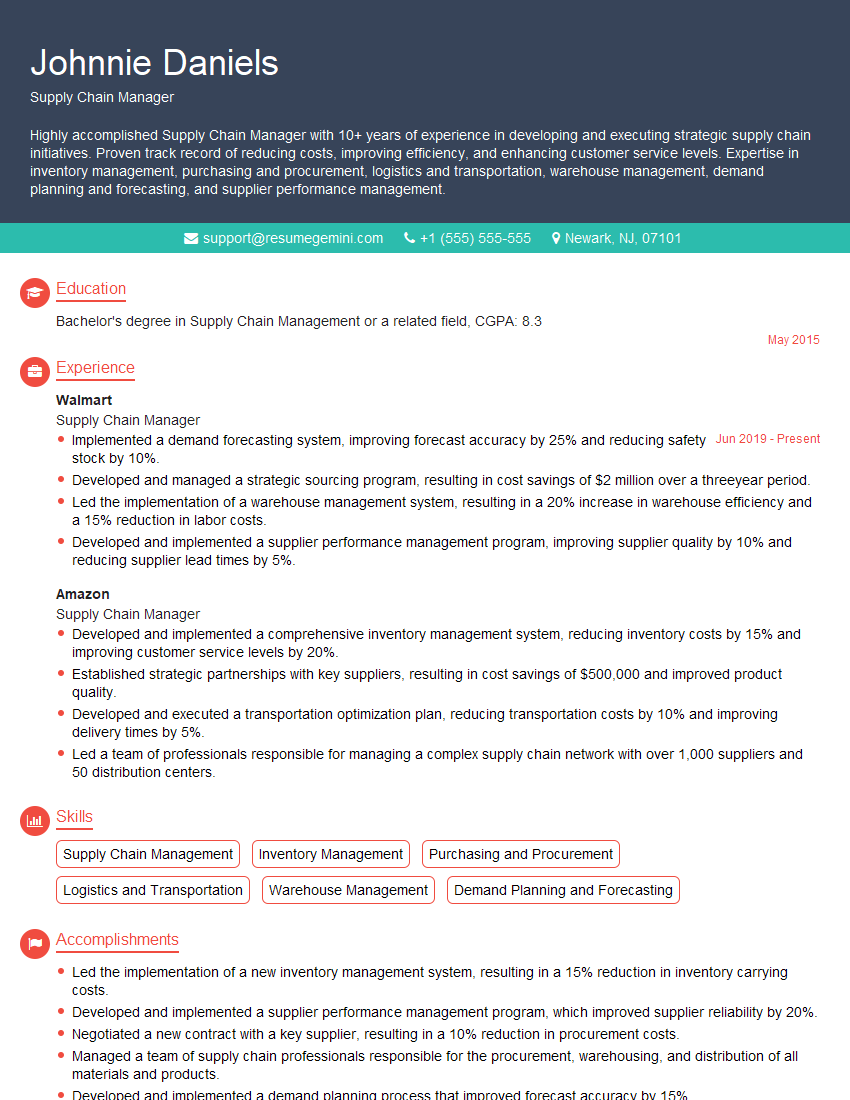
Supply Chain Manager Resume Sample
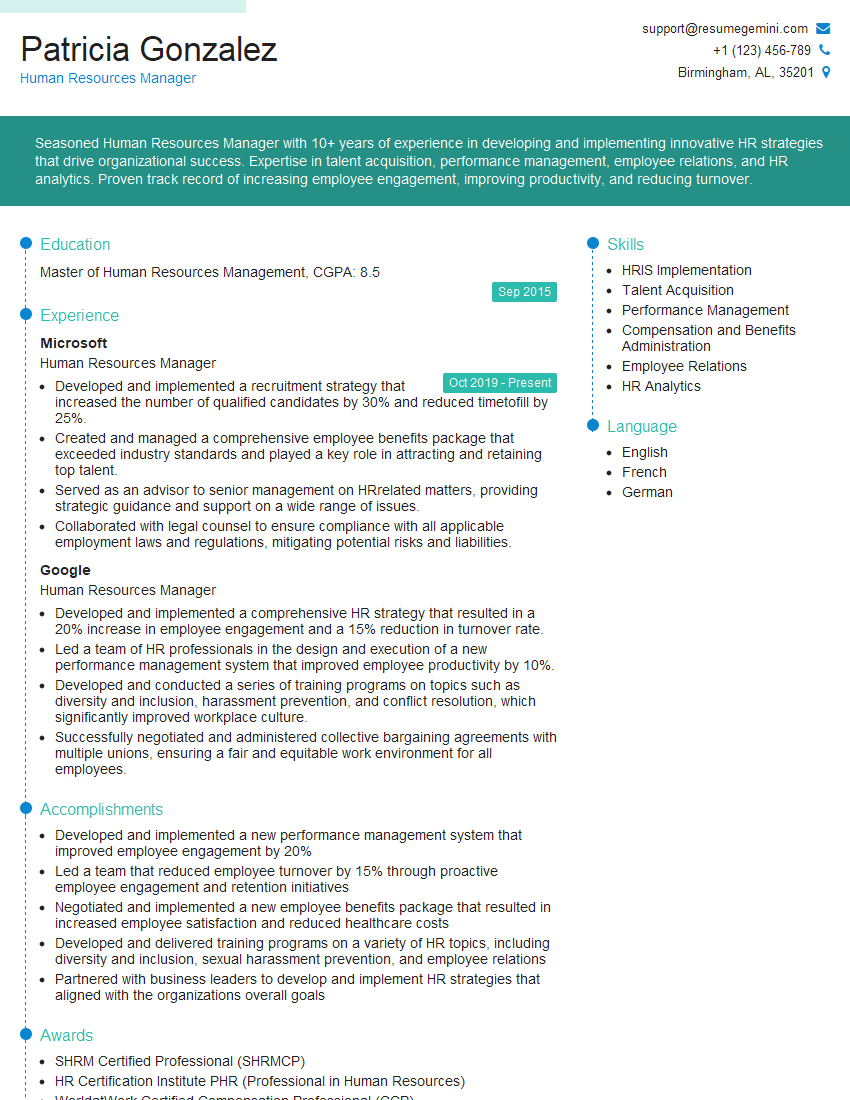
Human Resources Manager Resume Sample
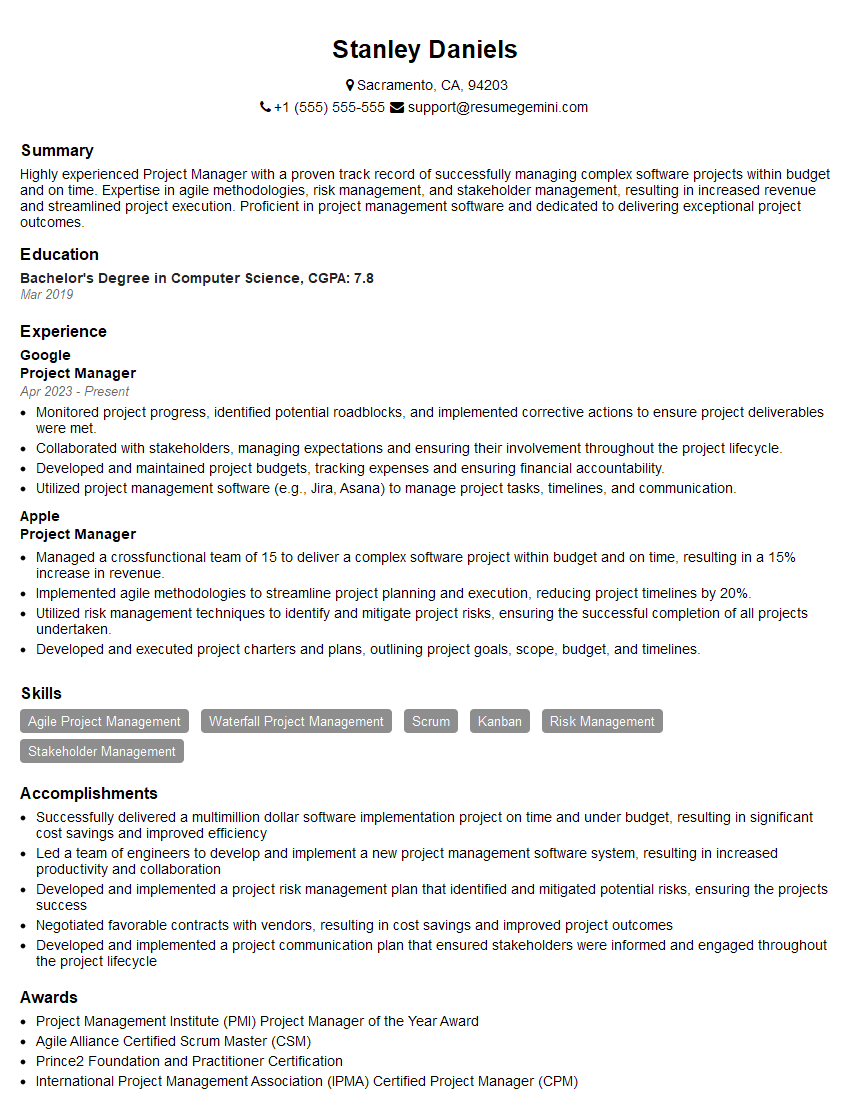
Project Manager Resume Sample
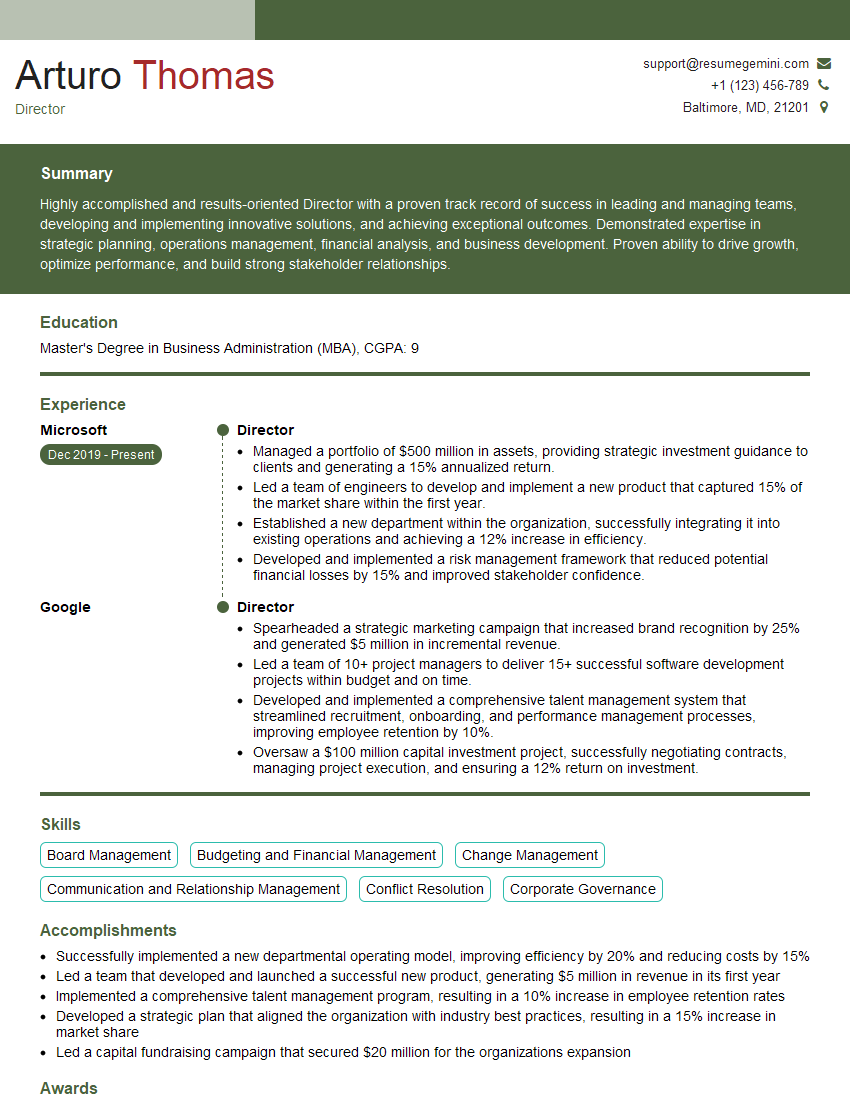
Director Resume Sample
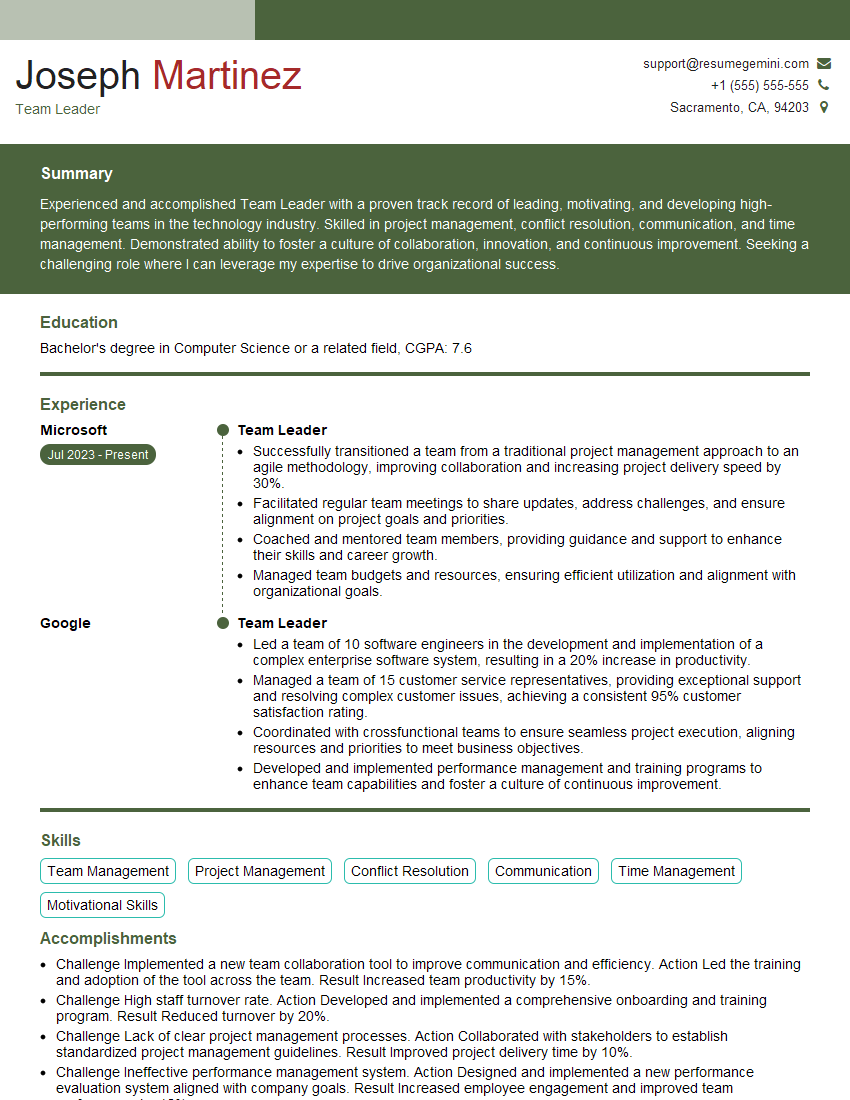
Team Leader Resume Sample
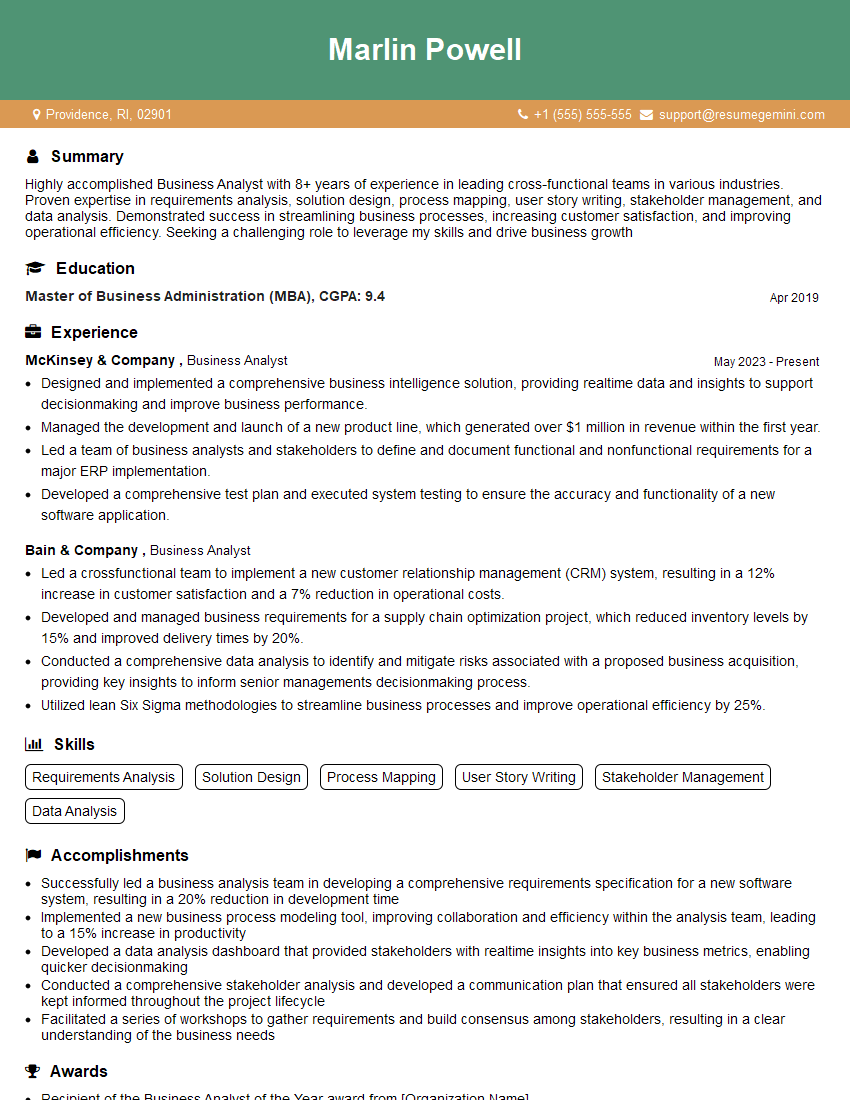
Business Analyst Resume Sample
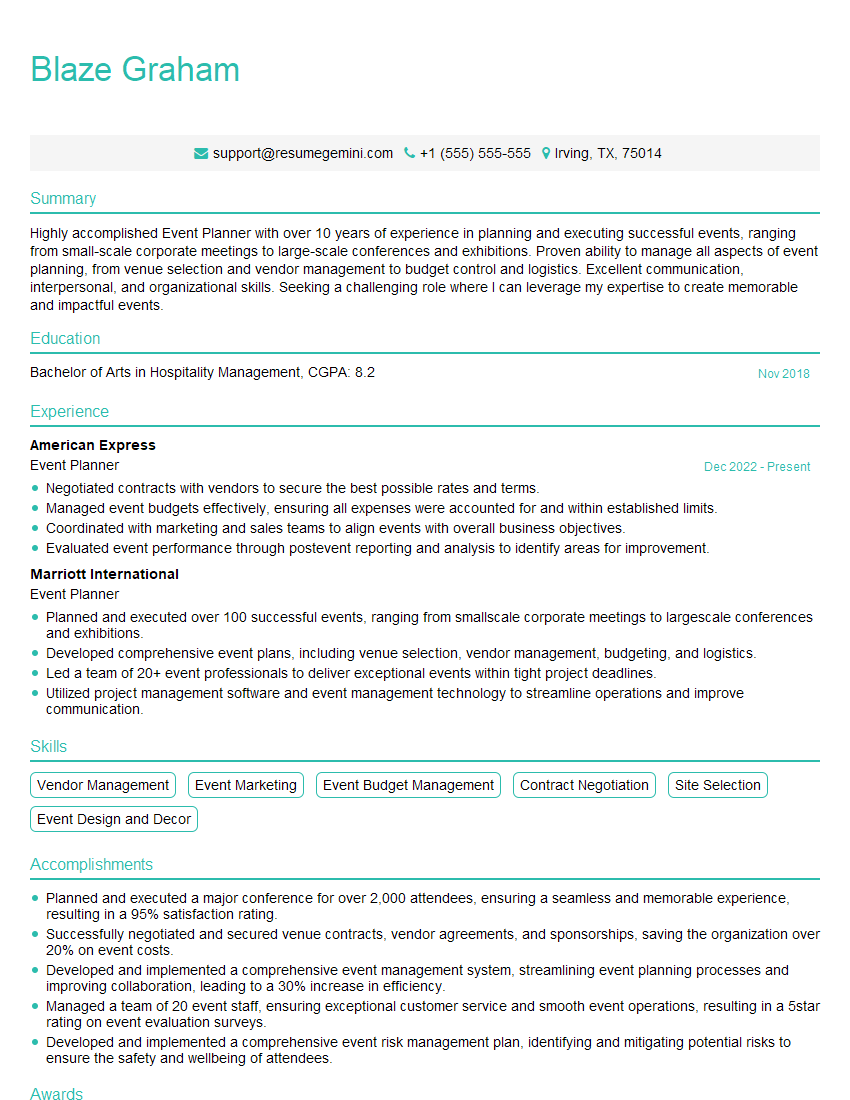
Event Planner Resume Sample

Scheduling Coordinator Resume Sample
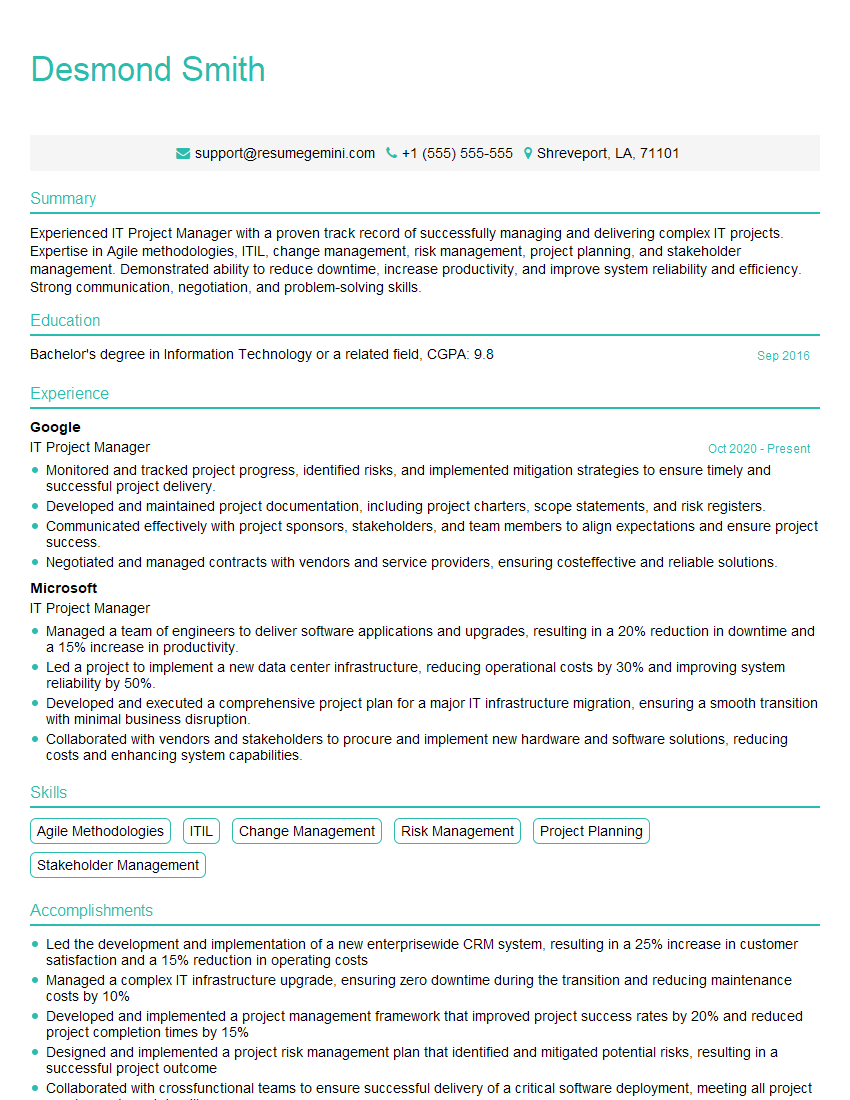
IT Project Manager Resume Sample
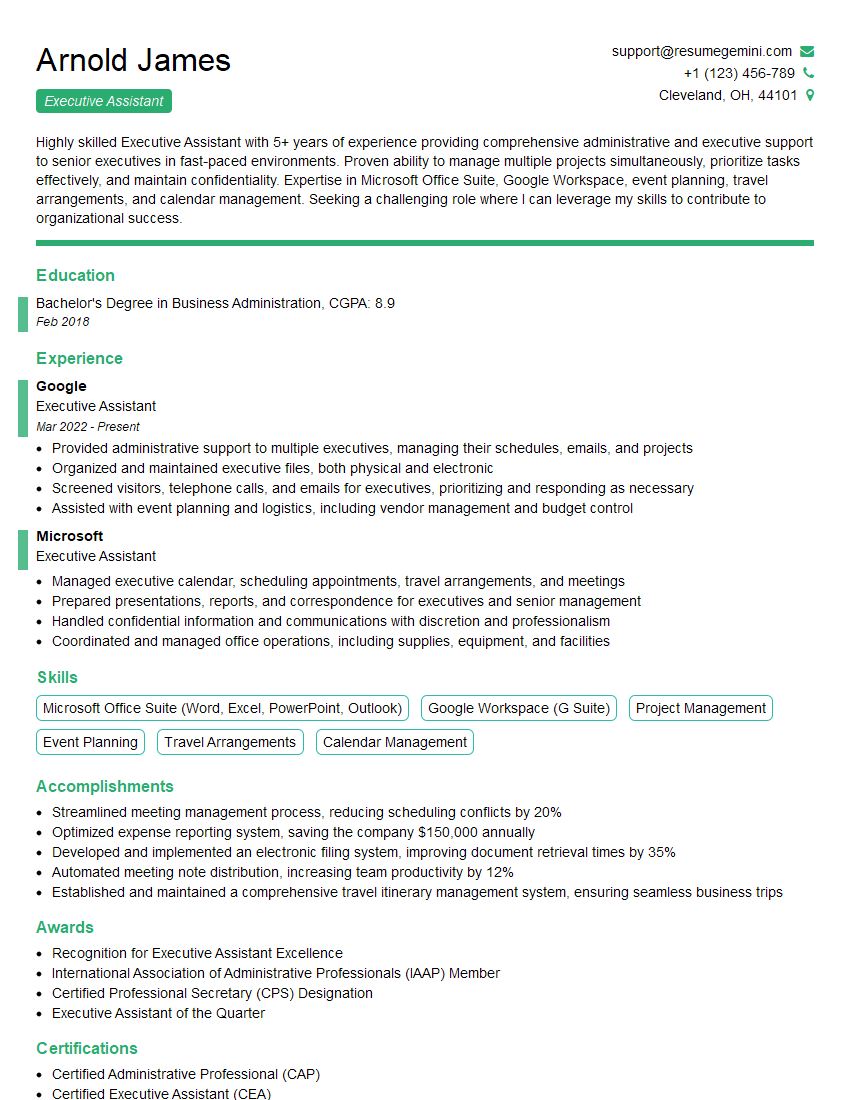
Executive Assistant Resume Sample
- Program Manager
- Supervisor
- Office Manager
- Operations Manager
- Account Manager
- Marketing Manager
- Sales Manager
- Product Manager
- Customer Service Manager
- Administrative Assistant
- Supply Chain Manager
- Human Resources Manager
- Project Manager
- Director
- Team Leader
- Business Analyst
- Event Planner
- Scheduling Coordinator
- IT Project Manager
- Executive Assistant
Explore more articles
Users Rating of Our Blogs
Share Your Experience
We value your feedback! Please rate our content and share your thoughts (optional).
What Readers Say About Our Blog
Really detailed insights and content, thank you for writing this detailed article.
IT gave me an insight and words to use and be able to think of examples