Cracking a skill-specific interview, like one for Topcon AT-G6 Hydrographic Multibeam Sonar, requires understanding the nuances of the role. In this blog, we present the questions you’re most likely to encounter, along with insights into how to answer them effectively. Let’s ensure you’re ready to make a strong impression.
Questions Asked in Topcon AT-G6 Hydrographic Multibeam Sonar Interview
Q 1. Describe the key features and specifications of the Topcon AT-G6 Multibeam Sonar system.
The Topcon AT-G6 is a high-accuracy, shallow-water multibeam sonar system ideal for hydrographic surveys. Key features include its compact design, making it suitable for smaller vessels, and its ability to produce high-resolution bathymetric data. Specifications vary depending on the exact configuration, but generally include:
- Frequency Range: Typically ranging from 200 kHz to 900 kHz, offering flexibility for various water depths and bottom types.
- Swath Width: A wide swath coverage, often exceeding 10 times the water depth, allowing for efficient data acquisition.
- Depth Range: Varies depending on frequency and water conditions, but typically ranging from a few meters to several tens of meters.
- Positioning System Integration: Seamless integration with GPS and inertial navigation systems (INS) for precise georeferencing of the data.
- Data Output: Provides processed data in various formats compatible with common hydrographic processing software.
- User Interface: Intuitive user interface for easy operation and monitoring during data acquisition.
For example, a common configuration might use a 400 kHz transducer for optimal performance in moderate water depths, achieving a wide swath and high-resolution imagery.
Q 2. Explain the principles of multibeam sonar operation and data acquisition.
Multibeam sonar operates by transmitting multiple acoustic beams simultaneously across a swath. Each beam measures the time it takes for the sound pulse to travel to the seabed and return. This travel time, combined with the known sound velocity in water, allows for the calculation of water depth. Because multiple beams are used, a wide swath of the seabed is mapped simultaneously, increasing efficiency compared to single-beam sonar.
Data acquisition involves:
- Sound Pulse Transmission: The sonar transmits multiple acoustic pulses across a fan-shaped swath.
- Echo Reception: The system receives the reflected echoes from the seabed and any other objects in the water column.
- Travel Time Measurement: The time it takes for each echo to return is precisely measured.
- Depth Calculation: Using the travel time and sound velocity, the system calculates the depth of each beam.
- Positioning: The position of the sonar at the time of each pulse is determined using a GPS/INS system, allowing the depth measurements to be geographically referenced.
- Data Recording: All depth measurements, position data, and other relevant parameters are recorded and stored for post-processing.
Think of it like shining a wide flashlight across the seafloor, instead of a single, narrow beam. Each point of light represents a depth measurement.
Q 3. How do you ensure accurate data acquisition with the Topcon AT-G6?
Ensuring accurate data acquisition with the Topcon AT-G6 involves a multi-faceted approach focusing on meticulous setup and operation. Key aspects include:
- Sound Velocity Profile (SVP) Measurement: Accurate sound velocity profiles are crucial. We use a CTD (Conductivity, Temperature, Depth) sensor to measure the water’s physical properties, determining the speed of sound at varying depths. This data is input into the sonar’s processing system for accurate depth calculations. Inaccurate SVP measurements are a major source of error.
- Precise Positioning: A high-quality GPS and INS system is essential for accurate georeferencing. We perform pre-survey checks to ensure proper functionality and base station setup. Post-processing often involves using kinematic GPS techniques to refine the position data.
- Calibration and Maintenance: Regular calibration of the sonar system is vital, including checking the transducer’s alignment and ensuring the system’s internal parameters are correctly set. Proper maintenance of the equipment helps prevent errors.
- Optimal Survey Design: Planning the survey lines to ensure adequate overlap and coverage is essential. We avoid areas with known obstructions or difficult conditions whenever possible.
- Real-time Monitoring: During the survey, we closely monitor the data acquisition process, checking for anomalies or errors in real-time. Any issues are addressed immediately to avoid wasting time and resources.
For example, neglecting to measure the SVP can result in systematic depth errors that affect the entire survey.
Q 4. What are the common sources of error in multibeam sonar surveys and how are they mitigated?
Several factors can contribute to errors in multibeam sonar surveys. These include:
- Sound Velocity Variations: Inaccurate or incomplete SVP measurements are a significant source of error. Temperature and salinity gradients in the water column can affect sound speed, leading to inaccurate depth measurements.
- Positioning Errors: Errors in GPS or INS positioning can directly affect the accuracy of the georeferenced data. This can stem from poor satellite geometry, atmospheric effects, or faulty equipment.
- Multipath Interference: Sound waves bouncing off the surface or other objects before reaching the seabed can create false echoes and inaccurate depth readings. This is especially prevalent in shallow water with a complex bottom structure.
- Roll, Pitch, and Heave: The motion of the survey vessel (roll, pitch, and heave) can affect the accuracy of the sonar data. Sophisticated motion sensors are crucial for mitigating these effects.
- Bottom Type and Geometry: The nature of the seafloor itself can affect the accuracy of the measurements. Soft, unconsolidated sediments may absorb or scatter sound waves differently than hard rock. Steep slopes can lead to shadow zones where the sonar beams don’t reach.
Mitigation strategies include careful SVP measurement, using high-precision positioning systems, employing advanced processing techniques to correct for motion effects, using appropriate sonar frequencies for the bottom type, and meticulous data cleaning and editing in post-processing.
Q 5. Describe the process of post-processing Topcon AT-G6 multibeam data.
Post-processing of Topcon AT-G6 multibeam data is a crucial step to transform the raw data into a usable and accurate representation of the seabed. It typically involves several stages:
- Data Import and Inspection: Importing the raw data files into the processing software and performing an initial visual inspection for any obvious anomalies or issues.
- Motion Compensation: Correcting for the vessel’s motion (roll, pitch, heave) using the motion sensor data. This is essential for accurate depth measurements.
- Sound Velocity Correction: Applying the measured SVP to correct for variations in the speed of sound throughout the water column. This is critical for accurate depth calculations.
- Georeferencing: Precisely locating the depth measurements geographically using GPS and INS data. This integrates position with depth to create a three-dimensional model.
- Data Cleaning and Editing: Removing any remaining errors or artifacts, such as outliers, multipath interference, and faulty data points. This often involves manual editing and quality control checks.
- Grid Generation and Visualization: Creating a regular gridded surface from the processed data, allowing for visualization and analysis. This generates a digital terrain model (DTM) of the seabed.
- Export and Reporting: Exporting the processed data in various formats and generating reports summarizing the survey results.
The entire process ensures that the final data represents a high-quality and accurate representation of the seabed.
Q 6. What software do you use for processing Topcon AT-G6 data? Explain your workflow.
Several software packages are used for processing Topcon AT-G6 data. I commonly use Hypack and QPS Qimera. My workflow typically follows these steps:
- Data Import: I import the raw data files (.all, .sbet, etc.) from the Topcon AT-G6 into the chosen software.
- Pre-processing: I perform checks on the data’s integrity. This often includes examining the navigation data to identify any potential problems in positioning accuracy. Also, I verify that the SVP is adequate for accurate sound velocity correction.
- Processing: This stage involves the core processing steps mentioned in the previous question. I meticulously monitor for anomalies and carefully address issues such as multipathing, vessel motion compensation and quality control. I apply appropriate filters and algorithms to clean and enhance the data.
- Post-processing: This is where I check the results for accuracy and completeness. I often generate various visualizations, including 3D models and cross-sections to scrutinize the data from different perspectives. This is also where I prepare the final data reports.
- Export: The processed data is then exported in the required formats, such as XYZ, GeoTIFF, or other commonly used formats for further analysis and use in other software.
For example, in QPS Qimera, I might use specific algorithms to identify and remove outliers based on statistical criteria before creating a final DTM.
Q 7. How do you handle data cleaning and editing in post-processing?
Data cleaning and editing in post-processing is crucial for ensuring the accuracy and reliability of the final product. This often involves manual and automated processes:
- Outlier Removal: Identifying and removing points that deviate significantly from the surrounding data. This could be due to faulty data points or unusual seabed features that require careful consideration.
- Multipath Removal: Detecting and removing false echoes resulting from sound waves reflecting off the surface or other objects before reaching the seabed. Software algorithms and manual inspection are often used for this.
- Noise Reduction: Filtering out noise or artifacts that might obscure the true seabed features. Low-pass filters and other techniques are applied to smooth the data.
- Interpolation and Gap Filling: Filling in any gaps or areas with missing data due to shadowing or other issues. Interpolation techniques are used to estimate the missing data points based on surrounding information.
- Edge Enhancement: Techniques to enhance the clarity and definition of the seabed features. This could involve various image processing techniques.
Manual editing is often necessary for complex scenarios, involving visual inspection and judgment. The goal is to ensure that the final data is clean, accurate, and reliable, representing the seabed as realistically as possible. A thorough quality control process is essential for data validation.
Q 8. Explain the concept of sound velocity correction in multibeam surveying.
Sound velocity is crucial in multibeam surveying because it directly impacts the accuracy of depth measurements. The sonar system measures the time it takes for sound pulses to travel from the transducer, bounce off the seabed, and return. Knowing the exact speed of sound in water is essential to calculate the distance – and therefore the depth. However, the speed of sound isn’t constant; it varies with water temperature, salinity, and pressure. Sound velocity correction involves precisely measuring these parameters and using them to adjust the calculated depths. Imagine throwing a ball and timing how long it takes to return – if you don’t know exactly how fast the ball is traveling, you can’t accurately determine the distance.
In practice, we use a combination of methods. We might employ a CTD (Conductivity, Temperature, Depth) sensor to continuously measure the water column’s properties. This data is then used to generate a sound velocity profile (SVP), a graph showing the speed of sound at different depths. The SVP is incorporated into the post-processing software, which then applies the necessary corrections to each individual echo, ensuring the final depth values are accurate. Ignoring this correction can lead to significant errors, especially in deep water where the variations in sound speed are more pronounced. For example, a 1% error in sound velocity can lead to a meter or more of error in depth in deeper waters.
Q 9. How do you determine the appropriate survey parameters (e.g., swath width, ping rate) for a given project?
Determining the optimal survey parameters for a Topcon AT-G6 project requires careful consideration of several factors. The primary parameters are swath width and ping rate. Swath width refers to the horizontal area covered by each ping. A wider swath means faster data acquisition, but it might compromise resolution and accuracy if the water conditions are challenging. Ping rate refers to the frequency of sound pulses emitted by the sonar. A higher ping rate increases data density, improving resolution but also increasing data volume and potentially the processing time.
For example, in a shallow-water harbor survey with detailed requirements (e.g., detecting small obstacles), we might opt for a narrower swath and a higher ping rate to ensure accurate depth measurements and high-resolution imagery. Conversely, in a deep-water survey where high resolution might not be paramount, a wider swath and a lower ping rate could be suitable to balance efficiency and data quality. Other factors like depth, vessel speed, water conditions (turbidity, currents), and project requirements (e.g., level of detail) all influence parameter selection. Typically, we consult the project specifications, conduct site assessments (if possible), and run simulations using the AT-G6’s software to determine the ideal balance.
Q 10. How do you ensure the quality control of your data throughout the survey process?
Quality control (QC) in multibeam surveying is crucial. We implement a multi-layered approach starting from data acquisition to final product delivery. During data acquisition, we regularly monitor the AT-G6’s performance, checking for any anomalies like excessive noise or unexpected dropouts in the data stream. Real-time visualization allows us to identify and address problems immediately. After acquisition, we apply rigorous post-processing techniques. This includes thorough checks for navigation errors, applying sound velocity corrections as mentioned previously, and assessing the quality of individual beams.
We use specialized software to generate various QC reports. These reports highlight areas with low data density, potential errors, or areas needing further investigation. We also conduct visual inspections of the processed data, looking for inconsistencies or unusual features. We compare our data against existing charts or data from other sources whenever available. Furthermore, we adhere to international hydrographic standards (IHO S-44) to ensure our data meets the required accuracy and reliability. A systematic QC approach not only ensures accurate data but also builds confidence in the final deliverables.
Q 11. Describe your experience with different types of hydrographic surveys and the use of the AT-G6 in each.
My experience with the Topcon AT-G6 spans various hydrographic surveys. I’ve utilized it in shallow-water harbor surveys, mapping intricate details of underwater infrastructure and seabed topography. The high-resolution capabilities were vital for accurately representing the complex environment. I’ve also employed the AT-G6 in deep-water bathymetric surveys, where its range and data acquisition efficiency were key. In this scenario, we focused on broader-scale mapping, prioritizing the overall bathymetry rather than minute details.
Furthermore, I’ve used the system in pipeline route surveys, where accurate depth and positioning were paramount to determine suitable laying depths and avoid potential hazards. In all these instances, the AT-G6’s adaptability and user-friendly interface proved invaluable. Its ability to integrate with various positioning systems and its robust data processing capabilities significantly improved efficiency and accuracy compared to traditional methods. The versatility of the AT-G6 allows it to be adapted to a wide array of applications, making it a truly versatile tool in the hydrographer’s toolkit.
Q 12. How do you interpret multibeam data to identify various seabed features?
Interpreting multibeam data involves analyzing the point cloud data to identify various seabed features. We use specialized software to visualize the data in different formats, such as 3D models, contour lines, and imagery. The intensity of the backscattered signal provides information about the seabed’s material properties. Strong backscatter often indicates hard surfaces (e.g., rock), while weak backscatter indicates softer sediments (e.g., mud or sand). Changes in backscatter can delineate boundaries between different sediment types or highlight features like debris or wreckage.
The depth data itself reveals bathymetric features like channels, slopes, depressions, and underwater mounds. By combining the depth and backscatter information, we can identify and classify various seabed features with considerable accuracy. For instance, a deep channel with strong backscatter might indicate a bedrock channel, while a shallow depression with weak backscatter could be a sediment-filled gully. Experience and an understanding of local geology are essential to interpret the data accurately. We often use additional data such as side-scan sonar or sub-bottom profiler data to improve interpretation, leading to a much more comprehensive understanding of the seabed.
Q 13. Explain your experience using the AT-G6’s different operational modes.
The Topcon AT-G6 offers various operational modes tailored to different survey requirements. I have extensive experience using several key modes. The standard survey mode is used for routine bathymetric surveys, providing a balance between data acquisition speed and resolution. The high-resolution mode is employed when detailed data is critical, such as in shallow-water areas or when mapping small features. This often comes at the cost of a narrower swath and increased survey time.
The shallow-water mode optimizes the system for surveys in very shallow water, dealing with potential issues related to multipathing (sound reflections from the surface). Additionally, I have used the system’s various data logging and configuration options to tailor it for specific project needs, such as changing ping rates and swath widths as discussed earlier. My experience with these modes ensures I can always select the most appropriate settings to optimize survey efficiency and data quality based on the specific conditions and project objectives.
Q 14. How would you troubleshoot common issues encountered during a Topcon AT-G6 survey?
Troubleshooting the Topcon AT-G6 involves a systematic approach. The first step is identifying the problem. Is there an issue with data acquisition (e.g., missing data, excessive noise), positioning (e.g., inaccurate coordinates), or system malfunctions (e.g., sensor errors)? We check the system logs for error messages, review real-time data visualizations, and inspect the sensors and cabling for any physical issues.
Common issues can include problems with the sound velocity sensor readings, requiring calibration or replacement. Navigation issues might stem from GPS signal loss or problems with the positioning system, requiring investigation of the antenna setup and signal strength. Software glitches can sometimes occur, necessitating software updates or system restarts. If the problem persists, we contact Topcon support, providing detailed information about the problem and the system’s configuration. A methodical approach, combining onboard diagnostics with careful observation and a robust understanding of the system, allows for efficient and effective troubleshooting.
Q 15. What safety procedures do you follow when operating the AT-G6?
Safety is paramount when operating the Topcon AT-G6. Before any operation, a thorough pre-deployment checklist is essential. This includes verifying the functionality of all components – the sonar head, the processing unit, the GPS receiver, and any auxiliary sensors. We must ensure all cabling is secure and free from damage.
On the water, the boat’s safety equipment – life jackets, flares, communication devices – are checked and readily accessible. A dedicated safety observer is crucial, particularly in challenging conditions, to monitor the surroundings and alert the operator to potential hazards like other vessels or sudden changes in weather. We always maintain a safe distance from obstacles and follow all relevant maritime regulations. Post-survey, we carefully stow all equipment to prevent damage and ensure everything is accounted for.
- Example: Before a recent survey in a busy harbor, we conducted a detailed equipment check and had a safety briefing with the crew, emphasizing communication protocols and potential hazards.
Career Expert Tips:
- Ace those interviews! Prepare effectively by reviewing the Top 50 Most Common Interview Questions on ResumeGemini.
- Navigate your job search with confidence! Explore a wide range of Career Tips on ResumeGemini. Learn about common challenges and recommendations to overcome them.
- Craft the perfect resume! Master the Art of Resume Writing with ResumeGemini’s guide. Showcase your unique qualifications and achievements effectively.
- Don’t miss out on holiday savings! Build your dream resume with ResumeGemini’s ATS optimized templates.
Q 16. What are the limitations of the Topcon AT-G6 system?
While the Topcon AT-G6 is a powerful hydrographic system, it has limitations. Its effective range is dependent on water clarity and bottom type. In highly turbid waters, or areas with significant suspended sediment, the penetration depth and signal quality will be reduced, limiting the accuracy and range of the survey. Similarly, very hard, smooth bottoms can reflect the sound waves less effectively, causing weaker returns. The system’s resolution is also finite; very small or closely spaced objects may not be resolved independently. Finally, environmental factors like strong currents, waves, and wind can negatively impact the accuracy of the data acquired.
Another limitation is the need for proper setup and post-processing. Errors in positioning, incorrect system parameters, or inadequate data processing can compromise the results significantly. The system relies heavily on accurate GPS data; any errors in GPS positioning will propagate through the final bathymetry.
Q 17. Describe your experience with integrating the AT-G6 data with other survey data (e.g., GPS, side-scan sonar).
Integrating AT-G6 data with other survey data is a standard part of our workflow. We routinely use the system in conjunction with high-precision GPS systems (like RTK GPS) for accurate georeferencing of the bathymetric data. This ensures the underwater features are accurately positioned in a geographic coordinate system. The process generally involves exporting the AT-G6 data in a suitable format (like XYZ or a proprietary format supported by our processing software) and importing it into a GIS software package. We then incorporate other datasets, such as side-scan sonar imagery, which helps identify features and interpret the bathymetric data more effectively.
For example, we recently combined AT-G6 data with side-scan sonar data to map a wreck site. The side-scan sonar provided images of the wreck’s shape and debris field, while the AT-G6 data provided a detailed three-dimensional representation of its bathymetry. This allowed us to create a comprehensive and highly accurate map of the site. The software we use typically has tools for co-registering these different datasets based on common points or time stamps.
Q 18. How would you deal with unexpected environmental conditions (e.g., strong currents, poor visibility) during a survey?
Unexpected environmental conditions require adaptability and careful planning. Strong currents can affect the positioning of the vessel and introduce errors in the sonar data. To mitigate this, we use techniques such as precise speed and heading control and might deploy additional GPS receivers for better redundancy and positioning accuracy. We often use specialized software to correct for current effects.
Poor visibility significantly impacts the safety of the survey operation. We always prioritize safety; if visibility is dangerously low, we postpone the survey until conditions improve. We use additional safety measures such as radar and visual observers to monitor the surroundings and avoid collisions. We might adjust our survey lines or use different surveying techniques to accommodate for the conditions. The data collected in less-than-ideal conditions may require more extensive post-processing to correct for potential errors.
Q 19. Explain the process of creating a bathymetric map using Topcon AT-G6 data.
Creating a bathymetric map from Topcon AT-G6 data involves several steps. First, the raw data from the sonar is imported into specialized hydrographic processing software. This software corrects for various factors, including sound velocity variations, tide levels, and instrument offsets. This process, called sound velocity correction and georeferencing, is critical for the accuracy of the final map. After corrections, the data is processed to create a gridded representation of the seafloor. This involves interpolating the data points to create a continuous surface.
Next, we often edit the gridded data, removing spurious points or artifacts caused by noise or environmental factors. Finally, the processed data is exported in a suitable format for visualization and further analysis. This might be a standard format like XYZ, or a specialized format for use in a GIS package, and it’s usually accompanied by metadata which is vital for understanding data quality. The final product is a visually rich bathymetric map, often displayed as a color-coded contour map or 3D surface.
Q 20. How do you manage and archive the data collected from the Topcon AT-G6?
Data management and archiving are crucial for ensuring data integrity and accessibility. We use a structured filing system that includes project-specific folders to organize the raw data files, processed data files, and associated metadata. This typically includes information like survey parameters, instrument settings, and processing steps. Metadata is crucial for evaluating the quality of the data. The raw data is generally stored in proprietary Topcon formats, and processed data is often converted to formats like XYZ, LAS, or others compatible with standard GIS software.
We use robust data storage solutions, often employing both local and cloud-based storage for redundancy and disaster recovery. We maintain detailed logs of all data processing steps to ensure traceability and reproducibility of results. These logs are extremely important for quality control, allowing us to track changes and identify potential errors.
Q 21. What are the different file formats used in the Topcon AT-G6 system, and how do they relate to each other?
The Topcon AT-G6 system uses a variety of file formats. The raw sonar data is typically stored in proprietary .t7 or similar formats specific to Topcon’s software suite. These files contain all the unprocessed soundings, position information, and other sensor data. These raw files are then processed into intermediate formats which often store the corrected data and other information such as corrections applied.
For sharing and integration with other systems, the processed data is frequently exported to standard formats like XYZ (simple x, y, z coordinates), LAS (a point cloud format commonly used in LiDAR), or formats compatible with GIS software. These formats allow the data to be used in various applications such as creating bathymetric maps, generating 3D models, or integrating it with other spatial datasets. The relationship is a hierarchical one: raw data is processed into intermediate files, ultimately being exported to more widely used formats for analysis and dissemination.
Q 22. How familiar are you with the Topcon AT-G6 system’s user interface and navigation?
I possess extensive experience with the Topcon AT-G6’s user interface and navigation. The system is intuitive, built around a workflow designed for efficiency. The main display provides clear, real-time visualizations of the survey area, including bathymetry, position, and sensor status. Navigation is largely handled through the integrated GPS and IMU, allowing for precise vessel positioning. I’m comfortable using both the touchscreen interface and the optional external controls for maneuvering and data acquisition. For example, during a recent harbor dredging project, I effectively used the AT-G6’s navigation features to ensure complete coverage of the designated area, maintaining a consistent swath width despite challenging currents.
The software’s intuitive design allows for quick adjustments to survey parameters, like swath width and ping rate, on the fly, based on the environmental conditions. I’m proficient in managing survey lines, setting waypoints, and using the system’s built-in tools for obstacle avoidance.
Q 23. Explain your experience with calibration and maintenance of the Topcon AT-G6 system.
Calibration and maintenance of the AT-G6 are crucial for data accuracy. I’m thoroughly familiar with the pre-survey calibration procedures, including sound velocity profiling (SVP), which involves measuring the speed of sound in water to correct for variations in depth measurements. This is often done using a dedicated SVP probe. I also perform regular checks of the IMU and GPS sensors to ensure their alignment and accuracy.
Post-survey, I meticulously review the data for any anomalies, which might suggest a need for recalibration or further investigation. Maintenance involves cleaning the transducer and ensuring the proper functioning of all the electronic components. For instance, during a river survey, a slight misalignment in the IMU was detected during post-processing. This led me to re-examine the pre-survey calibration data, eventually identifying a minor calibration error that was then corrected. This prevented significant inaccuracies in the final depth model.
Q 24. Describe your experience with different types of seabed materials and their impact on multibeam data acquisition.
Different seabed materials significantly affect multibeam data acquisition. The acoustic properties of the seabed, such as density and reflectivity, influence the signal’s return strength. Hard, rocky bottoms generally produce strong returns, resulting in clearer, more accurate depth measurements. Conversely, softer materials like mud or sand can cause weaker returns, potentially leading to noise and uncertainty. Vegetation or other obstructions can further complicate data acquisition, causing shadowing or scattering effects.
My experience spans diverse environments, from hard-rock coastal areas to soft-sediment estuaries. For instance, during a survey in a kelp forest, the dense vegetation significantly attenuated the acoustic signals, requiring adjustments in the survey parameters to ensure adequate penetration and data quality. Understanding these material-specific challenges and adjusting acquisition parameters accordingly is crucial for obtaining reliable and accurate depth information.
Q 25. How do you ensure the accuracy and reliability of depth measurements obtained using the AT-G6?
Ensuring the accuracy and reliability of depth measurements with the AT-G6 involves a multi-faceted approach. It begins with meticulous pre-survey calibration, as mentioned earlier. During data acquisition, maintaining a consistent vessel speed and avoiding erratic maneuvers is essential. Real-time monitoring of the data helps to identify and address potential issues immediately.
Post-processing is critical. This involves cleaning the raw data to remove noise and outliers, correcting for sound velocity variations, and applying appropriate georeferencing. I utilize advanced processing software to perform these tasks and ensure the final depth model is accurate and reliable, often using quality control checks against independent data sources like single-beam echosounders when available. For example, in a recent project, post-processing revealed a minor systematic error in the depth data due to a slightly incorrect sound velocity profile. This was rectified by re-processing the data with a corrected SVP, resulting in substantially improved accuracy.
Q 26. How do you create and interpret cross-sections and profiles from the AT-G6 data?
Creating and interpreting cross-sections and profiles from AT-G6 data is a routine task for me. The AT-G6’s software provides tools for generating these visualizations directly. I typically create cross-sections along lines of interest (e.g., navigation channels, pipeline routes) to examine the bathymetry in detail. These profiles reveal subtle changes in seabed morphology. Furthermore, I can create multiple cross-sections to build a comprehensive 3D representation of the seabed.
Interpretation involves analyzing the shape and characteristics of the profiles to identify features such as scour, deposition, and underwater obstructions. By comparing profiles taken at different times, I can monitor changes in seabed morphology and assess the impact of environmental factors or human activities. For instance, in a coastal erosion study, comparing cross-sections from different survey dates allowed for a quantitative assessment of the erosion rate along the shoreline.
Q 27. What is your experience with using the Topcon AT-G6 in shallow water environments?
Shallow water presents unique challenges for multibeam sonar surveys. The shorter water column can lead to increased noise and interference from surface reflections, bottom reverberation, and water column effects. However, the AT-G6, with its high-frequency transducer options, is well-suited for shallow-water applications.
My experience includes various shallow water surveys, where I adjusted the system’s settings, such as pulse length and ping rate, to optimize performance and mitigate the effects of noise and multipath. Careful attention to navigation and the avoidance of areas with strong reflections are critical in shallow water. A project in a very shallow, rocky intertidal zone required careful planning and real-time monitoring to avoid damaging the transducer. The combination of using the appropriate settings, thoughtful planning and real-time monitoring led to a successful survey delivering high quality data despite the challenging conditions.
Q 28. Describe your understanding of the different processing algorithms available in the Topcon AT-G6 software.
The Topcon AT-G6 software employs a range of processing algorithms to enhance the accuracy and reliability of the multibeam data. These include algorithms for noise reduction, motion compensation, sound velocity correction, and georeferencing. The system also provides tools for cleaning and editing the data, such as removing spurious points and filling gaps. I have hands-on experience with these algorithms and understand their strengths and limitations. For instance, I often use different filtering algorithms to reduce noise in the data, and choose the most appropriate filter based on the specific characteristics of the survey area and the nature of the noise.
Furthermore, I understand the importance of selecting the appropriate algorithms based on the specific characteristics of the survey area and the data quality. The software’s flexibility allows for a tailored approach to processing, maximizing the accuracy and usefulness of the final results. Understanding these processing steps is crucial for delivering quality results.
Key Topics to Learn for Topcon AT-G6 Hydrographic Multibeam Sonar Interview
- System Overview: Understand the AT-G6’s components, functionality, and overall workflow. This includes the transducer, processing unit, and software interfaces.
- Data Acquisition: Familiarize yourself with the processes involved in planning a survey, deploying the system, and acquiring high-quality multibeam data. Consider different survey methodologies and their applications.
- Data Processing and Post-Processing: Learn about the steps involved in cleaning, processing, and interpreting the acquired multibeam data. This includes noise reduction, georeferencing, and generating various outputs like bathymetric maps.
- Sound Propagation and Beamforming: Grasp the fundamental principles of sound propagation in water and how the AT-G6 utilizes beamforming techniques to create accurate depth measurements. Understand the impact of factors like water temperature and salinity.
- Accuracy and Error Analysis: Be prepared to discuss sources of error in multibeam sonar data acquisition and processing. Understand how to identify and mitigate these errors to ensure data quality.
- Software and User Interface: Become proficient with the Topcon AT-G6’s software interface. Practice navigating the menus, accessing data, and understanding the various settings and parameters.
- Practical Applications: Be ready to discuss real-world applications of the AT-G6, such as hydrographic surveying, dredging support, pipeline inspections, and underwater obstacle detection. Think about specific scenarios and how the technology is used to solve real-world problems.
- Troubleshooting and Maintenance: Familiarize yourself with common issues and troubleshooting procedures associated with the AT-G6. Basic understanding of maintenance practices will be beneficial.
Next Steps
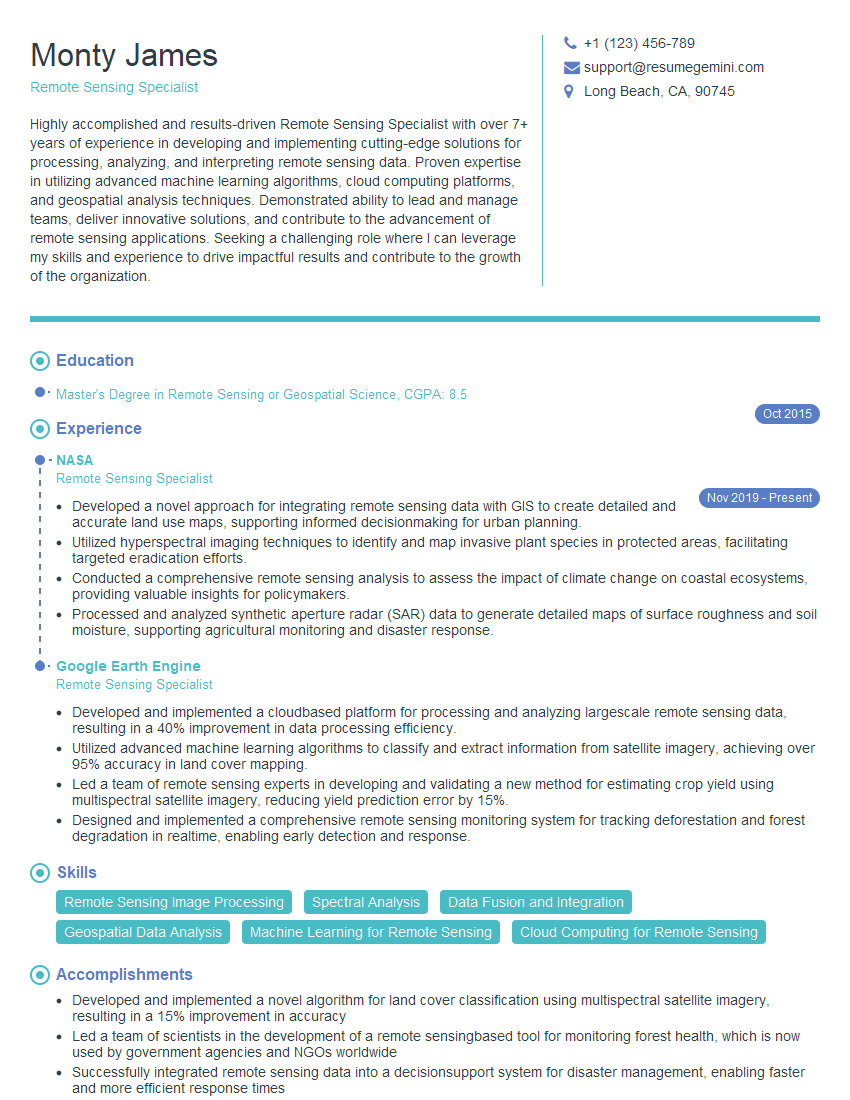
Mastering the Topcon AT-G6 Hydrographic Multibeam Sonar significantly enhances your career prospects in hydrographic surveying and related fields. It demonstrates a high level of technical expertise and opens doors to challenging and rewarding roles. To maximize your chances of securing your dream job, create a compelling and ATS-friendly resume that effectively showcases your skills and experience. ResumeGemini is a trusted resource for building professional resumes that stand out. They offer examples of resumes tailored to highlight Topcon AT-G6 Hydrographic Multibeam Sonar expertise, providing you with a strong foundation to build upon. Invest time in crafting a powerful resume – it’s your first impression to potential employers.
Explore more articles
Users Rating of Our Blogs
Share Your Experience
We value your feedback! Please rate our content and share your thoughts (optional).
What Readers Say About Our Blog
Really detailed insights and content, thank you for writing this detailed article.
IT gave me an insight and words to use and be able to think of examples