Preparation is the key to success in any interview. In this post, we’ll explore crucial Tourism and Hospitality interview questions and equip you with strategies to craft impactful answers. Whether you’re a beginner or a pro, these tips will elevate your preparation.
Questions Asked in Tourism and Hospitality Interview
Q 1. Describe your experience managing guest expectations.
Managing guest expectations is crucial for exceeding guest satisfaction and ensuring positive reviews. It’s about setting realistic expectations from the start, while also delivering exceptional service that may even surpass those initial expectations. This involves clear and transparent communication throughout the guest journey, from initial booking to departure.
For instance, if a hotel is undergoing renovations, I would proactively inform guests about this in pre-arrival communications, highlighting the areas affected and any potential inconveniences. I’d also offer alternative amenities or compromises to offset any disruptions, such as complimentary breakfast or a discounted rate. This ensures guests aren’t caught off guard and feel valued despite the circumstances. Similarly, accurate descriptions of rooms, amenities, and location on the hotel website and booking platforms are essential. Avoid using overly enthusiastic language that could misrepresent the reality.
In my previous role, we implemented a detailed guest communication strategy using email automation and SMS messages to provide regular updates, answer queries promptly, and manage any changes or issues proactively. This proactive approach significantly reduced negative feedback related to unmet expectations.
Q 2. How would you handle a customer complaint?
Handling customer complaints effectively is about turning a negative experience into a positive one, demonstrating your commitment to guest satisfaction and building loyalty. My approach follows a structured process: Listen, Empathize, Apologize, Act, Follow Up.
- Listen: Allow the guest to fully express their concerns without interruption. Actively listen and take notes to understand the situation completely.
- Empathize: Show genuine understanding and acknowledge their feelings. Phrases like, “I understand your frustration,” or “I’m truly sorry you experienced this” go a long way.
- Apologize: Offer a sincere apology, even if the issue wasn’t directly your fault. Focus on the guest’s experience and their feelings.
- Act: Offer a practical solution. This could range from a refund, discount, upgrade, complimentary service, or simply fixing the problem.
- Follow Up: Contact the guest after the issue has been resolved to ensure their satisfaction and to thank them for bringing the matter to your attention. This demonstrates care and accountability.
For example, if a guest complains about a dirty room, I would immediately apologize, arrange for housekeeping to clean the room thoroughly, and potentially offer a complimentary drink or appetizer as a gesture of goodwill. A follow-up call later would reinforce our commitment to their comfort.
Q 3. Explain your understanding of revenue management in the hospitality industry.
Revenue management in the hospitality industry is the art and science of optimizing pricing and inventory to maximize revenue and profitability. It involves analyzing demand patterns, forecasting future bookings, and adjusting pricing strategies accordingly. The goal is to sell the right rooms to the right guests at the right price at the right time.
Key components include:
- Demand Forecasting: Predicting future occupancy based on historical data, market trends, and external factors (e.g., events, seasonality).
- Pricing Strategies: Implementing dynamic pricing models that adjust prices based on demand. This could involve raising prices during peak season and lowering them during off-season.
- Inventory Control: Managing the availability of rooms to optimize revenue. This involves strategically allocating rooms to different customer segments and pricing tiers.
- Channel Management: Monitoring and managing room availability and pricing across different distribution channels (e.g., hotel website, OTAs).
Effective revenue management requires sophisticated software and analytical skills to analyze data, make informed decisions, and adjust strategies in real-time. It’s a continuous process of monitoring, adjusting, and optimizing.
Q 4. What strategies would you employ to improve customer satisfaction?
Improving customer satisfaction requires a multi-faceted approach focusing on exceeding expectations at every touchpoint of the guest journey. My strategies would encompass:
- Proactive Communication: Regular communication before, during, and after the stay to manage expectations and address any issues promptly.
- Personalized Service: Learning about guest preferences and tailoring the experience to their individual needs. This could involve remembering dietary restrictions, preferred room types, or past requests.
- Employee Training: Investing in employee training to ensure staff are equipped to handle guest requests and complaints effectively and provide excellent customer service.
- Feedback Mechanisms: Implementing robust feedback mechanisms (e.g., surveys, comment cards) to gather valuable insights and identify areas for improvement.
- Quality Control: Regularly auditing services and facilities to maintain high standards of cleanliness, maintenance, and functionality.
- Loyalty Programs: Rewarding loyal guests with exclusive benefits and discounts to foster repeat business.
For example, proactively sending a welcome email with personalized recommendations for local attractions based on guest profiles significantly increases positive experiences.
Q 5. How familiar are you with different hotel reservation systems?
I am familiar with a wide range of hotel reservation systems, both Property Management Systems (PMS) and Central Reservation Systems (CRS). My experience includes using systems such as Opera, Sabre, Amadeus, and cloud-based solutions like Guesty and Cloudbeds.
My proficiency extends beyond basic booking management to encompass features such as revenue management tools, reporting and analytics, guest communication modules, and integration with other hotel systems. I understand the importance of choosing the right system based on a hotel’s size, type, and specific needs. I can effectively utilize these systems to streamline operations, enhance efficiency, and improve customer service.
Q 6. Describe your experience with yield management.
Yield management is a crucial aspect of revenue management that focuses on maximizing revenue by strategically managing the allocation of available inventory. It involves analyzing demand patterns and price elasticity to optimize pricing and inventory control. Unlike revenue management, which encompasses a broader range of strategies, yield management is more specifically about adjusting pricing and availability based on predicted demand.
My experience with yield management involves using various forecasting models and analytical tools to predict demand fluctuations, setting optimal price points, and managing overbooking strategies to minimize lost revenue and maximize occupancy. I understand the impact of factors like seasonality, day-of-week demand, and competitor pricing on yield management strategies.
For instance, I’ve successfully implemented yield management techniques that increased occupancy rates during traditionally slow periods by offering attractive packages and promotions while carefully controlling inventory to prevent discounting during peak demand periods.
Q 7. How would you handle a crisis situation involving guests?
Handling a crisis situation involving guests requires a calm, decisive, and empathetic approach. My response would be guided by a structured crisis management plan that prioritizes guest safety and well-being while minimizing disruption and reputational damage.
My steps would include:
- Assess the Situation: Quickly assess the nature and extent of the crisis to understand the immediate risks and potential impact.
- Ensure Guest Safety: Prioritize the safety and security of all guests involved, providing assistance and support as needed.
- Communicate Effectively: Maintain open and transparent communication with guests, keeping them informed about the situation and the steps being taken to address it.
- Collaborate with Teams: Work closely with relevant hotel teams (e.g., security, management, housekeeping) to coordinate a comprehensive response.
- Document Everything: Meticulously document all events, actions taken, and communications to facilitate investigations and ensure accountability.
- Follow Up: After the crisis, follow up with affected guests to offer support and express sincere apologies for any inconvenience caused.
For example, in a case of a fire, my immediate priorities would be guest evacuation, contacting emergency services, and ensuring guest safety and comfort in a temporary relocation. Post-incident, I would personally contact each affected guest to check on their well-being and offer assistance and compensation.
Q 8. What is your experience with budgeting and financial reporting?
Budgeting and financial reporting are crucial for the success of any hospitality business. My experience encompasses all aspects, from developing annual budgets and forecasting revenue to monitoring expenses and producing detailed financial reports. I’m proficient in using various accounting software, including (mention specific software e.g., Xero, QuickBooks) to track income, costs, and profitability. For example, at my previous role at [Previous Company Name], I successfully implemented a new budgeting system that improved accuracy by 15% and reduced discrepancies by 10%. This involved a detailed breakdown of operational costs, marketing campaigns, and staffing expenditures, enabling us to make data-driven decisions to improve profitability. I’m also experienced in preparing financial statements, including profit and loss statements, balance sheets, and cash flow statements, and presenting these findings to stakeholders.
Furthermore, I understand the importance of variance analysis – comparing budgeted figures to actual results to identify areas for improvement and cost control. This involves not only identifying overspending but also understanding the why behind it. For instance, if marketing costs exceeded the budget, I’d analyze the return on investment (ROI) of each campaign to optimize future spending. Ultimately, my goal is to ensure financial health and stability for the organization.
Q 9. What marketing strategies have you used to attract guests?
Attracting guests requires a multi-faceted marketing strategy. I’ve successfully implemented campaigns utilizing various channels, focusing on both digital and traditional marketing methods. My approach always begins with identifying the target audience. For instance, targeting families would involve different strategies compared to attracting business travelers.
- Digital Marketing: This includes search engine optimization (SEO) to improve website ranking in search results, pay-per-click (PPC) advertising on platforms like Google Ads, social media marketing (organic and paid) on platforms like Instagram, Facebook, and even TikTok (depending on the target audience), and email marketing to nurture leads and promote special offers. A successful campaign I launched involved targeting specific demographics on Instagram using highly visual content and targeted ads, resulting in a 20% increase in bookings within three months.
- Traditional Marketing: This can encompass print advertising in relevant publications, collaborations with travel agencies and tour operators, public relations to secure media coverage, and participation in tourism fairs and events. We also successfully implemented a loyalty program to reward repeat customers.
- Review Management: Actively monitoring and responding to online reviews on platforms like TripAdvisor and Google Reviews is crucial for building trust and credibility. Addressing negative reviews promptly and professionally can greatly mitigate damage.
Data analytics plays a critical role in evaluating the effectiveness of each marketing channel, enabling continuous optimization and refinement of our strategies. I regularly track key performance indicators (KPIs) like website traffic, conversion rates, and customer acquisition cost to ensure maximum return on investment.
Q 10. How do you ensure staff compliance with health and safety regulations?
Ensuring staff compliance with health and safety regulations is paramount. My approach is multifaceted and proactive, not just reactive.
- Comprehensive Training: All staff receive thorough training on relevant health and safety regulations, including food safety, fire safety, and emergency procedures. This training is documented, and staff are required to demonstrate their understanding.
- Regular Inspections and Audits: Regular inspections of the premises and equipment are carried out to identify potential hazards. These inspections are documented, and any issues are addressed promptly. We also conduct regular safety audits to ensure compliance with all regulations.
- Clear Communication and Procedures: We have clearly defined safety procedures and protocols, readily accessible to all staff. Regular communication ensures everyone understands their responsibilities and how to report any incidents or concerns.
- Emergency Response Plan: A comprehensive emergency response plan is in place and regularly reviewed and practiced through drills. Staff are trained to respond effectively in various emergency situations.
- Documentation and Record-Keeping: Meticulous record-keeping is essential, including training records, inspection reports, and incident reports. This documentation is crucial for demonstrating compliance and identifying areas for improvement.
By combining thorough training, regular monitoring, clear communication, and robust documentation, we ensure a safe and healthy working environment for both staff and guests. Failure to comply with regulations can have serious consequences, including fines, legal action, and damage to reputation. Therefore, a proactive approach is not just best practice but essential for the sustainability of the business.
Q 11. Explain your understanding of sustainable tourism practices.
Sustainable tourism is about minimizing the negative impacts of tourism and maximizing its positive contributions to the environment, economy, and socio-cultural fabric of a destination. It’s not just a trend; it’s a necessity for the long-term viability of the industry. My understanding encompasses several key areas:
- Environmental Sustainability: This includes reducing carbon emissions through energy efficiency, responsible waste management, water conservation, and minimizing pollution. For example, supporting local suppliers who use sustainable practices or choosing eco-friendly cleaning products.
- Economic Sustainability: This focuses on ensuring that the economic benefits of tourism are fairly distributed among local communities, supporting local businesses, and creating jobs that offer fair wages and decent working conditions. This includes sourcing food and beverages locally whenever possible.
- Socio-Cultural Sustainability: This involves respecting local cultures and traditions, engaging with local communities in a respectful way, supporting local artisans and craftspeople, and minimizing any negative impacts on the cultural heritage of a destination. This means educating tourists on local customs and encouraging respectful interactions.
- Responsible Tourism Practices: This involves encouraging responsible tourist behavior, including respecting wildlife, minimizing environmental impact, and supporting local businesses. This can be done through educational materials and promoting responsible tourism initiatives.
Implementing sustainable tourism practices isn’t just about being environmentally conscious; it’s about building a resilient and ethically sound business model. It enhances the guest experience by offering unique and authentic encounters while contributing to the well-being of the community and the preservation of natural resources. It attracts environmentally and socially conscious travelers, leading to improved brand image and competitive advantage.
Q 12. How would you train new staff members in customer service skills?
Training new staff in customer service skills is a continuous process that goes beyond simply reciting procedures. I believe in a blended approach that combines theoretical knowledge with practical application.
- Onboarding Program: A comprehensive onboarding program includes an overview of the company culture, values, and service standards. It also provides in-depth knowledge of our products or services, policies, and procedures.
- Role-Playing and Simulations: Role-playing and simulations provide valuable hands-on experience, allowing new staff to practice handling different customer situations in a safe environment. This helps to build confidence and problem-solving skills.
- Mentorship and Shadowing: Pairing new staff with experienced employees for mentorship and shadowing allows them to observe best practices and learn from experienced professionals.
- Customer Service Skills Training: This includes training on communication techniques, conflict resolution, active listening, empathy, and building rapport with customers. We use a variety of methods, including interactive workshops, videos, and online modules.
- Feedback and Continuous Improvement: Regular feedback and performance reviews provide opportunities for continuous improvement and skill development. We encourage open communication and create a supportive learning environment.
Effective customer service training is an investment that yields significant returns in increased customer satisfaction, loyalty, and positive word-of-mouth referrals. It fosters a positive work environment and contributes directly to the success of the business.
Q 13. Describe your experience with event planning and management.
My experience in event planning and management spans a wide range of events, from small meetings and conferences to large-scale galas and festivals. My approach involves meticulous planning, effective communication, and proactive problem-solving.
- Needs Assessment and Planning: Every event starts with a thorough needs assessment to define the objectives, target audience, budget, and logistics. This includes creating a detailed timeline and identifying potential risks and challenges.
- Vendor Management: I have experience in sourcing and managing vendors, including caterers, entertainers, venues, and technical support teams. This involves negotiating contracts, overseeing logistics, and ensuring that all vendors meet the required standards.
- Budget Management: Careful budgeting and cost control are essential for successful event management. I’m proficient in developing and tracking event budgets, ensuring that all expenditures are within the allocated funds.
- On-Site Management: On-site management involves overseeing the event’s execution, coordinating staff, managing logistics, and ensuring that everything runs smoothly. Effective communication with all stakeholders is crucial.
- Post-Event Evaluation: Post-event evaluation involves assessing the event’s success based on predefined metrics and gathering feedback from attendees and stakeholders. This helps identify areas for improvement in future events.
A successful event is more than just a well-organized affair; it’s a memorable experience for attendees that reflects positively on the organization. My experience ensures flawless execution and a positive outcome.
Q 14. How familiar are you with different CRM systems in the hospitality industry?
I’m familiar with several CRM systems commonly used in the hospitality industry, including (mention specific systems e.g., Salesforce, Opera, Guestline). My experience extends beyond simply using these systems; I understand their application in optimizing guest experiences and improving operational efficiency.
For instance, I’ve utilized Salesforce to manage customer interactions, track preferences, personalize communications, and analyze customer behavior. This allows for targeted marketing campaigns, improved customer service, and increased guest loyalty. Understanding the nuances of different CRM systems enables me to choose the most appropriate system based on specific business needs and to effectively leverage its features to enhance guest relationships and drive revenue.
Furthermore, I understand how to integrate CRM systems with other business systems, like property management systems (PMS) and revenue management systems (RMS) to create a holistic view of the customer journey and optimize operational processes. This integrated approach allows for a seamless and personalized guest experience, increasing efficiency and ultimately boosting profitability.
Q 15. What are your strategies for motivating and managing a team?
Motivating and managing a team in the tourism and hospitality industry requires a multifaceted approach that focuses on both individual needs and collective goals. My strategy hinges on three pillars: empowerment, recognition, and open communication.
- Empowerment: I believe in delegating responsibilities and providing team members with the autonomy to make decisions within their areas of expertise. This fosters ownership and increases job satisfaction. For example, I might empower a front desk team to handle guest requests independently, within established guidelines, allowing for quicker response times and increased guest satisfaction.
- Recognition: Regular and genuine appreciation is crucial. This goes beyond simply saying “good job.” I actively seek out opportunities to acknowledge individual and team accomplishments, both large and small, through verbal praise, written thank-you notes, team outings, or performance-based bonuses. Public acknowledgment during team meetings is also a powerful motivator.
- Open Communication: Creating a culture of open communication is vital. This means establishing regular channels for feedback – both upward and downward – through team meetings, one-on-one check-ins, and anonymous suggestion boxes. Active listening is key, ensuring every team member feels heard and valued.
By combining these three elements, I aim to create a positive and productive work environment where employees feel valued, empowered, and motivated to deliver exceptional service.
Career Expert Tips:
- Ace those interviews! Prepare effectively by reviewing the Top 50 Most Common Interview Questions on ResumeGemini.
- Navigate your job search with confidence! Explore a wide range of Career Tips on ResumeGemini. Learn about common challenges and recommendations to overcome them.
- Craft the perfect resume! Master the Art of Resume Writing with ResumeGemini’s guide. Showcase your unique qualifications and achievements effectively.
- Don’t miss out on holiday savings! Build your dream resume with ResumeGemini’s ATS optimized templates.
Q 16. How do you resolve conflicts between staff members?
Conflict resolution is an essential skill in any hospitality setting. My approach prioritizes understanding the root cause of the conflict before attempting a solution. I generally follow a structured approach:
- Listen and Empathize: I begin by allowing each party to fully explain their perspective without interruption. The goal is to understand their feelings and concerns, not to judge or take sides.
- Identify the Core Issue: Once both sides have been heard, I work to identify the underlying issue causing the conflict. Is it a misunderstanding, a difference in work style, or something more significant?
- Facilitate a Collaborative Solution: I guide the individuals towards a mutually agreeable solution, encouraging them to brainstorm and compromise. The solution should address the root cause of the conflict and prevent recurrence.
- Document and Follow Up: The agreed-upon solution is documented and followed up on to ensure it’s effectively implemented. This also provides a record for future reference.
For example, if a conflict arises between a waiter and a kitchen staff member regarding order accuracy, I would facilitate a discussion to understand if the issue stems from poor communication, inadequate training, or system limitations. The solution might involve implementing a new order verification system or providing additional training to both teams.
Q 17. What is your approach to managing employee performance?
Managing employee performance is an ongoing process, not a one-time event. My approach is based on a combination of regular feedback, performance reviews, and opportunities for professional development.
- Regular Feedback: I provide regular, informal feedback throughout the year, both positive and constructive. This ensures employees are aware of their strengths and areas for improvement in a timely manner.
- Performance Reviews: Formal performance reviews are conducted at least annually, utilizing a structured system to evaluate performance against pre-defined goals and objectives. This allows for a comprehensive assessment of individual contributions.
- Professional Development: I actively support employee professional development through training programs, mentoring opportunities, and cross-training initiatives. This enhances their skills, boosts morale, and helps retain top talent. This could include sending staff to a customer service workshop or providing opportunities for leadership training.
The goal is to create a culture of continuous improvement where employees are empowered to enhance their skills and advance their careers within the company.
Q 18. How do you ensure the security of guest property?
Ensuring the security of guest property is paramount in the hospitality industry. My strategy is multifaceted, combining preventative measures, procedural safeguards, and responsive actions.
- Preventative Measures: This includes providing secure storage options for valuables (e.g., in-room safes, secure luggage storage), well-lit areas, and visible security personnel, particularly during evening hours. Regular security checks and patrols are essential.
- Procedural Safeguards: Clear procedures for handling lost and found items, guest requests for assistance, and managing keys and access cards are crucial. Staff training on these procedures is paramount. This might include a detailed policy for handling lost items and a strict key control system.
- Responsive Actions: In the event of a reported theft or loss, a clear and efficient response protocol must be in place. This involves immediately reporting the incident, cooperating fully with any investigations, and providing support to the affected guest. Providing contact information for local law enforcement and having insurance policies to cover potential losses is also vital.
The ultimate aim is to create a secure environment that inspires guest confidence and minimizes potential incidents.
Q 19. What is your experience with implementing and monitoring KPIs?
Key Performance Indicators (KPIs) are crucial for monitoring and improving operational efficiency and guest satisfaction. My experience involves selecting, implementing, and monitoring a range of KPIs tailored to specific areas of the business.
- Selection: The selection of KPIs depends on the specific business goals and objectives. Examples might include average daily rate (ADR), occupancy rate, guest satisfaction scores (e.g., through surveys), employee turnover rate, and revenue per available room (RevPAR).
- Implementation: I use a data management system to track and monitor KPIs in real-time. This may involve utilizing hotel management software, spreadsheets, or dedicated analytics platforms. Clear definitions and targets for each KPI are established before implementation.
- Monitoring and Analysis: Regular monitoring and analysis of KPI data provide insights into performance trends. This allows for proactive identification of areas requiring attention and the implementation of corrective measures. For example, a decline in guest satisfaction scores might indicate a need for additional staff training or improvements in service delivery.
By consistently monitoring and analyzing KPIs, I can make data-driven decisions to optimize operational efficiency, improve guest experiences, and drive profitability.
Q 20. Describe your knowledge of different market segmentation strategies.
Market segmentation is essential for tailoring marketing efforts to specific target audiences. I’m familiar with various strategies, including:
- Demographic Segmentation: Targeting guests based on age, gender, income, family size, etc. For example, a family resort might focus its marketing on families with young children.
- Geographic Segmentation: Targeting guests based on their location. A city hotel might focus marketing efforts on nearby businesses and corporations.
- Psychographic Segmentation: Targeting guests based on their lifestyle, values, and interests. An eco-lodge might target environmentally conscious travelers.
- Behavioral Segmentation: Targeting guests based on their past purchasing behavior, loyalty status, or frequency of visits. A hotel chain might offer loyalty program benefits to frequent guests.
Understanding these segmentation strategies allows for the creation of targeted marketing campaigns that resonate with specific customer groups, ultimately leading to increased bookings and revenue. For instance, a luxury hotel might use psychographic segmentation to target high-net-worth individuals interested in exclusive experiences, while a budget-friendly hotel might use demographic segmentation to reach young adults looking for affordable accommodations.
Q 21. How would you manage peak season demand?
Managing peak season demand requires a proactive and strategic approach. My strategy would involve a combination of:
- Pricing Strategies: Implementing dynamic pricing based on demand. This involves increasing prices during peak season and potentially offering discounts during off-peak periods to balance demand.
- Inventory Management: Optimizing room allocation and maximizing occupancy. This involves strategically managing room types and potentially offering package deals to incentivize bookings.
- Staffing Optimization: Ensuring adequate staffing levels to handle increased demand during peak season. This might involve hiring temporary staff, offering overtime opportunities to existing employees, or implementing efficient scheduling practices.
- Yield Management: Using sophisticated yield management systems to forecast demand, optimize pricing, and manage inventory effectively.
- Guest Communication: Proactively communicating with guests regarding peak season demand, potential delays, and any special arrangements necessary (e.g., early check-in/late check-out policies). This manages expectations and reduces potential guest frustration.
By combining these strategies, I aim to maximize revenue during peak season while maintaining a high level of guest satisfaction, minimizing wait times and ensuring smooth operations.
Q 22. How do you stay up-to-date with industry trends?
Staying current in the tourism and hospitality industry requires a multi-pronged approach. It’s not enough to simply rely on one source. I actively engage with several methods to ensure I’m informed about the latest trends.
- Industry Publications and Journals: I regularly read publications like Hospitality Net, Hotel News Now, and the Skift, which offer in-depth analysis of market trends, technological advancements, and emerging business models. This allows me to understand the broader context and long-term shifts affecting the industry.
- Conferences and Workshops: Attending industry events provides invaluable networking opportunities and insights from leading experts. I actively seek out conferences focusing on areas like sustainable tourism, digital marketing in hospitality, and revenue management, ensuring I stay ahead of the curve in these critical areas. For example, last year’s HTNG conference gave me some great insights into the future of hotel technology.
- Online Resources and Social Media: I follow key influencers, hospitality organizations, and thought leaders on platforms like LinkedIn, Twitter, and Instagram. This provides a stream of real-time updates, news, and discussions on current industry challenges and opportunities. This allows for a quick pulse check on what’s happening.
- Competitor Analysis: I consistently monitor the strategies and performance of our competitors. This helps identify best practices, emerging threats, and potential opportunities for differentiation and improvement.
By combining these strategies, I build a comprehensive understanding of industry trends and adapt my knowledge and skills accordingly.
Q 23. Describe your experience with various types of accommodation.
My experience spans a wide range of accommodation types, from budget-friendly hostels to luxury resorts, and everything in between. This diversity has provided a comprehensive understanding of the diverse needs and expectations of different traveler segments.
- Budget Accommodations (Hostels): Working in hostels taught me the importance of creating a welcoming and social atmosphere while managing high occupancy rates and tight budgets. I learned effective cost management strategies and efficient operational procedures.
- Mid-Range Hotels: Experience in mid-range hotels broadened my understanding of balancing guest expectations with cost-effective operations. I honed my skills in areas such as customer service, revenue management, and staff training.
- Luxury Resorts: Working in luxury resorts provided valuable insight into high-end customer service, personalized experiences, and the management of sophisticated facilities and amenities. This role strengthened my ability to manage complex operations and high-value guests.
- Boutique Hotels: My time in boutique hotels emphasized the importance of unique branding, personalized guest interactions, and the creation of memorable guest experiences. It required creative problem-solving and attention to detail.
This exposure has equipped me with the adaptability and expertise necessary to excel in diverse hospitality settings and anticipate the varying needs of travelers across different price points and preferences.
Q 24. How would you develop and implement a marketing campaign?
Developing and implementing a successful marketing campaign involves a strategic, multi-step process. It’s not just about creating flashy ads; it’s about understanding your target audience and crafting a message that resonates with them.
- Define Target Audience and Objectives: First, we identify the specific type of traveler we’re targeting (e.g., families, couples, adventure seekers). We then set clear, measurable, achievable, relevant, and time-bound (SMART) objectives. For example, increasing bookings by 15% in the next quarter.
- Conduct Market Research: Thorough market research helps understand competitor offerings, price points, and traveler preferences. This might involve surveys, focus groups, or analyzing online reviews.
- Develop a Marketing Strategy: Based on research, we develop a comprehensive strategy utilizing various marketing channels (e.g., social media, email marketing, search engine optimization (SEO), paid advertising). This stage includes creating a brand voice and message consistent with the target audience.
- Create Compelling Content: We create high-quality content – visually appealing photos, videos, blog posts, and engaging social media updates – designed to attract the target audience and highlight the unique selling points of the accommodation or destination.
- Choose Marketing Channels: We strategically select channels that best reach the target audience. For example, Instagram might be ideal for visually appealing content, while email marketing is effective for targeted promotions and personalized communication.
- Track and Measure Results: Regular monitoring of key metrics (e.g., website traffic, conversion rates, social media engagement) allows for adjustments and optimizations to maximize campaign effectiveness. Tools like Google Analytics are crucial here.
Throughout the process, I emphasize data-driven decision-making, ensuring the campaign is constantly refined and optimized for maximum impact.
Q 25. What is your understanding of the different types of tourism?
Tourism is a multifaceted industry, and understanding its different forms is critical for effective planning and management. Several key classifications exist:
- Cultural Tourism: Focuses on experiencing the local culture, history, and traditions of a destination. This could include visiting museums, historical sites, attending local festivals, or interacting with local communities.
- Adventure Tourism: Involves activities that require physical exertion and a degree of risk, such as hiking, trekking, white-water rafting, or rock climbing. It appeals to thrill-seeking travelers.
- Ecotourism: Emphasizes responsible travel to natural areas, conserving the environment, and benefiting local communities. It focuses on minimizing the environmental impact and maximizing the benefits for local communities.
- Business Tourism (MICE): Relates to meetings, incentives, conferences, and exhibitions. This segment involves travel for business purposes and often includes large groups of attendees.
- Health and Wellness Tourism: Focuses on travel for health and wellness purposes, such as spa treatments, yoga retreats, or medical tourism.
- Religious Tourism: Involves travel to sites of religious significance, pilgrimage destinations, or places of worship.
Understanding these different types of tourism helps tailor marketing strategies, manage resources, and develop sustainable tourism practices.
Q 26. Describe your experience working with different cultural backgrounds.
My experience working with diverse cultural backgrounds has been extensive and rewarding. I’ve learned to appreciate the value of cultural sensitivity and adapt my communication and approach to different cultural norms.
For example, while working at a resort, I managed a team with members from several different countries. I implemented training programs that emphasized intercultural communication, addressing areas such as nonverbal cues, language barriers, and differing work styles. This proactive approach fostered a more inclusive and productive work environment.
I’ve also had to adapt my service style to cater to diverse guest expectations. Understanding the nuances of different cultural backgrounds – from greeting styles to dining preferences – is essential in providing personalized and exceptional service. For example, understanding that direct eye contact may be seen as disrespectful in some cultures has been vital to providing considerate service.
This experience has equipped me with a deep understanding of intercultural communication, empathy, and the ability to create a welcoming and respectful environment for everyone.
Q 27. How would you handle a situation where a guest is intoxicated?
Handling an intoxicated guest requires a calm, professional, and safety-focused approach. Prioritizing the guest’s safety and the safety of other guests and staff is paramount.
- Assess the Situation: Determine the level of intoxication and any potential safety concerns. Is the guest a threat to themselves or others?
- Offer Assistance: If the guest is merely slightly intoxicated, offer water, a snack, and a comfortable place to rest. Monitor their condition closely.
- Contact Security or Management: If the guest is highly intoxicated, disruptive, or posing a safety risk, immediately contact security or your manager. This should be your first step if the guest is acting aggressively or exhibiting unsafe behavior.
- Maintain a Calm Demeanor: Remain calm and professional throughout the interaction, even if the guest is behaving aggressively. Avoid escalating the situation.
- Document the Incident: After the situation is resolved, document the incident thoroughly, including the time, date, and details of the event. This is essential for legal and internal purposes.
- Follow Hotel Policy: Adhere strictly to your hotel’s policy on handling intoxicated guests. This may involve removing the guest from the premises if necessary.
The goal is to de-escalate the situation, ensure the safety of everyone involved, and provide appropriate care to the intoxicated guest while adhering to safety and legal protocols.
Q 28. What are your salary expectations for this position?
My salary expectations for this position are in the range of [Insert Salary Range]. This range is based on my experience, skills, and the responsibilities associated with this role within the current market conditions. I’m open to discussing this further and am confident that my contributions will justify this compensation.
Key Topics to Learn for Your Tourism & Hospitality Interview
- Customer Service Excellence: Understanding diverse customer needs, handling complaints effectively, and exceeding expectations. Practical application: Develop scenarios demonstrating your ability to resolve challenging customer situations with grace and efficiency.
- Revenue Management & Pricing Strategies: Analyzing market trends, optimizing pricing models, and maximizing profitability. Practical application: Prepare examples showcasing your understanding of how factors like seasonality and demand impact pricing decisions.
- Tourism Trends & Sustainability: Staying updated on current travel trends, understanding sustainable tourism practices, and their impact on the industry. Practical application: Discuss your awareness of eco-tourism, responsible travel, and the evolving needs of the modern traveler.
- Operations Management in Hospitality: Understanding front-of-house and back-of-house operations, staff management, and resource allocation. Practical application: Be prepared to discuss your experience (if any) in managing teams, optimizing workflows, or improving operational efficiency.
- Marketing & Sales in Tourism: Developing marketing strategies, understanding target audiences, and effectively promoting tourism products or services. Practical application: Prepare examples of successful marketing campaigns or strategies you’ve encountered or developed.
- Technology in Hospitality: Familiarity with Property Management Systems (PMS), Customer Relationship Management (CRM) systems, and online booking platforms. Practical application: Highlight any experience with relevant software or technologies, and demonstrate your adaptability to new systems.
- Legal & Ethical Considerations: Understanding relevant laws and regulations, ethical responsibilities, and data privacy concerns. Practical application: Be prepared to discuss situations involving ethical dilemmas and how you would handle them professionally.
Next Steps: Unlock Your Hospitality Career Potential
Mastering the intricacies of Tourism and Hospitality opens doors to a dynamic and rewarding career path. To significantly boost your job prospects, crafting a compelling and ATS-friendly resume is crucial. A well-structured resume highlights your skills and experience effectively, helping you stand out from the competition. We highly recommend using ResumeGemini to create a professional and impactful resume. ResumeGemini provides a streamlined experience and offers examples of resumes tailored specifically to the Tourism and Hospitality sector, ensuring your application makes a lasting impression.
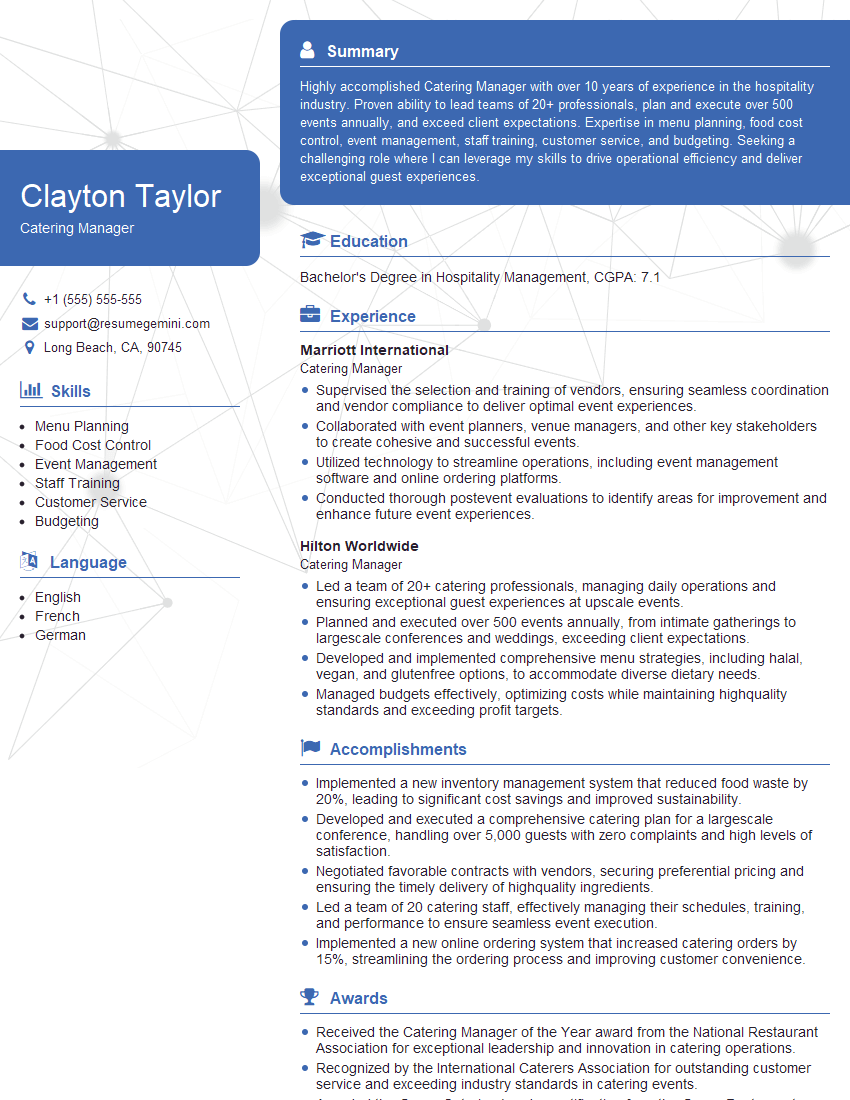
Catering Manager Resume Sample
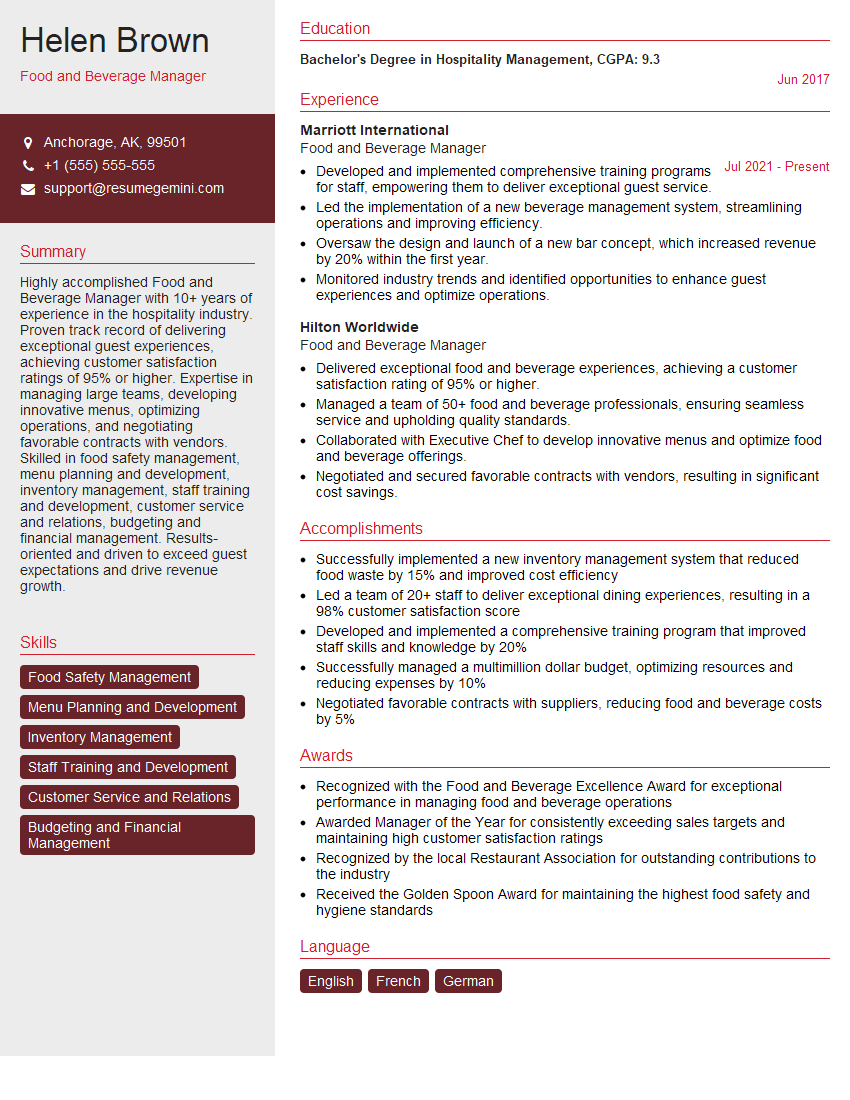
Food and Beverage Manager Resume Sample
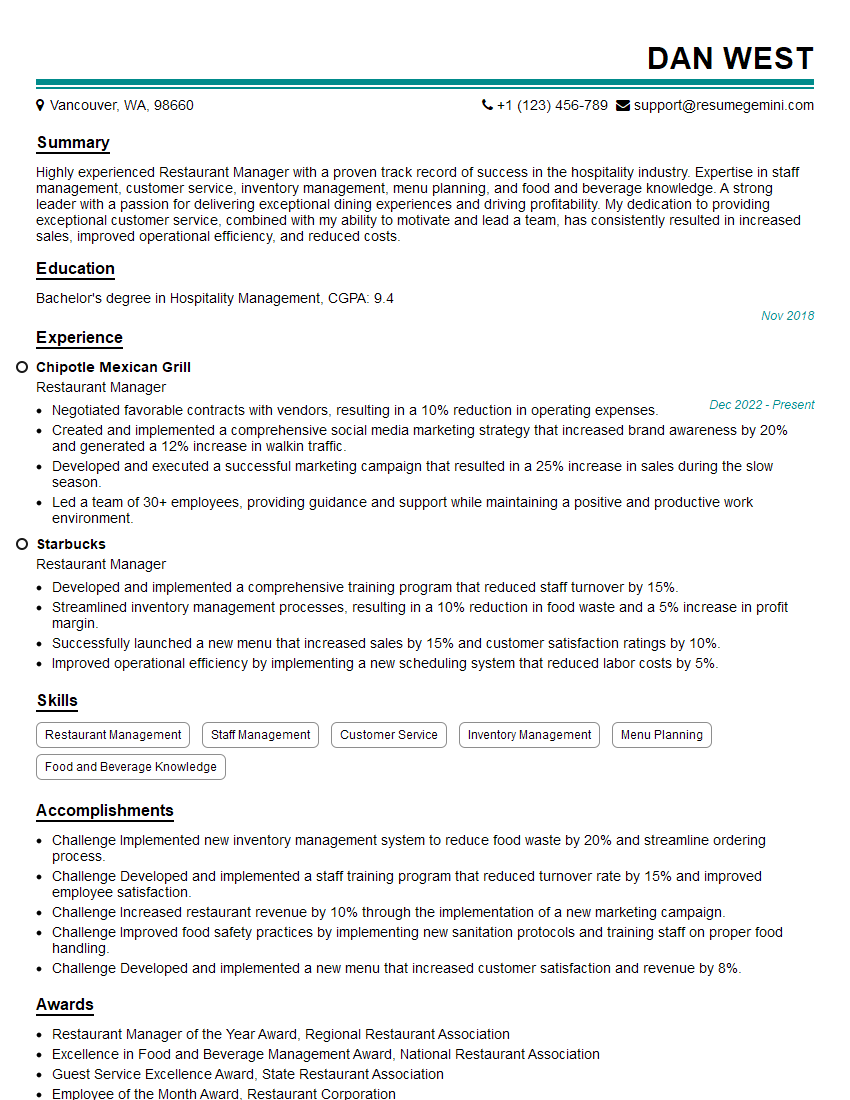
Restaurant Manager Resume Sample
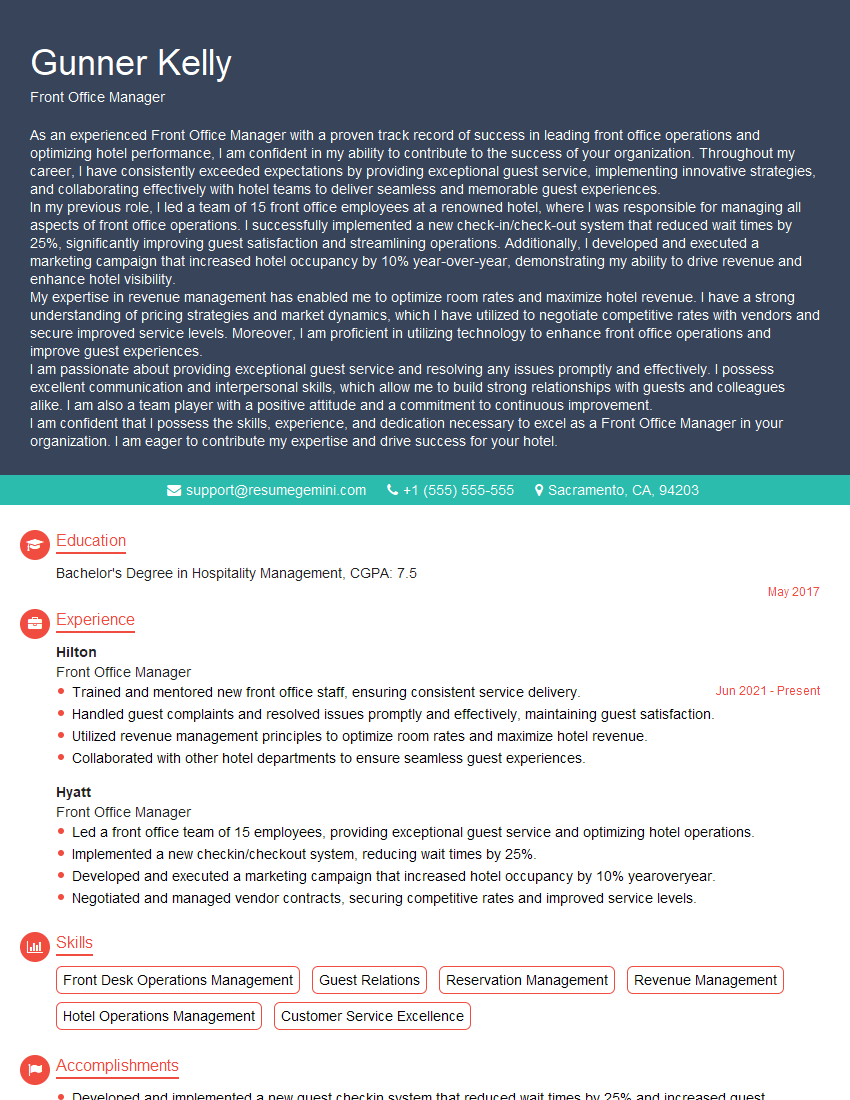
Front Office Manager Resume Sample
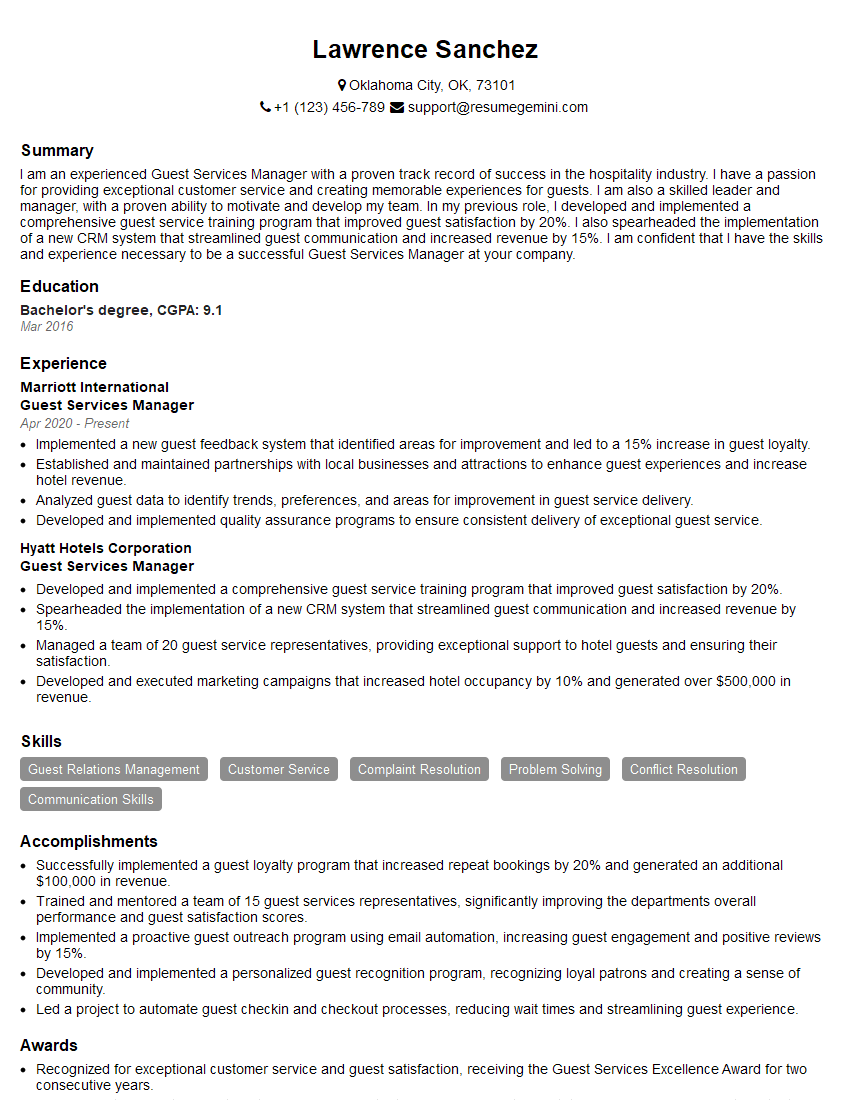
Guest Services Manager Resume Sample
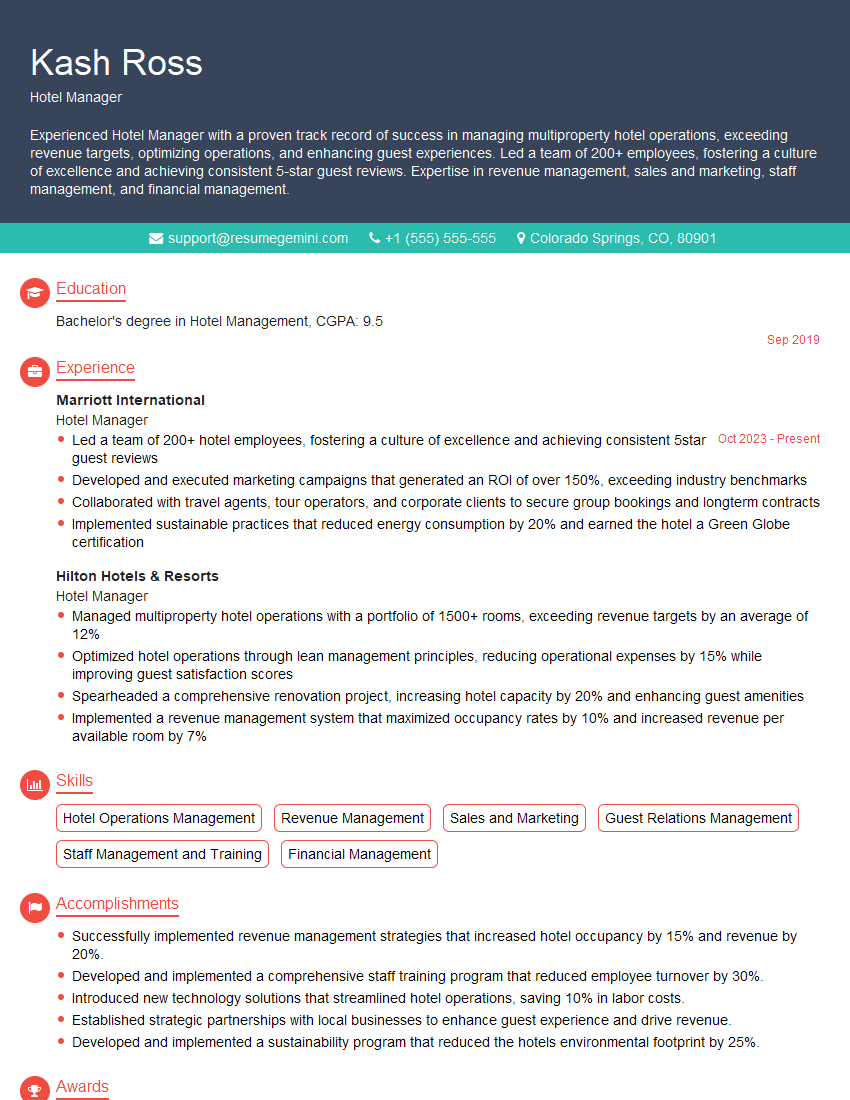
Hotel Manager Resume Sample
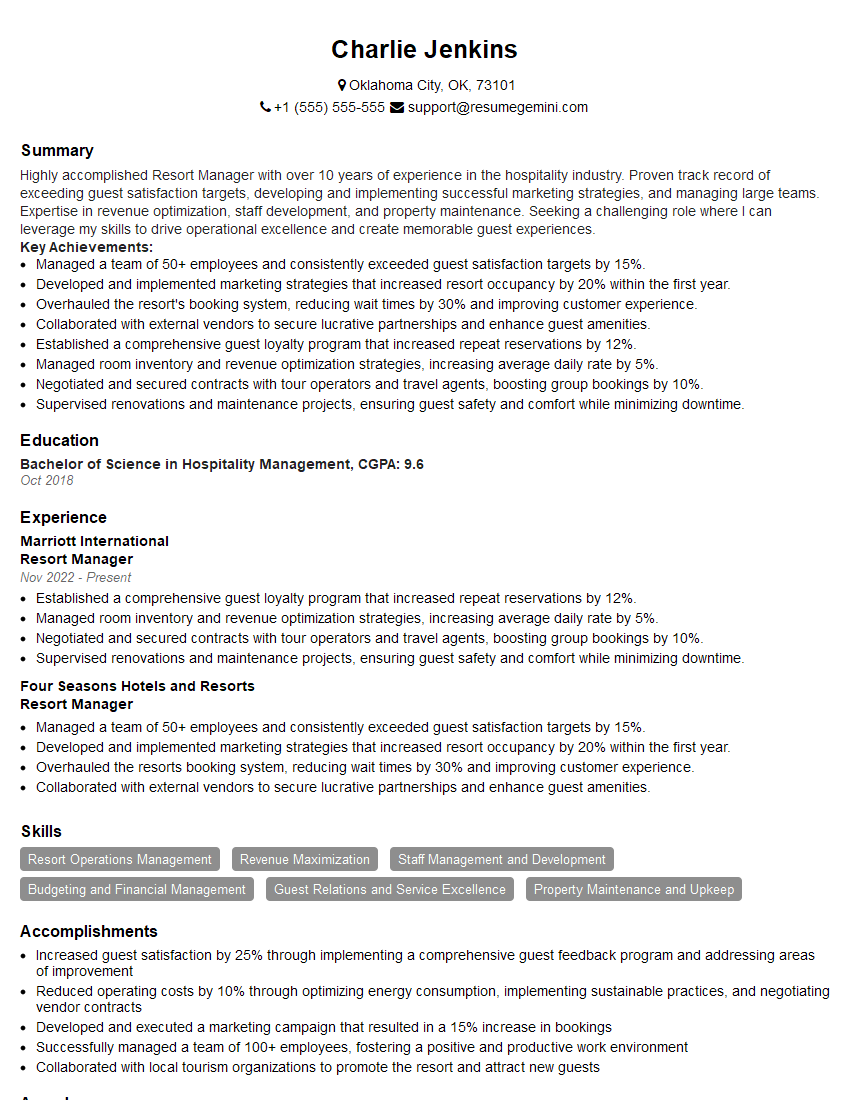
Resort Manager Resume Sample
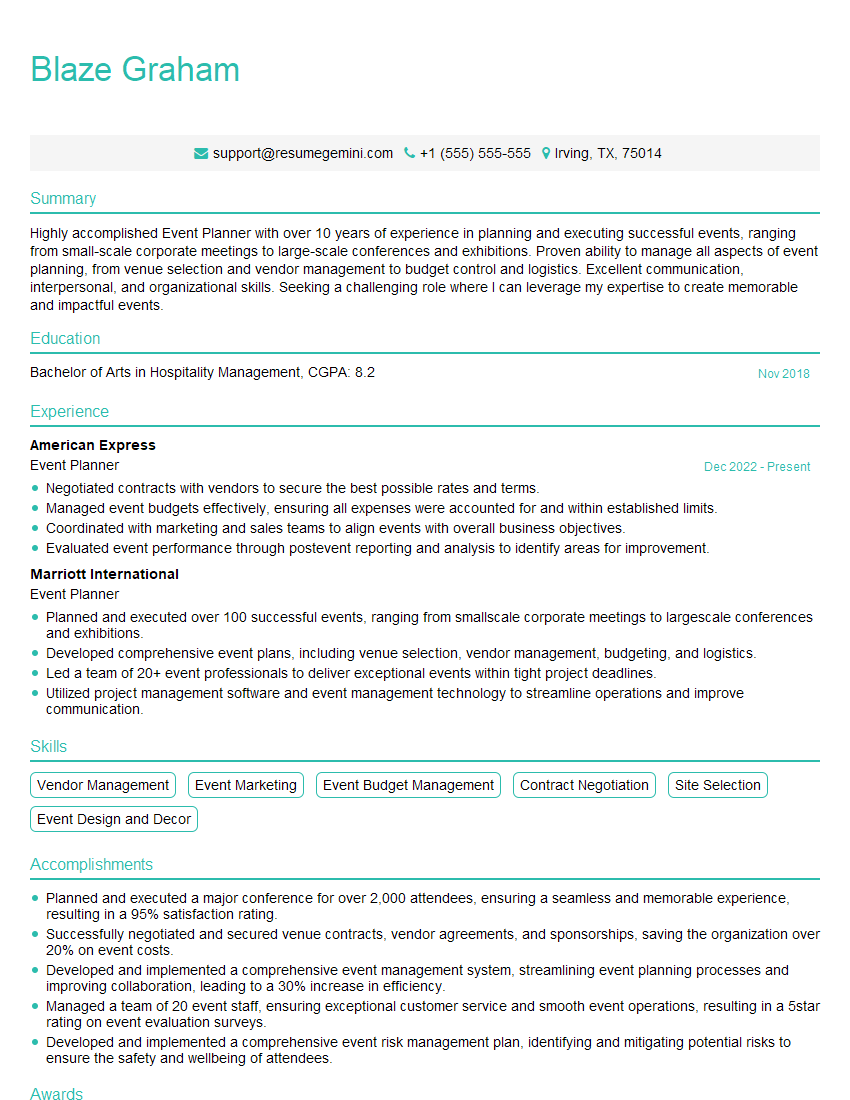
Event Planner Resume Sample
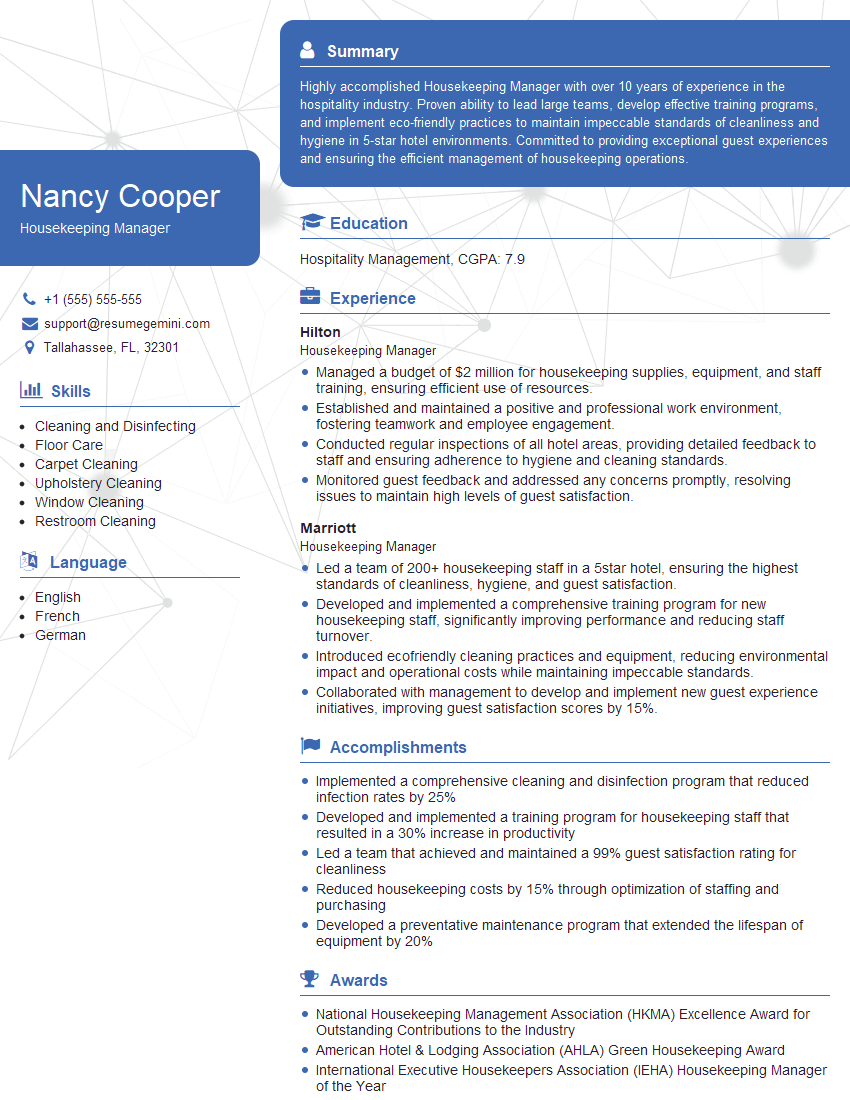
Housekeeping Manager Resume Sample
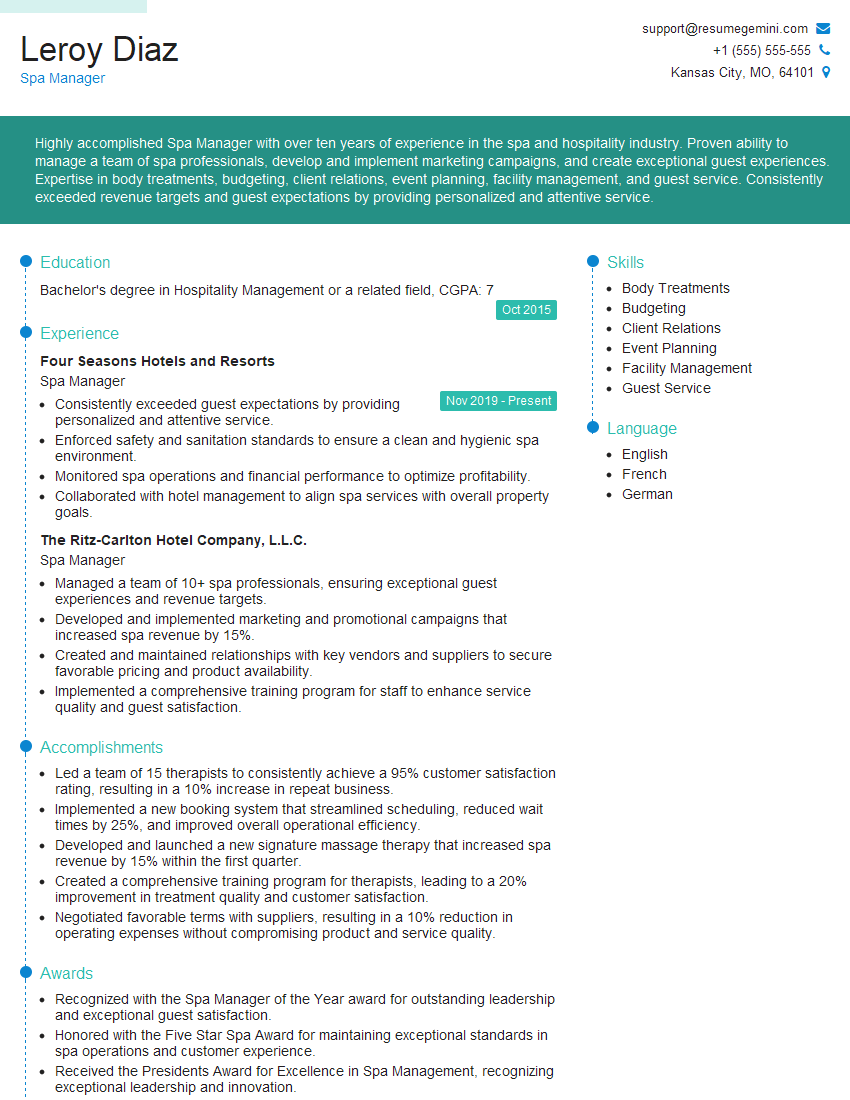
Spa Manager Resume Sample
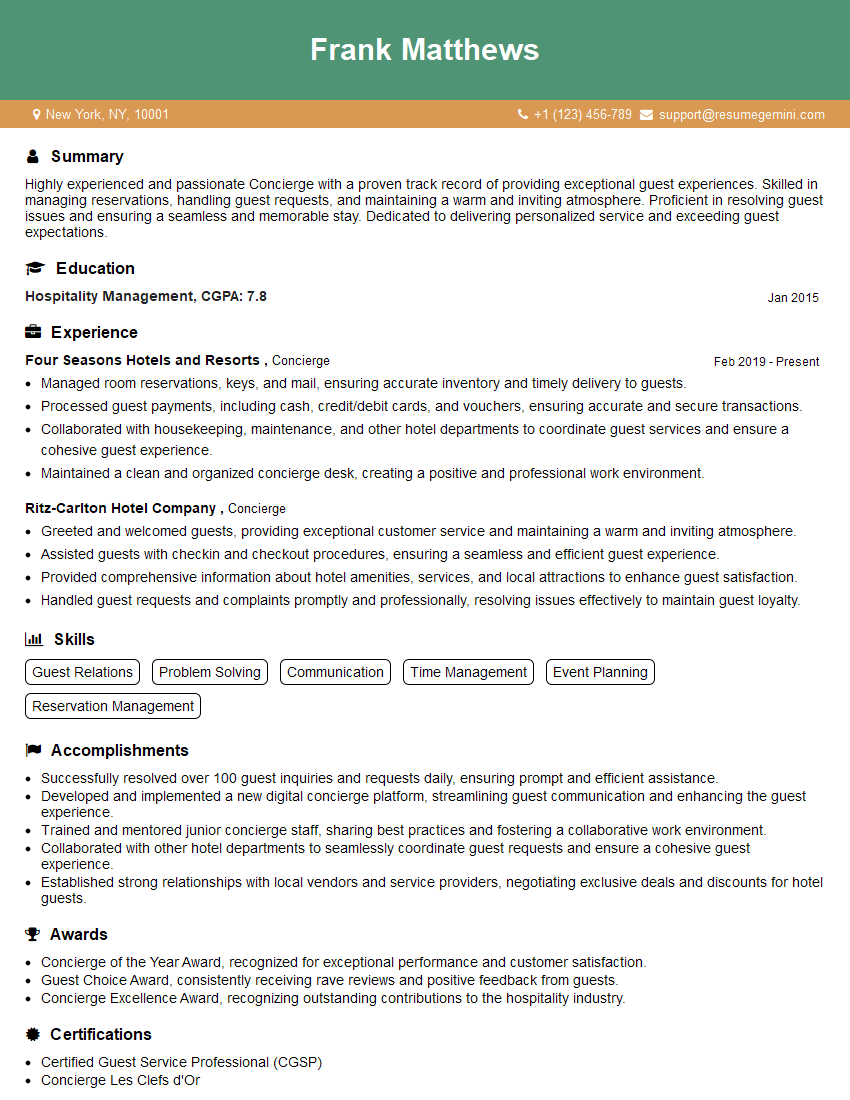
Concierge Resume Sample
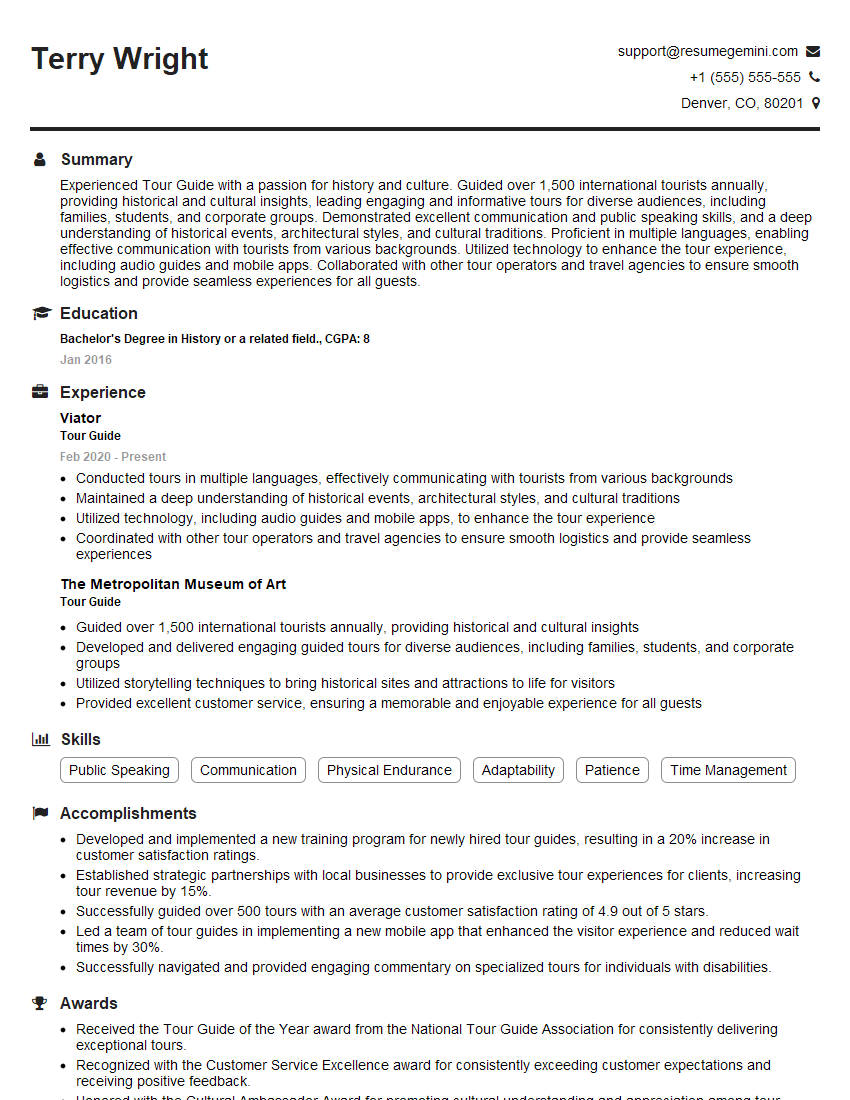
Tour Guide Resume Sample
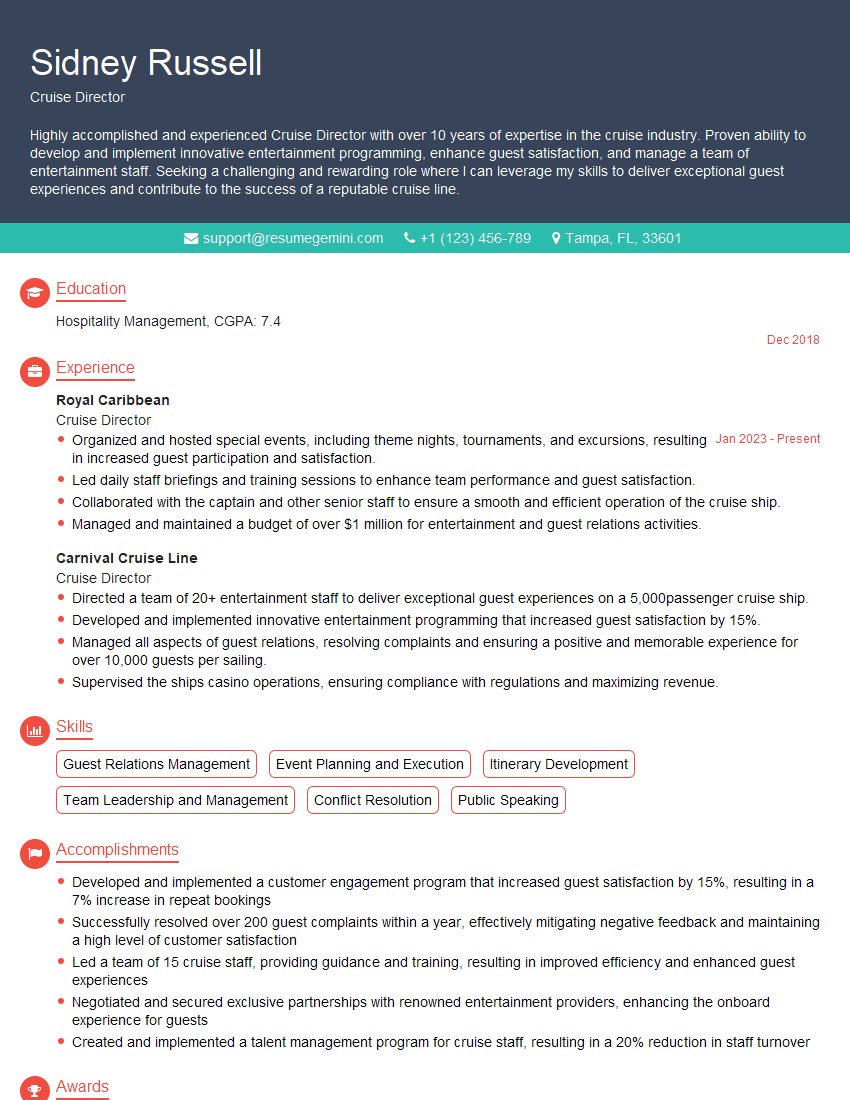
Cruise Director Resume Sample
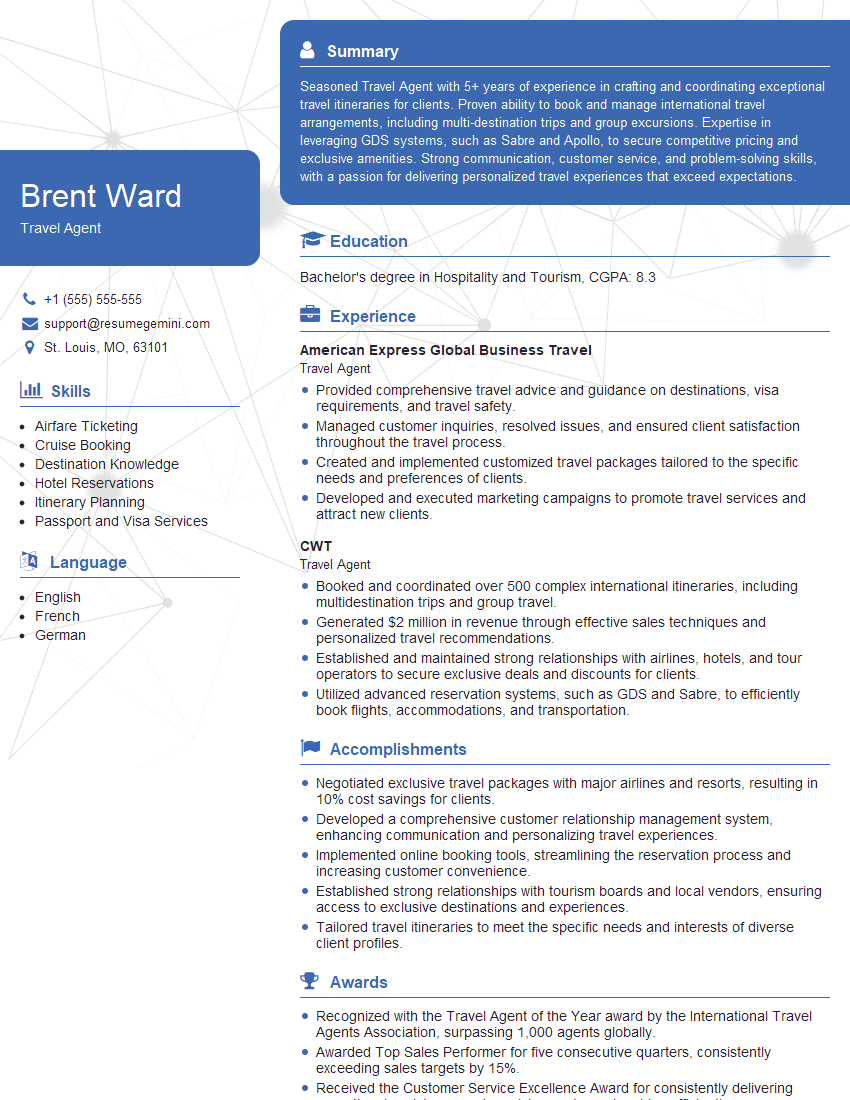
Travel Agent Resume Sample
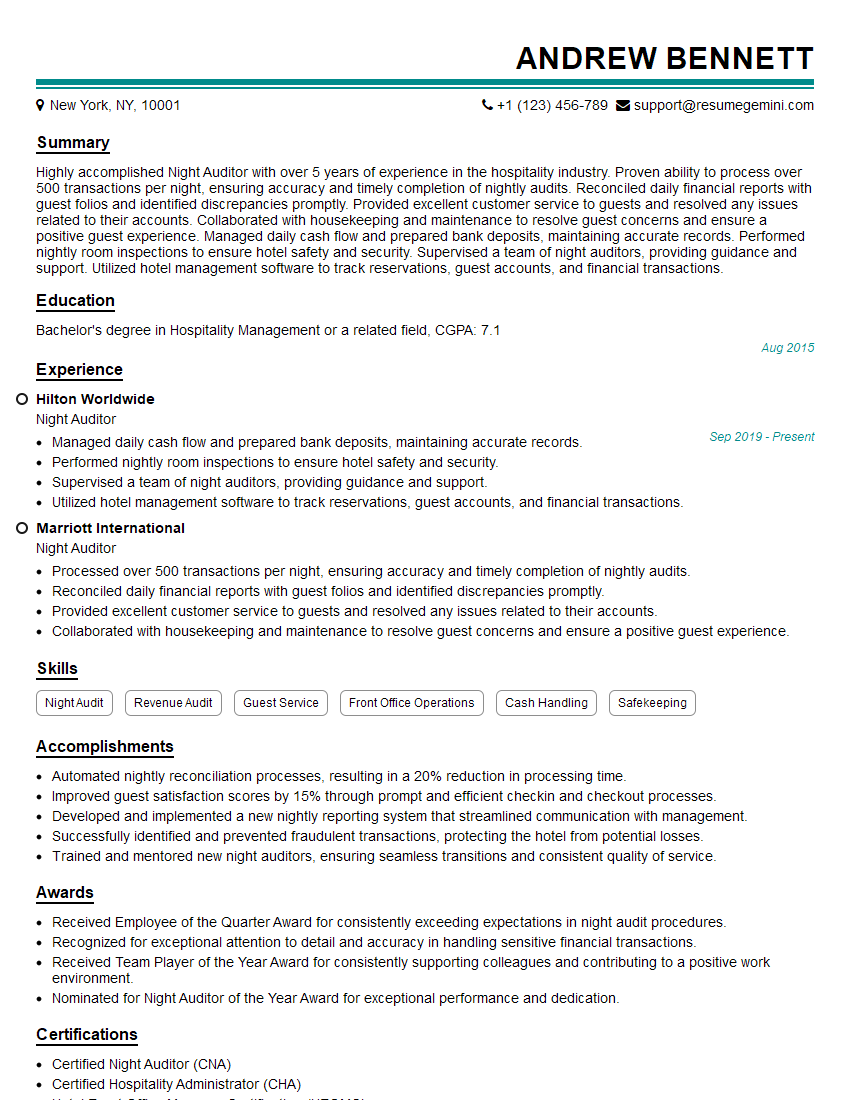
Night Auditor Resume Sample
Explore more articles
Users Rating of Our Blogs
Share Your Experience
We value your feedback! Please rate our content and share your thoughts (optional).
What Readers Say About Our Blog
I Redesigned Spongebob Squarepants and his main characters of my artwork.
https://www.deviantart.com/reimaginesponge/art/Redesigned-Spongebob-characters-1223583608
IT gave me an insight and words to use and be able to think of examples
Hi, I’m Jay, we have a few potential clients that are interested in your services, thought you might be a good fit. I’d love to talk about the details, when do you have time to talk?
Best,
Jay
Founder | CEO