Feeling uncertain about what to expect in your upcoming interview? We’ve got you covered! This blog highlights the most important TPM and Total Productive Maintenance interview questions and provides actionable advice to help you stand out as the ideal candidate. Let’s pave the way for your success.
Questions Asked in TPM and Total Productive Maintenance Interview
Q 1. Define Total Productive Maintenance (TPM).
Total Productive Maintenance (TPM) is a comprehensive manufacturing methodology aimed at maximizing equipment effectiveness and overall plant productivity. It’s not just about maintenance; it’s a philosophy that involves every employee in the process of improving equipment reliability, reducing downtime, and enhancing overall efficiency. Unlike traditional maintenance, which often focuses on reactive fixes, TPM emphasizes proactive measures to prevent breakdowns and improve the entire production process. Think of it as shifting from ‘fixing things when they break’ to ‘preventing things from breaking in the first place’.
Q 2. Explain the eight pillars of TPM.
The eight pillars of TPM are interconnected strategies that work together to achieve the overall goals of the program. They are:
- Autonomous Maintenance (Jishu Hozen): Empowering operators to perform basic maintenance tasks, fostering ownership and responsibility for equipment.
- Focused Improvement (Kaizen): Continuous improvement activities targeting specific areas for enhancement through small, incremental changes.
- Planned Maintenance (Preventive Maintenance): Scheduled maintenance activities performed to prevent equipment failure, reducing unplanned downtime.
- Quality Maintenance (Quality Control): Integrating quality control into the maintenance process to ensure high standards of production and minimize defects.
- Early Management (Education and Training): Comprehensive training programs educating employees on TPM principles and best practices.
- Office TPM (Administrative TPM): Applying TPM principles to administrative functions and processes to enhance efficiency and productivity.
- Safety, Health, and Environment (SHE): Prioritizing safety and environmental considerations in all maintenance and production processes.
- Professional Maintenance (Specialized Maintenance): Utilizing specialized skills and advanced techniques for complex repairs and maintenance tasks.
These pillars are not independent; they work synergistically to improve overall equipment effectiveness (OEE).
Q 3. Describe your experience implementing TPM in a manufacturing environment.
In my previous role at a large automotive parts manufacturer, I led the implementation of a TPM program across three production lines. We faced significant initial resistance due to ingrained traditional maintenance practices. To overcome this, I started with a pilot project on a single line, focusing on autonomous maintenance training for operators. We saw a measurable improvement in OEE within three months, leading to buy-in from other teams. The success of the pilot program served as a strong demonstration of TPM’s effectiveness. Key aspects of our implementation included:
- Phased Rollout: Starting with a pilot project allowed us to refine our approach before expanding to other lines.
- Extensive Training: We invested heavily in training, ensuring all employees understood the principles and their roles in the TPM program.
- Data-Driven Approach: We tracked KPIs meticulously to measure the program’s impact and make data-driven adjustments.
- Cross-Functional Collaboration: We fostered collaboration between maintenance, operations, and management teams.
The result was a significant reduction in downtime, improved product quality, and a more engaged workforce. We achieved a 20% increase in OEE within two years of full implementation.
Q 4. How do you measure the effectiveness of a TPM program?
The effectiveness of a TPM program is measured by evaluating its impact on key performance indicators (KPIs) related to equipment reliability, production efficiency, and employee engagement. Simply put, we measure how much better things are *because* of TPM. This requires a robust data collection and analysis system. We should compare pre- and post-TPM implementation metrics to assess the program’s effectiveness.
Q 5. What are the key performance indicators (KPIs) used to track TPM success?
Several KPIs are crucial for tracking TPM success. These include:
- Overall Equipment Effectiveness (OEE): A comprehensive measure of equipment productivity, encompassing availability, performance, and quality.
- Mean Time Between Failures (MTBF): The average time between equipment failures, indicating improved reliability.
- Mean Time To Repair (MTTR): The average time taken to repair equipment failures, reflecting improved maintenance efficiency.
- Number of unplanned downtime events: A direct indicator of the effectiveness of preventative measures.
- Employee participation rates in TPM activities: Reflecting the level of employee engagement and buy-in.
- Reduction in waste: Measuring the impact of TPM on material, energy, and time waste.
Tracking these KPIs over time provides a clear picture of the program’s progress and its overall impact on the organization’s bottom line.
Q 6. How would you handle resistance to TPM implementation from employees?
Resistance to TPM implementation is common, often stemming from concerns about workload, changes in established routines, or a lack of understanding. Addressing this requires a multifaceted approach:
- Education and Communication: Clearly communicate the benefits of TPM to all employees, emphasizing how it can improve their work environment and reduce their workload in the long run.
- Empowerment and Involvement: Involve employees in the TPM implementation process, allowing them to participate in decision-making and problem-solving. Giving them ownership makes them invested in the program’s success.
- Pilot Programs and Demonstrated Success: Show employees the positive impact of TPM through small-scale pilot programs and quantifiable results.
- Address Concerns Directly: Actively listen to employee concerns and address them openly and honestly. This creates trust and demonstrates a willingness to work collaboratively.
- Recognition and Incentives: Reward and recognize employees for their contributions to the TPM program, fostering a culture of continuous improvement.
By addressing these concerns proactively and demonstrating the value of TPM, you can significantly reduce resistance and build a supportive environment for successful implementation.
Q 7. Explain the difference between preventive maintenance and predictive maintenance.
Both preventive and predictive maintenance aim to minimize equipment downtime, but they differ significantly in their approach:
- Preventive Maintenance (PM): This is a scheduled maintenance approach where tasks are performed at predetermined intervals (e.g., replacing oil every 500 hours, inspecting parts every month). It’s reactive, addressing potential issues before they occur based on time or usage. Think of it as regular check-ups at the doctor.
- Predictive Maintenance (PdM): This approach uses data analysis and advanced technologies (sensors, vibration analysis, etc.) to predict when equipment is likely to fail. Maintenance is performed only when needed, maximizing equipment uptime and minimizing unnecessary interventions. Think of this as using diagnostic tests to identify potential problems *before* they cause symptoms.
While PM is crucial for preventing failures caused by wear and tear, PdM offers a more proactive and cost-effective solution by focusing resources where they are needed most. Ideally, a TPM program incorporates both PM and PdM strategies.
Q 8. What are some common causes of equipment downtime?
Equipment downtime, the bane of any manufacturing or production environment, stems from a variety of causes. Think of it like a car breaking down – it could be anything from a flat tire (minor) to a blown engine (major). In a factory setting, common causes fall into several categories:
- Mechanical failures: Worn bearings, broken belts, malfunctioning pumps, and gear failures are classic examples. Imagine a conveyor belt suddenly stopping because a key component wore out from overuse.
- Electrical issues: Short circuits, blown fuses, faulty wiring, and motor failures can bring production to a standstill. Picture a power surge frying the control system for a crucial machine.
- Human error: Improper operation, inadequate training, and neglecting safety procedures all contribute significantly. A simple mistake like forgetting to lubricate a critical part can lead to catastrophic failure.
- Lack of preventative maintenance: This is perhaps the most preventable cause. Ignoring scheduled maintenance can lead to premature wear and tear, culminating in unexpected breakdowns. Think of it like skipping your car’s oil change – eventually, the engine suffers.
- Environmental factors: Extreme temperatures, humidity, dust, and vibration can all accelerate equipment deterioration. Imagine a machine rusting prematurely in a humid environment.
Understanding these root causes is crucial for developing effective preventative maintenance strategies.
Q 9. How do you identify and prioritize maintenance tasks?
Prioritizing maintenance tasks is critical for maximizing uptime and minimizing costs. We use a combination of techniques, primarily focusing on risk and impact. Think of it as a triage system in a hospital – you address the most critical cases first.
- Risk assessment: We evaluate the likelihood of failure and the potential consequences. A high-risk, high-impact task (e.g., a critical component failure leading to a plant shutdown) takes priority over a low-risk, low-impact task (e.g., minor cosmetic damage).
- Criticality analysis: This involves identifying equipment vital to production. Machines that significantly impact throughput or product quality receive more frequent attention. For example, a bottling machine in a beverage plant would be deemed critical.
- Maintenance history: Past failure rates and repair times are valuable data points. Equipment with a history of frequent breakdowns demands closer scrutiny. We track this meticulously.
- Failure mode and effects analysis (FMEA): This systematic approach helps identify potential failure modes and their severity, occurrence, and detectability, guiding our prioritization process. We’ll discuss FMEA in more detail later.
We often use a computerized maintenance management system (CMMS) to track all this data and automate the prioritization process, creating a dynamic and responsive maintenance schedule.
Q 10. Describe your experience with root cause analysis (RCA) techniques.
Root Cause Analysis (RCA) is fundamental to preventing recurring equipment failures. It’s not about fixing the symptom; it’s about digging deep to understand the underlying cause. I’ve extensive experience with several RCA techniques:
- 5 Whys: This iterative questioning technique helps uncover the root cause by repeatedly asking “Why?” until the fundamental issue is identified. For instance, “Why did the machine stop? Because the motor burned out. Why did the motor burn out? Because of overheating. Why did it overheat? Because the cooling fan failed. Why did the fan fail? Because it wasn’t properly maintained.”
- Fishbone diagram (Ishikawa diagram): This visual tool helps brainstorm potential causes categorized by various factors like people, methods, machines, materials, environment, and measurement. It provides a structured approach to identifying all possible contributing factors.
- Fault tree analysis (FTA): This deductive approach works backward from the failure event to identify all possible contributing causes and their probabilities. It’s particularly useful for complex systems.
In my experience, a combination of these techniques often yields the most effective results. I always document the RCA process thoroughly and use the findings to improve our preventive maintenance strategies and operator training programs.
Q 11. How do you develop and implement a preventive maintenance schedule?
Developing and implementing a preventive maintenance (PM) schedule is a critical aspect of TPM. It’s not a one-size-fits-all approach; it requires careful planning and tailoring to the specific needs of the equipment and the production environment. Think of it as a personalized health plan for your machines.
- Equipment assessment: First, we meticulously assess each piece of equipment, considering its criticality, complexity, and past failure history. This helps in determining the frequency and type of PM tasks.
- Task definition: Next, we define the specific PM tasks for each piece of equipment, including lubrication, cleaning, inspection, and part replacement. We also specify the required tools, materials, and personnel.
- Scheduling: We use our CMMS to schedule PM tasks based on the equipment’s assessed needs, considering factors like operational hours, production cycles, and potential downtime windows.
- Documentation: We maintain comprehensive documentation of all PM tasks, including schedules, checklists, and maintenance records. This ensures consistency and traceability.
- Continuous improvement: We regularly review the effectiveness of our PM schedule and make adjustments as needed based on data analysis, equipment performance, and emerging best practices. This is an iterative process.
A well-structured PM schedule not only prevents equipment failures but also extends equipment lifespan and improves overall efficiency.
Q 12. What are the benefits of using computerized maintenance management systems (CMMS)?
Computerized Maintenance Management Systems (CMMS) are invaluable tools for managing and optimizing maintenance activities. They are like the central nervous system for a well-oiled maintenance operation. Think of them as a digital filing cabinet, scheduling system, and reporting tool all rolled into one.
- Work order management: CMMS streamline the process of creating, assigning, and tracking work orders, ensuring tasks are completed efficiently and on time.
- Inventory management: They help track spare parts, reducing downtime caused by missing components.
- Preventive maintenance scheduling: CMMS automatically schedule and remind technicians of preventive maintenance tasks, reducing the risk of equipment failures.
- Data analysis and reporting: They provide valuable data on maintenance costs, downtime, and equipment performance, enabling data-driven decision-making.
- Improved communication: CMMS facilitate communication between maintenance personnel, operators, and management.
Implementing a CMMS can significantly improve maintenance efficiency, reduce costs, and enhance overall equipment effectiveness (OEE).
Q 13. How do you manage maintenance budgets?
Managing maintenance budgets requires a strategic and data-driven approach. It’s about balancing cost optimization with the need for reliable equipment operation. Think of it like managing a household budget – you need to prioritize spending wisely.
- Budget allocation: We allocate budget based on equipment criticality, maintenance needs, and projected costs. A risk-based approach is often used.
- Cost tracking: We carefully track maintenance expenses, including labor costs, parts, and services. This allows us to identify areas for cost savings.
- Performance monitoring: We monitor equipment performance indicators (KPIs) such as Mean Time Between Failures (MTBF) and Mean Time To Repair (MTTR) to ensure our budget is effectively improving reliability.
- Return on Investment (ROI): We evaluate the ROI of maintenance investments, considering the cost savings from reduced downtime and improved equipment lifespan.
- Continuous improvement: We regularly review our budget and identify opportunities to optimize maintenance costs without compromising equipment reliability. We might explore cost-effective alternatives for spare parts or refine our PM schedules.
Effective budget management is essential to ensure the continued effectiveness of the maintenance program.
Q 14. Describe your experience with failure mode and effects analysis (FMEA).
Failure Mode and Effects Analysis (FMEA) is a proactive risk assessment technique that helps identify potential failure modes in equipment and their potential effects on the system. It’s like a preemptive strike against potential problems. We use FMEA extensively to improve our preventive maintenance programs.
- Teamwork: FMEA is typically conducted by a multidisciplinary team with expertise in engineering, maintenance, and operations. This ensures a holistic perspective.
- System breakdown: The equipment or system is systematically broken down into individual components and functions.
- Potential failure modes: For each component, potential failure modes are identified and described.
- Severity, occurrence, and detection: Each failure mode is assessed based on its severity (impact on the system), occurrence (likelihood of failure), and detection (ease of detecting the failure).
- Risk priority number (RPN): The RPN is calculated by multiplying the severity, occurrence, and detection ratings. High RPN values indicate high-risk failure modes requiring immediate attention.
- Corrective actions: For high-risk failure modes, corrective actions are identified and implemented to mitigate the risks. These could involve design changes, improved maintenance procedures, or additional monitoring.
By proactively identifying and addressing potential failures, FMEA significantly reduces the likelihood of equipment downtime and improves overall reliability. We use the RPN scores to prioritize maintenance tasks and resource allocation. The process is documented, reviewed, and updated regularly.
Q 15. How do you ensure the safety of maintenance personnel?
Ensuring the safety of maintenance personnel is paramount in any TPM program. It’s not just a matter of compliance; it’s about fostering a culture of safety where everyone goes home unharmed. This starts with comprehensive safety training covering lockout/tagout procedures, proper use of personal protective equipment (PPE), hazard identification, and risk assessment.
We implement a robust Permit-to-Work system for high-risk tasks, requiring detailed risk assessments and approvals before work commences. Regular safety audits and toolbox talks are conducted to reinforce safety protocols and address potential hazards proactively. For example, in a previous role, we implemented a new system for managing confined space entry, which reduced near-miss incidents by 30% within six months. This involved not only new training but also the introduction of improved monitoring equipment and stricter entry protocols. Furthermore, we encourage a ‘stop work’ authority for any team member who identifies an unsafe condition, ensuring that safety remains everyone’s responsibility.
Career Expert Tips:
- Ace those interviews! Prepare effectively by reviewing the Top 50 Most Common Interview Questions on ResumeGemini.
- Navigate your job search with confidence! Explore a wide range of Career Tips on ResumeGemini. Learn about common challenges and recommendations to overcome them.
- Craft the perfect resume! Master the Art of Resume Writing with ResumeGemini’s guide. Showcase your unique qualifications and achievements effectively.
- Don’t miss out on holiday savings! Build your dream resume with ResumeGemini’s ATS optimized templates.
Q 16. What are the challenges in implementing TPM in a complex manufacturing environment?
Implementing TPM in a complex manufacturing environment presents unique challenges. The sheer scale and interconnectedness of systems can make coordinating efforts across different departments – production, maintenance, engineering – incredibly difficult. For example, achieving consistent data collection and analysis across multiple production lines, especially with legacy systems, can be a major hurdle. Another challenge is resistance to change. Long-established working practices and ingrained mindsets may clash with the collaborative and proactive nature of TPM. Overcoming this requires strong leadership, clear communication, and demonstrable success stories to build buy-in. Finally, ensuring the appropriate level of skilled personnel and resources is crucial for the successful implementation and ongoing support of TPM. In one project, we overcame this by phased implementation, focusing on a single critical production line initially to demonstrate success and build confidence before expanding to other areas.
Q 17. How do you improve communication between maintenance and production teams?
Effective communication between maintenance and production is the bedrock of a successful TPM program. We utilize several strategies to bridge this gap. Daily or shift-handover meetings are essential for sharing information about equipment performance, upcoming maintenance tasks, and any identified issues. Utilizing a centralized Computerized Maintenance Management System (CMMS) allows both teams to access real-time information on equipment status, work orders, and maintenance schedules. Visual management tools, such as Kanban boards or dashboards displaying key performance indicators (KPIs), further enhance transparency and accountability. In one instance, we introduced a weekly joint problem-solving session between maintenance and production teams. This collaborative approach proved to be extremely successful in identifying and resolving recurring issues, significantly reducing downtime. We also foster a culture of open communication, where team members are encouraged to report any issues or concerns without fear of reprisal.
Q 18. Describe your experience with lubrication management.
My experience with lubrication management includes developing and implementing comprehensive lubrication plans, ensuring the right lubricant is used at the correct intervals for each piece of equipment. This includes establishing a robust lubricant storage and handling system to prevent contamination and maintain lubricant quality. We also utilize predictive maintenance techniques, such as oil analysis, to detect potential equipment failures early on. This helps to schedule maintenance proactively, reducing the risk of unexpected downtime. For example, by implementing a new oil analysis program, we were able to detect a failing bearing in a critical piece of equipment well before it caused a major breakdown. This saved the company significant downtime and repair costs. In another project, we established a centralized lubrication scheduling system to ensure consistency across all equipment, resulting in a 15% reduction in lubricant consumption.
Q 19. How do you measure overall equipment effectiveness (OEE)?
Overall Equipment Effectiveness (OEE) is a crucial metric for measuring the effectiveness of a manufacturing process. It’s calculated by multiplying three key factors: Availability, Performance, and Quality.
- Availability: This represents the percentage of time the equipment is available for production, factoring in planned and unplanned downtime.
Availability = (Total Available Time - Downtime) / Total Available Time - Performance: This measures the speed and efficiency of the equipment relative to its design capacity.
Performance = (Actual Production Quantity / Planned Production Quantity) x 100% - Quality: This reflects the percentage of good quality products produced, excluding defects and rework.
Quality = (Good Units Produced / Total Units Produced) x 100%
By multiplying these three percentages, we get the overall OEE score, which provides a comprehensive picture of equipment effectiveness. Tracking OEE over time allows us to identify areas for improvement and measure the impact of TPM initiatives. For example, in a previous role, we improved the OEE of a key production line from 60% to 85% within a year by implementing TPM principles, focusing on reducing downtime, optimizing production speed, and improving product quality.
Q 20. Explain the importance of autonomous maintenance.
Autonomous Maintenance (AM) is a cornerstone of TPM, empowering production operators to perform basic maintenance tasks on their equipment. It’s about shifting the responsibility for basic maintenance from specialized maintenance teams to the operators who work with the equipment daily. This fosters a sense of ownership and proactively addresses minor issues before they escalate into major problems. The key benefits are reduced downtime, improved equipment lifespan, and a heightened sense of engagement among operators.
For example, a simple AM task might involve regularly cleaning and lubricating a machine or checking for loose parts. The training for AM involves both theoretical and hands-on components, where operators learn to identify potential problems, perform basic repairs, and communicate effectively with the maintenance team if further assistance is required. By building this capability into the production workforce, we significantly reduce the burden on the central maintenance team, freeing them to focus on more complex maintenance tasks.
Q 21. Describe your experience with planned maintenance and breakdown maintenance.
Planned maintenance is proactive; it involves scheduling maintenance tasks based on predetermined intervals or equipment condition monitoring. This aims to prevent equipment failures before they occur, minimizing downtime and maximizing equipment lifespan. Breakdown maintenance, on the other hand, is reactive; it involves repairing equipment after it has failed. This is often costly and disruptive to production. The goal of TPM is to minimize breakdown maintenance by focusing on planned maintenance and preventive measures.
In my experience, effective planned maintenance involves detailed equipment history, predictive maintenance techniques (such as vibration analysis), and a well-structured CMMS to track and schedule tasks efficiently. We leverage data analysis to identify trends and patterns in equipment failures, which helps us refine our planned maintenance schedules and proactively address potential problems. By optimizing the balance between planned and breakdown maintenance, we strive for maximum uptime and minimize the overall maintenance cost. A successful transition from a primarily breakdown maintenance culture to a planned maintenance strategy significantly improved our equipment availability and reduced maintenance expenses.
Q 22. How do you integrate TPM with other continuous improvement initiatives?
TPM, or Total Productive Maintenance, isn’t a standalone initiative; it’s a philosophy that thrives on integration. Its effectiveness is significantly amplified when combined with other continuous improvement methodologies. Think of it as the central hub of a wheel, with other initiatives like Lean Manufacturing, Six Sigma, and 5S acting as the spokes.
Lean Manufacturing: TPM aligns perfectly with Lean’s focus on eliminating waste. TPM’s preventative maintenance strategies directly reduce downtime, a major source of waste. For example, implementing TPM’s autonomous maintenance (Jishu Hozen) reduces the need for reactive maintenance, aligning with Lean’s pull system.
Six Sigma: The data-driven nature of Six Sigma complements TPM’s focus on quantifiable improvements. Six Sigma tools like DMAIC (Define, Measure, Analyze, Improve, Control) can be used to identify the root causes of equipment failures and develop targeted TPM solutions. Tracking Mean Time Between Failures (MTBF) and Mean Time To Repair (MTTR) are key metrics for both.
5S: This methodology is fundamental to TPM’s success. A clean and organized workplace is crucial for effective preventative maintenance and autonomous maintenance activities. Without a well-organized 5S system, TPM initiatives can be significantly hampered.
Essentially, integrating TPM with other initiatives creates a synergistic effect, leading to more significant and sustainable improvements in overall equipment effectiveness (OEE).
Q 23. What is your experience with 5S methodology and its role in TPM?
5S (Sort, Set in Order, Shine, Standardize, Sustain) is not just a supporting methodology for TPM; it’s the foundation. Imagine building a house without a solid foundation – it wouldn’t stand for long. Similarly, TPM cannot succeed without a meticulously implemented 5S system.
Sort (Seiri): Eliminating unnecessary items from the workspace is crucial for efficient maintenance. This prevents clutter that can hinder access to equipment and create safety hazards.
Set in Order (Seiton): Organizing tools and materials in a logical and accessible manner is essential for quick and efficient maintenance activities. This reduces search time and prevents errors.
Shine (Seiso): Regular cleaning of equipment and the workplace helps identify potential problems early on, preventing more significant issues. A clean machine is often a well-maintained machine.
Standardize (Seiketsu): Establishing clear standards for maintenance procedures and 5S practices ensures consistency and prevents deviations that can lead to problems. This creates a visual workplace.
Sustain (Shitsuke): Maintaining the 5S standards requires ongoing commitment and discipline from all team members. Regular audits and improvement cycles are key.
In my experience, implementing 5S before launching full-scale TPM initiatives is critical. It creates the necessary environment for successful TPM implementation and sets the stage for employee engagement and ownership.
Q 24. How do you handle emergency maintenance situations?
Emergency maintenance requires a structured approach to minimize downtime and prevent further damage. My approach involves a rapid-response protocol:
Immediate Assessment: Quickly assess the situation to understand the severity and potential impact. This involves identifying the affected equipment and the extent of the damage.
Safety First: Prioritize the safety of personnel and equipment. Ensure the area is secured and appropriate safety measures are in place before proceeding.
Emergency Repair: Implement temporary repairs to restore functionality if possible. This might involve using readily available parts or implementing a workaround.
Root Cause Analysis: After the emergency is addressed, conduct a thorough root cause analysis to determine the underlying cause of the failure. This might involve using tools like a fishbone diagram.
Preventative Measures: Implement preventive measures to reduce the likelihood of similar emergencies in the future. This could involve improving maintenance schedules or upgrading equipment.
Documentation: Meticulously document the entire process, including the steps taken, the root cause, and the preventative actions implemented. This helps improve future response times and prevent recurring issues.
For example, in a previous role, a critical pump failed unexpectedly. We immediately implemented a temporary bypass using spare components, minimizing production downtime. The subsequent root cause analysis revealed a faulty bearing, and we implemented a more rigorous lubrication schedule to prevent future failures.
Q 25. What are your strengths and weaknesses in a TPM role?
My strengths in a TPM role include a strong analytical mindset, effective communication skills, and a proven track record of implementing and improving TPM programs. I’m proficient in using various TPM tools and techniques, and I have a deep understanding of lean principles. My ability to foster teamwork and drive continuous improvement makes me a valuable asset.
One area for development is my experience with specific, highly specialized equipment; I am always eager to expand my knowledge and expertise. I actively seek opportunities to learn about new technologies and maintenance techniques, and I am confident in my ability to quickly adapt and master new skills.
Q 26. Describe a time you successfully solved a maintenance-related problem.
In a previous role, we experienced recurring downtime on a critical assembly line due to frequent sensor failures. The initial reaction was to simply replace the sensors, a reactive approach. This was costly and inefficient. I led a team to investigate the root cause. We discovered that the sensors were failing due to excessive vibration. Using vibration analysis tools, we pinpointed the source of vibration to an imbalanced motor. By balancing the motor and implementing regular vibration monitoring, we reduced sensor failures significantly, resulting in a considerable reduction in downtime and increased production efficiency. This demonstrated the effectiveness of proactive maintenance and root cause analysis.
Q 27. How do you stay up-to-date with the latest advancements in TPM?
Staying current in the ever-evolving field of TPM requires a multifaceted approach. I regularly attend industry conferences and workshops to learn about the latest advancements and best practices. I actively participate in professional organizations related to maintenance and reliability engineering. I also subscribe to industry publications and journals, keeping abreast of new technologies and methodologies. Furthermore, I actively seek out opportunities to collaborate with other TPM professionals and share experiences. Online forums and communities offer invaluable insights and perspectives.
Q 28. What are your salary expectations for this TPM role?
My salary expectations are in line with the industry standard for a TPM professional with my experience and qualifications. I am open to discussing a competitive compensation package that reflects my value and contributions to your organization. I am more focused on a role offering professional growth and opportunities to make significant contributions than on a specific salary figure, though I do have a range in mind based on market research and my experience.
Key Topics to Learn for TPM and Total Productive Maintenance Interview
- TPM Pillars and their Implementation: Understand the core pillars of TPM (e.g., autonomous maintenance, planned maintenance, early equipment management) and how they are practically applied in different manufacturing settings.
- Loss Analysis and Reduction Techniques: Learn how to identify and analyze various losses (e.g., downtime, defects, reduced speed) within a production process and apply TPM methodologies to minimize them. Explore tools like Pareto charts and cause-and-effect diagrams.
- Preventive Maintenance Strategies: Gain a deep understanding of different preventive maintenance schedules, their benefits, and how to optimize them based on equipment criticality and historical data. Discuss the importance of CMMS (Computerized Maintenance Management Systems).
- Metrics and KPIs in TPM: Familiarize yourself with key performance indicators (KPIs) used to measure TPM effectiveness, such as Overall Equipment Effectiveness (OEE), Mean Time Between Failures (MTBF), and Mean Time To Repair (MTTR). Understand how these metrics are calculated and interpreted.
- Teamwork and Training in TPM: TPM is a team effort. Prepare to discuss the importance of cross-functional collaboration, operator involvement in maintenance, and continuous improvement training programs.
- Root Cause Analysis and Problem Solving: Master techniques like 5 Whys, Fishbone diagrams, and Failure Mode and Effects Analysis (FMEA) to effectively diagnose equipment failures and implement lasting solutions.
- Implementing TPM in different environments: Be ready to discuss how TPM principles can be adapted and applied across different manufacturing sectors and production processes.
Next Steps
Mastering TPM and Total Productive Maintenance opens doors to exciting career opportunities and higher earning potential within manufacturing and operations management. To stand out from the competition, create a compelling, ATS-friendly resume that highlights your skills and experience. ResumeGemini is a trusted resource that can help you build a professional and impactful resume tailored to the specific requirements of TPM and Total Productive Maintenance roles. Examples of resumes optimized for these positions are available within ResumeGemini to guide you. Investing time in crafting a strong resume significantly increases your chances of landing your dream job.
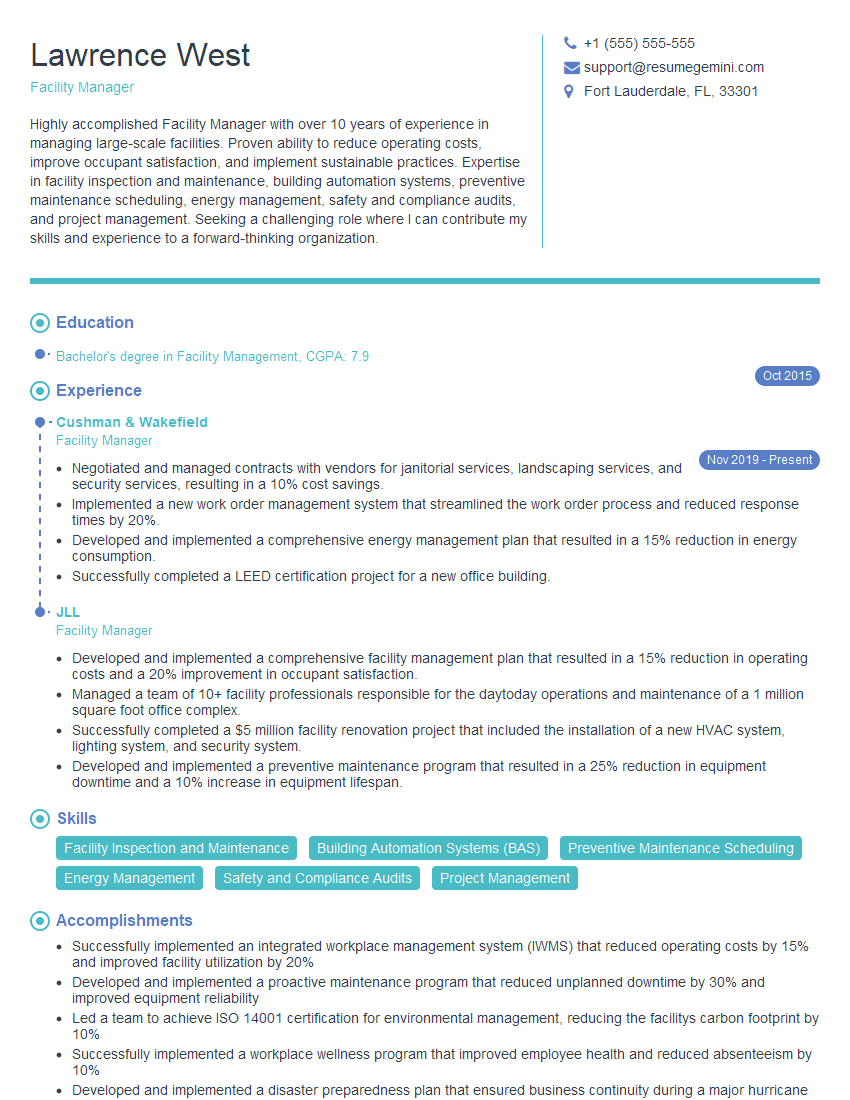
Facility Manager Resume Sample
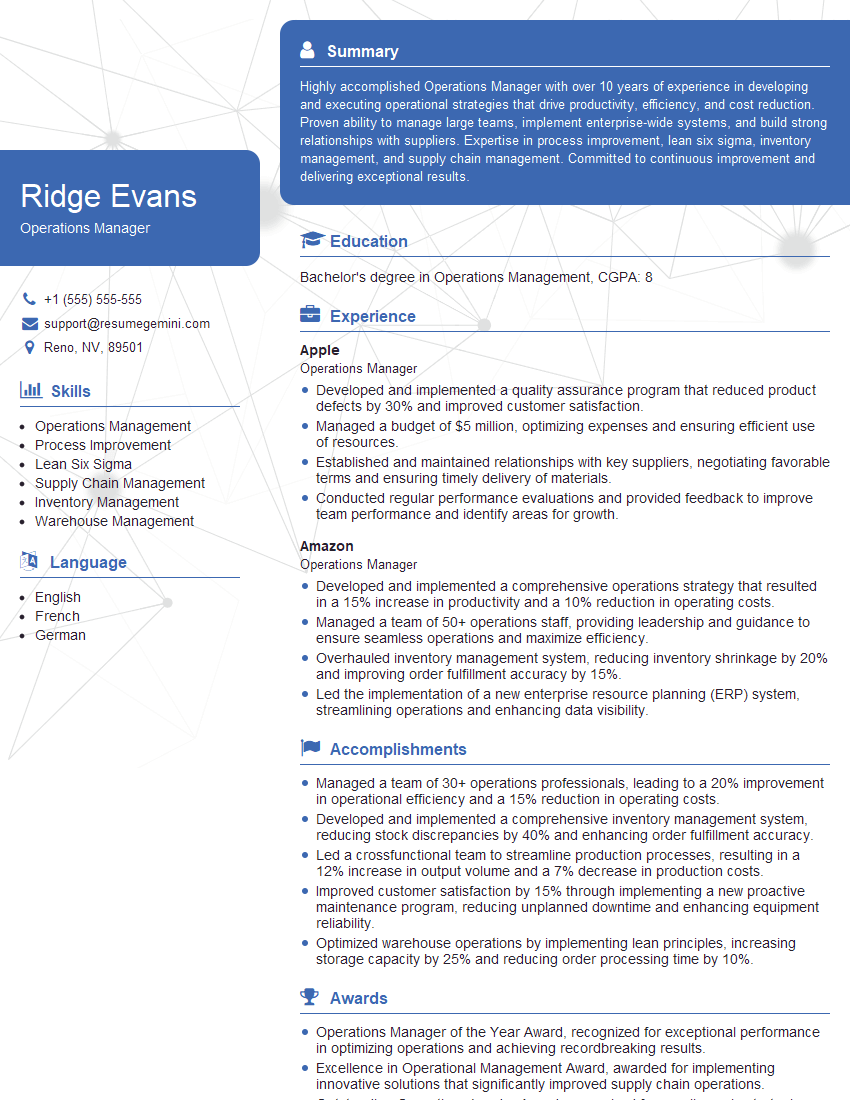
Operations Manager Resume Sample
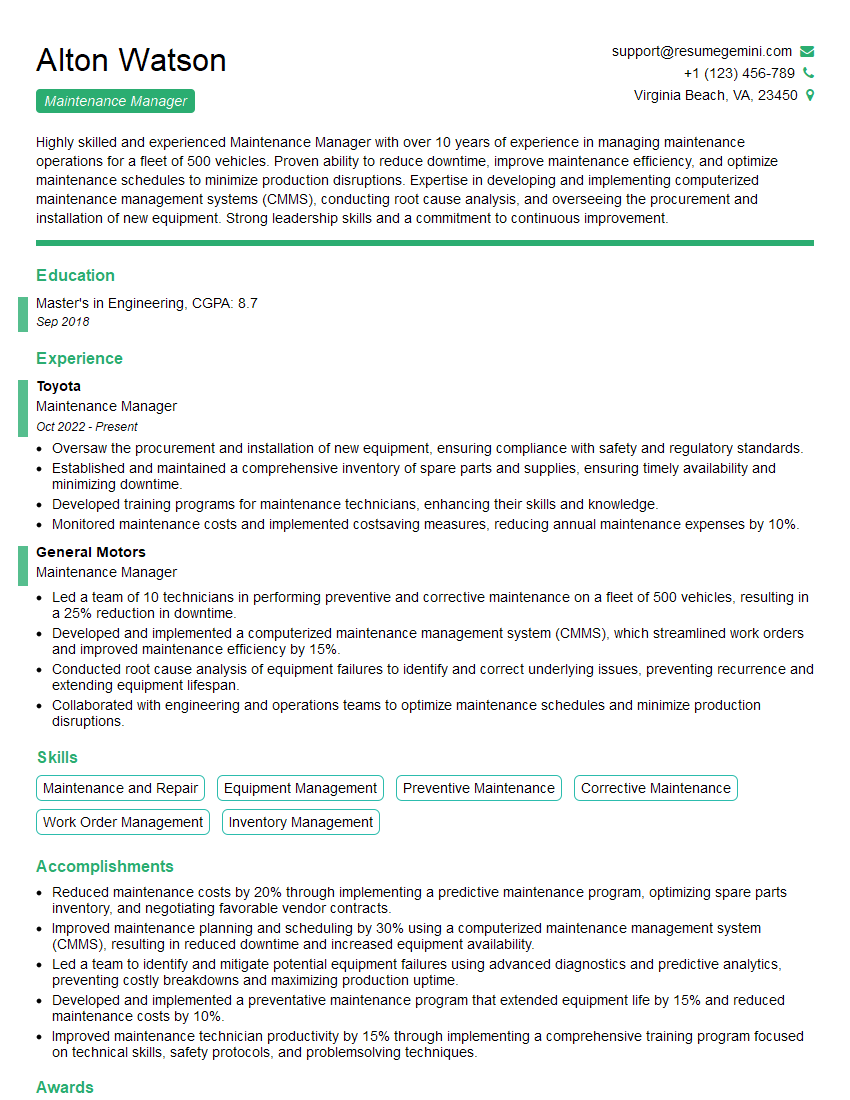
Maintenance Manager Resume Sample
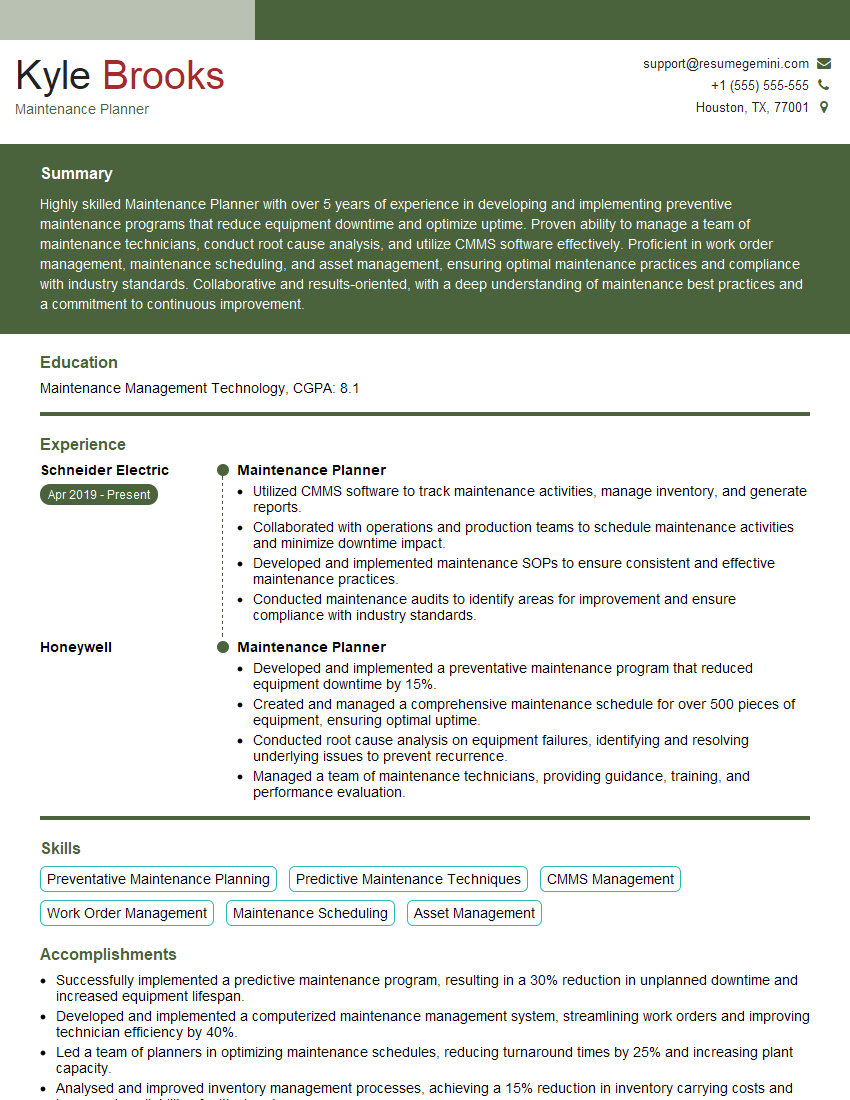
Maintenance Planner Resume Sample
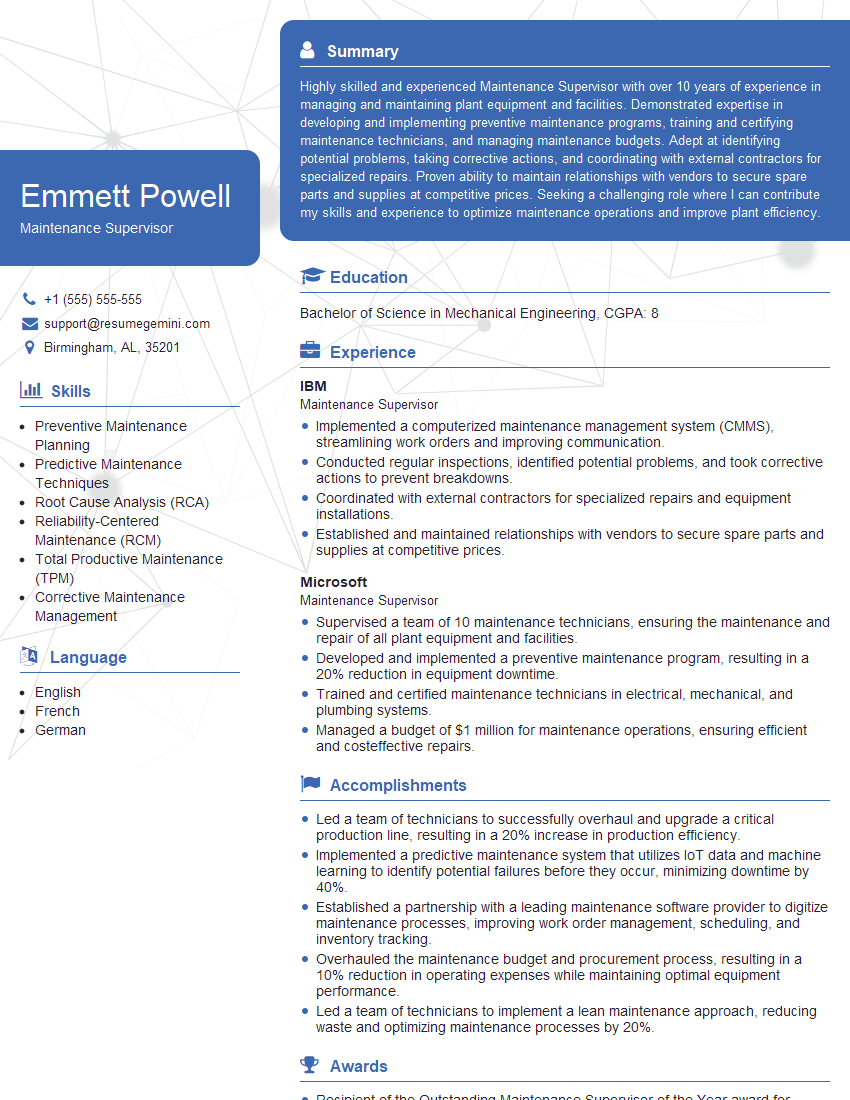
Maintenance Supervisor Resume Sample
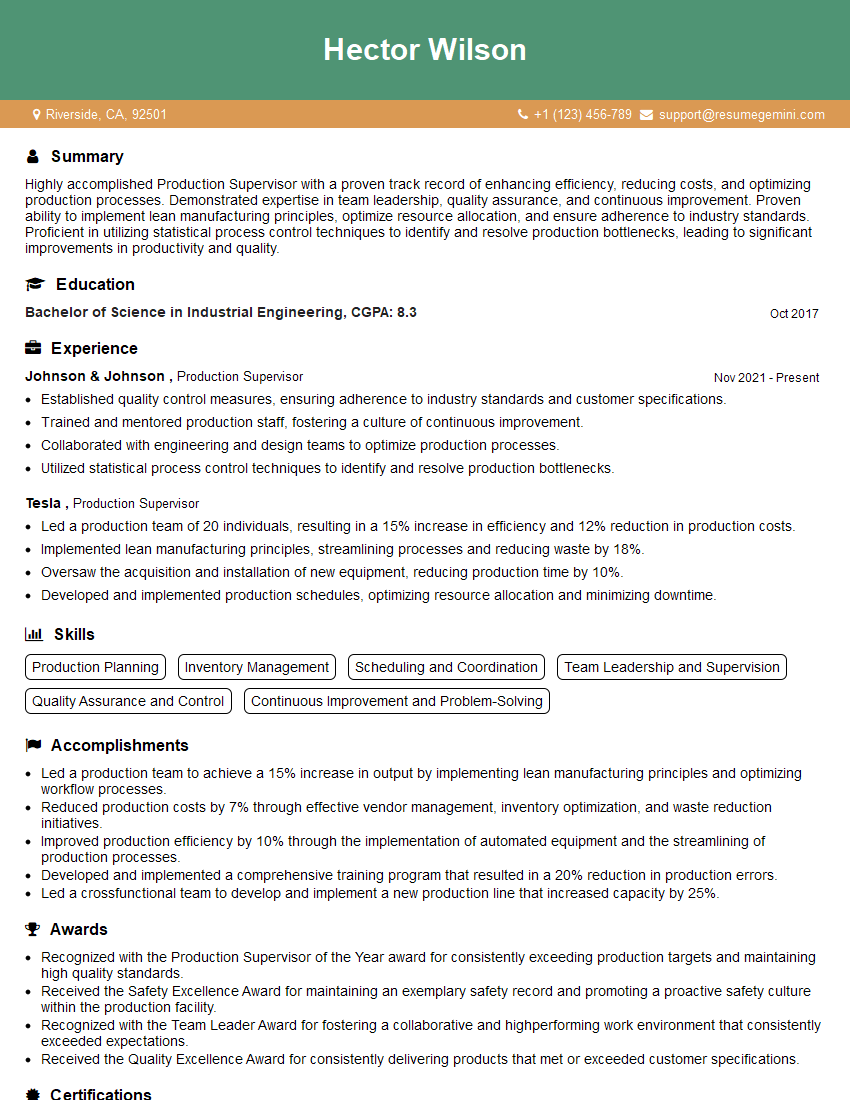
Production Supervisor Resume Sample
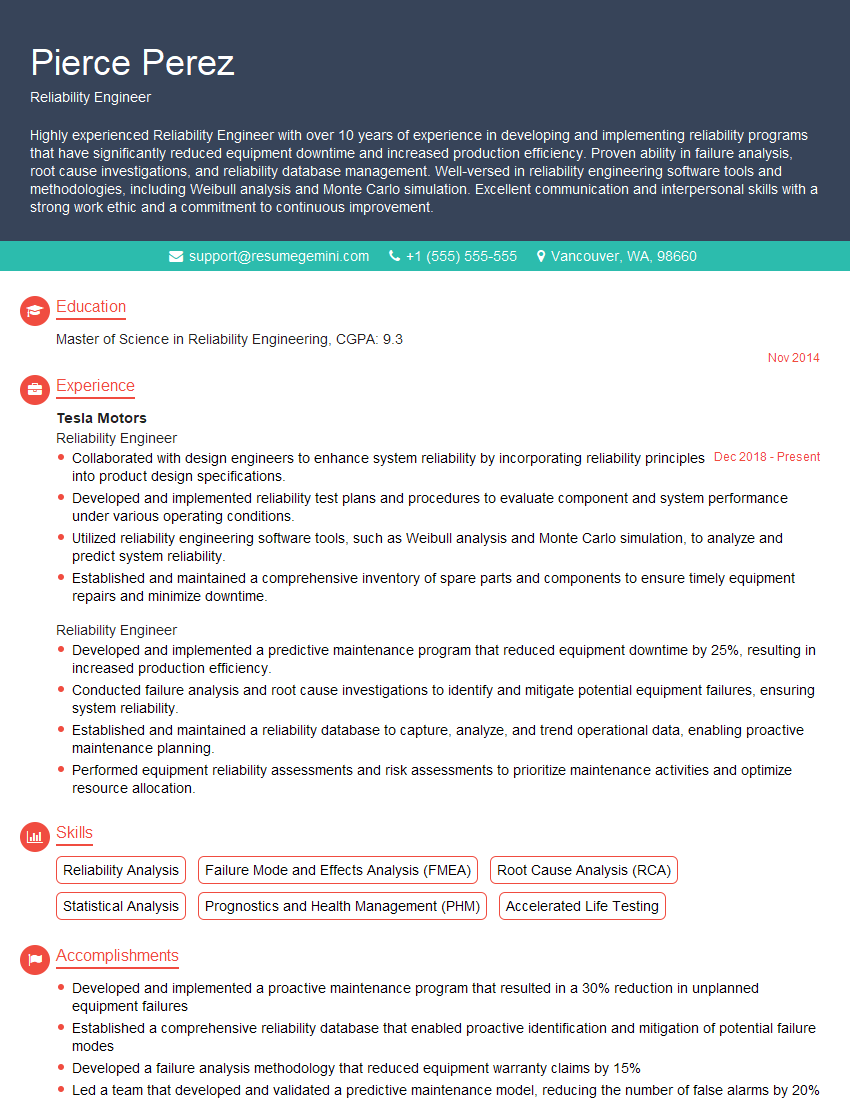
Reliability Engineer Resume Sample
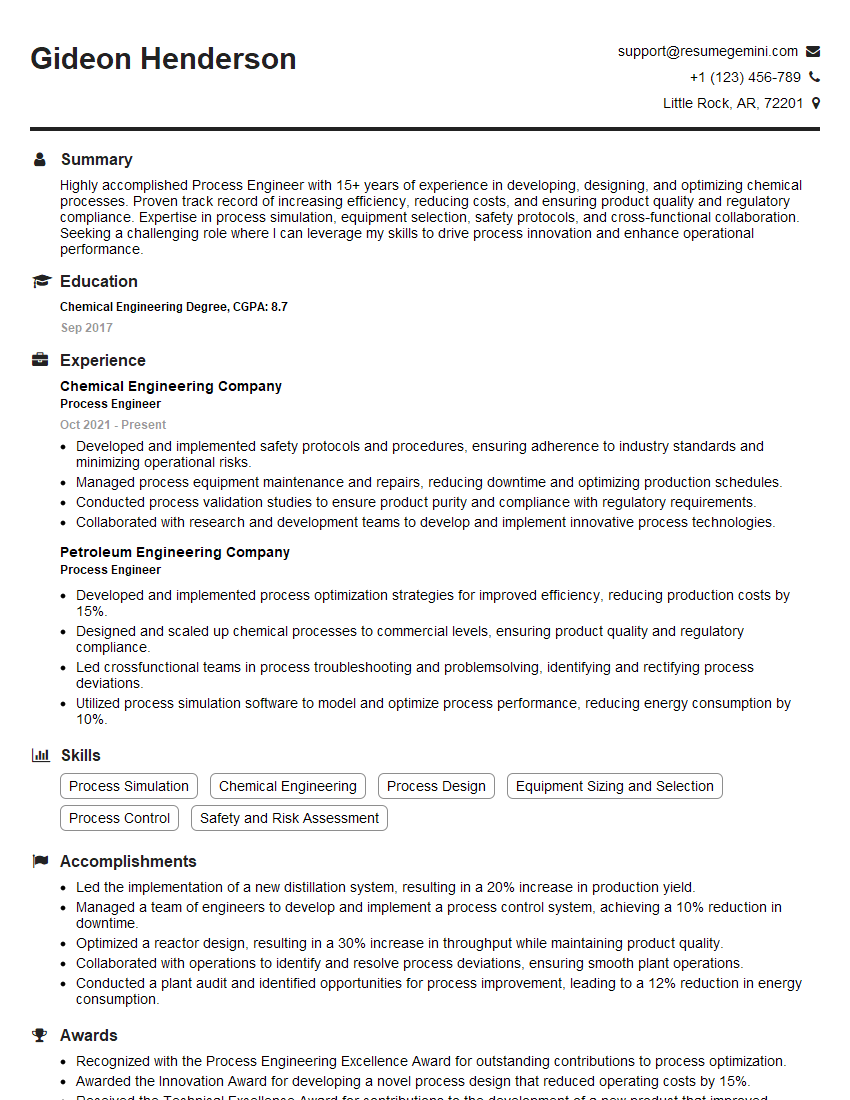
Process Engineer Resume Sample
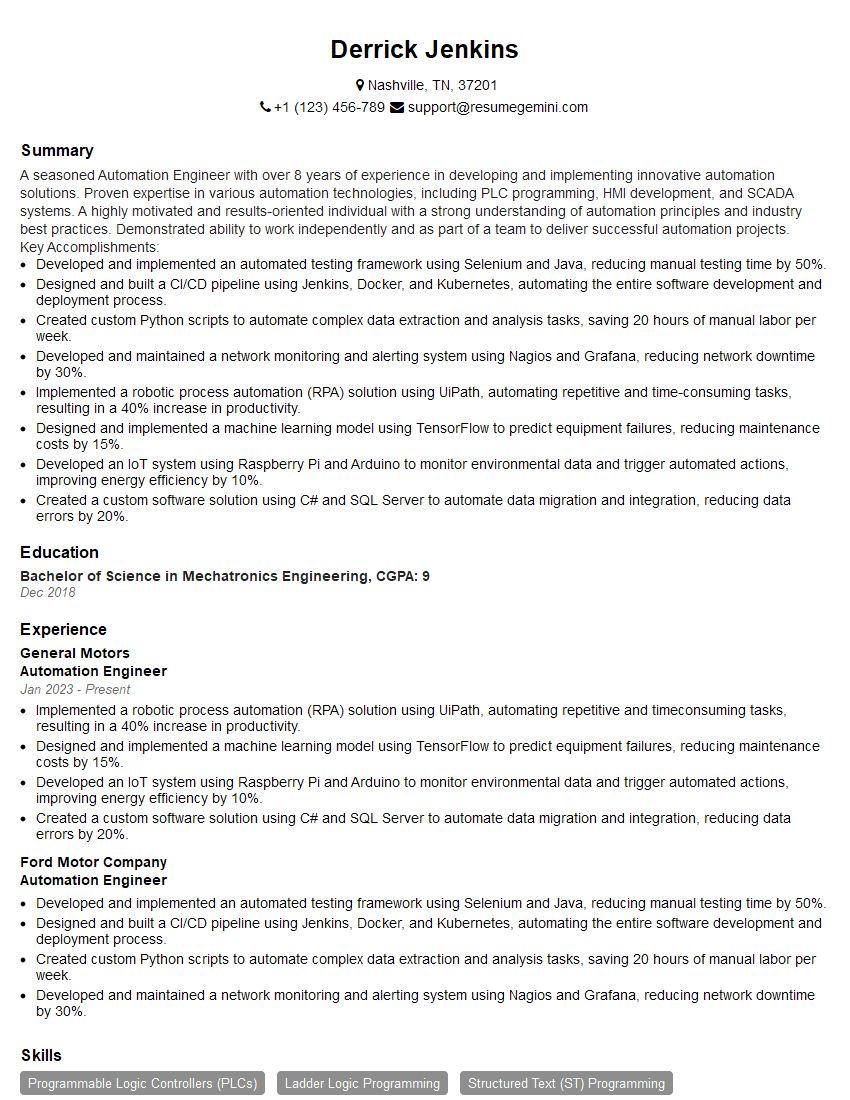
Automation Engineer Resume Sample
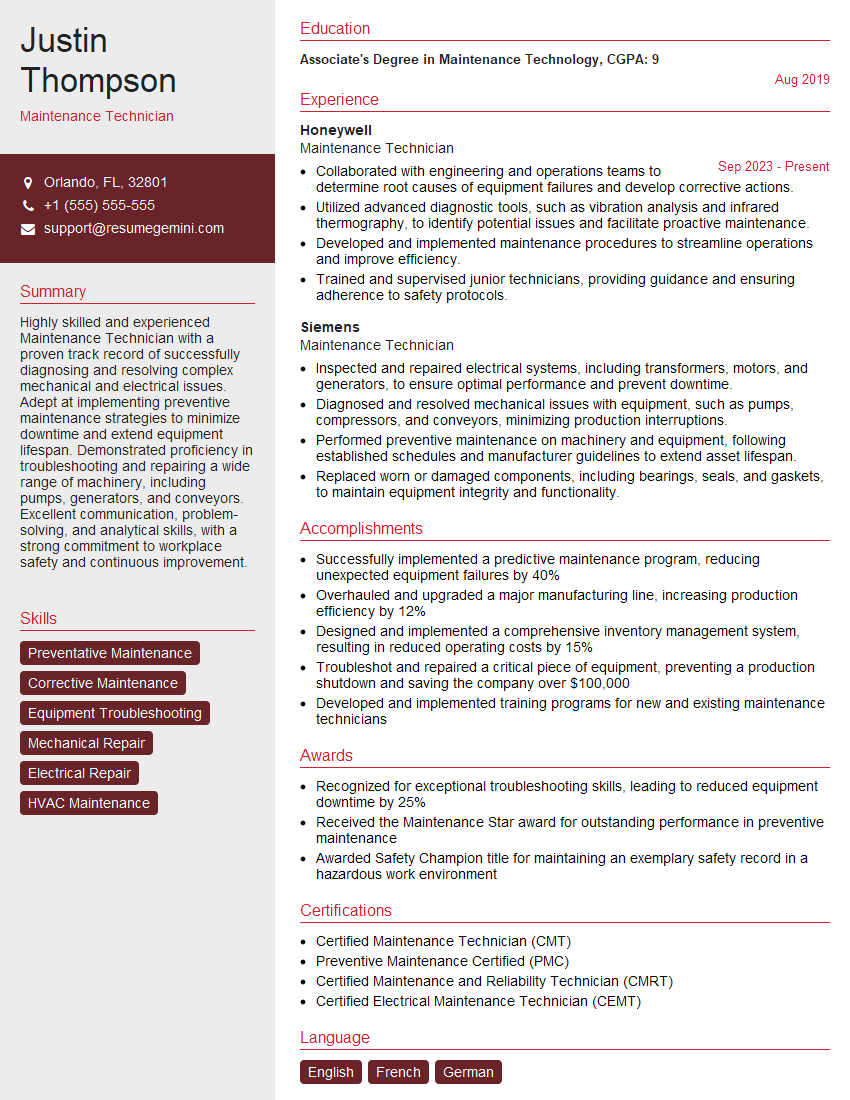
Maintenance Technician Resume Sample
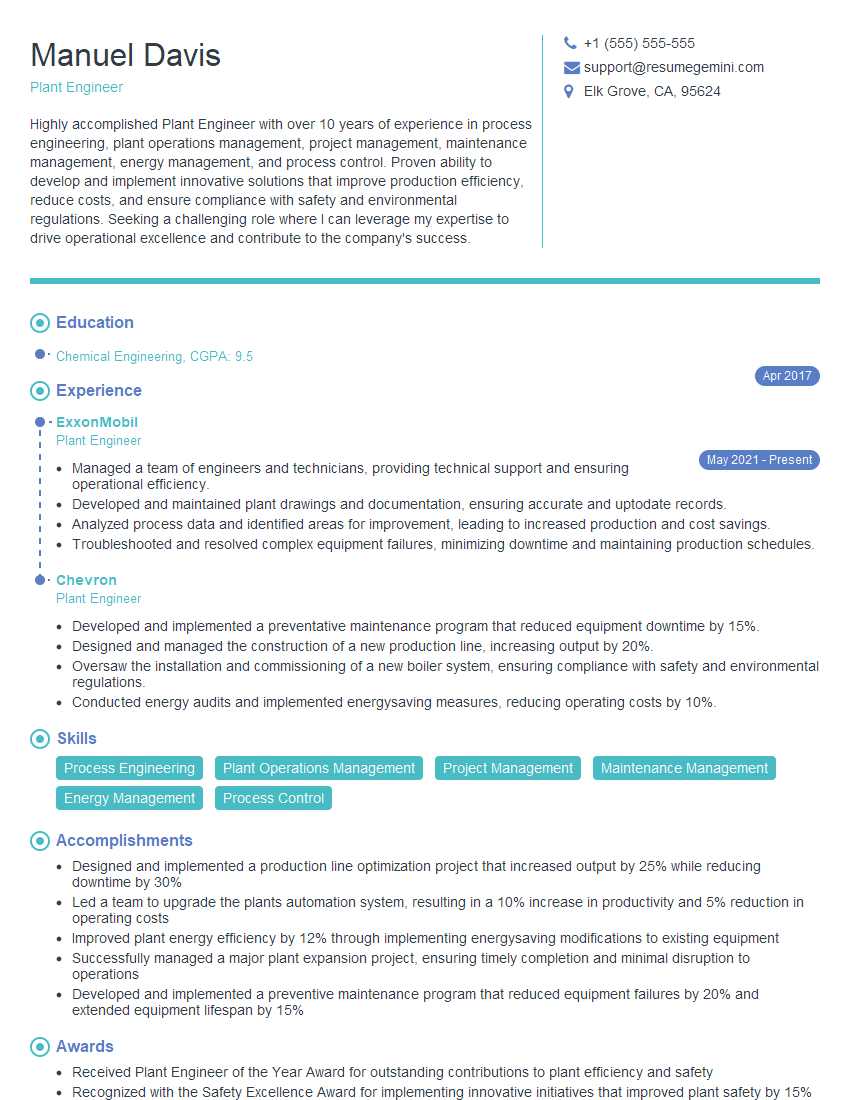
Plant Engineer Resume Sample
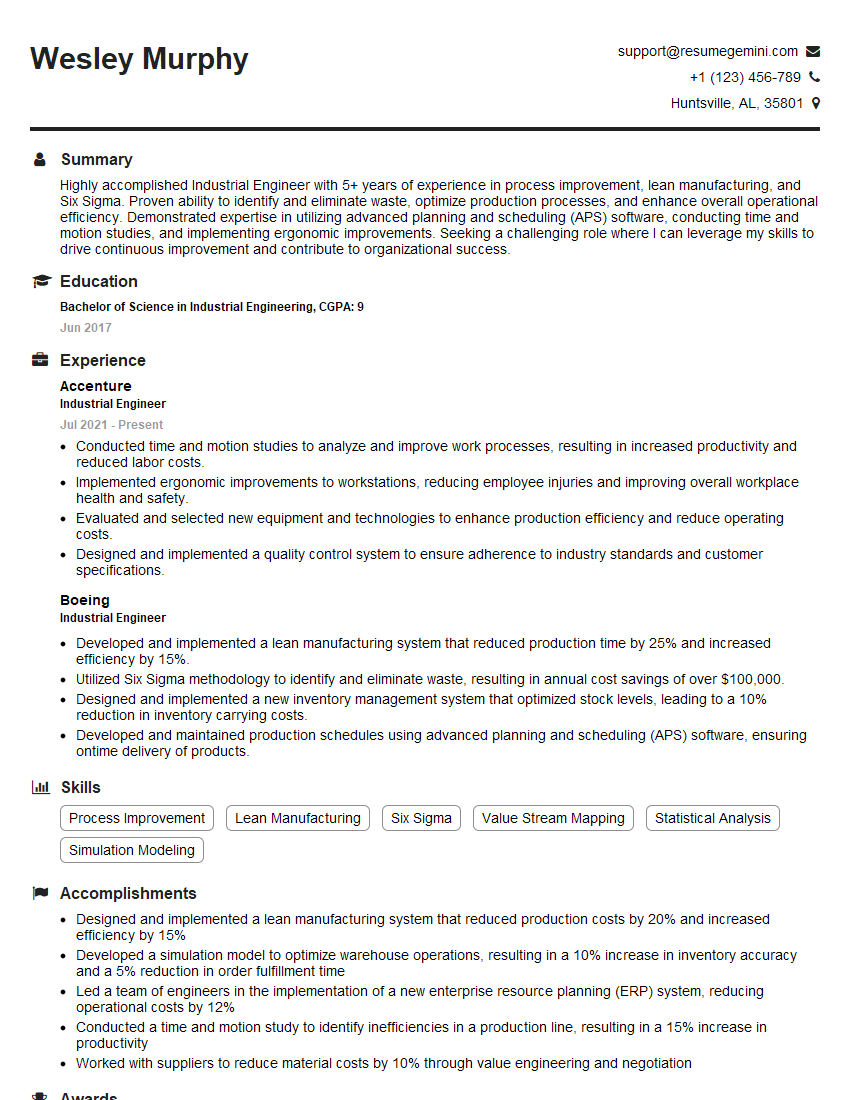
Industrial Engineer Resume Sample
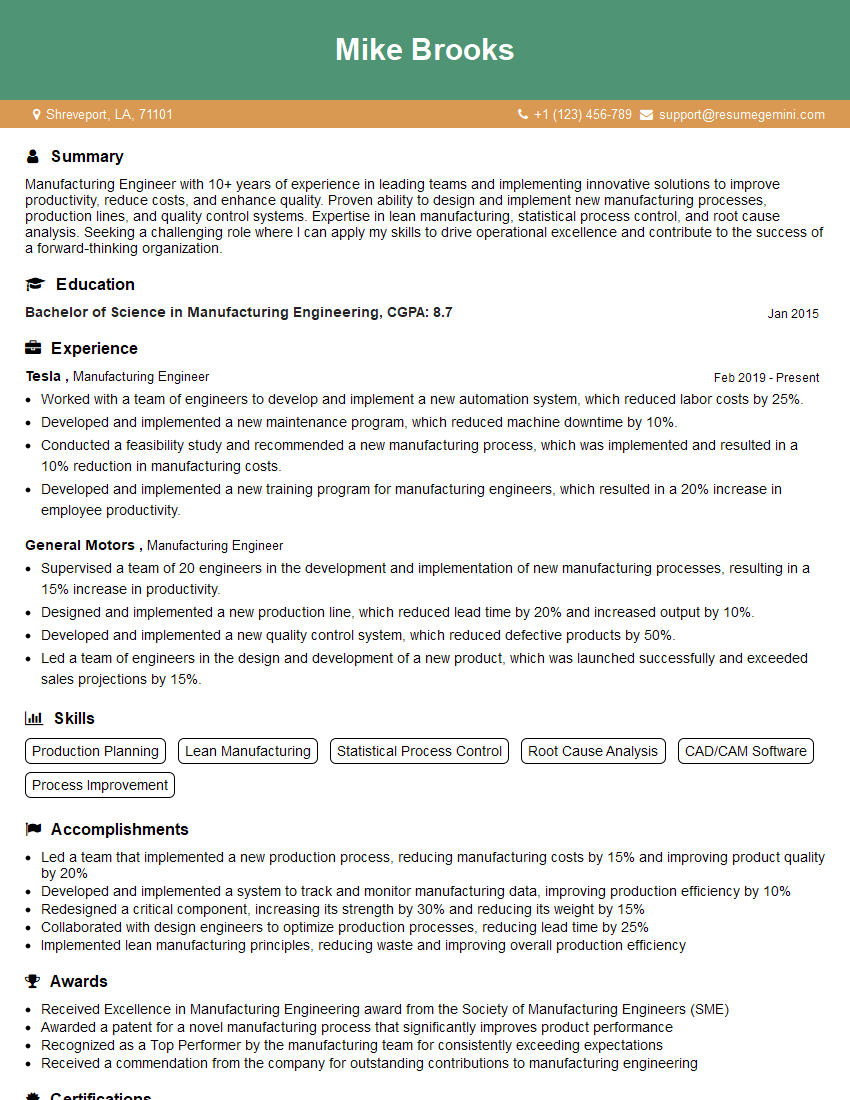
Manufacturing Engineer Resume Sample
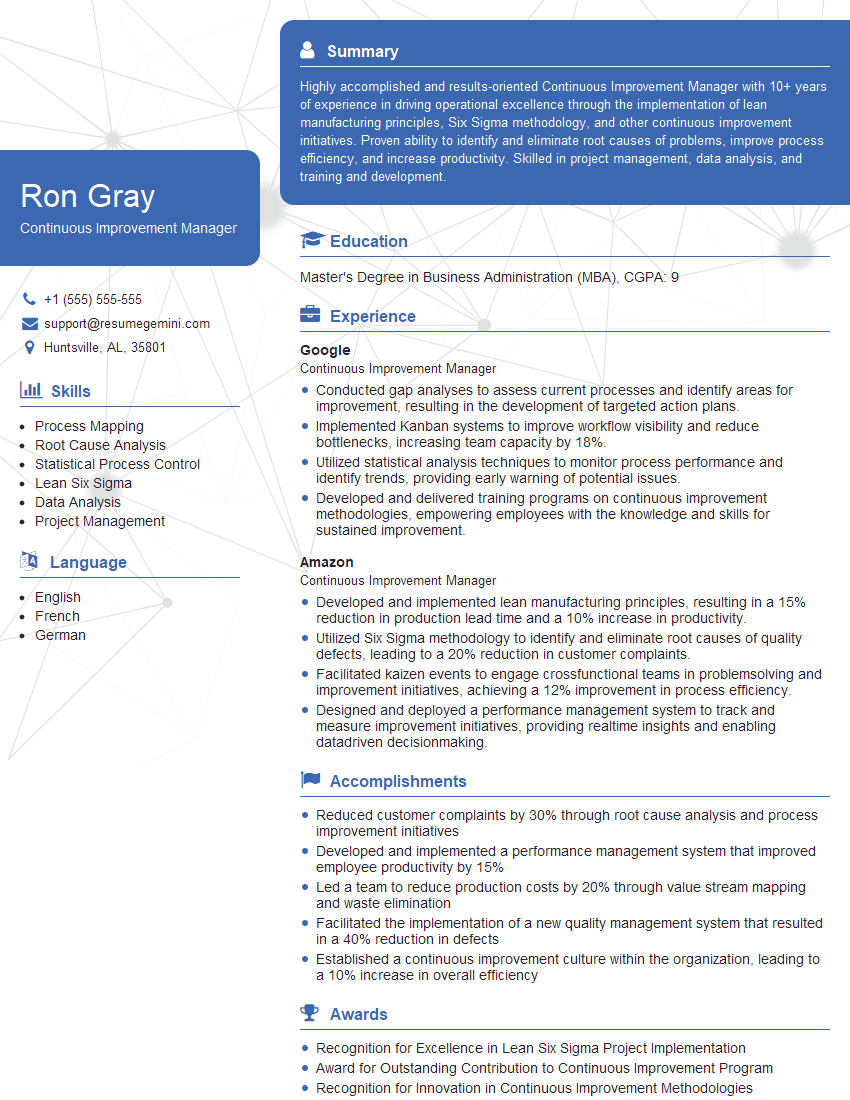
Continuous Improvement Manager Resume Sample
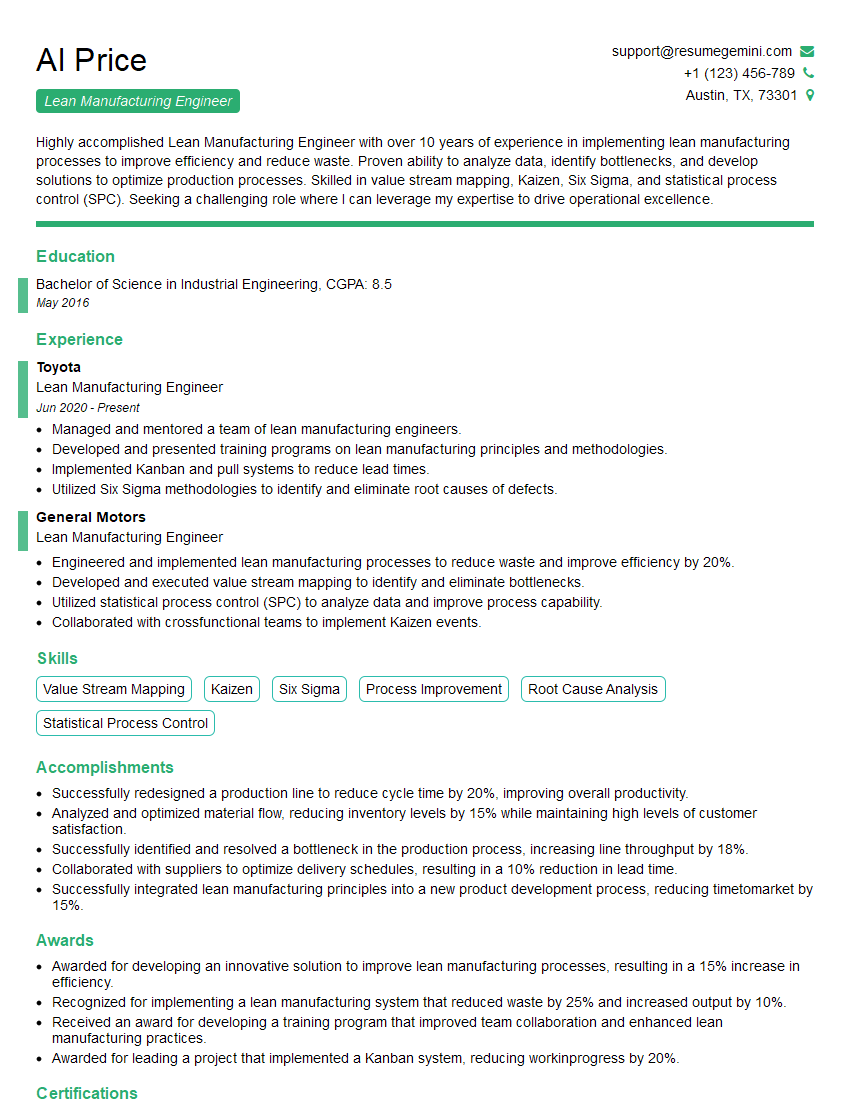
Lean Manufacturing Engineer Resume Sample
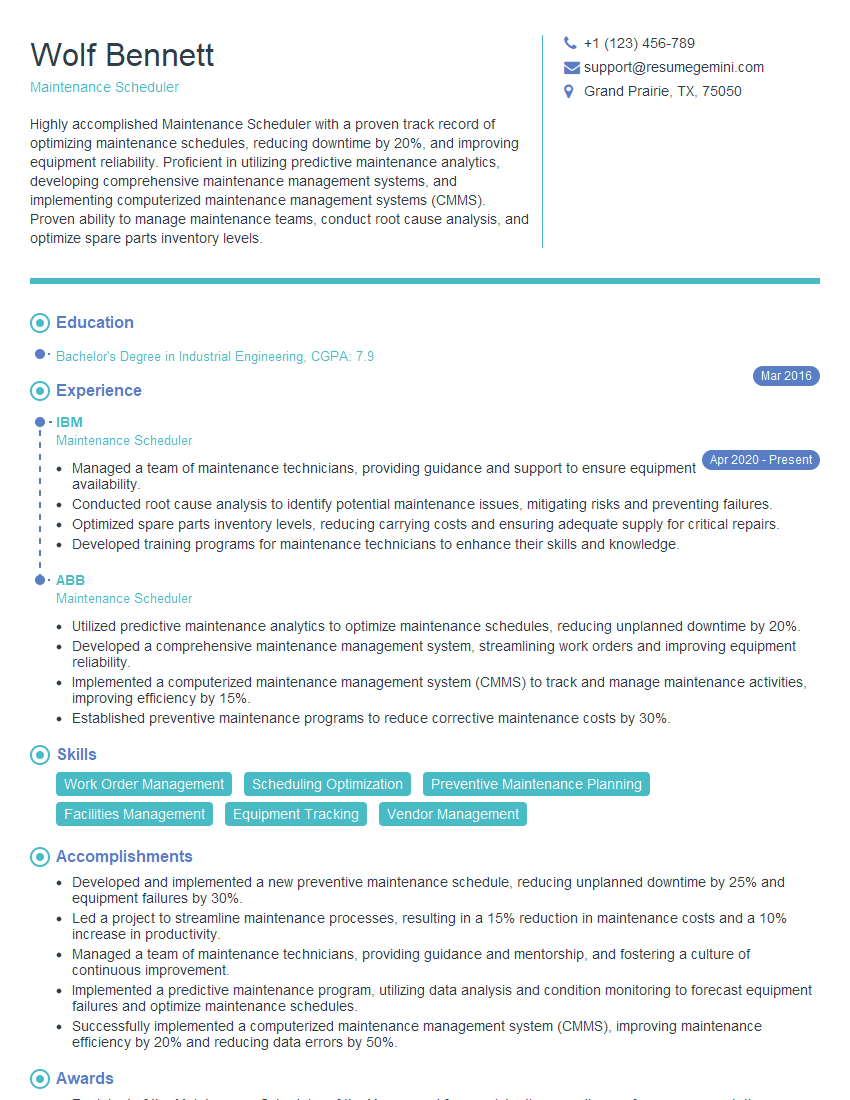
Maintenance Scheduler Resume Sample
- Facility Manager
- Operations Manager
- Maintenance Manager
- Maintenance Planner
- Maintenance Supervisor
- Production Supervisor
- Reliability Engineer
- Process Engineer
- Automation Engineer
- Maintenance Technician
- Plant Engineer
- Industrial Engineer
- Manufacturing Engineer
- Continuous Improvement Manager
- Lean Manufacturing Engineer
- Maintenance Scheduler
Explore more articles
Users Rating of Our Blogs
Share Your Experience
We value your feedback! Please rate our content and share your thoughts (optional).
What Readers Say About Our Blog
Really detailed insights and content, thank you for writing this detailed article.
IT gave me an insight and words to use and be able to think of examples