The right preparation can turn an interview into an opportunity to showcase your expertise. This guide to Understanding of Animal Health and Welfare interview questions is your ultimate resource, providing key insights and tips to help you ace your responses and stand out as a top candidate.
Questions Asked in Understanding of Animal Health and Welfare Interview
Q 1. Describe the different types of animal housing and their impact on animal welfare.
Animal housing significantly impacts welfare. Different species have vastly different needs, and housing must reflect these. Poor housing can lead to stress, injury, and disease.
- Intensive Systems: High-density housing, like battery cages for laying hens or intensive pig farms. While efficient, these can restrict natural behaviours, leading to frustration, feather pecking (hens), and tail biting (pigs). Welfare concerns are addressed through environmental enrichment (e.g., perches, nesting boxes, toys).
- Extensive Systems: Animals have more space and freedom, often grazing freely in pastures or roaming in larger barns. This typically allows for more natural behaviours, reducing stress, but management challenges like parasite control and access to resources become more prominent.
- Free-Range Systems: Animals have access to the outdoors, allowing for foraging and natural behaviours. This enhances welfare but requires careful management of grazing, predation, and potential environmental contamination.
- Individual Housing: Used for specific animals, such as those requiring medical attention or those exhibiting aggressive behaviour. While it meets specific needs, prolonged isolation can negatively impact mental wellbeing.
The choice of housing system involves a complex balance between economic viability, ethical considerations, and the animal’s physical and psychological needs. For example, the move away from battery cages for laying hens illustrates the increasing emphasis on welfare improvements within intensive systems.
Q 2. Explain the principles of biosecurity in animal management.
Biosecurity is a crucial component of animal management, focusing on preventing the introduction and spread of diseases. It’s like creating a fortress around your animals to keep harmful invaders out.
- Quarantine: Newly introduced animals are isolated for a period to observe for signs of illness before integration with the main herd.
- Hygiene: Maintaining clean housing, equipment, and surroundings, including proper waste disposal, is paramount. Regular disinfection protocols are key.
- Pest Control: Effective rodent and insect control prevents the spread of diseases and parasites.
- Traffic Control: Limiting access to the animal facility, including designated clothing and footwear for personnel, helps reduce the risk of introducing pathogens.
- Vaccination and Health Monitoring: Regular health checks and vaccination programs protect animals from known diseases.
- Biosecurity protocols for farm equipment and vehicles: cleaning and disinfection upon entry and exit to a farm is critical.
A simple breach in biosecurity, like failing to disinfect equipment, can lead to a devastating outbreak with significant economic and animal welfare consequences. For instance, a single infected animal introduced to a flock of poultry can rapidly decimate the entire population.
Q 3. What are the common signs of disease in [specific animal species]?
Let’s consider cattle as an example. Recognizing disease early is crucial for effective treatment.
- Respiratory Issues: Coughing, nasal discharge, laboured breathing, and reduced appetite can indicate pneumonia or other respiratory infections.
- Digestive Problems: Diarrhoea, decreased milk production (in dairy cows), loss of weight, and abdominal distension could indicate digestive upsets like bloat or coccidiosis.
- Lameness: Limping, reluctance to move, and swelling in the legs or hooves can point to foot rot, arthritis, or other lameness issues.
- Parasite Infections: Weight loss, rough coat, anaemia, and diarrhoea can indicate internal or external parasite infestations.
- General Signs of Illness: Lethargy, depression, isolation from the herd, and fever (elevated body temperature) are common indicators of disease across many conditions.
It is important to remember that subtle changes in behaviour can be significant. A cow that’s usually active but suddenly becomes withdrawn and listless may be unwell.
Q 4. How do you assess an animal’s pain level?
Assessing an animal’s pain is challenging because animals cannot communicate pain using human language. We must rely on observation of behavioral and physiological changes.
- Behavioral Changes: Changes in posture (hunched, stiff), locomotion (limping, reluctance to move), vocalizations (crying, moaning), and interaction with others (isolation, aggression) are all valuable indicators.
- Physiological Changes: Elevated heart rate, respiratory rate, and body temperature; changes in appetite, and increased sensitivity to touch are physiological signs.
- Pain Scales: While not perfect, pain scales provide a structured approach to quantify pain based on observable clinical signs. These scales differ among species and are usually validated using established clinical signs.
For example, a dog with a limping leg that’s also hiding and whimpering is clearly in pain, suggesting the need for veterinary intervention. Pain assessment is an ongoing process; careful monitoring is essential.
Q 5. Describe different methods for pain management in animals.
Pain management in animals requires a multifaceted approach, tailored to the species, the severity and type of pain, and the individual animal’s needs.
- Pharmacological Pain Relief: Analgesics (pain relievers), NSAIDs (non-steroidal anti-inflammatory drugs), opioids (for severe pain), and local anaesthetics are commonly used.
- Non-Pharmacological Methods: Environmental modifications (comfortable bedding, quiet space), physical therapy (massage, hydrotherapy), and other supportive care measures can reduce pain and promote healing.
- Surgical Interventions: In some cases, surgical intervention may be required to address the underlying cause of the pain.
The choice of pain management method needs careful consideration and is often done in consultation with veterinary specialists. For example, post-operative pain in cats is often managed with a combination of analgesics and providing a quiet environment to minimise stress.
Q 6. Explain the importance of vaccination protocols in animal health.
Vaccination protocols are fundamental to preventing widespread disease outbreaks and protecting animal health.
- Disease Prevention: Vaccines stimulate the immune system, preparing the body to fight off specific infections before they cause illness.
- Herd Immunity: High vaccination rates within a population (herd immunity) protect even unvaccinated animals by reducing the circulation of the pathogen.
- Economic Benefits: Vaccination programs save costs associated with treatment, lost productivity (e.g., decreased milk yield, weight gain), and mortality.
- Disease Eradication: Successful vaccination campaigns have contributed to the eradication of certain diseases in many parts of the world.
Consider the devastating impact of rabies, a disease that can be virtually eliminated through comprehensive vaccination programs. Vaccination programs require careful planning, considering factors like vaccine availability, cost, and the specific needs of the animal population.
Q 7. Discuss the ethical considerations surrounding animal research.
Ethical considerations in animal research are paramount. The use of animals in research presents a complex ethical dilemma; the potential for scientific advancement must be carefully balanced against the potential for harm to the animals.
- The 3Rs: The guiding principle is the ‘3Rs’: Replacement (using non-animal methods where possible), Reduction (using the minimum number of animals necessary), and Refinement (minimizing pain and distress).
- Ethical Review: All animal research proposals must undergo rigorous ethical review by independent committees that assess the scientific merit, the potential for animal suffering, and the adequacy of measures to mitigate suffering.
- Species Selection: Researchers should select the animal species most appropriate for the study, ensuring it provides relevant data while minimizing the potential for distress.
- Housing and Care: Animals used in research must be provided with appropriate housing, veterinary care, and humane treatment throughout the study.
- Post-procedural care: Adequate pain management and veterinary care after any procedure is essential.
Ethical animal research requires a commitment to transparency, accountability, and ongoing refinement of practices to ensure that animal welfare is prioritised. Open discussions and debate are crucial for continually improving ethical standards.
Q 8. What are the key indicators of good animal welfare?
Good animal welfare is a multifaceted concept encompassing the animal’s physical, mental, and behavioral states. It’s not just the absence of disease, but rather a positive state of well-being.
- Physical health: This includes freedom from injury, disease, and pain. A healthy animal displays good body condition, bright eyes, clean coat, and normal vital signs (temperature, heart rate, respiration).
- Mental health: This involves a lack of fear, anxiety, and distress. Observe for normal behavior patterns, appropriate responses to stimuli, and absence of self-harm or stereotypic behaviors (repetitive, abnormal behaviors often seen in animals under stress, like pacing in cages).
- Behavioral health: Animals should be able to express natural behaviors such as foraging, social interaction, and resting. Restricted movement or lack of enrichment can negatively affect behavioral health.
For example, a dairy cow with good welfare would have a clean udder, be free from lameness, have access to sufficient feed and water, and be able to engage in social interaction with other cows. A dog with good welfare would be playful, responsive to commands, and show a relaxed posture.
Q 9. How do you handle an aggressive animal during examination?
Handling an aggressive animal requires prioritizing safety for both the animal and myself. My approach is based on careful observation, understanding the animal’s body language, and utilizing appropriate restraint techniques.
- Assessment: I begin by assessing the animal’s behavior from a safe distance, noting signs of aggression such as bared teeth, flattened ears, or growling. Identifying the cause of aggression (fear, pain, territoriality) is crucial.
- Safe Distance: I maintain a safe distance, using barriers like cages or walls when possible. I avoid direct eye contact, sudden movements, and reaching into the animal’s space.
- Calm Demeanor: I speak in a calm, reassuring voice. Sudden noises or loud movements can escalate aggression.
- Restraint: Appropriate restraint techniques are vital and depend heavily on the species and size of the animal. This may involve using specialized equipment such as nets, halters, or catch poles. I am trained in safe and humane restraint techniques for various species.
- Teamwork: If necessary, I’ll work with a team to safely restrain the animal, using a planned approach.
- Veterinary Assistance: If the aggression is severe or cannot be managed safely, I would immediately consult with a veterinarian, who may use sedation or other methods.
For instance, if dealing with an aggressive dog, a muzzle would be essential for safety. With a cat, using a towel to gently restrain them might suffice.
Q 10. Describe your experience with animal restraint techniques.
My experience with animal restraint techniques is extensive, encompassing a range of species and situations. I’m proficient in various techniques, always prioritizing the animal’s safety and minimizing stress.
- Species-Specific Techniques: I have mastered techniques for restraining different species, including cattle (using halters, headlocks), pigs (using panels and boards), sheep (using shepherds’ crooks), horses (using halters and lead ropes), and small animals (using gentle handling and towels).
- Chemical Restraint: I’m also familiar with and experienced in the appropriate use of chemical restraint (sedation) under veterinary supervision when necessary.
- Safety Measures: All restraint methods I use are designed to prevent injury to both the animal and myself. This includes using appropriate equipment and body mechanics.
- Continuous Assessment: I continuously monitor the animal’s condition and response to restraint, making adjustments as needed.
For example, during cattle handling, I know the importance of using calm, consistent movements and a quiet demeanor to minimize the risk of stressing the herd. With horses, gentle handling and slow, deliberate movements are key to prevent sudden reactions.
Q 11. Explain the role of nutrition in maintaining animal health.
Nutrition plays a fundamental role in maintaining animal health and productivity. Proper nutrition provides the essential building blocks for growth, reproduction, and immune function.
- Growth and Development: Animals require specific nutrients, such as protein, carbohydrates, fats, vitamins, and minerals, for proper growth and development. Nutrient deficiencies can lead to stunted growth, weakened immune systems, and increased susceptibility to disease.
- Reproduction: Adequate nutrition is critical for successful reproduction. Nutrient deficiencies can result in reduced fertility, increased embryonic mortality, and poor milk production.
- Immune Function: Nutrients like vitamins A, E, and selenium are essential for a healthy immune system. Nutritional deficiencies can compromise the animal’s ability to fight off infections.
- Disease Prevention: Proper nutrition helps animals better resist and recover from illness. A balanced diet can reduce the risk of many health problems.
For example, a dairy cow’s diet must be carefully formulated to support high milk production. An inadequate diet can result in reduced milk yield and decreased milk quality. Similarly, poultry require specific amino acid levels in their feed for optimal egg production and feather development.
Q 12. What are the common causes of stress in farmed animals?
Farmed animals experience stress from various factors, negatively impacting their welfare and productivity.
- Overcrowding: High stocking densities lead to increased competition for resources, aggression, and disease transmission.
- Poor Housing Conditions: Lack of adequate space, ventilation, and sanitation contributes to stress and health problems. Extreme temperatures can also induce heat or cold stress.
- Management Practices: Rough handling, mixing unfamiliar animals, and frequent movement can cause significant stress.
- Transportation: Long and stressful transportation can weaken the immune system, increasing disease susceptibility.
- Lack of Environmental Enrichment: Absence of opportunities for natural behaviors like foraging, exploration, and social interaction can lead to boredom and frustration.
For example, pigs confined in small, barren pens show signs of stress, including increased aggression and stereotypic behaviors like tail biting. Similarly, poultry kept in overcrowded cages experience increased feather pecking and cannibalism.
Q 13. How do you identify and manage zoonotic diseases?
Zoonotic diseases are infections transmitted from animals to humans. Effective identification and management are crucial for public health.
- Surveillance: Regular monitoring of animal populations for signs of zoonotic diseases through clinical examinations, laboratory testing, and epidemiological investigations is critical.
- Early Detection: Prompt identification of infected animals is crucial to prevent disease spread. This involves recognizing clinical signs compatible with zoonotic diseases (e.g., fever, respiratory symptoms, diarrhea).
- Biosecurity Measures: Implementing strict biosecurity protocols on farms and in veterinary clinics minimizes the risk of transmission. This includes proper hygiene, sanitation, and the use of personal protective equipment (PPE).
- Vaccination and Treatment: Vaccination of susceptible animals can help prevent outbreaks. Treatment of infected animals is usually necessary to prevent further spread.
- Public Health Collaboration: Close collaboration between veterinarians, public health officials, and other stakeholders is essential for timely and effective response.
For instance, avian influenza is a highly contagious zoonotic disease. Early detection and effective biosecurity measures are paramount to preventing outbreaks and protecting human health. Similarly, rabies is a deadly zoonotic disease, and prompt vaccination of animals and post-exposure prophylaxis in humans are crucial.
Q 14. Explain the importance of record-keeping in animal health management.
Record-keeping is essential for effective animal health management. Detailed records provide a wealth of information to track health trends, make informed decisions, and comply with regulations.
- Disease Surveillance: Accurate records help track disease outbreaks and identify risk factors. This includes noting the occurrence, spread, and severity of disease.
- Treatment Monitoring: Detailed records document treatment protocols, response to therapy, and outcomes. This enables tracking efficacy of treatments and identifying treatment failures.
- Individual Animal Health: Records track individual animal health parameters such as weight, temperature, and vaccination history. This provides a valuable overview of the animal’s health status over time.
- Productivity Tracking: In livestock operations, records monitor production parameters such as milk yield, egg production, and weight gain. This helps assess the impact of health interventions on productivity.
- Regulatory Compliance: Accurate record-keeping is required for regulatory compliance in many countries. This ensures traceability and supports disease investigations.
For example, a dairy farm may maintain detailed records of each cow’s milk production, health status, and breeding history. These records enable the farmer to identify high-producing cows, monitor disease trends, and manage their herd effectively. Similarly, a veterinary clinic maintains detailed records of each patient’s history, treatments, and diagnostic test results to ensure quality care and efficient management.
Q 15. Describe the different types of animal parasites and their control.
Animal parasites are organisms that live on or in other animals, deriving nourishment and often causing harm. They’re broadly categorized into several types:
- Endoparasites: These live *inside* the host’s body. Examples include roundworms (nematodes), tapeworms (cestodes), flukes (trematodes), and protozoa (single-celled organisms like Eimeria species causing coccidiosis).
- Ectoparasites: These live *on* the host’s body. Examples include fleas, ticks, lice, and mites.
Controlling parasites requires a multifaceted approach:
- Prevention: This is crucial! Good hygiene, regular deworming programs (following veterinary advice and using appropriate medications), proper sanitation of housing, and parasite control in the environment (e.g., treating pastures) are essential. For example, rotating pastures helps prevent parasite buildup.
- Diagnosis: Accurate identification of the parasite is key. This involves fecal examinations, blood tests, skin scrapings, and sometimes even biopsies. Early detection allows for timely intervention.
- Treatment: Specific treatments exist for different parasites. These include anthelmintics (for internal parasites) and insecticides/acaricides (for external parasites). Always follow veterinary guidance on dosage and administration. Resistance is a growing concern, so responsible use of medications is critical.
- Monitoring: Regular monitoring after treatment is essential to ensure efficacy and detect any re-infection. This might involve repeat fecal examinations or other diagnostic tests.
For example, in a dairy herd, regular fecal egg counts help determine the effectiveness of deworming programs and identify animals needing individual treatment. This minimizes parasite burden and improves overall herd health.
Career Expert Tips:
- Ace those interviews! Prepare effectively by reviewing the Top 50 Most Common Interview Questions on ResumeGemini.
- Navigate your job search with confidence! Explore a wide range of Career Tips on ResumeGemini. Learn about common challenges and recommendations to overcome them.
- Craft the perfect resume! Master the Art of Resume Writing with ResumeGemini’s guide. Showcase your unique qualifications and achievements effectively.
- Don’t miss out on holiday savings! Build your dream resume with ResumeGemini’s ATS optimized templates.
Q 16. What are the common causes of lameness in livestock?
Lameness in livestock is a significant welfare issue and economic burden. Several causes contribute:
- Infectious Diseases: Foot rot (caused by bacteria), foot-and-mouth disease (viral), and various other bacterial or viral infections can lead to lameness.
- Traumatic Injuries: These might involve wounds, abscesses, or foreign body penetration in the foot, leg, or hoof. This could be anything from a sharp object in the pasture to an injury sustained during transportation.
- Nutritional Deficiencies: Inadequate intake of essential vitamins and minerals can weaken bones and connective tissues, increasing the risk of lameness.
- Metabolic Disorders: Conditions like milk fever (hypocalcemia) can weaken bones, making animals more susceptible to injury and lameness.
- Genetic Predispositions: Certain breeds might be more prone to specific types of lameness due to their conformation or genetics.
- Environmental Factors: Poor pasture conditions, rough terrain, and inadequate housing can all contribute to lameness.
Diagnosis involves a thorough clinical examination, including assessment of gait, palpation of limbs, and sometimes radiography or other imaging techniques. Treatment depends on the underlying cause and can range from simple wound care to surgical intervention or long-term management.
Q 17. How do you handle animal emergencies?
Handling animal emergencies requires quick thinking and decisive action. My approach follows these steps:
- Assessment: First, I assess the situation – what’s wrong, how severe is it, and what immediate threats are present?
- Prioritize Safety: Ensure the safety of the animal and everyone involved. This may involve restraining the animal (safely and appropriately) or creating a safe distance if needed. Consider using appropriate personal protective equipment (PPE) like gloves.
- Stabilization: Provide immediate first aid, if possible. This might include controlling bleeding, preventing further injury, providing warmth if needed, or administering basic supportive care. This step buys time until professional help arrives.
- Contact Veterinary Assistance: Contact a veterinarian or emergency animal service immediately. Provide a clear description of the situation and the animal’s condition. It’s vital to convey accurate information.
- Follow Veterinary Instructions: Follow the instructions provided by the veterinarian. This might include administering medication, transporting the animal, or other interventions.
- Post-Emergency Care: Provide appropriate post-emergency care based on veterinary recommendations. This may involve monitoring vital signs, wound care, or pain management. Proper record-keeping is critical.
An example is a cow suffering from dystocia (difficult birth). Immediate action would include assessing the calf’s presentation, providing lubrication, and contacting a veterinarian. Delay can be fatal.
Q 18. What is your experience with animal euthanasia?
Euthanasia is a sensitive procedure I approach with professionalism, compassion, and respect for the animal. I have extensive experience performing euthanasia, always ensuring it is performed humanely and in accordance with ethical guidelines and legal requirements. The methods used depend on the animal’s species, size, and condition, but must always minimize stress and pain. It’s crucial to consider the animal’s welfare as the primary concern, and I use methods that ensure a quick, painless death.
I also understand the emotional impact on owners and will offer support and guidance during this difficult time. Transparency about the process and providing opportunities for owners to say goodbye are important aspects of my approach.
Q 19. Describe your knowledge of animal behavior and how it affects health.
Understanding animal behavior is fundamental to good animal health and welfare. An animal’s behavior can provide important clues about its physical and mental health. For example:
- Changes in Appetite: A sudden loss of appetite can indicate illness or pain.
- Altered Activity Levels: Lethargy or excessive restlessness can be signs of disease or discomfort.
- Social Interactions: Isolation or aggression can suggest underlying problems.
- Vocalizations: Unusual vocalizations might signal distress or pain.
By observing animals closely and recognizing normal behavior patterns, we can identify deviations that may indicate a health problem early. This proactive approach allows for early intervention and improved outcomes. My knowledge of animal ethology (the study of animal behavior) helps me interpret these behavioral signals accurately.
For example, a sudden decrease in milk production in a dairy cow, coupled with lethargy and decreased appetite, might indicate a serious underlying health issue, necessitating prompt veterinary attention. The behavioral changes serve as an early warning sign before more noticeable clinical signs.
Q 20. How do you ensure the safety of yourself and others while working with animals?
Safety is paramount when working with animals. My practices include:
- Proper Restraint Techniques: I use appropriate and safe restraint techniques based on the animal’s species, size, and temperament. This minimizes risk to both the animal and myself.
- Personal Protective Equipment (PPE): I always use appropriate PPE, including gloves, eye protection, and protective clothing, depending on the situation. This protects me from potential hazards such as bites, scratches, or exposure to infectious agents.
- Environmental Awareness: I am aware of potential environmental hazards, such as slippery surfaces or sharp objects, and take precautions to prevent accidents.
- Handling Techniques: I use appropriate handling techniques to minimize stress and prevent injury to the animal and myself. This includes understanding the animal’s body language and reactions.
- Teamwork and Communication: When working with others, clear communication is crucial to coordinate efforts and ensure everyone’s safety.
In a practical scenario, when handling a bull, I would ensure a secure environment, use appropriate restraint techniques like a halter and rope, and communicate clearly with colleagues. Safety is always the priority.
Q 21. Explain the concept of One Health and its relevance to animal health.
One Health is a collaborative, multisectoral approach to addressing health challenges that recognizes the interconnectedness of human, animal, plant, and environmental health. It emphasizes that the health of humans, animals, and the environment are all intertwined. A problem in one area can significantly impact the others.
Relevance to Animal Health: The concept is vital because many diseases can cross species boundaries (zoonotic diseases) – diseases that can transmit from animals to humans or vice versa. For example, rabies, avian influenza, and certain forms of brucellosis are zoonotic diseases. Controlling animal diseases is crucial not only for animal welfare but also for public health. Additionally, environmental factors such as pollution or climate change can impact both animal and human health. One Health initiatives promote collaboration between veterinarians, human medical professionals, environmental scientists, and other stakeholders to address these complex challenges in an integrated way.
A One Health approach is implemented in many areas, from surveillance programs for zoonotic diseases, to the management of antimicrobial resistance, to ensuring safe food production practices. Understanding these connections is vital for building a healthier world for both humans and animals.
Q 22. What are the legal requirements for animal welfare in your region?
Animal welfare legislation in my region is comprehensive and focuses on preventing cruelty and ensuring animals’ five freedoms: freedom from hunger and thirst; freedom from discomfort; freedom from pain, injury, or disease; freedom to express normal behavior; and freedom from fear and distress. Specific laws cover various aspects, including:
- Licensing and registration: All animal facilities, from pet shops to farms, require licenses and must adhere to strict operational standards. Inspections are routine to ensure compliance.
- Housing and husbandry standards: Detailed regulations specify minimum space requirements, environmental enrichment, and appropriate care practices for different species. For example, pigs must have access to appropriate rooting materials.
- Transportation: Strict rules govern the transportation of animals, emphasizing humane handling and minimizing stress during transit. There are specific requirements for vehicle design and journey duration.
- Slaughter and euthanasia: Regulations mandate humane methods of slaughter and euthanasia, prioritizing minimizing pain and distress. Specific protocols and trained personnel are required.
- Specific species legislation: There might be specific legislation relating to particular species, like dogs, cats, or livestock, focusing on aspects such as breeding, training, or welfare in specific contexts.
Failure to comply results in penalties, ranging from fines to facility closure and criminal charges. The specifics vary by species and the nature of the infraction, but maintaining a high standard of compliance is paramount.
Q 23. How do you maintain hygiene and sanitation standards in an animal facility?
Maintaining hygiene and sanitation is crucial to preventing disease outbreaks and ensuring animal welfare. Our protocols are rigorous and include:
- Regular cleaning and disinfection: All animal housing, equipment, and surfaces are cleaned and disinfected daily using appropriate disinfectants. The frequency varies according to the species and the potential for disease transmission.
- Waste management: Manure and other waste are removed regularly to prevent the build-up of pathogens and attract pests. We employ appropriate methods of waste disposal according to local regulations, often involving composting or specialized waste services.
- Pest control: Regular pest control measures are implemented to eliminate rodents and insects which can carry diseases. This includes both preventative measures like sealing gaps and using traps, and proactive measures such as regular inspections.
- Biosecurity: Strict biosecurity protocols are followed to prevent the introduction and spread of diseases. This includes limiting access to the facility, requiring personnel to wear appropriate protective clothing, and implementing strict quarantine procedures for new animals.
- Water quality: Water sources are regularly monitored for quality and purity, ensuring animals have access to clean drinking water. This includes routine testing for pathogens and contaminants.
Implementing a comprehensive cleaning schedule, employee training, and ongoing monitoring are vital in achieving and maintaining high standards of hygiene and sanitation.
Q 24. Describe your experience with diagnostic imaging in animals.
Diagnostic imaging plays a vital role in animal healthcare. My experience encompasses various modalities, including:
- Radiography (X-rays): This is the most common imaging technique, used to detect fractures, foreign bodies, and various internal organ pathologies. I have extensive experience interpreting radiographs for a wide range of species, from small rodents to large livestock.
- Ultrasonography (ultrasound): Ultrasound allows us to visualize soft tissues and organs in real-time, which is crucial for assessing pregnancies, evaluating organ function, and guiding procedures such as biopsies.
- Computed Tomography (CT): CT provides detailed cross-sectional images, ideal for diagnosing complex fractures, assessing tumors, and evaluating the central nervous system.
- Magnetic Resonance Imaging (MRI): MRI offers exceptional soft tissue contrast, invaluable for diagnosing conditions affecting the brain, spinal cord, and other soft tissues. It’s particularly useful when assessing neurological conditions or musculoskeletal problems.
Accurate interpretation of images requires a strong understanding of animal anatomy, physiology, and pathology. I regularly attend continuing education courses to stay updated on the latest imaging techniques and interpretation methods. A recent case involved using ultrasound to guide a minimally invasive biopsy of a liver tumor in a horse, which led to successful treatment.
Q 25. Explain different types of animal anesthesia and its implications.
Animal anesthesia is crucial for performing various procedures painlessly and safely. The choice of anesthetic depends on several factors, including the species, age, health status of the animal, and the procedure being performed. Types include:
- Inhalant anesthetics: These are gases, such as isoflurane and sevoflurane, administered via an endotracheal tube. They are commonly used for longer procedures and offer precise control over the depth of anesthesia.
- Injectable anesthetics: These are given intravenously or intramuscularly. Examples include propofol, ketamine, and barbiturates. Injectable agents are often used for induction of anesthesia or short procedures.
- Local anesthetics: These numb a specific area of the body, allowing procedures to be performed without general anesthesia. This is often used for minor surgeries or wound management.
Implications: Anesthesia carries risks, including respiratory depression, cardiovascular instability, and adverse reactions. Careful patient assessment, monitoring throughout the procedure (including heart rate, blood pressure, respiration, and oxygen saturation), and meticulous post-operative care are essential to minimize these risks. Selecting the appropriate anesthetic protocol and providing skilled anesthetic management are vital for the animal’s safety and the success of the procedure. Monitoring may include use of pulse oximetry and capnography to assess oxygen saturation and carbon dioxide levels respectively.
Q 26. How do you handle non-compliant animal owners?
Handling non-compliant animal owners requires a multifaceted approach that prioritizes both animal welfare and effective communication. My strategy involves:
- Education and guidance: Initially, I attempt to educate the owner about appropriate animal care practices and the legal requirements. I provide clear explanations and resources to help them understand the importance of meeting the animal’s needs. Many times this is enough to facilitate change in behavior.
- Formal warnings: If education is insufficient, a formal written warning outlining the specific non-compliance issues and potential consequences is issued. This serves as a clear record and escalation step.
- Collaboration with authorities: In cases of severe or persistent non-compliance, I collaborate with animal welfare organizations or law enforcement to ensure the animal’s safety and well-being. This may involve court proceedings.
- Temporary or permanent removal: In extreme cases where the animal is in immediate danger, I may seek temporary or permanent removal of the animal from the owner’s care, placing it in a safe and appropriate environment, ideally after proper due process and court order where needed.
The goal is always to improve animal welfare, and collaboration is often preferred, but legal action may be necessary to prevent cruelty or neglect.
Q 27. What are your strategies for managing animal populations?
Managing animal populations involves a combination of strategies tailored to the specific species and context. Approaches include:
- Population control programs: These often involve sterilizing or neutering animals to reduce reproduction rates, especially for stray or feral populations. Effective education campaigns to promote responsible pet ownership may also play a vital role.
- Habitat management: Maintaining and improving animal habitats can help sustain healthy populations within their natural environment. This involves protecting and restoring ecosystems, which includes preventing human encroachment.
- Disease control and prevention: Vaccinations and parasite control measures are vital for protecting animals from preventable diseases that can decimate populations. This may include implementing herd health programs.
- Monitoring and research: Continuous monitoring of animal populations provides valuable data to inform management decisions. Research helps us understand population dynamics and develop more effective strategies.
- Ethical relocation: In cases of overpopulation in a specific area, ethical relocation to suitable habitats may be considered. This must follow rigorous protocols to ensure animal welfare and avoid environmental impacts.
The approach chosen depends heavily on the specific species, location, and the challenges faced. A balanced approach that includes all aspects is best.
Q 28. How do you stay up-to-date with advances in animal health and welfare?
Staying current in animal health and welfare requires a multi-pronged approach:
- Professional memberships: I actively participate in professional organizations like the [insert relevant professional organization names], accessing their journals, attending conferences, and networking with other professionals in the field.
- Continuing education: I regularly attend workshops, seminars, and webinars focusing on advances in animal health and welfare. This includes courses on new diagnostic techniques, treatment protocols, and animal behavior.
- Scientific literature: I regularly review peer-reviewed scientific journals and publications to stay updated on the latest research findings and best practices.
- Online resources and databases: I utilize online resources and databases such as PubMed and veterinary-specific websites for access to research, case studies, and guidelines.
- Collaboration with colleagues: I maintain a network of colleagues with whom I exchange information and discuss challenging cases. This collaborative approach fosters knowledge sharing and continuous learning.
Continuous learning is not just important for professional development, but it is also crucial for ensuring the highest standards of care for the animals under my care. The field is ever-evolving, and keeping abreast of the latest advancements is paramount to our success.
Key Topics to Learn for Understanding of Animal Health and Welfare Interview
- Animal Physiology and Anatomy: Understanding normal physiological processes and anatomical structures is fundamental. Consider how deviations impact health and welfare.
- Disease Prevention and Control: Explore vaccination protocols, biosecurity measures, and parasite control strategies. Be prepared to discuss practical application in various animal settings.
- Animal Behavior and Welfare Assessment: Learn to recognize signs of stress, illness, and discomfort in animals. Discuss different welfare assessment methods and their limitations.
- Nutrition and its Impact on Health: Understand the nutritional requirements of different species and how dietary deficiencies or imbalances affect health and welfare. Be ready to discuss specific examples.
- Environmental Enrichment and Housing: Discuss the importance of providing appropriate environments that promote animal well-being. Consider species-specific needs and environmental factors.
- Ethical Considerations in Animal Care: Explore the ethical implications of various animal husbandry practices and research methodologies. Be prepared to discuss your personal ethical framework.
- Legislation and Regulations: Familiarize yourself with relevant animal welfare laws and regulations, including reporting procedures and compliance measures.
- Problem-Solving in Animal Health: Develop your ability to approach and solve animal health challenges using a systematic and evidence-based approach. Practice diagnosing potential issues and formulating solutions.
- Record Keeping and Data Analysis: Understand the importance of accurate record keeping and data analysis in animal health management. Be prepared to discuss data interpretation and its implications.
Next Steps
Mastering the understanding of animal health and welfare is crucial for career advancement in this field. It demonstrates your commitment to ethical and responsible animal care, opening doors to exciting opportunities and leadership roles. To significantly boost your job prospects, create a compelling and ATS-friendly resume that highlights your skills and experience. ResumeGemini is a trusted resource that can help you craft a professional resume tailored to the specific requirements of your target roles. Examples of resumes tailored to Understanding of Animal Health and Welfare are available, allowing you to see how to best present your qualifications. Take the next step towards your dream career!
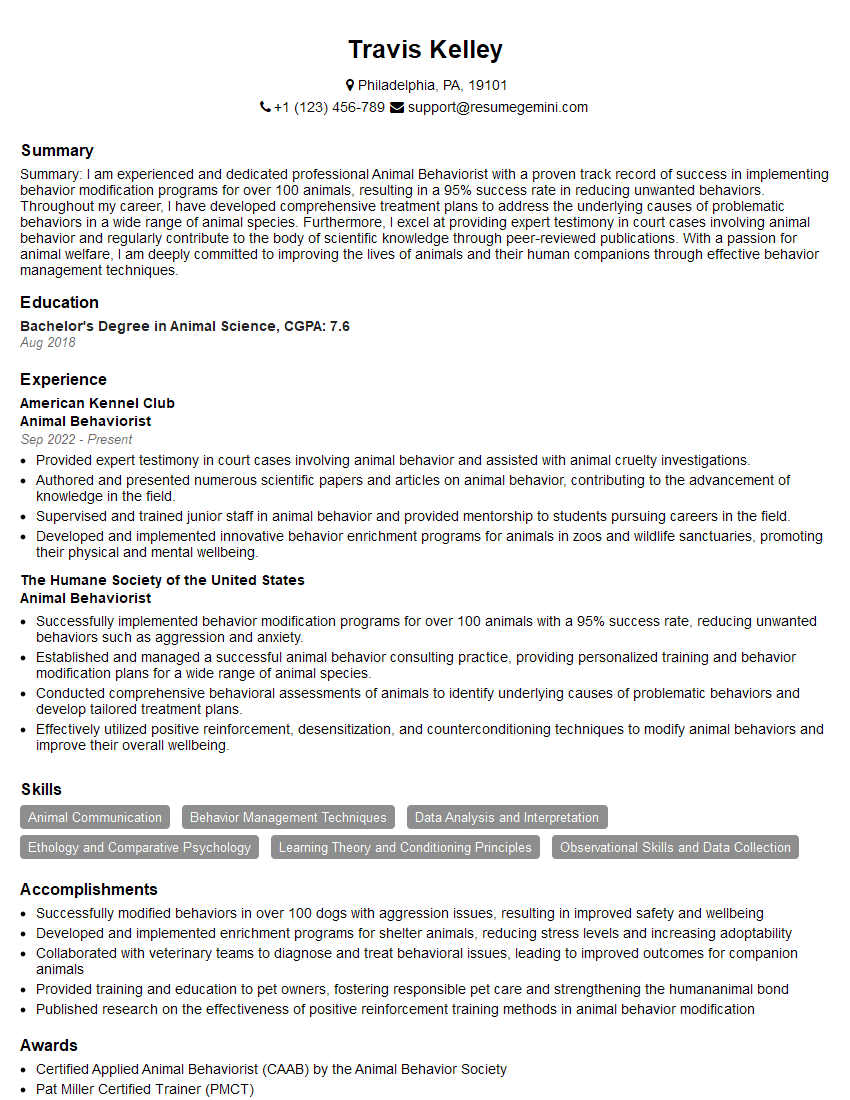
Animal Behaviorist Resume Sample
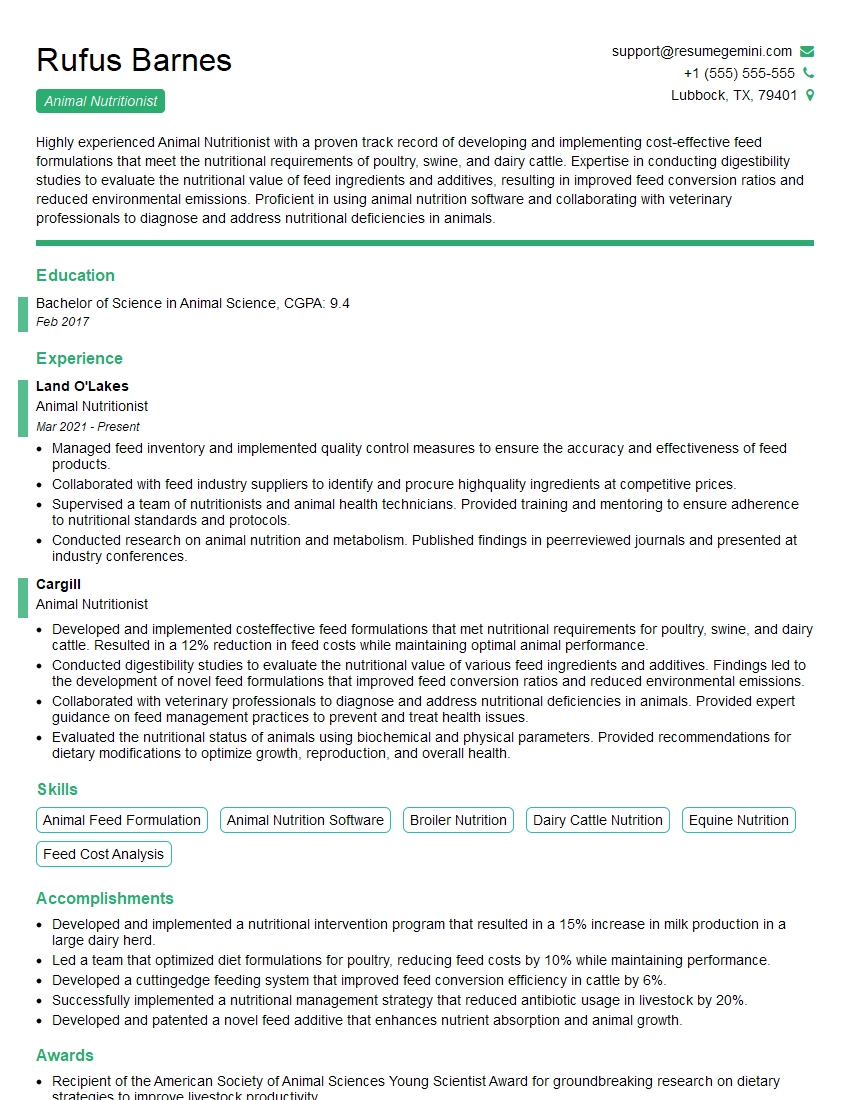
Animal Nutritionist Resume Sample

Zoologist Resume Sample
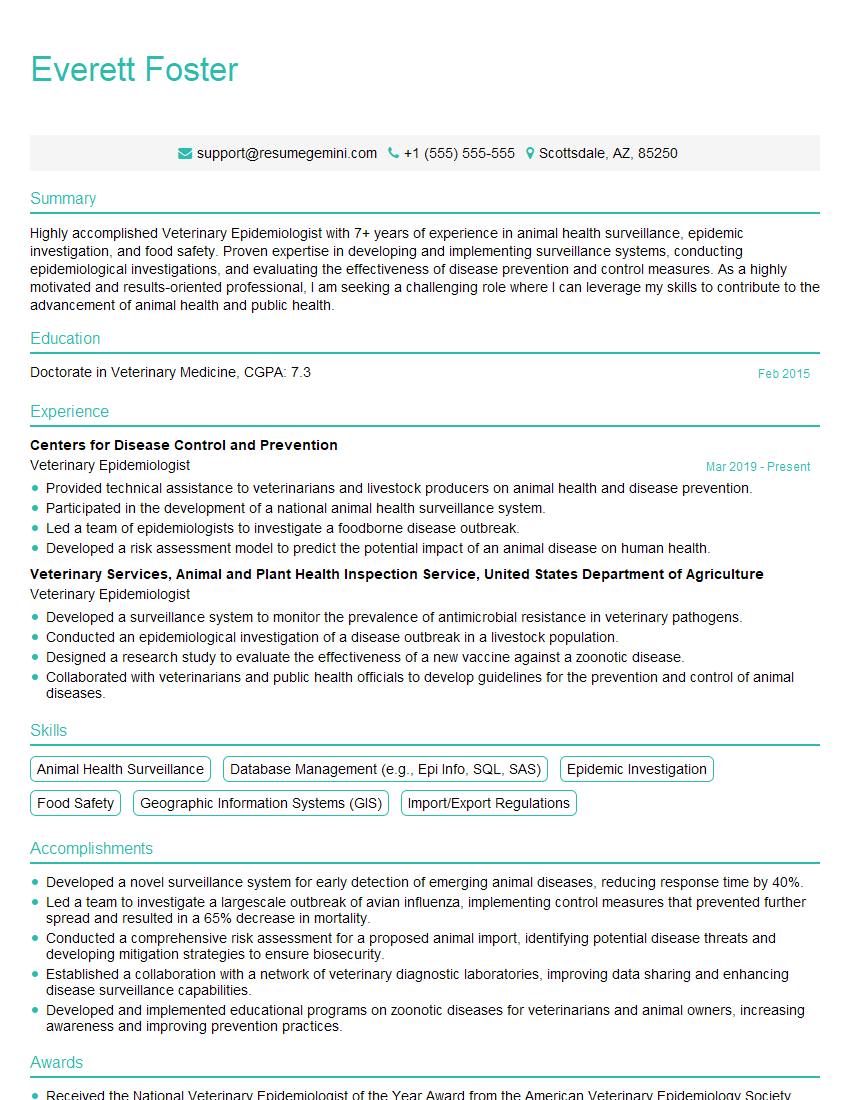
Veterinary Epidemiologist Resume Sample
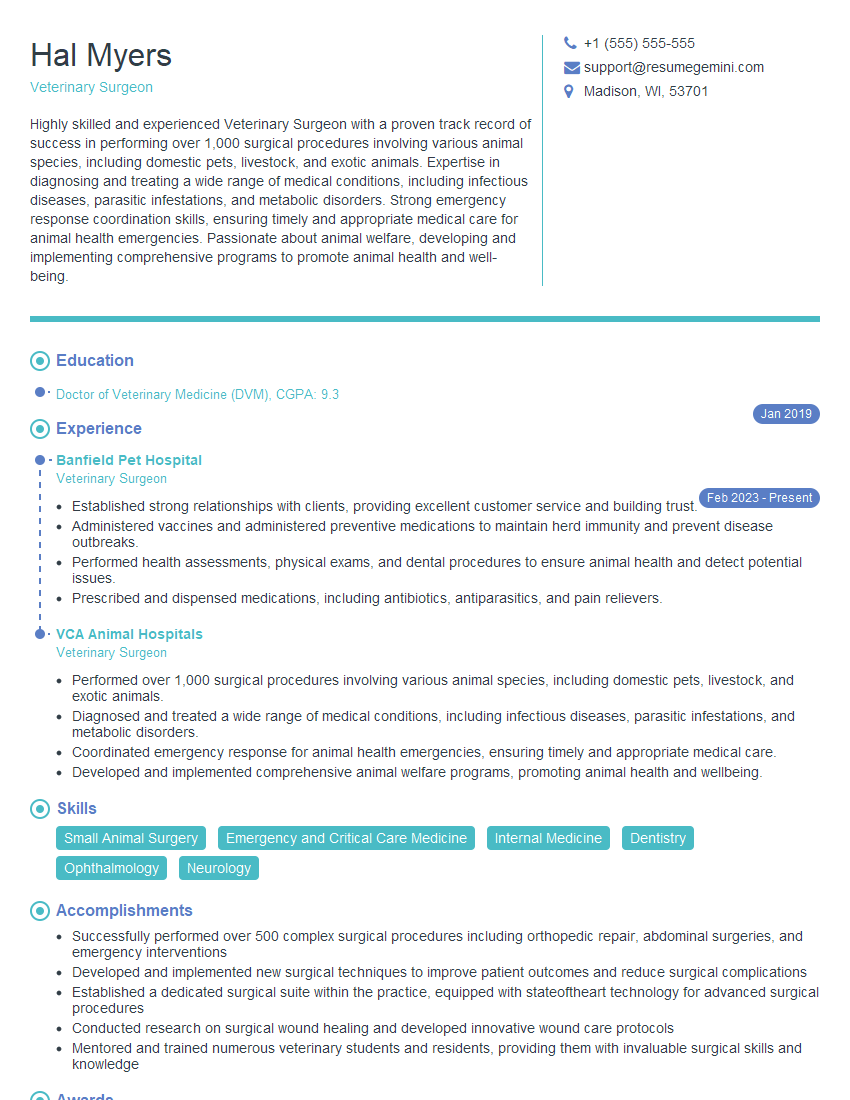
Veterinary Surgeon Resume Sample
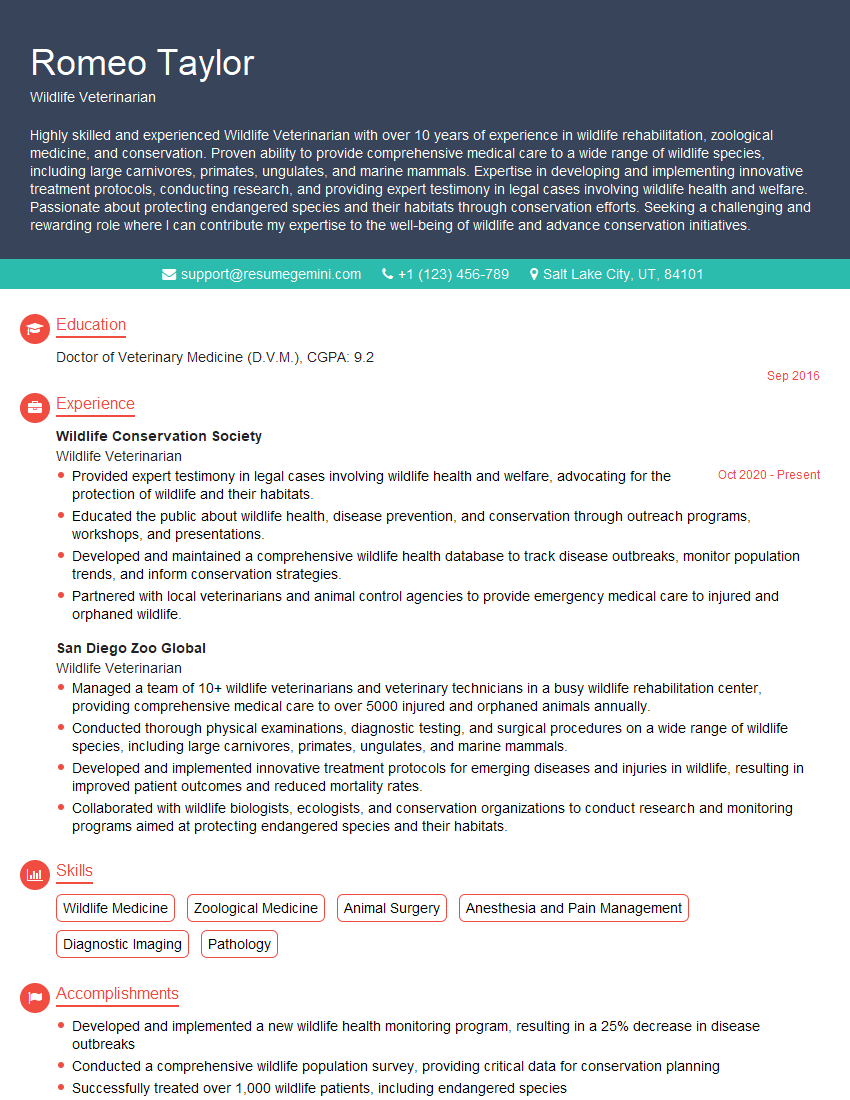
Wildlife Veterinarian Resume Sample
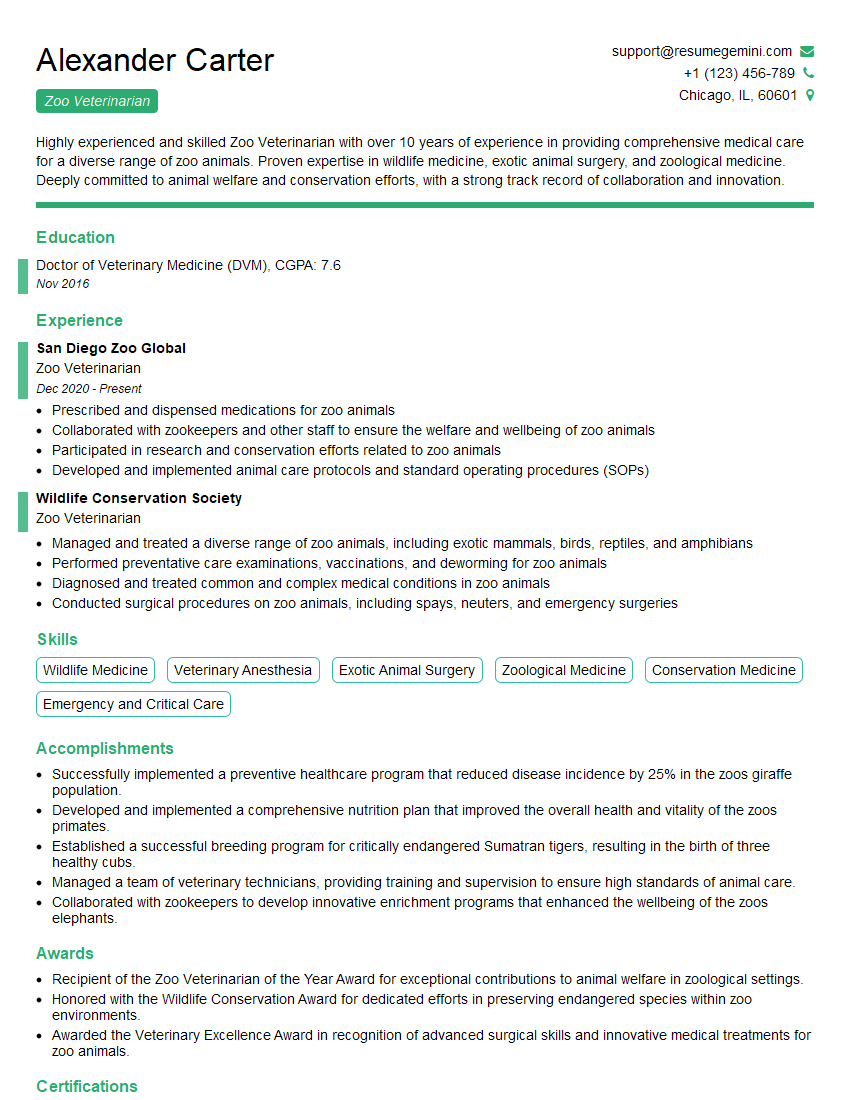
Zoo Veterinarian Resume Sample
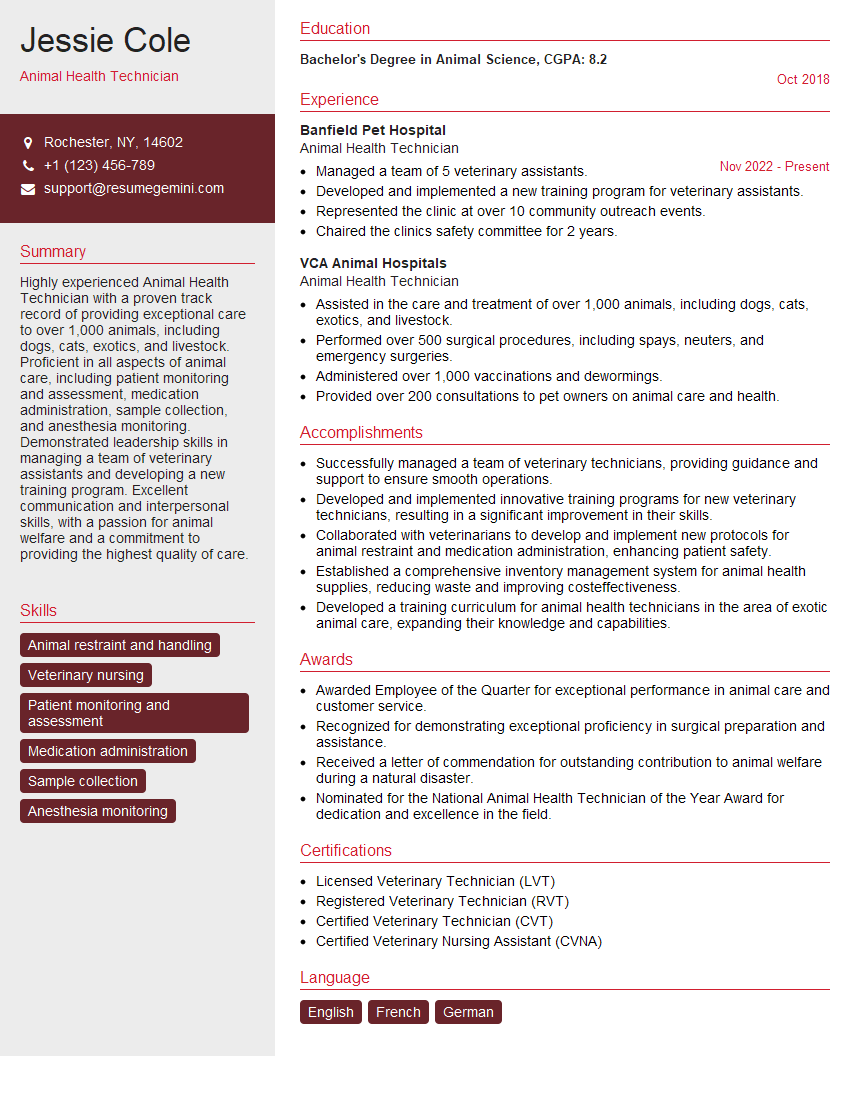
Animal Health Technician Resume Sample
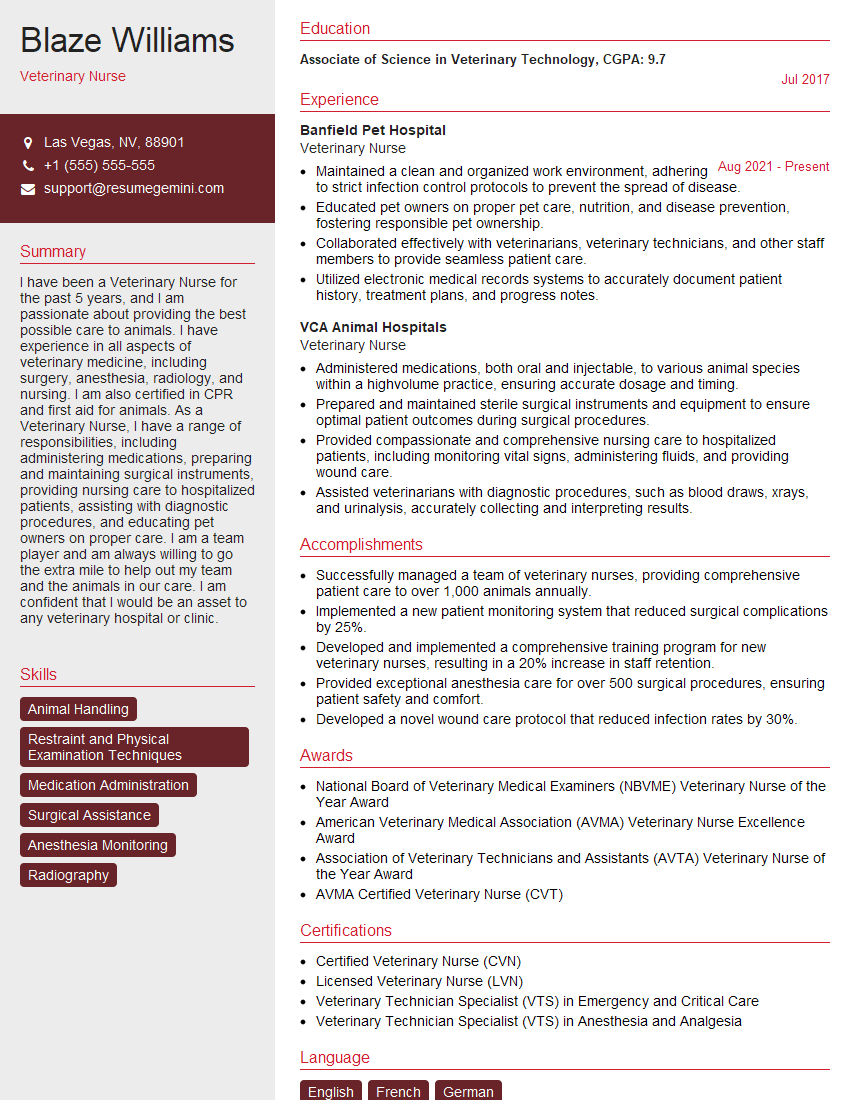
Veterinary Nurse Resume Sample
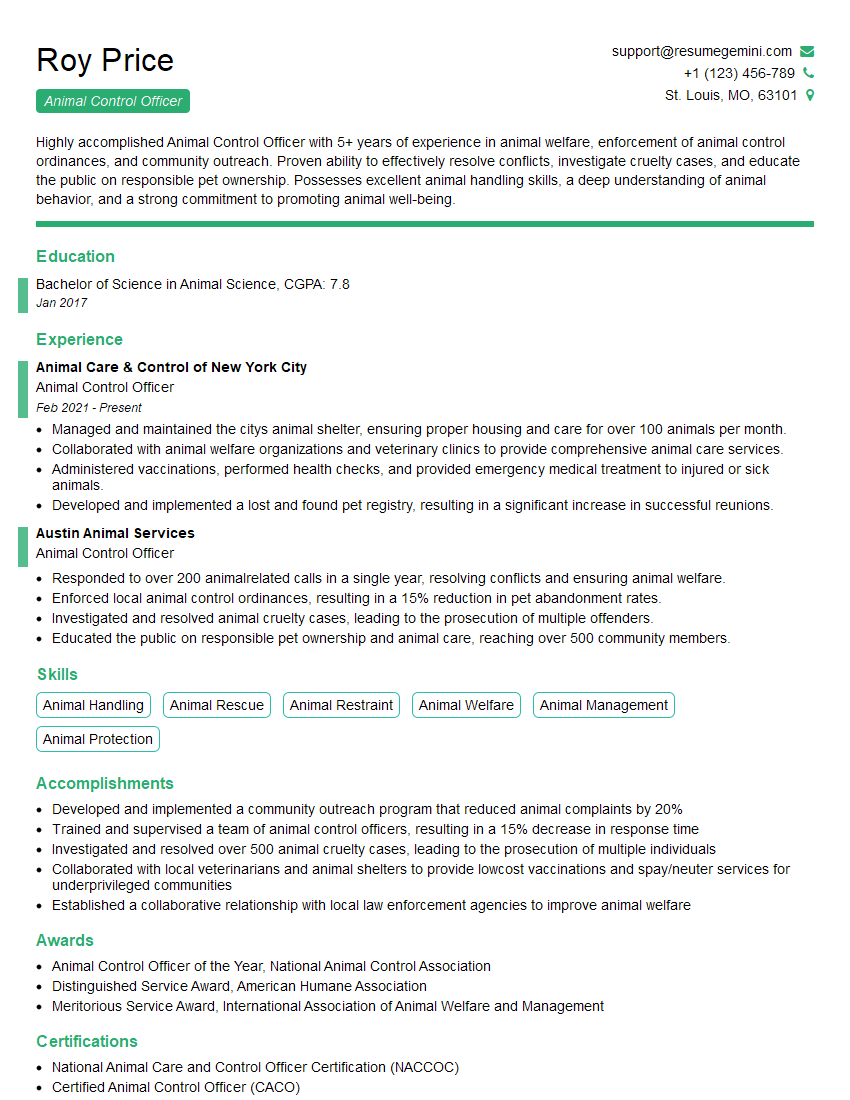
Animal Control Officer Resume Sample
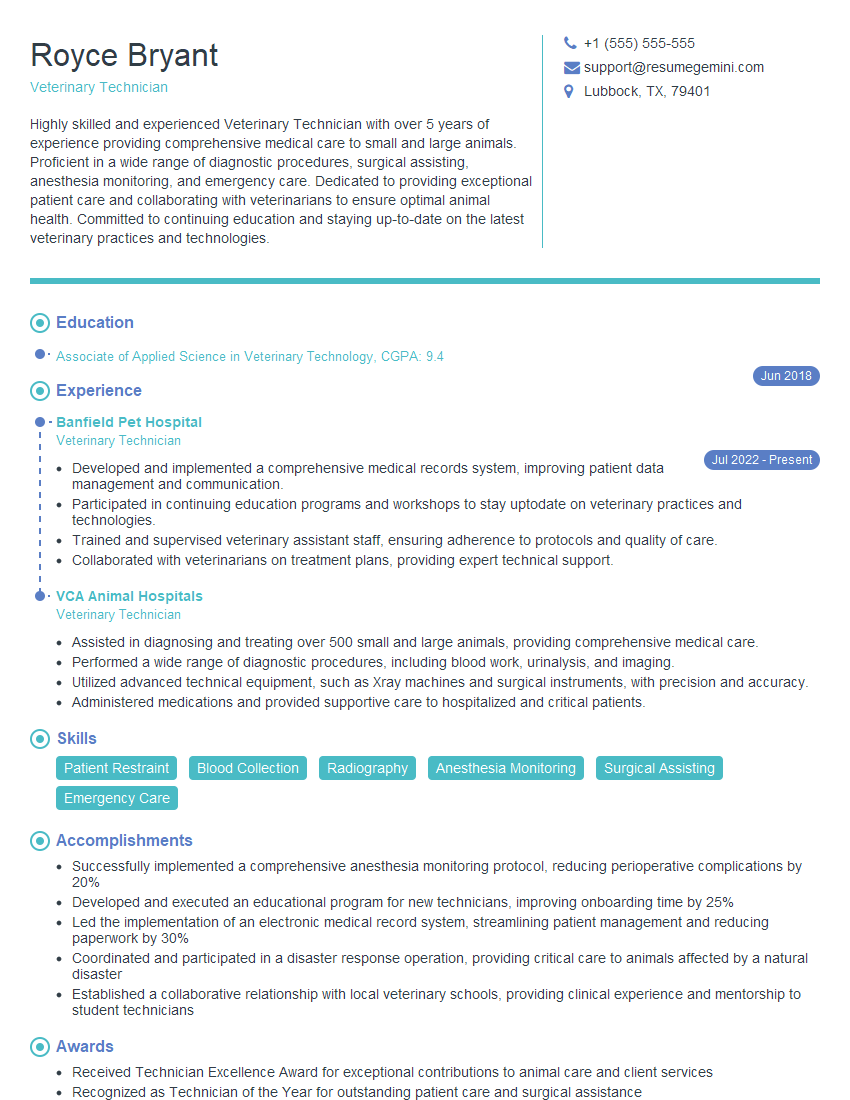
Veterinary Technician Resume Sample
Explore more articles
Users Rating of Our Blogs
Share Your Experience
We value your feedback! Please rate our content and share your thoughts (optional).
What Readers Say About Our Blog
Really detailed insights and content, thank you for writing this detailed article.
IT gave me an insight and words to use and be able to think of examples