Cracking a skill-specific interview, like one for Understanding of Brazing Metallurgy, requires understanding the nuances of the role. In this blog, we present the questions you’re most likely to encounter, along with insights into how to answer them effectively. Let’s ensure you’re ready to make a strong impression.
Questions Asked in Understanding of Brazing Metallurgy Interview
Q 1. Explain the difference between brazing and soldering.
Brazing and soldering are both joining processes that use a filler metal to create a strong bond between two base materials. The key difference lies in the melting point of the filler metal. In brazing, the filler metal has a melting point above 450°C (842°F), while in soldering, the filler metal melts below 450°C (842°F). Think of it this way: brazing is like using a stronger glue, creating a more robust joint suitable for higher temperatures and stresses. Soldering, on the other hand, is like using a gentler adhesive, ideal for lower-temperature applications. For example, brazing might be used to join components in a heat exchanger, while soldering is commonly used in electronics.
Q 2. Describe the various types of brazing filler metals and their applications.
Brazing filler metals are alloys specifically designed for their melting point and properties. They are categorized based on their base metal. Common types include:
- Copper-based: These offer excellent electrical and thermal conductivity, often used in electronics and heat exchangers. Examples include copper-phosphorus and copper-zinc alloys.
- Silver-based: Known for their high strength and corrosion resistance, they are commonly used in high-performance applications like aerospace and medical devices. These often contain copper, zinc, or cadmium additions.
- Nickel-based: These are often chosen for high-temperature applications and excellent corrosion resistance. They find use in industrial equipment.
- Aluminum-based: These alloys are used to braze aluminum and its alloys, requiring specialized fluxes due to aluminum’s tendency to oxidize.
- Gold-based: Premium alloys offering exceptional electrical conductivity, used in high-reliability applications, such as in electronics.
The choice depends heavily on the application’s requirements. For instance, a high-strength joint in a turbine blade might necessitate a nickel-based filler metal, while a low-cost application might utilize a copper-based alloy.
Q 3. What are the key factors influencing the selection of a brazing filler metal?
Selecting the correct brazing filler metal is crucial for a successful join. Several factors influence this decision:
- Base metal compatibility: The filler metal must be compatible with the base materials being joined to ensure proper wetting and bond strength. Improper choice can lead to poor joint integrity.
- Required joint strength: Higher strength applications require filler metals with higher tensile strength. Silver-based filler metals are frequently used for higher strength requirements.
- Operating temperature: The filler metal’s melting point and creep strength at operating temperatures must be considered. Nickel-based filler metals are excellent for high-temperature applications.
- Corrosion resistance: The application’s environment dictates the level of corrosion resistance needed. Some silver-based alloys offer superior corrosion resistance to copper alloys.
- Cost: The cost of the filler metal must be balanced against the application’s requirements. Copper-based alloys typically offer a cost-effective solution, compared to silver or gold-based alternatives.
Q 4. Explain the role of flux in the brazing process.
Flux plays a vital role in brazing by preventing oxidation on the base metal surfaces. Oxides hinder the wetting action of the filler metal, resulting in a weak or non-existent joint. Flux acts as a cleaning agent, removing existing oxides and preventing the formation of new ones during the brazing process. It lowers the surface tension, allowing for better flow and penetration of the filler metal into the joint. The choice of flux depends on the base metals being joined and the brazing atmosphere. For example, a fluoride-based flux might be preferred for stainless steel brazing.
Q 5. Describe different brazing methods (e.g., furnace brazing, torch brazing, induction brazing).
Several methods are employed for brazing, each suited to specific applications:
- Furnace brazing: A large number of parts are brazed simultaneously in a controlled atmosphere furnace. This is efficient for mass production but requires careful control of temperature and time to achieve uniform brazing. A common example is in the manufacture of heat exchangers.
- Torch brazing: A portable torch is used to locally heat the joint area, melting the filler metal. It’s versatile for individual components but requires skill to control the heat input evenly and avoid overheating. It can be used for small repairs or specialized applications where furnace brazing is not suitable.
- Induction brazing: An electromagnetic coil generates heat directly in the workpiece, providing precise and rapid heating. This method is often automated, efficient, and excellent for high-volume production. Automotive parts frequently leverage this method.
The choice of method depends on factors such as the number of parts, joint complexity, desired production rate, and automation requirements.
Q 6. What are the common defects encountered in brazing and their causes?
Several defects can arise during brazing, often with easily identifiable causes:
- Incomplete joint penetration: Insufficient filler metal penetration between the base materials results from improper fitting or insufficient brazing time/temperature.
- Porosity: Small voids in the braze joint caused by trapped gas or insufficient cleaning. Careful flux application and proper degassing prevent this.
- Lack of fusion: The filler metal doesn’t properly wet or fuse with the base materials due to contamination or improper flux selection. The use of clean materials and appropriate flux selection is critical.
- Base metal cracking: Overheating or rapid cooling can cause stress cracking in the base metals. Controlled heating and cooling cycles reduce risk.
- Embrittlement: Improper filler metal choice or contamination can lead to reduced ductility or strength. Accurate filler metal selection and thorough cleaning are essential.
Q 7. How do you control the brazing process parameters (temperature, time, atmosphere)?
Controlling brazing parameters is paramount for consistent, high-quality joints. Temperature is monitored using thermocouples and controlled via the heating source (furnace, torch, induction coil). Time is controlled using timers and process monitoring systems. The atmosphere is controlled using furnaces with inert gas purging (like Argon or Nitrogen) to prevent oxidation. Many modern brazing processes employ sophisticated control systems that monitor temperature, time and atmosphere in real-time, ensuring optimal brazing conditions. Data logging and statistical process control (SPC) techniques are utilized to track performance and identify potential issues, enabling preventative maintenance and quality control.
Q 8. Explain the importance of joint design in brazing.
Joint design in brazing is paramount for achieving a strong, reliable, and leak-tight bond. A poorly designed joint can lead to incomplete braze flow, weak joints prone to failure, and inconsistencies in the final product. Think of it like building a bridge – the design dictates its strength and stability.
- Clearance: The gap between the base metals must be precisely controlled. Too large a gap results in excessive braze filler metal consumption and potential voids, while too small a gap hinders capillary flow and prevents proper wetting.
- Joint geometry: Butt joints, lap joints, and corner joints each present different challenges and require specific design considerations to ensure proper braze penetration and strength. A lap joint, for example, offers better strength than a butt joint due to the increased surface area.
- Joint preparation: Surface finish, cleanliness, and the overall condition of the joint surfaces directly affect the brazing process. Any contamination can hinder wetting and result in a weak bond. Precise machining or grinding might be necessary to achieve a suitable surface finish.
- Joint location and orientation: Consider gravity’s effect on braze flow. The joint’s location and orientation should be designed to allow for gravity assist, especially for larger assemblies.
For example, in the aerospace industry, brazed joints in turbine blades require extremely precise design and control to ensure the structural integrity and performance under extreme temperatures and pressures. A slight flaw in design can have catastrophic consequences.
Q 9. Describe the metallurgical aspects of brazing, including the formation of the braze joint.
Brazing is a metallurgical joining process where a filler metal with a lower melting point than the base metals is drawn into the joint by capillary action. This creates a strong, metallurgical bond. The process involves several key metallurgical aspects:
- Wetting: The braze filler metal must wet the base metals. This involves the formation of a strong interfacial bond between the liquid braze metal and the solid base metals. This relies on the surface tension and surface energy of the materials involved.
- Alloying: As the braze metal solidifies, it can form intermetallic compounds or solid solutions with the base metals at the interface, strengthening the bond. The composition of the braze filler metal is crucial in determining the type and extent of alloying that occurs. This is often why specific brazing alloys are chosen for particular base metal combinations.
- Diffusion: Atomic diffusion can occur between the braze filler metal and the base metals, further strengthening the bond over time. This process is often aided by elevated temperatures during the brazing cycle.
- Solidification: The braze filler metal solidifies, forming a continuous joint that mechanically joins the base metals. The microstructure of the solidified braze joint is crucial to its overall strength and performance. The cooling rate can affect the grain size and the formation of phases in the solidified joint.
Imagine it like mixing different types of paint – the braze metal acts as the binder, blending with the base metals to create a robust, unified structure. The key is ensuring the ‘paint’ (braze metal) adheres strongly to the ‘canvas’ (base metals).
Q 10. How do you ensure the cleanliness of the base metals before brazing?
Cleanliness is critical in brazing; even minute amounts of contamination (oxides, grease, or other foreign materials) can prevent proper wetting and lead to weak or incomplete joints. Think of trying to glue two oily surfaces together – it simply won’t work.
- Mechanical cleaning: This involves using methods like brushing, sanding, grinding, or blasting to remove loose debris, oxides, or other surface imperfections. The choice of method depends on the base material and joint design.
- Chemical cleaning: This involves using solvents, acids (like hydrochloric or nitric acid), or alkaline cleaners to remove contaminants. Careful selection of cleaning agents is essential to prevent damage to the base metals or the introduction of new contaminants.
- Ultrasonic cleaning: This method uses high-frequency sound waves to agitate the cleaning solution and remove embedded particles, providing thorough cleaning in intricate geometries.
- Fluxing: Fluxes are crucial for surface preparation. They chemically react with surface oxides to create a clean, reactive surface for brazing. The selection of the flux is dependent upon the base metals and the braze filler metal.
A multi-step cleaning process is often employed for optimal results, often ending with a thorough rinse and drying step before brazing. The level of cleanliness required is dictated by the application; aerospace components, for example, require extremely high levels of cleanliness.
Q 11. What are the methods used to inspect brazed joints?
Inspection of brazed joints is crucial to ensure quality and reliability. Various methods are used, depending on the application’s complexity and requirements:
- Visual inspection: A simple, initial step to identify obvious defects like incomplete fills, cracks, or porosity. This often involves magnification.
- Dye penetrant testing: This method detects surface cracks by allowing a dye to penetrate any cracks and then revealing them after cleaning. It’s effective for identifying small surface flaws.
- Radiographic inspection (X-ray): This is a non-destructive method that uses X-rays or gamma rays to detect internal flaws like voids, inclusions, or incomplete penetration. It’s often used for critical applications.
- Ultrasonic testing: This uses high-frequency sound waves to detect internal flaws. It’s particularly useful for detecting cracks, porosity, and lack of fusion.
- Leak testing: This is essential for joints that need to be leak-tight, such as in heat exchangers or plumbing. Methods include pressure testing, helium leak detection, or vacuum testing.
The choice of inspection method depends on the criticality of the application and the type of defects expected. Often a combination of methods is used for a comprehensive evaluation.
Q 12. What are the safety precautions to be considered during brazing?
Brazing involves high temperatures and often uses hazardous materials, necessitating strict safety measures:
- Eye protection: Always wear appropriate eye protection (safety glasses or face shields) to prevent injury from flying debris or bright light from the brazing torch.
- Respiratory protection: Fumes produced during brazing can be harmful. Use appropriate respirators or work in a well-ventilated area. The type of respirator depends on the filler metal and flux used.
- Gloves and clothing: Wear heat-resistant gloves and clothing to protect against burns from hot materials.
- Fire safety: Brazing often involves open flames and hot materials; ensure a fire extinguisher is readily available and that flammable materials are kept away from the work area.
- Proper ventilation: Ensure adequate ventilation to remove fumes and prevent buildup of harmful gases.
- Handling of hazardous materials: Follow all safety guidelines for handling fluxes, cleaning agents, and other chemicals used in the process. Proper disposal of waste materials is essential.
Safety should always be the top priority. Following established safety procedures and utilizing the correct personal protective equipment (PPE) is paramount.
Q 13. Explain the concept of wetting in brazing.
Wetting in brazing is the phenomenon where the liquid braze filler metal spreads over the surface of the base metals. It’s essential for creating a strong, continuous joint. Think of water beading up on a waxed car versus spreading smoothly on a clean surface – the latter is analogous to good wetting.
Wetting is influenced by several factors:
- Surface tension: The braze metal’s surface tension determines its tendency to spread or bead up. Lower surface tension promotes better wetting.
- Surface energy: The surface energy of the base metals affects their ability to be wetted by the braze metal. A cleaner, more reactive surface has lower surface energy and promotes better wetting.
- Contact angle: The contact angle between the liquid braze metal and the base metal is a measure of wetting. A low contact angle (close to 0°) indicates good wetting, while a high contact angle indicates poor wetting.
- Fluxing: Fluxes are crucial for good wetting as they clean the base metal surfaces and reduce the contact angle.
Good wetting is crucial for capillary action, which draws the braze metal into the joint. Poor wetting leads to incomplete filling, voids, and weak joints. The selection of the braze metal and flux is critical to ensure proper wetting for specific base metal combinations.
Q 14. How do you determine the optimal brazing temperature?
Determining the optimal brazing temperature is crucial for achieving a sound, reliable joint. It involves a balance between ensuring proper flow and avoiding excessive heating of the base metals.
- Braze filler metal melting point: The brazing temperature should be slightly above the filler metal’s melting point to allow for sufficient flow but not so high as to cause excessive evaporation or damage to the base metals.
- Base metal properties: The base metals’ melting points must be considered. The brazing temperature should be well below the melting point of the base metals to prevent melting or weakening.
- Brazing process specifications: Manufacturers’ specifications for the braze filler metal and the base metals will provide a recommended temperature range for the brazing process.
- Joint design: The geometry and size of the joint can impact the required temperature. Larger joints may require slightly higher temperatures to ensure complete penetration.
- Trial runs and experimentation: In some cases, trial runs with temperature variations may be necessary to fine-tune the brazing parameters for a particular application. Temperature monitoring during the process is highly recommended.
Using appropriate thermocouples and monitoring devices to accurately measure the temperature during the brazing cycle is essential for quality control and process optimization. A temperature too low will result in incomplete braze flow, while a temperature too high can damage the base metals or cause undesirable metallurgical changes. The optimal temperature is often found through a combination of understanding the materials involved and carefully controlled experimentation.
Q 15. What is the role of surface tension in brazing?
Surface tension is crucial in brazing because it’s the driving force behind the capillary action that draws the molten filler metal into the joint. Imagine water beading up on a waxed surface – that’s surface tension in action. In brazing, the molten filler metal, due to its high surface tension, seeks to minimize its surface area. This minimization pulls the liquid metal into the narrow gap between the base metals, completely filling it and creating a strong bond. The lower the surface tension of the filler metal, the less effectively it will flow into the joint. Therefore, selecting a filler metal with an appropriate surface tension is vital for successful brazing.
Example: A brazing filler metal with too high a surface tension might struggle to penetrate tight clearances, leading to incomplete joints. Conversely, a filler metal with too low a surface tension might not wet the base metal adequately, resulting in poor adhesion.
Career Expert Tips:
- Ace those interviews! Prepare effectively by reviewing the Top 50 Most Common Interview Questions on ResumeGemini.
- Navigate your job search with confidence! Explore a wide range of Career Tips on ResumeGemini. Learn about common challenges and recommendations to overcome them.
- Craft the perfect resume! Master the Art of Resume Writing with ResumeGemini’s guide. Showcase your unique qualifications and achievements effectively.
- Don’t miss out on holiday savings! Build your dream resume with ResumeGemini’s ATS optimized templates.
Q 16. Discuss the importance of base metal compatibility in brazing.
Base metal compatibility is paramount in brazing because it dictates the success of the metallurgical bond between the filler metal and the base metals being joined. Essentially, the filler metal needs to ‘like’ the base metals, both chemically and physically. This ‘liking’ involves wetting – the ability of the molten filler metal to spread evenly over the base metal surface, forming a strong interface. If the base metals are incompatible with the filler metal, poor wetting occurs, leading to weak or incomplete joints. Factors like chemical composition, surface cleanliness, and the presence of oxides significantly influence compatibility.
Example: Trying to braze aluminum with a filler metal not specifically designed for aluminum will likely result in poor wetting and a weak joint, as aluminum readily forms an oxide layer that prevents effective bonding. A correctly chosen filler metal, containing elements that readily alloy with aluminum and break through the oxide layer, is critical.
Q 17. Explain the difference between capillary action and diffusion bonding in brazing.
While both capillary action and diffusion bonding contribute to the overall brazing process, they represent different stages and mechanisms. Capillary action is the initial process driven by surface tension, pulling the molten filler metal into the joint gap. Think of it like a sponge absorbing water; the surface tension of the liquid ‘pulls’ it into the pores. Diffusion bonding is a subsequent process where atoms from the filler metal and the base metals intermix at the interface, forming a metallurgical bond. This intermixing solidifies the joint, increasing its overall strength and stability.
In essence: Capillary action gets the filler metal into the joint; diffusion bonding creates the lasting metallurgical bond.
Q 18. What are the common types of brazing furnaces and their applications?
Several types of brazing furnaces cater to different applications and production volumes. Common types include:
- Resistance furnaces: These use electrical resistance to generate heat, ideal for smaller components and batch processing. They are versatile and relatively inexpensive.
- Induction furnaces: Utilizing electromagnetic induction to heat the workpiece, they are efficient for heating specific areas and are suitable for high-volume production. They offer excellent control over heating rates.
- Furnace brazing (batch): Typically used for larger parts or multiple components. It involves placing the parts in a controlled atmosphere furnace and heating to the brazing temperature.
- Vacuum furnaces: Ideal for applications needing high-quality, void-free brazed joints. The vacuum environment prevents oxidation and other atmospheric contaminations. These are more sophisticated and expensive.
Application Examples: Resistance furnaces are common in jewelry making, while induction furnaces are frequently used in the automotive industry for high-volume production of components. Vacuum furnaces are employed in aerospace applications where high reliability and quality are critical.
Q 19. How do you troubleshoot common brazing problems?
Troubleshooting brazing problems requires a systematic approach. Common problems include incomplete fills, poor wetting, cracks, and porosity.
- Incomplete Fills: Check for insufficient filler metal, poor joint design (too tight or too wide a gap), or inadequate heating.
- Poor Wetting: This points to base metal incompatibility, surface contamination (oxides), or improper flux application. Thorough cleaning of the base metals is crucial.
- Cracks: These can result from rapid cooling, residual stresses, or a brittle filler metal. Controlled cooling techniques may help.
- Porosity: This usually indicates trapped gases. Ensure a proper atmosphere during brazing (e.g., using a vacuum or inert gas) and use a good flux.
Systematic approach: First, carefully examine the brazed joint. Then, consider the brazing parameters used (temperature, time, atmosphere). If issues persist, analyze the base metals and filler metal compatibility.
Q 20. Describe the NDT methods for inspecting brazed joints.
Non-destructive testing (NDT) methods are essential for ensuring the quality and integrity of brazed joints without damaging them. Common techniques include:
- Visual Inspection: A simple but important first step to identify gross defects such as cracks or incomplete fills.
- Dye Penetrant Testing (PT): This detects surface-breaking cracks by applying a dye that penetrates the crack and is then revealed by a developer.
- Radiographic Testing (RT): Using X-rays or gamma rays, this technique can detect internal defects like porosity and incomplete penetration.
- Ultrasonic Testing (UT): This method uses high-frequency sound waves to detect internal flaws. It is particularly useful for detecting cracks and lack of fusion.
The choice of NDT method depends on the specific application, the type of brazed joint, and the expected defect types.
Q 21. Explain the effect of different atmospheres on the brazing process.
The brazing atmosphere significantly impacts the process, especially concerning oxidation and the formation of unwanted compounds. The ideal atmosphere minimizes or prevents oxidation of the base metals and the filler metal, ensuring good wetting and a clean joint.
- Oxidizing Atmospheres: These contain oxygen and lead to the formation of oxides on the base metals, hindering wetting. Oxides can be detrimental as they prevent proper fusion between the filler metal and base metal.
- Reducing Atmospheres: These contain gases (e.g., hydrogen, nitrogen, dissociated ammonia) that react with oxides, reducing their formation. This helps achieve good wetting and a cleaner brazed joint.
- Inert Atmospheres: Gases like argon or nitrogen prevent oxidation by excluding oxygen from the brazing environment, providing a clean and controlled atmosphere.
- Vacuum Atmospheres: Eliminating oxygen and other reactive gases, a vacuum atmosphere is among the best for producing high-quality brazed joints free from oxides and porosity. This is particularly critical for high-performance applications.
Example: Brazing stainless steel in an oxidizing atmosphere will lead to the formation of chromium oxide, which impedes wetting and weakens the joint. Using a vacuum or inert gas atmosphere will greatly improve the brazing quality.
Q 22. How do you evaluate the strength of a brazed joint?
Evaluating the strength of a brazed joint involves a multi-faceted approach, going beyond simple visual inspection. We need to consider both the strength of the braze material itself and the integrity of the bond between the braze and the base metals.
Tensile Testing: This is a common method where a specimen with a brazed joint is subjected to tensile forces until failure. The tensile strength, measured in MPa or psi, directly indicates the joint’s ability to withstand pulling forces. This data provides crucial information about the joint’s overall strength.
Shear Testing: Shear testing assesses the joint’s resistance to forces applied parallel to the braze interface. This is particularly important for applications where the joint experiences shear stresses, such as in lap joints. The shear strength is also reported as MPa or psi, providing insights into its resistance to slippage.
Peel Testing: This method determines the joint’s resistance to separation under peeling forces. It’s useful for evaluating the adhesion between the braze and the base materials, particularly important in applications where the joint might experience bending or flexing. The peel strength is usually expressed in N/mm or lbf/in.
Fracture Analysis: Microscopic examination of the fractured joint helps determine the failure mode (e.g., cohesive failure within the braze, adhesive failure at the interface, or failure in the base metal). This analysis provides valuable information for process optimization and material selection.
Non-Destructive Testing (NDT): Methods like radiography or ultrasonic testing can be used to assess the joint’s internal integrity without causing damage. These techniques are valuable for quality control and identifying potential defects like voids or porosity within the braze.
The choice of testing method depends on the specific application and the type of stresses the joint will experience. Often, a combination of methods is used to gain a comprehensive understanding of the joint’s strength and reliability.
Q 23. What is the difference between hard and soft brazing?
The difference between hard and soft brazing lies primarily in the melting temperature of the brazing filler metal. This temperature dictates the brazing process and the resulting joint properties.
Soft Brazing: Uses filler metals with melting points below 450°C (842°F). These are typically alloys of silver, copper, zinc, or tin. Soft brazing often involves simpler equipment and lower energy requirements. The resulting joints generally have lower strength and higher ductility compared to hard brazing.
Hard Brazing (or braze welding): Employs filler metals with melting points above 450°C (842°F). Common hard brazing filler metals include nickel-based, copper-based, and silver-based alloys with higher melting points. This process requires higher temperatures and more specialized equipment. Hard brazed joints typically exhibit higher strength and hardness but may have reduced ductility compared to soft brazed joints.
Think of it like this: soft brazing is like gently gluing two pieces together, while hard brazing is more like welding, creating a stronger, more robust connection. The selection between hard and soft brazing depends heavily on the application’s requirements for strength, ductility, and temperature resistance.
Q 24. Discuss the importance of pre- and post-brazing heat treatments.
Pre- and post-brazing heat treatments play crucial roles in optimizing brazed joint properties and overall component performance. They address factors like residual stresses, microstructure, and material properties.
Pre-brazing Heat Treatments: These treatments are often employed to improve the surface condition of the base metals, enhancing braze wetting and joint integrity. For example, stress relieving anneals can reduce residual stresses in the base metals that might cause cracking during brazing. Other treatments might involve cleaning or pre-oxidation steps to optimize surface conditions for brazing.
Post-brazing Heat Treatments: These are essential for stress relief, homogenization of the braze microstructure, and improvement of specific properties. Stress-relief annealing is common to reduce residual stresses developed during the brazing cycle, which can lead to embrittlement or cracking. Solution heat treatments can homogenize the braze microstructure, and aging treatments can further enhance strength or other desirable properties, depending on the braze alloy.
A real-world example would be in aerospace applications, where post-brazing heat treatments are critical to ensure the long-term reliability and fatigue life of brazed joints under demanding operating conditions. Skipping these treatments could lead to premature failure.
Q 25. Explain the role of residual stresses in brazed joints.
Residual stresses in brazed joints are unavoidable due to the thermal mismatch between the braze and the base metals during the cooling cycle. As the assembly cools, the braze and base metals contract at different rates, leading to internal stresses.
These residual stresses can significantly affect the joint’s performance. Compressive stresses in the braze are generally beneficial, as they enhance the joint’s fatigue strength and resistance to cracking. However, excessive tensile stresses, especially in the base metals near the braze interface, can weaken the joint and lead to cracking or premature failure under stress. This is particularly true if the base metal is prone to embrittlement at elevated temperatures.
Careful control of the brazing process parameters, such as heating and cooling rates, along with appropriate post-brazing heat treatments, can help minimize these residual stresses and optimize the joint’s performance. Finite element analysis (FEA) can also be used to predict and manage residual stresses during the design phase.
Q 26. How do you address braze joint cracking?
Braze joint cracking is a significant concern, and addressing it requires a systematic approach involving root cause analysis and corrective actions.
Identify the type of crack: Is it a microcrack within the braze, a crack at the interface, or a crack in the base metal? Microscopic examination is essential to identify the origin and propagation mechanism of the crack.
Examine processing parameters: Were the brazing temperatures or times appropriate? Were the heating and cooling rates too rapid or slow? Improper control of these parameters can introduce excessive thermal stresses, leading to cracking.
Assess the cleanliness of the joint surfaces: Contamination of the base metals can interfere with braze flow and wetting, leading to defects and cracking. Thorough cleaning before brazing is vital.
Evaluate the braze filler metal selection: Was the braze alloy compatible with the base metals? Certain base metal and braze combinations can lead to intermetallic compounds that may embrittle the joint.
Consider residual stresses: High tensile stresses, possibly due to design or processing issues, can contribute to cracking. Stress relief heat treatments can mitigate this issue.
Addressing the crack requires correcting the underlying cause. For instance, if rapid cooling is causing cracking, implementing a slower cooling schedule can improve the situation. If contamination is the issue, then improved cleaning procedures will resolve this. In some cases, redesigning the joint to reduce stresses might be necessary.
Q 27. What are the environmental considerations for brazing processes?
Environmental considerations in brazing processes are critical, focusing on minimizing hazardous emissions and waste, and adhering to environmental regulations.
Fume and gas emissions: Many brazing processes produce fumes that may contain hazardous substances such as zinc oxide or cadmium. Adequate ventilation is essential to prevent worker exposure. In some cases, specialized filtering systems may be necessary to capture and remove hazardous particles.
Waste generation: Brazing processes generate waste in the form of used fluxes, spent filler metal, and potentially contaminated cleaning solutions. Appropriate disposal procedures are crucial, often requiring adherence to specific hazardous waste regulations.
Energy consumption: Brazing processes require substantial energy input, particularly for hard brazing. Energy efficiency measures, such as optimizing heating cycles and furnace design, are important considerations for sustainability.
Resource depletion: The use of precious metals in some braze alloys raises concerns about resource depletion. Developing and using alternative braze alloys that use less scarce materials is a focus of ongoing research.
Compliance with environmental regulations is crucial. This might include obtaining necessary permits, employing best practices to minimize waste and emissions, and properly documenting environmental performance. Environmental impact assessments may be needed for large-scale brazing operations.
Q 28. Describe a situation where you had to troubleshoot a brazing issue. What was your approach?
In a previous project involving the brazing of stainless steel components for a heat exchanger, we experienced a significant number of braze joint failures during testing. The failures were characterized by cracks originating at the braze-base metal interface.
My approach to troubleshooting involved a systematic investigation:
Visual inspection and documentation: We meticulously examined the failed joints, noting the location and nature of the cracks. Photographic documentation was vital for later analysis.
Microscopic examination: Metallographic examination of the failed joints revealed the presence of intermetallic compounds at the interface, suggesting an incompatibility between the braze alloy and the stainless steel. This was corroborated by EDS analysis.
Process parameter review: We reviewed the brazing process parameters – temperature profiles, dwell times, and cooling rates – to eliminate processing errors as the cause.
Material characterization: We re-analyzed the base metal composition and tested the braze alloy for contaminants or deviations from the specification.
Braze alloy selection: Based on the findings, we selected a new braze alloy known to be highly compatible with the specific grade of stainless steel used. This involved rigorous testing to confirm its suitability.
Process optimization: We refined the brazing process parameters based on the material compatibility and experience gained from the analysis of the failed joints.
By adopting this structured approach, we identified the root cause of the failures, implemented corrective actions, and successfully resolved the brazing issues. The improved process resulted in a significantly higher yield of successful brazed joints that met all quality specifications.
Key Topics to Learn for Understanding of Brazing Metallurgy Interview
- Brazing Fundamentals: Definitions, differences from welding and soldering, types of brazing (e.g., furnace, torch, induction).
- Filler Metals: Properties of various brazing alloys (composition, melting point, flow characteristics), selection criteria based on base materials and application requirements.
- Base Metals: Understanding the metallurgical properties of commonly brazed materials (ferrous, non-ferrous) and their influence on joint strength and integrity.
- Joint Design and Preparation: Critical factors affecting braze joint strength (e.g., clearance, surface finish, cleanliness), techniques for achieving optimal joint design.
- Brazing Processes and Equipment: Familiarization with different brazing methods and the associated equipment (furnaces, torches, induction heating), understanding process parameters (temperature, time, atmosphere).
- Joint Evaluation and Testing: Methods for assessing braze joint quality (visual inspection, destructive and non-destructive testing), interpretation of test results.
- Troubleshooting and Problem Solving: Common brazing defects (e.g., porosity, cracking, incomplete penetration), root cause analysis, and corrective actions.
- Safety Considerations: Understanding relevant safety procedures and regulations related to brazing materials and processes.
- Advanced Brazing Techniques: Exposure to specialized brazing techniques (e.g., diffusion brazing, vacuum brazing) and their applications.
Next Steps
Mastering the understanding of brazing metallurgy significantly enhances your career prospects in manufacturing, aerospace, automotive, and numerous other industries. A strong foundation in this area demonstrates crucial technical skills and problem-solving abilities highly valued by employers. To maximize your chances of landing your dream job, it’s essential to present your skills effectively. Create an ATS-friendly resume that highlights your expertise and experience. ResumeGemini is a trusted resource that can help you build a professional and impactful resume tailored to the specific requirements of your target roles. Examples of resumes tailored to Understanding of Brazing Metallurgy are available to guide you.
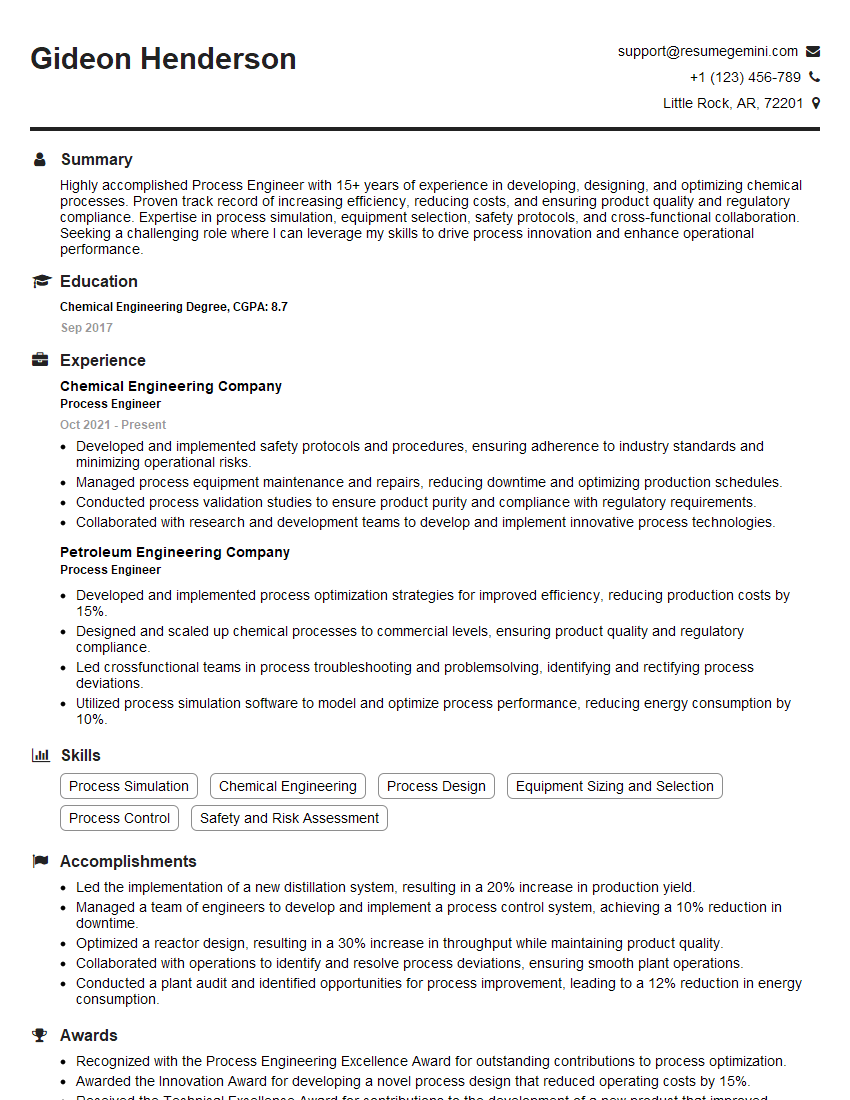
Process Engineer Resume Sample

Research and Development Engineer Resume Sample
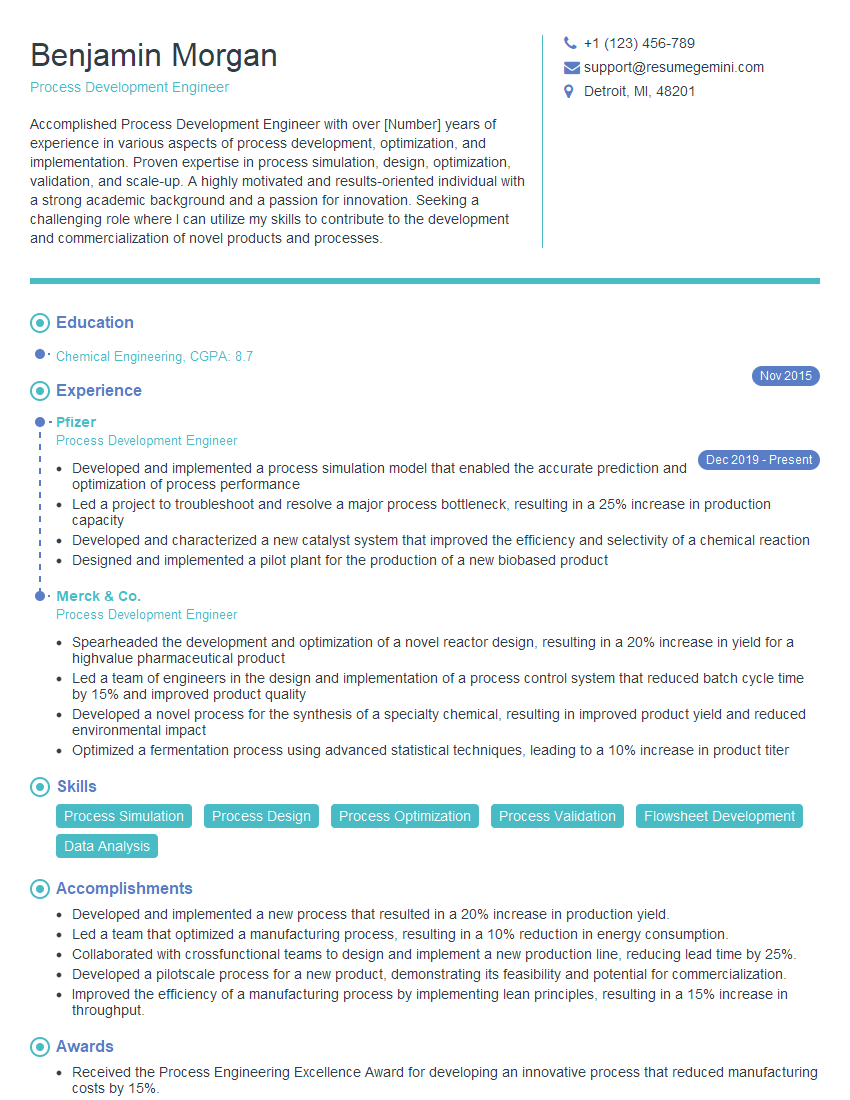
Process Development Engineer Resume Sample

Manufacturing Engineer Resume Sample
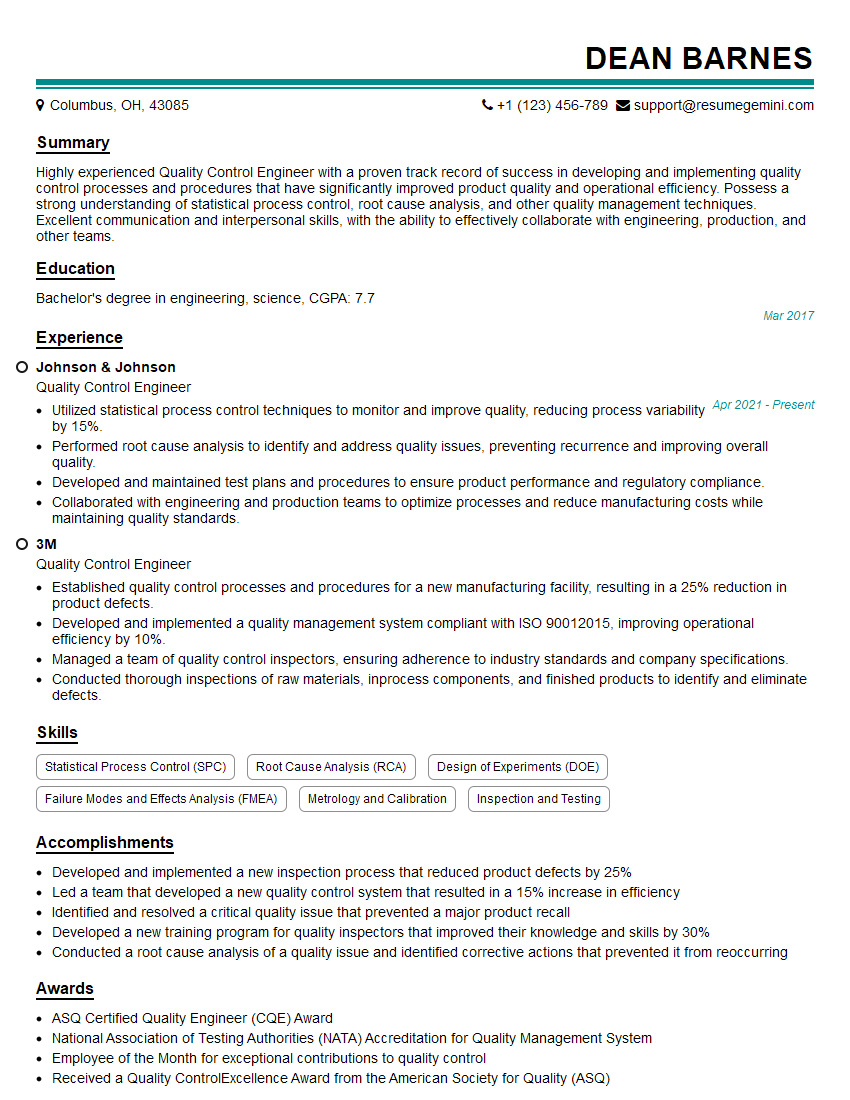
Quality Control Engineer Resume Sample

Materials Engineer Resume Sample

Metallurgist Resume Sample

Welding Engineer Resume Sample
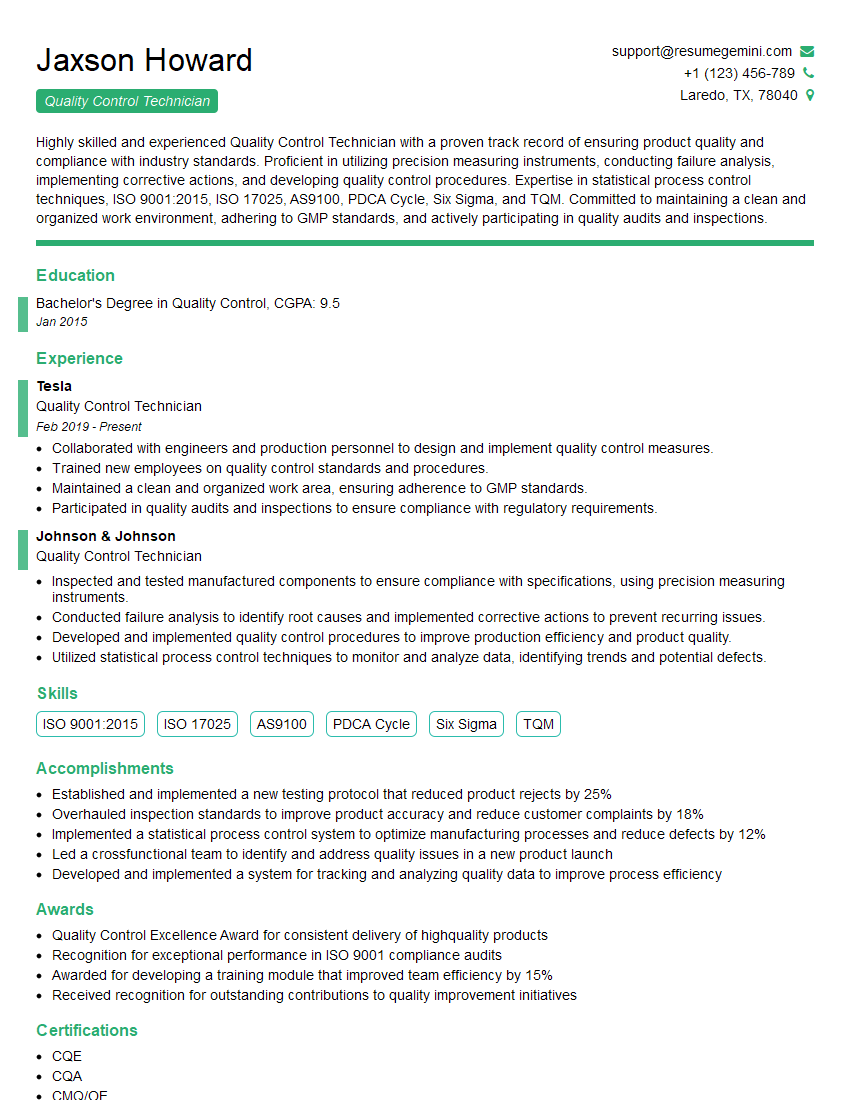
Quality Control Technician Resume Sample

Metallurgical Technician Resume Sample

Welding Technician Resume Sample

Materials Scientist Resume Sample
Explore more articles
Users Rating of Our Blogs
Share Your Experience
We value your feedback! Please rate our content and share your thoughts (optional).
What Readers Say About Our Blog
Really detailed insights and content, thank you for writing this detailed article.
IT gave me an insight and words to use and be able to think of examples