Unlock your full potential by mastering the most common Understanding of color theory interview questions. This blog offers a deep dive into the critical topics, ensuring you’re not only prepared to answer but to excel. With these insights, you’ll approach your interview with clarity and confidence.
Questions Asked in Understanding of color theory Interview
Q 1. Explain the difference between additive and subtractive color mixing.
Additive and subtractive color mixing are two fundamentally different approaches to creating colors. Think of it like this: additive is about adding light, while subtractive is about subtracting light.
Additive color mixing occurs when light sources of different colors are combined. The primary colors in additive mixing are red, green, and blue (RGB). When you combine these primaries, you get secondary colors: cyan (green + blue), magenta (red + blue), and yellow (red + green). Combining all three primaries results in white light. This is how your computer screen or TV produces colors – tiny red, green, and blue lights are lit up in varying intensities to create the full spectrum you see.
Subtractive color mixing, on the other hand, happens when pigments or dyes are mixed together. The primary colors here are cyan, magenta, and yellow (CMY), and sometimes black (K) is added to make it CMYK. These pigments absorb certain wavelengths of light, and the remaining wavelengths reflected are what we perceive as the resulting color. Mixing all three primaries (CMY) theoretically creates black, but in practice, a deep black is rarely achieved without adding a pure black pigment (K). This is the method used in printing, painting, and dyeing processes.
In essence, additive mixing starts with black and adds light to get colors, while subtractive mixing starts with white and subtracts light to get colors.
Q 2. Describe the RYB and CMYK color models. What are their applications?
RYB (Red, Yellow, Blue) is a traditional color model that’s been used for centuries in art and painting. It’s intuitive, but it doesn’t accurately represent how light mixes. It’s often used as a simplified model for beginners in art education. Applications are primarily in artistic contexts where pigments are mixed. Think of paint palettes and traditional art instruction.
CMYK (Cyan, Magenta, Yellow, Key/Black) is the subtractive color model used in printing. It’s based on the process of subtractive color mixing and forms the foundation of how colors are reproduced on printed media. The ‘K’ stands for Key (black), which is included to improve depth and contrast. You’ll find this model used extensively in graphic design, commercial printing, and other printing-related industries.
Q 3. What is the color wheel and how is it used in design?
The color wheel is a visual representation of colors arranged according to their chromatic relationships. It typically features the primary, secondary, and tertiary colors, arranged in a circle.
In design, the color wheel is invaluable for several reasons:
- Choosing Harmonious Color Schemes: It helps designers select color combinations that are visually pleasing and work well together, ensuring a balanced and aesthetically coherent design. For example, understanding complementary colors (opposite each other on the wheel) allows for strong contrast.
- Understanding Color Relationships: It clarifies the relationships between colors (analogous, complementary, triadic, etc.), giving designers a solid foundation for building their palettes.
- Creating Visual Hierarchy: By using the color wheel strategically, designers can create a visual hierarchy to guide the viewer’s eye through the design, drawing attention to important elements.
- Evoking Specific Moods: Different colors elicit different emotions; the color wheel helps designers understand these psychological effects and use color to communicate specific moods or messages.
Q 4. Explain the concept of color harmony. Name and describe three types.
Color harmony refers to the pleasing arrangement of colors in a design. It creates visual appeal and cohesiveness. Here are three types:
- Complementary Harmony: Uses colors that are directly opposite each other on the color wheel (e.g., red and green, blue and orange). This creates a high-contrast, vibrant combination. Think of a Christmas card – the red and green are complementary.
- Analogous Harmony: Uses colors that are adjacent to each other on the color wheel (e.g., blue, blue-green, and green). This creates a calmer, more unified feel. A sunset often features analogous color harmonies.
- Triadic Harmony: Uses three colors that are evenly spaced around the color wheel (e.g., red, yellow, and blue). This provides a balanced and vibrant scheme without the high contrast of complementary colors. Many logos use triadic harmonies.
Q 5. Define hue, saturation, and value (HSV). How do they relate?
Hue refers to the pure color itself – the basic color name, such as red, blue, or green. Saturation refers to the intensity or purity of a color. A highly saturated color is vivid and intense, while a low-saturated color is muted or dull. Value (or brightness) refers to the lightness or darkness of a color. A high-value color is light, while a low-value color is dark.
These three elements are interconnected and define any given color. Imagine a color cube: Hue is the position along the horizontal axis, saturation is the distance from the neutral gray axis, and value is the vertical position.
Q 6. What is color temperature and how does it affect mood?
Color temperature describes the warmth or coolness of a color, often associated with light sources. It’s measured in Kelvin (K). Cooler colors (blues and greens) have higher Kelvin values (e.g., 6500K – daylight), while warmer colors (reds and oranges) have lower Kelvin values (e.g., 2700K – incandescent light).
Effect on Mood: Warm colors tend to evoke feelings of comfort, happiness, and excitement. They can create a cozy and inviting atmosphere. Cool colors, on the other hand, are often associated with calmness, serenity, and professionalism. They can feel more sophisticated or even clinical. Consider a restaurant using warm lighting to encourage a relaxing mood versus a hospital using cool lighting to project a clean, sterile image.
Q 7. Explain the principles of contrast and how it’s used effectively.
Contrast refers to the difference between colors, particularly in terms of their value, hue, and saturation. High contrast creates a visually striking effect, while low contrast results in a more subtle and harmonious look.
Effective Use of Contrast: Contrast is crucial for readability, accessibility, and visual hierarchy. For instance, using high contrast between text and background ensures readability. In design, contrast is used to draw attention to important elements or create a focal point. A bold headline in a contrasting color will immediately grab a reader’s attention. However, extreme contrast can sometimes be jarring; careful balancing is key. Contrast can also improve the perception of depth and texture, adding dynamism to a design.
Q 8. How do you create a color palette for a website or brand?
Creating a color palette is a crucial step in visual branding and web design. It’s not just about picking pretty colors; it’s about conveying a brand’s personality, values, and message. I begin by understanding the brand’s identity – its target audience, industry, and overall feel (e.g., modern, playful, sophisticated). Then, I consider the following steps:
Mood Board Inspiration: I’ll often start with a mood board, collecting images and textures that evoke the desired feeling. This helps visualize the color direction.
Choosing a Base Color: This is typically the dominant color, setting the overall tone. This could be derived from the brand logo, or a color that resonates strongly with the brand’s identity.
Developing a Color Scheme: Based on the base color, I’ll create a harmonious scheme. This might involve using analogous colors (adjacent on the color wheel), complementary colors (opposite on the color wheel), or triadic colors (three evenly spaced colors). Tools like Adobe Color or Coolors can help explore various schemes.
Testing and Iteration: I’ll create mockups and test the palette in different contexts to ensure it works well across various elements. This often involves adjustments and refinements until the perfect balance is achieved.
Accessibility Considerations: I’ll ensure sufficient contrast between text and background colors to meet WCAG guidelines for accessibility (more on this in question 3).
For example, for a tech startup aiming for a modern and innovative feel, I might choose a base color of a deep teal, complement it with a light grey for background, and accent with a vibrant orange. For a calming spa brand, I might use soft pastels and muted greens.
Q 9. What are some common color schemes and their psychological effects?
Common color schemes and their psychological effects are deeply intertwined. The impact of a color is subjective, influenced by culture and personal experience, but there are generally accepted associations:
Monochromatic: Uses variations of a single color (different shades, tints, and tones). This creates a sense of harmony and sophistication. Think of various shades of blue used in a corporate website for reliability.
Analogous: Uses colors that are next to each other on the color wheel. It provides a calm and natural feel. For instance, shades of green, blue-green, and blue might be used for an eco-friendly brand.
Complementary: Uses colors that are opposite each other on the color wheel. Creates high contrast and visual excitement. A classic example is red and green, often used in Christmas branding.
Triadic: Uses three colors evenly spaced on the color wheel. Offers a balanced and vibrant palette. A common example is using blue, yellow, and red (primary colors).
Tetradic (Double Complementary): Uses two complementary pairs. This offers a richer and more complex palette, but requires careful balance. It can be highly vibrant and energetic.
Psychological Effects:
Red: Energy, passion, urgency (can also be associated with danger or anger).
Blue: Trust, stability, calmness (can also feel cold or impersonal).
Green: Nature, growth, freshness (can also signify envy or illness).
Yellow: Optimism, happiness, creativity (can also be perceived as childish or annoying).
Purple: Royalty, luxury, creativity (can also feel mysterious or melancholic).
Understanding these associations helps in crafting a palette that effectively communicates the intended brand message.
Q 10. How do you choose appropriate colors for accessibility?
Choosing accessible colors is paramount to ensuring that everyone, including people with visual impairments, can use your website or product. The Web Content Accessibility Guidelines (WCAG) provide standards for sufficient contrast ratios between text and background colors. I utilize tools like WebAIM’s contrast checker to ensure that the contrast ratio meets the WCAG AA or AAA standards.
This typically means avoiding combinations with low contrast, such as light text on a light background or dark text on a dark background. It’s important to test the color combinations across different screen sizes and devices, as contrast can appear differently depending on the screen’s resolution and brightness. For example, a combination that works well on a high-resolution monitor might have insufficient contrast on a lower-resolution screen or in low-light conditions. Always prioritize legibility and usability for all users.
For example, if using a dark grey background, I’d need to ensure the text color is light enough to meet the required contrast ratio. Furthermore, consider those with color blindness; avoid relying solely on color to convey information. Always use visual cues in conjunction with text labels or other forms of redundancy to support comprehension.
Q 11. Describe how color can impact user experience (UX).
Color significantly impacts user experience (UX). It influences mood, guides user attention, and can even affect usability. A well-chosen color palette can create a positive and engaging user experience, while a poorly chosen one can be confusing and frustrating. Here’s how color impacts UX:
Branding and Recognition: Consistent brand colors create recognition and trust. Users quickly associate colors with specific brands (think Coca-Cola’s red or Tiffany & Co.’s blue).
Emotional Response: Colors evoke emotions, influencing user perceptions and behaviors. Warm colors (reds, oranges, yellows) can be stimulating and exciting, while cool colors (blues, greens, purples) can create calm and trust. For example, an e-commerce site selling relaxing bath products might use calming blues and greens to promote relaxation.
Visual Hierarchy: Using color to prioritize information improves navigation and usability. More important elements should stand out visually through color contrast or saturation.
Call to Action (CTA): Highlighting CTAs (e.g., buttons) with contrasting colors increases click-through rates. For example, a bright, contrasting button like green on a neutral background would draw attention.
Accessibility: Appropriate color contrast enhances readability and inclusivity for all users, including those with visual impairments.
In essence, color is a powerful tool for guiding user behavior and creating a positive and memorable UX. By carefully considering color psychology and accessibility, designers can create impactful and user-friendly interfaces.
Q 12. Explain the difference between Pantone and RGB color systems.
Pantone and RGB are different color models used in different contexts:
RGB (Red, Green, Blue): This is an additive color model used for screens (monitors, TVs, phones). It mixes red, green, and blue light to create a wide range of colors. Each color is represented by a value from 0 to 255, with
rgb(255, 0, 0)representing pure red,rgb(0, 255, 0)pure green, andrgb(0, 0, 255)pure blue.Pantone (PMS): This is a subtractive color model primarily used in printing. It uses a specific set of pre-mixed inks to achieve consistent color reproduction across different printers. Each Pantone color has a unique identification number (e.g., Pantone 18-1664 TPX – a shade of rose quartz). Pantone is critical for ensuring brand consistency in printed materials such as logos, marketing materials, and packaging.
The key difference lies in how color is produced: RGB uses light emission, while Pantone uses ink absorption. This leads to variations in color perception between screen and print. A color that appears vibrant on screen might be slightly different when printed, due to differences in the printing process, inks, and paper used.
Q 13. How would you troubleshoot a color mismatch between print and screen?
Troubleshooting a color mismatch between print and screen requires careful investigation and attention to detail. Here’s a step-by-step approach:
Identify the Color Space: Confirm the color space used for the screen (RGB) and the print (usually CMYK – Cyan, Magenta, Yellow, Key/Black). This is the initial point of potential mismatch.
Check Color Profiles: Ensure that appropriate color profiles are embedded in the files. These profiles provide information about the colors used and how they should be interpreted by different devices. Incorrect or missing profiles are common causes of discrepancies.
Review the Printing Process: Factors like the type of paper, ink quality, and printer calibration significantly impact color reproduction. Consider using a professional color calibration service to ensure accurate color reproduction.
Use a Proof: Request a color proof from your printer. This will give you a physical representation of the printed color before a large print run. This allows for adjustments before the final product is created.
Convert to CMYK Early: When preparing designs for print, convert your RGB images to CMYK early in the design process. This allows you to see how colors will be translated and make any necessary adjustments to maintain consistency.
Color Management Software: Utilize professional color management software (Adobe Color, GIMP, etc.) to manage and control color spaces accurately.
Often, slight variations are inevitable due to the differences in color models, but significant discrepancies indicate a problem in one of the steps above.
Q 14. What software or tools do you use for color management?
For professional color management, I rely on a combination of software and tools:
Adobe Creative Suite (Photoshop, Illustrator, InDesign): These industry-standard tools offer powerful color management capabilities, including color profiles, conversion options, and proofing tools.
Pantone Connect: A digital version of the Pantone color library, which allows easy access to Pantone colors and facilitates accurate color selection and consistency.
WebAIM Color Contrast Checker: An essential tool for ensuring accessibility by checking the contrast ratio between text and background colors.
Color Management Software (e.g., X-Rite i1Display Studio): For accurate calibration of my monitors and printers, this ensures consistency between my digital design and final product.
Coolors and Adobe Color: These online tools aid in the exploration of different color schemes, palettes, and harmonies.
The choice of software often depends on the project’s specific requirements, but these tools allow me to manage colors effectively and ensure consistency across various devices and output mediums.
Q 15. Describe your process for selecting colors for a logo design.
Selecting colors for a logo is a crucial step, as it sets the visual tone and memorability of the brand. My process involves a deep dive into understanding the client’s brand identity, target audience, and industry. I begin by exploring the client’s brand guidelines, mission statement, and values. This allows me to identify keywords and emotions associated with their brand. Then, I create a mood board – a collection of images, textures, and colors that evoke the desired feelings. I use color palettes generated from tools like Adobe Color or Coolors to explore different color harmonies, considering factors such as:
- Color psychology: Understanding how different colors evoke specific emotions (e.g., blue for trust, red for energy).
- Brand personality: Aligning the color palette with the brand’s desired personality (e.g., playful, sophisticated, authoritative).
- Target audience: Considering the demographic and psychographic profile of the target audience and their color preferences.
- Competitor analysis: Analyzing the color palettes of competitors to identify opportunities for differentiation.
- Accessibility: Ensuring sufficient contrast ratios for readability and inclusivity (WCAG guidelines).
Finally, I present a range of color options to the client, explaining the rationale behind each choice. We then refine the selection through iterative feedback, ensuring the final logo is both visually appealing and effectively communicates the brand’s essence. For example, a tech company might opt for blues and greens to convey trust and innovation, while a food brand might utilize warmer tones like oranges and yellows to create a feeling of warmth and appetite.
Career Expert Tips:
- Ace those interviews! Prepare effectively by reviewing the Top 50 Most Common Interview Questions on ResumeGemini.
- Navigate your job search with confidence! Explore a wide range of Career Tips on ResumeGemini. Learn about common challenges and recommendations to overcome them.
- Craft the perfect resume! Master the Art of Resume Writing with ResumeGemini’s guide. Showcase your unique qualifications and achievements effectively.
- Don’t miss out on holiday savings! Build your dream resume with ResumeGemini’s ATS optimized templates.
Q 16. How would you address a client’s lack of understanding about color theory?
Addressing a client’s lack of understanding about color theory requires patience, clear communication, and visual aids. I start by avoiding technical jargon and instead focusing on relatable analogies. For instance, I might explain color harmonies using musical analogies – just like certain musical notes sound pleasing together, certain color combinations create a harmonious visual effect. I’d use visual examples of color wheels, showing how complementary, analogous, and triadic color schemes work. Practical demonstrations, like showing them how different color combinations evoke different emotions or how color affects readability, can be incredibly effective. I often use tools like Adobe Color to visually demonstrate the impact of color choices, letting the client experiment and see the results in real time. I’d also prepare case studies showing successful brand logos and their effective use of color, explaining the choices made. The key is to make learning about color theory engaging and directly relevant to their business goals.
Q 17. Explain the impact of color on brand identity.
Color plays a pivotal role in shaping a brand’s identity. It’s the silent communicator, subtly influencing how consumers perceive a brand’s personality, values, and quality. Consider the iconic Coca-Cola red – it instantly evokes feelings of happiness, energy, and nostalgia. Similarly, Tiffany & Co.’s robin’s egg blue represents luxury, elegance, and sophistication. The impact of color extends beyond simple aesthetics; it creates emotional connections. A brand’s color palette should be carefully chosen to align with its overall brand strategy and target audience. Think about it – a law firm might opt for dark blues and greens to convey trust and stability, whereas a children’s toy company might use bright, playful colors like yellows, oranges, and pinks. Consistent use of the brand’s color palette across all platforms reinforces brand recognition and builds a cohesive brand identity.
Q 18. How can color be used to guide user attention in a design?
Color is a powerful tool for guiding user attention in design. We can use color contrast to highlight important elements and create visual hierarchy. For example, a bright call-to-action button on a less saturated background immediately draws the eye. The principle of visual weight – darker colors appearing heavier than lighter colors – can also be used to create focal points. Furthermore, color can evoke specific emotions, and we can use this to our advantage. For example, using a warm color like red can create a sense of urgency, prompting users to take action, while cooler colors like blue might promote calm and trust. Effective use of color in conjunction with other design principles, like proximity and alignment, ensures the user’s attention is seamlessly guided through the design, improving usability and achieving design goals.
Q 19. How does cultural context influence color perception and choices?
Cultural context significantly impacts color perception and choices. What might represent purity and innocence in one culture could signify death or mourning in another. For instance, white is associated with purity and weddings in Western cultures, but it’s the color of mourning in many Asian countries. Similarly, red symbolizes luck and prosperity in China, but it represents danger or anger in some other parts of the world. Designers must research and understand the cultural nuances of their target audience to avoid misinterpretations and potential cultural insensitivity. Failing to do so can lead to significant communication issues and even damage a brand’s reputation. Therefore, careful consideration of cultural context is paramount when choosing colors for design projects targeting a global audience.
Q 20. What are some common color perception challenges designers face?
Designers often face several color perception challenges. One common issue is color blindness, where a significant portion of the population perceives colors differently. Ensuring sufficient contrast ratios and avoiding reliance on color alone for conveying information is crucial for accessibility. Another challenge is color consistency across different devices and platforms. Colors can appear differently depending on screen calibration, device type (phone, tablet, desktop), and operating system. This requires careful consideration of color profiles and using color management tools to ensure consistency. Subjective color perception is another challenge; what one person finds appealing, another might find unappealing. This necessitates thorough testing and gathering feedback to ensure the chosen colors resonate with the target audience. Finally, the impact of lighting and environment on color perception is crucial. Colors appear differently under different lighting conditions, so designs should consider these factors for a consistent user experience.
Q 21. Discuss the importance of color consistency across different platforms.
Maintaining color consistency across different platforms – websites, mobile apps, print materials – is essential for building a strong brand identity and ensuring a cohesive user experience. Inconsistency can lead to a diluted brand image and confuse the user. This necessitates the creation of a brand style guide that includes specific color codes (e.g., using hexadecimal values like #007bff for blue) and detailed specifications for their usage. Designers should use color management systems to ensure color accuracy across different outputs. They might use tools like Pantone color matching systems for print materials to guarantee consistent color reproduction across different printers and printing processes. Digital platforms require careful consideration of RGB versus CMYK color spaces and the potential for variations in color display across different devices. Careful planning and a robust style guide are paramount in maintaining consistency and avoiding a fragmented brand image.
Q 22. Describe a time you had to explain complex color theory concepts to a non-designer.
I once had to explain the concept of color harmony to a client who was launching a new line of organic teas. They understood the importance of branding, but lacked a formal design background. Instead of diving into technical terms like ‘analogous’ or ‘complementary,’ I used a simple analogy. I compared colors to musical notes; just as certain notes create harmonious melodies, certain color combinations create a pleasing visual effect. I showed them examples of color palettes that naturally work well together—like the greens and browns found in nature—emphasizing how these evoke feelings of calmness and naturalness, perfectly fitting their brand’s ethos. We then explored different palettes, finding one that resonated with their vision, proving that even without a deep understanding of formal color theory, beautiful and effective design choices are possible.
Q 23. How would you use color to create a sense of depth in a design?
Creating depth with color is about manipulating the viewer’s perception of distance. We can achieve this using several techniques. Firstly, atmospheric perspective mimics how we see things in real life—objects further away appear lighter, less saturated, and slightly bluer due to atmospheric haze. For example, in a landscape painting, you’d use warm, saturated colors for the foreground and gradually shift to cooler, less saturated tones for the background.
Secondly, value contrast plays a crucial role. Darker colors tend to recede, while lighter colors advance. A dark object placed against a light background will appear further away, whereas a light object on a dark background jumps forward. Think of a black cat sitting on a white wall; the cat is clearly in the foreground.
Finally, layering colors strategically can also create depth. For instance, using translucent overlays or subtle gradients can suggest depth and create a sense of layering or atmospheric effects.
Q 24. Explain the difference between warm and cool colors and their applications.
Warm colors, such as reds, oranges, and yellows, evoke feelings of energy, excitement, and warmth. They are often associated with action and can appear to advance in a design. Think about the warm, inviting feeling of a sunset or the energy of a vibrant fire. Cool colors, on the other hand, such as blues, greens, and purples, tend to be associated with calmness, serenity, and coolness. They typically recede visually. Imagine the peaceful tranquility of a calm ocean or the coolness of a forest.
The application depends greatly on the desired mood and message. Warm colors are ideal for designs focused on energy, like food packaging or video games; whereas cool colors are perfect for designs promoting calmness and trustworthiness, like healthcare brands or corporate websites. The key is to use them consciously to influence the viewer’s emotional response.
Q 25. How do you ensure color accuracy in your designs?
Color accuracy is paramount. My process involves using a calibrated monitor with a known color profile. I employ color management software like Adobe Color or similar to ensure consistency across all stages of the design process, from initial concept to final output. This involves specifying a color profile (sRGB, Adobe RGB, etc.) for my documents and working in a color space that accurately represents the intended output medium (print or screen). I also conduct regular calibration checks on my monitor and printer to maintain consistent and accurate color representation. Finally, I always review the final design on multiple devices and in different lighting conditions to ensure that colors appear as intended across various platforms and viewing environments.
Q 26. What is a color profile and why is it important?
A color profile is a set of data that describes a specific color space. Think of it like a dictionary that defines how colors are represented digitally. Different devices (monitors, printers) represent color differently, and without a color profile, the same color values might appear differently on different devices. Color profiles help ensure that colors are displayed accurately and consistently across different devices and software. For example, an sRGB profile is commonly used for web design, while Adobe RGB is often preferred for print design. The importance lies in maintaining color consistency. Without color profiles, a design looking vibrant on your screen might appear dull or completely different when printed, leading to frustration and potentially costly mistakes.
Q 27. Describe your understanding of color psychology and its application in design.
Color psychology explores the effects colors have on human emotions and behavior. Understanding this is crucial in design. For example, red often stimulates appetite, making it a popular choice for fast-food restaurants; blue often evokes feelings of trust and security, making it a common choice for financial institutions; and green is frequently associated with nature and health, fitting for eco-friendly products. I use this knowledge to choose colors strategically, aligning them with the desired emotional response and brand identity. For instance, a children’s product might use bright, cheerful colors like yellow and orange to convey joy and playfulness, while a luxury brand might opt for sophisticated neutrals and deep jewel tones to project an image of elegance and exclusivity. This is not about dictating emotions, but influencing perception to help a design successfully communicate its intended message.
Q 28. How would you create a visually appealing color palette using only three colors?
Creating a visually appealing three-color palette requires careful consideration of color harmony and contrast. A good starting point is to use the split complementary scheme. This involves selecting a base color and then using the two colors adjacent to its complement. For example, if you choose blue as your base color, the complementary color is orange; the split complementary would then be yellow-orange and red-orange. These three colors offer a good balance of contrast and harmony.
Another approach is using an analogous palette, selecting three colors that are next to each other on the color wheel—say, teal, green, and a slightly lighter, yellowish green. This produces a harmonious and cohesive look, typically feeling very calm and natural. Finally, ensure there’s sufficient contrast between the colors, using one as the dominant color, one as an accent, and one as a neutral. Always test your palette in context with your design to make sure it achieves your aesthetic goals.
Key Topics to Learn for Understanding of Color Theory Interview
- Color Models (RGB, CMYK, LAB): Understand the differences and when to use each model in various design contexts. Consider practical applications like website design versus print design.
- Color Harmonies (Complementary, Analogous, Triadic, etc.): Explore the principles of creating visually appealing color palettes and how these harmonies evoke different moods and feelings. Practice creating your own palettes and analyzing existing ones.
- Color Psychology: Learn how different colors impact human perception and emotions. Think about how this knowledge can be used to effectively communicate messages or influence user behavior in design projects.
- Color Temperature (Warm vs. Cool): Understand the impact of color temperature on the overall feeling of a design and how to balance warm and cool colors effectively. Consider examples from different design fields.
- Color Contrast and Accessibility: Discuss the importance of sufficient color contrast for readability and accessibility, especially for users with visual impairments. Learn about WCAG guidelines related to color contrast.
- Color Trends and Current Applications: Stay updated on current color trends in design and technology. Analyze how these trends are utilized in different industries and design approaches.
Next Steps
Mastering color theory is crucial for career advancement in various creative fields, demonstrating your ability to create visually compelling and effective designs. A strong understanding of color theory sets you apart and showcases your design sensibilities. To maximize your job prospects, it’s vital to present your skills effectively. Creating an ATS-friendly resume is key to getting your application noticed. ResumeGemini is a trusted resource that can help you build a professional and impactful resume tailored to highlight your color theory expertise. Examples of resumes tailored to Understanding of color theory are available to guide you.
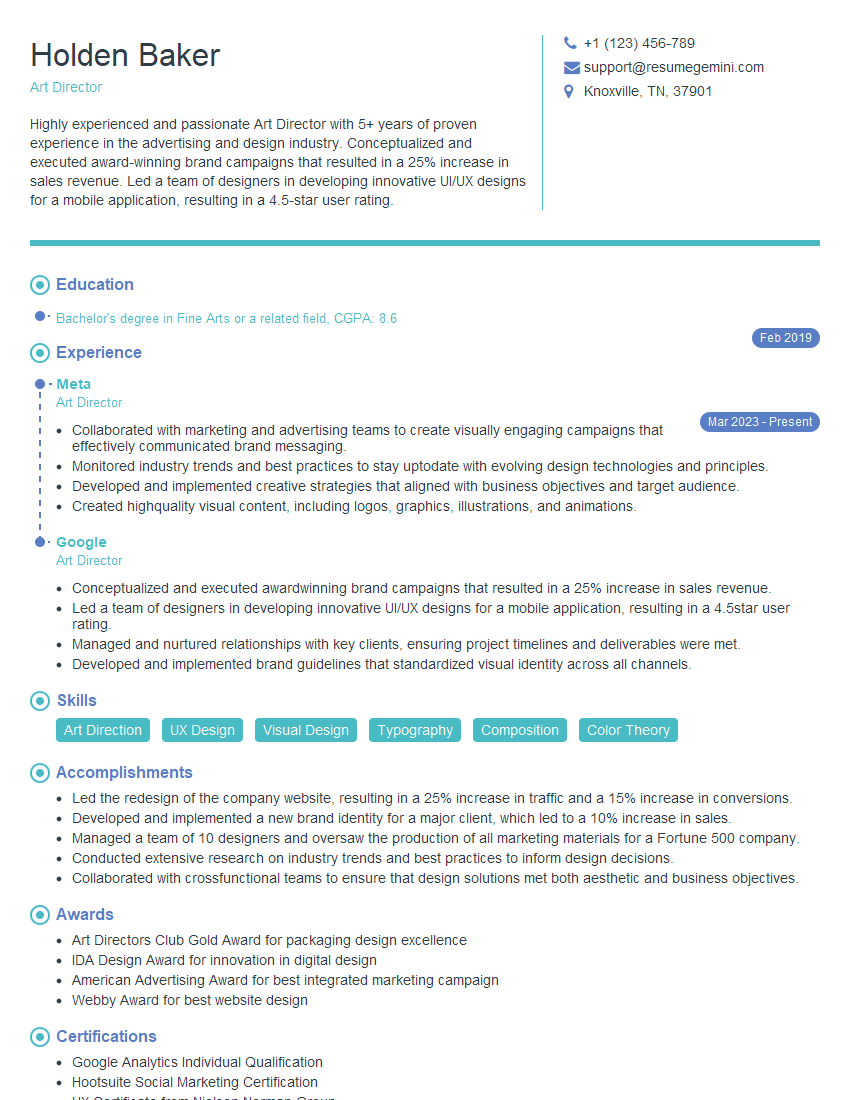
Art Director Resume Sample
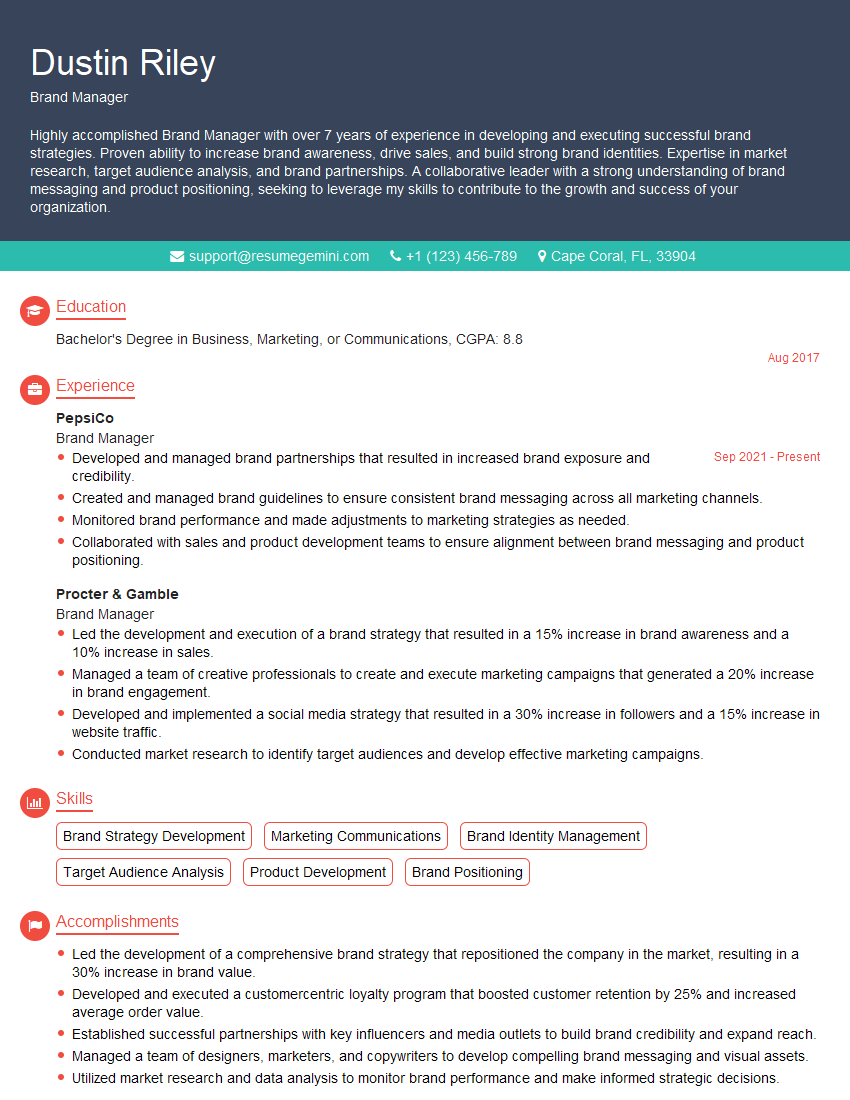
Brand Manager Resume Sample
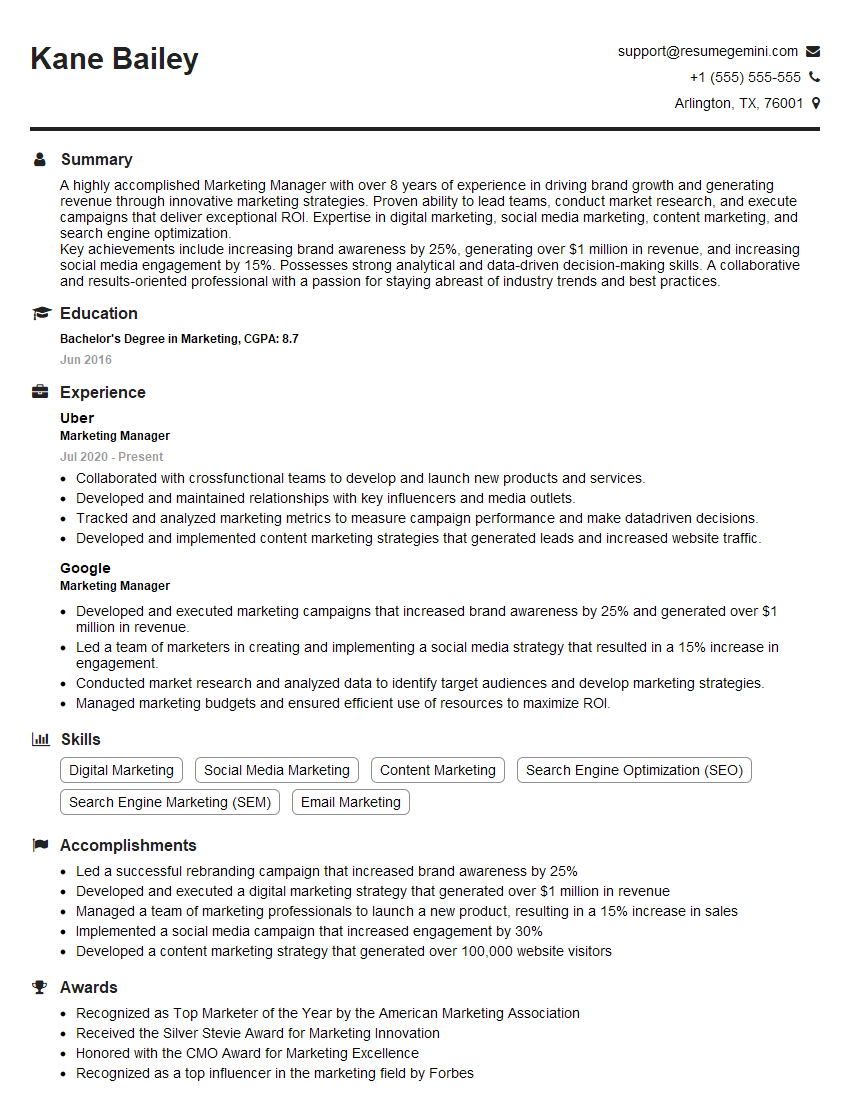
Marketing Manager Resume Sample
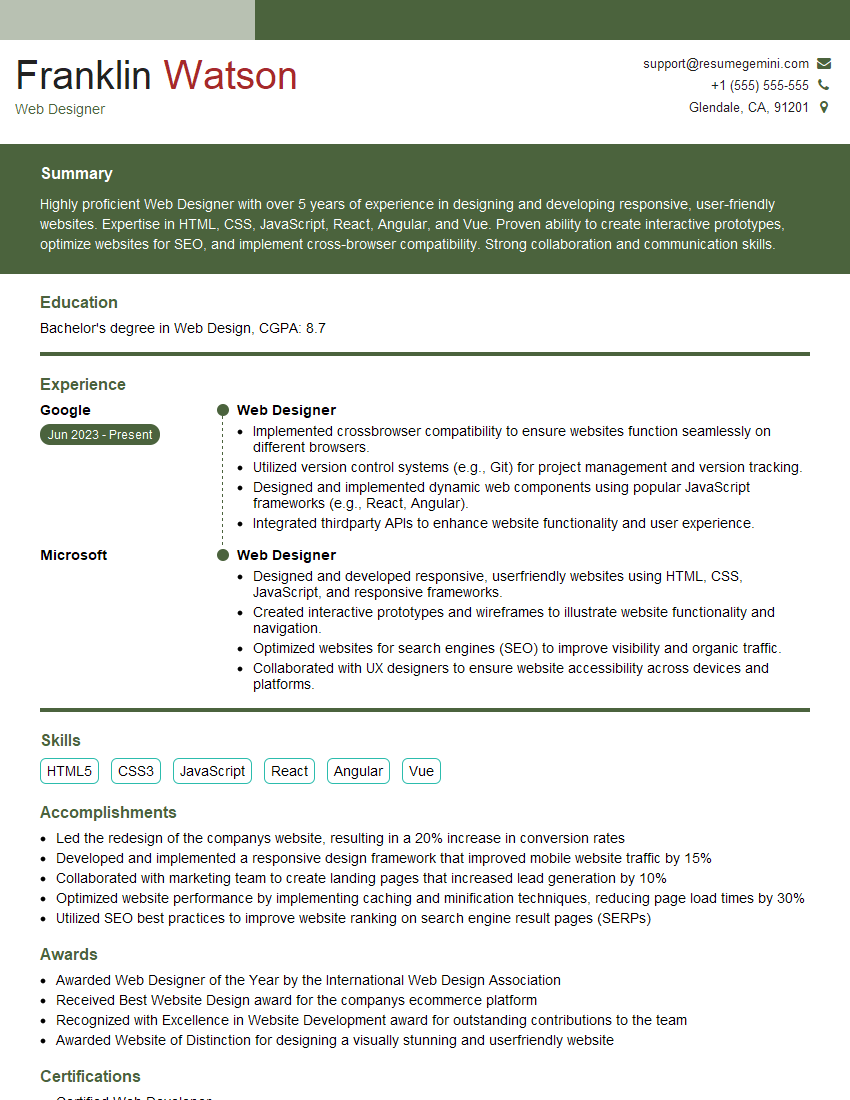
Web Designer Resume Sample
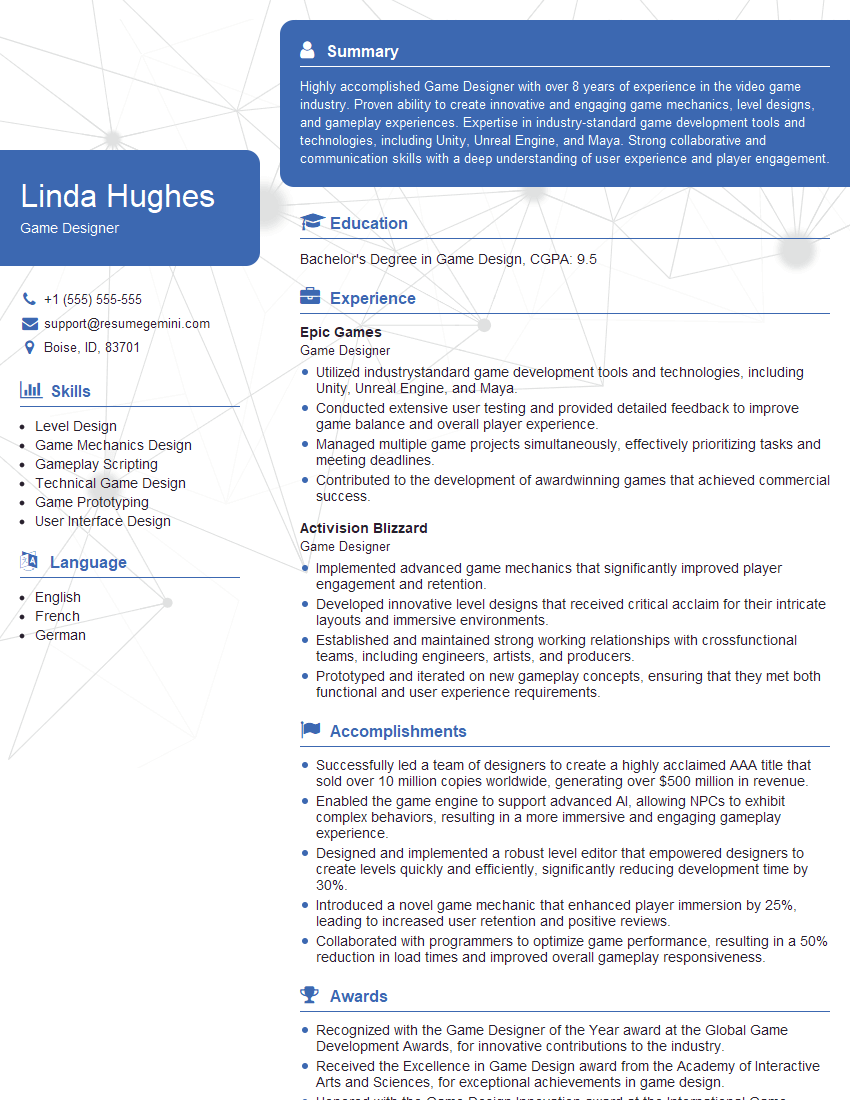
Game Designer Resume Sample
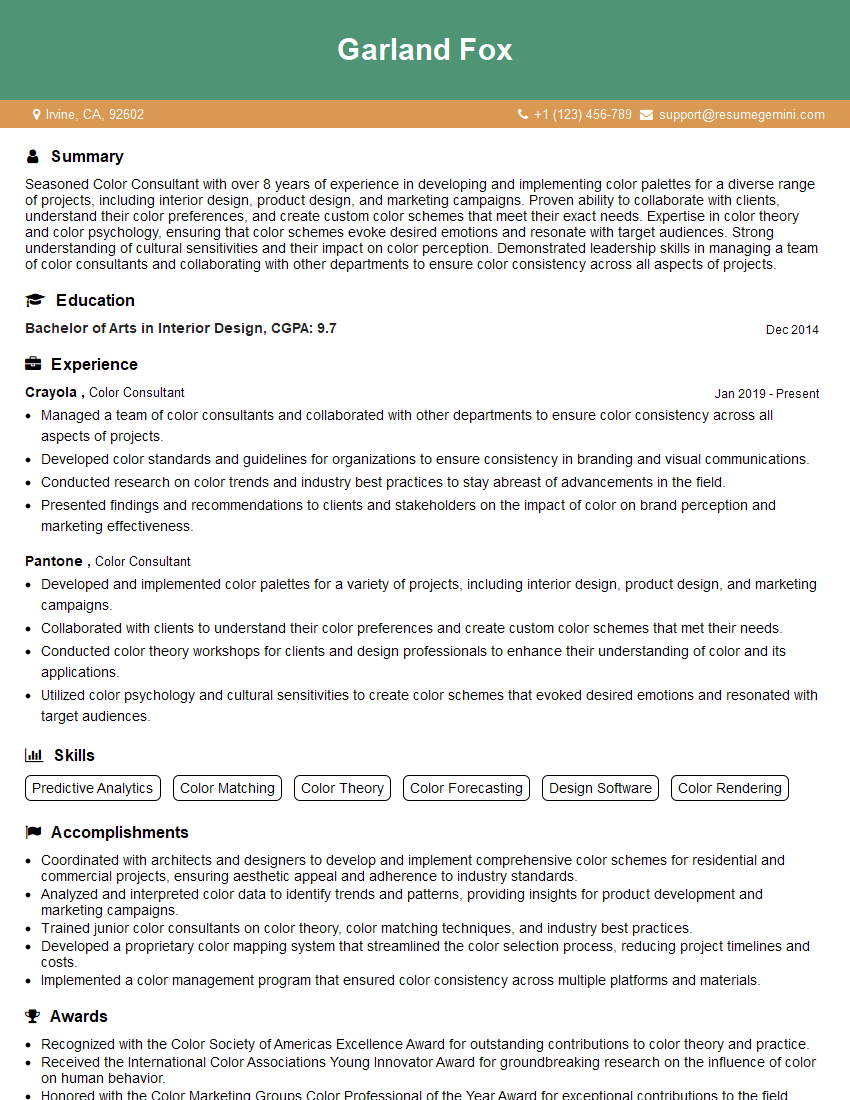
Color Consultant Resume Sample
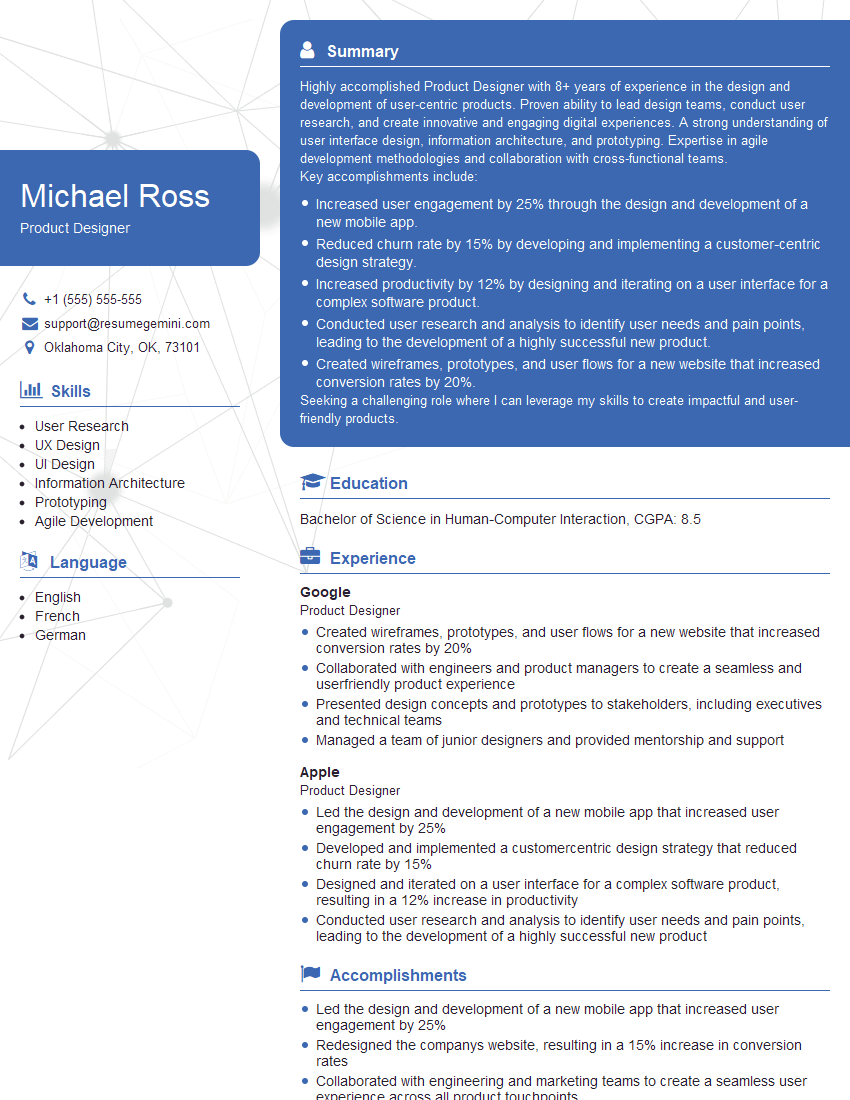
Product Designer Resume Sample
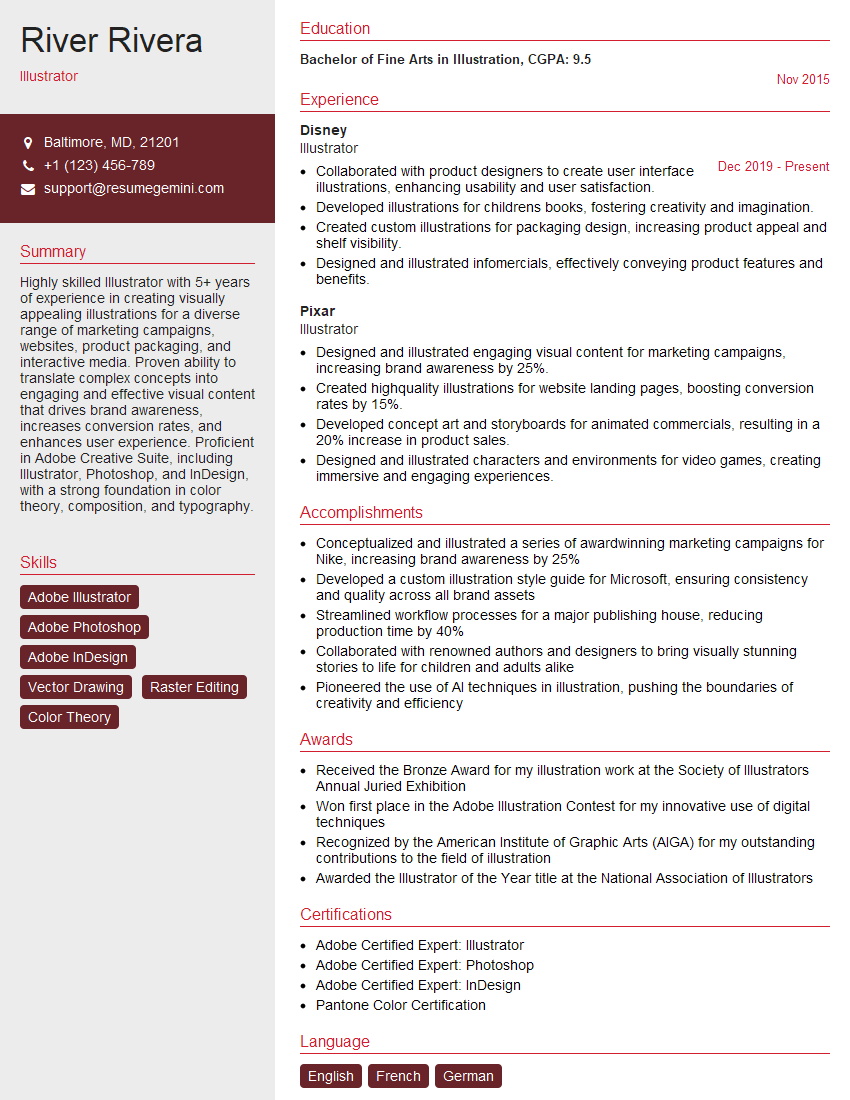
Illustrator Resume Sample
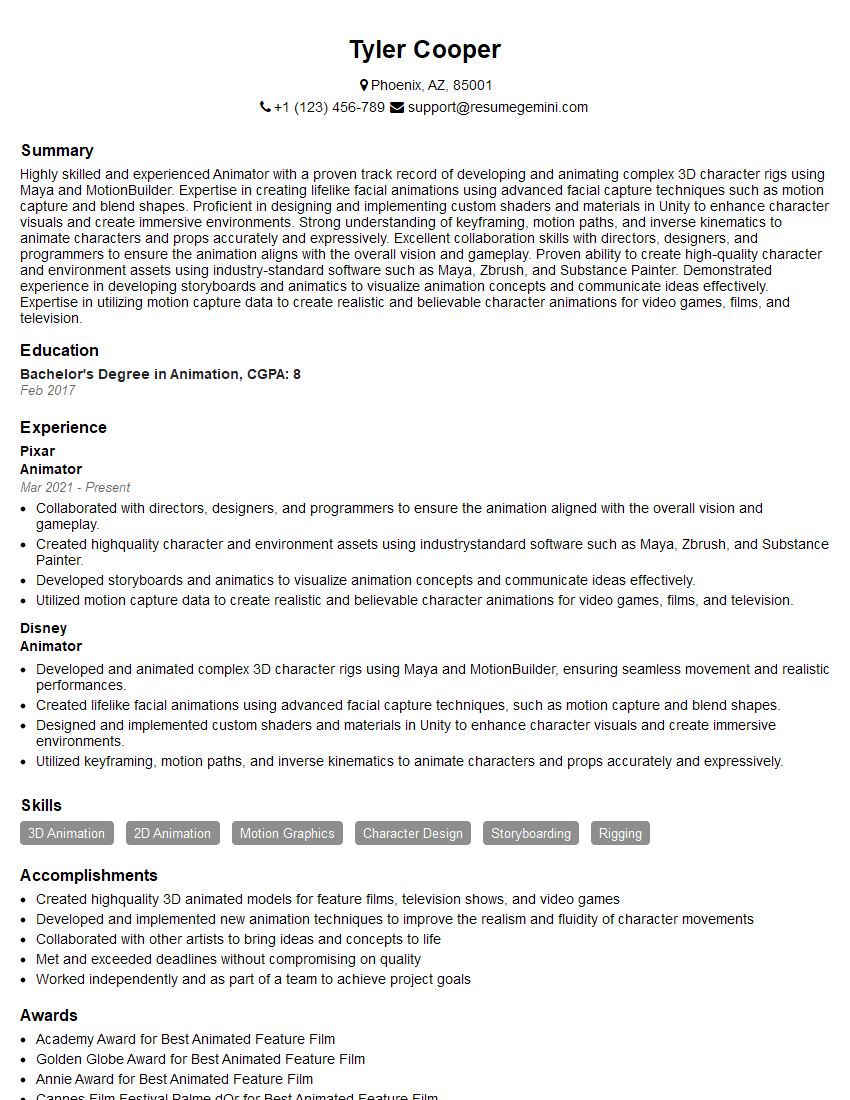
Animator Resume Sample
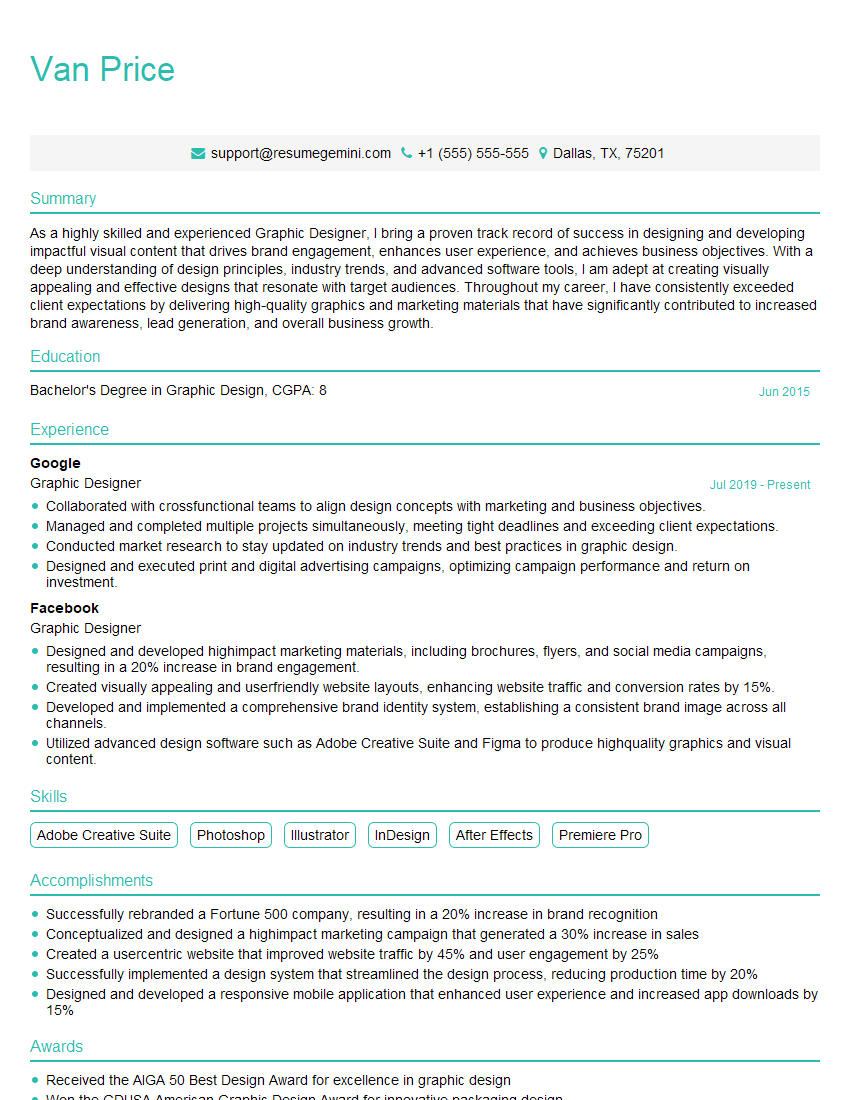
Graphic Designer Resume Sample
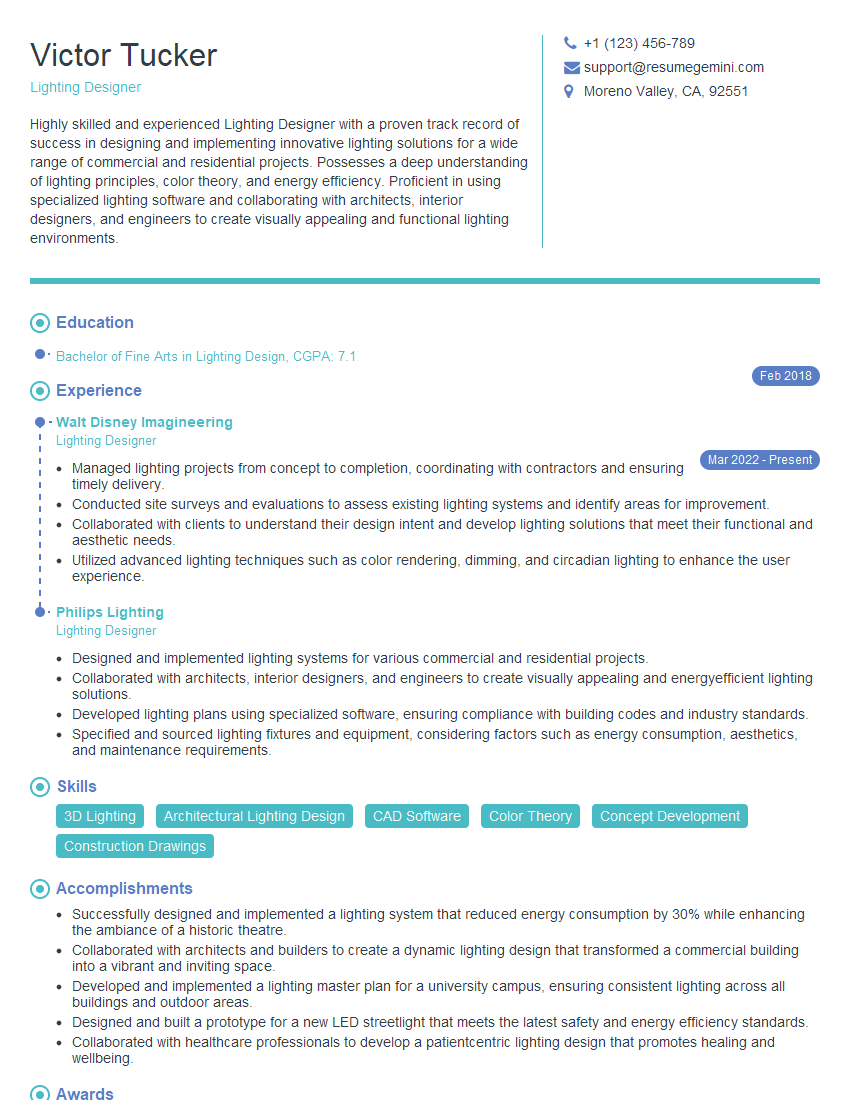
Lighting Designer Resume Sample
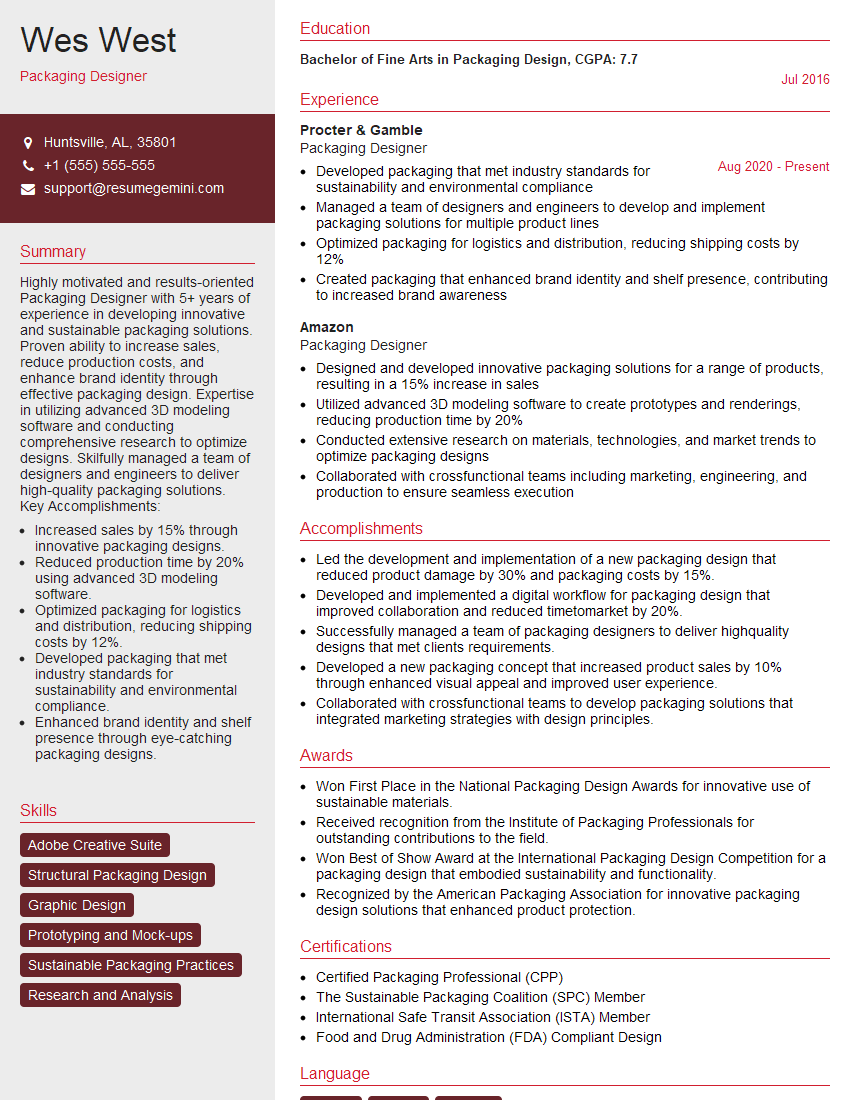
Packaging Designer Resume Sample
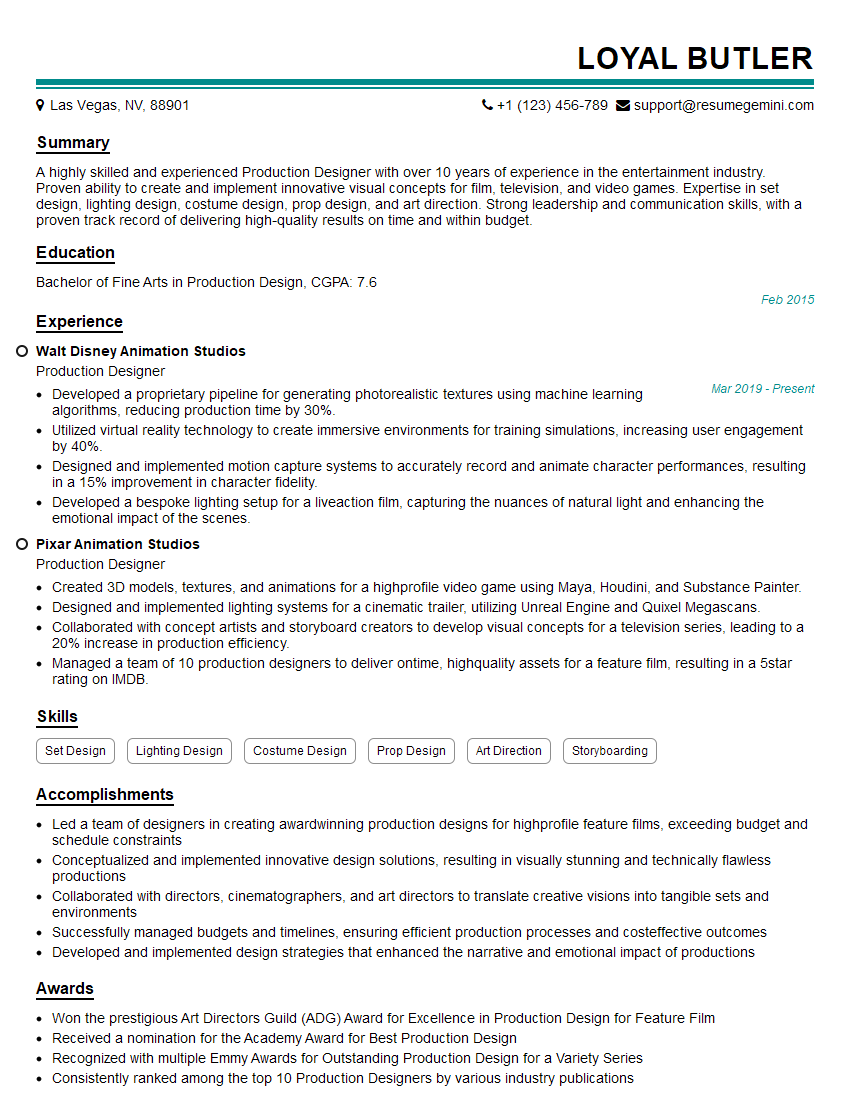
Production Designer Resume Sample
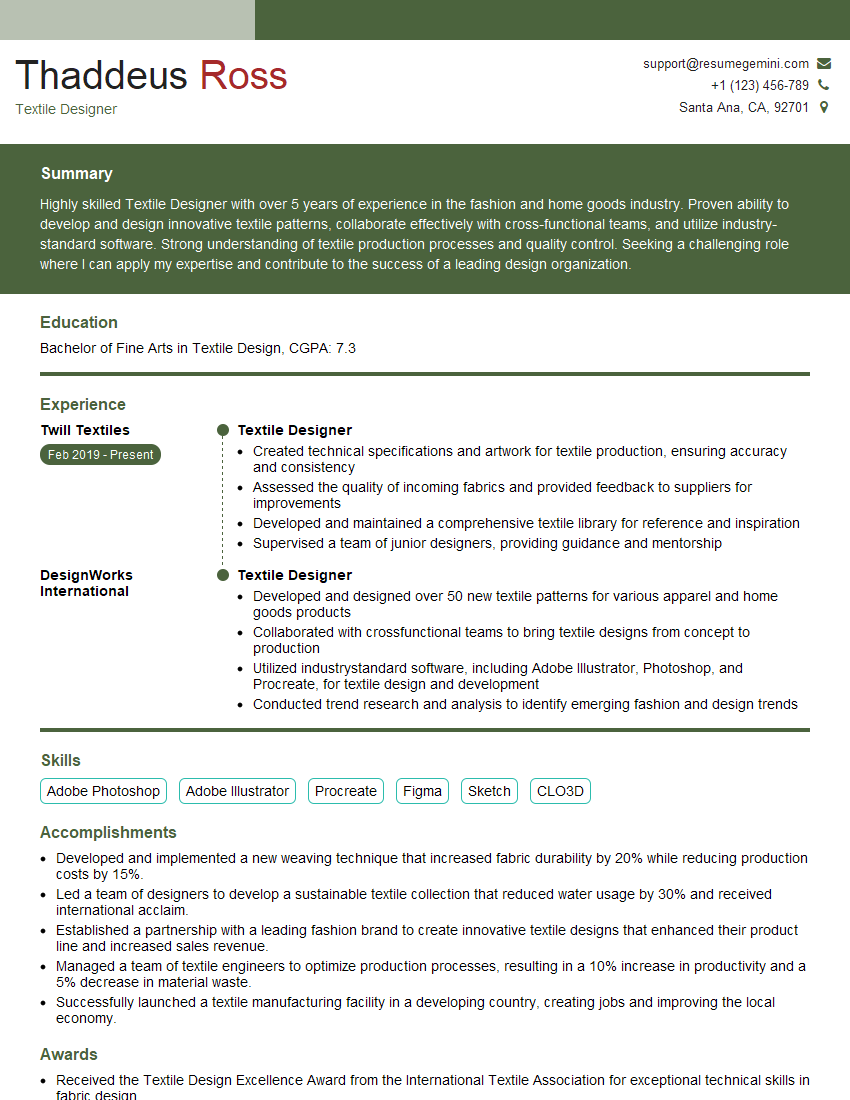
Textile Designer Resume Sample
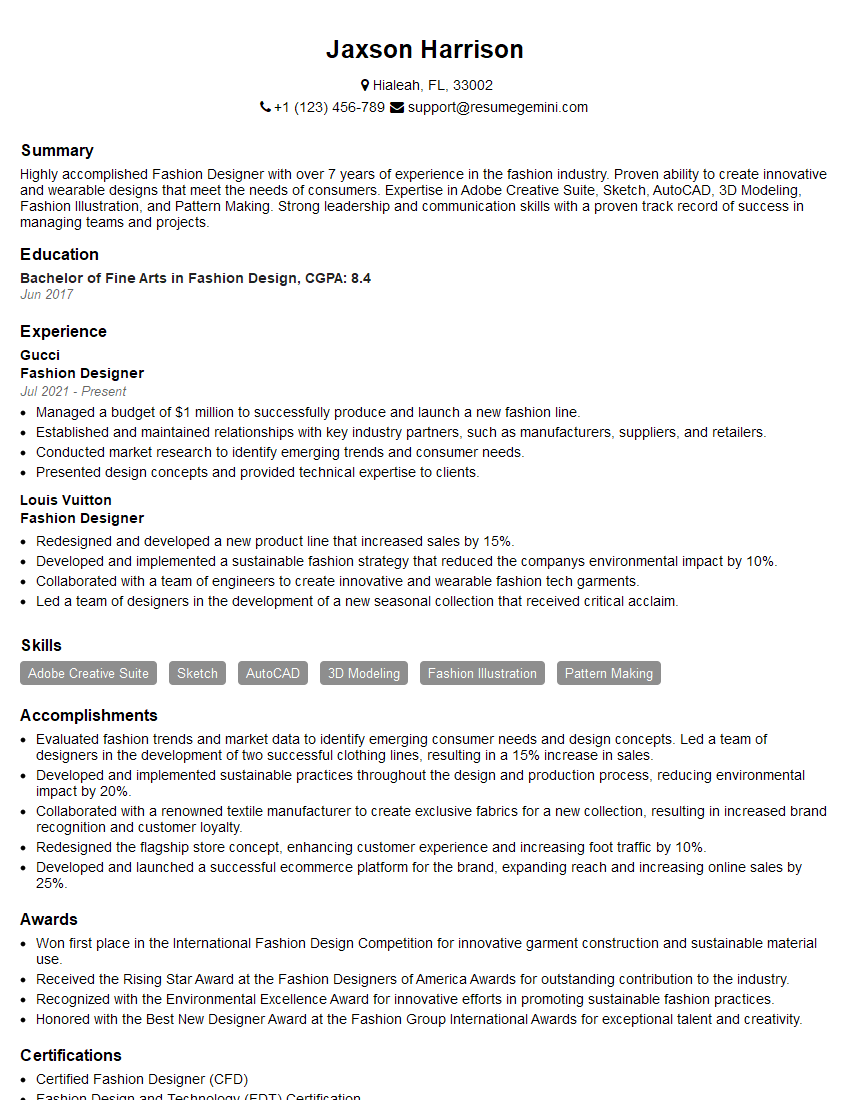
Fashion Designer Resume Sample
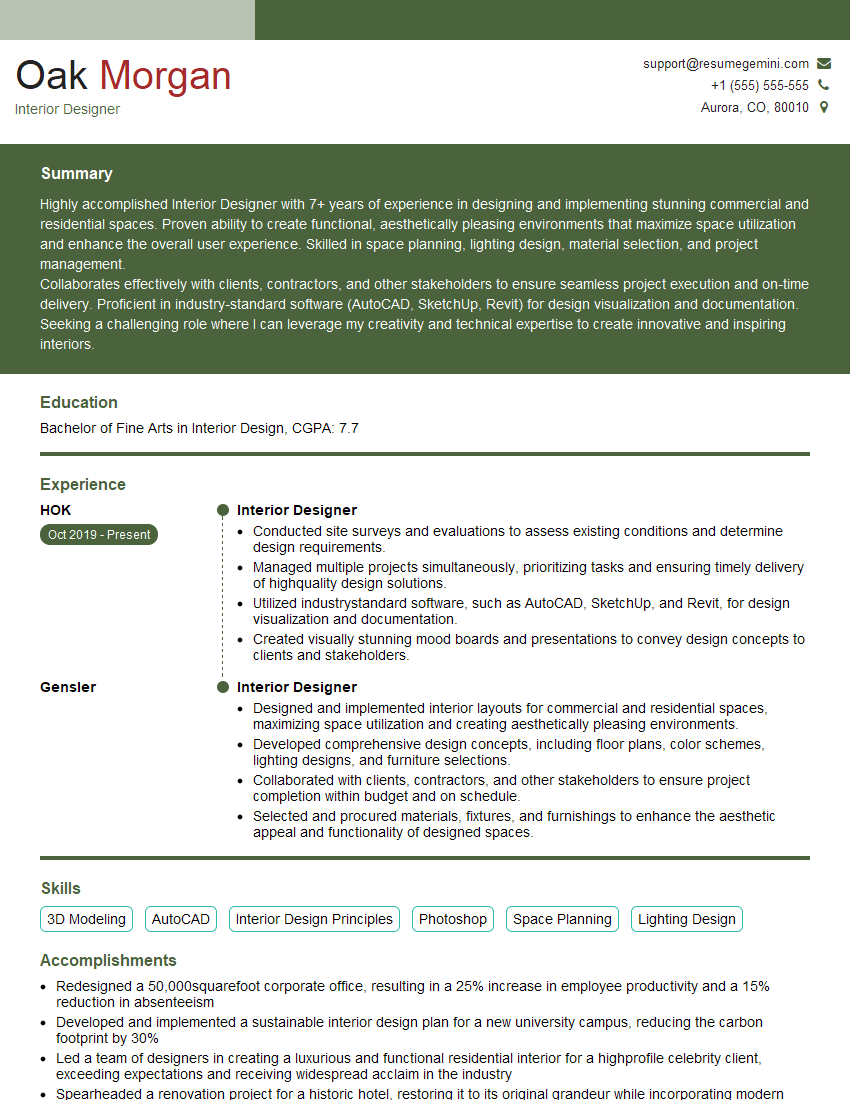
Interior Designer Resume Sample
Photographer Resume Sample
Cinematographer Resume Sample
UX Designer Resume Sample
Visual Merchandiser Resume Sample
- Art Director
- Brand Manager
- Marketing Manager
- Web Designer
- Game Designer
- Color Consultant
- Product Designer
- Illustrator
- Animator
- Graphic Designer
- Lighting Designer
- Packaging Designer
- Production Designer
- Textile Designer
- Fashion Designer
- Interior Designer
- Photographer
- Cinematographer
- UX Designer
- Visual Merchandiser
Explore more articles
Users Rating of Our Blogs
Share Your Experience
We value your feedback! Please rate our content and share your thoughts (optional).
What Readers Say About Our Blog
Really detailed insights and content, thank you for writing this detailed article.
IT gave me an insight and words to use and be able to think of examples