Cracking a skill-specific interview, like one for Understanding of Consumer Safety Best Practices, requires understanding the nuances of the role. In this blog, we present the questions you’re most likely to encounter, along with insights into how to answer them effectively. Let’s ensure you’re ready to make a strong impression.
Questions Asked in Understanding of Consumer Safety Best Practices Interview
Q 1. Describe your experience in conducting risk assessments for consumer products.
Conducting risk assessments for consumer products is a systematic process aimed at identifying potential hazards and evaluating their likelihood and severity. My approach involves a multi-stage process starting with hazard identification, using techniques like Failure Mode and Effects Analysis (FMEA) and Hazard and Operability studies (HAZOP). For example, in assessing a children’s toy, I’d consider potential choking hazards from small parts, risk of injury from sharp edges, and flammability of materials. Next, I’d evaluate the likelihood of these hazards occurring and the severity of potential harm. This often involves reviewing existing standards, analyzing similar products, and considering user behavior. Finally, I’d determine the overall risk level and recommend appropriate control measures, such as redesigning the product, adding warnings, or providing instructions. I have extensive experience conducting these assessments for various products, from power tools to children’s toys, using both qualitative and quantitative methods to ensure a comprehensive evaluation. My reports meticulously document the assessment process, the identified hazards, risk levels, and recommended mitigation strategies.
Q 2. Explain the key components of a robust consumer safety management system.
A robust consumer safety management system is the backbone of any company committed to producing safe products. It encompasses several key components:
- Product Design and Development: This includes incorporating safety considerations from the initial design phase through prototyping and testing. Employing design for safety principles helps prevent hazards from arising in the first place.
- Hazard Identification and Risk Assessment: A continuous process to identify potential hazards and assess their associated risks. This may involve using techniques mentioned earlier like FMEA and HAZOP.
- Testing and Quality Control: Rigorous testing and quality control procedures at each stage of production to verify that safety standards are met. This might include materials testing, performance testing, and durability testing.
- Incident Reporting and Investigation: An efficient system for tracking and investigating safety incidents, identifying root causes, and implementing corrective actions. Effective incident reporting fosters continuous improvement.
- Regulatory Compliance: Ensuring adherence to all relevant consumer safety regulations and standards, both domestically and internationally. This often requires constant monitoring and updating of policies.
- Communication and Training: Training employees on safety procedures and effectively communicating safety information to consumers through clear instructions, warnings, and recall procedures.
- Continuous Improvement: Regularly reviewing and updating the entire safety management system based on lessons learned, new regulations, and industry best practices. This is a dynamic process, not a static one.
A well-structured system, like this, provides a holistic approach to safety, ensuring that consumer well-being is prioritized throughout the product lifecycle.
Q 3. How do you stay updated on current consumer safety regulations and standards?
Staying updated on consumer safety regulations and standards is paramount. I employ several strategies to achieve this:
- Subscription to Regulatory Updates: I subscribe to newsletters and alerts from relevant regulatory bodies like the Consumer Product Safety Commission (CPSC) in the US, the European Chemicals Agency (ECHA) in Europe, and similar organizations globally.
- Industry Publications and Conferences: I actively participate in industry conferences and regularly read industry publications and journals that specialize in consumer safety. This provides insights into emerging hazards and new regulatory trends.
- Networking with Professionals: Networking with other professionals in the field helps to share information and best practices. Membership in professional organizations provides access to training, publications, and updates.
- Monitoring Government Websites: I regularly monitor the websites of relevant governmental agencies for updates to standards, new legislation, and enforcement actions.
This multifaceted approach guarantees that I remain informed about current and emerging safety issues and can proactively adapt our safety practices accordingly.
Q 4. What are your strategies for identifying and mitigating potential hazards in product design?
Identifying and mitigating potential hazards in product design requires a proactive and systematic approach. I typically employ the following strategies:
- Hazard Analysis Techniques: As mentioned before, I utilize techniques like FMEA and HAZOP to systematically identify potential hazards at each stage of the design process.
- Design for Safety Principles: I incorporate design for safety principles from the outset, focusing on eliminating hazards rather than simply mitigating them. This could include selecting inherently safe materials, using robust designs, and incorporating safety features.
- Prototyping and Testing: Extensive prototyping and testing are crucial. This allows for early detection and mitigation of hazards before mass production.
- User-Centered Design: Understanding how users will interact with the product is paramount. This might include conducting user testing to identify potential misuse or unexpected behavior.
- Safety Reviews: Regular safety reviews by a cross-functional team help to identify potential weaknesses and ensure that all safety considerations have been addressed.
For instance, when designing a kitchen appliance, I might incorporate features like automatic shutoff mechanisms, thermal protection systems, and user-friendly controls to reduce the risk of burns or electrical shocks. This multi-pronged approach ensures that products are not only functional but also safe for consumers.
Q 5. Describe your experience investigating and resolving consumer safety incidents.
Investigating and resolving consumer safety incidents is a critical aspect of my role. My approach involves a structured process:
- Incident Collection and Analysis: First, I meticulously gather all relevant information about the incident, including reports from consumers, internal quality control data, and any relevant documentation.
- Root Cause Analysis: A thorough investigation is conducted to identify the root cause of the incident. Tools like fault tree analysis and 5 Whys can be used to pinpoint the underlying factors.
- Corrective Actions: Once the root cause is identified, I develop and implement corrective actions to prevent similar incidents from occurring in the future. These actions could include product redesign, improved manufacturing processes, or enhanced warning labels.
- Communication: Clear and timely communication is crucial, both internally and externally. Consumers involved in the incident are kept informed, and appropriate regulatory bodies are notified as required.
- Documentation: The entire investigation process, including findings and corrective actions, is meticulously documented for future reference and improvement.
For example, if a child’s toy broke unexpectedly, causing an injury, I would investigate the materials used, the manufacturing process, and the toy’s design to determine the cause of failure. Based on this analysis, we might redesign the toy, change materials, or improve manufacturing controls. This is not just about resolving a single incident; it’s about learning from it and making the entire system safer.
Q 6. How do you communicate safety information effectively to consumers?
Effective communication of safety information to consumers is vital. I employ a multi-channel approach that considers the target audience and the nature of the information:
- Clear and Concise Warnings: Warnings must be unambiguous, easily understood, and prominently displayed on the product and packaging. Using symbols and pictograms in addition to text is often helpful.
- Instruction Manuals: Comprehensive instruction manuals should include clear and step-by-step instructions for safe use, maintenance, and cleaning. Illustrations and diagrams are especially useful.
- Website and Online Resources: A dedicated website or online portal can provide additional safety information, frequently asked questions (FAQs), and videos demonstrating proper use.
- Social Media: Using social media platforms can effectively disseminate safety information and address consumer concerns promptly.
- Recall Notifications: In case of a product recall, a rapid and effective communication strategy, utilizing multiple channels, is critical to inform consumers of the hazard and the recall procedure.
The key is to make safety information easily accessible and understandable to all consumers, regardless of their background or technical expertise. Using plain language, visually appealing materials, and multiple communication channels helps ensure maximum reach and comprehension.
Q 7. Explain your understanding of different safety testing methodologies.
My understanding of safety testing methodologies is extensive and includes a wide range of techniques:
- Mechanical Testing: This assesses the product’s strength, durability, and resistance to damage under various loads and conditions. Examples include tensile strength tests, impact tests, and fatigue tests.
- Electrical Testing: This verifies that the product meets electrical safety standards, including insulation resistance, dielectric strength, and grounding integrity.
- Chemical Testing: This examines the chemical composition of materials to ensure compliance with regulations concerning toxic substances, flammability, and other relevant properties.
- Flammability Testing: This assesses the product’s resistance to ignition and the rate of flame spread. Methods include the vertical flame test and the UL 94 flammability test.
- Toxicity Testing: This involves testing materials for toxicity and potential health hazards, including skin irritation, eye irritation, and acute toxicity.
- Environmental Testing: This assesses the product’s performance under various environmental conditions, such as temperature extremes, humidity, and UV exposure.
The specific testing methods employed depend heavily on the nature of the product and its intended use. Selecting the appropriate tests and interpreting the results correctly are crucial for ensuring product safety. I have extensive experience in designing and overseeing testing programs, and I always ensure that testing protocols comply with all relevant regulations and standards.
Q 8. What are the key legal and ethical considerations in consumer safety?
Consumer safety hinges on a delicate balance between legal compliance and ethical responsibility. Legally, companies must adhere to a complex web of regulations, varying by jurisdiction, that dictate product safety standards, labeling requirements, and recall procedures. Failure to comply can result in significant fines, lawsuits, and reputational damage. Ethically, however, the responsibility extends beyond mere legal compliance. It involves a proactive commitment to preventing harm, even if it’s not explicitly mandated by law. This includes anticipating potential hazards, conducting thorough risk assessments, and prioritizing consumer well-being above profits. Think of it like this: the law sets the minimum bar, but ethical conduct aims for the highest possible standard.
- Examples of legal considerations: Compliance with the Consumer Product Safety Act (CPSA) in the US, the General Product Safety Regulations (GPSR) in the EU, or equivalent regulations in other countries. These often involve specific testing protocols, warning label requirements, and reporting mechanisms for product defects.
- Examples of ethical considerations: Going above and beyond minimum safety standards, proactively investigating potential hazards even if not legally obligated, and prioritizing transparent communication with consumers regarding potential risks.
Q 9. Describe a time you had to balance safety with production efficiency.
During my time at [Previous Company Name], we were developing a new children’s toy with complex moving parts. The initial design, while efficient to produce, presented a potential choking hazard due to the size of some components. While pushing for a faster production timeline to meet market demand presented pressure, we prioritized safety. We formed a cross-functional team including engineers, designers, and safety specialists to explore alternative designs. This meant delaying production by several weeks, impacting profitability in the short-term. However, we ultimately redesigned the toy with larger, safer components. This involved a more intricate manufacturing process, slightly increasing production costs, but this was far outweighed by the risk mitigation and protection of consumers. We received positive feedback for our commitment to safety and maintained a strong reputation. This experience solidified my understanding that short-term gains should never compromise long-term safety and ethical responsibilities.
Q 10. How familiar are you with the Consumer Product Safety Improvement Act (CPSIA)?
I’m very familiar with the Consumer Product Safety Improvement Act (CPSIA) of 2008. It’s a landmark piece of legislation that significantly impacted the safety of children’s products in the United States. I understand its key provisions, including the requirements for lead-based paint and phthalates testing, the tracking of lead content in products, and the establishment of stricter safety standards for children’s toys and other products. I’m also familiar with the challenges its implementation presented to manufacturers, such as the increased costs of compliance and the need for comprehensive supply chain management to ensure compliance across all materials and components.
Specifically, I have experience with:
- Understanding and applying the requirements for lead testing and the associated certifications (e.g., CPSIA compliance certificates).
- Managing compliance across our supply chain, ensuring that all raw materials and components met CPSIA standards.
- Developing and implementing procedures to track and manage product certificates of compliance.
Q 11. How do you ensure compliance with relevant safety standards and regulations?
Ensuring compliance involves a multi-faceted approach. Firstly, a thorough understanding of relevant standards and regulations is crucial. This requires staying updated on changes in legislation and industry best practices through continuous learning and professional development. We use a combination of internal and external resources, including regulatory bodies’ websites, industry publications, and expert consultants.
Secondly, a robust testing and inspection program is essential. This involves rigorous testing of products at different stages of development and production, to identify and mitigate potential hazards. We employ a combination of in-house testing and third-party labs specializing in product safety to ensure objectivity and meet all applicable standards.
Finally, we maintain detailed records of testing results, compliance certifications, and any corrective actions taken. This ensures transparency and facilitates audits by regulatory bodies. Proactive monitoring and continuous improvement are key to maintaining compliance and avoiding potential issues.
Q 12. Describe your experience in developing and implementing safety training programs.
I have extensive experience in developing and implementing safety training programs for employees at various levels. My approach focuses on creating engaging, practical training that goes beyond mere theoretical knowledge. I incorporate real-world case studies, interactive exercises, and hands-on demonstrations to enhance understanding and retention. Training is tailored to the specific roles and responsibilities of the employees, ensuring they have the knowledge and skills needed to perform their duties safely.
For example, in my previous role, I developed a comprehensive safety training program for production line workers. This included modules on hazard identification, safe operating procedures, emergency response protocols, and the correct usage of personal protective equipment (PPE). The training was delivered through a blended learning approach combining online modules with hands-on workshops. We also implemented regular refresher courses and incorporated employee feedback to continuously improve the program’s effectiveness.
Q 13. How would you handle a situation where a product defect poses a significant safety risk?
Discovering a significant safety risk would trigger an immediate and coordinated response. The first step would be to immediately halt production and distribution of the affected product. Next, we would assemble a crisis management team involving representatives from engineering, quality control, legal, and public relations. A thorough investigation would be launched to determine the root cause of the defect and its potential impact on consumer safety.
Simultaneously, we would work with regulatory bodies to report the defect and initiate a voluntary recall if necessary. Transparent communication with consumers is paramount. We would issue a public statement clearly explaining the nature of the defect, the risks involved, and the steps being taken to address the issue. We would also establish a dedicated customer support line to handle inquiries and facilitate the return of defective products.
The goal is to mitigate the risk as quickly and effectively as possible, while maintaining open and honest communication throughout the process.
Q 14. How do you prioritize safety risks based on severity and likelihood?
Prioritizing safety risks requires a structured approach. We typically use a risk matrix that considers both the severity and likelihood of each potential hazard. Severity is assessed based on the potential consequences of the hazard, ranging from minor injuries to fatalities. Likelihood is assessed based on the probability of the hazard occurring. This data is often gathered through Failure Modes and Effects Analysis (FMEA) and Hazard and Operability studies (HAZOP).
The risk matrix allows us to visualize the risks and prioritize those with the highest combination of severity and likelihood. Resources, such as time, budget, and personnel, are then allocated accordingly, focusing first on addressing the highest-priority risks. Regular review and updates of the risk matrix are essential to ensure that our response remains relevant as new information emerges or situations change.
For example, a hazard with a high severity (e.g., potential fatalities) and a high likelihood (e.g., frequent occurrences) would receive immediate attention, while a hazard with low severity and low likelihood would be addressed later, after higher-priority risks are managed.
Q 15. What are your strategies for preventing counterfeit products?
Preventing counterfeit products requires a multi-pronged approach focusing on supply chain security, product authentication, and consumer education. Think of it like protecting a valuable piece of artwork – you need multiple layers of security.
Secure Supply Chain: This involves thoroughly vetting suppliers, implementing robust inventory management systems to track products from origin to shelf, and utilizing anti-counterfeiting packaging features like unique serial numbers or holograms. For example, a company might use blockchain technology to create an immutable record of a product’s journey.
Product Authentication: Develop methods for consumers to verify product authenticity. This could range from using QR codes linked to product databases to incorporating advanced technologies such as RFID tags. Imagine a luxury handbag with a unique microchip that can be scanned to confirm its genuineness.
Consumer Education: Educate consumers about the dangers of counterfeit products and how to identify them. This includes highlighting the safety risks associated with substandard materials or manufacturing processes and providing clear information on how to report suspected counterfeits. Public awareness campaigns, similar to those used to combat fraud, can be highly effective.
Legal Action: Actively pursue legal action against counterfeiters to deter illegal activity and protect brand reputation. This might involve working with law enforcement agencies and pursuing civil lawsuits.
Career Expert Tips:
- Ace those interviews! Prepare effectively by reviewing the Top 50 Most Common Interview Questions on ResumeGemini.
- Navigate your job search with confidence! Explore a wide range of Career Tips on ResumeGemini. Learn about common challenges and recommendations to overcome them.
- Craft the perfect resume! Master the Art of Resume Writing with ResumeGemini’s guide. Showcase your unique qualifications and achievements effectively.
- Don’t miss out on holiday savings! Build your dream resume with ResumeGemini’s ATS optimized templates.
Q 16. Describe your experience with safety data sheets (SDS) and their use.
Safety Data Sheets (SDS) are crucial documents that communicate information about the hazards of a chemical product and how to work safely with it. Think of them as the instruction manual for handling potentially dangerous substances. My experience involves creating, updating, and interpreting SDSs for a wide range of products. This includes ensuring the information is compliant with all relevant regulations (like OSHA in the US or WHMIS in Canada), clear, and accessible to workers of all literacy levels.
I’ve used SDS information to:
- Assess the risks associated with specific chemicals used in manufacturing processes.
- Develop and implement safe handling procedures, including personal protective equipment (PPE) requirements.
- Train employees on the proper use and storage of hazardous materials.
- Respond to chemical spills or emergencies.
For example, if a spill of a particular solvent occurs, I would immediately refer to its SDS to understand its hazards (flammability, toxicity, etc.) and follow the recommended cleanup procedures, ensuring the safety of personnel and the environment.
Q 17. How do you conduct root cause analysis of safety incidents?
Root cause analysis (RCA) is a systematic process to identify the underlying causes of safety incidents, not just the surface-level symptoms. It’s like detective work, going beyond ‘what happened’ to uncover ‘why it happened.’ I typically use a combination of methods such as the ‘5 Whys’ technique and fault tree analysis.
Data Gathering: The first step involves meticulously gathering data – witness statements, incident reports, inspection records, and any relevant documentation. This is like collecting clues at a crime scene.
Timeline Creation: Constructing a timeline of events leading up to the incident helps identify contributing factors. Understanding the sequence of events is crucial for identifying the root cause.
‘5 Whys’ Technique: Repeatedly asking ‘why’ helps peel back the layers of contributing factors to reach the root cause. For example: Why did the machine malfunction? Because the safety guard was broken. Why was the guard broken? Because it wasn’t properly maintained. Why wasn’t it maintained? Because there wasn’t a scheduled maintenance program. And so on.
Fault Tree Analysis: This more formal technique visually maps out potential causes and their relationships to the incident. It allows for a structured, systematic approach to identify all contributing factors.
Corrective Actions: Once the root cause is identified, the final step involves developing and implementing effective corrective actions to prevent recurrence.
Q 18. How do you ensure the safety of consumer products throughout the entire supply chain?
Ensuring consumer product safety throughout the supply chain requires a holistic approach, involving rigorous oversight at each stage. Imagine it like a relay race; each team member needs to perform their part flawlessly to ensure victory (safe products reaching consumers).
Supplier Audits: Conducting regular audits of suppliers to verify their adherence to safety standards and quality control procedures. This ensures that raw materials and components meet safety specifications.
Manufacturing Process Controls: Implementing robust quality control measures throughout the manufacturing process, including regular inspections and testing. This might involve testing for defects, material compliance, and product performance.
Packaging and Labeling: Ensuring that products are packaged appropriately to prevent damage during transportation and that labels accurately reflect the product’s contents and any associated hazards.
Distribution and Transportation: Using appropriate transportation methods and storage conditions to protect products from damage or degradation during shipping and warehousing. This often involves using temperature-controlled containers or specialized vehicles.
Retailer Collaboration: Working with retailers to ensure that products are displayed and handled safely and that any safety concerns are quickly addressed.
Q 19. What is your experience with recall management procedures?
Recall management involves a coordinated effort to quickly and effectively remove unsafe products from the market. It’s a critical process requiring precise execution and clear communication. My experience includes developing and executing recall plans, notifying consumers, coordinating with regulatory bodies, and managing the logistics of retrieving and disposing of recalled products.
Key aspects of my recall management experience include:
Rapid Response: Establishing a rapid response team to immediately investigate safety incidents and assess the need for a recall.
Consumer Notification: Developing and implementing effective communication strategies to notify consumers of the recall, including press releases, social media campaigns, and direct mailings.
Product Retrieval: Coordinating the logistics of retrieving recalled products from retailers and consumers, potentially involving reverse logistics systems.
Regulatory Compliance: Ensuring full compliance with all relevant regulations throughout the recall process, working closely with regulatory agencies.
Data Analysis: Analyzing data from the recall to identify the root cause of the safety issue and prevent future occurrences.
Q 20. How familiar are you with different types of safety audits?
I’m familiar with various types of safety audits, each designed to assess different aspects of a safety management system. Think of them as different lenses used to examine the overall safety picture.
Internal Audits: Regularly conducted by internal personnel to identify areas for improvement within the organization’s safety processes.
Supplier Audits: Assessing the safety performance of suppliers to ensure that their practices align with the company’s standards.
Third-Party Audits: Independent audits conducted by external organizations to verify the effectiveness of the safety management system and compliance with regulations (e.g., ISO 9001, ISO 14001).
Regulatory Audits: Audits conducted by government agencies to ensure compliance with relevant laws and regulations.
Each type of audit has a unique focus and methodology, but they all contribute to a comprehensive understanding of the safety performance of the organization and its supply chain.
Q 21. Describe your experience in using safety management software.
Safety management software plays a vital role in streamlining safety processes, enhancing efficiency, and improving data analysis. I’ve worked with several different software platforms to manage safety data, track incidents, conduct audits, and manage corrective actions. This involves using the software to:
Incident Reporting and Tracking: Recording and tracking safety incidents, near misses, and hazards, facilitating trend analysis to identify recurring issues.
Document Management: Storing and managing safety documentation, such as SDSs, training records, and audit reports, in a centralized and easily accessible location.
Training Management: Scheduling and tracking employee safety training, ensuring compliance with training requirements.
Audit Management: Planning, conducting, and tracking safety audits, making it easier to identify areas for improvement.
Reporting and Analytics: Generating reports and performing data analysis to identify trends and patterns related to safety incidents and compliance.
Using software, for instance, I can generate a report showing the frequency of incidents per department, allowing targeted improvements in specific areas. The ability to centralize and analyze data makes proactive risk management more effective.
Q 22. How do you incorporate consumer feedback into your safety programs?
Consumer feedback is the lifeblood of any effective safety program. We actively solicit feedback through multiple channels, including surveys, social media monitoring, product reviews, and direct customer service interactions. We don’t just passively collect data; we actively analyze it using sentiment analysis tools and categorize feedback by product, issue type, and severity. For example, if we see a recurring theme of complaints about a specific product’s design leading to potential injuries, we immediately launch an internal investigation and prioritize corrective action.
This data-driven approach allows us to identify potential hazards early on, before they escalate into widespread problems or injuries. We also implement a closed-loop system, ensuring that customers who provide feedback receive acknowledgment and updates on the actions taken to address their concerns. This fosters trust and encourages ongoing engagement.
Q 23. How would you manage conflicting priorities related to cost and safety?
Balancing cost and safety is a constant challenge, but safety always takes precedence. We use a risk-based approach, prioritizing the mitigation of high-risk hazards even if it involves a higher initial investment. This might involve conducting thorough safety testing, incorporating advanced safety features, or investing in comprehensive training programs for employees. We quantify risks using methods like Failure Mode and Effects Analysis (FMEA) and cost-benefit analysis to justify safety investments, demonstrating a strong return on investment in terms of reduced liability, improved brand reputation, and ultimately, the protection of consumers.
For example, even if a cheaper material is available, if it compromises the safety and durability of the product, we would opt for a more expensive, safer alternative. We look at the lifecycle costs—including potential liability claims and reputational damage—when weighing decisions related to cost versus safety.
Q 24. What are some examples of successful consumer safety initiatives you’ve implemented?
One successful initiative involved redesigning a children’s toy after receiving feedback about a potential choking hazard. Our analysis revealed a significant number of complaints related to small, detachable parts. We redesigned the toy to eliminate these parts, replacing them with larger, securely fastened components. This proactive measure not only averted potential harm but also enhanced the toy’s safety rating and boosted consumer confidence in our brand. We also implemented a robust recall procedure for a product with a manufacturing defect detected through rigorous quality control measures. This, combined with clear communication to consumers, minimized negative impacts and strengthened our commitment to consumer safety.
Another successful program was the development and implementation of a comprehensive safety training program for our manufacturing staff. This program reduced workplace accidents by 30% in the first year, directly impacting product quality and consumer safety.
Q 25. How do you measure the effectiveness of your consumer safety programs?
We measure the effectiveness of our consumer safety programs using both leading and lagging indicators. Lagging indicators include the number of reported incidents, injuries, and product recalls. Leading indicators measure the effectiveness of our preventative measures, such as the number of safety audits conducted, employee training hours completed, and the number of design changes implemented based on safety feedback. We use statistical process control (SPC) charts to monitor trends and identify anomalies that might signal an emerging problem.
We also track key metrics such as customer satisfaction scores related to safety, the frequency of positive reviews highlighting safety features, and the effectiveness of our communication strategies during a product recall. By analyzing these data points, we can identify areas for improvement and refine our strategies to ensure the ongoing effectiveness of our safety programs.
Q 26. Explain your understanding of different types of product liability.
Product liability refers to the legal responsibility of manufacturers, sellers, and distributors for injuries or damages caused by defective products. Several types exist, including:
- Negligence: This occurs when a company fails to exercise reasonable care in designing, manufacturing, or warning about potential hazards.
- Strict Liability: This holds manufacturers liable for injuries caused by defective products, regardless of fault or negligence. This is particularly relevant for inherently dangerous products.
- Breach of Warranty: This involves a failure to meet expressed or implied promises about a product’s quality, performance, or safety. Implied warranties often refer to the product’s fitness for its intended purpose.
Understanding these different types is crucial for developing robust safety protocols and mitigating legal risks. A strong safety program proactively addresses potential liabilities by focusing on prevention rather than solely relying on reactive measures.
Q 27. Describe your experience with data analysis to identify safety trends.
Data analysis plays a critical role in identifying safety trends. We use statistical software and data visualization tools to analyze large datasets from various sources, including incident reports, customer feedback, and internal quality control data. We look for patterns and correlations to identify potential hazards or emerging issues. For example, we might analyze accident reports to see if a specific feature is associated with a higher incidence of injuries or if a particular geographic region is experiencing a disproportionate number of incidents. This allows for early identification of safety issues to initiate preventive measures. This might involve using regression analysis to identify the variables contributing most significantly to accidents.
We also leverage predictive modeling techniques to forecast potential risks and prioritize preventive actions. This data-driven approach ensures that our resources are allocated effectively to the most critical safety concerns, allowing us to be proactive rather than reactive in our approach to safety.
Q 28. How do you create a culture of safety within an organization?
Cultivating a safety-first culture requires a multi-faceted approach starting from the top down. Leadership must visibly champion safety as a core value, integrating it into strategic decision-making processes and operational goals. This requires clear communication of safety expectations, policies, and procedures to all employees. It is important to encourage reporting of safety concerns without fear of reprisal. Implementing incentives and recognition programs for safety achievements boosts morale and fosters a culture where safety is valued and prioritized.
Regular safety training programs are essential, equipping employees with the knowledge and skills needed to identify and mitigate potential hazards. We also establish a system for regular safety audits and inspections to ensure adherence to safety standards and proactively identify potential problems. Open communication channels, a strong feedback loop, and the active involvement of employees in safety improvement initiatives are vital for building and sustaining a strong safety culture.
Key Topics to Learn for Understanding of Consumer Safety Best Practices Interview
- Product Safety Regulations and Standards: Understanding relevant national and international safety regulations (e.g., CPSC, ISO) and how they impact product design, manufacturing, and marketing.
- Hazard Identification and Risk Assessment: Methods for identifying potential hazards in products and conducting thorough risk assessments to mitigate those hazards. Practical application includes case studies of product recalls and safety improvements.
- Risk Management Strategies: Implementing proactive strategies to minimize risks, including design for safety, testing protocols, and warning label development. This includes understanding the hierarchy of controls.
- Consumer Communication and Education: Developing effective communication strategies to educate consumers about product safety and responsible use. This encompasses clear and concise warning labels and instructions.
- Incident Reporting and Investigation: Understanding procedures for handling product incidents, conducting thorough investigations, and implementing corrective actions to prevent future occurrences. This includes analyzing data to identify trends and patterns.
- Quality Control and Assurance: The role of quality control and assurance processes in ensuring product safety throughout the entire lifecycle, from design to disposal.
- Legal and Ethical Considerations: Navigating the legal and ethical responsibilities associated with product safety, including liability and transparency.
Next Steps
Mastering Understanding of Consumer Safety Best Practices is crucial for career advancement in various fields, demonstrating your commitment to ethical and responsible product development. A strong understanding of these principles significantly enhances your employability and opens doors to higher-level positions. To boost your job prospects, create an ATS-friendly resume that highlights your relevant skills and experience. ResumeGemini is a trusted resource to help you build a professional and impactful resume. We provide examples of resumes tailored to Understanding of Consumer Safety Best Practices to guide you in showcasing your expertise effectively. Let ResumeGemini help you present your qualifications in the best possible light.
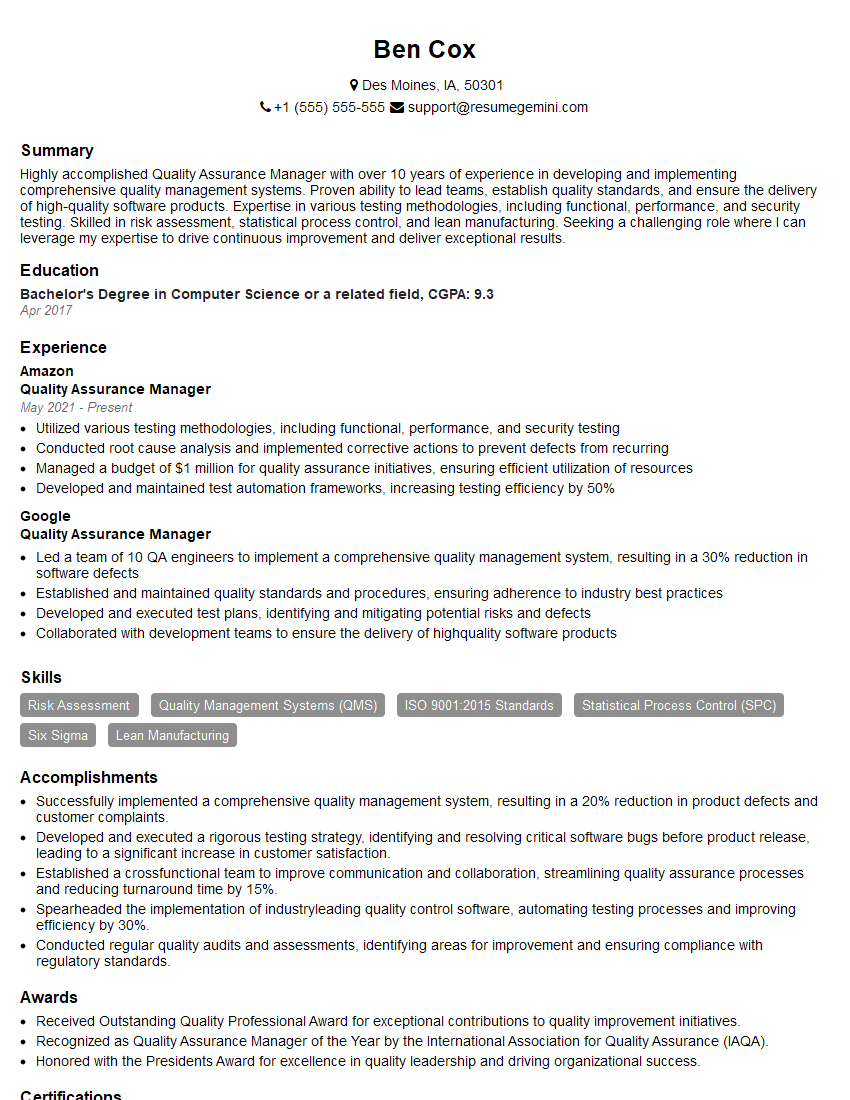
Quality Assurance Manager Resume Sample
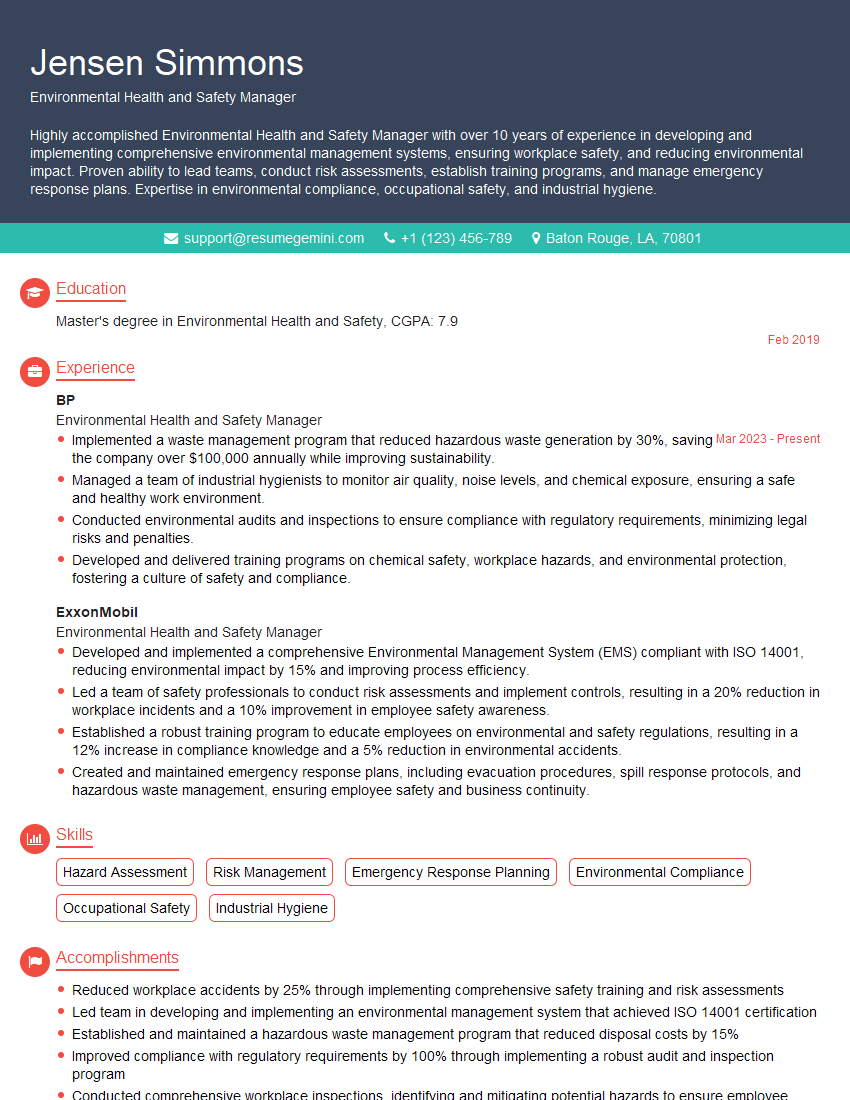
Environmental Health and Safety Manager Resume Sample
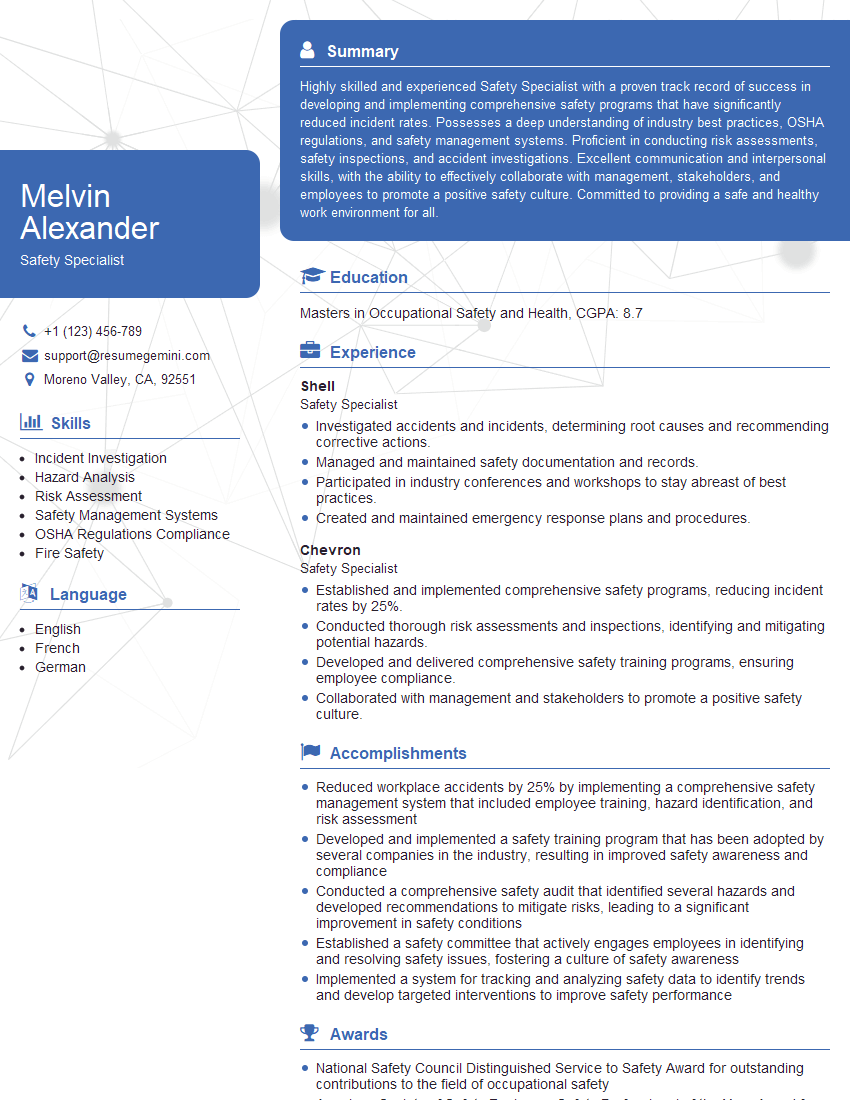
Safety Specialist Resume Sample
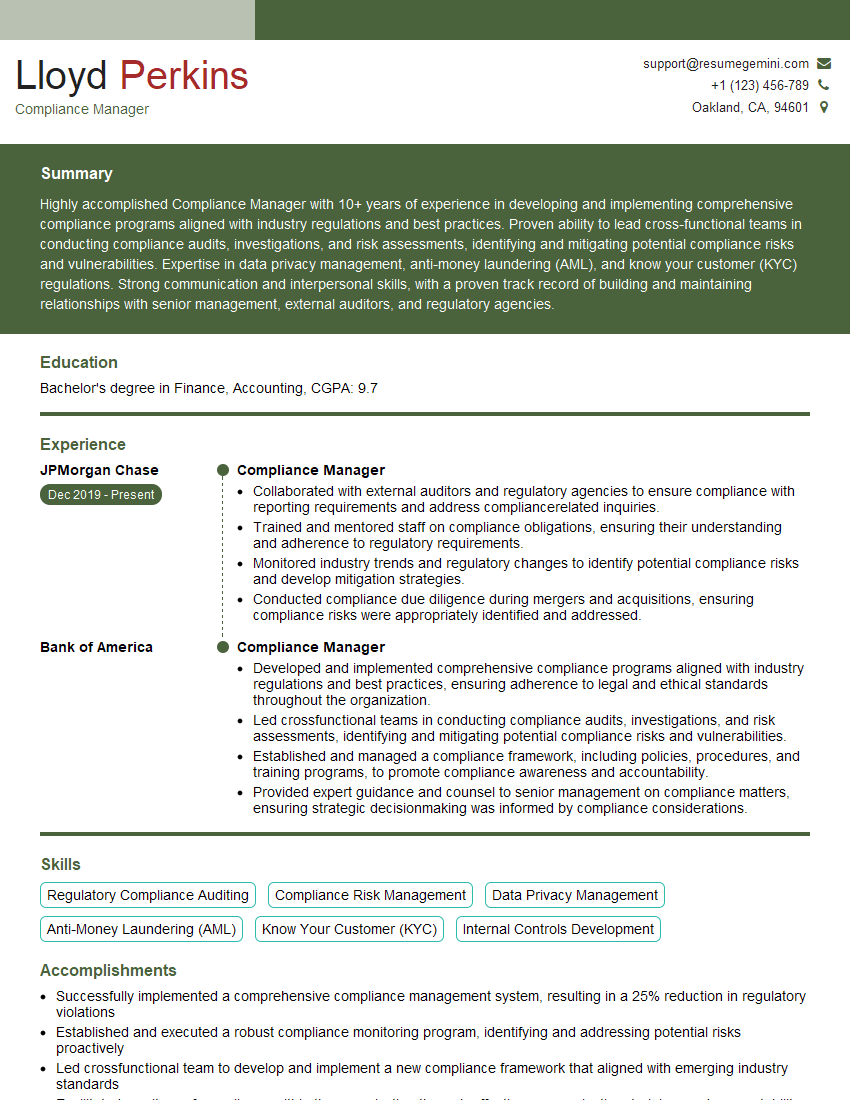
Compliance Manager Resume Sample

Compliance Officer Resume Sample
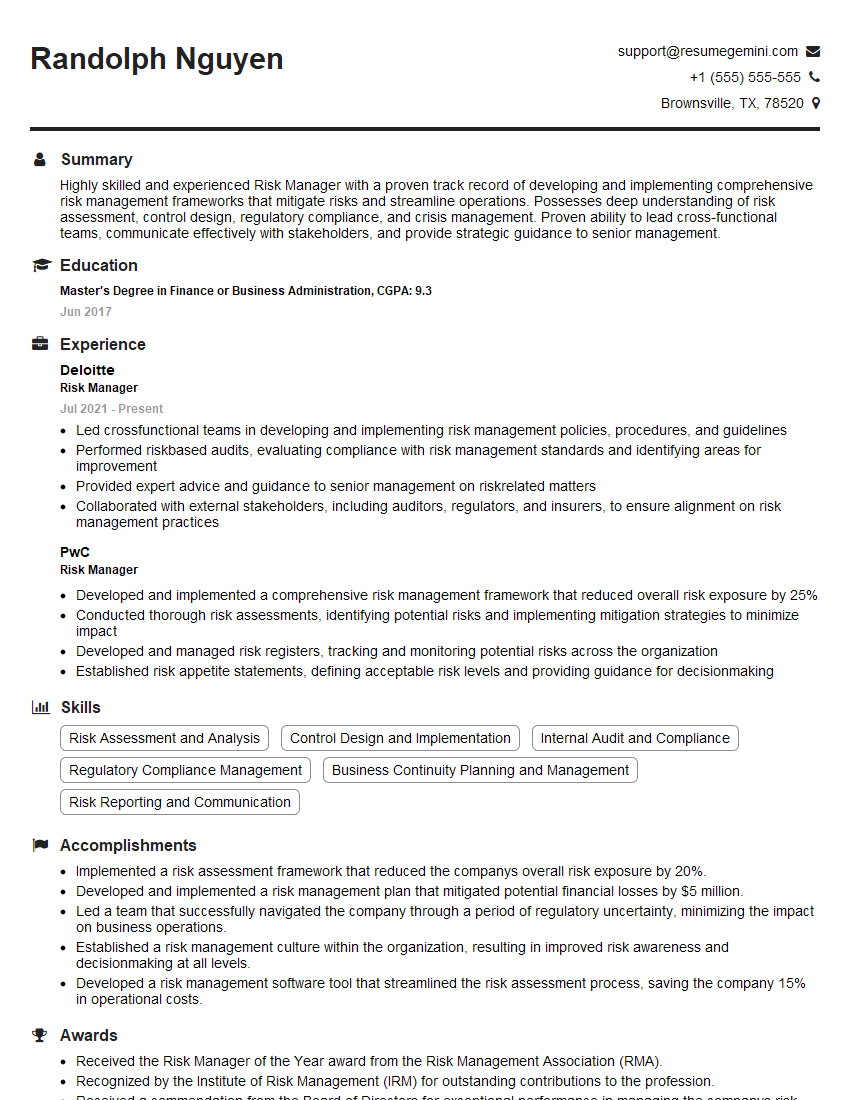
Risk Manager Resume Sample
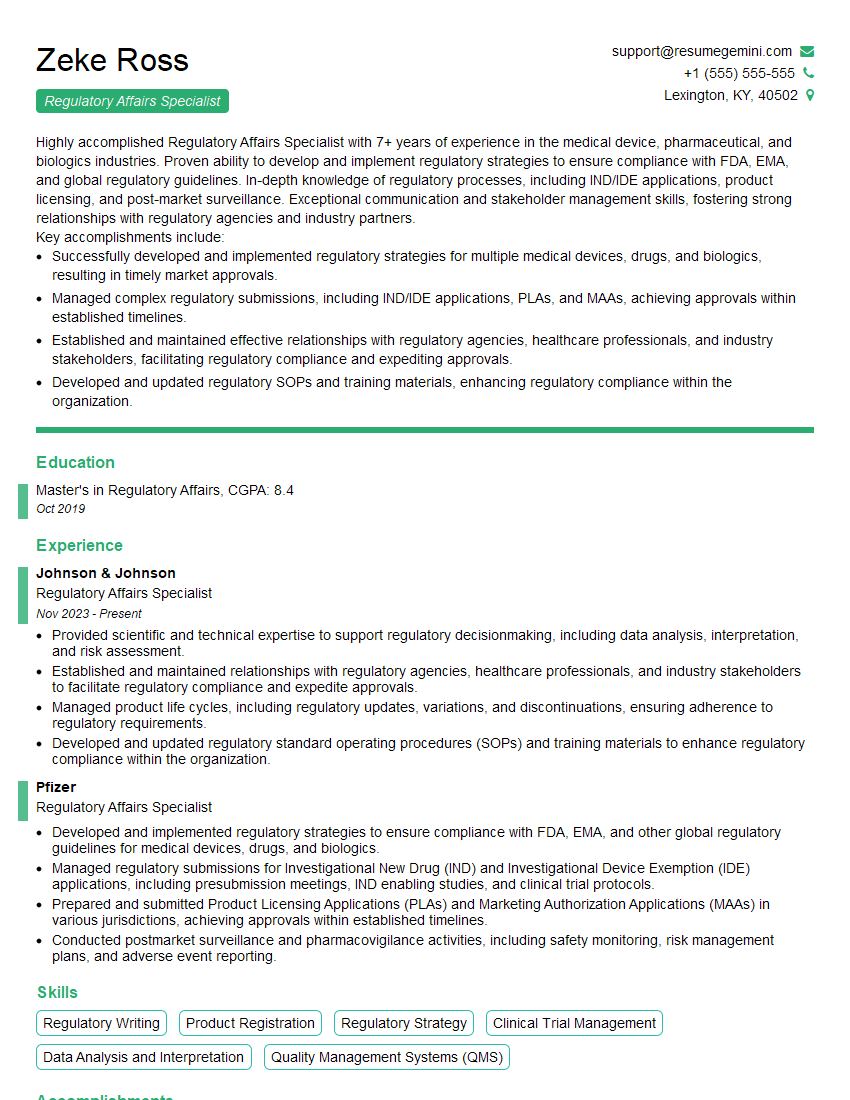
Regulatory Affairs Specialist Resume Sample
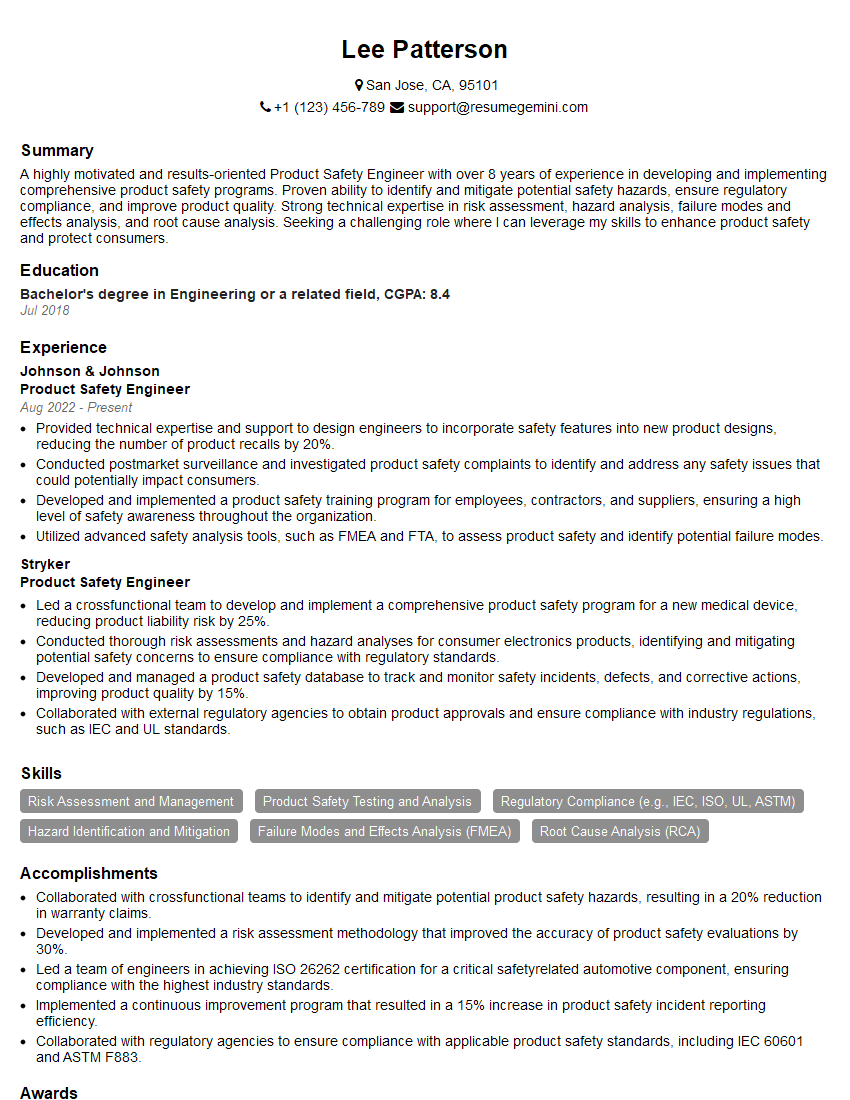
Product Safety Engineer Resume Sample
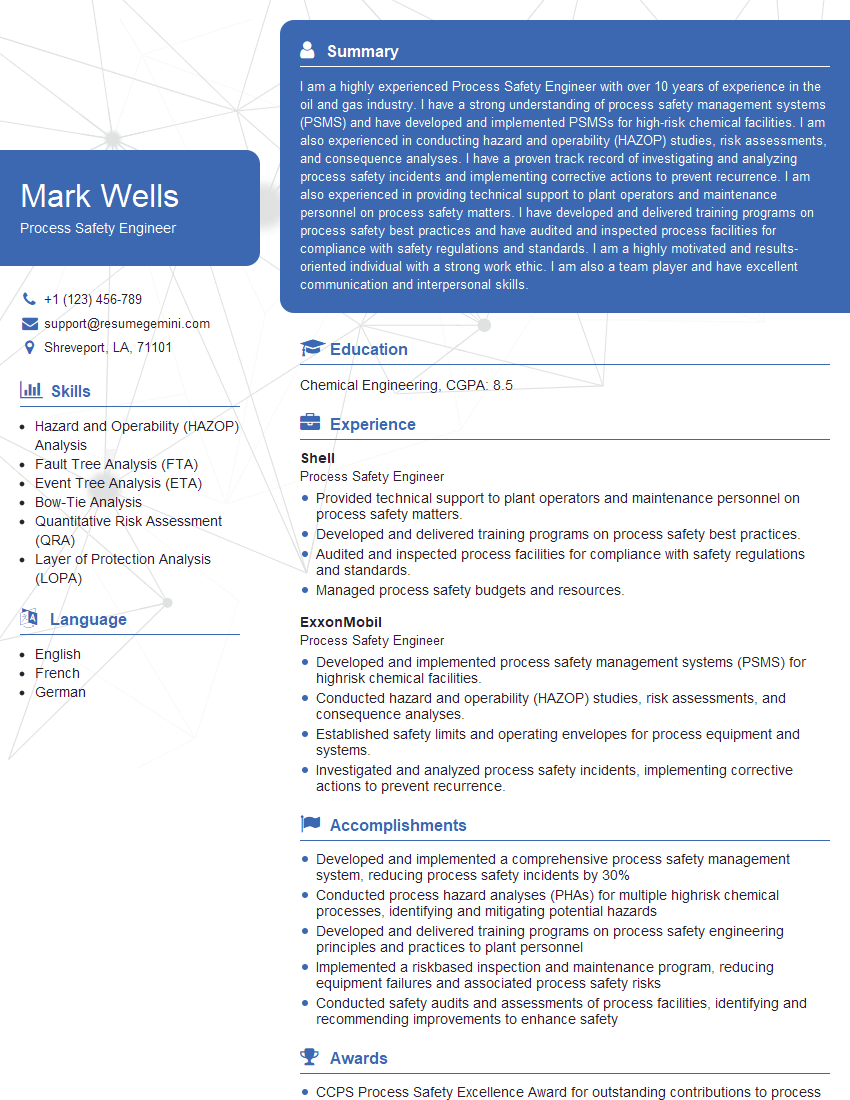
Process Safety Engineer Resume Sample
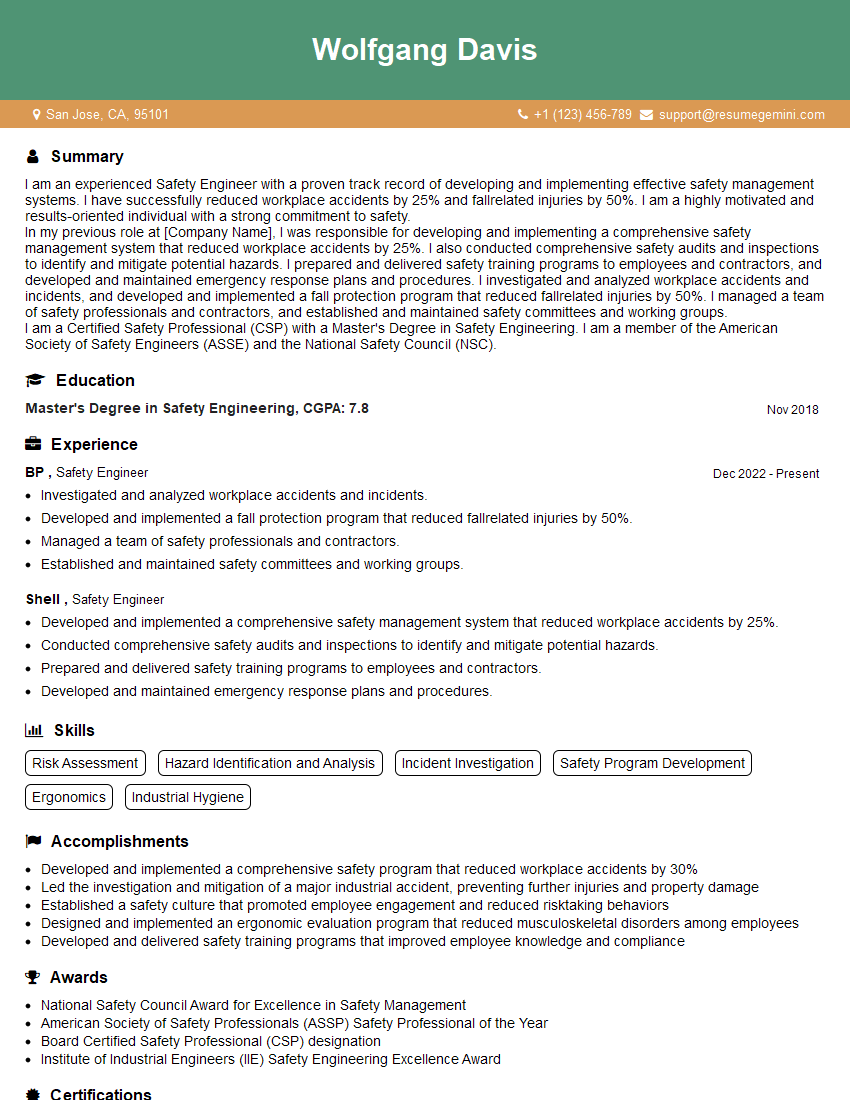
Safety Engineer Resume Sample
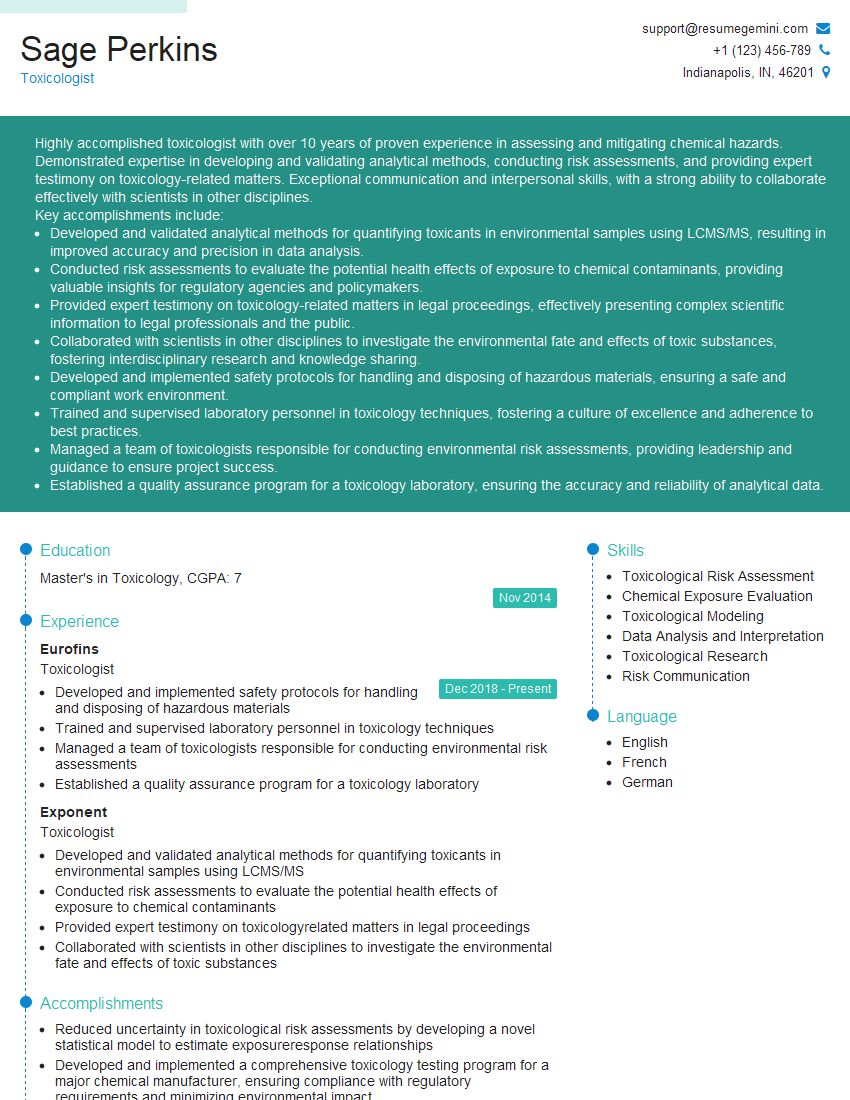
Toxicologist Resume Sample
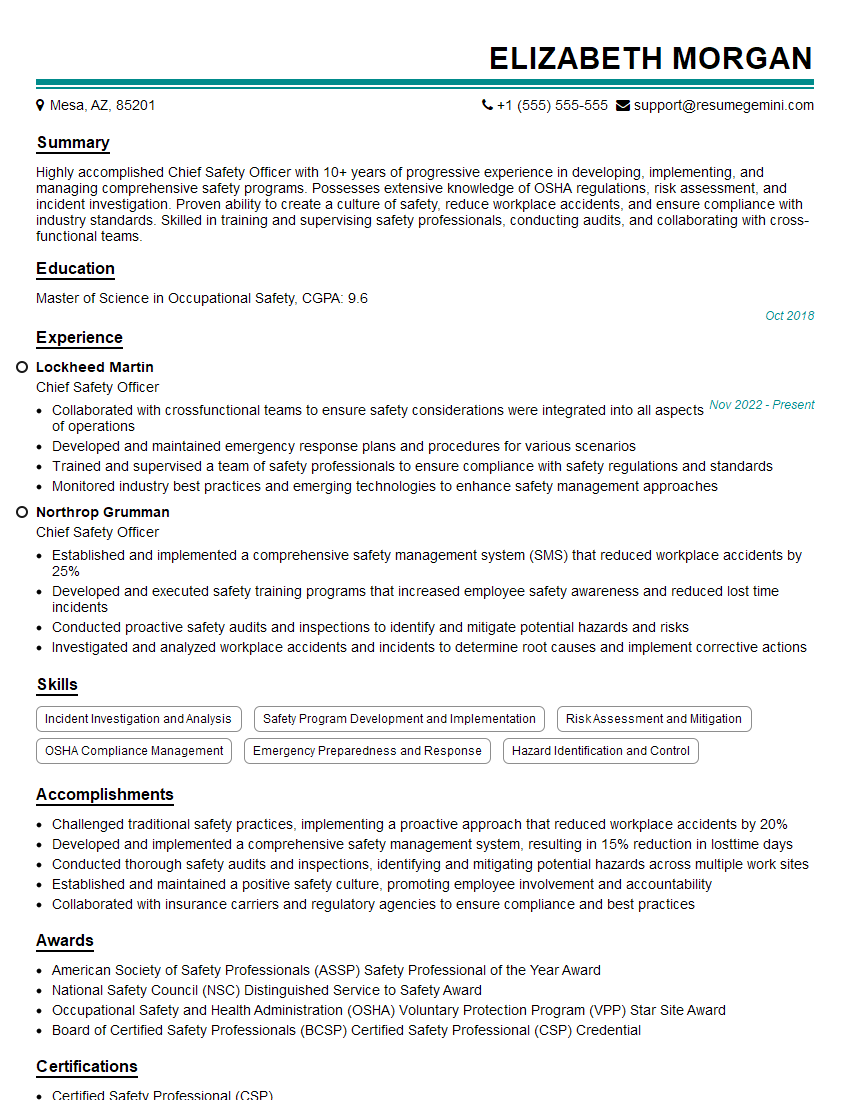
Chief Safety Officer Resume Sample
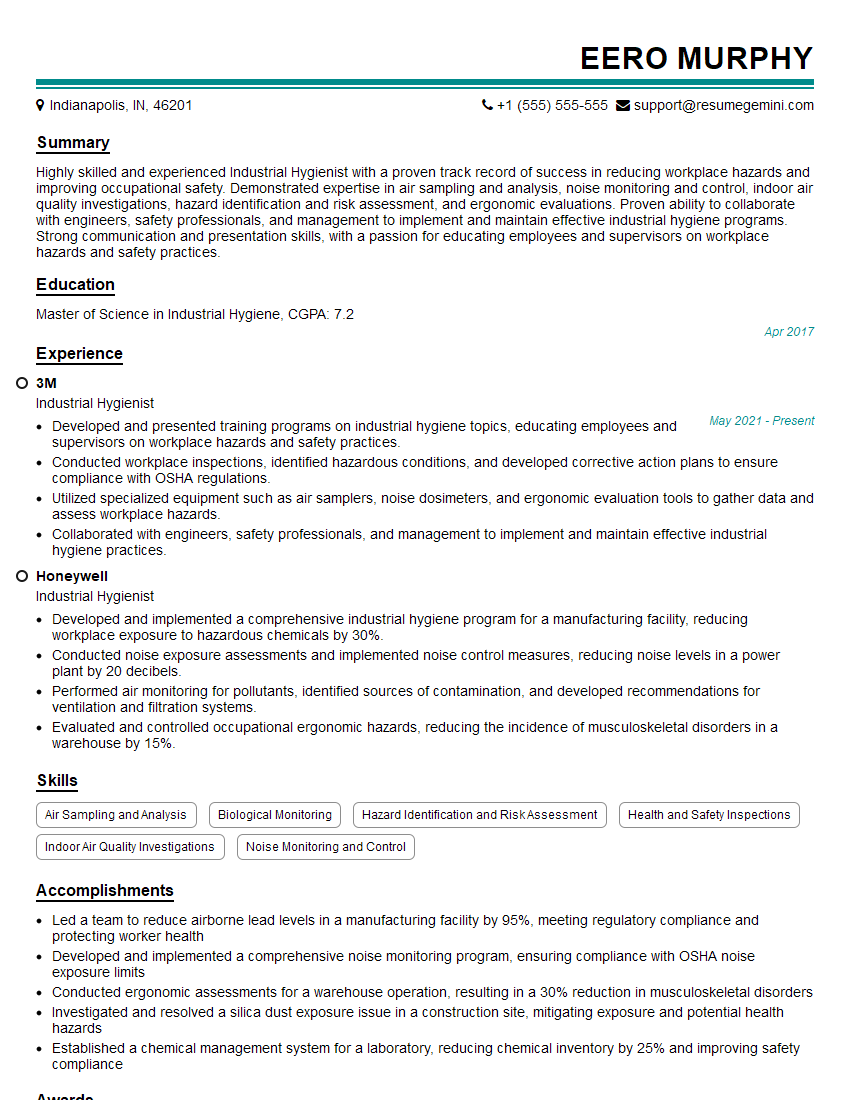
Industrial Hygienist Resume Sample
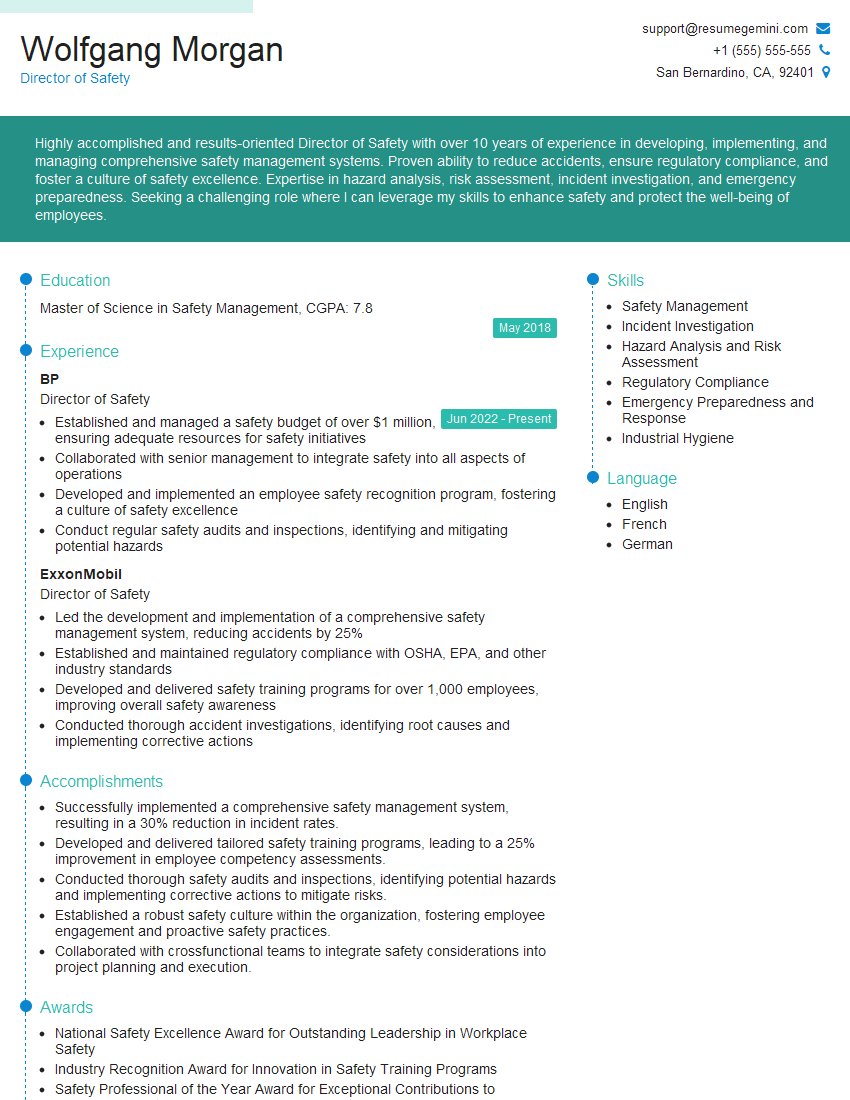
Director of Safety Resume Sample
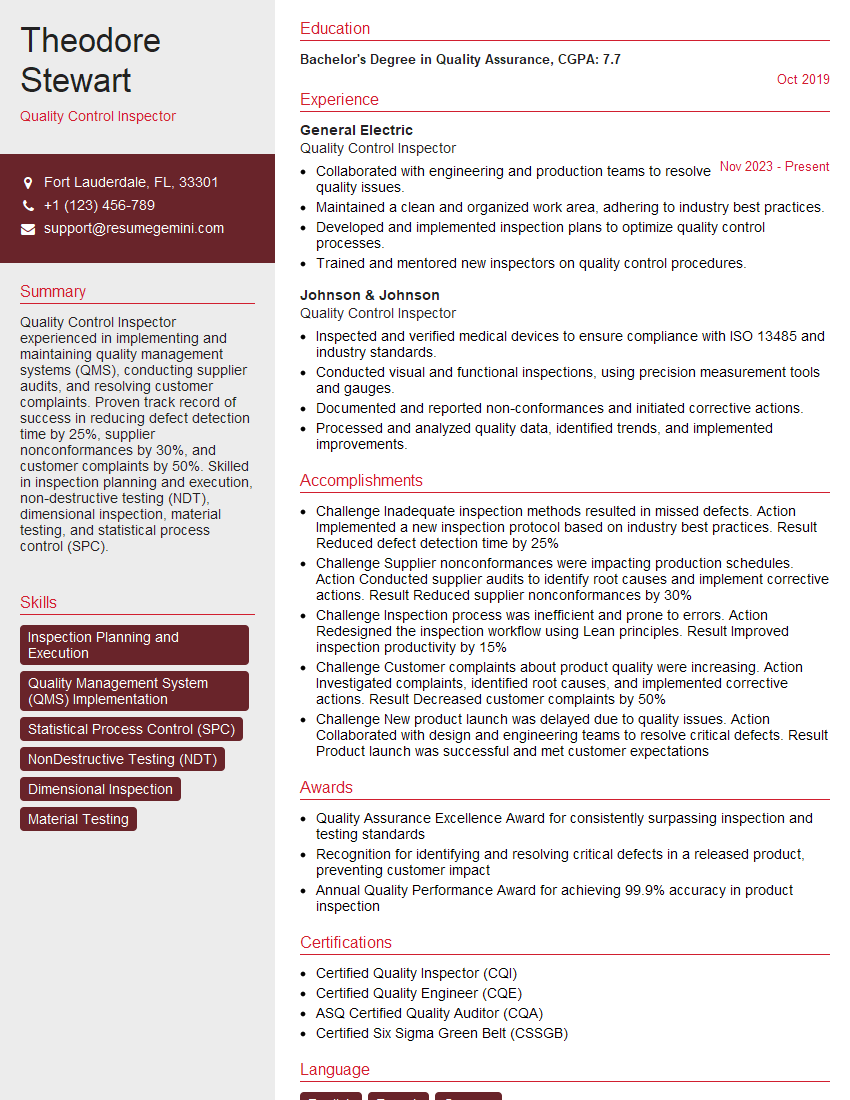
Quality Control Inspector Resume Sample
- Quality Assurance Manager
- Environmental Health and Safety Manager
- Safety Specialist
- Compliance Manager
- Compliance Officer
- Risk Manager
- Regulatory Affairs Specialist
- Product Safety Engineer
- Process Safety Engineer
- Safety Engineer
- Toxicologist
- Chief Safety Officer
- Industrial Hygienist
- Director of Safety
- Quality Control Inspector
Explore more articles
Users Rating of Our Blogs
Share Your Experience
We value your feedback! Please rate our content and share your thoughts (optional).
What Readers Say About Our Blog
Really detailed insights and content, thank you for writing this detailed article.
IT gave me an insight and words to use and be able to think of examples