The thought of an interview can be nerve-wracking, but the right preparation can make all the difference. Explore this comprehensive guide to Understanding of Food Safety and Quality Standards interview questions and gain the confidence you need to showcase your abilities and secure the role.
Questions Asked in Understanding of Food Safety and Quality Standards Interview
Q 1. Explain the principles of HACCP.
HACCP, or Hazard Analysis and Critical Control Points, is a preventative food safety management system. Instead of reacting to contamination, HACCP focuses on identifying and controlling potential hazards throughout the entire food production process, from farm to table. It’s based on seven key principles:
- Conduct a hazard analysis: Identify biological, chemical, and physical hazards that could occur at each stage of production.
- Determine critical control points (CCPs): These are steps in the process where control can prevent or eliminate a hazard. For example, cooking temperature is a CCP for eliminating harmful bacteria.
- Establish critical limits: Define the minimum or maximum values for each CCP that must be met to ensure safety (e.g., a minimum internal temperature of 165°F (74°C) for poultry).
- Establish monitoring procedures: Implement regular checks to ensure CCPs are under control. This often involves using temperature probes, visual inspections, or other methods.
- Establish corrective actions: Define steps to take if a CCP deviates from its critical limits (e.g., reheating food if it hasn’t reached the required temperature).
- Establish verification procedures: Regularly confirm that the HACCP plan is working effectively through audits, record reviews, and other methods.
- Establish record-keeping and documentation procedures: Maintain detailed records of all monitoring, corrective actions, and verification activities.
For example, in a bakery, a CCP might be the baking temperature for eliminating E. coli. If the temperature falls below the critical limit, corrective action would be to discard the affected products.
Q 2. Describe your experience with GMP (Good Manufacturing Practices).
My experience with GMPs spans over ten years, working across various food processing facilities. I’ve been directly involved in implementing, maintaining, and auditing GMPs to ensure compliance with relevant regulations. This includes developing and reviewing standard operating procedures (SOPs), conducting employee training on hygiene practices, and overseeing sanitation programs.
In my previous role at a large-scale dairy processor, I was responsible for ensuring the plant met GMP requirements for hygiene, sanitation, and personnel practices. This involved overseeing daily cleaning and sanitation procedures, regularly inspecting equipment for cleanliness and proper functioning, and conducting staff training on proper hygiene protocols like handwashing and gowning. We also implemented a rigorous pest control program to prevent contamination. Failure to meet GMP standards could lead to product contamination, regulatory violations, and significant financial losses, hence the importance of a proactive and meticulous approach. It’s not just about following guidelines, but about fostering a culture of food safety within the organization.
Q 3. How do you conduct a food safety audit?
A food safety audit is a systematic evaluation of a food business’s practices and procedures to ensure compliance with food safety regulations and standards. It involves a thorough review of documentation, facility inspections, and interviews with staff.
My approach involves a multi-stage process:
- Planning: Defining the scope of the audit, including specific regulations or standards to be assessed.
- Document Review: Reviewing HACCP plans, GMP procedures, traceability records, and other relevant documents.
- Facility Inspection: Visually inspecting the facility, equipment, and storage areas to assess cleanliness, sanitation, and pest control measures.
- Interviews: Interviewing staff at various levels to assess their understanding and adherence to food safety procedures.
- Sampling: In some cases, collecting samples for laboratory testing to verify product quality and safety.
- Report Generation: Summarizing findings, identifying non-conformities, and recommending corrective actions.
During an audit, I look for evidence of effective HACCP implementation, adherence to GMP guidelines, and a strong culture of food safety throughout the organization. For instance, I’d check for proper temperature monitoring, allergen control protocols, and documented employee training records. A thorough audit helps identify weaknesses and prevents potential food safety hazards.
Q 4. What are the key differences between food safety and food quality?
While both are crucial aspects of a successful food business, food safety and food quality are distinct concepts. Food safety focuses on preventing hazards that cause illness or injury, while food quality addresses the characteristics that determine consumer acceptability.
Food safety concerns biological, chemical, and physical hazards that make food unsafe to consume (e.g., bacterial contamination, pesticide residues, glass shards). Food quality involves sensory attributes (taste, texture, appearance), nutritional value, shelf life, and overall consumer satisfaction.
Think of it this way: safe food is free from hazards that cause harm, but it doesn’t necessarily mean it tastes good or has a long shelf life. High-quality food is both safe and meets consumer expectations concerning taste, appearance, etc. A product can be safe but of poor quality (e.g., bland-tasting but pathogen-free). Conversely, it can be high-quality but unsafe (e.g., delicious but contaminated). Both aspects are equally essential for success in the food industry.
Q 5. Explain the importance of traceability in the food industry.
Traceability is the ability to track a product through all stages of its production, processing, and distribution. It’s critical for identifying the source of contamination in case of a food safety incident and for effective product recalls. In today’s globalized food system, traceability is more critical than ever.
Effective traceability systems typically involve detailed record-keeping at each stage of the supply chain, often using batch numbers or lot codes to link products to specific ingredients and processes. This information allows swift identification of the affected products and minimizes the impact of a recall, preventing further illnesses and protecting brand reputation. A strong traceability system enhances consumer confidence and builds trust in a company’s commitment to food safety.
For example, if a batch of contaminated lettuce causes an outbreak of foodborne illness, traceability helps quickly pinpoint the farm where the lettuce was grown, the distributor who handled it, and the retail locations where it was sold, enabling rapid recall and preventing further spread of the contamination.
Q 6. Describe your experience with allergen control programs.
I have extensive experience in developing and implementing allergen control programs. This involves identifying potential allergens in ingredients and products, implementing preventative measures to minimize cross-contamination, and establishing clear labeling requirements.
My approach includes:
- Allergen identification: Identifying all potential allergens (e.g., milk, eggs, peanuts, soy, tree nuts, wheat, fish, shellfish) present in our ingredients.
- Preventive measures: Establishing strict sanitation protocols to prevent cross-contamination between allergen-containing and allergen-free products. This includes dedicated equipment, separate processing areas, and thorough cleaning and sanitization procedures.
- Personnel training: Providing comprehensive training to all personnel on allergen awareness, safe handling procedures, and cleaning protocols.
- Labeling: Ensuring accurate and clear labeling of products to declare all potential allergens.
- Supplier management: Collaborating with suppliers to ensure consistent allergen control measures throughout the supply chain.
In a previous role, I worked on developing a new allergen control protocol which reduced allergen-related incidents by 75% within the first year, showcasing the effectiveness of a well-designed and implemented program. Failure to adequately manage allergens can lead to serious health consequences and significant legal repercussions, emphasizing the importance of a robust allergen control program.
Q 7. How do you handle a food safety incident or recall?
Handling a food safety incident or recall requires a swift, coordinated response to minimize harm and mitigate damage to the company’s reputation. My approach involves a structured, multi-step process:
- Immediate action: Stop production and distribution of the affected product immediately. Secure the affected product to prevent further distribution.
- Investigation: Conduct a thorough investigation to identify the root cause of the incident and the scope of the contamination. This might involve tracing the product’s journey and laboratory testing of samples.
- Notification: Notify relevant regulatory agencies (e.g., FDA, USDA) promptly and transparently. This step is critical for compliance and public safety.
- Recall: Initiate a product recall according to established procedures. This includes notifying distributors, retailers, and consumers.
- Communication: Maintain open and transparent communication with all stakeholders throughout the recall process. This includes providing clear and concise information to the public regarding the recall and how to return the affected product.
- Corrective actions: Implement corrective actions to prevent future incidents. This includes identifying and addressing weaknesses in the HACCP plan or GMP procedures.
- Documentation: Maintain thorough documentation of all actions taken throughout the entire process.
In a previous incident involving contaminated spices, we implemented this process swiftly, resulting in a smooth recall with minimal public health consequences and minimal damage to the company’s reputation. The key is prompt action, transparency, and a proactive approach to preventing future issues.
Q 8. What are your methods for preventing foodborne illness?
Preventing foodborne illness hinges on a multi-pronged approach encompassing hazard analysis and critical control points (HACCP), good agricultural practices (GAPs), and good manufacturing practices (GMPs). It’s like building a fortress against invaders – each layer of defense adds strength.
- HACCP: This systematic approach identifies potential hazards at each stage of food production, from farm to table, and establishes preventative measures. For example, monitoring cooking temperatures to ensure pathogens like Salmonella are eliminated is a crucial control point.
- GAPs: These practices focus on safe growing and harvesting of produce. This includes avoiding contamination from animal waste, using clean water for irrigation, and proper handling during transportation to minimize cross-contamination.
- GMPs: These encompass sanitation, hygiene, and proper handling procedures within a food processing facility. This involves regular cleaning and disinfection of equipment, handwashing protocols for personnel, and pest control measures.
- Temperature Control: Maintaining the correct temperature throughout the food chain – cold storage for perishable items and proper cooking temperatures for eliminating pathogens – is fundamental. Think of the ‘danger zone’ between 40°F and 140°F (4°C and 60°C) as the enemy territory where bacteria thrive.
- Personal Hygiene: Employees must adhere to strict handwashing procedures, wear appropriate protective clothing, and follow proper sanitation practices. Remember, a single infected individual can compromise an entire production run.
In my previous role, we implemented a comprehensive HACCP plan that dramatically reduced instances of E. coli contamination in our ready-to-eat salads, resulting in a significant improvement in product safety and consumer confidence.
Q 9. Explain your understanding of food labeling regulations.
Food labeling regulations vary by region but generally aim to provide consumers with accurate and complete information about the food product. This ensures transparency and allows consumers to make informed decisions. Key elements include:
- Product Name: Clear and unambiguous designation of the food item.
- Net Weight/Volume: The accurate quantity of the product contained in the packaging.
- Ingredients List: All ingredients must be listed in descending order of weight. Allergens must be clearly identified.
- Nutrition Facts Panel: Provides information on serving size, calories, macronutrients, and micronutrients per serving.
- Manufacturer Information: Contact details of the producer or distributor.
- Best Before/Expiry Date: Indicates the expected quality and/or safety period for the product.
Compliance is crucial; inaccurate or misleading labels can result in significant legal and financial repercussions for companies. For instance, failing to clearly declare allergens can lead to severe allergic reactions in consumers and substantial lawsuits.
Q 10. What is your experience with microbiological testing?
My experience with microbiological testing spans several years, encompassing various methodologies for detecting and quantifying microorganisms in food products. I’m proficient in techniques like:
- Plate Count Methods: Determining the total number of viable microorganisms in a sample.
- Most Probable Number (MPN) Method: Estimating the number of microorganisms in a sample using statistical analysis.
- Immunological Assays (e.g., ELISA): Detecting specific pathogens or toxins using antibodies.
- PCR (Polymerase Chain Reaction): A highly sensitive method for detecting specific DNA sequences of microorganisms, enabling rapid detection of pathogens.
In my previous role, I was responsible for overseeing the microbiological testing program for a large food processing plant. I implemented a new rapid PCR-based testing system that significantly reduced our turnaround time for pathogen detection, allowing us to respond quickly to potential contamination events.
Q 11. How do you ensure the accuracy and reliability of food testing results?
Ensuring the accuracy and reliability of food testing results involves rigorous quality control and quality assurance measures throughout the testing process. This involves:
- Proper Sample Collection and Handling: Using sterile techniques to avoid contamination and maintaining the integrity of the sample.
- Calibration and Maintenance of Equipment: Regular calibration and preventative maintenance of laboratory instruments ensures accurate measurements.
- Use of Certified Reference Materials: Employing certified materials allows for validation of test methods and accuracy checks.
- Method Validation: Ensuring the chosen method is appropriate for the specific analyte and matrix. This includes accuracy, precision, and sensitivity evaluation.
- Proficiency Testing and Internal Audits: Participating in external proficiency testing programs and conducting regular internal audits to verify the competence and performance of the laboratory personnel and methods.
- Data Management and Traceability: Maintaining detailed records of all testing procedures, results, and interpretations to ensure full traceability.
For example, we use a robust quality management system (QMS), regularly audited by external bodies, to ensure full compliance with international standards like ISO 17025.
Q 12. Describe your experience with pest control measures.
Effective pest control is essential to maintaining food safety and preventing contamination. My experience encompasses both preventative and reactive measures:
- Preventative Measures: This involves eliminating potential entry points for pests through sealing cracks and crevices, installing screens on windows and doors, and maintaining a clean and organized facility. Regular inspections to identify potential vulnerabilities are key.
- Integrated Pest Management (IPM): IPM uses a combination of strategies, including monitoring, sanitation, and targeted pest control, minimizing the use of pesticides. This approach prioritizes preventative measures and employs pesticides only when necessary.
- Monitoring and Surveillance: Regular monitoring, using traps and visual inspections, is essential for detecting infestations early. This allows for timely intervention and prevents widespread infestation.
- Professional Pest Control Services: Engaging licensed pest control professionals for regular inspections and treatment is crucial, especially for large facilities.
In one instance, we implemented an IPM program which led to a 75% reduction in pest-related incidents within six months, saving money and improving our food safety ratings.
Q 13. How do you maintain sanitation and hygiene standards in a food facility?
Maintaining sanitation and hygiene standards is paramount in any food facility. This involves a holistic approach focusing on:
- Cleaning and Sanitizing Procedures: Implementing a detailed cleaning schedule for all surfaces, equipment, and utensils, using appropriate cleaning and sanitizing agents. This includes proper drying to prevent recontamination.
- Handwashing Facilities: Providing adequate handwashing facilities with soap, hot water, and hand drying options in readily accessible locations.
- Personal Hygiene Protocols: Enforcing strict personal hygiene standards for all personnel, including handwashing, hair restraints, and protective clothing.
- Waste Management: Proper disposal of waste to prevent attracting pests and cross-contamination. Regular removal of garbage and recycling is crucial.
- Pest Control Measures (as above): Preventing pest infestations is crucial for maintaining sanitation standards.
- Training and Education: Providing regular training to all personnel on proper sanitation and hygiene protocols is essential.
Think of it as creating a culture of cleanliness where hygiene is everyone’s responsibility. We use color-coded cleaning systems and checklists in my previous role to ensure consistency and accountability in sanitation protocols.
Q 14. What is your experience with food storage and handling protocols?
Food storage and handling protocols are critical to maintaining food safety and quality. These protocols are designed to prevent spoilage, microbial growth, and cross-contamination. Key aspects include:
- Temperature Control: Maintaining correct temperatures throughout the storage chain, ensuring cold storage for perishable items and proper freezing for long-term storage. This is crucial for preventing the growth of harmful bacteria.
- FIFO (First-In, First-Out): Implementing a FIFO system for inventory management to ensure that older products are used before newer ones. This minimizes the risk of spoilage.
- Proper Storage Techniques: Storing different types of food separately, preventing cross-contamination between raw and cooked items. Using appropriate packaging and preventing spillage are equally important.
- Storage Conditions: Maintaining appropriate environmental conditions such as humidity and temperature for different types of foods.
- Handling Procedures: Following safe handling procedures to avoid cross-contamination. This includes using clean utensils, avoiding bare-hand contact, and preventing physical damage to products.
- Transportation: Using appropriate transportation methods to maintain correct temperatures throughout delivery.
In a previous role, we implemented a comprehensive traceability system for our products that documented every stage of the storage and handling process, allowing us to pinpoint the source of contamination in case of an outbreak.
Q 15. How do you ensure the effectiveness of your food safety management system?
Ensuring the effectiveness of a food safety management system (FSMS) is a continuous process that requires a multi-faceted approach. It’s like building a strong house – you need a solid foundation, robust walls, and regular maintenance.
Firstly, a comprehensive Hazard Analysis and Critical Control Points (HACCP) plan is fundamental. This involves identifying potential hazards at each stage of the food production process, from raw material sourcing to final product distribution, and implementing controls to mitigate those risks. For instance, if we’re producing ready-to-eat salads, a critical control point would be temperature control to prevent bacterial growth. We’d establish specific temperature limits and monitoring procedures to ensure compliance.
- Regular Audits and Inspections: Internal audits are crucial for identifying weaknesses in our system. These are followed by corrective actions and improvements. We also welcome external audits to ensure our FSMS meets industry standards and regulatory requirements.
- Record Keeping: Meticulous record-keeping is essential to trace any issues back to their source. This includes temperature logs, supplier certifications, employee training records, and cleaning logs. It’s akin to maintaining a detailed project log; it allows for quick problem identification and solution implementation.
- Employee Training and Engagement: A well-trained staff is the backbone of a successful FSMS. Continuous training ensures everyone understands and adheres to procedures.
- Management Commitment: Top-level management’s commitment is crucial. If management doesn’t prioritize food safety, it will trickle down through the entire system.
By combining these elements, we create a robust and effective FSMS that consistently delivers safe and high-quality products.
Career Expert Tips:
- Ace those interviews! Prepare effectively by reviewing the Top 50 Most Common Interview Questions on ResumeGemini.
- Navigate your job search with confidence! Explore a wide range of Career Tips on ResumeGemini. Learn about common challenges and recommendations to overcome them.
- Craft the perfect resume! Master the Art of Resume Writing with ResumeGemini’s guide. Showcase your unique qualifications and achievements effectively.
- Don’t miss out on holiday savings! Build your dream resume with ResumeGemini’s ATS optimized templates.
Q 16. Describe your experience with implementing and maintaining a food safety plan.
My experience in implementing and maintaining food safety plans spans over [Number] years across various settings, including [Mention Industries/Companies]. The process typically involves a structured approach:
- Gap Analysis: First, we assess the current state of the food safety program against established standards (e.g., BRC, SQF, or local regulations). This helps pinpoint areas needing improvement.
- HACCP Plan Development: We then develop a comprehensive HACCP plan, identifying hazards, critical control points, and monitoring procedures for each.
- Implementation: This includes training employees, implementing new procedures, and procuring necessary equipment.
- Monitoring and Verification: Regular monitoring of critical control points is vital. This often involves using data loggers, checklists, and visual inspections to ensure everything is under control.
- Corrective Actions: Any deviations from established parameters trigger immediate corrective actions and root cause analysis to prevent recurrence. For example, if a temperature logger shows a refrigerator malfunctioning, we would immediately investigate, rectify the issue, discard any affected products, and update our procedures to prevent similar occurrences.
- Documentation and Review: All activities are meticulously documented and reviewed regularly to ensure the plan’s effectiveness and continuous improvement. This detailed record-keeping helps during audits and demonstrates our commitment to food safety.
Throughout this process, maintaining clear communication with all stakeholders is crucial. This ensures everyone understands their roles and responsibilities in maintaining food safety.
Q 17. How do you train employees on food safety procedures?
Employee training is a cornerstone of any effective food safety program. It’s not a one-time event; it’s an ongoing process. We use a multi-pronged approach:
- Initial Training: New employees receive comprehensive training covering all aspects of our food safety plan, including hygiene practices, allergen awareness, and safe handling procedures. This often involves a combination of classroom sessions and hands-on training.
- Regular Refresher Training: We conduct regular refresher training to reinforce key concepts and update employees on changes in regulations or procedures. This ensures knowledge remains current and prevents complacency.
- Interactive Training Methods: We leverage various interactive methods like videos, quizzes, and role-playing exercises to enhance engagement and knowledge retention. This makes learning more enjoyable and effective.
- On-the-Job Training: Experienced employees mentor new staff, providing practical guidance and oversight. This approach provides a blend of theoretical understanding and practical application.
- Documentation: Training records are meticulously kept, demonstrating our commitment to compliance and providing proof during audits.
We believe that investing in employee training is investing in the safety and quality of our products.
Q 18. What is your experience with different food safety certifications (e.g., SQF, BRC)?
I have extensive experience with various food safety certifications, including SQF (Safe Quality Food) and BRC (British Retail Consortium) Global Standard for Food Safety. Both are globally recognized standards that provide a framework for building and maintaining a robust food safety system.
SQF emphasizes a holistic approach to food safety and quality, encompassing aspects like traceability, supply chain management, and customer satisfaction. I’ve been directly involved in implementing and maintaining SQF certification in [Mention Companies/Situations].
BRC is another widely accepted standard, particularly within the retail sector. My experience with BRC has focused on [Mention Specific Aspects]. I understand the specific requirements of each standard, including documentation, audit preparation, and corrective action procedures.
These certifications not only demonstrate our commitment to food safety but also provide a competitive advantage in the market. They offer a benchmark for consistent quality and help build trust with customers and stakeholders.
Q 19. How do you monitor and measure the effectiveness of food safety programs?
Monitoring and measuring the effectiveness of food safety programs is done using a combination of Key Performance Indicators (KPIs) and data analysis. Think of it like tracking your fitness goals – you need to know your progress to make improvements.
- Critical Control Point Monitoring: Regular monitoring of CCPs (critical control points) is paramount. This involves collecting and analyzing data on temperature, pH, time, and other relevant parameters. We use statistical process control charts to identify trends and deviations from established limits.
- Audit Results: Internal and external audit results provide valuable insights into the effectiveness of our system. This helps identify areas for improvement and track progress over time. Regularly reviewing audit findings, even if positive, allows for continuous improvement opportunities.
- Incident Reporting and Analysis: Tracking the number and nature of food safety incidents helps to identify recurring problems and areas needing attention. A robust root cause analysis process helps prevent similar issues in the future.
- Customer Feedback: Monitoring customer feedback can reveal potential issues that may not be apparent through other monitoring methods. This includes reviewing customer complaints and surveys.
- Product Testing: Regular product testing ensures compliance with established quality and safety parameters. This might involve microbiological testing or analysis of chemical contaminants.
By combining data from these various sources, we create a comprehensive picture of our food safety program’s effectiveness, allowing us to make data-driven improvements.
Q 20. Describe your experience with root cause analysis of food safety issues.
Root cause analysis (RCA) is a crucial part of our food safety management system. When a food safety issue arises, we don’t just address the symptoms; we delve deep to understand the underlying cause. It’s like diagnosing a car problem – you don’t just replace the tire; you figure out why it went flat.
We typically use the 5 Whys technique, asking ‘why’ five times to progressively uncover the root cause. For example, if a batch of product is contaminated, we might ask:
- Why was the product contaminated? (Because of inadequate sanitation)
- Why was sanitation inadequate? (Because of insufficient training)
- Why was training insufficient? (Because training materials were outdated)
- Why were training materials outdated? (Because the update schedule wasn’t followed)
- Why wasn’t the update schedule followed? (Because management oversight was lacking)
Once we identify the root cause, we implement corrective actions to prevent recurrence and update our procedures to improve our system. We also use other methods such as Fishbone diagrams and Fault Tree Analysis to achieve a thorough and efficient root cause analysis.
Q 21. What is your understanding of food safety regulations specific to [mention relevant region/country]?
My understanding of food safety regulations is comprehensive. To provide a specific and accurate answer, please specify the relevant region or country.
Generally, food safety regulations cover various aspects, including:
- Hazard Analysis and Critical Control Points (HACCP): Most jurisdictions require or strongly recommend the implementation of HACCP principles.
- Good Manufacturing Practices (GMP): GMPs define hygienic practices and standards for food processing facilities.
- Labeling Requirements: Regulations dictate labeling requirements, including ingredient lists, allergen declarations, and nutritional information.
- Traceability: Many regulations require systems to trace products throughout the supply chain.
- Food Additives and Preservatives: Regulations specify the permitted use of food additives and preservatives.
- Pest Control: Regulations outline requirements for pest control and prevention.
Once you provide the specific region/country, I can provide a more detailed and targeted response on their particular regulations and standards.
Q 22. How do you handle supplier relationships related to food safety?
Managing supplier relationships for food safety is crucial. It’s not just about purchasing ingredients; it’s about building a partnership based on shared responsibility. I begin by thoroughly vetting potential suppliers, verifying their compliance with relevant food safety regulations such as HACCP (Hazard Analysis and Critical Control Points) and GMP (Good Manufacturing Practices). This involves reviewing their certifications, conducting on-site audits, and requesting detailed documentation of their processes.
Ongoing communication is key. Regular communication channels are established to monitor their performance and address any potential issues proactively. This includes reviewing their testing results, inspecting incoming shipments for quality and safety, and ensuring they promptly report any incidents that might impact food safety. For instance, if a supplier experiences a contamination event, immediate notification allows for swift action to prevent affected products from entering our supply chain. A robust system for monitoring key performance indicators (KPIs) related to food safety is essential to track supplier performance over time and to identify any trends that might require attention.
Finally, fostering a culture of collaboration and transparency helps build trust and strengthens the relationship. Regular meetings, feedback sessions, and open communication channels ensure that issues are addressed promptly and collaboratively. This shared commitment to food safety ultimately benefits both the supplier and our company.
Q 23. How do you manage documentation and record-keeping for food safety?
Effective documentation and record-keeping are the cornerstones of a robust food safety management system. Think of it as the audit trail that proves your commitment to safety. We employ a comprehensive system that covers all aspects of food handling, from raw material sourcing to finished product distribution. This includes detailed records of supplier certifications, ingredient specifications, production processes, temperature logs, cleaning and sanitation procedures, employee training records, pest control activities, and any incidents or corrective actions.
Our system relies on both paper-based and electronic documentation, ensuring easy access and efficient retrieval. We use a combination of dedicated software and spreadsheets to maintain consistency and accuracy. For example, temperature data from refrigerators and freezers is automatically logged and stored electronically, creating an unbroken chain of evidence. All records are securely stored and backed up to protect against data loss. Crucially, our record-keeping system is designed to be auditable, allowing for easy verification of our compliance with relevant regulations. This ensures that we can readily demonstrate our commitment to food safety to customers, regulatory bodies, and other stakeholders.
Q 24. Explain your experience with food waste reduction strategies.
Food waste reduction is a significant concern, both environmentally and economically. My experience involves implementing a multi-pronged approach focusing on prevention, utilization, and disposal. Prevention begins with accurate forecasting of demand to minimize overproduction. We utilize inventory management systems to optimize stock levels and avoid spoilage. This includes first-in-first-out (FIFO) inventory methods to ensure older products are used before newer ones.
For utilizing existing waste, we explore options like composting food scraps, donating edible surplus to food banks, or repurposing food waste into animal feed. For instance, we successfully implemented a program where vegetable scraps from our kitchen are composted, which reduces waste sent to landfills and creates valuable organic fertilizer for our landscaping. Proper storage practices, including appropriate temperature control and packaging, are crucial in extending the shelf life of products and minimizing spoilage. Finally, disposal of unavoidable waste follows strict guidelines to ensure environmental responsibility. The continuous monitoring of waste generation, coupled with regular analysis and improvements, forms the basis of our sustainable food waste management approach.
Q 25. What is your experience with food safety technology and innovation?
I’ve been involved with several food safety technologies, including metal detectors, X-ray inspection systems, and near-infrared spectroscopy (NIRS) for quality analysis. Metal detectors are essential in preventing metal contamination in processed foods, while X-ray systems detect contaminants such as glass and bone fragments. NIRS allows for rapid and non-destructive analysis of food composition, ensuring product quality and consistency.
More recently, I’ve worked with blockchain technology for supply chain traceability. This technology enhances transparency and accountability by providing a secure and immutable record of the food’s journey, from farm to table. This helps in quickly identifying the source of contamination in case of an outbreak, reducing the impact and improving consumer confidence. I am also familiar with various software applications for HACCP plan implementation, data analysis, and record-keeping, significantly improving efficiency and accuracy. Continuous exploration of innovative technologies remains central to our efforts in ensuring food safety and quality.
Q 26. How do you stay current on the latest food safety regulations and best practices?
Staying current on food safety regulations and best practices is a continuous process. I regularly subscribe to industry publications, attend conferences and webinars, and actively participate in professional organizations such as the International Association for Food Protection (IAFP). This ensures that I’m informed about the latest scientific advancements, emerging hazards, and changes in regulatory requirements.
Government websites are a primary source of information on updated regulations. I also actively follow the publications and advisories of regulatory bodies such as the FDA (Food and Drug Administration) in the US and the EFSA (European Food Safety Authority) in Europe. Moreover, I actively network with other food safety professionals, exchanging knowledge and best practices. Participating in training courses and workshops helps maintain proficiency and adapt to the ever-evolving landscape of food safety.
Q 27. Describe a situation where you identified and corrected a food safety hazard.
During a routine audit, we identified a potential hazard related to improper temperature control in our refrigerated storage. The temperature monitoring system showed inconsistencies, and certain areas of the refrigerator were not maintaining the required temperature. This posed a risk of bacterial growth, potentially leading to foodborne illness.
Our immediate response involved a thorough investigation. We identified the faulty sensor that had been misreporting temperatures. This sensor was replaced, and all affected products were immediately removed from circulation and discarded. Moreover, we reviewed and revised our temperature monitoring procedures, implementing more frequent checks and additional sensors to improve accuracy and early detection of any deviations. Employee training was reinforced to emphasize the importance of temperature control and the proper use of equipment. Following the incident, a detailed report was documented, capturing the issue, corrective actions, and preventive measures. This incident underscored the critical role of continuous monitoring and proactive measures in maintaining food safety.
Q 28. How do you balance food safety with production efficiency?
Balancing food safety and production efficiency requires a strategic approach where safety is never compromised. While efficiency is crucial for profitability, it should never come at the expense of safety. I approach this by integrating food safety into every aspect of the production process from the outset, not as an afterthought. This includes incorporating food safety considerations into production planning, scheduling, and workflow design.
Implementing lean manufacturing principles alongside robust food safety systems helps streamline operations without sacrificing safety. This might involve optimizing workflows to reduce handling time and prevent cross-contamination, utilizing automation to improve consistency and reduce manual error, and implementing preventative maintenance programs to minimize equipment downtime. For example, implementing a system for efficient cleaning and sanitization of equipment not only enhances safety but also reduces downtime between production runs. It’s a matter of thoughtful process design and investing in technology that supports both efficiency and food safety.
Key Topics to Learn for Understanding of Food Safety and Quality Standards Interview
- Hazard Analysis and Critical Control Points (HACCP): Understand the principles of HACCP, including hazard identification, critical control point determination, and monitoring procedures. Consider practical applications like developing a HACCP plan for a specific food product.
- Foodborne Illnesses and Prevention: Learn about common foodborne pathogens (e.g., Salmonella, E. coli, Listeria), their sources, and effective prevention methods. Think about how to implement sanitation and hygiene protocols in a food production setting.
- Good Manufacturing Practices (GMP) and Good Hygiene Practices (GHP): Familiarize yourself with GMP and GHP principles and their application across various food processing stages. Be prepared to discuss practical examples of maintaining cleanliness and preventing cross-contamination.
- Food Quality Standards and Regulations: Study relevant food safety regulations (e.g., FDA, USDA guidelines) and quality standards (e.g., ISO 22000). Be ready to discuss how these regulations impact food production and handling.
- Food Allergens and Management: Understand common food allergens and strategies for preventing allergen cross-contamination and ensuring accurate labeling. Consider case studies of allergen-related incidents and how they could have been prevented.
- Food Traceability and Recall Systems: Learn about traceability systems and their importance in identifying and managing contaminated products. Be prepared to discuss the process of a food recall and how to effectively communicate with stakeholders.
- Food Preservation Techniques and their impact on safety and quality: Discuss various preservation methods (e.g., refrigeration, freezing, canning, irradiation) and their effectiveness in maintaining food safety and quality.
Next Steps
Mastering Understanding of Food Safety and Quality Standards is crucial for career advancement in the food industry, opening doors to more challenging and rewarding roles. A strong resume is your first step towards landing your dream job. Creating an ATS-friendly resume is essential to ensure your application gets noticed by recruiters. ResumeGemini is a trusted resource to help you build a professional and impactful resume that highlights your skills and experience effectively. Examples of resumes tailored to Understanding of Food Safety and Quality Standards are available to help guide you. Take the next step towards your career goals – build a winning resume today!
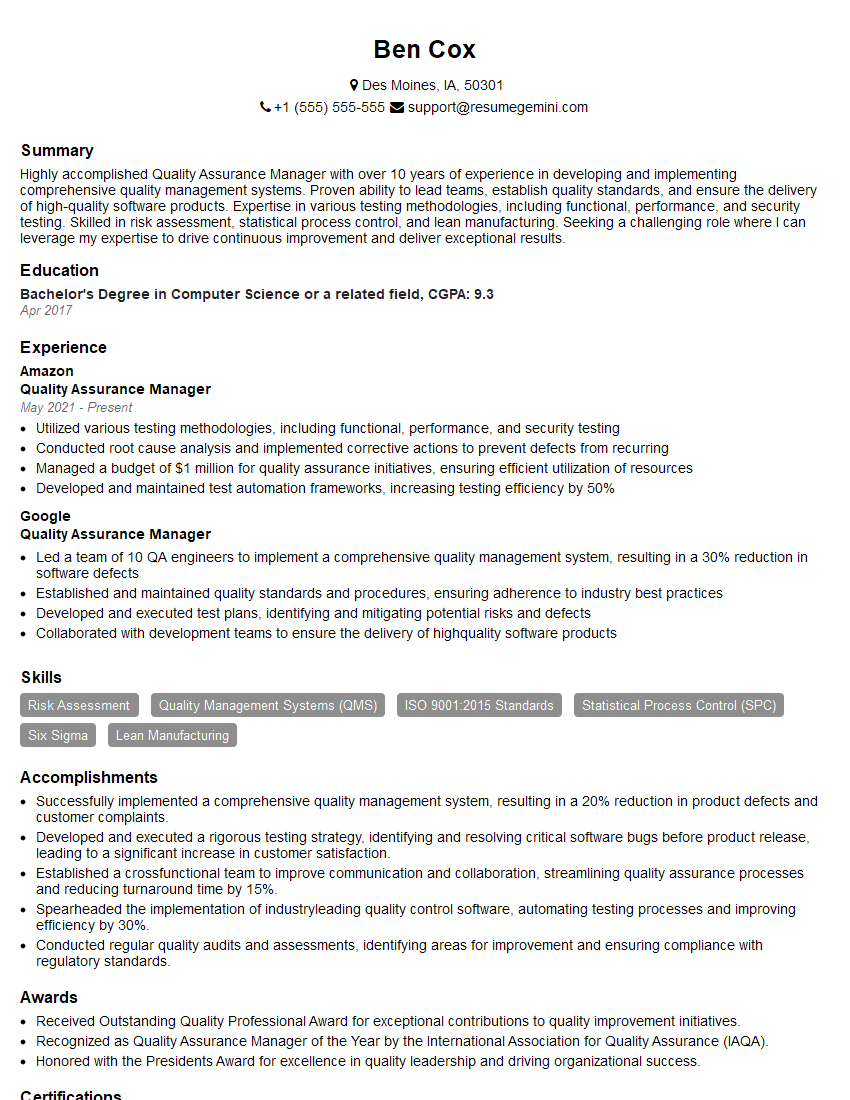
Quality Assurance Manager Resume Sample
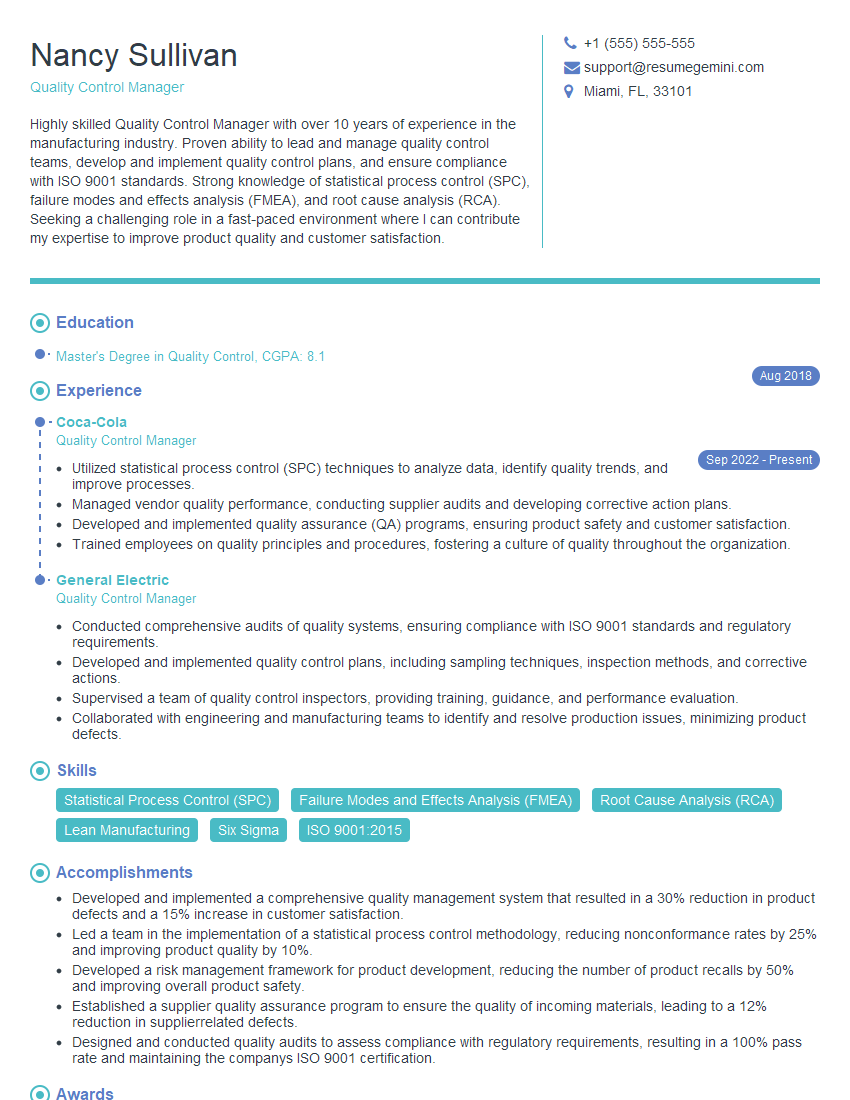
Quality Control Manager Resume Sample
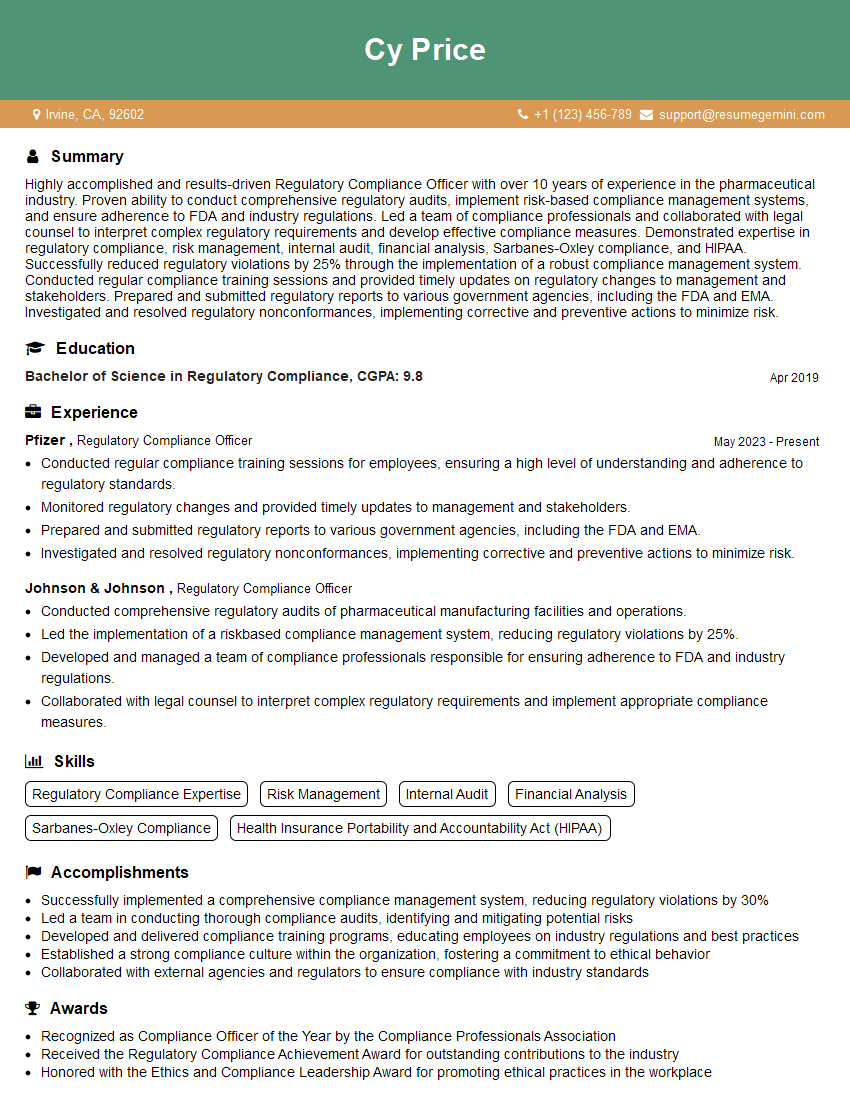
Regulatory Compliance Officer Resume Sample
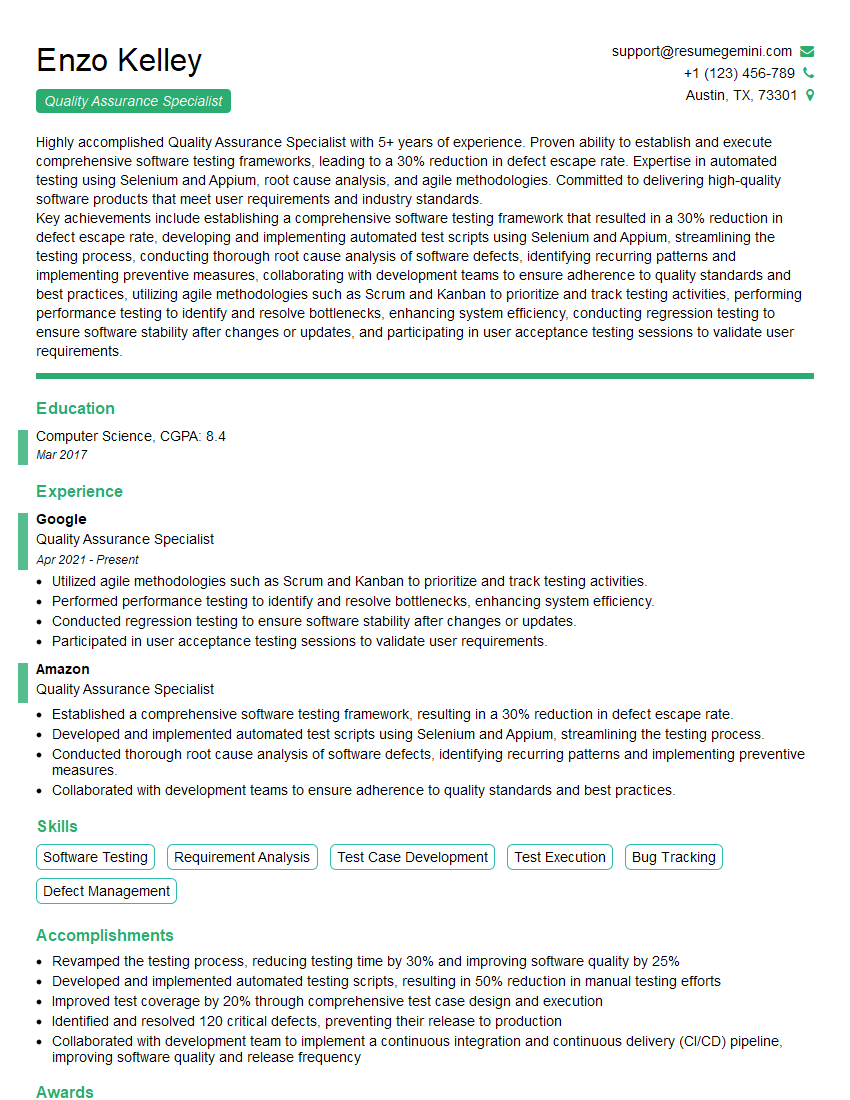
Quality Assurance Specialist Resume Sample
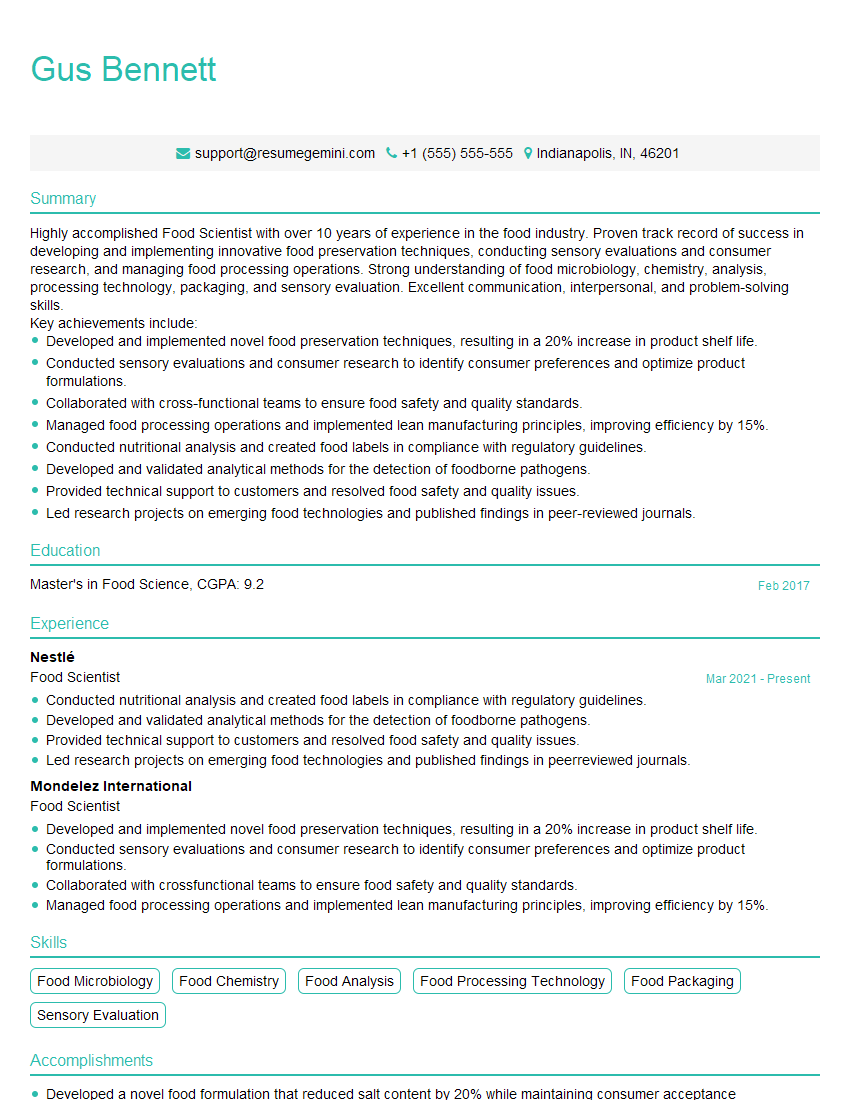
Food Scientist Resume Sample

Food Technologist Resume Sample
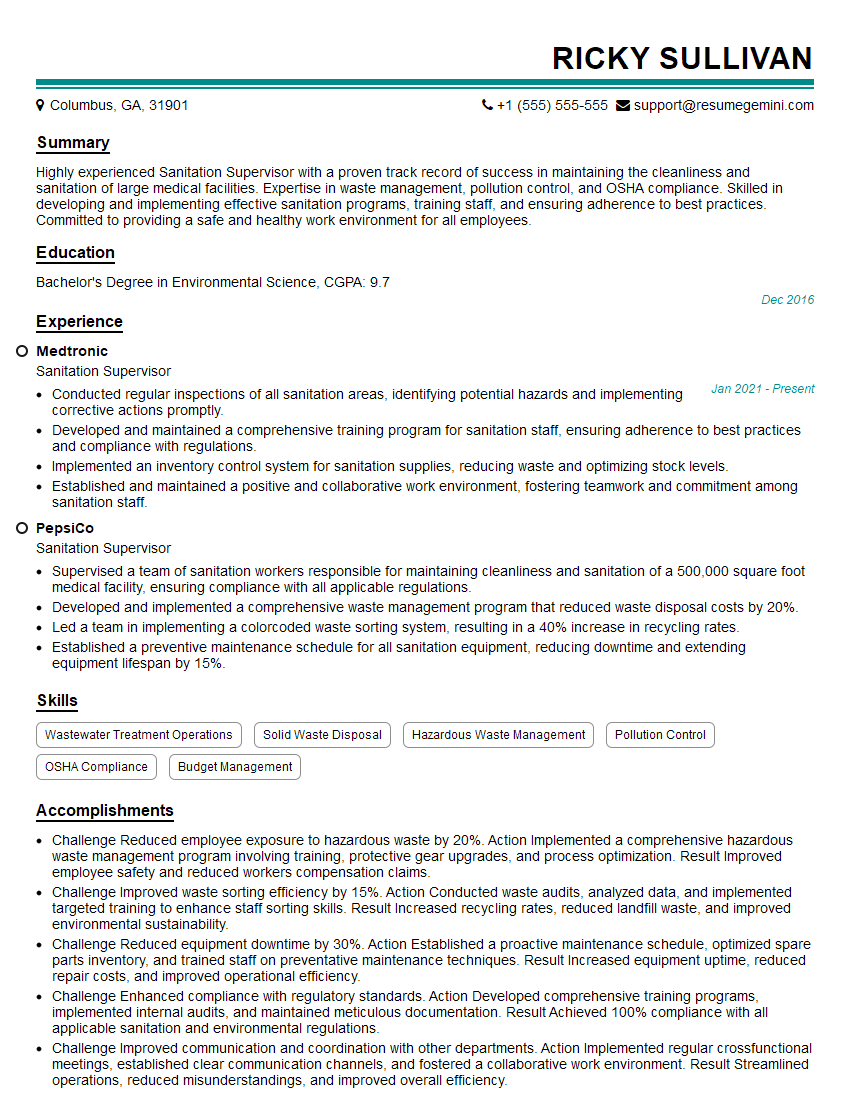
Sanitation Supervisor Resume Sample
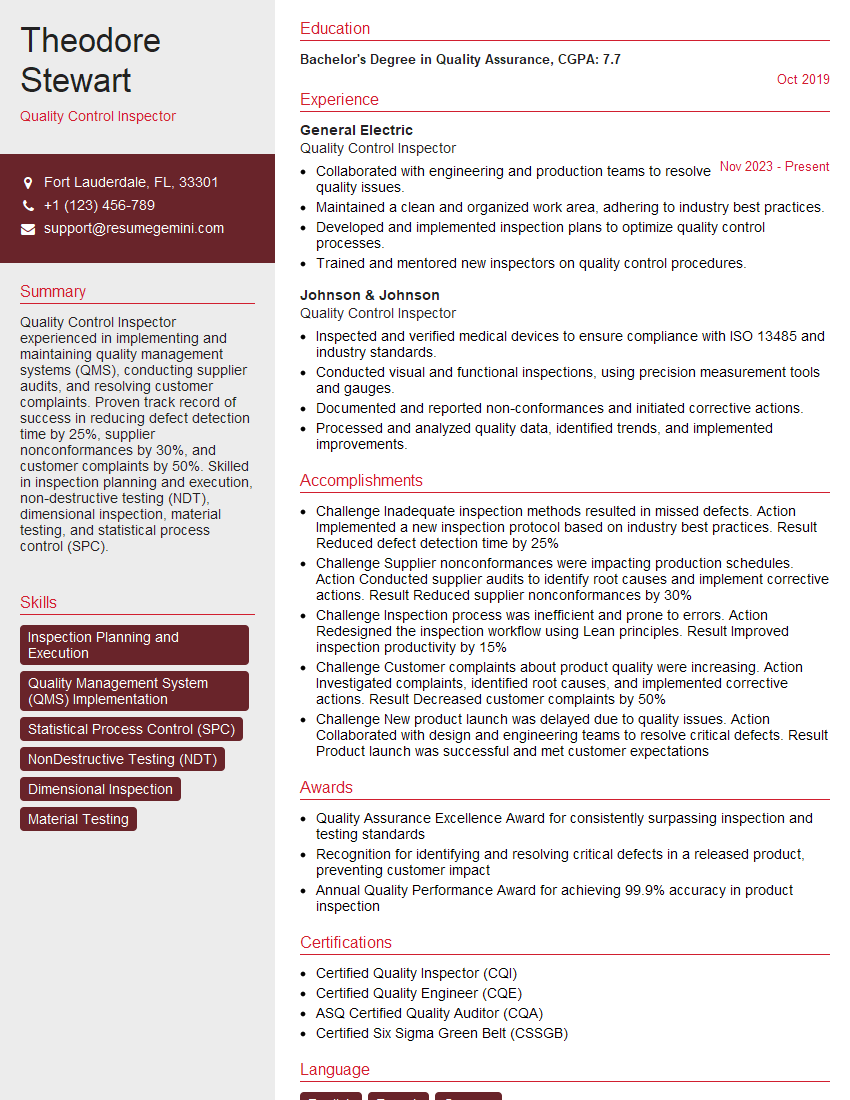
Quality Control Inspector Resume Sample
Explore more articles
Users Rating of Our Blogs
Share Your Experience
We value your feedback! Please rate our content and share your thoughts (optional).
What Readers Say About Our Blog
Really detailed insights and content, thank you for writing this detailed article.
IT gave me an insight and words to use and be able to think of examples