The thought of an interview can be nerve-wracking, but the right preparation can make all the difference. Explore this comprehensive guide to Use of Cleaning Chemicals interview questions and gain the confidence you need to showcase your abilities and secure the role.
Questions Asked in Use of Cleaning Chemicals Interview
Q 1. What safety precautions must be taken when handling corrosive cleaning agents?
Handling corrosive cleaning agents demands utmost caution. These chemicals can cause severe burns to skin and eyes, and damage to respiratory systems. Think of it like this: they’re powerful enough to dissolve materials, so they can easily damage your body too.
- Personal Protective Equipment (PPE): Always wear appropriate PPE, including chemical-resistant gloves (e.g., nitrile or neoprene), eye protection (goggles or a face shield), and a protective apron or coveralls. Never underestimate the importance of this; it’s your first line of defense.
- Ventilation: Work in a well-ventilated area or use a respirator if the chemical produces fumes. Imagine trying to clean a bathroom with a strong bleach solution without proper ventilation – the fumes alone can be overwhelming and hazardous.
- Dilution: Always dilute corrosive chemicals according to the manufacturer’s instructions. Never pour water into concentrated chemicals; this can cause a dangerous exothermic reaction (think of it like a miniature explosion!). Always add the chemical to the water slowly and carefully.
- Spill Response: Have a spill response plan in place, including absorbent materials (like spill pads) and neutralizing agents (if necessary). Know how to handle a spill safely and promptly.
- Storage: Store corrosive chemicals in their original containers, properly labeled, and in a cool, dry, secure location, away from incompatible substances. Imagine the disaster if you accidentally mixed bleach with ammonia!
Q 2. Explain the proper dilution ratios for common cleaning chemicals.
Dilution ratios vary greatly depending on the specific chemical and the cleaning task. It’s crucial to always consult the manufacturer’s instructions on the product label. There’s no one-size-fits-all answer here. Using incorrect ratios can lead to ineffective cleaning, damage to surfaces, or even dangerous chemical reactions.
For example, a common all-purpose cleaner might be diluted at a ratio of 1:10 (1 part cleaner to 10 parts water), while a stronger disinfectant might require a dilution of 1:100. Always measure accurately using graduated cylinders or other appropriate measuring tools. Never guesstimate; the consequences can be significant.
Incorrect dilutions are a common mistake. Using too little water can lead to ineffective cleaning or surface damage, while using too much water can dilute the cleaning agent to the point of uselessness.
Q 3. Describe your experience with different types of cleaning equipment (e.g., floor scrubbers, pressure washers).
My experience encompasses a wide range of cleaning equipment. I’m proficient in operating floor scrubbers, both automatic and manual, understanding the importance of choosing the right brushes and detergents for different floor types. I’ve worked with various pressure washers, from small electric models for delicate surfaces to larger, more powerful units for heavy-duty cleaning, always aware of the potential for damage if used incorrectly. Remember, power comes with responsibility – these tools must be handled skillfully and safely.
I’m familiar with the maintenance requirements of these machines, including cleaning, filter replacement, and routine inspections. This ensures optimal performance and longevity of the equipment. For example, with pressure washers, regular cleaning prevents nozzle clogging and ensures consistent pressure. Ignoring this can lead to inefficient cleaning and potential damage to the machine itself.
Q 4. How do you determine the appropriate cleaning chemical for a specific surface?
Selecting the right cleaning chemical depends on several factors: the type of surface, the nature of the soil or stain, and the desired level of disinfection. Before applying any chemical, it is vital to test it in an inconspicuous area to check for reactions or damage. Think of it as a ‘patch test’ like you’d do before applying a new cream to your skin.
- Material Compatibility: Some chemicals are suitable for certain surfaces and not others. For example, harsh acids are unsuitable for marble, while bleach can damage some fabrics. Always refer to the manufacturer’s instructions and the MSDS (Material Safety Data Sheet) for compatibility information.
- Soil Type: Different soils require different cleaning agents. Grease will require a degreaser, while mildew might require a bleach solution (used cautiously and safely).
- Disinfection Needs: If disinfection is required, select a disinfectant effective against the target microorganisms. This often requires a higher concentration than for general cleaning. Again, consult the MSDS for appropriate dilutions.
Q 5. What are the Material Safety Data Sheets (MSDS) and how do you utilize them?
Material Safety Data Sheets (MSDS), now often called Safety Data Sheets (SDS), are documents providing comprehensive information about the hazards of a chemical product. They are essential for safe handling, storage, and use. Think of them as the chemical’s ‘instruction manual’ for safety.
I utilize MSDSs to understand the chemical’s hazards (e.g., flammability, corrosiveness, toxicity), safe handling procedures, first aid measures in case of exposure, and appropriate disposal methods. This information is crucial for risk assessment and for ensuring the safety of myself and others.
Before using any cleaning chemical, I always consult its SDS. This includes checking compatibility with other chemicals, understanding the appropriate dilution ratios, and familiarizing myself with emergency procedures in case of accidental spills or exposure. It’s a non-negotiable step in my cleaning process.
Q 6. How do you handle spills of hazardous cleaning chemicals?
Spills of hazardous cleaning chemicals require immediate and controlled response. The priority is to prevent further spread and protect personnel. This is not a time for improvisation; a clear procedure is essential.
- Evacuation: Evacuate the area immediately, ensuring everyone is safe. This includes the immediate vicinity, not just the spill location.
- PPE: Don appropriate PPE – gloves, eye protection, and respiratory protection as needed – *before* approaching the spill.
- Containment: Contain the spill using absorbent materials, such as spill pads or kitty litter, to prevent spreading. Avoid touching the spilled chemical directly.
- Neutralization (If Necessary): Some spills might require neutralization using a designated neutralizing agent, based on the specific chemical. Consult the MSDS for guidance.
- Cleanup: Once contained, carefully clean the area with appropriate cleaning agents and dispose of contaminated materials according to local regulations.
- Documentation: Document the incident, including the chemical involved, quantity spilled, actions taken, and any injuries or damage sustained.
Q 7. What are the different types of disinfectants and their applications?
Disinfectants are crucial for eliminating microorganisms, such as bacteria, viruses, and fungi. They come in various types, each with different applications and effectiveness.
- Chlorine Bleach: A powerful disinfectant effective against a broad range of microorganisms. However, it can damage some surfaces and should be used according to proper dilutions. Never mix with acids.
- Quaternary Ammonium Compounds (Quats): A common disinfectant used in many household and institutional settings. They are generally less corrosive than bleach, but their effectiveness can vary depending on the specific microorganism.
- Hydrogen Peroxide: A relatively environmentally friendly disinfectant that is effective against a variety of microorganisms. It’s often used in healthcare settings and is less harsh than bleach.
- Alcohols (e.g., Isopropyl Alcohol): Effective against many bacteria and viruses, commonly used for surface disinfection in healthcare and laboratory settings.
The choice of disinfectant depends on the specific application, target microorganisms, and the surface to be treated. Always check the manufacturer’s instructions and follow safety precautions.
Q 8. Explain the importance of proper ventilation when using cleaning chemicals.
Proper ventilation is paramount when using cleaning chemicals because many release volatile organic compounds (VOCs) and other potentially harmful gases. These gases can cause a range of health issues, from mild irritation to severe respiratory problems. Think of it like this: imagine trying to bake a cake in a sealed oven – the fumes would build up and become unpleasant, even dangerous. Similarly, confined spaces without proper ventilation allow cleaning chemical fumes to concentrate, increasing the risk of exposure.
Ensuring adequate ventilation involves using exhaust fans, opening windows and doors, and in some cases, using specialized respiratory protection equipment. The specific requirements depend heavily on the chemical being used and the size of the space. For example, when cleaning a large commercial kitchen with strong degreasers, a powerful exhaust system is crucial. In a smaller bathroom, opening a window might suffice, depending on the product’s label.
- Always check the product label: The label will provide guidance on ventilation requirements.
- Use exhaust fans: These will actively remove airborne contaminants.
- Open windows and doors: This provides natural ventilation.
- Consider respiratory protection: In cases of high concentrations or prolonged exposure, a respirator is essential.
Q 9. How do you ensure compliance with environmental regulations related to cleaning chemical disposal?
Compliance with environmental regulations for cleaning chemical disposal is critical to protecting our ecosystems. This involves a multi-step process beginning with proper segregation of waste according to local and national guidelines. Different chemicals require different disposal methods. Improper disposal can lead to soil and water contamination, harming wildlife and potentially human health.
My experience includes meticulously following all relevant SDS (Safety Data Sheets) instructions for each chemical. This includes identifying the designated hazardous waste disposal facility, appropriately labeling containers, and completing all necessary paperwork to track the disposal process. We also maintain records of all chemical purchases and disposal events. I’m familiar with regulations such as the Resource Conservation and Recovery Act (RCRA) in the US and equivalent regulations internationally, and always ensure we remain compliant. Regularly attending industry training sessions and workshops keeps me updated on evolving regulations and best practices.
For example, I’ve managed the disposal of bleach solutions by carefully neutralizing them before disposal following specified protocols. Similarly, I’ve organized the removal and proper disposal of heavy-metal-containing cleaning agents through licensed hazardous waste contractors.
Q 10. Describe your experience with different cleaning methods (e.g., wet, dry, steam).
My experience encompasses a wide range of cleaning methods, each appropriate for different scenarios.
- Wet cleaning: This is the most common method, using solutions of water and cleaning agents to remove dirt and grime. It’s effective for a variety of surfaces but can require more drying time and might leave some surfaces damp. I often use this for routine cleaning of floors and counters.
- Dry cleaning: This typically uses sweeping, vacuuming, or dusting to remove loose dirt and debris. It’s quick and efficient for initial cleaning but might not be enough for heavily soiled areas. I use this for initial cleaning before wet cleaning.
- Steam cleaning: This utilizes high-temperature steam to disinfect and sanitize surfaces. It’s particularly effective for removing stubborn stains and grease, and is very effective at killing bacteria and viruses. However, it is not suitable for all surfaces, as it can damage some materials. I have extensive experience in using steam cleaning for carpets, upholstery, and hard-to-clean areas such as grout.
I select the most appropriate method based on the type of surface, the level of soiling, and the required level of sanitation. For instance, I might use wet cleaning followed by steam cleaning for a heavily soiled kitchen floor to ensure thorough cleaning and disinfection.
Q 11. How do you train others on the safe use and handling of cleaning chemicals?
Training others on safe chemical handling is a crucial part of my role. I employ a multi-faceted approach that combines theory and practical demonstrations.
- Classroom training: I conduct sessions that cover the identification and understanding of Safety Data Sheets (SDS), proper storage techniques, mixing procedures, personal protective equipment (PPE) use, and emergency response protocols. I emphasize the importance of always referring to the SDS before using any chemical.
- Hands-on demonstrations: Practical demonstrations show proper dilution techniques, application methods, and safe disposal practices. This is crucial for reinforcing theoretical knowledge.
- Regular quizzes and assessments: This helps to ensure that the training is effective and retention of key information is high.
- Ongoing supervision and mentoring: Following initial training, I supervise staff during cleaning tasks to ensure compliance and address any questions or concerns.
For example, I recently trained a new team member on the safe handling of a strong alkaline degreaser. The training included a thorough review of the SDS, a demonstration of proper dilution techniques using calibrated measuring tools, the appropriate use of gloves and eye protection, and the proper procedures for spills and disposal.
Q 12. What are the signs and symptoms of exposure to common cleaning chemicals?
Exposure to cleaning chemicals can manifest in various ways, depending on the specific chemical and the level of exposure. Signs and symptoms can range from mild to severe.
- Mild symptoms: These may include skin irritation (redness, itching, rash), eye irritation (burning, watering, redness), and respiratory irritation (coughing, sneezing, shortness of breath). These symptoms typically resolve after exposure ceases.
- Severe symptoms: More serious reactions can involve chemical burns to the skin or eyes, severe respiratory distress, allergic reactions (hives, swelling, difficulty breathing), or even long-term health problems such as asthma or other respiratory diseases.
Specific examples include: Ammonia can cause respiratory irritation and eye burning; bleach can cause skin and eye irritation; strong acids can cause severe burns. It’s crucial to immediately seek medical attention if severe symptoms occur.
Recognizing these signs is crucial for prompt treatment and prevention of further harm. It’s always best to err on the side of caution and seek medical attention if unsure.
Q 13. What is your experience with managing cleaning chemical inventory?
Managing cleaning chemical inventory is a critical responsibility involving careful planning, organization, and adherence to safety guidelines. This ensures that sufficient quantities of the necessary chemicals are available while minimizing storage risks and waste.
My experience includes implementing a robust inventory management system. This involves regularly checking stock levels, ordering supplies in advance to avoid shortages, and implementing a first-in, first-out (FIFO) system to reduce the risk of chemicals expiring. Storage areas are meticulously maintained, following all safety regulations, with proper labeling and segregation of incompatible chemicals. I also maintain detailed records of all chemical purchases and usage, aiding in cost control and waste minimization. For example, we use a computerized inventory system that automatically generates re-order points and alerts us to approaching expiry dates.
Q 14. How do you maintain accurate records of cleaning chemical usage?
Maintaining accurate records of cleaning chemical usage is essential for several reasons: compliance with regulations, cost control, and safety tracking. This involves a multi-pronged approach.
- Detailed purchase records: These include the date of purchase, the quantity, the supplier, and the product’s SDS.
- Usage logs: We maintain logs detailing the chemical used, the area cleaned, the date, and the quantity used. This helps track consumption and identify areas for potential optimization.
- Inventory management system: This could be a simple spreadsheet or a sophisticated software system that tracks stock levels and alerts us to potential shortages or approaching expiry dates.
- Disposal records: This includes information on the type of waste, the quantity, the disposal method, and the name of the disposal company. These are crucial for environmental compliance.
These records are kept in a secure and easily accessible location. They are regularly reviewed and updated to maintain accuracy. This detailed system provides valuable data for analysis and improvement of our cleaning processes and chemical management.
Q 15. Describe your approach to selecting environmentally friendly cleaning products.
Selecting environmentally friendly cleaning products requires a multi-faceted approach. It’s not just about looking for a label that says ‘eco-friendly’; it’s about understanding the ingredients and their impact. My approach involves several key steps:
- Ingredient analysis: I scrutinize the ingredient list, looking for products with readily biodegradable ingredients and avoiding those containing harsh chemicals like phosphates, chlorine bleach, and ammonia. I prefer plant-based surfactants and naturally derived solvents.
- Certification and labels: I look for certifications from reputable organizations like Green Seal or EcoLogo, which verify a product’s environmental claims through rigorous testing. However, it’s important to note that these certifications don’t guarantee perfect environmental friendliness, so further ingredient analysis is essential.
- Packaging considerations: I prioritize products with minimal packaging and packaging made from recycled or recyclable materials. This reduces waste and minimizes the environmental impact of the product’s lifecycle.
- Product effectiveness: An eco-friendly product isn’t useful if it’s ineffective. I carefully evaluate a product’s cleaning power to ensure it meets the required standard for the specific cleaning task. A less effective product might require more applications, offsetting any environmental benefits.
- Life cycle assessment: A full picture requires considering the entire life cycle – from ingredient sourcing and manufacturing to transportation, use, and disposal. Although difficult to fully assess individually, opting for products from local suppliers can lessen the carbon footprint associated with transportation.
For example, instead of using a harsh chemical toilet bowl cleaner, I might opt for a product based on citric acid or vinegar, which are both effective and environmentally friendly alternatives.
Career Expert Tips:
- Ace those interviews! Prepare effectively by reviewing the Top 50 Most Common Interview Questions on ResumeGemini.
- Navigate your job search with confidence! Explore a wide range of Career Tips on ResumeGemini. Learn about common challenges and recommendations to overcome them.
- Craft the perfect resume! Master the Art of Resume Writing with ResumeGemini’s guide. Showcase your unique qualifications and achievements effectively.
- Don’t miss out on holiday savings! Build your dream resume with ResumeGemini’s ATS optimized templates.
Q 16. How do you address incompatibility issues between different cleaning chemicals?
Mixing cleaning chemicals can be extremely dangerous, potentially leading to harmful chemical reactions, such as the release of toxic gases. Addressing incompatibility is paramount and involves strictly adhering to a ‘never mix’ rule unless explicitly stated otherwise by the manufacturer. My strategy focuses on prevention:
- Separate storage: Cleaning chemicals are stored separately, ideally in clearly labeled containers and in designated areas to minimize accidental mixing.
- Designated cleaning supplies: I use color-coded buckets and spray bottles for different cleaning solutions to visually reinforce segregation. For instance, green might be for glass cleaner, blue for disinfectant, and yellow for floor cleaner.
- Thorough rinsing: After using one cleaning chemical, surfaces are thoroughly rinsed with clean water before applying another. This prevents any residual chemical from reacting with the new one.
- Manufacturer guidelines: I always consult the manufacturer’s instructions for each chemical before use. They contain specific warnings regarding compatibility and safe handling procedures.
Imagine mixing bleach and ammonia – this produces chloramine gas, which is highly toxic and potentially lethal. Avoiding such situations is crucial for safety and avoiding property damage.
Q 17. Explain the importance of personal protective equipment (PPE) when using cleaning chemicals.
Personal Protective Equipment (PPE) is non-negotiable when working with cleaning chemicals. The potential for exposure to harmful substances necessitates appropriate safeguards. The type of PPE depends on the specific chemical and the task, but generally includes:
- Gloves: Chemical-resistant gloves are crucial to prevent skin contact. The type of glove depends on the chemical – nitrile gloves are often a good choice for many chemicals, but some require more specialized materials.
- Eye protection: Safety glasses or goggles protect the eyes from splashes and fumes. Chemical splashes can cause serious eye damage.
- Respiratory protection: A respirator might be necessary when working with chemicals that release harmful vapors or dust. The type of respirator depends on the specific hazard.
- Protective clothing: Aprons or coveralls can protect clothing and skin from chemical spills.
Imagine a scenario where you’re cleaning a bathroom with a strong disinfectant. Without gloves, the chemical could irritate your skin. Without eye protection, a splash could cause serious damage. PPE is a crucial layer of defense against potential hazards.
Q 18. What are your strategies for preventing cross-contamination when cleaning?
Preventing cross-contamination is crucial to maintain hygiene and prevent the spread of germs or bacteria. My strategies include:
- Clean from cleanest to dirtiest: I always start by cleaning the cleanest areas first (e.g., ceilings, then walls, then floors) to avoid transferring dirt to already cleaned surfaces. This prevents spreading contamination.
- Color-coded cleaning cloths and tools: Different colored cloths and tools are assigned for specific areas or tasks (e.g., bathroom, kitchen, floors). This ensures that cloths used in one area aren’t used in another, minimizing cross-contamination.
- Change cleaning solutions frequently: I regularly change the cleaning solution in buckets and spray bottles. A dirty solution can easily spread contaminants.
- Thorough rinsing: All surfaces are rinsed thoroughly with clean water after cleaning to remove all traces of the cleaning solution and any remaining microorganisms.
- Proper disposal: Used cleaning cloths and other disposable materials are disposed of appropriately in designated waste containers to prevent the spread of contamination.
For instance, in a restaurant, a cloth used to wipe down tables should not be used to clean the restroom. Using color-coded cloths helps to eliminate this possibility.
Q 19. How do you assess the effectiveness of cleaning procedures and chemicals?
Assessing the effectiveness of cleaning procedures and chemicals involves a combination of visual inspection and testing. The visual inspection involves checking for visible soil or residue after cleaning. More rigorous assessments include:
- ATP bioluminescence testing: ATP (adenosine triphosphate) testing measures the amount of organic matter remaining on a surface after cleaning. A high ATP reading indicates inadequate cleaning.
- Microbial testing: This involves taking swabs from surfaces to test for the presence of microorganisms. This is particularly important in healthcare settings and food processing facilities.
- Visual inspection checklists: Using standardized checklists ensures all areas are checked consistently. These checklists ensure systematic assessment of cleanliness.
- Regular review of procedures: Cleaning procedures should be reviewed regularly and updated based on feedback, testing results, and any changes in the cleaning environment.
For instance, in a hospital, regular microbial testing ensures that cleaning protocols effectively eliminate harmful bacteria. A high count of bacteria would signal a need to improve the cleaning procedures or the chemicals used.
Q 20. What are the different types of cleaning solutions for various surfaces (e.g., glass, metal, wood)?
Different surfaces require different cleaning solutions to avoid damage or ineffective cleaning. Here are some examples:
- Glass: Glass cleaners, usually containing ammonia or alcohol, are effective for removing smudges and fingerprints. Always test on an inconspicuous area first.
- Metal: Stainless steel can be cleaned with a mild detergent solution, while other metals may require specialized cleaners to prevent corrosion or discoloration. Always follow manufacturer recommendations.
- Wood: Wood surfaces require gentle cleaning. Mild soap and water are usually sufficient, but abrasive cleaners should be avoided, as they can damage the finish.
- Ceramic tile: Ceramic tile is generally durable and can tolerate many cleaning agents but avoid abrasive cleaners that might scratch the surface.
- Plastic: Most plastics are fine with mild soap and water, but check for manufacturer instructions as some plastics can be damaged by certain chemicals.
It’s crucial to consider the material’s sensitivity to chemicals. For example, using a harsh abrasive cleaner on a delicate wooden surface could scratch it. Always test a small, inconspicuous area first with any new cleaning solution to check for adverse reactions.
Q 21. How do you choose the right concentration of a cleaning solution for a particular task?
Choosing the right concentration of a cleaning solution is essential for effective cleaning without causing damage. Too diluted a solution might be ineffective, while a solution that’s too concentrated could damage surfaces or be harmful. The concentration is usually specified by the manufacturer on the product label. If not, then:
- Start with a dilute solution: It’s generally safer to start with a more dilute solution and increase the concentration if necessary. This minimizes the risk of damage.
- Follow manufacturer recommendations: Always follow the manufacturer’s instructions for the recommended dilution ratio. These instructions are based on testing and provide optimal cleaning performance without damage.
- Test on an inconspicuous area: Before applying the solution to the entire surface, test it on a small, inconspicuous area to ensure it doesn’t cause discoloration or damage.
- Consider the task: Heavily soiled areas might require a slightly higher concentration than lightly soiled areas.
For example, a disinfectant might require a specific dilution ratio for effective disinfection, which is usually clearly stated on the product label. Deviations from the instructions can compromise the effectiveness of the product or damage the surface being cleaned.
Q 22. What are the common health hazards associated with the misuse of cleaning chemicals?
Misusing cleaning chemicals can lead to a range of health hazards, from minor irritations to severe, long-term health problems. The severity depends on factors like the chemical’s toxicity, concentration, exposure duration, and the individual’s sensitivity.
- Respiratory problems: Many cleaning chemicals release fumes that can irritate the lungs, causing coughing, wheezing, shortness of breath, and in severe cases, asthma or even chemical pneumonitis (lung inflammation). For example, inhaling bleach fumes can be particularly damaging.
- Skin irritation and burns: Direct contact with strong chemicals can cause anything from mild redness and itching to severe burns and chemical dermatitis (skin inflammation). Acids and bases are particularly notorious for this.
- Eye damage: Splashes to the eyes can lead to irritation, burning, blurred vision, and even permanent vision loss. Always wear appropriate eye protection.
- Ingestion: Accidental ingestion can cause severe internal damage, including burns to the mouth, esophagus, and stomach. This is a medical emergency.
- Neurological effects: Some cleaning chemicals contain volatile organic compounds (VOCs) that can affect the nervous system, leading to headaches, dizziness, nausea, and in extreme cases, loss of consciousness.
- Long-term health effects: Repeated or prolonged exposure to certain chemicals can increase the risk of developing chronic conditions, such as kidney or liver damage, cancer, or reproductive problems.
It’s crucial to always follow the manufacturer’s instructions, use appropriate personal protective equipment (PPE), and work in well-ventilated areas to minimize health risks.
Q 23. What is your understanding of the Globally Harmonized System of Classification and Labelling of Chemicals (GHS)?
The Globally Harmonized System of Classification and Labelling of Chemicals (GHS) is an internationally agreed-upon system for classifying and communicating the hazards of chemicals. Its goal is to ensure consistent and clear hazard communication across different countries and languages, making it safer for workers and consumers to handle chemicals.
The GHS uses standardized hazard pictograms, signal words (Danger or Warning), hazard statements, and precautionary statements to communicate the chemical’s risks. For example, a flammable liquid will have a flame pictogram and a warning about flammability. This system helps users quickly understand the potential dangers and take appropriate safety precautions.
My understanding of GHS is critical in my work because it allows me to correctly identify and manage the hazards of different cleaning chemicals, ensuring I follow all appropriate safety measures. It’s a fundamental part of responsible chemical handling.
Q 24. How do you ensure the proper storage and handling of cleaning chemicals to prevent accidents?
Proper storage and handling are crucial for preventing accidents. My approach involves several key steps:
- Dedicated Storage Area: Cleaning chemicals should be stored separately in a cool, dry, well-ventilated area, away from incompatible materials (e.g., acids and bases should never be stored together). The area should be clearly labeled and accessible only to authorized personnel.
- Original Containers: Chemicals should always remain in their original containers with labels intact. Never transfer chemicals to unlabeled containers.
- Secondary Containment: For particularly hazardous chemicals, secondary containment (e.g., spill trays) is essential to prevent spills from spreading.
- Inventory Management: Maintain a detailed inventory of all chemicals, noting dates of purchase and expiration dates. This helps in managing chemical waste properly.
- Proper Handling Procedures: Always wear appropriate PPE (gloves, eye protection, respirators), follow the manufacturer’s instructions, and never mix different chemicals unless explicitly stated as safe.
- Childproof Measures: If storing chemicals at home, always keep them locked away and out of reach of children and pets.
For example, in my previous role, we implemented a colour-coded system for storage cabinets, immediately clarifying the hazard class and providing clear visual instructions.
Q 25. Describe your experience with using specialized cleaning equipment for specific tasks (e.g., carpet cleaning, upholstery cleaning).
I have extensive experience using specialized cleaning equipment. For carpet cleaning, I’m proficient with hot water extraction machines (also known as steam cleaners), which effectively remove dirt and stains using pressurized hot water and suction. I understand the importance of using the correct cleaning solutions for different carpet fibers to prevent damage.
Similarly, for upholstery cleaning, I utilize portable extraction machines, hand tools, and specialized cleaning solutions tailored to the fabric type. I’m trained to identify different types of stains and employ appropriate pre-treatment methods before extraction. A key aspect of this is knowing how to adjust the equipment’s settings – water temperature, pressure – to prevent damage to the fabric.
Safety is paramount. This includes correctly connecting and operating the equipment, maintaining appropriate water levels, and following all manufacturer instructions regarding maintenance and safety procedures.
Q 26. What is your experience in using and maintaining cleaning chemical dispensing systems?
My experience with cleaning chemical dispensing systems includes both manual and automated systems. Manual systems require careful measurement and mixing to ensure correct dilutions. This demands precision and a thorough understanding of the chemical’s concentration and safety data sheet (SDS).
Automated systems offer greater precision and efficiency, reducing the risk of errors and improving safety. These systems often have safety features such as interlocks to prevent incorrect dilutions or accidental dispensing. I am experienced in calibrating, maintaining, and troubleshooting these systems – regularly checking pumps, sensors, and dilution ratios to ensure accurate and safe chemical dispensing.
Regular maintenance and calibration are essential to ensure the accuracy and reliability of dispensing systems and prevent malfunctions that could lead to safety hazards.
Q 27. How do you handle situations where a cleaning chemical causes damage to a surface?
If a cleaning chemical damages a surface, my immediate response is to contain the damage and prevent further spread. This involves:
- Identifying the affected area: Assess the extent of the damage and identify the type of surface affected.
- Neutralization (if appropriate): For certain chemicals like acids and bases, neutralization may be necessary. This requires careful consideration of the specific chemicals involved and the proper neutralization agent.
- Cleaning and restoration: Depending on the type of damage, different cleaning methods and materials may be employed. This might include rinsing, scrubbing, and applying specialized cleaning agents designed for the specific material.
- Documentation: Record the incident thoroughly including the chemical involved, the damaged surface, and the steps taken to mitigate the damage.
For example, if bleach damages a coloured fabric, I would thoroughly rinse the area with water and then may need to use a colour-safe cleaning solution to try and restore the colour.
Q 28. Explain your process for reporting accidents or injuries related to cleaning chemicals.
Reporting accidents or injuries related to cleaning chemicals follows a strict protocol. My process typically involves:
- First Aid: If an injury occurs, provide immediate first aid. This may include flushing the affected area with water (for skin or eye contact), or administering other first-aid measures according to the situation.
- Incident Report: Complete a detailed incident report, including the date, time, location, chemicals involved, the nature of the incident, the individuals involved, and any injuries sustained. This needs to be thorough, accurate and factual.
- Medical Attention: Seek medical attention immediately if necessary, especially for serious injuries like chemical burns or ingestion.
- Supervisory Notification: Inform my supervisor or manager of the incident as soon as possible.
- Follow-up: Follow up on any medical treatment required and collaborate with the relevant authorities (e.g., OSHA, depending on the location) if necessary.
Accurate record-keeping is essential for future prevention measures. By understanding the root cause of the accident, safety measures can be enhanced, and similar incidents avoided in the future.
Key Topics to Learn for Use of Cleaning Chemicals Interview
- Chemical Safety and Handling: Understanding SDS (Safety Data Sheets), proper dilution techniques, personal protective equipment (PPE) requirements, and emergency procedures.
- Cleaning Methods and Techniques: Mastering various cleaning methods (e.g., wet cleaning, dry cleaning, steam cleaning), appropriate chemical selection for different surfaces and soils, and effective stain removal techniques.
- Chemical Compatibility and Interactions: Knowing how different cleaning chemicals react with each other and with various surfaces to prevent damage or ineffective cleaning. Understanding the importance of pre-treatment and post-treatment procedures.
- Equipment Operation and Maintenance: Safe and effective use of cleaning equipment (e.g., floor machines, pressure washers, spray bottles), routine maintenance procedures, and troubleshooting common equipment issues.
- Environmental Considerations: Understanding environmentally friendly cleaning practices, waste disposal procedures, and the impact of cleaning chemicals on the environment and human health. This includes understanding regulations and best practices related to sustainability.
- Infection Control and Sanitation: Knowledge of proper disinfection and sterilization techniques using appropriate chemicals to prevent the spread of infectious diseases. Understanding the differences between cleaning, sanitizing, and disinfecting.
- Quality Control and Inspection: Implementing quality control measures to ensure thorough and effective cleaning. Understanding how to identify and address cleaning deficiencies.
Next Steps
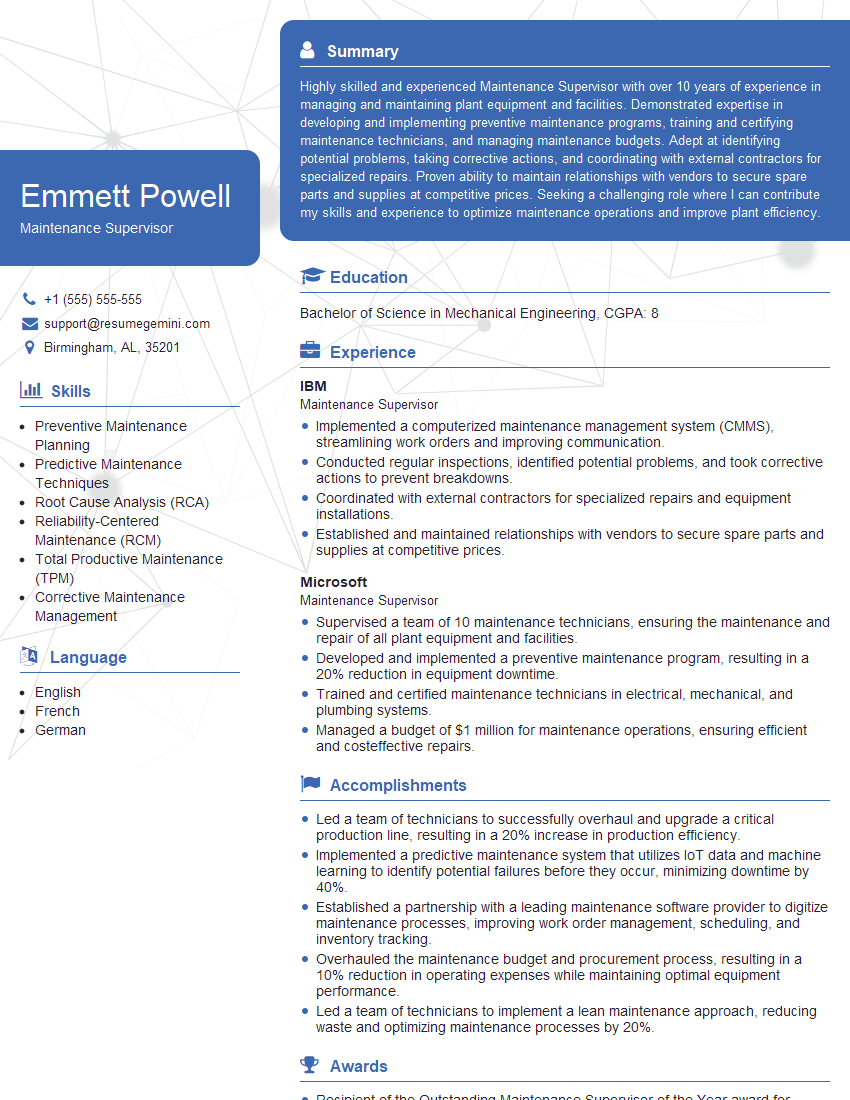
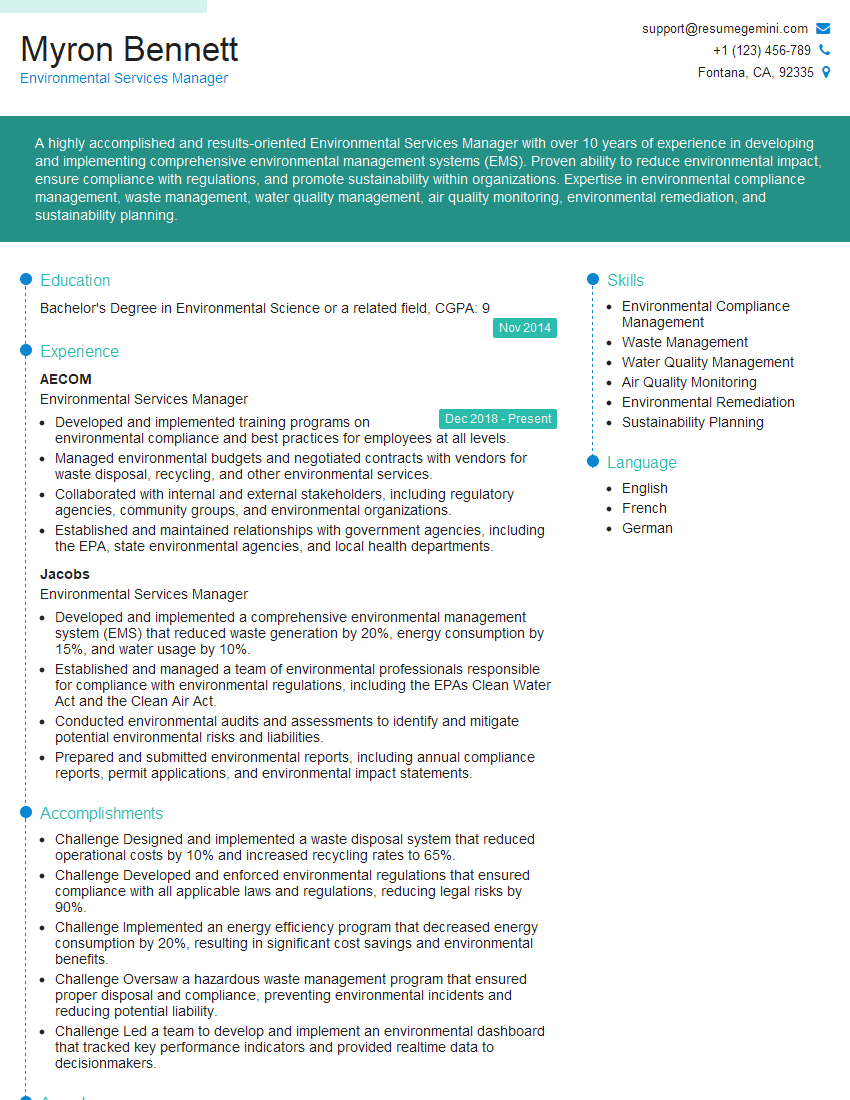
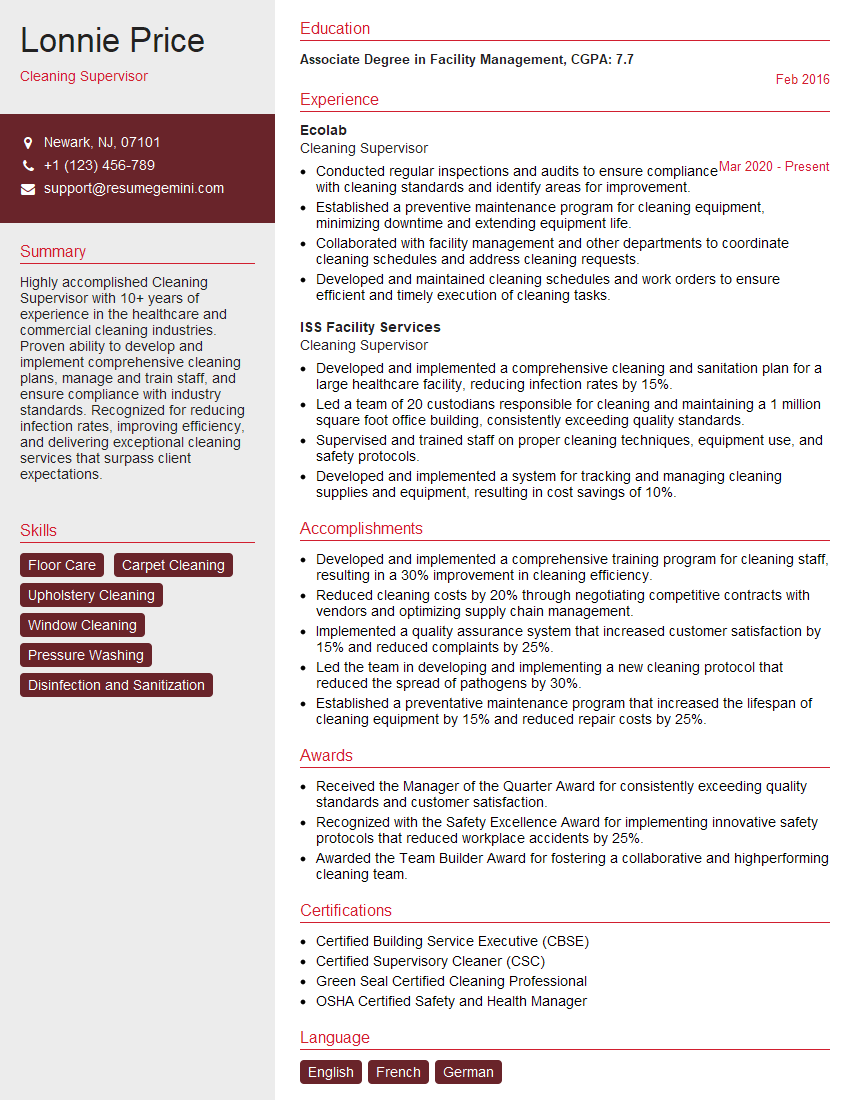
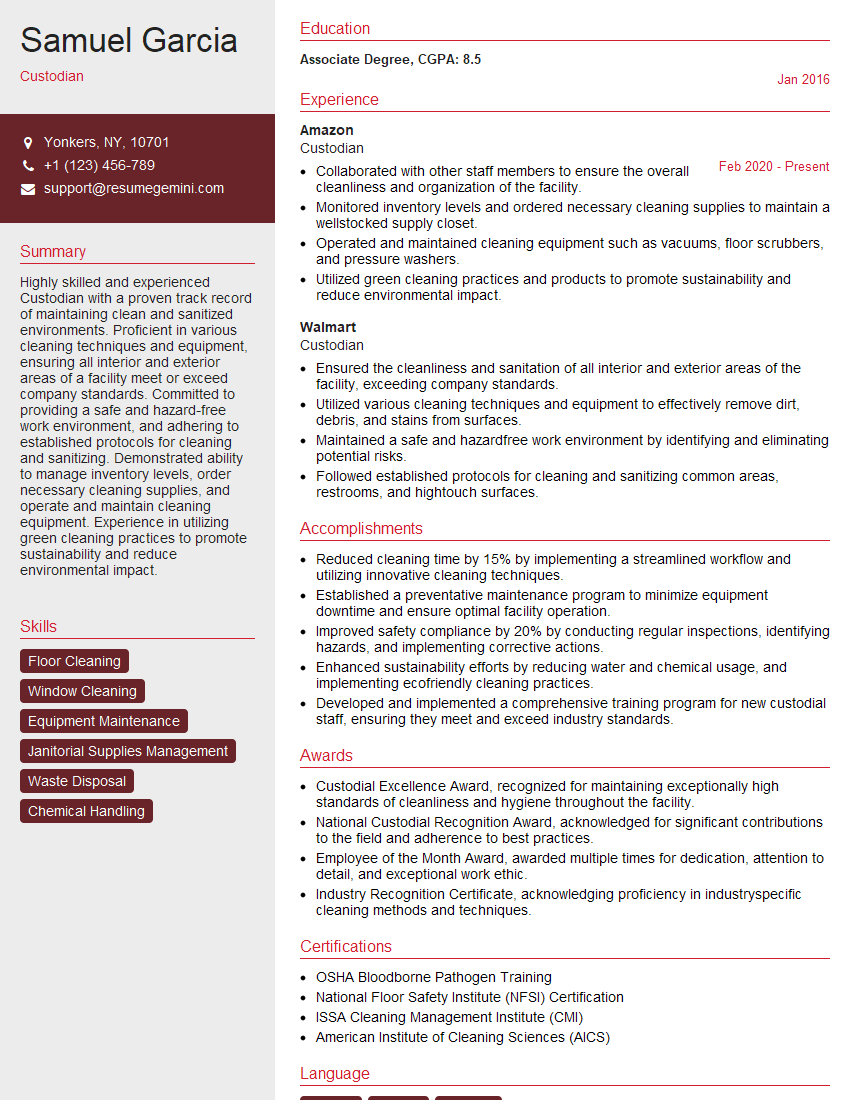
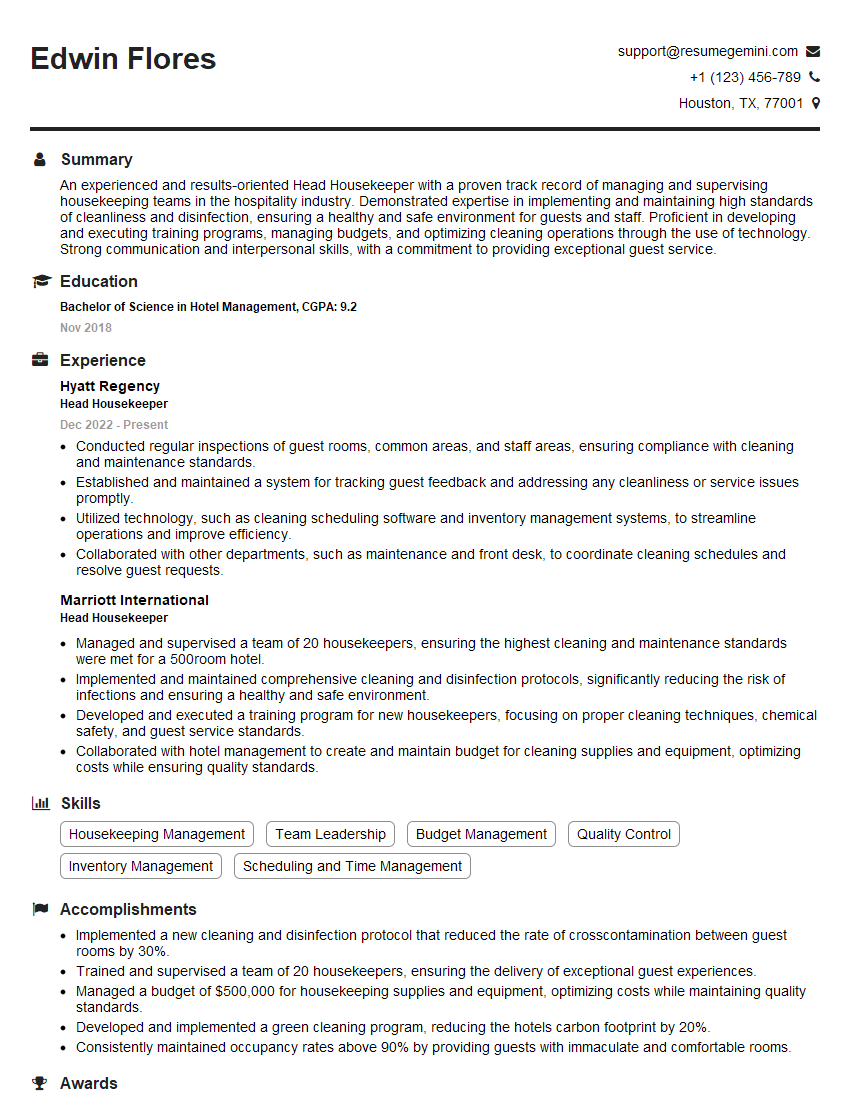
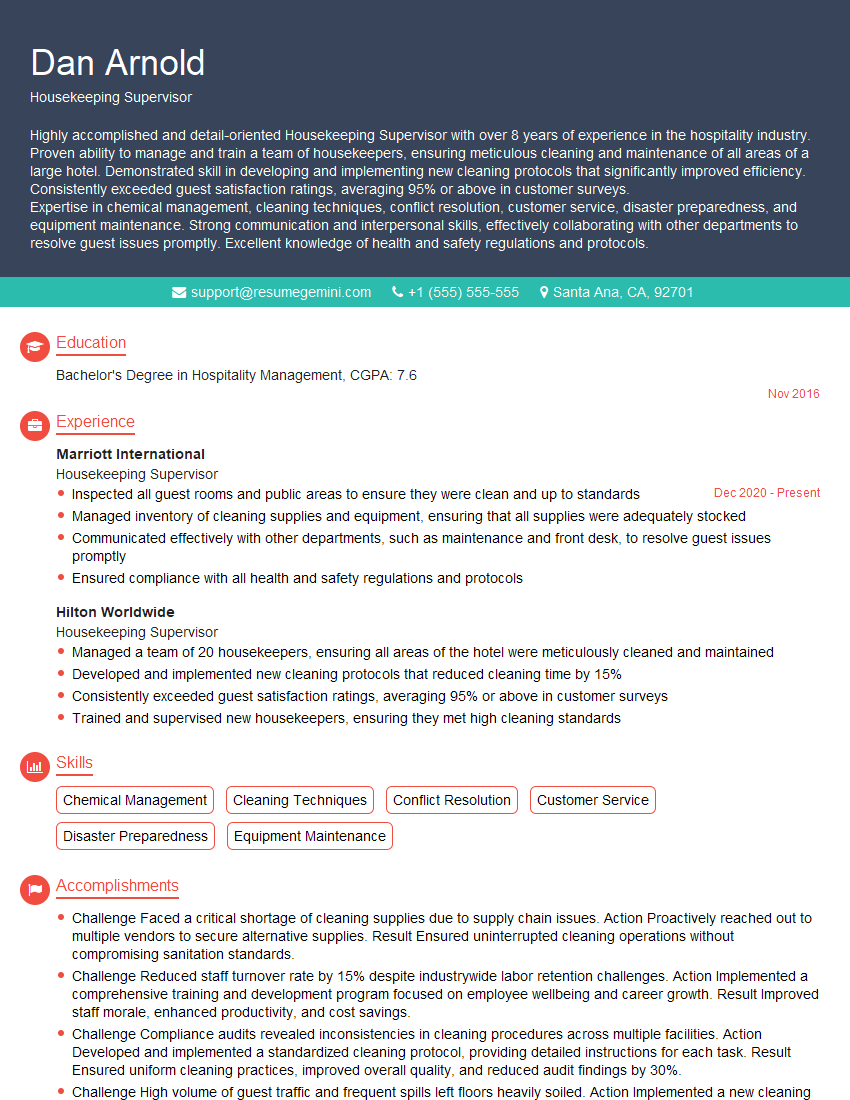
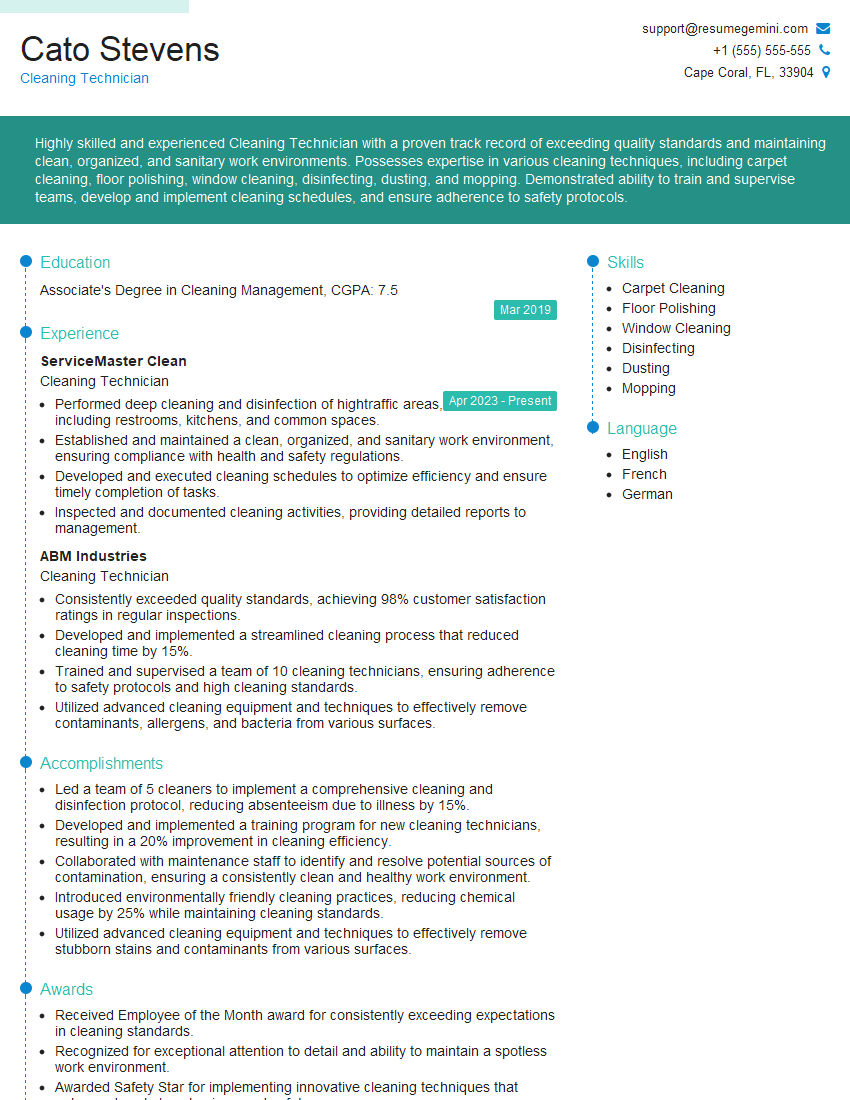
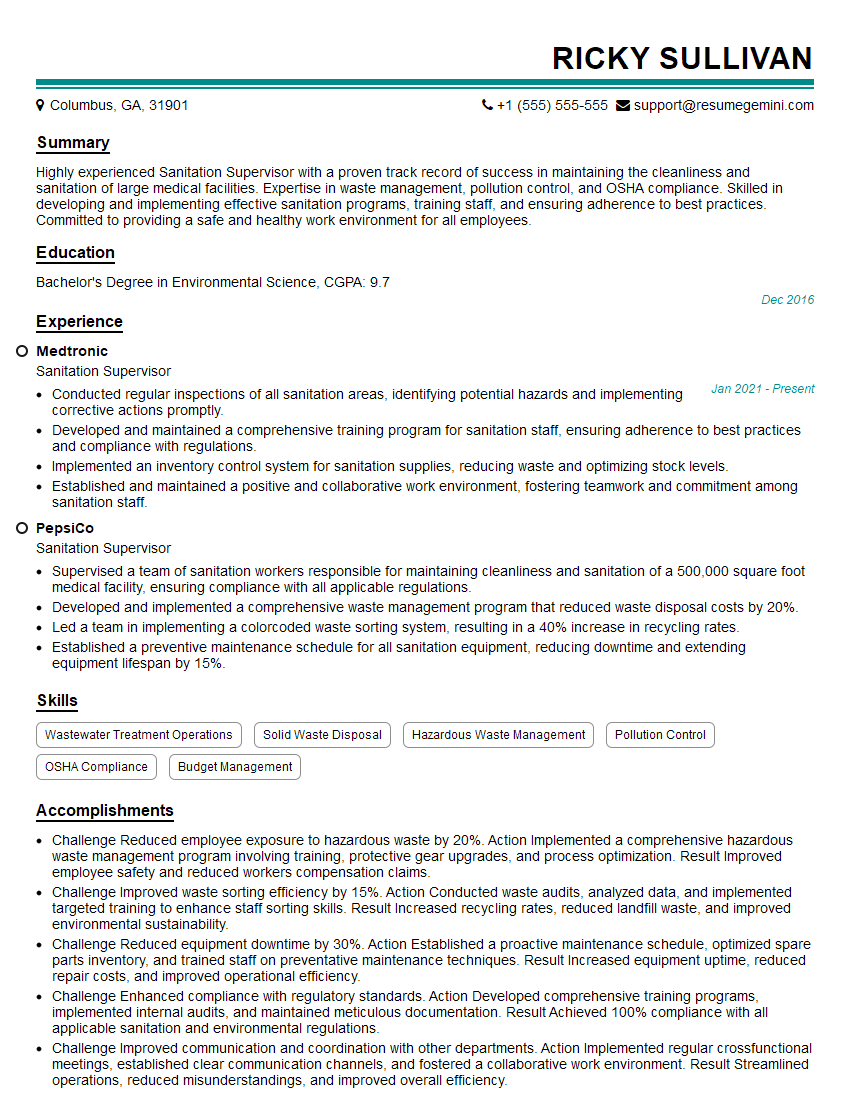
Mastering the use of cleaning chemicals is crucial for career advancement in many industries, opening doors to specialized roles and increased earning potential. A strong understanding of these principles demonstrates your commitment to safety, efficiency, and environmental responsibility. To maximize your job prospects, it’s essential to present your skills effectively. Create an ATS-friendly resume that highlights your expertise and experience. ResumeGemini is a trusted resource that can help you build a professional and impactful resume tailored to your skills and experience. Examples of resumes tailored to Use of Cleaning Chemicals are available to guide you.
Explore more articles
Users Rating of Our Blogs
Share Your Experience
We value your feedback! Please rate our content and share your thoughts (optional).
What Readers Say About Our Blog
Really detailed insights and content, thank you for writing this detailed article.
IT gave me an insight and words to use and be able to think of examples