Preparation is the key to success in any interview. In this post, we’ll explore crucial Vaccination and Treatment Techniques interview questions and equip you with strategies to craft impactful answers. Whether you’re a beginner or a pro, these tips will elevate your preparation.
Questions Asked in Vaccination and Treatment Techniques Interview
Q 1. Explain the principles of herd immunity.
Herd immunity, also known as community immunity, is a form of indirect protection from infectious diseases. It occurs when a large percentage of a population becomes immune to an infection, making the spread of disease from person to person unlikely. Even individuals who aren’t immune are indirectly protected because the disease has difficulty spreading within the population. Think of it like a fire – if most of the houses are fireproof (immune), the fire (disease) has less fuel to spread and is less likely to reach those houses that aren’t fireproof.
This immunity can be achieved through vaccination or prior infection. The threshold for herd immunity varies depending on the specific disease and its contagiousness. Highly contagious diseases like measles require a much higher percentage of the population to be immune (around 95%) compared to less contagious diseases.
For example, the eradication of smallpox was a triumph of herd immunity achieved through a global vaccination campaign. By vaccinating a large enough portion of the population, smallpox transmission was interrupted and ultimately eliminated.
Q 2. Describe the different types of vaccine available (e.g., live attenuated, inactivated).
Several types of vaccines exist, each using a different approach to trigger an immune response:
- Live-attenuated vaccines: These vaccines use a weakened form of the germ that causes the disease. Because the germ is weakened, it doesn’t cause illness but still triggers an immune response. Examples include measles, mumps, rubella (MMR) and the varicella (chickenpox) vaccines.
- Inactivated vaccines: These vaccines use the killed version of the germ. They are generally safe for people with weakened immune systems but may require multiple doses for full protection. Examples include the polio and influenza vaccines.
- Subunit, recombinant, polysaccharide, and conjugate vaccines: These vaccines use specific pieces of the germ, such as proteins, sugars, or capsids. They are very safe and effective because they only introduce the necessary part of the germ needed to produce immunity. Examples include the Hepatitis B and HPV vaccines.
- Toxoid vaccines: These vaccines use a toxin (poison) produced by the germ rather than the germ itself. They create immunity to the poisonous effects of the germ. Examples include tetanus and diphtheria vaccines.
- mRNA vaccines: These vaccines use messenger RNA (mRNA) to instruct cells to make a harmless piece of the virus, triggering an immune response. This technology has revolutionized vaccine development, demonstrated most prominently in the COVID-19 vaccines.
- Viral vector vaccines: These vaccines use a harmless virus (the vector) to carry genetic material from the target pathogen into cells. This then triggers an immune response. Examples include some of the COVID-19 vaccines.
Q 3. What are the contraindications for specific vaccines?
Contraindications for vaccines are situations where the risks of vaccination outweigh the benefits. These can be temporary or permanent and are carefully considered on an individual basis. Some examples include:
- Severe allergic reaction to a previous dose of the same vaccine or to any component of the vaccine. This is a serious contraindication and warrants careful monitoring.
- Moderate or severe illness with or without a fever. Vaccination should typically be postponed until the person is better.
- Immunocompromised individuals: Some live attenuated vaccines may pose a risk to individuals with severely weakened immune systems. In such cases, inactivated vaccines may be used.
- Pregnancy: Certain vaccines are not recommended during pregnancy, while others may be considered if the benefits outweigh the risks. This is carefully evaluated by the doctor.
- Specific medical conditions: Certain medical conditions, like Guillain-Barré syndrome after a previous influenza vaccination, might be a contraindication, depending on the specific vaccine and patient history.
It’s crucial that patients disclose their medical history, including allergies and current health status, before receiving any vaccination.
Q 4. How do you address vaccine hesitancy in patients?
Addressing vaccine hesitancy requires a compassionate and evidence-based approach. It’s crucial to understand the source of the hesitancy, which can stem from misinformation, fear of side effects, mistrust of authority, or cultural or religious beliefs. The following strategies can be effective:
- Active listening and empathy: Start by listening to the patient’s concerns without judgment. Validate their feelings and show that you understand their perspective.
- Providing accurate information from reliable sources: Share factual information from trusted organizations like the CDC or WHO, explaining the benefits of vaccination and addressing specific concerns.
- Addressing misinformation and myths: Directly address false claims and provide evidence-based counterarguments. This may involve debunking common myths through straightforward explanations and credible resources.
- Involving trusted community members or leaders: Influential figures within the community can be powerful advocates for vaccination.
- Focusing on the benefits and reducing fear: Highlight the positive impacts of vaccination on individual and community health, emphasizing protection against severe illness, hospitalization, and death.
- Offering clear and simple explanations: Use plain language, avoiding jargon, and providing easily understandable explanations.
Ultimately, building trust and establishing a strong doctor-patient relationship is vital to overcoming vaccine hesitancy.
Q 5. Explain the process of vaccine storage and handling.
Proper vaccine storage and handling are critical to maintaining their potency and efficacy. Vaccines are biological products sensitive to temperature fluctuations that can degrade their effectiveness and even render them unsafe. Key aspects include:
- Maintaining the Cold Chain: Vaccines must be kept at the recommended temperature throughout their entire journey from manufacturer to patient. This involves using appropriate refrigerators, freezers, and cold boxes with temperature monitoring devices. Deviation from specified temperatures can compromise the vaccine.
- Proper Storage Equipment: Reliable refrigeration and freezing equipment with accurate thermometers and temperature data loggers are essential. Regular calibration and maintenance of equipment are vital.
- Inventory Management: First-in, first-out (FIFO) inventory management ensures that older doses are used before newer ones, preventing expiration. Careful record keeping of vaccine arrival, storage location and administration is essential.
- Handling Precautions: Vaccines should be handled gently to avoid shaking or damage. Avoid exposing vials to direct sunlight or extreme temperatures. Proper aseptic techniques are crucial to prevent contamination.
- Transportation: During transport, appropriate cold boxes or containers with ice packs are necessary to maintain the cold chain integrity. Tracking systems should be in place to monitor temperature throughout the transport.
- Personnel Training: Healthcare professionals must receive training on proper vaccine storage, handling, and administration procedures.
Failure to adhere to these guidelines can significantly compromise the effectiveness of the vaccine and could lead to serious consequences.
Q 6. Describe the adverse events associated with vaccination.
Adverse events following vaccination are generally mild and self-limiting. They usually occur within the first few days after vaccination. Common side effects include:
- Local reactions: Pain, redness, or swelling at the injection site.
- Systemic reactions: Fever, fatigue, headache, muscle aches.
More serious adverse events are rare but can include allergic reactions (anaphylaxis), febrile seizures (in children), or other rare neurological events. The exact frequency and severity of adverse events vary depending on the specific vaccine. It’s important to distinguish between expected side effects and true adverse events which might require immediate medical attention. Proper monitoring and reporting of adverse events are essential for vaccine safety surveillance.
Q 7. How do you manage a vaccine-related adverse event?
Management of a vaccine-related adverse event depends on the severity of the event. For mild reactions like pain at the injection site, simple measures like cold compresses, over-the-counter pain relievers, and rest are often sufficient.
For more severe reactions, such as an allergic reaction (anaphylaxis), immediate medical attention is necessary. This involves administering epinephrine (adrenaline) and providing supportive care, such as oxygen and intravenous fluids. The patient should be closely monitored and may require hospitalization.
Any suspected serious adverse event following vaccination should be reported to the relevant health authorities. This allows for ongoing surveillance, investigation, and improved vaccine safety. Early reporting is essential for identifying rare adverse events and addressing potential safety concerns.
In all cases, a thorough assessment of the patient’s symptoms, history and medical records is crucial to determine the appropriate management strategy. Documentation of the event and its management is paramount.
Q 8. What are the ethical considerations surrounding mandatory vaccination?
Mandatory vaccination raises complex ethical questions, balancing individual autonomy with the collective good. The core dilemma lies in the tension between an individual’s right to bodily integrity and the societal responsibility to protect public health. Arguments for mandatory vaccination often center on the concept of herd immunity – protecting vulnerable individuals who cannot be vaccinated for medical reasons. Conversely, opponents raise concerns about potential side effects, religious objections, and the infringement on personal liberties. A crucial aspect is ensuring equitable access to vaccines, addressing potential disparities in access that might disproportionately affect marginalized communities. Furthermore, transparent communication regarding vaccine safety and efficacy is vital to build public trust and address misconceptions. Ethical frameworks often call for proportionality and the least restrictive means necessary to achieve the public health goal. This means exploring less coercive options like educational campaigns before resorting to mandatory measures.
Q 9. Discuss the importance of vaccine schedules.
Vaccine schedules are crucial for building robust and timely immunity. They are meticulously designed based on scientific evidence regarding the optimal timing for administering each vaccine dose, considering the development of the child’s immune system, disease prevalence, and the vaccine’s characteristics. Following the recommended schedule ensures that children receive maximum protection at the most effective time intervals. For example, the timing of the MMR (measles, mumps, rubella) vaccine is strategically placed to coincide with the age when children’s immune systems are most responsive. Deviations from the recommended schedule can lead to reduced efficacy or increased risk of contracting the targeted diseases. Catch-up schedules are in place to address instances where vaccination has been delayed, but it’s always best to adhere to the recommended schedule as closely as possible. Regularly updating vaccine schedules is also important, based on emerging evidence and new vaccine developments.
Q 10. Explain the difference between active and passive immunity.
Active and passive immunity are two distinct ways the body develops protection against infectious diseases. Active immunity is acquired through direct exposure to an antigen, such as a pathogen or vaccine. The body’s immune system then produces its own antibodies and memory cells, providing long-lasting protection. Think of it like training your immune system to fight off a specific enemy. Vaccination is a prime example of active immunity – the weakened or inactive pathogens in the vaccine trigger an immune response without causing illness. In contrast, passive immunity involves receiving pre-formed antibodies from an external source, offering immediate, but temporary, protection. An example of passive immunity is the transfer of maternal antibodies to a fetus across the placenta or through breast milk. The protection is short-lived because the body doesn’t produce its own antibodies. Another example is the administration of antivenom after a snakebite. Passive immunity provides immediate defense but doesn’t create lasting memory cells.
Q 11. What are the key components of a successful immunization program?
A successful immunization program rests on several key pillars:
- Safe and Effective Vaccines: High-quality, rigorously tested vaccines are fundamental. This includes considering efficacy, safety profiles, and storage requirements.
- Strong Surveillance Systems: Monitoring vaccine coverage rates and tracking adverse events are crucial for identifying issues and adapting the program.
- Accessible Delivery Systems: Vaccines must reach all populations, including geographically isolated or marginalized communities. This might require mobile vaccination clinics or community outreach programs.
- Trained Personnel: Adequately trained healthcare workers are essential for administering vaccines correctly and addressing public concerns.
- Public Education and Communication: Building trust and understanding through clear, transparent communication is critical. Addressing misinformation and providing accurate information about vaccine safety and benefits is vital.
- Cold Chain Management: Maintaining the appropriate cold chain throughout the vaccine’s journey is essential for maintaining potency.
- Monitoring and Evaluation: Regular evaluation of the program’s effectiveness helps make adjustments and refine strategies over time.
Q 12. How do you track vaccine administration and effectiveness?
Tracking vaccine administration and effectiveness involves a multi-faceted approach. Vaccine administration is typically tracked through immunization registries – digital databases that record vaccination details. These registries can be at the local, national, or even international level. They allow for tracking vaccination coverage rates, identifying gaps in coverage, and managing vaccine supply chains. Vaccine effectiveness is assessed through various methods, including:
- Surveillance of Disease Incidence: A decrease in disease incidence among vaccinated populations compared to unvaccinated populations is a key indicator of effectiveness.
- Cohort Studies: Following large groups of vaccinated and unvaccinated individuals over time to compare their disease rates.
- Case-Control Studies: Comparing the vaccination status of individuals who contracted the disease with those who did not.
- Laboratory Tests: Measuring antibody levels in vaccinated individuals to determine the strength of the immune response.
Q 13. Explain the concept of vaccine efficacy and effectiveness.
Vaccine efficacy refers to how well a vaccine works in ideal conditions during clinical trials. It’s usually expressed as a percentage, indicating the reduction in disease incidence among vaccinated individuals compared to a placebo group. Efficacy is determined under carefully controlled settings. Vaccine effectiveness, on the other hand, reflects how well the vaccine performs in the real world. It’s influenced by various factors not accounted for in clinical trials, such as vaccine storage, administration techniques, individual immune responses, and the circulation of vaccine-resistant strains of the pathogen. Effectiveness is generally lower than efficacy because it accounts for these real-world complexities. For example, a vaccine might show 90% efficacy in a trial, but its effectiveness in a real-world setting might be 75% due to factors like non-compliance with recommended schedules or variations in individual responses.
Q 14. Describe the different routes of vaccine administration.
Vaccines can be administered through several routes, each with its own advantages and disadvantages.
- Intramuscular (IM): Injection into a muscle, commonly used for many vaccines because it allows for a slow release of the antigen and a robust immune response. The deltoid muscle in the upper arm is a common site for adults, while the vastus lateralis muscle in the thigh is often used for infants and young children.
- Subcutaneous (SC): Injection under the skin, typically used for vaccines that require a slower absorption rate. The outer aspect of the upper arm or the thigh are common sites.
- Intradermal (ID): Injection into the dermis (the upper layer of the skin), used less frequently but suitable for certain vaccines where a localized immune response is desired.
- Oral: Administration by mouth, typically used for vaccines that are stable in the gastrointestinal tract. Polio vaccine is a classic example.
- Intranasal: Administration through the nose, allowing for a mucosal immune response. Certain influenza vaccines utilize this route.
- Sublingual: Under the tongue, allowing for fast and simple administration and possible mucosal immunity.
Q 15. How do you ensure proper documentation for vaccination?
Proper vaccination documentation is crucial for public health surveillance, individual health records, and vaccine efficacy monitoring. It ensures accountability and allows for the tracking of potential adverse events. A comprehensive system involves several key components.
- Patient Identification: Accurate recording of the patient’s name, date of birth, and unique identifier (e.g., medical record number).
- Vaccine Information: Detailed information about the vaccine administered, including the manufacturer, lot number, and expiration date. This allows for tracing batches if any issues arise.
- Administration Details: Date and time of vaccination, the site of administration (e.g., left or right deltoid), and the administering healthcare professional’s signature or identifier.
- Adverse Event Reporting: A section for documenting any immediate or delayed adverse reactions following immunization. This is essential for safety monitoring.
- Storage and Retrieval: Secure storage of vaccination records, both paper and electronic, with easy access for authorized personnel. Electronic health records (EHRs) are increasingly used for efficient management and data analysis.
For example, imagine a scenario where a specific vaccine batch is found to be contaminated. Thorough documentation allows rapid identification of individuals who received the affected vaccine, facilitating timely intervention and minimizing potential harm.
Career Expert Tips:
- Ace those interviews! Prepare effectively by reviewing the Top 50 Most Common Interview Questions on ResumeGemini.
- Navigate your job search with confidence! Explore a wide range of Career Tips on ResumeGemini. Learn about common challenges and recommendations to overcome them.
- Craft the perfect resume! Master the Art of Resume Writing with ResumeGemini’s guide. Showcase your unique qualifications and achievements effectively.
- Don’t miss out on holiday savings! Build your dream resume with ResumeGemini’s ATS optimized templates.
Q 16. What are the challenges associated with global vaccine distribution?
Global vaccine distribution faces numerous challenges, ranging from logistical hurdles to socio-economic disparities. Imagine trying to deliver perishable goods to remote villages with limited infrastructure – that’s a simplified version of the reality.
- Logistical Complexity: Vaccines often require specific storage temperatures (e.g., ultra-cold freezers for mRNA vaccines), posing a significant challenge in transporting them to remote or resource-limited settings. The ‘cold chain’ needs to be meticulously maintained.
- Infrastructure Gaps: Many regions lack adequate healthcare infrastructure, including trained personnel, reliable electricity, and proper storage facilities. This significantly hampers vaccine delivery and administration.
- Financial Constraints: Procuring, transporting, and administering vaccines requires substantial financial resources, particularly in low- and middle-income countries (LMICs). Funding gaps often lead to vaccine shortages.
- Vaccine Hesitancy: Misinformation and distrust in vaccines can hinder acceptance and uptake, even when vaccines are available. Addressing vaccine hesitancy requires robust public health campaigns and community engagement.
- Political and Geopolitical Factors: International cooperation and equitable vaccine distribution can be hampered by political tensions and national interests.
The COVID-19 pandemic vividly highlighted these challenges. The initial inequitable distribution of vaccines exemplified the urgency of addressing these systemic issues for future pandemic preparedness.
Q 17. Explain the role of adjuvant in vaccines.
Adjuvants are substances added to vaccines to enhance their immunogenicity – essentially, they boost the immune response. Think of them as ‘helpers’ that make the vaccine more effective.
They work by several mechanisms:
- Depot Effect: Adjuvants create a slow release of the antigen (the vaccine component that stimulates the immune response), prolonging the immune stimulation.
- Immune Cell Activation: Adjuvants attract and activate immune cells, such as macrophages and dendritic cells, enhancing antigen presentation and the initiation of an immune response.
- Cytokine Production: Some adjuvants stimulate the production of cytokines, signaling molecules that further amplify the immune response.
Examples of adjuvants include alum (aluminum salts), which is widely used in many vaccines, and oil-in-water emulsions. The choice of adjuvant depends on the specific vaccine and the desired immune response. The development of novel adjuvants is an active area of research, aiming to improve vaccine efficacy and safety.
Q 18. Describe different treatment strategies for infectious diseases.
Treatment strategies for infectious diseases vary greatly depending on the specific pathogen (virus, bacteria, fungus, parasite) and the severity of the infection. However, several key approaches are common.
- Antimicrobial Therapy: This involves the use of antibiotics (for bacterial infections), antivirals (for viral infections), antifungals (for fungal infections), and antiparasitics (for parasitic infections).
- Supportive Care: This focuses on managing symptoms and providing general medical support to help the patient recover. Examples include hydration, pain management, and respiratory support.
- Immunotherapy: This approach aims to enhance the body’s own immune response to combat the infection. Passive immunotherapy involves administering pre-formed antibodies, while active immunotherapy stimulates the immune system to produce its own antibodies.
- Surgical Intervention: In some cases, surgery may be necessary to remove infected tissue or to drain abscesses.
For example, a bacterial pneumonia might be treated with antibiotics and supportive care such as oxygen therapy, while influenza (a viral infection) would typically be managed with rest, fluids, and antiviral medication if severe.
Q 19. What are the principles of antibiotic stewardship?
Antibiotic stewardship is a coordinated program that promotes the appropriate use of antibiotics to prevent the emergence and spread of antibiotic resistance. It’s about using antibiotics wisely, not unnecessarily.
Key principles include:
- Prevention of Infection: Prioritizing strategies to prevent infections in the first place, such as proper hygiene practices and infection control measures, reduces the need for antibiotics.
- Appropriate Diagnosis: Ensuring that antibiotics are only used when a bacterial infection is confirmed and not prescribed for viral infections, where they are ineffective.
- Appropriate Antibiotic Selection: Choosing the right antibiotic based on the specific pathogen, its susceptibility to antibiotics, and the patient’s clinical condition.
- Optimal Dosing and Duration: Using the correct dose and duration of antibiotics to achieve a clinical cure while minimizing the risk of side effects and resistance development.
- Monitoring and Evaluation: Regularly monitoring the effectiveness of antibiotic use and evaluating the impact of stewardship programs on antibiotic resistance.
Imagine a hospital that implements strict antibiotic stewardship guidelines – they would see reduced antibiotic resistance rates and improved patient outcomes. This also protects the effectiveness of these lifesaving drugs for future generations.
Q 20. Explain the mechanism of action of antiviral medications.
Antiviral medications work by interfering with various stages of the viral life cycle, preventing the virus from replicating and spreading. They don’t kill viruses directly, but they inhibit their ability to produce more virus particles.
Mechanisms of action vary depending on the specific antiviral drug but can include:
- Inhibition of Viral Entry: Preventing the virus from attaching to and entering host cells.
- Inhibition of Viral Uncoating: Preventing the virus from releasing its genetic material into the host cell.
- Inhibition of Viral Replication: Interfering with the processes involved in viral DNA or RNA replication.
- Inhibition of Viral Assembly: Preventing the assembly of new viral particles.
- Inhibition of Viral Release: Preventing the release of newly formed viral particles from the host cell.
For example, Tamiflu (oseltamivir) inhibits the neuraminidase enzyme of influenza viruses, preventing the release of new virus particles. Acyclovir inhibits viral DNA polymerase in herpesviruses, stopping viral replication.
Q 21. Discuss the challenges in developing effective treatments for emerging infectious diseases.
Developing effective treatments for emerging infectious diseases presents significant challenges because these diseases are often novel, meaning we have little or no prior knowledge about them. Imagine facing an unknown enemy – that’s the situation scientists face.
- Limited Understanding of Pathogenesis: The lack of information on how the pathogen causes disease hinders the development of targeted therapies.
- Rapid Evolution of Pathogens: Pathogens can rapidly evolve, developing resistance to existing treatments. This requires constant adaptation of treatment strategies.
- Difficulty in Developing Diagnostic Tools: Early and accurate diagnosis is crucial for timely treatment, but developing reliable diagnostic tests for new pathogens can be challenging and time-consuming.
- Ethical Considerations: Clinical trials for new treatments require careful ethical considerations, particularly in the context of rapidly spreading diseases.
- Resource Constraints: Developing and deploying new treatments requires significant funding and infrastructure, which can be a limiting factor, especially in resource-limited settings.
The emergence of novel coronaviruses, such as SARS-CoV-2, illustrates these challenges. The rapid development and deployment of vaccines and therapeutics was unprecedented but highlighted the significant logistical and scientific hurdles involved.
Q 22. Describe the process of diagnosing infectious diseases.
Diagnosing infectious diseases involves a multi-step process combining clinical evaluation with laboratory testing. It begins with a thorough patient history, including symptoms, travel history, and potential exposures. A physical examination follows, looking for signs and symptoms consistent with various infections. This is crucial for generating a differential diagnosis – a list of possible infections that could explain the patient’s presentation.
Laboratory tests then play a vital role. These could include blood tests (complete blood count, looking for infection-related changes; blood cultures, identifying the infecting organism) , urine tests, stool tests (for gastrointestinal infections), and imaging techniques (X-rays, CT scans, ultrasounds) to visualize affected areas. Sputum samples might be taken if a respiratory infection is suspected. Specific diagnostic tests are chosen based on the suspected infection and the patient’s symptoms. For example, a rapid influenza diagnostic test might be used if influenza is suspected, while PCR tests are often used for higher accuracy with viral infections like COVID-19. The results of these tests help to confirm the diagnosis, identify the specific pathogen, and guide treatment choices.
For example, a patient presenting with fever, cough, and shortness of breath might undergo a chest X-ray (to rule out pneumonia), a blood test (to check for inflammation), and possibly a sputum culture (to identify the bacteria or virus causing the infection). This multifaceted approach ensures the most accurate diagnosis and tailored treatment plan.
Q 23. What are the different methods for preventing the spread of infection?
Preventing the spread of infection relies on a combination of strategies, collectively known as infection control. These strategies are crucial in healthcare settings, but also apply broadly to the community at large.
- Vaccination: This remains one of the most effective ways to prevent infectious diseases. Vaccines stimulate the body’s immune system to create antibodies against specific pathogens, providing protection against future infection. This is exemplified by the success of widespread vaccination campaigns against diseases like polio and measles.
- Hygiene Practices: Frequent handwashing with soap and water or the use of alcohol-based hand rubs is a cornerstone of infection prevention. This effectively reduces the transmission of pathogens through direct contact.
- Environmental Cleaning and Disinfection: Regular cleaning and disinfection of surfaces, especially in healthcare facilities, helps to eliminate pathogens and reduce the risk of cross-contamination. This could include using disinfectants on frequently touched surfaces like doorknobs and light switches.
- Respiratory Etiquette: Covering the mouth and nose when coughing or sneezing with a tissue or elbow, proper disposal of tissues, and maintaining physical distance can prevent respiratory droplet transmission.
- Personal Protective Equipment (PPE): Using appropriate PPE such as gloves, gowns, masks, and eye protection in healthcare settings and other environments where exposure is likely protects healthcare workers and patients.
- Isolation Precautions: Isolating individuals who are infected or suspected of being infected with a contagious disease prevents the spread of infection to others. This can involve airborne, droplet, or contact precautions depending on the mode of transmission.
A comprehensive approach using multiple methods offers the best protection against the spread of infectious diseases.
Q 24. How do you select appropriate treatment based on patient factors and disease severity?
Selecting appropriate treatment hinges on a thorough understanding of both the patient and the disease. This involves carefully considering several factors.
- Disease Severity: A mild infection might only require supportive care (e.g., rest, fluids), whereas a severe infection could necessitate aggressive treatment such as intravenous antibiotics or antiviral medications.
- Patient Factors: Age, underlying health conditions (like diabetes or immune deficiency), pregnancy, allergies, and concurrent medications all significantly influence treatment decisions. Certain medications might be contraindicated due to allergies or potential interactions with other medications. For example, a pregnant woman’s treatment options would need to consider the potential impact on the fetus.
- Pathogen Identification: Once the pathogen is identified (through laboratory tests), targeted treatment can be implemented. Antibiotics are specific to bacteria, antivirals target viruses, and antifungals target fungi. Broad-spectrum antibiotics (affecting a wide range of bacteria) are sometimes used initially if the pathogen is unknown but may be less effective and increase the risk of antibiotic resistance.
- Antimicrobial Resistance: The rise of antimicrobial resistance underscores the need for judicious use of antibiotics and other antimicrobials. Antibiograms (reports showing the susceptibility of local bacterial isolates to different antibiotics) guide choices, aiming to use the most effective antibiotic at the lowest necessary dose.
In summary, choosing the correct treatment is a complex decision-making process that requires careful evaluation of the patient’s specific situation and the characteristics of the infection.
Q 25. Explain the importance of monitoring treatment response.
Monitoring treatment response is crucial for ensuring treatment efficacy and adjusting the approach if necessary. It involves tracking the patient’s clinical condition and the resolution of symptoms. This is a continuous process, not a one-time assessment.
For example, in bacterial infections, we monitor fever resolution, improvement in vital signs (heart rate, blood pressure, respiratory rate), and alleviation of symptoms. Laboratory tests may be repeated to check for a decrease in inflammatory markers or the eradication of the infecting pathogen from blood or other bodily fluids. In viral infections, we watch for symptom improvement and assess if the viral load is decreasing, as measured by PCR tests.
Failure to respond to the initial treatment may indicate several things, such as incorrect diagnosis, antimicrobial resistance, or the presence of another infection. In these situations, further investigation, perhaps additional tests or consultation with infectious disease specialists, is necessary to refine the treatment plan. Continuous monitoring allows for prompt adjustments to the treatment strategy, improving outcomes and preventing complications. This process also helps in identifying adverse drug reactions and adapting the treatment accordingly.
Q 26. Describe the role of infection control in healthcare settings.
Infection control in healthcare settings is paramount to protect patients, healthcare workers, and visitors from acquiring or transmitting infections. It encompasses a wide range of practices and procedures, many of which we’ve already discussed. A robust infection control program is essential for maintaining a safe and healthy environment. Key aspects include:
- Hand Hygiene: Strict adherence to hand hygiene protocols is the most critical measure. This includes proper handwashing techniques and the use of alcohol-based hand rubs.
- Environmental Cleaning and Disinfection: Regular cleaning and disinfection of patient rooms, equipment, and common areas to remove pathogens and prevent cross-contamination. This also includes appropriate waste disposal.
- Sterilization: Proper sterilization of medical instruments and equipment to eliminate all forms of microbial life. This is crucial to prevent the transmission of infections through medical procedures.
- Surveillance: Continuous monitoring of infection rates and trends to identify outbreaks early and implement appropriate control measures. This might involve tracking specific infections, like healthcare-associated pneumonia.
- PPE Use: Appropriate use of PPE to minimize exposure to pathogens during patient care. Training on proper donning and doffing (putting on and taking off) of PPE is crucial.
- Isolation Precautions: Implementing appropriate isolation precautions for patients with infections that can be easily transmitted. This helps prevent the spread to other patients and healthcare workers.
- Education and Training: Providing education and training to healthcare workers on infection control practices is essential for effective implementation.
Ultimately, effective infection control requires a multifaceted approach, involving collaboration between healthcare professionals, administrative staff, and environmental services, all working together to create a safe environment.
Q 27. What are the key considerations for patient education regarding treatment and vaccination?
Patient education plays a vital role in successful treatment and vaccination. Effective communication ensures patients understand their condition, the rationale behind the chosen treatment, and the importance of adherence to the treatment plan. This should be tailored to the individual’s health literacy and cultural background. For vaccinations, it’s important to address concerns and misconceptions, providing clear and evidence-based information.
- Treatment Education: This involves clearly explaining the diagnosis, treatment plan, potential side effects, expected duration of treatment, and signs or symptoms that warrant immediate medical attention. This should include instructions on taking medications, following dietary restrictions (if any), and performing self-care activities. For example, providing a written or visual guide for antibiotic usage, including the dosage and duration of the treatment.
- Vaccination Education: This should cover the benefits of vaccination, potential side effects (which are generally mild and temporary), the vaccine schedule, and how vaccines work to protect against infectious diseases. Addressing any myths or concerns the patient may have is critical to encouraging vaccine uptake. For example, discussing the safety and efficacy of influenza vaccines and addressing common misconceptions about vaccine side effects.
- Communication Strategies: Use clear, simple language, avoid medical jargon, and use visual aids if needed. Active listening and addressing patient concerns helps build trust and improves adherence.
- Follow-up: Providing opportunities for follow-up questions and ensuring patients feel comfortable contacting healthcare providers with any concerns improves adherence and allows for early intervention if any issues arise.
Effective patient education empowers individuals to take an active role in their health and treatment, leading to improved health outcomes.
Q 28. How do you stay current on advancements in vaccination and treatment techniques?
Staying current in the rapidly evolving fields of vaccination and treatment techniques requires a multifaceted approach.
- Professional Journals and Publications: Regularly reading peer-reviewed journals like the New England Journal of Medicine, The Lancet, and the Journal of Infectious Diseases provides access to the latest research findings and clinical guidelines.
- Medical Conferences and Workshops: Attending conferences and workshops allows for interaction with leading experts in the field and exposure to the newest advancements.
- Continuing Medical Education (CME): Participating in CME activities ensures that medical professionals stay updated on best practices and new treatment strategies. Many online platforms and organizations offer CME credits.
- Professional Organizations: Membership in professional organizations like the Infectious Diseases Society of America (IDSA) and the Centers for Disease Control and Prevention (CDC) provides access to resources, guidelines, and updates.
- Online Resources: Reputable online resources such as the CDC and WHO websites provide reliable and up-to-date information on infectious diseases, vaccines, and treatment guidelines.
A commitment to continuous learning ensures that healthcare professionals can provide the best possible care to their patients, informed by the latest research and evidence-based practices.
Key Topics to Learn for Vaccination and Treatment Techniques Interview
- Immunology Fundamentals: Understanding the immune response, types of immunity (innate and adaptive), and the mechanisms of vaccine-induced immunity.
- Vaccine Types and Development: Familiarize yourself with various vaccine platforms (live-attenuated, inactivated, subunit, mRNA, viral vector) and their respective advantages and disadvantages. Understand the process of vaccine development, testing, and approval.
- Vaccination Schedules and Administration: Know the recommended vaccination schedules for various age groups and populations. Understand different routes of vaccine administration and potential complications.
- Vaccine Safety and Adverse Events: Be prepared to discuss common vaccine side effects, vaccine safety monitoring systems, and strategies for managing adverse events.
- Treatment Strategies for Vaccine-Preventable Diseases: Explore the various treatment approaches for diseases that can be prevented through vaccination, including both prophylactic and therapeutic interventions.
- Public Health Implications: Understand the role of vaccination in public health, including herd immunity, vaccine hesitancy, and outbreak response strategies.
- Ethical Considerations: Be prepared to discuss ethical dilemmas related to vaccination, such as informed consent, equitable access, and vaccine mandates.
- Practical Application: Consider case studies where you can demonstrate your understanding of choosing the appropriate vaccine for a specific patient population, administering vaccines safely and effectively, and managing potential complications.
- Problem-Solving: Prepare to discuss how you would approach challenges such as vaccine shortages, adverse reactions, or communicating with hesitant patients.
Next Steps
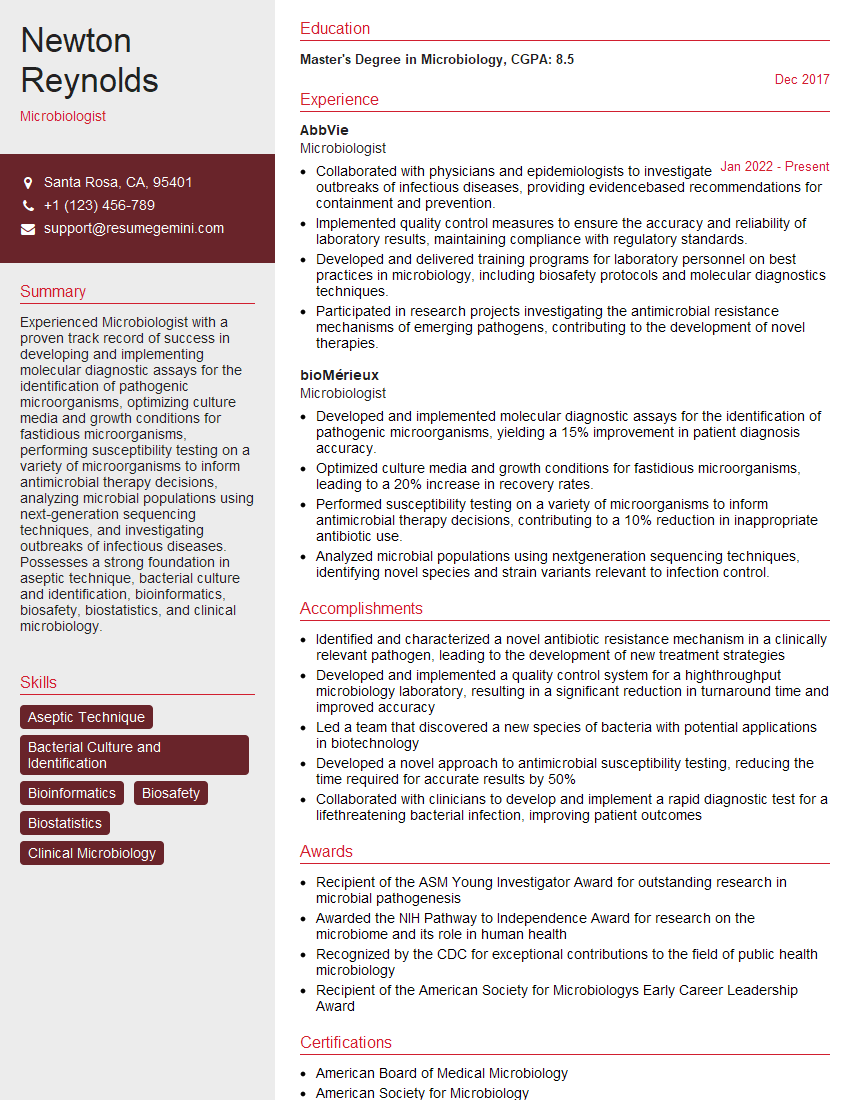
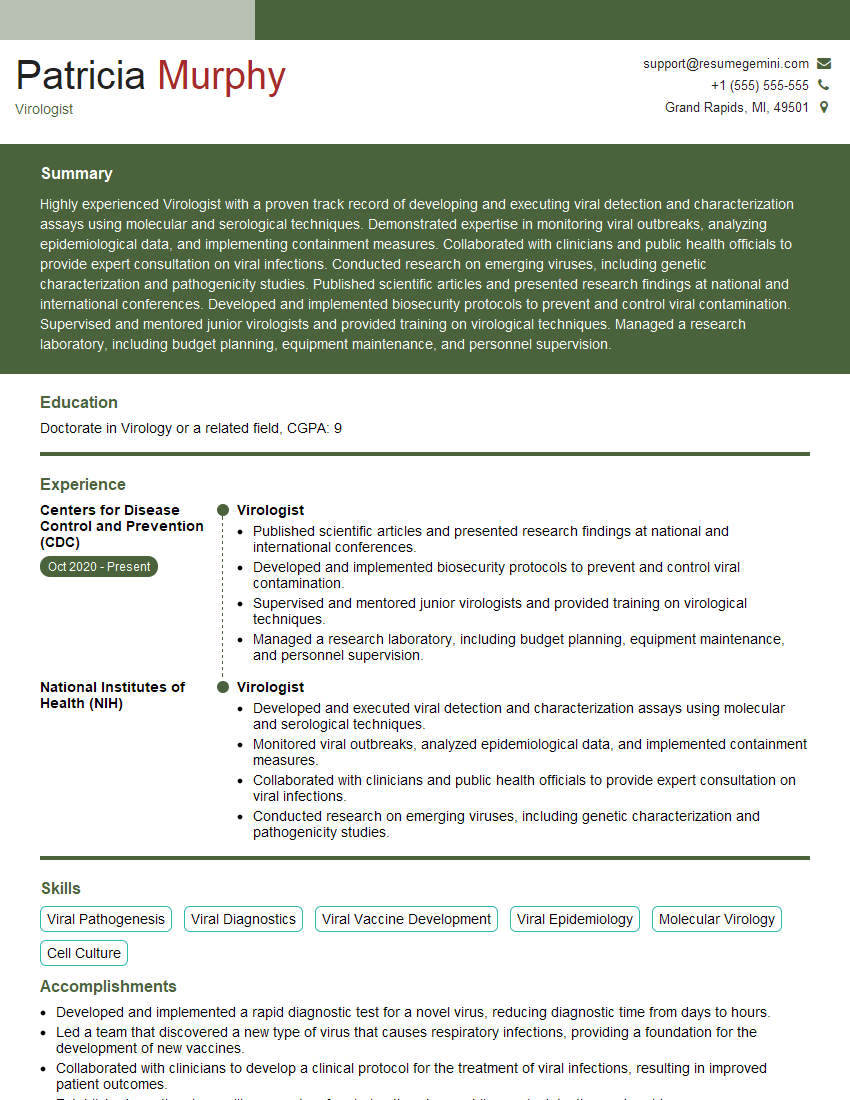
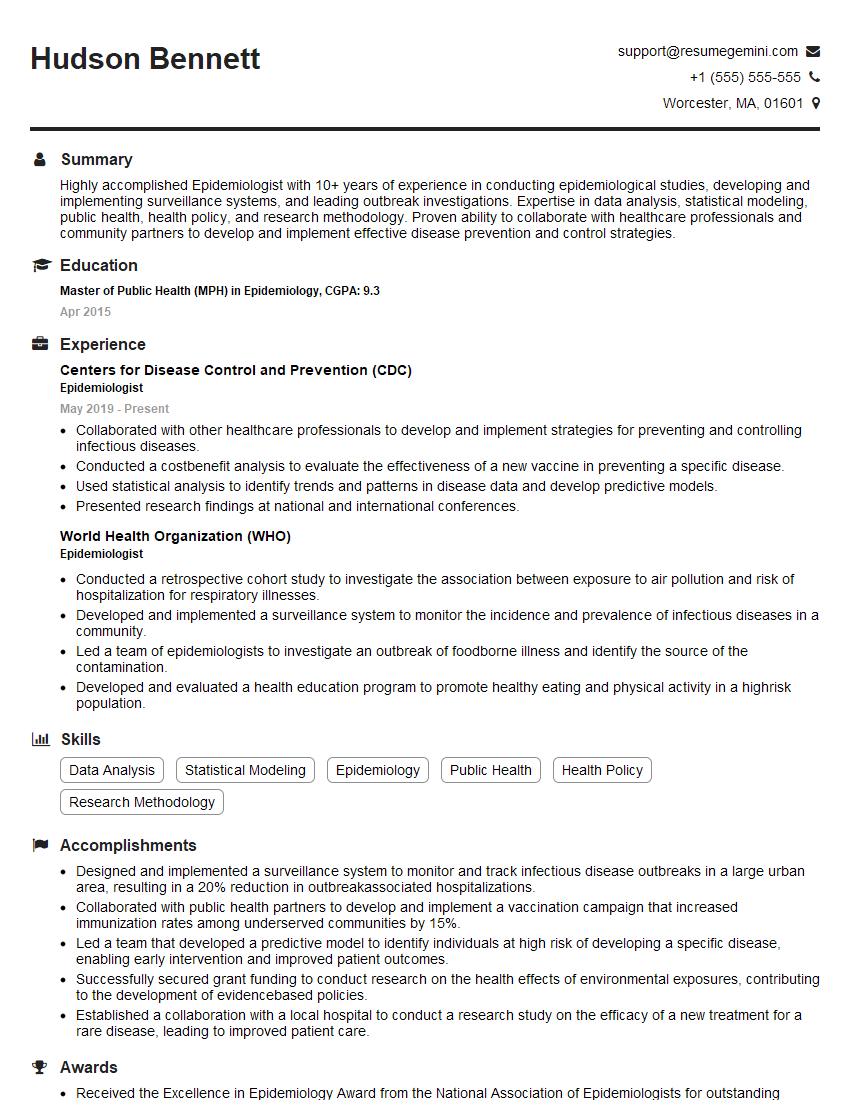
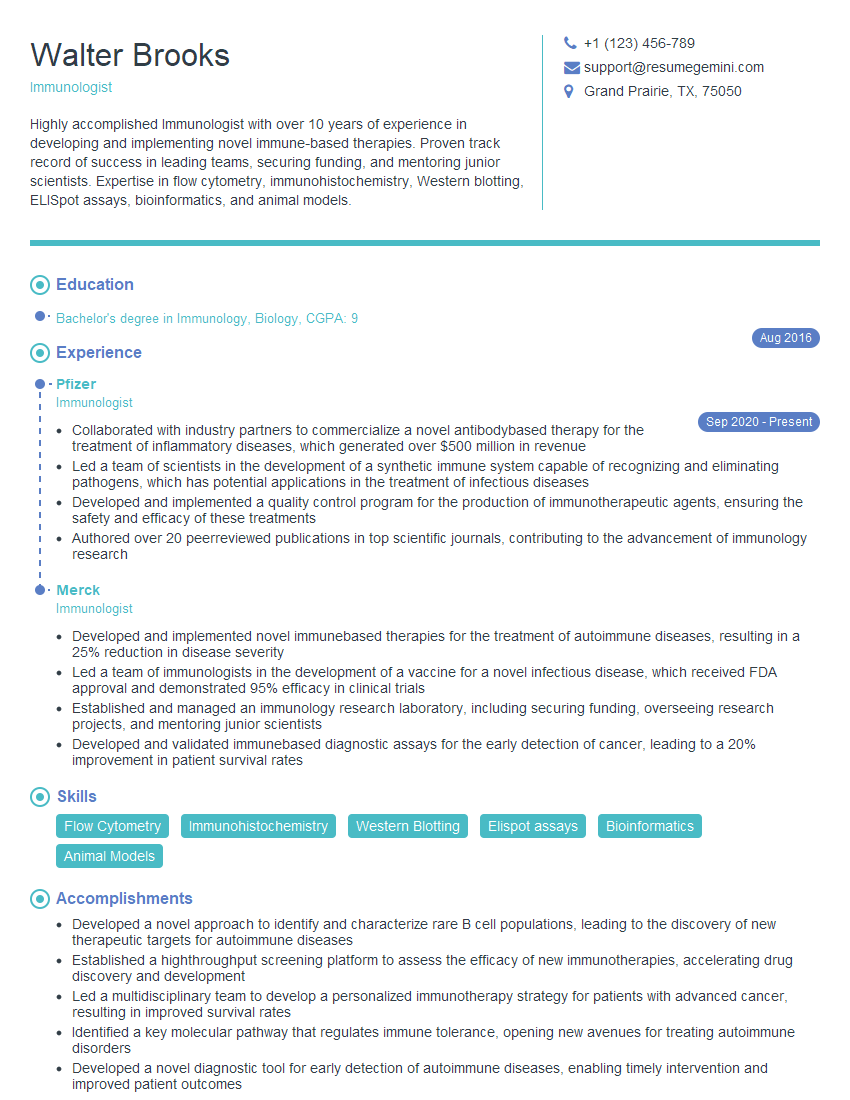
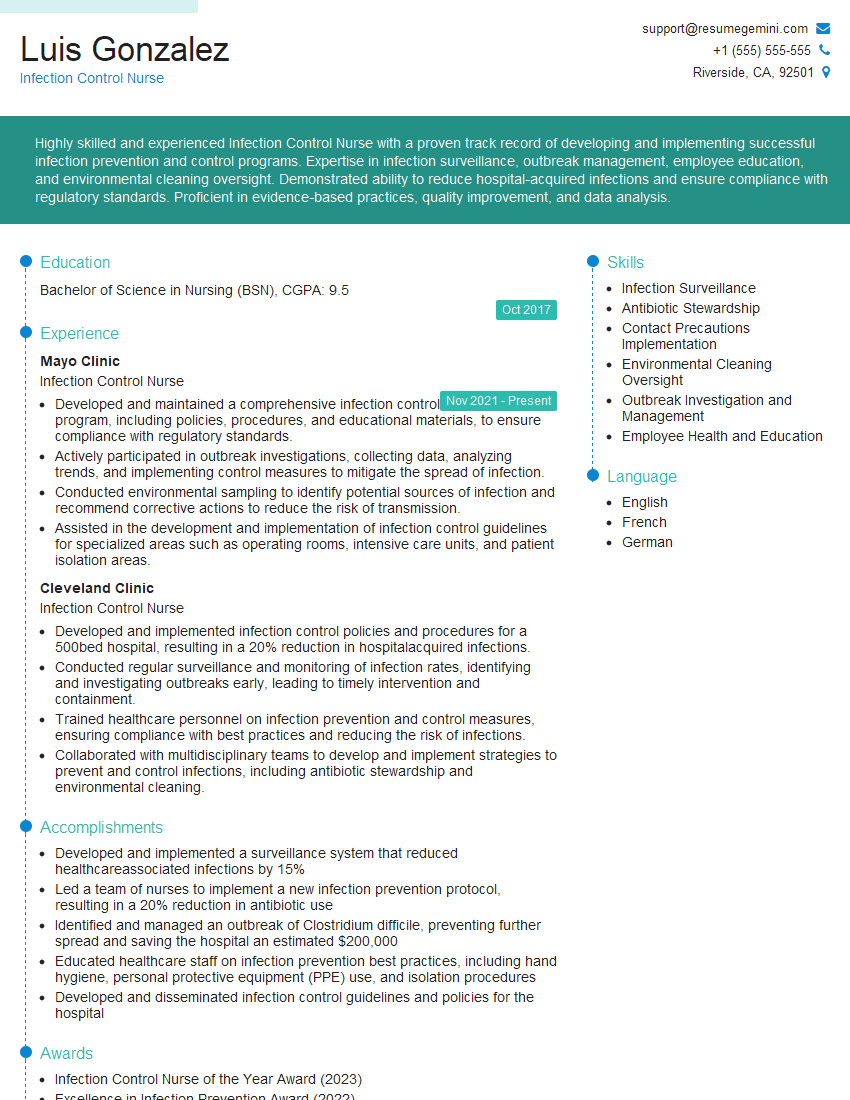
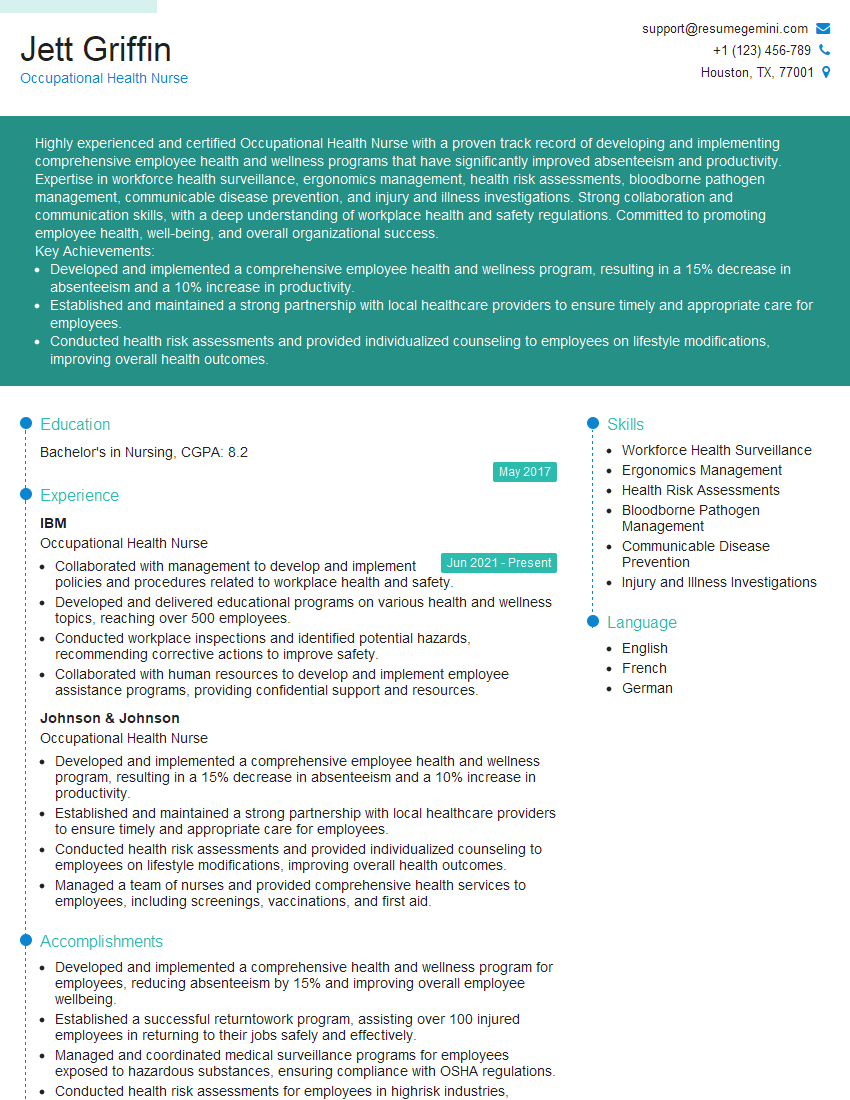
Mastering Vaccination and Treatment Techniques is crucial for career advancement in the healthcare field, opening doors to specialized roles and leadership opportunities. A strong resume is your key to unlocking these prospects. To ensure your qualifications shine, create an ATS-friendly resume that highlights your skills and experience effectively. ResumeGemini is a trusted resource that can help you build a professional and impactful resume. We provide examples of resumes tailored to Vaccination and Treatment Techniques to guide you through the process, helping you present yourself confidently to potential employers.
Explore more articles
Users Rating of Our Blogs
Share Your Experience
We value your feedback! Please rate our content and share your thoughts (optional).
What Readers Say About Our Blog
Really detailed insights and content, thank you for writing this detailed article.
IT gave me an insight and words to use and be able to think of examples