Cracking a skill-specific interview, like one for Vehicle Inspection Protocols, requires understanding the nuances of the role. In this blog, we present the questions you’re most likely to encounter, along with insights into how to answer them effectively. Let’s ensure you’re ready to make a strong impression.
Questions Asked in Vehicle Inspection Protocols Interview
Q 1. Describe your experience with different types of vehicle inspections.
My experience encompasses a wide range of vehicle inspections, from routine safety checks on passenger cars to comprehensive pre-purchase inspections for high-value vehicles and rigorous safety and emissions testing for commercial trucks and buses. I’ve also worked on specialized inspections for modified vehicles, classic cars, and vehicles involved in accidents. Each type requires a different level of scrutiny and specialized knowledge. For instance, a pre-purchase inspection requires a far more detailed assessment of potential mechanical issues than a standard annual safety check, while commercial vehicle inspections demand a deep understanding of safety regulations and load-bearing capacities.
- Passenger Vehicle Inspections: These typically focus on brakes, lights, tires, and overall roadworthiness.
- Pre-Purchase Inspections: Involve a much more thorough examination, including checking the engine, transmission, suspension, and electrical systems.
- Commercial Vehicle Inspections: Cover aspects like braking systems, steering mechanisms, cargo securement, and adherence to weight regulations.
- Emissions Inspections: Focus on testing exhaust emissions to ensure compliance with environmental regulations.
Q 2. Explain the process of conducting a pre-purchase vehicle inspection.
A pre-purchase vehicle inspection is crucial for protecting buyers from costly repairs after purchase. It’s a systematic process that involves a thorough visual and mechanical examination of the vehicle. The process typically starts with a review of the vehicle’s history, including any accident reports or maintenance records. Then, a comprehensive visual inspection is carried out, checking the exterior for damage, tire condition, and fluid leaks. Next, a mechanical inspection is performed, which includes testing the engine, transmission, brakes, steering, suspension, and electrical systems. I often use diagnostic tools to access the vehicle’s onboard computer to check for any fault codes. Finally, a test drive is conducted to assess the vehicle’s overall performance and identify any handling or performance issues. The entire inspection is meticulously documented with photographs and detailed notes of any findings, allowing the buyer to make an informed decision.
- History Check: Verify vehicle history reports for accidents, damage, or maintenance issues.
- Visual Inspection: Examine the exterior for dents, scratches, rust, and any signs of previous repairs.
- Mechanical Inspection: Test the functionality of major components such as the engine, transmission, brakes, steering, and suspension.
- Test Drive: Assess the vehicle’s overall performance, including acceleration, braking, steering, and handling.
- Documentation: Record all findings with photographs and detailed notes.
Q 3. What are the key components of a safety inspection for a commercial vehicle?
Safety inspections for commercial vehicles are far more rigorous than those for passenger vehicles due to the potential risks associated with heavier loads and larger sizes. Key components of a commercial vehicle safety inspection include: a thorough brake system check (including air brakes, if applicable); steering mechanism inspection; suspension and chassis examination; tire condition assessment (including tread depth and sidewall condition); lighting and signal systems verification; cargo securement systems evaluation; and a review of the driver’s logbook for compliance with hours-of-service regulations (where applicable). Additionally, the vehicle’s weight and load distribution are inspected to ensure compliance with legal limits. Any defects found, no matter how minor, are documented thoroughly.
- Braking System: Thorough examination of brake pads, lines, and air pressure (for air brakes).
- Steering Mechanism: Inspection for play, leaks, and proper functionality.
- Suspension and Chassis: Check for damage, wear, and proper alignment.
- Tires: Inspect for tread depth, sidewall damage, and proper inflation.
- Lighting and Signals: Verify the proper functioning of all lights and signals.
- Cargo Securement: Assess the condition and proper use of tie-downs, straps, and other securing mechanisms.
- Driver’s Logbook (if applicable): Review for compliance with hours-of-service regulations.
Q 4. How do you identify and document vehicle defects during an inspection?
Identifying and documenting vehicle defects is crucial for maintaining safety and accountability. The process starts with a systematic visual inspection, followed by functional tests of different components. I use a standardized checklist to ensure nothing is missed. When a defect is identified, I meticulously document it using a combination of written descriptions, digital photographs, and measurements. For example, I might note ‘Brake pad wear at 2mm, requiring immediate replacement’ and include a clear photo showing the worn brake pads. The severity of each defect is classified, usually using a system such as ‘Minor’, ‘Major’, or ‘Critical’, based on its potential impact on safety and roadworthiness. All findings are concisely and unambiguously recorded in the inspection report, which includes detailed descriptions of each defect, their location, and their classification. This detailed documentation helps maintain a clear record of the vehicle’s condition and assists in making informed decisions regarding repairs or maintenance.
Q 5. What are the legal and regulatory requirements for vehicle inspections in your region?
The legal and regulatory requirements for vehicle inspections vary significantly by region. In [Specify your region, e.g., California], regular safety inspections are mandated for passenger vehicles and are usually tied to vehicle registration renewal. Commercial vehicles face stricter and more frequent inspections, often involving both safety and emissions checks. Regulations dictate the specific aspects to be inspected, the frequency of inspections, and the penalties for non-compliance. These rules are defined by state and federal laws, often overseen by departments of motor vehicles or transportation. These agencies publish detailed manuals outlining the procedures and requirements for vehicle inspections. Non-compliance can result in significant fines, vehicle impoundment, and even legal action depending on the severity of the violation. My understanding of these regional laws is constantly updated to maintain compliance with current regulations.
Q 6. Describe your experience with emission testing procedures.
My experience with emission testing procedures involves utilizing sophisticated equipment to measure the levels of pollutants in a vehicle’s exhaust. This typically involves using a dynamometer to simulate road conditions while measuring various gases, including carbon monoxide (CO), hydrocarbons (HC), nitrogen oxides (NOx), and sometimes particulate matter (PM). The results are compared to established emission standards. Procedures often differ based on the vehicle’s age and type of engine (gasoline, diesel). I’m proficient in operating different types of emission testing equipment and interpreting the results accurately. In cases where emissions are outside the acceptable limits, I provide detailed reports indicating areas for potential repairs. I understand the various diagnostic trouble codes (DTCs) that can help pinpoint the source of emission issues.
Q 7. How do you handle discrepancies or disagreements regarding inspection findings?
Discrepancies or disagreements regarding inspection findings are handled professionally and transparently. Firstly, a thorough review of the inspection process is conducted. This involves carefully re-examining the vehicle and the documentation to verify the accuracy of the initial assessment. If there are still disagreements, a second opinion from a senior inspector or a supervisor might be sought. Clear and factual evidence is crucial in resolving these differences. I’ve found that open communication and collaboration are essential in reaching a consensus. If the disagreement persists after these steps, a documented explanation of the differences and the final decision are included in the inspection report. Maintaining transparency and professional conduct throughout the process is crucial to ensure fairness and credibility.
Q 8. What is your experience with using diagnostic tools during vehicle inspections?
My experience with diagnostic tools during vehicle inspections is extensive. I’m proficient in using a wide range of OBD-II scanners, specialized software for accessing manufacturer-specific diagnostic trouble codes (DTCs), and advanced tools like four-gas analyzers for emissions testing and brake testers for assessing braking system efficiency. For example, I recently used an OBD-II scanner to diagnose a check engine light on a customer’s vehicle, identifying a faulty oxygen sensor. This allowed me to accurately report the issue and ensure the vehicle met emission standards. Beyond standard scanners, I also utilize tools for inspecting specific systems like the ABS (Anti-lock Braking System) and airbag modules, interpreting fault codes and determining the necessary repairs. My familiarity with these tools allows me to conduct thorough inspections, identifying even subtle issues that might otherwise be missed.
Q 9. How do you prioritize vehicle repairs based on safety and regulatory concerns?
Prioritizing vehicle repairs hinges on a clear understanding of safety and regulatory compliance. I use a tiered approach: First, I address critical safety concerns, such as severely worn brakes, compromised steering components, or malfunctioning headlights. These directly impact the driver’s and others’ safety and must be rectified immediately. Second, I handle repairs required for legal operation, such as fixing faulty emissions systems to meet regulatory standards (e.g., ensuring a vehicle passes smog checks). Finally, I address less critical issues, such as minor cosmetic damage or routine maintenance like fluid changes, which though important for vehicle longevity, aren’t as urgent from a safety or regulatory perspective. Think of it like this: Imagine a house – you wouldn’t put a new coat of paint on before fixing a gaping hole in the roof. Similarly, safety and compliance always come first in vehicle repair prioritization.
Q 10. Explain your understanding of vehicle maintenance schedules and their impact on inspections.
Vehicle maintenance schedules, as outlined by the manufacturer, are crucial for ensuring a vehicle’s safe and reliable operation. They dictate the frequency of tasks such as oil changes, filter replacements, and tire rotations. These schedules directly impact inspections because adherence to them often indicates a vehicle’s overall condition. A vehicle meticulously maintained according to its schedule is far less likely to exhibit significant wear and tear or mechanical failures during inspection. Conversely, neglecting these schedules can lead to more serious problems, resulting in more significant repairs and potential failure of the inspection. For instance, a vehicle that consistently misses oil changes risks engine damage, a major issue easily spotted during inspection. Therefore, the maintenance schedule acts as a valuable predictor of a vehicle’s condition, simplifying and streamlining the inspection process.
Q 11. Describe your experience with different types of vehicle documentation and reporting.
My experience encompasses various vehicle documentation, including registration certificates, insurance papers, maintenance records, and repair invoices. I also regularly deal with inspection reports that I generate, detailing the condition of the vehicle, any identified defects, and the recommended repairs. Understanding these different documents is crucial. For instance, I’ve used maintenance records to corroborate claims made by vehicle owners regarding previous work, comparing them to the current condition of the vehicle. Additionally, I’m adept at using digital reporting systems, ensuring accurate and efficient recording of inspection results. Being familiar with all these aspects allows for a more holistic understanding of the vehicle’s history and current status.
Q 12. How do you ensure the accuracy and completeness of your inspection reports?
Ensuring accurate and complete inspection reports is paramount. I use a methodical approach: First, a thorough visual inspection is conducted, meticulously documenting any defects using clear, concise language and supporting photographic evidence. Second, diagnostic tools are employed to verify findings and obtain objective data, like DTCs, emission readings, and braking system performance metrics. Third, the report is meticulously reviewed for consistency and completeness, comparing the documented findings with the checklist and ensuring no information is missing. Finally, a standardized format is followed to ensure clarity and avoid ambiguity. This systematic approach significantly reduces errors and helps maintain the credibility of my assessments. Think of it like a surgeon meticulously documenting a procedure – every step must be accurate and accounted for.
Q 13. How do you stay current with changes in vehicle inspection regulations and best practices?
Staying current requires continuous learning. I regularly attend industry seminars and workshops, participate in online training courses offered by regulatory bodies (like the DMV), and actively follow publications and online resources that cover changes in regulations and best practices. Furthermore, I network with other inspectors and engage in professional discussions to share knowledge and stay abreast of emerging trends and technological advancements. For example, new emission standards and vehicle technologies necessitate continuous updates in knowledge and skills. Failing to do so would compromise the accuracy and reliability of my inspections.
Q 14. Describe your experience with inspecting heavy-duty vehicles.
My experience with heavy-duty vehicle inspections includes thorough assessments of braking systems (including air brake systems), suspension components, tire conditions, lighting systems, and cargo securement mechanisms. These inspections require specialized knowledge of commercial vehicle regulations and the use of tools specific to heavy vehicles. For example, I’ve used specialized diagnostic equipment to test the functionality of Electronic Control Modules (ECMs) in heavy-duty trucks, diagnosing issues like ABS malfunctions and engine problems. The safety implications associated with heavy-duty vehicles are significantly higher than those of passenger vehicles, making meticulous and thorough inspections critical. My training and experience ensures I am competent in evaluating these complex systems to identify potential safety hazards effectively.
Q 15. Explain your understanding of different vehicle systems (braking, steering, electrical, etc.).
Understanding vehicle systems is fundamental to effective vehicle inspection. It involves a comprehensive knowledge of how various components interact to ensure safe and reliable operation. Let’s break down key systems:
- Braking System: This includes the hydraulic system (master cylinder, brake lines, calipers/wheel cylinders), brake pads/shoes, rotors/drums, and the parking brake. I assess for leaks, worn components, proper functionality of anti-lock braking systems (ABS), and overall braking efficiency. For example, a low brake fluid level is a clear indication of a potential leak requiring immediate attention.
- Steering System: This encompasses the steering wheel, steering column, tie rods, ball joints, and power steering components (pump, fluid, hoses). I check for play in the steering, worn components, proper alignment, and fluid leaks. A loose tie rod, for instance, significantly compromises steering control and poses a major safety hazard.
- Electrical System: This involves the battery, alternator, starter motor, wiring, lights, and other electrical components. I examine the battery’s charge, the alternator’s output, and the functionality of all lights and signals. A faulty alternator can lead to a complete electrical failure, leaving a vehicle stranded and potentially unsafe.
- Suspension System: This system includes shocks, struts, springs, and bushings. I examine for excessive wear, leaks, or damage which can affect handling and stability. Worn shocks can dramatically increase braking distance and reduce vehicle control.
- Exhaust System: This includes the manifold, catalytic converter, muffler, and tailpipe. I check for leaks, rust, and proper functionality; a leaky exhaust system can introduce dangerous carbon monoxide into the vehicle’s cabin.
Understanding the intricate workings of these systems allows me to effectively identify potential problems, assess their severity, and recommend necessary repairs to ensure roadworthiness.
Career Expert Tips:
- Ace those interviews! Prepare effectively by reviewing the Top 50 Most Common Interview Questions on ResumeGemini.
- Navigate your job search with confidence! Explore a wide range of Career Tips on ResumeGemini. Learn about common challenges and recommendations to overcome them.
- Craft the perfect resume! Master the Art of Resume Writing with ResumeGemini’s guide. Showcase your unique qualifications and achievements effectively.
- Don’t miss out on holiday savings! Build your dream resume with ResumeGemini’s ATS optimized templates.
Q 16. How do you handle situations where you identify major safety defects during an inspection?
When I identify major safety defects, my protocol prioritizes immediate action and the safety of the vehicle and its occupants. I follow these steps:
- Documentation: I meticulously document the defect, including detailed descriptions, photographs, and diagrams, noting the specific location and severity of the issue.
- Vehicle Immobilization: In cases involving severe safety issues (e.g., severely worn brakes, severely cracked steering components), I’ll immediately immobilize the vehicle to prevent further operation until the issue is rectified. This prevents potential accidents.
- Reporting: I clearly communicate the findings to the vehicle owner, explaining the seriousness of the defect and the potential consequences of driving the vehicle in its current condition. I provide a written report with recommendations for repair.
- Rejection: If the defect is critical and cannot be immediately repaired, I will reject the vehicle from passing the inspection until the necessary repairs are performed and verified.
- Follow-up: I maintain records of the inspection and the subsequent repairs to ensure the vehicle’s roadworthiness.
For example, I once identified a completely severed brake line during an inspection. I immediately stopped the inspection, reported the finding to the owner, and prevented them from operating the potentially dangerous vehicle. The vehicle was repaired and re-inspected before being deemed roadworthy.
Q 17. What is your experience with conducting post-accident vehicle inspections?
Post-accident vehicle inspections require a different approach than routine inspections. My experience in this area focuses on determining the cause of the accident and assessing the damage sustained. I carefully document all damage, including:
- Impact points: Identifying the exact points of contact and the direction of the force.
- Structural damage: Assessing the integrity of the vehicle’s frame, chassis, and body.
- Mechanical damage: Examining the condition of the braking, steering, and suspension systems for damage that may have contributed to the accident or resulted from the accident.
- Airbag deployment: Assessing the functionality of the airbag system and ensuring no malfunctions occurred.
- Safety restraint systems: Evaluating the condition of seatbelts and other safety restraints.
This information is crucial for accident reconstruction and insurance claims. I work closely with law enforcement and insurance adjusters to ensure accurate reporting and provide expert analysis of the vehicle’s condition following the incident. The detailed documentation often helps in determining liability and potential contributing factors to the accident.
Q 18. Explain your approach to inspecting vehicles with modified or aftermarket parts.
Inspecting vehicles with modified or aftermarket parts requires careful attention to detail and a thorough understanding of relevant safety regulations. My approach involves:
- Identifying Modifications: I meticulously document all aftermarket parts and modifications, noting their type, manufacturer, and installation quality.
- Safety Compliance: I assess whether the modifications comply with relevant safety standards and regulations. Modifications that affect critical safety systems (brakes, steering, lighting) require extra scrutiny.
- Functionality Assessment: I test the functionality of modified components to ensure they operate as intended and don’t compromise the vehicle’s safety or performance. For example, an aftermarket exhaust system might need to meet noise level standards.
- Structural Integrity: I inspect for any modifications that may have compromised the structural integrity of the vehicle (e.g., improper lift kit installation).
- Documentation: I thoroughly document all modifications and my findings in the inspection report, including any safety concerns or deviations from regulations.
For instance, a vehicle with an aftermarket suspension lift might require a closer examination of the alignment, wheelbase, and overall structural integrity to ensure it hasn’t compromised the vehicle’s stability.
Q 19. How do you ensure the safety and security of your inspection site and equipment?
The safety and security of my inspection site and equipment are paramount. My strategies include:
- Secure Location: I utilize a well-lit, fenced inspection area, minimizing risks from theft or vandalism.
- Equipment Maintenance: I regularly maintain inspection equipment (e.g., brake testers, alignment equipment) to ensure accuracy and reliability. Calibration is performed according to manufacturer specifications.
- Safety Procedures: I adhere to strict safety procedures during inspections, including using appropriate safety gear (gloves, eye protection) and following safe lifting and handling techniques.
- Emergency Procedures: I have established emergency procedures in case of accidents or incidents at the inspection site, including clear communication channels and access to emergency services.
- Inventory Management: I maintain a detailed inventory of inspection equipment and tools, tracking their location and condition.
Safety is not just a checklist; it’s a continuous process. Regular reviews of safety protocols ensure optimal safety conditions.
Q 20. Describe your experience with working with different stakeholders (mechanics, owners, etc.).
Effective communication and collaboration with various stakeholders are vital to successful vehicle inspections. My experience involves:
- Vehicle Owners: I communicate clearly and concisely about the inspection process, findings, and recommendations. I explain technical information in a way that is understandable to non-technical individuals. I strive to build trust and rapport to ensure a positive experience.
- Mechanics: I work collaboratively with mechanics to clarify repair needs and ensure repairs meet safety standards. Open communication ensures effective and efficient repair processes.
- Law Enforcement: In post-accident inspections, I cooperate closely with law enforcement to provide accurate and reliable information for accident reconstruction.
- Insurance Adjusters: I work professionally with insurance adjusters to provide detailed reports for insurance claims.
Building strong relationships with all stakeholders is key to resolving issues smoothly and effectively. Clear communication avoids misunderstandings and ensures everyone is on the same page.
Q 21. What are your strategies for managing your workload and meeting deadlines?
Managing workload and meeting deadlines in a vehicle inspection environment requires effective organizational skills and a proactive approach. My strategies include:
- Scheduling: I use appointment scheduling systems to optimize inspection time slots and avoid unnecessary delays.
- Prioritization: I prioritize inspections based on urgency and safety concerns. Urgent repairs often take precedence.
- Time Management: I utilize time management techniques to efficiently complete inspections within the allocated time frame. This includes minimizing distractions and setting realistic timelines.
- Record Keeping: I maintain detailed records of inspections, ensuring all information is readily accessible. This helps in tracking progress and identifying any bottlenecks.
- Continuous Improvement: I regularly review my workflow to identify areas for improvement and refine my processes for optimal efficiency.
Proactive planning and a focus on efficiency allow me to handle a fluctuating workload effectively while meeting deadlines consistently.
Q 22. Explain your understanding of the different types of vehicle certifications.
Vehicle certifications confirm a vehicle meets specific safety and operational standards. These vary depending on the vehicle type, intended use, and governing regulations. Common types include:
- Periodic Inspection Certificates: Issued after passing routine safety checks (e.g., annual MOT in the UK, state inspections in the US). These verify the vehicle’s roadworthiness at the time of inspection.
- Emissions Certificates: Demonstrate compliance with environmental regulations regarding exhaust emissions. These often involve testing for pollutants like carbon monoxide and hydrocarbons.
- Compliance Certificates: These prove a vehicle conforms to specific design, manufacturing, or modification standards. This could relate to a modified vehicle, a newly manufactured vehicle for sale, or specific regulations like those set by the Department of Transportation (DOT).
- Registration Certificates (Titles): While not strictly an ‘inspection certificate’, this legal document proves vehicle ownership and often includes information about vehicle specifications that were verified during its initial registration.
The specific requirements and format of these certificates will differ by location and governing body. For instance, a DOT certification in the United States will be different from an equivalent European Union certification. Each certificate’s detail ensures the vehicle meets minimum standards before being deemed roadworthy and safe for use.
Q 23. How do you handle difficult or challenging inspections?
Difficult inspections often involve vehicles in poor condition, unclear documentation, or unusual modifications. My approach involves a structured process:
- Thorough Visual Inspection: I start with a comprehensive visual examination, noting any obvious issues, damage, or modifications. This creates a baseline for further investigation.
- Systematic Testing: I follow the established inspection protocol, systematically testing each component. If a component is hard to access, I carefully document my attempts and reasoning to avoid any possibility of overlooking a safety issue.
- Data Recording: I meticulously document all findings, both positive and negative, including photographs or videos where appropriate. This detailed record serves as evidence and supports any decisions made.
- Reference Materials: I consult relevant regulations, repair manuals, and industry best practices to clarify ambiguous situations or determine acceptable repair standards.
- Collaboration: If needed, I consult with colleagues or specialists for assistance or clarification on complex technical issues. It is better to err on the side of caution if I am unsure of an issue.
- Clear Communication: I explain my findings and recommendations clearly and concisely to the vehicle owner, ensuring they understand the implications of any identified faults.
For example, if I suspect a brake system issue, I’ll not only test the brakes but also inspect brake lines, fluid levels, and components for wear and tear, using my knowledge of hydraulic systems to assess the integrity of the system. This meticulous approach helps ensure thoroughness and minimizes the risk of overlooking crucial problems.
Q 24. What is your experience with using inspection software or databases?
I have extensive experience using various inspection software and databases. My experience includes:
- Data Entry and Management: I’m proficient at entering and managing inspection data accurately and efficiently, adhering to data integrity protocols. This helps maintain accuracy of records.
- Diagnostic Software: I’m skilled in using OBD-II scanners and other diagnostic tools to retrieve vehicle data, identifying and documenting fault codes. I’m familiar with various manufacturer-specific diagnostic systems as well.
- Database Reporting: I can generate reports based on inspection data, identifying trends and patterns which can help reveal systemic issues or areas needing improvement in maintenance. This is useful for identifying common failures in various makes and models.
- Software Proficiency: I have experience working with various software, including cloud-based systems. Familiarity with commonly-used database systems is also a key part of this role.
Using inspection software enhances efficiency, reduces paperwork, and enables more streamlined processes, facilitating data analysis for insights into vehicle maintenance and safety. These systems help to improve the overall quality of vehicle inspections.
Q 25. Describe a situation where you had to solve a complex problem during an inspection.
During an inspection of a heavily modified classic car, I discovered inconsistencies between the vehicle’s documentation and its actual modifications. The owner claimed the engine swap was compliant with regulations, but it significantly altered the vehicle’s center of gravity. This raised safety concerns related to handling and stability.
My approach involved:
- Detailed Documentation: I meticulously documented the modifications, taking photos and measurements to compare against the original vehicle specifications and relevant regulations.
- Regulatory Research: I researched the relevant regulations concerning engine swaps and modifications in classic cars, focusing on safety standards.
- Expert Consultation: I consulted with a mechanical engineer specializing in vehicle dynamics to assess the impact of the modifications on the vehicle’s handling and stability.
- Clear Communication: I presented my findings to the owner, explaining the safety concerns and the potential risks associated with the modifications. I outlined the steps needed to bring the vehicle into compliance, which included adjustments to suspension or possibly a different engine.
The problem required expertise across multiple domains – mechanical engineering, vehicle regulations, and communication. The resolution involved careful documentation, thorough research, expert advice, and clear communication to ensure the vehicle’s safety.
Q 26. Explain your understanding of different vehicle inspection standards (e.g., DOT, etc.).
Vehicle inspection standards vary significantly depending on the region and the governing body. I’m familiar with various standards, including:
- DOT (Department of Transportation) Standards (US): These regulate various aspects of vehicle safety, including braking systems, lighting, and emissions. They are crucial for ensuring commercial vehicles are roadworthy.
- FMVSS (Federal Motor Vehicle Safety Standards): These standards, also part of the DOT regulations, apply specifically to new vehicles and establish minimum safety requirements for various components.
- EU Regulations (European Union): The EU has a comprehensive set of vehicle inspection standards, ensuring consistency across member states. These cover a broad range of safety and environmental issues.
- Local Standards: Many regions or states may have their own specific inspection requirements supplementing the national standards. These sometimes cater to unique local road or environmental conditions.
Understanding these standards is crucial for conducting compliant and comprehensive inspections. The specifics of each standard, including testing procedures and acceptable tolerances, must be meticulously followed. Failure to do so can lead to inaccurate assessments and compromise road safety.
Q 27. How do you ensure the confidentiality and security of inspection data?
Confidentiality and security of inspection data are paramount. My approach involves:
- Data Encryption: All data is stored using robust encryption methods both in transit and at rest, protecting it from unauthorized access.
- Access Control: Access to inspection data is restricted to authorized personnel only, with different levels of access based on roles and responsibilities. I strictly adhere to these controls.
- Data Backup and Recovery: Regular backups are performed to protect against data loss, ensuring data integrity and availability.
- Compliance with Regulations: I adhere strictly to all relevant data privacy and security regulations. This often involves complying with GDPR, CCPA, or other similar regional rules.
- Secure Data Handling: I handle all data responsibly, ensuring sensitive information is treated according to the requirements for privacy and data security.
Breaches of data security can have severe consequences, compromising both individual privacy and the integrity of the inspection process. Therefore, responsible data handling is a top priority.
Q 28. What are your career goals related to vehicle inspections?
My career goals center around contributing to a safer and more efficient transportation system through vehicle inspection. I aim to:
- Expand my Expertise: I plan to continue learning about new technologies and inspection techniques, keeping my knowledge current and relevant to industry best practices.
- Leadership Roles: I aspire to take on leadership positions within the field, mentoring others and shaping inspection processes for improved effectiveness.
- Technology Integration: I’m interested in exploring how advanced technologies like AI and machine learning can enhance inspection processes, improving accuracy and efficiency.
- Improved Safety Standards: I’m committed to working towards improved vehicle safety standards, contributing to the reduction of road accidents and enhancing public safety.
My long-term goal is to contribute significantly to making our roads safer through expertise and leadership in the field of vehicle inspection.
Key Topics to Learn for Vehicle Inspection Protocols Interview
- Safety Regulations and Compliance: Understanding federal, state, and local regulations governing vehicle inspections, including knowledge of relevant legal frameworks and penalties for non-compliance.
- Vehicle Systems Inspection: Thorough knowledge of inspecting various vehicle systems such as brakes, steering, suspension, lights, tires, and emissions control systems. Practical application includes knowing how to identify and document defects in each system.
- Documentation and Reporting: Mastering the procedures for accurately documenting inspection findings, completing detailed reports, and using relevant inspection software or databases. This includes understanding the importance of clear, concise, and objective reporting.
- Diagnostic Troubleshooting: Developing problem-solving skills to identify the root cause of vehicle malfunctions based on inspection findings. This includes understanding basic mechanical principles and applying logical deduction to diagnose issues.
- Equipment and Tools: Familiarity with the various tools and equipment used in vehicle inspections, including their proper operation and maintenance. This also involves understanding safety protocols related to equipment usage.
- Ethical Considerations: Understanding the ethical responsibilities of a vehicle inspector, including impartiality, honesty, and adherence to professional standards. This includes recognizing potential conflicts of interest and avoiding bias.
- Specific Inspection Procedures: Deep dive into the detailed steps and checklists involved in different types of vehicle inspections (e.g., pre-purchase inspections, annual safety inspections, emissions testing).
Next Steps
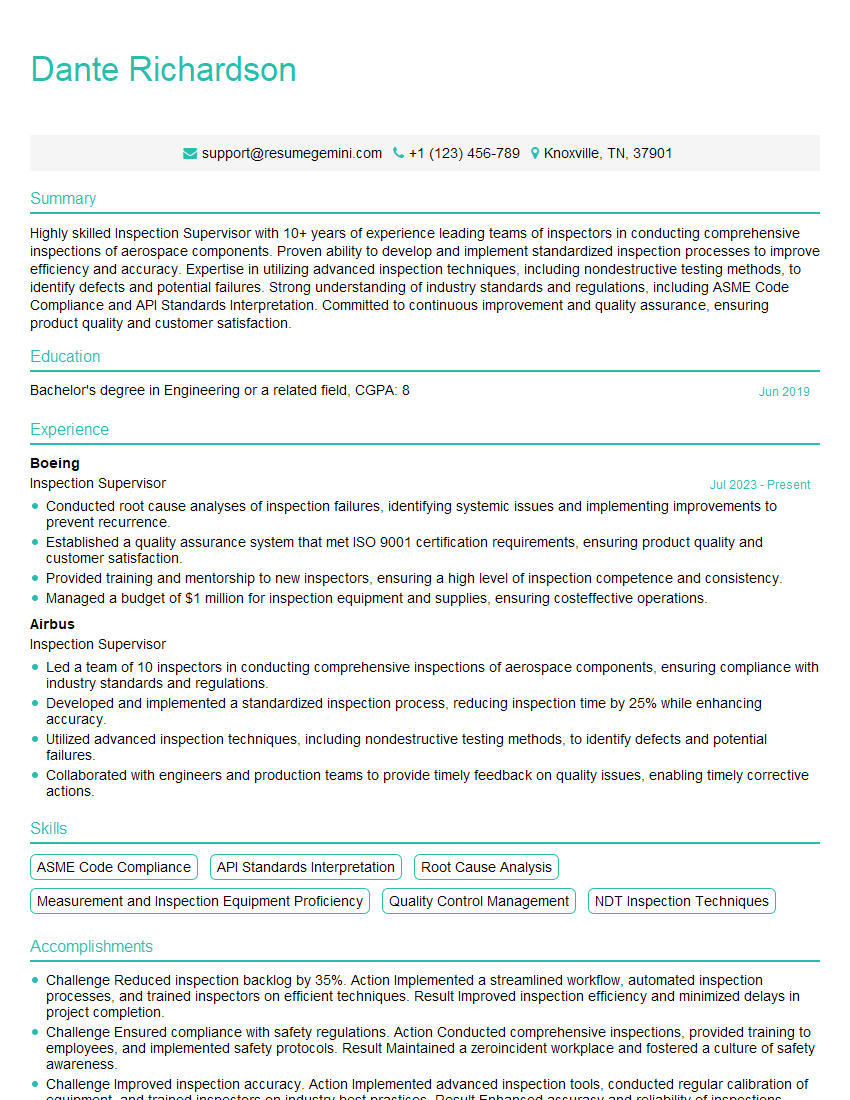
Mastering Vehicle Inspection Protocols is crucial for career advancement in the automotive industry, opening doors to specialized roles and increased earning potential. A strong understanding of these protocols demonstrates your commitment to safety and compliance, making you a highly valuable asset to any organization. To maximize your job prospects, create an ATS-friendly resume that highlights your skills and experience effectively. ResumeGemini is a trusted resource for building professional, impactful resumes. They provide examples of resumes tailored to Vehicle Inspection Protocols, ensuring your application stands out. Use their expertise to craft a resume that showcases your qualifications and lands you your dream job.
Explore more articles
Users Rating of Our Blogs
Share Your Experience
We value your feedback! Please rate our content and share your thoughts (optional).
What Readers Say About Our Blog
Really detailed insights and content, thank you for writing this detailed article.
IT gave me an insight and words to use and be able to think of examples