Interviews are more than just a Q&A session—they’re a chance to prove your worth. This blog dives into essential Visual Inspection and Conformity Checks interview questions and expert tips to help you align your answers with what hiring managers are looking for. Start preparing to shine!
Questions Asked in Visual Inspection and Conformity Checks Interview
Q 1. Describe your experience with various visual inspection methods.
My experience encompasses a wide range of visual inspection methods, from simple visual checks to sophisticated techniques aided by technology. I’m proficient in various methods, including:
- Direct Visual Inspection: This involves a thorough, naked-eye examination of a product or component for defects. For instance, checking a circuit board for missing components or solder bridges.
- Magnified Visual Inspection: Using magnifying glasses or microscopes allows for the detection of very small defects, such as surface cracks in a precision machined part, invisible to the naked eye.
- Borescope Inspection: This is particularly useful for examining internal cavities or hard-to-reach areas, such as inspecting the interior of a pipe for corrosion or obstructions. I’ve used borescopes extensively in aerospace quality control.
- Digital Imaging and Video Inspection: Using cameras and specialized software, this method allows for detailed image capture, analysis, and documentation of defects. This is especially useful for archiving inspection results and for facilitating collaboration within a team.
- Automated Visual Inspection (AVI): I have experience working with automated systems using machine vision technologies such as computer vision algorithms and pattern recognition for high-throughput inspection applications, including automotive part inspection.
Each method is chosen based on the specific requirements of the product, the type of defects to be detected, and the level of detail required.
Q 2. How do you ensure accuracy and consistency in your visual inspections?
Accuracy and consistency are paramount in visual inspection. I ensure these through several key strategies:
- Standardized Procedures: Adhering to meticulously defined inspection procedures, checklists, and work instructions ensures everyone inspects the same features using the same criteria. This minimizes variability introduced by individual inspectors.
- Calibration and Verification: All measuring instruments (magnifiers, micrometers, etc.) are regularly calibrated and verified to ensure their accuracy. This includes maintaining detailed calibration records.
- Training and Certification: Inspectors receive comprehensive training on proper inspection techniques, defect recognition, and the use of relevant equipment. Regular proficiency testing helps maintain skill levels and identify any skill gaps.
- Checklists and Documentation: Using detailed checklists ensures that all required aspects of the inspection are covered. Thorough documentation of findings, including photos and detailed descriptions, helps maintain a verifiable audit trail.
- Inter-Inspector Agreement Studies: Periodically, we conduct inter-inspector agreement studies to assess the consistency of findings between different inspectors. This helps identify any discrepancies and ensures that the interpretation of standards is uniform.
- Statistical Process Control (SPC): Applying SPC techniques allows for continuous monitoring of the inspection process itself. This helps identify trends and potential sources of variation, enabling proactive corrective action.
Think of it like baking a cake: a consistent recipe (procedure), precise measurements (calibration), and skilled baker (training) ensure a consistently good result.
Q 3. What are the key differences between random and systematic sampling in visual inspection?
Random and systematic sampling are two distinct approaches to selecting items for inspection. The choice depends on the inspection goals and the characteristics of the population being inspected.
- Random Sampling: Each item in the population has an equal chance of being selected for inspection. This approach is suitable when there’s no prior knowledge of defect distribution and you want an unbiased representation of the overall quality. Think of it like drawing lottery numbers – each has an equal probability of being chosen.
- Systematic Sampling: Items are selected at regular intervals (e.g., every 10th item). This method is simpler and often more efficient than random sampling but can be less representative if there’s a pattern in the defect distribution. Imagine inspecting every 10th car on an assembly line.
For instance, in a batch of 1000 manufactured parts, random sampling might select 50 parts randomly for inspection, while systematic sampling might inspect every 20th part (resulting in 50 inspections). The choice depends on the context; random sampling offers higher statistical validity, while systematic sampling is easier to implement.
Q 4. Explain your experience with different types of measuring instruments used in visual inspection.
My experience includes the use of a variety of measuring instruments, depending on the specific inspection task. These include:
- Magnifying glasses and microscopes: For detailed examination of small features and defects.
- Calipers and micrometers: For precise measurements of dimensions.
- Gauges: For checking conformance to specific tolerances (e.g., go/no-go gauges).
- Optical comparators: For comparing the inspected part against a master drawing or template.
- Coordinate Measuring Machines (CMMs): For high-precision, three-dimensional measurements.
- Thickness gauges: For measuring coating thickness or material thickness
The selection of the appropriate instrument is crucial for obtaining accurate and reliable inspection results. For example, a simple caliper might suffice for measuring the diameter of a bolt, while a CMM might be required for a complex, intricately shaped component.
Q 5. How do you handle discrepancies found during a visual inspection?
Discrepancies found during visual inspection require careful handling to ensure the issue is addressed and prevented from recurring. My approach involves the following steps:
- Verification: The discrepancy is first verified by re-inspecting the item and using different methods if needed. This helps rule out any errors in the initial inspection.
- Documentation: The discrepancy, including its location, type, severity, and any associated images or measurements, is meticulously documented.
- Root Cause Analysis (RCA): An RCA is initiated to determine the underlying cause of the discrepancy. This may involve interviewing personnel, reviewing production records, and analyzing the process.
- Corrective Action: Based on the RCA findings, corrective actions are implemented to prevent similar discrepancies from occurring. This may involve process adjustments, equipment repairs, or operator retraining.
- Verification of Corrective Action: The effectiveness of the corrective action is verified through further inspection and monitoring.
- Reporting: The discrepancy, root cause analysis, corrective actions, and verification results are formally reported to the relevant stakeholders.
This systematic approach is crucial for ensuring product quality and continuous improvement. For example, if a batch of parts shows excessive surface scratches, the RCA might reveal a problem with the finishing process, leading to a machine adjustment or operator training.
Q 6. Describe your experience with documentation and reporting of inspection findings.
Documentation and reporting of inspection findings are vital for maintaining traceability, ensuring accountability, and facilitating continuous improvement. My experience encompasses:
- Inspection Reports: I prepare comprehensive reports detailing the inspection process, findings, discrepancies, and corrective actions. These reports include clear and concise descriptions, relevant images, and numerical data.
- Statistical Data Analysis: I analyze inspection data to identify trends, patterns, and potential sources of variation. This analysis supports continuous improvement initiatives.
- Database Management: I am proficient in using database systems to store and manage inspection records. This facilitates efficient retrieval and analysis of inspection data over time.
- Digital Image Management: I am skilled in the organization and management of digital images and videos acquired during inspections. This enables efficient review and sharing of inspection evidence.
- Nonconformance Reporting: I am experienced in documenting and reporting nonconformances according to established quality management systems (e.g., ISO 9001). This ensures that defects are tracked and addressed.
In short, I ensure that all inspection data is accurately recorded, readily accessible, and clearly presented to support informed decision-making.
Q 7. How familiar are you with statistical process control (SPC) charts?
I am very familiar with statistical process control (SPC) charts. These charts are essential tools for monitoring process variability and identifying potential problems before they escalate. My experience includes using various types of SPC charts, including:
- Control Charts (X-bar and R charts, p-charts, c-charts): These charts visually display process data over time, highlighting trends, shifts, and out-of-control conditions. For example, an X-bar and R chart would track the average and range of measurements of a critical dimension during an inspection.
- Process Capability Analysis: I use process capability studies (Cp, Cpk) to assess the ability of a process to consistently produce output within specified tolerances. This data is critical for determining if a process is capable of meeting the customer’s requirements.
- Pareto Charts: These charts help to identify the ‘vital few’ defects or causes of variation that contribute the most to overall problems. This assists in prioritization of corrective actions.
SPC charts are invaluable for proactive quality management. By regularly monitoring process parameters and interpreting SPC charts, potential problems can be identified and corrected before they result in significant defects or scrap, saving time and resources. For example, a sudden increase in variation on a control chart might indicate a need for equipment maintenance or operator retraining.
Q 8. What are the common defects you look for during visual inspections?
Visual inspections uncover a wide array of defects, depending on the product or component being examined. Common categories include:
- Surface imperfections: Scratches, dents, gouges, pitting, discoloration, and excessive roughness. Imagine inspecting a freshly painted car – any imperfection in the paint would fall here.
- Dimensional inaccuracies: Variations from the specified dimensions, such as incorrect length, width, height, or diameter. Think of a manufactured part where even slight deviations can affect functionality.
- Material flaws: Inclusions, voids, cracks, porosity, delamination, or other irregularities within the material itself. This might involve examining a metal casting for air pockets that could compromise strength.
- Assembly errors: Loose or missing parts, incorrect orientation of components, misalignment, or improper fastening. Picture assembling furniture – a missing screw or improperly aligned leg would be a clear assembly error.
- Damage: Physical damage from handling, shipping, or prior processing. This could range from a broken handle on a tool to a cracked screen on a phone.
The specific defects targeted will always depend upon the product specifications, industry standards, and the inspection checklist.
Q 9. How do you maintain your inspection tools and equipment?
Maintaining inspection tools and equipment is critical for accurate and reliable results. My approach is threefold:
- Regular Cleaning and Calibration: I clean all tools after each use, following the manufacturer’s instructions. Measuring instruments, such as calipers and micrometers, are regularly calibrated against certified standards to ensure accuracy. Think of a chef regularly sharpening their knives – precision is paramount.
- Proper Storage: Tools are stored in designated areas, protected from damage, dust, and extreme temperatures. This prevents wear and tear and prolongs their lifespan. This is similar to how a mechanic keeps their tools organized and protected.
- Preventive Maintenance: I follow scheduled maintenance procedures, including lubrication and minor repairs as needed. This proactive approach minimizes downtime and ensures that the tools remain in optimal working condition. A preventative maintenance schedule is like a health checkup for your tools.
Detailed records are maintained for all calibrations and maintenance activities, ensuring traceability and compliance.
Q 10. What are the safety precautions you take during visual inspections?
Safety is my top priority during visual inspections. My procedures include:
- Personal Protective Equipment (PPE): I always wear appropriate PPE, which may include safety glasses, gloves, hearing protection, and steel-toe boots, depending on the environment and the materials being inspected. Safety first is never negotiable.
- Hazard Identification and Risk Assessment: Before starting any inspection, I conduct a thorough risk assessment to identify potential hazards, such as moving machinery, hazardous materials, or confined spaces. This step is about planning for safety, anticipating problems.
- Ergonomic Practices: I use proper lifting techniques and avoid awkward postures to prevent injuries. Using proper posture is crucial for maintaining long-term health and efficiency.
- Environmental Awareness: I am aware of potential environmental hazards, such as dust, fumes, or noise, and take necessary precautions. Safety extends beyond the personal to the surrounding environment.
- Emergency Procedures: I am familiar with the emergency procedures in place and know how to react in case of an accident or emergency. Being prepared is key to responding effectively to unforeseen situations.
Q 11. Explain your understanding of the principles of dimensional inspection.
Dimensional inspection verifies that a product or component conforms to its specified dimensions. It relies on several principles:
- Measurement Techniques: Accurate measurements are obtained using various tools, including rulers, calipers, micrometers, coordinate measuring machines (CMMs), and optical measuring systems. The choice of tool depends on the required precision and the complexity of the part.
- Tolerance Limits: Each dimension has an allowable range of variation, known as tolerance. Dimensions that fall outside the specified tolerance are considered defective. Think of it like a recipe – you can have slight variations in ingredients, but beyond a certain point, the dish will be ruined.
- Statistical Process Control (SPC): SPC techniques are used to monitor and control the variation in dimensions during manufacturing. Control charts help identify trends and potential problems before they lead to widespread defects.
- Geometric Dimensioning and Tolerancing (GD&T): GD&T is a standardized system for specifying and interpreting tolerances on drawings. It provides a more precise and comprehensive way to define dimensional requirements than simple plus/minus tolerances. This is like a more advanced recipe that specifies exactly how much variation is acceptable.
Understanding these principles enables efficient and accurate dimensional verification.
Q 12. How do you manage your workload and prioritize tasks during inspections?
Effective workload management is essential for efficient and accurate inspections. I use a combination of strategies:
- Prioritization: I prioritize tasks based on urgency and criticality. Critical components or those with a higher risk of failure are inspected first. This ensures that the most important items get the attention they need.
- Planning and Scheduling: I create a detailed schedule for each inspection, allocating sufficient time for each task. This prevents rushing and ensures thoroughness.
- Time Management Techniques: I use techniques such as time blocking and the Pomodoro Technique to improve focus and productivity. These methods help me stay on track and avoid distractions.
- Workflow Optimization: I continuously look for ways to streamline my workflow and eliminate unnecessary steps. This makes the inspection process more efficient and reduces potential errors.
- Collaboration and Communication: I communicate effectively with my colleagues and supervisors to clarify requirements, resolve issues, and ensure timely completion of tasks. Clear communication prevents misunderstandings and delays.
By combining these strategies, I ensure that all inspections are completed accurately and efficiently.
Q 13. Describe a time you identified a critical defect that was missed by others.
During an inspection of a batch of circuit boards, I noticed a subtle discoloration around a specific component on several boards. My colleagues had initially dismissed it as insignificant, but my experience told me it could indicate a potential soldering defect leading to intermittent failures. A closer examination using magnification revealed tiny cracks in the solder joints, which were confirmed through further testing. This highlighted a critical defect that could have led to significant field failures had it gone undetected. It reinforced the importance of meticulous attention to detail and trusting one’s instincts during inspections – sometimes, what appears insignificant can reveal a significant problem.
Q 14. How do you ensure that your inspection process complies with relevant standards and regulations?
Compliance with relevant standards and regulations is crucial. My approach involves:
- Knowledge of Standards: I maintain a thorough understanding of all applicable industry standards, including ISO 9001, IATF 16949 (if applicable to automotive), and any other specific regulations relevant to the products I inspect. Knowing these standards is foundational to my work.
- Reference Materials: I regularly consult relevant documentation, including product specifications, drawings, and inspection procedures. These documents guide my actions and ensure consistency.
- Calibration and Traceability: All measuring equipment is calibrated to traceable standards, ensuring the accuracy of my measurements. This traceability is critical for verifying compliance.
- Documentation: I meticulously document all inspection activities, including findings, measurements, and corrective actions. Detailed records provide evidence of compliance and enable continuous improvement.
- Regular Audits: I participate in regular internal and external audits to ensure ongoing compliance with all applicable standards. These audits provide valuable feedback and identify areas for improvement.
This multifaceted approach ensures that my inspection process adheres to the highest standards of quality and safety.
Q 15. What software or systems are you familiar with for managing inspection data?
I’m proficient in several software systems for managing inspection data. These range from simple spreadsheet programs like Microsoft Excel, which I use for basic data entry and analysis of smaller projects, to more sophisticated Computerized Maintenance Management Systems (CMMS) like SAP PM or IBM Maximo. These CMMS platforms allow for comprehensive tracking of inspections, including scheduling, assigning inspectors, recording findings, generating reports, and integrating with other enterprise systems. I also have experience with specialized inspection software tailored to specific industries or applications. For instance, I’ve used software dedicated to managing dimensional inspection data from coordinate measuring machines (CMMs), where results are automatically recorded and analyzed. My choice of software always depends on the project’s scope and complexity; a small-scale project might only require Excel, while a large-scale manufacturing operation would necessitate a robust CMMS or industry-specific software.
For example, in a previous role involving the inspection of aircraft components, we used a system that integrated directly with the maintenance logs. This ensured complete traceability and facilitated compliance with stringent aviation regulations. The system allowed us to easily generate reports demonstrating that all required inspections had been conducted, the results were within acceptable limits, and any necessary corrective actions were taken.
Career Expert Tips:
- Ace those interviews! Prepare effectively by reviewing the Top 50 Most Common Interview Questions on ResumeGemini.
- Navigate your job search with confidence! Explore a wide range of Career Tips on ResumeGemini. Learn about common challenges and recommendations to overcome them.
- Craft the perfect resume! Master the Art of Resume Writing with ResumeGemini’s guide. Showcase your unique qualifications and achievements effectively.
- Don’t miss out on holiday savings! Build your dream resume with ResumeGemini’s ATS optimized templates.
Q 16. Describe your experience with using visual aids such as magnifiers, microscopes, or borescopes.
Visual aids are critical for my work, and I’m experienced with a wide array of tools. This includes basic magnifiers for examining fine details, optical microscopes for high-magnification analysis of surface features and microstructural characteristics, and borescopes for inspecting internal components that aren’t easily accessible. I’m familiar with different types of microscopes, including stereo microscopes for three-dimensional viewing and metallurgical microscopes for analyzing the structure of materials. Beyond these, I’ve used video borescopes which offer the added advantage of recording images and video for documentation and sharing findings. The selection of the appropriate tool depends entirely on the specifics of the inspection task – the size and accessibility of the part, the level of detail required, and the need for documentation.
For instance, when inspecting the fine solder joints on a printed circuit board, a stereo microscope would be invaluable for clear visualization. In contrast, a borescope would be necessary for inspecting the interior of a pipe for corrosion or damage. In each case, the image capture capability of the equipment allows for detailed documentation of the inspection findings.
Q 17. How do you handle challenging or ambiguous inspection situations?
Ambiguous or challenging inspection situations require a systematic approach. My first step is thorough documentation. I carefully record all observations, including any inconsistencies or areas of uncertainty. Then I consult relevant specifications, drawings, and standards to determine the acceptance criteria. If ambiguity persists, I escalate the issue to a senior inspector or engineer for clarification. This might involve discussing the potential interpretations of the specifications or conducting further testing to resolve the uncertainty. I always prioritize clear communication and collaboration to ensure consistent and accurate interpretations.
For example, if I encounter a surface imperfection that falls close to the acceptance criteria, I document the finding meticulously, including photographs and detailed measurements. I might then consult the engineering team to determine whether the imperfection is likely to affect the functionality of the component. Their input helps in making an informed decision about whether the part should be accepted or rejected.
Q 18. Explain your understanding of different types of surface finishes and their inspection methods.
Understanding surface finishes is vital in visual inspection. Different finishes—such as polished, brushed, matte, or textured—have specific properties and inspection methods.
- Polished surfaces require examination for scratches, pits, or other imperfections that might compromise their reflectivity or smoothness. Inspection involves visual examination under appropriate lighting, sometimes aided by magnification.
- Brushed finishes are assessed for the uniformity of the brush marks and the absence of defects that disrupt the pattern.
- Matte finishes are checked for uniformity of texture and the absence of obvious defects.
- Textured surfaces are inspected for the consistency of the texture pattern, depth, and any deviations from the specifications.
Inspection methods vary depending on the finish. Visual inspection often suffices, but specialized instruments like surface roughness meters might be used to quantify surface texture. The acceptance criteria are usually defined in the specifications, which might include permissible levels of roughness or the maximum acceptable number of defects per unit area. For example, a highly polished surface used in optics requires far more stringent quality control compared to a textured surface used on a handrail.
Q 19. What are your skills in interpreting technical drawings and specifications?
Interpreting technical drawings and specifications is a fundamental skill for my role. I’m proficient in reading and understanding various types of drawings, including orthographic projections, isometric views, and cross-sections. I can identify dimensions, tolerances, material specifications, and surface finish requirements. I’m familiar with different standards and symbols used in technical documentation, such as those defined by ANSI or ISO. My interpretation isn’t limited to just reading; I can also identify potential design flaws or inconsistencies in the drawings.
For example, I can readily understand a drawing that specifies a 0.005-inch tolerance on a critical dimension and ensure that any measured deviations are within these bounds during inspection. Furthermore, I understand the implications of different tolerance types, such as unilateral or bilateral, and can apply this knowledge to ensure compliance during the inspection process. This ensures that the inspected parts meet the design intent and performance requirements.
Q 20. How do you handle pressure and meet deadlines in a fast-paced inspection environment?
Fast-paced inspection environments require efficiency and organization. I prioritize tasks based on urgency and criticality, utilizing tools like checklists and scheduling software to manage my workload effectively. I’m adept at working under pressure while maintaining attention to detail. Proactive communication with my team and supervisors is key to addressing potential delays or resource constraints. I’m also comfortable multitasking and adapting to changing priorities.
In a previous role, we were facing a tight deadline to inspect a large batch of parts before shipment. I streamlined the inspection process by optimizing the workflow and delegating tasks where appropriate. Through focused effort and teamwork, we successfully completed the inspection on time and to the required quality standards.
Q 21. Explain your experience with non-destructive testing (NDT) techniques.
While my primary expertise is visual inspection, I possess working knowledge of several non-destructive testing (NDT) techniques. This includes familiarity with dye penetrant inspection (DPI), magnetic particle inspection (MPI), and ultrasonic testing (UT). I understand the principles behind each method, their applications, and their limitations. I can interpret the results of these tests and recognize indications of defects. While I may not perform the actual NDT procedures myself (that would usually be the role of a certified NDT technician), I can work effectively with NDT technicians and interpret their findings to assess the overall quality of the components.
For example, during an inspection of a welded joint, I might work alongside an NDT technician who performs a UT test. I’d then review the UT results, understanding the significance of any indications of flaws, such as cracks or porosity, and determining their relevance to the overall acceptability of the weld based on the applicable standards and specifications. This collaborative approach leverages the strengths of both visual and NDT methods for thorough quality control.
Q 22. Describe your understanding of colorimetric analysis in visual inspection.
Colorimetric analysis in visual inspection involves assessing the color of a product or material to determine its conformity to specifications. It’s not just about whether something is ‘red’ or ‘blue,’ but rather precise measurements of color properties like hue, saturation, and brightness (or lightness). This is crucial for quality control in many industries, from textiles to automotive manufacturing.
For instance, imagine inspecting car parts. A slight deviation in the shade of red paint could indicate a batch problem or incorrect application. Colorimetric analysis uses instruments like spectrophotometers to objectively measure these color differences, providing quantitative data rather than relying on subjective visual judgment. The data is often compared against a pre-defined standard or tolerance range to determine acceptability. Software then analyzes the readings and provides a report detailing the color differences, helping to identify defects or inconsistencies quickly and accurately. This avoids costly rework or product recalls based on potentially unreliable human observation.
Q 23. How do you calibrate and maintain your measuring equipment to ensure accuracy?
Calibrating and maintaining measuring equipment is paramount for ensuring accurate and reliable visual inspection results. Think of it like regularly tuning a musical instrument – you need to ensure it’s playing the right notes! For colorimetric instruments like spectrophotometers, we typically follow a multi-step process:
- Regular Calibration: We use standardized color calibration tiles or reference materials (e.g., ceramic tiles with certified color values) to calibrate the instrument according to the manufacturer’s instructions. This process ensures the instrument’s readings align with established standards. The frequency of calibration depends on usage and instrument specifications, often daily or weekly.
- Cleaning and Maintenance: Regular cleaning is vital. Dust, fingerprints, or scratches on the instrument’s optical components can affect readings. We use approved cleaning solutions and materials to keep the device in pristine condition. We also check for any mechanical issues, such as loose parts or damaged sensors.
- Verification: After calibration and cleaning, we perform verification checks using control samples with known color values. This ensures the calibration was successful and the instrument is operating within acceptable tolerances. Any discrepancies trigger further investigation and adjustments.
- Documentation: All calibration and maintenance activities are meticulously documented, including dates, calibration standards used, and results of verification checks. This documentation provides a detailed audit trail and ensures traceability.
Failure to maintain and calibrate the equipment can lead to inaccurate measurements, resulting in incorrect assessments of product quality and potential financial losses due to unnecessary rework or faulty products passing inspection.
Q 24. Explain your experience with different types of lighting techniques in visual inspection.
Lighting is a critical element in visual inspection, profoundly impacting the accuracy and efficiency of the process. Different lighting techniques reveal different aspects of a product’s surface. My experience encompasses several techniques:
- Diffuse Lighting: This minimizes shadows and highlights surface imperfections like scratches or dents, using soft, evenly distributed light sources. It’s ideal for detecting minor flaws on relatively flat surfaces.
- Direct Lighting: Using a single, focused light source, direct lighting accentuates surface texture, highlighting raised edges or surface irregularities. It’s effective for detecting surface details but can produce harsh shadows.
- Backlighting: Placing the light source behind the inspected object makes defects like cracks or pinholes easily visible as they allow light to pass through. This technique is useful when checking for internal flaws or transparency.
- Angle Lighting: This uses multiple light sources at different angles to reveal surface inconsistencies. By changing the angles, different surface irregularities become more prominent.
- UV Lighting (Ultraviolet): Useful for detecting specific substances or coatings that fluoresce under UV light, such as certain adhesives or contaminants.
In practice, I often combine these techniques. For example, I might use diffuse lighting for initial inspection and then switch to angled lighting to focus on potentially problematic areas. The selection of appropriate lighting techniques depends heavily on the nature of the product and the type of defects being inspected. This ensures that the inspection is both thorough and efficient.
Q 25. What are some common sources of error in visual inspection?
Visual inspection, while seemingly straightforward, is susceptible to various sources of error. These can be broadly categorized into:
- Human Factors: Fatigue, inattention, lack of training, and inconsistent application of inspection criteria can lead to errors. For example, an inspector might miss a small defect after hours of repetitive work.
- Environmental Factors: Poor lighting, glare, vibrations, or temperature fluctuations can negatively affect the inspector’s ability to accurately assess a product’s condition. Incorrect lighting can mask defects, while vibrations can make it difficult to maintain focus.
- Equipment Limitations: The resolution and accuracy of the inspection equipment are limiting factors. A low-resolution camera might miss small flaws, while poorly calibrated instruments could provide inaccurate measurements.
- Ambiguity in Standards: Vague or poorly defined acceptance criteria can lead to inconsistent interpretations and errors in judgment. Clear, well-defined standards are essential for minimizing this type of error.
Recognizing and addressing these sources of error is critical to improving the accuracy and reliability of the visual inspection process.
Q 26. How do you mitigate risks associated with human error in visual inspection?
Mitigating risks associated with human error is crucial for maintaining the integrity of visual inspection. My approach combines several strategies:
- Training and Certification: Thorough training programs focusing on proper inspection techniques, lighting use, and the interpretation of standards are crucial. Certification ensures inspectors possess the necessary skills and knowledge.
- Work Rotation and Breaks: To reduce fatigue and maintain focus, we implement work rotation and regular breaks, preventing inspectors from becoming overly tired and making mistakes.
- Checklists and Standardized Procedures: Using pre-defined checklists and standardized procedures helps inspectors follow a systematic approach, minimizing the chance of overlooking critical steps or defects.
- Multiple Inspectors: For critical inspections, having multiple inspectors independently examine the product allows for cross-verification of findings and reduces errors due to individual bias or oversight.
- Statistical Process Control (SPC): Implementing SPC involves tracking inspection data over time to identify trends and anomalies, helping to detect and address potential issues early.
- Automation and AI: Automating parts of the inspection process using machine vision systems can significantly reduce the incidence of human error. AI-powered systems are capable of analyzing images and identifying defects with high accuracy.
These measures, taken together, substantially reduce the risk of human error and improve the overall reliability of the inspection process.
Q 27. Describe your experience with working within a team to complete visual inspection tasks.
Teamwork is essential for efficient and effective visual inspection, particularly when dealing with high-volume production or complex products. My experience involves working closely with teams, where we share responsibilities and leverage each other’s expertise.
In one project involving the inspection of circuit boards, we formed a team with members specializing in different aspects of the inspection. One focused on component placement, another on solder joints, and a third on overall cleanliness. By dividing the tasks, we achieved higher inspection speeds and identified a broader range of defects than any one person could alone. We also established clear communication channels, regular meetings to discuss findings, and procedures for resolving discrepancies to ensure consistency. This collaborative approach resulted in a significantly improved inspection process and improved product quality.
Q 28. How do you stay up-to-date with the latest advancements in visual inspection technology?
Staying current with advancements in visual inspection technology is crucial to maintain my expertise. My approach is multifaceted:
- Professional Development: I actively participate in industry conferences, workshops, and training courses to learn about new techniques and technologies. This keeps me informed about the latest developments and best practices.
- Industry Publications and Journals: I regularly read industry-specific publications and journals to stay abreast of research findings and technological innovations. This provides valuable insight into the latest trends and emerging techniques.
- Online Resources and Webinars: Numerous online resources, including websites, blogs, and webinars, offer valuable information on new technologies and advancements. These provide a convenient and accessible way to continue learning.
- Networking: I actively network with other professionals in the field through industry associations and online forums. This allows for the exchange of knowledge and perspectives, and exposure to new ideas and innovations.
- Hands-on Experience: I actively seek opportunities to work with new technologies and apply them to real-world inspection scenarios. This practical experience enhances understanding and competence.
This continuous learning ensures I remain at the forefront of the field, contributing to higher efficiency and accuracy in visual inspection projects.
Key Topics to Learn for Visual Inspection and Conformity Checks Interview
- Understanding Quality Standards: Familiarize yourself with relevant industry standards (e.g., ISO 9001) and their implications for visual inspection and conformity checks. Understand the importance of documentation and traceability.
- Visual Inspection Techniques: Master various visual inspection methods, including close-up examination, magnification techniques, and the use of specialized equipment (e.g., microscopes, measuring tools). Practice identifying common defects and inconsistencies.
- Conformity Check Procedures: Learn about different conformity check methodologies and their applications. Understand how to compare inspected items against specifications, drawings, or samples. Practice documenting findings accurately and comprehensively.
- Data Analysis and Reporting: Develop skills in analyzing inspection data to identify trends, potential problems, and areas for improvement. Practice creating clear, concise, and accurate inspection reports.
- Problem-Solving and Root Cause Analysis: Practice identifying the root causes of defects and inconsistencies discovered during inspection. Develop strategies for implementing corrective and preventative actions.
- Safety and Regulatory Compliance: Understand relevant safety procedures and regulations for handling materials and equipment during visual inspection and conformity checks.
- Working with Measurement Tools: Gain proficiency in using various measurement tools (calipers, micrometers, etc.) and interpreting their readings accurately.
- Documentation and Record Keeping: Understand the importance of accurate and thorough documentation in visual inspection and conformity checks. Practice maintaining organized records and adhering to company procedures.
Next Steps
Mastering Visual Inspection and Conformity Checks opens doors to exciting career opportunities in quality control, manufacturing, and various technical fields. A strong understanding of these skills demonstrates your attention to detail, problem-solving abilities, and commitment to quality, making you a highly valuable asset to any organization. To maximize your job prospects, creating a compelling and ATS-friendly resume is crucial. ResumeGemini is a trusted resource that can help you build a professional resume that highlights your skills and experience effectively. Examples of resumes tailored to Visual Inspection and Conformity Checks are available to guide you, ensuring your application stands out from the competition. Take the next step towards your dream job today!
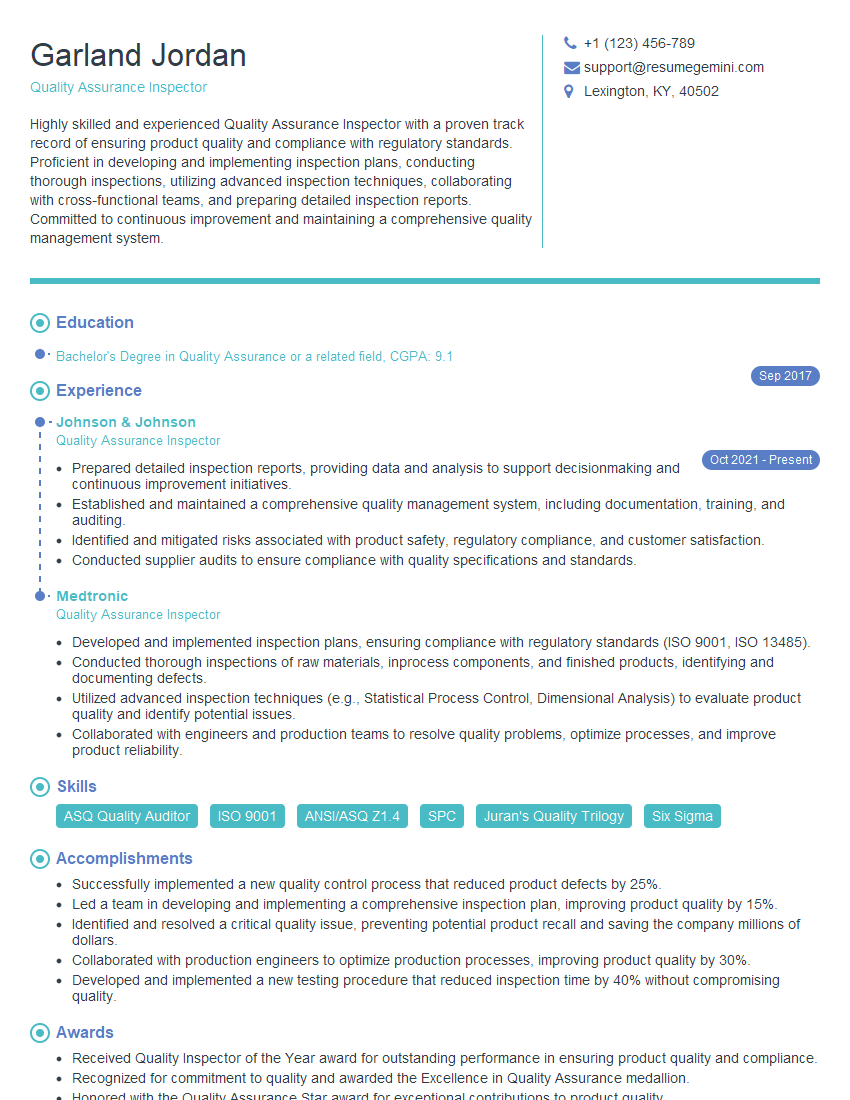
Quality Assurance Inspector Resume Sample
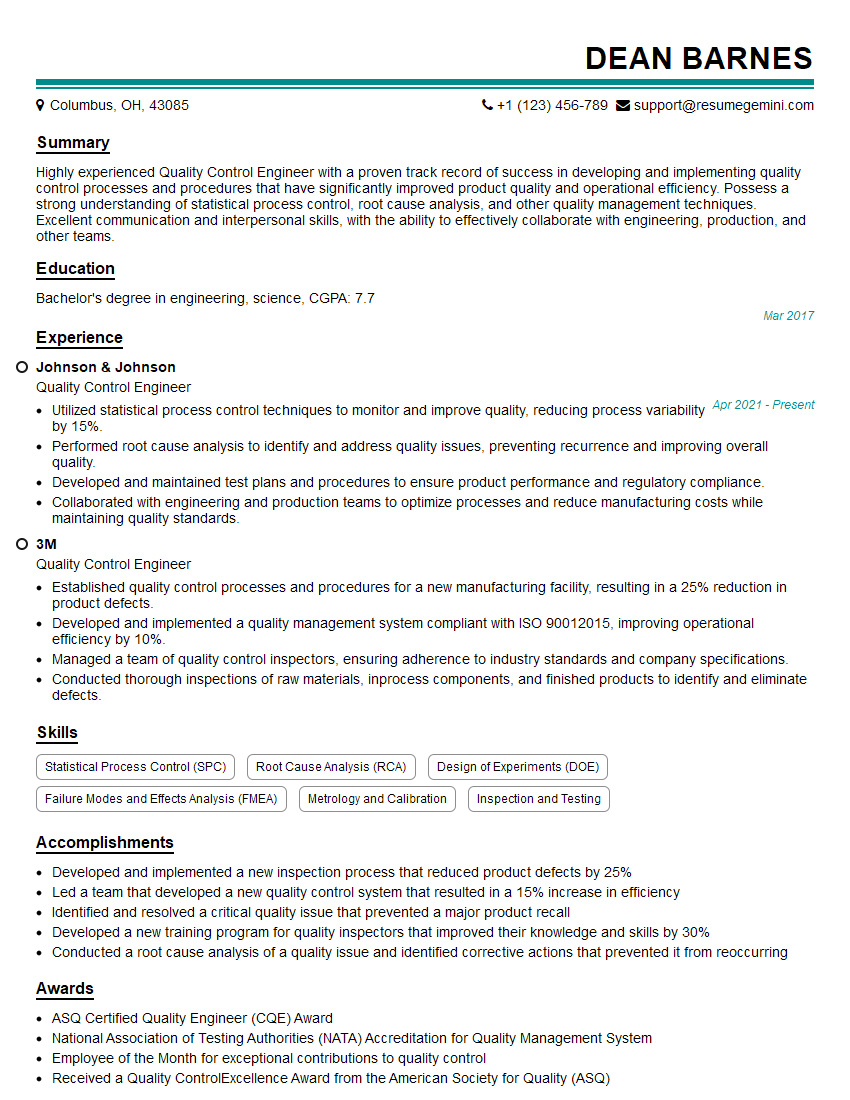
Quality Control Engineer Resume Sample
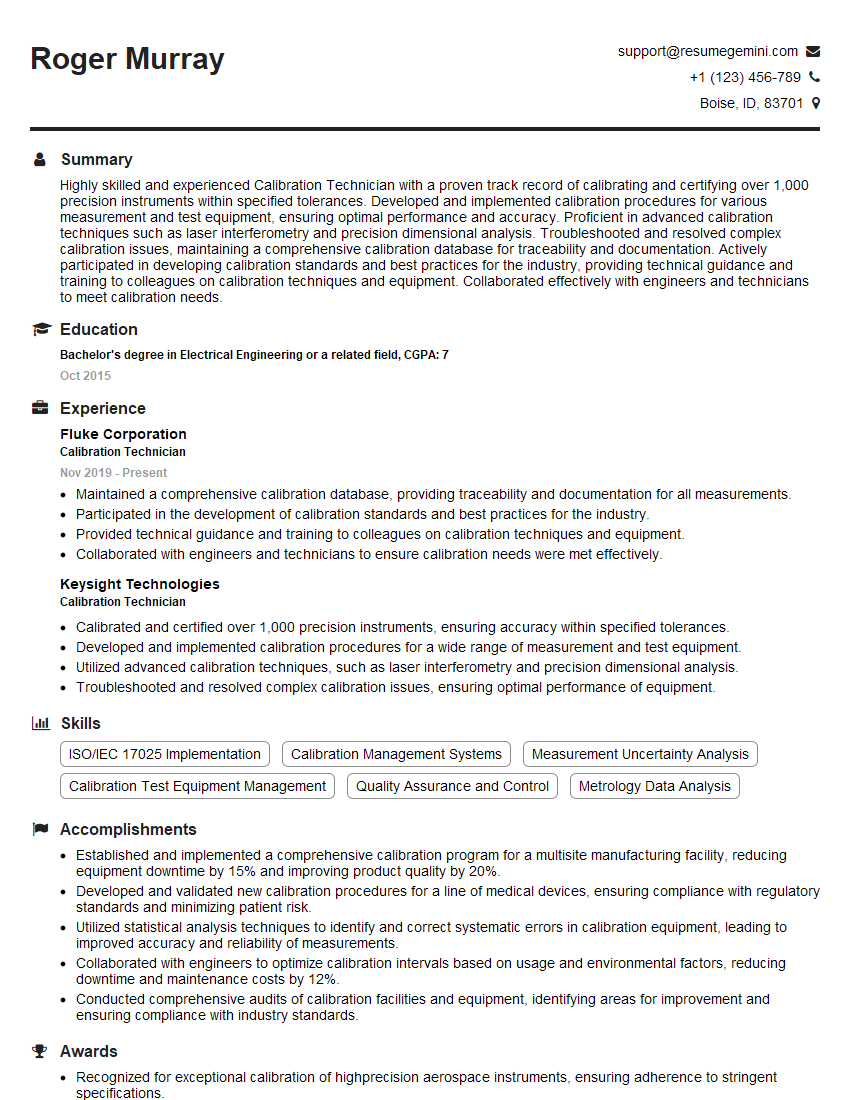
Calibration Technician Resume Sample
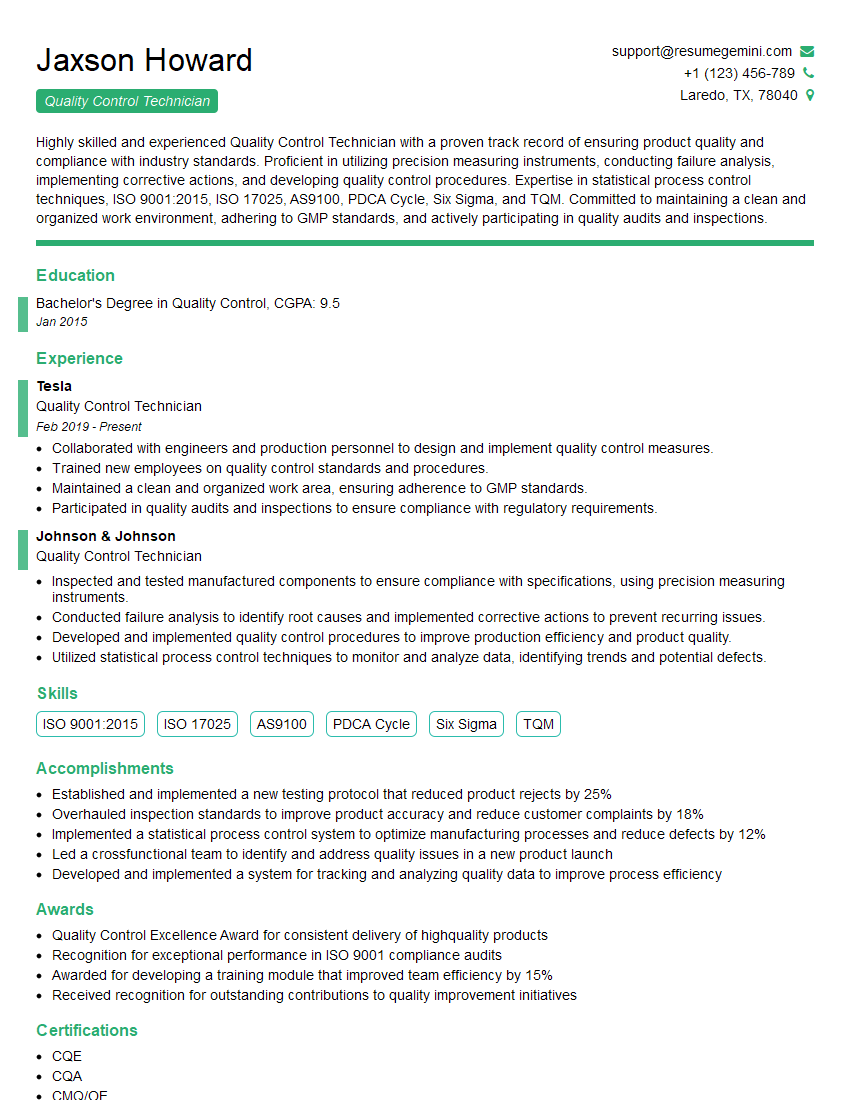
Quality Control Technician Resume Sample
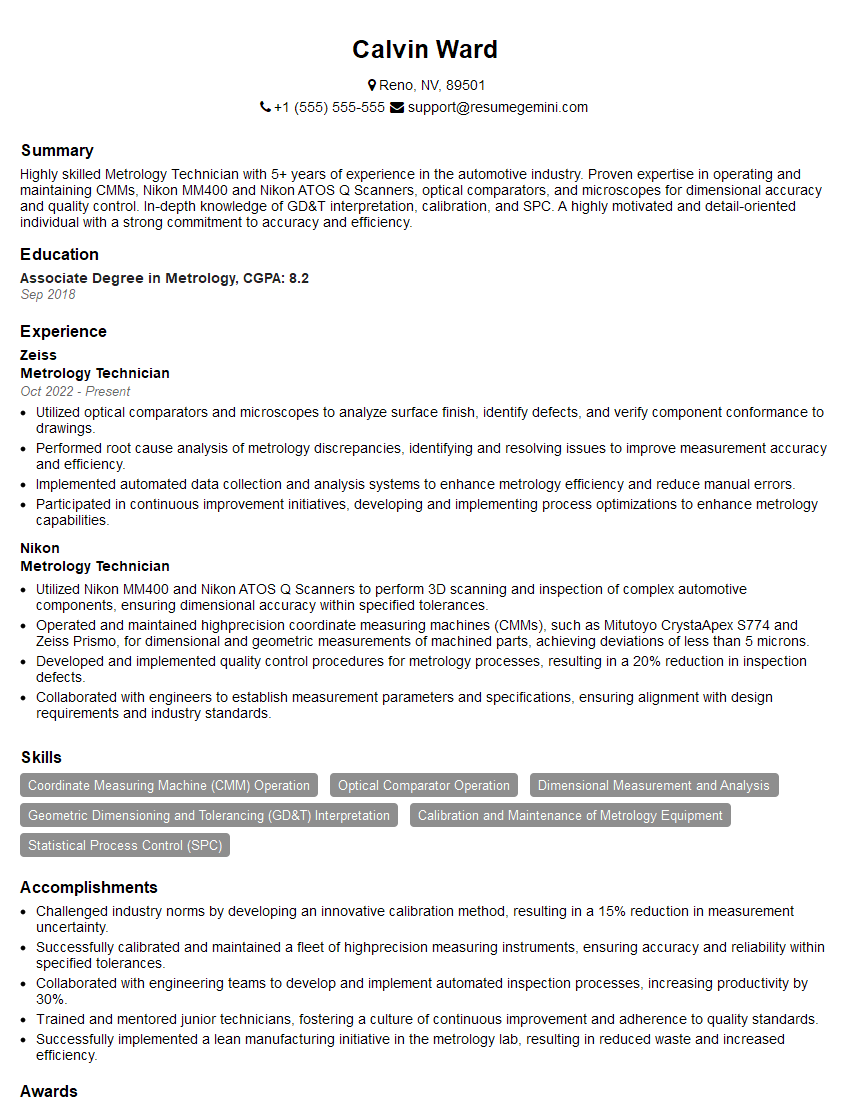
Metrology Technician Resume Sample
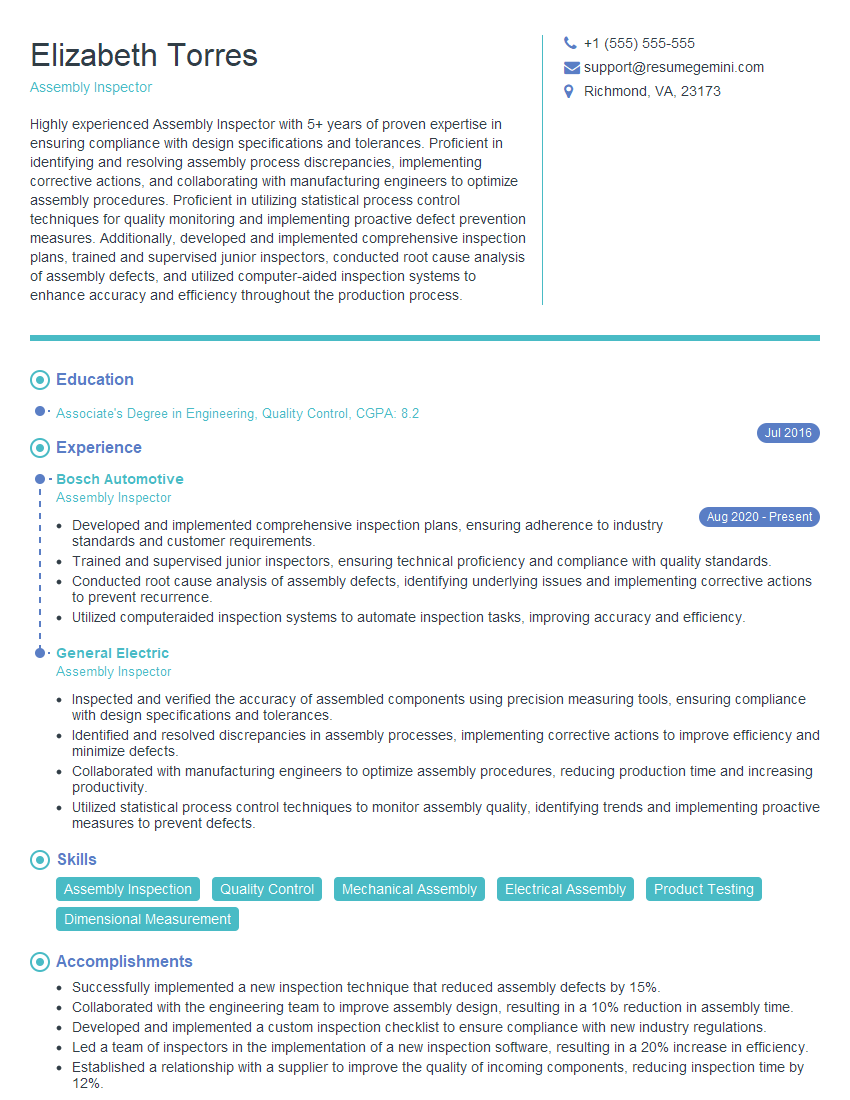
Assembly Inspector Resume Sample
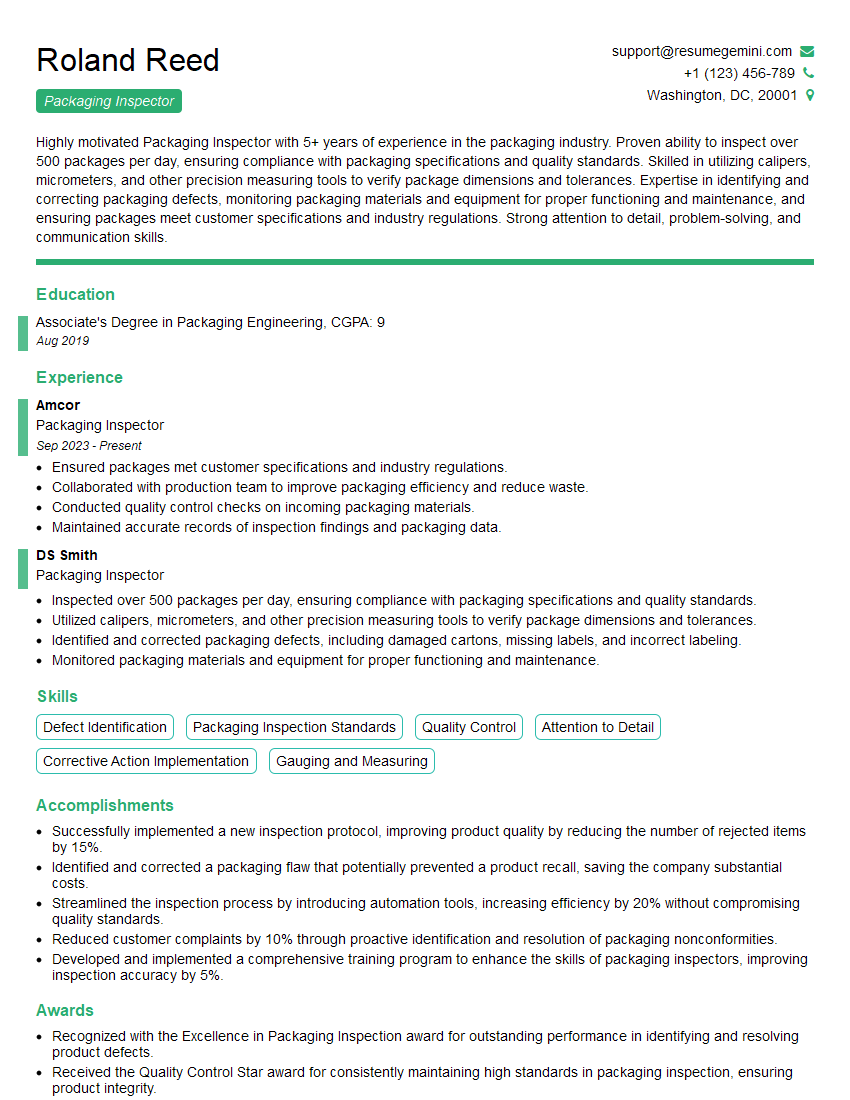
Packaging Inspector Resume Sample
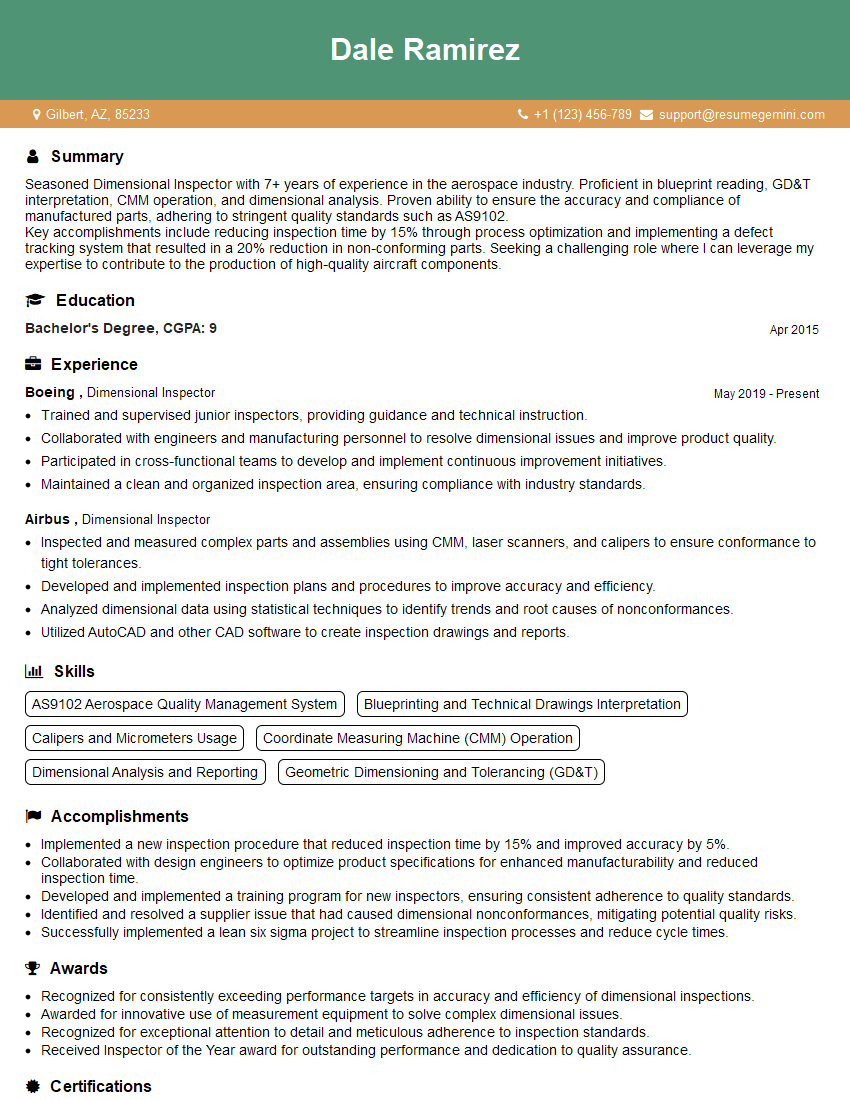
Dimensional Inspector Resume Sample
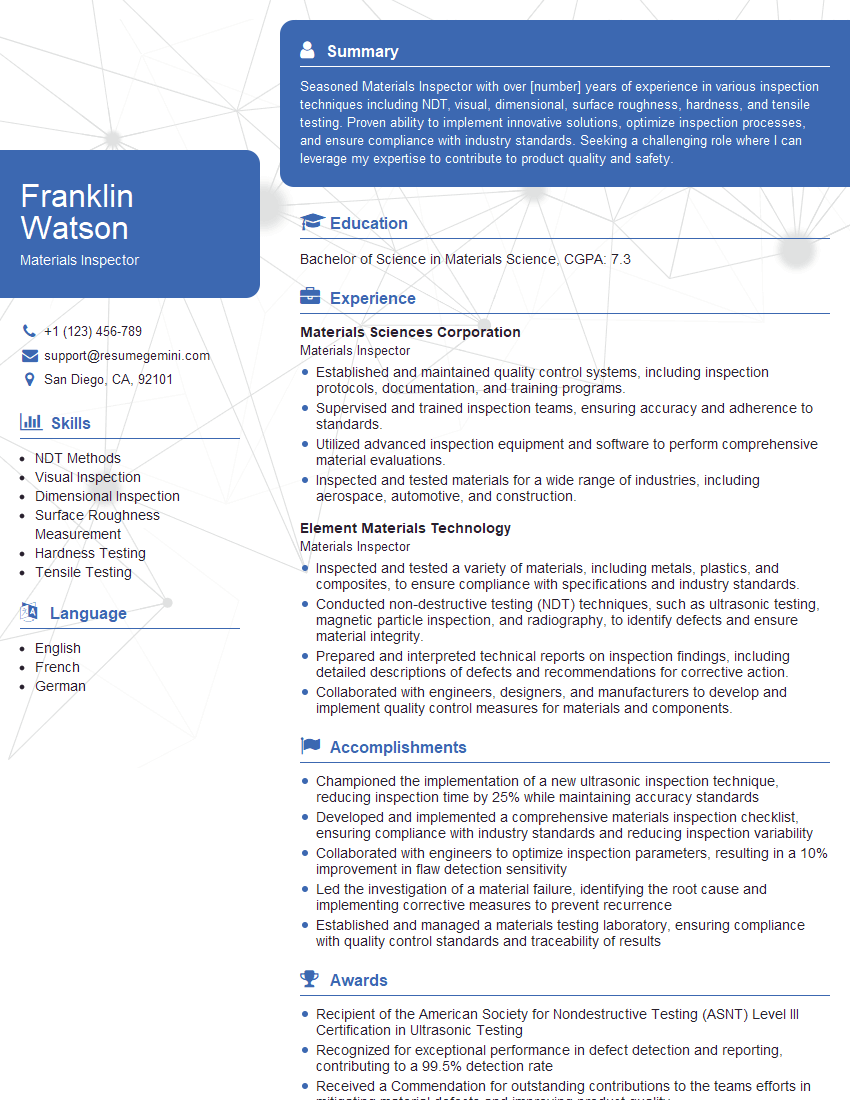
Materials Inspector Resume Sample
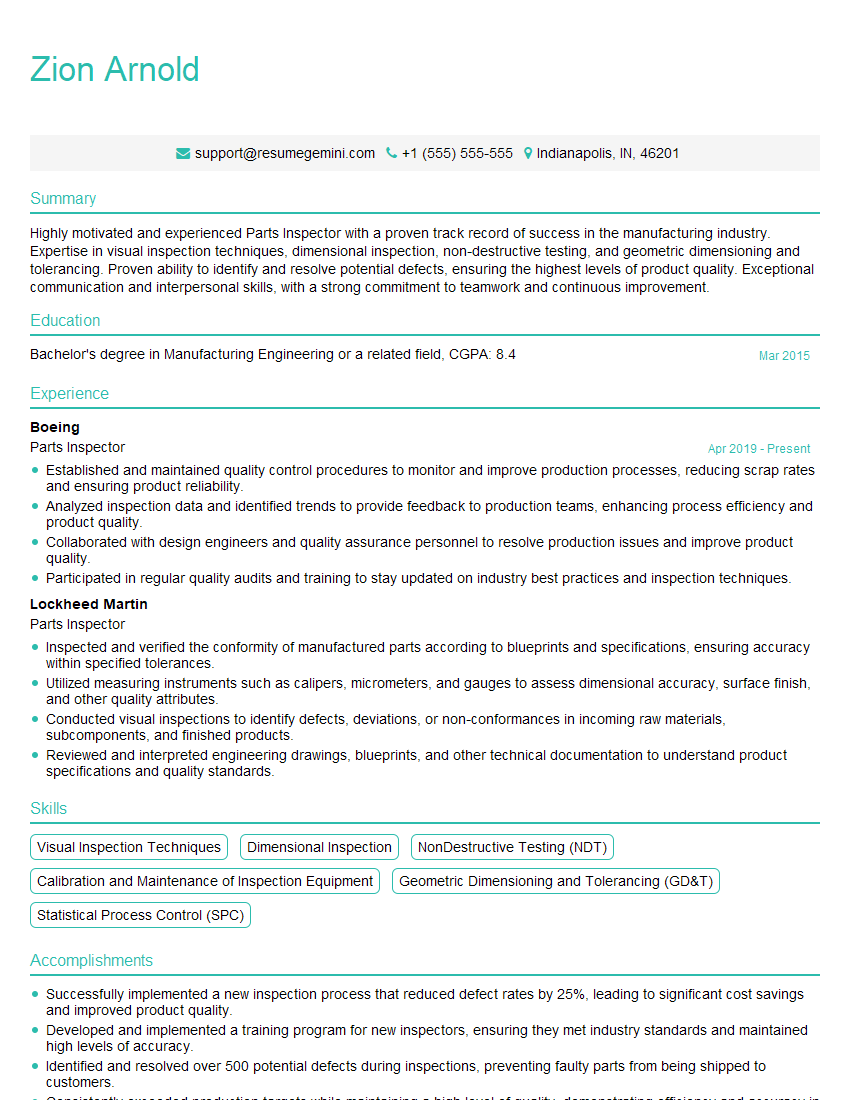
Parts Inspector Resume Sample
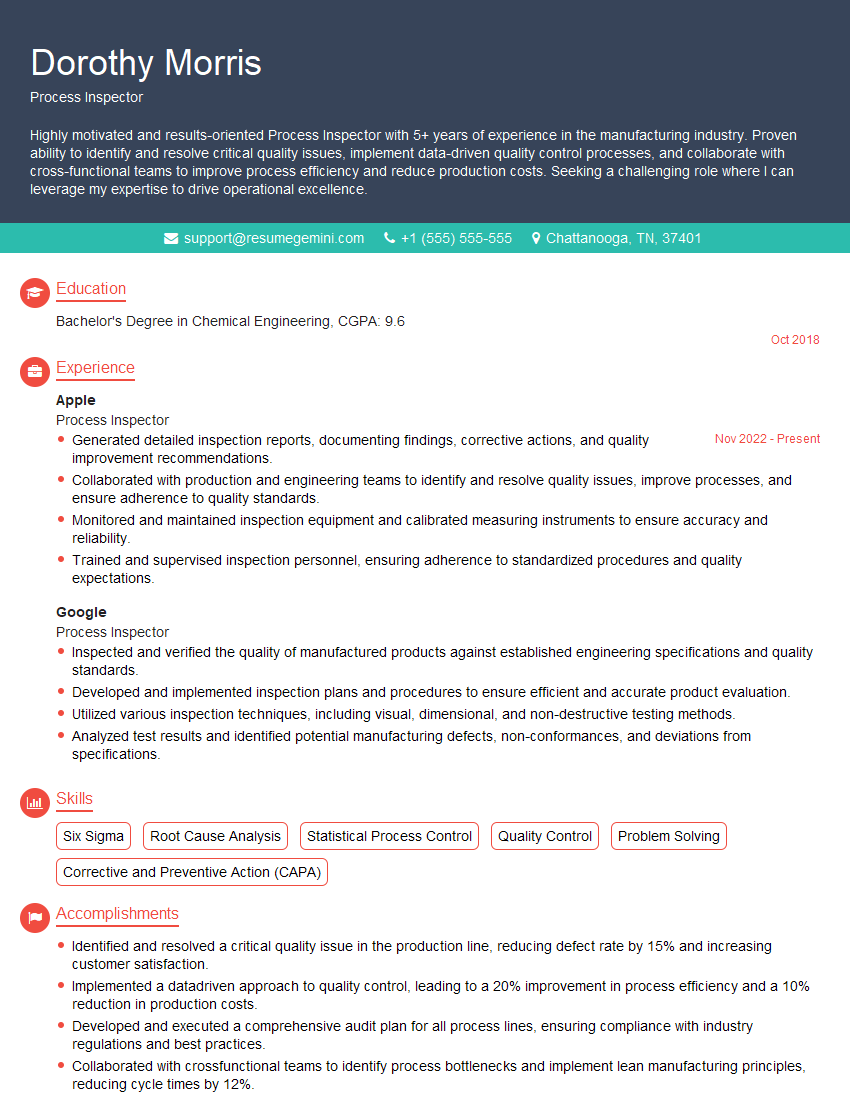
Process Inspector Resume Sample
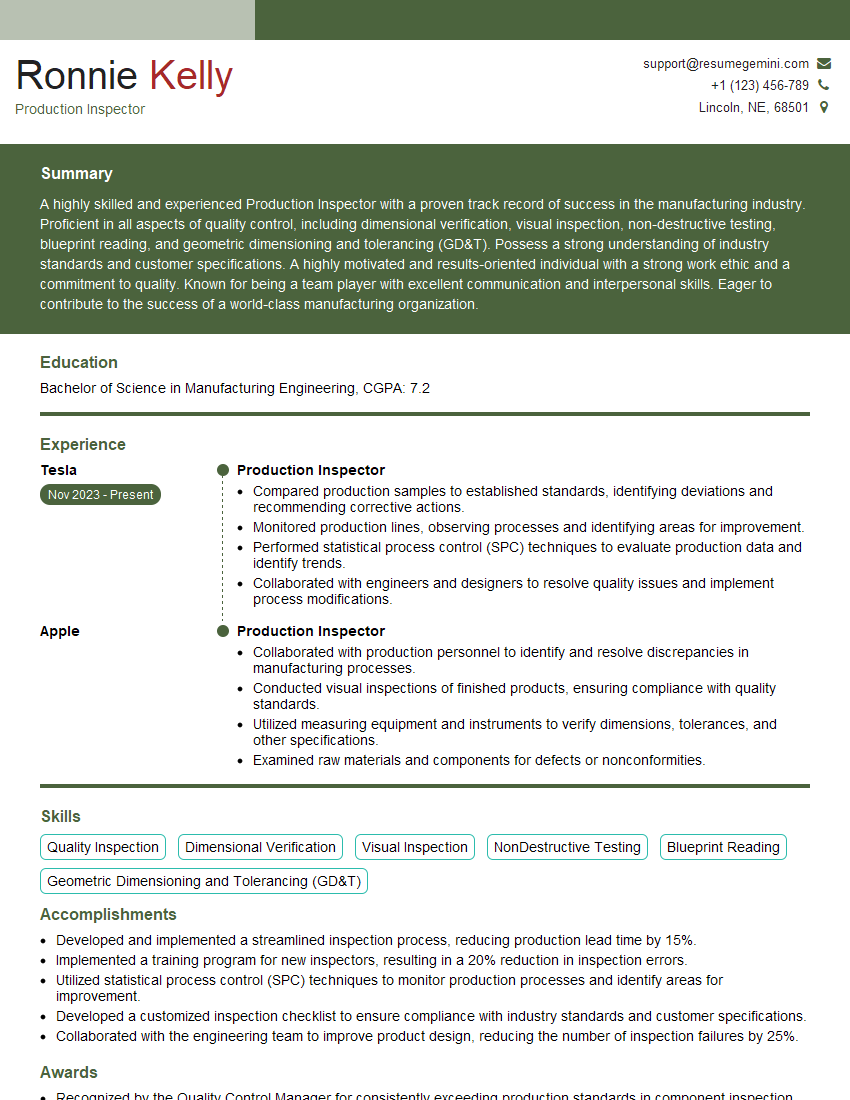
Production Inspector Resume Sample
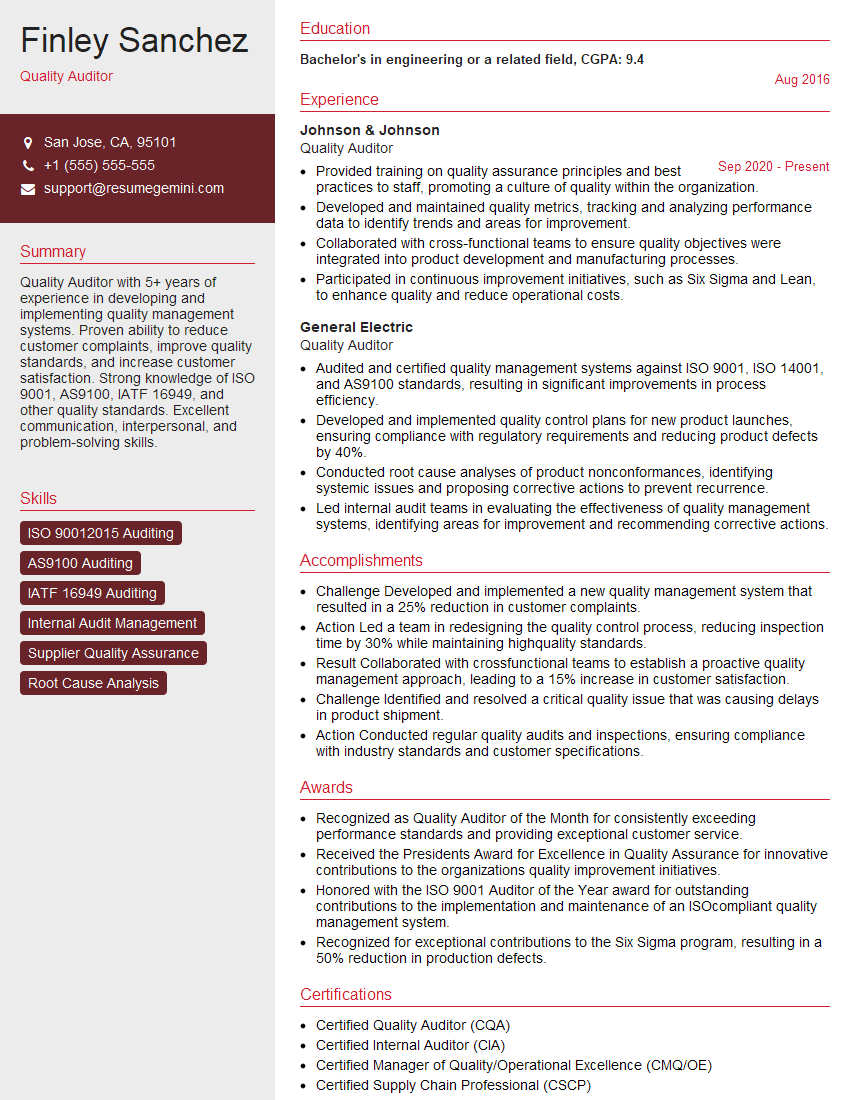
Quality Auditor Resume Sample

Quality Control Inspector Resume Sample
- Quality Assurance Inspector
- Quality Control Engineer
- Calibration Technician
- Quality Control Technician
- Metrology Technician
- Assembly Inspector
- Packaging Inspector
- Dimensional Inspector
- Materials Inspector
- Parts Inspector
- Process Inspector
- Production Inspector
- Quality Auditor
- Quality Control Inspector
Explore more articles
Users Rating of Our Blogs
Share Your Experience
We value your feedback! Please rate our content and share your thoughts (optional).
What Readers Say About Our Blog
Really detailed insights and content, thank you for writing this detailed article.
IT gave me an insight and words to use and be able to think of examples