Feeling uncertain about what to expect in your upcoming interview? We’ve got you covered! This blog highlights the most important Working knowledge of poultry diseases and defects interview questions and provides actionable advice to help you stand out as the ideal candidate. Let’s pave the way for your success.
Questions Asked in Working knowledge of poultry diseases and defects Interview
Q 1. Describe your experience diagnosing poultry diseases.
Diagnosing poultry diseases involves a multi-step approach combining clinical observation, laboratory tests, and epidemiological investigation. It starts with a thorough history of the flock, including vaccination status, recent introductions of birds, feed changes, and environmental conditions. Next, I perform a meticulous clinical examination, observing individual birds for signs of illness such as respiratory distress, diarrhea, decreased egg production, neurological signs (e.g., tremors, paralysis), or unusual mortality patterns. Lesions found during necropsy are crucial. Finally, laboratory tests, like serology (detecting antibodies), PCR (detecting viral genetic material), or bacterial culture and sensitivity testing, confirm the diagnosis. For example, I once diagnosed Infectious Coryza in a flock based on characteristic sneezing, swollen sinuses, and subsequent confirmation through bacterial culture.
Differentiating between various diseases requires careful consideration of the clinical signs, the age of affected birds, the distribution of the disease within the flock, and laboratory results. The process is often iterative; initial observations lead to specific tests, which then inform further investigations. For instance, high mortality in young chicks with ruffled feathers and diarrhea might initially suggest coccidiosis, but further investigation might reveal a more complex disease like Newcastle Disease.
Q 2. Explain the lifecycle of Newcastle Disease Virus.
The Newcastle Disease Virus (NDV), a paramyxovirus, has a complex lifecycle. It begins with the virus entering a susceptible bird’s respiratory or gastrointestinal tract through direct contact with infected birds or contaminated materials. The virus then replicates in the epithelial cells lining the respiratory tract and the gut. This early replication causes the initial symptoms of the disease. Following replication, the virus spreads throughout the body via the bloodstream, infecting various organs, including the nervous system, which can lead to neurological signs. The virus then sheds from the respiratory tract and feces, allowing the virus to spread to other birds. NDV can survive for extended periods in the environment, further contributing to the spread of the disease. The lifecycle concludes with the bird’s immune response, which may successfully clear the infection, or the virus may persist and cause chronic infection.
Q 3. What are the common signs of Avian Influenza?
Avian Influenza (AI) presents with a wide range of clinical signs, depending on the pathogenicity of the virus and the age of the birds. Highly pathogenic AI (HPAI) often leads to sudden death with few or no prior signs. In contrast, low pathogenic AI (LPAI) can show more subtle signs. Common signs include: reduced egg production, respiratory distress (coughing, sneezing, gasping), neurological symptoms (tremors, paralysis), diarrhea, swelling of the head and neck, cyanosis (blue discoloration of comb and wattles), and increased mortality. In younger birds, it often presents with significantly increased mortality. The severity and specific signs vary widely, however, making early detection challenging and emphasizing the need for rapid and comprehensive diagnostic testing.
Q 4. How do you differentiate between Marek’s Disease and Avian Leukosis?
Marek’s Disease (MD) and Avian Leukosis (AL) are both oncogenic herpesviruses that cause tumors in poultry, but they differ significantly in their presentation and pathogenesis. MD primarily affects younger birds (3-16 weeks old) and typically presents with peripheral nerve tumors, causing paralysis, and visceral lymphomas. Lesions are often observed in the nerves, eyes and internal organs. AL, on the other hand, can manifest at any age and typically results in tumors in various organs, including liver, kidneys, and bone marrow. Diagnosis relies on gross and histopathological examination of tumors and may be supported by PCR or serological tests. One key difference is that MD usually shows characteristic nerve lesions whereas AL tumors are more widely distributed in organs. The clinical signs will also differ. MD often leads to paralysis while AL may cause organ dysfunction and gradual weight loss.
Q 5. What biosecurity measures are crucial in preventing poultry disease outbreaks?
Biosecurity is paramount in preventing poultry disease outbreaks. Effective biosecurity measures form a multi-layered approach, focusing on preventing the introduction of pathogens onto the farm and limiting their spread within the flock. This includes strict control of access to the poultry facilities, limiting human traffic, implementing proper hygiene protocols (disinfection of footwear, clothing, and equipment), establishing rodent and wild bird control programs, sourcing birds and feed from reputable disease-free sources, using appropriate quarantine protocols for new birds, and employing effective waste management strategies. All personnel working with birds should also be adequately trained in disease prevention and biosecurity procedures. For example, dedicated boots and clothing should be available for farm personnel, and these should be changed between visits to different farms.
Q 6. Discuss the role of vaccination in poultry disease control.
Vaccination plays a crucial role in controlling poultry diseases. Effective vaccination programs significantly reduce morbidity and mortality, protecting flocks from devastating outbreaks. Vaccination strategies vary depending on the specific disease, the age of the birds, and the prevalence of the disease in the region. Live attenuated vaccines (modified live vaccines) stimulate a strong and long-lasting immune response, whereas inactivated (killed) vaccines provide protection but may require booster vaccinations for optimal immunity. Vaccination timing is critical. Many vaccines are given in specific age ranges to optimize immunity before birds become exposed to the disease in the field. The effectiveness of vaccination programs relies on high vaccination coverage, proper vaccine handling and administration techniques and careful monitoring of vaccine efficacy. For instance, regular serological testing can assess the effectiveness of the vaccination program.
Q 7. Explain different methods for diagnosing infectious bursal disease (IBD).
Infectious Bursal Disease (IBD) is diagnosed using several methods. Clinical signs, such as depression, ruffled feathers, and diarrhea in young chickens, provide initial clues. However, confirmation typically requires laboratory testing. Serological tests, such as ELISA (enzyme-linked immunosorbent assay), are used to detect antibodies against the IBD virus in the blood serum. This indicates past exposure or infection. Virus isolation from affected bursa tissue can confirm the presence of the virus. Molecular diagnostic tests, such as PCR, provide a rapid and highly sensitive method for detecting the IBD viral genome in tissue samples. Histopathological examination of the bursa of Fabricius is essential to assess the degree of bursal damage. A severely atrophied bursa is indicative of IBD. The combination of these diagnostic methods enables accurate diagnosis and informs management strategies.
Q 8. What is the significance of post-mortem examinations in poultry disease diagnosis?
Post-mortem examinations, also known as necropsies, are crucial in poultry disease diagnosis because they allow for a thorough investigation of internal organs and tissues to identify the cause of death or illness. Think of it like a detective investigating a crime scene – the necropsy is the ‘crime scene’ investigation for the bird. We look for macroscopic lesions, which are visible abnormalities like organ enlargement, discoloration, or unusual formations. These clues provide critical information that might not be apparent from clinical signs alone. For instance, a swollen liver could indicate a bacterial infection like E. coli, while pale comb and wattles might suggest anemia.
The process involves a systematic examination of various systems – respiratory, digestive, reproductive, etc. – looking for lesions, collecting samples for further diagnostic tests like microbiology and histopathology (microscopic examination of tissues). This holistic approach helps pinpoint the disease etiology, which is essential for effective treatment and prevention strategies within the flock. Without a necropsy, we’d be working in the dark, making educated guesses instead of reaching a definitive diagnosis.
Q 9. Describe your experience with different poultry diagnostic techniques (e.g., ELISA, PCR).
My experience encompasses a wide range of poultry diagnostic techniques. ELISA (Enzyme-Linked Immunosorbent Assay) is a cornerstone for detecting antibodies against specific pathogens. Imagine it as a highly sensitive test that detects the bird’s immune response to an infection; a positive result indicates past or current exposure. I’ve extensively used ELISA to diagnose avian influenza, Newcastle disease, and infectious bronchitis. The results are quantitative, giving an idea of the antibody levels present.
PCR (Polymerase Chain Reaction) is another powerful tool in my arsenal, offering a highly sensitive method for detecting the presence of specific pathogens’ genetic material, even at very low concentrations. Unlike ELISA, PCR detects the pathogen directly, not just the immune response. I frequently utilize PCR to diagnose avian influenza, Salmonella, and Mycoplasma infections. It’s particularly valuable in early disease detection when antibody levels might still be low, providing faster diagnostic turnaround and allowing quicker interventions.
Beyond these, I’m proficient in other methods like bacterial culture and isolation for identifying specific bacterial pathogens; serological testing to monitor antibody titers over time to assess herd immunity; and histopathology, which provides crucial microscopic evidence for determining the extent and type of tissue damage.
Q 10. How do you manage an outbreak of Salmonella in a poultry flock?
Managing a Salmonella outbreak requires a multi-pronged approach emphasizing rapid action and biosecurity. First, we must confirm the diagnosis through bacterial culture and isolation from clinical samples (fecal matter and organ samples from affected birds). Then, immediate quarantine of the affected flock is vital to prevent further spread. We need to implement strict biosecurity measures to prevent contamination, including foot dips, disinfection of equipment and the environment, and stringent hygiene practices for personnel.
Treatment options include antibiotics (although there’s an increasing emphasis on responsible antibiotic use to avoid resistance), alongside supportive measures like providing electrolytes to combat dehydration. Simultaneously, we must undertake thorough disinfection of the poultry house. We should also focus on culling highly affected birds to reduce the disease burden. Post-outbreak, a comprehensive disinfection program is essential to prevent reoccurrence. A follow-up testing of birds is required to ensure eradication. Implementing improved hygiene practices and feed management and vaccination strategies can prevent future outbreaks.
Q 11. What are the common bacterial diseases affecting poultry?
Several bacterial diseases significantly impact poultry health. Salmonella spp., as mentioned earlier, are a major concern due to their zoonotic potential (transmittable to humans). E. coli causes various infections, particularly in young birds, leading to septicemia (blood poisoning) and colibacillosis (affects various organs). Mycoplasma infections, such as M. gallisepticum and M. synoviae, cause respiratory problems, lameness, and reduced egg production. Pasteurella multocida is commonly associated with fowl cholera, characterized by high mortality.
Campylobacter spp. are another significant concern, not just for poultry health but also public health due to their role in human food poisoning. Staphylococcus and Streptococcus infections can also occur, often causing secondary complications or exacerbating other diseases. Early detection via appropriate diagnostic techniques and implementing biosecurity protocols, hygiene measures and targeted treatments are critical for effective management.
Q 12. Discuss the impact of mycotoxins on poultry health.
Mycotoxins are toxic secondary metabolites produced by various molds that can contaminate poultry feed. These toxins significantly impact poultry health, causing a range of adverse effects depending on the type and concentration of mycotoxin ingested and the species of bird. Aflatoxins, for example, are potent hepatotoxins (liver toxins), damaging liver function and depressing the immune system, leaving birds more susceptible to infections. Ochratoxins can negatively affect kidney function, and fumonisins are associated with reduced growth and immune suppression.
The effects can manifest as reduced growth rates, impaired feed efficiency, decreased egg production, reproductive problems, and increased susceptibility to diseases. Chronic exposure can have subtle but cumulative effects impacting the flock’s overall performance and profitability. Prevention involves careful selection and storage of feed ingredients, ensuring proper feed quality control, and adopting mycotoxin binders in feed to reduce absorption.
Q 13. How do you manage coccidiosis in poultry?
Coccidiosis, caused by Eimeria parasites, is a significant problem in poultry. It’s a parasitic disease affecting the intestinal tract, leading to bloody diarrhea, reduced growth, and increased mortality, particularly in young birds. Management strategies typically involve a combination of preventative and curative measures.
Prevention is crucial; this includes good hygiene and biosecurity measures to prevent parasite spread. Coccidiostats, which are anti-coccidial drugs, are commonly incorporated into poultry feed to prevent or control infections. Vaccination is also an effective preventative measure in some cases. Treatment involves administering anticoccidial medications when clinical signs are present, usually selected based on the specific Eimeria species identified. However, the overuse of anticoccidial drugs can lead to drug resistance, making it vital to follow a responsible drug usage plan.
Q 14. What are the nutritional factors contributing to poultry disease susceptibility?
Nutritional deficiencies significantly increase a bird’s susceptibility to diseases. For example, deficiencies in vitamins A, E, and C compromise immune function, leaving birds vulnerable to infections. Inadequate protein levels impair growth and reduce immune responsiveness. Similarly, deficiencies in minerals like zinc, copper, and selenium, which are crucial for immune system function and antioxidant defense, can make birds more prone to diseases.
Conversely, nutritional imbalances can also be problematic. For example, excessive dietary fat can contribute to fatty liver syndrome, while imbalances in calcium and phosphorus can lead to skeletal problems. Ensuring that birds receive a well-balanced diet meeting their nutritional needs at each stage of their development is crucial for maintaining optimal health and resilience against diseases. Regular monitoring of the flock’s nutritional status and timely adjustments based on blood tests and clinical observations are crucial.
Q 15. Explain the role of stress in poultry disease outbreaks.
Stress acts as a significant predisposing factor in poultry disease outbreaks. Think of it like this: a stressed bird is like a person with a weakened immune system – more susceptible to illness. Even if a pathogen is present at low levels, stress can tip the balance, allowing the disease to take hold and spread rapidly.
Several stressors can impact poultry health. These include overcrowding, poor ventilation leading to high ammonia levels, abrupt changes in temperature or humidity, transportation stress, and even the presence of predators or noise. These stressors activate the hypothalamic-pituitary-adrenal (HPA) axis, leading to the release of cortisol and other stress hormones. This hormonal surge suppresses the immune system, making birds vulnerable to infections. For example, I once worked on a farm experiencing a significant Marek’s disease outbreak. Investigation revealed overcrowding and poor ventilation were major stressors, significantly impacting the birds’ immunity and allowing the virus to spread rapidly.
- Overcrowding: Limits space and resources, leading to competition and increased stress.
- Poor ventilation: Results in high ammonia levels, which irritate the respiratory system and weaken the immune response.
- Sudden temperature changes: Force birds to expend energy maintaining body temperature, compromising their immune function.
Managing stress effectively is crucial for disease prevention. This involves careful environmental control, providing adequate space, ensuring proper ventilation and temperature regulation, and implementing humane handling practices.
Career Expert Tips:
- Ace those interviews! Prepare effectively by reviewing the Top 50 Most Common Interview Questions on ResumeGemini.
- Navigate your job search with confidence! Explore a wide range of Career Tips on ResumeGemini. Learn about common challenges and recommendations to overcome them.
- Craft the perfect resume! Master the Art of Resume Writing with ResumeGemini’s guide. Showcase your unique qualifications and achievements effectively.
- Don’t miss out on holiday savings! Build your dream resume with ResumeGemini’s ATS optimized templates.
Q 16. Describe your experience with necropsy techniques in poultry.
Necropsy, or post-mortem examination, is a vital diagnostic tool in poultry disease investigations. My experience spans over [Number] years, encompassing a wide range of avian species and disease presentations. The process involves a systematic approach, beginning with external observation noting any lesions or abnormalities. This is followed by a careful internal examination, including the opening of the body cavities to assess organs like the heart, liver, spleen, kidneys, and intestines for any pathological changes – color, size, texture, etc.
I am proficient in collecting samples for various diagnostic tests including microbiology (bacterial and viral cultures), histopathology (tissue examination for microscopic lesions), and toxicology (detection of toxins). For instance, during a suspected Newcastle disease outbreak, I performed necropsies on several affected birds, collecting samples from the trachea, intestines, and brain for virus isolation. The microscopic lesions observed in the intestines confirmed the diagnosis.
Accurate necropsy technique requires meticulous attention to detail, proper sanitation procedures to prevent cross-contamination, and an understanding of avian anatomy and physiology. Proper documentation of findings is critical for accurate reporting and disease investigation.
Q 17. What are the different types of avian influenza viruses and their impact?
Avian influenza viruses (AIVs) are classified based on their hemagglutinin (H) and neuraminidase (N) surface proteins. These proteins determine the virus’s subtype, for example, H5N1 or H7N9. Different subtypes vary in their pathogenicity – their ability to cause disease. Highly pathogenic avian influenza (HPAI) viruses, such as H5N1, can cause severe disease and high mortality rates in poultry. Low pathogenic avian influenza (LPAI) viruses typically cause milder symptoms or remain undetected. However, LPAI viruses can mutate into HPAI, representing a serious epidemiological risk.
The impact of AIVs is substantial. HPAI outbreaks can lead to massive poultry culls to prevent further spread, causing significant economic losses for farmers and the poultry industry. Furthermore, certain subtypes, like H5N1, pose a zoonotic risk, meaning they can transmit from birds to humans, causing severe illness and sometimes death. The 2004 H5N1 outbreak in Southeast Asia serves as a stark reminder of the potential devastation of HPAI outbreaks. Continuous surveillance and biosecurity measures are crucial to mitigate the impact of avian influenza viruses.
Q 18. How do you interpret hematological results in poultry disease diagnosis?
Hematological analysis, involving the examination of blood components, is a valuable tool in diagnosing poultry diseases. Changes in red blood cell (RBC) count, white blood cell (WBC) count, and other parameters like packed cell volume (PCV) can indicate various disease processes.
For example, a significant decrease in RBC count and PCV (anemia) might suggest blood loss due to internal parasites like coccidiosis, or chronic infections like infectious bursal disease. An increase in WBC count, particularly heterophils (the avian equivalent of neutrophils), might signify an acute bacterial infection. Conversely, lymphopenia (reduced lymphocyte count) could indicate viral infections, immunosuppressive diseases, or stress.
Interpreting hematological results requires considering clinical signs, necropsy findings, and other diagnostic tests. For example, a bird presenting with respiratory symptoms and showing lymphopenia in hematological analysis points towards a viral respiratory infection. Therefore, further diagnostic tests such as virus isolation would be essential to reach a definitive diagnosis.
Q 19. What are the regulatory requirements for reporting poultry diseases?
Reporting poultry diseases is mandated by national and international regulations to prevent outbreaks and protect public health. The specific requirements vary by country and region. However, most jurisdictions require immediate reporting of suspected or confirmed outbreaks of notifiable diseases. These notifiable diseases typically include highly pathogenic avian influenza, Newcastle disease, and other highly contagious and economically significant diseases.
Reporting usually involves contacting the relevant animal health authorities (e.g., the veterinary services) and providing details about the farm, the affected birds, clinical signs, and suspected disease. Failure to comply with reporting regulations can lead to significant penalties. These regulations are designed to enable prompt investigation, implementation of control measures, and prevention of further spread. Effective reporting systems, along with accurate and rapid diagnostic methods, are critical for disease control.
Q 20. Describe your experience with poultry disease surveillance programs.
My experience with poultry disease surveillance programs is extensive, including participation in both national and regional programs. These programs typically involve active and passive surveillance activities. Active surveillance involves regular sampling and testing of poultry flocks to detect disease early. Passive surveillance relies on reports from veterinarians, farmers, and other stakeholders about suspected disease outbreaks.
I’ve been involved in designing and implementing surveillance plans, collecting samples, analyzing data, and developing risk assessment models. For example, during a period of increased risk for avian influenza, I was responsible for coordinating increased sampling frequency at poultry farms within a high-risk zone. The data collected allowed us to monitor disease prevalence and implement targeted control measures effectively. Data analysis is often crucial for identifying disease patterns, potential risk factors, and evaluating the effectiveness of control strategies.
Q 21. Discuss the role of hygiene in preventing poultry diseases.
Hygiene plays a fundamental role in preventing poultry diseases. Think of it as a multi-layered defense system. Effective hygiene measures aim to minimize the introduction and spread of pathogens within a poultry farm. This involves meticulous attention to cleanliness and sanitation at all levels, from the farm infrastructure to the birds themselves.
Key aspects include:
- Biosecurity: Restricting access to the farm by unauthorized personnel and vehicles, implementing appropriate disinfection protocols at entry and exit points, and controlling rodent and wild bird access.
- Cleaning and Disinfection: Regular cleaning and disinfection of poultry houses, equipment, and vehicles using appropriate disinfectants. This is crucial to eliminate pathogens from the environment.
- Waste Management: Proper disposal of poultry manure and other waste products to prevent the build-up of pathogens and attract vectors (like flies) that can spread diseases.
- All-in-all-out System: Employs completely emptying and cleaning a poultry house between batches of birds, preventing the accumulation of pathogens from one flock to the next.
Implementing robust hygiene measures is essential for preventing disease outbreaks and maintaining the health and productivity of poultry flocks. A breach in biosecurity and hygiene protocols can easily lead to a rapid spread of disease, resulting in high morbidity and mortality, economic losses, and significant implications for the industry. A well-structured biosecurity program, incorporating hygiene measures, significantly minimizes the risk of disease outbreaks.
Q 22. How do you differentiate between infectious and non-infectious diseases in poultry?
Differentiating between infectious and non-infectious poultry diseases relies on understanding their transmission mechanisms. Infectious diseases are caused by pathogens like viruses, bacteria, fungi, or parasites that can spread from one bird to another. Symptoms often appear in multiple birds simultaneously, and the disease may spread rapidly through the flock. Examples include Avian Influenza (AI), Newcastle Disease, and Mycoplasma.
Non-infectious diseases, on the other hand, arise from factors unrelated to contagious pathogens. These include nutritional deficiencies (e.g., vitamin deficiencies causing leg weakness), genetic defects (e.g., skeletal abnormalities), environmental stressors (e.g., heat stress leading to heat stroke), or toxic substances (e.g., mycotoxins in feed causing liver damage). Symptoms are usually less uniform across the flock and spread more slowly, if at all.
Imagine a classroom: an infectious disease is like a contagious cold spreading rapidly amongst students, while a non-infectious disease is like a student struggling due to individual factors like poor eyesight or lack of sleep.
- Infectious Disease Clues: Rapid spread, multiple birds affected simultaneously, presence of a pathogen.
- Non-Infectious Disease Clues: Gradual onset, sporadic occurrence, absence of contagious agent, linked to environmental or management factors.
Q 23. What are your strategies for controlling parasites in poultry?
Controlling parasites in poultry requires a multi-pronged approach integrating prevention and treatment. Effective parasite control begins with robust biosecurity measures to prevent parasite introduction. This includes strict hygiene protocols, proper rodent control, and careful management of litter and manure.
Strategies include:
- Regular deworming: Using appropriate anthelmintics (deworming medications) based on parasite identification. This may involve fecal egg count testing to determine the type and level of infestation before treatment.
- Strategic use of insecticides: Treating the environment to reduce external parasite populations (e.g., lice, mites). Careful selection of insecticides is crucial to avoid harmful residues and development of resistance.
- Improved sanitation: Frequent cleaning and disinfection of poultry houses, equipment, and surrounding areas are crucial to minimize parasite survival.
- Nutritional management: Providing a balanced diet that strengthens the bird’s immune system and reduces susceptibility to parasites.
- Biological control: Employing natural predators of certain parasites, such as certain species of mites to control other mite species.
For instance, if we detect high levels of coccidia (a protozoan parasite) in a flock, we might rotate coccidiostats (medications that prevent coccidiosis) in the feed to avoid the development of resistant strains and manage the parasite load effectively.
Q 24. What is your experience with various poultry medication and treatment protocols?
My experience encompasses a wide range of poultry medications and treatment protocols, always prioritizing responsible antibiotic stewardship. I’m familiar with antibiotics for bacterial infections (e.g., tetracyclines for Mycoplasma gallisepticum, aminoglycosides for E. coli infections), antivirals for viral diseases (e.g., oseltamivir for influenza), anticoccidials for coccidiosis, and ectoparasiticides for external parasites. I have hands-on experience in administering medications via various routes, including oral (in feed or water), intramuscular injection, and topical application.
Treatment protocols are always tailored to the specific disease, its severity, the age of birds, and local regulations. For example, treating a flock with a bacterial infection requires careful consideration of the appropriate antibiotic, dosage, duration, and withdrawal periods before the birds can be sent to slaughter. Detailed record-keeping is essential for tracking treatment efficacy, potential side effects, and the development of resistance.
I always emphasize a preventative approach, employing vaccinations and biosecurity measures to minimize the need for medication and the risk of antibiotic resistance.
Q 25. How would you handle a suspected case of highly pathogenic avian influenza?
Suspected cases of highly pathogenic avian influenza (HPAI) require immediate and decisive action to prevent widespread outbreaks. The first step is to immediately isolate the affected flock and notify the appropriate animal health authorities. This is critical to prevent further spread of the virus.
Next steps involve:
- Implementing strict biosecurity measures: Restricting access to the affected premises, implementing disinfection protocols, and controlling the movement of people and equipment.
- Culling of the affected flock: This is often necessary to eliminate the virus and prevent further spread. Humane methods must be used, followed by proper disposal of carcasses to prevent environmental contamination.
- Surveillance and testing: Testing of the affected birds and those in contact with them is essential to determine the extent of the outbreak. Surveillance of neighboring flocks is also necessary to detect early signs of spread.
- Vaccination (if approved): In some situations, vaccination may be employed as part of a wider control strategy. However, it must be carefully considered in line with the disease status and national strategies.
- Cleaning and disinfection: Thorough cleaning and disinfection of the premises is crucial after culling to eliminate the virus from the environment.
HPAI outbreaks have devastating economic and public health consequences, necessitating a rapid and coordinated response from all stakeholders.
Q 26. Discuss the economic implications of poultry diseases.
Poultry diseases exert significant economic impacts on farmers, processors, and consumers. Outbreaks can lead to:
- Reduced production: Morbidity and mortality due to disease significantly reduce the number of birds available for market, leading to decreased income for farmers.
- Increased costs: Treatment, culling, disposal, and disinfection all add substantial expenses to the operation. This is further compounded by potential losses in feed conversion efficiency.
- Market disruptions: Outbreaks can disrupt the supply chain, leading to price increases and shortages in the market. This affects businesses across the poultry value chain.
- Trade restrictions: International trade restrictions may be imposed on countries experiencing outbreaks of specific poultry diseases, which significantly impact export earnings.
- Consumer confidence: Large-scale outbreaks can erode consumer confidence in the safety and quality of poultry products, impacting demand.
For example, a single outbreak of highly pathogenic avian influenza can cost millions of dollars in lost revenue and control measures, impacting not only farmers but also the entire poultry industry.
Q 27. Explain your understanding of different poultry breeds and their disease susceptibility.
Different poultry breeds exhibit varying levels of susceptibility to specific diseases. This susceptibility can be attributed to genetic factors influencing immune response, physiological characteristics, and even behavior.
For example, broiler breeds, selected for rapid growth, may be more vulnerable to leg problems and ascites (fluid accumulation in the abdomen) due to their rapid growth rate. Layer breeds, selectively bred for egg production, might be susceptible to reproductive disorders. Certain heritage breeds might possess more inherent resistance to some diseases due to their naturally developed immunity.
Understanding breed-specific susceptibilities is vital for effective disease management. Farmers should select breeds appropriate for their climate, management practices, and disease prevalence in their region. Breed-specific vaccination protocols should also be considered.
Q 28. Describe your experience with disease prevention and control programs in poultry production.
My experience in poultry disease prevention and control programs encompasses the implementation of comprehensive biosecurity protocols, vaccination strategies, and regular monitoring of flock health.
Key elements of these programs include:
- Biosecurity: Establishing strict biosecurity measures to prevent the introduction of pathogens onto the farm. This includes footbaths, vehicle disinfection, rodent control, and isolation of new birds.
- Vaccination: Developing and implementing vaccination programs tailored to the specific diseases prevalent in the region and the breed of poultry. This requires careful timing and monitoring of vaccination effectiveness.
- Health monitoring: Implementing routine health checks and monitoring for early signs of disease outbreaks through mortality rates, clinical signs, and laboratory testing.
- Record-keeping: Maintaining accurate and complete records on all aspects of flock health, including vaccinations, treatments, mortality rates, and disease occurrences.
- Employee training: Educating farm workers about biosecurity protocols and disease recognition and reporting is crucial to minimize risk.
For instance, I’ve been involved in implementing programs based on the ‘all-in, all-out’ system, where all birds in a house are raised to market weight together, and then all are marketed and the house is thoroughly cleaned and disinfected before the next flock is introduced. This helps minimize the transmission of diseases between flocks.
Key Topics to Learn for Working Knowledge of Poultry Diseases and Defects Interview
- Common Bacterial Diseases: Understanding the symptoms, transmission, and control measures for diseases like Avian Cholera, Colibacillosis, and Salmonella. This includes practical application of biosecurity protocols and preventative measures.
- Viral Diseases: Knowledge of highly contagious viruses such as Newcastle Disease, Avian Influenza, and Infectious Bursal Disease (Gumboro). Focus on diagnostic techniques, vaccination strategies, and disease control in a flock setting.
- Parasitic Diseases: Familiarization with common parasites affecting poultry, including Coccidiosis, internal and external parasites. Learn about treatment options and preventative strategies, including management of the poultry environment.
- Mycotoxicosis: Understanding the impact of mycotoxins produced by fungi in feed on poultry health, performance, and the resulting economic losses. This includes recognizing symptoms and implementing preventative measures like feed testing and proper storage.
- Poultry Defects: Identifying and classifying common defects in poultry, including skeletal defects, feathering issues, and other abnormalities affecting marketability. Understanding the underlying causes and implications for production efficiency.
- Disease Diagnostics: Familiarization with various diagnostic techniques used to identify poultry diseases, including necropsy procedures, laboratory tests, and serological assays. This includes interpreting diagnostic results and making informed decisions based on findings.
- Biosecurity and Hygiene: Understanding and implementing effective biosecurity measures to prevent disease outbreaks. This includes practical application of sanitation protocols and flock management strategies to maintain a healthy environment.
- Treatment and Prevention Strategies: Understanding various treatment options for poultry diseases, including medication, vaccination, and nutritional management. Focus on practical applications and the responsible use of antimicrobials.
Next Steps
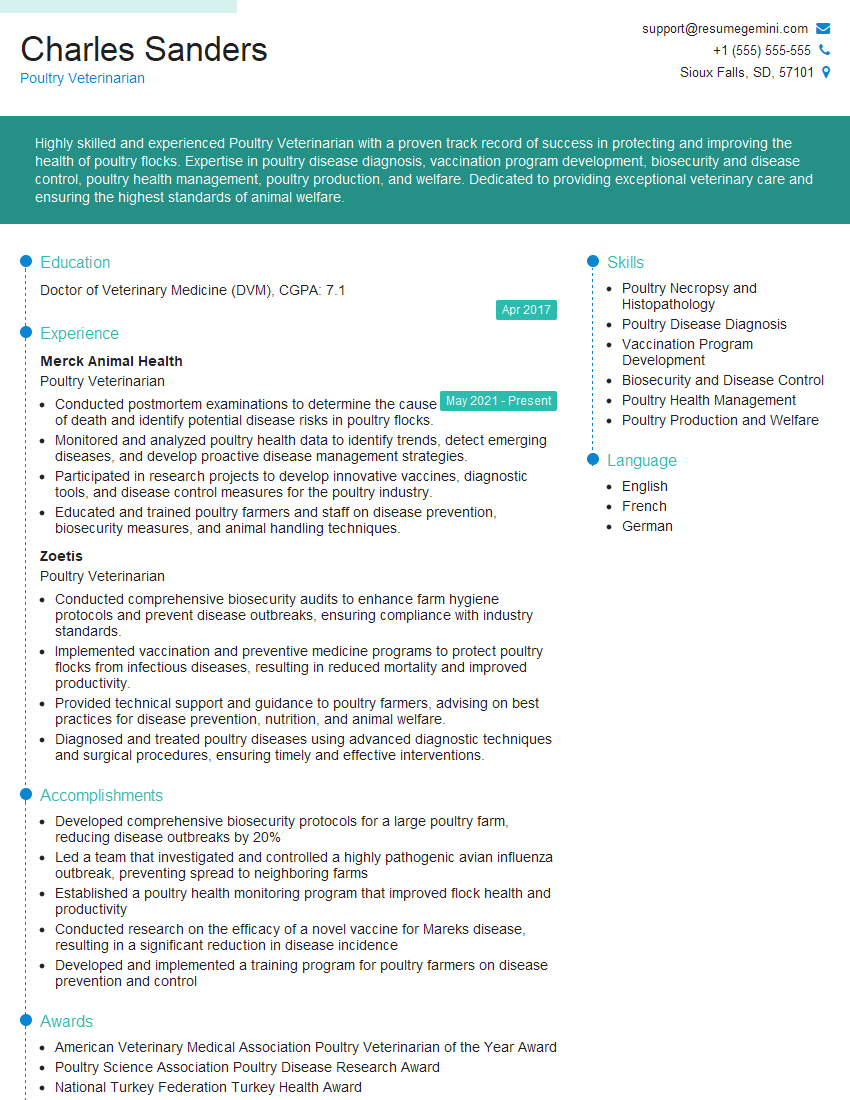
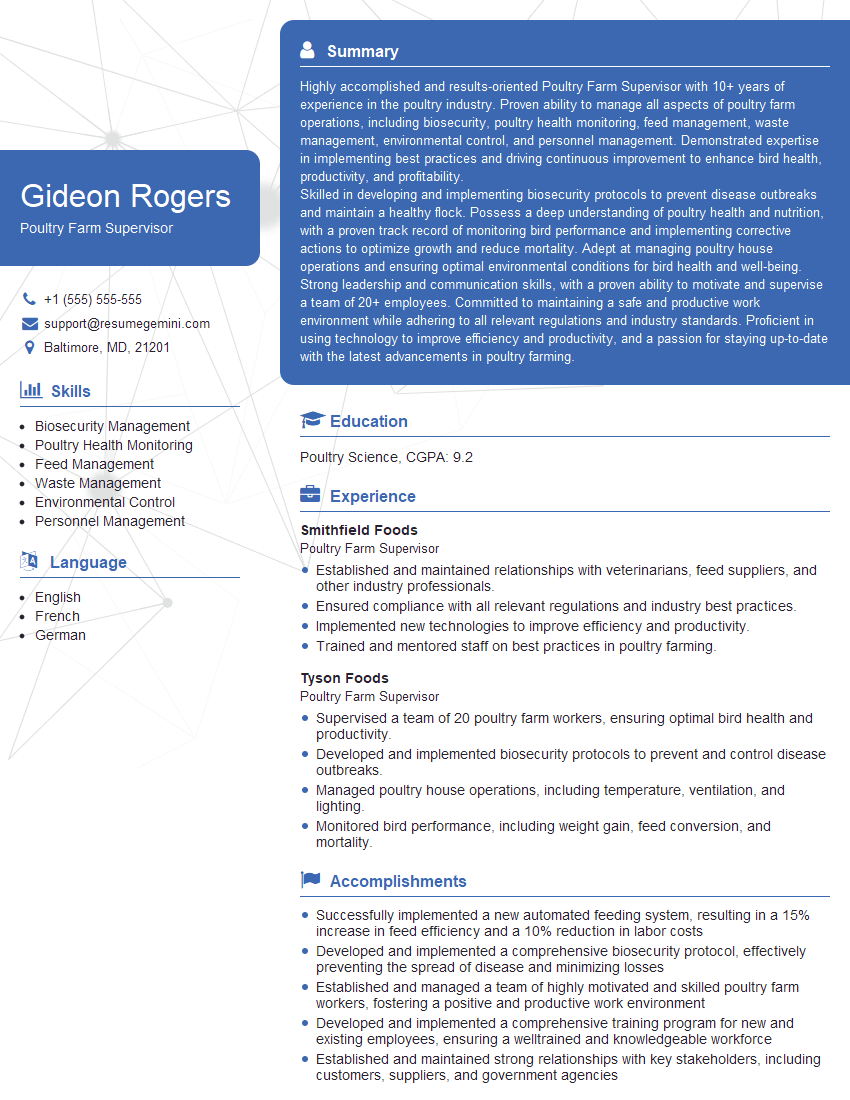
Mastering a working knowledge of poultry diseases and defects is crucial for career advancement in the poultry industry. It demonstrates a commitment to animal welfare, efficient production, and responsible disease management. To significantly boost your job prospects, invest time in crafting a strong, ATS-friendly resume that highlights your relevant skills and experience. ResumeGemini is a trusted resource that can help you build a professional and impactful resume. They provide examples of resumes tailored to highlighting expertise in poultry diseases and defects, ensuring your application stands out.

Explore more articles
Users Rating of Our Blogs
Share Your Experience
We value your feedback! Please rate our content and share your thoughts (optional).
What Readers Say About Our Blog
Really detailed insights and content, thank you for writing this detailed article.
IT gave me an insight and words to use and be able to think of examples