Feeling uncertain about what to expect in your upcoming interview? We’ve got you covered! This blog highlights the most important Zoological Husbandry interview questions and provides actionable advice to help you stand out as the ideal candidate. Let’s pave the way for your success.
Questions Asked in Zoological Husbandry Interview
Q 1. Describe your experience with animal enrichment programs.
Animal enrichment is crucial for the physical and psychological well-being of captive animals. It aims to stimulate natural behaviors and provide animals with choices and control over their environment, preventing boredom and stress. My experience encompasses designing and implementing enrichment programs for a variety of species, from primates to reptiles. This involves considering each animal’s species-specific needs, individual preferences, and cognitive abilities.
For example, I developed a foraging enrichment program for a group of chimpanzees involving hidden food items within puzzle feeders of varying complexity. This stimulated their problem-solving skills and natural foraging behaviors. For a group of snow leopards, I introduced scent enrichment using urine from other cats, which triggered natural investigative behaviors and territorial marking responses. I meticulously documented the animals’ responses to each enrichment activity, allowing for adjustments based on engagement levels and behavioral changes.
- Sensory enrichment: Providing novel scents, sounds, textures, and visual stimuli.
- Cognitive enrichment: Puzzles, foraging opportunities, and interactive toys.
- Social enrichment: Introducing compatible individuals, providing opportunities for social interaction.
- Physical enrichment: Providing climbing structures, swimming pools, or other opportunities for exercise.
Q 2. Explain the importance of proper animal record-keeping.
Accurate and consistent animal record-keeping is paramount in zoological husbandry. It forms the backbone of animal care, facilitating proactive health management, breeding programs, and research. Detailed records allow us to track an animal’s entire life history, from birth or acquisition to death. This includes comprehensive health information, behavioral observations, diet, medication administration, and any other relevant data.
Imagine a scenario where a giraffe exhibits sudden lethargy. By consulting its records, we can quickly identify any recent changes in its diet, medical treatments, or social interactions that might indicate the cause. Similarly, accurate breeding records are essential for managing genetic diversity and preventing inbreeding. We utilize sophisticated software and databases for efficient record management, ensuring data integrity and easy accessibility for veterinary staff, keepers, and researchers.
- Health records: Vaccination history, disease diagnoses, treatments, and results of diagnostic tests.
- Behavioral records: Observations of normal and abnormal behaviors, noting any changes or patterns.
- Dietary records: Detailed information on food types, quantities, and feeding schedules.
- Environmental records: Temperature, humidity, lighting, and any enrichment activities provided.
Q 3. Detail your knowledge of different animal diets and nutritional needs.
Animal diets are incredibly diverse, tailored to the species’ unique nutritional needs. My knowledge spans various dietary categories, from carnivores, herbivores, and omnivores to specialized diets for endangered species. A crucial aspect is understanding the nutritional composition of foods, including macronutrients (proteins, carbohydrates, fats), micronutrients (vitamins, minerals), and water content. I have experience with formulating diets using commercially available feeds, fresh produce, and supplements, ensuring nutritional adequacy and palatability.
For example, formulating a diet for a carnivorous big cat involves focusing on high-quality protein sources, while a herbivore like a giraffe requires a diet rich in fiber. Often, diets need to be customized for individual animals based on age, health status, and reproductive cycle. I use sophisticated software and collaborate with veterinary nutritionists to analyze diet composition, avoiding nutrient deficiencies or excesses. Careful monitoring of body condition and fecal analysis helps us to assess the effectiveness of the diet.
- Carnivores: Meat, fish, and sometimes organ meats.
- Herbivores: Grasses, leaves, fruits, and vegetables.
- Omnivores: A combination of plant and animal matter.
- Specialized diets: Formulations designed to meet the specific needs of certain species or individuals.
Q 4. How would you handle an aggressive animal encounter?
Handling an aggressive animal encounter requires a calm, deliberate, and well-planned approach, prioritizing safety for both the animal and the handler. My response begins with assessing the situation and the cause of aggression (fear, territoriality, pain). The immediate priority is to ensure a safe distance and minimize further escalation.
If possible, I would utilize trained personnel and appropriate tools such as barriers, remote-controlled feeding devices or tranquilizer darts (under veterinary supervision). Communication is key; verbal cues might help de-escalate the situation, however this must be cautiously assessed. After the event, a thorough investigation is necessary to identify the triggers and implement measures to prevent future incidents. This might include modifying the animal’s environment, adjusting its social dynamics, or providing additional training.
- Assess the situation: Determine the cause of aggression and the level of risk.
- Ensure safety: Establish a safe distance and provide barriers if possible.
- De-escalate the situation: Use calm verbal cues and avoid sudden movements.
- Seek assistance: Call for trained personnel or veterinary intervention if necessary.
- Post-incident investigation: Identify the cause of aggression and implement preventative measures.
Q 5. What are the common signs of illness or distress in animals?
Recognizing signs of illness or distress is a critical skill in animal husbandry. Animals often cannot verbally express their discomfort, so we rely on subtle behavioral and physical changes. Common indicators include changes in appetite, lethargy, abnormal vocalizations, changes in elimination habits (diarrhea, constipation, or polyuria/polydipsia), changes in posture, and any sign of self-mutilation.
For example, a normally active primate suddenly becoming withdrawn and less interactive with its group could suggest illness or stress. A change in coat condition, such as dull or matted fur, could signal a health problem. Respiratory distress, manifested as labored breathing or open-mouth breathing, warrants immediate veterinary attention. Any unusual discharge from the eyes, nose, or other orifices requires further investigation. Prompt detection of these symptoms is essential for timely intervention and improved prognosis.
- Behavioral changes: Lethargy, aggression, withdrawal, unusual vocalizations.
- Appetite changes: Loss of appetite, anorexia, or increased appetite.
- Elimination changes: Diarrhea, constipation, increased urination or thirst.
- Physical changes: Weight loss, abnormal posture, discharge from eyes or nose, respiratory distress.
- Coat condition: Dullness, matting, patchy hair loss.
Q 6. Describe your experience with animal quarantine procedures.
Quarantine procedures are essential for protecting the health of the existing animal population from the introduction of infectious diseases. Newly acquired or returning animals are isolated for a specified period, typically 30-60 days, depending on the species and potential risks. During this time, they are closely monitored for any signs of illness, subjected to veterinary examinations, and given appropriate vaccinations or preventative treatments.
My experience includes managing quarantine facilities, ensuring appropriate housing conditions, implementing stringent biosecurity protocols to minimize the risk of cross-contamination, and maintaining detailed records of all observations and treatments during the quarantine period. Before introducing animals into the main population, negative results on all relevant diagnostic tests and observation for absence of any clinical signs are essential.
- Isolation: Housing animals separately from the main population.
- Veterinary examinations: Thorough physical assessments and diagnostic tests.
- Biosecurity measures: Strict hygiene protocols and disinfection procedures.
- Record-keeping: Detailed records of observations, treatments, and test results.
- Gradual integration: A cautious reintroduction to the main population after completing the quarantine period.
Q 7. Explain your understanding of animal behavior and social dynamics.
Understanding animal behavior and social dynamics is fundamental to providing appropriate care. It informs the design of enclosures, enrichment programs, and the management of social groups. My knowledge encompasses the study of ethology (the scientific study of animal behavior) and I have practical experience observing and interpreting animal behavior in diverse species.
For example, understanding the dominance hierarchy in a primate troop informs the way we manage their group housing, minimizing conflicts and promoting social harmony. Recognizing courtship behaviors in breeding programs allows us to facilitate successful mating and reproduction. Observing subtle signs of stress, such as excessive grooming or self-mutilation, enables us to intervene early to prevent further problems. We actively observe and document natural behaviors such as foraging, playing, resting, and communication patterns to gain insights into the animals’ psychological well-being.
- Species-specific behavior: Understanding natural behaviors, communication methods, and social structures.
- Individual differences: Recognizing variations in personality and temperament.
- Social dynamics: Understanding group structures, dominance hierarchies, and social interactions.
- Behavioral indicators of stress or illness: Recognizing subtle changes in behavior that may signal a problem.
- Applied ethology: Using behavioral knowledge to improve animal welfare and management.
Q 8. How do you maintain a safe and clean animal enclosure?
Maintaining a safe and clean animal enclosure is paramount for animal welfare and staff safety. It’s a multifaceted process involving daily, weekly, and monthly routines tailored to the specific needs of the animal species housed.
- Daily Cleaning: This involves removing fresh feces and uneaten food, spot-cleaning soiled areas, and refilling water sources. For example, in a primate enclosure, this might involve sweeping the floor, wiping down perches, and replenishing water bottles.
- Weekly Cleaning: More thorough cleaning is undertaken weekly, focusing on disinfecting surfaces, replacing bedding (if applicable), and performing a more comprehensive cleaning of enclosures. For a reptile enclosure, this might include scrubbing the substrate, disinfecting the basking area, and replacing any contaminated water features.
- Monthly Cleaning: This involves deeper cleaning, potentially including power washing (for appropriate enclosures) and sanitizing the entire enclosure. For example, large mammal enclosures might require a deep clean of the entire area, including potentially removing and cleaning enrichment items.
- Enclosure Design: The design itself plays a crucial role. Enclosures should be constructed of materials that are easy to clean and disinfect, with appropriate drainage and ventilation to minimize odor and bacterial growth.
- Safety Considerations: Safety measures include providing secure barriers to prevent escape, eliminating potential hazards like sharp objects, and ensuring proper waste disposal to avoid attracting pests.
A comprehensive cleaning schedule, coupled with regular inspections and appropriate safety measures, ensures a healthy and safe environment for both animals and staff.
Q 9. Describe your experience with animal handling techniques.
My experience with animal handling spans over 10 years, encompassing a wide variety of species, from small mammals like rodents to large ungulates. Effective animal handling is about building trust and understanding the individual animal’s temperament and behavior.
- Positive Reinforcement: I prioritize positive reinforcement techniques, rewarding calm behavior and minimizing stress. This involves using treats, verbal praise, and gentle touch to encourage cooperation. For example, when working with a nervous primate, I would start by offering food from a distance, gradually decreasing the distance as the animal becomes comfortable.
- Species-Specific Techniques: Each species has unique handling requirements. Knowing the species’ natural behavior, strength, and potential defensive mechanisms is essential. For example, handling a snake requires a different approach than handling a bird, and I have received specialized training in various handling techniques including restraint methods.
- Safety First: Safety is paramount. I always use appropriate personal protective equipment (PPE), such as gloves, protective clothing, and restraint tools when necessary. I never take unnecessary risks. In addition, I always work with a buddy system, especially when handling larger or potentially aggressive animals.
- Understanding Animal Signals: I pay close attention to the animal’s body language, recognizing signs of stress, fear, or aggression to adapt my approach accordingly. For example, a tense posture, bared teeth, or rapid movements are all indicators that a cautious or different approach is needed.
My training includes certifications in safe animal handling techniques, and I’m always willing to undergo further training to adapt my skills to different species and situations.
Q 10. Explain your knowledge of different animal housing requirements.
Animal housing requirements vary dramatically depending on the species. Factors like species-specific needs, environmental enrichment, and disease prevention heavily influence enclosure design and management.
- Environmental Factors: Temperature, humidity, lighting cycles, and substrate type are all critical. A desert reptile requires a vastly different environment than an arctic fox, for example.
- Space Requirements: Sufficient space is vital to allow animals to engage in natural behaviors. This includes adequate space for movement, foraging, and social interaction (for social species). A cramped environment can lead to stress and behavioral problems.
- Enrichment: Providing environmental enrichment is crucial to stimulate natural behaviors and prevent boredom. Enrichment can include items such as climbing structures, puzzles, toys, and social companions (for social animals). The type of enrichment must be tailored to the species; what works well for a primate would not necessarily work for a reptile.
- Hygiene: Maintaining high standards of hygiene prevents disease spread and promotes animal welfare. Regular cleaning and disinfection are essential, as discussed previously.
- Biosecurity: Strict biosecurity measures are needed to prevent the introduction and spread of disease. This includes controlling access to enclosures, quarantining new animals, and implementing proper hygiene protocols.
Understanding and adhering to these species-specific requirements are fundamental to ensuring the well-being of the animals under my care.
Q 11. How would you respond to an emergency situation involving an animal?
Responding to an animal emergency requires quick thinking, decisive action, and a thorough understanding of animal behavior and first aid. My response would follow a clear protocol:
- Assess the Situation: First, I would assess the nature of the emergency, the animal’s condition, and any immediate risks. For example, is the animal injured, aggressive, or exhibiting signs of illness? Is there an immediate threat to humans or other animals?
- Prioritize Safety: Safety is my top priority, both for the animal and for myself and any other staff members. This might involve securing the area, using appropriate PPE, and calling for additional assistance if needed.
- Administer First Aid: If the animal is injured, I would administer appropriate first aid, stabilizing the animal until veterinary care can be provided. This may involve controlling bleeding, splinting broken bones, or providing basic life support techniques. My training in emergency animal first aid would guide this response.
- Contact Veterinary Staff: I would immediately contact the veterinary staff, providing them with a detailed description of the situation and the animal’s condition.
- Document the Incident: After the emergency, I would thoroughly document the incident, including the events leading up to it, the actions taken, and the outcome. This information is crucial for future prevention measures and improving emergency response protocols.
Regular emergency drills and training ensure that all staff are prepared to handle such situations effectively and efficiently.
Q 12. What is your experience with animal reproduction and breeding programs?
My experience with animal reproduction and breeding programs includes participation in several successful breeding projects involving various species. This involves a deep understanding of reproductive biology, breeding techniques, and genetic management.
- Reproductive Physiology: I have a strong understanding of the reproductive cycles, hormonal profiles, and breeding behaviors of various species. For example, I’m familiar with the intricacies of induced ovulation in certain species.
- Breeding Management: This includes selecting suitable breeding pairs based on genetic considerations, monitoring reproductive health, and managing mating behavior.
- Gestation and Neonatal Care: I am experienced in providing appropriate care during gestation, and providing proper care to newborns, including nutrition, handling and socialization.
- Genetic Management: I have worked with studbooks and population management programs to maintain genetic diversity and prevent inbreeding.
- Record Keeping: Meticulous record-keeping is essential to monitor breeding success, track lineage, and manage animal health.
Successful breeding programs require a collaborative approach involving experienced zookeepers, veterinarians, and geneticists. My role includes implementing management plans, monitoring health, and ensuring optimal conditions for breeding success.
Q 13. Describe your understanding of zoonotic diseases.
Zoonotic diseases are infectious diseases that can be transmitted between animals and humans. Understanding these diseases is critical for maintaining both animal and human health.
- Disease Transmission: Zoonotic diseases can be transmitted through various routes, including direct contact with animals, bites, scratches, inhalation of aerosolized pathogens, or consumption of contaminated food or water. Rabies, for example, is transmitted through bites, while avian influenza can be spread through respiratory droplets.
- Disease Prevention: Implementing strict biosecurity measures is vital in preventing the transmission of zoonotic diseases. This includes proper hygiene practices, vaccination of animals, quarantine protocols for new arrivals, and staff training on disease prevention.
- Recognizing Symptoms: It’s crucial to be able to recognize the signs and symptoms of potential zoonotic diseases, both in animals and humans. Early detection is crucial for prompt treatment and preventing further spread.
- Reporting and Treatment: Any suspected case of zoonotic disease must be reported immediately to the appropriate authorities and veterinary staff. Treatment protocols should be followed carefully to prevent infection and ensure a positive outcome.
A thorough understanding of zoonotic diseases and their prevention is fundamental to the safe and responsible management of animals in a zoological setting. Ongoing training and compliance with regulations are vital.
Q 14. How would you handle a situation involving a sick or injured animal?
Handling a sick or injured animal requires a calm and systematic approach prioritizing the animal’s welfare and safety.
- Assessment: My first step would be a thorough assessment of the animal’s condition, including observing its behavior, physical signs (e.g., lethargy, wounds, respiratory distress), and any potential underlying causes.
- Isolation if Necessary: If the animal is exhibiting signs of contagious disease, I would isolate it to prevent the spread of infection.
- Provide Basic Care: I would provide any necessary basic supportive care, such as providing a clean, comfortable environment, ensuring access to fresh water and food (if appropriate), and keeping the animal warm or cool as needed, depending on the species and situation.
- Contact Veterinary Staff: I would immediately notify the veterinary staff and provide them with detailed information regarding the animal’s condition.
- Follow Veterinary Instructions: I would follow the veterinarian’s instructions carefully, which may include administering medication, providing specialized treatments, or implementing other therapeutic interventions.
- Monitoring and Record-Keeping: Throughout this process, I would closely monitor the animal’s condition and meticulously document all observations, treatments, and responses.
Effective communication with veterinary staff and a careful adherence to their instructions are crucial to ensure the best possible outcome for the sick or injured animal.
Q 15. Explain your experience with animal training techniques.
Animal training in zoological settings relies heavily on positive reinforcement techniques. Instead of punishment, we focus on rewarding desired behaviors. This creates a positive association for the animal, making training more effective and humane. My experience encompasses a wide range of methods, from operant conditioning (using rewards like treats or praise to shape behavior) to classical conditioning (associating a neutral stimulus with a positive outcome).
For example, I successfully trained a group of orangutans to participate in voluntary health checks. We started with simple tasks like presenting a hand for a visual inspection, rewarding each step with a favorite fruit. Gradually, we increased the complexity, incorporating blood pressure and weight measurements. The key was patience, consistency, and understanding the individual personalities of the orangutans. Another project involved training a clouded leopard to voluntarily enter a transport crate for vet visits, significantly reducing stress for both the animal and the staff.
- Operant Conditioning: Shaping behaviors through reinforcement.
- Classical Conditioning: Pairing a neutral stimulus with a positive reward.
- Target Training: Teaching an animal to touch a specific object.
Career Expert Tips:
- Ace those interviews! Prepare effectively by reviewing the Top 50 Most Common Interview Questions on ResumeGemini.
- Navigate your job search with confidence! Explore a wide range of Career Tips on ResumeGemini. Learn about common challenges and recommendations to overcome them.
- Craft the perfect resume! Master the Art of Resume Writing with ResumeGemini’s guide. Showcase your unique qualifications and achievements effectively.
- Don’t miss out on holiday savings! Build your dream resume with ResumeGemini’s ATS optimized templates.
Q 16. What are your skills in maintaining proper sanitation protocols within zoological settings?
Maintaining proper sanitation is paramount in zoological settings to prevent the spread of disease and ensure animal welfare. My approach is multifaceted and adheres strictly to best practices. This includes daily cleaning and disinfection of enclosures, using approved zoological-grade disinfectants and adhering to strict protocols to avoid cross-contamination. We also implement robust waste management systems, including proper disposal of animal waste and used bedding. Regular pest control is vital, involving preventative measures and immediate responses to any infestations.
For example, in my previous role, we implemented a color-coded cleaning system to differentiate between cleaning tasks and to avoid accidental cross-contamination of equipment. This helped us achieve a significant improvement in biosecurity and resulted in a decrease in animal-related illnesses. We also regularly monitor water quality and implement preventative maintenance on water systems to ensure both the animals and the staff are safe from potential hazards. Regular training for all staff members is essential to ensure everyone is well-versed in the protocols.
Q 17. Describe your experience working with diverse animal species.
My experience spans a diverse range of animal species, from primates and carnivores to birds and reptiles. I’ve worked extensively with both large mammals, such as elephants and rhinos, and smaller animals, like insects and amphibians. Each species presents unique challenges and rewards. Working with primates, for instance, requires a deep understanding of their social dynamics and cognitive abilities. With carnivores, safety protocols are paramount. Working with smaller animals requires different skills in husbandry, such as specialized enclosures and feeding techniques.
A memorable experience involved rehabilitating a group of injured owls. This required meticulous attention to detail, from managing their specialized diets to providing stimulating environments that facilitated their recovery. Another challenging but rewarding experience was participating in a breeding program for a critically endangered species, requiring a comprehensive understanding of their reproductive biology and behavior.
Q 18. How do you ensure the welfare of animals under your care?
Animal welfare is the cornerstone of my professional approach. I believe in a holistic approach that encompasses the physical, psychological, and social needs of each animal. This begins with ensuring that their enclosures are appropriately sized, enriched, and provide opportunities for species-specific behaviors. A balanced diet, regular veterinary care, and a stress-free environment are crucial. I also focus on proactively identifying and addressing any signs of illness or distress.
For instance, I developed an enrichment program for a group of captive bears that incorporated sensory activities, such as scent trails and puzzle feeders, as well as opportunities for social interaction. This resulted in a marked improvement in their behavior, reducing stereotypical pacing and increasing play behavior. Regularly observing the animals’ behavior and responding to any unusual changes is vital for early detection of potential issues. Collaboration with veterinarians and other professionals is crucial to implement appropriate preventative and reactive measures.
Q 19. Explain your understanding of animal behavior modification techniques.
Animal behavior modification techniques aim to change undesirable behaviors in a humane and effective way. Positive reinforcement, as discussed earlier, is a core component. However, other techniques are also utilized, including desensitization and counter-conditioning. Desensitization gradually exposes the animal to a stimulus that causes fear or anxiety, gradually reducing the negative response. Counter-conditioning pairs that stimulus with a positive experience.
I successfully used counter-conditioning to help a formerly aggressive dog become more comfortable around children. By pairing the presence of children with positive experiences like treats and praise, we gradually reduced the dog’s fear and aggression. This required careful planning, incremental exposure, and consistent positive reinforcement. Another example involves reducing stereotypic behaviors, such as pacing or self-mutilation, by introducing environmental enrichment and providing more opportunities for natural behaviors. The goal is to address the root cause of the behavior rather than just suppressing the symptoms.
Q 20. What are your skills in preparing and administering animal medications?
Preparing and administering animal medications requires a high level of precision and care. I am proficient in various administration techniques, including oral medications, injections (both intramuscular and subcutaneous), and topical applications. I adhere strictly to veterinary prescriptions, carefully checking dosages and routes of administration. Record keeping is essential, documenting all medications administered, including the date, time, dose, and any observed reactions. Safety for both the animal and the handler is my utmost priority.
For example, during an outbreak of a minor respiratory illness among a group of primates, I played a key role in administering medication, ensuring all animals received the correct dosage and monitoring their response closely. Prior to administering any medication, I make sure to confirm the animal’s identity and check the medication label against the veterinarian’s order. This is followed by meticulous record keeping, which is crucial for tracking treatment effectiveness and informing future healthcare decisions.
Q 21. Describe your experience with public education programs about animals.
Public education is a vital aspect of zoological work. I have extensive experience delivering engaging and informative presentations, tours, and workshops to diverse audiences, ranging from schoolchildren to adults. I strive to communicate complex scientific information in an accessible and captivating manner, emphasizing the importance of conservation and wildlife protection. I utilize a variety of techniques, including interactive activities, visual aids, and storytelling, to enhance learning and encourage engagement.
For example, I developed an educational program for school children focused on the importance of biodiversity. The program incorporated interactive games and hands-on activities, allowing children to learn about different species and their roles in the ecosystem. I also regularly participate in community outreach events, sharing my knowledge and passion for animals with the wider public. Effective communication is vital in bridging the gap between the scientific community and the public, fostering understanding and support for conservation efforts.
Q 22. Explain your understanding of animal transport and handling.
Animal transport and handling is a critical aspect of zoological husbandry, encompassing the safe and stress-free movement of animals from one location to another, whether it’s within the zoo, to a different facility, or for veterinary care. It requires meticulous planning and execution, prioritizing the animal’s well-being above all else.
Successful transport involves assessing the animal’s individual needs – considering species, age, health status, temperament, and even individual preferences. For example, a shy primate might require more secluded transport than a more outgoing one. The crate or container must be appropriately sized, well-ventilated, and provide secure confinement to prevent injury during transit. Environmental controls, such as temperature and humidity, are crucial to maintain the animal’s comfort and prevent stress. Careful loading and unloading procedures are vital, minimizing jarring movements and potential escape opportunities.
Handling, on the other hand, involves the direct interaction with animals, whether for medical examinations, enrichment activities, or relocation within their enclosures. This requires specialized training in safe restraint techniques specific to each species. For instance, handling a venomous snake requires specialized equipment and expertise, unlike handling a docile goat. Understanding the animal’s body language is crucial – recognizing signs of stress or aggression enables proactive measures to ensure both the animal’s and handler’s safety. Positive reinforcement techniques are preferred, using rewards to encourage cooperation rather than forceful methods.
Q 23. How would you assess an animal’s overall health condition?
Assessing an animal’s overall health involves a holistic approach, integrating various methods to provide a comprehensive picture. It’s like conducting a thorough physical exam for a human patient, but adapted to the animal’s specific needs.
- Visual Observation: This is the first step, observing the animal’s posture, gait, alertness, coat condition, and any visible signs of injury or disease. For example, a hunched posture might indicate pain, while dull fur can suggest malnutrition.
- Physical Examination: This involves a hands-on assessment, including checking vital signs such as heart rate, respiration, and temperature. We’ll also assess body condition, checking for muscle wasting or excessive fat.
- Behavioral Assessment: Observing the animal’s behavior provides valuable insights. Changes in feeding habits, social interaction, or activity levels can all be indicative of underlying health problems.
- Laboratory Testing: Blood work, fecal exams, and other diagnostic tests are crucial to identify internal issues not visible through observation or physical exam. For instance, blood tests can detect infections or organ dysfunction.
Integrating all this information allows us to create a complete health profile, identify potential problems early, and develop appropriate management and treatment plans.
Q 24. What is your understanding of animal genetics and conservation efforts?
Animal genetics and conservation efforts are intricately linked. Understanding an animal’s genetics helps us manage populations effectively, especially in captive breeding programs aimed at preserving endangered species. This involves maintaining genetic diversity to prevent inbreeding depression, which can lead to reduced fitness and increased susceptibility to disease.
Techniques like studbooks (detailed records of an animal’s lineage) and genetic analysis (DNA testing) are used to track kinship and manage breeding pairs to maximize genetic diversity. For example, a zoo participating in a Species Survival Plan (SSP) for a particular endangered species would use genetic information to identify suitable breeding pairs from different zoos to avoid inbreeding and maintain a healthy gene pool. Genetic analysis can also reveal insights into population structure, helping to identify genetically distinct groups that may warrant separate conservation strategies.
Conservation efforts also extend to protecting natural habitats and mitigating threats to wild populations. Understanding the genetic makeup of these populations helps researchers understand their evolutionary history, adaptation strategies, and susceptibility to diseases, all crucial for effective conservation planning.
Q 25. Describe your familiarity with various species-specific husbandry techniques.
Species-specific husbandry techniques are essential for providing optimal care tailored to each animal’s unique biological, behavioral, and environmental needs. A one-size-fits-all approach is simply inadequate.
For example, a reptile’s enclosure requires careful control of temperature and humidity gradients, mimicking their natural environment. Providing appropriate basking sites and hiding places is crucial for their thermoregulation and behavioral well-being. In contrast, a primate’s enclosure should offer opportunities for social interaction, climbing, and foraging, stimulating natural behaviors that promote physical and mental health. Dietary requirements also vary dramatically; a carnivore needs a meat-based diet, while an herbivore requires a plant-based diet with specific nutritional components.
My experience encompasses a wide range of species, from mammals and birds to reptiles and amphibians, and I am adept at adapting husbandry techniques to the specific requirements of each.
Q 26. How do you contribute to the collaborative work environment of a zoological facility?
Contributing to a collaborative work environment in a zoological facility is paramount for providing the best possible care for the animals. This involves effective communication, teamwork, and a shared commitment to excellence.
- Open Communication: I actively participate in staff meetings, sharing observations, ideas, and concerns to ensure all team members are informed and can contribute their expertise.
- Teamwork: I work collaboratively with veterinarians, other keepers, and other zoo staff, sharing responsibilities and supporting colleagues to ensure consistent and high-quality care.
- Mentorship: I am happy to mentor junior keepers, sharing my knowledge and experience to build their skills and confidence.
- Problem-Solving: I approach challenges with a collaborative spirit, working with others to find effective solutions.
A strong team fosters a positive and efficient work environment, leading to improved animal welfare and overall zoo operations.
Q 27. Explain your experience with data collection and analysis for zoological research.
Data collection and analysis are integral to zoological research and the improvement of animal care. This might involve tracking various parameters, such as diet intake, weight, reproductive cycles, and behavioral observations. The data is often collected using specialized software or spreadsheets, ensuring accuracy and consistency.
For example, I might track the daily food consumption of a group of animals, noting any variations that could signal illness or changes in preference. This data, combined with behavioral observations, could highlight underlying health issues or the need for dietary adjustments. We might also collect data on breeding cycles, meticulously recording mating attempts, pregnancies, and births. This is critical for managing breeding programs and understanding reproductive success.
Data analysis may involve simple calculations (e.g., average weight gain), or more sophisticated statistical methods to identify trends and patterns. The findings are then used to inform management decisions, refine husbandry techniques, and contribute to broader scientific understanding of the species.
Q 28. Describe your understanding of the regulatory frameworks governing zoological operations.
Zoological operations are governed by a complex network of local, national, and international regulations designed to protect animal welfare and ensure responsible management. These regulations cover various aspects, including animal acquisition, housing, transport, veterinary care, and public safety.
For example, the Association of Zoos and Aquariums (AZA) in the United States sets high standards for animal care and conservation. Similar organizations exist internationally, each with its own accreditation standards and guidelines. These standards often go beyond basic legal requirements, emphasizing best practices and continuous improvement. Local laws also play a significant role, dictating zoning regulations, permitting requirements, and health and safety protocols.
Understanding and adhering to these regulations is crucial for ensuring ethical and legal operations. This includes maintaining accurate records, complying with inspection protocols, and staying informed about updates to regulations.
Key Topics to Learn for Zoological Husbandry Interview
- Animal Nutrition and Diet: Understanding species-specific dietary needs, formulating balanced diets, and recognizing nutritional deficiencies.
- Animal Health and Welfare: Recognizing signs of illness and injury, implementing preventative health measures, and collaborating with veterinarians.
- Habitat Management and Enrichment: Designing and maintaining naturalistic enclosures, providing environmental enrichment to promote natural behaviors, and understanding the impact of habitat on animal well-being.
- Animal Behavior and Training: Observing animal behavior, understanding motivational factors, and implementing positive reinforcement training techniques for animal care and management.
- Record Keeping and Data Management: Maintaining accurate and detailed records of animal health, behavior, and husbandry practices; using data to improve animal care and inform management decisions.
- Biosecurity and Disease Prevention: Implementing biosecurity protocols to prevent the introduction and spread of disease, understanding disease transmission, and maintaining a clean and safe environment.
- Conservation and Breeding Programs: Understanding conservation challenges, participating in captive breeding programs, and contributing to species survival.
- Emergency Response and Crisis Management: Developing and implementing emergency protocols for various situations, including illness outbreaks, escapes, and natural disasters.
- Teamwork and Communication: Effectively collaborating with colleagues, supervisors, and other stakeholders; clearly communicating information regarding animal care and husbandry practices.
Next Steps
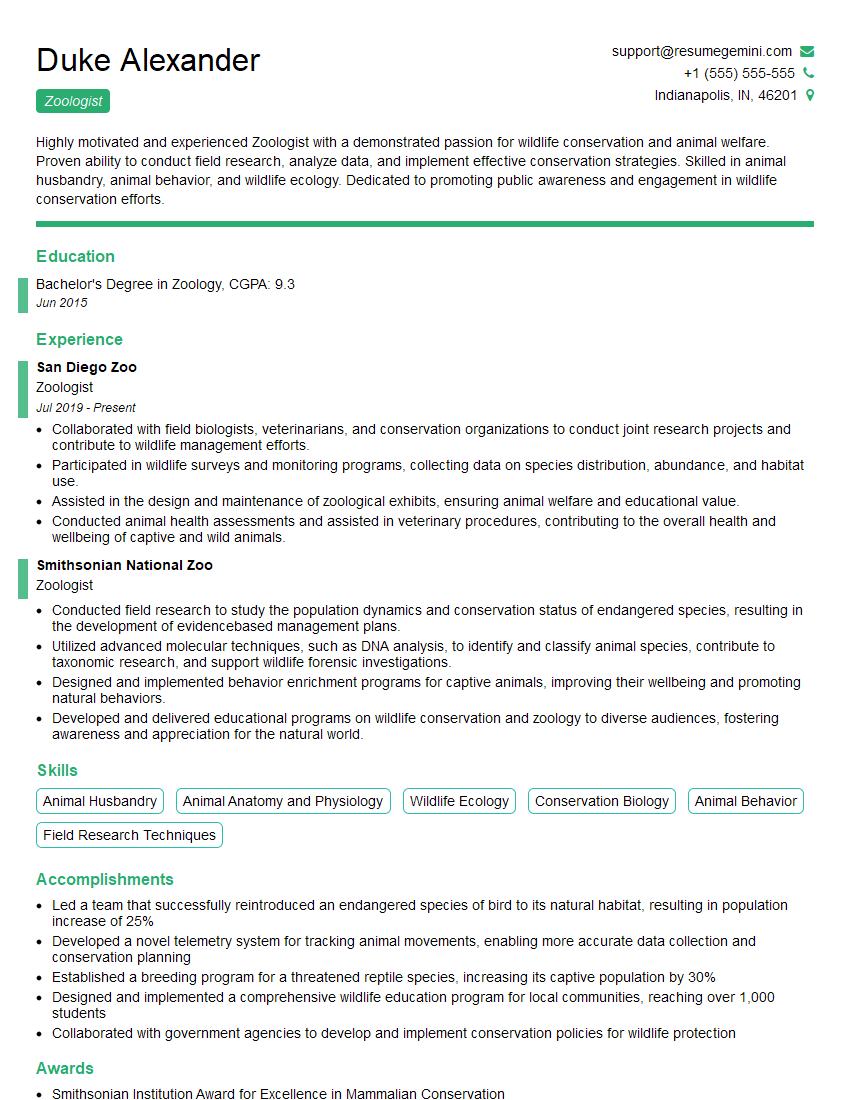
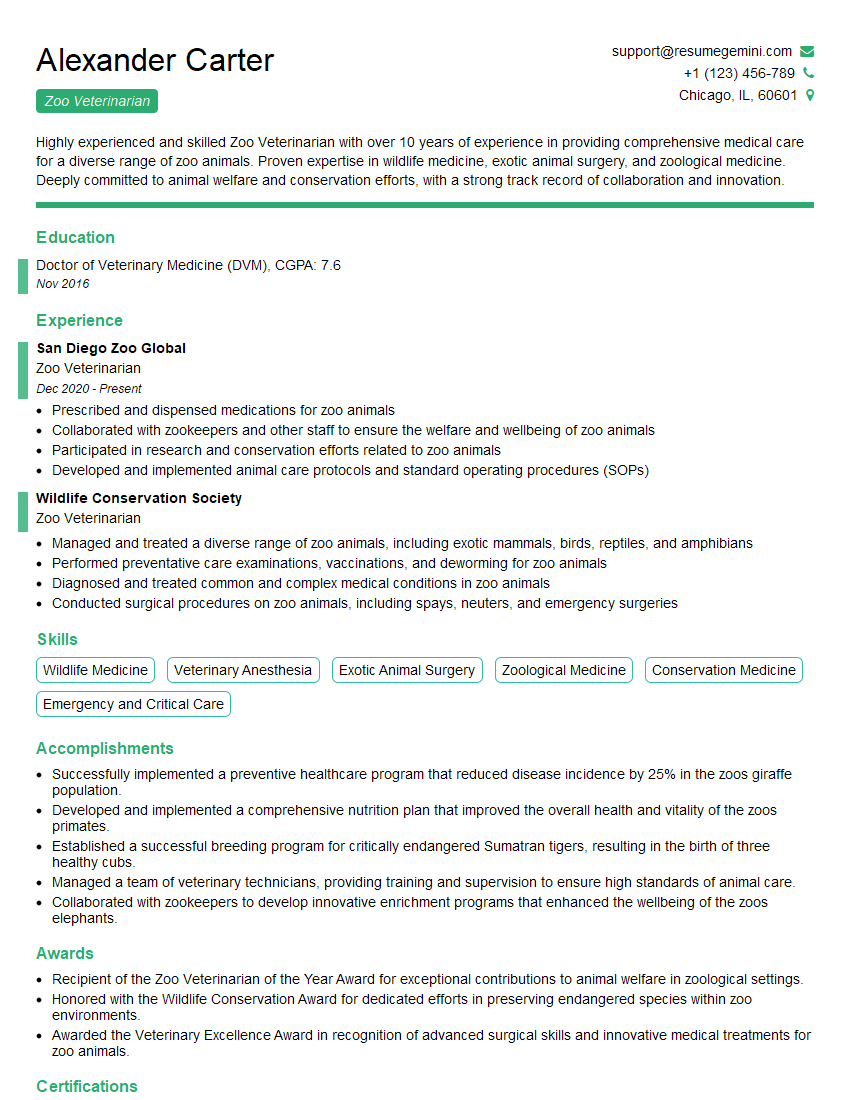
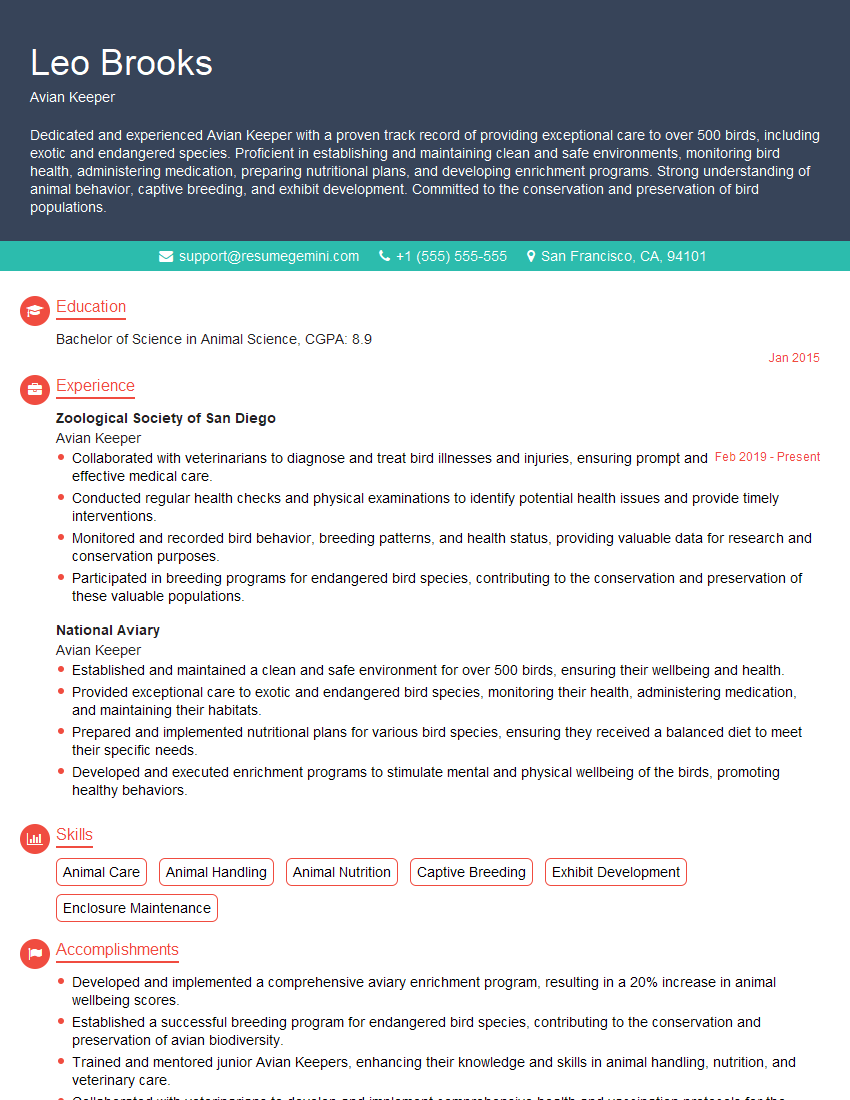
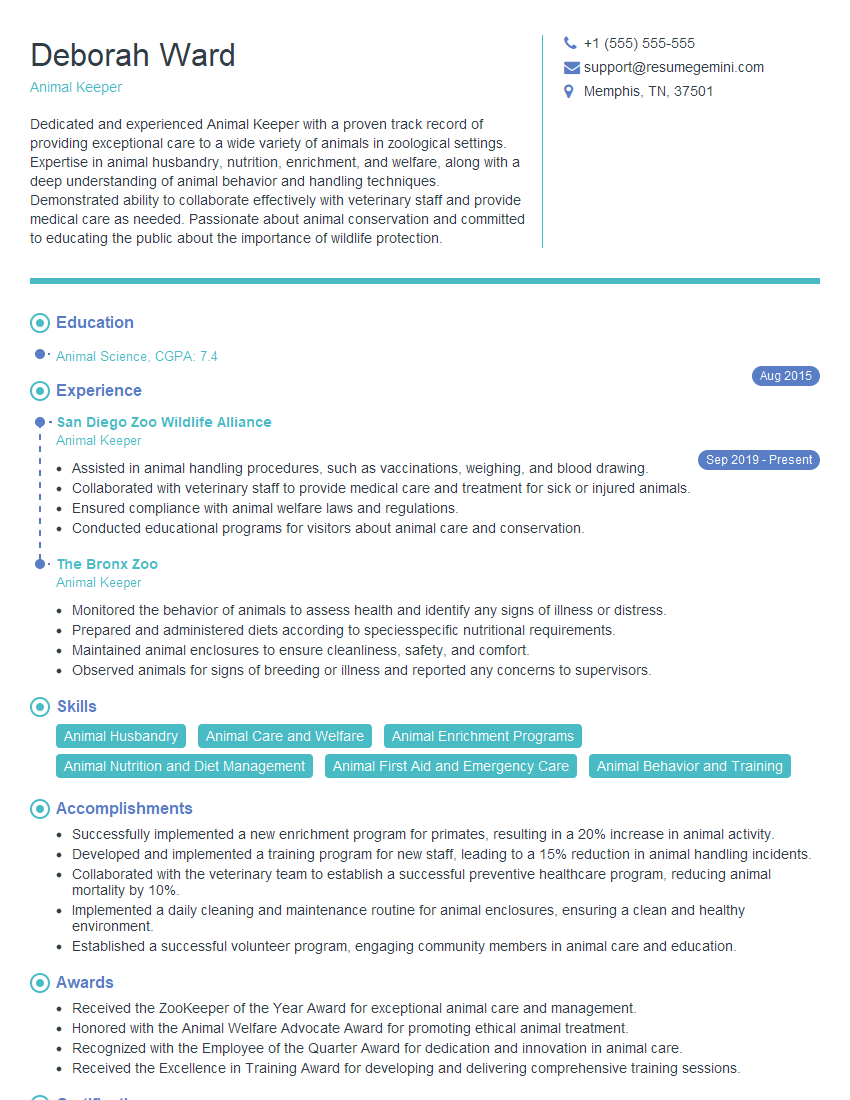
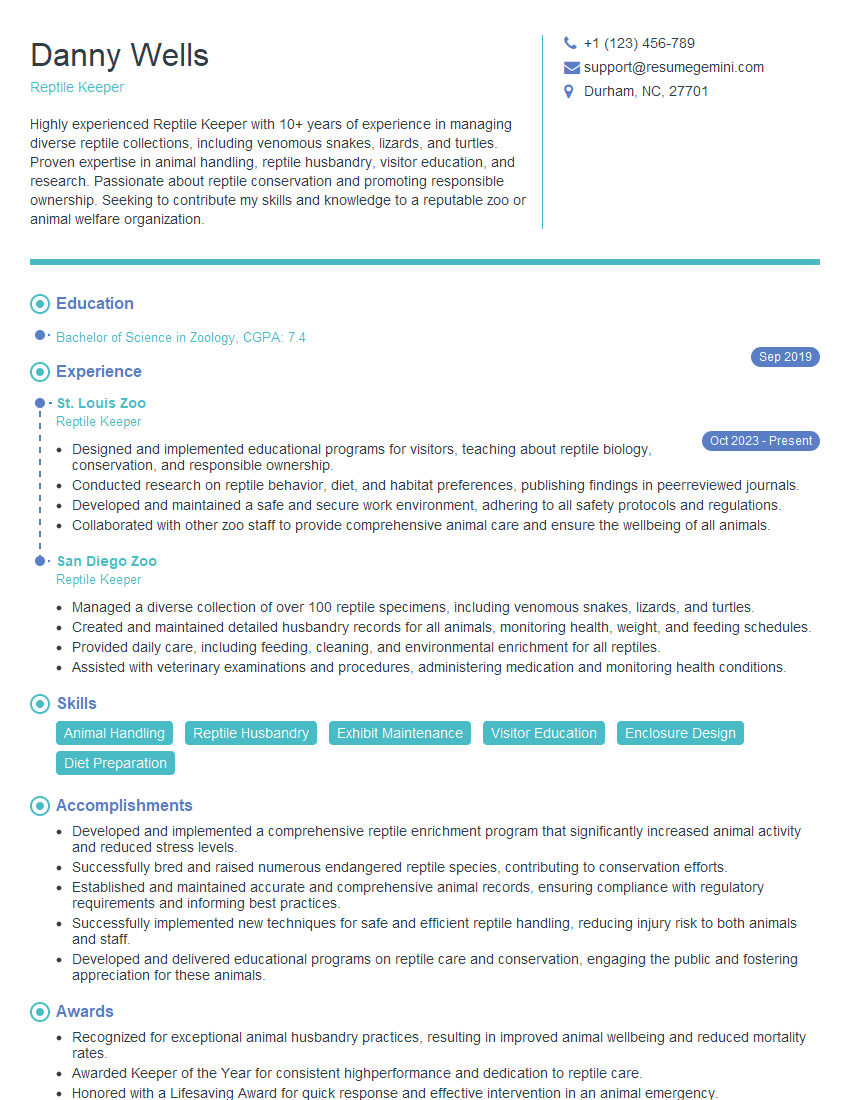
Mastering Zoological Husbandry opens doors to a rewarding career dedicated to animal welfare and conservation. A strong foundation in these key areas significantly enhances your job prospects. To make your application stand out, crafting an ATS-friendly resume is crucial. This ensures your qualifications are effectively highlighted to potential employers. We strongly encourage you to leverage ResumeGemini to build a professional and impactful resume. ResumeGemini offers a user-friendly platform and provides examples of resumes tailored specifically to Zoological Husbandry, giving you a head start in showcasing your skills and experience effectively.
Explore more articles
Users Rating of Our Blogs
Share Your Experience
We value your feedback! Please rate our content and share your thoughts (optional).
What Readers Say About Our Blog
Really detailed insights and content, thank you for writing this detailed article.
IT gave me an insight and words to use and be able to think of examples