Are you ready to stand out in your next interview? Understanding and preparing for Loan Due Diligence interview questions is a game-changer. In this blog, we’ve compiled key questions and expert advice to help you showcase your skills with confidence and precision. Let’s get started on your journey to acing the interview.
Questions Asked in Loan Due Diligence Interview
Q 1. Explain the process of performing loan due diligence.
Loan due diligence is a critical process where we meticulously examine all aspects of a loan before committing funds. Think of it as a thorough pre-purchase inspection for a house, but instead of a property, it’s a loan. The goal is to identify and mitigate potential risks, ensuring the loan is sound and aligns with our investment criteria.
The process typically involves several stages:
- Initial Assessment: Reviewing the loan application and supporting documentation for completeness and accuracy.
- Financial Statement Analysis: Deep-dive analysis of the borrower’s financial statements (balance sheet, income statement, cash flow statement) to assess their financial health and repayment capacity.
- Credit Risk Assessment: Evaluating the borrower’s creditworthiness, including credit history, debt-to-income ratio, and overall financial stability.
- Collateral Evaluation: Assessing the value and quality of the collateral securing the loan (e.g., real estate, equipment, accounts receivable).
- Legal Review: Reviewing all relevant legal documents, including the loan agreement, security agreements, and any other pertinent legal instruments.
- Compliance Review: Ensuring the loan complies with all applicable laws and regulations.
- Reporting & Recommendation: Preparing a comprehensive due diligence report summarizing the findings and providing a recommendation on whether to proceed with the loan.
Q 2. What are the key risks involved in loan due diligence?
Several key risks are inherent in loan due diligence. Failing to properly assess these can lead to significant financial losses.
- Credit Risk: The borrower may default on the loan due to financial difficulties or unforeseen circumstances. This is arguably the most significant risk.
- Market Risk: Changes in market conditions (e.g., interest rate fluctuations, economic downturns) can impact the borrower’s ability to repay the loan or the value of the collateral.
- Operational Risk: Problems with the borrower’s business operations, such as poor management or inefficient processes, can increase the risk of default.
- Legal Risk: Issues with the loan documents, collateral ownership, or regulatory compliance can lead to disputes or legal challenges.
- Reputational Risk: Association with a loan that ultimately defaults can damage the lender’s reputation.
- Fraud Risk: The possibility of misrepresentation or fraudulent activity in the loan application or supporting documentation.
For example, a seemingly profitable business might be masking losses through aggressive accounting practices, exposing the lender to significant credit risk if undetected during due diligence.
Q 3. How do you identify and assess credit risk in a loan?
Credit risk assessment is central to loan due diligence. We use a multi-faceted approach.
- Financial Ratio Analysis: Calculating key financial ratios such as debt-to-equity, current ratio, and times interest earned to assess the borrower’s financial health and leverage. A high debt-to-equity ratio, for instance, could signal excessive risk.
- Credit Score & History: Reviewing the borrower’s credit report and score to understand their past repayment behavior. A low credit score indicates higher risk.
- Cash Flow Analysis: Examining the borrower’s cash flow statement to determine their ability to generate sufficient cash to meet their debt obligations. A strong cash flow is crucial for loan repayment.
- Industry Analysis: Understanding the borrower’s industry and competitive landscape to assess the overall industry risk and the borrower’s position within it.
- Sensitivity Analysis: Testing the borrower’s financial projections under various economic scenarios to understand the resilience of their financial position.
Imagine evaluating a small restaurant’s loan application. We’d examine their sales figures, cost of goods sold, and debt levels to assess their capacity to repay the loan. A decline in sales due to increased competition could be a major red flag.
Q 4. Describe your experience with analyzing financial statements.
I have extensive experience analyzing financial statements, having conducted hundreds of due diligence reviews. My analysis goes beyond simply reviewing the numbers; I delve into the underlying trends and drivers. I’m proficient in identifying discrepancies, unusual transactions, and potential accounting manipulations.
My process typically involves:
- Comparative Analysis: Comparing the current financial statements with previous periods to identify trends and potential problems.
- Ratio Analysis: Calculating and analyzing key financial ratios to assess liquidity, profitability, and solvency.
- Trend Analysis: Evaluating the trends in key financial metrics over time to predict future performance.
- Benchmarking: Comparing the borrower’s financial performance to industry averages or competitors to assess their relative strength.
- Qualitative Analysis: Considering qualitative factors, such as management experience and industry conditions, alongside the quantitative data.
For example, I once discovered a significant increase in accounts receivable, which, upon further investigation, revealed a problem with the company’s collection procedures, hinting at potential future cash flow issues.
Q 5. How do you evaluate the collateral for a loan?
Collateral evaluation is crucial, as it represents the lender’s security in case of default. The process depends on the type of collateral.
- Real Estate: We’d engage an independent appraiser to determine the market value. We also examine the title and survey to ensure clear ownership and no encumbrances.
- Equipment: We’d conduct an inspection of the equipment, verify its condition, and assess its market value. We’d also verify ownership and any existing liens.
- Inventory: We’d conduct a physical inventory count and verify the value of the inventory, considering its age, condition, and marketability.
- Accounts Receivable: We’d review aging reports and the quality of the receivables to assess their collectability.
A recent project involved evaluating a loan secured by commercial real estate. We engaged an independent appraiser who identified significant deferred maintenance, reducing the collateral value and necessitating a reevaluation of the loan-to-value ratio.
Q 6. What are the common red flags you look for during due diligence?
During due diligence, I’m constantly on the lookout for red flags. These are indicators of potential problems that warrant further investigation.
- Inconsistent Financial Statements: Discrepancies between different financial statements or between the statements and supporting documentation.
- Rapid Growth in Revenue or Expenses: Unusual spikes in revenue or expenses may indicate aggressive accounting practices or unsustainable growth.
- High Debt Levels: A high debt-to-equity ratio could indicate a high risk of default.
- Deteriorating Credit Score: A significant decline in the borrower’s credit score can be a major concern.
- Negative Cash Flow: Consistent negative cash flow is a strong indicator of financial distress.
- Related Party Transactions: Transactions with related parties can mask issues or lead to conflicts of interest.
- Unusual Accounting Practices: The use of aggressive accounting methods that may distort the financial picture.
For example, a sudden jump in a company’s sales figures without a corresponding increase in inventory might suggest inflated revenue.
Q 7. How do you handle discrepancies or inconsistencies found during due diligence?
Discrepancies and inconsistencies are inevitable during due diligence. My approach is systematic and thorough.
- Identify and Document: Meticulously document all discrepancies and inconsistencies, along with the source of the information.
- Investigate the Root Cause: Determine the reason for the discrepancy. This often involves requesting additional information from the borrower or conducting further analysis.
- Assess the Impact: Evaluate the significance of the discrepancy and its potential impact on the loan’s risk profile.
- Communicate with Stakeholders: Discuss the findings with the loan team and relevant stakeholders to determine the appropriate course of action.
- Adjust the Due Diligence Scope: If necessary, expand the scope of due diligence to address the identified issues.
- Seek Expert Opinions: Consult with specialists, such as legal counsel or forensic accountants, if required.
In one instance, we discovered a discrepancy in the inventory valuation. Following a thorough investigation involving site visits and independent appraisals, we determined the discrepancy was due to an accounting error, which was corrected, allowing us to proceed with the loan.
Q 8. Explain your experience with regulatory compliance in lending.
Regulatory compliance in lending is paramount. My experience spans several years, encompassing the intricacies of laws like the Truth in Lending Act (TILA), the Real Estate Settlement Procedures Act (RESPA), and the Fair Credit Reporting Act (FCRA), among others. I’m intimately familiar with the ever-evolving landscape of regulations, and I proactively stay updated through continuing education and professional affiliations. For example, I recently completed a course on the latest changes in KYC/AML compliance impacting mortgage lending, enabling me to efficiently incorporate those changes into our due diligence processes. I’ve personally ensured adherence to these regulations across numerous loan portfolios, mitigating potential risks and ensuring legal compliance. This includes reviewing loan documentation for compliance, conducting regular audits, and training junior team members on regulatory requirements. Non-compliance can lead to hefty fines and reputational damage, so a deep understanding and meticulous application of regulations is crucial.
Q 9. Describe your proficiency in using financial modeling software.
I’m highly proficient in several financial modeling software packages, including but not limited to, Excel (with advanced functions like VBA macros for automation), Argus, and Trepp. My expertise goes beyond basic spreadsheet creation; I can build complex models to forecast cash flows, assess loan performance, and conduct sensitivity analyses. For instance, I recently utilized Argus to model the impact of rising interest rates on a large commercial real estate loan portfolio, allowing the investment committee to make informed decisions about risk mitigation. I’m also adept at using these tools to create visualizations (charts, graphs) that clearly and concisely communicate complex financial data to non-technical stakeholders, making the information easily digestible. In a recent project, I used VBA in Excel to automate the reconciliation process of thousands of loan files, saving countless hours of manual effort and ensuring accuracy.
Q 10. How do you prioritize tasks during a high-volume due diligence process?
Prioritizing tasks during high-volume due diligence requires a structured approach. I typically use a combination of techniques including the Eisenhower Matrix (urgent/important), risk assessment, and understanding stakeholder priorities. High-risk loans or those with imminent deadlines naturally take precedence. I utilize project management tools to track progress, deadlines, and allocate resources effectively. For example, I might assign a higher priority to a loan with a complex legal structure or impending default than a simpler, low-risk loan. I communicate regularly with stakeholders to ensure alignment and adjust priorities as needed. Transparency and clear communication are key to managing expectations and ensuring a smooth workflow.
Q 11. How do you communicate findings and recommendations to stakeholders?
Communicating findings and recommendations effectively is critical. I tailor my communication style to the audience. For technical stakeholders, I use detailed reports with supporting data and analyses; for non-technical stakeholders, I summarize key findings concisely, focusing on implications and recommendations. I frequently use clear visualizations (graphs, charts) to present complex data in an easily digestible manner. I proactively schedule meetings to discuss my findings and answer any questions, making sure to anticipate potential concerns and address them preemptively. For example, if I find a material weakness in a loan’s documentation, I’ll present the issue, its potential impact, and propose concrete solutions for rectification.
Q 12. What is your experience with different types of loans (e.g., commercial, residential)?
My experience encompasses a wide range of loan types, including residential mortgages (both conforming and non-conforming), commercial real estate loans (including construction, multifamily, and office loans), commercial and industrial loans, and consumer loans. This breadth of experience enables me to effectively assess risk and identify potential issues across different asset classes. For instance, understanding the nuances of construction loan draw schedules is quite different from analyzing the cash flow projections of a multifamily building, yet both require a deep understanding of their respective financial and legal intricacies. This diverse experience has provided me with a robust understanding of the unique due diligence requirements for each loan type.
Q 13. How do you assess the legal and regulatory aspects of a loan?
Assessing the legal and regulatory aspects of a loan involves a thorough review of all loan documents, ensuring compliance with relevant laws and regulations. This includes examining the loan agreement, promissory notes, security agreements, title documents, and other relevant legal instruments. I meticulously review for issues like proper execution, enforceability, potential breaches of contract, and compliance with regulatory requirements (e.g., fair lending laws). I also conduct background checks on borrowers and guarantors to assess their creditworthiness and any potential legal issues. For example, I would scrutinize a commercial real estate loan agreement to identify any potential ambiguities or loopholes that could benefit the borrower to the lender’s detriment. The goal is to proactively identify and mitigate legal risks before they become significant problems.
Q 14. What is your understanding of loan covenants and their importance?
Loan covenants are crucial provisions within loan agreements that outline specific requirements and restrictions placed upon the borrower. These covenants protect the lender by ensuring the borrower maintains financial stability and adheres to agreed-upon terms. There are various types of covenants, including financial covenants (e.g., debt-to-equity ratios, interest coverage ratios), operational covenants (e.g., maintenance of insurance coverage), and affirmative covenants (e.g., timely reporting). Violation of a loan covenant can lead to serious consequences for the borrower, such as default or acceleration of the loan. During due diligence, it’s critical to review all covenants carefully, assess the borrower’s ability to comply, and evaluate the potential implications of any covenant breaches. A detailed analysis ensures the lender has a clear picture of the borrower’s financial health and their ability to meet these contractual obligations.
Q 15. Describe your experience with loan documentation review.
Loan documentation review is the cornerstone of due diligence. It involves a meticulous examination of all loan-related documents to verify accuracy, completeness, and compliance with legal and regulatory requirements. This goes beyond simply reading; it necessitates a deep understanding of the loan structure, the borrower’s financial standing, and the relevant legal frameworks.
My experience encompasses reviewing a wide range of documents, including loan agreements, promissory notes, security agreements, title insurance policies, appraisals, and financial statements. For instance, I once identified a discrepancy in a commercial loan’s collateral description, which, if unnoticed, could have led to significant financial losses for the lender. The discrepancy involved a property’s zoning classification, affecting its permitted use and, consequently, its value as collateral. Thorough review prevented this costly oversight.
I’m proficient in identifying inconsistencies, missing information, and potential risks embedded within the documentation. This includes assessing the validity of signatures, ensuring proper execution of legal instruments, and verifying the authenticity of supporting documents. My approach is methodical, employing checklists and templates to ensure comprehensive coverage and consistent quality.
Career Expert Tips:
- Ace those interviews! Prepare effectively by reviewing the Top 50 Most Common Interview Questions on ResumeGemini.
- Navigate your job search with confidence! Explore a wide range of Career Tips on ResumeGemini. Learn about common challenges and recommendations to overcome them.
- Craft the perfect resume! Master the Art of Resume Writing with ResumeGemini’s guide. Showcase your unique qualifications and achievements effectively.
- Don’t miss out on holiday savings! Build your dream resume with ResumeGemini’s ATS optimized templates.
Q 16. How do you handle pressure and tight deadlines in a due diligence process?
Due diligence processes often involve tight deadlines and high-pressure situations. My approach focuses on effective prioritization, meticulous planning, and efficient teamwork. I use project management tools to track progress, manage tasks, and allocate resources effectively. This helps me stay organized and avoid being overwhelmed by the sheer volume of information.
For instance, during a recent acquisition due diligence project, we faced a very short timeframe (only three weeks) to review a large volume of documentation. To meet the deadline, we leveraged our expertise to prioritize the most critical areas, such as the legal structure of the target company and the financial health of its loan portfolio. We employed a parallel review process, dividing the team into smaller groups with clearly defined roles and responsibilities, fostering collaboration and accountability. This allowed us to not only meet the deadline but also deliver a comprehensive report with insightful analysis.
I also prioritize clear communication with stakeholders, providing regular updates and proactively addressing potential delays. This transparency ensures that everyone is on the same page and fosters trust and confidence in the process.
Q 17. Explain your experience working with different data sources and formats.
My experience spans working with various data sources and formats, ranging from structured databases (e.g., SQL, relational databases) to unstructured data such as scanned documents, PDFs, and images. I’m proficient in utilizing data extraction and analysis tools to collect, process, and interpret information from these disparate sources.
For instance, during the evaluation of a loan portfolio, we had to consolidate data from multiple legacy systems, which involved handling data in various formats (Excel, CSV, proprietary databases). We employed ETL (Extract, Transform, Load) processes and data cleaning techniques to ensure data consistency and accuracy before conducting the analysis. This included handling missing values, inconsistencies, and formatting issues.
In another instance, I used Optical Character Recognition (OCR) software to extract information from scanned loan application forms, dramatically speeding up the data collection process. My skills extend to handling both quantitative (financial statements, loan schedules) and qualitative (loan agreements, narrative reports) data. I’m adept at extracting relevant insights from each data type and integrating them into a cohesive understanding of the loan under review.
Q 18. How do you ensure data accuracy and integrity during due diligence?
Data accuracy and integrity are paramount in due diligence. My approach employs a multi-layered strategy to ensure data quality. This includes:
- Data Validation: Cross-referencing information from multiple sources to identify discrepancies and inconsistencies.
- Data Reconciliation: Comparing data sets to ensure consistency and identify any discrepancies.
- Data Cleansing: Identifying and correcting errors, inconsistencies, and duplicates in the data.
- Data Auditing: Regularly reviewing data quality metrics to monitor accuracy and identify areas for improvement.
For example, while analyzing a borrower’s financial statements, I might compare reported revenue figures with industry benchmarks and information from public sources. Discrepancies would trigger further investigation and possibly request additional documentation for verification. I utilize data visualization tools to easily identify anomalies and outliers that might indicate data integrity issues. My commitment to thorough data validation and verification significantly reduces the risk of making decisions based on inaccurate or incomplete information.
Q 19. How do you stay up-to-date with industry regulations and best practices?
Staying current with industry regulations and best practices is critical in this field. I achieve this through continuous professional development, actively engaging with industry publications, attending conferences and webinars, and participating in professional organizations.
I subscribe to relevant industry journals and newsletters, which provide updates on regulatory changes and best practices. I regularly attend conferences and webinars to learn about new technologies, techniques, and challenges in due diligence. Furthermore, I actively participate in professional networks, engaging in discussions with peers and experts to share knowledge and insights. This collaborative approach keeps my knowledge sharp and my skills up-to-date.
For example, recent changes in loan origination regulations prompted me to undertake specialized training to ensure my understanding of the new compliance requirements. This proactive approach guarantees that my work adheres to the highest standards and minimizes potential legal and reputational risks.
Q 20. Describe your experience with fraud detection and prevention in lending.
Fraud detection and prevention is a crucial aspect of loan due diligence. My experience includes identifying red flags, employing analytical techniques, and leveraging technology to mitigate risks.
I’m proficient in identifying common fraud schemes, such as identity theft, asset misrepresentation, and financial statement manipulation. I use analytical techniques to detect anomalies and outliers in borrower data, which could indicate fraudulent activity. For example, I might use data analysis to identify unusual patterns in transaction records, such as unusually large or frequent withdrawals. Additionally, I’m familiar with various fraud detection software tools that can automate the process of identifying potentially fraudulent transactions and activities.
In one case, I identified a potential case of identity theft during the review of a loan application by comparing the applicant’s information with publicly available data and identifying discrepancies. My work in this area is guided by a strong understanding of regulatory requirements related to anti-money laundering (AML) and know your customer (KYC) protocols.
Q 21. What is your experience with loan portfolio analysis?
Loan portfolio analysis involves a comprehensive review of a lender’s loan portfolio to assess its overall risk profile and financial health. This includes evaluating the quality of individual loans, identifying trends and patterns, and projecting future performance.
My experience in loan portfolio analysis encompasses various methodologies, from basic descriptive statistics to more sophisticated quantitative models, such as credit risk scoring and stress testing. I use data analysis techniques to identify areas of concentration, potential defaults, and opportunities for improvement in risk management.
For example, I’ve used portfolio analysis to identify a concentration of loans in a specific geographic region that was particularly vulnerable to economic downturn. This helped the lender take proactive measures to mitigate potential losses in that region. My expertise extends to producing insightful reports and presentations summarizing the findings of the analysis and recommending appropriate strategies for risk mitigation and portfolio optimization. These reports are vital for lenders in making informed decisions about their lending strategies and overall risk management.
Q 22. How do you measure the effectiveness of your due diligence efforts?
Measuring the effectiveness of due diligence is crucial for minimizing risk and maximizing return on investment. We do this through a multi-faceted approach focusing on both qualitative and quantitative metrics.
- Reduced Loan Defaults: A key indicator is the reduction in loan defaults or delinquencies within our portfolio. A lower default rate directly reflects the effectiveness of our diligence in identifying and mitigating risks upfront.
- Improved Portfolio Performance: We track key performance indicators (KPIs) such as return on assets (ROA) and net interest margin (NIM) to assess the overall health and profitability of our loan portfolio. Strong portfolio performance suggests effective due diligence practices.
- Early Detection of Risks: Success lies in identifying potential problems early. We monitor the number of significant risks identified and mitigated during the due diligence process. A high number of identified and effectively addressed risks demonstrates proactive diligence.
- Time Efficiency: Efficient due diligence translates to faster turnaround times. We track the time spent on each diligence process and continuously look for ways to streamline our workflows while maintaining thoroughness.
- Feedback and Continuous Improvement: Regular post-loan analysis comparing pre-loan expectations with actual performance identifies areas for improvement in our due diligence protocols. This allows us to refine our processes and improve accuracy over time.
For example, a successful outcome might be reducing our loan default rate from 5% to 2% within a year, showing a significant improvement in the effectiveness of our due diligence program.
Q 23. Describe a time you identified a significant risk during due diligence. What was the outcome?
During the due diligence for a commercial real estate loan, we discovered significant discrepancies in the property’s appraised value. The initial appraisal provided by the borrower was significantly higher than our independent valuation, which we commissioned from a reputable firm.
Our independent appraisal uncovered undisclosed environmental contamination on the property, impacting its market value significantly. This was not disclosed in the borrower’s application. We immediately brought this issue to the attention of our underwriting team. As a result, the loan was rejected. This prevented a potential significant financial loss for our institution. The outcome highlighted the importance of independent valuations and thorough due diligence in verifying all information provided by borrowers.
Q 24. What is your understanding of loan-to-value ratios (LTV)?
The Loan-to-Value ratio (LTV) is a crucial metric in lending that represents the loan amount as a percentage of the property’s appraised value. It’s a key indicator of risk for lenders.
The formula is: LTV = (Loan Amount / Appraised Value) * 100
For example, a loan of $200,000 on a property valued at $250,000 would have an LTV of 80%. A lower LTV indicates lower risk to the lender because the borrower has more equity in the property, providing a cushion against potential losses in case of default. LTVs are usually capped by the lender to manage risk, with lower LTVs being considered more favorable.
Q 25. How do you interpret credit reports and other credit information?
Interpreting credit reports and other credit information is critical for assessing a borrower’s creditworthiness. I meticulously analyze various aspects of the report.
- Credit Score: This provides a summary of the borrower’s credit history. A higher score generally indicates a lower risk of default.
- Payment History: I examine the borrower’s payment history on all accounts – any late or missed payments are red flags.
- Credit Utilization: High credit utilization (the percentage of available credit being used) can signal financial strain and increased risk.
- Types of Credit: The mix of credit accounts (credit cards, loans, mortgages) and their balances offer insight into the borrower’s financial behavior.
- Public Records: Bankruptcies, foreclosures, and judgments are significant negative indicators.
- Inquiries: A large number of recent credit inquiries might suggest the borrower is actively seeking credit, potentially due to financial difficulty.
Beyond credit reports, I also consider other information like bank statements, tax returns, and income verification to build a complete picture of the borrower’s financial health. Triangulating information from multiple sources is key to accuracy and minimizes reliance on any single data point.
Q 26. What is your experience with using different valuation methods?
I have experience using various valuation methods, each suited to different asset types and situations.
- Income Approach: This method is based on the present value of future income generated by the asset, commonly used for income-producing properties like rental buildings. It involves estimating net operating income and applying a capitalization rate.
- Sales Comparison Approach: This involves comparing the subject property to similar recently sold properties, adjusting for differences in features and location. This is frequently used for residential properties and land.
- Cost Approach: This method estimates the cost of replacing or reproducing the asset, less depreciation. It is more relevant for newer properties or specialized assets where comparable sales are limited.
The selection of the appropriate method or a combination of methods depends heavily on the specific asset being valued and the availability of reliable data. It is essential to validate the chosen methodology with industry best practices and to ensure the appraiser’s qualifications and experience.
Q 27. Explain your understanding of debt service coverage ratios (DSCR).
The Debt Service Coverage Ratio (DSCR) is a financial metric that measures a borrower’s ability to meet their debt obligations from the net operating income of a property. A higher DSCR suggests a lower risk of default.
The formula is: DSCR = Net Operating Income / Debt Service
For example, if a property has a net operating income of $100,000 and annual debt service (principal and interest payments) of $80,000, the DSCR is 1.25. This indicates the property’s net operating income can cover the debt service by 125%. Lenders typically require a minimum DSCR (often above 1.2) to ensure borrowers can comfortably manage their loan payments.
Q 28. How do you contribute to a team environment during due diligence?
I believe in collaborative teamwork during due diligence. My contributions to a team environment include:
- Effective Communication: I maintain open and clear communication with team members, ensuring everyone is informed of progress, challenges, and potential risks. I utilize project management tools and regular team meetings.
- Organized Approach: I adopt a highly organized and systematic approach to my tasks, ensuring all aspects of the due diligence process are thoroughly covered and documented. I utilize checklists and standardized templates.
- Expertise Sharing: I actively share my expertise and knowledge with less experienced team members, fostering professional growth and consistent high standards.
- Problem-Solving: I proactively identify and analyze potential issues, proposing solutions and collaborating with the team to mitigate risks effectively.
- Constructive Feedback: I provide and welcome constructive feedback, promoting a culture of continuous improvement and learning within the team.
In short, I strive to be a valuable and supportive team member, contributing to efficient and effective due diligence processes.
Key Topics to Learn for Loan Due Diligence Interview
- Understanding Loan Structures: Explore various loan types (e.g., commercial, residential, consumer), their associated documentation, and key features impacting risk assessment.
- Financial Statement Analysis: Learn to critically analyze borrowers’ financial statements (balance sheets, income statements, cash flow statements) to identify financial strengths and weaknesses and assess creditworthiness.
- Credit Risk Assessment: Master techniques for evaluating credit risk, including using credit scores, ratios, and qualitative factors to determine the probability of default.
- Legal and Regulatory Compliance: Familiarize yourself with relevant laws, regulations, and industry best practices related to loan due diligence, ensuring compliance and mitigating legal risks.
- Collateral Evaluation: Understand different types of collateral (real estate, equipment, inventory), methods for valuation, and assessment of collateral risk.
- Fraud Detection and Prevention: Learn to identify red flags indicative of potential fraud and understand best practices for implementing fraud prevention measures.
- Report Writing and Presentation: Develop your ability to clearly and concisely communicate findings from your due diligence process through written reports and presentations.
- Problem-Solving & Critical Thinking: Practice identifying and analyzing potential issues and developing solutions within a due diligence framework. Be prepared to discuss your approach to problem-solving in a loan due diligence context.
Next Steps
Mastering loan due diligence is crucial for career advancement in the financial sector, opening doors to senior roles with increased responsibility and compensation. A strong resume is your first step to securing these opportunities. Creating an ATS-friendly resume significantly improves your chances of getting noticed by recruiters and hiring managers. ResumeGemini is a trusted resource to help you build a professional, impactful resume that highlights your skills and experience effectively. We provide examples of resumes tailored to Loan Due Diligence to help you craft a compelling application that showcases your expertise. Invest time in crafting a high-quality resume – it’s your key to unlocking exciting career opportunities.

Compliance Officer Resume Sample
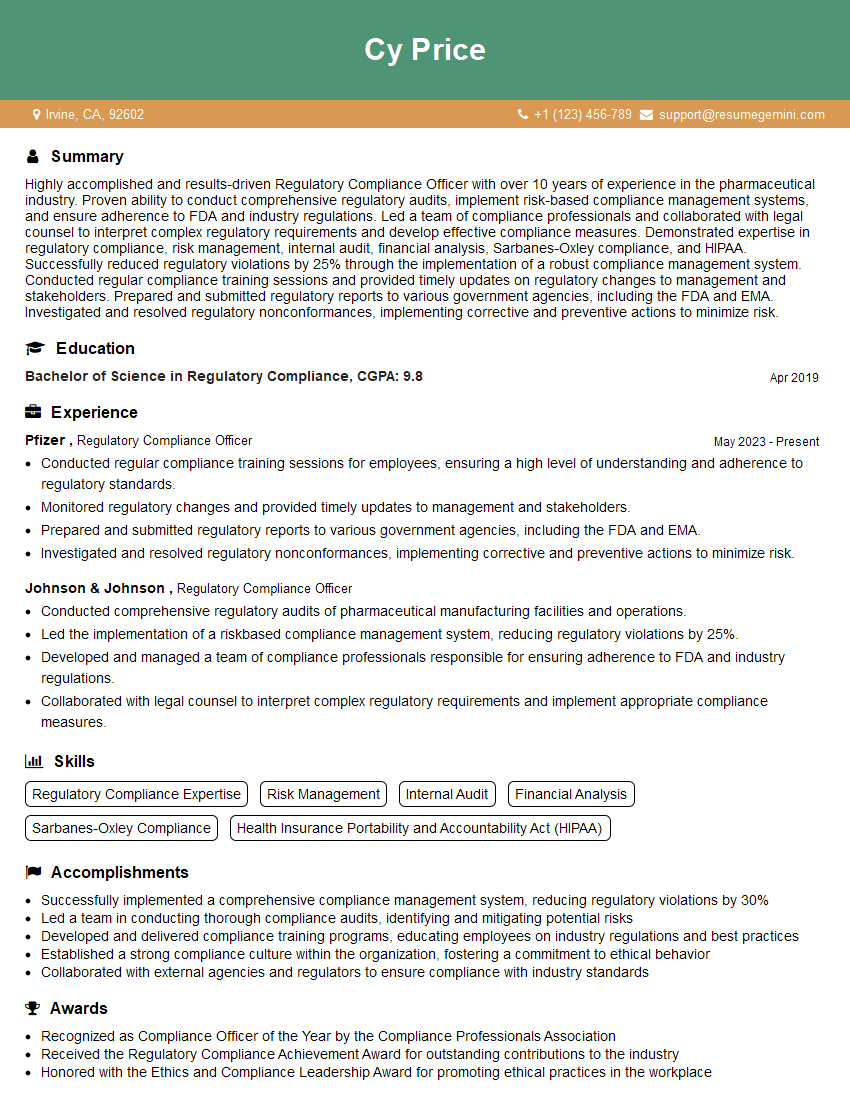
Regulatory Compliance Officer Resume Sample
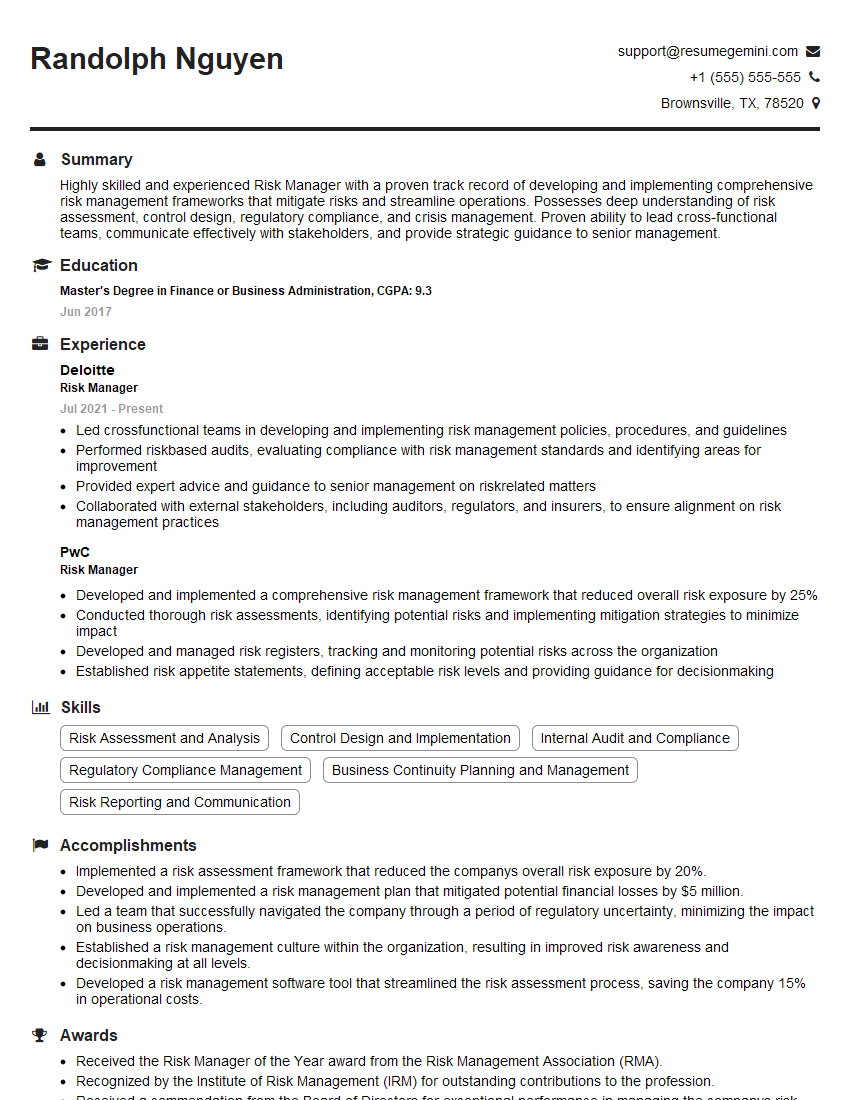
Risk Manager Resume Sample
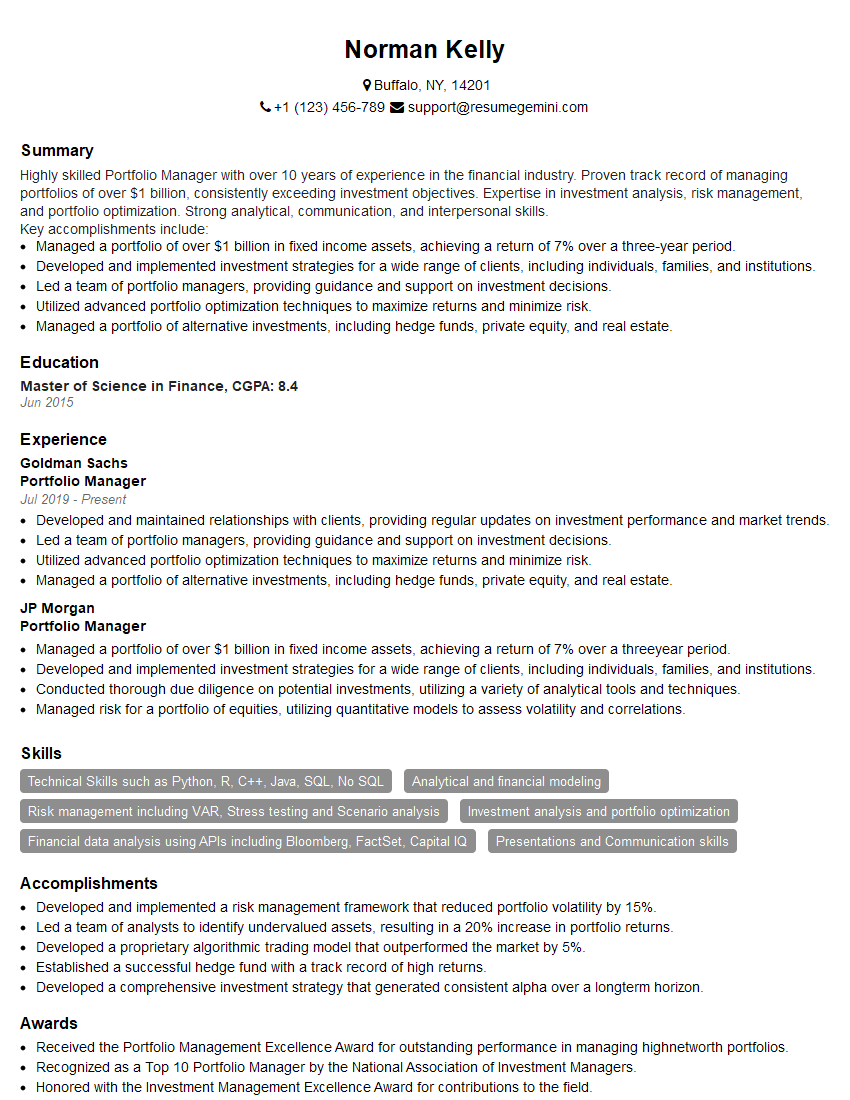
Portfolio Manager Resume Sample
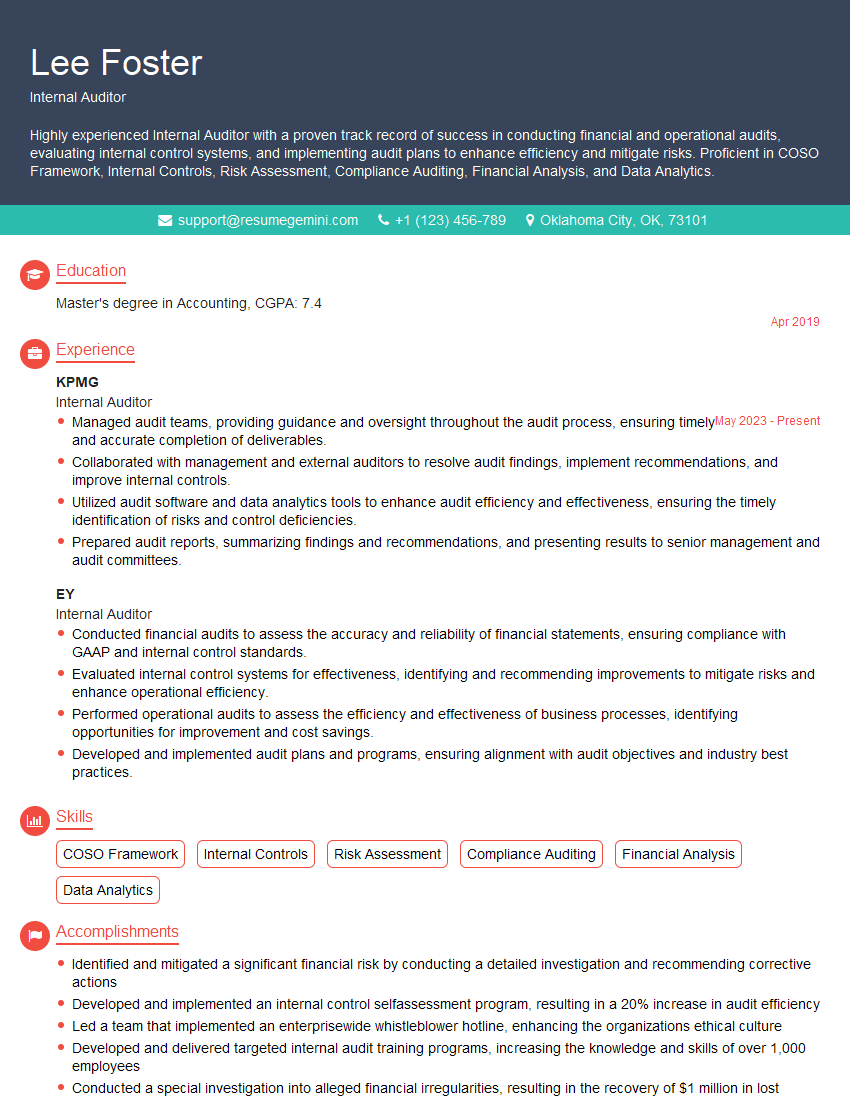
Internal Auditor Resume Sample
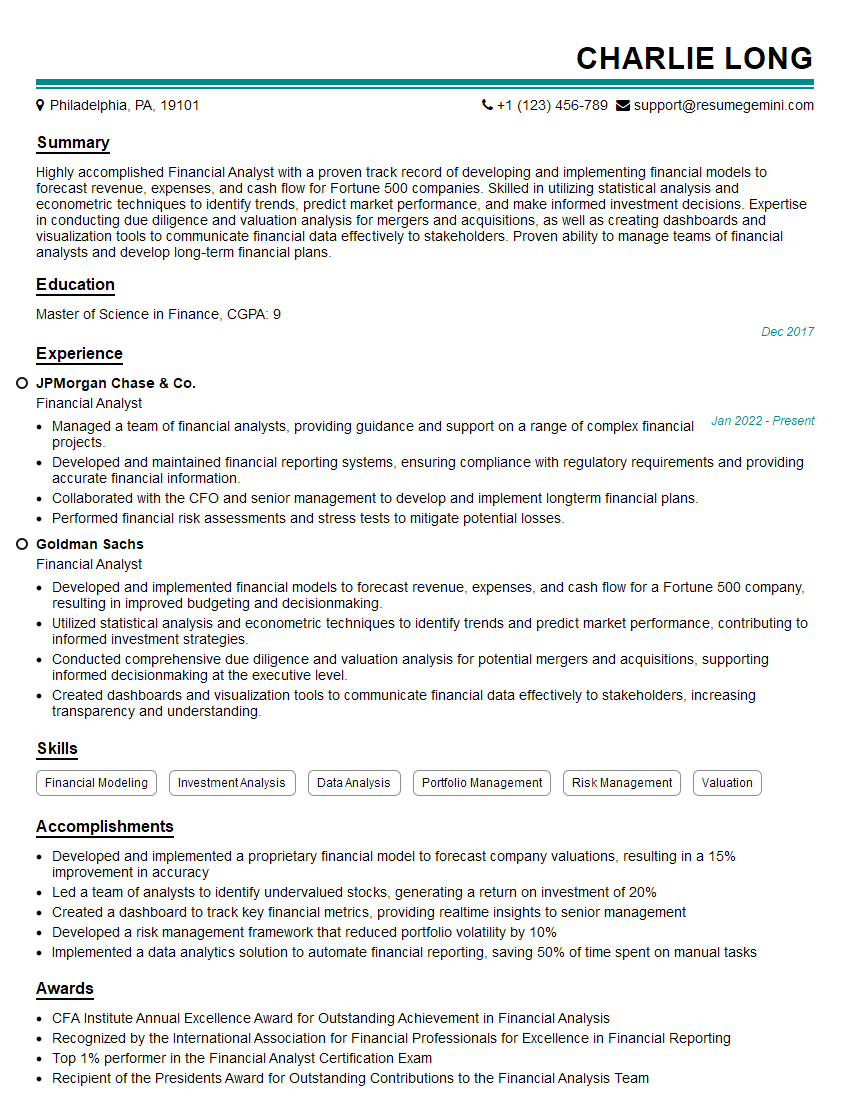
Financial Analyst Resume Sample
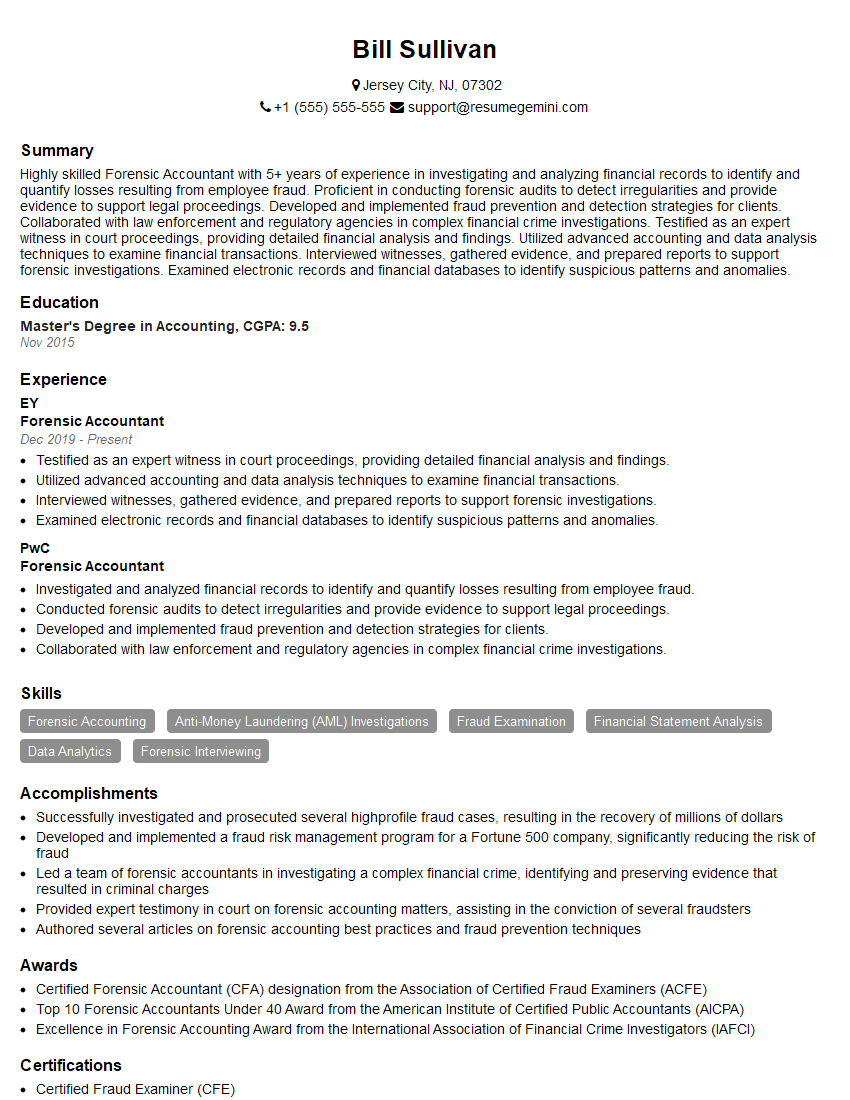
Forensic Accountant Resume Sample
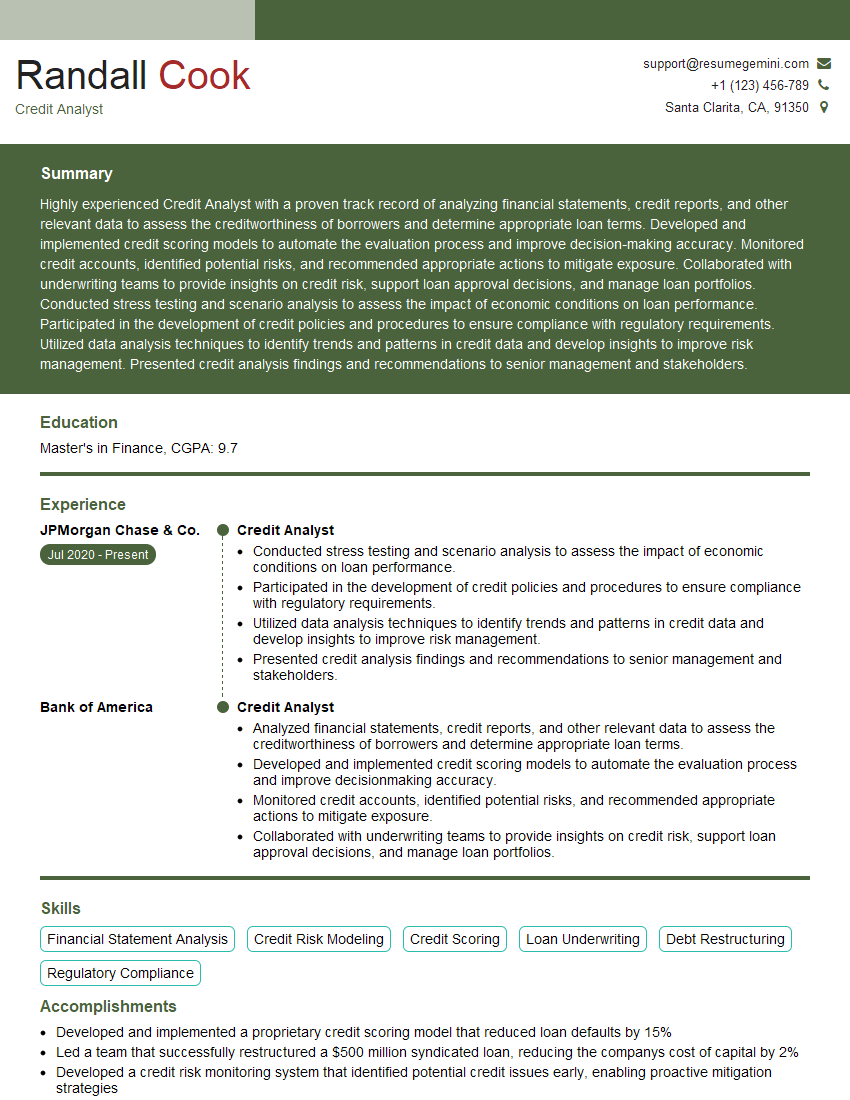
Credit Analyst Resume Sample
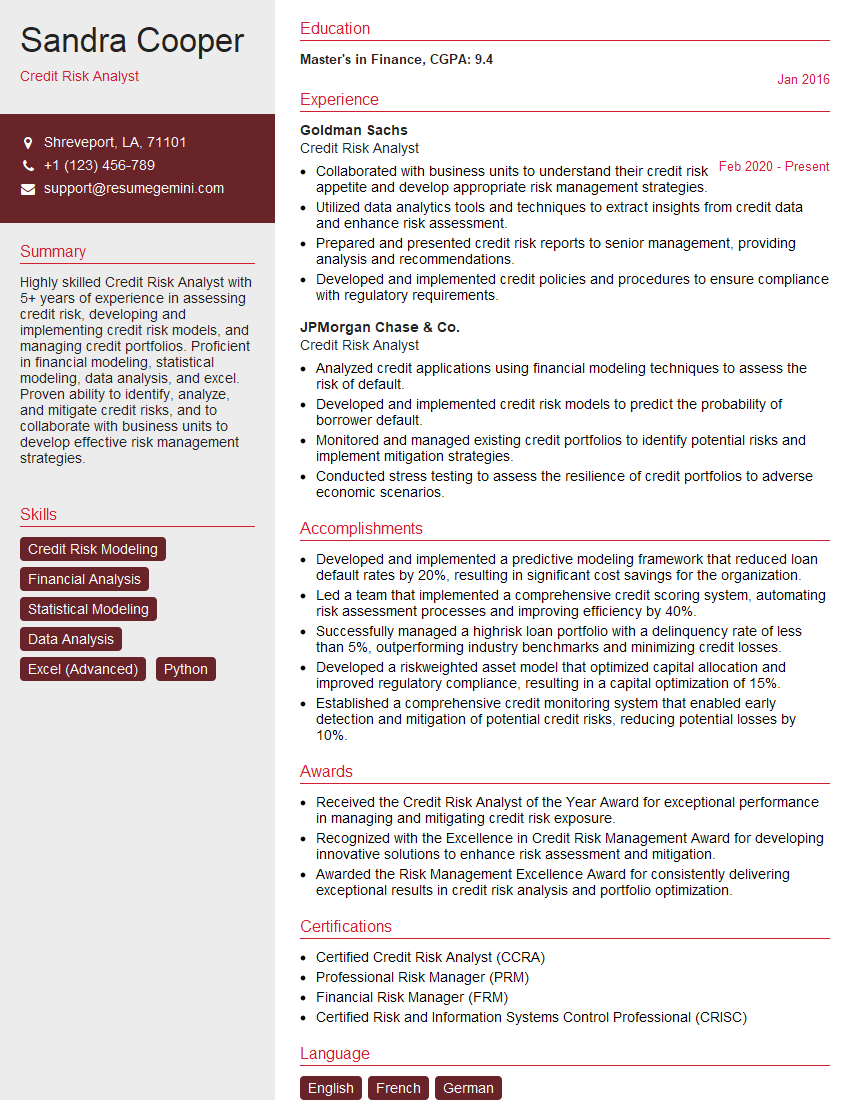
Credit Risk Analyst Resume Sample
Explore more articles
Users Rating of Our Blogs
Share Your Experience
We value your feedback! Please rate our content and share your thoughts (optional).
What Readers Say About Our Blog
Really detailed insights and content, thank you for writing this detailed article.
IT gave me an insight and words to use and be able to think of examples