Unlock your full potential by mastering the most common Inspects work pieces for defects interview questions. This blog offers a deep dive into the critical topics, ensuring you’re not only prepared to answer but to excel. With these insights, you’ll approach your interview with clarity and confidence.
Questions Asked in Inspects work pieces for defects Interview
Q 1. Describe your experience with various inspection methods (visual, dimensional, etc.).
My experience encompasses a wide range of inspection methods, crucial for ensuring product quality. Visual inspection forms the foundation, where I meticulously examine workpieces for surface flaws like scratches, dents, or discoloration. This often involves using magnification tools like microscopes or magnifying glasses for detailed observation. Dimensional inspection is equally vital, confirming that the part meets specified tolerances. Here, I utilize various tools, from simple calipers and micrometers to more advanced instruments like Coordinate Measuring Machines (CMMs). Beyond these, I’m proficient in other methods such as functional testing, where I verify the operational performance of the part; and destructive testing, employed occasionally for critical components to determine material properties and structural integrity. For instance, during a recent project involving precision gears, visual inspection quickly flagged a few surface imperfections. Then, dimensional checks using a CMM confirmed slight deviations from the specified dimensions on those same gears, necessitating rework.
Q 2. Explain your understanding of different types of defects.
Defects can be broadly categorized into several types. Surface defects, as the name suggests, affect the workpiece’s surface and might include scratches, cracks, pits, or porosity. Geometric defects relate to dimensional inaccuracies; for example, a part might be out of tolerance in terms of length, width, or angle. Internal defects are hidden and often require specialized techniques like X-ray or ultrasonic inspection to detect; these could include voids, inclusions, or cracks within the material. Functional defects relate to the part’s inability to perform its intended function, which might stem from any of the above defects. Consider a scenario with a cast metal part: surface cracks could be detected visually; internal voids would require ultrasonic inspection; and a slightly misaligned hole could lead to a functional failure.
Q 3. How do you prioritize defects based on severity?
Prioritizing defects involves a systematic approach based on severity. I use a system that classifies defects into critical, major, minor, and insignificant categories. Critical defects render the part unusable and pose safety risks. Major defects affect the part’s functionality or performance significantly. Minor defects are cosmetic or have minimal impact on function. Insignificant defects are negligible and have no effect on the part’s performance or reliability. For instance, a crack in a load-bearing component is critical; a small scratch on a non-critical surface is minor. This prioritization guides corrective actions, ensuring that critical issues are addressed first.
Q 4. What are your preferred tools and equipment for inspection?
My preferred tools and equipment vary depending on the inspection task. For visual inspection, I rely on microscopes, magnifying glasses, and borescopes to access hard-to-reach areas. For dimensional measurements, I use calibrated calipers, micrometers, height gauges, and dial indicators. For more complex parts, I use a Coordinate Measuring Machine (CMM) and optical comparators. In addition to these, I frequently utilize surface roughness testers, hardness testers, and other specialized instruments depending on the material and the type of defect being investigated. Regular calibration of all instruments is paramount to ensure accuracy and reliability.
Q 5. How do you document inspection findings?
I meticulously document inspection findings using a combination of methods. This typically involves creating a detailed inspection report, including the part’s identification number, date of inspection, inspection methods used, and a comprehensive list of detected defects. Each defect is carefully described, its location noted, and its severity classified. I often include photographic or video evidence, especially for surface defects. For dimensional discrepancies, numerical data from measuring instruments is recorded. All documentation adheres to company standards and regulations to maintain traceability and ensure consistency. Digital reporting systems are often used for efficient data management and sharing.
Q 6. Explain your experience with using a CMM (Coordinate Measuring Machine).
I have extensive experience operating and programming CMMs (Coordinate Measuring Machines). My proficiency includes programming various types of CMM probes for different geometries and materials. I’m capable of creating inspection plans, selecting appropriate measuring strategies, and analyzing the results to assess form, fit, and function. Data analysis using CMM software is a core competency, allowing me to identify deviations from the CAD model and generate comprehensive reports. For instance, in a recent project involving complex aerospace components, the CMM was indispensable in ensuring dimensional accuracy within extremely tight tolerances, enabling early detection of anomalies that would have otherwise gone unnoticed.
Q 7. How do you handle discrepancies between inspection results and specifications?
Discrepancies between inspection results and specifications require a thorough investigation. The first step involves verifying the accuracy of the inspection process; this includes checking the calibration of the measuring instruments and reviewing the inspection procedure. If the instruments are accurate and the procedure was followed correctly, the next step is to investigate whether the discrepancy stems from design flaws, manufacturing process issues, or an error in the specifications themselves. This may require collaboration with the design and manufacturing teams. Once the root cause is identified, corrective actions are taken, which might include part rework, process adjustments, or specification revisions. The ultimate goal is to ensure that the product conforms to the specified requirements and meets quality standards.
Q 8. Describe your experience with statistical process control (SPC).
Statistical Process Control (SPC) is a powerful methodology used to monitor and control manufacturing processes. It involves using statistical techniques to identify variations and potential problems in a process before they lead to defective products. My experience with SPC spans several years, encompassing the implementation and maintenance of control charts (like X-bar and R charts, p-charts, and c-charts) for various manufacturing processes. I’m proficient in analyzing control chart data to detect patterns, identify assignable causes for variation (e.g., a faulty machine, changes in raw material), and implement corrective actions. For instance, in a previous role, I used X-bar and R charts to monitor the diameter of a critical component. By regularly analyzing the charts, we identified a trend towards increasing variation, prompting us to investigate and ultimately replace a worn-out machine tool, preventing a significant number of defects.
I also have experience with process capability analysis (Cpk and PpK), which helps to determine if a process is capable of consistently producing output that meets predefined specifications. This allows for proactive adjustments to processes to improve their performance and reduce waste. Furthermore, I’m comfortable using statistical software packages like Minitab to streamline data analysis and reporting.
Q 9. How familiar are you with ISO 9001 standards?
I’m very familiar with ISO 9001 standards, having worked in environments certified to this standard for over five years. My understanding extends beyond mere theoretical knowledge; I’ve actively participated in internal audits, helped implement corrective actions, and ensured our inspection processes aligned with the requirements of the standard. I’m particularly adept at understanding the clauses related to quality management systems, including documentation control, internal auditing, corrective actions, and preventative actions. In practice, this means I meticulously document my inspection procedures, maintain accurate records, and promptly report any non-conformances. ISO 9001’s emphasis on continuous improvement directly aligns with my approach to inspection, which is constantly evolving and seeking ways to improve accuracy and efficiency.
Q 10. How do you maintain accuracy and consistency in your inspections?
Maintaining accuracy and consistency in inspections is paramount. My approach is multi-faceted and focuses on several key areas. Firstly, rigorous adherence to established Standard Operating Procedures (SOPs) ensures that each inspection is performed in a standardized way. Secondly, regular calibration and verification of all measurement equipment eliminates potential errors caused by faulty tools. Thirdly, I employ a systematic approach to inspection, using checklists and visual aids to minimize oversight. Furthermore, I regularly participate in inter-laboratory comparisons and cross-checks with colleagues to validate results and identify any discrepancies in our interpretations. Finally, continuous training and skill development keep me abreast of the latest techniques and standards. It’s not just about individual skill but establishing a system to support consistent quality.
Q 11. Describe a time you identified a critical defect that prevented a product failure.
In a previous role, we were manufacturing a high-pressure hydraulic valve. During a routine inspection, I noticed a subtle inconsistency in the surface finish of the valve’s sealing surface – a microscopic scratch that wasn’t immediately obvious. Based on my experience, I suspected this could compromise the valve’s sealing integrity under high pressure. My concern prompted further investigation, including microscopic examination, which confirmed my suspicion. The scratch was indeed deep enough to cause leakage. Had this valve gone undetected, it could have resulted in catastrophic failure of the entire hydraulic system, leading to significant financial losses and potential safety hazards. By flagging this critical defect, we prevented a potentially dangerous situation and avoided substantial rework costs.
Q 12. How do you handle pressure and tight deadlines during inspections?
Handling pressure and tight deadlines effectively involves prioritization and efficient workflow management. I’ve found that a systematic approach, focusing on the highest-risk areas first, is essential. This might involve using risk assessment matrices to prioritize inspections based on potential consequences of failure. Secondly, clear communication with colleagues and supervisors is crucial to ensure everyone is informed of potential delays and collaboratively find solutions. Thirdly, strong organizational skills, including maintaining accurate records and using effective time management tools, are key to meeting deadlines without sacrificing accuracy. Think of it like a firefighter; the most dangerous fires get the most immediate attention while other issues are addressed systematically. The key is maintaining focus and efficiency under stress.
Q 13. Explain your experience with different types of measurement equipment (calipers, micrometers, etc.).
I have extensive experience using various types of measurement equipment, including:
- Vernier Calipers: Proficient in using vernier calipers for precise linear measurements, including inside, outside, depth, and step measurements. I understand the principles of reading the vernier scale to achieve high accuracy.
- Micrometers: Experienced in using both inside and outside micrometers to measure dimensions with micron-level accuracy. I’m knowledgeable about proper techniques to avoid measurement errors, such as applying consistent force and minimizing parallax error.
- Height Gauges: Familiar with using height gauges for precise measurements in various applications, often employed in conjunction with other measuring tools.
- Dial Indicators: Experienced in using dial indicators to measure surface irregularities, runout, and other dimensional variations. I understand how to set up and use these indicators effectively.
- Optical Comparators: Experienced in using optical comparators for detailed analysis of parts and their conformance to drawings and specifications.
My experience isn’t limited to these; I am adaptable and comfortable learning new measurement techniques and equipment as needed.
Q 14. How do you ensure your inspection equipment is calibrated and functioning properly?
Ensuring the accuracy of measurement equipment is crucial. Our process starts with a comprehensive calibration schedule for all equipment. Each instrument is calibrated at regular intervals, usually according to manufacturer recommendations or regulatory requirements, by certified technicians using traceable standards. Calibration certificates are meticulously maintained and filed. Before each use, I perform a visual inspection of the equipment to check for any signs of damage or malfunction. I also perform regular functional checks using known standards, confirming that the equipment is operating within its specified tolerances. If any discrepancies are found during calibration or functional checks, the equipment is taken out of service until the issue is resolved. We maintain detailed records of all calibration and maintenance activities to maintain traceability and ensure compliance with relevant standards.
Q 15. How familiar are you with different materials and their common defects?
My familiarity with different materials and their common defects is extensive. Over my years of experience, I’ve worked with a wide range of materials, including metals (steel, aluminum, titanium), plastics (polypropylene, ABS, polycarbonate), composites, and ceramics. Each material has unique properties and is susceptible to different types of defects.
- Metals: Common defects include cracks, porosity (small holes), inclusions (foreign particles), surface roughness, and dimensional inaccuracies. For example, a crack in a steel component could lead to catastrophic failure under stress. Porosity in a casting can compromise its strength and leak-tightness.
- Plastics: Defects might include warping, sink marks (indentation), voids, and insufficient material flow in injection molding. A warped plastic part might not fit correctly in its intended application.
- Composites: These materials present more complex inspection challenges. Defects can include delamination (separation of layers), fiber misalignment, voids within the matrix, and improper cure. Delamination can significantly reduce the strength of a composite structure.
- Ceramics: Common defects include cracking, chipping, and porosity. These defects can drastically affect the durability and strength of ceramic components.
Understanding the material properties and the manufacturing processes is key to identifying potential defects. I utilize various inspection methods tailored to the specific material and application, ranging from visual inspection to advanced techniques like ultrasonic testing and X-ray inspection.
Career Expert Tips:
- Ace those interviews! Prepare effectively by reviewing the Top 50 Most Common Interview Questions on ResumeGemini.
- Navigate your job search with confidence! Explore a wide range of Career Tips on ResumeGemini. Learn about common challenges and recommendations to overcome them.
- Craft the perfect resume! Master the Art of Resume Writing with ResumeGemini’s guide. Showcase your unique qualifications and achievements effectively.
- Don’t miss out on holiday savings! Build your dream resume with ResumeGemini’s ATS optimized templates.
Q 16. How do you handle a situation where you disagree with your supervisor’s assessment of a defect?
Disagreements with my supervisor’s assessment are handled professionally and constructively. My first step is to calmly and respectfully discuss my findings, providing detailed evidence to support my assessment. This might involve showing specific measurements, photographs, or referencing relevant standards.
For example, if I believe a dimension is outside tolerance while my supervisor deems it acceptable, I would present my measurement data and compare it to the drawing’s specifications. I would also consider factors like measurement uncertainty and the impact of the discrepancy on the part’s functionality.
If the disagreement persists, I would seek a second opinion from another experienced inspector or escalate the issue to a higher authority within the quality control department. Ultimately, the goal is to ensure the accurate assessment of the defect and to maintain the highest quality standards.
Q 17. Describe your problem-solving approach when confronted with an unusual defect.
My approach to solving unusual defects involves a systematic investigation. I follow a structured process, which typically includes:
- Documentation: Thoroughly document the defect, including detailed descriptions, photographs, and measurements. This establishes a clear record for future reference.
- Root Cause Analysis: Investigate the potential causes of the defect. This may involve examining the manufacturing process, material properties, or the inspection equipment itself. I might utilize tools like Pareto charts or 5 Whys to systematically investigate the issue.
- Verification: Verify the defect’s reproducibility. If possible, I attempt to replicate the defect to better understand the underlying mechanism.
- Consultation: If necessary, I consult with other inspectors, engineers, or material specialists to gain further insights.
- Corrective Actions: Once the root cause is identified, I assist in developing and implementing corrective actions to prevent future occurrences of the same defect.
For instance, if I encounter an unusual surface anomaly on a casting, I might use microscopy to analyze the surface structure, looking for clues like cracks, inclusions, or chemical reactions. The findings would inform my analysis of potential root causes, such as issues with the mold, the casting process, or the material itself.
Q 18. How do you stay updated on the latest inspection techniques and technologies?
Staying updated on the latest inspection techniques and technologies is crucial in this field. I actively pursue several strategies:
- Professional Organizations: I am a member of [Name of relevant professional organization], which provides access to industry publications, conferences, and continuing education opportunities.
- Industry Publications and Journals: I regularly read journals like [Name of relevant journal(s)] to stay abreast of advancements in inspection technologies and methodologies.
- Online Courses and Webinars: I participate in online courses and webinars offered by reputable institutions and industry experts to learn new techniques and software applications.
- Manufacturer Training: I attend training sessions provided by equipment manufacturers to enhance my proficiency in using cutting-edge inspection technologies such as CMMs (Coordinate Measuring Machines) and vision systems.
- Networking: I maintain a network of colleagues and experts within the industry, through which I learn about new developments and best practices.
This multi-faceted approach allows me to continuously broaden my knowledge and skills, ensuring I remain at the forefront of inspection techniques.
Q 19. What is your experience with using software for inspection data management?
I have extensive experience using software for inspection data management. I’m proficient in using [Name specific software, e.g., SPC software, CMM software, database management systems]. This includes data entry, analysis, reporting, and generating quality control charts.
For example, I use SPC (Statistical Process Control) software to monitor process capability and identify trends in defect rates. I’m also experienced in using CMM software to program inspection routines, collect measurement data, and generate detailed reports on part dimensions. The use of such software helps to ensure data integrity, facilitate efficient analysis, and support data-driven decision-making in quality control.
Q 20. Explain your understanding of tolerance and its significance in inspection.
Tolerance is the permissible variation in a dimension or other characteristic of a part. It defines the acceptable range within which a measured value must fall to meet the specifications. Tolerance is crucial in inspection because it dictates whether a part is considered acceptable or defective. It ensures interchangeability of parts and the proper functioning of assemblies.
For example, if a drawing specifies a shaft diameter of 10mm ±0.1mm, the tolerance is ±0.1mm. This means any shaft with a diameter between 9.9mm and 10.1mm is considered acceptable. A shaft with a diameter outside this range is defective.
Tolerance defines the acceptable level of variation and is critical for ensuring that parts meet functional requirements. The lack of sufficient tolerance understanding can result in rejected parts that may still be fully functional or conversely, parts that appear acceptable but fail in service because tolerances were too lenient.
Q 21. How do you ensure the traceability of inspected parts?
Traceability of inspected parts is paramount for ensuring accountability and facilitating effective quality control. We achieve this through a robust system that uses unique identifiers at every stage of the process.
This might involve assigning serial numbers or barcodes to each part upon arrival, recording inspection results against that identifier, and maintaining a comprehensive database linking all relevant information. This database typically includes details about the part, the inspection date, the inspector, the results, and any corrective actions taken.
Implementing a robust traceability system ensures that if a defect is found later in the product lifecycle, the responsible batch of parts can be readily identified, improving recall processes, and allowing us to investigate the root cause of the problem and prevent its recurrence.
Q 22. Describe your experience with root cause analysis for recurring defects.
Root cause analysis (RCA) for recurring defects is crucial for preventing future issues. It’s not just about fixing the immediate problem; it’s about understanding why the problem occurred in the first place. My approach involves a structured methodology, often employing techniques like the 5 Whys, Fishbone diagrams (Ishikawa diagrams), and fault tree analysis.
For example, let’s say we’re seeing a recurring crack in a specific weld on a manufactured component. Instead of simply re-welding, I’d systematically investigate:
- 5 Whys: Why did the crack occur? (Faulty weld). Why was the weld faulty? (Insufficient pre-heating). Why was there insufficient pre-heating? (Incorrect operator settings). Why were the operator settings incorrect? (Lack of proper training). Why was there a lack of proper training? (Overlooked in the training schedule).
- Fishbone Diagram: I’d visually map out potential contributing factors – materials, equipment, process, environment, personnel, and measurements – to identify the root cause. This helps to visually organize findings from the 5 Whys and other investigative methods.
- Fault Tree Analysis: This would help visualize the sequence of events leading to the defect, providing a detailed breakdown of the failure mode.
By using these methods, I’ve consistently identified underlying issues like faulty equipment, inadequate training, or flawed process parameters. Addressing these root causes is far more effective than simply treating the symptoms.
Q 23. How do you collaborate with other departments to improve product quality?
Collaboration is key to improving product quality. My experience shows that effective communication and teamwork across departments – engineering, manufacturing, quality control, and even purchasing – are vital. I actively participate in cross-functional teams. For instance, when we discovered a high defect rate in a particular batch of components, I didn’t simply report the issue to management. Instead, I collaborated with the engineering team to analyze the design specifications, with the manufacturing team to examine the production process, and with the purchasing team to evaluate the quality of raw materials. This collaborative approach led to the identification of a flaw in the raw material specifications, which was quickly rectified.
I believe in a proactive approach, regularly providing feedback to other departments regarding potential quality issues based on my inspection findings. This early detection helps prevent larger problems down the line. Furthermore, I utilize data-driven reporting to showcase trends and potential risks, ensuring that all stakeholders are aware of the current quality landscape and can proactively work towards improvements.
Q 24. What are your strengths and weaknesses related to inspection work?
My strengths lie in my meticulous attention to detail, my analytical skills in identifying patterns in defects, and my ability to efficiently communicate findings. I possess a strong understanding of various inspection techniques and standards. I’m also adept at using statistical process control (SPC) charts to monitor process capability and identify areas for improvement.
One area I’m working to improve is my delegation skills. While I am thorough, sometimes I take on too much responsibility. I’m actively participating in workshops to improve my ability to delegate tasks effectively and empower team members.
Q 25. What are your salary expectations?
Based on my experience and research of similar roles in this industry, my salary expectations are in the range of [Insert Salary Range]. However, I am open to discussing this further based on the comprehensive benefits package and overall compensation offered.
Q 26. Why are you interested in this position?
I’m interested in this position because of [Company Name]’s reputation for producing high-quality products and its commitment to continuous improvement. I’ve been particularly impressed by [Mention a specific project, achievement, or company value]. The opportunity to contribute my expertise to such a respected organization, and to learn from experienced professionals within a challenging and rewarding environment, is very appealing. The focus on [Mention a specific aspect of the job description or company culture that interests you] aligns perfectly with my career goals and professional aspirations.
Q 27. Do you have any questions for me?
Yes, I do have a few questions. I’d like to know more about [Question 1, e.g., the specific inspection tools and technologies used in this role]. I’m also curious about [Question 2, e.g., the company’s approach to employee training and development]. Finally, I would appreciate hearing more about [Question 3, e.g., the team dynamics and collaborative opportunities within the department].
Key Topics to Learn for Inspects Work Pieces for Defects Interview
- Defect Identification Techniques: Understanding various visual inspection methods, including close visual examination, magnification techniques, and the use of specialized tools (e.g., calipers, micrometers).
- Defect Classification and Documentation: Learning standardized defect classification systems, accurately recording defect types, locations, and severity using appropriate documentation methods (e.g., checklists, reports, and digital imaging).
- Quality Control Standards and Procedures: Familiarizing yourself with relevant industry standards (e.g., ISO 9001) and company-specific quality control procedures related to defect inspection and reporting.
- Root Cause Analysis: Developing skills in identifying the underlying causes of defects, employing problem-solving techniques to prevent recurrence. This includes understanding process variations and their impact on product quality.
- Data Analysis and Reporting: Understanding how to analyze inspection data to identify trends, track defect rates, and contribute to continuous improvement efforts. This includes generating clear and concise reports summarizing findings.
- Safety Procedures and Regulations: Demonstrating knowledge of relevant safety protocols and regulations pertaining to handling work pieces and using inspection tools. This includes understanding Personal Protective Equipment (PPE) requirements.
- Communication and Teamwork: Highlighting skills in effectively communicating findings to supervisors and colleagues, collaborating within a team environment to maintain quality control.
Next Steps
Mastering the art of inspecting work pieces for defects is crucial for career advancement in manufacturing, quality control, and related fields. It demonstrates a commitment to precision, attention to detail, and problem-solving – highly valued attributes in any industry. To significantly boost your job prospects, crafting an ATS-friendly resume is essential. ResumeGemini is a trusted resource that can help you build a professional and impactful resume designed to get noticed by recruiters. Examples of resumes tailored to highlight experience in inspecting work pieces for defects are available within ResumeGemini to guide you. Take the next step towards your dream job today!
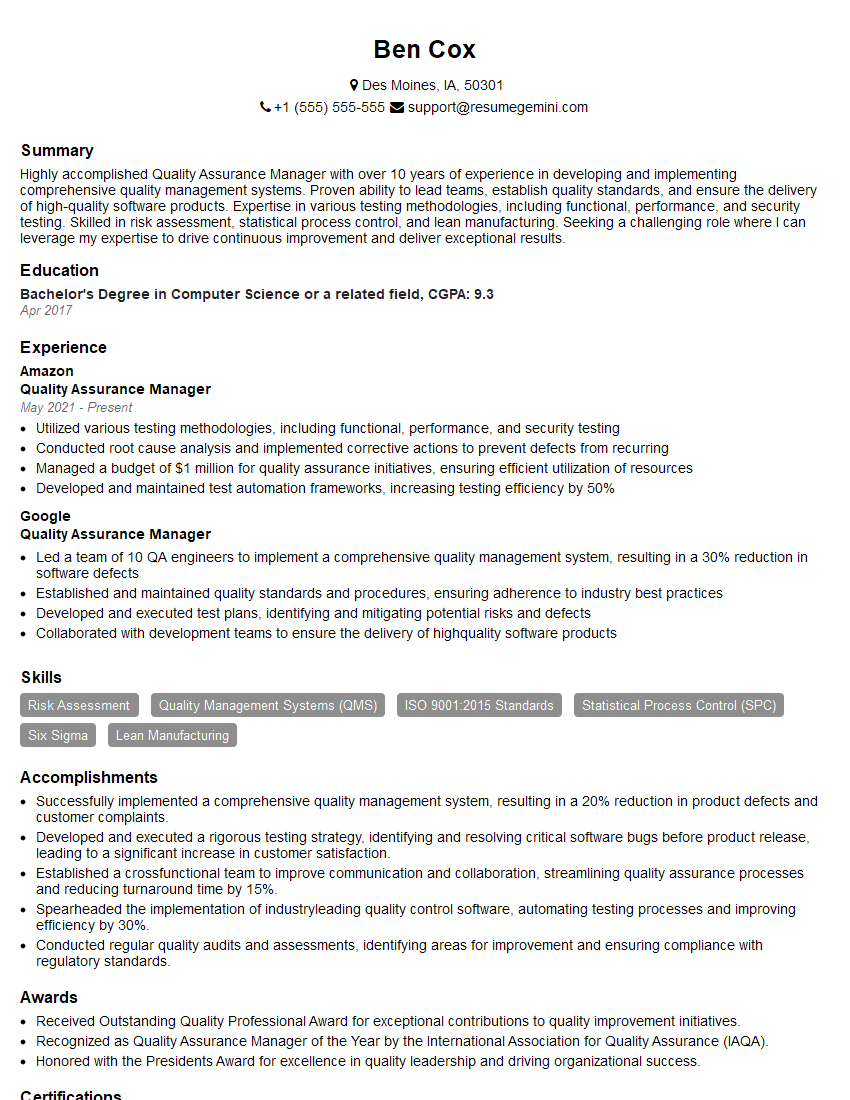
Quality Assurance Manager Resume Sample
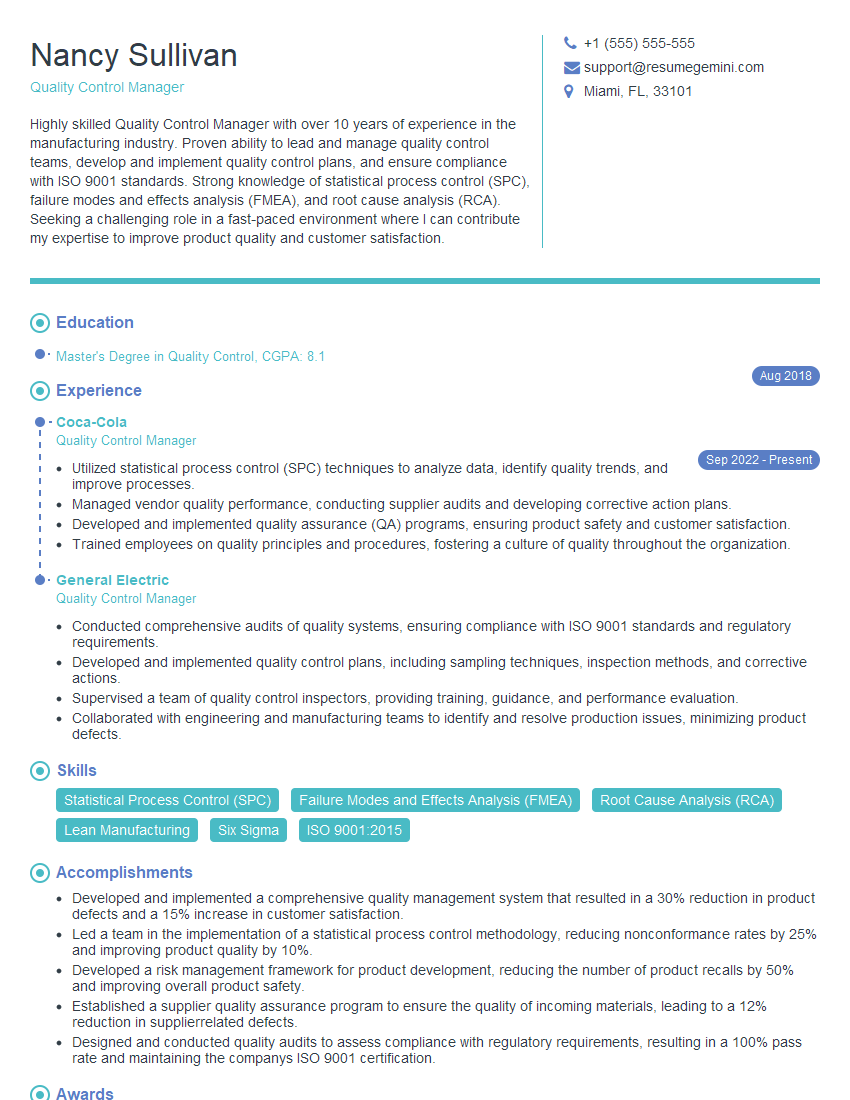
Quality Control Manager Resume Sample
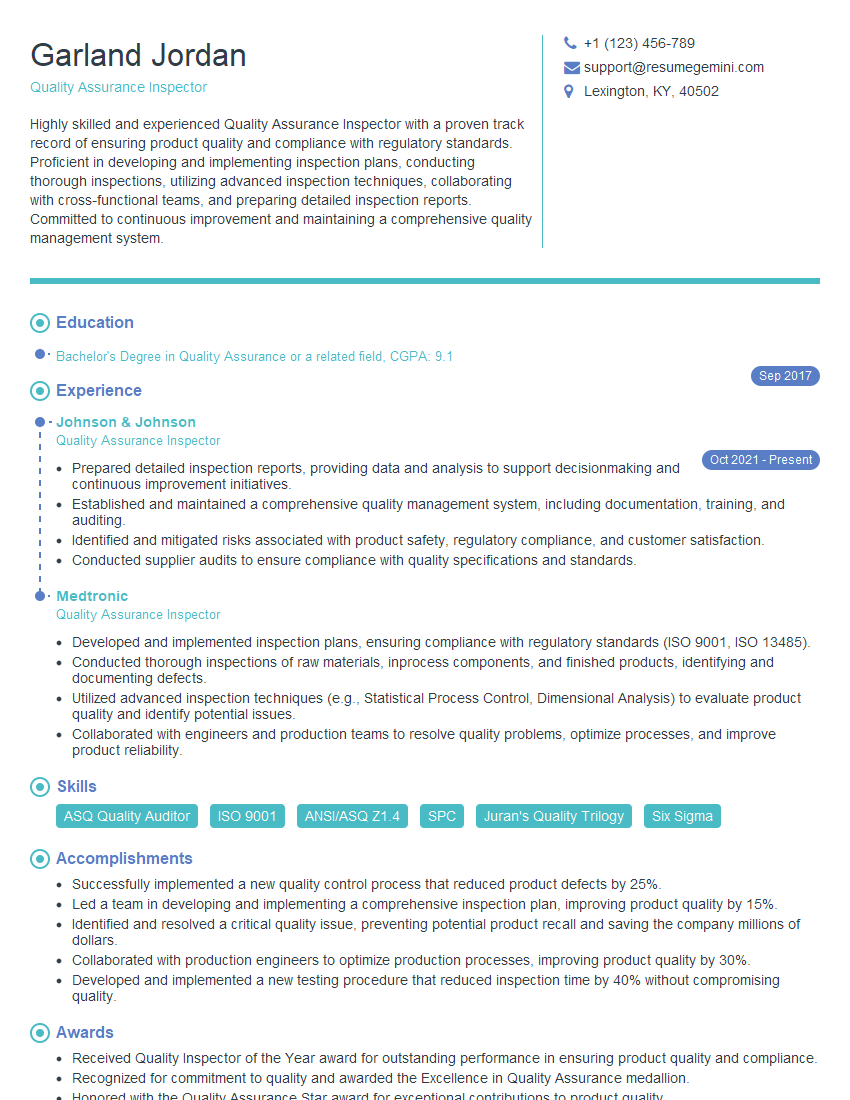
Quality Assurance Inspector Resume Sample
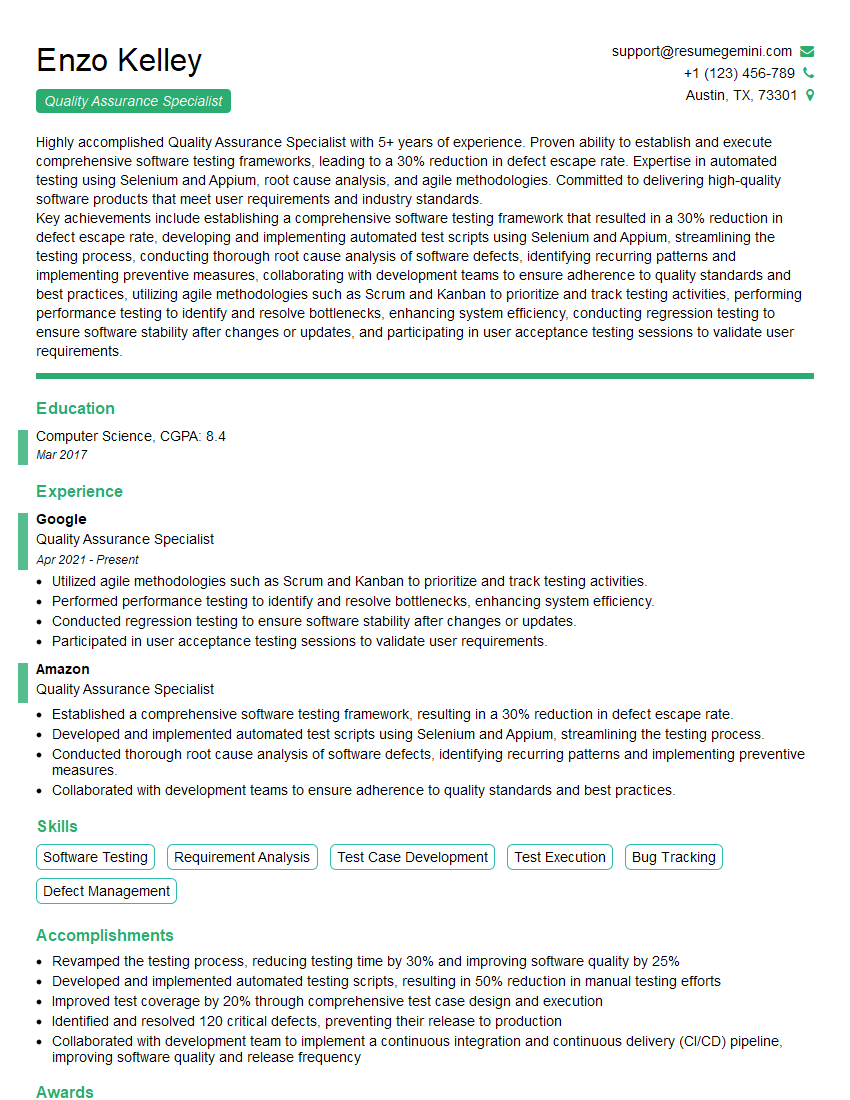
Quality Assurance Specialist Resume Sample
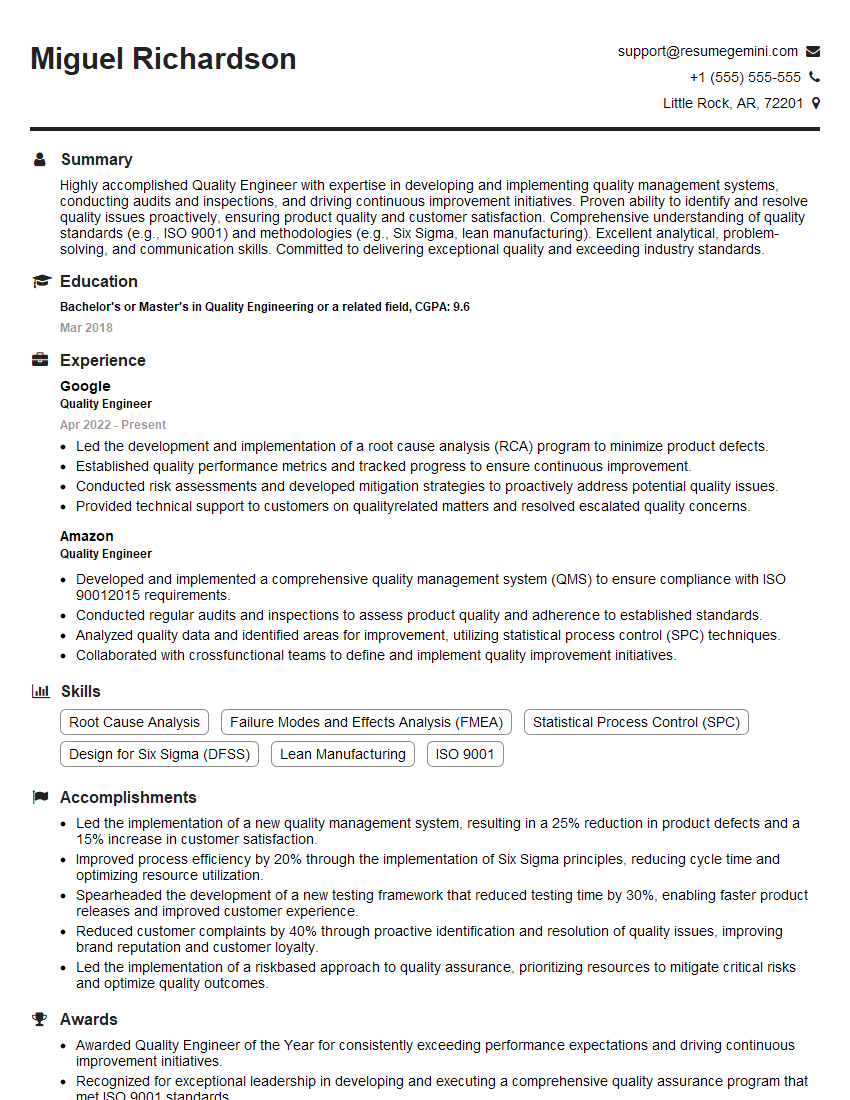
Quality Engineer Resume Sample
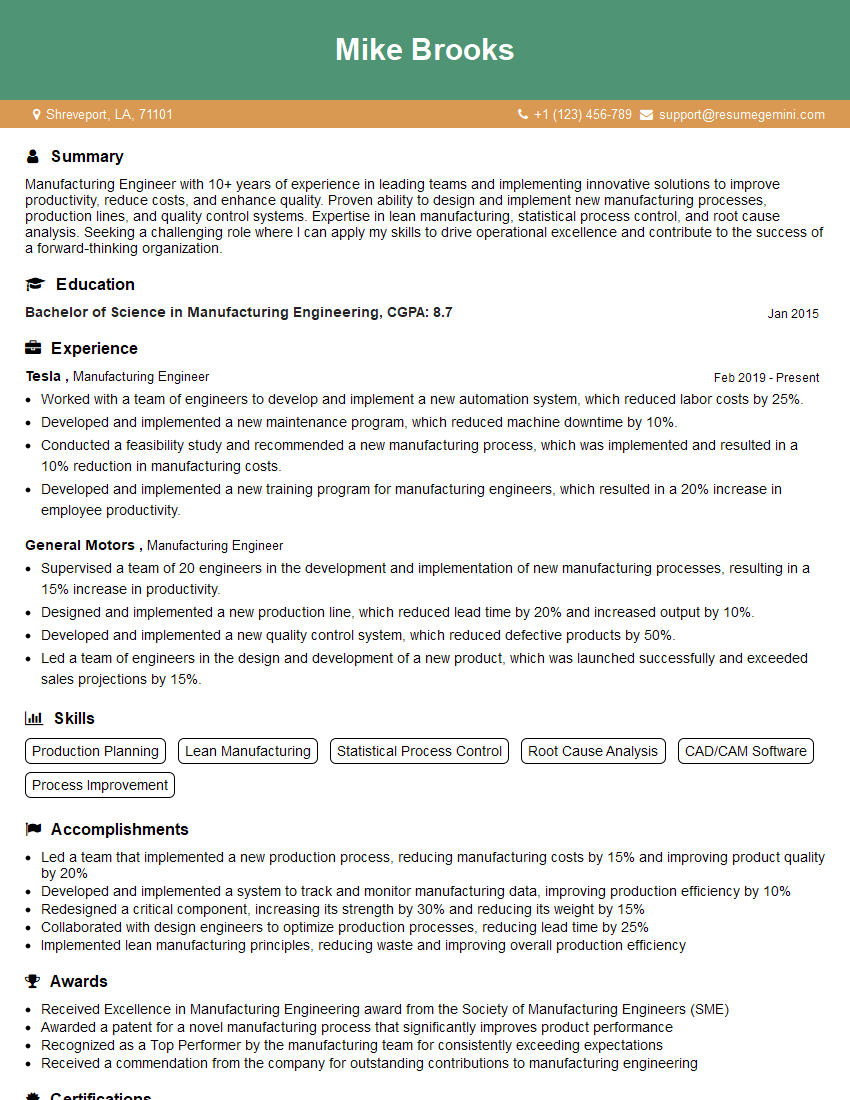
Manufacturing Engineer Resume Sample
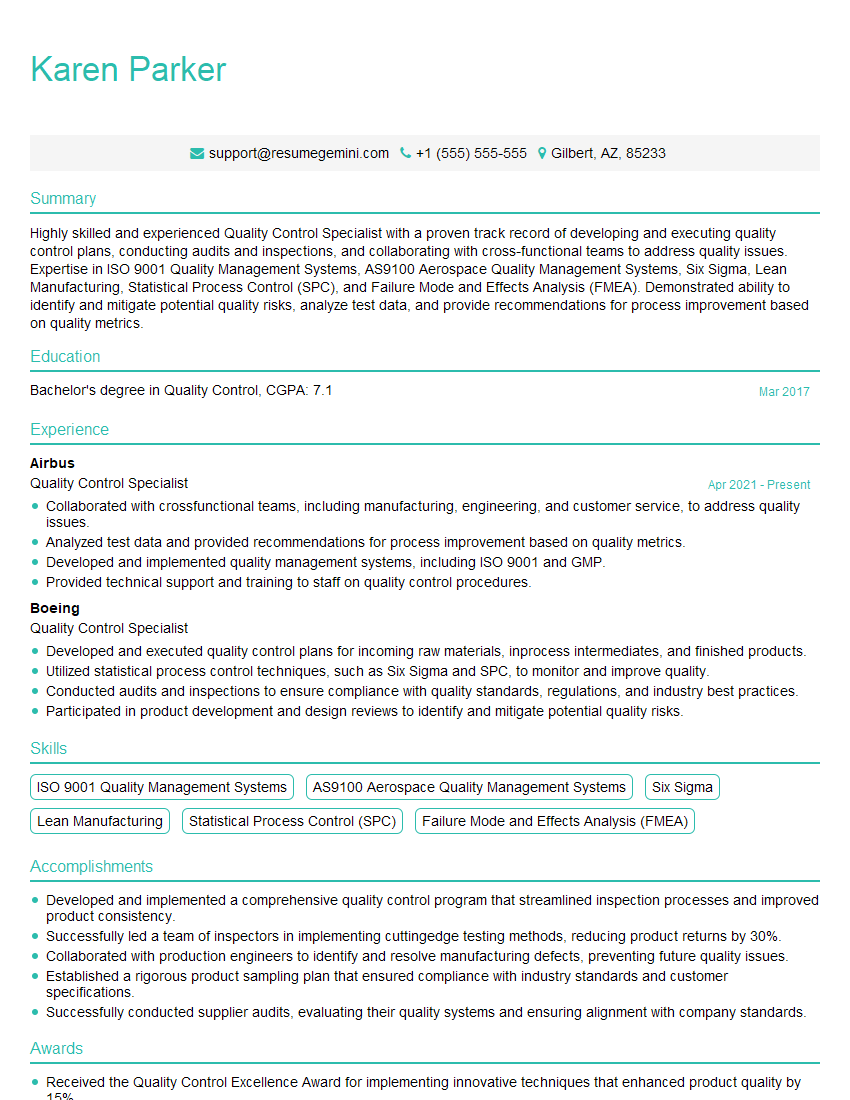
Quality Control Specialist Resume Sample
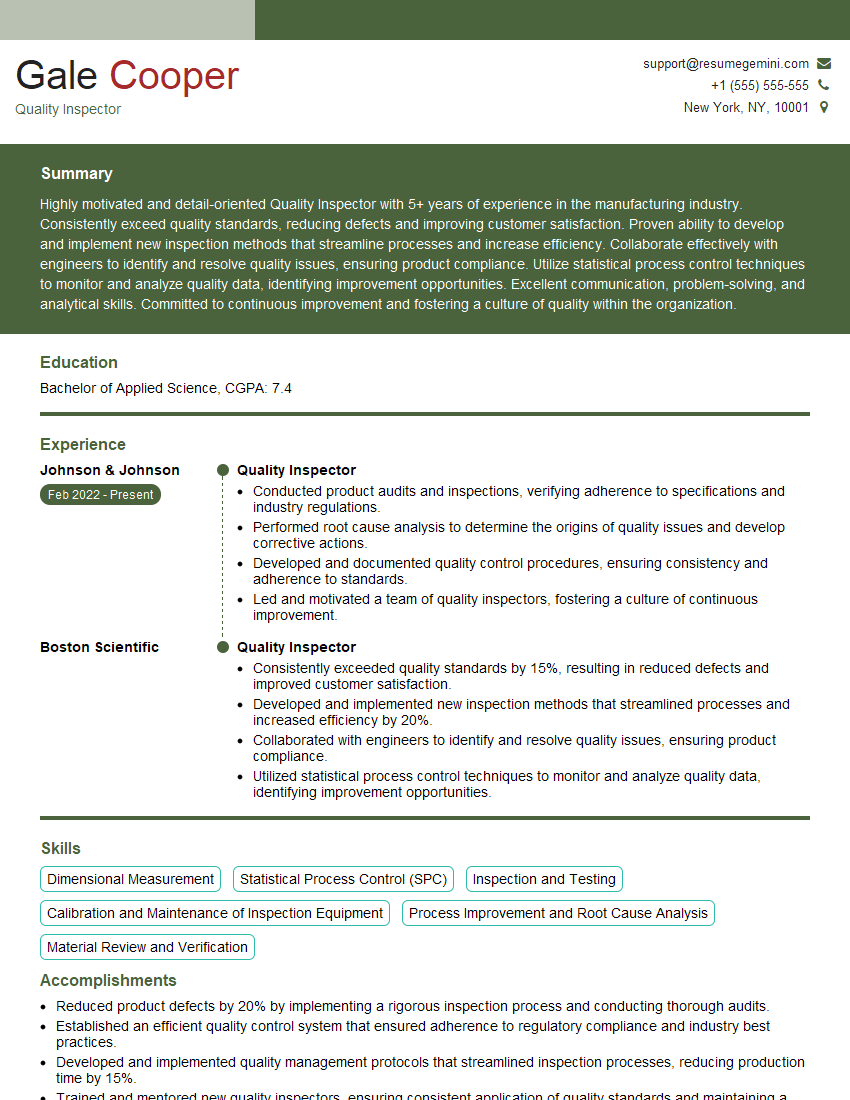
Quality Inspector Resume Sample
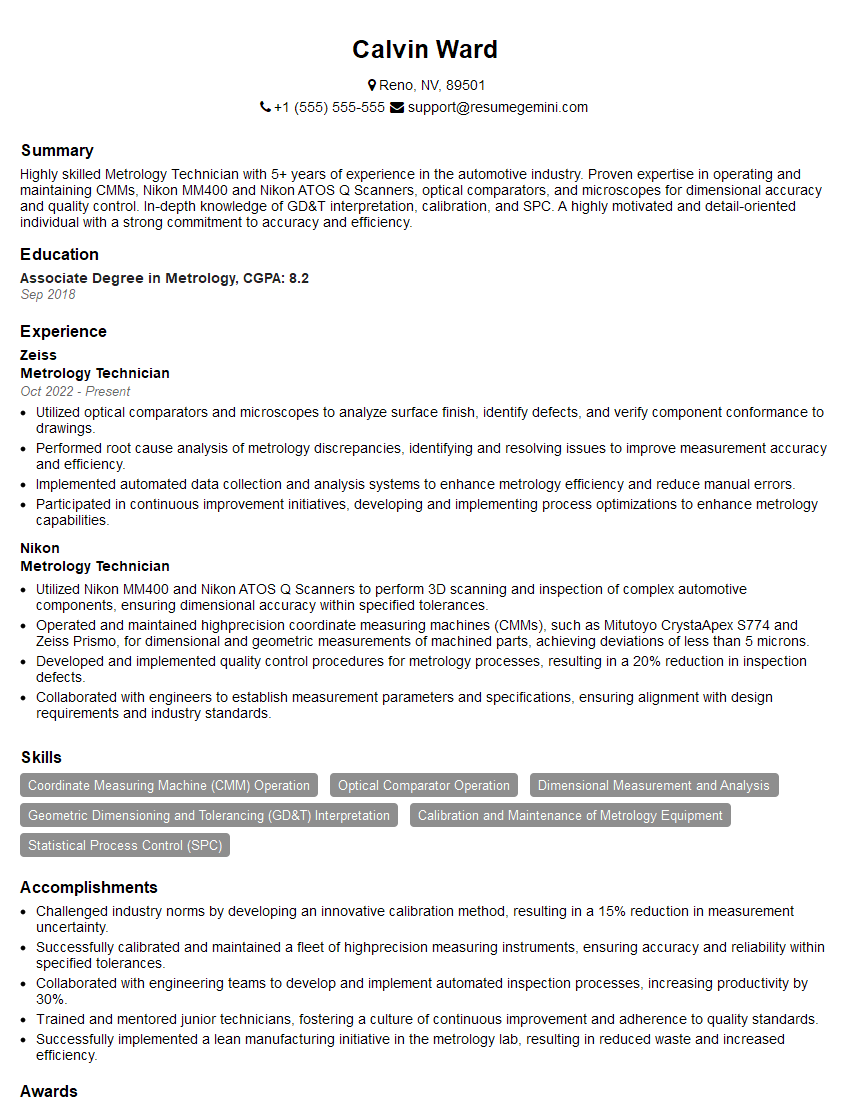
Metrology Technician Resume Sample
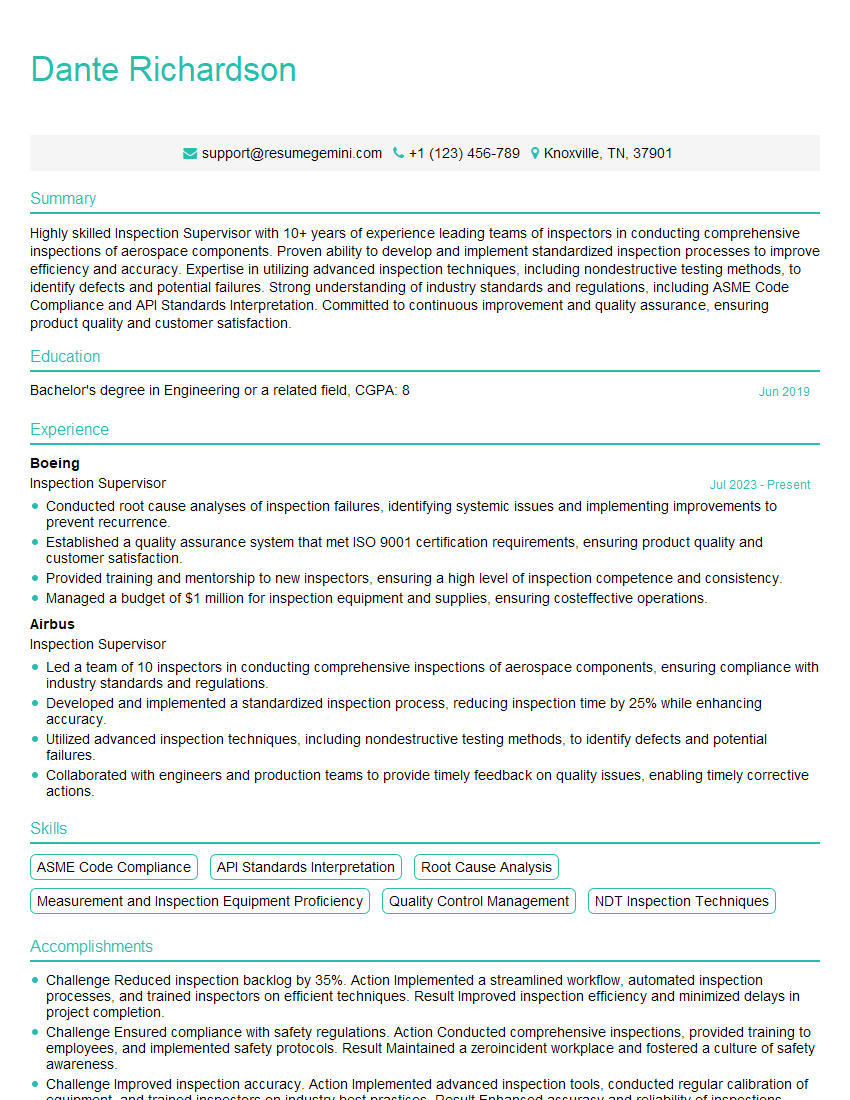
Inspection Supervisor Resume Sample
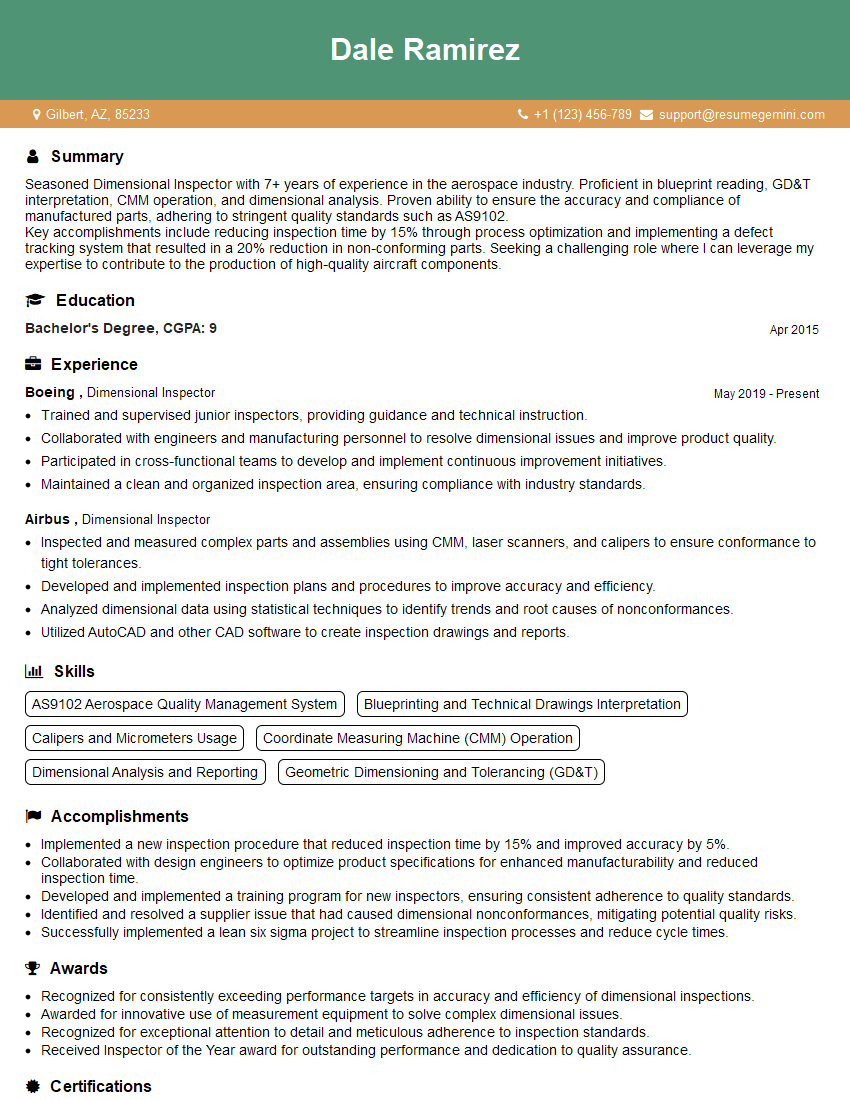
Dimensional Inspector Resume Sample
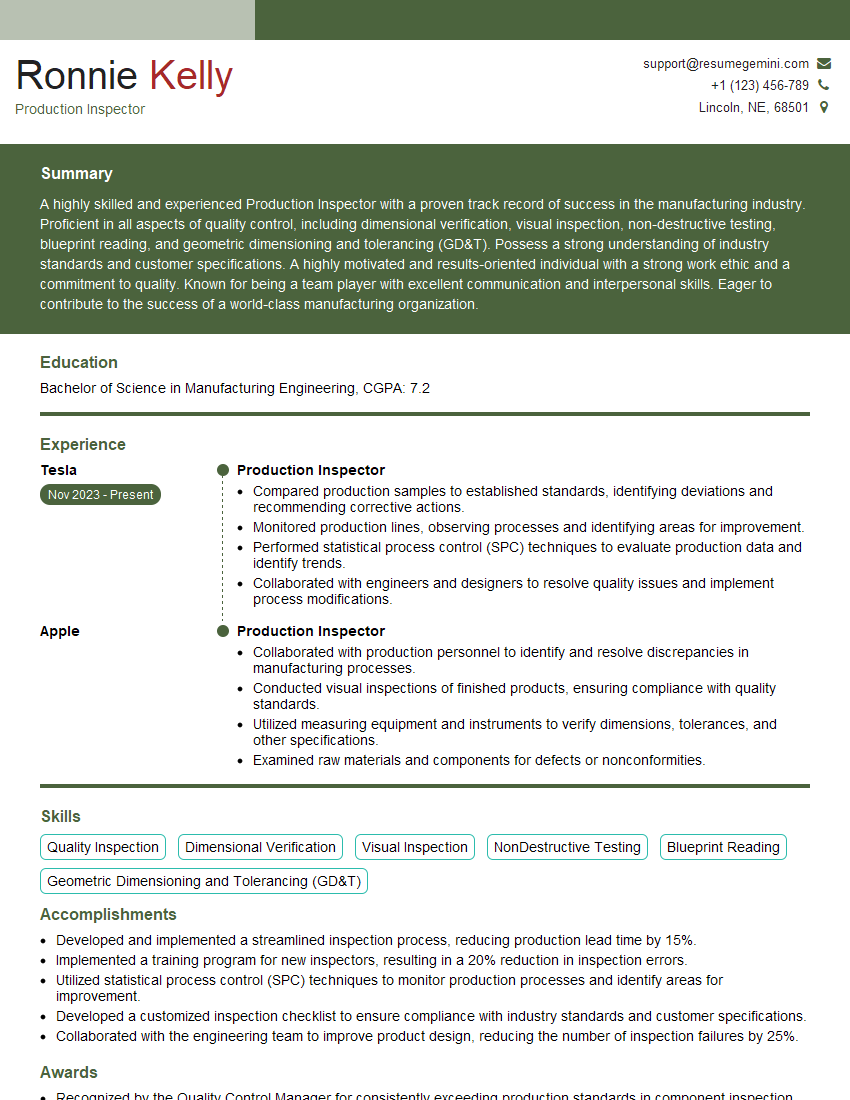
Production Inspector Resume Sample
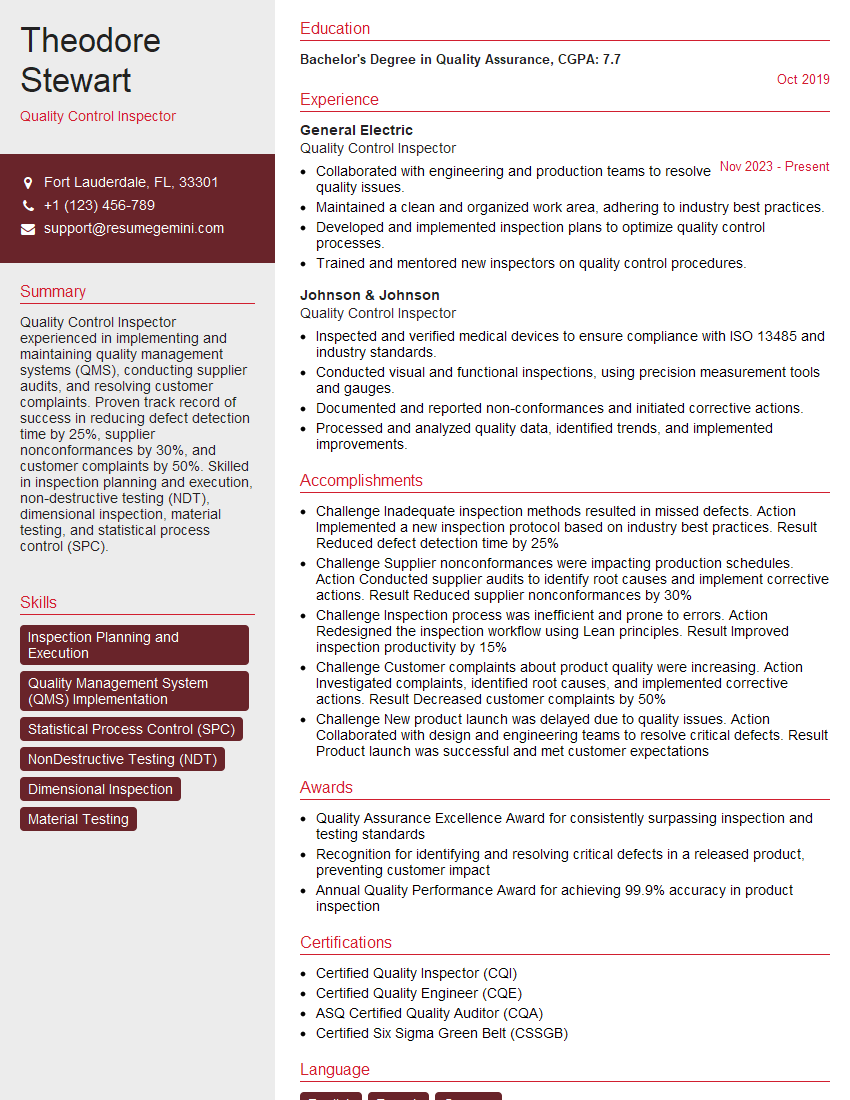
Quality Control Inspector Resume Sample
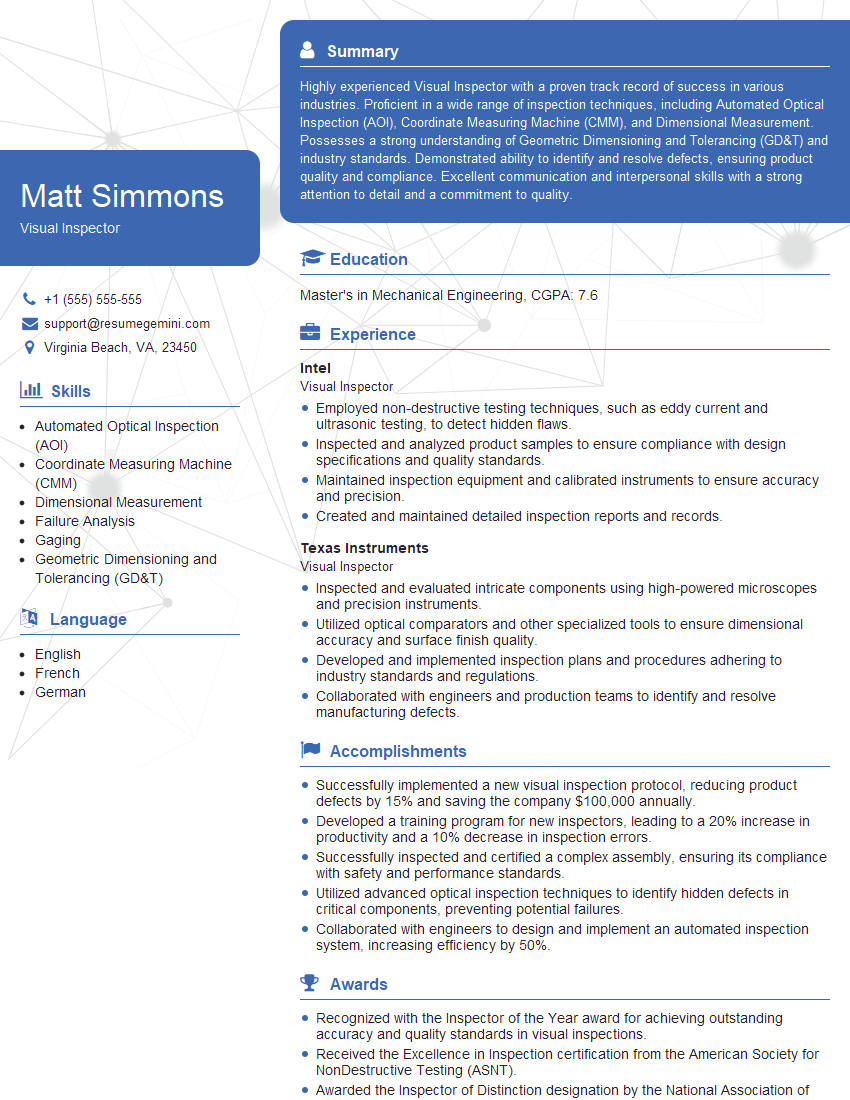
Visual Inspector Resume Sample
- Quality Assurance Manager
- Quality Control Manager
- Quality Assurance Inspector
- Quality Assurance Specialist
- Quality Engineer
- Manufacturing Engineer
- Quality Control Specialist
- Quality Inspector
- Metrology Technician
- Inspection Supervisor
- Dimensional Inspector
- Production Inspector
- Quality Control Inspector
- Visual Inspector
Explore more articles
Users Rating of Our Blogs
Share Your Experience
We value your feedback! Please rate our content and share your thoughts (optional).
What Readers Say About Our Blog
Really detailed insights and content, thank you for writing this detailed article.
IT gave me an insight and words to use and be able to think of examples