Are you ready to stand out in your next interview? Understanding and preparing for Injury Recognition interview questions is a game-changer. In this blog, we’ve compiled key questions and expert advice to help you showcase your skills with confidence and precision. Let’s get started on your journey to acing the interview.
Questions Asked in Injury Recognition Interview
Q 1. Define ‘injury recognition’ in the context of workplace safety.
Injury recognition in workplace safety refers to the systematic process of identifying, assessing, and documenting injuries or potential injury risks within a work environment. It’s not just about recognizing an injury after it’s happened; it’s proactively identifying hazards and near misses to prevent future incidents. Think of it like a detective investigating a crime scene – we’re looking for clues that indicate a potential problem before it escalates.
This process involves understanding the nature of the injury, the contributing factors (e.g., unsafe equipment, inadequate training, poor ergonomics), and the potential consequences. Effective injury recognition is crucial for implementing preventative measures and improving overall workplace safety.
Q 2. Describe the different types of workplace injuries.
Workplace injuries are diverse and can be categorized in several ways. A common classification uses the body part affected:
- Musculoskeletal Disorders (MSDs): These are injuries to muscles, tendons, ligaments, nerves, and joints. They often result from repetitive movements, awkward postures, forceful exertions, and vibrations. Examples include carpal tunnel syndrome, back pain, and rotator cuff injuries.
- Fractures and Dislocations: These involve broken bones and joints that are out of place, often caused by falls, impacts, or crushing forces.
- Lacerations and Punctures: Cuts and punctures caused by sharp objects, machinery, or falling materials.
- Burns: Thermal burns from heat sources, chemical burns from corrosive substances, or electrical burns.
- Eye Injuries: Injuries to the eyes, ranging from minor irritations to severe damage, often caused by flying objects or chemicals.
- Hearing Loss: Progressive hearing impairment from prolonged exposure to loud noise.
- Respiratory Illnesses: Conditions such as asthma, bronchitis, or silicosis, caused by inhaling hazardous substances.
Injuries can also be classified by their severity, ranging from minor sprains to fatalities. Understanding these diverse injury types helps tailor prevention strategies to specific workplace hazards.
Q 3. Explain the hierarchy of controls for preventing workplace injuries.
The hierarchy of controls is a framework used to prioritize risk reduction strategies. It emphasizes eliminating hazards whenever possible and using progressively less effective controls only when elimination is not feasible. The order is:
- Elimination: Completely removing the hazard from the workplace. For example, replacing a manual task with an automated system.
- Substitution: Replacing a hazardous substance or process with a safer alternative. For example, using a less toxic cleaning agent.
- Engineering Controls: Modifying the workplace environment to reduce hazards. Examples include installing machine guards, improving ventilation, or using ergonomic equipment.
- Administrative Controls: Implementing work practices to reduce risk. This includes training programs, job rotation, and establishing clear safety procedures.
- Personal Protective Equipment (PPE): Providing workers with equipment to protect them from hazards. This is the last line of defense and should only be used when other controls are not feasible. Examples include safety glasses, gloves, and hearing protection.
Following this hierarchy ensures that the most effective and sustainable control measures are prioritized, leading to a safer working environment.
Q 4. What are the common causes of back injuries in the workplace?
Back injuries are a common workplace concern, often stemming from improper lifting techniques, manual handling of heavy objects, and poor posture. Specific causes include:
- Manual Material Handling: Lifting, lowering, pushing, or pulling heavy objects without proper technique strains the back muscles and spine.
- Poor Posture: Prolonged sitting or standing in awkward positions, particularly while working at a computer, can lead to back pain and discomfort.
- Repetitive Movements: Repeated bending, twisting, and reaching can cause cumulative trauma to the spine.
- Vibration: Exposure to whole-body vibration, such as operating heavy machinery, can contribute to back problems.
- Lack of Physical Fitness: Weak core muscles and poor overall physical condition increase the risk of back injuries.
- Pre-existing Conditions: Individuals with pre-existing spinal conditions are at a higher risk of back injuries.
Addressing these causes through proper training, ergonomic assessments, and the use of mechanical lifting aids is crucial for preventing back injuries in the workplace.
Q 5. How do you identify ergonomic hazards?
Identifying ergonomic hazards involves a systematic assessment of the workplace to pinpoint factors that can lead to musculoskeletal disorders (MSDs). This often includes:
- Workplace Observation: Directly observing workers performing their tasks to identify awkward postures, repetitive movements, forceful exertions, and contact stresses.
- Interviews and Surveys: Gathering information from workers about their experiences, pain points, and discomfort during work.
- Job Task Analysis: Breaking down job tasks into their individual components to identify specific ergonomic risks.
- Measurement of Workplace Factors: Using tools to measure factors such as workstation height, reach distances, and the weight of objects being handled.
- Reviewing Existing Data: Examining previous injury reports, incident investigations, and medical records to identify patterns and trends.
By combining these methods, a comprehensive picture of ergonomic hazards can be developed, leading to targeted interventions to improve workplace ergonomics.
Q 6. Describe your experience conducting workplace inspections.
My experience in conducting workplace inspections is extensive. I typically follow a structured approach, beginning with a thorough review of existing documentation, such as safety policies, risk assessments, and previous incident reports. The on-site inspection involves a systematic walkthrough of the facility, observing work practices, equipment, and the overall work environment. I pay close attention to details such as machine guarding, proper use of PPE, ergonomic design of workstations, and housekeeping practices.
I use checklists and photography to document my findings, and I always interact with workers to gather their perspectives and identify any potential hazards that might be overlooked. After the inspection, I prepare a detailed report outlining my observations, identifying hazards, and recommending corrective actions. I also follow up to ensure that these recommendations are implemented and that the workplace is safe.
For example, during an inspection at a manufacturing plant, I identified a lack of adequate machine guarding, resulting in a recommendation for immediate upgrades and worker retraining on safe machine operation. This resulted in a significant reduction in near-miss incidents within the following months.
Q 7. What methods do you use to document workplace injuries?
Documenting workplace injuries is critical for tracking trends, identifying causes, and implementing preventative measures. My approach involves using a multi-faceted documentation system. I begin with a detailed incident report, which includes:
- Employee Information: Name, job title, contact details.
- Date, Time, and Location of Incident: Precise details of when and where the injury occurred.
- Description of the Incident: A clear and concise account of how the injury occurred, including a step-by-step narrative.
- Witnesses: Names and contact information of any witnesses to the incident.
- Injury Description: Nature and severity of the injury, including body parts affected.
- First Aid Provided: Details of any first aid administered.
- Medical Treatment: Information on any medical attention received.
- Contributing Factors: An analysis of the factors that contributed to the incident, focusing on potential hazards and unsafe practices.
- Corrective Actions: Recommendations for preventing similar incidents in the future.
I also use photographs, videos, and sketches to supplement the written report and provide visual evidence of the incident and the workplace conditions. This comprehensive approach ensures that the information is accurate, complete, and readily available for analysis and future prevention efforts.
Q 8. How do you investigate workplace accidents?
Investigating workplace accidents requires a systematic and thorough approach. Think of it like solving a complex puzzle – we need to gather all the pieces before we can understand the whole picture. My investigation typically follows these steps:
- Secure the Scene: The first priority is to ensure the safety of everyone involved and prevent further incidents. This might involve isolating the area, turning off equipment, or providing first aid.
- Witness Interviews: I gather statements from all witnesses, focusing on unbiased factual accounts of what they saw and heard. It’s crucial to avoid leading questions and to document everything accurately.
- Evidence Collection: This involves photographing the scene, collecting physical evidence (broken equipment, spilled materials, etc.), and reviewing any relevant documentation (maintenance records, training logs).
- Accident Reconstruction: Based on the evidence collected, I reconstruct the sequence of events leading up to the accident. This often involves analyzing the physical evidence and considering human factors like fatigue or distractions.
- Report Writing: A comprehensive report is prepared summarizing the findings, including the contributing factors to the accident and recommendations for preventing future occurrences. This report becomes a key document for management and insurance purposes.
For example, in an investigation of a fall from a ladder, I would examine the ladder itself for damage, review maintenance records to see when it was last inspected, and interview witnesses to understand the circumstances surrounding the fall (was the worker distracted, was the ladder positioned correctly?).
Q 9. What are the legal requirements for reporting workplace injuries?
Legal requirements for reporting workplace injuries vary by jurisdiction, but generally involve promptly notifying relevant authorities and maintaining accurate records. Failure to comply can result in significant penalties. Key aspects usually include:
- Timeliness: Reports are usually required within a specific timeframe, often within 24 hours for serious injuries or fatalities.
- Information Required: Reports typically need to include details about the injured worker, the nature of the injury, the date, time, and location of the incident, and any witnesses.
- Authorities to Notify: Depending on the severity of the injury and the jurisdiction, this may include government agencies (like OSHA in the US), insurance companies, and potentially law enforcement.
- Record Keeping: Employers are generally required to maintain detailed records of all workplace injuries and illnesses, often including incident reports, medical records, and investigation findings.
Think of it like a car accident – you’re legally obligated to report it to the authorities, and similar reporting mechanisms exist in the workplace to ensure accountability and drive improvements in safety.
Q 10. Explain the importance of root cause analysis in injury prevention.
Root cause analysis (RCA) is crucial in injury prevention because it moves beyond simply identifying what happened to understanding *why* it happened. Instead of just treating the symptoms, RCA digs deep to find the underlying causes, preventing similar incidents in the future.
Imagine a car crash; simply noting that two cars collided isn’t enough. RCA would explore factors like speed, road conditions, driver distraction, and vehicle maintenance to pinpoint the root causes and implement preventative measures like improved road signage, driver training, or stricter vehicle inspections.
Common RCA methodologies include the ‘5 Whys’ technique (repeatedly asking ‘why’ to drill down to the root cause), fault tree analysis (diagramming potential causes), and fishbone diagrams (identifying multiple contributing factors). By implementing the findings of an RCA, organizations can implement targeted solutions that address systemic issues and prevent future injuries.
Q 11. How do you identify near misses and how do you use that information?
Near misses are events that could have resulted in an injury or damage but didn’t, often due to chance or luck. They are incredibly valuable because they provide early warning signs of potential hazards. Identifying them involves:
- Proactive Reporting: Encouraging a culture of open reporting where employees feel comfortable reporting near misses without fear of reprimand.
- Incident Investigations: Treating near misses with the same seriousness as actual incidents, conducting thorough investigations to understand the contributing factors.
- Data Analysis: Tracking near miss data over time to identify trends and patterns that may indicate underlying safety issues.
This information is invaluable for preventative action. For instance, if several near misses involve slips and falls in a particular area, it suggests a need for improved housekeeping, better flooring, or additional safety signage.
Q 12. What are some common indicators of potential workplace injuries?
Several indicators can suggest potential workplace injuries. They often involve a combination of human factors, environmental factors, and equipment issues.
- Increased Accident Rates: A noticeable upward trend in minor incidents suggests a potential for more serious accidents.
- Near Misses: As discussed earlier, near misses are strong indicators of underlying risks.
- Unsafe Behaviors: Employees consistently disregarding safety procedures (e.g., not using personal protective equipment) are high-risk situations.
- Poor Housekeeping: Cluttered workspaces, spills, and tripping hazards significantly increase the risk of accidents.
- Equipment Malfunctions: Faulty or poorly maintained equipment can lead to injuries.
- Fatigue and Stress: Tired or stressed workers are more prone to errors and accidents.
Regular safety inspections, employee feedback, and data analysis help identify these indicators proactively. It’s a bit like a doctor performing a check-up – identifying potential problems before they escalate.
Q 13. Describe your experience with incident reporting systems.
I have extensive experience with various incident reporting systems, both paper-based and electronic. Electronic systems offer significant advantages, including improved data management, faster reporting times, and better data analysis capabilities. I’m proficient in using systems that allow for:
- Real-time Reporting: Enabling immediate notification of incidents.
- Data Tracking and Analysis: Identifying trends and patterns in accidents and near misses.
- Automated Reporting: Generating summary reports for management and regulatory agencies.
- Integration with Other Systems: Connecting incident reporting with other safety management systems.
For example, I’ve used systems that integrate with risk assessments, allowing us to track the effectiveness of implemented control measures. My experience also extends to training users on the proper use of these systems and ensuring the accuracy and completeness of reported information. The key is selecting a system that meets the specific needs of the organization and facilitating user adoption to ensure reliable data is consistently collected.
Q 14. How do you assess the severity of a workplace injury?
Assessing injury severity involves considering both the immediate and long-term effects. It’s not simply about the visible wound but also the potential for lasting physical and psychological impact.
Methods for assessing severity often include:
- Severity Scales: Using standardized scales (e.g., the Injury Severity Score) to objectively rate the injury based on factors like tissue damage, functional limitations, and time off work.
- Medical Evaluation: A thorough medical evaluation by a physician is crucial to determine the extent of the injury and the potential for complications.
- Functional Assessment: Evaluating the impact of the injury on the individual’s ability to perform daily tasks and work-related activities.
- Psychological Impact: Recognizing the potential for psychological trauma (e.g., PTSD) following a workplace injury.
For example, a minor cut might seem insignificant initially, but if it becomes infected or requires extensive medical treatment, it moves up the severity scale. Similarly, a seemingly minor back injury could lead to long-term disability, highlighting the importance of thorough evaluation.
Q 15. What are your strategies for communicating injury prevention techniques?
Communicating injury prevention techniques effectively requires a multi-pronged approach, tailored to the audience and the specific hazards involved. I use a combination of methods to ensure information is understood and retained.
- Interactive Training Sessions: These sessions involve hands-on demonstrations, practical exercises, and group discussions, allowing for immediate feedback and clarification. For example, when training on proper lifting techniques, we’d use real-world scenarios and have participants practice the correct form.
- Visual Aids: Infographics, posters, and short videos are highly effective in conveying information quickly and memorably. A well-designed infographic can clearly illustrate the risks associated with improper tool use, far more efficiently than a lengthy manual.
- Written Materials: Clear, concise checklists and job safety analyses (JSAs) provide step-by-step guidelines for completing tasks safely. These documents should be easy to understand, even for individuals with limited literacy skills.
- One-on-One Coaching: Personalized feedback and guidance tailored to individual needs and skill levels are invaluable. This allows for targeted instruction and address specific concerns or weaknesses. For example, observing an employee operating machinery and providing tailored feedback on their technique.
- Regular Refresher Courses: Knowledge fades over time, so regular updates and refresher courses are vital to reinforce safety protocols and address emerging hazards. A quarterly safety meeting, for instance, provides the opportunity for updates and knowledge reinforcement.
Career Expert Tips:
- Ace those interviews! Prepare effectively by reviewing the Top 50 Most Common Interview Questions on ResumeGemini.
- Navigate your job search with confidence! Explore a wide range of Career Tips on ResumeGemini. Learn about common challenges and recommendations to overcome them.
- Craft the perfect resume! Master the Art of Resume Writing with ResumeGemini’s guide. Showcase your unique qualifications and achievements effectively.
- Don’t miss out on holiday savings! Build your dream resume with ResumeGemini’s ATS optimized templates.
Q 16. How do you train employees on injury prevention?
Employee training on injury prevention is not a one-time event; it’s an ongoing process. My approach combines theoretical knowledge with practical application:
- Needs Assessment: I begin by identifying specific hazards in the workplace and assessing the employees’ current knowledge and skills related to safety. This might involve reviewing incident reports, conducting job observations, or surveying employees.
- Modular Training: The training is broken down into manageable modules, focusing on specific hazards and prevention techniques. This allows for better comprehension and targeted learning. A module on slips, trips, and falls, for instance, would be separate from a module on lifting techniques.
- Hands-on Practice: Practical exercises and simulations are crucial. Employees should have ample opportunity to practice safe techniques in a controlled environment, mimicking real-world situations.
- Realistic Scenarios: Training should utilize realistic scenarios and case studies to engage employees and illustrate the consequences of unsafe practices. A scenario of a near miss incident would be more impactful than purely theoretical explanations.
- Assessment and Feedback: Formal and informal assessments, including quizzes, practical demonstrations, and observation, are essential to monitor understanding and progress. Regular feedback helps to reinforce learning and identify areas needing further attention.
- Documentation: Maintaining detailed records of training activities, including attendance, assessments, and any remedial actions, is crucial for compliance and accountability.
Q 17. What are some effective methods for promoting a safety culture?
Promoting a strong safety culture is paramount to injury prevention. It’s not just about rules and regulations; it’s about fostering a shared commitment to safety at all levels of the organization. My strategies include:
- Leadership Commitment: Visible and active commitment from senior management is essential. This includes actively participating in safety initiatives, promoting safety as a core value, and rewarding safe behaviors.
- Open Communication: Creating a safe space for employees to report hazards, near misses, and concerns without fear of retribution. This includes regular safety meetings, suggestion boxes, and anonymous reporting systems.
- Employee Involvement: Actively involving employees in the development and implementation of safety programs. This fosters ownership and commitment to safety protocols. For example, forming safety committees with employee representatives.
- Recognition and Rewards: Recognizing and rewarding employees who demonstrate exemplary safety behaviors and actively contribute to a safer work environment. This could involve certificates, bonuses, or public acknowledgment.
- Regular Safety Campaigns: Organizing targeted campaigns focusing on specific hazards or safety themes. These campaigns should use engaging and informative materials.
- Incident Investigation and Learning: Thoroughly investigating all incidents to identify root causes and implement corrective actions. This learning process should be shared throughout the organization to prevent similar incidents from occurring.
Q 18. How do you handle conflicting accounts of an incident?
Conflicting accounts of an incident require a thorough and impartial investigation. My approach involves:
- Gathering Information: Interviewing all involved parties individually, taking detailed notes, and documenting any physical evidence. It’s crucial to avoid leading questions and to create a safe space for individuals to share their accounts.
- Reconciling Differences: Comparing accounts for consistencies and discrepancies. Sometimes discrepancies are due to differing perspectives or recall biases. Careful analysis can help to reconcile accounts without assuming any party is deliberately misleading.
- Reviewing Evidence: Analyzing any physical evidence (e.g., damage to equipment, witness statements, security camera footage) to support or refute different accounts. Physical evidence can often clarify inconsistencies in witness statements.
- Objective Assessment: Maintaining an objective perspective throughout the investigation and avoiding preconceived notions about who is at fault. The aim is to determine the facts of the incident and identify contributing factors, not to assign blame prematurely.
- Documentation: Maintaining detailed records of the investigation, including interviews, evidence, and conclusions. A comprehensive report allows for accurate documentation of the incident and serves as a valuable resource for future preventative measures.
Q 19. What is your experience with different types of Personal Protective Equipment (PPE)?
My experience with PPE encompasses a wide range of equipment used across various industries. I am familiar with the selection, fitting, maintenance, and limitations of various PPE categories, including:
- Head Protection: Hard hats, bump caps, and specialized helmets for specific hazards (e.g., electrical work).
- Eye and Face Protection: Safety glasses, goggles, face shields, and respirators.
- Hearing Protection: Earplugs, earmuffs, and custom-molded ear protection.
- Hand Protection: Gloves for various purposes (e.g., cut resistance, chemical protection, thermal protection).
- Foot Protection: Safety shoes, boots, and specialized footwear for specific hazards (e.g., puncture resistance, electrical hazard protection).
- Body Protection: High-visibility clothing, aprons, coveralls, and protective suits for chemical or biological hazards.
- Respiratory Protection: Respirators with various filters for different airborne contaminants (e.g., dust, fumes, gases).
I understand the importance of proper selection, fit testing, and training in the effective use of PPE. I also know that PPE is only one component of a comprehensive safety program and should be complemented by engineering controls and administrative controls whenever possible.
Q 20. How do you ensure the accuracy and completeness of injury reports?
Ensuring the accuracy and completeness of injury reports is crucial for effective injury prevention and management. My methods include:
- Standardized Reporting Forms: Using clearly defined and standardized forms to collect consistent information on all injuries. These forms should prompt for all relevant details including the time, location, nature of injury, and witnesses.
- Prompt Reporting Procedures: Establishing clear procedures for prompt reporting of all injuries, regardless of severity. Immediate reporting allows for prompt medical attention and facilitates a timely investigation.
- Thorough Investigations: Conducting thorough investigations of all injuries to identify root causes and contributing factors. The investigation should determine the circumstances and sequence of events leading to the injury.
- Data Verification: Verifying the accuracy of information gathered through multiple sources, including witness statements, medical reports, and physical evidence. Cross-referencing sources ensures accuracy and identifies any inconsistencies.
- Data Analysis: Regularly analyzing injury data to identify trends and patterns that can inform injury prevention strategies. Identifying recurring injuries points to systematic issues that can be addressed.
- Training on Reporting Procedures: Providing training to all employees on proper injury reporting procedures to ensure consistency and completeness of information. Training should emphasize the importance of accurate and detailed reporting.
Q 21. Describe a time you identified a potential safety hazard.
During a routine workplace inspection, I noticed that employees were using a particular piece of machinery without adequate guarding around moving parts. While the machinery was functioning as designed, the lack of guarding presented a significant risk of serious injury to hands and fingers should an employee make a mistake or lose concentration.
I immediately reported this hazard to my supervisor, providing photographic evidence and a detailed description of the potential risks. We worked collaboratively to implement an interim solution – putting up temporary barriers – while a more permanent solution, incorporating the correct safety guards, was ordered and installed. The situation highlights the importance of regular inspections and the proactive identification of even seemingly minor safety hazards before they result in an injury.
Q 22. What steps did you take to mitigate the hazard you identified?
Mitigating hazards requires a systematic approach. Identifying the hazard is only the first step. For example, I once identified a significant tripping hazard due to uneven flooring in a warehouse. My mitigation steps involved:
Immediate Action: I immediately cordoned off the area with caution tape and signage to prevent access, minimizing the immediate risk of injury.
Root Cause Analysis: I investigated the cause of the uneven flooring – it was due to damaged concrete. I documented the problem thoroughly with photos and notes.
Reporting and Communication: I reported the hazard to my supervisor and the facility manager, documenting the issue formally, including the potential for injuries (sprains, falls, etc.).
Corrective Action Planning: We collaborated to develop a plan for repair, involving sourcing a contractor specializing in concrete repair, establishing a timeline, and ensuring safe working procedures during the repairs.
Follow-up and Verification: After the repairs, I verified the effectiveness of the corrective actions by inspecting the area for continued safety. This ensured the hazard was eliminated.
Q 23. How do you stay current on changes in workplace safety regulations?
Staying updated on workplace safety regulations is crucial. I employ several strategies:
Professional Organizations: I’m an active member of the [Name of relevant professional organization], which provides regular updates on legislation and best practices through newsletters, conferences, and online resources.
Government Websites: I regularly check government websites, such as [Name of relevant government agency], for updated regulations, advisories, and publications.
Industry Publications and Journals: I subscribe to industry-specific publications and journals that cover changes in safety standards and regulations.
Training and Workshops: I participate in regular training and workshops to stay informed on emerging safety issues and new regulations. This often includes hands-on training and case studies.
Networking: I actively network with other safety professionals to exchange information and learn from their experiences. This helps share knowledge and best practices across industries.
Q 24. What is your experience with different types of injury recording systems?
I’ve worked with various injury recording systems, ranging from simple spreadsheets to sophisticated software solutions. Each has its pros and cons:
Spreadsheets: Simple and accessible, but can become cumbersome with large volumes of data and lack advanced analysis capabilities. Good for smaller organizations with limited resources.
Database Systems: Offer better data organization and reporting capabilities than spreadsheets. They allow for customized data entry and reporting for specific injury types and trends.
Specialized Safety Software: This type of software often integrates with other HR and compliance systems, enabling comprehensive injury management, including incident reporting, investigation tracking, return-to-work programs, and regulatory reporting. This is ideal for larger organizations needing a robust system.
My experience shows that the ideal system depends on the organization’s size, complexity, and specific needs. Data integrity and ease of use are always key considerations.
Q 25. How do you prioritize risk factors when creating a safety plan?
Prioritizing risk factors in a safety plan involves a structured approach. I typically use a risk assessment matrix that considers both the likelihood and severity of potential injuries. This often involves using a combination of qualitative and quantitative methods.
For example:
Likelihood: How often is the hazard likely to occur? (e.g., frequent, occasional, rare)
Severity: What is the potential impact if the hazard occurs? (e.g., minor injury, serious injury, fatality)
By multiplying the likelihood and severity scores, we obtain a risk score for each hazard. Hazards with the highest risk scores are prioritized first in the safety plan. This allows for efficient allocation of resources and focuses on the most critical areas. Using this matrix alongside other data like incident history, near-miss reports, and worker feedback ensures a comprehensive risk assessment and well-informed prioritization.
Q 26. What are some strategies for reducing repetitive strain injuries?
Repetitive strain injuries (RSIs) are a significant concern in many workplaces. Reducing them requires a multi-pronged approach:
Ergonomic Assessments: Conducting thorough ergonomic assessments of workstations to ensure proper posture, tool placement, and equipment adjustments. This often involves consulting with ergonomics specialists.
Job Rotation and Task Variation: Implementing job rotation and task variation to prevent prolonged repetitive movements. This allows workers to engage in different activities, reducing strain on specific muscle groups.
Microbreaks and Stretching Programs: Encouraging frequent microbreaks throughout the workday for stretching and movement. Implementing regular stretching programs can significantly improve flexibility and reduce muscle strain.
Training and Education: Providing workers with training on proper body mechanics, lifting techniques, and workstation setup to minimize risk.
Tool and Equipment Modifications: Utilizing ergonomic tools and equipment designed to reduce strain. Examples include ergonomic keyboards, adjustable chairs, and power tools with reduced vibration.
A successful RSI prevention strategy requires a holistic approach, integrating various methods to achieve the best outcome.
Q 27. Describe your experience with conducting post-incident investigations.
Conducting post-incident investigations is critical for learning from mistakes and preventing future incidents. My approach is systematic:
Secure the Scene: The first step is to secure the scene to prevent further harm and preserve evidence. This includes documenting the scene with photos and videos.
Gather Information: I collect information from various sources, including witnesses, injured individuals (if applicable), supervisors, and any relevant documentation. This ensures a thorough understanding of the incident.
Analyze the Root Cause: I use root cause analysis techniques (e.g., the ‘5 Whys’ method) to identify the underlying cause of the incident, not just the immediate cause. This helps prevent similar incidents in the future.
Develop Corrective Actions: Based on the root cause analysis, I develop specific corrective actions to address the identified hazards and prevent recurrence.
Implement and Monitor: The corrective actions are implemented, and their effectiveness is monitored to ensure that the problem is resolved and future incidents are prevented.
Documentation: The entire investigation process, including findings, corrective actions, and follow-up, is meticulously documented and stored for future reference.
The goal is not to assign blame, but to learn from the incident and improve safety procedures.
Q 28. How do you collaborate with other professionals to ensure workplace safety?
Collaboration is essential for ensuring workplace safety. I regularly collaborate with various professionals, including:
Safety Committees: Actively participating in safety committees allows for collective brainstorming, problem-solving, and the development of effective safety plans. This fosters a culture of safety.
Supervisors and Managers: Working closely with supervisors and managers ensures that safety concerns are addressed promptly and effectively. This helps translate safety policies into actionable practices.
Healthcare Professionals: Consulting with healthcare professionals provides valuable insights into injury treatment, rehabilitation, and return-to-work programs. This ensures comprehensive support for injured workers.
Ergonomics Specialists: Collaborating with ergonomics specialists facilitates the design and implementation of ergonomic workstations and practices, minimizing repetitive strain injuries.
Insurance Providers: Working with insurance providers ensures compliance with regulations and facilitates efficient claims processing. This streamlines incident management.
Effective communication and a shared commitment to safety are key to successful collaboration.
Key Topics to Learn for Injury Recognition Interview
- Types of Injuries: Understanding common workplace injuries (musculoskeletal, ergonomic, etc.) and their underlying mechanisms.
- Risk Assessment & Prevention: Identifying potential hazards, conducting thorough risk assessments, and implementing preventative measures.
- Ergonomics and Workplace Design: Analyzing workplace setups to identify ergonomic risks and recommend improvements for injury prevention.
- Injury Reporting and Documentation: Proper procedures for reporting and documenting injuries, including accurate record-keeping and incident investigation.
- First Aid and Emergency Response: Knowledge of basic first aid procedures and emergency response protocols for workplace injuries.
- Legal and Regulatory Compliance: Familiarity with relevant health and safety regulations and legal obligations related to injury reporting and prevention.
- Data Analysis and Trend Identification: Analyzing injury data to identify trends, pinpoint high-risk areas, and evaluate the effectiveness of prevention programs.
- Communication and Training: Effectively communicating safety information to workers, conducting training sessions, and promoting a safety-conscious culture.
- Investigation Techniques: Understanding how to conduct thorough investigations into workplace accidents to determine root causes and prevent recurrence.
Next Steps
Mastering Injury Recognition is crucial for career advancement in safety-critical industries. Proficiency in this area demonstrates a commitment to workplace safety and significantly enhances your value to potential employers. To maximize your job prospects, creating an ATS-friendly resume is essential. ResumeGemini is a trusted resource to help you build a professional and impactful resume that highlights your skills and experience. We provide examples of resumes tailored to Injury Recognition to guide you in showcasing your qualifications effectively. Take advantage of this resource to build a resume that stands out from the competition.
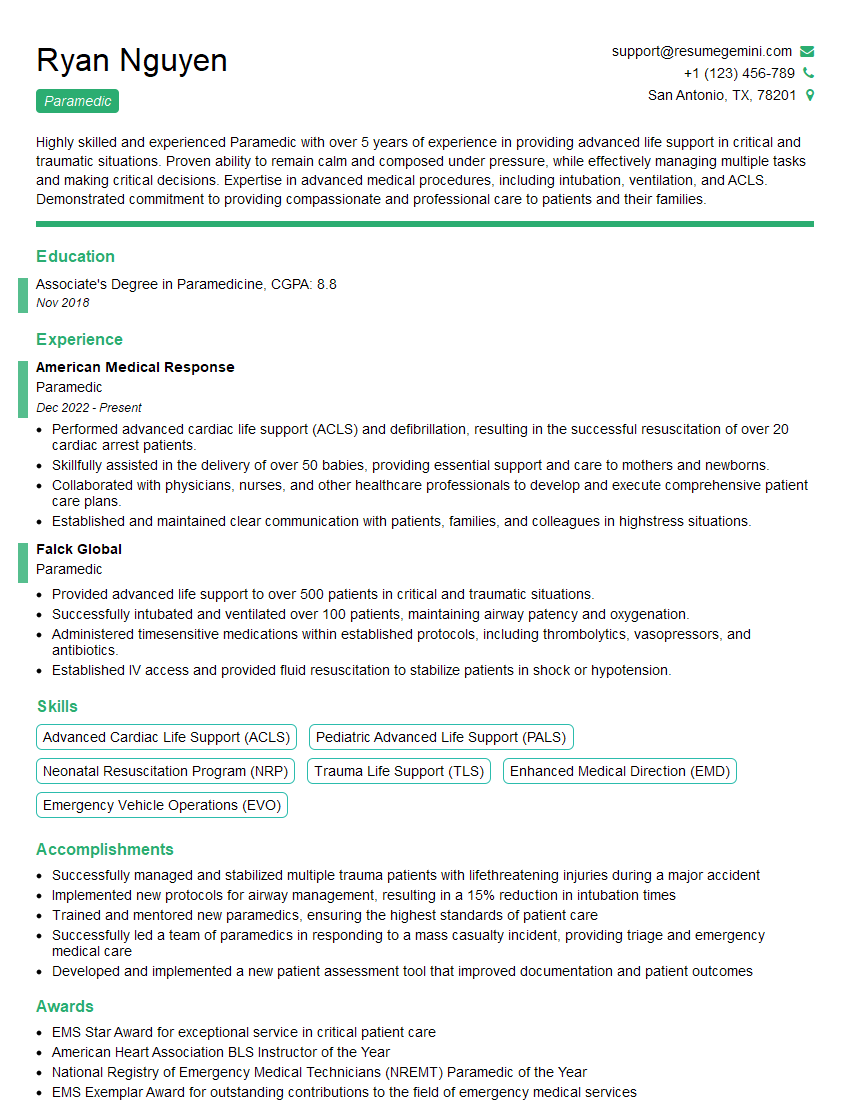
Paramedic Resume Sample

Compliance Officer Resume Sample
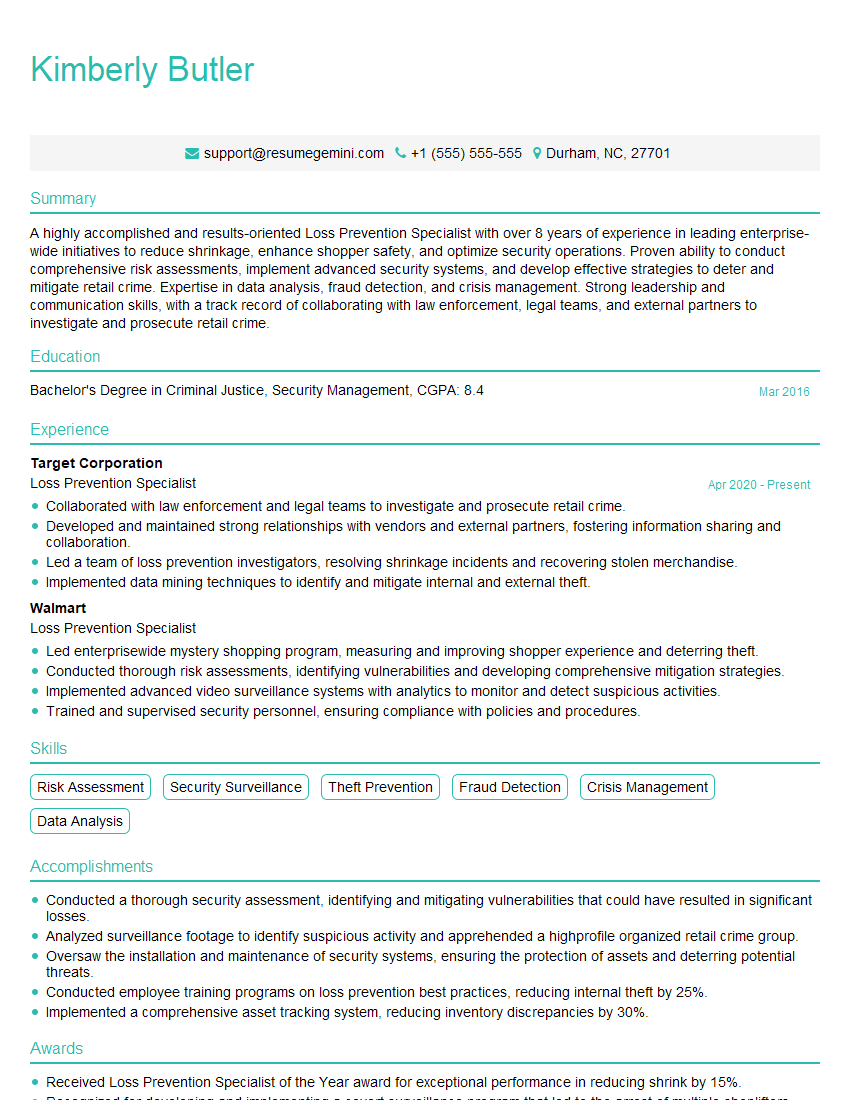
Loss Prevention Specialist Resume Sample
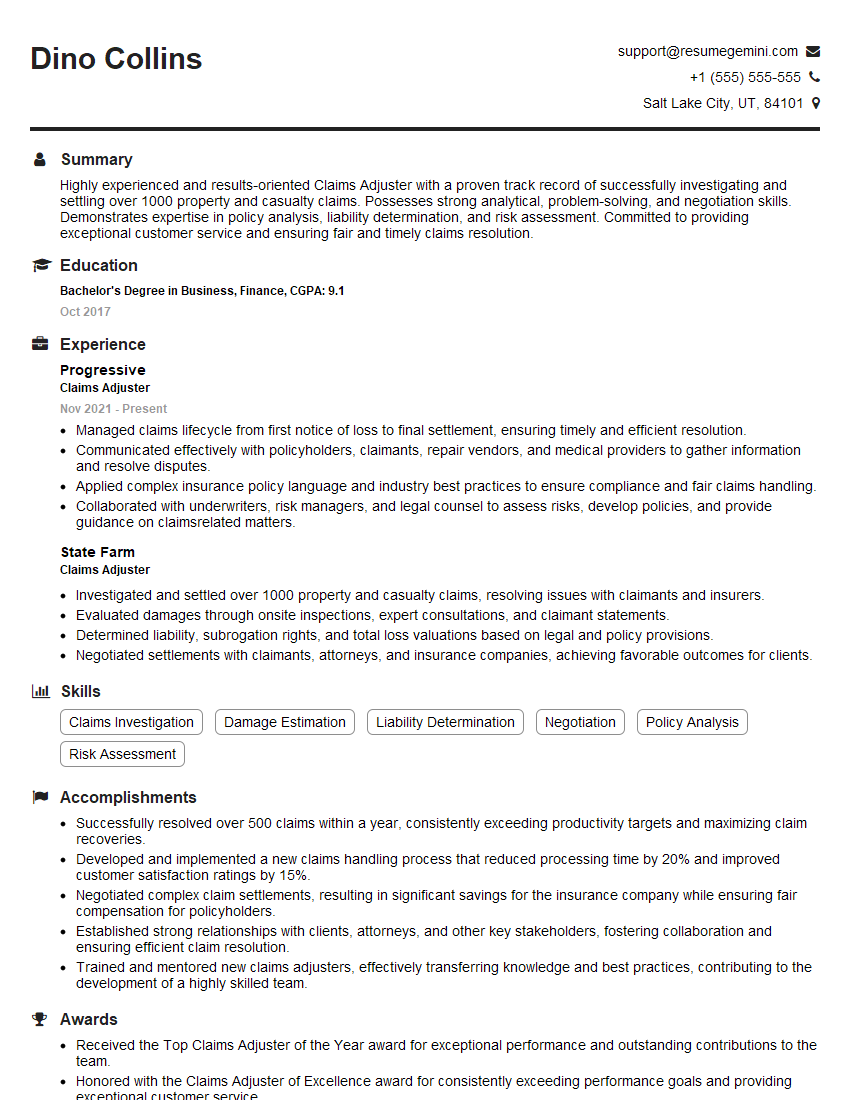
Claims Adjuster Resume Sample
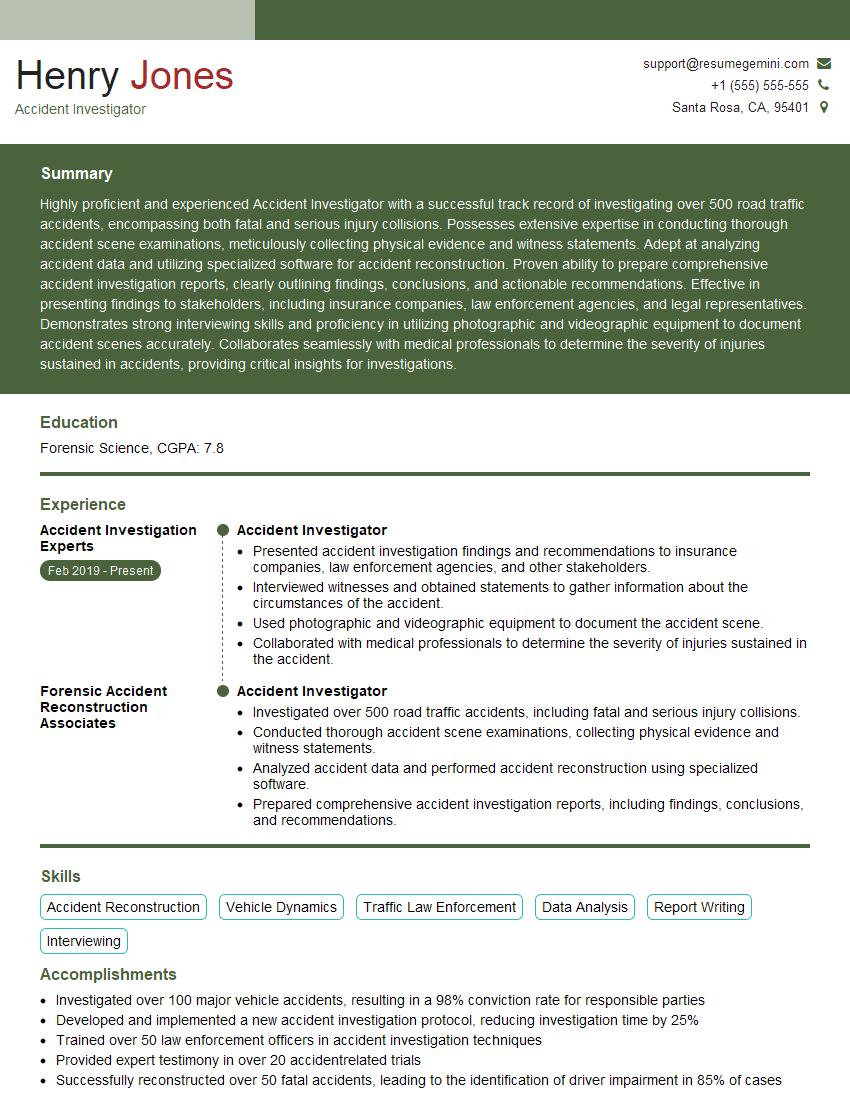
Accident Investigator Resume Sample
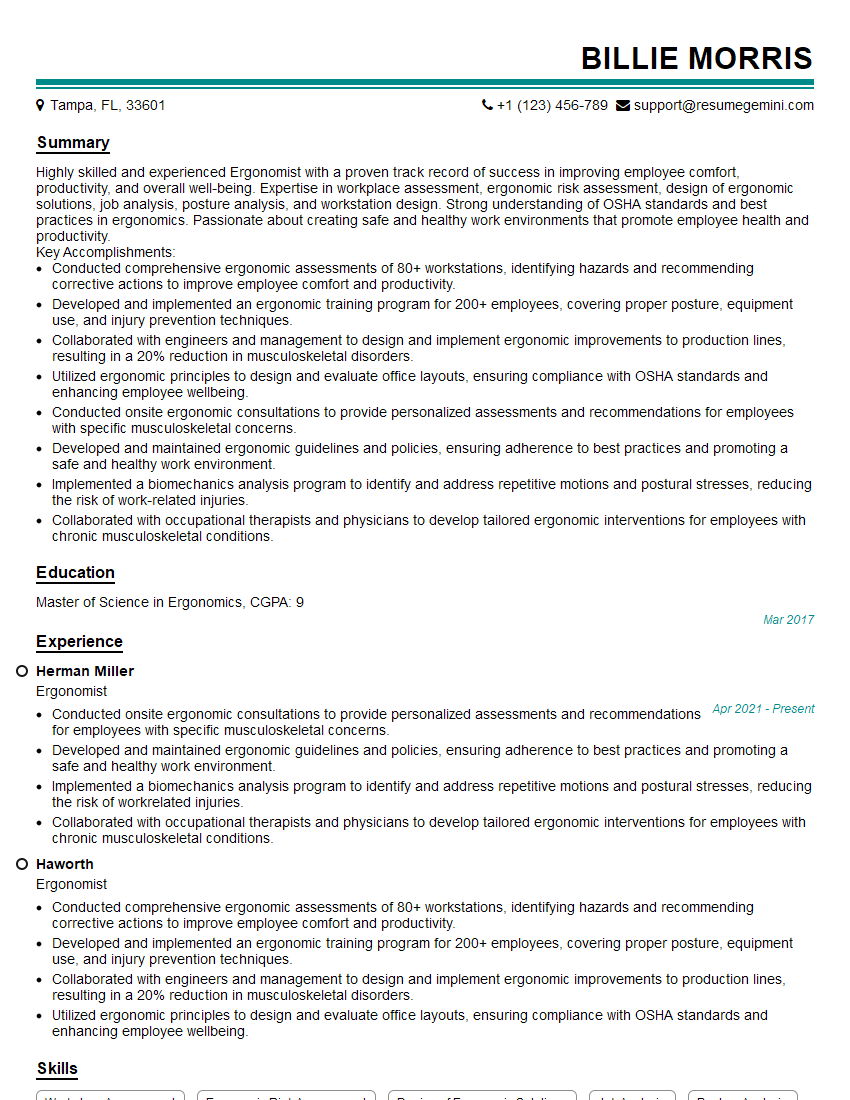
Ergonomist Resume Sample
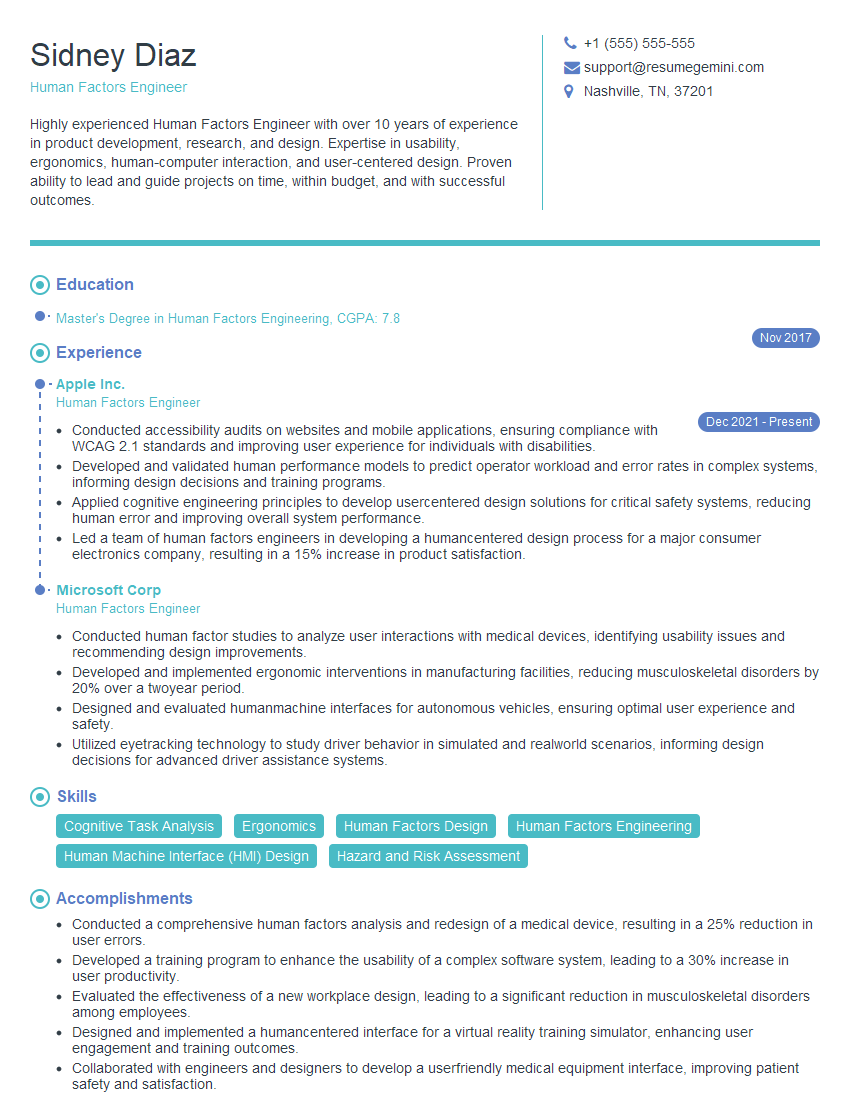
Human Factors Engineer Resume Sample
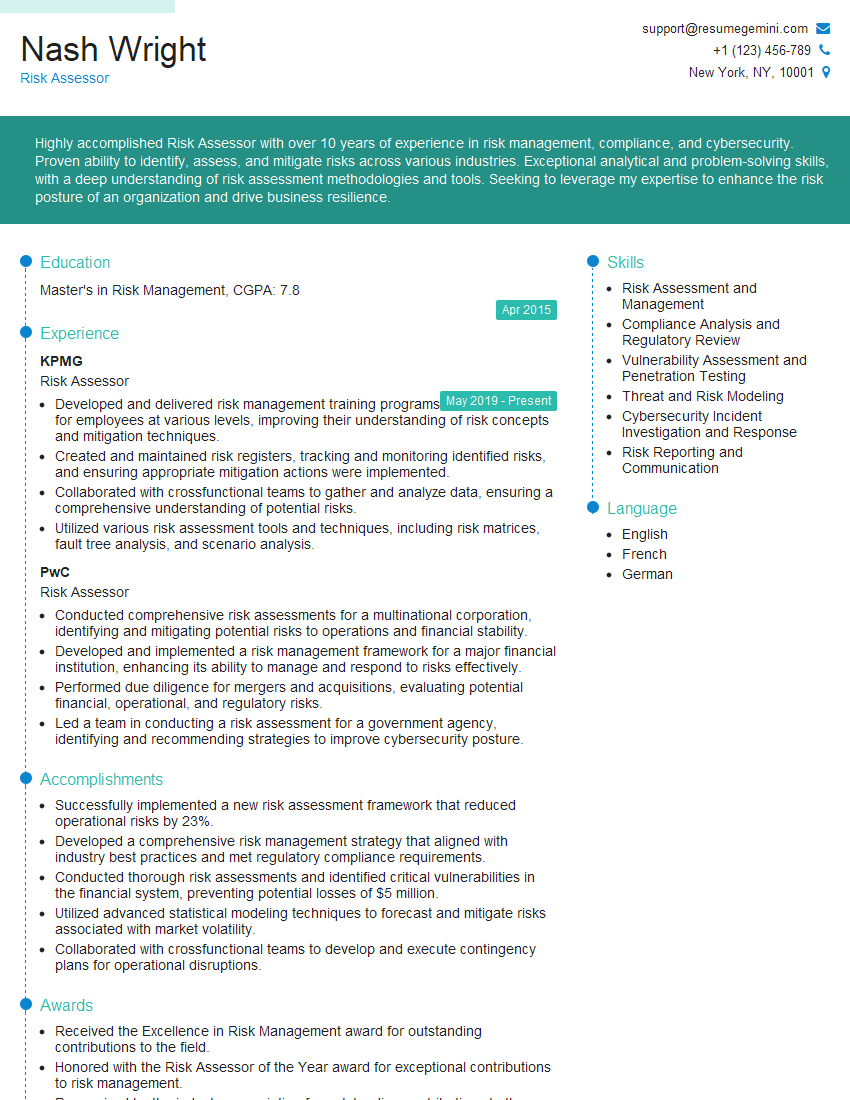
Risk Assessor Resume Sample
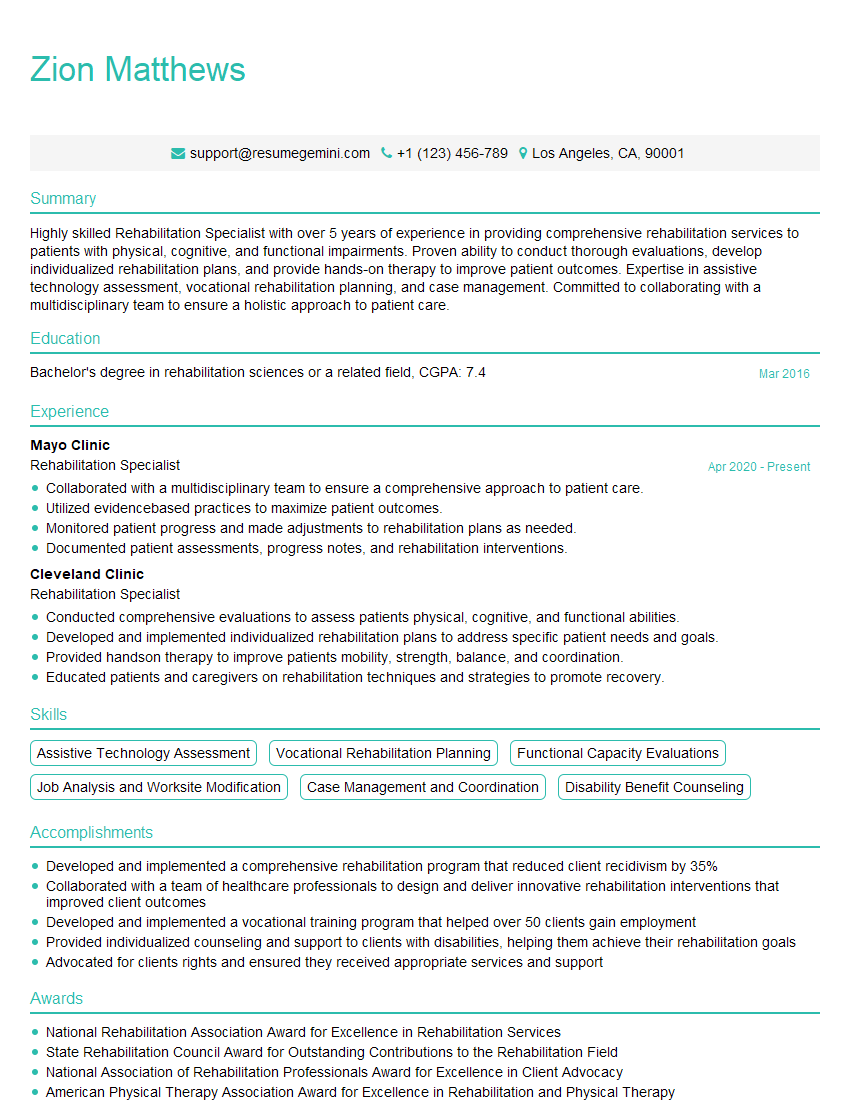
Rehabilitation Specialist Resume Sample
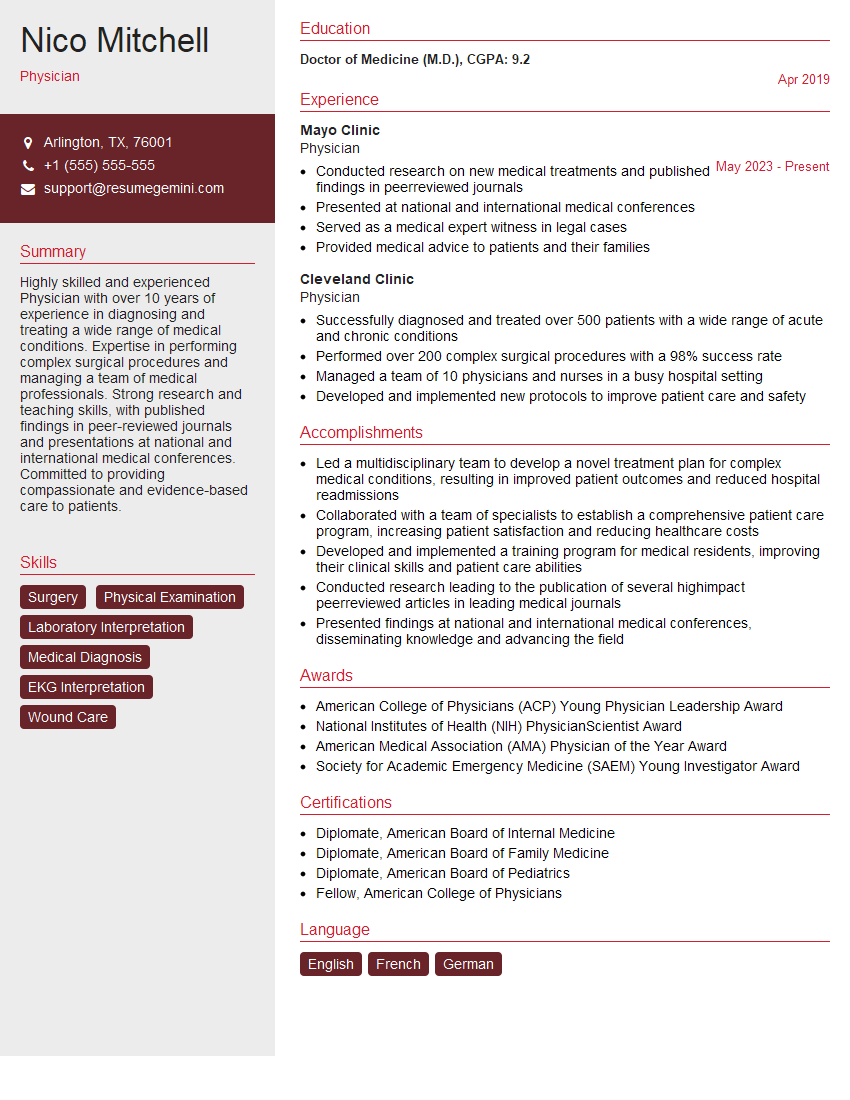
Physician Resume Sample
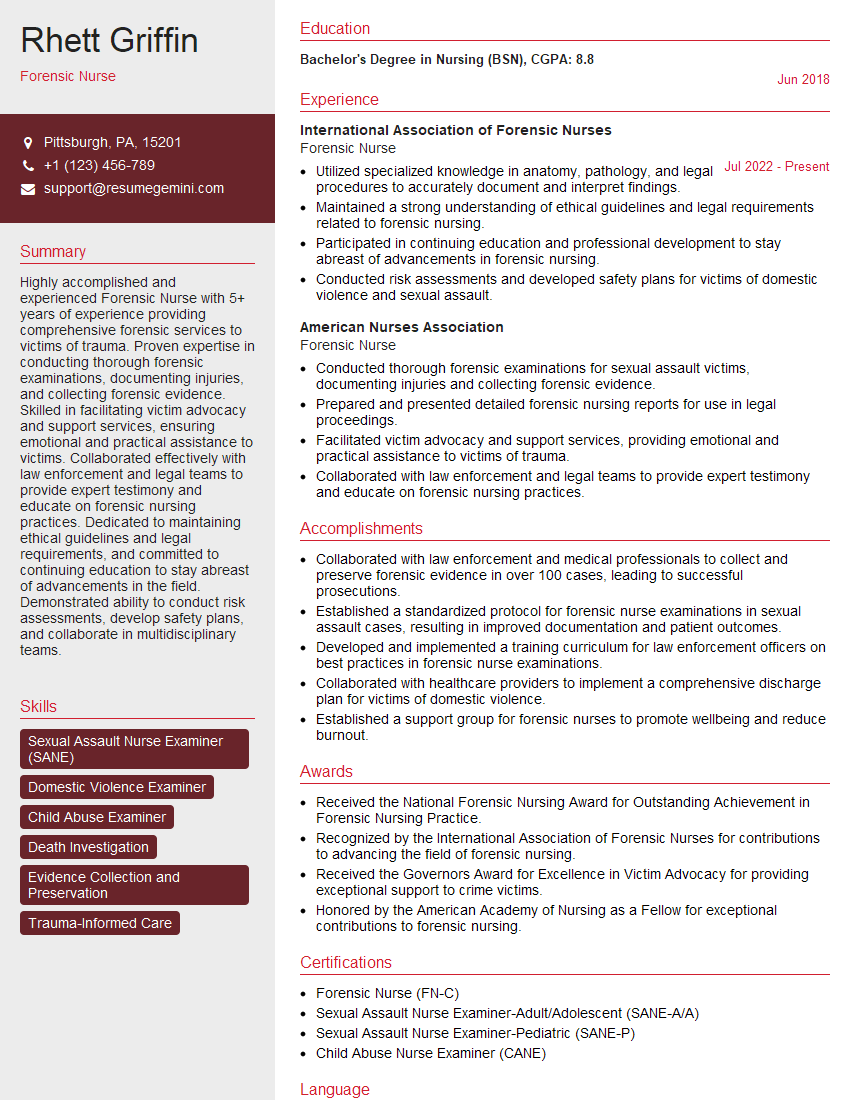
Forensic Nurse Resume Sample
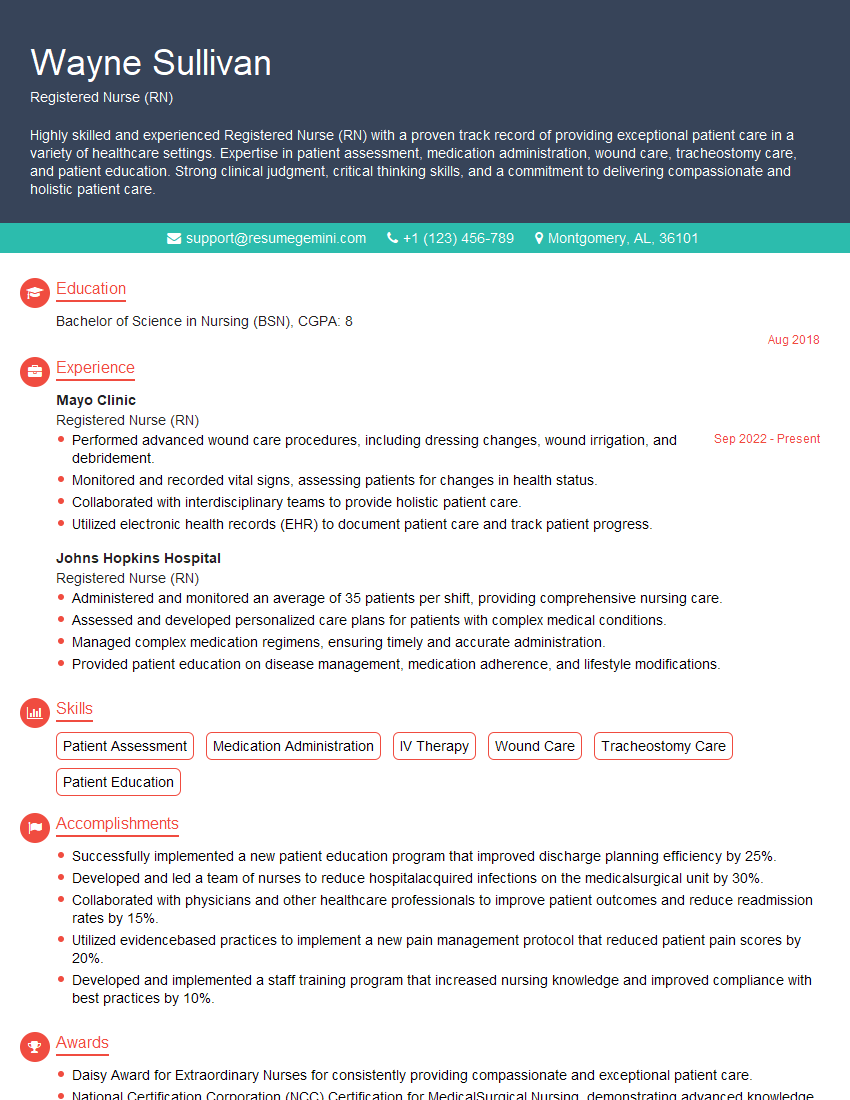
Registered Nurse (RN) Resume Sample
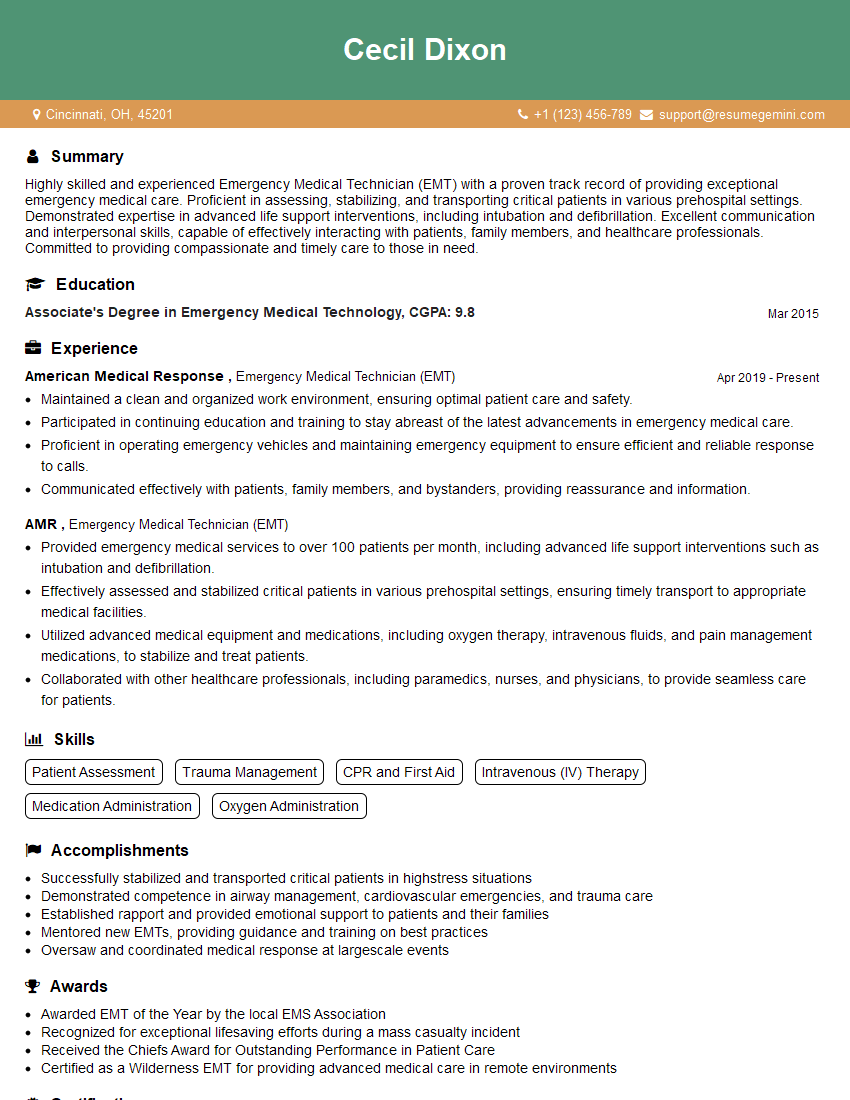
Emergency Medical Technician (EMT) Resume Sample
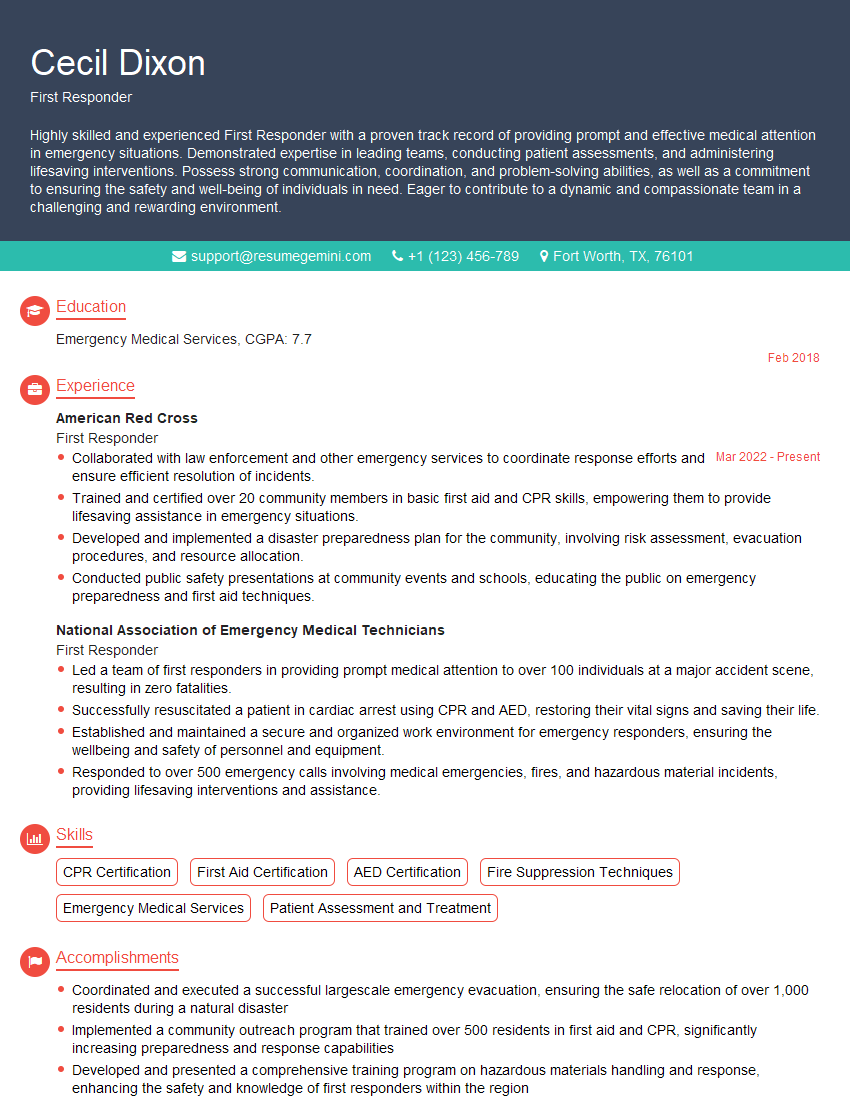
First Responder Resume Sample
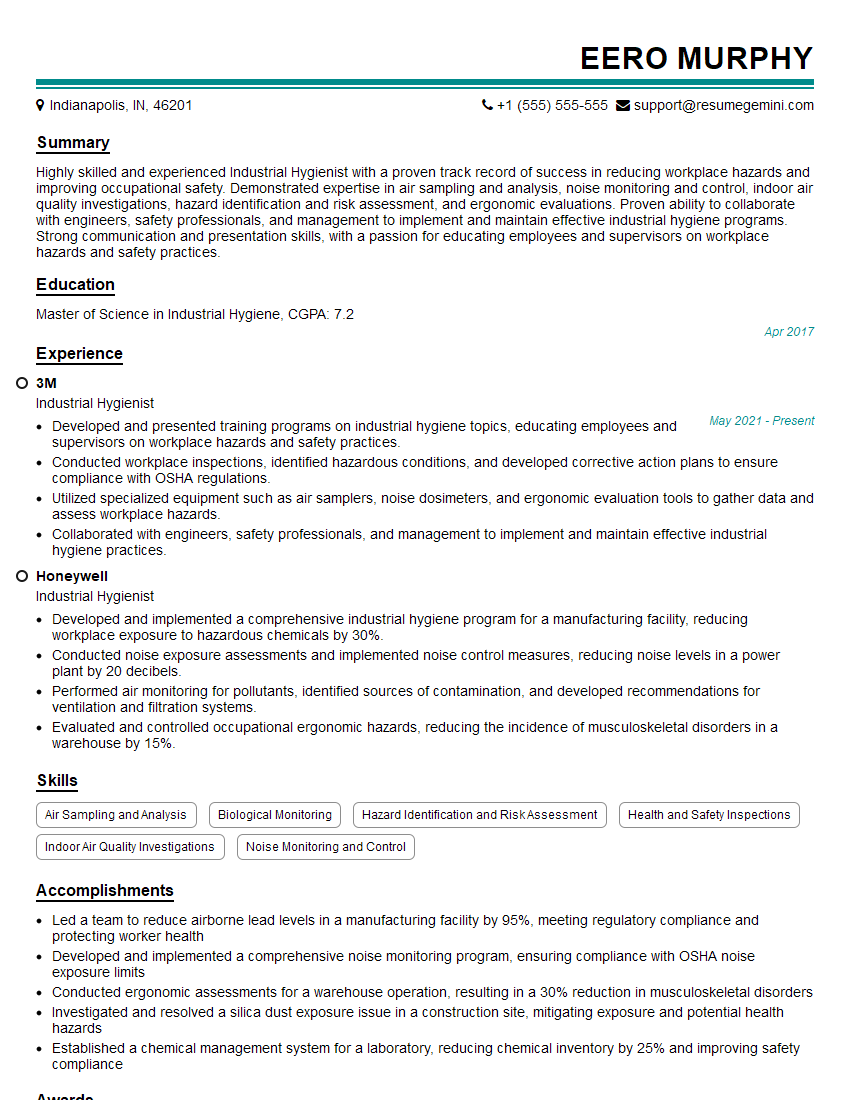
Industrial Hygienist Resume Sample
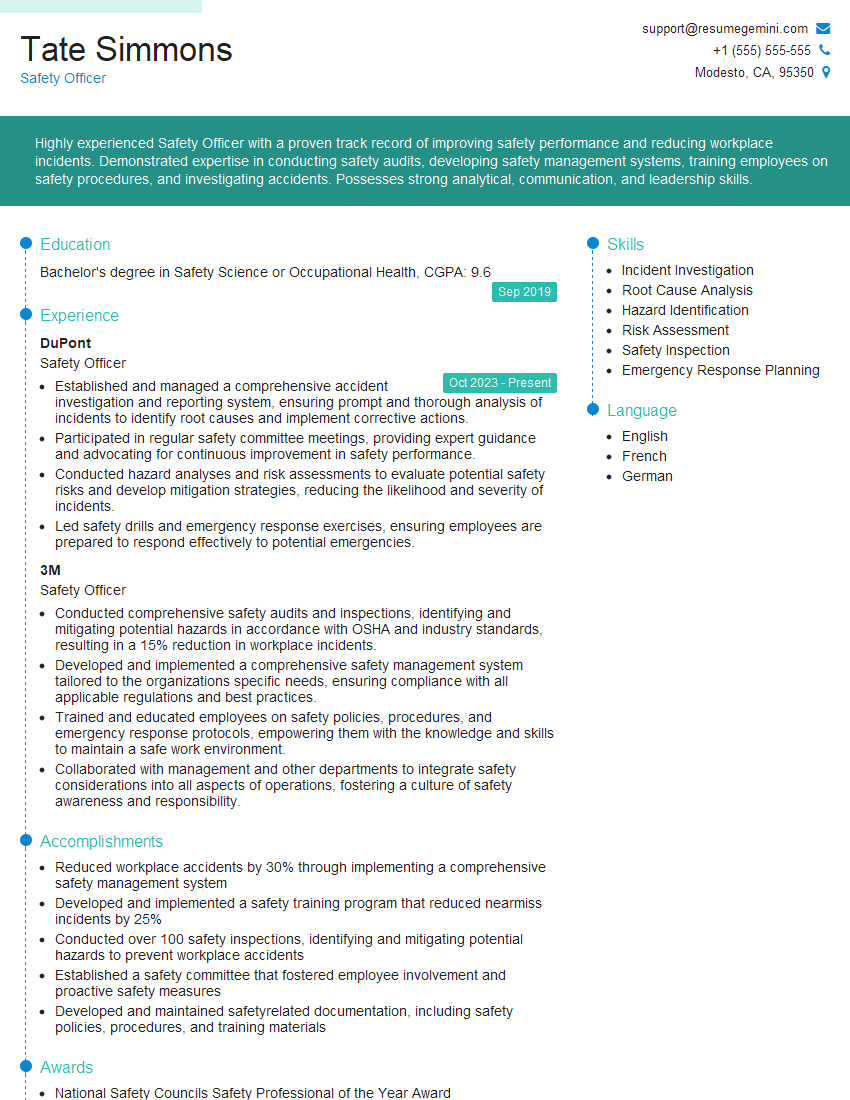
Safety Officer Resume Sample
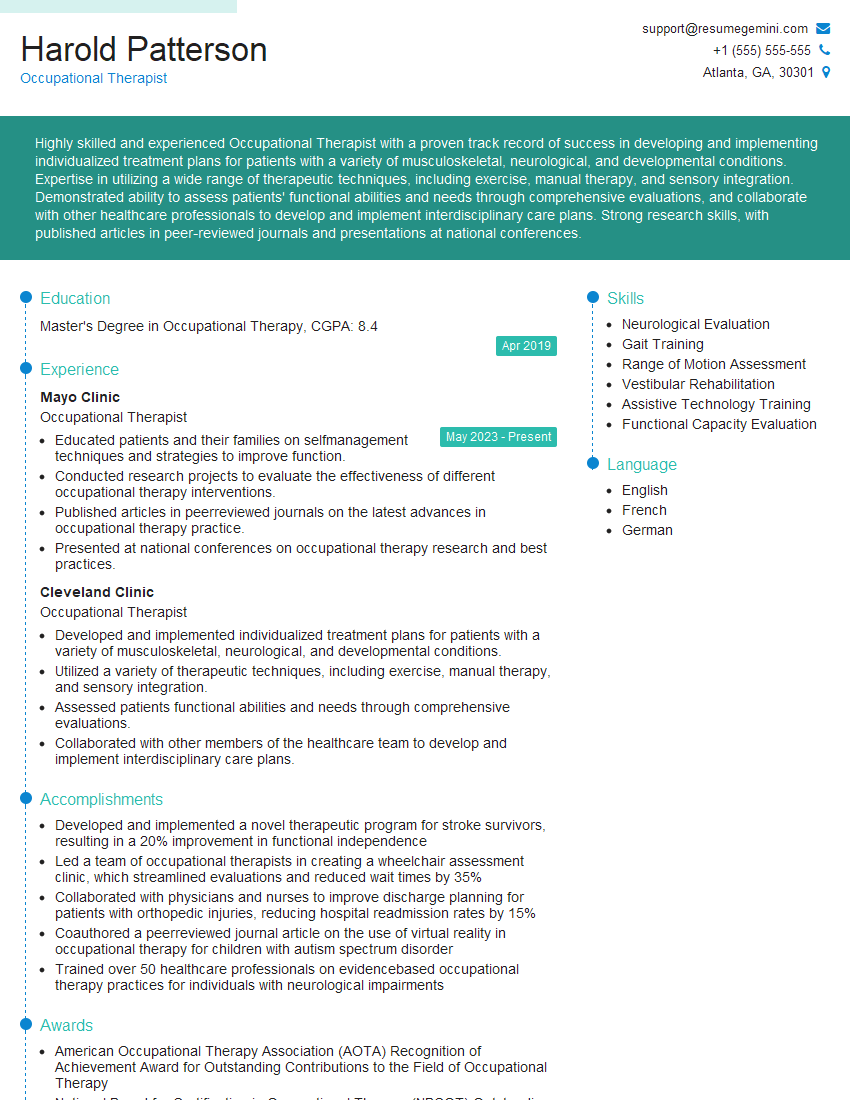
Occupational Therapist Resume Sample
- Paramedic
- Compliance Officer
- Loss Prevention Specialist
- Claims Adjuster
- Accident Investigator
- Ergonomist
- Human Factors Engineer
- Risk Assessor
- Rehabilitation Specialist
- Physician
- Forensic Nurse
- Registered Nurse (RN)
- Emergency Medical Technician (EMT)
- First Responder
- Industrial Hygienist
- Safety Officer
- Occupational Therapist
Explore more articles
Users Rating of Our Blogs
Share Your Experience
We value your feedback! Please rate our content and share your thoughts (optional).
What Readers Say About Our Blog
Really detailed insights and content, thank you for writing this detailed article.
IT gave me an insight and words to use and be able to think of examples