Unlock your full potential by mastering the most common Speech and Language Delays interview questions. This blog offers a deep dive into the critical topics, ensuring you’re not only prepared to answer but to excel. With these insights, you’ll approach your interview with clarity and confidence.
Questions Asked in Speech and Language Delays Interview
Q 1. Explain the difference between expressive and receptive language.
Expressive language refers to how we communicate our thoughts and ideas to others. It encompasses speaking, writing, and using gestures to convey meaning. Receptive language, on the other hand, is our ability to understand what others communicate to us. This includes listening, reading, and interpreting nonverbal cues. Think of it like this: expressive language is the ‘output,’ while receptive language is the ‘input’ of communication.
For example, a child with strong expressive language skills can tell you a detailed story, while a child with strong receptive language skills can follow complex instructions or understand a lengthy explanation. A child might have difficulties in one area and not the other, such as being able to understand what’s said to them but struggling to form their own sentences. Understanding the difference is crucial for accurate diagnosis and targeted intervention.
Q 2. Describe your experience assessing articulation disorders in children.
Assessing articulation disorders involves a multi-step process. I begin by gathering a detailed case history from parents or caregivers, understanding the child’s developmental milestones and any potential contributing factors. Next, I conduct a thorough oral-motor examination to assess the structure and function of the articulators (tongue, lips, palate).
The core of the assessment is a speech sound inventory, where I analyze the child’s pronunciation of various sounds in different contexts. I use standardized tests like the Goldman-Fristoe Test of Articulation-3 to compare the child’s performance to age-appropriate norms. I also observe spontaneous speech samples during play or conversation to evaluate the child’s overall communication skills and the consistency of their errors. Finally, I synthesize the data to determine the severity and type of articulation disorder and to create a personalized treatment plan.
For instance, I recently assessed a child who consistently substituted the /l/ sound with a /w/ sound, saying ‘wabbit’ instead of ‘rabbit.’ This helped pinpoint a specific articulation difficulty. The assessment informed the therapy focus on targeting the correct production of the /l/ sound.
Q 3. How do you differentiate between a speech sound disorder and a phonological disorder?
Both speech sound disorders and phonological disorders affect a child’s ability to produce speech sounds correctly, but they differ in their underlying causes. A speech sound disorder is characterized by difficulties in producing individual speech sounds, often due to motor or articulation challenges. The errors are often inconsistent and may vary based on the position of the sound in a word.
A phonological disorder, on the other hand, involves difficulties with the patterns and rules governing sound systems (phonology). Children with phonological disorders may show consistent patterns of errors, such as substituting one sound for another across many words. For example, a child might consistently replace all fricatives (like /s/, /f/, /th/) with stops (like /t/, /p/, /d/). This indicates a problem with the underlying phonological system, rather than just difficulty with individual sound production.
Imagine a child mispronouncing ‘sun’ as ‘tun’. In a speech sound disorder, this might be an isolated error, while in a phonological disorder, this pattern could extend to ‘sock’ becoming ‘tock’ and ‘sister’ becoming ’tister’.
Q 4. What are the key components of a comprehensive language assessment?
A comprehensive language assessment is multifaceted and goes beyond just speech sound production. It typically includes:
- Case History: Gathering information about the child’s developmental history, medical history, and family communication patterns.
- Hearing Screening: Ensuring there are no underlying auditory issues impacting language development.
- Oral-Motor Examination: Assessing the structure and function of the oral-motor mechanism.
- Receptive Language Assessment: Evaluating the child’s understanding of spoken language, using standardized tests and informal measures such as following instructions and answering questions.
- Expressive Language Assessment: Evaluating the child’s ability to express themselves verbally, including vocabulary, grammar, sentence structure, and narrative skills. This often involves analyzing spontaneous speech samples.
- Pragmatic Language Assessment: Evaluating the child’s social use of language, including turn-taking, topic maintenance, and understanding social cues.
- Literacy Assessment (for older children): Evaluating reading and writing skills.
These components provide a holistic picture of the child’s language abilities, helping clinicians pinpoint specific areas of strength and weakness for targeted intervention.
Q 5. Describe your experience working with children with autism spectrum disorder.
My experience working with children with Autism Spectrum Disorder (ASD) has highlighted the unique communication challenges they face. Many children with ASD have difficulties with social communication, pragmatic language (the social use of language), and repetitive or stereotyped speech patterns. Assessment needs to be adapted to account for these challenges.
I use a combination of standardized assessments, such as the Autism Diagnostic Observation Schedule (ADOS), and naturalistic observation techniques to evaluate their communication skills. I often incorporate visual supports and structured activities to engage them during assessment. Therapy focuses on improving social communication skills, functional communication, and reducing repetitive behaviours that may interfere with communication. For example, I might use visual schedules to help children anticipate transitions or use social stories to teach appropriate social interactions. Building rapport and trust is paramount to success, as every child is unique in their communication style and preference.
Q 6. How do you adapt therapy techniques to accommodate diverse learning styles?
Accommodating diverse learning styles is essential for effective therapy. I use a variety of techniques to cater to different preferences. For visual learners, I incorporate visual aids such as pictures, flashcards, and videos. For auditory learners, I use songs, rhymes, and auditory cues. Kinesthetic learners benefit from hands-on activities, role-playing, and manipulatives. For example, when working on articulation, I might use a mirror for visual feedback, have a child feel the vibrations of certain sounds, or act out scenarios.
I also adjust the pace and structure of therapy sessions based on the child’s attention span and tolerance levels. I regularly assess the effectiveness of different techniques and adapt my approach accordingly. Flexibility and creativity are key to ensuring every child has the opportunity to succeed.
Q 7. What are some common intervention strategies for childhood apraxia of speech?
Childhood apraxia of speech (CAS) is a neurological disorder that affects the planning and sequencing of speech movements. Intervention typically involves intensive and highly structured therapy. Common strategies include:
- Motor-based approaches: Focusing on improving the precision and coordination of oral-motor movements. This might involve exercises to strengthen the articulators or practice producing specific sounds in isolation and then in combinations.
- Multisensory techniques: Engaging multiple senses during therapy. For example, using visual cues (like mouth pictures), tactile cues (touching the child’s articulators), and auditory cues (modeling the sounds).
- Varied practice opportunities: Providing opportunities to practice speech sounds in different contexts, such as through play, singing, and storytelling.
- AAC (Augmentative and Alternative Communication): Utilizing augmentative communication strategies like picture exchange systems (PECS) or sign language, especially in the early stages of intervention, to ensure functional communication while working on verbal speech.
- Dynamic assessment: Continuously monitoring the child’s progress and modifying the therapy approach based on their responsiveness.
Intervention for CAS is often intensive and requires patience, consistency, and collaboration between the therapist, parents, and educators.
Q 8. Explain your approach to collaborating with parents and educators.
Collaboration with parents and educators is paramount for successful intervention in speech and language delays. My approach centers around building strong, trusting relationships based on open communication and shared goals. I begin by actively listening to their concerns and understanding their perspectives on their child’s communication development.
I then work collaboratively to establish realistic, measurable goals, tailoring the treatment plan to fit the child’s individual needs and the family’s lifestyle. Regular communication, whether through phone calls, emails, or progress reports, keeps everyone informed about the child’s progress. For educators, I provide strategies and tools to implement in the classroom, ensuring consistency between therapy and the educational environment. For example, I might work with a teacher to incorporate specific language activities into the daily routine or offer training on techniques to support a child’s communication during classroom interactions. This collaborative approach maximizes the child’s learning opportunities and leads to better overall outcomes.
Q 9. How do you measure treatment progress and make data-driven decisions?
Measuring treatment progress relies heavily on data-driven decision-making. I utilize a variety of assessment tools, both formal and informal, to track a child’s development. This might include standardized tests like the CELF-5 (Clinical Evaluation of Language Fundamentals), informal language samples, and observations of communication in natural settings. I carefully document baseline data at the start of therapy and then regularly monitor progress using these tools.
Data is analyzed to determine the effectiveness of the intervention strategies. For example, if a child’s expressive language skills aren’t improving with one approach, I’ll adjust the plan, perhaps trying a different technique or focusing on a different aspect of language. This iterative process ensures that the therapy remains relevant and effective, maximizing the child’s progress. Regular feedback from parents and educators further informs these data-driven decisions, providing a holistic view of the child’s development across various contexts.
Q 10. Describe your experience using AAC devices and strategies.
I have extensive experience using Augmentative and Alternative Communication (AAC) devices and strategies, recognizing that they are crucial for children with significant communication challenges. My approach is to select and implement AAC systems that best meet the individual needs of the child, considering their cognitive abilities, physical limitations, and communication preferences.
This can range from simple picture exchange systems (PECS) for nonverbal children to more sophisticated high-tech devices with speech-generating capabilities. My training includes working with a range of AAC modalities, and I tailor the training and support to the specific needs of each child and family. For example, I might work with a family to create a customized communication book that depicts objects and activities relevant to the child’s daily routine, or I might teach them how to use a speech-generating device effectively. I also ensure that the families receive ongoing support and training to use the devices effectively at home and in the community.
Q 11. What are some common causes of fluency disorders?
Fluency disorders, such as stuttering, are multifaceted and can stem from a variety of factors. While the exact cause is often unknown, research points to a combination of genetic predisposition, neurological factors, and environmental influences.
- Genetic factors: Family history of stuttering can significantly increase a child’s risk.
- Neurological factors: Differences in brain structure and function have been linked to stuttering.
- Environmental factors: Rapid speech pressures, high expectations, and stressful environments can sometimes exacerbate stuttering or contribute to its onset.
It’s important to remember that stuttering is not simply a habit or a sign of nervousness; it’s a complex disorder that requires a comprehensive assessment and individualized treatment plan.
Q 12. How do you address dysphagia in your patients?
Dysphagia, or difficulty swallowing, requires a collaborative approach involving a speech-language pathologist (SLP) like myself, along with other medical professionals such as gastroenterologists, otolaryngologists, and radiologists. My role focuses on the oral and pharyngeal phases of swallowing.
Assessment involves a thorough clinical evaluation, often including a bedside swallow examination and instrumental assessments like a videofluoroscopic swallow study (VFSS) or a fiberoptic endoscopic evaluation of swallowing (FEES). Based on the assessment results, I develop an individualized treatment plan to address the specific swallowing challenges. This might include strategies such as postural modifications, maneuvers to improve tongue movement, exercises to strengthen the muscles involved in swallowing, and dietary modifications. I also provide education and support to the patient and their family on safe swallowing techniques and dietary recommendations.
Q 13. What is your experience with voice disorders, and how would you assess and treat them?
Voice disorders encompass a wide range of conditions affecting voice quality, pitch, loudness, or range. My assessment of voice disorders typically begins with a comprehensive case history, including information about the onset, duration, and characteristics of the voice problem. I perform a thorough voice evaluation which includes perceptual assessment of voice quality, pitch, loudness, and resonance, and acoustic analysis using sophisticated equipment. Further assessments may include laryngeal examination using a flexible laryngoscope or stroboscopy.
Treatment strategies are tailored to the underlying cause and nature of the voice disorder. This could involve behavioral voice therapy focusing on vocal hygiene, breath support techniques, and vocal function exercises; or medical management might be necessary, such as medication or surgery in certain cases. For example, a patient with vocal nodules might benefit from voice rest, followed by vocal function exercises to improve vocal fold coordination. A patient with vocal cord paralysis might require surgical intervention, followed by voice therapy to improve vocal quality and function. The treatment approach is always individualized and adjusted based on the patient’s progress and responses.
Q 14. How do you handle challenging behaviors during therapy sessions?
Challenging behaviors during therapy sessions require a careful and empathetic approach. I always prioritize creating a safe and supportive environment where the child feels comfortable and respected. Understanding the underlying reasons for the behavior is crucial. This might involve consulting with parents or educators to gather more information about the child’s behavior patterns and triggers.
My strategies involve employing positive reinforcement and rewarding desired behaviors. For example, I might use a reward chart, praise, or preferred activities to encourage cooperation and positive interactions. If a child exhibits significant disruptive behaviors, I might modify the therapy session to accommodate the child’s needs. This might include shorter sessions, more frequent breaks, or a change in activity type. In some cases, collaboration with other professionals, such as a behavioral therapist, is essential to address complex behavioral challenges. The goal is always to create a therapeutic environment where the child feels safe and can make progress while addressing the root causes of the challenging behaviors.
Q 15. Describe your understanding of evidence-based practices in speech-language pathology.
Evidence-based practice (EBP) in speech-language pathology is the integration of the best available research evidence with clinical expertise and client values to make informed decisions about assessment and intervention. It’s not just about following the latest fad, but critically evaluating research to determine its validity and applicability to individual clients.
This involves several steps: Formulating a clinical question (e.g., ‘Does using a specific app improve articulation in preschoolers with phonological delays?’); Searching for and critically appraising relevant research (looking at study design, sample size, and statistical significance); Implementing the intervention based on the evidence; and Evaluating the outcome, adjusting the approach as needed based on the client’s response. For example, if research shows that a particular technique for improving fluency is effective for children with stuttering, we’d incorporate that technique into our therapy, while carefully monitoring its effectiveness for each child. We wouldn’t just rely on our intuition or anecdotal evidence; we look for rigorous scientific support.
Career Expert Tips:
- Ace those interviews! Prepare effectively by reviewing the Top 50 Most Common Interview Questions on ResumeGemini.
- Navigate your job search with confidence! Explore a wide range of Career Tips on ResumeGemini. Learn about common challenges and recommendations to overcome them.
- Craft the perfect resume! Master the Art of Resume Writing with ResumeGemini’s guide. Showcase your unique qualifications and achievements effectively.
- Don’t miss out on holiday savings! Build your dream resume with ResumeGemini’s ATS optimized templates.
Q 16. What are your thoughts on the role of technology in speech therapy?
Technology plays a transformative role in speech therapy. It offers exciting opportunities to enhance engagement and provide personalized interventions. Think of it as expanding our toolbox. We can use apps for articulation practice (e.g., games that target specific sounds), augmented and alternative communication (AAC) systems for individuals with limited verbal skills, teletherapy platforms for remote sessions, and digital tools for data collection and progress monitoring. For instance, I use virtual reality to create immersive scenarios to practice social communication skills, or speech-generating devices customized to each client’s vocabulary needs. However, it’s crucial to remember that technology should complement, not replace, the human interaction crucial for therapeutic success. We need to carefully select appropriate technologies and integrate them thoughtfully into the overall treatment plan.
Q 17. How do you maintain confidentiality and adhere to ethical guidelines?
Maintaining client confidentiality and adhering to ethical guidelines are paramount. This starts with informed consent – ensuring clients fully understand the therapy process, including how their information will be used and protected. I strictly adhere to HIPAA regulations and maintain secure storage of all client records, both physical and digital. I never discuss client information with anyone outside of the treatment team unless legally mandated or with explicit client consent. I also prioritize cultural sensitivity and avoid making assumptions based on personal beliefs. Ethical practice involves continuous reflection and professional development to stay up-to-date with the latest guidelines and best practices. For instance, I regularly review the ASHA (American Speech-Language-Hearing Association) Code of Ethics to ensure my practice remains aligned with the highest standards.
Q 18. Describe your experience with different types of assessment tools.
My experience encompasses a wide range of assessment tools tailored to different age groups and communication needs. For articulation, I use standardized tests like the Goldman-Fristoe Test of Articulation-3 (GFTA-3) as well as informal assessments like speech samples and phonetic inventories. For language, I use tests like the Clinical Evaluation of Language Fundamentals-5 (CELF-5), and for fluency, I utilize the Stuttering Severity Instrument-4 (SSI-4). Beyond standardized tests, I also use play-based assessments for younger children to observe their communication skills in a natural setting, and dynamic assessments to evaluate their learning potential and responsiveness to intervention. Each assessment is chosen based on the client’s age, communication abilities, and specific concerns. It’s about finding the right tools to get a clear picture of the individual’s strengths and weaknesses.
Q 19. What is your approach to working with multilingual clients?
Working with multilingual clients requires a nuanced approach. I begin by understanding their linguistic background and identifying their dominant and other languages. I avoid pathologizing language differences, carefully distinguishing between language differences and language disorders. I assess their skills in all relevant languages, using culturally sensitive materials and adapting assessment procedures as needed. Collaboration with interpreters or bilingual colleagues is essential when needed. Intervention might involve targeting skills in their dominant language first, then gradually incorporating the other language(s) to promote cross-linguistic transfer. It’s about embracing their linguistic diversity and tailoring intervention to meet their unique communication needs and cultural context.
Q 20. Describe your knowledge of different theoretical models of language acquisition.
My understanding of language acquisition encompasses various theoretical models, including nativist, social-interactionist, and cognitive models. The nativist approach, exemplified by Chomsky’s work, posits an innate language acquisition device, suggesting a biologically-programmed capacity for language. Social-interactionist theories, like Vygotsky’s sociocultural theory, emphasize the role of social interaction and scaffolding in language development. Cognitive theories, such as Piaget’s stages of cognitive development, highlight the link between cognitive abilities and language acquisition. I integrate elements from these models in my practice, recognizing that language development is a complex interplay of biological, cognitive, and social factors. For example, understanding a child’s cognitive development stage influences the way I design interventions. A child in the preoperational stage might benefit from hands-on activities to build vocabulary, while a child in the concrete operational stage can handle more abstract language concepts.
Q 21. How do you identify and address social communication difficulties?
Identifying and addressing social communication difficulties requires a multi-faceted approach. I assess social skills through observation in various settings, parent/caregiver reports, and standardized measures (e.g., the Social Communication Questionnaire). Common difficulties include understanding nonverbal cues, initiating and maintaining conversations, taking turns, and adapting communication to different social contexts. Interventions might involve social skills groups, role-playing, video modeling, and the use of visual supports. For example, I might use social stories to help a child understand expected behaviors in specific social situations or teach pragmatic language skills through interactive games. The goal is to enhance their awareness of social cues, improve their communication skills in social interactions, and promote successful participation in their social environments.
Q 22. How do you manage caseloads and prioritize tasks effectively?
Effective caseload management is crucial for providing quality care. I utilize a combination of strategies, starting with a detailed, prioritized schedule. This isn’t just a list of appointments; it incorporates time for report writing, parent communication, professional development, and importantly, buffer time for unexpected delays or urgent needs. I use a digital calendar system with color-coding for different appointment types and client needs. For example, red might indicate a session needing intensive support, while green denotes routine progress monitoring. I also regularly review my schedule to identify potential bottlenecks and adjust accordingly. Prioritization involves considering the urgency and complexity of each client’s needs. Clients with significant communication challenges or those facing immediate safety concerns receive higher priority. Regularly reviewing IEP goals and progress helps me focus on the most impactful interventions.
Q 23. What are your strategies for working with children who have difficulty with attention?
Working with children who have attention difficulties requires a multifaceted approach. The key is to understand the *why* behind the attention challenges – is it due to sensory processing issues, anxiety, a specific learning disability, or something else? Once I understand the underlying cause, I tailor my strategies. This might involve incorporating movement breaks into sessions, using visual supports like schedules or checklists, and breaking down tasks into smaller, more manageable steps. I also use positive reinforcement strategies, rewarding focused attention with verbal praise, small rewards, or preferred activities. For example, a child struggling to maintain focus during articulation practice might earn a sticker for each correct sound, building toward a small prize at the end. Furthermore, I collaborate closely with parents and teachers to ensure consistency across settings. Consistency is key – using similar strategies at home and school helps to reinforce the learning.
Q 24. Describe your experience in writing Individualized Education Programs (IEPs).
I have extensive experience in writing IEPs. The process begins with a comprehensive assessment of the child’s strengths and weaknesses across various domains, including communication, academics, and social-emotional development. This assessment is collaborative, involving parents, teachers, and other relevant professionals. We then identify measurable goals that directly address the student’s needs and are aligned with the state’s educational standards. For example, a goal might be: “Student will increase expressive vocabulary from 50 words to 100 words by the end of the semester, as measured by the Expressive One-Word Picture Vocabulary Test.” The IEP also outlines specific services and supports, including the frequency, intensity, and type of intervention. After drafting the IEP, I present it to the team for review and approval. I make sure the plan is specific, measurable, achievable, relevant, and time-bound (SMART). Finally, I regularly monitor student progress, making adjustments to the IEP as needed. I view IEP writing as an ongoing, dynamic process rather than a static document.
Q 25. What are your professional development goals?
My professional development goals are focused on enhancing my skills in several key areas. I aim to deepen my understanding of evidence-based practices for treating specific language disorders, such as apraxia of speech or childhood apraxia of speech (CAS). Additionally, I want to expand my knowledge of assistive technology and how to effectively integrate it into my therapy sessions to benefit my clients. Another goal is to become more proficient in data-driven decision-making, using data to refine my treatment approaches and demonstrate the effectiveness of my interventions. Finally, I plan to continue improving my skills in collaborative practice, working effectively with teachers, parents, and other professionals to maximize the impact of my therapy services.
Q 26. How do you stay current with the latest research and best practices?
Staying current in this field is paramount. I achieve this through several avenues. I actively participate in professional organizations like ASHA (American Speech-Language-Hearing Association), attending conferences and webinars. These events provide opportunities to learn about the latest research, best practices, and emerging technologies. I also subscribe to professional journals and regularly review relevant literature. Furthermore, I actively participate in online professional communities and discussion groups, engaging in peer-to-peer learning and sharing best practices. Staying connected with colleagues and attending continuing education courses keeps my skillset sharp and my knowledge base relevant.
Q 27. Describe a situation where you had to adapt your treatment plan to meet the needs of a client.
I once worked with a child diagnosed with autism spectrum disorder (ASD) who had significant difficulties with pragmatic language (social use of language). My initial treatment plan focused heavily on structured activities targeting specific language skills. However, the child consistently displayed disengagement and frustration. After observing the child more closely, I realized that the highly structured format was actually hindering their progress. I adapted the treatment plan to incorporate more play-based activities, allowing the child to engage with language in a more natural and less stressful context. We started using social stories and role-playing to help him understand social cues and improve his interactions. This adapted approach drastically improved his participation and engagement, leading to significant gains in his pragmatic language skills. This highlights the importance of flexibility and individualized approaches in therapy.
Q 28. How would you handle a disagreement with a colleague regarding client management?
Disagreements among colleagues are inevitable, but handling them professionally is crucial. If I were to disagree with a colleague about client management, I would first attempt to understand their perspective through open and respectful communication. I’d focus on the client’s needs and outcomes rather than focusing on assigning blame. If the disagreement persists, I would seek a neutral third party, such as a supervisor or another experienced clinician, to mediate the discussion. The goal is to find a solution that is in the best interest of the client, maintaining a collaborative spirit while respecting differing viewpoints. Open communication and a commitment to evidence-based practices are vital in resolving such conflicts.
Key Topics to Learn for Speech and Language Delays Interview
- Developmental Language Disorders: Understanding the spectrum of language delays, including phonological disorders, expressive and receptive language impairments, and social communication difficulties. Consider the impact of these disorders across different developmental stages.
- Assessment and Diagnosis: Familiarize yourself with various assessment tools and methodologies used to identify and diagnose speech and language delays in children and adults. Practice articulating your approach to a comprehensive evaluation.
- Intervention Strategies: Explore a range of therapeutic techniques, including articulation therapy, language stimulation, augmentative and alternative communication (AAC) methods, and family-centered interventions. Be prepared to discuss your experience or knowledge of specific approaches.
- Neurological Basis of Language: Gain a foundational understanding of the brain regions and pathways involved in speech and language processing. This will help you connect assessment findings with potential underlying causes.
- Collaboration and Case Management: Discuss your experience or understanding of working collaboratively with other professionals (e.g., educators, physicians, occupational therapists) and managing cases effectively.
- Ethical Considerations: Reflect on the ethical implications of working with individuals with speech and language delays, including confidentiality, informed consent, and cultural sensitivity.
- Data Collection and Analysis: Understand the importance of data-driven decision-making in therapy. Be prepared to discuss different methods of collecting and analyzing data to track progress and modify interventions as needed.
Next Steps
Mastering the complexities of Speech and Language Delays opens doors to a rewarding career impacting countless lives. A strong understanding of these concepts is crucial for securing your dream role. To significantly enhance your job prospects, crafting a compelling and ATS-friendly resume is paramount. ResumeGemini is a trusted resource that can help you build a professional resume that highlights your skills and experience effectively. ResumeGemini provides examples of resumes tailored to Speech and Language Delays, giving you a head start in creating a document that stands out to recruiters. Invest the time to create a resume that showcases your expertise and passion—it’s an investment in your future success.
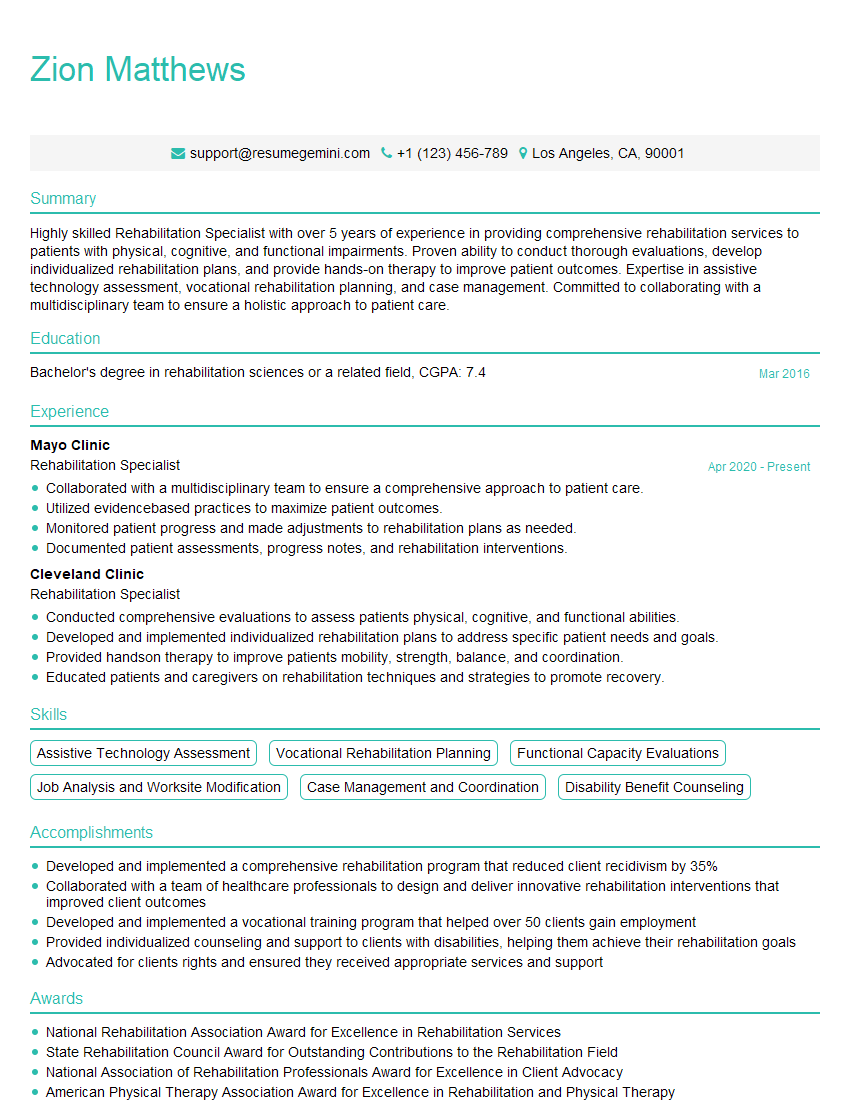
Rehabilitation Specialist Resume Sample
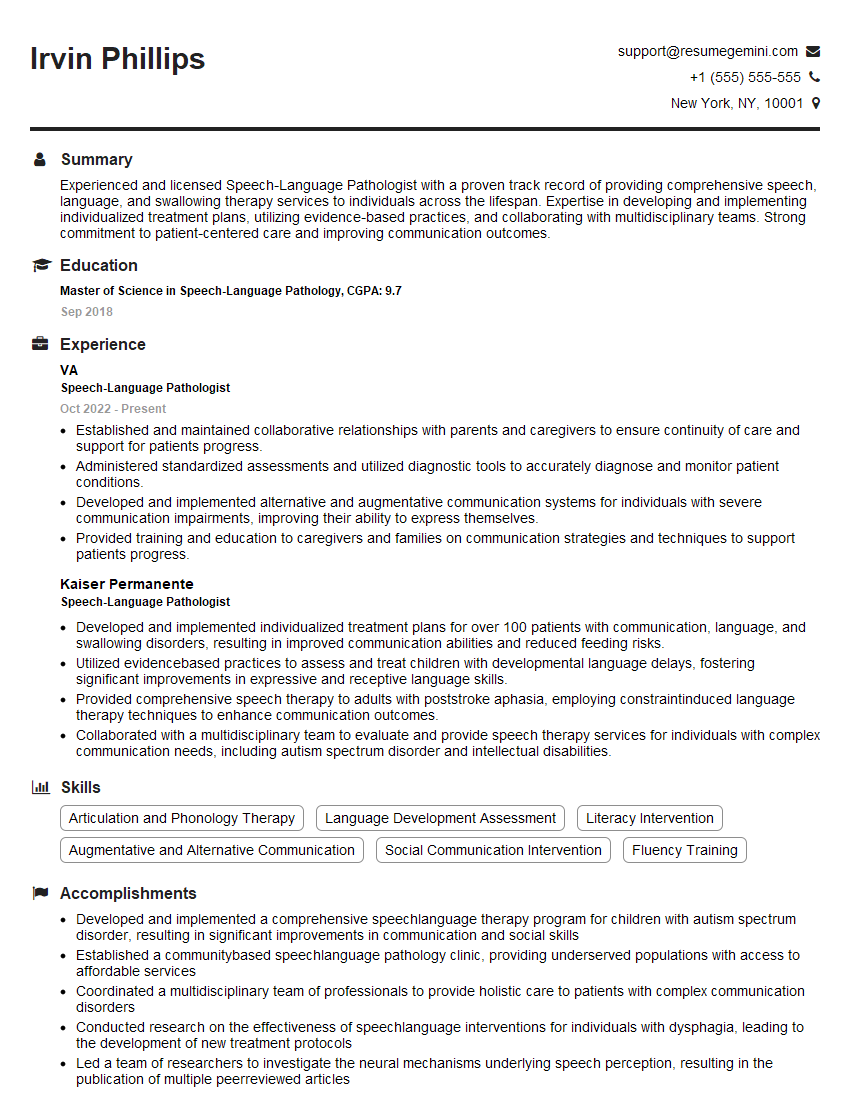
Speech-Language Pathologist Resume Sample
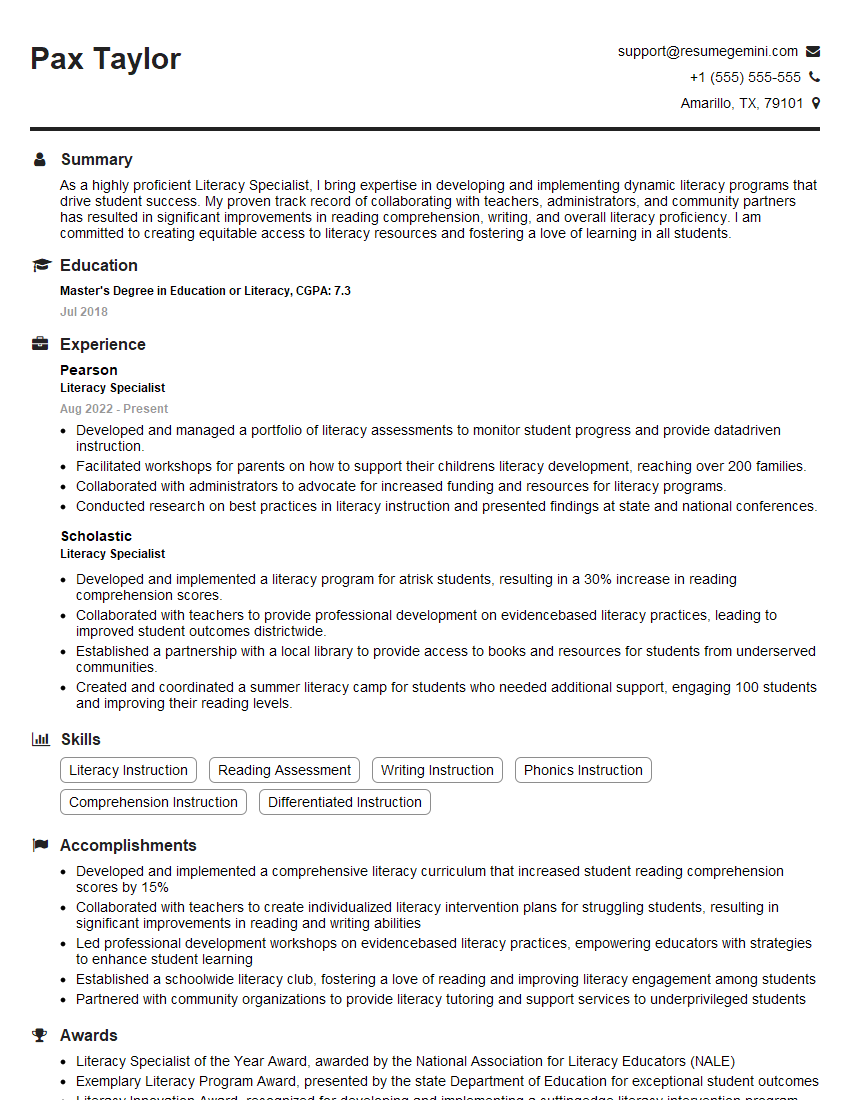
Literacy Specialist Resume Sample
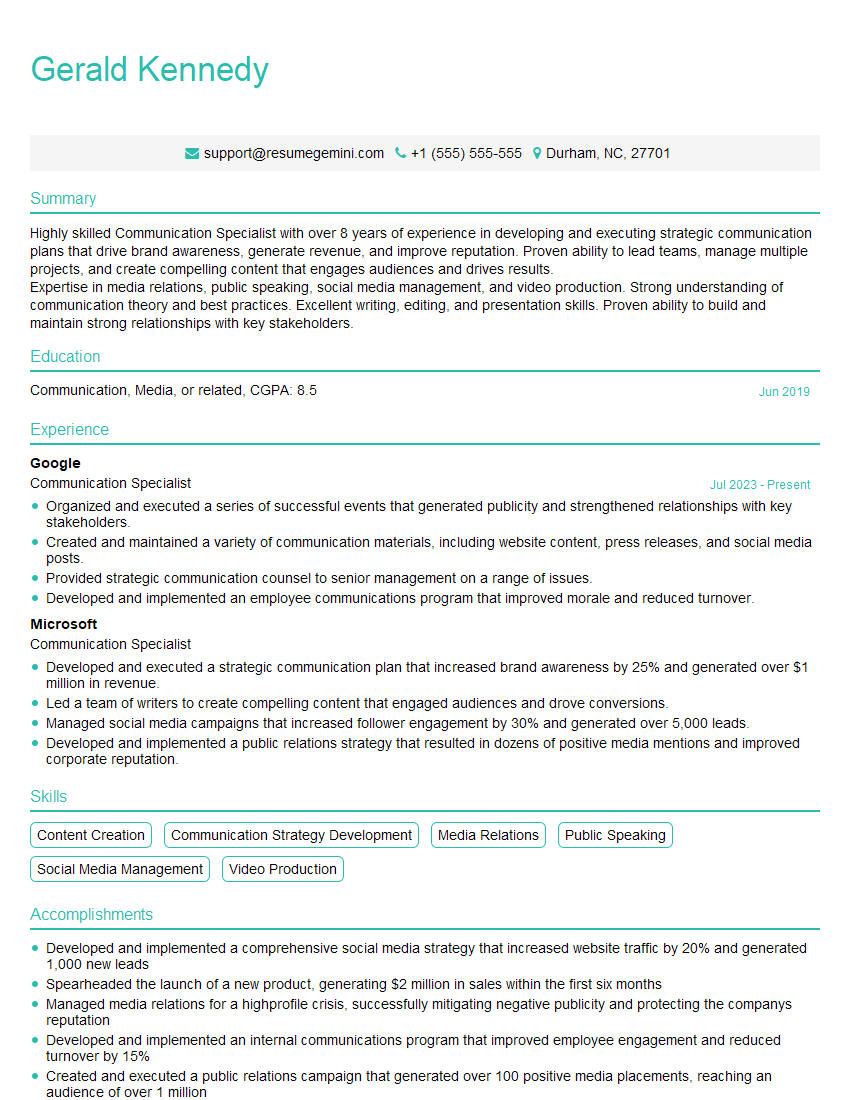
Communication Specialist Resume Sample
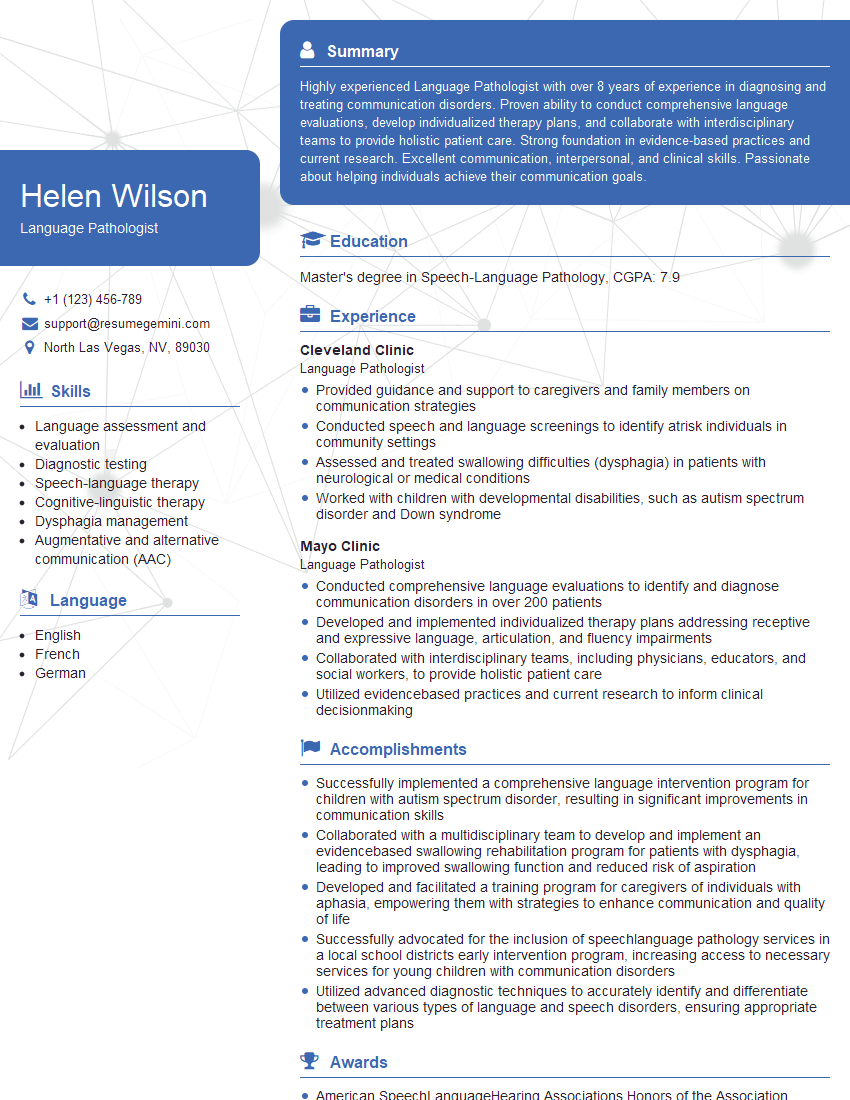
Language Pathologist Resume Sample
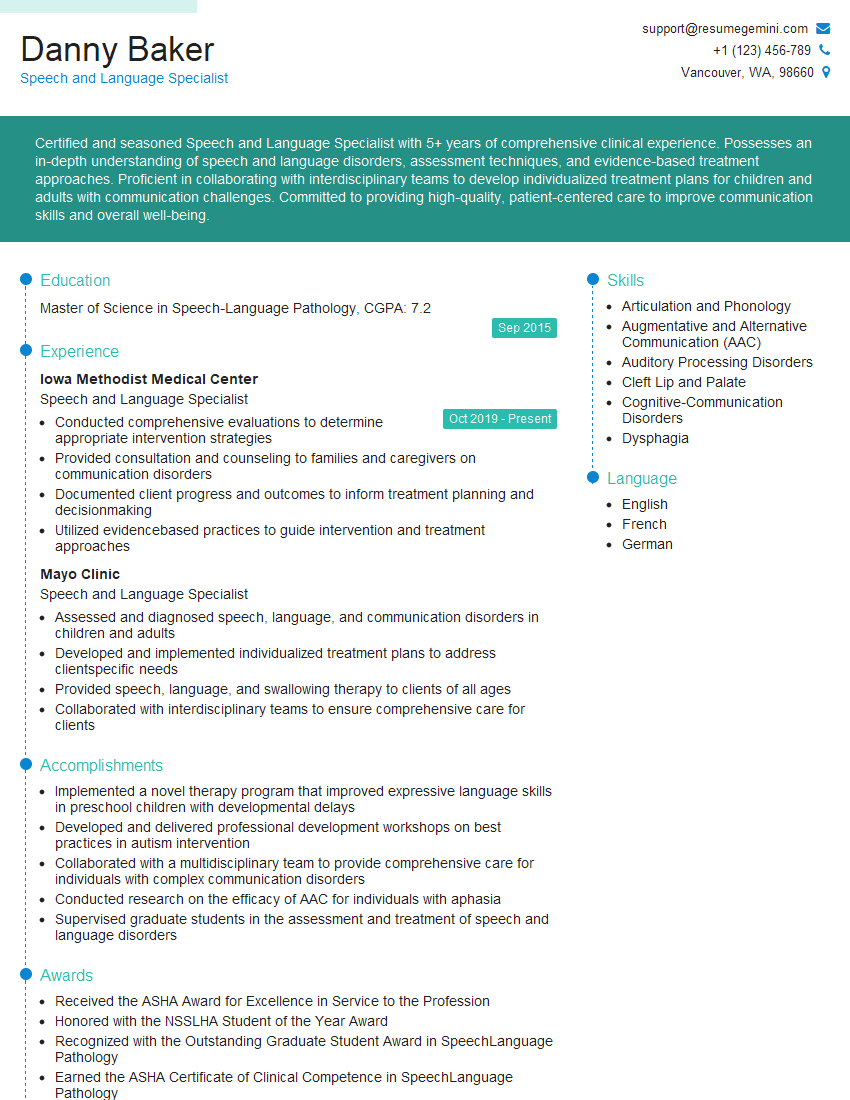
Speech and Language Specialist Resume Sample
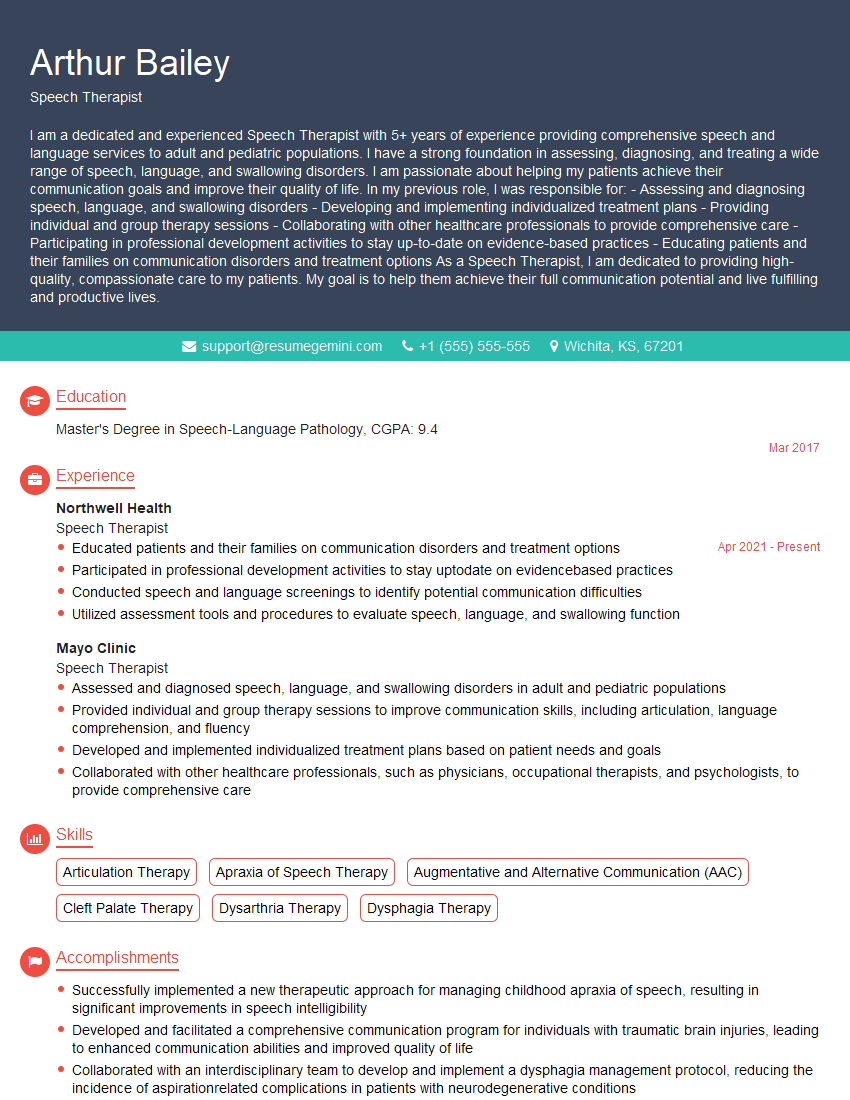
Speech Therapist Resume Sample
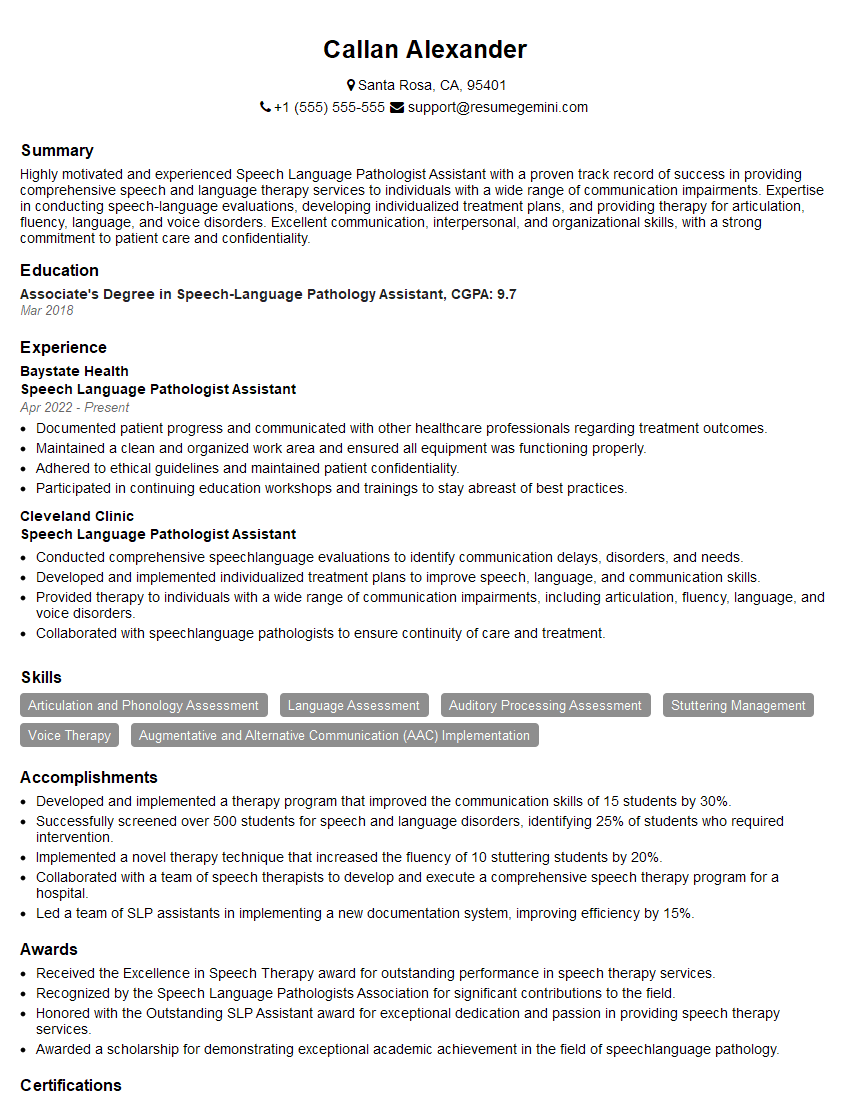
Speech Language Pathologist Assistant Resume Sample
Explore more articles
Users Rating of Our Blogs
Share Your Experience
We value your feedback! Please rate our content and share your thoughts (optional).
What Readers Say About Our Blog
Really detailed insights and content, thank you for writing this detailed article.
IT gave me an insight and words to use and be able to think of examples