Interviews are more than just a Q&A session—they’re a chance to prove your worth. This blog dives into essential Operate with independence and as part of a team interview questions and expert tips to help you align your answers with what hiring managers are looking for. Start preparing to shine!
Questions Asked in Operate with independence and as part of a team Interview
Q 1. Describe a situation where you had to work independently to solve a complex problem.
During my time at [Previous Company Name], we were tasked with optimizing a crucial data pipeline. This involved analyzing millions of data points to identify bottlenecks and inefficiencies. While part of a larger team, this specific optimization task was assigned to me independently due to its specialized nature. I began by independently reviewing existing documentation and code. I then employed a data-driven approach, leveraging statistical analysis tools and custom scripts (python -m pip install pandas numpy scipy) to pinpoint areas for improvement. I discovered that a poorly written sorting algorithm was the primary cause of the delay. I redesigned this algorithm, implementing a more efficient merge sort, and subsequently tested my solution rigorously. The result was a 70% reduction in processing time, significantly improving the pipeline’s overall performance. This solo effort demonstrated my ability to tackle complex, data-heavy problems autonomously, relying on my technical expertise and problem-solving skills.
Q 2. How do you prioritize tasks when working both independently and collaboratively?
Prioritization, whether working independently or collaboratively, hinges on a clear understanding of urgency and impact. I utilize a combination of methods. For independent tasks, I employ the Eisenhower Matrix (urgent/important). Urgent and important tasks are tackled immediately; important but not urgent tasks are scheduled; urgent but not important tasks are delegated if possible; and unimportant tasks are eliminated. In collaborative settings, I advocate for open communication. We collaboratively prioritize tasks using techniques like MoSCoW (Must have, Should have, Could have, Won’t have) or a simple prioritization meeting, ensuring everyone understands the rationale behind the order. This ensures everyone is on the same page and contributes effectively.
Q 3. Explain your approach to managing your time effectively when working on multiple projects.
Effective time management across multiple projects requires a structured approach. I begin by breaking down each project into smaller, manageable tasks. I then allocate time slots for these tasks using a time-blocking technique, scheduling specific blocks of time for particular activities. I also leverage project management tools like [mention a tool, e.g., Asana, Trello] to track progress, set deadlines, and manage dependencies between tasks. Regular review and adjustment of the schedule are crucial. If I anticipate a time crunch, I proactively communicate with stakeholders, adjusting priorities as needed. This proactive approach helps me avoid burnout and consistently deliver high-quality work across all projects.
Q 4. Describe a time you had to delegate tasks within a team.
In a previous project involving the development of a new software module, I led a team of five developers. Recognizing that team members possessed varying strengths, I delegated tasks based on individual expertise. For instance, a developer with strong front-end skills was assigned the user interface portion, while another, proficient in database management, handled the backend integration. Before delegating, I ensured clear communication of expectations, deadlines, and available resources. Regular check-ins and feedback sessions were implemented to monitor progress and address any roadblocks. This approach ensured efficient task completion and fostered a collaborative environment, leveraging each team member’s unique strengths to achieve our collective goal.
Q 5. How do you handle disagreements or conflicts within a team setting?
Disagreements are inevitable in team settings. My approach emphasizes constructive conflict resolution. First, I actively listen to all perspectives, ensuring everyone feels heard. I then focus on identifying the root cause of the disagreement, rather than assigning blame. We collaboratively explore potential solutions, focusing on finding common ground and a mutually acceptable outcome. If necessary, I facilitate a structured discussion using techniques like brainstorming or a decision-making framework (e.g., weighted voting). The goal is always to find a solution that benefits the project and strengthens the team dynamic.
Q 6. How do you ensure effective communication when working remotely or asynchronously?
Effective asynchronous communication is critical in remote settings. I utilize a combination of tools and strategies. For instance, project management software provides a central hub for task assignments, progress updates, and file sharing. Regular team check-ins, either via video conferencing or quick written updates, help maintain momentum and address any emerging issues. Clear and concise written communication is key. I carefully craft emails and messages, ensuring clarity and avoiding ambiguity. Utilizing tools that allow for real-time collaboration, like shared documents or collaborative coding platforms, also significantly improves efficiency and reduces misunderstandings.
Q 7. Describe your preferred style of collaboration in a team environment.
My preferred collaborative style is a blend of independent work with regular, structured team interactions. I believe in empowering team members to take ownership of their tasks while providing support and guidance as needed. I thrive in environments that foster open communication and mutual respect. Regular team meetings, both formal and informal, are essential for sharing updates, addressing challenges, and fostering a strong team bond. I believe that a collaborative spirit, coupled with clear expectations and defined roles, creates an environment conducive to innovative solutions and high-quality work.
Q 8. How do you adapt your communication style to different team members?
Effective communication is key to successful teamwork, and adapting my style is crucial. I believe in understanding individual communication preferences before tailoring my approach. For instance, some team members prefer direct, concise updates, while others appreciate more detailed explanations. I assess this through observation and direct interaction. With direct communicators, I use bullet points and concise summaries. With those who prefer detailed information, I provide more context and background. I also consider their preferred communication channels – email, instant messaging, or face-to-face meetings – and adjust accordingly. This ensures everyone feels heard and understood, fostering better collaboration.
For example, I worked with a team where one member was highly detail-oriented and another preferred high-level summaries. I provided detailed reports to the first member and concise summaries with key takeaways for the second, ensuring both were satisfied and informed.
Q 9. How do you contribute to a positive and productive team dynamic?
Contributing to a positive and productive team dynamic involves actively fostering open communication, mutual respect, and shared responsibility. I believe in leading by example, demonstrating a positive attitude, and actively participating in team discussions. I strive to create a supportive environment where everyone feels comfortable sharing ideas and concerns without fear of judgment. I also actively celebrate team successes, acknowledging individual contributions to boost morale and motivation. Furthermore, I’m proactive in identifying and addressing potential conflicts before they escalate, encouraging open dialogue and finding collaborative solutions. I see myself as a facilitator, helping team members work together effectively.
In a past project, we faced a significant challenge that required creative problem-solving. By encouraging open brainstorming and celebrating each insightful contribution, we fostered a collaborative atmosphere that ultimately led to a successful solution. Active listening and valuing diverse perspectives were key to our success.
Q 10. Describe a time you had to provide constructive feedback to a team member.
Providing constructive feedback is a crucial skill for team growth. I remember a situation where a team member was consistently missing deadlines on a critical project. Instead of directly criticizing, I scheduled a one-on-one meeting. I started by acknowledging their contributions and expressing my appreciation for their hard work. Then, I specifically pointed out the missed deadlines, using concrete examples, and avoiding generalizations. I asked open-ended questions to understand the underlying reasons for the delays, such as workload issues or lack of clarity on expectations. Finally, I offered suggestions and collaborated on a solution, such as creating a more detailed project plan with clear milestones and regular check-ins. The feedback was well-received because it focused on improvement rather than blame. Following the feedback, the team member improved significantly, demonstrating the effectiveness of the approach.
Q 11. How do you handle situations where deadlines are tight and resources are limited?
Handling tight deadlines and limited resources requires a structured and prioritized approach. I start by clearly defining priorities, focusing on the most critical tasks that deliver the maximum impact. This often involves collaborating with the team to re-evaluate project scope if necessary, focusing on delivering the core functionalities first. I utilize project management tools to track progress and identify bottlenecks, allowing for proactive adjustments. I also leverage effective time management techniques, breaking down large tasks into smaller, manageable steps. Open communication with stakeholders is vital to ensure everyone understands the constraints and collaborates on solutions. Finally, I am not afraid to ask for help or delegate tasks when necessary. This ensures everyone is working efficiently and effectively towards the common goal.
For example, in one project, we faced a significant delay due to a resource constraint. By prioritizing critical tasks, communicating transparently with stakeholders, and adjusting the project scope, we managed to deliver a functional product that met the core requirements within the revised timeframe.
Q 12. Describe your experience with project management methodologies (e.g., Agile, Waterfall).
I have extensive experience with both Agile and Waterfall methodologies. Waterfall, with its sequential phases, is well-suited for projects with clearly defined requirements and minimal anticipated changes. I’ve used Waterfall on projects with stable specifications, allowing for meticulous planning and execution. Agile, however, excels in projects where requirements are likely to evolve. I’ve extensively used Scrum, a common Agile framework, for iterative development, focusing on continuous improvement and quick feedback loops. I understand the importance of daily stand-ups, sprint reviews, and retrospectives in facilitating collaboration and ensuring project alignment. I can effectively adapt my approach depending on the project’s needs and complexity, selecting the methodology that best suits the specific context.
Q 13. How do you stay organized and track progress on individual and team projects?
Staying organized and tracking progress is paramount for both individual and team projects. I utilize a combination of tools and techniques, including project management software like Jira or Asana to track tasks, deadlines, and progress. For individual projects, I use detailed to-do lists and calendars. I schedule dedicated time blocks for focused work, minimizing interruptions. For team projects, regular status meetings and progress reports are essential for maintaining transparency and identifying potential roadblocks early on. I also ensure clear communication channels and documentation, making it easy for everyone to access relevant information and stay informed. Using visual aids like Kanban boards can provide a clear overview of the project status for the entire team.
Q 14. How do you handle competing priorities when working both independently and as part of a team?
Handling competing priorities, both independently and as part of a team, requires effective prioritization and time management. I use a prioritization matrix, such as Eisenhower’s Urgent/Important matrix, to categorize tasks based on their urgency and importance. This helps me focus on high-impact tasks first. I also communicate openly with my team and stakeholders, setting clear expectations and managing their expectations effectively. I regularly review my priorities to ensure they align with overall project goals, making adjustments as needed. Proactive communication and transparency prevent misunderstandings and allow for collaborative adjustments when unforeseen circumstances arise.
For example, if I have a pressing individual deadline conflicting with a team meeting, I communicate this proactively, suggesting alternative arrangements or seeking assistance to manage both effectively.
Q 15. Describe a time you had to take initiative to improve a team process.
Improving team processes often requires proactive identification of bottlenecks and inefficiencies. In my previous role at Acme Corp., our team was struggling with lengthy report generation. The process involved multiple manual steps and relied on outdated software. I noticed this inefficiency was impacting our turnaround time and overall productivity. I took the initiative to research alternative solutions, ultimately proposing and leading the implementation of a new automated reporting system. This involved researching various software options, presenting a cost-benefit analysis to management, and then training the team on the new system. The result was a 40% reduction in report generation time, allowing us to dedicate more time to higher-value tasks. This highlights my ability to not only identify areas for improvement but also to drive effective change within a team setting.
Career Expert Tips:
- Ace those interviews! Prepare effectively by reviewing the Top 50 Most Common Interview Questions on ResumeGemini.
- Navigate your job search with confidence! Explore a wide range of Career Tips on ResumeGemini. Learn about common challenges and recommendations to overcome them.
- Craft the perfect resume! Master the Art of Resume Writing with ResumeGemini’s guide. Showcase your unique qualifications and achievements effectively.
- Don’t miss out on holiday savings! Build your dream resume with ResumeGemini’s ATS optimized templates.
Q 16. How do you identify and leverage the strengths of individual team members?
Identifying and leveraging individual team strengths is crucial for optimal team performance. I employ a two-pronged approach. First, I engage in open communication and actively listen during team meetings and one-on-one conversations. This allows me to understand each member’s skills, experience, and preferred work styles. Secondly, I use this information to strategically assign tasks. For instance, if a team member excels in data analysis, I assign them data-heavy projects. If another member is a strong communicator, they might lead client presentations. This delegation process not only ensures that tasks are completed efficiently but also fosters a sense of ownership and empowers team members to showcase their expertise. This approach builds confidence and team cohesion.
Q 17. How do you manage your workload when working on multiple projects simultaneously?
Managing multiple projects simultaneously requires meticulous planning and organization. I utilize project management tools like Trello or Asana to visually track progress and deadlines. I break down each project into smaller, manageable tasks and prioritize them based on urgency and importance, often employing the Eisenhower Matrix (urgent/important). I also allocate specific time blocks in my day for each project, ensuring focused work sessions. Regular review and adjustment of my schedule are critical; if something becomes unexpectedly urgent, I re-prioritize and communicate any potential delays transparently. Timeboxing, effective delegation (where possible), and consistent communication are key to successfully juggling multiple projects.
Q 18. How do you ensure accountability within a team setting?
Accountability is fostered through clear expectations, regular check-ins, and open feedback. Before starting any project, I ensure everyone understands their roles, responsibilities, and deadlines. This involves clear task assignments and documented processes. Regular progress updates are essential, allowing for early identification and resolution of any potential issues. I encourage open communication and feedback sessions where team members can discuss challenges and celebrate successes. This transparency promotes a culture of accountability and shared responsibility. When challenges arise, I focus on collaborative problem-solving, rather than assigning blame, to maintain a positive and productive work environment.
Q 19. How do you handle pressure and stress when working on demanding projects?
High-pressure situations are inevitable. My approach involves a combination of proactive planning and stress management techniques. Proactive planning involves setting realistic goals and deadlines, breaking down tasks into smaller parts, and building buffer time into my schedule. When under pressure, I prioritize deep breaths and short breaks to maintain focus and prevent burnout. I also rely on clear communication with my team and stakeholders to manage expectations and keep everyone informed. Sometimes, seeking advice or help from others can alleviate pressure and provide new perspectives. Exercise and mindfulness are also important components of my self-care routine to mitigate stress and maintain a healthy work-life balance.
Q 20. Describe a time you had to adapt your work style to a new team or situation.
Adaptability is key in today’s dynamic work environments. When I joined a new team at Beta Solutions, I observed they utilized a very different project management methodology compared to my previous experience. Instead of the waterfall method I was accustomed to, they employed agile methodologies. Initially, this felt challenging; however, I took the initiative to learn about agile principles, attending workshops and reading relevant materials. I actively sought feedback from my teammates, asking questions and observing their workflow. I quickly adapted my work style, embracing the iterative and collaborative nature of agile. This experience showed me the importance of continuous learning and a willingness to embrace new approaches. The shift enhanced my skill set and ultimately benefited the team.
Q 21. How do you handle setbacks or unexpected challenges in your work?
Setbacks and unexpected challenges are opportunities for learning and growth. My approach focuses on a structured problem-solving process. First, I acknowledge the issue and avoid emotional reactions. Then, I gather information to understand the root cause. This may involve data analysis, discussions with colleagues, or research. Once the cause is identified, I brainstorm possible solutions, evaluating their feasibility and potential consequences. I choose the most effective solution, implementing it and monitoring its impact. Finally, I document the entire process and its outcome, learning from the experience to prevent similar issues in the future. Even failures provide valuable lessons if analyzed constructively.
Q 22. Describe a time you demonstrated leadership within a team environment.
Leadership isn’t about wielding authority, but about empowering a team to achieve a shared goal. In my previous role at Acme Corporation, our team was tasked with launching a new product under a tight deadline. We faced a critical challenge in integrating two separate software modules, which were causing significant delays. Instead of dictating solutions, I facilitated a brainstorming session, encouraging every team member to contribute ideas. I leveraged a SWOT analysis (Strengths, Weaknesses, Opportunities, Threats) to objectively assess the different approaches, ultimately choosing the option with the lowest risk and highest potential for success. This collaborative approach fostered ownership, resolved the integration issue ahead of schedule, and dramatically improved team morale. I believe effective leadership involves listening actively, fostering open communication, and leveraging the unique skills of each team member.
Q 23. How do you build trust and rapport with colleagues?
Building trust and rapport is about genuine connection and demonstrating reliability. I prioritize active listening, making sure I understand colleagues’ perspectives, even if I don’t necessarily agree. I also believe in transparency—openly sharing information and acknowledging both successes and challenges. Furthermore, I actively seek out opportunities to collaborate with colleagues, whether it’s working on a project together or simply having informal chats. Showing a genuine interest in their work and lives fosters a sense of camaraderie and mutual respect. For example, when a new team member joined, I took the time to introduce them to everyone, clarify their role and expectations, and made sure they felt welcome and integrated. Small gestures like these go a long way in building strong working relationships.
Q 24. How do you balance individual contributions with team goals?
Balancing individual contributions with team goals is crucial for collective success. It’s not about sacrificing individual ambition, but rather aligning it with the overall objectives. I use a prioritization matrix regularly to align my tasks with the team’s overall goals. High-impact tasks crucial for team success are prioritized first, and less critical individual tasks are scheduled around them. Open communication is key – regularly updating the team on progress and identifying any roadblocks early helps prevent bottlenecks. For instance, during a project, I recognized my specialized skill set was needed elsewhere, and I willingly shifted my focus to ensure a critical deliverable was met on time. This move benefitted the team more than finishing my initial tasks alone. This proactive approach ensures both individual goals and team objectives are met effectively.
Q 25. Describe your experience with different communication tools and technologies.
I’m proficient in a variety of communication tools and technologies. My experience includes using project management software like Jira and Asana for task management and collaboration. I’m also adept at using communication platforms like Slack and Microsoft Teams for instant messaging, file sharing, and video conferencing. For more formal communication, I utilize email and presentation software such as PowerPoint or Google Slides. I’m also familiar with using version control systems like Git for collaborative code development. My ability to adapt and effectively utilize these tools ensures seamless communication and collaboration within a team environment.
Q 26. How do you ensure that team decisions are well-informed and data-driven?
Data-driven decision-making is paramount for achieving optimal outcomes. Before making any significant team decisions, I ensure we gather all relevant data through various sources: market research, customer feedback, performance metrics, and internal reports. We then utilize data visualization tools to analyze this information and identify key trends and insights. This ensures that our decisions are based on evidence rather than assumptions. For example, before launching a new marketing campaign, we carefully analyzed previous campaigns’ performance data to identify what worked and what didn’t. This informed our strategy and significantly increased the campaign’s effectiveness. A collaborative approach to data analysis ensures everyone understands the rationale behind our choices.
Q 27. How do you contribute to knowledge sharing and continuous improvement within a team?
Knowledge sharing is critical for continuous improvement. I actively participate in team meetings, sharing my expertise and insights freely. I also contribute to creating internal documentation and wikis, which makes information easily accessible for the team. Additionally, I encourage peer-to-peer learning through mentorship and knowledge transfer sessions. For instance, I recently conducted a workshop on a new software tool to help my colleagues improve their efficiency. This proactive approach not only benefits the team in the short term but also cultivates a culture of learning and growth within the team.
Q 28. Describe a time you received constructive criticism and how you responded to it.
Constructive criticism is invaluable for growth. During a project, my manager pointed out that I sometimes rushed through the initial stages of design, leading to minor flaws later on. Instead of becoming defensive, I listened carefully, acknowledging the validity of their feedback. I then implemented a revised approach, focusing on thorough planning and prototyping before jumping into the execution phase. I tracked my progress and the results showed a significant reduction in errors and improved overall quality. I view constructive criticism as an opportunity for learning and improvement. It’s vital to be receptive to feedback and actively work to address the areas needing development.
Key Topics to Learn for “Operate with Independence and as Part of a Team” Interviews
- Self-Management & Time Management: Understanding how to prioritize tasks, set realistic deadlines, and manage your workload effectively when working independently. Consider discussing examples of projects where you successfully managed your time and resources.
- Proactive Communication: Knowing when and how to seek guidance, provide updates, and collaborate effectively with team members, even when working autonomously. Think about situations where proactive communication prevented problems or facilitated smoother teamwork.
- Problem-Solving & Decision-Making (Independent & Collaborative): Articulating your approach to tackling challenges both independently and as part of a group. Highlight instances where you independently solved a complex problem and situations where collaborative problem-solving yielded better results.
- Adaptability & Flexibility: Demonstrating your ability to adjust to changing priorities, unexpected challenges, and diverse working styles within a team environment. Prepare examples showing your adaptability in both independent and team settings.
- Collaboration & Teamwork Skills: Highlighting your ability to contribute effectively to a team, actively listen to colleagues, provide constructive feedback, and resolve conflicts constructively. Showcase examples of successful teamwork experiences.
- Conflict Resolution: Discuss your approach to addressing disagreements respectfully and productively, both within a team and when working independently with stakeholders.
- Understanding Team Dynamics: Demonstrate your awareness of different team structures and communication styles and how you adapt your approach accordingly. This showcases your understanding of team dynamics and your ability to contribute effectively in different environments.
Next Steps
Mastering the ability to operate both independently and as part of a team is crucial for career advancement. It demonstrates versatility, resilience, and strong interpersonal skills – highly valued attributes in today’s dynamic work environment. To significantly boost your job prospects, creating a strong, ATS-friendly resume is essential. ResumeGemini is a trusted resource that can help you build a professional and impactful resume tailored to highlight your skills in this area. Examples of resumes tailored to emphasize “Operate with independence and as part of a team” are available to guide you.

Operations Manager Resume Sample
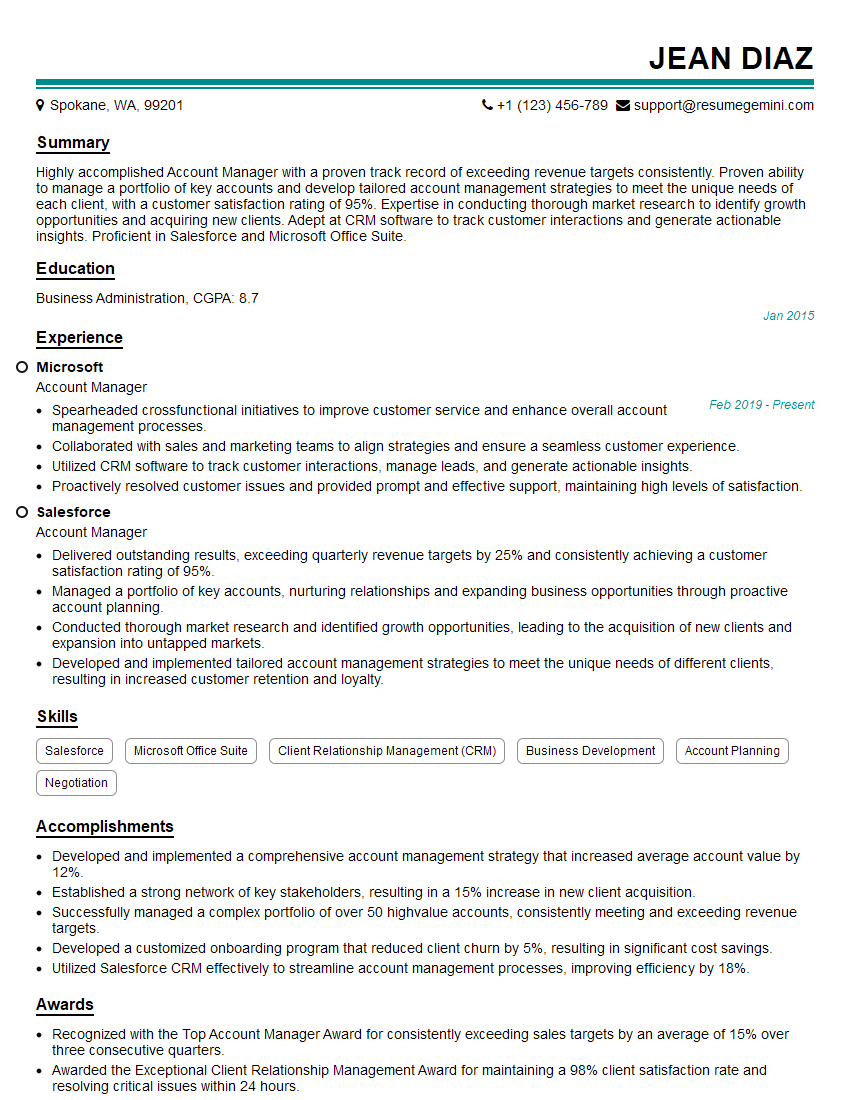
Account Manager Resume Sample
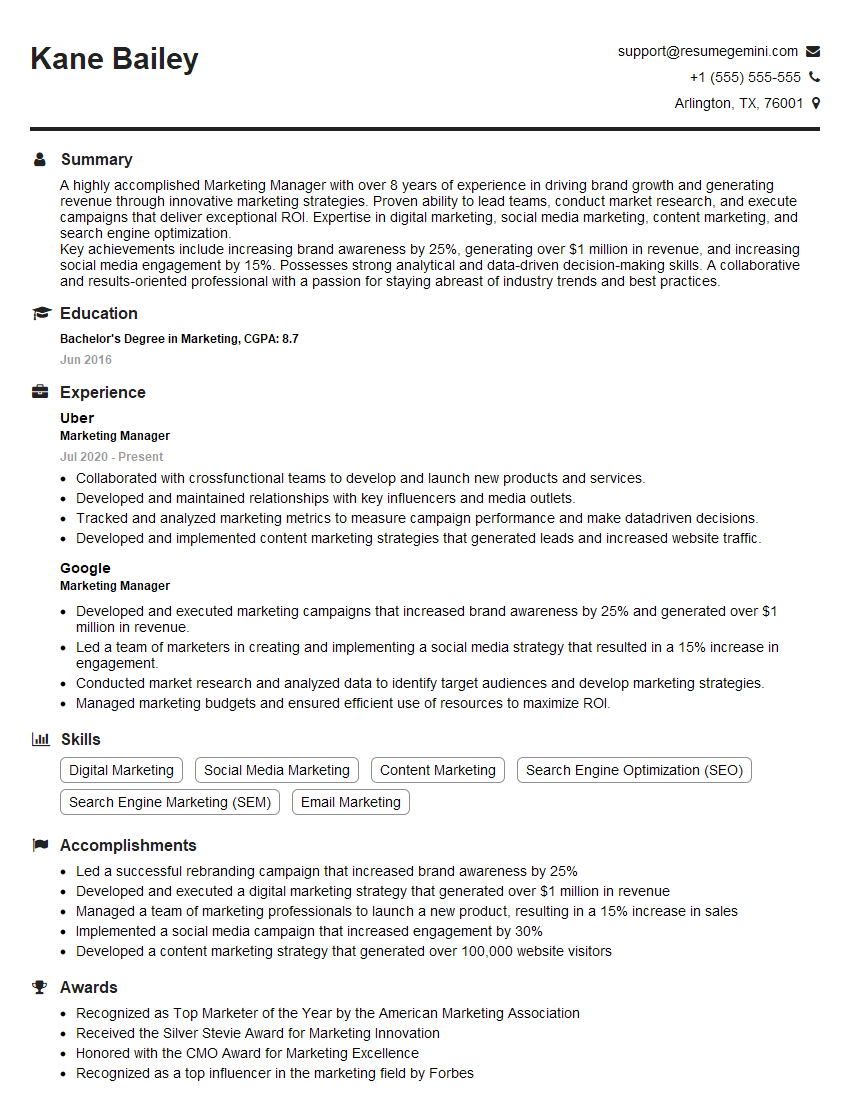
Marketing Manager Resume Sample
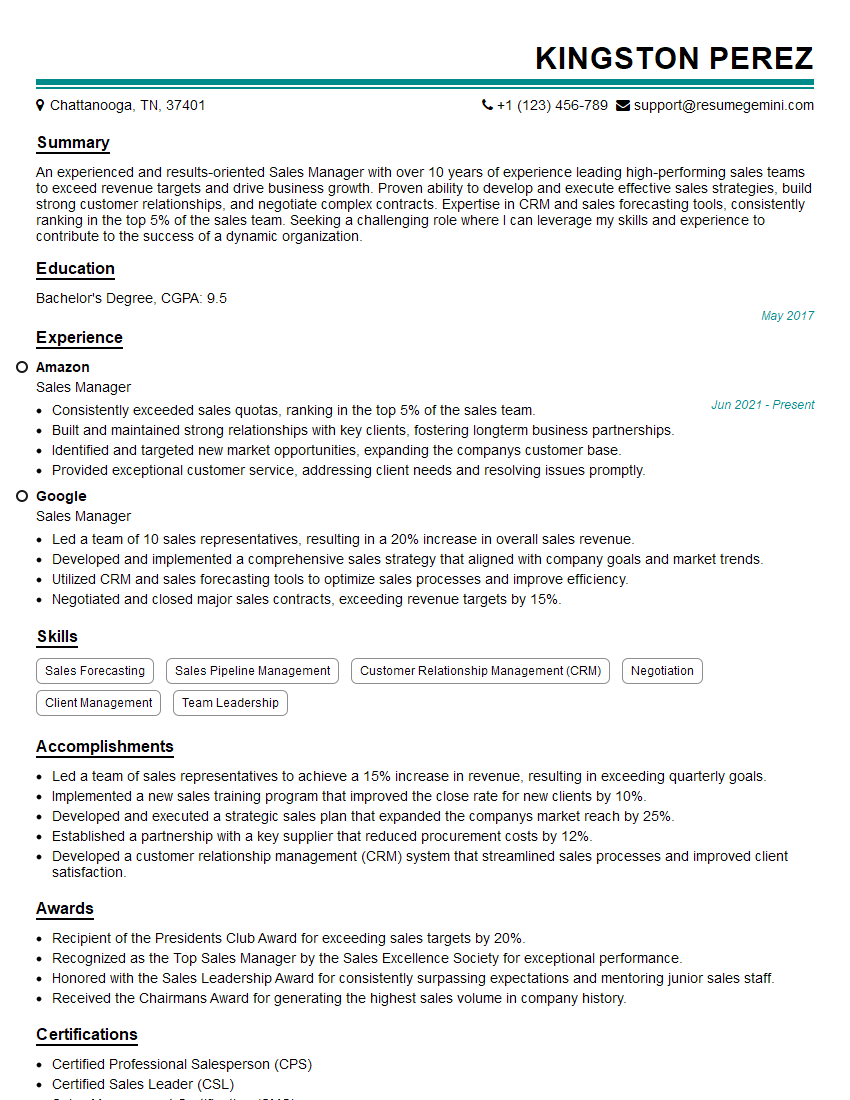
Sales Manager Resume Sample
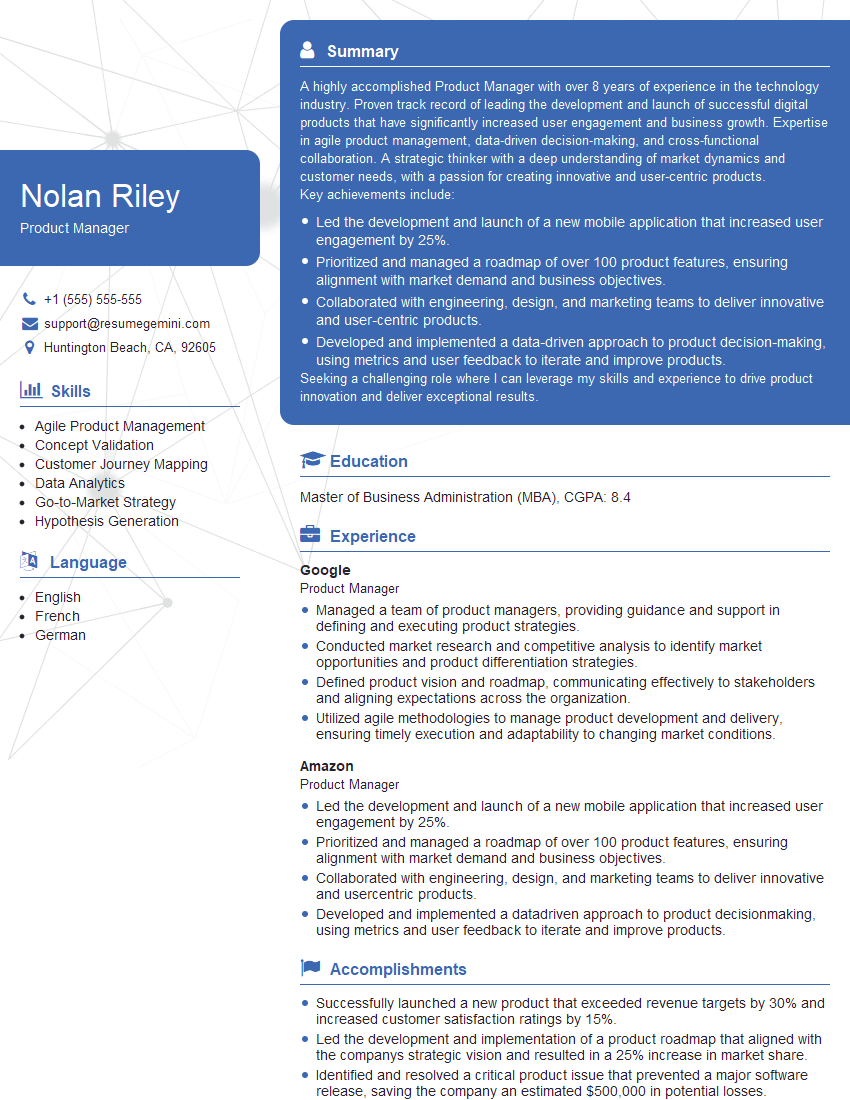
Product Manager Resume Sample
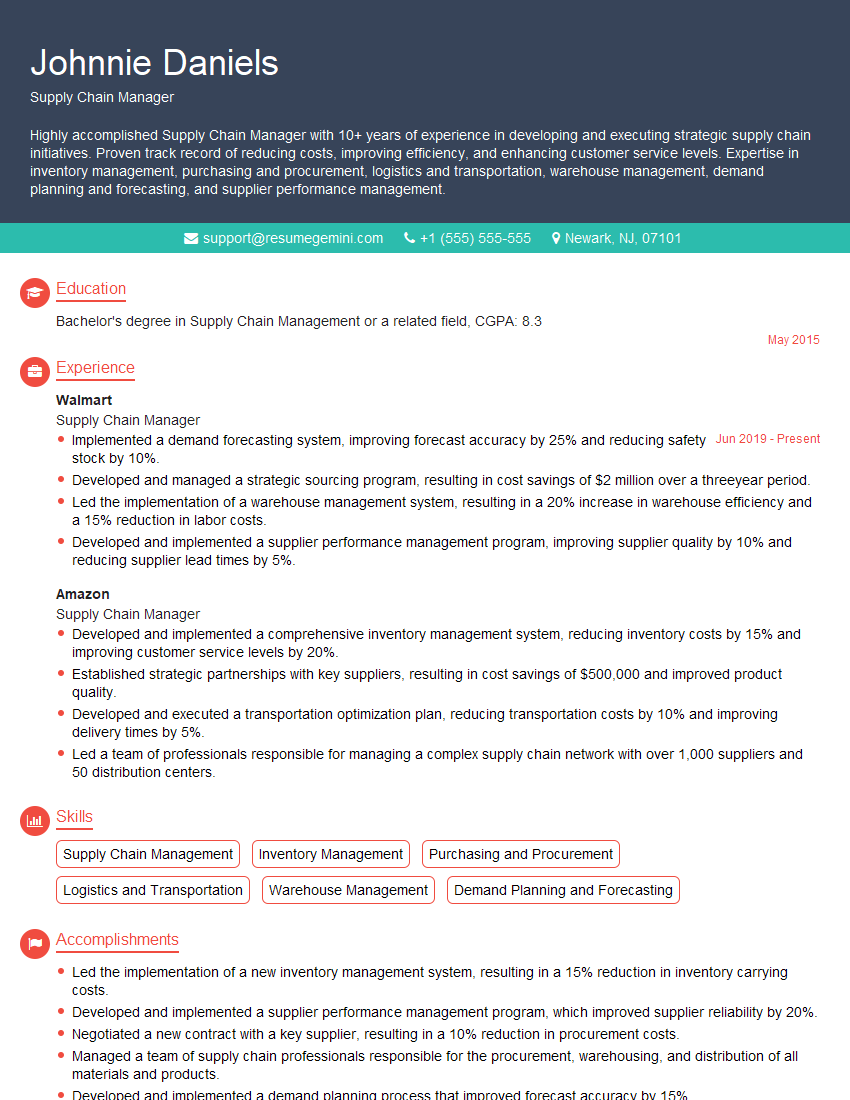
Supply Chain Manager Resume Sample
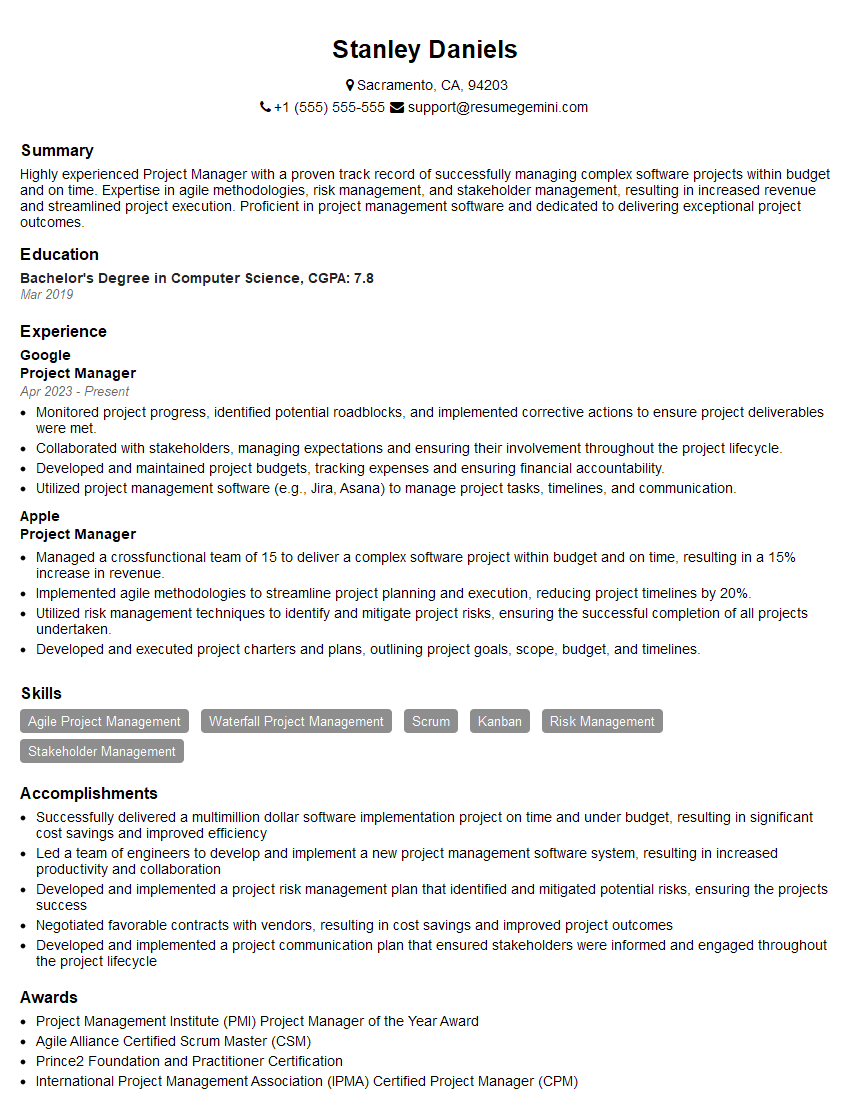
Project Manager Resume Sample
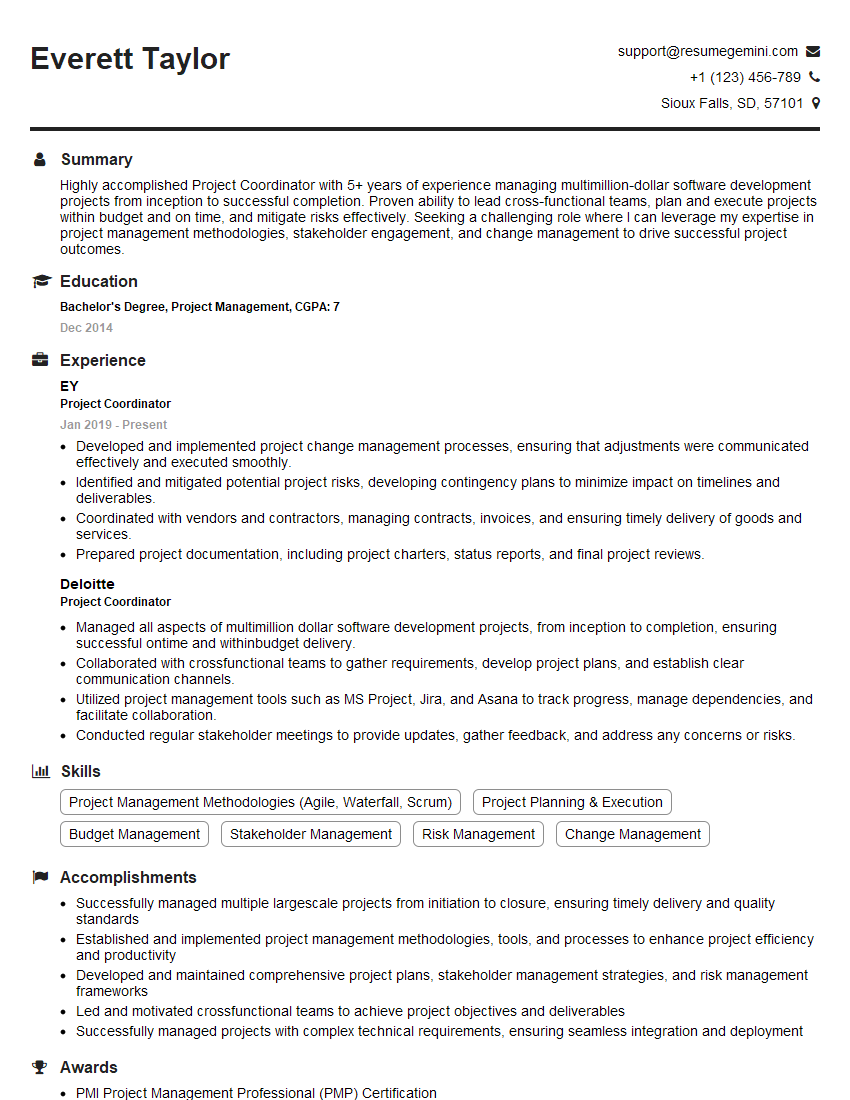
Project Coordinator Resume Sample
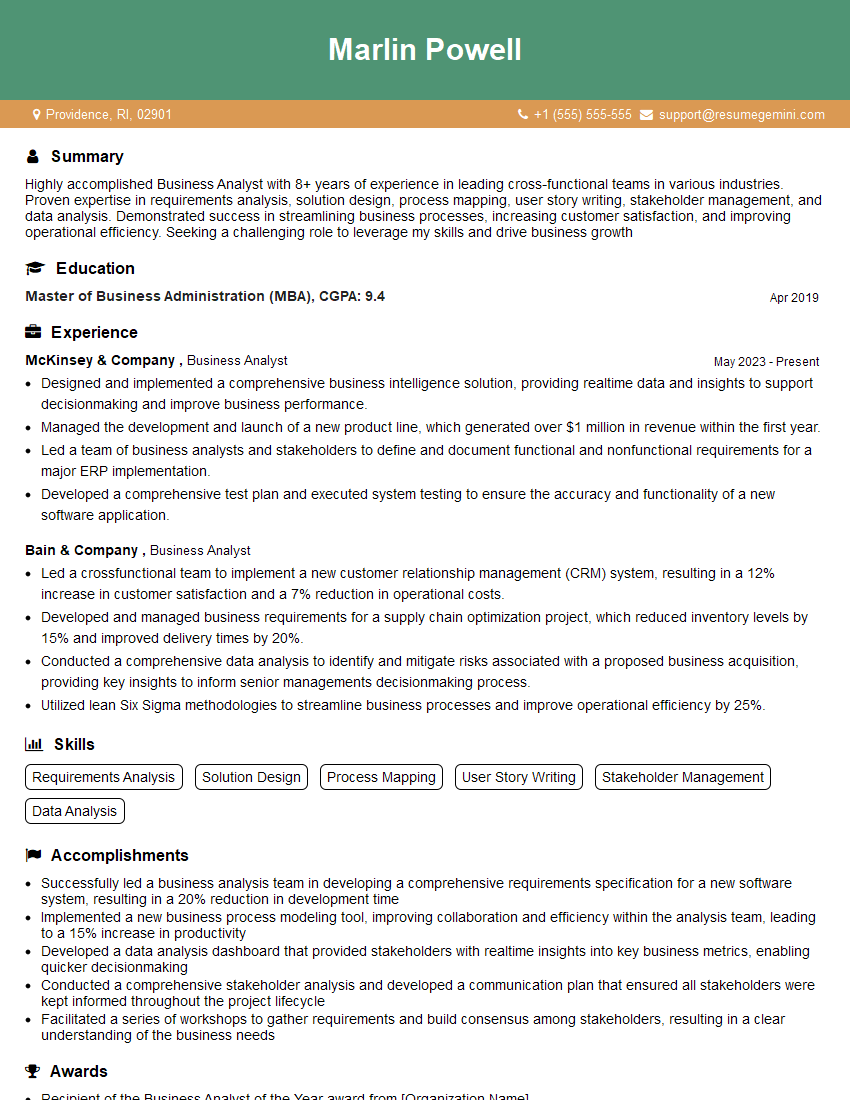
Business Analyst Resume Sample
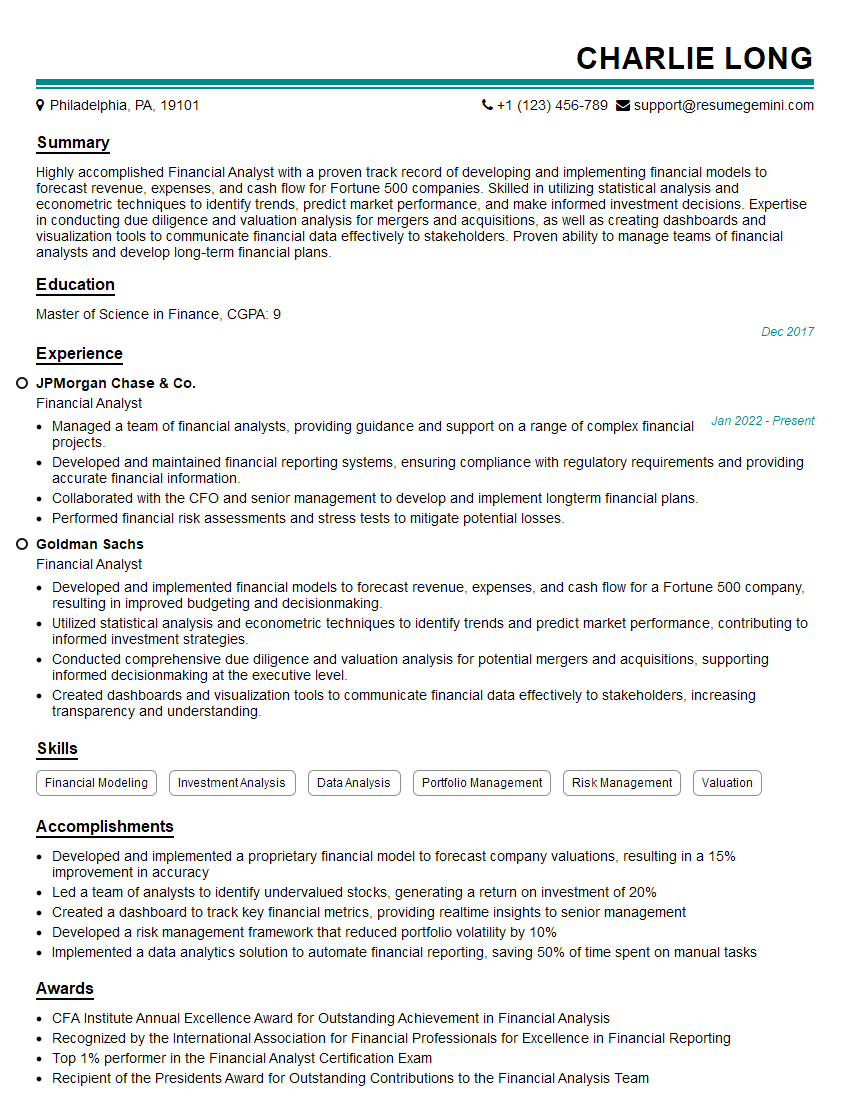
Financial Analyst Resume Sample
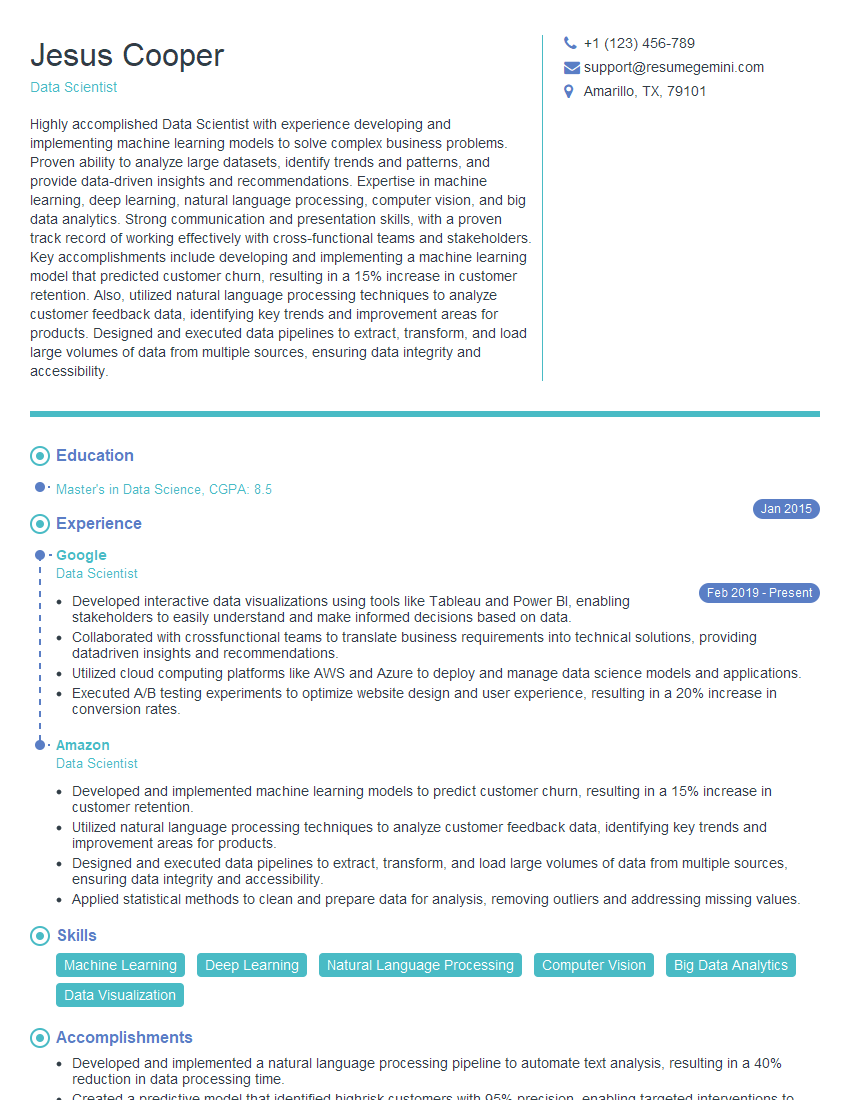
Data Scientist Resume Sample
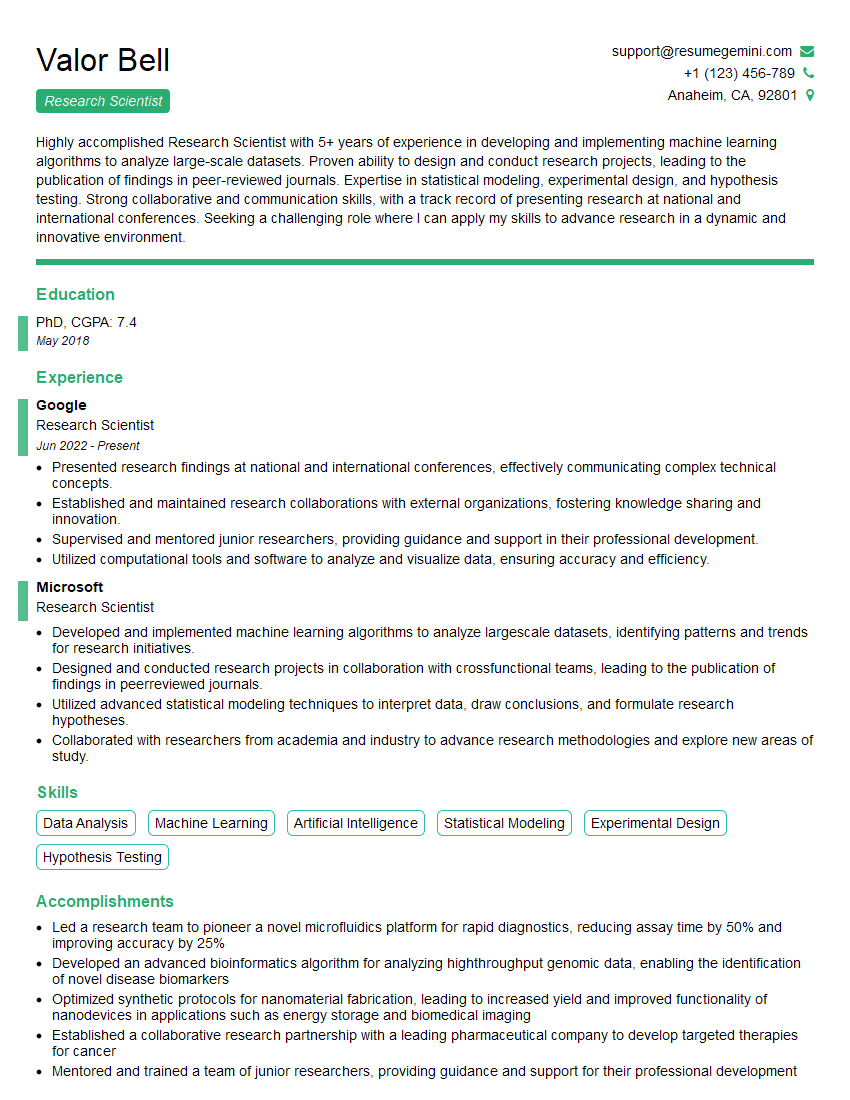
Research Scientist Resume Sample
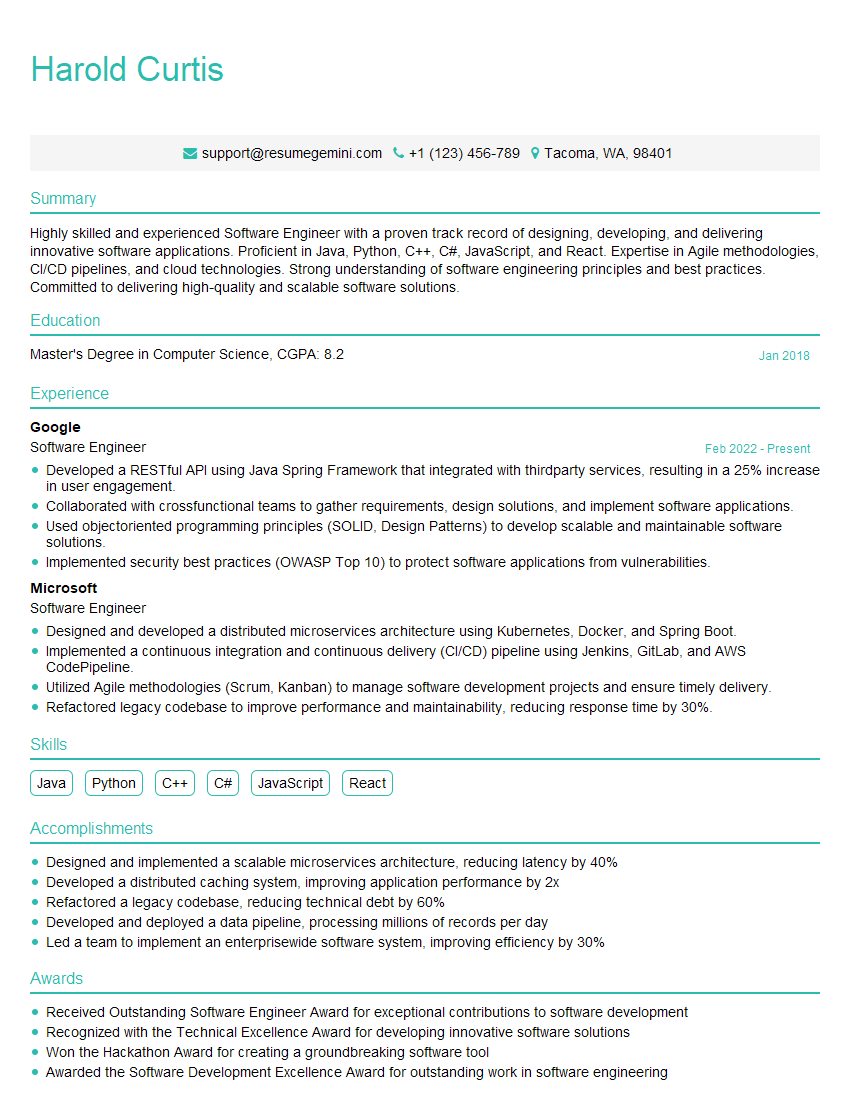
Software Engineer Resume Sample
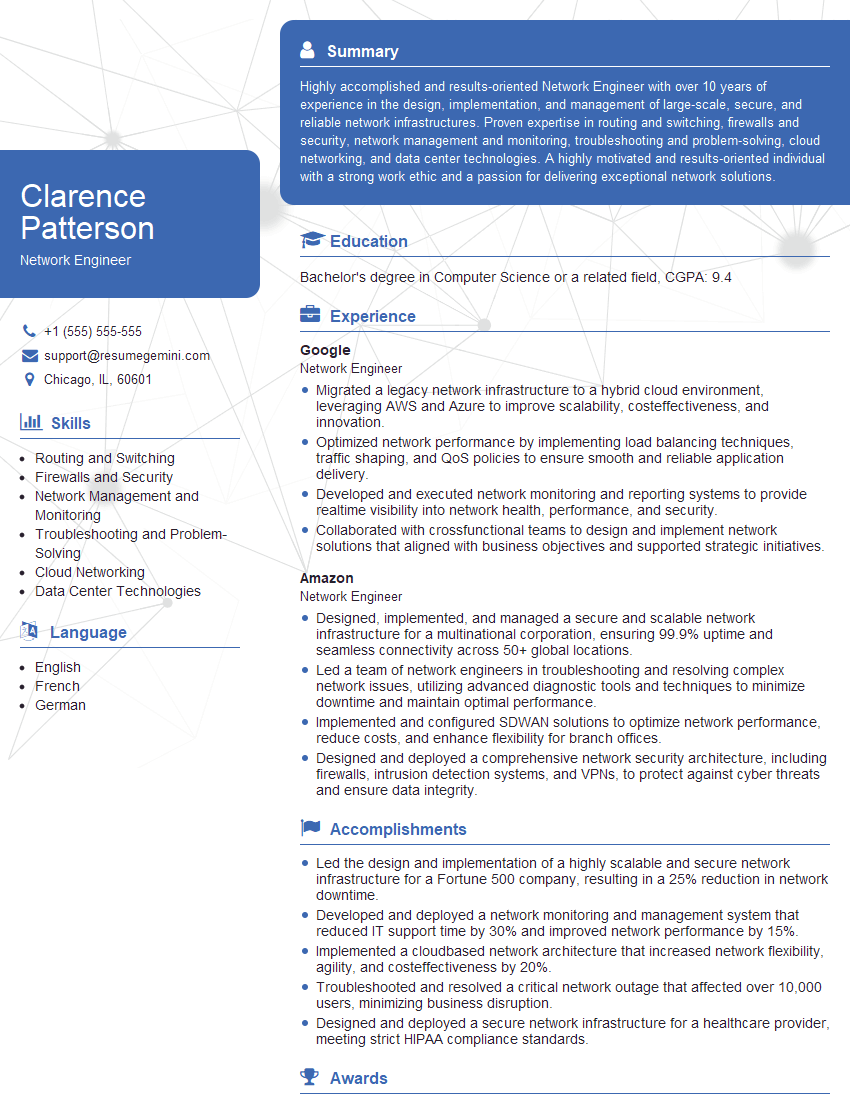
Network Engineer Resume Sample
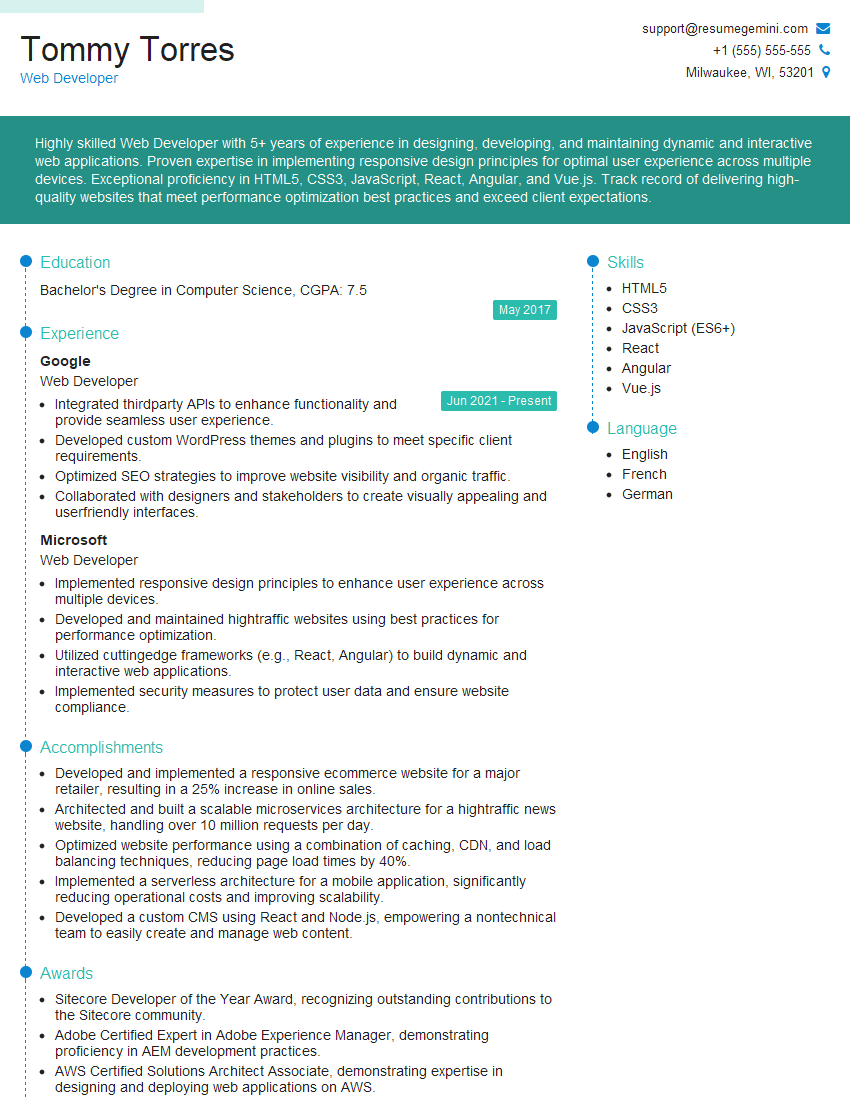
Web Developer Resume Sample
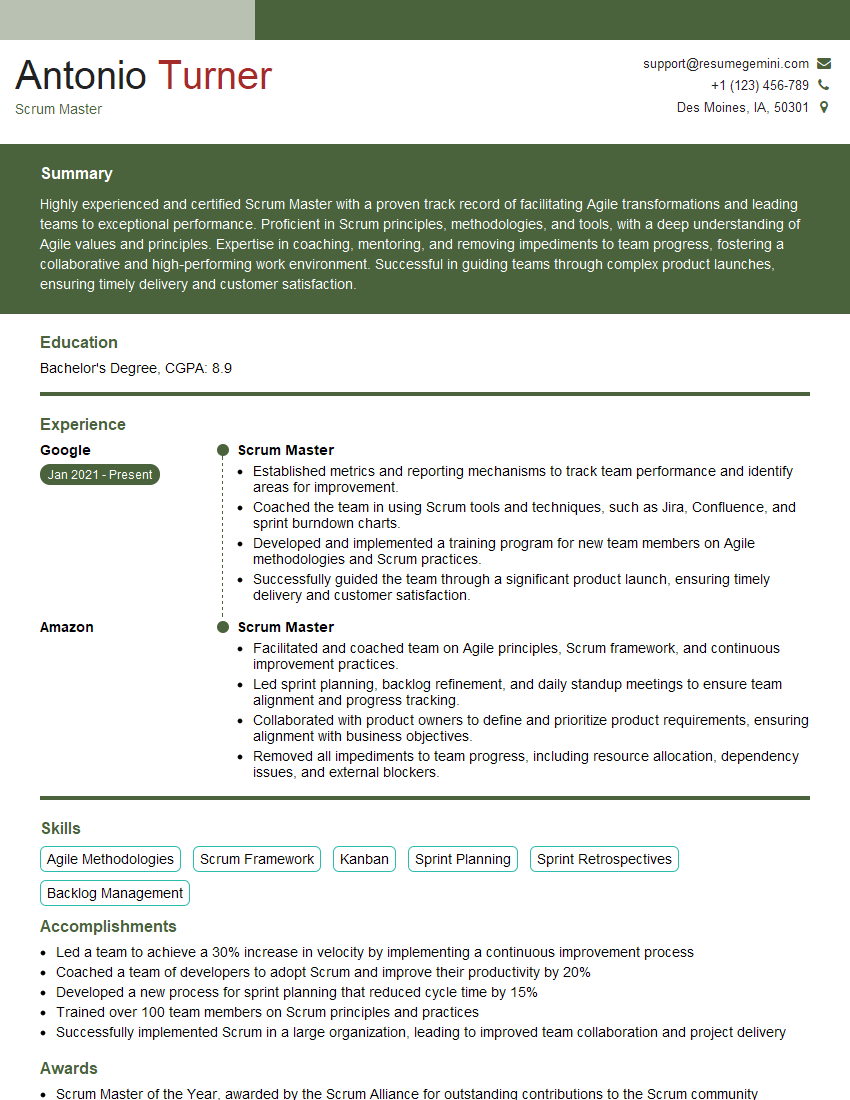
Scrum Master Resume Sample
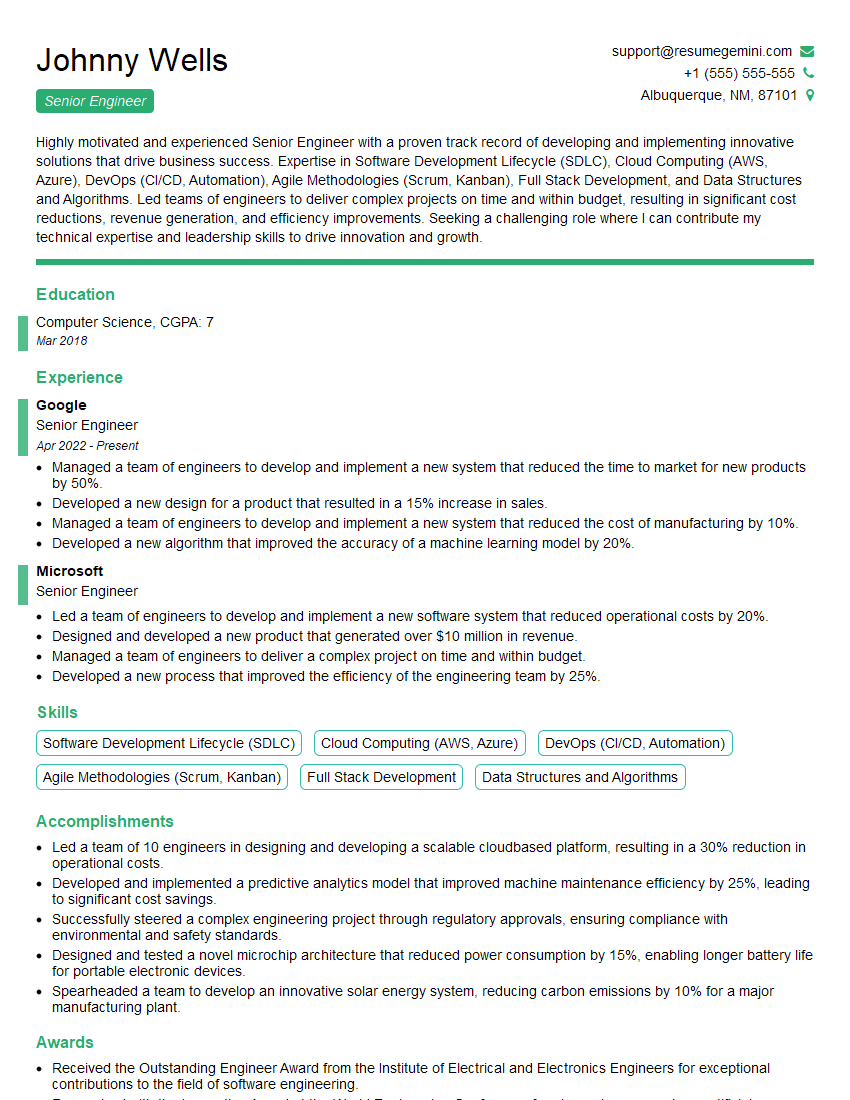
Senior Engineer Resume Sample

Technical Writer Resume Sample
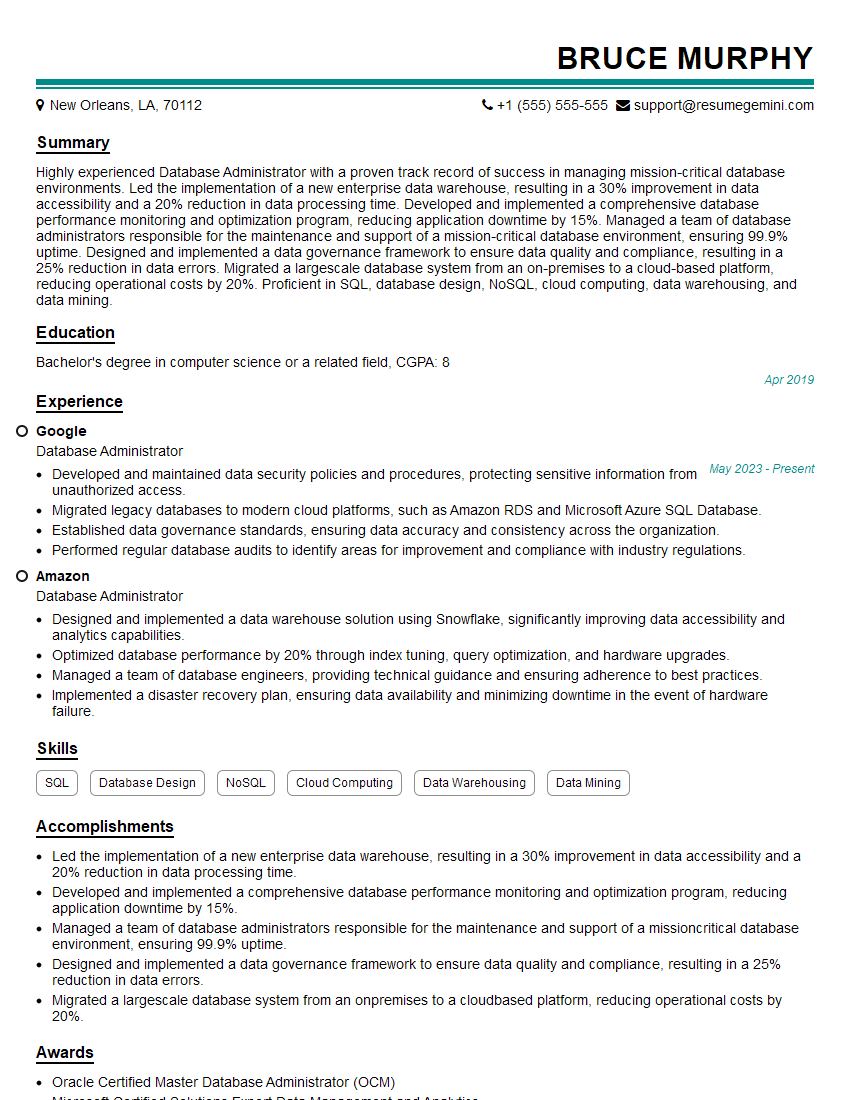
Database Administrator Resume Sample
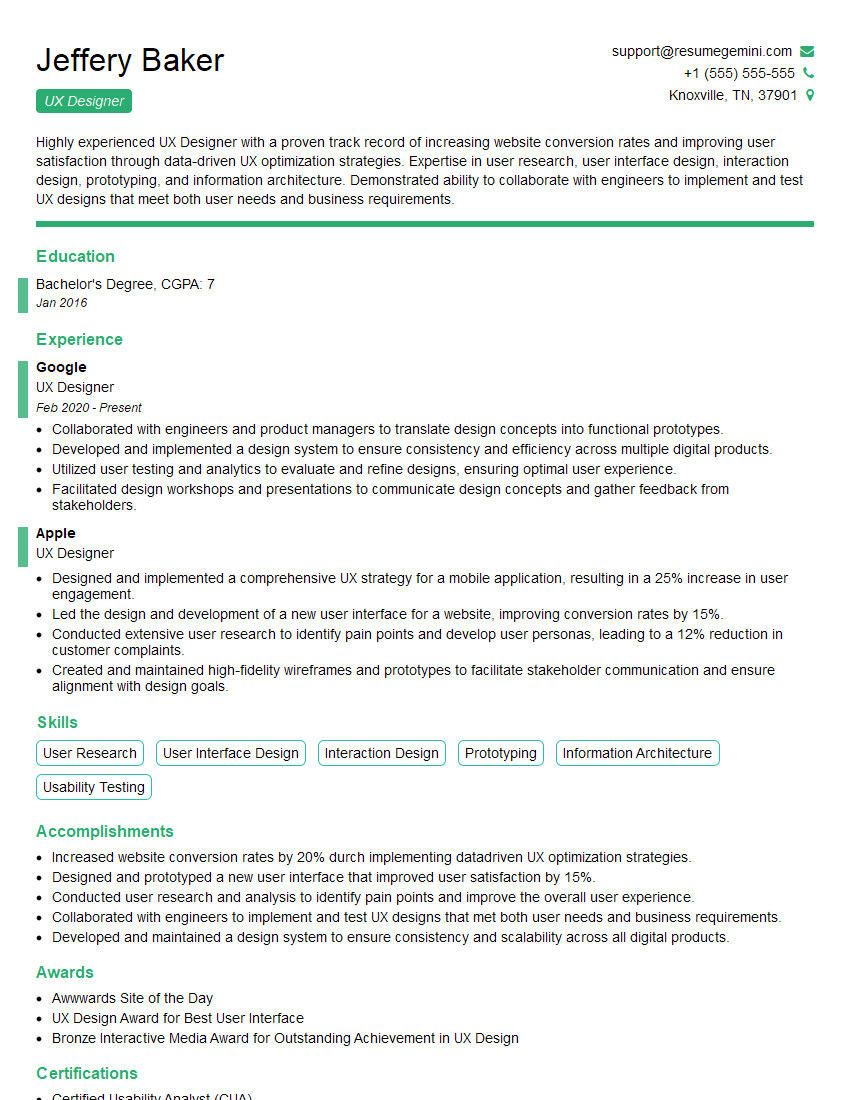
UX Designer Resume Sample
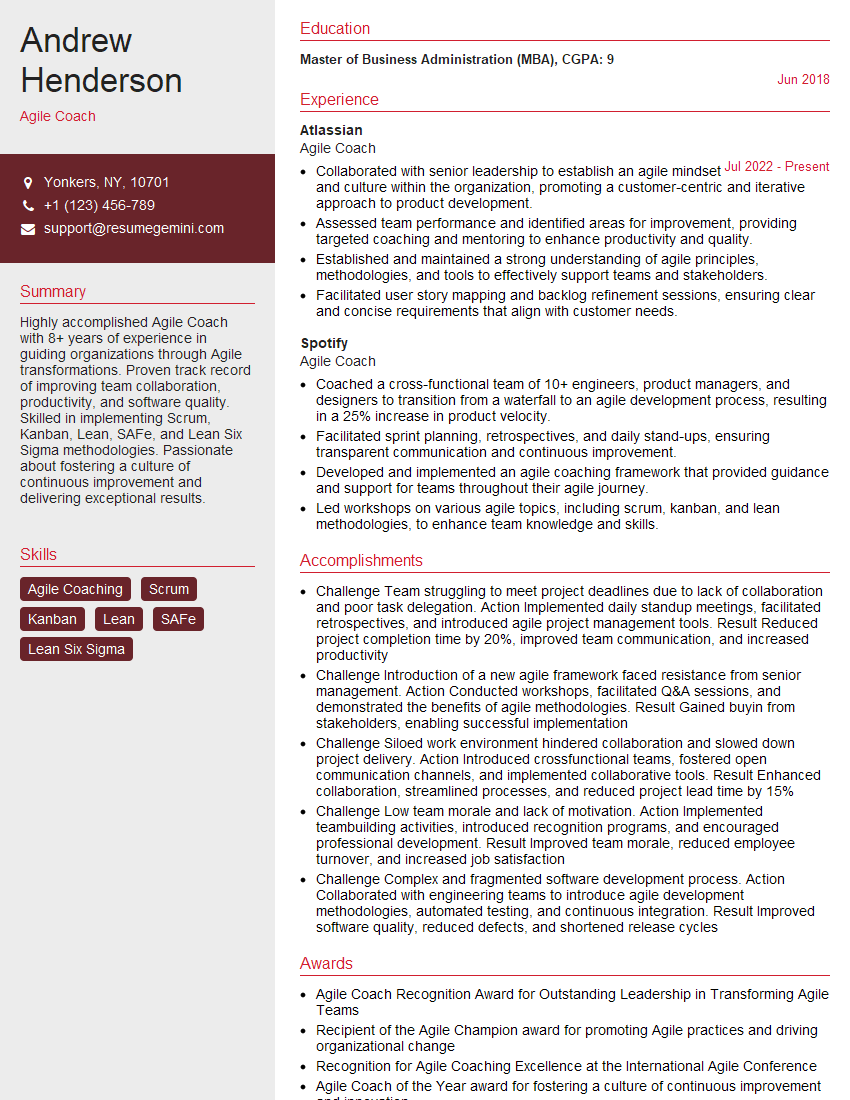
Agile Coach Resume Sample
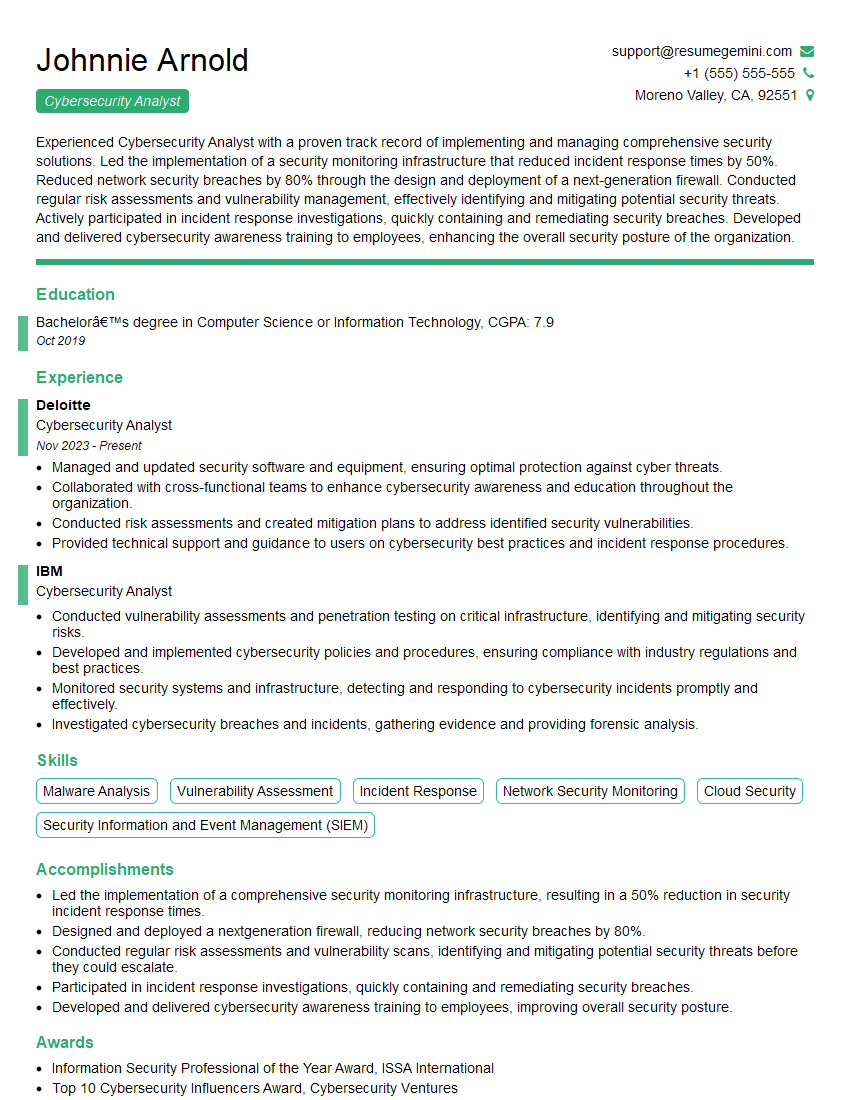
Cybersecurity Analyst Resume Sample
- Operations Manager
- Account Manager
- Marketing Manager
- Sales Manager
- Product Manager
- Supply Chain Manager
- Project Manager
- Project Coordinator
- Business Analyst
- Financial Analyst
- Data Scientist
- Research Scientist
- Software Engineer
- Network Engineer
- Web Developer
- Scrum Master
- Senior Engineer
- Technical Writer
- Database Administrator
- UX Designer
- Agile Coach
- Cybersecurity Analyst
Explore more articles
Users Rating of Our Blogs
Share Your Experience
We value your feedback! Please rate our content and share your thoughts (optional).
What Readers Say About Our Blog
Really detailed insights and content, thank you for writing this detailed article.
IT gave me an insight and words to use and be able to think of examples