The thought of an interview can be nerve-wracking, but the right preparation can make all the difference. Explore this comprehensive guide to Mentoring and Supervising Students interview questions and gain the confidence you need to showcase your abilities and secure the role.
Questions Asked in Mentoring and Supervising Students Interview
Q 1. Describe your experience in developing student mentorship programs.
Developing effective student mentorship programs requires a multifaceted approach, focusing on clear goals, structured activities, and ongoing evaluation. I’ve been involved in designing and implementing several such programs, always beginning with a thorough needs assessment to identify the specific challenges and learning gaps of the students.
For example, in one program for undergraduate engineering students, we identified a significant need for improved teamwork and communication skills. We addressed this by incorporating group projects with clearly defined roles and regular peer feedback sessions. Another program, targeting high school students interested in computer science, focused on bridging the gap between theoretical knowledge and practical application, utilizing hands-on coding projects and regular mentorship meetings with industry professionals. The key in both instances was to create a supportive and engaging environment where students felt comfortable taking risks and learning from their mistakes.
- Needs Assessment: Thorough analysis of student needs and learning goals.
- Curriculum Development: Designing engaging and relevant activities and workshops.
- Mentor Selection and Training: Recruiting and training experienced mentors capable of providing effective guidance.
- Program Evaluation: Regular assessment of program effectiveness and student progress.
Q 2. How do you assess student learning and identify areas for improvement?
Assessing student learning is an ongoing process that involves a variety of methods, tailored to the specific learning objectives and the individual student’s needs. I utilize a mixed-methods approach, combining quantitative and qualitative data.
Quantitative methods might include standardized tests, quizzes, and project evaluations to measure knowledge acquisition and skill development. Qualitative methods involve observations during mentoring sessions, review of student work, and feedback from both the student and the mentor. For instance, I might assess a student’s progress on a research project by reviewing their research notes, evaluating the quality of their data analysis, and observing their presentation skills. Identifying areas for improvement often emerges from discrepancies between expected and observed performance. If a student struggles with a particular concept, additional support or alternative teaching strategies can be employed.
Q 3. What strategies do you use to motivate and engage students?
Motivating and engaging students requires creating a supportive and challenging learning environment where they feel valued and empowered. I utilize several strategies, emphasizing intrinsic motivation rather than solely relying on external rewards.
- Setting Clear Goals and Expectations: Collaborative goal setting increases student buy-in and ownership.
- Providing Regular Feedback: Constructive feedback helps students understand their strengths and weaknesses, guiding their improvement.
- Promoting a Growth Mindset: Encouraging students to view challenges as opportunities for growth enhances resilience.
- Creating Opportunities for Collaboration and Teamwork: Peer learning and support fosters a sense of community and shared responsibility.
- Connecting Learning to Real-World Applications: Demonstrating the practical relevance of the material increases student engagement.
For example, I might connect a theoretical concept in a science class to a real-world application like climate change, making the learning more relevant and engaging.
Q 4. Explain your approach to providing constructive feedback to students.
Constructive feedback is crucial for student growth. My approach focuses on being specific, timely, and focused on behavior rather than personality. I use the SBI (Situation-Behavior-Impact) model as a framework.
Situation: I describe the specific situation where the behavior occurred. For example, ‘During your presentation…’
Behavior: I clearly state the observed behavior. For example, ‘…you spoke very quickly and rushed through some important details.’
Impact: I explain the impact of the behavior. For example, ‘…this made it difficult for the audience to fully understand your key points.’
Following this, I offer suggestions for improvement, focusing on specific actionable steps. I always frame the feedback positively, highlighting strengths and focusing on areas for growth, rather than dwelling on mistakes. A final crucial element is to ensure that the student has an opportunity to respond to the feedback and ask questions.
Q 5. How do you handle conflicts or disagreements with students?
Conflicts or disagreements are a natural part of the mentoring relationship. My approach centers on open communication, active listening, and finding mutually agreeable solutions. I begin by creating a safe and respectful environment where the student feels comfortable expressing their concerns. I listen empathetically to understand their perspective, clarifying any misunderstandings. If necessary, I facilitate a collaborative problem-solving process, exploring various options and working towards a resolution that meets the needs of both parties. In some cases, involving a third party (e.g., a department head or counselor) might be appropriate, particularly if the conflict involves serious issues.
Q 6. How do you adapt your mentoring style to different student learning styles?
Adapting my mentoring style to different learning styles is paramount. I believe in using a differentiated instruction approach, offering diverse learning opportunities and feedback mechanisms. I try to understand each student’s learning preferences – visual, auditory, kinesthetic – through observation and conversation. I might use visual aids for visual learners, engage in discussions for auditory learners, or incorporate hands-on activities for kinesthetic learners. Regular check-ins and flexible learning strategies allow me to adjust my approach as needed.
For example, if a student prefers a hands-on approach, I might incorporate more lab work or project-based assignments into their learning plan. For a student who is more comfortable learning independently, I may provide them with more self-directed learning activities, while still providing regular support and guidance.
Q 7. Describe a time you had to address a student’s academic or personal challenge.
One student I mentored was struggling academically and emotionally due to family challenges. Her grades were declining, and she seemed withdrawn and disengaged. I noticed a change in her behavior during our mentoring sessions, marked by decreased participation and a generally subdued demeanor.
My first step was to create a safe space for her to share her concerns. After she confided in me about her family issues, I provided her with emotional support and connected her with the university’s counseling services. Academically, we collaboratively developed a modified study plan, breaking down her tasks into smaller, more manageable parts, and focusing on time management strategies. We also adjusted her workload and extended deadlines where necessary, without compromising the academic integrity of her course work. Through a combination of academic and emotional support, we were able to see a positive change in her academic performance and overall well-being. Her resilience and my consistent support enabled her to successfully navigate this challenging period. This experience highlighted the importance of providing holistic support to students, addressing not only their academic needs but also their emotional and social well-being.
Q 8. What methods do you use to track student progress and outcomes?
Tracking student progress and outcomes is crucial for effective mentoring. I utilize a multifaceted approach combining quantitative and qualitative data.
Quantitative Data: I track grades, assignment completion rates, participation in class and group projects, and scores on quizzes and exams. This data provides a clear picture of academic performance. For instance, I might use a spreadsheet to monitor each student’s average grade throughout the semester, highlighting any areas needing attention.
Qualitative Data: I gather qualitative data through regular one-on-one meetings, observations during class and group work, and feedback from peer and self-assessments. These methods provide insights into a student’s learning process, challenges, and strengths. For example, I might ask students to reflect on their learning experience through journal entries or short essays.
Progress Reports: I create regular progress reports summarizing both quantitative and qualitative data. These reports serve as a basis for discussions with students about their progress and areas for improvement. They also provide a record of our mentoring sessions and shared goals.
This integrated approach allows me to provide tailored support and intervention, addressing both academic and personal challenges faced by students.
Q 9. How do you foster a positive and supportive learning environment?
Fostering a positive and supportive learning environment is paramount for student success. I achieve this through several key strategies:
Respectful Communication: I establish open and respectful communication channels where students feel comfortable sharing their thoughts, concerns, and challenges without fear of judgment. This includes active listening and responding thoughtfully to their perspectives.
Empathy and Understanding: I strive to understand students’ individual circumstances, learning styles, and needs. I acknowledge their diverse backgrounds and experiences, creating an inclusive classroom where everyone feels valued and respected.
Collaboration and Teamwork: I encourage collaborative learning activities, such as group projects and peer feedback sessions, to foster a sense of community and mutual support. Students learn from each other, building confidence and teamwork skills.
Positive Reinforcement: I consistently provide positive feedback and encouragement, focusing on students’ strengths and progress. I celebrate their achievements and acknowledge their efforts, even when faced with challenges.
Creating a safe and supportive space allows students to take risks, ask questions, and learn from their mistakes without fear of failure. This environment is crucial for fostering creativity and critical thinking.
Q 10. How do you ensure that students are meeting deadlines and achieving their goals?
Ensuring students meet deadlines and achieve their goals requires proactive guidance and supportive strategies.
Clear Expectations: From the outset, I clearly communicate deadlines, expectations, and assessment criteria. I use multiple methods to communicate this information (email, learning management system announcements, in-person discussions).
Planning and Time Management: I help students develop effective planning and time management skills. This often involves techniques like breaking down large tasks into smaller, manageable steps, creating timelines, and utilizing productivity tools.
Regular Check-ins: I schedule regular check-in meetings to monitor progress and address any potential roadblocks. These meetings allow for early identification and resolution of issues, preventing them from escalating into significant problems.
Goal Setting: I work collaboratively with students to set SMART goals (Specific, Measurable, Achievable, Relevant, and Time-bound). This ensures their goals are attainable and provides a clear path to success.
Problem-Solving: When students face challenges, I work with them to identify the root causes and brainstorm solutions. This might involve adjusting their study strategies, seeking additional support, or re-evaluating their goals.
By providing consistent support and employing these strategies, I empower students to take ownership of their learning and achieve their academic goals.
Q 11. Explain your experience in providing career guidance to students.
My experience in career guidance encompasses a range of activities designed to equip students with the skills and knowledge to navigate their career paths successfully.
Resume and Cover Letter Workshops: I’ve conducted workshops guiding students on creating effective resumes and cover letters tailored to specific job applications. I’ve emphasized the importance of showcasing relevant skills and experiences.
Interview Skills Training: I’ve provided training on interview techniques, including answering common interview questions, handling difficult questions, and making a strong impression on potential employers. We’ve practiced mock interviews to build confidence and refine skills.
Networking Strategies: I’ve advised students on networking strategies, such as attending career fairs, connecting with alumni, and leveraging professional platforms like LinkedIn. I’ve stressed the importance of building relationships within their chosen field.
Career Exploration Resources: I’ve introduced students to various career exploration resources, such as occupational databases, industry reports, and online career assessments, to assist them in identifying career options aligned with their interests and skills.
My approach focuses on empowering students to make informed decisions about their future, equipping them with the necessary tools and resources to succeed in the job market.
Q 12. How do you build rapport and trust with students?
Building rapport and trust with students is foundational to effective mentoring. It involves creating a safe and supportive relationship built on mutual respect and understanding.
Active Listening: I practice active listening, paying close attention to what students say, both verbally and nonverbally. I show genuine interest in their experiences and perspectives.
Empathy and Validation: I demonstrate empathy by acknowledging and validating students’ feelings and experiences. This creates a sense of being understood and supported.
Open Communication: I encourage open and honest communication, creating a space where students feel comfortable sharing their thoughts and concerns without fear of judgment.
Consistency and Reliability: I am consistent in my interactions with students, being reliable and available for support when needed. This builds trust and predictability in our relationship.
Confidentiality: I maintain confidentiality regarding sensitive information shared by students, creating a safe environment for them to open up.
By demonstrating genuine care and respect, I cultivate strong relationships built on trust, fostering a collaborative learning environment.
Q 13. What resources do you utilize to support student learning and development?
To support student learning and development, I utilize a variety of resources, tailoring my approach to meet individual student needs.
University Resources: I leverage university resources like the writing center, tutoring services, career services, and counseling services to provide students with additional support.
Online Learning Platforms: I utilize online learning platforms like Moodle or Canvas to deliver course materials, provide feedback, and facilitate communication with students. These platforms offer various tools to enhance learning.
Library Resources: I encourage students to utilize library resources, including databases, research guides, and access to scholarly articles, to support their research and assignments.
Professional Development Opportunities: I connect students with relevant professional development opportunities, such as workshops, conferences, and networking events, to enhance their skills and knowledge.
Mentorship Programs: I actively participate in and promote university mentorship programs to connect students with experienced professionals and peers.
By strategically integrating these resources, I provide a comprehensive support system that enhances student learning and development.
Q 14. Describe your experience in collaborating with other faculty or staff members to support students.
Collaboration with faculty and staff is vital for comprehensive student support. I have a history of successful collaborations:
Faculty Collaboration: I work closely with other faculty members to ensure a cohesive learning experience for students. This includes coordinating assignments, sharing teaching strategies, and providing consistent feedback.
Staff Collaboration: I collaborate with staff in the academic advising office, career services, and student support services to provide holistic support to students. This integrated approach addresses students’ academic, career, and personal needs.
Co-teaching and Joint Projects: I’ve co-taught courses and participated in joint projects with other faculty members, providing students with diverse perspectives and learning opportunities. This enriches their educational experience.
Information Sharing: I regularly share information and insights with other faculty and staff to ensure consistent support and intervention for students facing challenges. This collaborative approach prevents gaps in support and promotes student success.
These collaborations enable a comprehensive support network that empowers students to succeed academically, professionally, and personally.
Q 15. How do you maintain confidentiality and ethical conduct when mentoring students?
Maintaining confidentiality and ethical conduct is paramount in mentoring. It’s built on trust and requires a strong understanding of professional boundaries. I always begin by clearly outlining what information will be kept confidential (e.g., personal struggles, academic challenges not shared with others) and what might need to be reported (e.g., threats of self-harm, suspected abuse). This initial conversation sets the tone for a safe and trusting environment.
For example, if a student confides in me about family difficulties impacting their studies, I would listen empathetically and offer support but would not discuss this with other faculty members or their parents unless the student explicitly gives me permission, or if there’s a clear risk to their well-being. My ethical responsibility always guides my actions; I adhere strictly to institutional policies and relevant laws regarding student privacy.
I also maintain detailed, anonymized records of mentoring sessions to ensure ethical and professional practice, including the date, key discussion points, and agreed-upon action steps. This helps in tracking progress and ensures accountability. This demonstrates professionalism and avoids misinterpretations while protecting student confidentiality.
Career Expert Tips:
- Ace those interviews! Prepare effectively by reviewing the Top 50 Most Common Interview Questions on ResumeGemini.
- Navigate your job search with confidence! Explore a wide range of Career Tips on ResumeGemini. Learn about common challenges and recommendations to overcome them.
- Craft the perfect resume! Master the Art of Resume Writing with ResumeGemini’s guide. Showcase your unique qualifications and achievements effectively.
- Don’t miss out on holiday savings! Build your dream resume with ResumeGemini’s ATS optimized templates.
Q 16. How do you deal with students who are struggling academically or personally?
When a student is struggling, my approach is multifaceted and involves a careful assessment of the situation. I begin by actively listening to understand the root cause – is it academic, personal, or a combination? Once I have a better picture, I collaboratively develop a support plan. This could involve connecting them with academic resources (tutoring, writing center, study skills workshops), counseling services, or relevant student support organizations.
For instance, if a student is failing a course due to poor time management skills, I would work with them to develop a realistic study schedule, explore time management techniques, and help them prioritize tasks. If the struggle is personal, I would gently encourage them to seek professional counseling, providing them with the relevant contact information and emphasizing the importance of their well-being.
It’s crucial to remain empathetic and supportive throughout this process. I avoid judgment and focus on empowering the student to take ownership of their challenges and develop coping mechanisms. Regular check-ins help monitor progress and adjust strategies as needed. The key is to collaborate and create a supportive environment where the student feels comfortable seeking help.
Q 17. How do you provide effective feedback on student assignments or projects?
Effective feedback should be specific, timely, actionable, and constructive. I avoid generic comments and instead focus on both strengths and weaknesses, providing concrete examples. For instance, instead of saying ‘Your essay is good,’ I might say, ‘Your introduction is engaging and clearly states your thesis. However, the conclusion could benefit from summarizing your key arguments more concisely.’
I structure my feedback using a sandwich approach – beginning with positive comments, followed by constructive criticism, and ending with more encouragement and suggestions for improvement. This approach makes the feedback more palatable and less overwhelming for students. I also encourage students to actively participate in the feedback process, asking them questions and soliciting their perspectives.
Technology plays a vital role here. I often use online annotation tools to directly comment on student assignments, providing visual clarity and facilitating a more interactive feedback process. In-person meetings, where I can discuss feedback directly with the student, are also highly effective in clarifying points and ensuring comprehension.
Q 18. What are your strategies for addressing student plagiarism or academic dishonesty?
Addressing plagiarism and academic dishonesty requires a careful and measured approach. The first step involves understanding the context – was it intentional or unintentional? Was there a misunderstanding of proper citation techniques? I would initiate a private conversation with the student, expressing my concerns and guiding them through the university’s academic integrity policy. The goal is not to punish but to educate and guide the student towards ethical academic practices.
For unintentional plagiarism, I might offer support in understanding proper citation methods, providing resources like workshops or online tutorials. For intentional plagiarism, the consequences are usually more severe, aligning with the institutional policies. Reporting such instances is necessary, but I always emphasize restorative justice and emphasize learning from the mistake. The aim is to prevent future occurrences rather than simply imposing punishment.
Prevention is key. I actively educate students about plagiarism and proper citation techniques from the outset, incorporating these discussions into my mentoring and coursework. Providing clear guidelines and expectations helps students avoid such situations entirely.
Q 19. Describe your approach to evaluating student performance and providing grades.
Evaluating student performance is a holistic process that goes beyond grades. While grades reflect academic achievement, they are only one piece of the puzzle. I consider a variety of factors, including participation in class, engagement in discussions, quality of assignments, progress shown over time, and demonstrated understanding of the material. I create detailed rubrics for assignments to ensure clear expectations and transparent evaluation criteria. These rubrics define the scoring parameters for each element of an assignment, including the weighting of each criterion.
For example, for a research paper, the rubric might include criteria such as research quality (30%), argumentation (30%), writing quality (20%), and proper citation (20%). Each criterion would have sub-criteria with specific descriptions of what constitutes excellent, good, fair, and poor performance. This provides a clear and objective way to assess student work.
I always provide constructive feedback alongside the grade, explaining the rationale behind the assessment. This makes the evaluation process more transparent and helps students understand their strengths and weaknesses. It is a vital part of the learning process that enables students to improve their work in future endeavors.
Q 20. How do you use technology to enhance student learning and mentoring?
Technology significantly enhances student learning and mentoring. I utilize various platforms and tools to streamline communication, provide support, and promote collaboration. Learning Management Systems (LMS) like Canvas or Blackboard are essential for sharing course materials, assignments, and feedback. I use video conferencing tools like Zoom for virtual meetings and office hours, making it easier for students to connect with me, regardless of their location or schedule.
For instance, I might use online collaborative tools like Google Docs or Microsoft Teams to facilitate group projects, fostering teamwork and real-time feedback among students. I also incorporate educational technologies into my mentoring sessions, using interactive simulations, online resources, and multimedia presentations to enhance the learning experience. These technologies promote student engagement and cater to diverse learning styles.
Furthermore, I leverage online platforms to share relevant resources, articles, and tutorials that supplement course content and support students’ individual needs. This ensures they have access to a wealth of information beyond the classroom setting.
Q 21. How do you promote diversity and inclusion in your mentoring practices?
Promoting diversity and inclusion is central to my mentoring approach. I strive to create a welcoming and respectful environment where all students feel valued and heard, regardless of their background, identity, or perspective. This involves being mindful of my language, actively listening to different viewpoints, and acknowledging the unique challenges students from diverse backgrounds may face.
I ensure my teaching and mentoring materials are inclusive and representative of diverse perspectives and experiences, avoiding stereotypes and biases. I actively seek out opportunities to learn about different cultures and perspectives, constantly striving to improve my cultural competence. I foster open dialogue and encourage students to share their experiences and perspectives, creating a space for respectful and constructive conversations about diversity and inclusion.
For example, I might incorporate diverse case studies and examples into my teaching or actively seek input from students representing different backgrounds when designing projects or assignments. It is crucial to foster a culture of respect where all voices are heard, valued, and contribute to the learning environment. By being actively aware and creating space for respectful dialogue, I actively foster inclusion and understanding.
Q 22. How do you balance the needs of individual students with the demands of a larger group?
Balancing individual student needs with group demands requires a multifaceted approach. It’s like conducting an orchestra – each musician (student) needs individual attention to perfect their part, but the overall harmony (group learning) depends on their synchronized performance.
- Differentiated Instruction: I adapt my teaching and mentoring strategies to meet diverse learning styles and paces. For example, I might offer one-on-one support to a struggling student while guiding group discussions for the class as a whole.
- Flexible Scheduling: I incorporate flexible time slots for individual consultations, ensuring students can receive personalized support without disrupting the overall group schedule. This could involve setting up dedicated office hours or utilizing online communication tools for quick questions.
- Group Activities with Individual Accountability: I design group projects and activities that allow students to collaborate while still holding each individual accountable for their contributions. This fosters teamwork while ensuring individual learning and engagement.
- Regular Check-ins: Frequent informal check-ins allow me to monitor individual progress and address concerns proactively, preventing minor issues from escalating and disrupting the group.
For instance, I once had a student struggling with a particular concept. While leading a group tutorial, I offered brief individual support during quieter moments, addressing their specific difficulties without distracting the rest of the group. This blend of individual and group support ensured both student success and maintained the overall learning momentum.
Q 23. How do you measure the effectiveness of your mentoring interventions?
Measuring the effectiveness of mentoring interventions involves a multi-pronged approach, combining quantitative and qualitative data. It’s not just about grades; it’s about holistic development.
- Quantitative Data: This includes tracking academic performance (grades, test scores), project completion rates, and participation in relevant activities. I analyze this data to see overall trends and identify areas where improvements are needed.
- Qualitative Data: This relies on gathering feedback through student surveys, observation of behavior, and informal conversations. This provides richer insights into the students’ growth, self-confidence, and skills development. For example, I might ask students to reflect on their learning journey and identify specific skills they have acquired through mentoring.
- Goal Setting and Tracking: At the beginning of the mentoring relationship, I collaborate with the student to establish clear, measurable goals. This allows us to track progress and make adjustments as needed. This might involve a structured goal-setting worksheet or regular progress meetings.
For example, I recently worked with a student who struggled with public speaking. We set a goal of delivering a confident presentation by the end of the semester. By tracking their progress across several smaller presentations and gathering feedback through observation and self-reflection, I was able to effectively assess the success of my mentoring interventions.
Q 24. What are your strengths and weaknesses as a mentor or supervisor?
As a mentor, my strengths lie in my ability to build rapport and create a supportive learning environment. I’m patient, empathetic, and possess excellent communication skills. I believe in fostering a collaborative partnership where students feel comfortable sharing their challenges and successes.
- Strengths: Strong communication, empathetic listening, building rapport, fostering a collaborative environment, providing constructive feedback, adaptability to different learning styles.
- Weaknesses: Sometimes I can be too lenient, needing to improve on providing more challenging goals and holding students accountable to higher standards in a constructive way. I am also actively working on improving my time management skills to better balance individual student needs and my other responsibilities.
I actively address my weaknesses through continuous professional development. For instance, I recently completed a workshop on providing effective feedback which helped me refine my approach to holding students accountable while maintaining a positive learning atmosphere.
Q 25. Describe your experience working with diverse populations of students.
My experience working with diverse student populations is extensive. I firmly believe that understanding and respecting individual differences is crucial for effective mentoring. I adapt my approach to cater to the unique needs and backgrounds of each student, creating an inclusive learning environment where everyone feels valued and respected.
- Cultural Sensitivity: I am sensitive to cultural nuances and communication styles and adapt my approach accordingly. This involves acknowledging and understanding diverse learning preferences and perspectives.
- Individualized Support: I recognize that students may have different learning challenges, such as learning disabilities or language barriers. I tailor my mentoring approach to address these challenges and provide appropriate support.
- Inclusive Practices: I actively promote inclusivity in my mentoring by creating a safe and welcoming space where students feel comfortable expressing themselves without fear of judgment.
For example, I worked with a student from a different cultural background who initially struggled with group dynamics. By understanding her cultural context, I was able to adjust my guidance, focusing on building trust and encouraging collaborative participation in ways that felt comfortable to her.
Q 26. How do you ensure that your mentoring is aligned with institutional policies and procedures?
Adhering to institutional policies and procedures is paramount in my mentoring practice. This ensures ethical and responsible conduct, safeguarding both students and the institution. My approach is to familiarize myself thoroughly with relevant codes of conduct, guidelines on student support, and reporting procedures.
- Familiarization with Policies: I regularly review institutional policies on student confidentiality, conflict resolution, and reporting of misconduct. This ensures that my mentoring practices remain compliant with all relevant rules and regulations.
- Documentation: I maintain accurate records of all mentoring interactions, including goals, progress, and any concerns raised. This documentation is crucial for accountability and transparency.
- Ethical Considerations: I prioritize ethical considerations in all my interactions with students, ensuring fairness, impartiality, and maintaining appropriate boundaries.
For example, if a student discloses a serious concern, I am well versed in the institutional reporting procedures and will follow them meticulously, ensuring the student’s well-being and safety. This includes referring students to the appropriate support services when necessary.
Q 27. What professional development activities have you undertaken to enhance your mentoring skills?
I consistently engage in professional development activities to enhance my mentoring skills. This ongoing learning is crucial to stay updated on best practices and refine my approach.
- Workshops and Seminars: I regularly attend workshops and seminars on effective mentoring, student support, and relevant pedagogical approaches.
- Conferences and Networking: I participate in conferences and professional networking events, allowing me to learn from other mentors and share best practices.
- Online Courses and Resources: I use online resources and courses to broaden my knowledge in areas such as conflict resolution, diversity and inclusion, and effective communication techniques.
Recently, I completed a course on trauma-informed mentoring, significantly improving my ability to support students who have experienced adversity. This training has equipped me with tools and strategies to create a safer and more empathetic mentoring environment.
Q 28. How do you handle situations where a student’s behavior is disruptive to the learning environment?
Handling disruptive student behavior requires a calm and consistent approach, focusing on addressing the underlying cause and restoring a positive learning environment. My strategy combines immediate action with long-term support.
- Immediate Intervention: If the behavior disrupts learning, I intervene immediately and calmly, addressing the behavior directly and respectfully, while also ensuring the safety and well-being of other students.
- Understanding the Root Cause: I try to understand the underlying reasons for the disruptive behavior, considering factors such as stress, learning difficulties, or personal challenges. This often involves private conversations and active listening.
- Collaboration and Support: I collaborate with the student, parents (if applicable), and other support staff, such as counselors, to develop a support plan that addresses the root cause and prevents future disruptions.
- Consistency: I ensure consistency in managing the behavior, maintaining clear expectations and providing positive reinforcement for appropriate behavior.
For instance, if a student is consistently late to class, I might initiate a conversation to understand the reasons behind the lateness, helping them create a strategy to improve punctuality, perhaps involving a schedule or check-in system. This proactive approach helps address the issue without resorting to punitive measures whenever possible.
Key Topics to Learn for Mentoring and Supervising Students Interview
- Building Rapport and Trust: Understanding effective communication techniques to establish a positive and supportive mentoring relationship. Practical application: Developing strategies for active listening and providing constructive feedback.
- Setting Clear Goals and Expectations: Defining measurable objectives and creating collaborative action plans with students. Practical application: Utilizing SMART goals (Specific, Measurable, Achievable, Relevant, Time-bound) and documenting progress regularly.
- Providing Effective Feedback and Guidance: Mastering techniques for delivering constructive criticism and offering tailored support based on individual student needs. Practical application: Utilizing different feedback methods (e.g., written, verbal, peer feedback) and adapting your approach based on student learning styles.
- Addressing Challenges and Conflicts: Developing strategies for mediating disagreements and resolving conflicts constructively. Practical application: Implementing conflict resolution techniques and understanding the importance of creating a safe and inclusive learning environment.
- Monitoring Progress and Evaluating Outcomes: Implementing effective methods for tracking student progress and assessing the effectiveness of mentoring strategies. Practical application: Utilizing assessment tools and data analysis to inform future mentoring practices.
- Ethical Considerations in Mentoring: Understanding professional boundaries, maintaining confidentiality, and upholding ethical standards in all interactions with students. Practical application: Recognizing and addressing potential conflicts of interest and adhering to institutional guidelines.
- Diversity, Equity, and Inclusion in Mentoring: Creating an inclusive mentoring environment that values and supports students from diverse backgrounds. Practical application: Implementing strategies to address bias and promote equity in mentoring relationships.
Next Steps
Mastering the art of mentoring and supervising students is crucial for career advancement in education and related fields. It demonstrates your commitment to student success and your ability to foster a positive and productive learning environment. To significantly enhance your job prospects, crafting a strong, ATS-friendly resume is essential. ResumeGemini is a trusted resource that can help you build a professional and impactful resume tailored to highlight your skills and experience in mentoring and supervising students. Examples of resumes specifically tailored to this field are available through ResumeGemini to guide you.
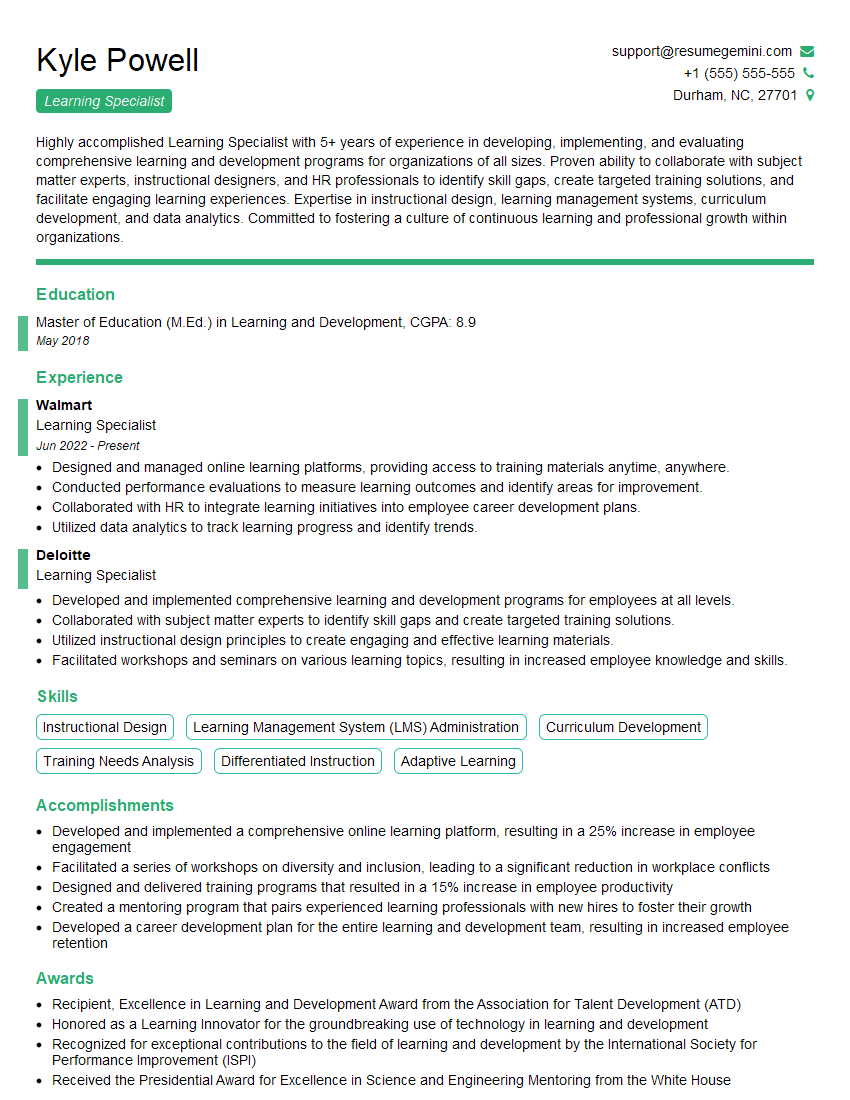
Learning Specialist Resume Sample
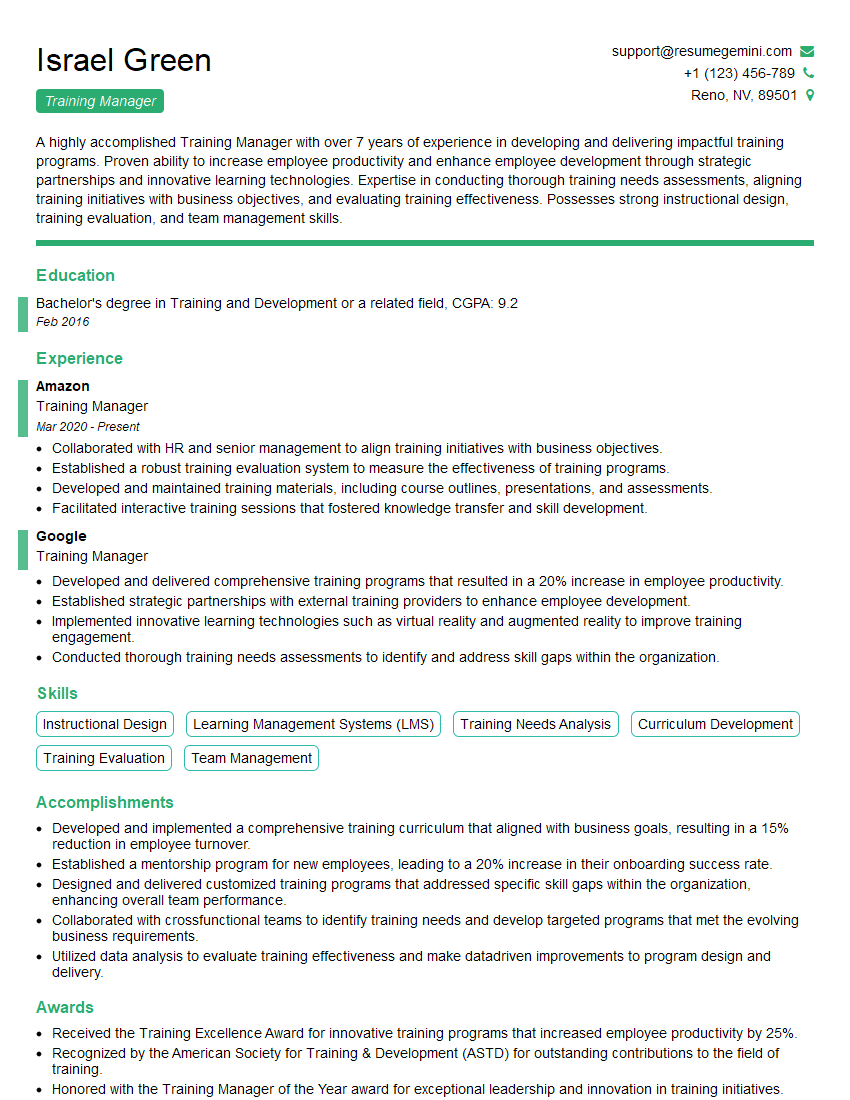
Training Manager Resume Sample
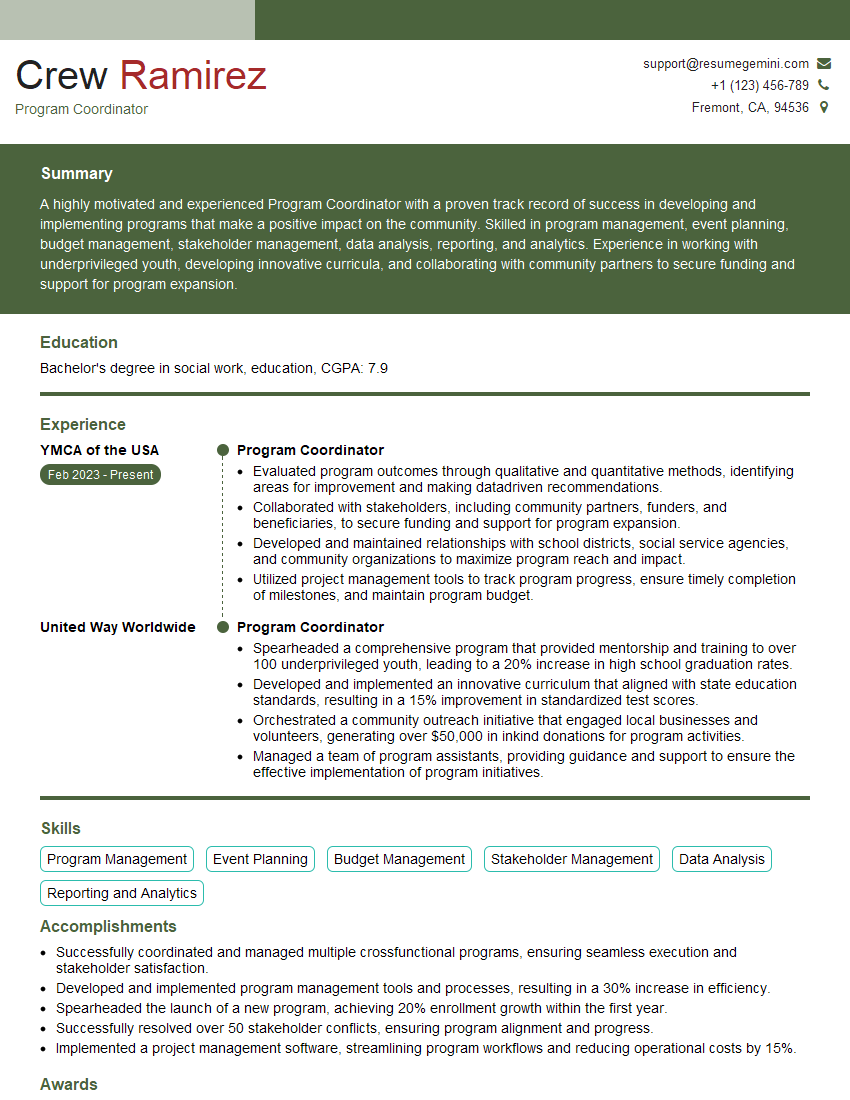
Program Coordinator Resume Sample

Instructor Resume Sample

Professor Resume Sample

Curriculum Developer Resume Sample

Assistant Professor Resume Sample

Associate Professor Resume Sample
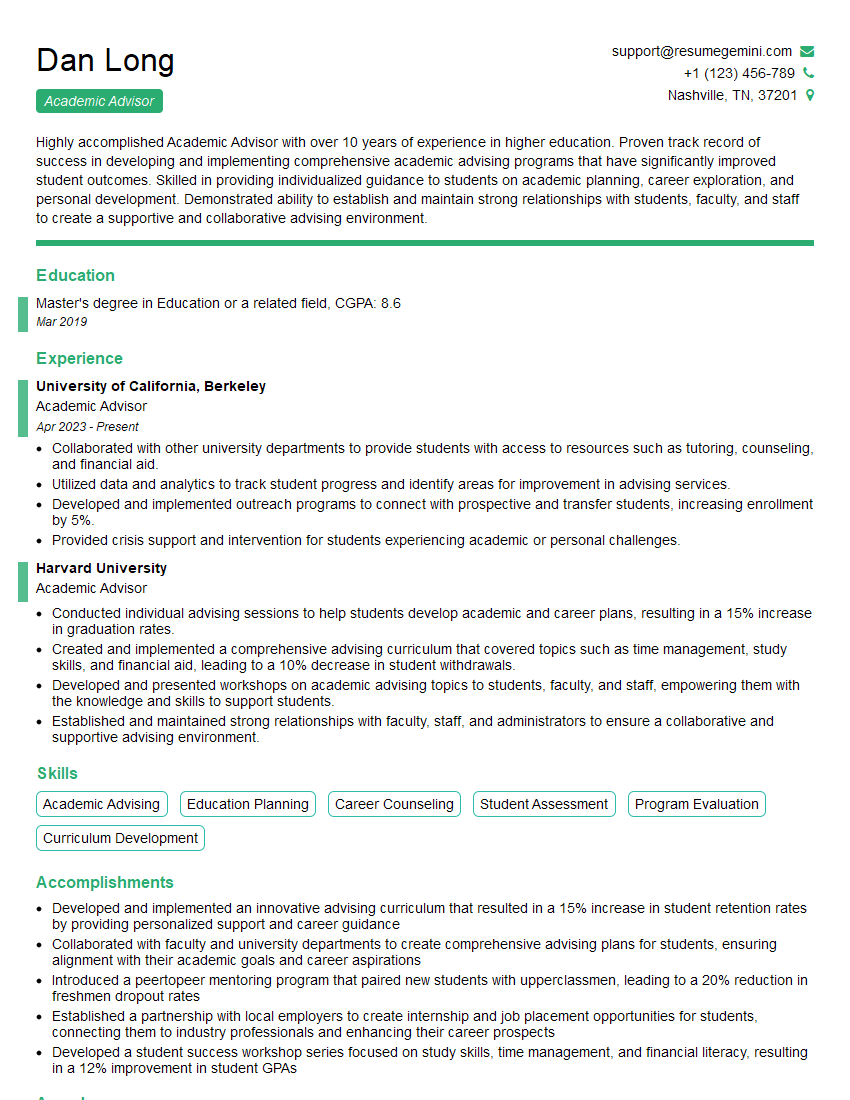
Academic Advisor Resume Sample
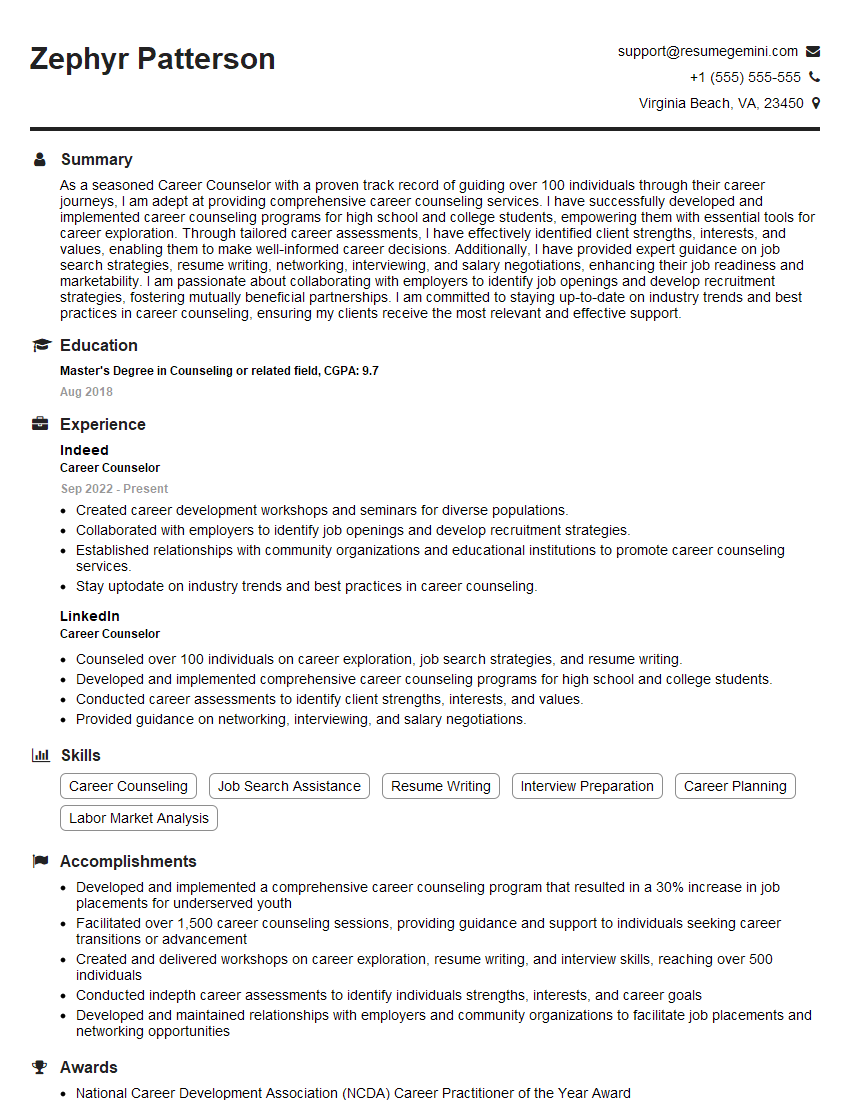
Career Counselor Resume Sample

Graduate Teaching Assistant Resume Sample

Tutor Resume Sample
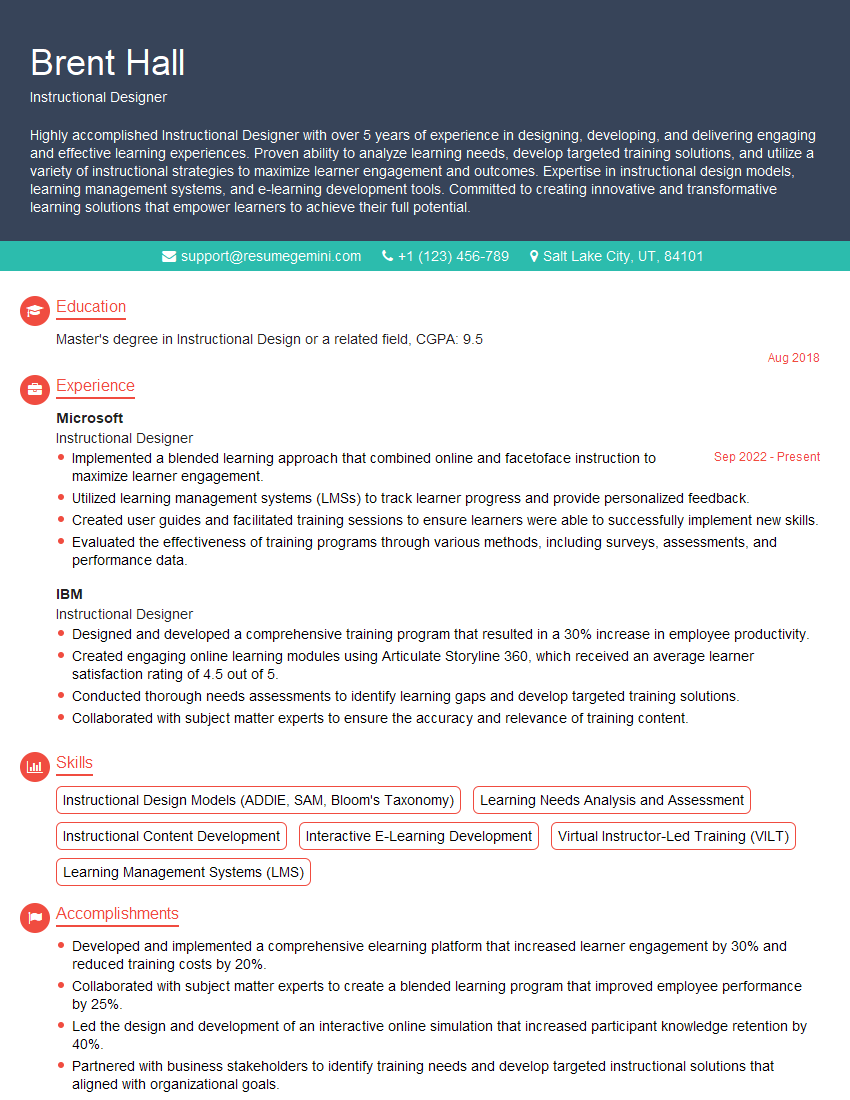
Instructional Designer Resume Sample

Teaching Assistant Resume Sample
Explore more articles
Users Rating of Our Blogs
Share Your Experience
We value your feedback! Please rate our content and share your thoughts (optional).
What Readers Say About Our Blog
Really detailed insights and content, thank you for writing this detailed article.
IT gave me an insight and words to use and be able to think of examples