The right preparation can turn an interview into an opportunity to showcase your expertise. This guide to Experience with scripting languages (Python, PowerShell) interview questions is your ultimate resource, providing key insights and tips to help you ace your responses and stand out as a top candidate.
Questions Asked in Experience with scripting languages (Python, PowerShell) Interview
Q 1. Explain the difference between Python and PowerShell.
Python and PowerShell are both powerful scripting languages, but they serve different purposes and have distinct strengths. Python is a general-purpose, interpreted language known for its readability and vast ecosystem of libraries. It excels in areas like data science, web development, and automation tasks requiring complex logic. PowerShell, on the other hand, is a task-automation and configuration management framework from Microsoft, specifically designed for managing Windows systems. It integrates deeply with the Windows operating system, providing powerful cmdlets (command-lets) for interacting with various system components. Think of Python as a versatile Swiss Army knife, while PowerShell is a specialized tool perfectly suited for Windows administration.
In essence, Python prioritizes code readability and flexibility, making it suitable for a broader range of applications. PowerShell focuses on efficient system management within the Windows environment, offering seamless integration with Windows APIs.
Q 2. What are the advantages and disadvantages of using Python for scripting?
Python offers numerous advantages for scripting. Its readability and clear syntax make it easy to learn and maintain, even for large projects. The massive collection of third-party libraries (like requests for HTTP requests, beautifulsoup for web scraping, or pandas for data manipulation) significantly speeds development and expands capabilities. Python’s cross-platform nature allows scripts to run on Windows, macOS, and Linux without modification (mostly).
- Advantages: Readability, extensive libraries, cross-platform compatibility, large and active community.
- Disadvantages: Can be slower than compiled languages for computationally intensive tasks, can be less efficient for managing Windows-specific systems compared to PowerShell. Global Interpreter Lock (GIL) can limit true multi-threading performance in CPU-bound tasks.
For example, I once used Python to automate the processing of thousands of log files, leveraging pandas for efficient data analysis and matplotlib for generating insightful visualizations. This task would have been significantly more cumbersome in PowerShell.
Q 3. What are the advantages and disadvantages of using PowerShell for scripting?
PowerShell’s primary strength lies in its deep integration with Windows. Its cmdlets provide direct access to system functionalities, making it ideal for system administration tasks like managing users, services, and Active Directory. PowerShell’s pipeline enables chaining commands for efficient workflow automation. It also boasts robust error handling mechanisms.
- Advantages: Deep Windows integration, powerful cmdlets, efficient pipeline processing, strong error handling.
- Disadvantages: Limited cross-platform support (though PowerShell Core is improving this), syntax can be less intuitive than Python for those unfamiliar with command-line interfaces, fewer readily available third-party modules compared to Python.
I’ve extensively used PowerShell to automate deployments of Windows applications and services within our organization. The ability to directly interact with the registry and manage services streamlined the process immensely, something that would be considerably harder to achieve with Python alone.
Q 4. Describe your experience with different scripting paradigms (e.g., imperative, declarative).
I’m proficient in both imperative and declarative scripting paradigms. Imperative programming focuses on how to achieve a result by specifying a sequence of steps. Think of a detailed recipe: each step must be explicitly defined. PowerShell often lends itself to this style, particularly when performing complex system operations. For example, setting up a new user account requires a series of commands to create the account, assign permissions, and set passwords.
Declarative programming, on the other hand, focuses on what result is desired, without explicitly specifying the steps. It’s like giving a chef the ingredients and desired outcome, leaving the execution details to them. Python, with its ability to use higher-level abstractions, often enables a more declarative approach. For instance, using the `pandas` library to filter and sort data is declarative; you specify the criteria, and the library handles the implementation details.
I often combine both approaches. For instance, I might use a declarative approach in Python to process data, then use imperative commands in PowerShell to apply those changes to a Windows system. The best paradigm depends on the specific task and the available tools.
Q 5. How do you handle errors in your scripts?
Robust error handling is crucial for reliable scripts. In both Python and PowerShell, I utilize try-except (Python) and try-catch (PowerShell) blocks to gracefully handle potential errors. This prevents scripts from crashing unexpectedly and allows for informative error messages. I also incorporate logging mechanisms to record errors, along with timestamps and other contextual information. This helps in debugging and identifying recurring issues.
Python Example:
try:
    # Code that might raise an exception
    result = 10 / 0
except ZeroDivisionError:
    print("Error: Division by zero")
    # Log the error
PowerShell Example:
try {
    # Code that might throw an exception
    $result = 10 / 0
} catch {
    Write-Error "Error: Division by zero" -ErrorAction Stop
    # Log the error
}
By implementing comprehensive error handling, I ensure that scripts are resilient to unforeseen circumstances and provide actionable information when problems occur.
Q 6. Explain your experience with version control systems (e.g., Git) for scripts.
I’ve used Git extensively for version control of my scripts. It allows me to track changes, collaborate with others, and revert to previous versions if necessary. I follow a consistent branching strategy, typically using feature branches for development and pull requests for merging changes into the main branch. This ensures code quality and maintainability, especially for larger projects. Git’s history tracking is invaluable for understanding how the code evolved and identifying the source of bugs.
I regularly commit my changes with descriptive messages that clearly explain the modifications made. This practice is vital for both personal reference and collaboration, ensuring that the script’s evolution is well documented and understandable.
Q 7. How do you debug complex scripts?
Debugging complex scripts requires a systematic approach. I start by carefully reviewing the code, searching for logical errors or syntax mistakes. Then, I employ various debugging techniques:
- Print statements/logging: strategic placement of print statements (Python) or Write-Host (PowerShell) allows me to track variable values and control flow.
- Debuggers: Integrated debuggers in IDEs (like VS Code or PyCharm) provide powerful tools for stepping through the code, setting breakpoints, inspecting variables, and examining call stacks.
- Unit testing: Creating unit tests for individual functions or modules helps to isolate and identify problematic code sections.
- Rubber duck debugging: Explaining the code line-by-line to an inanimate object (like a rubber duck) often helps in identifying overlooked issues.
When faced with a particularly stubborn bug, I often break down the script into smaller, more manageable parts to identify the exact location of the error. This divide-and-conquer approach significantly simplifies the debugging process.
Q 8. How do you optimize script performance?
Optimizing script performance is crucial for efficiency and scalability. It involves identifying bottlenecks and applying appropriate techniques. Think of it like streamlining a factory assembly line – each improvement, however small, contributes to a faster overall process.
- Profiling: Use tools like Python’s
cProfileor PowerShell’s built-in profiling capabilities to identify performance hotspots within your code. This pinpoints which sections are consuming the most time. - Algorithmic Efficiency: Choose the right algorithm. A poorly designed algorithm can drastically impact performance. For example, using a nested loop to search a large dataset is much slower than using a hash table or a more efficient search algorithm.
- Data Structures: Select appropriate data structures. Lists in Python are versatile, but dictionaries offer faster lookups. Similarly, in PowerShell, using hashtables can significantly speed up data access compared to arrays.
- Input/Output Optimization: Minimize file I/O operations. Reading large files in chunks, rather than all at once, reduces memory usage and improves speed. Batch processing can also greatly improve efficiency.
- Caching: Store frequently accessed data in memory (cache) to avoid repeated calculations or database queries. Python’s
lru_cachedecorator is a great example of this. - Code Optimization: Avoid unnecessary computations and loops. Vectorization techniques (using libraries like NumPy in Python) can significantly speed up numerical computations. In PowerShell, using pipelines efficiently can also improve performance.
- Asynchronous Operations: For I/O-bound tasks (like network requests or file access), use asynchronous programming to prevent your script from blocking while waiting for responses. Python’s
asynciolibrary and PowerShell’s background jobs are examples.
Example (Python): Using list comprehension instead of a traditional loop can improve speed:
#Inefficient squares = [] for i in range(1000000): squares.append(i**2) #Efficient squares = [i**2 for i in range(1000000)]
Q 9. Describe your experience with regular expressions.
Regular expressions (regex or regexp) are powerful tools for pattern matching within strings. They’re invaluable for tasks such as data extraction, validation, and text manipulation. I’ve used them extensively in both Python and PowerShell to process log files, validate user input, and clean up messy data.
In Python, the re module provides functions like re.search(), re.findall(), and re.sub() for working with regular expressions. PowerShell uses similar constructs within its string manipulation cmdlets.
Example (Python): Extracting email addresses from a string:
import re text = "My email is test@example.com and another is user@domain.net." email_pattern = r'\b[A-Za-z0-9._%+-]+@[A-Za-z0-9.-]+\.[A-Z|a-z]{2,}\b' emails = re.findall(email_pattern, text) print(emails) # Output: ['test@example.com', 'user@domain.net']
Example (PowerShell): Replacing all occurrences of a specific word:
$text = "This is a sample string. This string contains the word sample." $text -replace 'sample', 'example' # Output: This is a example string. This string contains the word example.
Understanding the different regex metacharacters (e.g., anchors, quantifiers, character classes) is key to writing effective regular expressions. I often refer to online regex testers and documentation to refine my patterns and debug them.
Q 10. Explain how to work with JSON data in Python.
Python offers the json module for easy handling of JSON (JavaScript Object Notation) data. JSON is a lightweight data-interchange format, commonly used for APIs and configuration files. Think of it as a structured way to pass information between systems.
The json.load() function reads JSON data from a file, while json.loads() parses JSON data from a string. Similarly, json.dump() and json.dumps() write JSON data to a file and create a JSON string, respectively.
Example:
import json # Load JSON from a file with open('data.json', 'r') as f: data = json.load(f) print(data['name']) # Accessing a specific element # Parse JSON string json_string = '{"name":"John Doe", "age":30}' data = json.loads(json_string) print(data['age']) #Write JSON to a file new_data = {'name': 'Jane Doe', 'age': 25} with open('new_data.json', 'w') as f: json.dump(new_data, f, indent=4) #indent for pretty printing
Error handling is crucial. A poorly formatted JSON file can easily cause exceptions. Always include try-except blocks to handle potential issues like json.JSONDecodeError.
Q 11. Explain how to work with XML data in PowerShell.
PowerShell provides several cmdlets for working with XML (Extensible Markup Language) data. XML is another structured data format, often used for configuration files and data exchange. It’s more verbose than JSON but offers greater flexibility in terms of structure.
The [xml] type accelerator is used to parse XML data. Once parsed, you can navigate the XML structure using dot notation and access elements and attributes. For example, if your XML looks like this:
<bookstore> <book category="cooking"> <title>Everyday Italian</title> <author>Giada De Laurentiis</author> <year>2005</year> <price>30.00</price> </book> </bookstore>
You can access elements like this in PowerShell:
$xml = [xml](Get-Content 'books.xml') $title = $xml.bookstore.book.title Write-Host $title # Output: Everyday Italian
PowerShell also offers cmdlets like Select-Xml for more complex XML querying based on XPath expressions.
Q 12. How do you handle file input/output operations in your scripts?
File input/output (I/O) is fundamental to most scripts. Efficient handling of files is critical for data processing and application stability. I use different approaches depending on the size and type of files and the nature of the operation.
- Reading Files: For small files, I often use direct reading methods (e.g., Python’s
open()or PowerShell’sGet-Content). For large files, I employ techniques like reading line by line or in chunks to prevent memory issues. - Writing Files: Similar to reading, writing to files involves appropriate methods, like
open()with write mode in Python orSet-Content/Out-Filein PowerShell. Error handling (e.g., checking for file existence before writing) is essential. - File Modes: I understand the importance of using correct file modes (e.g., read, write, append) to avoid data loss or corruption. I also handle exceptions (like
IOErrorin Python or similar in PowerShell) gracefully. - Path Handling: I use functions for path manipulation (
os.path.join()in Python, or PowerShell’s path handling capabilities) to create robust, platform-independent scripts. - File Formats: I adapt my approach depending on the file format (text, CSV, binary, etc.). For structured formats like CSV, I use libraries like Python’s
csvmodule or PowerShell’s import/export cmdlets for efficient parsing and manipulation.
Example (Python): Reading a file line by line:
with open('myfile.txt', 'r') as f: for line in f: # process each line print(line.strip())
Q 13. How do you interact with databases from your scripts?
Interacting with databases from scripts involves using database connectors and SQL (Structured Query Language) to manage data. The approach varies based on the database system (SQL Server, MySQL, PostgreSQL, etc.).
Python: I commonly use libraries like psycopg2 (PostgreSQL), mysql.connector (MySQL), or pyodbc (ODBC) to connect and interact with databases. These libraries provide functions for executing SQL queries, fetching data, and managing database transactions.
PowerShell: PowerShell offers the SQLPS module (requires installation) for interacting with SQL Server. It allows you to execute SQL queries and manage database objects using cmdlets.
Security Considerations: I always ensure that database credentials are stored securely (e.g., using environment variables or a configuration file) and never hardcoded within the scripts.
Example (Python with psycopg2):
import psycopg2 conn = psycopg2.connect("dbname=mydatabase user=myuser password=mypassword") cur = conn.cursor() cur.execute("SELECT * FROM mytable") rows = cur.fetchall() for row in rows: print(row) conn.close()
Q 14. Describe your experience with different scripting libraries or modules (e.g., requests in Python, Active Directory module in PowerShell).
I have extensive experience with various scripting libraries and modules, significantly enhancing my scripting capabilities. These modules provide specialized functionality that greatly simplifies complex tasks.
- Python’s
requests: This is a powerful library for making HTTP requests. I’ve used it extensively for interacting with APIs, automating web tasks, and fetching data from online sources. It simplifies tasks that would otherwise require handling complex HTTP protocols manually. - PowerShell’s Active Directory module: This module is essential for managing Active Directory, allowing me to automate user account management, group policy updates, and other tasks. I’ve used it in several projects involving user provisioning, account cleanup, and security audits.
- Python’s
Beautiful Soup: This library helps parse HTML and XML content, which is invaluable when dealing with web scraping, data extraction from websites, and processing structured documents. - PowerShell’s
Microsoft.PowerShell.Management: This module contains cmdlets for managing many aspects of the Windows operating system. I frequently leverage it for administrative tasks, system configuration, and automation of repetitive operations.
The choice of library depends heavily on the task at hand. My experience allows me to choose the most appropriate tools for each situation, resulting in more efficient and maintainable scripts.
Q 15. How do you write unit tests for your scripts?
Writing effective unit tests is crucial for ensuring the reliability and maintainability of your scripts. Think of unit tests as tiny experiments – each one verifying a specific, isolated part of your code functions as expected. I typically use a testing framework tailored to the scripting language. For Python, that’s usually unittest or pytest, while in PowerShell, I leverage Pester.
My approach involves creating individual test cases for each function or significant code block. Each test case isolates a unit of code, providing inputs and asserting expected outputs. For example, if I have a Python function that calculates the area of a circle, my test might check for correct results with various radii, including edge cases like zero or negative values.
import unittest import math def circle_area(radius): return math.pi * radius**2 class TestCircleArea(unittest.TestCase): def test_positive_radius(self): self.assertAlmostEqual(circle_area(5), 78.5398, places=4) def test_zero_radius(self): self.assertEqual(circle_area(0), 0) def test_negative_radius(self): with self.assertRaises(ValueError): # Expecting an error for negative radius circle_area(-1) if __name__ == '__main__': unittest.main() In PowerShell, Pester offers similar capabilities using Describe and It blocks to structure tests.
Regularly running these tests as part of my development workflow helps me catch bugs early, ensuring higher quality and reducing the cost of fixing them later.
Career Expert Tips:
- Ace those interviews! Prepare effectively by reviewing the Top 50 Most Common Interview Questions on ResumeGemini.
- Navigate your job search with confidence! Explore a wide range of Career Tips on ResumeGemini. Learn about common challenges and recommendations to overcome them.
- Craft the perfect resume! Master the Art of Resume Writing with ResumeGemini’s guide. Showcase your unique qualifications and achievements effectively.
- Don’t miss out on holiday savings! Build your dream resume with ResumeGemini’s ATS optimized templates.
Q 16. How do you manage dependencies in your projects?
Managing dependencies is vital for avoiding conflicts and ensuring consistent execution of scripts across different environments. In Python, I predominantly use pip and requirements.txt. pip installs packages, and requirements.txt acts like a shopping list, specifying the exact versions of each dependency. This guarantees that anyone else running the script will have the same environment.
pip install -r requirements.txt For PowerShell, I often use the PowerShell Gallery and manage modules with manifest files, ensuring version consistency. Using virtual environments (venv in Python or similar techniques in PowerShell) isolates dependencies for each project, preventing conflicts between different projects using different versions of the same library.
Imagine building with LEGOs. Dependencies are like different types of bricks. If you don’t manage them carefully, you might end up with incompatible pieces. Virtual environments act like separate containers, ensuring each project has the right set of bricks without mixing them up.
Q 17. Explain your experience with continuous integration/continuous deployment (CI/CD).
CI/CD (Continuous Integration/Continuous Deployment) is all about automating the build, testing, and deployment process. It’s like having a robotic assistant that handles the repetitive and error-prone tasks, allowing developers to focus on coding. My experience involves using platforms such as Azure DevOps, Jenkins, and GitLab CI.
The CI part usually involves automated building, testing (using the unit tests we discussed earlier!), and code analysis upon every code commit. The CD part extends this by automating deployment to various environments like testing, staging, and production, with processes such as automated rollbacks in case something goes wrong. I’ve used YAML configuration files to define the CI/CD pipelines in these platforms. These files meticulously outline the entire process, from code checkout to deployment.
For example, a typical pipeline might involve:
- Pulling code from a Git repository.
- Running unit tests.
- Building the script (if necessary).
- Deploying to a test environment.
- Running integration tests in the test environment.
- Deploying to production upon successful testing.
This automated process significantly reduces manual effort, accelerates the development cycle, and minimizes the risk of human error.
Q 18. Describe your experience using REST APIs in scripting.
REST APIs are the backbone of many modern applications, allowing different systems to communicate seamlessly. My experience involves using various scripting languages to interact with REST APIs to perform diverse tasks, from retrieving data to automating workflows. I typically use libraries like the requests library in Python or the Invoke-RestMethod cmdlet in PowerShell.
A common scenario is fetching data from a JSON API. In Python, this involves sending a GET request, processing the JSON response, and extracting relevant information:
import requests import json response = requests.get('https://api.example.com/data') data = json.loads(response.text) for item in data: print(item['name']) PowerShell provides similar functionalities using cmdlets:
$response = Invoke-RestMethod -Uri 'https://api.example.com/data' foreach ($item in $response) { Write-Host $item.name } Error handling and authentication (often using API keys or OAuth) are crucial aspects I always incorporate. I thoroughly test each API interaction to ensure robustness and reliability.
Q 19. How do you secure your scripts?
Securing scripts is paramount. My approach is multi-layered and depends on the context. For scripts handling sensitive data, I avoid hardcoding credentials directly into the code. Instead, I use environment variables or dedicated secret management systems (like Azure Key Vault or AWS Secrets Manager). This prevents credentials from being accidentally exposed in version control.
Input validation is crucial to prevent injection attacks. I always validate user input to ensure it conforms to the expected format and data types. For example, I’d never directly use user-supplied data in SQL queries without proper parameterization.
Regular updates are essential to patch vulnerabilities. Keeping scripting languages, libraries, and tools up to date is vital. Using a security scanner to identify potential vulnerabilities can provide additional reassurance. Principle of least privilege restricts scripts to only the necessary permissions, reducing potential damage if a security breach occurs.
Encryption, especially for data at rest or in transit, adds further protection, ensuring sensitive data remains confidential. The specific methods depend on the sensitivity of the data and the environment.
Q 20. Explain your experience with different scripting environments (e.g., command line, IDE).
I’m proficient in various scripting environments. The command line offers a quick and direct way to execute simple scripts, ideal for rapid prototyping or quick tasks. IDEs (Integrated Development Environments) like VS Code, PyCharm, or Visual Studio provide a richer development experience with features such as debugging, code completion, and integrated version control. The choice depends on the project’s complexity and my personal preference.
For instance, I might use the command line to run a short script for automating a single task. However, for larger projects with multiple files and dependencies, an IDE’s features become indispensable for maintainability and collaboration.
In PowerShell, the ISE (Integrated Scripting Environment) offers a built-in editor and debugger. For Python, I frequently employ PyCharm, which greatly assists in managing larger, more complex codebases.
Q 21. How do you handle large datasets in your scripts?
Handling large datasets efficiently is crucial. The naive approach of loading everything into memory at once is impractical and often impossible with datasets exceeding available RAM. Instead, I employ techniques that process data in smaller chunks, iteratively. This approach is known as stream processing.
In Python, I might use the csv module or libraries like pandas for reading and processing CSV or other tabular data in chunks, avoiding loading the entire dataset into memory. pandas provides efficient mechanisms for handling large datasets through features like chunking when reading files and data structures optimized for memory management.
import pandas as pd chunksize = 1000 # Process 1000 rows at a time for chunk in pd.read_csv('large_file.csv', chunksize=chunksize): # Process each chunk # ... perform calculations, filtering, or other operations ... print(chunk.head()) # Example: print the first 5 rows of the chunk Databases are excellent for managing and querying large datasets, allowing for efficient filtering and aggregation. Connecting to a database (like SQL Server, PostgreSQL, or MySQL) from a script is commonly used to perform operations on large datasets without loading them entirely into memory.
Choosing the right tools and techniques significantly impacts efficiency. Considering the dataset’s size, format, and the operations to be performed allows selecting the most appropriate approach.
Q 22. Describe your experience with object-oriented programming in Python.
Object-Oriented Programming (OOP) in Python is a powerful paradigm that allows you to structure your code around objects, which are essentially data (attributes) and the functions (methods) that operate on that data. This promotes code reusability, maintainability, and scalability. Think of it like building with LEGOs – each brick is an object with specific properties and functionalities, and you can combine them to create complex structures.
Key OOP concepts in Python include:
- Classes: Blueprints for creating objects. They define the attributes and methods.
- Objects: Instances of a class. They represent specific entities.
- Inheritance: Allows creating new classes (child classes) based on existing ones (parent classes), inheriting their attributes and methods, promoting code reuse and reducing redundancy.
- Polymorphism: The ability of objects of different classes to respond to the same method call in their own specific way. For example, a
draw()method could be implemented differently for aCircleand aSquareclass. - Encapsulation: Bundling data and methods that operate on that data within a class, protecting the internal state of the object and promoting data integrity. This is often achieved through access modifiers (though Python doesn’t have strict ones like
privateorpublic, conventions like leading underscores are used).
Example:
class Dog: def __init__(self, name, breed): self.name = name self.breed = breed def bark(self): print("Woof!")my_dog = Dog("Buddy", "Golden Retriever")print(my_dog.name) # Output: Buddymy_dog.bark() # Output: Woof!Q 23. Explain the concept of modules and classes in PowerShell.
PowerShell, while not strictly object-oriented in the same way as Python, heavily relies on objects. Modules and classes provide ways to organize and reuse code.
Modules: These are essentially containers for related cmdlets (PowerShell commands), functions, variables, and other resources. They allow you to group functionality logically. Think of a module as a toolbox containing specific tools for a particular task. You can import modules to access their functionality in your scripts.
Classes: PowerShell uses .NET classes extensively. You can create custom classes to define objects with specific properties and methods. These classes extend the capabilities of PowerShell, letting you create custom object types.
Example (Module): You could create a module containing cmdlets for managing network devices.
Example (Class):
class NetworkDevice { [string]$Name [string]$IPAddress # ... other properties ... # ... methods ...}Q 24. How do you create reusable code components in your scripts?
Creating reusable code components is crucial for efficient scripting. I achieve this through several methods:
- Functions: In both Python and PowerShell, functions encapsulate a block of code that performs a specific task. This promotes modularity and makes code easier to read and maintain. Functions act like miniature programs within your larger script.
- Modules (as discussed above): Grouping related functions and classes into modules promotes better organization and allows for easier sharing and reuse across multiple projects.
- Classes (as discussed above): Classes allow you to create reusable templates for objects, which encapsulate data and behavior, leading to more organized and maintainable code.
- Templates/Snippets: For common code patterns, I often create templates or snippets within my IDE (Integrated Development Environment) to quickly insert and reuse code blocks, which saves time and increases consistency.
Example (Python function):
def calculate_average(numbers): return sum(numbers) / len(numbers)Q 25. How do you manage configuration settings in your scripts?
Managing configuration settings is critical for flexible and adaptable scripts. I employ the following strategies:
- Configuration files: I use separate configuration files (e.g., JSON, YAML, INI) to store settings. This keeps configuration data separate from the core script logic, improving readability and maintainability. It also allows for easy modification of settings without altering the script code.
- Environment variables: For sensitive information (like API keys or passwords), environment variables are better since they’re not directly stored in the script, which improves security.
- Command-line arguments: For parameters that might change frequently, I use command-line arguments to pass values to the script at runtime. This adds dynamism to the script’s behavior.
- Databases (for complex scenarios): For very complex configurations, a database (e.g., SQLite) can provide a structured and scalable solution for managing settings.
Example (Python with JSON configuration):
import json# Load configuration from JSON file with settings like database connection strings, API keys, etc.with open('config.json', 'r') as f: config = json.load(f)print(config['database']['host']) # Accessing a settingQ 26. Describe a challenging scripting project you have worked on and how you solved it.
One challenging project involved automating the deployment and configuration of virtual machines (VMs) across multiple cloud providers. The complexity arose from the need to handle variations in each provider’s APIs, security policies, and resource naming conventions.
My solution involved a modular approach using Python. I created separate modules for each cloud provider, each containing functions for creating VMs, configuring networks, and deploying applications. This allowed me to abstract away provider-specific details. I used a central orchestration script to manage the deployment process, allowing for flexible configuration via a JSON configuration file, specifying the target cloud provider, VM specifications, and application details. This modular design improved code reusability and simplified maintenance. Error handling was robust, including logging, exception handling, and retry mechanisms. This project successfully automated a formerly manual, time-consuming process, saving significant time and improving consistency.
Q 27. Explain your understanding of different data structures and their use cases in scripting.
Data structures are fundamental to efficient scripting. The choice of structure depends on the nature of the data and the operations you’ll be performing.
- Lists (Python) / Arrays (PowerShell): Ordered collections of items. Great for storing sequences of data. Efficient for appending and accessing elements by index.
- Dictionaries (Python) / Hashtables (PowerShell): Collections of key-value pairs. Ideal for representing structured data where you need to access elements by name (key). Efficient for lookup operations.
- Sets (Python) / Hashtables (PowerShell, used as sets): Unordered collections of unique items. Useful for tasks like removing duplicates or checking membership efficiently.
- Tuples (Python): Similar to lists but immutable (cannot be changed after creation). Useful for representing data that should not be modified.
- Stacks & Queues (Python, implemented using lists or custom classes): Follow specific order of access (LIFO/FIFO) and useful in scenarios like function call management (stacks) or task scheduling (queues).
Example (Python Dictionary):
user = {"name": "John Doe", "age": 30, "city": "New York"}print(user["name"]) # Accessing value by keyQ 28. How do you approach problem-solving when writing scripts?
My problem-solving approach when writing scripts is systematic and iterative:
- Understanding the problem: Clearly define the problem, including inputs, outputs, and constraints. This involves detailed requirements gathering and analysis.
- Planning and design: Break down the problem into smaller, manageable sub-problems. Sketch out the overall flow and logic of the script. This might involve flowcharts or pseudocode.
- Implementation: Translate the design into code, using appropriate data structures, functions, and modules. Write clean, well-documented code.
- Testing and debugging: Thoroughly test the script with various inputs, including edge cases. Use debugging tools to identify and fix errors. This includes unit testing, integration testing and finally end-to-end testing.
- Refinement and optimization: Review and refine the code for efficiency, readability, and maintainability. This includes code reviews and performance profiling.
I often use a combination of top-down and bottom-up approaches, depending on the complexity of the problem.
Key Topics to Learn for Experience with scripting languages (Python, PowerShell) Interview
- Fundamental Concepts: Understanding variables, data types, control flow (loops, conditional statements), functions, and modules in both Python and PowerShell. Practice writing clean and efficient code.
- File I/O and Data Manipulation: Mastering techniques for reading, writing, and processing files. Explore working with different data formats (CSV, JSON, XML) and using libraries like Pandas (Python) for data analysis and manipulation.
- Error Handling and Debugging: Learn effective strategies for identifying and resolving errors in your scripts. Practice using debuggers and logging techniques for efficient troubleshooting.
- Object-Oriented Programming (OOP) Concepts (Python): Familiarize yourself with classes, objects, inheritance, and polymorphism in Python. Understanding OOP principles enhances code reusability and maintainability.
- PowerShell Cmdlets and Modules: Gain expertise in utilizing built-in cmdlets and exploring various PowerShell modules for system administration, automation, and Active Directory management.
- Regular Expressions: Develop proficiency in using regular expressions for pattern matching and text manipulation in both languages. This is crucial for many automation tasks.
- Scripting for Automation: Understand how to automate repetitive tasks using scripting. Develop examples demonstrating automation of system processes or data transformations.
- Version Control (Git): Showcase your understanding of using Git for managing and collaborating on code projects. This is a highly valued skill in any development role.
- Testing and Best Practices: Familiarize yourself with writing unit tests and following coding best practices for readability, maintainability, and efficiency.
Next Steps
Mastering Python and PowerShell scripting significantly enhances your career prospects in IT, DevOps, and data science. These skills are in high demand, opening doors to exciting opportunities and higher earning potential. To maximize your chances of landing your dream job, invest time in crafting an ATS-friendly resume that highlights your skills and experience effectively. ResumeGemini is a trusted resource that can help you build a professional and impactful resume. We provide examples of resumes tailored to showcasing experience with Python and PowerShell, to help you get started.
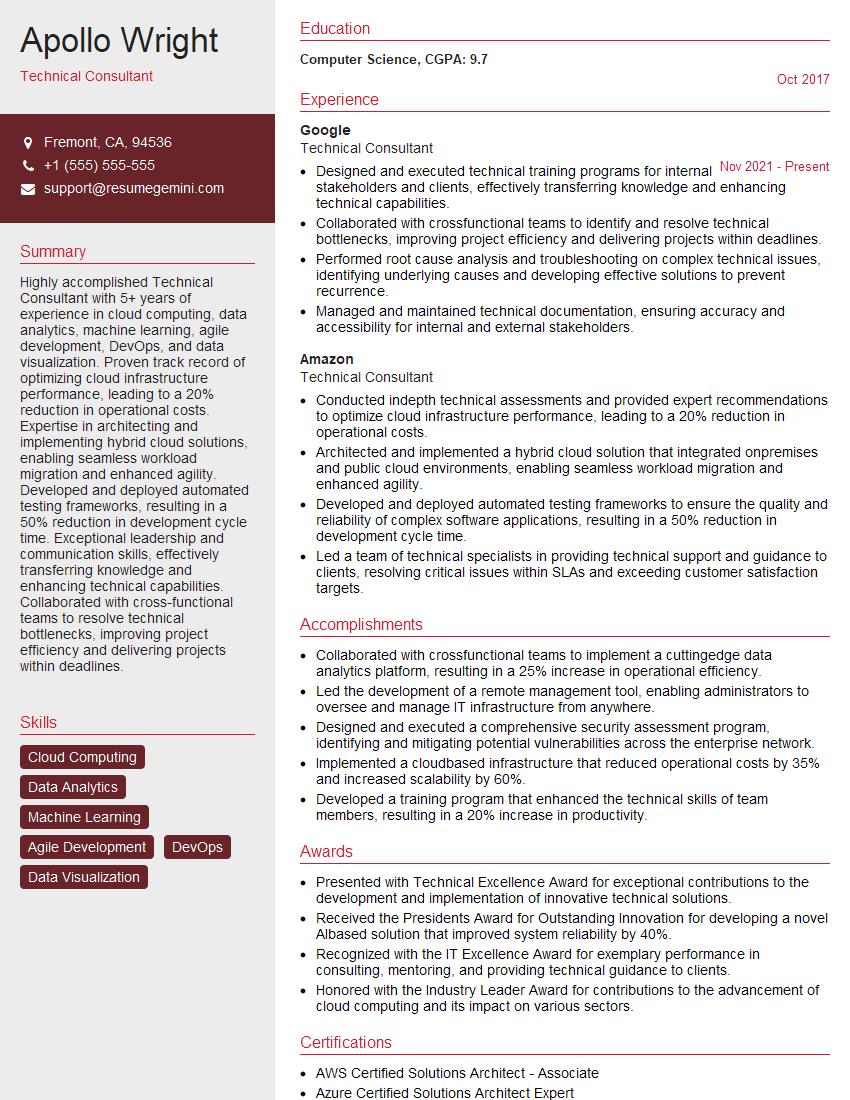
Technical Consultant Resume Sample
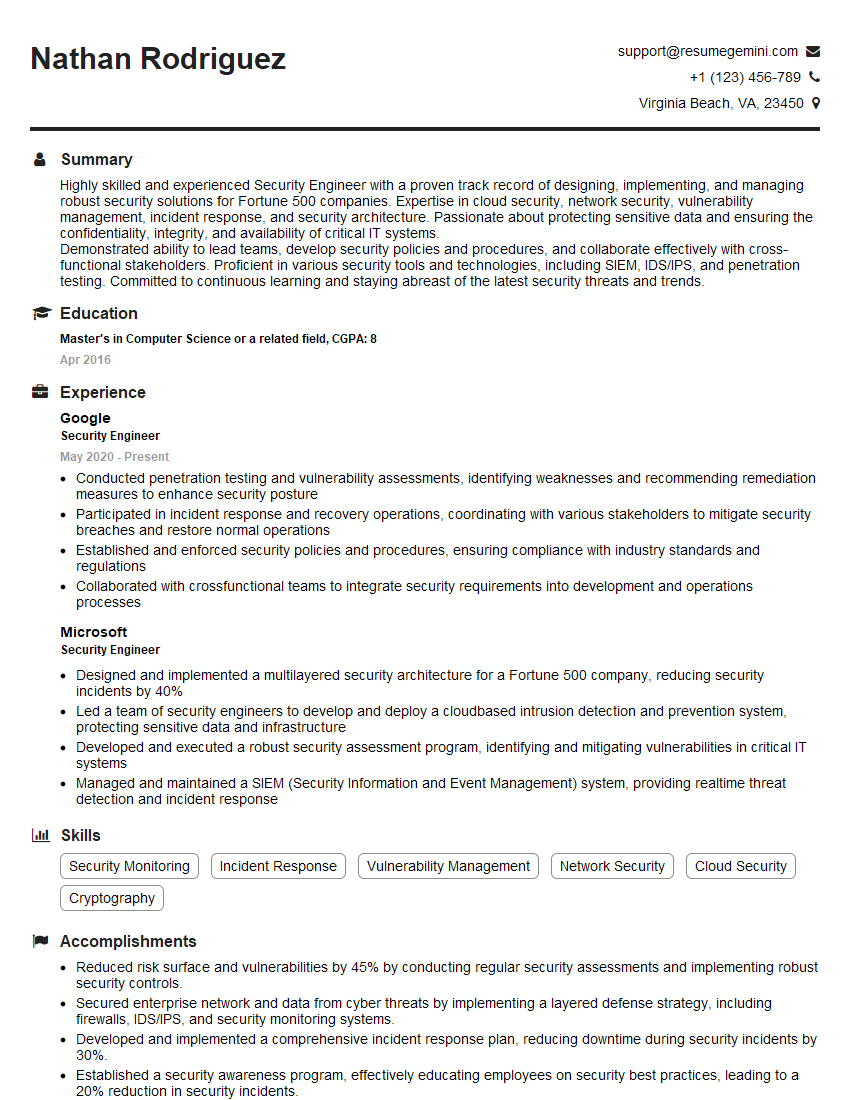
Security Engineer Resume Sample
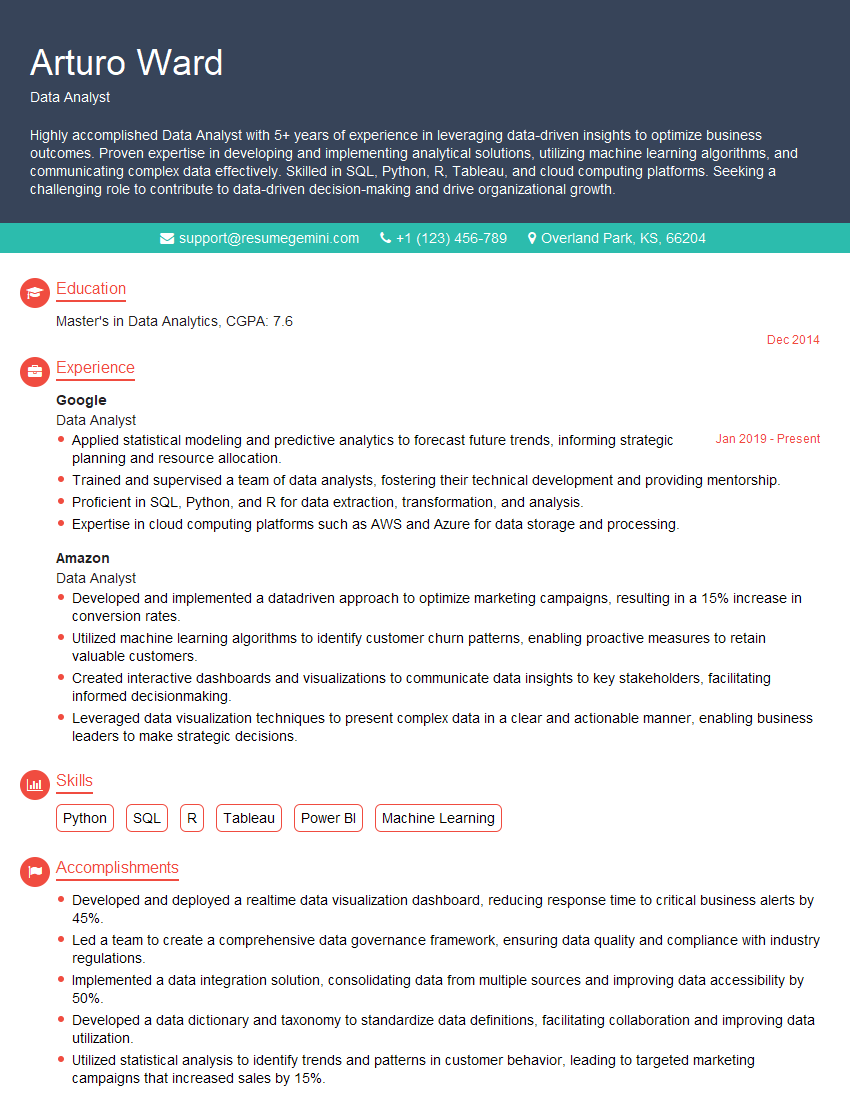
Data Analyst Resume Sample
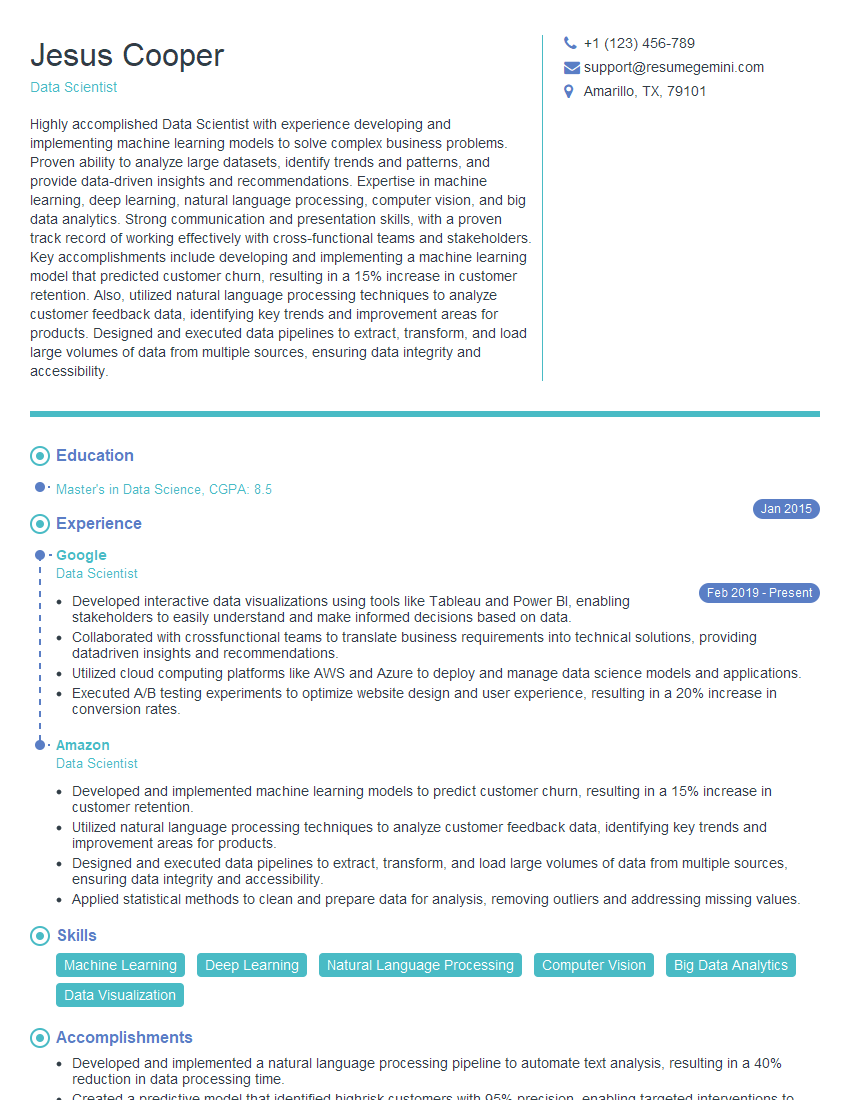
Data Scientist Resume Sample
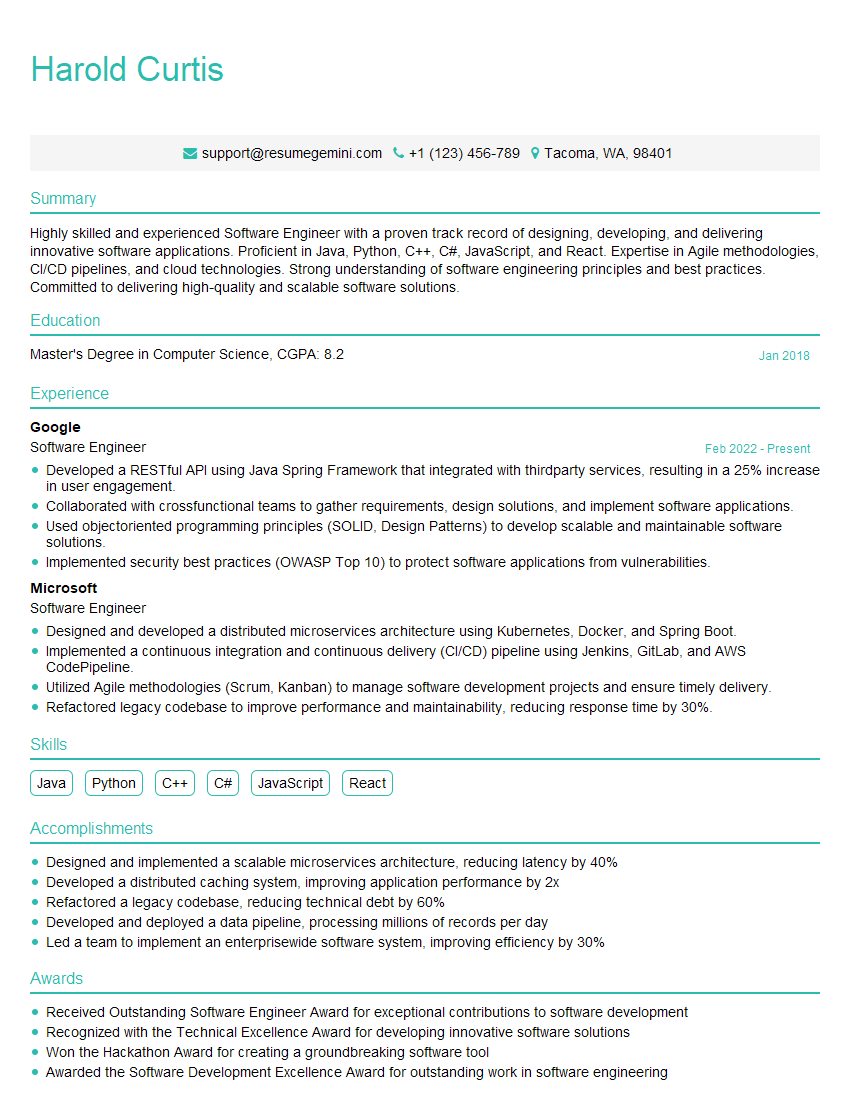
Software Engineer Resume Sample
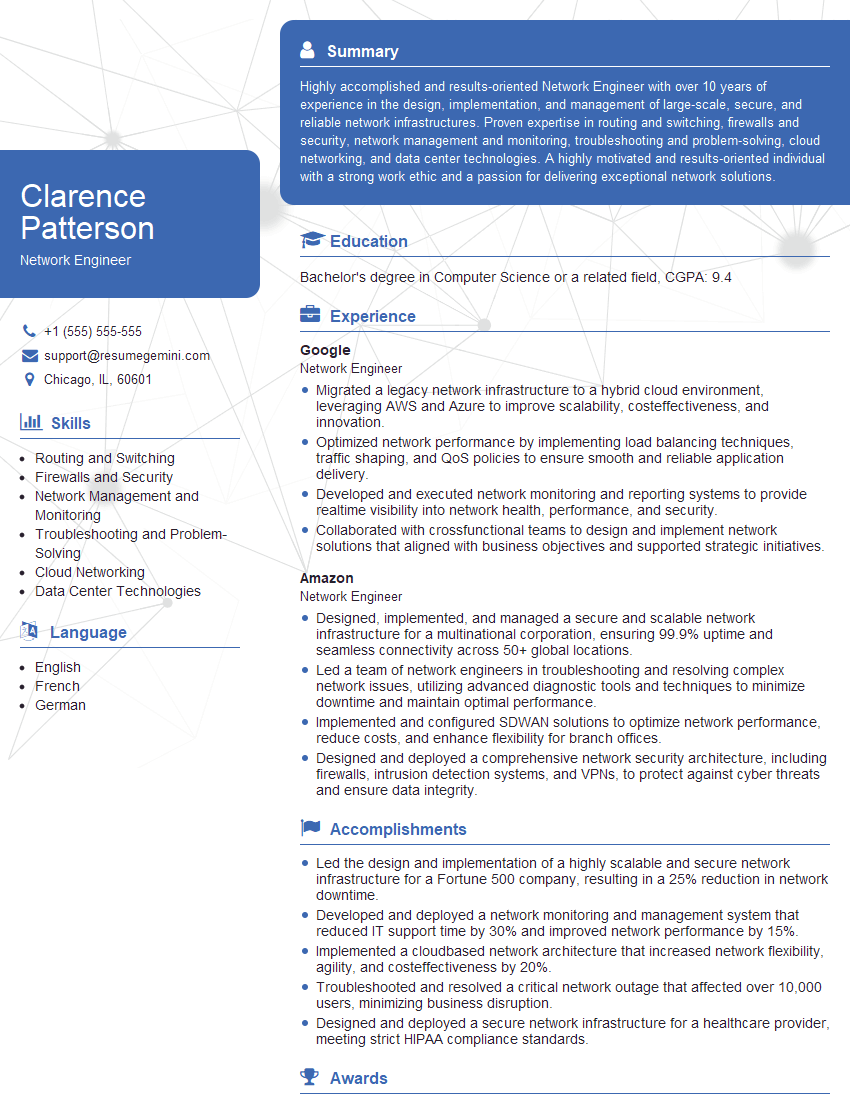
Network Engineer Resume Sample
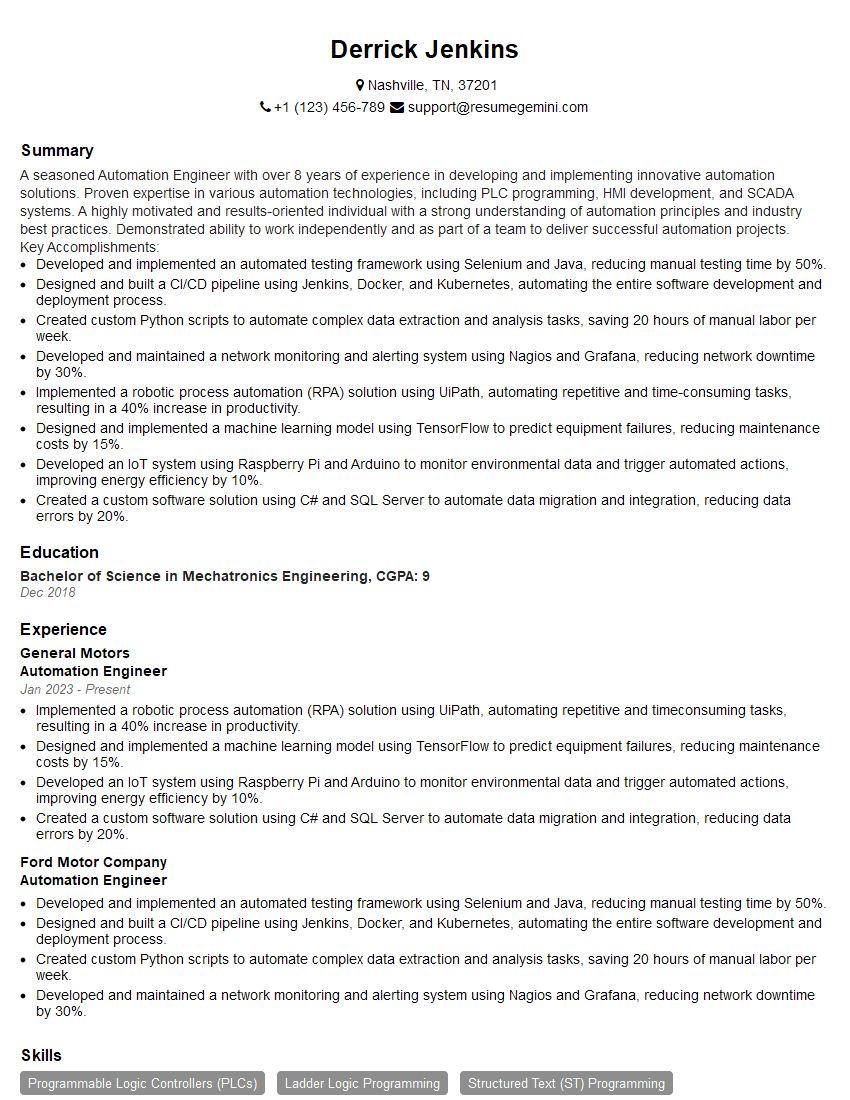
Automation Engineer Resume Sample

Infrastructure Engineer Resume Sample
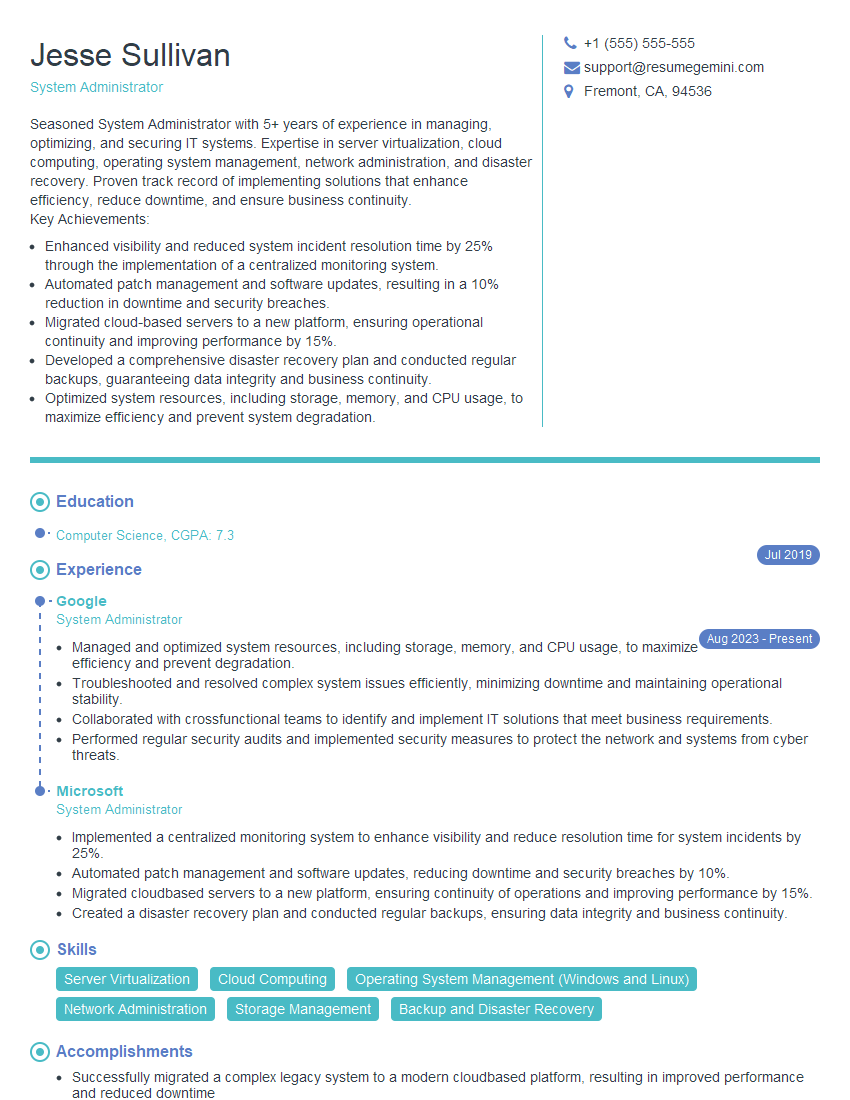
System Administrator Resume Sample
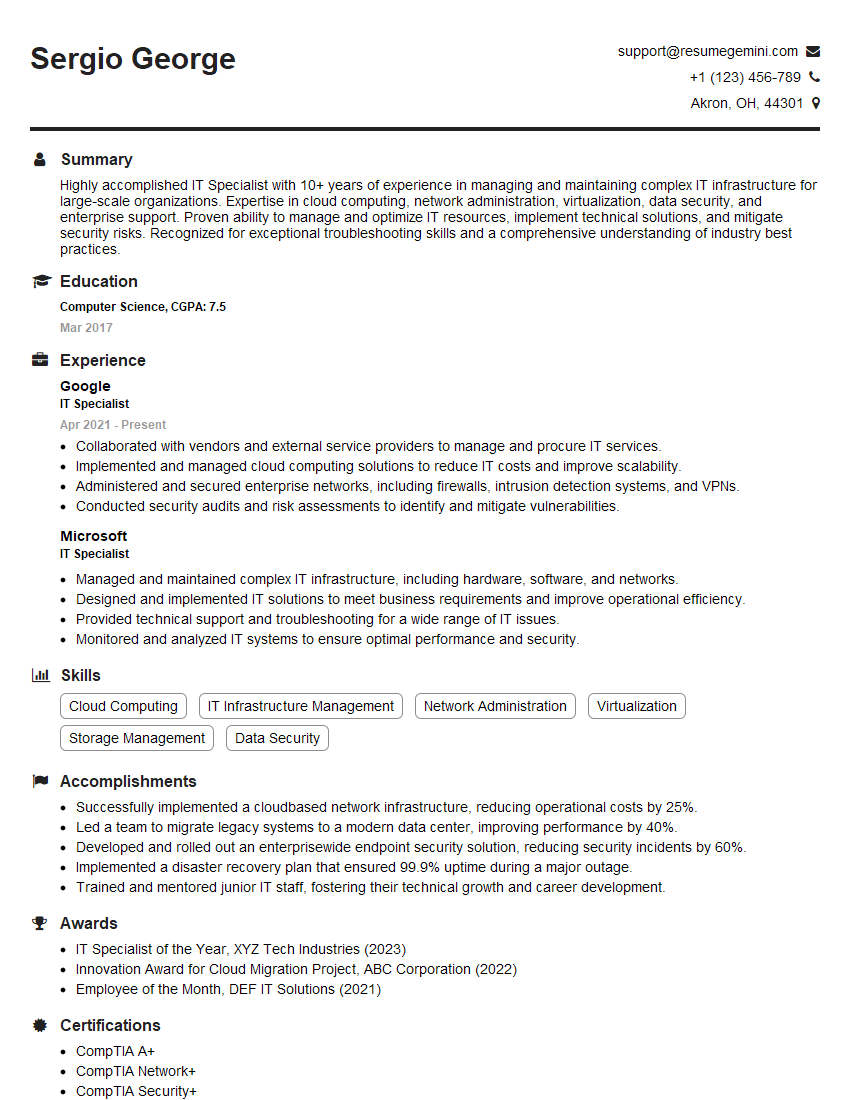
IT Specialist Resume Sample
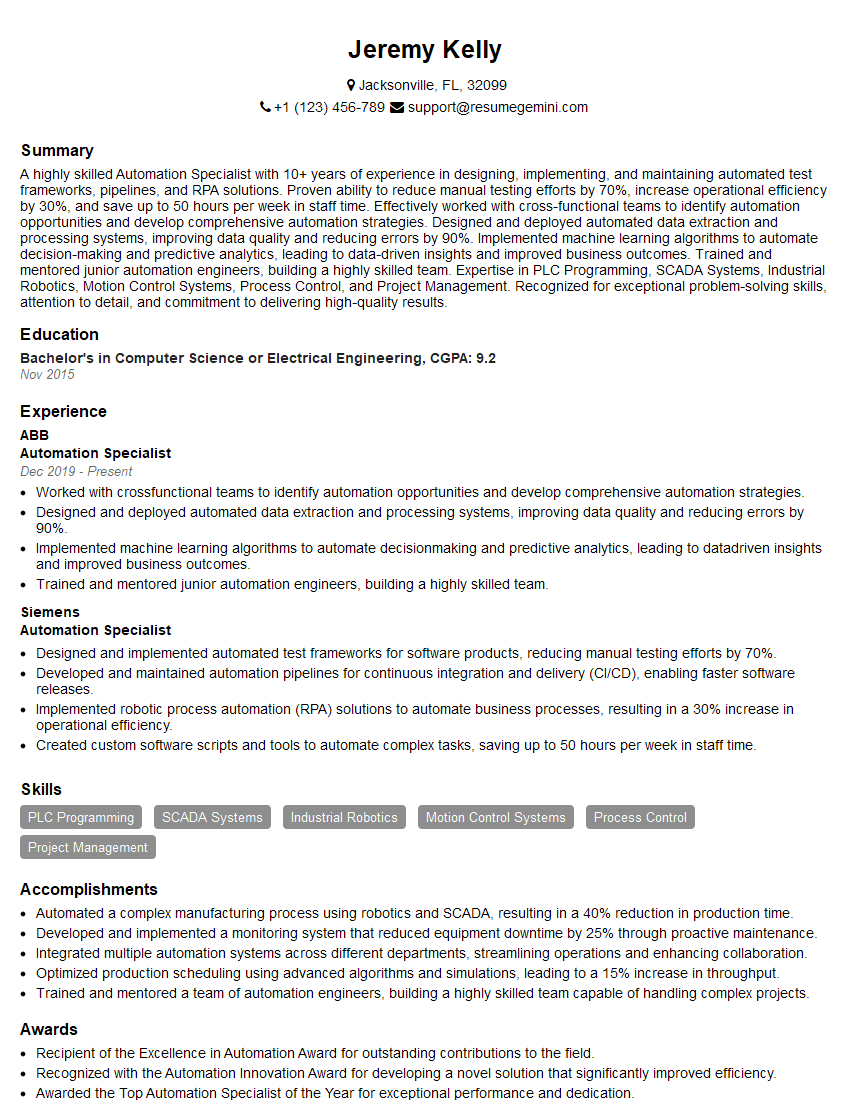
Automation Specialist Resume Sample
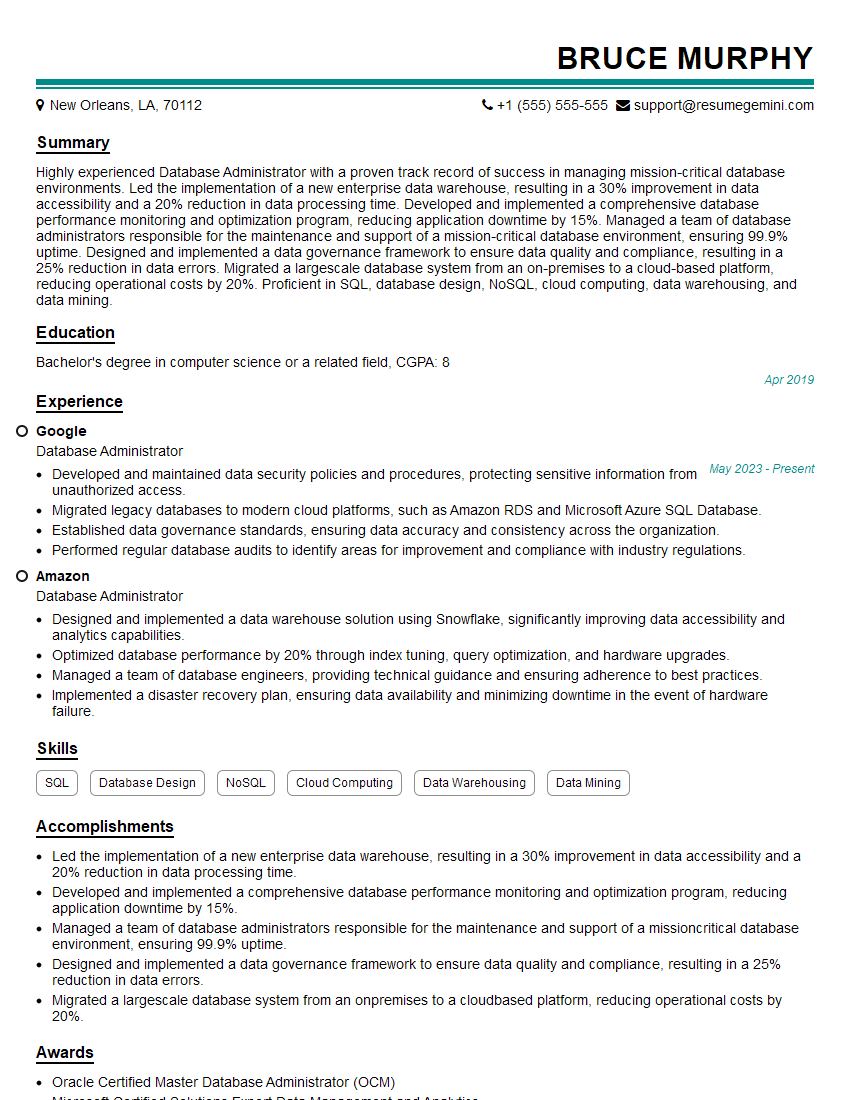
Database Administrator Resume Sample
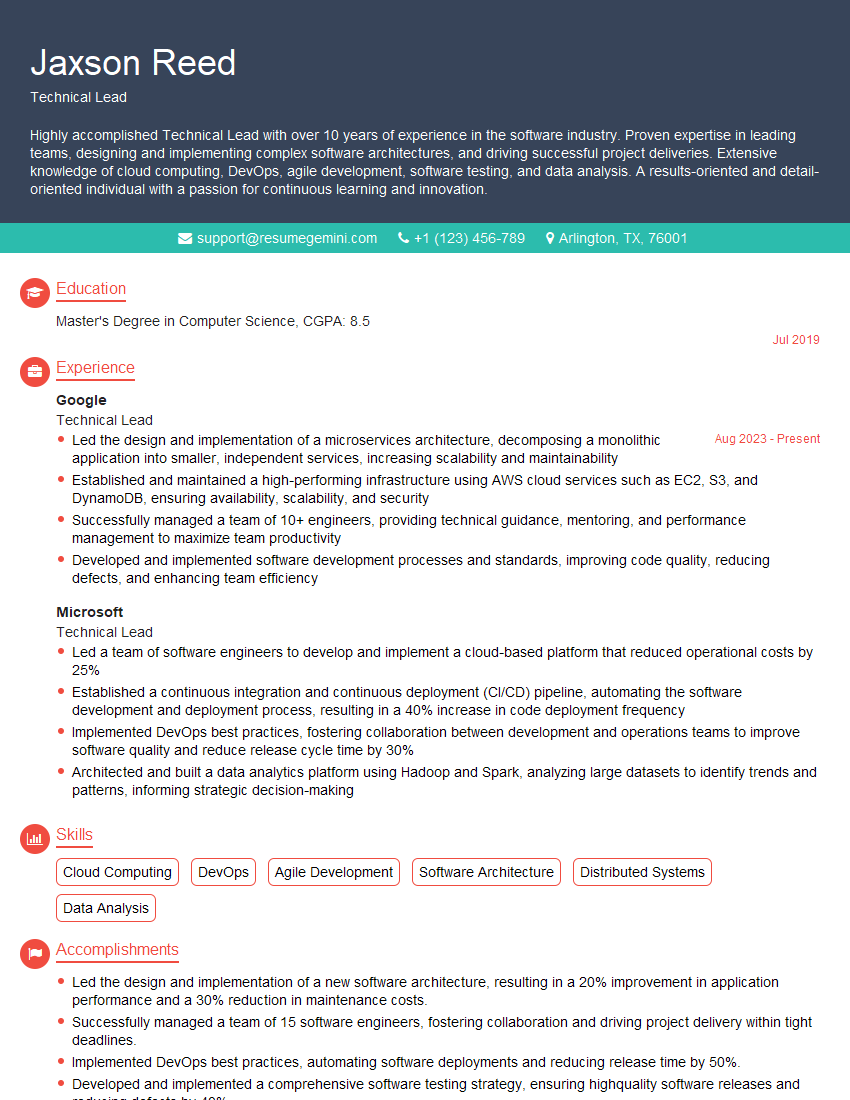
Technical Lead Resume Sample
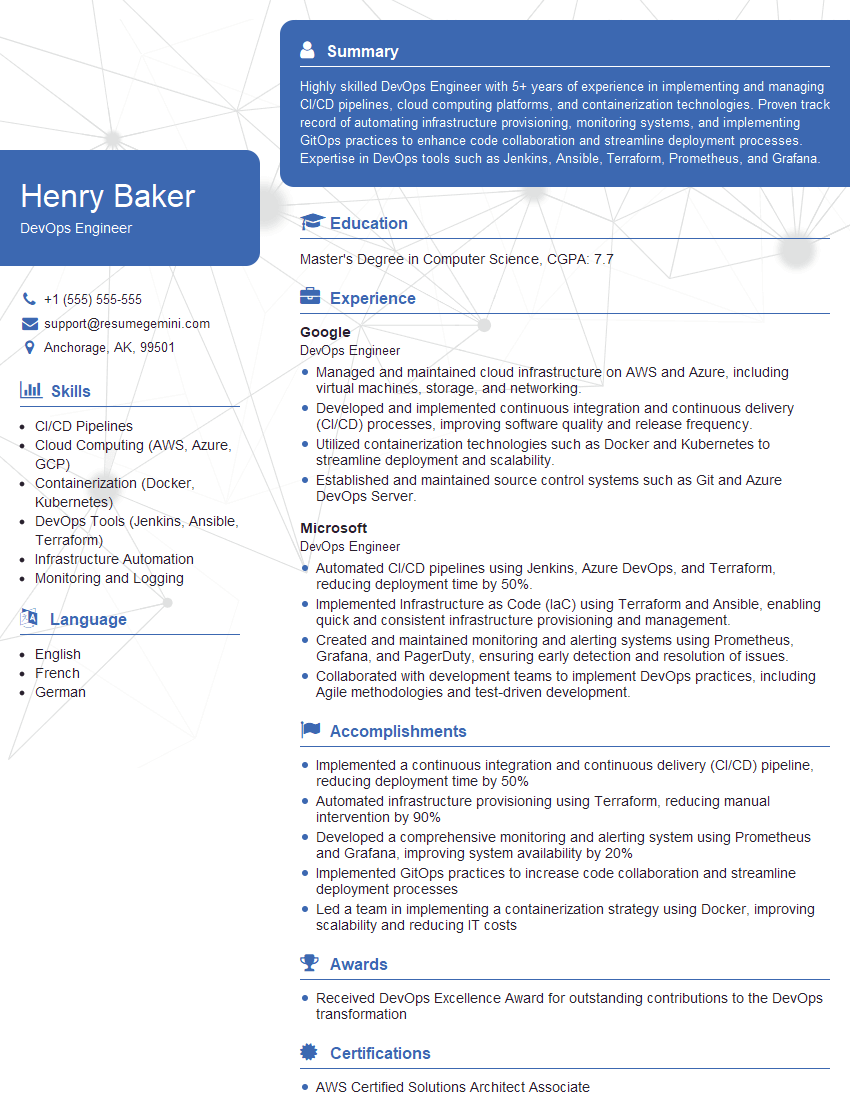
DevOps Engineer Resume Sample
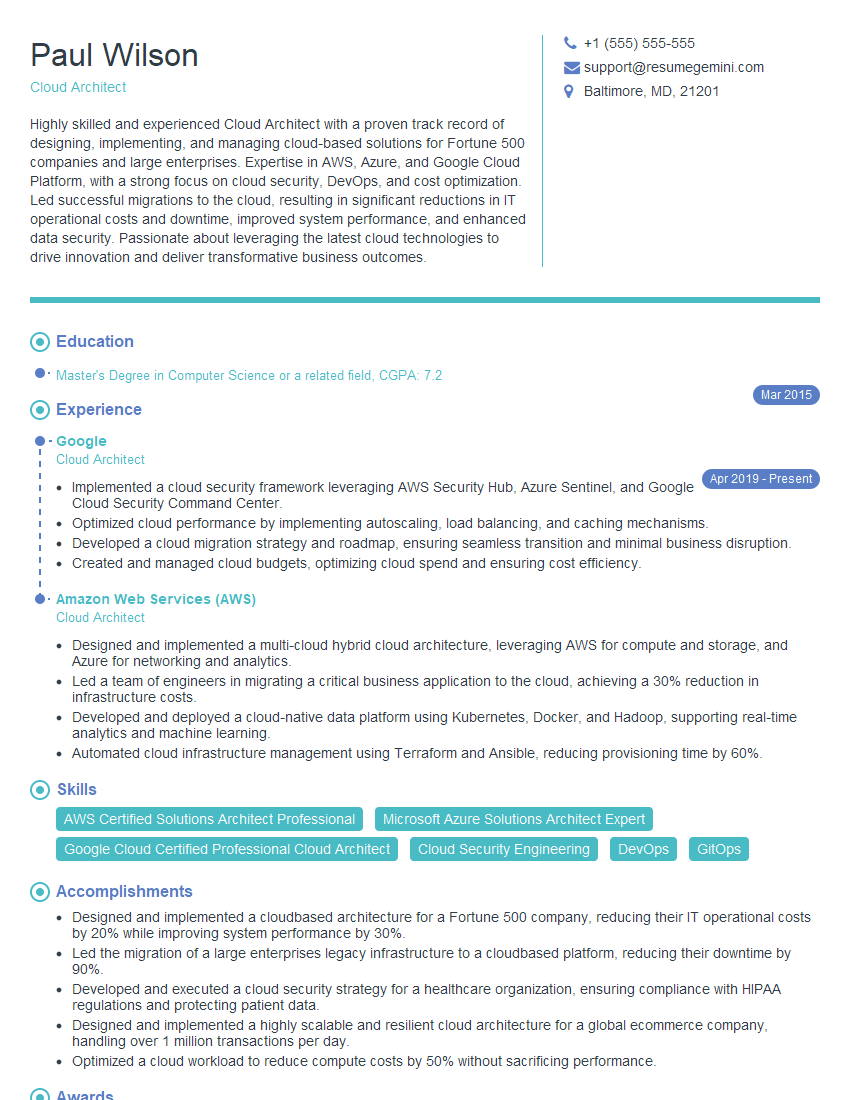
Cloud Architect Resume Sample
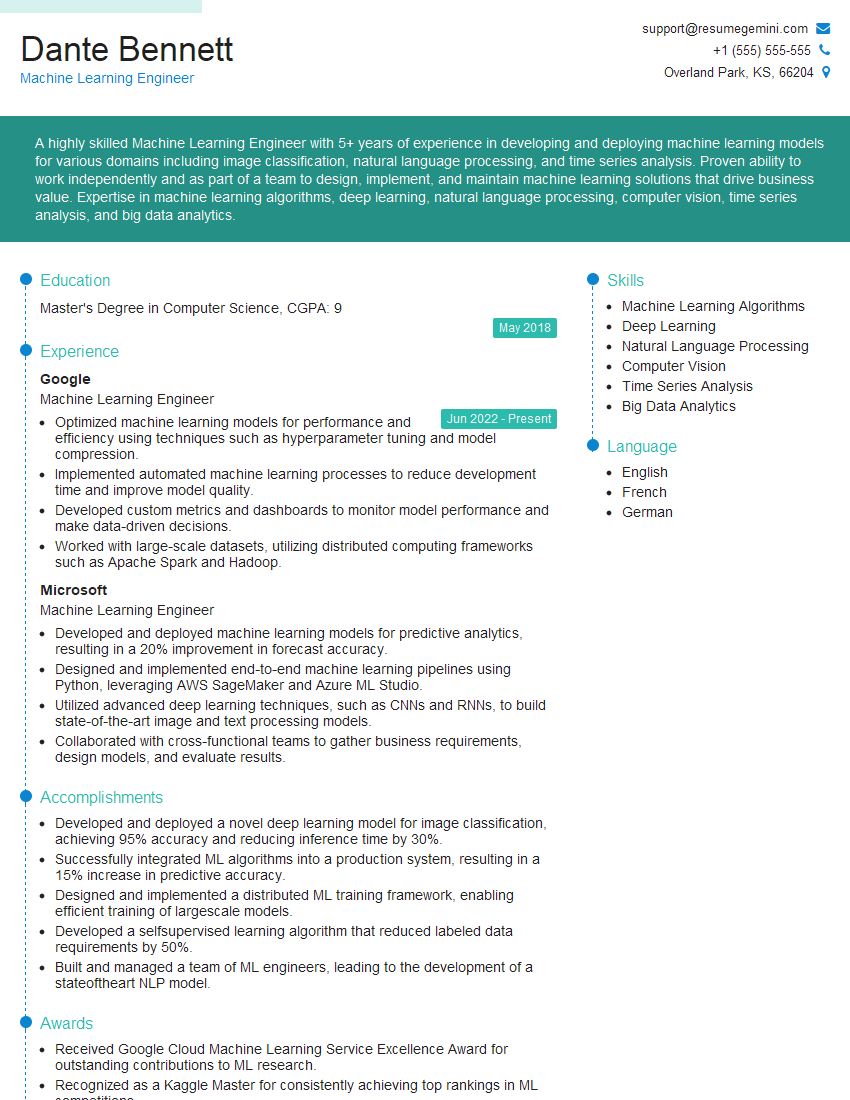
Machine Learning Engineer Resume Sample
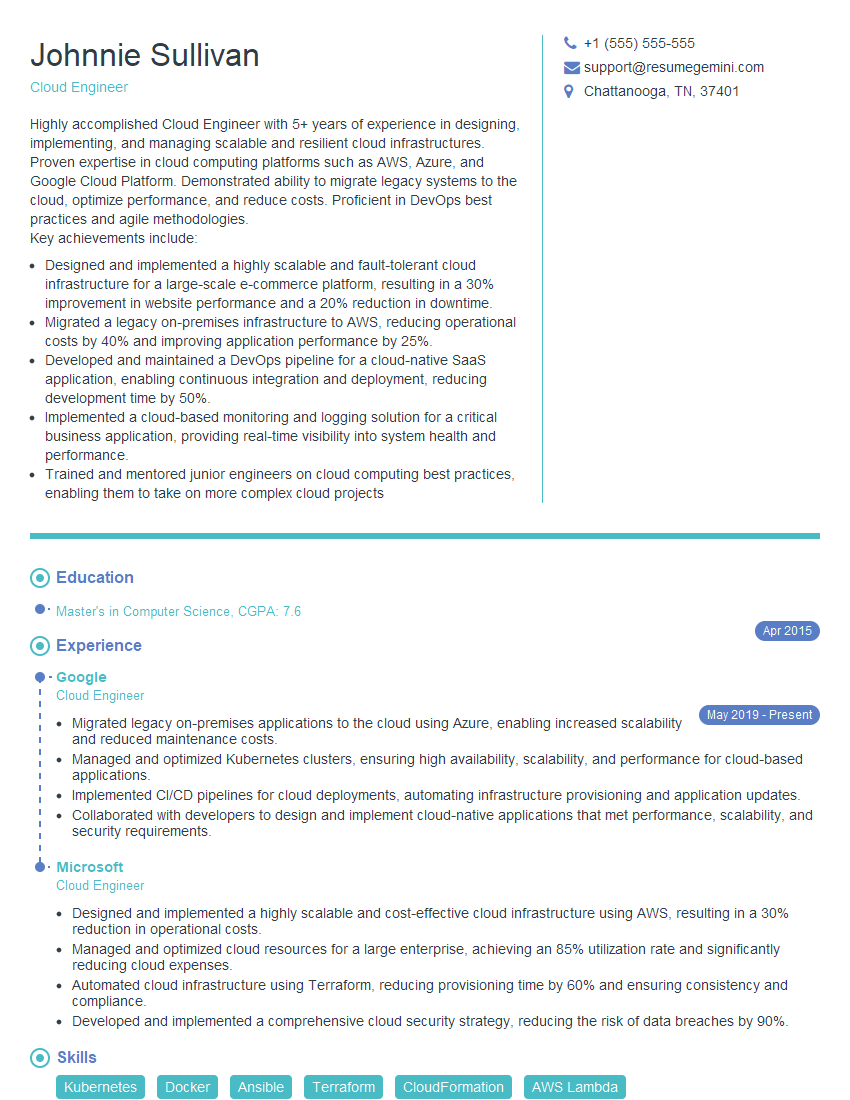
Cloud Engineer Resume Sample
- Technical Consultant
- Security Engineer
- Data Analyst
- Data Scientist
- Software Engineer
- Network Engineer
- Automation Engineer
- Infrastructure Engineer
- System Administrator
- IT Specialist
- Automation Specialist
- Database Administrator
- Technical Lead
- DevOps Engineer
- Cloud Architect
- Machine Learning Engineer
- Cloud Engineer
Explore more articles
Users Rating of Our Blogs
Share Your Experience
We value your feedback! Please rate our content and share your thoughts (optional).
What Readers Say About Our Blog
Really detailed insights and content, thank you for writing this detailed article.
IT gave me an insight and words to use and be able to think of examples