The thought of an interview can be nerve-wracking, but the right preparation can make all the difference. Explore this comprehensive guide to Measurement Error interview questions and gain the confidence you need to showcase your abilities and secure the role.
Questions Asked in Measurement Error Interview
Q 1. Explain the difference between systematic and random measurement error.
Measurement error, simply put, is the difference between a measured value and the true value. This error can be categorized into two main types: systematic and random. Systematic error is a consistent, repeatable error that affects all measurements in the same way. It’s like having a scale that consistently weighs everything 2 pounds heavier – the error is predictable and biased. Random error, on the other hand, is unpredictable and varies from measurement to measurement. Think of it as the slight variations you might get if you repeatedly measure the same object using a ruler – small differences are inherent in the process.
Let’s illustrate with an example: Imagine measuring the height of students. A systematic error could occur if the measuring tape is slightly stretched, consistently underestimating everyone’s height. Random error might result from slight inconsistencies in how each student stands during the measurement.
Q 2. Describe different sources of measurement error in surveys.
Surveys are particularly susceptible to measurement error, stemming from various sources. These include:
- Respondent error: This encompasses issues like recall bias (inaccurate memory), social desirability bias (respondents answering in a way they perceive as socially acceptable), and response bias (consistent tendencies to respond in a certain way, such as always agreeing).
- Interviewer error: The interviewer’s demeanor, phrasing of questions, or even unintentional leading questions can influence responses. For instance, an interviewer’s tone could subtly encourage a particular answer.
- Instrument error: Poorly designed questionnaires with ambiguous questions, confusing response options, or inappropriate question order can lead to inaccurate data. For instance, leading questions like “Don’t you agree that…” introduce bias.
- Sampling error: While not strictly measurement error, it affects the generalizability of results. A non-representative sample introduces systematic bias, leading to inaccurate inferences about the population.
Consider a survey on voting intentions. Recall bias might lead respondents to misremember their previous voting behavior, while social desirability bias could cause them to overstate their intention to vote for a popular candidate.
Q 3. How does measurement error impact the validity and reliability of research findings?
Measurement error significantly impacts both the validity and reliability of research findings. Validity refers to whether a study measures what it intends to measure. Measurement error reduces validity because inaccurate measurements provide a distorted view of the underlying reality. Reliability refers to the consistency of a measurement. Measurement error, especially random error, lowers reliability because repeated measurements will yield inconsistent results.
For example, a study on the effectiveness of a new drug that suffers from systematic measurement error in measuring blood pressure (e.g., due to faulty equipment) will have low validity because the results don’t accurately reflect the drug’s effect. If the same study has high random error in measuring patient symptoms, the reliability of the results would also be compromised, making replication difficult.
Q 4. What are some techniques used to detect and quantify measurement error?
Several techniques exist to detect and quantify measurement error. These include:
- Test-retest reliability: Administering the same measurement tool multiple times to the same subjects to assess consistency.
- Inter-rater reliability: Comparing measurements from multiple observers to check for agreement. For example, having two people independently code open-ended survey responses.
- Parallel-forms reliability: Using two equivalent forms of the same measurement tool to assess consistency. This checks for the instrument’s consistency across different forms.
- Analysis of variance (ANOVA): Statistical methods to partition the variability in data into different sources, including measurement error. If the error variance is high, it suggests substantial measurement error.
- Classical Test Theory (CTT): A framework for analyzing measurement error by decomposing an observed score into true score and error score.
These techniques help identify areas where the measurement process is flawed and quantify the magnitude of the error, allowing researchers to estimate the true score with greater accuracy.
Q 5. Explain the concept of bias in measurement error.
Bias in measurement error refers to a systematic deviation from the true value. It’s a consistent error that pushes the measurements in a particular direction, unlike random error, which is haphazard. Bias can lead to incorrect conclusions because it systematically distorts the data.
Examples of bias include:
- Acquiescence bias: A tendency to agree with statements regardless of content.
- Sampling bias: A non-representative sample that systematically excludes certain segments of the population.
- Observer bias: Researchers consciously or unconsciously influencing the measurements based on their expectations.
For instance, a biased survey question might lead respondents to overestimate their charitable donations, resulting in biased data that overestimates the true amount.
Q 6. Describe methods for correcting or mitigating measurement error.
Correcting or mitigating measurement error involves a multi-pronged approach:
- Improving measurement instruments: This could involve refining questionnaire design, using more precise equipment, or improving training for interviewers.
- Employing multiple measures: Using multiple methods to measure the same construct can help identify and minimize biases. For example, using both self-report and objective measures to assess a patient’s health.
- Using statistical methods: Techniques like regression analysis can help to adjust for known sources of bias.
- Trimming or winsorizing outliers: This is used cautiously to reduce the influence of extreme values likely caused by random errors.
- Data imputation: Replacing missing or corrupted data points with plausible values based on statistical models. However, it’s crucial to be aware of potential biases introduced by imputation.
Choosing the appropriate method depends on the nature of the error and the research context. Remember, complete correction is often impossible, but mitigation significantly improves data quality.
Q 7. How does measurement error affect statistical power?
Measurement error reduces statistical power, the probability of finding a statistically significant effect when one truly exists. High measurement error increases the variability in the data, making it harder to detect real effects. Essentially, the noise (error) obscures the signal (true effect).
Imagine a study comparing two treatments. If there’s substantial measurement error in assessing the treatment outcomes, the differences between the treatment groups may be obscured by the error variance, making it difficult to conclude that one treatment is truly superior. Consequently, the study might fail to reject the null hypothesis even if a true difference exists, leading to a Type II error (false negative).
Q 8. What is the difference between measurement error and sampling error?
Measurement error and sampling error are both sources of uncertainty in research, but they stem from different aspects of the data collection process. Sampling error refers to the difference between the characteristics of the sample you’ve selected and the characteristics of the population you’re trying to study. It’s essentially the error introduced by not having data from every single member of the population. Imagine trying to determine the average height of all adults in a country – you can only sample a portion, introducing sampling error. Measurement error, on the other hand, is the difference between the true value of a variable and the value obtained by measuring it. This error can be due to various factors such as instrument imprecision, observer bias, or respondent error. For example, using a faulty scale to measure weight will introduce measurement error, even if you measure every individual in the population. In essence, sampling error deals with the representativeness of your sample, while measurement error deals with the accuracy of your measurements, regardless of the sample size.
Q 9. Explain the concept of classical measurement error model.
The classical measurement error model assumes that an observed score (X) is the sum of a true score (T) and a random error (ε): X = T + ε. The true score represents the true value of the variable being measured, while the error term (ε) captures all sources of measurement error. This model assumes that the error term has a mean of zero (E(ε) = 0), is uncorrelated with the true score (Cov(T, ε) = 0), and is uncorrelated with other variables in your model. A crucial implication is that measurement error is assumed to be random and unbiased. This model simplifies the complexities of measurement error, offering a framework for understanding and addressing its consequences in statistical analysis. For instance, if we’re measuring blood pressure, the true score is the patient’s actual blood pressure, and the error could be caused by a slightly inaccurate instrument or inconsistencies in measurement technique. The classical model provides a basis for techniques like attenuation correction.
Q 10. How does attenuation affect regression analysis?
Attenuation refers to the underestimation of the true relationship between variables due to measurement error. In regression analysis, if either the independent or dependent variable (or both) is measured with error, the estimated regression coefficient will be biased towards zero. This means that the observed correlation or association between the variables will be weaker than the true correlation. Imagine you’re studying the relationship between years of education and income. If you have inaccurate measures of either education level or income, the estimated relationship between them might be weaker than the true relationship. This attenuation is particularly problematic when studying causal relationships, as it can lead to incorrect conclusions about the strength of the effect. Techniques exist to correct for attenuation, but they require assumptions about the nature and magnitude of the measurement error.
Q 11. How can you assess the reliability of a measurement instrument?
Assessing the reliability of a measurement instrument focuses on its consistency and reproducibility. Several methods exist, including:
- Test-retest reliability: Administering the same test to the same individuals at two different times and correlating the scores. A high correlation indicates good test-retest reliability.
- Internal consistency reliability: Assessing the consistency of items within a test or questionnaire, often using Cronbach’s alpha. This measures how well the items are correlated with each other, reflecting the internal consistency of the instrument.
- Inter-rater reliability: Having multiple raters independently assess the same individuals or items and then correlating their ratings. High agreement indicates good inter-rater reliability. This is particularly important for subjective measurements.
The choice of method depends on the nature of the measurement instrument and the research question. For example, if you are evaluating a new anxiety scale, both test-retest and internal consistency reliability would be crucial.
Q 12. What are the implications of measurement error in causal inference?
Measurement error significantly impacts causal inference. Inaccurate measurements can lead to biased estimates of causal effects, making it difficult to determine the true relationship between cause and effect. For example, if you’re studying the effect of a new drug on blood pressure, and your blood pressure measurements are unreliable, you might incorrectly conclude that the drug has no effect or even that it has the opposite effect. Measurement error can lead to both bias and reduced statistical power, hindering your ability to draw valid causal conclusions. Techniques like instrumental variables or regression discontinuity designs are sometimes used to mitigate the effects of measurement error in causal inference, but careful consideration of measurement error is crucial for valid causal analysis.
Q 13. Describe different approaches to handling missing data related to measurement error.
Missing data due to measurement error presents significant challenges. Several approaches can be used:
- Imputation methods: Replacing missing values with plausible estimates. Simple methods include mean or median imputation, while more sophisticated approaches involve multiple imputation which accounts for uncertainty in the imputed values.
- Maximum likelihood estimation: A statistical technique that estimates parameters by maximizing the likelihood of observing the available data. This method can account for missing data under certain assumptions.
- Model-based approaches: Incorporate the mechanism of missingness into the statistical model. For example, using a mixed-effects model can account for both measurement error and missing data.
The best approach depends on the pattern of missing data, the nature of the measurement error, and the assumptions that can reasonably be made. It’s crucial to thoroughly investigate the reasons for missing data and choose the method that best addresses the specific context of the data.
Q 14. Explain how you would assess the validity of a new measurement instrument.
Assessing the validity of a new measurement instrument focuses on whether it accurately measures the construct it intends to measure. This involves examining several aspects:
- Content validity: Does the instrument comprehensively cover all aspects of the construct? This often involves expert review and careful consideration of the construct’s definition.
- Criterion validity: Does the instrument correlate with other established measures (criterion) of the same construct? This could involve comparing scores on the new instrument to scores on a well-established, gold-standard measure.
- Construct validity: Does the instrument behave as expected based on theoretical understanding of the construct? This involves examining relationships between the instrument’s scores and other related variables, consistent with theoretical predictions.
Establishing validity requires multiple lines of evidence, and different types of validity are relevant depending on the research question and the nature of the instrument being developed. For example, a new scale for measuring job satisfaction would need to show strong correlations with other measures of job satisfaction (criterion validity) and have items that are clearly relevant to job satisfaction (content validity). A thorough validation process is essential for ensuring the quality and utility of a new measurement instrument.
Q 15. Discuss the role of error propagation in measurement uncertainty.
Error propagation refers to how uncertainties in individual measurements accumulate and affect the uncertainty of a calculated result. Imagine baking a cake: if your measuring cup is slightly off, that small error will propagate through the entire recipe, potentially affecting the final taste and texture. In measurement uncertainty, this means that even small errors in individual measurements can lead to significantly larger errors in the final outcome, especially when calculations involve multiple measurements. For instance, if you’re calculating the area of a rectangle and you have small errors in both length and width measurements, those errors will compound when multiplied together to find the area. The magnitude of the error propagation depends on the mathematical operations involved. Addition and subtraction propagate errors linearly, while multiplication and division propagate errors multiplicatively. Advanced techniques, like the law of propagation of uncertainty, help quantify the overall uncertainty resulting from individual measurement errors.
Career Expert Tips:
- Ace those interviews! Prepare effectively by reviewing the Top 50 Most Common Interview Questions on ResumeGemini.
- Navigate your job search with confidence! Explore a wide range of Career Tips on ResumeGemini. Learn about common challenges and recommendations to overcome them.
- Craft the perfect resume! Master the Art of Resume Writing with ResumeGemini’s guide. Showcase your unique qualifications and achievements effectively.
- Don’t miss out on holiday savings! Build your dream resume with ResumeGemini’s ATS optimized templates.
Q 16. How does measurement error affect the interpretation of confidence intervals?
Measurement error directly impacts the interpretation of confidence intervals. Confidence intervals aim to provide a range within which a true population parameter is likely to fall. However, if the measurements used to construct the confidence interval are plagued with systematic or random error, the interval itself will be misrepresented. A systematic error, such as a consistently biased instrument, will shift the entire confidence interval away from the true value. This means the interval might not actually contain the true value even though it’s calculated correctly based on the flawed data. Random error, on the other hand, will inflate the width of the confidence interval, making it appear less precise than it should be. In essence, measurement error obscures the true precision of our estimates; we may believe our results are more or less precise than they really are, affecting the reliability of our conclusions. Careful consideration of measurement error is crucial for accurate interpretation of confidence intervals.
Q 17. Explain the concept of sensitivity and specificity in measurement error.
In the context of measurement error, sensitivity and specificity are related to the accuracy of a measurement instrument or test in identifying true positives and true negatives. Sensitivity refers to the instrument’s ability to correctly identify individuals who truly possess the characteristic being measured (true positives). A highly sensitive test will rarely miss a true case. Specificity, conversely, refers to the ability of the instrument to correctly identify individuals who do not possess the characteristic (true negatives). A highly specific test will rarely incorrectly classify a negative case as positive. For example, in medical diagnostics, a highly sensitive test for a disease might produce some false positives (incorrectly identifying healthy individuals as sick), but it will rarely miss someone who actually has the disease. A highly specific test will minimize false positives but might miss some true cases (false negatives). The optimal balance between sensitivity and specificity depends on the context and the consequences of false positives versus false negatives.
Q 18. What are some methods for reducing measurement error in experimental designs?
Reducing measurement error is vital for robust research. Several methods exist to achieve this:
- Calibration and validation of instruments: Regularly check and calibrate measuring devices against known standards to ensure accuracy and precision.
- Using multiple measurements: Taking multiple measurements of the same quantity and averaging them can reduce random error. Techniques like repeated measures analysis in statistics helps handle this.
- Employing standardized procedures: Establishing detailed protocols for data collection and recording minimizes inconsistencies due to human error.
- Blinding or masking: When possible, blinding researchers or participants to the treatment or condition being measured can reduce bias. For example, in drug trials, a double-blind study prevents bias from influencing the results.
- Using multiple observers or raters: Involves inter-rater reliability checks, ensuring consistency across different data collectors.
- Improving instrument design: Enhancing the precision and robustness of measuring instruments helps minimize error.
Q 19. How do you handle measurement error in longitudinal studies?
Longitudinal studies, which track individuals over time, present unique challenges for handling measurement error. Error can vary over time, and ignoring it can lead to biased estimates of change and correlations. Several approaches help address this:
- Modeling error as a random effect: Incorporating random effects in statistical models accounts for individual-specific error variation over time.
- Using latent growth curve modeling: This sophisticated statistical technique models the underlying true scores and their change over time while accounting for measurement error.
- Multiple measurements at each time point: Taking multiple measurements at each time point and averaging them helps reduce random error at each assessment.
- Addressing attrition: Participant dropout in longitudinal studies can create bias; analyzing data while accounting for attrition is crucial. Statistical approaches like multiple imputation can handle missing data due to attrition.
Q 20. Explain the concept of instrument validity and its relation to measurement error.
Instrument validity refers to how well a measurement instrument actually measures what it is intended to measure. It’s a critical concept closely tied to measurement error. If an instrument lacks validity, the measurements it produces will be systematically biased, leading to significant measurement error. For example, a scale that consistently reads 2 pounds heavier than the actual weight is not a valid instrument for weighing. Different types of validity exist, including content validity (does it cover the full range of the concept?), criterion validity (does it correlate with other established measures?), and construct validity (does it measure the intended theoretical construct?). High instrument validity directly minimizes measurement error by ensuring the instrument accurately reflects the true value being measured. Assessing and improving instrument validity is a crucial step in reducing measurement error and improving the overall quality of research.
Q 21. Describe different types of reliability (e.g., test-retest, inter-rater).
Reliability in measurement refers to the consistency and stability of a measurement instrument. Several types exist:
- Test-retest reliability: Measures the consistency of a test over time. If the same individual is measured multiple times with the same instrument, the results should be similar. The correlation between the scores from different testing times reflects the test-retest reliability.
- Inter-rater reliability: Assesses the consistency of ratings or measurements across different observers or raters. High inter-rater reliability indicates that different people using the same instrument would obtain similar results.
- Internal consistency reliability (e.g., Cronbach’s alpha): Evaluates the consistency of items within a scale or test. It measures how well the items correlate with each other, indicating whether they are all measuring the same underlying construct.
Q 22. What is the impact of measurement error on effect size estimation?
Measurement error, the difference between a measured value and the true value, significantly impacts effect size estimation. Effect size quantifies the strength of a relationship between variables. If our measurements are inaccurate, our calculated effect size will be biased, potentially underestimating or overestimating the true effect. Imagine trying to measure the effectiveness of a new drug: if our measurement tools for patient improvement are flawed, we might conclude the drug is less (or more) effective than it actually is. This bias leads to unreliable conclusions and potentially incorrect decisions based on the research.
For instance, if we’re studying the correlation between height and weight, inaccurate height measurements (e.g., due to inconsistent measuring techniques) will weaken the observed correlation, leading to an underestimated effect size. Conversely, systematic overestimation in weight measurements would inflate the observed correlation and effect size.
The degree of bias depends on the magnitude and type of measurement error (random vs. systematic). Random error tends to average out over many measurements, while systematic error consistently pushes the measured values in one direction, leading to more significant bias.
Q 23. Discuss how you would use Monte Carlo simulations to investigate the impact of measurement error.
Monte Carlo simulations are invaluable for exploring the impact of measurement error. We simulate data sets incorporating different levels and types of measurement error, then analyze how these errors affect our statistical inferences.
Here’s a step-by-step process:
- Define the true data generating process: Specify the relationships between variables without measurement error. This might involve setting parameters for a linear regression model, for example.
- Introduce measurement error: Add random or systematic noise to the simulated data. This can be done by adding random numbers from a specified distribution (e.g., normal distribution) to the true values. The parameters of this distribution (mean and standard deviation) control the magnitude and nature of the error.
- Perform analyses: Run statistical analyses on the error-ridden data (e.g., regression, correlation). Repeat this process many times (hundreds or thousands of simulations) to obtain a distribution of effect size estimates.
- Compare results: Compare the distribution of effect sizes obtained from the simulated data with the true effect size from step 1. The difference highlights the impact of the measurement error. We can quantify the bias and the increased variability in effect size estimations.
For instance, we could simulate data for a study on the effect of exercise on blood pressure. We’d simulate ‘true’ blood pressure values, then add random error to represent measurement inaccuracies from a blood pressure cuff. Running multiple simulations reveals how measurement error affects our estimate of the exercise-blood pressure relationship.
Q 24. Explain how to use latent variable models to account for measurement error.
Latent variable models, such as structural equation modeling (SEM), are powerful tools for handling measurement error. They posit that our observed variables are imperfect indicators of underlying latent variables, which represent the true constructs we’re interested in. This approach acknowledges that measurement instruments are subject to error and provides a framework to estimate the true relationships between the latent variables.
In SEM, we specify a model showing how observed variables are related to latent variables and how latent variables relate to each other. The model is estimated using statistical methods that account for measurement error in the observed variables. The model estimates both the relationships between the latent variables and the reliability of the observed variables.
For example, consider measuring intelligence. We might use multiple tests (e.g., verbal reasoning, spatial reasoning). Each test has measurement error. An SEM model would posit an underlying latent variable ‘intelligence’ and specify how each observed test score relates to this latent variable, accounting for measurement error in each test. The model estimates the true relationship between, say, intelligence and academic performance.
Q 25. How would you evaluate the quality of data collected from sensors?
Evaluating sensor data quality involves several steps focusing on accuracy, precision, and stability. We need to assess both the sensor itself and the data collection process.
- Calibration and Validation: Compare sensor readings against a known standard or gold standard measurement. This determines accuracy – how close the readings are to the true values. Regular calibration is crucial.
- Precision: Analyze the variability of repeated measurements under stable conditions. Low variability indicates high precision. We can use statistics like the standard deviation to quantify precision.
- Drift: Check for systematic changes in sensor readings over time (drift). This can indicate sensor degradation or environmental influences. Plotting readings over time helps detect drift.
- Linearity: Assess whether the sensor response is linear across its operating range. Non-linearity might require adjustments to the data analysis.
- Data Consistency Checks: Look for inconsistencies or unrealistic values within the dataset. Extreme values (outliers) or values outside the sensor’s operating range warrant investigation.
- Environmental Factors: Consider how temperature, humidity, or other environmental conditions might affect sensor readings. Control for these factors or compensate for their influence in data analysis.
For instance, if we use a sensor to measure temperature in an industrial process, we would compare its readings to a calibrated thermometer, assess the repeatability of measurements, and monitor for drift over time. These checks ensure the sensor provides reliable data for process control.
Q 26. Describe some techniques to detect outliers related to measurement error.
Outliers related to measurement error can be detected using several techniques. It’s crucial to distinguish between outliers due to measurement error and those reflecting true extreme values.
- Visual Inspection: Plotting the data (histograms, scatter plots) helps identify values that significantly deviate from the rest. This is a simple but effective initial step.
- Box Plots: Box plots clearly show the median, quartiles, and outliers (points outside the whiskers). Outliers that fall far from the main data mass are likely due to error.
- Z-scores: Calculate Z-scores for each data point. Z-scores indicate how many standard deviations a data point is from the mean. Values with very large absolute Z-scores (e.g., |Z| > 3) are potential outliers.
- Modified Z-scores: These are less sensitive to outliers than standard Z-scores. They are calculated using the median and median absolute deviation instead of the mean and standard deviation.
- Robust regression methods: Techniques like least absolute deviations (LAD) regression are less sensitive to outliers than ordinary least squares regression.
It’s important to investigate potential outliers. If an outlier is deemed to be due to measurement error, it might be removed or replaced using imputation methods. However, if there’s a valid reason for the outlier (e.g., a true extreme value), it should not be removed arbitrarily.
Q 27. What are the ethical implications of measurement error in research?
Measurement error has significant ethical implications in research. Inaccurate data can lead to:
- Misleading conclusions: Incorrect inferences about treatment efficacy, risk factors, or other phenomena can have serious consequences, particularly in health research or policy decisions.
- Unjustified interventions: Erroneous findings might lead to the adoption of ineffective or even harmful interventions, wasting resources and potentially causing harm to individuals or populations.
- Inequitable resource allocation: Biased research results can lead to the unequal distribution of resources, with certain groups unfairly disadvantaged.
- Erosion of public trust: When research findings are shown to be based on unreliable data, it erodes public confidence in science and research institutions.
Researchers have a moral obligation to minimize measurement error through careful study design, rigorous data collection methods, and thorough quality control procedures. Transparency in reporting limitations and potential sources of error is also crucial for maintaining ethical standards.
Q 28. How can you communicate findings related to measurement error to a non-technical audience?
Communicating findings about measurement error to a non-technical audience requires clear and concise language, avoiding jargon. Use analogies and visual aids to enhance understanding.
For instance, instead of saying ‘The study showed a significant attenuation of the effect size due to measurement error,’ you could say ‘Our measurements weren’t perfect, and that made the effect look smaller than it really might be. It’s like trying to measure the height of a building with a bent ruler – you won’t get the accurate height.’
Focus on the implications of the error for the study’s conclusions. If the error is small and doesn’t significantly alter the main findings, emphasize the robustness of the results. If the error is substantial, clearly state the limitations and the uncertainty associated with the findings. Graphs and charts, showing the magnitude of the error and its potential impact, can make complex information more accessible. Emphasize the steps taken to minimize error and the need for future research to refine measurement techniques.
Key Topics to Learn for Measurement Error Interview
- Types of Measurement Error: Understand the difference between systematic and random error, and their impact on data analysis. Explore examples like bias, instrument error, and observer error.
- Sources of Measurement Error: Identify potential sources of error in various research designs and methodologies. Consider the role of sampling techniques, instrument limitations, and human factors.
- Assessing Measurement Error: Learn techniques for quantifying and evaluating measurement error, including reliability analysis (e.g., Cronbach’s alpha, test-retest reliability) and validity studies (e.g., content, criterion, and construct validity).
- Minimizing Measurement Error: Explore strategies for reducing measurement error throughout the research process. This includes improving instrument design, training observers, and employing rigorous data collection procedures.
- Impact on Statistical Inference: Understand how measurement error affects statistical analyses, such as regression analysis and hypothesis testing. Learn about methods to account for measurement error in analyses.
- Practical Applications: Explore real-world applications of understanding and mitigating measurement error across various fields like healthcare, social sciences, and engineering. Consider case studies to solidify your understanding.
- Advanced Topics (for Senior Roles): Explore advanced techniques such as structural equation modeling (SEM) and latent variable analysis to model and account for complex measurement error structures.
Next Steps
Mastering Measurement Error is crucial for a successful career in data analysis, research, and related fields. A strong understanding of these concepts demonstrates your analytical skills and ability to draw reliable conclusions from data – highly sought-after qualities in today’s job market. To maximize your job prospects, crafting an ATS-friendly resume is essential. ResumeGemini can help you build a professional and impactful resume that highlights your expertise in Measurement Error and gets you noticed by recruiters. Examples of resumes tailored to Measurement Error are available within ResumeGemini to provide inspiration and guidance. Invest time in building a strong resume; it’s your first impression on potential employers.

Reliability Engineer Resume Sample

Quantitative Analyst Resume Sample
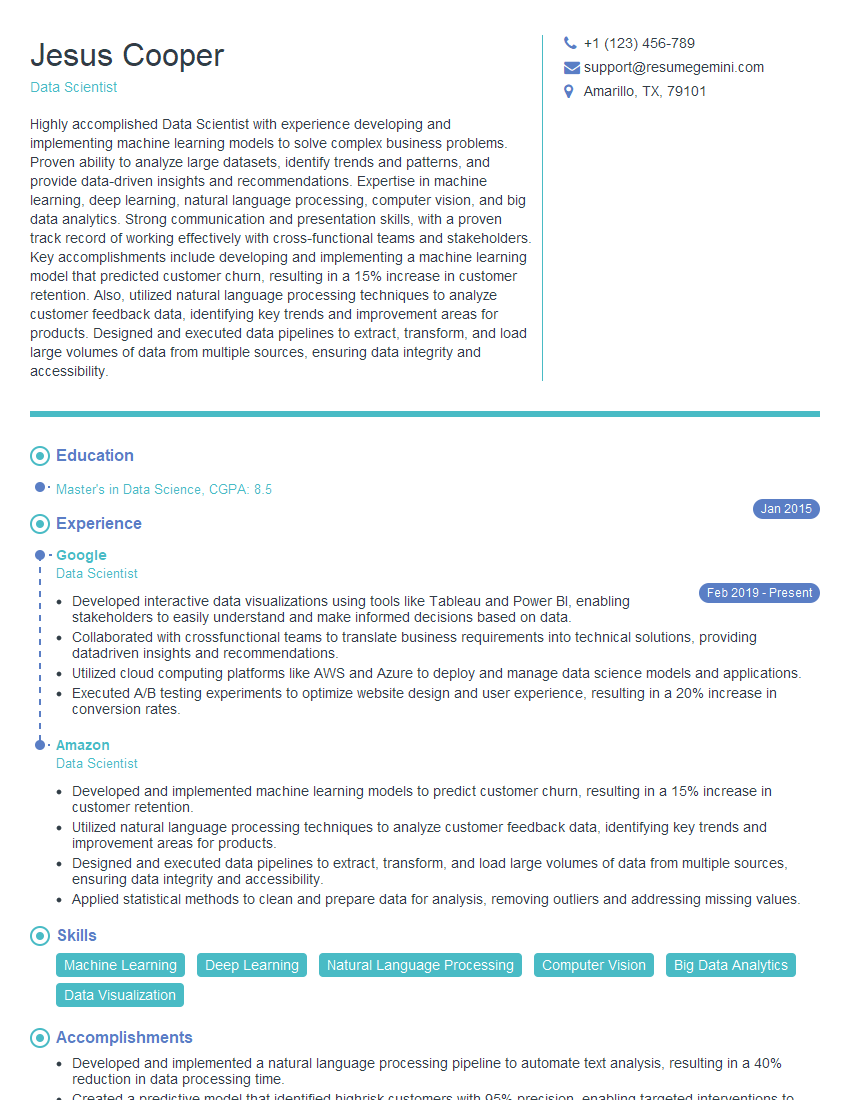
Data Scientist Resume Sample
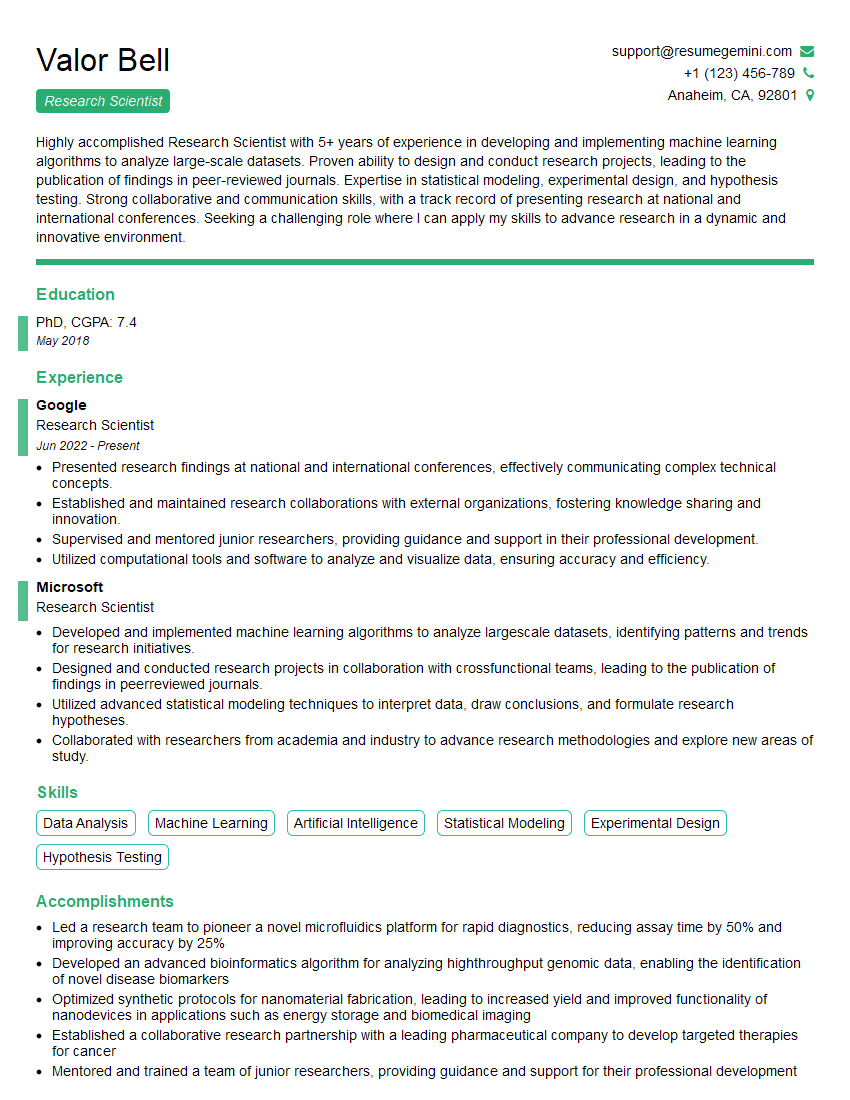
Research Scientist Resume Sample
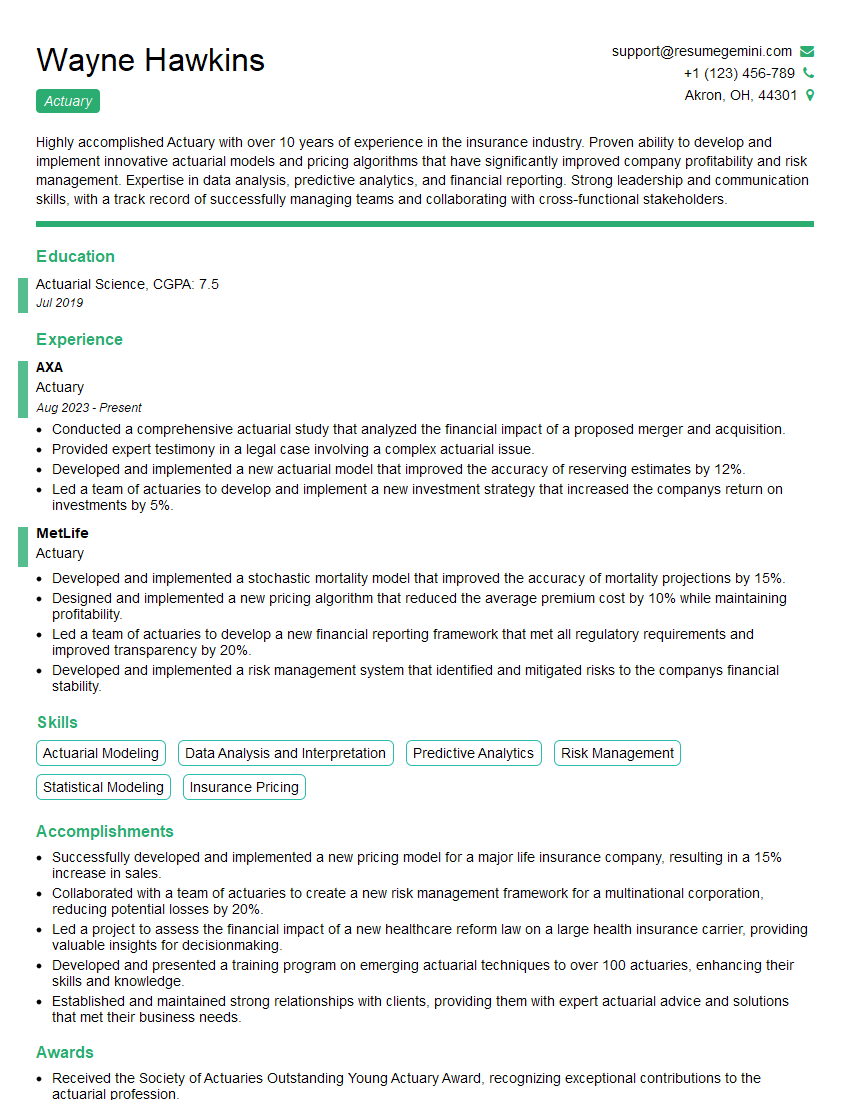
Actuary Resume Sample

Operations Research Analyst Resume Sample
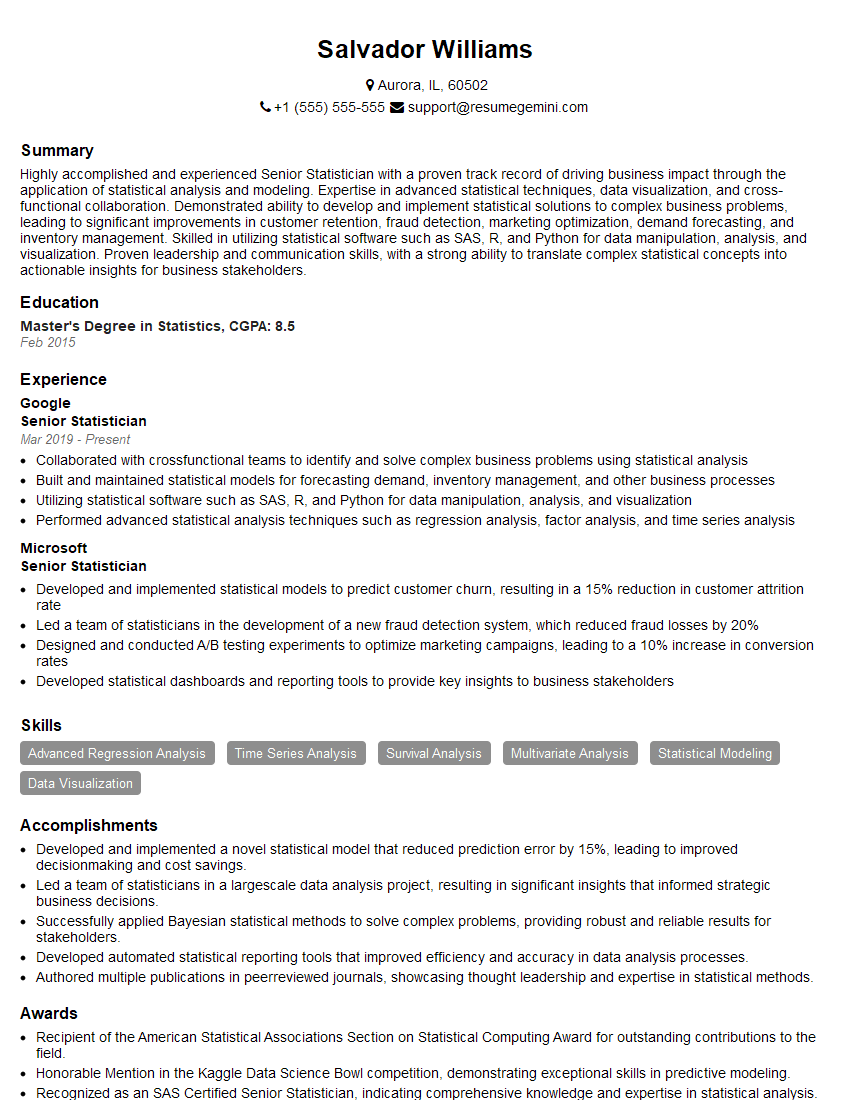
Senior Statistician Resume Sample

Statistical Analyst Resume Sample
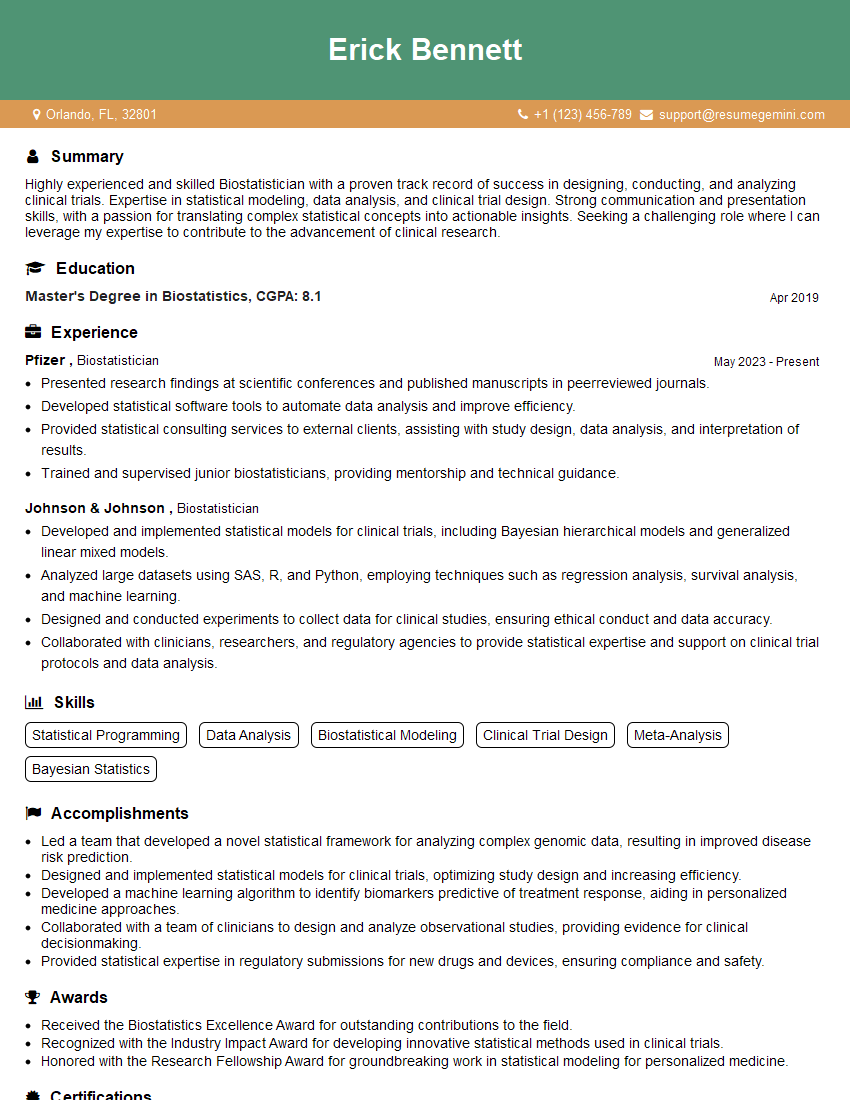
Biostatistician Resume Sample
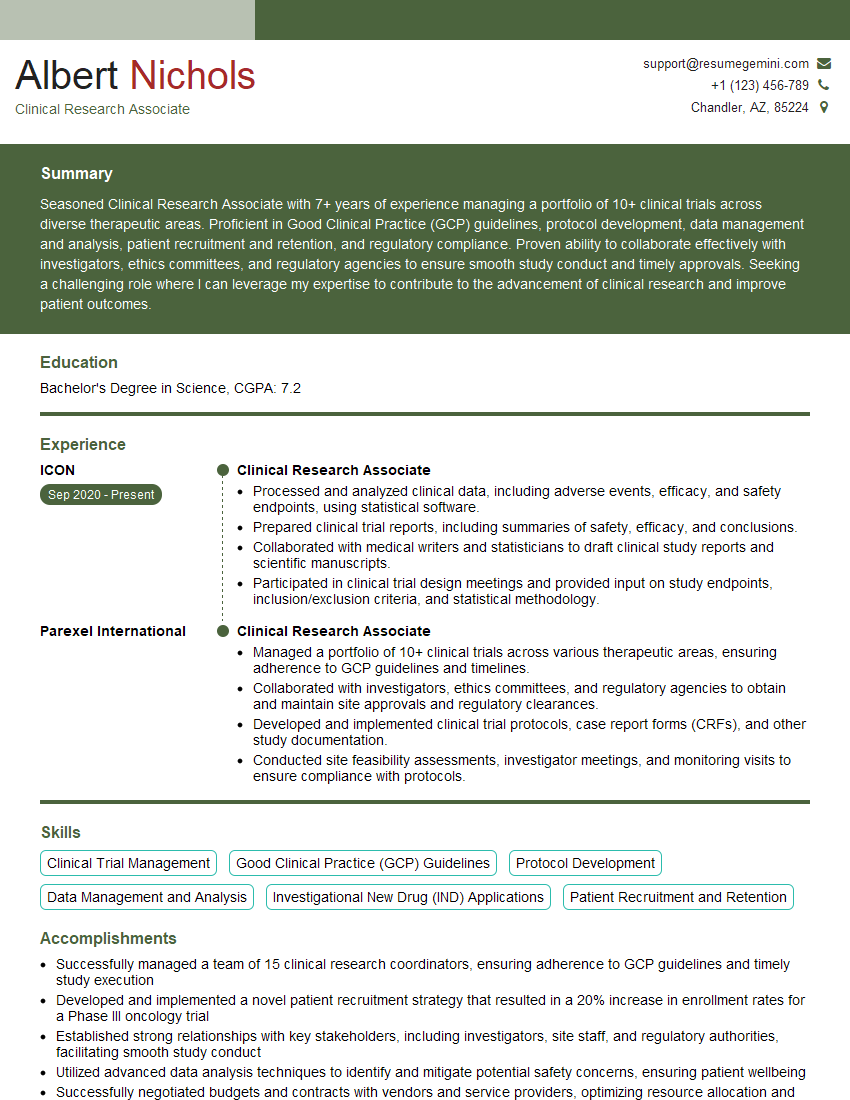
Clinical Research Associate Resume Sample
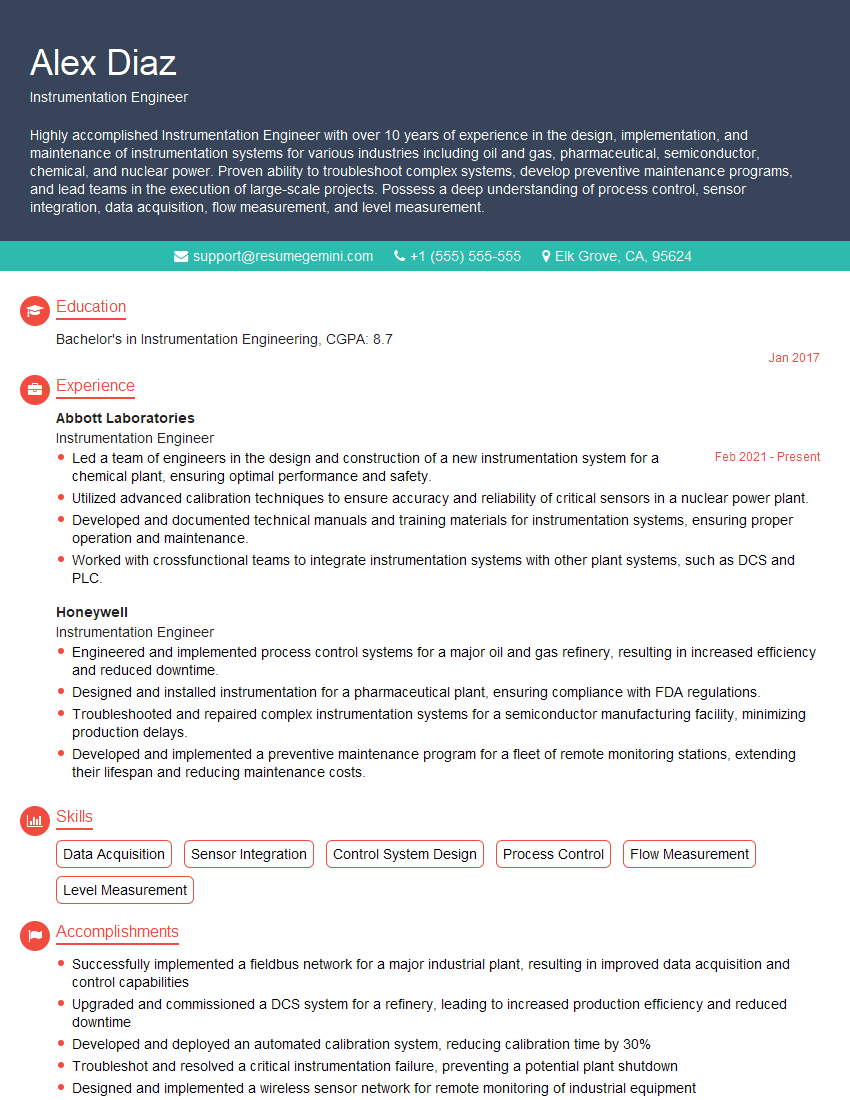
Instrumentation Engineer Resume Sample
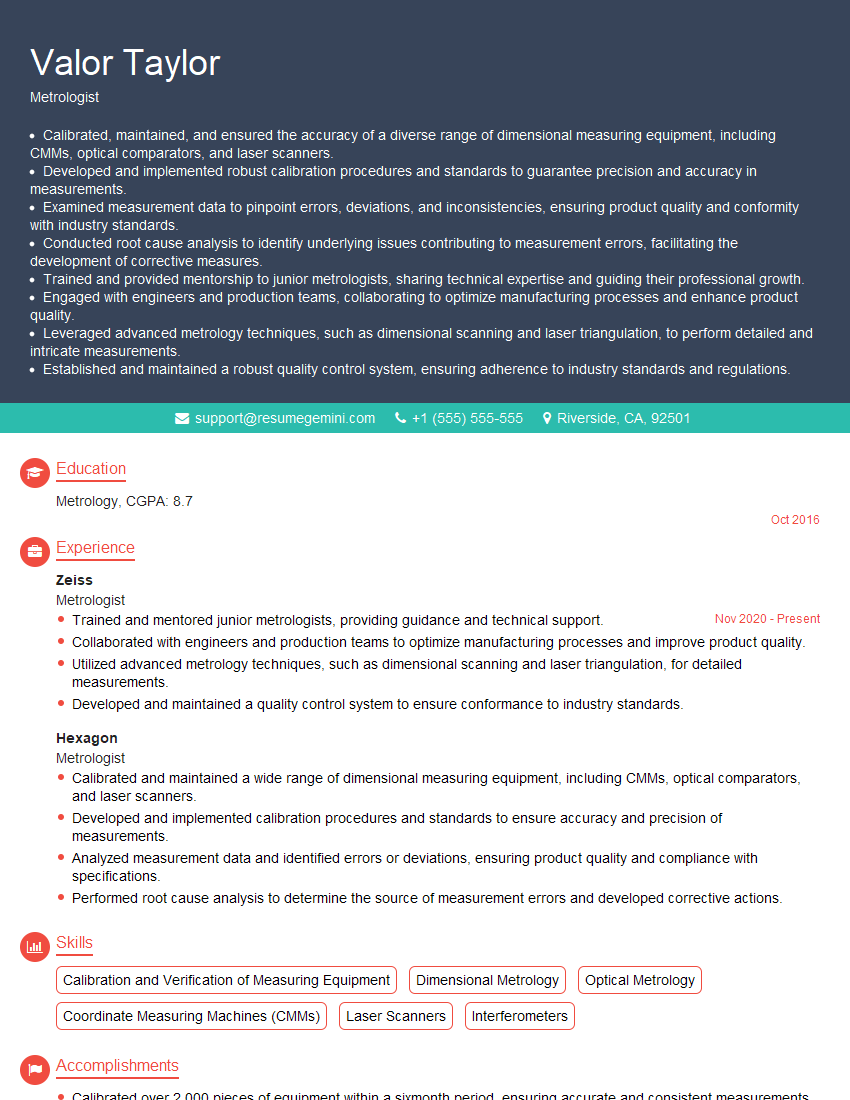
Metrologist Resume Sample
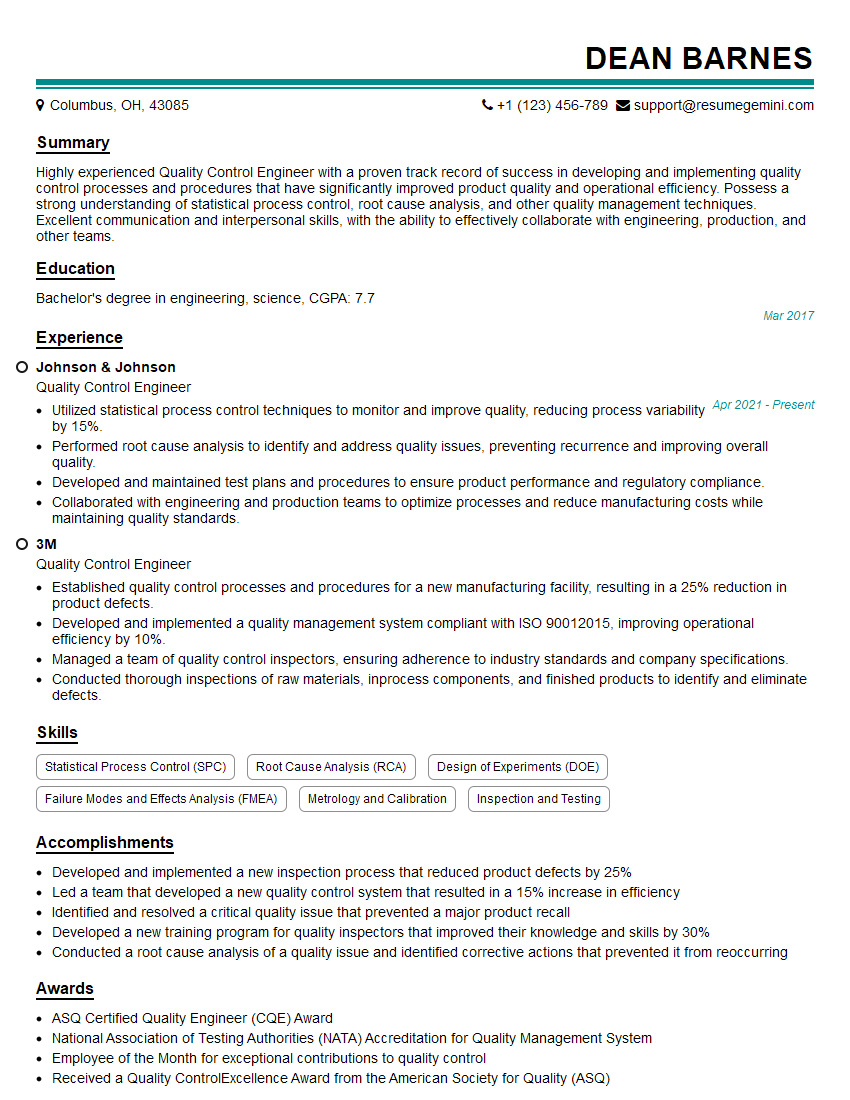
Quality Control Engineer Resume Sample
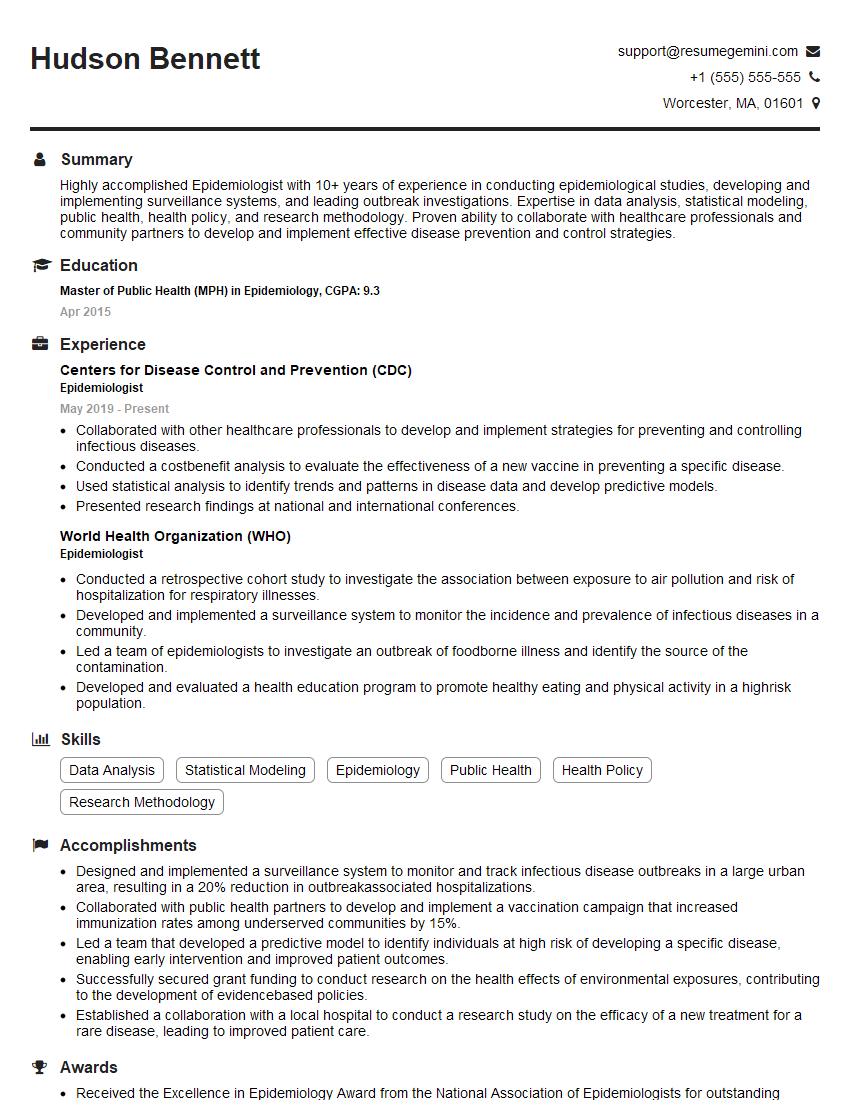
Epidemiologist Resume Sample
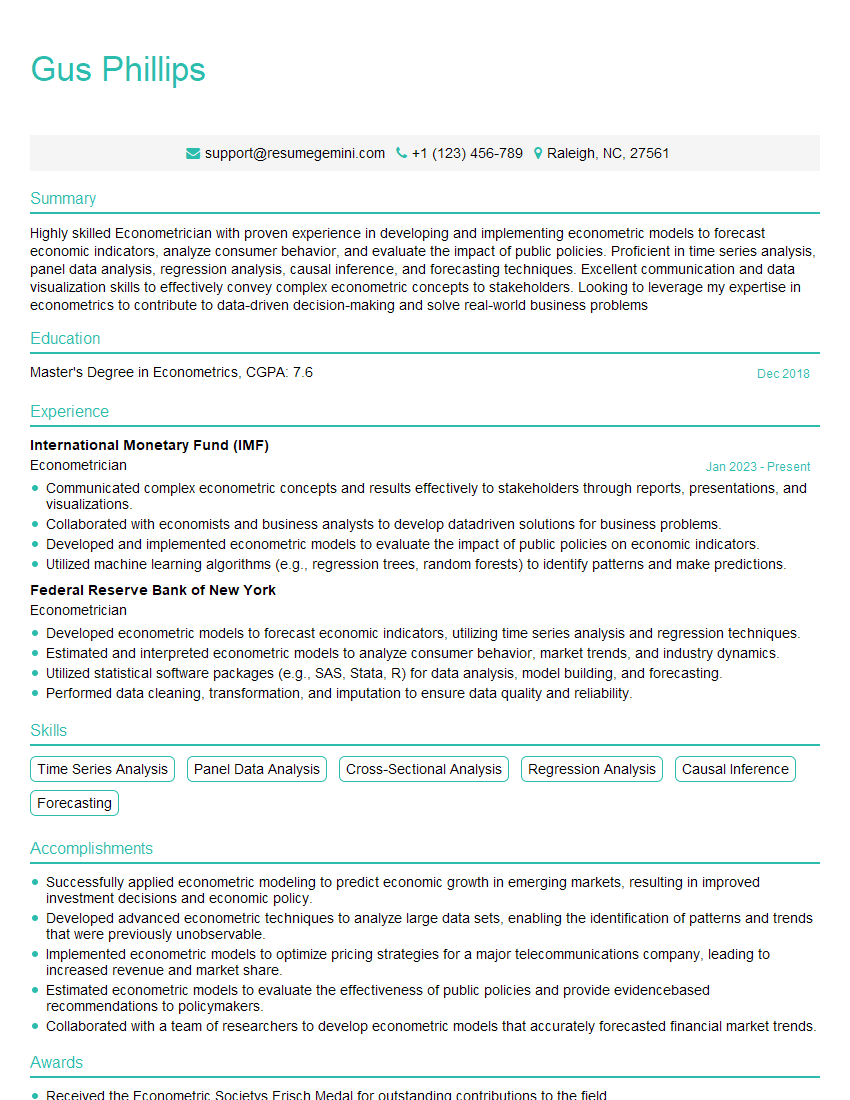
Econometrician Resume Sample
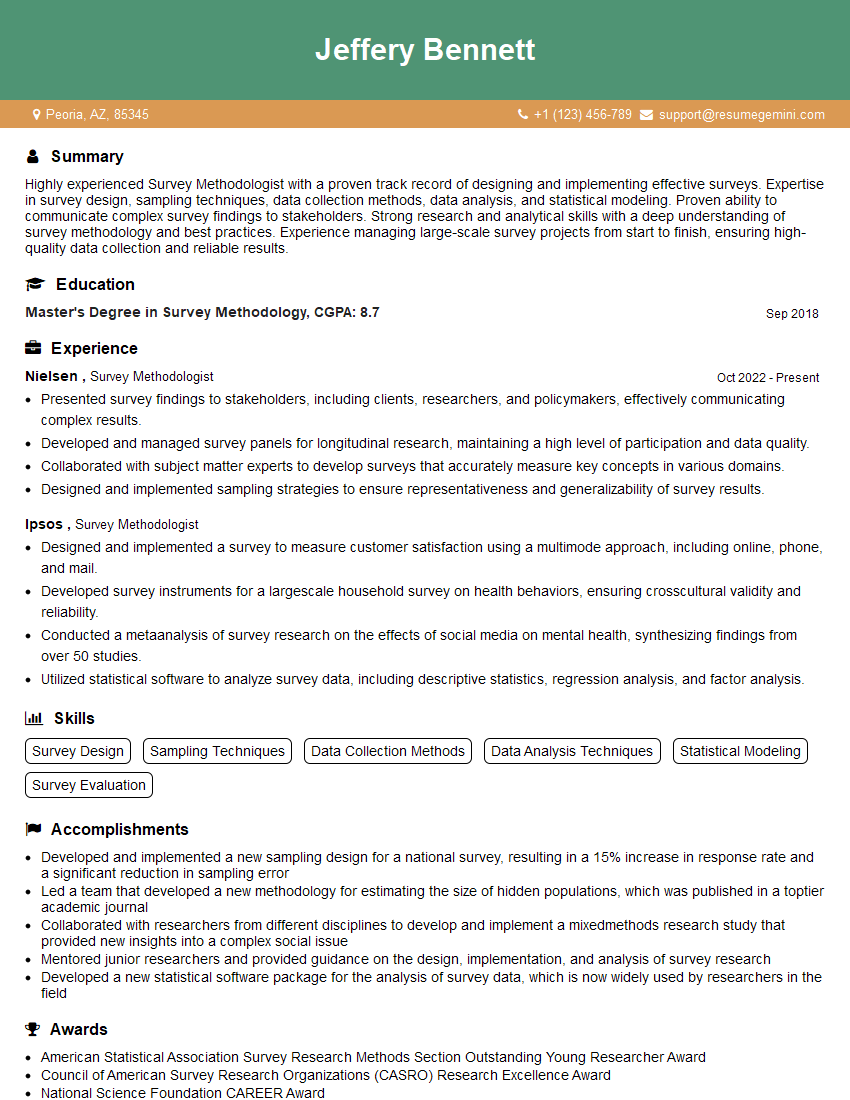
Survey Methodologist Resume Sample
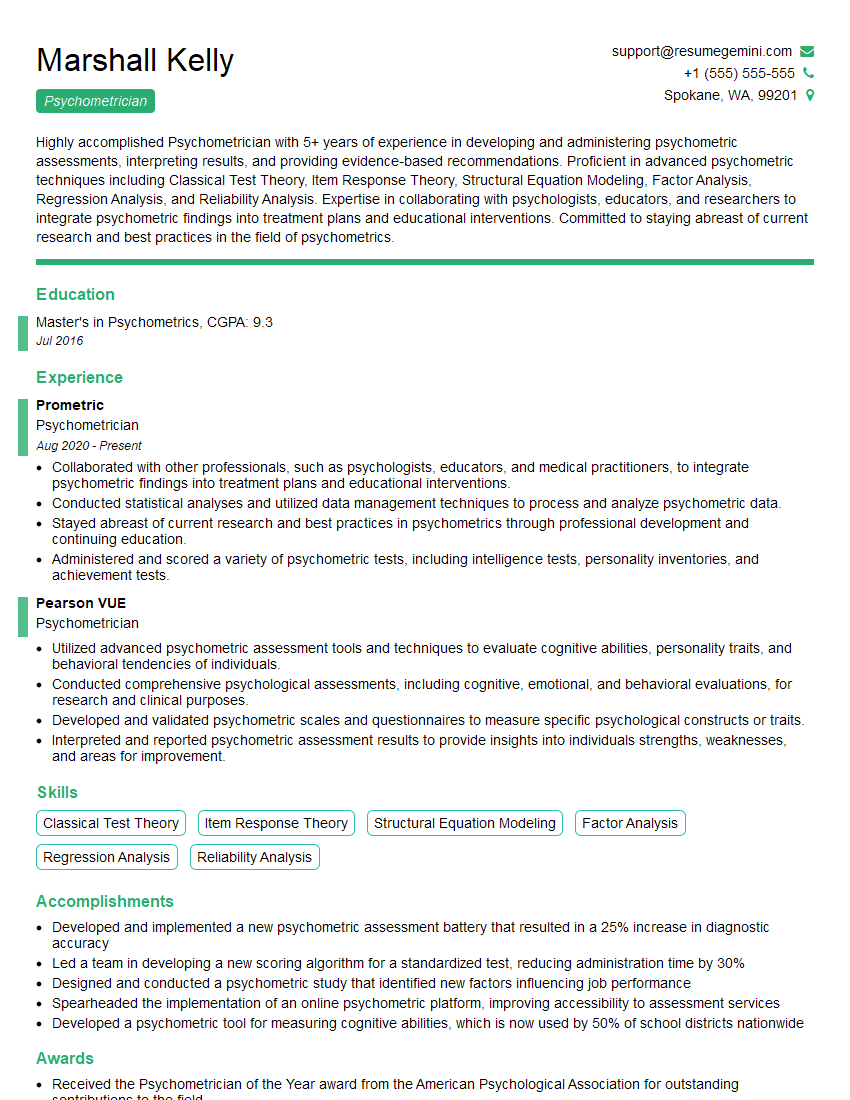
Psychometrician Resume Sample
- Reliability Engineer
- Quantitative Analyst
- Data Scientist
- Research Scientist
- Actuary
- Operations Research Analyst
- Senior Statistician
- Statistical Analyst
- Biostatistician
- Clinical Research Associate
- Instrumentation Engineer
- Metrologist
- Quality Control Engineer
- Epidemiologist
- Econometrician
- Survey Methodologist
- Psychometrician
Explore more articles
Users Rating of Our Blogs
Share Your Experience
We value your feedback! Please rate our content and share your thoughts (optional).
What Readers Say About Our Blog
Really detailed insights and content, thank you for writing this detailed article.
IT gave me an insight and words to use and be able to think of examples