The right preparation can turn an interview into an opportunity to showcase your expertise. This guide to Safety Compliance and Accident Prevention interview questions is your ultimate resource, providing key insights and tips to help you ace your responses and stand out as a top candidate.
Questions Asked in Safety Compliance and Accident Prevention Interview
Q 1. Describe your experience conducting safety audits and inspections.
Conducting safety audits and inspections is a systematic process aimed at identifying hazards and evaluating the effectiveness of safety controls. My approach involves a combination of planned inspections, walkthroughs, and targeted audits depending on the specific needs of the facility or operation. I begin by reviewing existing safety documentation, including safety manuals, permits, and training records. This provides a baseline understanding of the established safety protocols.
During the inspection itself, I utilize checklists tailored to the specific industry and hazards present. For example, in a construction environment, I’d focus on fall protection, equipment guarding, and lockout/tagout procedures, while a manufacturing facility might necessitate checks on machine safeguarding, material handling, and personal protective equipment (PPE) usage. I pay close attention to details, documenting any discrepancies, near misses, or unsafe acts observed. I use photography and video to capture evidence, creating a comprehensive record. Following the inspection, I prepare a detailed report highlighting findings, including recommendations for corrective actions, prioritized by severity and risk. I also follow up to ensure that corrective actions are implemented and effective. For example, I once identified a significant lack of fall protection on a scaffolding project. My report detailed the deficiency, the associated risks, and recommended specific corrective actions. Following implementation and a follow up inspection, the hazard was successfully mitigated.
Q 2. Explain your understanding of OSHA regulations.
My understanding of OSHA regulations is extensive and practical. OSHA (Occupational Safety and Health Administration) sets the standards for workplace safety and health in the United States. I’m familiar with the General Duty Clause, which requires employers to provide a workplace free from recognized hazards, and the specific standards applicable to various industries. This knowledge includes understanding the hierarchy of controls – elimination, substitution, engineering controls, administrative controls, and PPE – and how to apply them effectively. I am well-versed in OSHA’s recordkeeping requirements, including incident reporting, and I understand the implications of OSHA inspections and citations. For instance, I know the difference between a serious violation and a willful violation and the potential penalties associated with each. My knowledge extends to specific standards like those related to lockout/tagout, hazard communication, confined space entry, and personal protective equipment (PPE), all of which are crucial for maintaining a safe workplace. I regularly update my knowledge to stay abreast of any changes or updates to OSHA regulations and guidelines.
Q 3. How do you identify and assess workplace hazards?
Identifying and assessing workplace hazards requires a systematic approach. It starts with a thorough walk-through, observing the work environment and tasks performed. This involves engaging with employees at all levels – gathering their feedback on potential hazards they might encounter in their day-to-day work. I utilize job hazard analyses (JHAs), which systematically break down tasks to pinpoint potential hazards and their associated risks. This allows for a proactive approach to identifying hazards that might not be immediately obvious. I also use checklists specific to the type of work being performed and consider factors like the physical layout, the use of equipment, chemical exposure, and potential ergonomic issues. Quantitative data, such as incident rates and near-miss reports, can further highlight areas of concern. For example, a high rate of back injuries might point to a need for better ergonomic assessments and training. Once hazards are identified, a risk assessment, often using a matrix considering probability and severity, determines the level of risk associated with each. This informs the prioritization of corrective actions.
Q 4. What methods do you use for risk assessment and control?
Risk assessment and control relies heavily on a hierarchical approach. The goal is to eliminate hazards entirely when possible. If elimination isn’t feasible, then substitution (replacing a hazardous material with a less hazardous one) is the next best option. Engineering controls, such as machine guarding or ventilation systems, are next. These controls reduce the risk at the source. Administrative controls, like changes in work procedures, training, or work scheduling, are used to minimize exposure to hazards. Finally, Personal Protective Equipment (PPE), like safety glasses or respirators, provides the last line of defense. In applying these methods, I prioritize the most effective and feasible controls based on the risk assessment. For instance, if a machine poses a significant risk of amputation, implementing engineering controls like guarding would be prioritized over relying solely on PPE like gloves. I document all risk assessment and control measures to create a clear record and ensure accountability.
Q 5. Describe your experience developing and implementing safety programs.
Developing and implementing safety programs requires collaboration and a comprehensive approach. I begin by analyzing the workplace to identify specific hazards and risks. Then, I design a program incorporating relevant regulations, best practices, and employee input. This often involves creating or updating safety manuals, developing specific standard operating procedures (SOPs), and designing training materials. Training is crucial, encompassing both initial and ongoing education on safe work practices, hazard recognition, and emergency procedures. I utilize a variety of training methods, including classroom sessions, hands-on demonstrations, and online modules, tailoring them to the specific needs and learning styles of the employees. I also establish communication channels, such as safety meetings and regular safety inspections, to keep employees informed and involved. Finally, I implement a system for monitoring and evaluating the program’s effectiveness, using key performance indicators (KPIs) such as accident rates, near-miss reports, and employee feedback. For example, in one project, I developed a comprehensive fall protection program, incorporating training, regular inspections, and the use of appropriate equipment, which significantly reduced fall-related incidents.
Q 6. How do you investigate accidents and near misses?
Investigating accidents and near misses is critical for preventing future incidents. My approach is systematic and thorough. I begin by securing the scene (if necessary) and gathering evidence, including photographs, witness statements, and equipment data. I then reconstruct the events leading up to the incident, identifying the root causes, using tools like fault tree analysis or fishbone diagrams. These tools help to systematically identify contributing factors, going beyond the immediate cause to uncover underlying systemic issues. For example, a fall from a ladder might seem like a simple incident, but a thorough investigation could reveal a lack of proper ladder training or inadequate inspection procedures. The investigation report should clearly outline the sequence of events, identify contributing factors, and suggest preventative measures. It is essential to communicate findings and implement corrective actions to prevent similar occurrences. I also consider near misses as valuable learning opportunities, since they often reveal latent hazards before they result in an actual accident.
Q 7. What are your strategies for improving safety performance?
Improving safety performance is an ongoing process, not a one-time event. My strategies focus on a few key areas. First, fostering a strong safety culture is paramount. This involves empowering employees to identify and report hazards without fear of retribution. Regular safety meetings, clear communication, and visible management support are crucial for building this culture. Second, continuous improvement is essential. This involves regularly reviewing safety data, analyzing trends, and adjusting the safety program accordingly. Regular audits and inspections help to identify areas needing improvement. Third, promoting proactive hazard identification and risk control, by encouraging employees to participate in hazard identification and reporting, utilizing techniques like safety observations and near-miss reporting systems. Implementing leading indicators, such as the number of safety inspections or training hours completed, rather than just focusing on lagging indicators like accident rates, helps to proactively address potential issues. Finally, I believe in using data-driven decision making to continuously monitor and refine our safety strategies.
Q 8. Explain your familiarity with safety data sheets (SDS).
Safety Data Sheets (SDS), formerly known as Material Safety Data Sheets (MSDS), are documents that provide comprehensive information about the hazards of a chemical product and how to work safely with it. They’re essential for ensuring workplace safety and complying with regulations like OSHA’s Hazard Communication Standard.
My familiarity with SDSs extends beyond simply reading them. I understand their standardized format (following Globally Harmonized System of Classification and Labelling of Chemicals or GHS), including sections on identification, hazards, composition, first aid measures, fire-fighting measures, accidental release measures, handling and storage, exposure controls/personal protection, physical and chemical properties, stability and reactivity, toxicological information, ecological information, disposal considerations, transport information, regulatory information, and other information. I can interpret the information within to assess risks, select appropriate PPE, and develop safe handling procedures. For instance, if an SDS indicates a chemical is highly flammable and corrosive, I would ensure proper ventilation, use specialized fire extinguishers, and mandate the use of specific gloves, eye protection, and respirators.
I’ve used SDSs extensively in various settings, from manufacturing plants to laboratories, to ensure safe handling of chemicals ranging from solvents to acids. My experience includes not only reviewing SDSs but also training others on their proper interpretation and use, ensuring everyone understands the potential hazards and necessary precautions.
Q 9. How do you ensure compliance with relevant safety regulations?
Ensuring compliance with safety regulations is a multifaceted process that requires proactive planning, thorough implementation, and continuous monitoring. It begins with identifying all relevant regulations – this can vary greatly based on industry, location, and specific operations. For example, a construction site will have different regulations than a chemical processing plant.
My approach involves:
- Regular Audits: Conducting both internal and external audits to identify gaps in compliance and areas for improvement. This includes checking documentation, observing workplace practices, and interviewing employees.
- Training and Education: Providing regular training to employees on relevant regulations and safety procedures. This ensures everyone is aware of their responsibilities and how to comply.
- Documentation and Record Keeping: Meticulously maintaining records of safety training, inspections, incident reports, and corrective actions. This is crucial for demonstrating compliance to regulatory bodies.
- Staying Updated: Continuously monitoring changes in regulations and industry best practices. Safety standards are constantly evolving, and staying informed is vital.
- Proactive Risk Assessment: Regularly conducting risk assessments to identify potential hazards and develop control measures before incidents occur. This is a proactive approach rather than reactive.
For example, if a new regulation concerning the use of specific machinery is introduced, I would immediately update our safety procedures, train staff on the new requirements, and modify our risk assessments accordingly. This ensures we’re always operating within legal and safety parameters.
Q 10. Describe your experience with safety training and education.
Safety training and education are cornerstones of a robust safety program. My experience encompasses developing, delivering, and evaluating a wide range of safety training programs tailored to different audiences and situations.
My approach includes:
- Needs Assessment: Identifying specific training needs based on job roles, potential hazards, and regulatory requirements.
- Curriculum Development: Creating engaging and effective training materials, incorporating various methods like classroom instruction, hands-on exercises, simulations, and e-learning modules. I always focus on making the training relevant and relatable to the employees’ daily tasks.
- Delivery and Facilitation: Delivering training sessions in a clear, concise, and engaging manner, using interactive techniques to ensure knowledge retention.
- Evaluation and Feedback: Using various methods to assess the effectiveness of training, such as written tests, practical demonstrations, and post-training feedback.
For example, I once developed a comprehensive safety training program for a construction company, including modules on fall protection, hazard communication, and emergency response. This resulted in a significant reduction in workplace accidents and improved overall safety awareness among the employees.
Q 11. How do you handle workplace safety emergencies?
Handling workplace safety emergencies requires a calm, efficient, and organized approach. It’s all about preparedness, response, and post-incident analysis. My experience includes developing and implementing emergency response plans, conducting drills, and providing first aid and emergency medical assistance.
My emergency response strategy includes:
- Pre-planning: Developing detailed emergency response plans that outline procedures for various scenarios, such as fires, chemical spills, injuries, and evacuations. These plans should be reviewed and updated regularly.
- Emergency Drills: Conducting regular drills to ensure employees are familiar with emergency procedures and can respond effectively.
- Communication: Establishing clear communication channels to ensure information is disseminated quickly and efficiently during emergencies. This often involves designated communication systems or emergency contact lists.
- First Aid and Medical Assistance: Providing first aid and emergency medical assistance as needed, while ensuring proper documentation and follow-up.
- Post-Incident Analysis: Conducting thorough post-incident investigations to determine root causes, identify areas for improvement, and prevent future occurrences. This process is crucial for continuous improvement.
For instance, in a previous role, I managed the response to a chemical spill. Our pre-established emergency response plan, along with the employees’ training, allowed for a swift and safe cleanup, minimizing environmental impact and preventing injuries.
Q 12. What is your experience with personal protective equipment (PPE)?
Personal Protective Equipment (PPE) is critical for protecting workers from hazards in the workplace. My experience encompasses selecting, fitting, maintaining, and ensuring proper use of various types of PPE.
My approach involves:
- Hazard Assessment: Identifying the specific hazards present in the workplace to determine the appropriate type of PPE needed.
- PPE Selection: Selecting PPE that meets or exceeds relevant safety standards and is appropriate for the specific task. This requires knowledge of various PPE types and their limitations.
- Proper Fit and Training: Ensuring that employees are properly fitted with PPE and receive adequate training on its proper use and maintenance. Improperly fitted or used PPE offers little protection.
- Inspection and Maintenance: Regularly inspecting and maintaining PPE to ensure it’s in good working order and properly functioning. Damaged or worn PPE should be immediately replaced.
- Compliance and Enforcement: Enforcing the consistent use of PPE by employees through monitoring, reminders, and disciplinary actions if necessary.
For example, in a manufacturing environment, I would ensure workers handling hazardous chemicals were equipped with appropriate respirators, gloves, and eye protection, and that they understood how to use and maintain this equipment properly.
Q 13. How do you promote a positive safety culture?
Promoting a positive safety culture goes beyond simply enforcing rules; it’s about fostering a shared commitment to safety among all employees. It requires leadership buy-in, employee empowerment, and open communication.
My strategies include:
- Leadership Commitment: Ensuring that safety is a top priority for management and that leaders actively participate in safety initiatives and demonstrate their commitment through actions.
- Employee Involvement: Actively involving employees in safety planning, hazard identification, and solution development. This makes them feel valued and invested in safety.
- Open Communication: Creating a culture of open communication where employees feel comfortable reporting hazards, near misses, and incidents without fear of reprisal.
- Recognition and Rewards: Recognizing and rewarding employees who demonstrate a commitment to safety. This can involve verbal praise, awards, or other forms of recognition.
- Continuous Improvement: Using data from incident reports and audits to identify areas for improvement and continuously enhance safety procedures.
For instance, I once implemented a suggestion box program to encourage employees to share their safety concerns and ideas. This led to several improvements in our safety procedures and demonstrated that their voices were heard and valued.
Q 14. Describe your experience with incident reporting systems.
Effective incident reporting systems are crucial for identifying trends, understanding root causes, and preventing future accidents. My experience includes designing, implementing, and managing incident reporting systems that are both efficient and user-friendly.
Key features of my approach include:
- User-Friendly Interface: Designing a system that is easy to use and understand for all employees, regardless of their technical skills. This includes clear instructions and easily accessible forms.
- Comprehensive Data Collection: Collecting comprehensive data on each incident, including date, time, location, witnesses, and contributing factors. This is crucial for accurate analysis.
- Confidentiality: Ensuring that employee reports are treated confidentially to encourage open reporting.
- Investigative Procedures: Establishing clear procedures for investigating incidents, determining root causes, and implementing corrective actions.
- Data Analysis and Reporting: Regularly analyzing incident data to identify trends and patterns, and reporting findings to management to inform safety improvement strategies.
For instance, I implemented a digital incident reporting system that allowed for quicker reporting, automated follow-up, and real-time data analysis. This significantly improved our ability to identify and address safety issues promptly.
Q 15. How do you manage safety data and reporting?
Effective safety data management is crucial for preventing accidents and improving workplace safety. It involves a systematic approach to collecting, analyzing, and utilizing data to identify trends, assess risks, and implement preventative measures. This includes both proactive data collection (e.g., pre-job safety assessments, equipment inspections) and reactive data (e.g., incident reports, near-misses).
My approach involves using a combination of methods. Firstly, I ensure all incidents, near misses, and observations are reported promptly and accurately using a standardized reporting system – often a digital platform – which allows for easy data entry, tracking, and analysis. The system needs to be user-friendly and accessible to everyone. Secondly, I regularly analyze this data to identify patterns and trends. For example, if we see a spike in slips, trips, and falls in a particular area, we can investigate the underlying causes and implement targeted solutions, such as improved lighting or floor maintenance. Finally, this data informs our safety training programs, allowing us to focus on the areas posing the greatest risk. Regular reporting to management on key metrics, such as incident rates and lost-time injuries, ensures accountability and transparency.
For example, in a previous role, we used data analysis to identify a significant increase in hand injuries related to a specific machine. By analyzing the incident reports, we found a common factor: inadequate training on the safe operation of the machine. We revised the training program, introduced additional safety guards, and saw a significant decrease in hand injuries within six months.
Career Expert Tips:
- Ace those interviews! Prepare effectively by reviewing the Top 50 Most Common Interview Questions on ResumeGemini.
- Navigate your job search with confidence! Explore a wide range of Career Tips on ResumeGemini. Learn about common challenges and recommendations to overcome them.
- Craft the perfect resume! Master the Art of Resume Writing with ResumeGemini’s guide. Showcase your unique qualifications and achievements effectively.
- Don’t miss out on holiday savings! Build your dream resume with ResumeGemini’s ATS optimized templates.
Q 16. What is your experience with lockout/tagout procedures?
Lockout/Tagout (LOTO) procedures are critical for preventing the unexpected energization or startup of machinery during maintenance or servicing, safeguarding technicians from serious injury or death. My experience encompasses developing, implementing, and auditing LOTO programs across various industries, ensuring compliance with OSHA standards (or equivalent international standards).
I’m proficient in creating and delivering comprehensive LOTO training programs tailored to the specific equipment and hazards present in a workplace. This involves hands-on training, practical demonstrations, and regular competency assessments. A critical part of this involves ensuring employees understand the critical importance of verifying the effectiveness of the lockout before commencing work. I emphasize the ‘5 steps’ of LOTO: 1. Preparation, 2. Shutdown, 3. Lockout/Tagout, 4. Verification, 5. Release.
For instance, in a previous project involving high-voltage electrical equipment, I implemented a robust LOTO program that included detailed procedures, regular audits, and comprehensive training, resulting in a significant reduction in near-miss incidents.
Furthermore, I’m adept at conducting thorough audits to identify gaps in LOTO practices and ensure compliance with all relevant regulations. Audits include physical inspections, reviews of procedures, and observation of employee practices. Any deficiencies identified during the audits are immediately addressed through corrective actions, retraining, and improvements to the LOTO procedures.
Q 17. How do you prioritize safety risks?
Prioritizing safety risks requires a systematic approach, often using a risk assessment matrix that combines the likelihood of an incident occurring with the severity of its potential consequences. This helps to focus resources on the most critical hazards.
My approach typically uses a combination of qualitative and quantitative methods. Qualitative assessment involves expert judgment, checklists, and hazard identification techniques like HAZOP (Hazard and Operability Study) or FMEA (Failure Mode and Effects Analysis). Quantitative methods involve using historical data on incident rates and calculating risk scores based on probability and severity. This data is then combined to create a prioritized list of hazards, focusing attention and resources where they are most needed.
For example, a risk matrix might categorize risks as High, Medium, and Low based on a combination of likelihood and severity scores. High-risk hazards, such as working at heights or operating heavy machinery, demand immediate attention and implementation of robust control measures. Medium-risk hazards receive attention as resources become available. Low-risk hazards might be addressed through general safety awareness training and general housekeeping measures. Regular review and updates of this risk assessment are critical to adapt to changing workplace conditions.
Q 18. Describe your understanding of ergonomic principles.
Ergonomic principles focus on designing workplaces and jobs to fit the capabilities and limitations of the human body, minimizing physical strain and the risk of musculoskeletal disorders (MSDs). This involves considering factors such as posture, repetitive movements, force exertion, and vibration.
My understanding encompasses a range of ergonomic assessment tools and techniques, including workstation evaluations, job task analyses, and the use of anthropometric data (body measurements). I apply these principles to design workstations and processes that promote good posture, reduce repetitive movements, minimize force exertion, and avoid awkward postures. This may involve adjustments to workstation height, providing adjustable chairs, implementing rotating job tasks, or providing tools that reduce force requirements.
For example, in a manufacturing setting, I’ve implemented ergonomic changes such as adjustable workbenches, anti-fatigue mats, and ergonomic tools, resulting in a reduction of reported MSDs and improved employee comfort and productivity. This involved careful observation of workers, analysis of job tasks, and collaboration with employees to find practical solutions that both improved safety and maintained productivity.
Q 19. What are your methods for preventing workplace violence?
Preventing workplace violence requires a multi-faceted approach, combining proactive measures with reactive strategies. This involves creating a culture of respect, implementing security measures, and providing training to all employees.
My approach emphasizes proactive measures, including establishing clear policies that define unacceptable behavior, providing training programs for all employees on conflict resolution, de-escalation, and reporting procedures, and establishing a zero-tolerance policy for violence or threats of violence. Security measures, such as adequate lighting, security cameras, and access control systems, play a crucial role. Implementing a robust reporting system that allows employees to report incidents without fear of retaliation is also critical.
Furthermore, I focus on identifying and addressing potential risk factors, such as stress in the workplace, inadequate staffing, and poor communication, These can often be significant triggers for violence. Regular security audits and risk assessments are needed to identify and manage vulnerabilities. For example, in a healthcare setting, I’ve helped implement a comprehensive violence prevention program, including security training, conflict resolution training for staff, and improvements to physical security measures, resulting in a decrease in reported incidents of workplace violence.
Q 20. How do you handle conflicts between safety and production goals?
Conflicts between safety and production goals are unfortunately common. However, safety should always be the absolute priority. It’s a false economy to prioritize production at the expense of worker safety.
My approach involves open communication and collaboration between safety professionals, production managers, and employees. I advocate for a ‘safety-first’ culture where safety is integrated into all aspects of production planning and operations. This involves actively engaging with production teams early in the planning process to identify and mitigate potential safety hazards before they become problems.
For example, if a production target requires working overtime, I would assess the associated risks, such as increased fatigue, and propose solutions to maintain safety. This might involve additional staffing, shorter shifts, or improved lighting. Ultimately, prioritizing safety fosters a more stable and productive workplace in the long term. Safety improvements often lead to increased efficiency and reduced downtime due to accidents.
Q 21. What is your experience with hazard communication programs?
Hazard Communication Programs (HCPs) are critical for ensuring employees are informed of the hazards associated with the chemicals and materials they handle in the workplace. This involves providing clear and accessible information on the potential health effects, safe handling procedures, and emergency response measures.
My experience includes developing, implementing, and auditing HCPs in compliance with OSHA’s Hazard Communication Standard (or equivalent international standards). This involves ensuring the availability of Safety Data Sheets (SDSs) for all hazardous materials, implementing a system for labeling containers of hazardous materials, and providing training to all employees on the proper handling and use of hazardous substances. I also ensure that the program is regularly reviewed and updated to reflect changes in workplace materials and regulations.
For example, in a previous role, I implemented an HCP that included a comprehensive training program on the use of personal protective equipment (PPE) and the safe handling of chemicals, resulting in a significant improvement in employee awareness and a reduction in chemical-related incidents. A key element was making SDS information readily available and easy to understand, not just in physical form, but also digitally.
Q 22. Describe your experience working with contractors and subcontractors on safety matters.
Managing contractor safety effectively requires a proactive and collaborative approach. It starts with pre-qualification, ensuring all contractors demonstrate a robust safety record and commitment to established safety standards. This involves reviewing their safety plans, insurance coverage, and worker qualifications. I always conduct thorough pre-job safety briefings, outlining site-specific hazards and required control measures. This briefing isn’t a one-way lecture; it’s a discussion ensuring mutual understanding and addressing any contractor concerns.
Ongoing monitoring is crucial. Regular site inspections, both announced and unannounced, are key to identifying potential hazards early. I use checklists and photographic evidence to document findings and to track corrective actions. Open communication channels are established – daily toolbox talks, regular meetings – to address concerns immediately and prevent issues from escalating. Effective communication often involves translating safety information into different languages to ensure complete understanding. Finally, I’m committed to fostering a collaborative ‘safety first’ culture where everyone feels empowered to raise safety concerns without fear of reprisal.
For example, on a recent large-scale construction project, I noticed a subcontractor wasn’t using proper fall protection. Instead of immediate reprimand, I engaged in a discussion, clarifying the potential risks and showcasing best practices. By working collaboratively, we implemented a solution that both met safety regulations and maintained project schedules. This approach is always more effective than a confrontational one.
Q 23. How do you ensure effective communication of safety information?
Effective safety communication is multifaceted and requires a multi-pronged approach. It’s not enough to simply post signs; information needs to be readily accessible, easily understandable, and engaging. I utilize various methods to ensure everyone receives and comprehends crucial safety information.
- Multi-Modal Communication: This includes utilizing visual aids like safety posters, videos, and diagrams alongside written materials and verbal briefings. Using different formats caters to various learning styles.
- Regular Briefings and Toolbox Talks: These interactive sessions address specific hazards, highlight near misses, and reinforce best practices. They provide a platform for questions and feedback.
- Targeted Communication: I tailor the message to the specific audience, considering their language proficiency, roles, and tasks. For example, a safety briefing for a crane operator will differ from a briefing for a general laborer.
- Technology Integration: Utilizing digital platforms like mobile apps and intranet portals allows for quick dissemination of important updates, emergency alerts, and safety training materials. This ensures accessibility and allows for immediate communication of essential information.
- Feedback Mechanisms: Establishing open feedback mechanisms, such as suggestion boxes or anonymous reporting systems, encourages employees to share safety concerns without fear of retaliation.
For instance, during a recent project, we used a mobile app to send out daily safety alerts about changing weather conditions, impacting work execution. This proved far more efficient than relying on traditional communication methods, thereby increasing overall safety and productivity.
Q 24. What is your experience with safety performance metrics?
Safety performance metrics are crucial for measuring the effectiveness of safety programs and identifying areas for improvement. They provide objective data that goes beyond anecdotes and gut feelings. I have extensive experience using a range of metrics, including:
- Incident Rate (TRIR/LTIR): This measures the number of recordable injuries per 100 full-time employees. It’s a widely used indicator of overall workplace safety.
- Near Miss Reporting Rate: Tracking near misses is crucial, as they provide insights into potential hazards before they lead to accidents. A high near miss rate may indicate a higher risk of accidents.
- Lost Time Injury Frequency Rate (LTIFR): This metric specifically focuses on injuries resulting in lost workdays, offering a clearer picture of the severity of incidents.
- Safety Training Completion Rate: This metric measures the percentage of employees who have completed required safety training, indicating compliance and knowledge levels.
- Safety Observation Scorecard: This tracks the number and types of safety observations made during inspections, providing a real-time overview of workplace conditions.
These metrics are not simply numbers; they tell a story. Analyzing trends in these metrics allows me to identify underlying causes of incidents and to evaluate the effectiveness of implemented safety initiatives. I use data visualization techniques like charts and graphs to make the data easily understandable and actionable. For example, a sudden spike in near misses might indicate a new hazard has emerged, prompting a thorough investigation and preventive measures.
Q 25. Explain your understanding of different safety management systems (e.g., ISO 45001).
Safety Management Systems (SMS) provide a structured framework for managing workplace safety. ISO 45001 is an internationally recognized standard that provides guidelines for establishing, implementing, maintaining, and continually improving an OH&S (Occupational Health and Safety) management system. My understanding encompasses the key elements of this standard, including:
- Leadership and Worker Participation: A strong safety culture is fostered by active leadership commitment and the involvement of workers at all levels. Workers are encouraged to identify hazards and participate in the development and implementation of safety initiatives.
- Hazard Identification and Risk Assessment: A systematic process for identifying hazards, assessing risks, and implementing control measures is paramount. This includes risk analysis using matrices and defining appropriate control measures.
- Emergency Preparedness and Response: Development and regular testing of emergency procedures are crucial, ensuring that workers know how to respond in various scenarios.
- Internal Audits and Management Reviews: Regular audits ensure the SMS is working effectively, while management reviews provide opportunities for improvements and updates.
- Continual Improvement: The SMS must be continually improved based on the evaluation of its performance and feedback from workers.
I’ve worked with organizations implementing ISO 45001, guiding them through the process of documentation, training, and auditing. The standard is not merely a checklist; it’s a philosophy for improving workplace safety.
Q 26. How do you stay current with changes in safety regulations and best practices?
Staying current in the ever-evolving field of safety regulations and best practices is crucial. I employ a multi-pronged approach:
- Professional Organizations: Active membership in professional organizations like the American Society of Safety Professionals (ASSE) provides access to the latest research, publications, and networking opportunities.
- Industry Publications and Journals: Regularly reviewing industry-specific publications and journals keeps me informed about new regulations, emerging hazards, and innovative safety solutions.
- Regulatory Agency Websites: I actively monitor the websites of relevant regulatory agencies, such as OSHA (Occupational Safety and Health Administration), to remain updated on changes in legislation and compliance requirements.
- Conferences and Workshops: Attending industry conferences and workshops offers valuable opportunities for continuing education, networking, and gaining insights from experts.
- Online Courses and Webinars: Numerous online platforms offer courses and webinars on the latest safety topics, allowing for flexible and convenient professional development.
For example, I recently completed a specialized course on the safety implications of using new technologies in construction, keeping my expertise up-to-date with the advancement of our field.
Q 27. Describe a time you identified a significant safety hazard and how you addressed it.
During a manufacturing project, I noticed workers frequently using a specific machine without the required safety guards in place. This posed a significant risk of serious injury from moving parts.
My response was multi-faceted:
- Immediate Action: I immediately stopped the machine operation and instructed workers not to use it until the safety issue was resolved. This ensured no further risk was present.
- Root Cause Analysis: I conducted a thorough investigation to understand why the guards were removed. It turned out workers felt the guards slowed down their workflow. This revealed a lack of training and poor communication about the importance of safety.
- Corrective Actions: I initiated several actions. First, we implemented additional training on the proper use of the machine, emphasizing the critical importance of the safety guards. Second, we conducted a safety audit of all other similar machinery to ensure consistent safety standards across the entire operation. Finally, we reviewed and improved the workflow to address the productivity concerns that had led to the removal of the safety guards.
- Follow-up: After implementing these corrective actions, we closely monitored the situation to ensure workers were using the machine safely. We reinforced the importance of safety through regular reminders and encouraged proactive reporting of any safety concerns.
This incident highlighted the importance of addressing not just the immediate hazard but also the underlying cultural issues that contributed to the unsafe behavior.
Q 28. What is your experience with root cause analysis?
Root cause analysis (RCA) is a systematic process for identifying the underlying causes of incidents or near misses, not just the immediate symptoms. It’s crucial for preventing future occurrences. I’m proficient in several RCA techniques, including:
- 5 Whys: This simple but effective technique involves repeatedly asking ‘why’ to drill down to the root cause. For example: Why did the accident happen? Because the machine malfunctioned. Why did the machine malfunction? Because it wasn’t properly maintained. And so on.
- Fishbone Diagram (Ishikawa Diagram): This visual tool helps brainstorm potential causes categorized by factors such as people, machines, methods, materials, environment, and management. It offers a comprehensive view of possible contributors.
- Fault Tree Analysis (FTA): This deductive technique starts with an undesired event and works backward to identify the contributing factors that could lead to it. It’s particularly useful for complex systems.
I always tailor the chosen technique to the specific incident’s complexity. A simple near miss might only need the 5 Whys, while a major accident may necessitate a more comprehensive approach like FTA. The goal is always to identify not just the immediate cause but the systemic issues that allowed the incident to occur. This understanding informs the creation of targeted and effective preventative measures.
Key Topics to Learn for Safety Compliance and Accident Prevention Interview
- Regulatory Compliance: Understanding and applying relevant safety regulations (OSHA, ANSI, etc.), including record-keeping and reporting procedures. Practical application: Explain your experience with implementing and maintaining compliance programs.
- Hazard Identification & Risk Assessment: Methods for identifying potential hazards (e.g., Job Safety Analysis, HAZOP), conducting risk assessments, and implementing control measures (hierarchy of controls). Practical application: Describe a situation where you identified a hazard, assessed the risk, and implemented effective controls.
- Accident Investigation & Root Cause Analysis: Techniques for investigating accidents, identifying root causes (e.g., 5 Whys, Fishbone diagrams), and developing corrective actions to prevent recurrence. Practical application: Outline your experience in conducting thorough accident investigations and implementing preventive measures.
- Safety Training & Communication: Developing and delivering effective safety training programs, communicating safety information clearly and concisely to diverse audiences. Practical application: Describe a successful safety training program you developed or delivered.
- Emergency Response Planning & Procedures: Developing and implementing emergency response plans, including evacuation procedures, first aid, and emergency contact protocols. Practical application: Discuss your experience in developing or participating in emergency response drills or real-world scenarios.
- Safety Auditing & Inspections: Conducting regular safety audits and inspections to identify potential hazards and ensure compliance with safety regulations. Practical application: Explain your methodology for conducting effective safety audits and inspections.
- Personal Protective Equipment (PPE): Selecting, fitting, and using appropriate PPE for various tasks and hazards. Practical application: Describe your experience with selecting and implementing appropriate PPE programs.
- Safety Culture & Leadership: Fostering a strong safety culture within an organization through leadership, communication, and employee engagement. Practical application: Discuss strategies you’ve used to promote a positive safety culture.
Next Steps
Mastering Safety Compliance and Accident Prevention is crucial for career advancement in this vital field. It demonstrates your commitment to a safe and productive work environment, a highly valued attribute by employers. To maximize your job prospects, create an ATS-friendly resume that highlights your skills and experience effectively. ResumeGemini is a trusted resource to help you build a professional and impactful resume. We provide examples of resumes tailored to Safety Compliance and Accident Prevention to guide you through the process. Invest the time to build a compelling resume – it’s your first impression with potential employers.
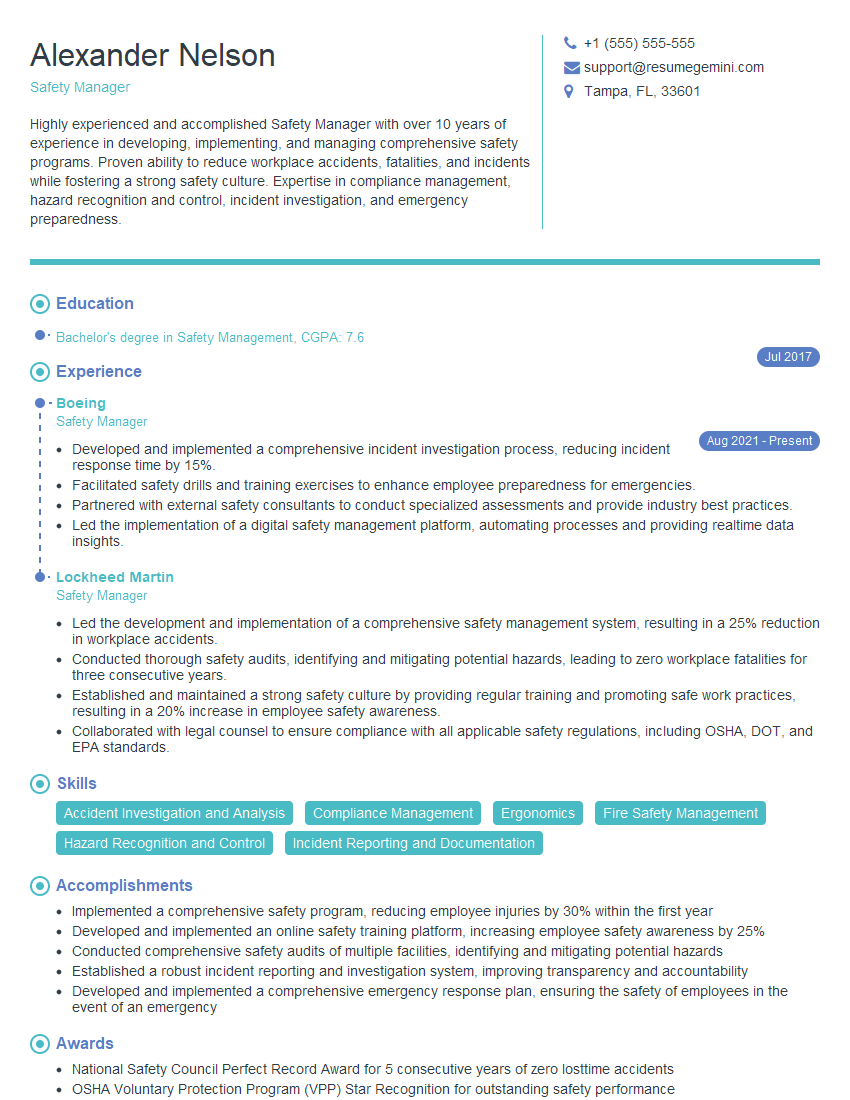
Safety Manager Resume Sample
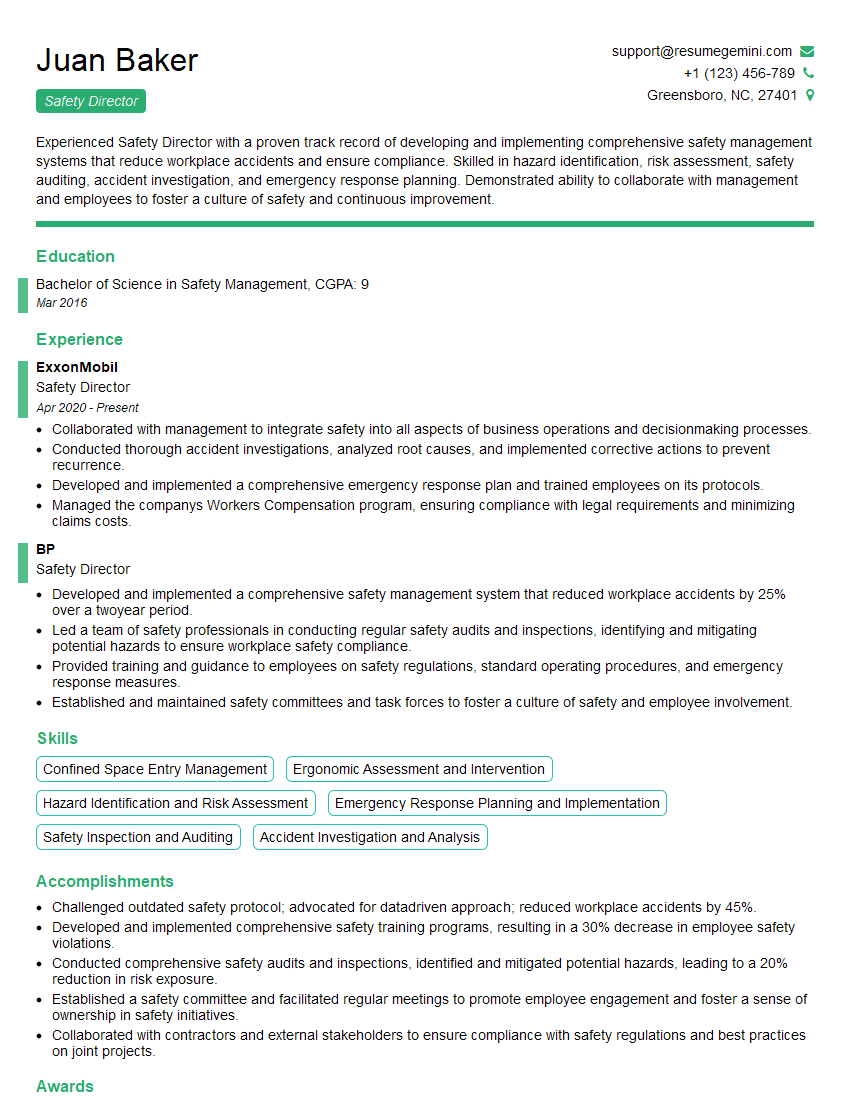
Safety Director Resume Sample
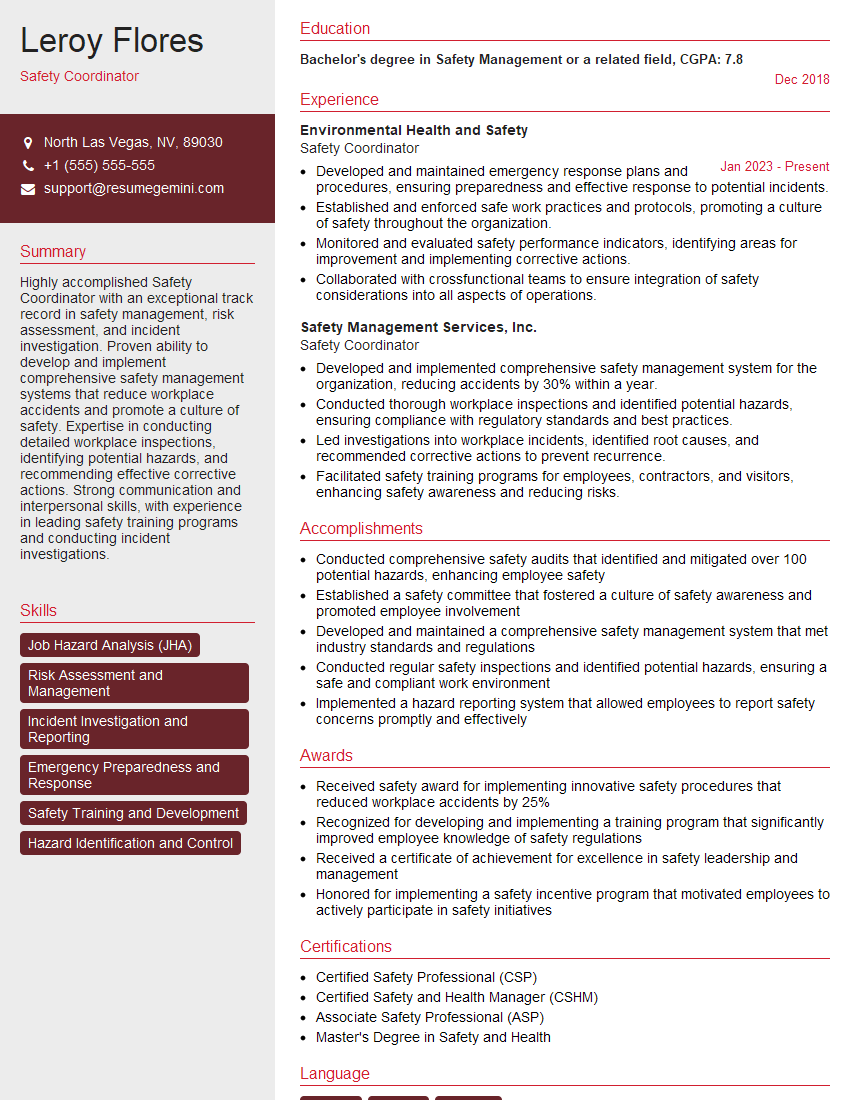
Safety Coordinator Resume Sample

Compliance Officer Resume Sample
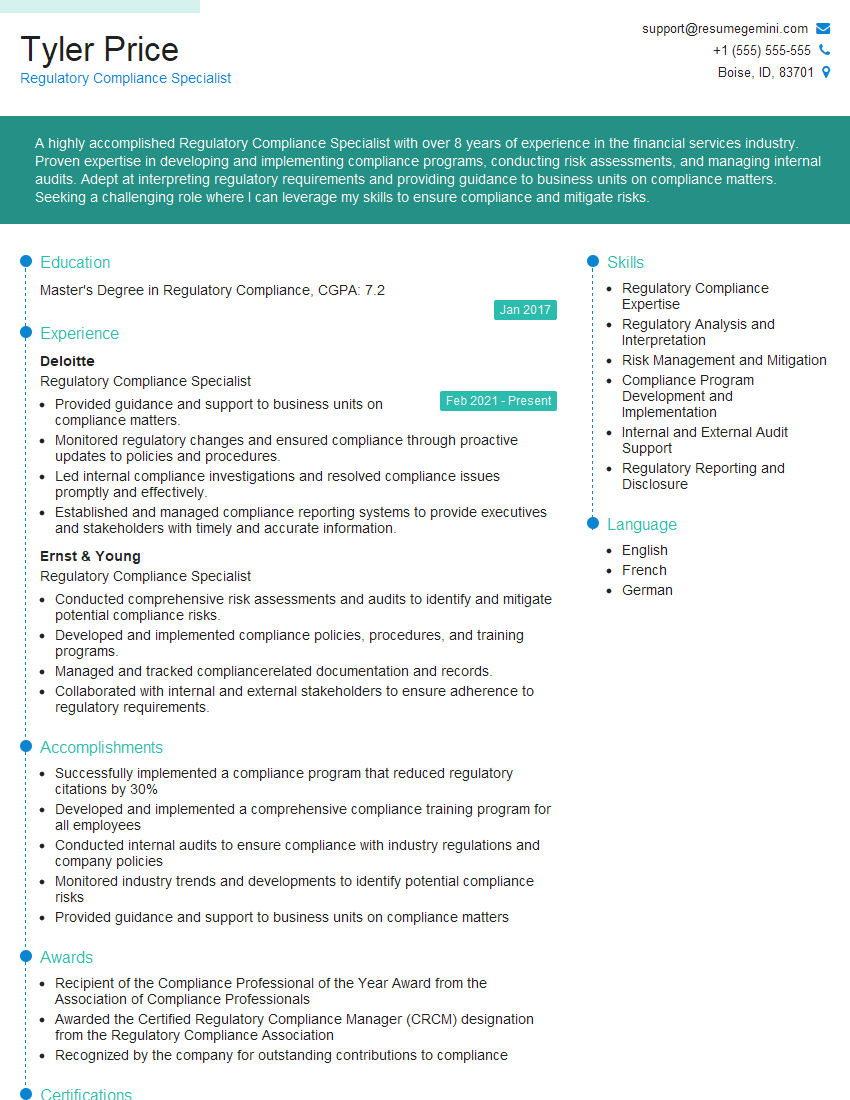
Regulatory Compliance Specialist Resume Sample
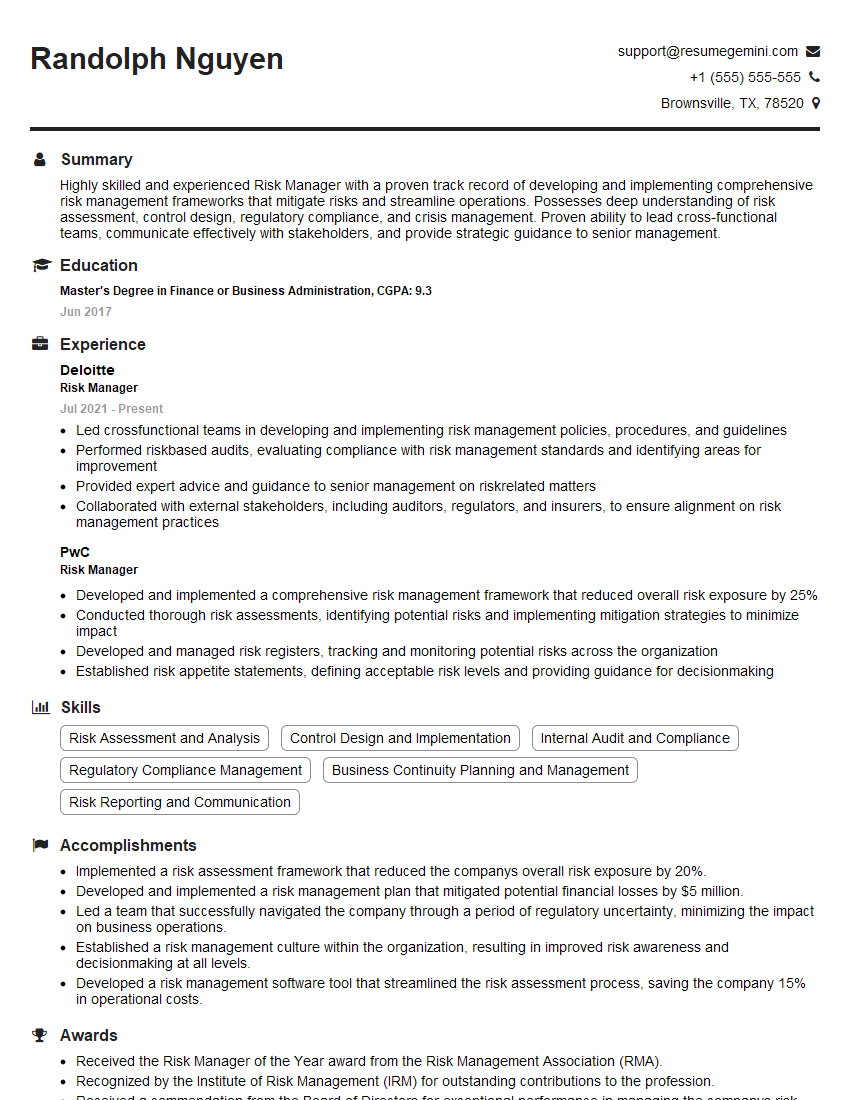
Risk Manager Resume Sample
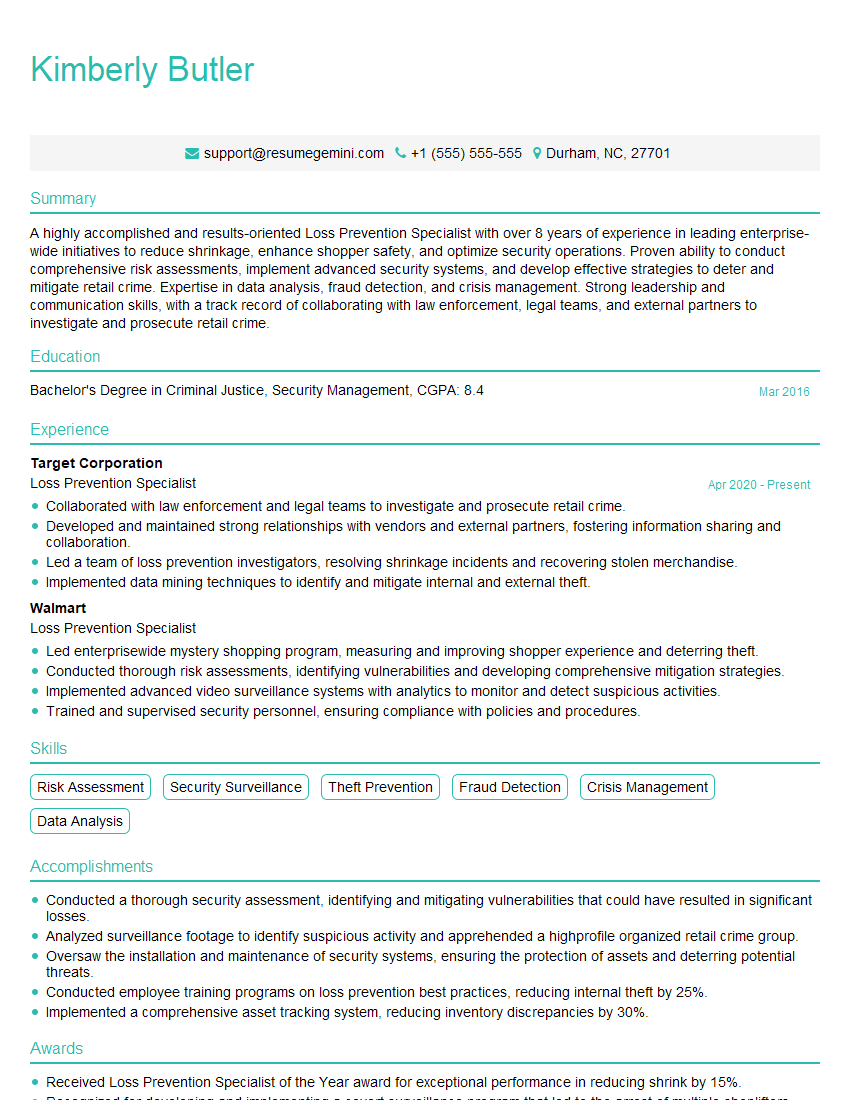
Loss Prevention Specialist Resume Sample
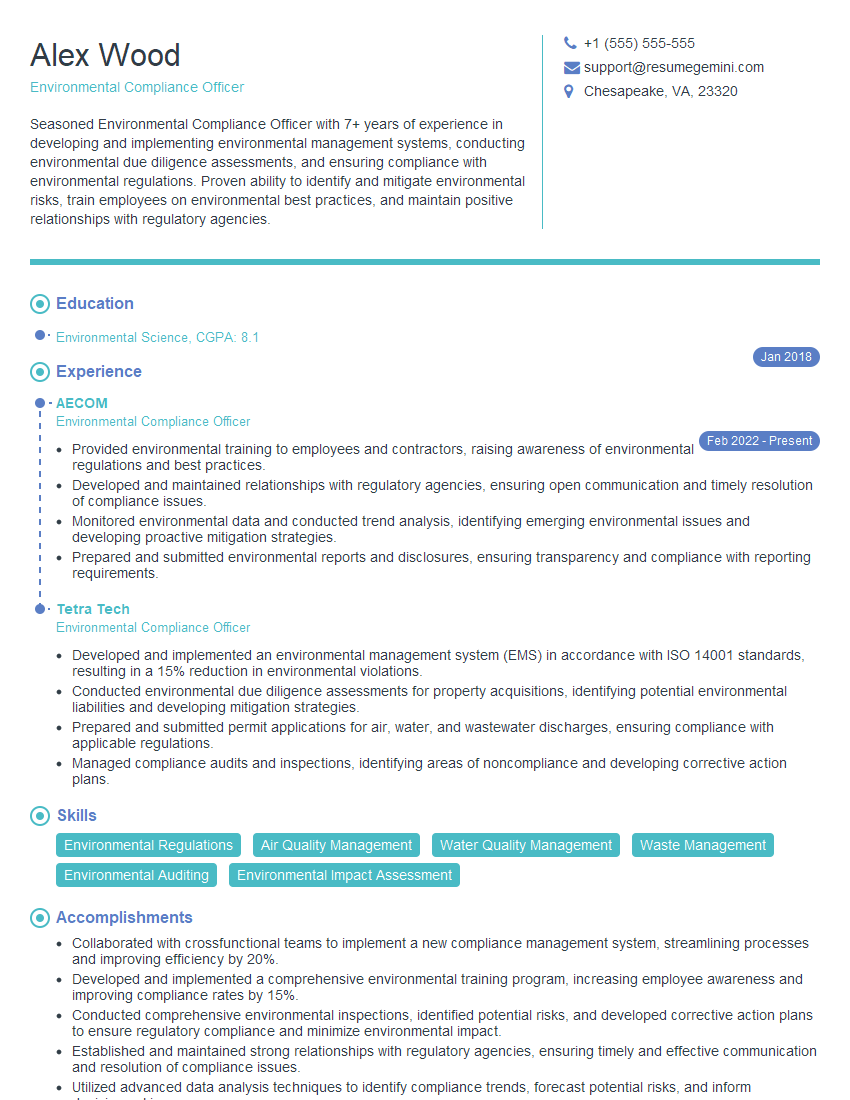
Environmental Compliance Officer Resume Sample
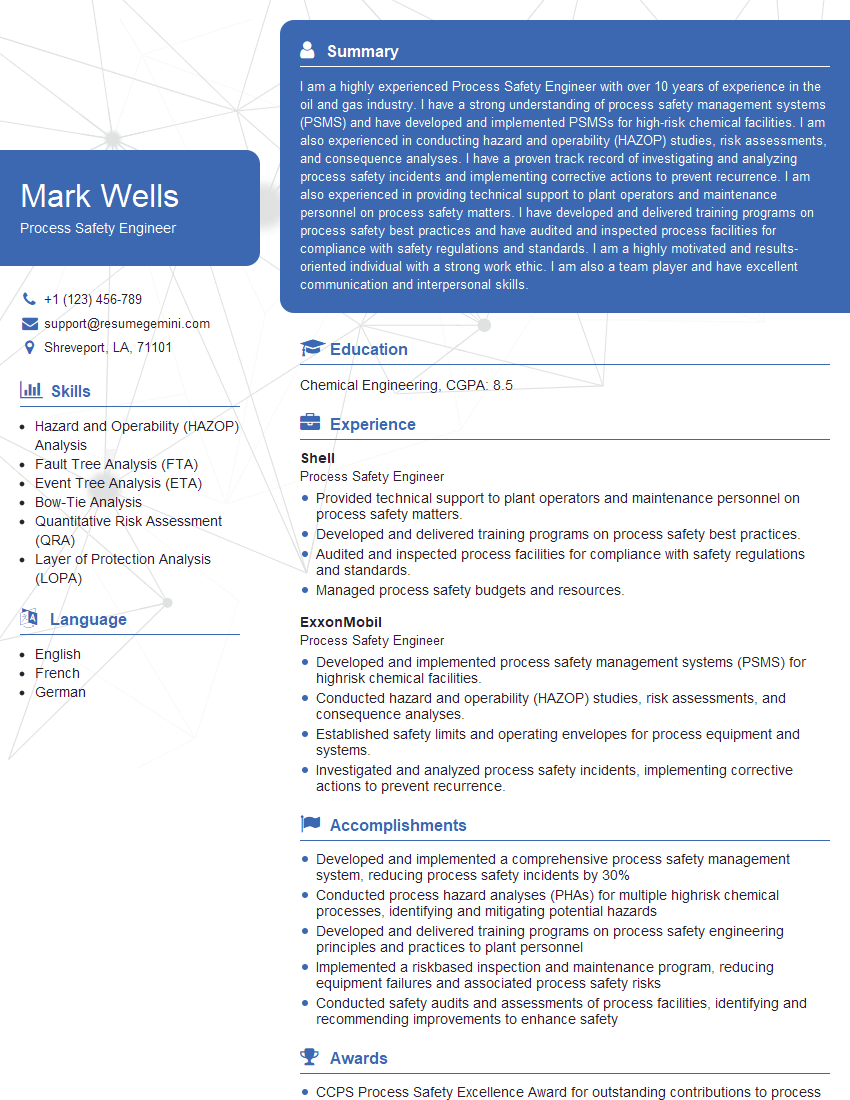
Process Safety Engineer Resume Sample
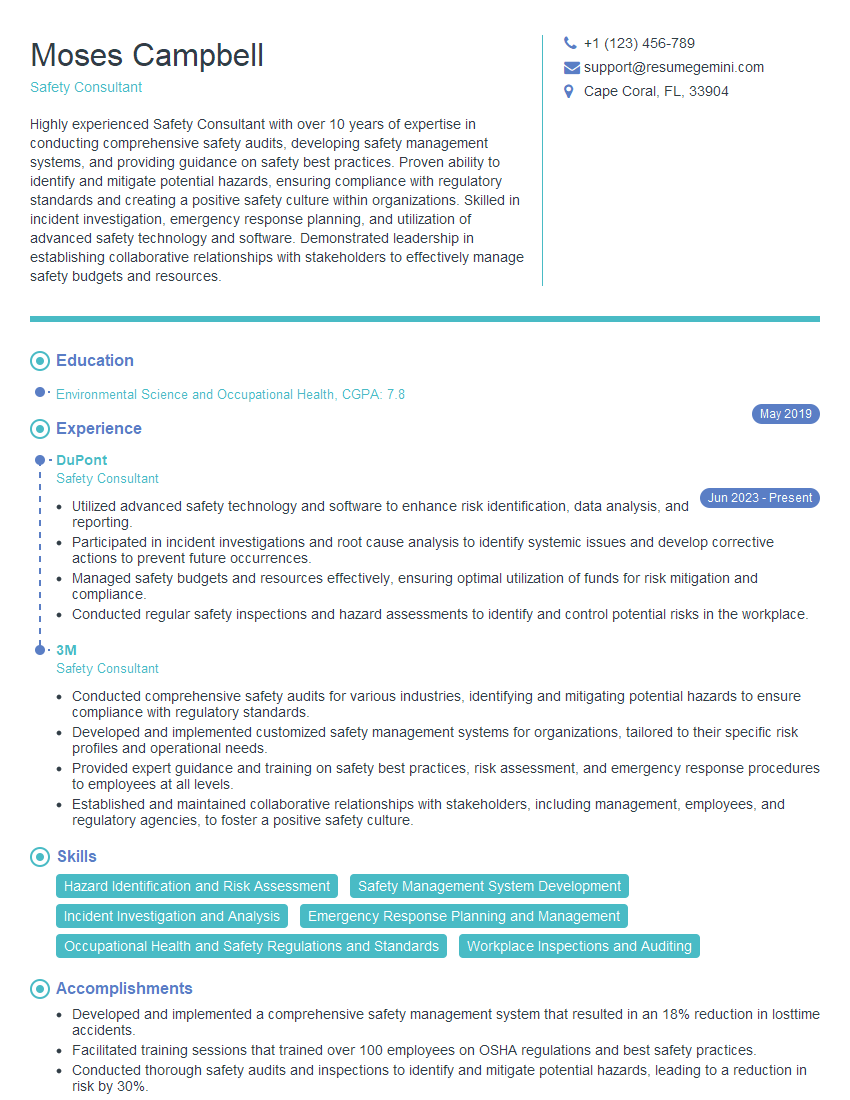
Safety Consultant Resume Sample
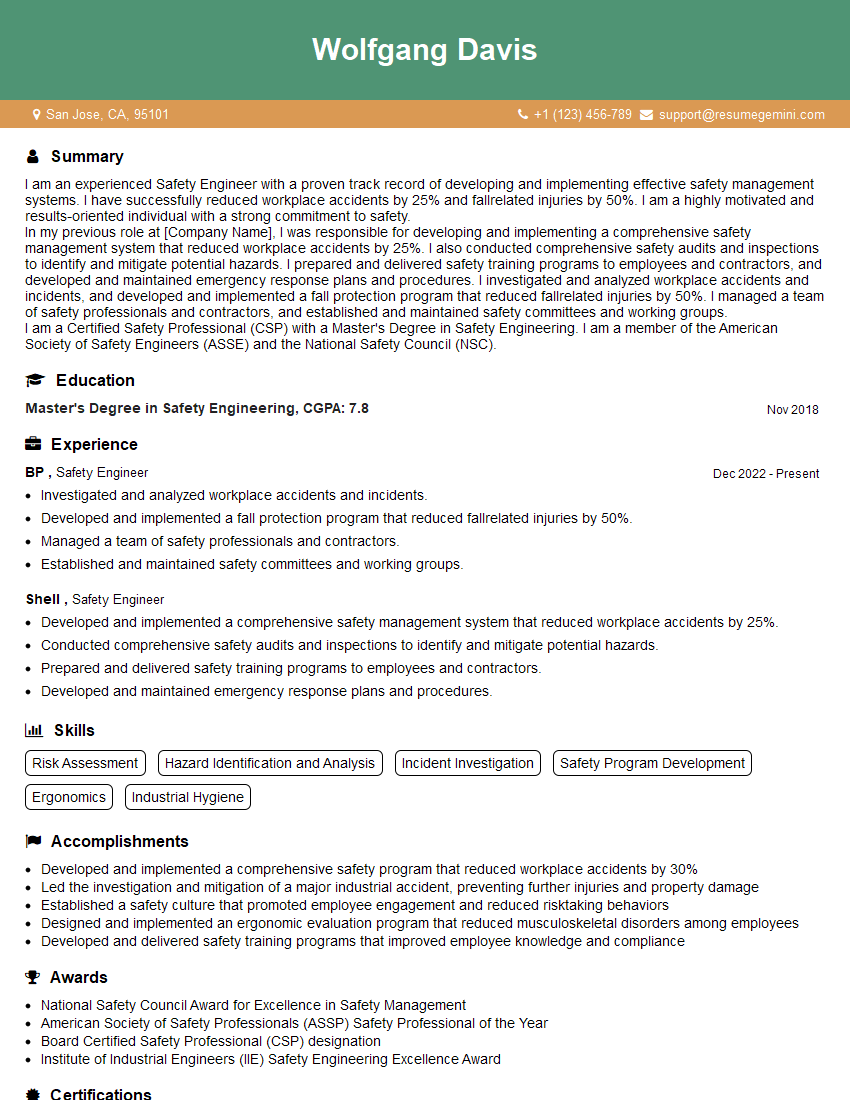
Safety Engineer Resume Sample
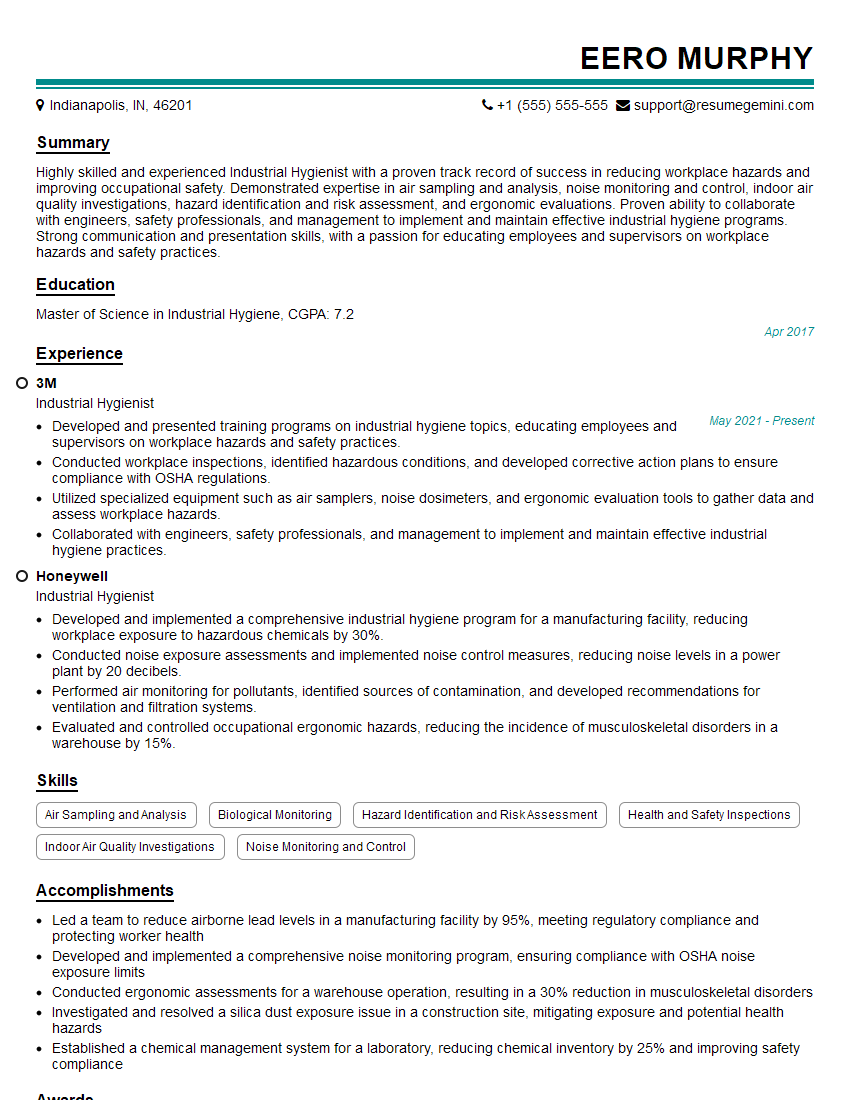
Industrial Hygienist Resume Sample
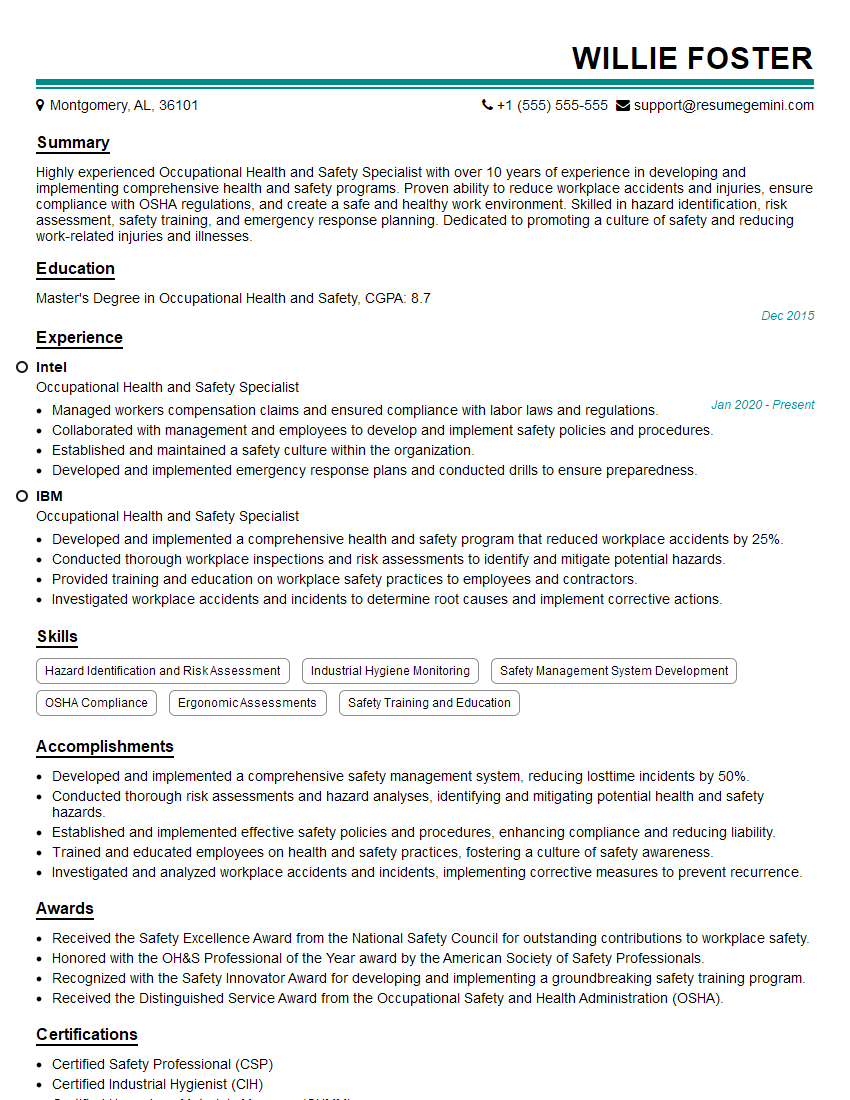
Occupational Health and Safety Specialist Resume Sample
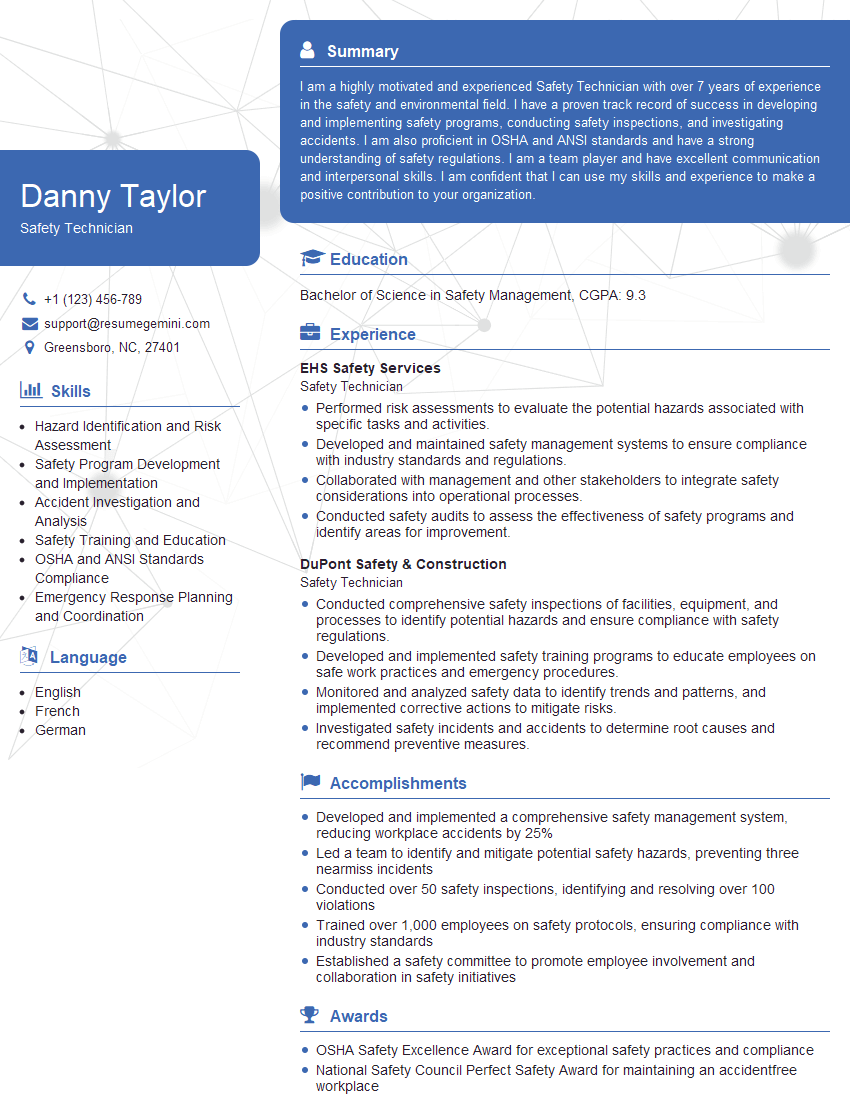
Safety Technician Resume Sample
- Safety Manager
- Safety Director
- Safety Coordinator
- Compliance Officer
- Regulatory Compliance Specialist
- Risk Manager
- Loss Prevention Specialist
- Environmental Compliance Officer
- Process Safety Engineer
- Safety Consultant
- Safety Engineer
- Industrial Hygienist
- Occupational Health and Safety Specialist
- Safety Technician
Explore more articles
Users Rating of Our Blogs
Share Your Experience
We value your feedback! Please rate our content and share your thoughts (optional).
What Readers Say About Our Blog
Really detailed insights and content, thank you for writing this detailed article.
IT gave me an insight and words to use and be able to think of examples