The thought of an interview can be nerve-wracking, but the right preparation can make all the difference. Explore this comprehensive guide to Basic Engineering interview questions and gain the confidence you need to showcase your abilities and secure the role.
Questions Asked in Basic Engineering Interview
Q 1. Explain the difference between static and dynamic loads.
The key difference between static and dynamic loads lies in their time-dependence. A static load is a constant force applied to a structure, meaning it doesn’t change significantly over time. Think of a building’s weight resting on its foundation – that’s a static load. The forces remain relatively constant. Analysis of static loads is relatively straightforward, using principles of statics to ensure stability and strength.
In contrast, a dynamic load is a time-varying force. This could be anything from the impact of a car crash on a barrier to the vibrations of a machine during operation or wind loading on a skyscraper. Analyzing dynamic loads requires considering factors like acceleration, inertia, and frequency, often requiring more complex methods like finite element analysis (FEA).
Example: A bridge supporting the constant weight of the roadway and traffic is subjected to static loads. However, the same bridge experiencing the impact of a heavy vehicle, or the repetitive stress of waves if it’s a suspension bridge, would be under dynamic loading. The dynamic analysis would be crucial in ensuring the bridge’s safety and longevity under these fluctuating forces.
Q 2. Describe your experience with CAD software (e.g., AutoCAD, SolidWorks).
I have extensive experience with several CAD software packages, including AutoCAD and SolidWorks. My proficiency in AutoCAD extends to 2D drafting and design, including creating detailed drawings for manufacturing, using various commands like layers, blocks, and dimensioning to produce precise technical documentation. I’m comfortable generating floor plans, structural drawings, and schematic diagrams. My experience with SolidWorks is focused on 3D modeling, parametric design, and assembly modeling. I’ve utilized this software to design complex components and assemblies, performing simulations and analyses to optimize designs for strength, weight, and functionality.
For instance, in a previous project, I used SolidWorks to model a robotic arm, designing each individual component (motors, linkages, end-effectors) and then assembling the entire arm in the software. This allowed for virtual prototyping, motion analysis, and interference checking before physical prototyping began, saving considerable time and resources.
Q 3. What are the different types of engineering drawings?
Engineering drawings are the language of manufacturing and construction. Different types cater to specific needs. Some common types include:
- Orthographic Projections: These drawings use multiple views (top, front, side) to represent a 3D object in 2D. They’re fundamental to conveying shape and dimensions precisely.
- Isometric Drawings: These provide a 3D representation on a 2D plane, offering a quick visual understanding of the object’s overall form. They are less precise for dimensions than orthographic drawings.
- Section Drawings: These illustrate the internal structure of an object by showing a cut-away view. Different types like cross-sections, half-sections, and broken-out sections provide different levels of detail.
- Assembly Drawings: These show how individual components fit together to form a complete assembly. They’re crucial for manufacturing and maintenance.
- Detail Drawings: These provide magnified views of specific components, highlighting critical dimensions and features.
- Schematic Drawings: These are simplified representations of systems, often used for electrical, plumbing, or process engineering, focusing on functionality rather than precise geometry.
The choice of drawing type depends on the design stage, the complexity of the object, and the intended audience. For example, an orthographic drawing would be necessary for precise manufacturing, while an isometric drawing could be sufficient for a quick understanding of a proposed design.
Q 4. How do you calculate the center of gravity?
The center of gravity (CG) is the point where the entire weight of an object can be considered to be concentrated. For simple shapes, it’s often readily apparent (e.g., the geometric center of a uniform cube). For more complex objects, the CG calculation involves summing the moments of individual components or using integral calculus. For a system of discrete point masses, the coordinates (xcg, ycg, zcg) of the center of gravity are given by:
xcg = (Σmixi) / Σmi
ycg = (Σmiyi) / Σmi
zcg = (Σmizi) / Σmi
where mi is the mass of the i-th component and (xi, yi, zi) are its coordinates. For continuous bodies, integration replaces summation.
Example: Consider a simple T-shaped object. To find its CG, you would treat it as two rectangles, find the CG of each rectangle individually, and then calculate the weighted average of their CGs based on their areas (or masses) to find the CG of the T-shape.
Q 5. Explain the concept of stress and strain.
Stress is the internal force per unit area within a material that resists an externally applied force. It’s a measure of how much a material is being ‘pushed’ or ‘pulled’ internally. Imagine stretching a rubber band – the internal resistance to stretching is a form of stress. Stress (σ) is calculated as force (F) divided by the cross-sectional area (A):
σ = F/A
Strain is the measure of deformation of a material in response to stress. It’s the change in length or dimension divided by the original length or dimension. If you stretch that rubber band, the increase in its length compared to its original length represents strain (ε). It’s a dimensionless quantity.
ε = (ΔL) / L
where ΔL is the change in length and L is the original length. The relationship between stress and strain is described by the material’s constitutive model (e.g., Hooke’s Law for elastic materials), which defines how a material behaves under load.
Understanding stress and strain is essential for structural design. If the stress in a component exceeds its material’s strength, failure (fracture, yielding, etc.) will occur. Careful consideration of both stress and strain is vital to ensure the safety and reliability of engineering structures.
Q 6. What is your experience with material selection?
Material selection is a critical aspect of engineering design. My experience involves considering various factors such as strength, stiffness, weight, cost, corrosion resistance, manufacturability, and environmental impact. I utilize resources like material property databases and handbooks to make informed choices. For example, when designing a lightweight component, I might choose aluminum alloys for their high strength-to-weight ratio, or consider composites for even greater strength and stiffness while minimizing weight. In situations where corrosion resistance is critical, I might select stainless steel or a specialized coating.
In a past project involving the design of a pressure vessel, the selection of the material was paramount. Factors like yield strength, fatigue resistance, and weldability were crucial. We performed detailed analysis to ensure the vessel could safely withstand the intended operating pressures and temperatures without compromising safety. The final material selection was based on a trade-off between cost, performance requirements, and safety regulations.
Q 7. Describe your understanding of different manufacturing processes.
I’m familiar with a wide range of manufacturing processes, including:
- Casting: Creating parts by pouring molten material into a mold.
- Forging: Shaping metal using compressive forces.
- Machining: Removing material from a workpiece using cutting tools (e.g., milling, turning, drilling).
- Welding: Joining materials using heat or pressure.
- Additive Manufacturing (3D Printing): Building parts layer by layer from a digital model.
- Sheet Metal Forming: Shaping sheet metal into various forms through processes such as bending, stamping, and drawing.
The choice of manufacturing process depends on factors such as material properties, part geometry, production volume, cost, and desired surface finish. For instance, casting is cost-effective for high-volume production of simple shapes, while machining is better suited for producing complex parts with high precision. Additive manufacturing is ideal for prototyping and producing complex geometries that are difficult or impossible to manufacture using traditional methods.
My experience also includes understanding the limitations and capabilities of each process, ensuring that the chosen method aligns with the design and performance requirements of the component.
Q 8. Explain your knowledge of quality control procedures.
Quality control (QC) procedures are systematic processes designed to ensure that a product or service meets predefined specifications and quality standards. It’s all about preventing defects and ensuring customer satisfaction. My knowledge encompasses several key aspects:
- Inspection: This involves visually checking, measuring, and testing products at various stages of production to identify any non-conformances. For instance, in a manufacturing setting, this could involve checking the dimensions of a machined part using calipers or verifying the strength of a weld using a destructive or non-destructive testing method.
- Statistical Process Control (SPC): This employs statistical methods to monitor and control processes, identifying variations and potential problems before they escalate. Control charts, like X-bar and R charts, are crucial tools here. I’ve used SPC extensively to optimize manufacturing processes, minimizing waste and maximizing efficiency. For example, monitoring the diameter of a manufactured bolt throughout a production run allows for timely adjustments to the machinery if trends show a drift from the target value.
- Root Cause Analysis (RCA): When defects occur, RCA techniques, such as the 5 Whys or Fishbone diagrams, help determine the underlying causes. This prevents recurrence. I once utilized a 5 Whys analysis to troubleshoot a recurring issue with the incorrect assembly of a circuit board – we traced it back to an unclear instruction in the assembly manual.
- Corrective and Preventive Actions (CAPA): Implementing corrective actions addresses immediate problems, while preventive actions address the root cause to prevent future issues. A well-documented CAPA system is crucial for continuous improvement.
- Documentation and Record Keeping: Meticulous documentation, including inspection reports, test results, and CAPA records, is essential for traceability and auditing purposes. This is crucial for ISO 9001 compliance.
Ultimately, effective QC isn’t just about finding defects; it’s about building a culture of quality throughout the entire process.
Q 9. How do you ensure compliance with safety regulations?
Ensuring compliance with safety regulations is paramount. My approach is proactive and multi-faceted:
- Thorough Knowledge of Regulations: I stay updated on relevant safety standards (OSHA, ANSI, etc.), specific to the industry and project. Understanding these regulations is the first step to ensuring compliance.
- Risk Assessment: Before any project commences, a thorough risk assessment identifies potential hazards and evaluates their likelihood and severity. This allows for proactive mitigation strategies.
- Implementation of Safety Procedures: I ensure that all work activities are carried out in accordance with established safety procedures. This includes the use of appropriate Personal Protective Equipment (PPE), following lockout/tagout procedures for machinery, and adhering to safe work practices.
- Training and Communication: Regular safety training for team members is critical. Clear and consistent communication about safety protocols is also vital.
- Incident Reporting and Investigation: A robust incident reporting system allows for timely investigation of accidents or near misses. This allows us to identify areas for improvement and prevent future incidents. Thorough documentation of these incidents is paramount.
- Regular Safety Audits: Periodic safety audits ensure ongoing compliance and identify any lapses in safety protocols. This proactive approach helps prevent accidents before they occur.
Safety is not just a set of rules; it’s a mindset. I strive to create a safety-conscious environment where everyone feels empowered to identify and report potential hazards.
Q 10. Describe your experience with project management methodologies.
My experience encompasses several project management methodologies, including Agile and Waterfall. The choice of methodology depends on the project’s nature and complexity.
- Waterfall: Suitable for projects with well-defined requirements and minimal anticipated changes. I’ve utilized this for projects where deliverables are sequential and clearly outlined. It’s a structured approach with distinct phases: initiation, planning, execution, monitoring and controlling, and closure.
- Agile (Scrum): Best suited for projects with evolving requirements and a need for flexibility. I’ve used Scrum in several projects where iterative development and continuous feedback were crucial. It emphasizes teamwork, collaboration, and rapid iterations (sprints) to deliver working software incrementally.
Regardless of the methodology, my approach always involves:
- Scope Definition: Clearly defining the project’s objectives, deliverables, and constraints.
- Planning and Scheduling: Developing a realistic project schedule and allocating resources effectively using tools like Gantt charts.
- Risk Management: Identifying and mitigating potential risks throughout the project lifecycle.
- Communication and Collaboration: Maintaining clear communication with stakeholders and fostering effective teamwork.
- Monitoring and Control: Tracking progress, managing changes, and addressing any issues that arise.
I adapt my approach based on the project’s needs, ensuring efficient delivery and successful outcomes.
Q 11. What are your strengths and weaknesses as a Basic Engineer?
My strengths as a Basic Engineer include a strong analytical ability, a meticulous approach to problem-solving, and excellent communication skills. I thrive in collaborative environments and am proficient in using various engineering software packages.
An example of my analytical skills is my ability to quickly assess complex engineering drawings and specifications to identify potential issues or discrepancies early on in a project, preventing cost overruns later. My meticulous approach ensures accuracy and attention to detail in all my work. In a recent project, my thoroughness helped us avoid costly errors related to the design of a component, saving significant time and resources.
One area where I’m actively working on improvement is my delegation skills. While I excel at handling various tasks independently, I aim to become more proficient at efficiently delegating work to others and providing effective support to them. I’m currently working on this through mentoring opportunities and project management courses.
Q 12. How do you handle pressure and deadlines?
I handle pressure and deadlines effectively by employing several strategies:
- Prioritization: I prioritize tasks based on urgency and importance, focusing on critical path activities first.
- Time Management: I utilize time management techniques, such as the Pomodoro Technique, to maintain focus and prevent burnout.
- Effective Planning: Realistic planning and scheduling allow me to anticipate potential challenges and allocate sufficient time for each task.
- Communication: Open communication with my team and stakeholders about potential delays or challenges allows for proactive problem-solving.
- Delegation: When appropriate, I delegate tasks effectively to optimize resource utilization.
I believe that maintaining a calm and organized approach, coupled with strong planning, is key to managing pressure and meeting deadlines effectively. I’ve successfully managed several projects with tight deadlines, delivering high-quality results on time.
Q 13. How do you work within a team?
I’m a strong team player and believe in collaborative work. My approach to teamwork is centered around:
- Effective Communication: Open and honest communication is essential for ensuring everyone is on the same page.
- Active Listening: I listen attentively to my team members’ ideas and perspectives.
- Respectful Collaboration: I treat every team member with respect and value their contributions.
- Shared Goals: A shared understanding of project goals and objectives is crucial for successful teamwork.
- Constructive Feedback: I provide and receive constructive feedback openly and professionally.
In a recent project, our team faced a significant challenge that required collaborative problem-solving. By working together, sharing ideas, and leveraging each team member’s expertise, we successfully overcame the obstacle and delivered an outstanding result. This experience showcased the power of effective teamwork and collaborative problem-solving.
Q 14. Describe your problem-solving process.
My problem-solving process is systematic and iterative:
- Define the Problem: Clearly and concisely define the problem, gathering all necessary information.
- Identify Potential Causes: Brainstorm potential causes using techniques like Fishbone diagrams or 5 Whys.
- Develop Solutions: Generate several potential solutions, considering their feasibility and effectiveness.
- Evaluate Solutions: Analyze the potential solutions, considering their pros and cons, and selecting the most promising approach.
- Implement the Solution: Implement the chosen solution, ensuring proper documentation and monitoring.
- Evaluate Results: Assess the effectiveness of the implemented solution and make necessary adjustments.
This iterative approach allows me to adapt my approach based on the results and continuously improve my problem-solving skills. For example, when troubleshooting a malfunctioning piece of equipment, I followed this process, starting by defining the specific malfunction, then investigating potential causes such as wiring issues, component failure, or software glitches. Through systematic testing and elimination, I successfully identified and resolved the root cause, highlighting the effectiveness of this method.
Q 15. Explain your experience with data analysis.
My experience with data analysis in basic engineering primarily involves using data to improve design, optimize processes, and troubleshoot problems. This often includes collecting data from various sources, such as simulations, experiments, or field measurements. I’m proficient in using tools like Excel and statistical software packages to analyze this data.
For example, in a recent project involving the design of a pressure vessel, I used finite element analysis (FEA) software to simulate stress distribution under different loading conditions. The resulting datasets allowed me to identify areas of high stress concentration and optimize the design to reduce weight and improve safety. I then used statistical methods to quantify the uncertainty in the simulation results and incorporate this into the design.
Another example involves analyzing sensor data from a manufacturing process to identify bottlenecks and improve efficiency. By analyzing the data, I was able to pinpoint specific stages of the process that were causing delays and suggest changes to the workflow to improve productivity. This involved using statistical process control (SPC) techniques to monitor process performance and identify anomalies.
Career Expert Tips:
- Ace those interviews! Prepare effectively by reviewing the Top 50 Most Common Interview Questions on ResumeGemini.
- Navigate your job search with confidence! Explore a wide range of Career Tips on ResumeGemini. Learn about common challenges and recommendations to overcome them.
- Craft the perfect resume! Master the Art of Resume Writing with ResumeGemini’s guide. Showcase your unique qualifications and achievements effectively.
- Don’t miss out on holiday savings! Build your dream resume with ResumeGemini’s ATS optimized templates.
Q 16. What are your salary expectations?
My salary expectations are commensurate with my experience and skills, and the specifics of the role and company. I am open to discussing a competitive compensation package based on a detailed understanding of the responsibilities and benefits offered.
Q 17. Describe your understanding of engineering ethics.
Engineering ethics is a cornerstone of my professional practice. It encompasses the responsible conduct of engineers, prioritizing safety, public welfare, and professional integrity above all else. This means adhering to a strict code of conduct, which includes honesty, transparency, and accountability in all aspects of my work.
For instance, I would never compromise safety for expediency. If I identified a potential safety hazard in a design, I would raise it immediately, even if it meant delaying the project. Similarly, I’d avoid conflicts of interest and always strive for objective decision-making based on sound engineering principles, not external pressures. My commitment to ethical practice goes beyond following rules; it’s about proactively seeking ways to ensure responsible innovation and sustainable engineering solutions.
Q 18. How familiar are you with engineering codes and standards?
I’m familiar with numerous engineering codes and standards, including those related to materials selection, design, manufacturing, and safety. My familiarity stems from both formal training and practical application in projects.
For example, I frequently reference the ASME Boiler and Pressure Vessel Code (BPVC) when designing pressure vessels, ensuring compliance with established safety standards. Similarly, I’m conversant with relevant industry standards for material properties and testing procedures like ASTM standards. My understanding extends to the interpretation and application of these codes, ensuring projects adhere not only to the letter but also the spirit of the regulations.
Q 19. Explain your experience with failure analysis.
Failure analysis is a critical aspect of engineering, helping us to learn from mistakes and prevent future failures. My experience involves systematically investigating failed components or systems to determine the root cause of failure. This process typically involves visual inspection, material testing, and sometimes, finite element analysis.
In one instance, a critical component in a manufacturing process failed unexpectedly. Through failure analysis, which involved microscopic examination of the fractured surface and material testing, we identified fatigue cracking due to excessive vibration as the root cause. This led to a redesign of the component’s mounting system and vibration dampening measures, preventing future failures and significant downtime.
Q 20. How do you stay updated with the latest advancements in Basic Engineering?
Staying updated in basic engineering requires a multi-pronged approach. I regularly read industry journals and publications like Mechanical Engineering and ASME journals. I also actively participate in professional organizations like ASME, attending conferences and workshops to network and learn about the latest advancements. Furthermore, I regularly utilize online resources, including reputable academic databases and professional development platforms.
I also actively seek out opportunities for continuous learning by taking online courses and attending webinars on relevant topics. This ensures my skills remain sharp and that I am aware of the latest trends and best practices.
Q 21. Explain your experience with process optimization.
Process optimization is all about enhancing efficiency, reducing waste, and improving the overall performance of a system. My approach combines data analysis, process mapping, and lean manufacturing principles.
In a recent project involving a manufacturing line, I used process mapping techniques to visualize the entire workflow, identifying bottlenecks and areas for improvement. By analyzing production data, we were able to pinpoint the root causes of inefficiencies. Implementing changes such as streamlined workflows, improved material handling, and operator training resulted in a significant increase in production output and a reduction in production time and waste.
Q 22. What is your understanding of different types of piping systems?
Piping systems are the veins and arteries of any industrial facility, transporting fluids like water, steam, chemicals, or gases. Their design and construction are critical for safety and efficiency. They are categorized based on several factors, including the material used, pressure rating, and the fluid being transported.
- Material: Piping systems can be constructed from various materials such as steel (carbon steel, stainless steel), copper, PVC, plastic, and others. The choice of material depends on factors like corrosion resistance, temperature, and pressure requirements. For instance, stainless steel is preferred for corrosive fluids, while PVC is suitable for low-pressure applications.
- Pressure Rating: Pipes are rated for specific maximum operating pressures. High-pressure systems require thicker walls and specialized fittings compared to low-pressure systems. A high-pressure steam system in a power plant will necessitate robust piping compared to a low-pressure water supply line.
- Fluid Type: The fluid being transported dictates the design considerations. For example, transporting highly flammable or toxic materials requires additional safety features like leak detection systems and specialized valves.
- System Type: There are various system types like:
- Process Piping: Carries process fluids within a plant.
- Fire Protection Piping: Designed for sprinkler systems or fire suppression.
- Water Supply Piping: Distributes potable or non-potable water.
- Drainage Piping: Handles wastewater disposal.
Understanding these classifications is key to selecting the appropriate materials, fittings, and construction techniques for a given application. A poorly designed piping system can lead to leaks, failures, and even catastrophic accidents.
Q 23. Describe your experience with instrumentation and control systems.
My experience with instrumentation and control systems (ICS) spans several projects, encompassing design, implementation, and troubleshooting. I’m proficient in using various instruments like pressure transmitters, temperature sensors, flow meters, and level indicators. I understand the role of programmable logic controllers (PLCs) and distributed control systems (DCS) in automating industrial processes.
In one project, I was involved in designing the ICS for a chemical processing plant. This included selecting appropriate instrumentation based on process requirements, designing the control logic using a PLC, and developing human-machine interface (HMI) screens for operators. We utilized a DCS for overall process monitoring and control. I also performed loop checks and calibration of instruments to ensure accuracy and reliability. The project emphasized safety protocols, including emergency shutdown systems (ESD) and interlocks to prevent hazardous situations.
Troubleshooting ICS issues often involves systematic problem-solving. For example, I once investigated a malfunctioning control loop that resulted in erratic process behavior. Through careful analysis of the control strategy, instrument readings, and alarm logs, I identified a faulty pressure transmitter that was causing the problem. Replacing the transmitter restored normal operation.
Q 24. How do you handle conflicting priorities in a project?
Conflicting priorities are inevitable in project management. My approach involves a structured process to resolve them efficiently and fairly. I begin by clearly defining all project objectives and constraints. Then, I prioritize tasks based on their impact on overall project goals, using methods like a prioritization matrix that considers urgency and importance.
Communication is paramount. I engage in open discussions with stakeholders to understand their concerns and expectations. This often involves collaborative brainstorming sessions to find mutually acceptable solutions. If necessary, I escalate unresolved conflicts to higher management for final decision-making, providing a clear rationale for my recommendations. The goal is to find a balanced solution that meets the most critical needs while minimizing negative impacts.
For example, in a recent project, we faced delays in receiving critical components, jeopardizing the project deadline. By communicating transparently with the client and exploring alternative solutions (like using substitute components or adjusting the project scope), we successfully mitigated the impact of the delay and delivered a satisfactory outcome.
Q 25. Describe a time you had to make a difficult decision.
One difficult decision involved selecting between two different design options for a crucial component in a refinery project. Option A was cheaper but had a slightly higher failure rate based on simulations, while Option B was more expensive but offered significantly improved reliability. The time constraint added pressure, as the project was already behind schedule.
I weighed the risks and benefits of each option carefully, considering factors like lifecycle cost, safety implications, and the potential impact of a component failure on the entire plant operation. I consulted with senior engineers and gathered data to support my decision. Ultimately, I opted for Option B, justifying the higher initial cost with a compelling cost-benefit analysis that showed significant long-term savings in maintenance and downtime. While it meant potentially pushing the project deadline slightly, the enhanced reliability justified the choice and the decision was ultimately well-received.
Q 26. What is your experience with technical writing and documentation?
I have extensive experience in technical writing and documentation, creating clear and concise reports, design specifications, and operating manuals. My approach emphasizes accuracy, readability, and ease of understanding for a diverse audience. I utilize various software tools to create professional-looking documents and diagrams.
For example, in a previous role, I developed a comprehensive operating manual for a new chemical processing unit. This involved creating detailed flow diagrams, equipment specifications, safety procedures, and troubleshooting guides. The manual was reviewed by subject matter experts to ensure accuracy and consistency. The result was a user-friendly document that improved operator training and reduced the risk of errors.
Q 27. How do you ensure the accuracy and precision of your work?
Accuracy and precision are paramount in engineering. I employ several strategies to ensure their integrity. First, I meticulously review all calculations and designs, using independent verification methods whenever possible. I also utilize design review meetings and peer reviews to catch potential errors early in the process.
Furthermore, I meticulously document all assumptions, calculations, and decisions. Clear and accurate documentation makes it easy to trace the logic behind designs and ensures traceability. This includes maintaining detailed logs of all tests, calibrations, and modifications. I also rely on quality control checks throughout the project lifecycle, from material procurement to final testing and commissioning. In summary, my commitment to accuracy and precision is a continuous process, not a single event.
Q 28. Explain your understanding of sustainable engineering practices.
Sustainable engineering practices consider the environmental impact throughout a project’s lifecycle. This includes minimizing waste, conserving energy and resources, and reducing pollution. It goes beyond simply complying with regulations; it’s about designing and operating systems that are environmentally responsible and economically viable.
Examples include using recycled materials, employing energy-efficient technologies, minimizing water consumption, and reducing greenhouse gas emissions. In design, this could involve selecting materials with low embodied carbon, optimizing building orientation for passive solar heating and cooling, or incorporating renewable energy sources. In operation, this can involve implementing energy management systems, optimizing process parameters for efficiency, and implementing waste reduction strategies.
Incorporating life-cycle assessment (LCA) tools helps evaluate the environmental impacts of different design options. For example, selecting a material with a lower carbon footprint despite a slightly higher initial cost can result in significant long-term environmental benefits. Sustainable engineering is not simply an add-on but an integral aspect of responsible engineering practice.
Key Topics to Learn for Basic Engineering Interview
- Statics and Dynamics: Understanding forces, equilibrium, and motion is fundamental. Prepare to discuss concepts like free body diagrams, Newton’s laws, and simple machines.
- Material Science and Engineering: Know the properties of various materials (metals, polymers, composites) and how these properties influence design choices. Be ready to discuss stress, strain, and failure modes.
- Thermodynamics: Grasp the principles of heat transfer, energy conversion, and thermodynamic cycles. Practical applications in power generation and refrigeration are valuable.
- Fluid Mechanics: Understand fluid properties, pressure, flow, and Bernoulli’s principle. Be prepared to discuss applications in areas like hydraulic systems and pipe flow.
- Electrical Fundamentals: Familiarize yourself with basic circuit analysis, Ohm’s law, and Kirchhoff’s laws. This is particularly relevant for many engineering disciplines.
- Engineering Drawing and CAD: Demonstrate proficiency in interpreting technical drawings and using Computer-Aided Design (CAD) software. Practice sketching and visualizing 3D objects from 2D representations.
- Problem-Solving Methodologies: Showcase your ability to approach engineering problems systematically, using a structured approach to identify, analyze, and solve challenges. This often includes understanding different problem-solving techniques.
- Manufacturing Processes: Gain familiarity with common manufacturing techniques such as casting, machining, welding, and additive manufacturing (3D printing). Understanding the pros and cons of each process is crucial.
Next Steps
Mastering these Basic Engineering principles is crucial for a successful and fulfilling career. A strong foundation in these areas will open doors to diverse and exciting opportunities. To significantly enhance your job prospects, create an ATS-friendly resume that effectively highlights your skills and experience. We highly recommend using ResumeGemini, a trusted resource for building professional resumes. ResumeGemini provides examples of resumes tailored to Basic Engineering, helping you showcase your qualifications effectively and increase your chances of landing your dream job.

Project Engineer Resume Sample
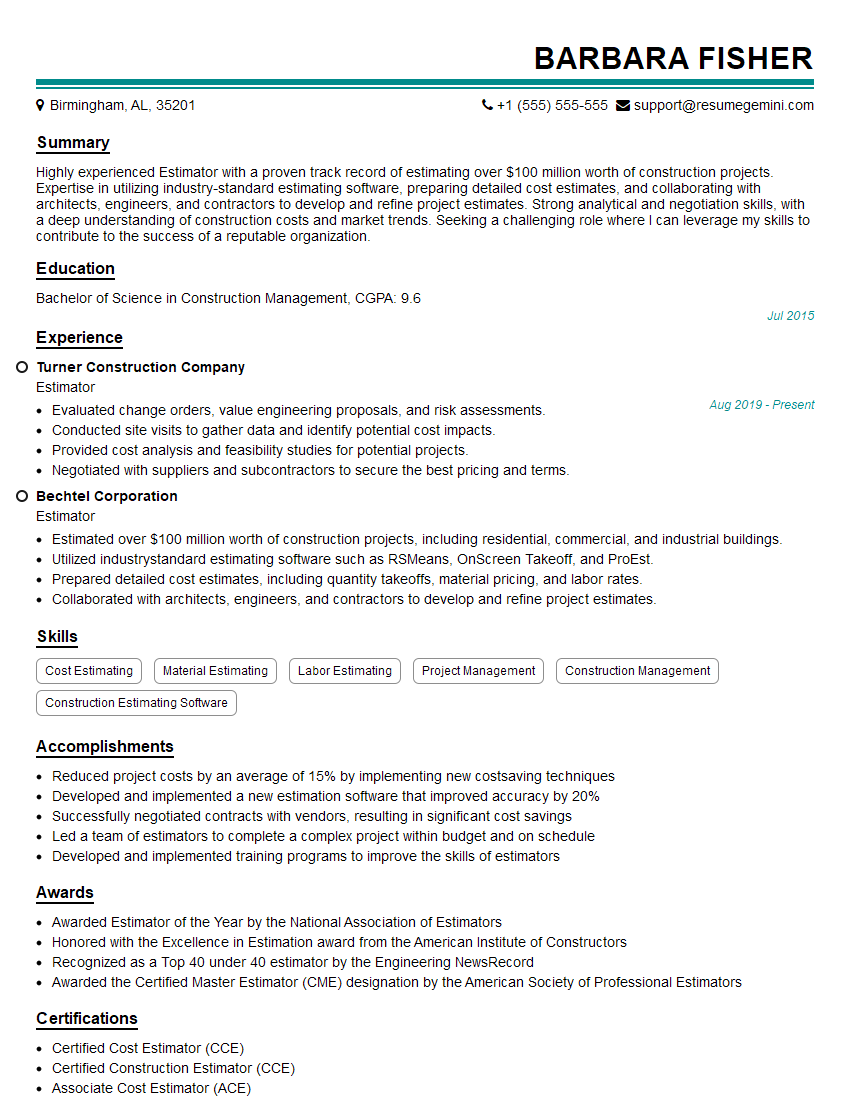
Estimator Resume Sample
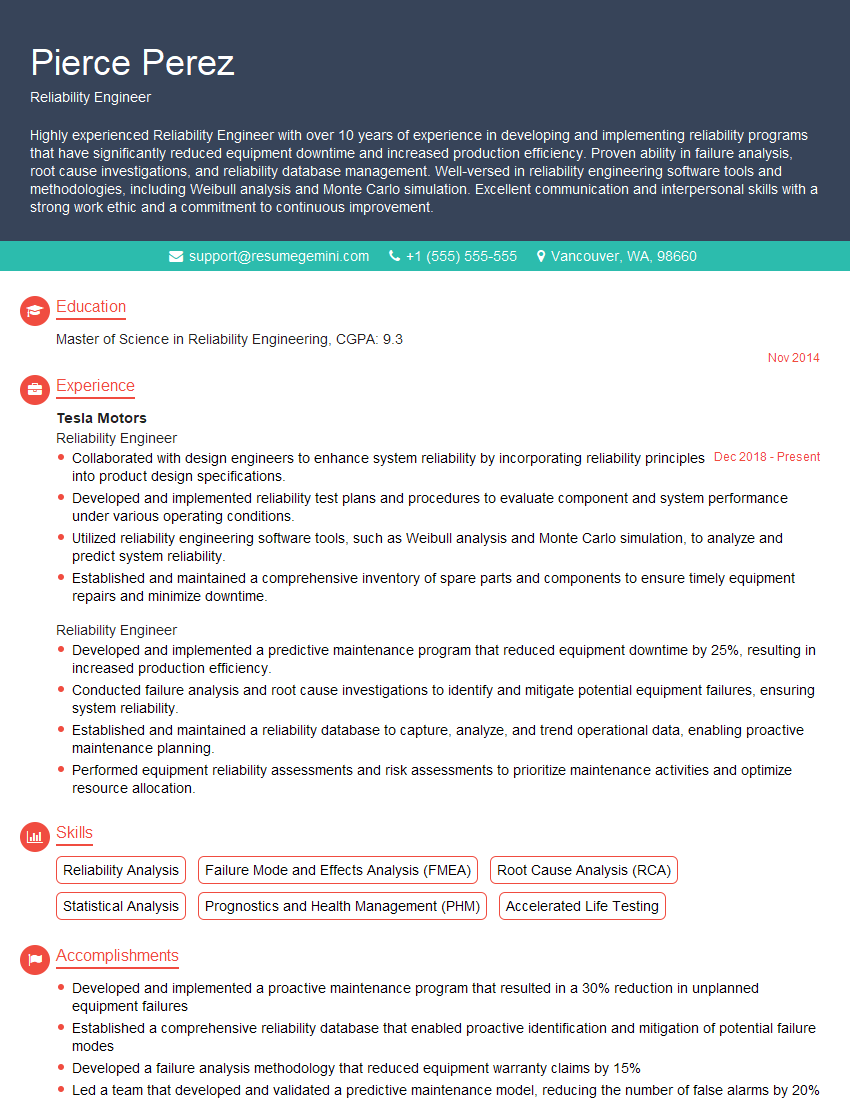
Reliability Engineer Resume Sample
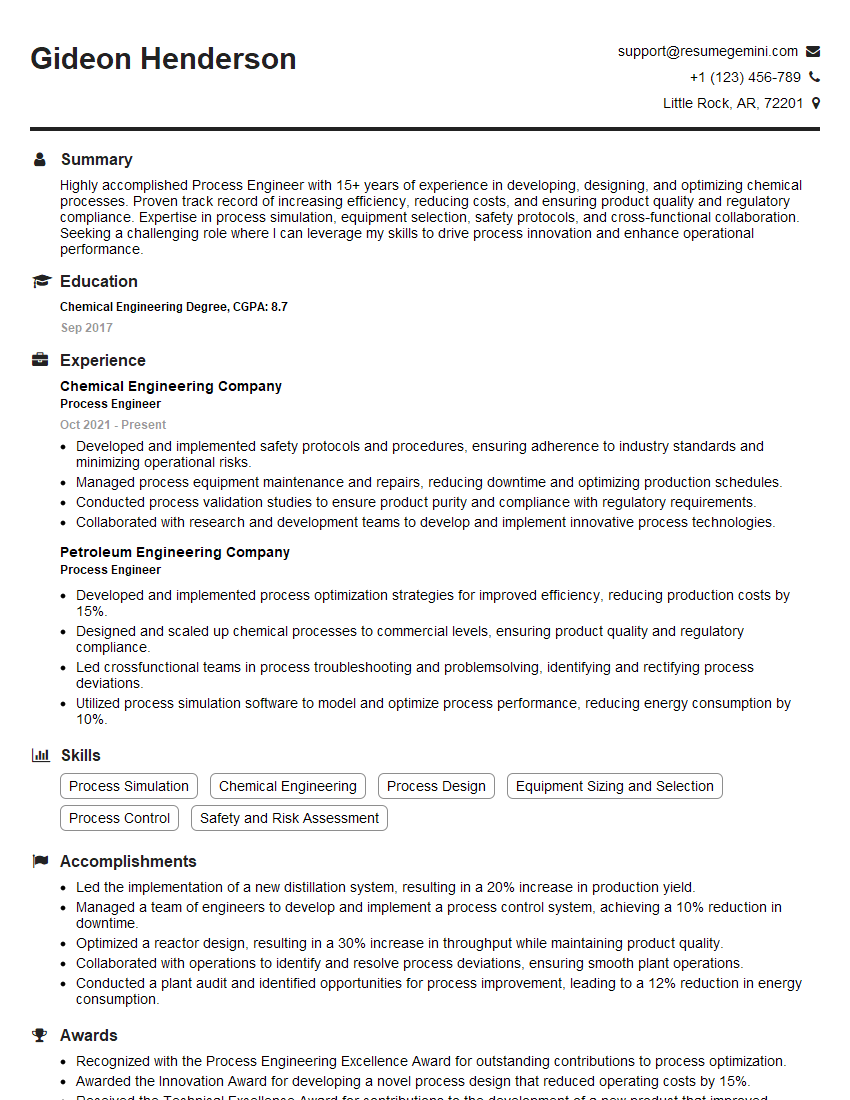
Process Engineer Resume Sample
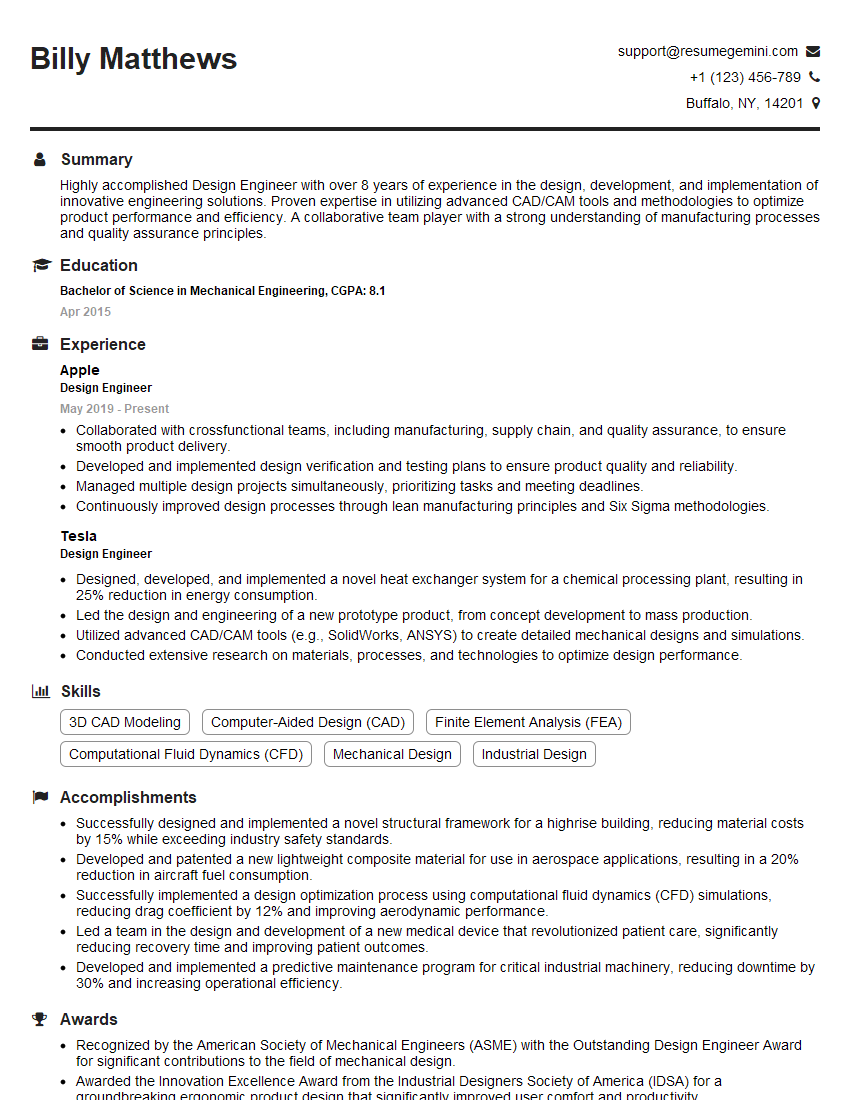
Design Engineer Resume Sample
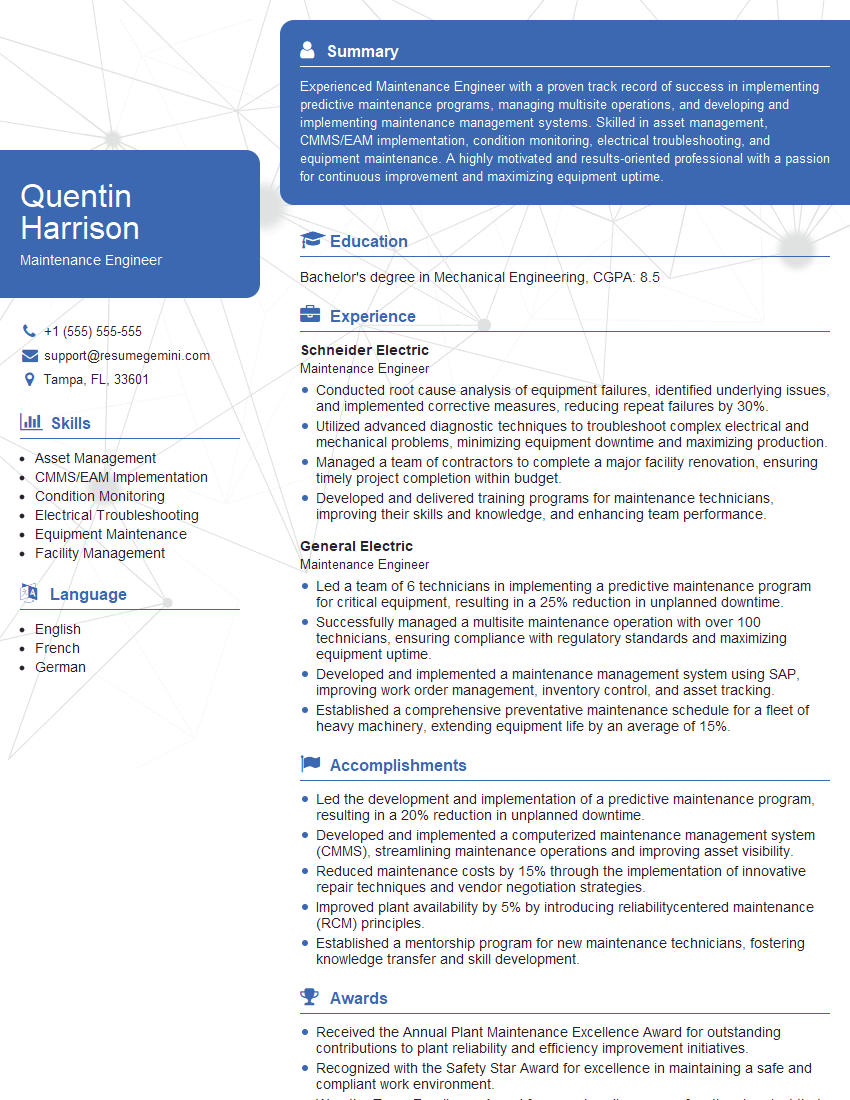
Maintenance Engineer Resume Sample
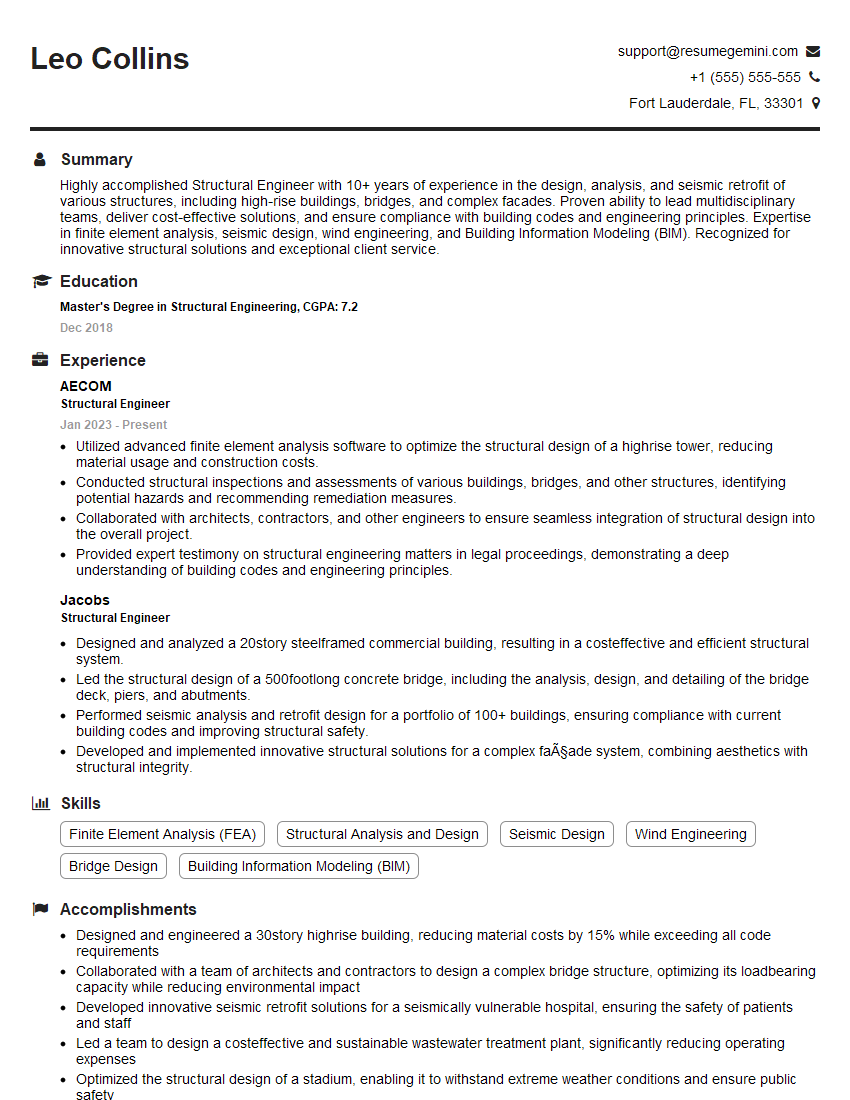
Structural Engineer Resume Sample
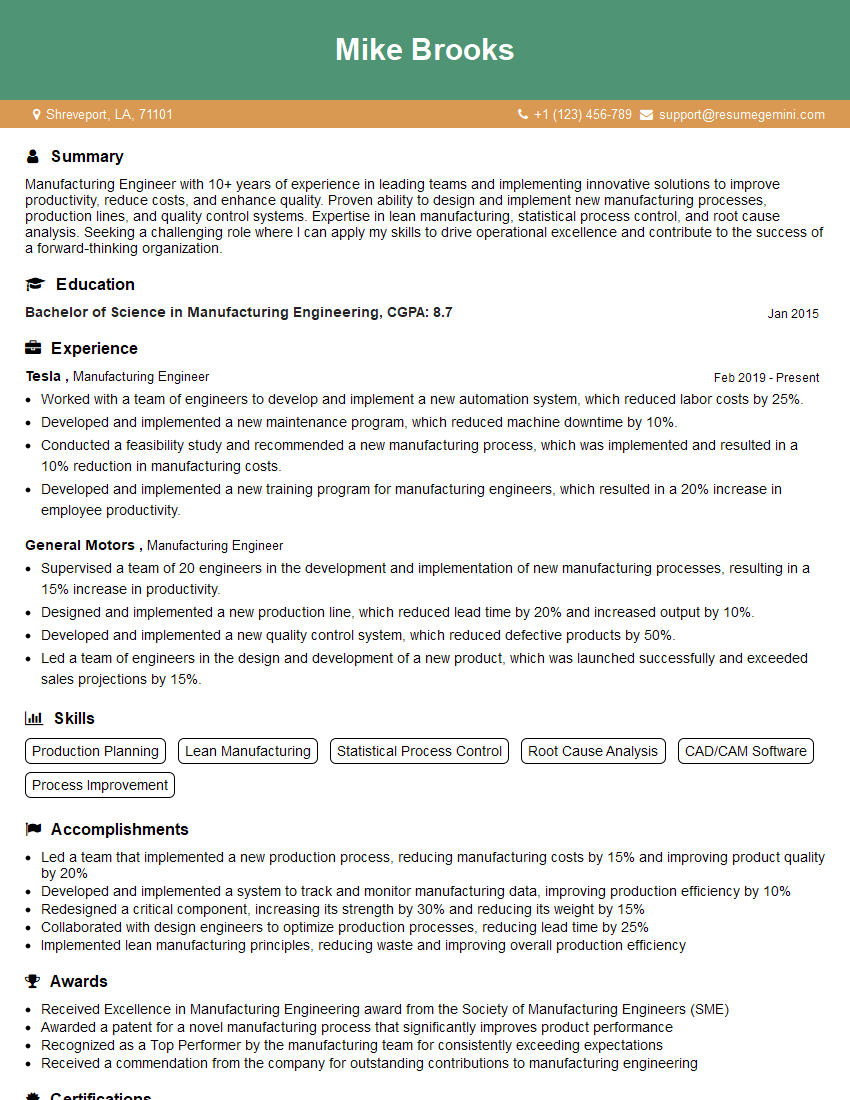
Manufacturing Engineer Resume Sample
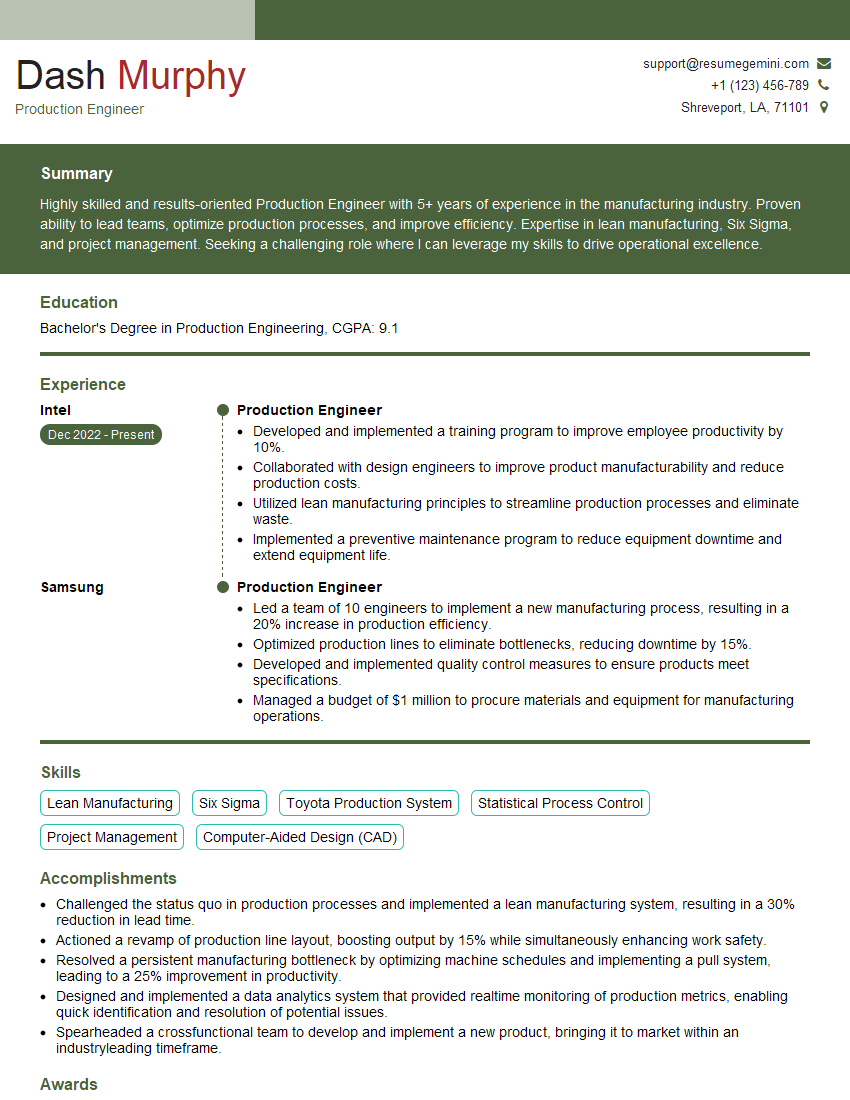
Production Engineer Resume Sample
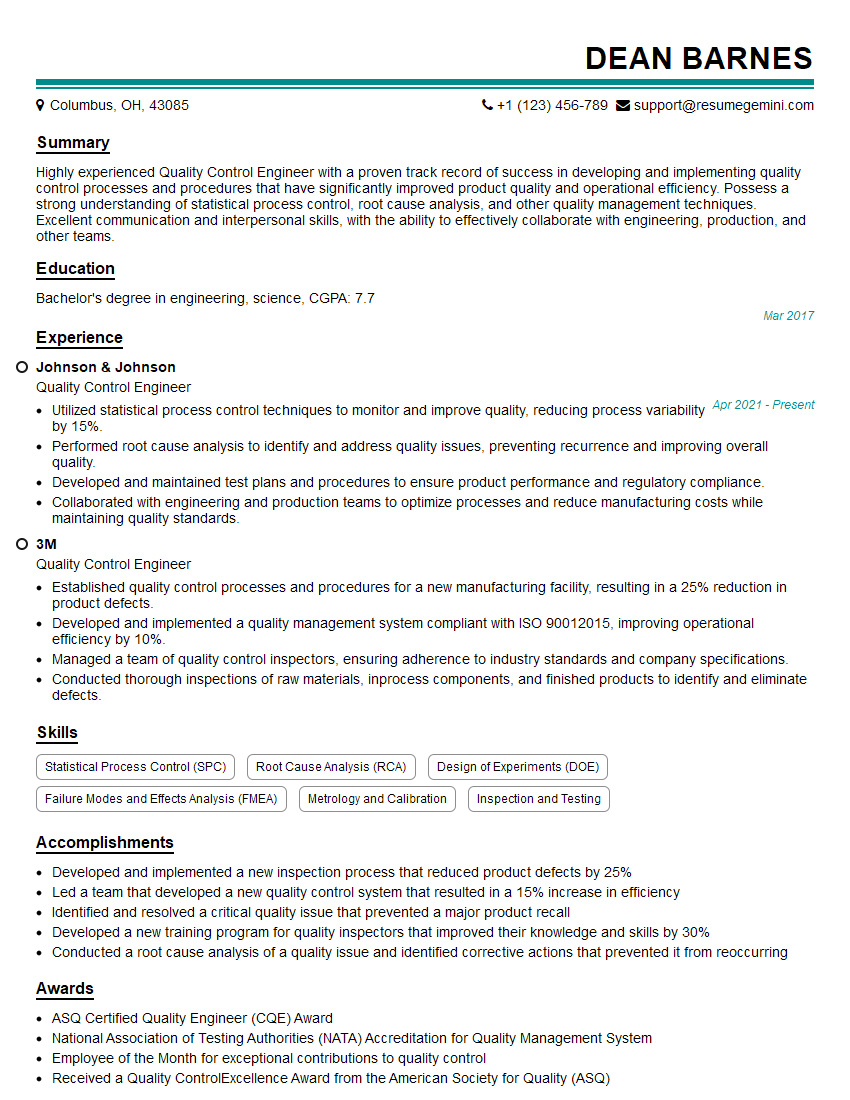
Quality Control Engineer Resume Sample
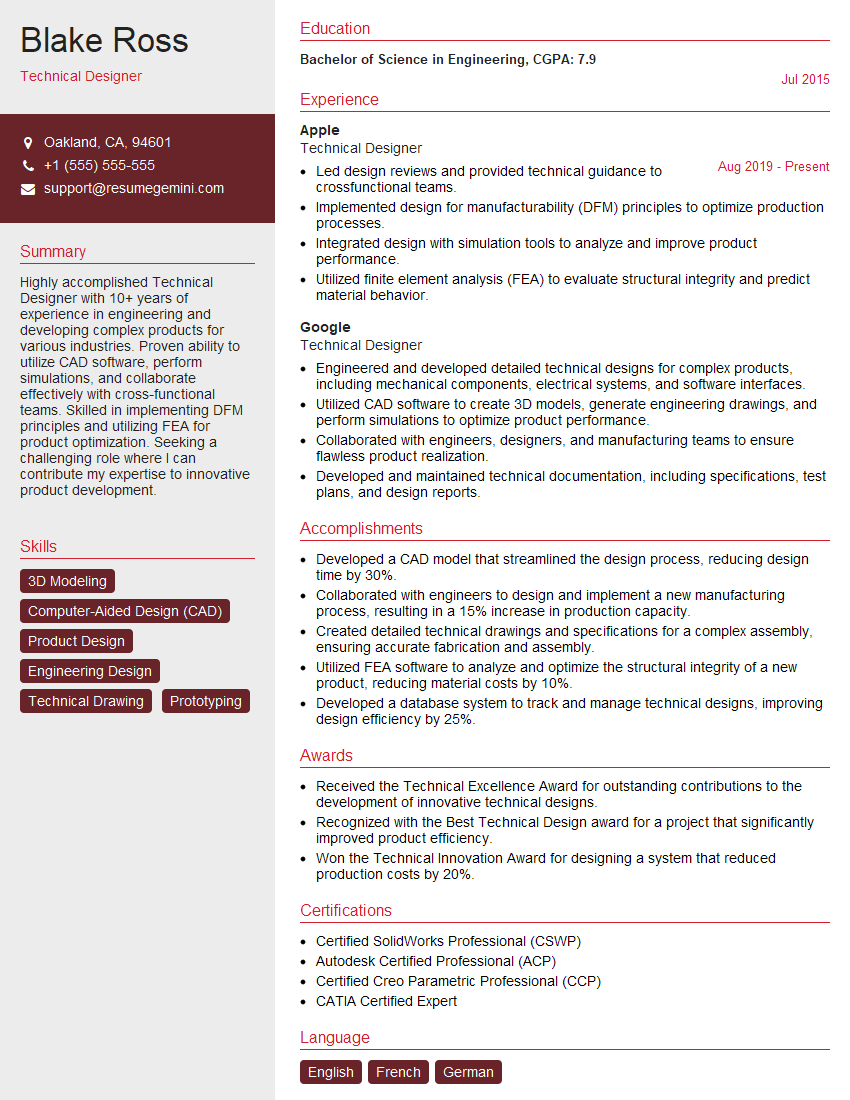
Technical Designer Resume Sample
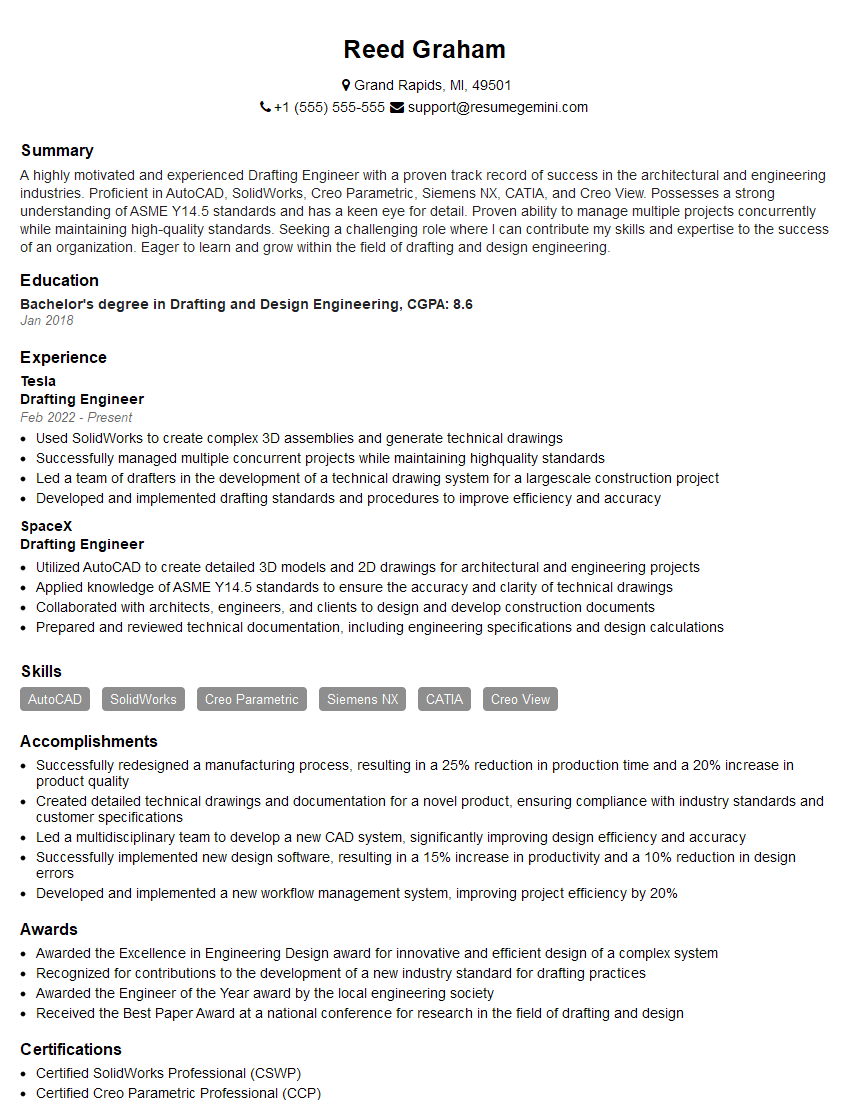
Drafting Engineer Resume Sample
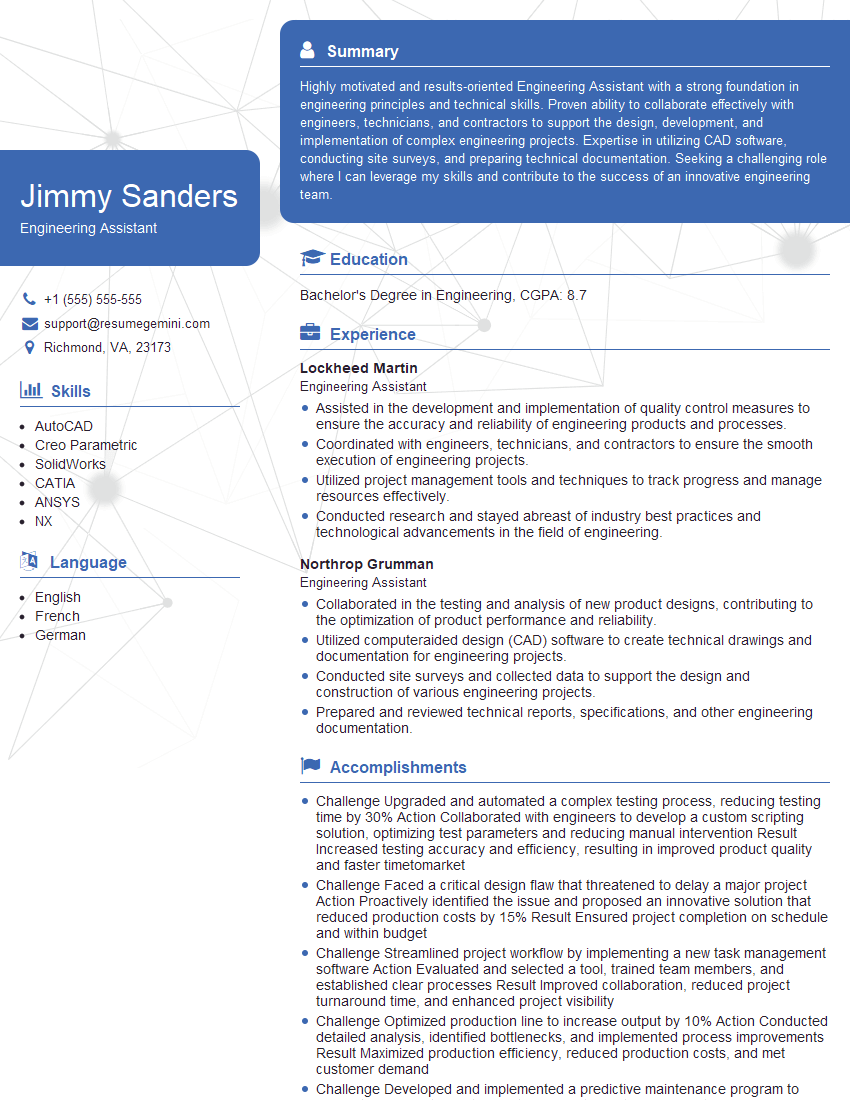
Engineering Assistant Resume Sample
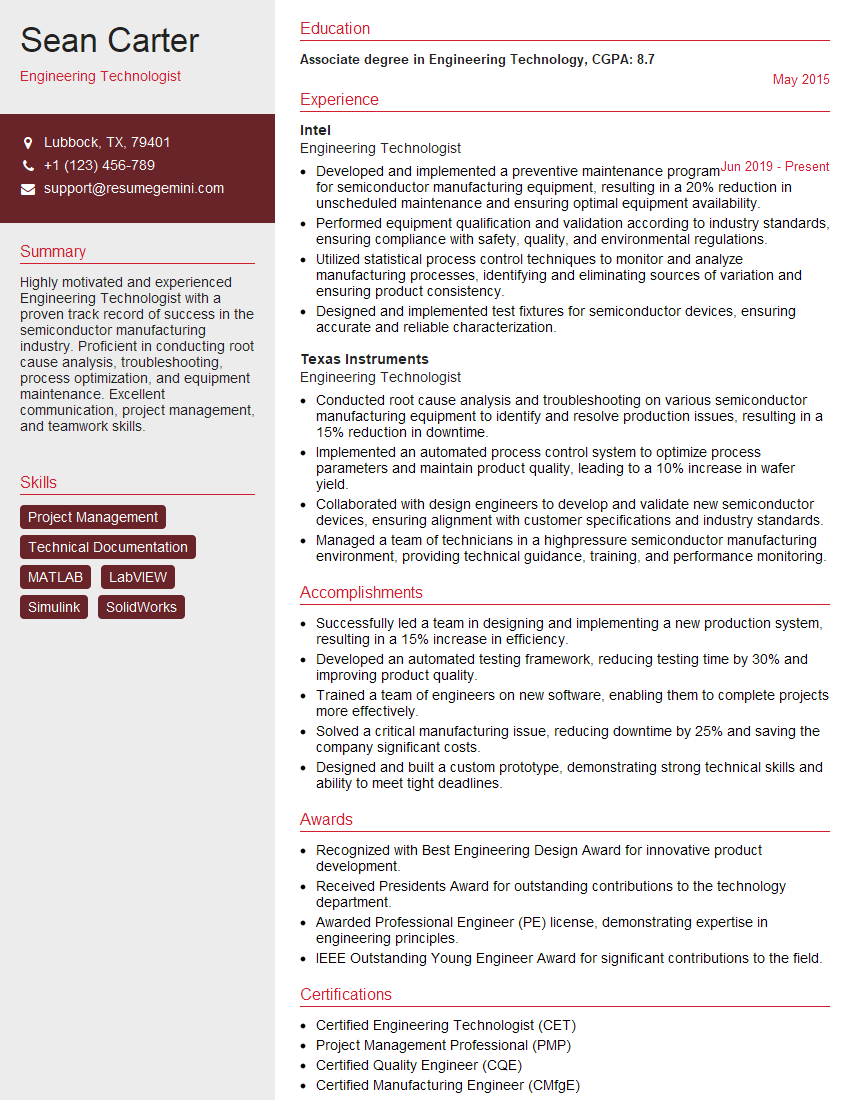
Engineering Technologist Resume Sample
Explore more articles
Users Rating of Our Blogs
Share Your Experience
We value your feedback! Please rate our content and share your thoughts (optional).
What Readers Say About Our Blog
Really detailed insights and content, thank you for writing this detailed article.
IT gave me an insight and words to use and be able to think of examples