The thought of an interview can be nerve-wracking, but the right preparation can make all the difference. Explore this comprehensive guide to Maintained accurate records and prepared reports on inspection findings interview questions and gain the confidence you need to showcase your abilities and secure the role.
Questions Asked in Maintained accurate records and prepared reports on inspection findings Interview
Q 1. Describe your experience maintaining detailed inspection records.
Maintaining detailed inspection records is crucial for ensuring accountability, traceability, and continuous improvement. My experience involves meticulously documenting every aspect of an inspection, from initial setup and methodology to final findings and recommendations. This includes recording date and time, location, personnel involved, equipment used, specific procedures followed, and most importantly, a comprehensive description of all observations, including both conforming and non-conforming items. I utilize a standardized format to ensure consistency and ease of retrieval. For example, in a recent bridge inspection, I documented every crack, spall, and corrosion detail with precise measurements, photos, and GPS coordinates, creating a complete digital record for future reference and analysis.
This detailed approach allows for efficient trend analysis, facilitates effective communication with stakeholders, and supports regulatory compliance. It also enables us to identify potential problems early, preventing more significant and costly issues down the line.
Q 2. What software or systems have you used for record keeping in inspections?
Throughout my career, I’ve utilized a variety of software and systems for record keeping. Early in my career, it was primarily paper-based record-keeping using standardized forms. However, I quickly transitioned to digital solutions as technology advanced. I’ve gained proficiency in using dedicated inspection management software such as Asset Inspector and Intelliscan, which provide tools for data entry, photo management, report generation, and data analysis. These systems allow for easy integration with other data sources such as GIS and CAD for visual representation of inspection findings. Furthermore, I have experience using cloud-based platforms like SharePoint for collaborative document storage and access management, essential for large-scale projects involving multiple inspectors and stakeholders.
Q 3. How do you ensure the accuracy and completeness of your inspection reports?
Accuracy and completeness are paramount in inspection reporting. My process involves several layers of quality control. Firstly, I meticulously document my findings during the inspection itself, taking clear photos and detailed notes. Secondly, I double-check all data entries against my initial observations and supporting documentation. This includes verifying measurements, dates, and locations. I also utilize checklists and standardized forms to ensure consistent data collection and eliminate the possibility of missing critical details. Thirdly, a peer review process is usually involved, where another inspector independently reviews my findings and reports to identify any potential discrepancies or omissions. This final check helps guarantee that the report is accurate and complete before final submission.
Q 4. Explain your process for identifying and documenting non-conformances.
Identifying and documenting non-conformances is a critical part of the inspection process. My process begins with a clear understanding of the relevant codes, standards, and specifications. During the inspection, I meticulously search for any deviations from these requirements. When a non-conformance is identified, I record it using a standardized format. This includes a detailed description of the non-conformance, its location, severity, and any associated risks. I always include photographic evidence and any relevant measurements. For example, if I find a crack in a structural component, I’ll record its length, width, depth, orientation, and location using a sketch and GPS coordinates, along with clear photographic documentation. This detailed approach ensures that all non-conformances are clearly understood and can be effectively addressed.
Q 5. How do you prioritize inspection findings based on severity or risk?
Prioritizing inspection findings is essential for efficient resource allocation and risk mitigation. I typically use a risk-based prioritization matrix, considering factors such as the severity of the finding (e.g., minor, major, critical), the likelihood of failure, and the potential consequences of failure. Critical findings, such as structural defects with high failure probabilities and significant consequences, are always prioritized for immediate attention. Minor findings, which pose minimal risk, may be scheduled for later attention. For instance, a critical finding might be a significant crack in a load-bearing column, requiring immediate repair, while a minor finding could be minor surface corrosion that can be addressed during routine maintenance. This approach helps ensure that resources are focused on the most critical issues first.
Q 6. Describe a time you had to correct an error in an inspection report. What was the process?
In a recent inspection of a large industrial facility, I mistakenly recorded an incorrect measurement for a critical component dimension. This error was caught during the peer review stage. My process for correction involved immediately acknowledging the mistake, documenting the correction process precisely, and then updating the inspection report. The change was clearly marked with the date, time, and a brief explanation of the correction. The original incorrect entry was not erased but was marked as superseded, maintaining a complete audit trail. The corrected report was then re-reviewed by my supervisor and re-distributed to all relevant stakeholders. Transparency and accuracy are key, and this process ensures both are maintained.
Q 7. What methods do you use to verify the accuracy of your data?
Verifying data accuracy is an ongoing process. I employ several methods: Firstly, I cross-reference data from multiple sources – my field notes, photographs, and software-generated data – to identify inconsistencies. Secondly, I utilize dimensional checks and calculations to ensure that measurements are consistent and plausible. For example, if measuring the dimensions of a rectangular component, I cross-check the calculations to make sure they align. Thirdly, independent verification through peer review, as described before, provides another critical layer of validation. Finally, I regularly calibrate my measuring instruments to ensure their accuracy. Through this multi-faceted approach, I strive to maintain the highest level of data integrity.
Q 8. How do you ensure your inspection reports are easily understandable and accessible?
Ensuring inspection reports are easily understandable and accessible is paramount for effective communication and action. My approach focuses on clarity, structure, and appropriate use of visuals. I begin by using plain language, avoiding technical jargon unless absolutely necessary, and defining any specialized terms clearly. I structure my reports logically, using headings, subheadings, and bullet points to break down complex information into digestible chunks. For example, a report on a building inspection might have sections for ‘Structural Integrity’, ‘Electrical Systems’, and ‘Plumbing Systems’, each with clearly labeled findings.
Furthermore, I leverage visual aids extensively. Photographs and diagrams of identified issues are crucial. For instance, instead of simply stating “Cracked wall in the northwest corner,” I would include a photograph clearly showing the crack’s location and extent. I also create easy-to-read tables summarizing key findings or comparing data points. Finally, I ensure reports are easily accessible in digital format (PDF, shared document) and consider accessibility features for users with disabilities such as sufficient contrast and alternative text for images.
Q 9. What is your experience with different types of inspection reports (e.g., written, photographic, video)?
My experience encompasses a wide range of inspection report formats. I regularly create detailed written reports, using a standardized template to ensure consistency and completeness. These reports incorporate specific details about the inspection, including date, time, location, and the individuals involved. They meticulously document all findings, including observations, measurements, and recommendations. However, I recognize that written reports alone may not always be sufficient. I also use photographs extensively to document visual evidence of issues, such as damage, wear, or non-compliance. These photos are clearly labeled and referenced within the written report.
In situations requiring dynamic demonstration or capturing complex processes, video reports offer an advantage. For example, a video could show a malfunctioning piece of equipment in operation, better illustrating the problem than a static photograph. I choose the format that best suits the specific inspection, prioritizing clarity and comprehensiveness. In some cases, a combination of these methods is optimal, providing a more complete picture of the inspection findings.
Q 10. How do you handle conflicting information or data during an inspection?
Handling conflicting information during inspections requires a systematic and thorough approach. When inconsistencies arise, I first meticulously review the data sources to identify potential errors. This could involve double-checking measurements, re-examining evidence (photos, videos), and verifying the accuracy of data entry. If the conflict persists after this review, I document all conflicting information clearly in my report, detailing the source and rationale for each observation. For example, if one sensor indicates a temperature of 80°F while another shows 75°F, I wouldn’t just pick one; I would record both readings, note the discrepancy, and potentially include recommendations for further investigation or calibration of the sensors.
I then thoroughly investigate potential reasons for the conflict. Was there a calibration error? Was there a change in environmental conditions? Could there be a fault in the equipment being measured? Based on my findings, I propose possible explanations and, if necessary, recommendations for addressing the discrepancies. This approach demonstrates transparency and ensures that all relevant information is considered in the final assessment.
Q 11. How do you manage large volumes of inspection data?
Managing large volumes of inspection data effectively relies on a structured approach and the use of appropriate tools. I utilize databases and spreadsheet software to organize and track data efficiently. This enables me to create searchable records, perform data analysis, and generate customized reports based on specific criteria. For example, I might use a database to track all inspections performed over a given period, categorize findings, and generate reports on common issues or trends. Regular data backups are essential to mitigate data loss. I also employ data visualization techniques like charts and graphs to highlight key trends and patterns in the data, making it easier to identify areas needing attention or suggesting potential improvements.
Furthermore, I regularly review and refine my data management processes to ensure they remain efficient and effective. This includes periodically evaluating the usability of the tools I employ and adapting my methods as needed. Data security and confidentiality are prioritized; I adhere to strict protocols to protect sensitive information.
Q 12. What are the key elements of a well-written inspection report?
A well-written inspection report is characterized by several key elements: clarity, accuracy, completeness, objectivity, and actionability. Clarity involves using plain language, avoiding jargon, and structuring information logically. Accuracy means ensuring all data and observations are meticulously recorded and verified. Completeness involves documenting all relevant findings, including both positive and negative aspects, and referencing all supporting evidence. Objectivity means presenting findings impartially, without bias or subjective interpretation. Finally, actionability is crucial; a good report provides clear and specific recommendations for addressing identified issues.
Each section should be self-explanatory and well-structured. The report must include an introduction outlining the scope and objective of the inspection, a detailed description of the findings, conclusions summarizing the overall condition, and a set of clear and actionable recommendations for corrective action. Supporting evidence (photos, diagrams, data tables) should be carefully labeled and cross-referenced to the relevant sections.
Q 13. Describe your experience using data analysis techniques in your inspection work.
Data analysis plays a significant role in my inspection work, enabling me to go beyond simply documenting findings and identify trends, predict potential problems, and improve inspection efficiency. I frequently use statistical methods to analyze inspection data, identifying patterns and anomalies. For instance, if I’m inspecting a series of bridges, I might use statistical analysis to identify correlations between specific maintenance activities and the frequency of structural problems. This allows for data-driven decision-making, optimizing maintenance schedules and resource allocation.
I employ spreadsheet software and statistical packages to perform data analysis. I use techniques like regression analysis to model relationships between variables and identify potential risk factors. Visualization techniques, such as histograms, scatter plots, and control charts, help me communicate complex data effectively to stakeholders. This data-driven approach allows for proactive problem-solving, leading to improved safety and cost efficiency.
Q 14. How do you ensure compliance with relevant regulations and standards during inspections?
Ensuring compliance with relevant regulations and standards is fundamental to my work. Before each inspection, I thoroughly review all applicable codes, standards, and regulations pertinent to the subject matter. This includes researching any recent updates or amendments. During the inspection, I meticulously compare my findings against these standards, documenting any deviations or non-compliance issues. I employ checklists and standardized procedures to ensure that all aspects of the regulations are considered and that no critical elements are missed. For example, an electrical inspection might necessitate adherence to the National Electrical Code (NEC).
My reports clearly document any instances of non-compliance, referencing the specific code sections violated. I also provide detailed recommendations for corrective actions that ensure the subject meets the relevant standards. This rigorous attention to compliance helps prevent potential safety hazards and ensures that all inspection work meets the required legal and professional standards. Regular training and professional development keep my knowledge of these codes and standards up-to-date.
Q 15. How familiar are you with different data management systems (e.g., databases, spreadsheets)?
I’m highly proficient in various data management systems. My experience encompasses relational databases like MySQL and PostgreSQL, where I’ve designed and managed tables to store structured inspection data, ensuring data integrity and efficient querying. I’m also adept at using spreadsheet software such as Microsoft Excel and Google Sheets for data entry, analysis, and creating summary reports. For instance, in my previous role, I used a MySQL database to track over 10,000 inspection records, with fields including inspection date, location, inspector, findings, and remediation status. This allowed for powerful reporting and analysis capabilities, such as identifying trends in recurring issues across different sites.
Furthermore, I’m familiar with cloud-based solutions like Google Sheets and Excel Online, enabling collaborative work and remote data access, crucial for managing large-scale inspection projects.
Career Expert Tips:
- Ace those interviews! Prepare effectively by reviewing the Top 50 Most Common Interview Questions on ResumeGemini.
- Navigate your job search with confidence! Explore a wide range of Career Tips on ResumeGemini. Learn about common challenges and recommendations to overcome them.
- Craft the perfect resume! Master the Art of Resume Writing with ResumeGemini’s guide. Showcase your unique qualifications and achievements effectively.
- Don’t miss out on holiday savings! Build your dream resume with ResumeGemini’s ATS optimized templates.
Q 16. Explain your experience with data visualization for inspection reports.
Data visualization is critical for communicating inspection findings effectively. I regularly utilize charts and graphs to present complex data concisely. For example, I’ve used bar charts to illustrate the frequency of different types of defects found in a specific area, pie charts to show the proportion of inspections with critical vs. minor findings, and scatter plots to identify correlations between environmental factors and equipment failures. I often leverage the built-in charting features of Excel and also use specialized data visualization tools, depending on the project’s complexity and the audience.
In one project, I used a combination of bar charts and maps to show the geographic distribution of hazardous material spills, making it immediately clear to stakeholders where remediation efforts should be prioritized. The visual representation significantly improved the impact and understanding of the inspection report.
Q 17. Describe your process for generating reports under tight deadlines.
Meeting tight deadlines requires a structured approach. My process involves prioritizing tasks, breaking down large reports into smaller, manageable components, and utilizing templates to streamline the reporting process. I use time management techniques like the Pomodoro Technique to maintain focus and avoid burnout. Moreover, I leverage automation tools whenever possible to expedite tasks like data entry and report generation.
For instance, I developed a VBA script in Excel to automate the process of consolidating data from multiple spreadsheets into a single report, significantly reducing the time required for report preparation. Prioritization is key; I always focus on the most critical sections of the report first, ensuring the key findings are accurately and promptly communicated.
Q 18. How do you handle sensitive or confidential information found during inspections?
Handling sensitive information is paramount. I adhere strictly to confidentiality protocols and data protection policies. This includes limiting access to sensitive data to authorized personnel only, using secure storage methods (encrypted databases and password-protected files), and regularly reviewing and updating security measures. All reports containing sensitive information are marked as confidential and handled according to established procedures.
In situations involving extremely sensitive data, such as personal health information or proprietary business data, I may employ additional security measures, such as data anonymization or redaction, before generating the reports. Maintaining the integrity and confidentiality of the information is my top priority.
Q 19. What is your experience with using templates or standardized forms for reports?
I have extensive experience using templates and standardized forms for reports. This significantly enhances efficiency and consistency. Standardized templates ensure all necessary information is included, maintain a consistent format, and make it easier to compare reports across different inspections or time periods. I often customize templates to accommodate specific project requirements, while still adhering to the overall structure.
For example, I developed a master template for inspection reports that included sections for identification information, inspection methods, findings, photographs, recommendations, and approval signatures. This template ensures uniformity and facilitates easy analysis of inspection data across various sites and projects.
Q 20. Describe a situation where you identified a critical issue during an inspection. How did you handle it?
During an inspection of a chemical processing plant, I discovered a significant leak in a critical containment vessel. This posed an immediate safety hazard and potential for environmental damage. My first step was to immediately halt the process and secure the area. I then documented the issue thoroughly, including photographic evidence, and reported it immediately to the plant manager and relevant regulatory authorities.
I followed established escalation procedures, ensuring the information reached the appropriate decision-makers swiftly. I worked collaboratively with the plant personnel to implement temporary repairs and to develop a plan for a permanent solution. Clear and timely communication was crucial in mitigating the risk and preventing further incidents.
Q 21. How do you ensure the confidentiality and security of your inspection records?
Confidentiality and security of inspection records are maintained through a multi-layered approach. This involves using secure storage solutions (password-protected files, encrypted databases), access control mechanisms (restricting access to authorized personnel only), and regular security audits to identify and address potential vulnerabilities. I also employ data backup and recovery procedures to protect against data loss.
Furthermore, I adhere strictly to all relevant data privacy regulations and guidelines, ensuring that sensitive information is handled and processed responsibly. Regular training and updates on data security best practices are essential for maintaining a high level of security and protecting sensitive data.
Q 22. Explain your experience with auditing inspection processes.
My experience with auditing inspection processes spans over seven years, encompassing various industries including manufacturing, construction, and healthcare. I’ve been involved in every stage, from initial planning and development of the audit checklist to the final report generation and presentation of findings. This includes reviewing existing inspection processes for efficiency, identifying gaps, and recommending improvements. For instance, in a recent audit of a manufacturing plant, I identified a weakness in their equipment maintenance inspection process, leading to a higher-than-average rate of equipment failure. My audit recommendations resulted in a revised checklist and improved training program, which subsequently reduced equipment failures by 15% within six months. This involved not just identifying the problem but also understanding the root causes and suggesting practical, cost-effective solutions.
I’m proficient in various audit methodologies, including ISO 9001, ISO 14001, and various industry-specific standards. I understand the importance of objective analysis, meticulous record-keeping, and clear communication of findings to all stakeholders. I also have extensive experience in using statistical analysis to identify trends and patterns in inspection data, allowing for proactive identification of potential problems.
Q 23. What are your strengths and weaknesses related to record-keeping and report writing?
My strengths in record-keeping and report writing lie in my attention to detail, my organizational skills, and my ability to communicate complex information clearly and concisely. I utilize a robust filing system (both physical and digital) ensuring easy retrieval of information, and I’m adept at using various software programs to generate reports, including data visualization tools that make the information easy to digest. I prioritize accuracy and consistency in my reporting and always double-check my work. For example, I meticulously document all inspection findings with photographs and detailed descriptions, ensuring a complete and accurate record.
One area I’m actively working on is enhancing my speed in report generation while maintaining the high standards of accuracy. I am currently exploring different software solutions to streamline this process. I see this as an opportunity to further refine my efficiency and workflow.
Q 24. How do you stay current on industry best practices for inspections and reporting?
Staying current on industry best practices is crucial in this field. I achieve this through a multi-pronged approach. Firstly, I actively participate in professional development programs and workshops, attending conferences and seminars related to inspection techniques and reporting standards. Secondly, I subscribe to relevant industry journals and publications, keeping myself abreast of the latest advancements and regulatory changes. Thirdly, I actively engage with online communities and forums dedicated to inspection and auditing, exchanging knowledge and best practices with other professionals in the field. This allows for continuous learning and adaptation to evolving industry standards.
For example, I recently learned about a new non-destructive testing technique through an online webinar, which I immediately integrated into my inspection methods, resulting in more accurate and efficient assessments.
Q 25. Describe your proficiency with specific software used for inspection documentation.
I’m proficient in various software applications used for inspection documentation, including but not limited to: Microsoft Office Suite (Word, Excel, PowerPoint), specialized inspection management software like (mention specific software you are familiar with e.g., iAuditor, eMaint, or similar), and database management systems (e.g., Access, SQL). I’m comfortable using these tools to create and manage inspection checklists, input and organize inspection data, generate reports with charts and graphs, and share information with stakeholders.
My experience with these tools extends to utilizing their reporting capabilities for creating custom reports that meet the specific requirements of individual projects. I’m also skilled in data extraction and analysis from these programs to identify trends and patterns within inspection findings. For example, using Excel’s pivot table function, I can quickly analyze inspection data from multiple sources to identify areas needing immediate attention or preventative measures.
Q 26. How do you ensure consistency and standardization across your inspection reports?
Consistency and standardization are vital for reliable and comparable inspection reports. I ensure this by adhering to established templates and guidelines. This includes a standardized format for report structure, consistent terminology, and a clear methodology for documenting findings. I meticulously follow established procedures and checklists to minimize variability and human error.
To enhance consistency, I regularly review and update my templates and reporting procedures, incorporating best practices and lessons learned from past inspections. This also involves clear communication and training for team members to ensure everyone adheres to the same standards. This structured approach results in accurate, easily comparable, and trustworthy reports across all projects.
Q 27. Describe your experience with collaborating with other team members on inspection projects.
Collaboration is a cornerstone of successful inspection projects. I have extensive experience working effectively in teams, contributing my expertise while actively listening to and incorporating the perspectives of others. I value open communication and teamwork. I actively participate in team meetings and discussions, offering insights and contributing to a shared understanding of the project objectives. I believe in fostering a supportive and collaborative environment where every team member feels valued and empowered to contribute.
For example, on a recent large-scale project, I worked closely with engineers and maintenance staff, effectively leveraging each person’s specialized knowledge to develop a comprehensive inspection plan and report. Open communication and shared decision-making ensured that the inspection process was thorough and resulted in accurate and actionable findings.
Q 28. How do you handle discrepancies between different inspection methods or techniques?
Discrepancies between different inspection methods or techniques are sometimes unavoidable. When such discrepancies arise, I follow a structured approach. Firstly, I carefully review the data from each method, verifying the accuracy of the measurements and procedures used. Secondly, I analyze the potential sources of variation, considering factors such as equipment calibration, environmental conditions, and the experience level of the inspector. Thirdly, I consult relevant standards and guidelines to determine the most appropriate method for resolving the discrepancy. In cases of significant disagreement, I may recommend further investigation or a more comprehensive inspection using alternative methods.
Documentation is crucial in this process. I thoroughly document the discrepancy, including the different methods used, the results obtained, and the rationale for resolving the issue. This approach ensures transparency and allows for a thorough analysis of the findings and any potential implications. Essentially, I treat discrepancies not as errors, but as opportunities to further refine the inspection process and gain a deeper understanding of the system being inspected.
Key Topics to Learn for “Maintained Accurate Records and Prepared Reports on Inspection Findings” Interview
- Record-Keeping Systems: Understanding various record-keeping methods (digital, paper-based, hybrid), their advantages and disadvantages, and choosing the most appropriate system for different inspection contexts.
- Data Integrity and Accuracy: Learn about best practices for ensuring data accuracy, including data validation techniques, error detection, and correction procedures. Discuss the importance of using standardized formats and terminology.
- Report Writing and Structure: Master the art of creating clear, concise, and well-structured inspection reports. Explore different report formats (e.g., narrative, tabular) and the appropriate use of visuals (charts, graphs).
- Data Analysis and Interpretation: Practice analyzing inspection data to identify trends, patterns, and anomalies. Learn how to present your findings effectively and draw meaningful conclusions.
- Compliance and Regulatory Requirements: Understand relevant regulations and standards related to record-keeping and reporting in your industry. Know how to ensure compliance in your daily work.
- Software and Tools: Familiarity with relevant software and tools used for record-keeping and report generation (e.g., spreadsheets, databases, specialized inspection software). Be prepared to discuss your proficiency with these tools.
- Problem-Solving and Troubleshooting: Prepare examples of how you’ve handled challenges related to data inconsistencies, missing information, or technical difficulties during the record-keeping and reporting process.
Next Steps
Mastering the skills of accurate record-keeping and report writing is crucial for career advancement in any field involving inspections and data analysis. It demonstrates attention to detail, organizational skills, and the ability to communicate complex information clearly and effectively. To maximize your job prospects, it’s essential to present these skills persuasively on your resume. Building an ATS-friendly resume is key to getting your application noticed. ResumeGemini is a trusted resource that can help you craft a professional and impactful resume, showcasing your expertise in this area. Examples of resumes tailored to highlight experience in “Maintained Accurate Records and Prepared Reports on Inspection Findings” are available to guide you.
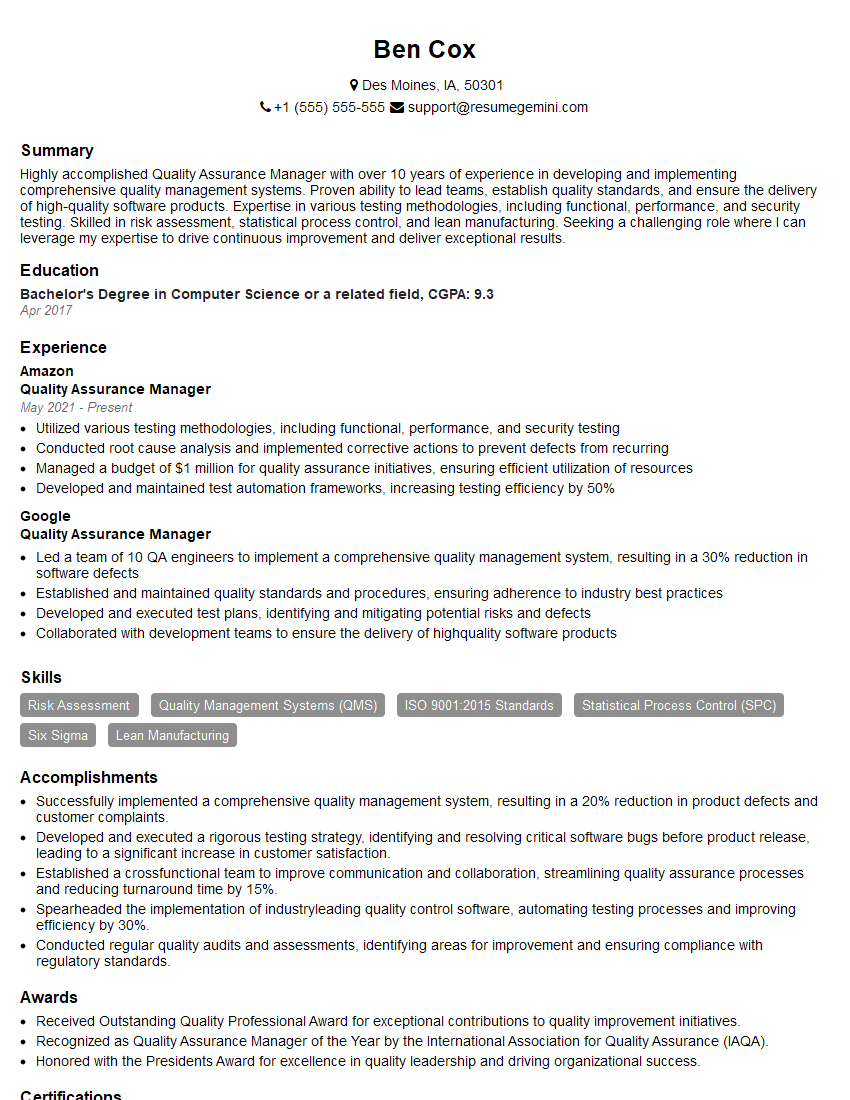
Quality Assurance Manager Resume Sample
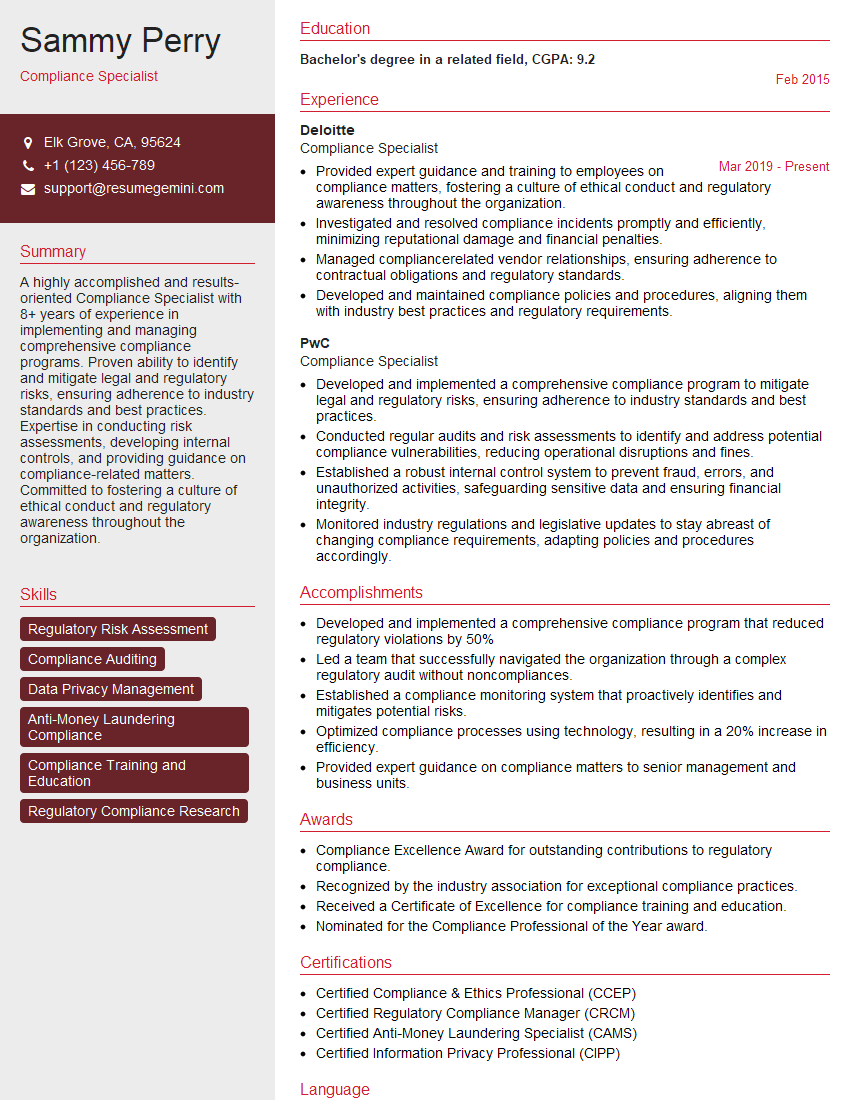
Compliance Specialist Resume Sample
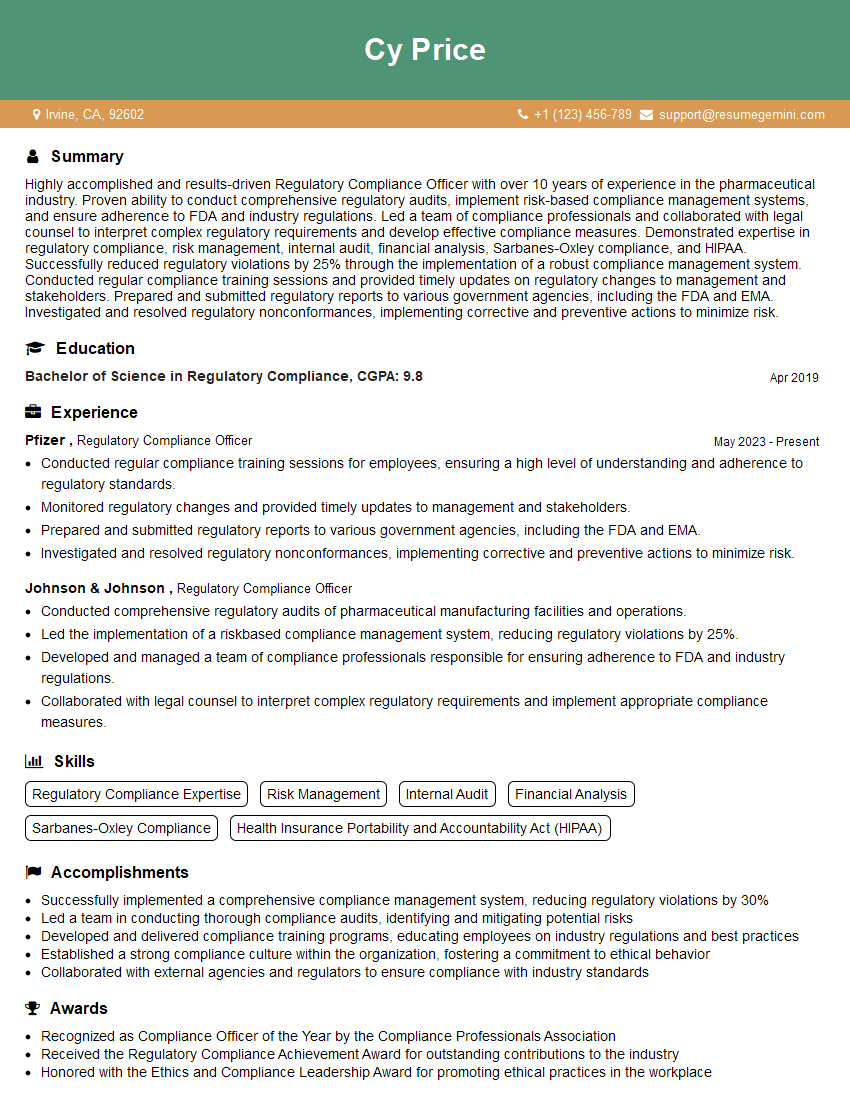
Regulatory Compliance Officer Resume Sample
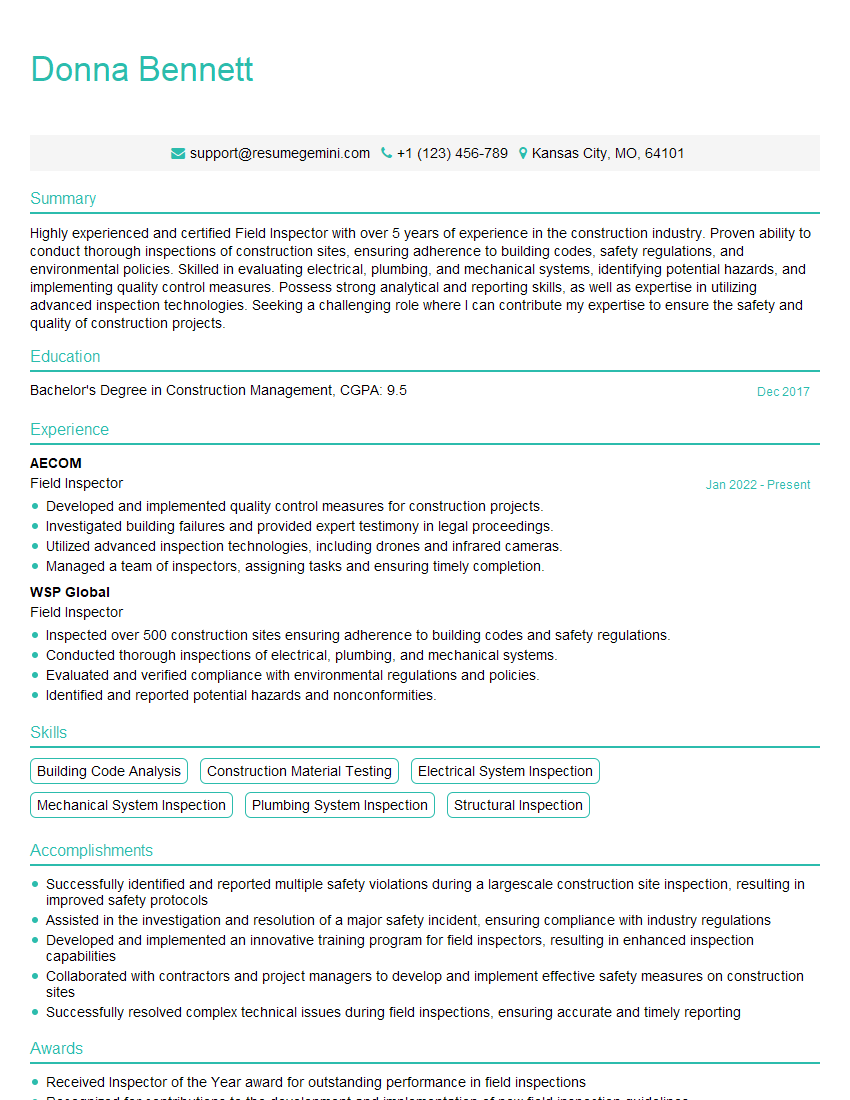
Field Inspector Resume Sample
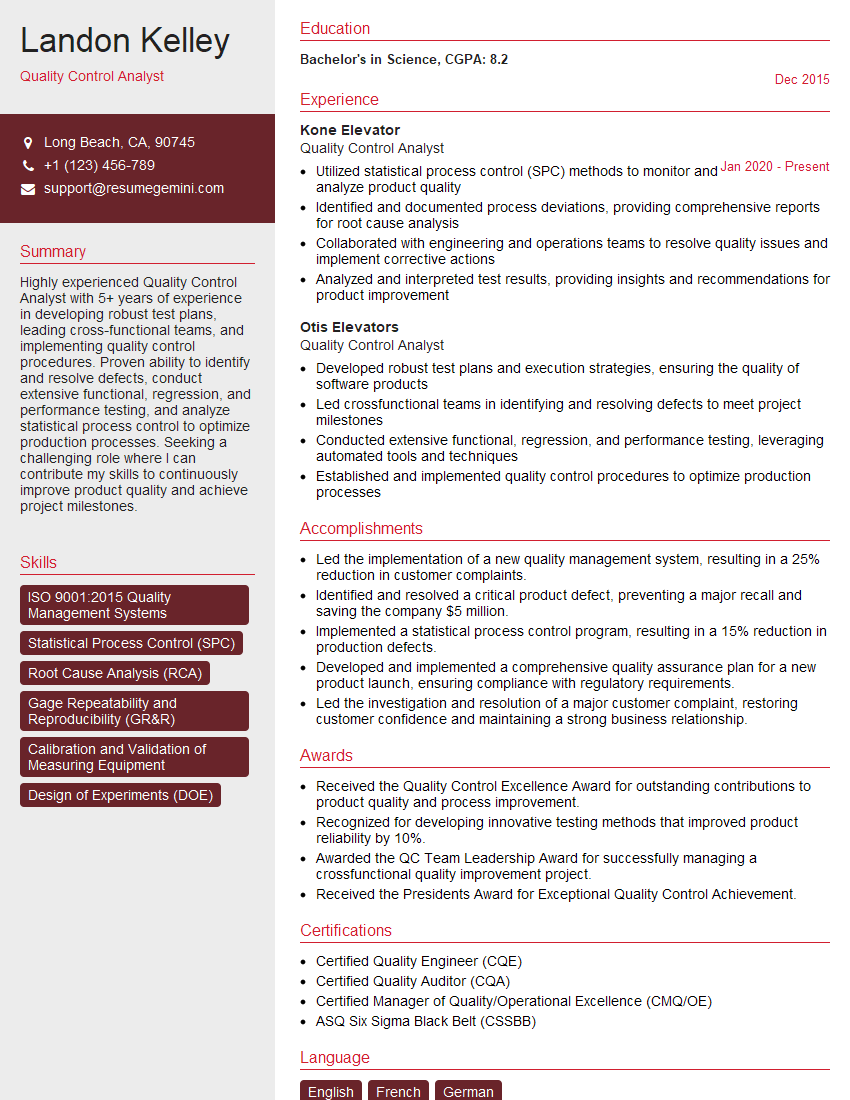
Quality Control Analyst Resume Sample
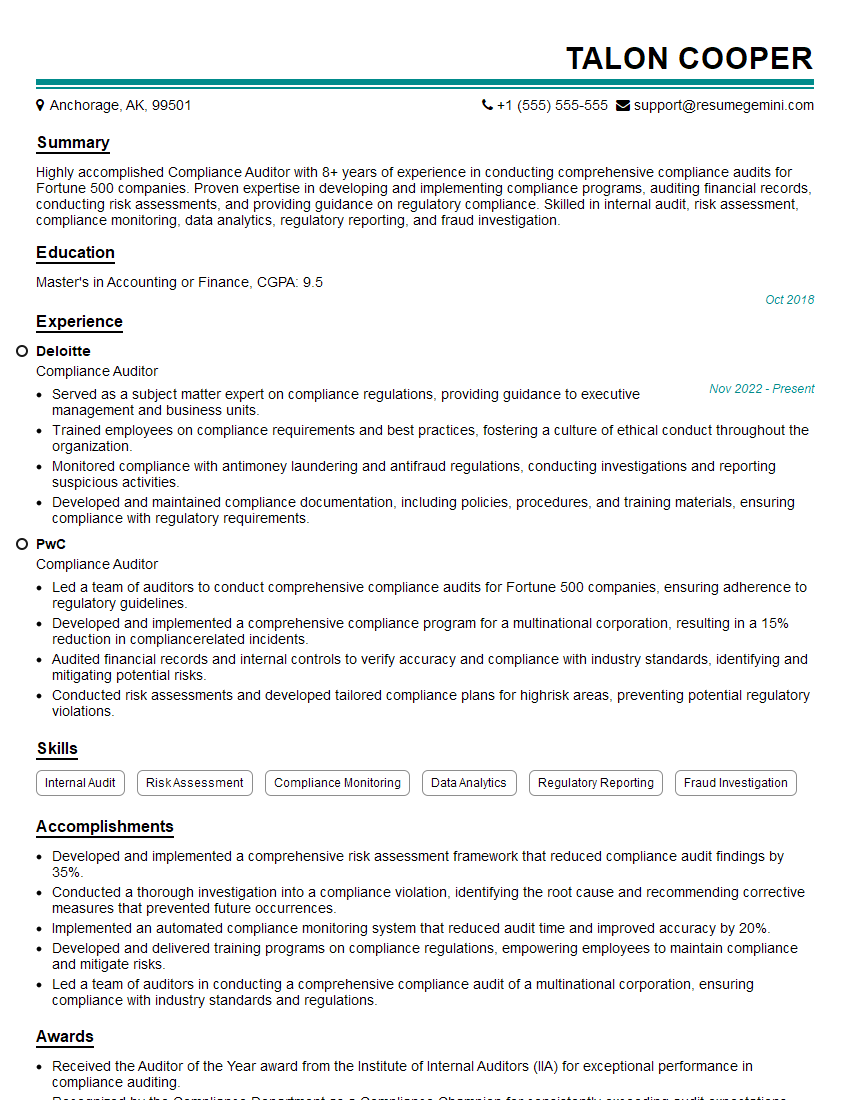
Compliance Auditor Resume Sample
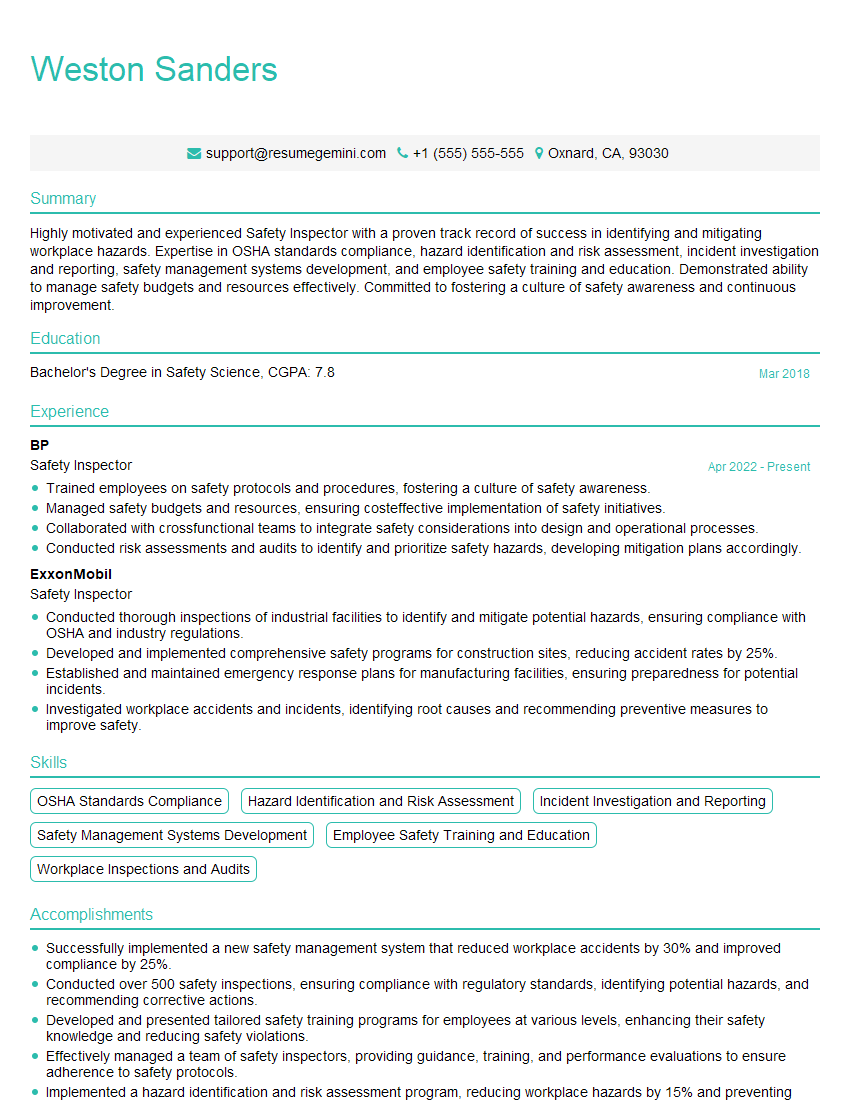
Safety Inspector Resume Sample
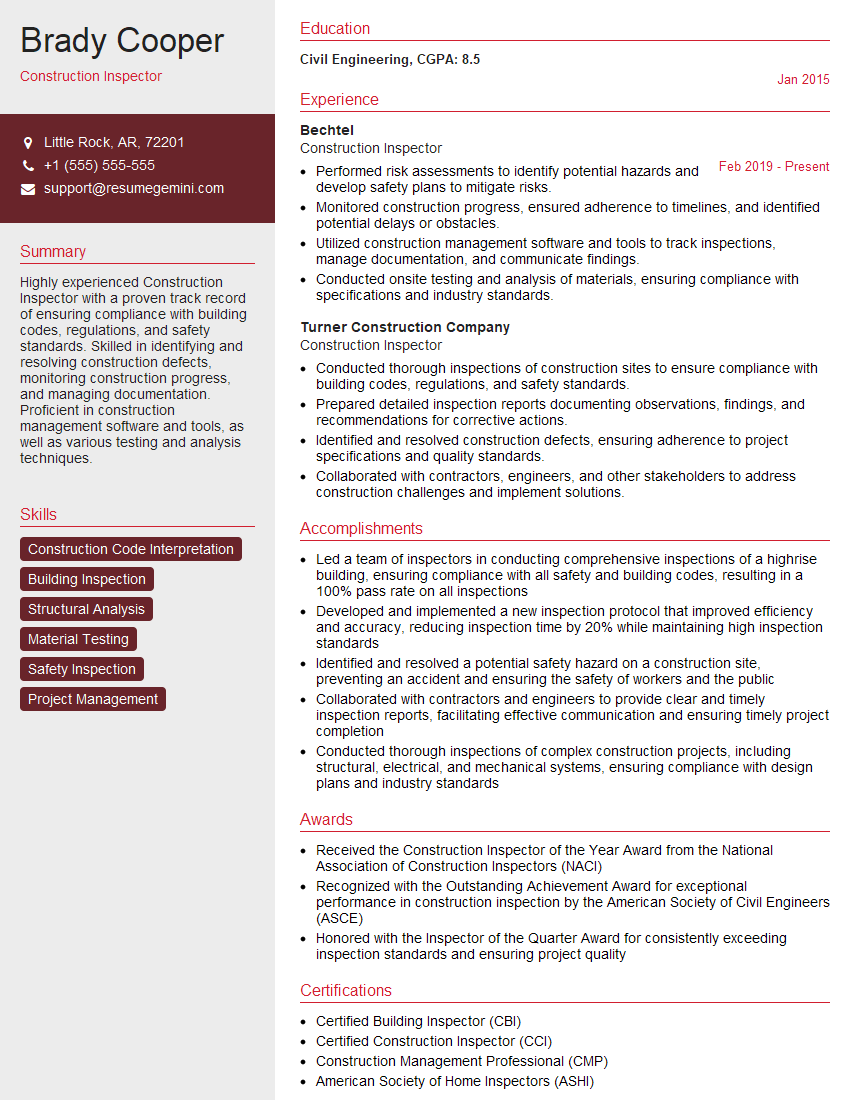
Construction Inspector Resume Sample
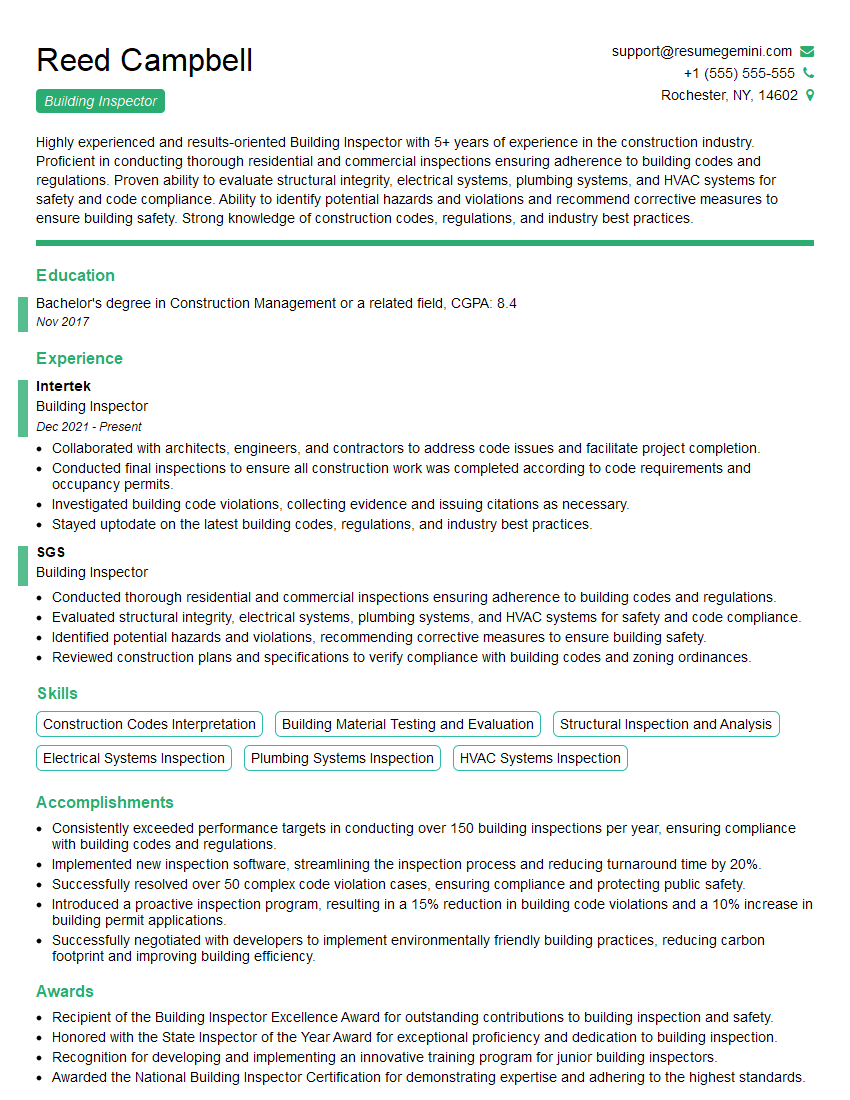
Building Inspector Resume Sample
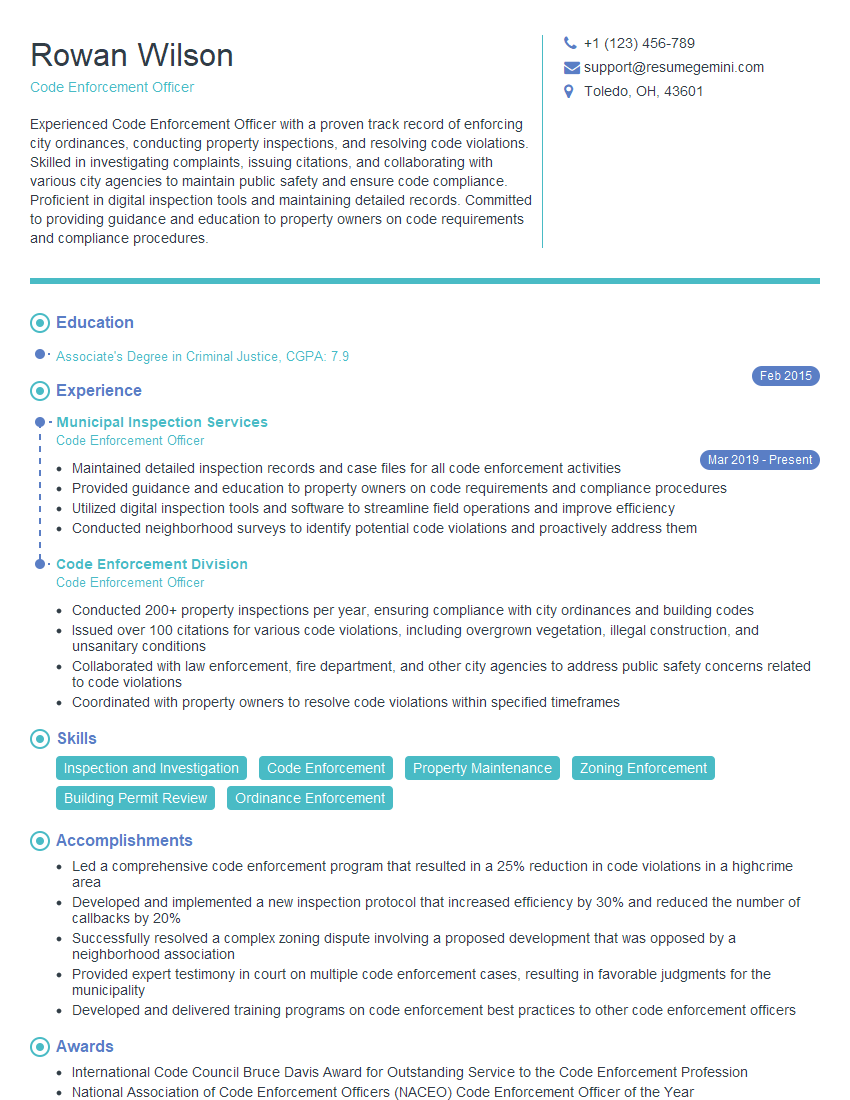
Code Enforcement Officer Resume Sample
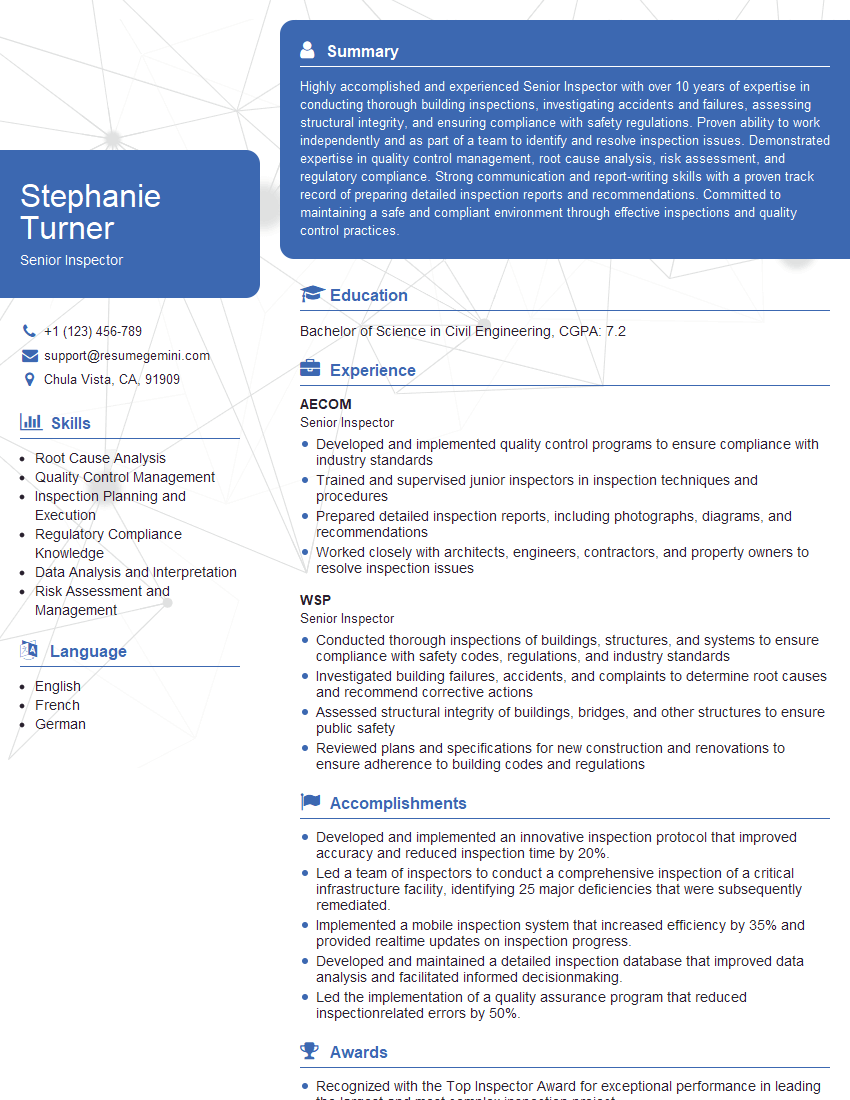
Senior Inspector Resume Sample
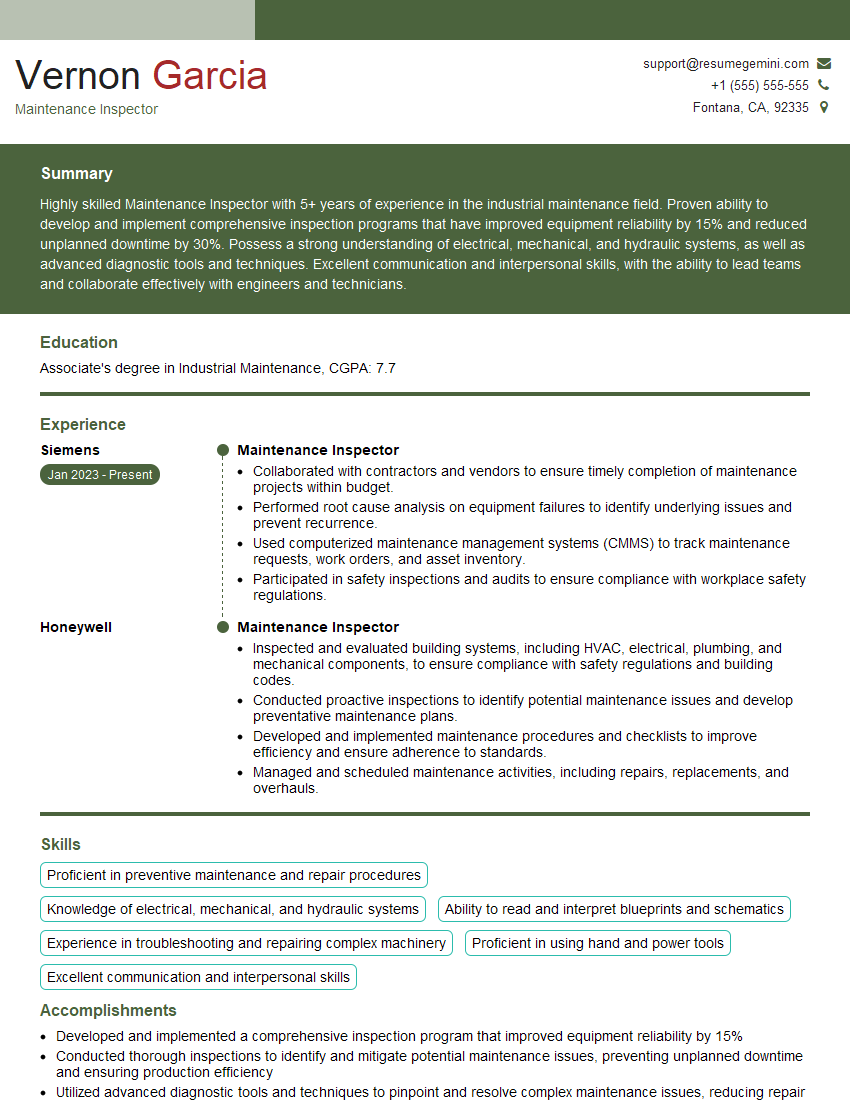
Maintenance Inspector Resume Sample
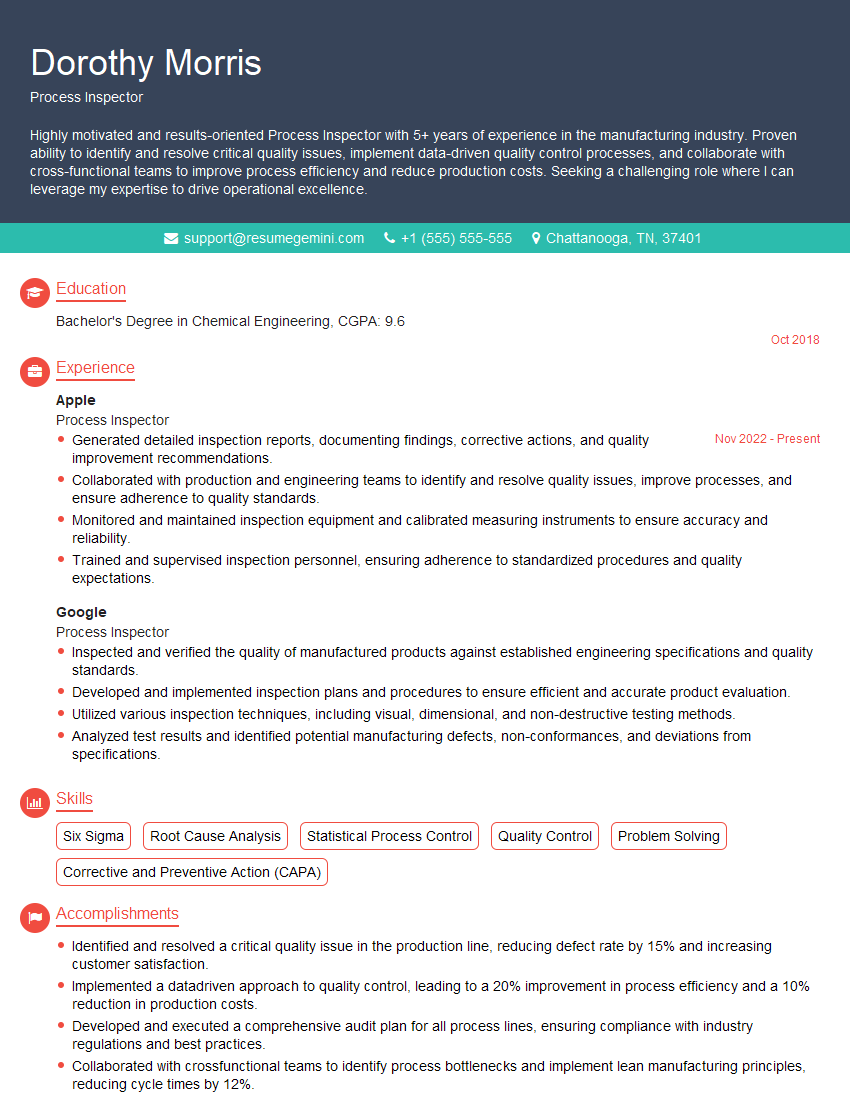
Process Inspector Resume Sample
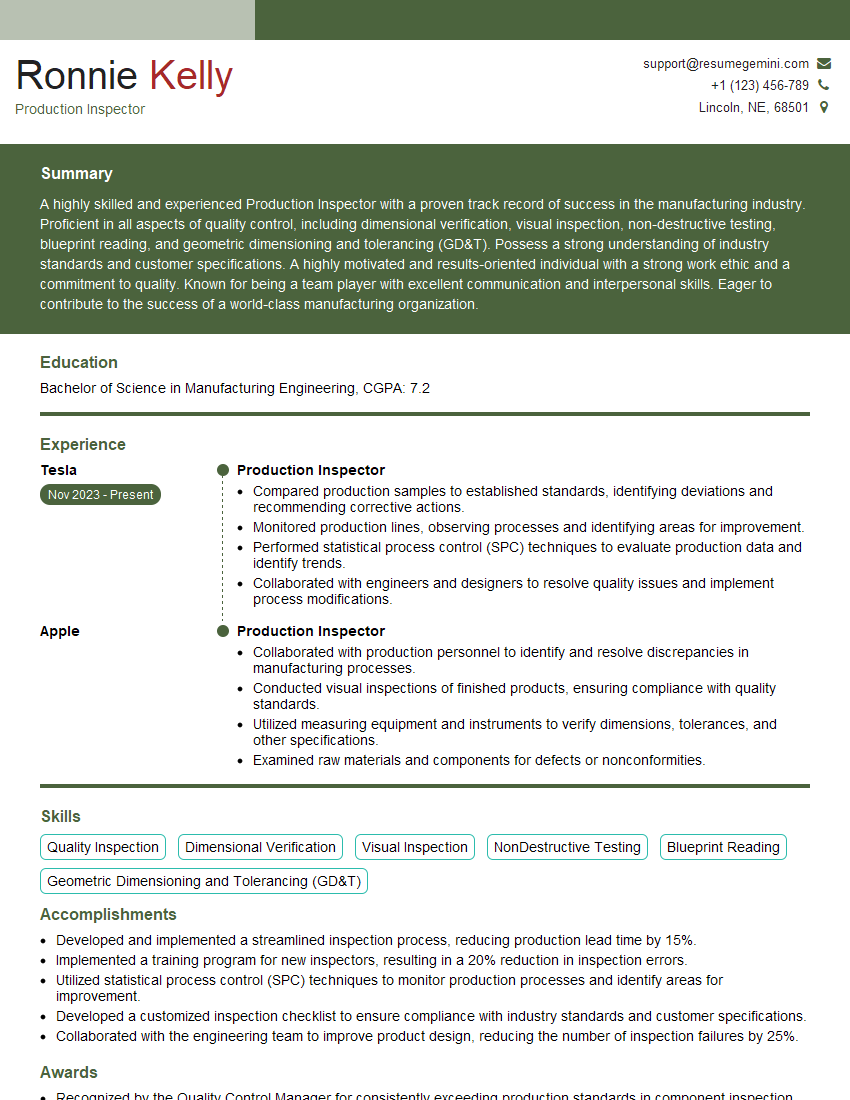
Production Inspector Resume Sample

Quality Control Inspector Resume Sample
- Quality Assurance Manager
- Compliance Specialist
- Regulatory Compliance Officer
- Field Inspector
- Quality Control Analyst
- Compliance Auditor
- Safety Inspector
- Construction Inspector
- Building Inspector
- Code Enforcement Officer
- Senior Inspector
- Maintenance Inspector
- Process Inspector
- Production Inspector
- Quality Control Inspector
Explore more articles
Users Rating of Our Blogs
Share Your Experience
We value your feedback! Please rate our content and share your thoughts (optional).
What Readers Say About Our Blog
Really detailed insights and content, thank you for writing this detailed article.
IT gave me an insight and words to use and be able to think of examples