The thought of an interview can be nerve-wracking, but the right preparation can make all the difference. Explore this comprehensive guide to Headliner and seat cleaning interview questions and gain the confidence you need to showcase your abilities and secure the role.
Questions Asked in Headliner and seat cleaning Interview
Q 1. What cleaning solutions are best for different upholstery materials (e.g., leather, fabric, vinyl)?
Choosing the right cleaning solution is crucial for preserving the integrity and appearance of your upholstery. Different materials require different approaches to avoid damage.
- Leather: Leather is delicate and requires a specialized leather cleaner. Avoid harsh chemicals or abrasive cleaners. A mild soap and water solution, or a commercial leather cleaner, applied with a soft cloth, is generally sufficient. Always test any cleaner on an inconspicuous area first.
- Fabric: Fabric upholstery can handle a wider range of cleaning solutions, but always check the manufacturer’s care label. For general cleaning, a mixture of mild detergent and warm water can be effective. For tougher stains, you may need a specialized fabric cleaner or upholstery shampoo. A steam cleaner can also be beneficial for deep cleaning.
- Vinyl: Vinyl is relatively durable and can withstand stronger cleaning solutions. A simple solution of warm water and mild soap, or a commercial vinyl cleaner, will usually suffice. Always wipe clean with a damp cloth after cleaning.
Remember to always test any cleaning solution on a hidden area first to ensure it doesn’t cause discoloration or damage.
Q 2. Describe your experience with headliner stain removal techniques.
Headliner cleaning requires a delicate touch. I’ve handled everything from minor spills to significant staining. My approach always prioritizes preserving the headliner’s integrity. For small stains, I often start with a gentle cleaning solution and a soft-bristled brush, working from the outside in to prevent spreading. For more stubborn stains, I might employ a specialized headliner cleaning product or, in some cases, a steam cleaner used carefully to avoid saturation. It’s crucial to use a low-pressure setting and maintain a safe distance to prevent damage.
One particularly memorable case involved a headliner stained with berry juice. A gentle application of a diluted enzymatic cleaner, followed by careful blotting with a clean microfiber cloth, completely removed the stain without leaving any residue. Patience and precision are key when dealing with headliners.
Q 3. How do you handle stubborn stains on seats and headliners?
Stubborn stains require a multi-pronged approach. I begin by identifying the type of stain (e.g., oil-based, water-based, biological) as this dictates the most effective cleaning solution. For oil-based stains, I may use a degreaser, while for biological stains, an enzymatic cleaner is preferred. For water-based stains, a simple detergent and water solution often does the trick. I always pre-test any solution on a hidden area first.
If the stain persists, I may employ a combination of techniques, including scrubbing with a soft-bristled brush, gentle steam cleaning (always with caution), and even specialized stain removers. In extreme cases, professional detailing services might be recommended.
Q 4. What are the safety precautions you take when using cleaning chemicals?
Safety is paramount when working with cleaning chemicals. My practices include:
- Ventilation: Always work in a well-ventilated area, preferably outdoors or with fans circulating air to minimize inhalation of fumes.
- Protective Gear: I consistently use protective gloves, eye protection, and sometimes a respirator, depending on the chemicals involved. This shields me from skin and respiratory irritation.
- Proper Handling: I follow the manufacturer’s instructions precisely regarding dilution, application, and disposal of chemicals. I never mix chemicals together, as this can create hazardous reactions.
- Storage: Chemicals are stored properly, away from heat sources and out of reach of children and pets.
- Emergency Preparedness: I have a first-aid kit readily available and know how to handle chemical spills or exposure.
Q 5. Explain your process for cleaning and protecting leather upholstery.
Cleaning and protecting leather upholstery involves a careful process:
- Initial Cleaning: I begin by vacuuming the leather to remove loose dirt and debris. Then, I use a specialized leather cleaner, following the manufacturer’s instructions, applying it with a soft cloth, working in small sections.
- Conditioning: After cleaning, I apply a high-quality leather conditioner to replenish the leather’s moisture and prevent cracking. This step is crucial for maintaining the leather’s suppleness and extending its lifespan.
- Protection: Finally, I apply a leather protector to create a barrier against future stains and spills. This makes cleaning easier in the future.
I always choose cleaners and conditioners specifically formulated for leather to avoid damaging the material. Regular conditioning is key to preserving the beauty and longevity of the leather.
Q 6. How do you determine the appropriate cleaning method for different levels of soiling?
Assessing the level of soiling determines the cleaning method. For light soiling, a simple vacuuming and spot cleaning may suffice. Moderate soiling often requires a more thorough cleaning using a mild detergent solution and appropriate tools. For heavily soiled areas, professional-grade cleaning equipment and potentially stronger cleaning solutions may be necessary. I assess the type of soiling, considering factors such as the type of stain, the material of the upholstery, and the overall condition of the surface. My approach is always tailored to the specific needs of the situation.
Q 7. What tools and equipment are essential for effective headliner and seat cleaning?
Effective headliner and seat cleaning requires a combination of tools and equipment:
- Vacuum Cleaner: A powerful vacuum with various attachments is essential for removing loose dirt and debris.
- Microfiber Cloths: Soft, absorbent microfiber cloths are ideal for cleaning and preventing scratching.
- Soft-Bristled Brushes: These are crucial for gently agitating dirt and stains without damaging the material.
- Cleaning Solutions: A variety of specialized cleaning solutions are needed to address different types of stains and upholstery materials.
- Steam Cleaner (optional): A steam cleaner can be effective for deep cleaning, but it must be used cautiously to prevent damage.
- Detailing Brushes: Small brushes are great for reaching tight corners and crevices.
- Protective Gear: Gloves, eye protection, and potentially a respirator.
The right tools make all the difference. Investing in quality equipment makes the cleaning process more efficient and effective while minimizing the risk of damage.
Q 8. Describe your experience with steam cleaning upholstery.
Steam cleaning upholstery is a highly effective method for deep cleaning and sanitizing fabric. It uses pressurized hot steam to loosen and lift dirt, grime, and stains from the fibers. My experience spans various fabric types, from delicate silks to durable microsuede. I’ve worked on everything from car interiors to residential furniture, employing different techniques based on the material and its condition. For example, with delicate fabrics, I might reduce the steam pressure and use a lower temperature to avoid damage. For heavily soiled areas, I’ll utilize multiple passes and possibly pre-treat with a specialized cleaning solution. Post-cleaning, proper drying is crucial to prevent mold and mildew growth. I always ensure adequate ventilation and potentially use fans to expedite the process.
For instance, I once successfully removed stubborn pet stains from a cream-colored sofa using a combination of steam cleaning and specialized pet stain remover, restoring the fabric to its former glory.
Q 9. How do you address water damage to upholstery?
Water damage to upholstery is a serious issue, potentially leading to mold growth and structural damage. My approach begins with immediate action to mitigate further damage. First, I’ll remove excess water using absorbent towels and cloths. Then, depending on the severity, I may use a wet vacuum to extract more water from the padding. Next, I’ll assess the extent of the damage. If the water damage is superficial, thorough drying with fans and dehumidifiers usually suffices. For deeper penetration, specialized drying equipment may be necessary. In cases where mold has begun to grow, professional mold remediation might be required. After drying, I’ll proceed with a thorough cleaning and deodorizing to eliminate any lingering odors. Prevention is key – quick action is paramount to preventing extensive damage.
In one instance, I dealt with a water-damaged armchair following a burst pipe. By quickly acting and using professional-grade equipment, I managed to prevent mold growth and restore the armchair to its near-original condition.
Q 10. How do you prevent mold and mildew growth in upholstery?
Mold and mildew thrive in damp, dark environments, making upholstery particularly susceptible. Prevention is paramount. Regular vacuuming to remove dust and debris reduces the risk. Proper ventilation is crucial, ensuring air circulation to prevent moisture buildup. After cleaning, thorough drying is essential, aided by fans and dehumidifiers if necessary. Using anti-microbial cleaning solutions during the cleaning process helps inhibit mold and mildew growth. Finally, addressing any underlying water damage promptly prevents mold from taking root.
Think of it like this: upholstery is a perfect breeding ground for mold if not properly cared for. By proactively addressing moisture and debris, we create an environment that is inhospitable to mold and mildew.
Q 11. How do you handle tears or damage to upholstery during the cleaning process?
Tears or damage during the cleaning process are unfortunately possible, although rare with careful technique. My approach prioritizes prevention through careful handling of the upholstery. Pre-inspection is vital to note existing damage. I always use appropriate cleaning solutions and methods for each fabric type to avoid further damage. If a tear or damage occurs, I document it thoroughly, photograph it, and immediately inform the client. Repair options range from simple patching (for minor tears) to professional upholstery repair for more significant damage. Transparency and communication are crucial in such situations. I never attempt a repair without the client’s consent and guidance.
For example, I once accidentally nicked a leather armrest during cleaning. I immediately stopped, documented the damage, and contacted the client. We worked together to find a solution that involved professional leather repair, and the client was satisfied with the outcome.
Q 12. What are the common problems encountered during headliner cleaning?
Headliner cleaning presents unique challenges. Common problems include staining from nicotine, smoke, and water damage. The headliner material is often delicate, requiring gentle cleaning methods to avoid tearing or discoloration. The location of the headliner, high up in the vehicle, makes access difficult and requires careful maneuvering. Another issue is the risk of damaging the surrounding interior components. Furthermore, headliners are often made of materials that are sensitive to moisture, necessitating slow and careful drying.
For example, I once encountered a headliner heavily stained with nicotine. I used a specialized cleaning solution and low-pressure steam cleaning, taking extra precautions due to the delicate nature of the material, and achieved satisfactory results.
Q 13. Explain your experience in using different types of upholstery cleaning machines.
My experience includes using a wide range of upholstery cleaning machines, from portable extractors to truck-mounted systems. I’m proficient in operating both hot water extraction (steam cleaning) machines and dry cleaning machines. Each machine has its strengths and weaknesses, and the choice depends on the upholstery type, the extent of the soiling, and the overall cleaning goals. For instance, truck-mounted systems offer greater power and water capacity ideal for large-scale projects, while portable extractors are more versatile for smaller jobs or when access is limited. My experience also extends to using various attachments and tools to enhance the cleaning process, including specialized brushes, wands, and crevice tools.
For example, I’ve used a truck-mounted system for deep cleaning a large carpeted area and a portable extractor for cleaning delicate upholstery in a home office. The understanding of each machine’s capabilities ensures optimal results in every situation.
Q 14. How do you ensure the longevity of cleaned upholstery?
Ensuring the longevity of cleaned upholstery involves a multi-pronged approach. Proper drying after cleaning is paramount to prevent mold and mildew. Using protective coatings or fabric sealers can help repel future stains and spills. Regular maintenance, including vacuuming and spot cleaning, is essential. Avoiding harsh chemicals and abrasive cleaners is vital. Educating clients on proper care and maintenance practices, such as using protective covers or avoiding excessive exposure to sunlight, extends the life of the upholstery. Finally, promptly addressing any spills or stains prevents them from setting and causing permanent damage.
Similar to caring for a fine piece of clothing, upholstery requires gentle handling and regular care. By following these practices, upholstery remains beautiful and functional for years to come.
Q 15. What is your process for drying upholstery after cleaning?
Drying upholstery correctly is crucial to prevent mold and mildew growth and to ensure the fabric doesn’t become permanently damaged. My process involves a multi-step approach, tailored to the fabric type and the level of moisture.
Air Drying: For most upholstery, I prioritize air drying. This is the gentlest method and reduces the risk of shrinkage or damage. I use industrial-strength fans to circulate air and speed up the drying process. I also strategically position the furniture to maximize airflow – near windows or in well-ventilated areas, avoiding direct sunlight.
Absorbent Materials: For heavily saturated areas, I use clean, absorbent microfiber cloths or towels to blot up excess moisture. It’s crucial to blot, not rub, to avoid spreading the water and potentially damaging the fabric.
Dehumidifiers (If Necessary): In high-humidity environments or for exceptionally large pieces of furniture, I will employ industrial dehumidifiers to expedite the drying process and prevent moisture-related issues.
Inspection and Monitoring: Throughout the drying process, I carefully monitor the upholstery, checking for lingering moisture and signs of any damage. This proactive approach ensures optimal results and prevents any potential problems.
Career Expert Tips:
- Ace those interviews! Prepare effectively by reviewing the Top 50 Most Common Interview Questions on ResumeGemini.
- Navigate your job search with confidence! Explore a wide range of Career Tips on ResumeGemini. Learn about common challenges and recommendations to overcome them.
- Craft the perfect resume! Master the Art of Resume Writing with ResumeGemini’s guide. Showcase your unique qualifications and achievements effectively.
- Don’t miss out on holiday savings! Build your dream resume with ResumeGemini’s ATS optimized templates.
Q 16. How do you remove pet hair from upholstery effectively?
Pet hair is a common challenge, but removing it effectively is straightforward with the right tools and techniques.
Vacuuming: I begin with a thorough vacuuming using an upholstery attachment. This removes a significant amount of loose pet hair. I prefer vacuums with strong suction and a rotating brush for deeper cleaning.
Lint Roller: For stubborn hair clinging to the fabric, a lint roller is remarkably effective. I use multiple lint rollers, ensuring they remain sticky and effective.
Rubber Gloves: Damp rubber gloves can act as a surprising static-removal tool. The dampness helps attract pet hair, and rubbing the upholstery with the gloves will lift the hair and allow me to easily wipe it away.
Specialty Tools: In particularly challenging cases, I may utilize a specialized pet hair remover tool—a handheld device designed to efficiently remove embedded hair from various fabrics.
The key is to be methodical and patient. Combining these approaches generally leads to excellent results, leaving upholstery looking and feeling fresh.
Q 17. Describe your experience with fabric protection treatments.
Fabric protection treatments are a valuable service I offer to my clients, significantly enhancing the longevity and beauty of their upholstery. I work with several high-quality, professional-grade protectants.
Application Process: The application process typically involves a thorough cleaning of the upholstery first. Once completely dry, I apply the protectant evenly according to the manufacturer’s instructions, ensuring complete coverage. This usually involves multiple coats for maximum effectiveness.
Types of Protectants: Different protectants cater to different needs. Some focus on stain resistance, while others provide additional protection against water and UV damage. I choose the protectant based on the fabric type and the client’s specific requirements and preferences.
Client Education: It’s crucial to educate clients about the limitations of the protectant and how to maintain the fabric. Even with protection, prompt stain attention is always recommended to prevent setting.
Fabric protection is a worthwhile investment that significantly prolongs the life of upholstery, saving my clients money in the long run.
Q 18. How do you deal with customers who are dissatisfied with the cleaning results?
Customer satisfaction is paramount. When faced with dissatisfied customers, I approach the situation with empathy and a commitment to resolving the issue.
Active Listening: I first listen carefully to understand their concerns and perspectives, without interruption. Empathy goes a long way in calming an upset customer.
Thorough Inspection: I then conduct a thorough re-inspection of the area in question to identify the cause of dissatisfaction. Sometimes, the issue may stem from factors outside of my control, such as pre-existing damage or unrealistic expectations.
Honest Communication: I communicate openly and honestly about my findings. If I made a mistake, I own it and apologize sincerely. I explain any limitations related to the cleaning process and fabric type.
Resolution: If possible, I attempt to rectify the issue by offering a re-cleaning or a partial refund, depending on the circumstances. In some cases, the client might need to accept that some stains are difficult or impossible to fully remove.
My goal is always to leave the customer feeling heard and valued, regardless of the outcome.
Q 19. What is your experience with different types of stains, such as grease, oil, or blood?
Experience with various stains is essential in upholstery cleaning. I have encountered and successfully treated a wide range of stains, each requiring a specific approach.
Grease and Oil: These are typically treated using specialized solvents designed to break down the oily substances. I always pretest the solvent on an inconspicuous area before applying it to the stain itself. Blot, don’t rub, to avoid spreading the stain.
Blood: Blood stains require immediate attention. Cold water is the best initial treatment. Avoid hot water, as it can set the stain. Enzyme-based cleaners are very effective in breaking down the blood proteins.
Ink: Ink stains can be tricky, and the approach depends on the type of ink. Some respond well to isopropyl alcohol, while others might require specialized ink removers. Always test in a hidden area first.
Wine: Red wine stains are notoriously difficult, but prompt action is key. Blot immediately with a clean cloth, and follow up with a suitable stain remover.
Each stain requires a tailored approach, and understanding the stain’s nature is crucial for selecting the correct cleaning solution and method.
Q 20. Explain your knowledge of different upholstery fabrics and their cleaning requirements.
Understanding different upholstery fabrics and their cleaning requirements is fundamental. Different materials have different sensitivities and require different cleaning approaches to avoid damage.
Microfiber: This synthetic material is relatively easy to clean and quite durable. However, harsh chemicals can damage it.
Leather: Leather requires specialized cleaning products and techniques to maintain its suppleness and prevent cracking. Conditioning is also crucial.
Velvet: Velvet is delicate and prone to crushing. Gentle cleaning methods, such as spot cleaning, are preferred, and brushing is needed to restore the pile.
Silk: Silk is exceptionally delicate and should ideally be cleaned by professionals. It is very sensitive to water and harsh chemicals.
Before cleaning any piece of furniture, I always identify the fabric type to determine the best cleaning products and methods to ensure both effective cleaning and preservation of the fabric.
Q 21. How do you maintain a clean and organized work environment?
Maintaining a clean and organized work environment is crucial for efficiency, safety, and professionalism. My approach involves a multi-faceted strategy.
Dedicated Storage: All my cleaning supplies and equipment have designated storage locations. This prevents clutter and makes it easy to locate what I need quickly.
Regular Cleaning: I clean my equipment and vehicle after each job, ensuring it’s ready for the next assignment. This includes emptying vacuum containers, cleaning brushes, and organizing cleaning solutions.
Waste Disposal: Proper waste disposal is essential. I follow all local regulations, properly labeling and disposing of chemicals and other waste materials.
Inventory Management: I maintain an accurate inventory of cleaning supplies to ensure I have enough on hand and to minimize waste.
A clean and organized workspace isn’t just about aesthetics. It’s about creating a safe and productive environment that leads to better quality work and happy clients.
Q 22. What is your experience with pre-treating stains before cleaning?
Pre-treating stains is crucial for effective upholstery cleaning. It involves applying a specialized cleaning solution directly to the stain before the main cleaning process. This allows the solution to break down the stain’s molecules, making it easier to remove. Think of it like soaking a stubborn tea stain before scrubbing – the pre-treatment softens it up.
My approach involves carefully identifying the type of stain (e.g., oil-based, water-based, biological) to select the appropriate pre-treatment solution. For example, I might use an enzyme cleaner for pet stains, a solvent-based cleaner for grease, or a simple water and detergent solution for light spills. I then gently work the solution into the stain using a soft brush or clean cloth, avoiding harsh scrubbing that could damage the fibers. I allow the pre-treatment to dwell for the recommended time before proceeding with the main cleaning step.
Q 23. How do you assess the condition of upholstery before starting the cleaning process?
Assessing upholstery condition is a vital first step. I visually inspect the fabric for obvious damage like rips, tears, or significant discoloration. I also check for loose threads, fragile areas, and the overall fabric type. Feeling the fabric helps determine its texture and thickness – delicate fabrics need gentler cleaning methods.
I then consider the type of upholstery – leather, vinyl, fabric (e.g., microfiber, cotton, wool) – as each requires specific cleaning techniques and agents. I also look for any existing cleaning labels or care instructions, as these provide valuable insights into the material’s cleaning limitations. For example, a ‘W’ on the label indicates water-based cleaning is appropriate, while an ‘S’ means solvent-based cleaning is needed. Ignoring these guidelines can lead to irreversible damage. Finally, I test a small, inconspicuous area with my chosen cleaning solution to ensure it doesn’t cause discoloration or damage before applying it to the entire surface.
Q 24. What are the different types of cleaning agents used for upholstery?
The choice of cleaning agent depends heavily on the upholstery type and the stain. There are several categories:
- Water-based cleaners: These are gentle and suitable for many fabrics. They often contain surfactants that lift dirt and grime. I use these frequently for general cleaning and light stains.
- Solvent-based cleaners: These are powerful and effective against oil-based stains. However, they need careful use to avoid damage. I use these sparingly and only on appropriate fabrics.
- Enzyme cleaners: These are specifically designed to break down organic matter like pet stains, urine, and blood. They are environmentally friendly and safe for most fabrics.
- Specialized stain removers: These target specific stains like wine, ink, or coffee. I keep a variety on hand for challenging situations.
- Leather cleaners: These are specifically formulated for leather upholstery and often contain conditioners to maintain the leather’s suppleness.
Safety is paramount; I always follow the manufacturer’s instructions for dilution and application. I also ensure adequate ventilation during the cleaning process, especially when using solvent-based cleaners.
Q 25. How do you ensure the safety of your clients’ vehicles during the cleaning process?
Client safety and vehicle protection are top priorities. Before I begin, I always cover the areas surrounding the seats with protective cloths or plastic sheeting to prevent accidental damage or staining. I also use floor mats to protect the carpets. I meticulously protect sensitive areas like dashboards and electronics with appropriate covers.
I use only cleaning agents that are safe for the vehicle’s interior materials and follow proper safety protocols – wearing gloves and ensuring adequate ventilation. After cleaning, I meticulously inspect the vehicle for any missed spots or overlooked damage. Before returning the vehicle, I ensure all protective coverings are removed, and the car is thoroughly inspected by the client. This ensures a high level of client satisfaction and peace of mind.
Q 26. Describe your experience with cleaning different types of vehicles (cars, trucks, vans).
My experience spans various vehicle types. Cleaning car interiors often involves intricate detailing, focusing on individual seats, dashboards, and smaller spaces. Trucks often present more rugged upholstery that may require stronger cleaning solutions and techniques. Vans often have more extensive seating areas and frequently carry cargo which necessitates special attention to potential spills and stubborn stains.
Regardless of the vehicle type, my process remains consistent: assessment, pre-treatment, cleaning, and inspection. However, the tools and cleaning agents may vary depending on the material and the level of soiling. For example, I might use a stronger extraction machine for heavy-duty cleaning in a van, while a more delicate approach would be needed for a classic car’s leather interior.
Q 27. What is your approach to time management when handling multiple cleaning jobs?
Effective time management is critical for handling multiple cleaning jobs. I use a scheduling system to optimize my workflow. This involves confirming appointments, estimating cleaning times based on the vehicle type and condition, and planning my route efficiently to minimize travel time. I prioritize jobs based on urgency and availability.
I often batch similar jobs together to streamline my processes. For example, I might schedule several car cleaning appointments consecutively, allowing for efficient use of cleaning agents and equipment. During a cleaning job, I focus on completing tasks sequentially, systematically moving from one area to another and ensuring each step is completed before moving on. This keeps me organized and prevents wasted time.
Q 28. How do you handle emergency situations or unexpected problems during a cleaning job?
Handling unexpected problems is part of the job. I’ve encountered situations like unexpected spills, severe stains, or equipment malfunctions. My approach is to remain calm and assess the situation carefully. For example, if a cleaning machine malfunctions, I have backup equipment and contact my supplier for timely repair or replacement.
If I encounter a particularly stubborn stain, I carefully research suitable cleaning agents and techniques. I always keep a well-stocked kit of specialized cleaning solutions and tools. If I’m unsure of how to tackle a problem, I consult my resources (including manufacturers’ information and expert colleagues) before proceeding. Open communication with the client is key; I will explain the situation and any potential delays or adjustments to the process. Transparency and professionalism are crucial in these instances.
Key Topics to Learn for Headliner and Seat Cleaning Interview
- Understanding Headliner Materials: Different types of headliner fabrics (vinyl, cloth, leather), their properties, and appropriate cleaning methods.
- Stain Removal Techniques: Identifying common stains (coffee, food, grease), selecting appropriate cleaning solutions and tools, and effective stain removal procedures without damaging the headliner.
- Seat Cleaning Procedures: Understanding various seat materials (leather, fabric, vinyl), appropriate cleaning methods for each, and the use of specialized cleaning equipment.
- Safety Procedures and Practices: Proper handling of cleaning chemicals, use of personal protective equipment (PPE), and safe disposal of waste materials.
- Equipment Operation and Maintenance: Familiarity with different cleaning equipment (e.g., extractors, steam cleaners), their operation, maintenance, and troubleshooting.
- Time Management and Efficiency: Optimizing cleaning processes for speed and thoroughness while maintaining high quality of work.
- Customer Service and Communication: Interacting professionally with clients, addressing concerns, and maintaining a positive attitude.
- Quality Control and Inspection: Thorough inspection of cleaned areas to ensure a high standard of cleanliness and attention to detail.
Next Steps
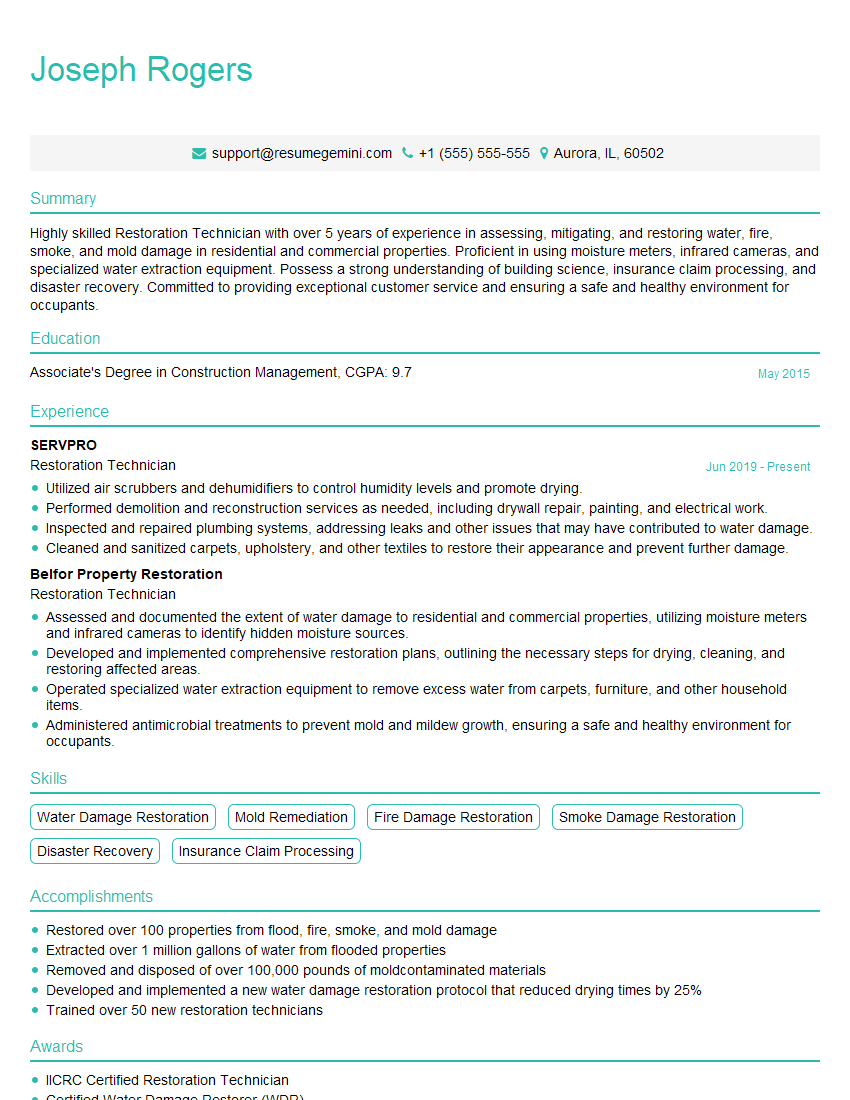
Mastering Headliner and seat cleaning techniques opens doors to various opportunities within the automotive detailing and cleaning industries, leading to career advancement and increased earning potential. To significantly boost your job prospects, it’s crucial to present your skills effectively through an ATS-friendly resume. We strongly recommend using ResumeGemini to create a professional and impactful resume that highlights your expertise in Headliner and seat cleaning. Examples of resumes tailored to this specific field are available to help guide you. Use these resources to showcase your abilities and land your dream job!
Explore more articles
Users Rating of Our Blogs
Share Your Experience
We value your feedback! Please rate our content and share your thoughts (optional).
What Readers Say About Our Blog
Really detailed insights and content, thank you for writing this detailed article.
IT gave me an insight and words to use and be able to think of examples