The thought of an interview can be nerve-wracking, but the right preparation can make all the difference. Explore this comprehensive guide to Working with Hand and Power Tools interview questions and gain the confidence you need to showcase your abilities and secure the role.
Questions Asked in Working with Hand and Power Tools Interview
Q 1. Describe your experience with various hand saws (e.g., crosscut, rip, coping).
My experience with hand saws spans various types, each suited for specific tasks. The crosscut saw, with its teeth designed for cutting across the grain of wood, is excellent for precise cuts like miters and tenons. I’ve used it extensively in framing and fine woodworking, appreciating its ability to create clean, perpendicular cuts. The rip saw, conversely, has teeth optimized for cutting with the grain. Its larger, more widely spaced teeth make it ideal for quickly cutting long, straight pieces of lumber, a task I frequently encountered during board preparation for larger projects. Finally, the coping saw, with its small, fine blade, is indispensable for intricate curves and cuts in thinner materials. I’ve relied on it for detailed work, such as creating decorative moldings or fitting pieces around pipes.
Beyond these, I’m also proficient with backsaws (for accurate cuts in thinner stock), dovetail saws (for fine joinery), and even Japanese saws (for their incredibly smooth cuts). The selection of the right saw is always determined by the material, the desired cut, and the level of precision required. For example, a rough cut in a 2×4 might call for a rip saw, while a delicate curve in a thin piece of plywood demands a coping saw.
Q 2. Explain the proper techniques for using a circular saw safely.
Safe circular saw operation hinges on a combination of technique and awareness. Before even switching it on, I always ensure the blade is sharp and correctly installed, checking for any damage or wobble. The appropriate blade for the material is also crucial – a fine-toothed blade for softer woods, a coarser one for hardwoods, and specific blades for things like metal or plastics.
Next, I firmly grasp the saw with both hands, maintaining a stable stance and using the saw’s safety features. That includes the riving knife, which prevents the kerf from closing and pinching the blade, and the blade guard, which should only be retracted when actually cutting. I always check the area for obstructions, ensuring there’s adequate space to operate the saw without hindrance. I never force the cut; instead, I let the saw do the work, maintaining a constant, steady speed. Finally, I always disconnect the saw and let the blade come to a complete stop before setting it down or adjusting it.
A real-world example: While cutting a large sheet of plywood, I encountered a knot. Instead of forcing the saw, I slowed the feed rate and carefully guided the blade through the knot, preventing kickback and ensuring a clean cut. Proper technique prevents accidents, and I am meticulous in applying this to every cut.
Q 3. What are the safety precautions you take when operating a drill press?
Safety with a drill press is paramount. First and foremost, I always ensure the chuck is securely tightened, the speed is appropriate for the material and bit, and the workpiece is firmly clamped down to the table. Never use loose or improperly secured material – it’s an invitation to injury. Using a push stick is vital when drilling close to the edge of material to keep your fingers clear.
I always wear appropriate safety glasses, and often ear protection as well, depending on the drill press and bit being used. I inspect the drill bit for damage before each use and never use a dull bit – a dull bit requires more force, increasing the chances of the bit binding and causing a dangerous mishap. I regularly clean the drill press table and keep the area around the machine clear of obstructions. Finally, after completing the drilling, I turn off the machine, let it come to a complete stop, and then remove the workpiece. A thorough post-operation check is vital to prevent any unexpected issues during the next use.
Q 4. How do you select the appropriate drill bit for a specific material?
Choosing the right drill bit depends entirely on the material. For hardwood, I’d use a high-speed steel (HSS) bit with a sharp point, potentially even a brad-point bit for cleaner entry holes. For softer woods like pine, a standard HSS bit will suffice. For metal, I would employ a high-speed steel bit specifically designed for metal, often with a split-point for easier starting and preventing walking. The size is equally important; choosing a bit slightly smaller than the intended hole might be needed to allow for the final size to be achieved with another bit or tool.
Another consideration is the type of hole required. A twist drill bit creates a round hole, while a countersink bit creates a cone-shaped recess, often used to set screws flush. A hole saw is used for larger diameter holes. Choosing the correct bit is not just about the material, but also the intended outcome. For example, drilling pilot holes before driving in screws is essential to prevent splitting the wood and is where a small drill bit will be useful.
Q 5. Describe your experience with different types of hammers and their applications.
My experience with hammers covers a range of types, each serving a different purpose. The claw hammer is my workhorse, ideal for driving nails and removing them. Its weight and balance are crucial for efficient and controlled hammering. I frequently use it in framing, construction, and even smaller projects requiring nail insertion. The ball-peen hammer, with its rounded face, is perfect for shaping metal, particularly useful in some metalwork projects.
The sledgehammer is reserved for heavier tasks, such as breaking up concrete or driving large stakes. The rubber mallet, on the other hand, is gentler, protecting the workpiece from damage during assembly, essential when dealing with delicate materials like finished wood or parts needing precise fitting. The choice of hammer depends entirely on the job at hand; using the wrong type can lead to inefficiency, damage, or even injury.
Q 6. Explain the difference between a ratchet and a socket wrench.
The key difference between a ratchet and a socket wrench lies in their mechanism. A socket wrench requires removal and replacement for each turn of a fastener. A ratchet, however, employs a mechanism that allows for continuous tightening or loosening without removing the socket. This makes the ratchet considerably faster and more efficient for multiple fasteners, such as when working on a car engine or on a bike frame. Ratchets come in various sizes and drives (e.g., 1/4 inch, 3/8 inch, 1/2 inch), much like socket wrenches.
In essence, a socket wrench is more suitable for isolated applications, or when a specific degree of tightening torque is crucial, while a ratchet excels in tasks requiring repetitive fastening/unfastening actions. I use both regularly, selecting one over the other based on the demands of each project.
Q 7. How do you maintain and care for your hand tools?
Maintaining hand tools is essential for their longevity and safe operation. After each use, I clean my tools, removing any debris or residue. For metal tools, I wipe them down with an oil-soaked rag to prevent rust. Wooden-handled tools should be checked for cracks or looseness; any damage should be addressed immediately to prevent accidents. Sharpening is critical for saws, chisels, and other cutting tools; a dull tool is more dangerous than a sharp one because more force is needed, increasing the chance of slipping or breaking.
I store my tools in a well-organized manner, ensuring they’re protected from moisture and damage. Regular inspection, proper cleaning, and timely sharpening are indispensable elements for tool maintenance. This routine not only extends the life of my tools, it also contributes to a safer and more efficient work environment.
Q 8. What are the different types of screwdrivers and their uses?
Screwdrivers are essential hand tools used to drive screws. Their type is determined by the screw head and the driver’s tip. Common types include:
- Phillips: Has a cross-shaped tip, designed to grip the cross-recess of Phillips screws. They offer good torque transfer, making them ideal for tighter applications. For example, I’ve often used them for assembling furniture or securing electrical components.
- Slotted/Flathead: Has a flat, straight blade that fits into the straight slot of a screw. Simpler than Phillips, they’re suited for less demanding tasks like attaching light fixtures, but can be prone to cam-out (slipping out of the screw slot).
- Torx: Features a six-pointed star shape, providing superior grip and resistance to cam-out compared to Phillips. They’re commonly used in electronics and automotive applications where precision and torque are critical. I frequently employ these on computer repairs where screw stripping is a major concern.
- Hex/Allen: Has a hexagonal (six-sided) tip, often used with hex-head screws found in furniture, machinery and bicycles. The six contact points offer excellent torque transmission and prevents damage to screw heads.
- Robertson (Square): Features a square-shaped drive. While less common than others, it provides superior grip and is favoured in some construction and manufacturing industries for its resistance to cam-out.
Choosing the correct screwdriver for the job is crucial to prevent damage to the screw head and ensure a secure fastening. Using the wrong screwdriver can strip the screw, rendering it unusable and requiring replacement of both the screw and potentially the damaged component.
Q 9. Describe your experience using a jigsaw.
I have extensive experience with jigsaws, having used them for numerous projects, from intricate woodworking to cutting metal sheets (with the appropriate blade). The jigsaw’s versatility in making curves and straight cuts is invaluable. I’m proficient in selecting the correct blade for the material, adjusting the speed and pendulum action according to the task, and maintaining control to achieve clean, precise cuts. For instance, I recently used a jigsaw to cut intricate curves in a wooden shelf, achieving a smooth finish requiring minimal sanding. I’m also mindful of clamping the workpiece securely to prevent movement or binding during the cut.
Q 10. How do you safely use a reciprocating saw?
Safe reciprocating saw operation begins with selecting the right blade for the material. Never use a blade intended for wood on metal, for example. Always wear appropriate safety gear: safety glasses, hearing protection, and work gloves. Secure the workpiece firmly using clamps or a vise. Maintain a firm grip on the saw with both hands, and avoid forcing the cut – let the saw do the work. Keep your body positioned to avoid kickback (when the blade gets pinched and is thrown back). Turn off the saw before setting it down. Regularly inspect the blade for damage and replace as needed. A common mistake is to apply too much pressure, which can cause the blade to bind and increase the risk of kickback. I always emphasize the importance of smooth controlled movements.
Q 11. What safety measures do you take when operating a router?
Router safety is paramount. Always use a router table or router base with a fence to guide the wood for straight cuts and to avoid kickback. Use push sticks and featherboards to control the workpiece and keep your fingers away from the cutting bit. Always clamp the workpiece securely. Use the appropriate speed for the type of bit and material; running too fast can result in burning. Ensure the router is properly adjusted and that the bit is sharp. Wear safety glasses and hearing protection. A router bit is spinning at high speed, so even a slight miscalculation can lead to serious injury. I’ve always found the principle of “measure twice, cut once” is especially crucial with routers.
Q 12. Explain the proper techniques for using a planer.
Using a planer requires a methodical approach. Begin by adjusting the depth of cut to a small amount, especially on rougher wood. Make multiple passes rather than attempting to remove a lot of material in one go. Always support the wood properly, feeding it evenly and smoothly through the machine. Check for knots or irregularities in the wood to avoid damage to the planer blades. Maintain consistent feeding speed to achieve uniform thickness. Keep your hands away from the cutting area and use push blocks if necessary. Regular cleaning of the planer to remove chips and dust is essential for preventing damage and ensuring efficient operation. Incorrect feeding can lead to tear-out and uneven surface finishes. I always encourage a slow and steady approach, prioritizing safety and precision over speed.
Q 13. How do you sharpen hand tools such as chisels and plane blades?
Sharpening chisels and plane blades typically involves using sharpening stones. First, the tool is placed at a consistent angle on the stone using a honing guide (this ensures a consistent bevel). A gentle, even pressure is applied, moving the tool back and forth along the stone’s length. This process removes material and creates a sharp edge. Different grits of stones (coarse, medium, fine) are used to achieve the desired sharpness and polish. This technique is repeated until a burr is formed on the opposite side. The burr is then removed using a strop or very fine stone. Regular honing maintains sharpness between sharpenings. This isn’t a quick process; patience and even pressure are key. A poorly sharpened tool leads to poor workmanship and can be dangerous.
Q 14. Describe your experience with using various types of measuring tools (tape measure, level, square).
I’m highly proficient with tape measures, levels, and squares. A tape measure is essential for accurate linear measurements. I’ve always ensured it’s properly zeroed and that the reading is taken perpendicular to the measured surface for accurate results. A level ensures horizontal and vertical surfaces are aligned, crucial for ensuring projects remain plumb. I commonly use this for hanging shelves or building wall frames. A square ensures accuracy for right angles – essential when constructing frames or cutting wood to size. Combining these tools allows for precise measurements and accurate construction. For example, I recently used all three to build a custom bookshelf, the accuracy of which greatly benefited from using these tools precisely.
Q 15. How do you identify different types of wood and their properties?
Identifying different types of wood involves understanding their visual characteristics, density, and workability. Visual inspection includes looking at the grain pattern (straight, swirling, etc.), color variations, and the presence of knots or other imperfections. Density can be assessed by hefting a piece – denser woods feel heavier. Workability refers to how easily the wood can be cut, shaped, and finished.
- Hardwoods (like oak, maple, cherry) are generally denser, stronger, and more resistant to wear, but more difficult to work with. Oak, for instance, has a distinct grain pattern and is quite strong, ideal for furniture making. Maple is known for its smooth, fine grain and is often used for flooring and cabinetry.
- Softwoods (like pine, fir, cedar) are typically lighter, less dense, and easier to work with, but also less durable. Pine, for example, is common in construction because it’s readily available and inexpensive. Cedar is prized for its aromatic qualities and resistance to rot, making it suitable for outdoor projects.
Furthermore, a simple scratch test can help differentiate some species. A harder wood will resist scratching more readily than a softer one. Experience and familiarity with various wood species over time allows for quicker and more accurate identification.
Career Expert Tips:
- Ace those interviews! Prepare effectively by reviewing the Top 50 Most Common Interview Questions on ResumeGemini.
- Navigate your job search with confidence! Explore a wide range of Career Tips on ResumeGemini. Learn about common challenges and recommendations to overcome them.
- Craft the perfect resume! Master the Art of Resume Writing with ResumeGemini’s guide. Showcase your unique qualifications and achievements effectively.
- Don’t miss out on holiday savings! Build your dream resume with ResumeGemini’s ATS optimized templates.
Q 16. Explain the different types of nails and screws and their applications.
Nails and screws are essential fasteners, each with its own strengths and applications. Nails are driven in with a hammer and are generally faster to install, while screws are tightened with a screwdriver, offering greater holding power and adjustability.
- Nails: Common nail types include finish nails (small heads for inconspicuous use), casing nails (larger heads for visible applications), brads (extremely small nails for delicate work), and roofing nails (thick and designed for holding shingles). The choice depends on the material being joined and the desired appearance.
- Screws: Different screw types cater to diverse needs. Wood screws are common for joining wood pieces, while sheet metal screws are designed for metal applications. Drywall screws have fine threads and are suited for hanging drywall. Consider factors like screw length, thread type (coarse or fine), and head type (Phillips, flat, etc.) when selecting the appropriate screw for a particular task.
For example, you would use finish nails to attach trim to a wall where the nail heads need to be countersunk and hidden, while you’d use heavier-duty casing nails for baseboards where the head is more visible. Screws are advantageous when a strong, removable joint is needed or precise adjustments are required, such as when assembling furniture.
Q 17. What are the safety procedures for using a nail gun?
Safety is paramount when using a nail gun. These powerful tools can cause serious injuries if not handled correctly. Here’s a breakdown of essential safety procedures:
- Always wear safety glasses or a face shield to protect your eyes from flying debris.
- Use hearing protection as nail guns are quite loud.
- Wear work gloves to protect your hands.
- Never point the nail gun at yourself or anyone else.
- Keep your fingers clear of the firing mechanism. Use a proper stance and technique to avoid accidental discharge.
- Inspect the nail gun before each use to ensure it’s functioning correctly. Check for any damage or loose parts.
- Use the correct nails for the gun and the material being nailed. Using the wrong nails can lead to jams and misfires.
- Be aware of your surroundings and ensure that no one is in the line of fire. Clear the area before operating the nail gun.
- Disconnect the air supply or remove the battery when not using the tool and before cleaning or maintenance.
Ignoring these precautions can result in serious injury or even death. Treat every use of a nail gun with caution and respect.
Q 18. How do you handle unexpected tool malfunctions during a project?
When a tool malfunctions, the immediate priority is safety. First, turn off the power immediately, unplug the tool, and move away to ensure no further incidents. Assess the situation calmly, identify the problem (e.g., motor failure, blade breakage, loose connection), and determine the safest course of action.
- Minor Issues: For simple malfunctions like a jammed blade, I’d attempt to clear the jam following the manufacturer’s instructions. If unsure, I would refrain from continuing and consult manuals or seek expert advice.
- Serious Issues: If the problem seems significant (e.g., sparks, strange noises, smoking), I would immediately stop working, contact a qualified repair technician for assessment, and never attempt to repair the tool myself if I’m not suitably skilled.
In a professional setting, downtime due to tool malfunction needs to be minimized. Having backup tools available is crucial. Regular maintenance and inspection of tools helps to prevent unexpected failures. Thorough documentation of the malfunction and repairs is also necessary.
Q 19. Describe your experience with using a miter saw.
I have extensive experience with miter saws, having used them for various projects, from cutting crown molding to framing. The miter saw’s ability to make precise angled cuts makes it indispensable for joinery. I’m proficient in adjusting the bevel and miter angles for a variety of cuts.
My experience includes working with both sliding compound miter saws (which offer greater cutting capacity) and simpler miter saws. I understand the importance of using the proper blade for the material being cut. For example, a fine-toothed blade is used for hardwoods to achieve a cleaner cut, while a coarser blade might be appropriate for softwoods.
I also know the importance of securing the workpiece firmly in the saw’s fence and ensuring proper blade alignment. Safe operation is always my priority.
Q 20. How do you ensure accurate cuts when using a table saw?
Accurate cuts on a table saw require meticulous setup and technique. The key is to ensure the blade is properly aligned, the fence is square to the blade, and the workpiece is securely held and pushed smoothly against the fence.
- Blade Alignment: A poorly aligned blade will result in inaccurate cuts. Regular checks using a combination square are essential.
- Fence Alignment: The fence must be perfectly square to the blade. Use a square to verify alignment and adjust as needed.
- Workpiece Support: Use push sticks and featherboards to keep your hands clear of the blade and maintain control over the workpiece. Never use your hands to push the material.
- Proper Technique: Push the workpiece smoothly and steadily, avoiding any sudden movements. Maintain a firm grip on the push stick, guiding the wood into the blade.
- Blade Selection: The correct blade for the material is vital. A blade with too many teeth might leave a smoother finish on hardwoods, while a coarser blade is better for softwoods.
Practicing these techniques helps to eliminate common errors like tear-out (chipped edges) and inaccurate cuts.
Q 21. Explain the importance of using appropriate personal protective equipment (PPE).
Using appropriate PPE is not just a recommendation; it’s crucial for safety and preventing injuries. It’s a matter of protecting oneself from potential hazards during any woodworking project, no matter how small it seems.
- Safety Glasses or Face Shield: Protect eyes from flying debris, wood chips, and dust.
- Hearing Protection: Mitigate noise-induced hearing loss from power tools.
- Dust Mask or Respirator: Prevent inhalation of fine wood dust, which can cause respiratory problems.
- Work Gloves: Protect hands from cuts, splinters, and abrasions. Different gloves are needed depending on the task (leather for heavier work, lighter gloves for finer tasks).
- Appropriate Clothing: Wear close-fitting clothing to avoid getting it caught in moving parts. Avoid loose sleeves and long scarves.
- Footwear: Closed-toe shoes with good traction prevent slips and falls and protect feet from dropped objects.
I’ve witnessed firsthand how neglecting PPE can lead to serious consequences, from minor cuts to significant eye injuries. It’s a habit that should be ingrained from the start of any project and never compromised, regardless of how trivial the job might initially appear.
Q 22. Describe your experience with troubleshooting common power tool problems.
Troubleshooting power tools involves a systematic approach. First, I always prioritize safety – ensuring the power is off and the tool is unplugged before any inspection. Then, I identify the problem. Is the tool not turning on? Is it making unusual noises? Is it not performing its function correctly? For instance, if a drill isn’t turning, I’d check the power cord, the battery (if applicable), and the trigger switch for any damage or obstructions. If a saw is binding, I’d check for blade alignment, material thickness, and potential material obstructions. I’ve often found that seemingly complex issues stem from simple problems like a loose connection or a dull blade. If the problem persists after basic checks, I’d consult the tool’s manual or seek professional repair if needed. I’ve successfully resolved issues ranging from simple motor resets to more complex gear replacement, always prioritizing safety and thoroughness.
For example, I once had a circular saw that wouldn’t start. After checking the obvious—the outlet and the cord—I discovered a loose wire connection inside the switch housing. I carefully reconnected the wire, ensuring a snug fit, and the saw worked perfectly. It’s crucial to not only diagnose problems but also to understand the underlying mechanical principles to avoid future issues.
Q 23. How do you select the correct blade for different materials when using a band saw?
Band saw blade selection depends entirely on the material being cut. Different materials require different tooth configurations, tooth sizes, and blade thicknesses to prevent excessive friction, burning, or breakage. For wood, I’d use a blade with a coarser tooth (larger gap between teeth), typically 3-10 teeth per inch (TPI), depending on the wood’s hardness. A coarser blade cuts faster, while a finer blade creates a smoother finish. For softer woods like pine, I’d opt for a coarser blade. For hardwoods like oak, a slightly finer blade might be preferable. For metal, a blade with much finer teeth (14-32 TPI or even higher) and often a different tooth profile, is essential to prevent damage to the blade and achieve accurate cuts. I’ve learned that selecting the wrong blade can lead to inaccurate cuts, blade damage, or even injury. Always refer to the manufacturer’s recommendations for your specific band saw and material.
For example, attempting to cut aluminum with a wood-cutting blade would be disastrous—the aluminum would quickly dull the blade and potentially damage the saw itself. Conversely, using a fine-tooth blade on thick hardwood can lead to the blade binding and snapping.
Q 24. What are the safety precautions when working at heights?
Working at heights demands stringent safety measures. The most crucial aspect is fall protection. This involves using appropriate harnesses and anchor points, ensuring the harness is properly adjusted and inspected regularly. I always use a fall arrest system, and I inspect all equipment before beginning work, checking for any wear or tear. A reliable fall protection system isn’t enough on its own. We also need proper scaffolding or elevated work platforms that are stable and level. Proper footing is also essential to avoid slips and trips. The use of safety equipment isn’t optional; I consider it non-negotiable and a standard practice. In addition, I always have a spotter whenever possible, especially when working with heavy equipment or performing particularly risky tasks. I’ve witnessed firsthand the devastating consequences of neglecting safety precautions at height and therefore prioritize these measures above all else.
I always review the site conditions to identify any potential hazards like overhead power lines or unstable surfaces. Clear communication with my team is another critical aspect for safety in these situations.
Q 25. Explain your experience working with various types of fasteners.
My experience encompasses a wide range of fasteners, from common nails and screws to more specialized options like bolts, rivets, and anchors. The choice of fastener depends heavily on the material being joined, the load requirements, and the aesthetic needs of the project. For instance, wood might use nails or screws, whereas metal might require bolts or rivets. I am proficient in using various power tools for driving fasteners, such as impact drivers, drills, and nail guns. I also understand the importance of selecting the appropriate drill bit or screw bit to ensure a clean and secure connection. I’m also skilled in the techniques for pre-drilling pilot holes to prevent wood splitting or metal deformation, demonstrating a thorough understanding of material properties. I also have experience with different types of screw heads (Phillips, flat, Torx) and their applications. The proper selection and usage of fasteners are critical to the integrity and safety of any structure or assembly.
For example, I wouldn’t use drywall screws to secure a heavy beam to a wall. The wrong fastener could lead to structural failure and potentially cause serious injury or damage.
Q 26. How do you handle and dispose of hazardous materials?
Handling and disposing of hazardous materials requires adherence to strict safety regulations. Before beginning any project involving hazardous materials (e.g., solvents, paints, chemicals, etc.), I always review the Safety Data Sheets (SDS) to understand the risks and proper handling procedures. This includes using personal protective equipment (PPE) like gloves, eye protection, and respirators, as needed. Storage of these materials is equally important, in designated areas away from incompatible materials and with appropriate labeling and ventilation. Disposal follows local and national regulations. In many instances, this involves using designated containers for specific waste types and following specific procedures for proper disposal through licensed waste handlers. Improper disposal can have serious environmental consequences and pose health hazards.
For example, I wouldn’t simply pour leftover paint down the drain. I would instead let it dry completely, then dispose of the hardened material in a designated hazardous waste container according to local regulations.
Q 27. How would you address a situation where a tool is damaged or broken?
When a tool is damaged or broken, the first step is to assess the extent of the damage. If it’s a minor issue, such as a loose part or a dull blade, I might be able to repair it myself. However, for more significant damage, especially electrical or mechanical problems, it’s crucial to avoid attempting repairs without proper training. I’d immediately take the tool out of service, properly label it as damaged, and notify the appropriate supervisor or manager. Electrical tools, in particular, should never be repaired unless by a qualified electrician to avoid potential hazards and safety risks. It’s far better to err on the side of caution and seek professional help, rather than risk further damage or injury. I always prioritize safety and regulatory compliance when addressing tool malfunction.
For instance, if a power cord is frayed, I wouldn’t attempt to repair it myself. The risk of electric shock is too significant. I would immediately replace the cord with a new one that meets safety standards, or replace the tool completely.
Q 28. Describe your experience with using a sander and different types of sanding paper.
My experience with sanders encompasses various types, including belt sanders, orbital sanders, and random orbital sanders. Each type is suited to different applications. Belt sanders are aggressive and ideal for removing substantial material quickly, while orbital sanders provide a smoother, more refined finish. Random orbital sanders offer a balance between the two, making them versatile. The selection of sandpaper grit is crucial; coarser grits (lower numbers, e.g., 40 grit) remove material aggressively, while finer grits (higher numbers, e.g., 220 grit) produce a smoother surface. The progression from coarser to finer grits is important to achieve a smooth, even finish. I understand the importance of proper sanding techniques, including using even pressure, avoiding excessive heat build-up, and frequently changing sanding paper when it becomes clogged or dull. Proper sanding technique minimizes defects, improves the quality of the finish, and increases efficiency. Improper sanding can result in uneven surfaces, swirl marks, or premature wear of the sanding paper.
For example, when sanding wood, I might start with a 60-grit sandpaper to remove any significant imperfections, then move to 100-grit, 150-grit, and finally 220-grit sandpaper for a very smooth finish. The type of sander and the grit of sandpaper I use heavily depend on both the material and the desired final outcome.
Key Topics to Learn for Working with Hand and Power Tools Interview
- Safety Procedures and Regulations: Understanding and applying relevant safety protocols for hand and power tools, including personal protective equipment (PPE) usage and hazard identification.
- Hand Tool Selection and Usage: Knowing the appropriate hand tools for various tasks (e.g., hammers, screwdrivers, saws, measuring tools) and demonstrating proficiency in their safe and effective use.
- Power Tool Operation and Maintenance: Understanding the principles of operation for common power tools (e.g., drills, saws, sanders) including proper setup, maintenance, and troubleshooting.
- Material Selection and Application: Knowledge of different materials (wood, metal, plastic) and choosing the right tools and techniques for each material to achieve desired results.
- Measuring and Marking Techniques: Accuracy in measuring and marking materials for precise cuts and joins, ensuring project accuracy and minimizing waste.
- Project Planning and Execution: Demonstrating an understanding of project planning, including reading blueprints or sketches, sequencing tasks, and managing time effectively.
- Troubleshooting and Problem Solving: Ability to identify and solve common problems encountered while using hand and power tools, demonstrating resourcefulness and problem-solving skills.
- Tool Maintenance and Repair: Understanding basic tool maintenance, including cleaning, lubrication, and minor repairs to extend tool lifespan and ensure optimal performance.
Next Steps
Mastering the use of hand and power tools is crucial for advancement in many skilled trades and manufacturing roles. It demonstrates practical skills and a commitment to safety, both highly valued by employers. To significantly improve your job prospects, focus on creating a strong, ATS-friendly resume that highlights your abilities and experience. ResumeGemini is a trusted resource for building professional resumes that stand out to recruiters. Examples of resumes tailored to showcase expertise in Working with Hand and Power Tools are available to help you craft a compelling application.

Construction Foreman Resume Sample

General Contractor Resume Sample

Maintenance Technician Resume Sample

Machinist Resume Sample

Furniture Maker Resume Sample
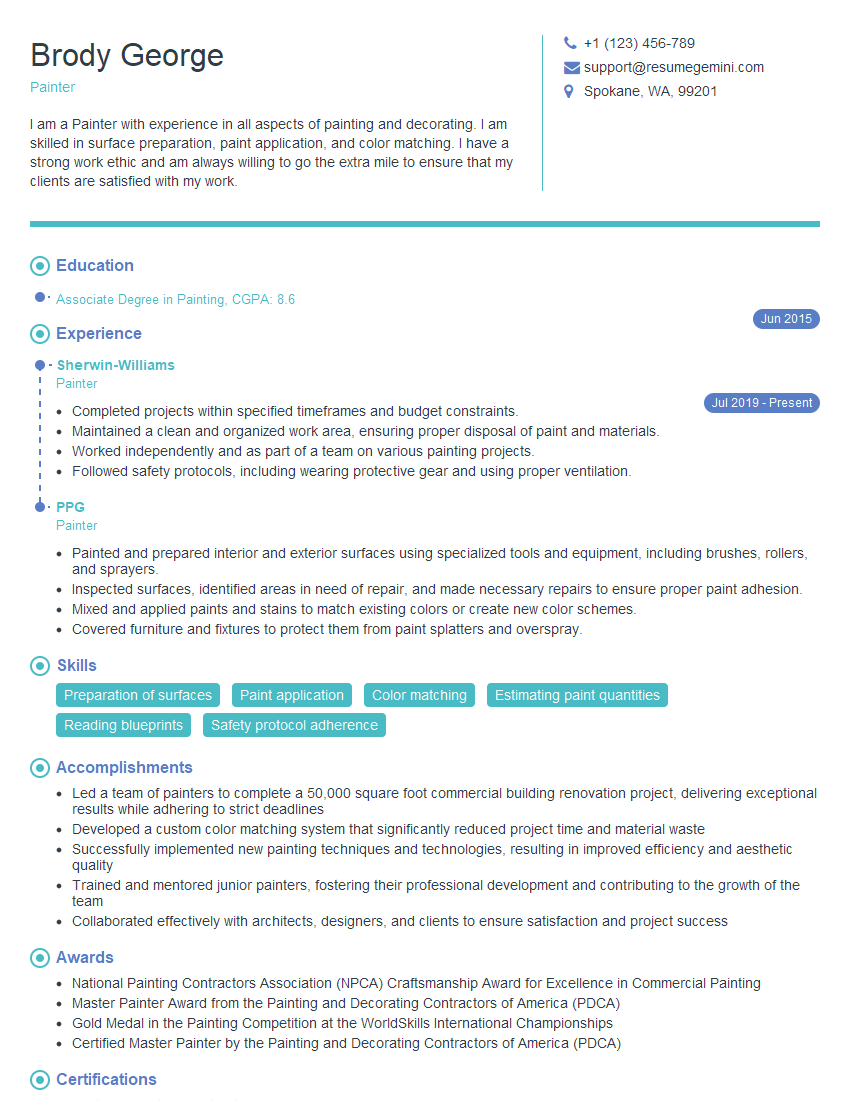
Painter Resume Sample

Mechanic Resume Sample
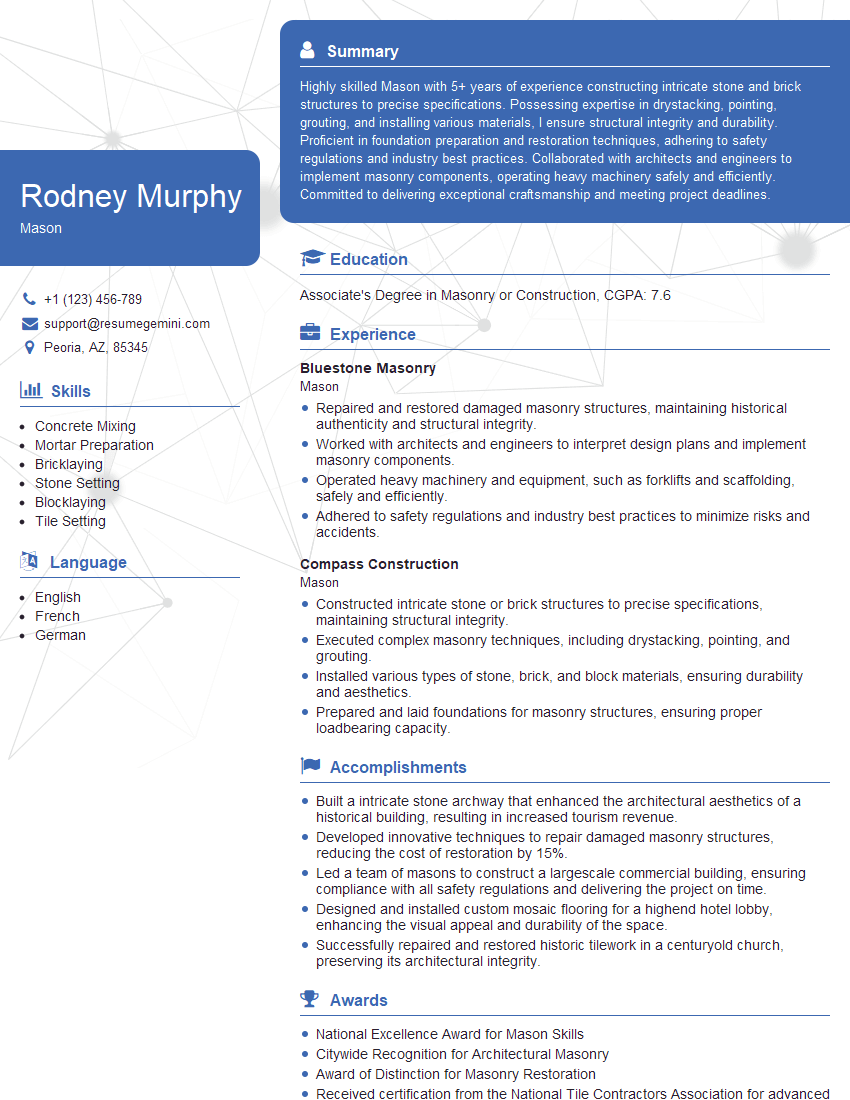
Mason Resume Sample

Finish Carpenter Resume Sample
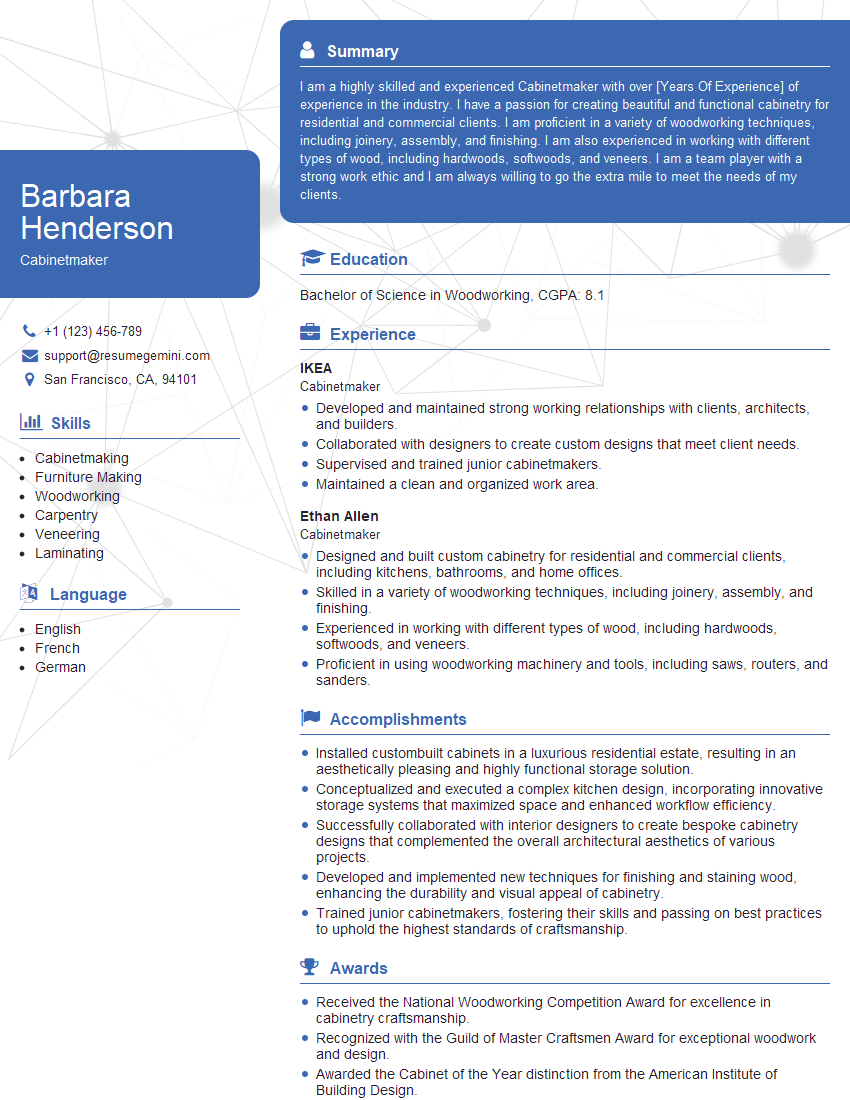
Cabinetmaker Resume Sample

Construction Worker Resume Sample

Shipwright Resume Sample

Woodworker Resume Sample

Carpenter Resume Sample
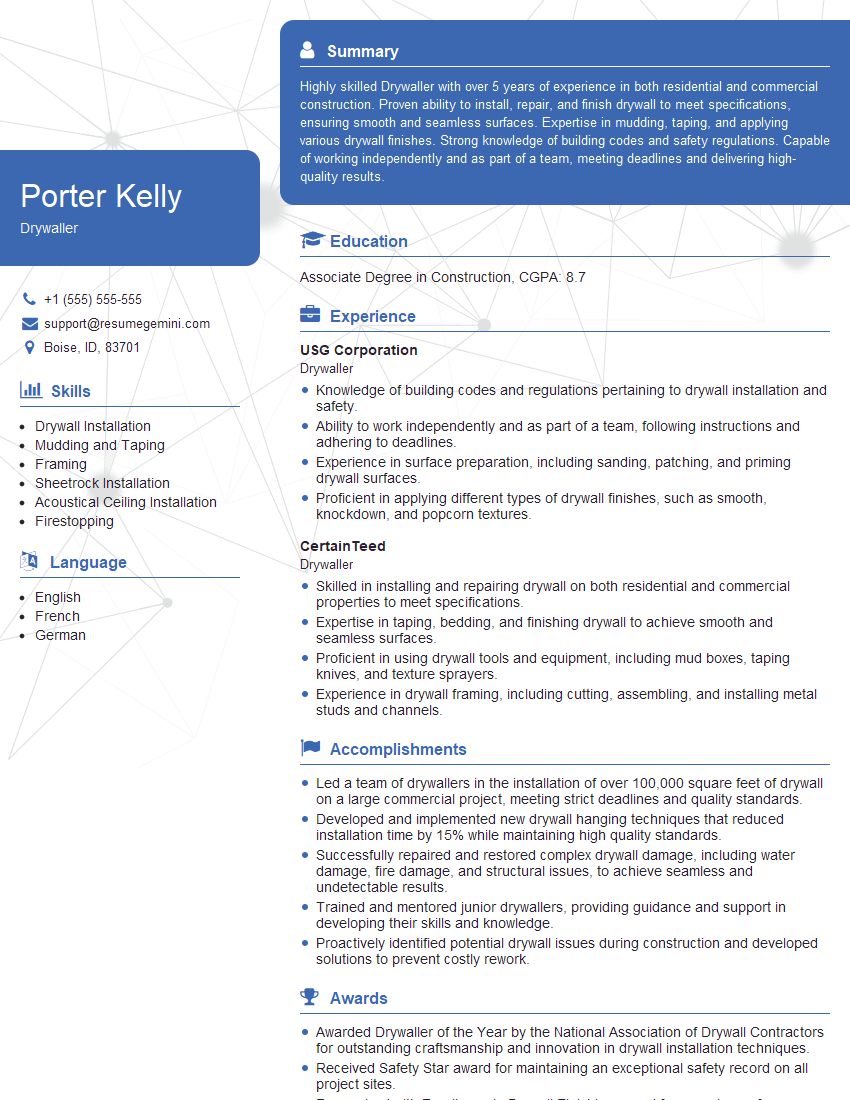
Drywaller Resume Sample

Electrician Resume Sample

Plumber Resume Sample
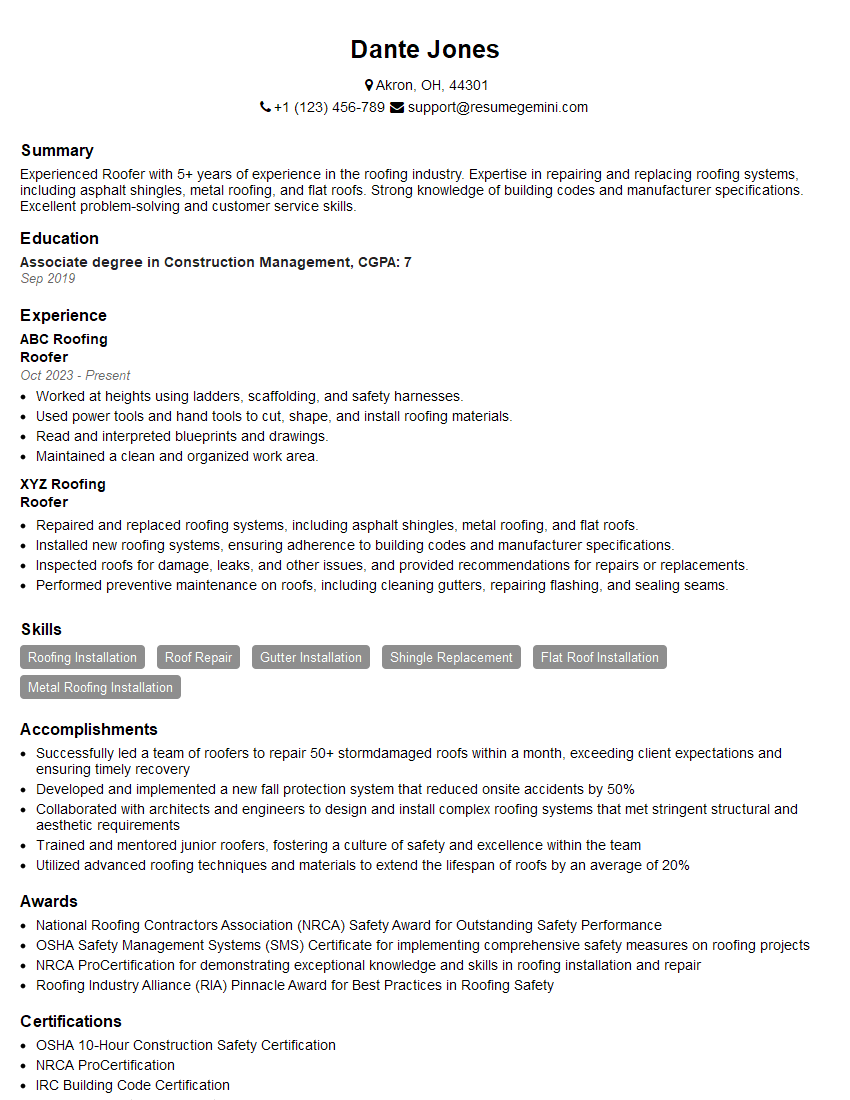
Roofer Resume Sample
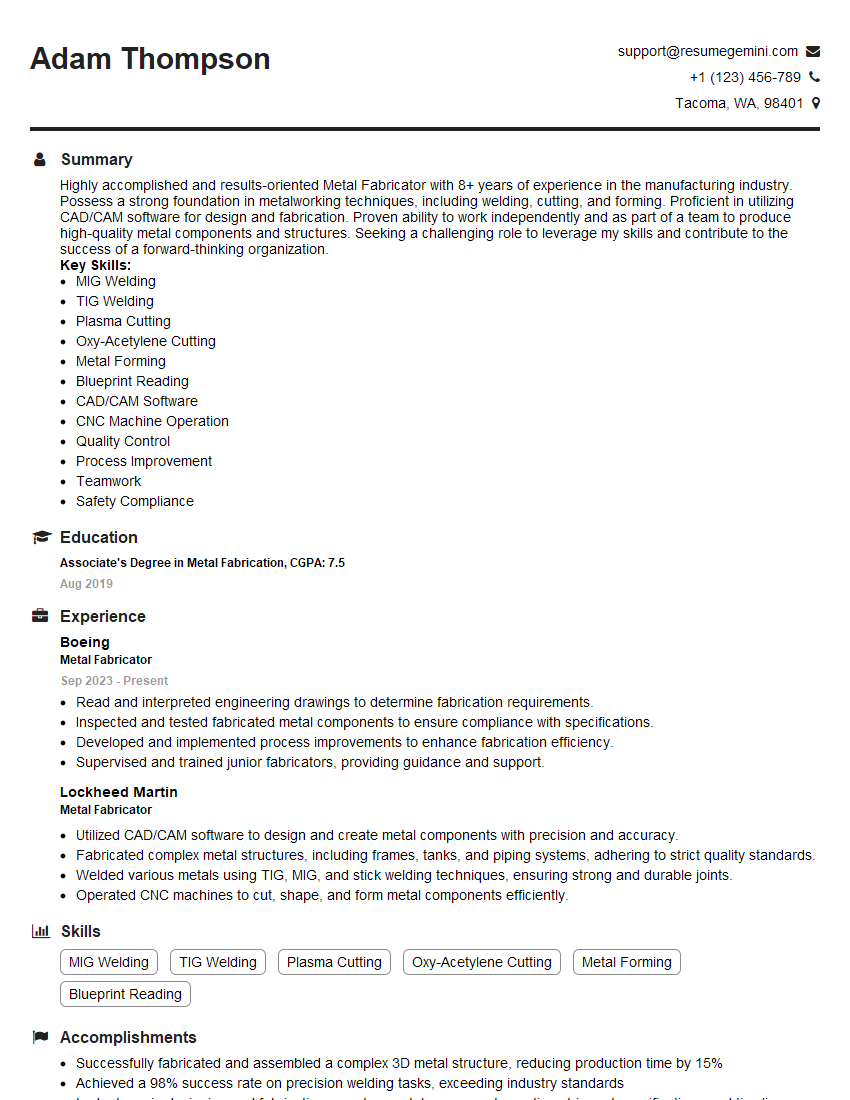
Metal Fabricator Resume Sample

Welder Resume Sample

Millwright Resume Sample

Tool and Die Maker Resume Sample

HVAC Technician Resume Sample
- Construction Foreman
- General Contractor
- Maintenance Technician
- Machinist
- Furniture Maker
- Painter
- Mechanic
- Mason
- Finish Carpenter
- Cabinetmaker
- Construction Worker
- Shipwright
- Woodworker
- Carpenter
- Drywaller
- Electrician
- Plumber
- Roofer
- Metal Fabricator
- Welder
- Millwright
- Tool and Die Maker
- HVAC Technician
Explore more articles
Users Rating of Our Blogs
Share Your Experience
We value your feedback! Please rate our content and share your thoughts (optional).
What Readers Say About Our Blog
Really detailed insights and content, thank you for writing this detailed article.
IT gave me an insight and words to use and be able to think of examples