The right preparation can turn an interview into an opportunity to showcase your expertise. This guide to Experience in using various cleaning tools and equipment interview questions is your ultimate resource, providing key insights and tips to help you ace your responses and stand out as a top candidate.
Questions Asked in Experience in using various cleaning tools and equipment Interview
Q 1. Describe your experience using different types of vacuum cleaners.
My experience with vacuum cleaners spans a wide range of models, from basic upright units to powerful canister vacuums and specialized models like wet/dry vacs. I’m proficient in using both bagged and bagless systems, understanding the nuances of each. For instance, with bagged vacuums, I know the importance of regularly changing the bag to maintain suction and prevent filter clogging. Bagless systems require more frequent emptying and cleaning of the dustbin to prevent dust buildup and maintain optimal performance. Canister vacuums offer superior maneuverability for cleaning tight spaces and under furniture, while upright models are excellent for large, open areas. I’ve also worked extensively with wet/dry vacs, which are invaluable for cleaning up spills and messes involving liquids and solids. I understand the importance of selecting the appropriate filter type (HEPA filters for allergens) depending on the cleaning task. For example, when cleaning a space with someone with allergies, using a HEPA-filtered vacuum is crucial.
Q 2. How familiar are you with operating floor buffers and scrubbers?
I’m highly familiar with operating both floor buffers and scrubbers, understanding their distinct purposes and functionalities. Floor buffers are primarily used for polishing and maintaining hard floor surfaces like vinyl, tile, and hardwood. I know the importance of selecting the right pad type (e.g., polishing pad, stripping pad) depending on the floor type and desired finish. Scrubbers, on the other hand, combine scrubbing and vacuuming actions for deep cleaning and disinfecting. I’m experienced with both automatic scrubbers, which offer automated cleaning processes and significant time savings, and manual scrubbers which allow for more controlled cleaning in tight areas. For both types, I understand the importance of proper solution dispensing and the need for regular maintenance to ensure consistent performance and prevent damage to the machine or floor. I also know the crucial safety steps in operating these heavy duty machines, such as properly securing the machine, correctly adding solutions and understanding the function of the different controls.
Q 3. What safety precautions do you take when using cleaning chemicals?
Safety is paramount when handling cleaning chemicals. My approach involves meticulously following the manufacturer’s instructions on the product label, which includes wearing appropriate personal protective equipment (PPE). This typically includes gloves, eye protection, and sometimes a respirator, depending on the chemical’s toxicity and the ventilation in the area. I always ensure adequate ventilation is present before starting any cleaning task involving chemicals. This might mean opening windows and doors or using a ventilation system. Before mixing chemicals, I carefully read the instructions to ensure compatibility to avoid dangerous reactions. I also store chemicals properly, in their original containers and securely out of reach of children and pets. Spills are immediately cleaned up, using absorbent materials and proper disposal techniques. For instance, if a bleach spill occurs, I would use a neutralizer before cleaning it up to neutralize it. Finally, I consistently follow proper disposal procedures for all waste materials.
Q 4. Explain your experience with carpet cleaning equipment.
My experience with carpet cleaning equipment includes the operation of both hot water extraction (steam cleaning) machines and dry cleaning systems. Hot water extraction is effective for deep cleaning carpets, but requires proper drying time and can leave carpets damp for extended periods. I understand the importance of using the appropriate cleaning solution for different carpet types and soil levels. Dry cleaning systems, on the other hand, are quicker and require less drying time, but might not be as effective for deeply embedded stains. I’ve also used various specialized tools, like carpet stain removers and upholstery cleaning attachments, to address specific cleaning challenges. I’m well-versed in pre-treating stains using appropriate methods and products before applying the main cleaning method. For example, I understand that treating a red wine spill immediately with baking soda is crucial. I always test cleaning solutions in an inconspicuous area before applying them to the entire carpet to avoid damage or discoloration.
Q 5. How do you maintain and troubleshoot cleaning equipment?
Maintaining and troubleshooting cleaning equipment is essential for their longevity and effectiveness. Regular maintenance includes tasks like emptying dustbins, cleaning filters, replacing worn-out belts or brushes, and checking for loose parts or damage. I regularly inspect hoses and cords for wear and tear, replacing them if needed. I am proficient in simple repairs such as replacing belts or brushes on vacuum cleaners. For more complex issues, I know when to call for professional repair services to prevent further damage. Troubleshooting often involves identifying the root cause of the problem—for example, if a vacuum cleaner loses suction, I would first check the filters and then proceed to other components if the issue is not resolved. I always adhere to manufacturer guidelines during maintenance and repairs and prioritize safety during all these processes. Keeping a log of maintenance activities and repairs is helpful in preventative maintenance and for warranty purposes.
Q 6. Describe your experience using pressure washers.
My experience with pressure washers includes operating both electric and gas-powered models, with familiarity in handling various nozzle attachments for different cleaning tasks. I understand the importance of selecting the right pressure setting and nozzle type depending on the surface being cleaned—higher pressure for tougher grime, lower pressure for more delicate surfaces. Safety is a primary concern when using pressure washers, and I always wear appropriate PPE, including eye protection and gloves. I know to never point the nozzle at myself or others and to maintain a safe distance. I understand the importance of using the right cleaning solutions for different surfaces and materials and am familiar with the proper techniques for cleaning various outdoor surfaces, such as decks, patios, and driveways. I also know the importance of understanding the pressure limits of different surfaces to avoid damage.
Q 7. How do you choose the appropriate cleaning tool for a specific surface?
Choosing the right cleaning tool depends heavily on the specific surface and the type of cleaning required. For instance, for delicate surfaces like hardwood floors, I would use a soft-bristled broom or a specialized hardwood floor cleaner rather than a harsh scrubbing brush. Similarly, for heavily soiled carpets, a hot water extraction machine is ideal. For delicate fabrics, a gentler cleaning approach like vacuuming followed by spot treatment might suffice. For stubborn stains, I would use appropriate stain removers tailored to the specific stain and fabric. For larger spaces, industrial vacuums are a better choice, whereas for smaller spaces, handheld vacuum cleaners will suffice. Assessing the nature of the dirt (dust, mud, grease, etc.) and the material of the surface being cleaned are also important factors in selecting the appropriate tool. Ultimately, it’s a matter of combining knowledge of different cleaning tools and understanding their suitability for specific situations.
Q 8. What is your experience with window cleaning equipment?
My experience with window cleaning equipment is extensive, encompassing both traditional and modern tools. I’m proficient with squeegees of varying sizes and blade types, understanding the importance of blade angle and pressure for streak-free results. I’ve used different types of window cleaning solutions, from basic soap and water to specialized formulations for stubborn dirt and grime. Furthermore, I’m comfortable using telescopic poles for reaching high windows safely and efficiently, and I’m familiar with water-fed pole systems that minimize water usage and reduce the need for ladders. For intricate window designs or hard-to-reach areas, I utilize specialized brushes and detailers. In one instance, I was able to successfully clean a large bank of multi-paned windows using a combination of water-fed pole and a magnetic window cleaner, greatly improving efficiency compared to traditional methods.
I also have experience with automated window cleaning systems, though less frequently. Understanding their functionalities, including programming and maintenance, is crucial for optimal performance.
Q 9. How do you ensure the safe storage and handling of cleaning supplies?
Safe storage and handling of cleaning supplies is paramount for both safety and efficacy. I always adhere to strict protocols. This involves storing chemicals in their original containers, clearly labeled and away from incompatible substances. For instance, I’d never store bleach near ammonia, as the combination can create toxic fumes. I utilize designated storage areas with appropriate ventilation to prevent buildup of hazardous vapors. Safety Data Sheets (SDS) are readily accessible, ensuring I’m aware of potential hazards and proper handling procedures for each product. Furthermore, I ensure that all cleaning supplies are stored out of reach of children and unauthorized personnel. Cleaning equipment is also stored methodically, preventing damage or accidental misuse. Regular equipment checks help identify any needed repairs or replacements, ensuring safety and efficiency.
Q 10. Explain your experience using steam cleaners.
Steam cleaners are a valuable tool in my arsenal, particularly for deep cleaning and sanitizing various surfaces. I’ve used them extensively on carpets, upholstery, and tile floors, removing ingrained dirt and killing bacteria. I understand the importance of using the correct nozzle attachments and steam settings depending on the surface material to prevent damage. For example, a high-pressure setting on a delicate fabric could lead to damage. I regularly maintain steam cleaners by descaling and cleaning them to optimize performance and extend their lifespan. Recently, I successfully used a steam cleaner to remove stubborn grease stains from a kitchen backsplash, achieving results that traditional cleaning methods couldn’t match.
Q 11. Describe your experience with using disinfectants and sanitizers.
My experience with disinfectants and sanitizers is grounded in a deep understanding of their different applications and safety protocols. I’m familiar with various types, from alcohol-based solutions to quaternary ammonium compounds, each appropriate for specific situations. I always follow the manufacturer’s instructions carefully, paying close attention to contact time and dilution ratios. Prior to use, I always assess the surfaces to be treated and choose the most appropriate disinfectant based on material compatibility and the level of sanitation needed. I understand the difference between disinfecting (killing germs) and sanitizing (reducing germ count). For instance, I’d use a hospital-grade disinfectant in a healthcare setting, whereas a general-purpose sanitizer might suffice for everyday cleaning. Proper ventilation is crucial when working with disinfectants to avoid inhalation of fumes. I always wear appropriate personal protective equipment (PPE), such as gloves and eye protection.
Q 12. How do you handle spills and accidents involving cleaning chemicals?
Handling spills and accidents involving cleaning chemicals requires immediate and decisive action. The first step is always to ensure my personal safety by wearing appropriate PPE. Then, I proceed based on the specific chemical spilled. For example, a bleach spill would require immediate dilution with water, careful absorption with an inert material like sand, and proper disposal according to local regulations. Acid spills require a different approach, perhaps using a neutralizing agent. I always follow the SDS for specific guidance on spill cleanup procedures. After cleanup, I thoroughly ventilate the area and dispose of contaminated materials appropriately. In addition, I document the incident, including the type of chemical, quantity spilled, cleanup procedures, and any injuries or damage. This information is essential for safety reports and preventing future incidents.
Q 13. What is your experience with high-reach cleaning equipment?
My experience with high-reach cleaning equipment is substantial, including the safe and effective use of extension poles, cherry pickers, and boom lifts. I’m trained in the safe operation and maintenance of these pieces of equipment, always prioritizing safety protocols. Before operating any such equipment, I perform thorough safety checks, ensuring all components are functioning correctly. I also understand the limitations of each piece of equipment and will not attempt a task beyond its capabilities. For example, I’m well-versed in using appropriate harnesses and fall protection systems when working at heights. I understand that proper training and adherence to safety regulations are non-negotiable when it comes to high-reach cleaning. In a recent job, I used a boom lift to clean the exterior windows of a multi-story building, showcasing efficiency and a high level of safety.
Q 14. Describe your experience using specialized cleaning tools for different surfaces (e.g., marble, wood, etc.)
Cleaning different surfaces requires specialized tools and techniques. For example, I use microfiber cloths and pH-neutral cleaners for marble to prevent etching and discoloration. For wood, I’d employ specialized wood cleaners and avoid excessive moisture to prevent warping. Glass requires streak-free techniques, while delicate fabrics need gentle cleaning agents and low-pressure tools. I’ve worked with various materials, including granite, stainless steel, and various types of flooring (tile, hardwood, laminate), adapting my approach based on material sensitivity and the type of soiling present. Prioritizing the preservation of the surface’s integrity and finish is always my main concern, and I tailor my technique accordingly. For instance, when cleaning antique wooden furniture, I’d use a specialized wax and polishing technique rather than harsh chemicals.
Q 15. How familiar are you with different types of mops and their applications?
My experience encompasses a wide range of mops, each suited for different cleaning needs. Think of mops like specialized tools in a toolbox – each designed for a specific job.
- String mops: These are the classic cotton mops, excellent for soaking up large spills and general floor cleaning, particularly on larger, harder surfaces. However, they can leave behind streaks if not rinsed thoroughly. I often use these for initial cleaning or in areas needing heavy-duty cleaning power.
- Sponge mops: These offer a balance between absorption and wringing. They’re great for cleaning both hard floors and slightly textured surfaces like ceramic tiles and even some sealed wood floors. I find them quicker than string mops for general cleaning.
- Microfiber mops: These are my personal favorites, particularly for delicate surfaces. The microfiber strands attract and trap dirt effectively, making them ideal for hardwood floors, laminate, and even some tile types. They’re also surprisingly effective at dusting. Regular cleaning of microfiber mops is critical, however, to ensure their effectiveness.
- Flat mops (with replaceable pads): These offer versatility. You can swap out pads based on the cleaning solution or surface being cleaned. These are great in large commercial settings because of the ease of replacing soiled pads.
Choosing the right mop is critical. For instance, using a string mop on hardwood could lead to scratches, while a microfiber mop might not be efficient for a large, sticky spill.
Career Expert Tips:
- Ace those interviews! Prepare effectively by reviewing the Top 50 Most Common Interview Questions on ResumeGemini.
- Navigate your job search with confidence! Explore a wide range of Career Tips on ResumeGemini. Learn about common challenges and recommendations to overcome them.
- Craft the perfect resume! Master the Art of Resume Writing with ResumeGemini’s guide. Showcase your unique qualifications and achievements effectively.
- Don’t miss out on holiday savings! Build your dream resume with ResumeGemini’s ATS optimized templates.
Q 16. What is your experience with using microfiber cloths and other cleaning materials?
Microfiber cloths are indispensable in my cleaning arsenal. Their unique structure allows them to trap dirt and grime incredibly well, requiring less cleaning solution than traditional cloths. I use them for everything from dusting delicate furniture to wiping down stainless steel appliances. Their versatility is amazing.
Beyond microfiber, I also utilize various other materials:
- Cotton cloths: These are absorbent and durable, perfect for general cleaning tasks and heavy spills. I prefer them for jobs where a bit more abrasion is tolerated.
- Paper towels: These are essential for cleaning up messes and for tasks where sanitation is paramount, like cleaning up bodily fluids. They are disposed of after use, minimizing cross-contamination.
- Specialty cloths: I often use specialized cloths for specific jobs, like glass cleaning cloths (often microfiber) for streak-free shine, or anti-bacterial wipes for disinfecting high-touch areas.
The key is knowing when to use each material. For example, I would never use a rough cotton cloth on a delicate glass surface – microfiber is far better for that.
Q 17. How do you dispose of cleaning waste properly?
Proper disposal of cleaning waste is crucial for both safety and environmental responsibility. My process involves several steps:
- Segregation: I always separate different types of waste – disposable cleaning cloths go into regular trash; any chemical residue is handled according to the manufacturer’s instructions; and any hazardous materials (like broken glass or used chemical containers) are treated and disposed of per local regulations.
- Proper Containerization: For chemical waste, I always use appropriately labeled containers to prevent accidental spills and mishaps.
- Safe Handling: I never mix chemicals, as this can lead to hazardous reactions. All chemicals are used according to their safety data sheets (SDS).
- Compliance: I make sure to follow all local and regional regulations regarding hazardous waste disposal.
Imagine the consequences of improper chemical disposal – it could lead to environmental pollution or even harm people. Careful and regulated waste management is non-negotiable.
Q 18. Describe your experience with maintaining a cleaning schedule.
Maintaining a consistent cleaning schedule is fundamental to efficient and effective cleaning. I typically use a combination of daily, weekly, and monthly schedules, tailored to the specific environment.
For example:
- Daily: This might include wiping down counters, cleaning spills, and emptying trash cans. It’s all about preventing small messes from becoming big problems.
- Weekly: This could be a more thorough cleaning of floors, bathrooms, and kitchens. It is a proactive approach to maintain hygiene.
- Monthly: This involves deeper cleaning tasks such as cleaning windows, scrubbing grout, and cleaning appliances more thoroughly.
I often utilize cleaning checklists and scheduling software to track progress and ensure nothing is missed. Consistency is key; a well-maintained schedule minimizes effort in the long run. It prevents buildup and saves you time in the long run.
Q 19. Explain your experience with training others on proper cleaning techniques.
Training others in proper cleaning techniques involves a structured approach that focuses on both the ‘how’ and the ‘why’. I typically start with a demonstration, showcasing the correct methods, and then provide hands-on training with feedback.
My training sessions encompass:
- Safety procedures: Proper handling of cleaning chemicals, wearing protective gear (gloves, masks where appropriate), and safe use of equipment are always emphasized.
- Effective techniques: I demonstrate the best ways to use different tools and materials to achieve optimal results. This includes the proper cleaning order and techniques to avoid damaging surfaces.
- Quality control: I show trainees how to check their work for thoroughness, ensuring quality and consistency in cleanliness.
- Proper disposal: This includes proper chemical handling and disposal of waste materials.
Think of it like teaching someone to cook – you can’t just hand them a recipe; you need to show them the proper techniques, and then let them practice with guidance. Continuous feedback and practice are essential for developing a high level of skill in any cleaning task. I use quizzes and regular check-ins to assess their knowledge and skill.
Q 20. How do you handle challenging cleaning tasks?
Challenging cleaning tasks require a systematic approach. I start by assessing the situation carefully – what type of dirt or stain am I dealing with? What materials are involved? What tools are appropriate?
My approach involves:
- Identification: Correctly identifying the type of stain or mess is crucial for choosing the right cleaning agent and method. For example, a grease stain requires a different treatment than a wine stain.
- Testing: Before applying any cleaning solution to a large area, I always test it in an inconspicuous spot to ensure it doesn’t damage the surface.
- Appropriate tools: Selecting the right tools is crucial. This may involve specialized cleaning agents, brushes, scrapers, or even professional-grade equipment for particularly stubborn stains.
- Patience: Some tasks require patience and multiple attempts. I will try different methods if the first doesn’t work; the goal is to safely and effectively remove the mess.
For example, removing stubborn dried paint from a wood floor may involve multiple steps – scraping, chemical treatment, and then gentle scrubbing. It requires patience and the right tools to successfully complete.
Q 21. How do you prioritize cleaning tasks in a busy environment?
Prioritizing cleaning tasks in a busy environment requires a strategic approach. I use a combination of methods to ensure the most important tasks are completed first.
My approach involves:
- Urgency: I prioritize tasks based on their urgency. For instance, cleaning a spill immediately is more important than dusting a shelf.
- Impact: I consider the impact of each task. Cleaning a high-traffic area is more important than cleaning a rarely used closet.
- Efficiency: I look for opportunities to combine tasks – cleaning the kitchen counters while the dishwasher is running, for example.
- Time constraints: I break down larger tasks into smaller, more manageable chunks. For example, I might clean one section of a room before moving on to the next, which makes a large project less overwhelming.
Think of it like managing a project – you need to identify the critical path and ensure those tasks are completed first. By prioritizing strategically, you maximize efficiency and minimize wasted effort.
Q 22. How do you determine the appropriate cleaning solution for different types of soils?
Selecting the right cleaning solution is crucial for effective and safe cleaning. It depends entirely on the type of soil you’re dealing with. Think of it like choosing the right tool for a job – you wouldn’t use a hammer to screw in a screw!
Organic soils (e.g., food spills, grease): These typically require enzymatic cleaners that break down the organic matter. For example, a kitchen degreaser would be perfect for a stovetop.
Inorganic soils (e.g., mineral deposits, dirt): These often need alkaline cleaners to neutralize and lift the soil. A good example is using a bathroom cleaner with bleach to remove hard water stains.
Specific stains (e.g., blood, ink, wine): These require specialized stain removers tailored to the specific substance. Always test a small, inconspicuous area first to ensure the cleaner doesn’t damage the surface.
Surface type: The material you’re cleaning also dictates the cleaning solution. Wood requires different treatment than glass, marble, or tile. Using an abrasive cleaner on a delicate surface like granite can cause irreversible damage.
I always consult the manufacturer’s instructions and safety data sheets (SDS) before using any cleaning solution, and I always test in an inconspicuous area before widespread application.
Q 23. Describe your experience working with different types of cleaning chemicals.
My experience encompasses a wide range of cleaning chemicals, from everyday household cleaners to specialized industrial-strength solutions. I’m proficient in handling:
Alkaline cleaners: These are effective for removing grease, grime, and mineral deposits. I’ve used them extensively in kitchen and bathroom cleaning, always ensuring proper ventilation.
Acidic cleaners: These are powerful for removing hard water stains and rust. However, they require extra caution, as they can damage certain surfaces. I always wear appropriate PPE when handling them.
Enzymatic cleaners: These are ideal for breaking down organic matter like food spills and are environmentally friendly compared to harsh chemicals. I frequently utilize these in food service settings.
Disinfectants: These are vital for eliminating bacteria and viruses. I have experience with various disinfectants, including bleach solutions (always diluted correctly), quaternary ammonium compounds, and other EPA-registered products. I meticulously follow the contact time instructions on the product labels to ensure effectiveness.
Safety is paramount. I always follow the manufacturer’s instructions, wear appropriate PPE, and ensure adequate ventilation when using any cleaning chemical. Understanding the SDS for each product is essential for safe and effective use.
Q 24. Explain how you assess the effectiveness of your cleaning efforts.
Assessing cleaning effectiveness is not just about visual inspection. It involves a multi-faceted approach:
Visual inspection: This is the most basic step – looking for visible dirt, stains, or residue. I check for any remaining spots or streaks after cleaning.
Tactile assessment: Sometimes, surfaces feel unclean even if they look clean. Running my hand over a surface can reveal lingering residue.
ATP testing (Adenosine Triphosphate): In professional settings, ATP testing is often used to quantitatively measure the cleanliness of a surface. A high ATP reading indicates the presence of biological matter (bacteria, food residue), showing areas that need more attention.
Microbial testing: This involves taking samples from cleaned surfaces and sending them to a lab for analysis to determine the presence and levels of specific bacteria or other microorganisms. It’s a more precise way to ensure sanitation.
The method I choose depends on the context – a visual check is sufficient for routine household cleaning, but more rigorous testing might be necessary in healthcare or food processing environments.
Q 25. How do you maintain the cleanliness of your own cleaning equipment?
Maintaining clean equipment is as important as maintaining a clean environment. Neglecting this can lead to cross-contamination and inefficient cleaning.
Regular rinsing and cleaning: After each use, I rinse all equipment thoroughly with clean water. For heavily soiled equipment, I use a suitable cleaning solution according to the manufacturer’s instructions.
Disinfection: I disinfect equipment regularly, especially those used in areas requiring high sanitation standards (e.g., restrooms, healthcare facilities). I use appropriate disinfectants following label directions.
Proper storage: I store equipment in a clean, dry place to prevent the growth of mold and mildew. I ensure that equipment is properly stored to prevent damage and maintain their functionality.
Regular maintenance and repairs: I regularly check for any damage or malfunction in equipment. I address minor repairs immediately or report significant issues to the appropriate personnel for timely resolution.
Think of it like maintaining your car—regular upkeep prevents major issues down the line and ensures optimal performance.
Q 26. How familiar are you with OSHA regulations regarding cleaning and safety?
I am very familiar with OSHA regulations concerning cleaning and safety. These regulations prioritize worker safety and health through various standards. Some key areas include:
Hazard Communication Standard (HazCom): This requires employers to provide training and information on the hazards of chemicals used in the workplace. I understand the importance of Safety Data Sheets (SDS) and how to interpret them.
Personal Protective Equipment (PPE): OSHA mandates the use of appropriate PPE based on the hazards involved. I’m well-versed in choosing and using the correct PPE, such as gloves, eye protection, and respirators.
Bloodborne Pathogens Standard: This sets guidelines for protecting workers from exposure to bloodborne pathogens, essential in healthcare and other settings where blood or bodily fluids may be present. I know the proper procedures for handling contaminated materials.
Ergonomics: OSHA emphasizes the importance of preventing musculoskeletal injuries through proper lifting techniques, and using ergonomic tools and equipment. I’m always mindful of my body mechanics during cleaning tasks.
Staying updated on OSHA regulations is crucial for a safe and compliant work environment. I regularly review updates and attend relevant training sessions.
Q 27. Describe your experience with using personal protective equipment (PPE) while cleaning.
Using PPE is non-negotiable for me. It’s a fundamental aspect of safe cleaning practices. The type of PPE I use depends on the task and chemicals involved.
Gloves: I consistently use gloves, choosing the appropriate type based on the chemicals used (nitrile for chemicals, latex for general cleaning). I change gloves frequently to prevent contamination.
Eye protection: Safety glasses or goggles are crucial to protect my eyes from splashes and fumes. I always wear them when handling chemicals or using equipment that could produce airborne particles.
Respiratory protection: When working with strong fumes or potentially hazardous substances, I use respirators. I ensure proper fit and use the correct filter type.
Other PPE: Depending on the task, this could include aprons, boots, or other protective clothing to prevent skin contact with chemicals or hazardous materials.
I’ve had instances where PPE prevented injuries, like when a chemical splashed; my gloves and eye protection prevented direct contact and possible harm. PPE is not just a precaution; it’s a necessity.
Q 28. How do you ensure that all cleaning tasks are completed efficiently and effectively?
Efficient and effective cleaning involves careful planning and execution:
Planning and prioritization: I start by assessing the area to be cleaned, prioritizing tasks based on urgency and importance. This includes identifying high-traffic areas or those requiring more thorough cleaning.
Methodical approach: I follow a systematic approach, typically starting from the top and working my way down. This prevents re-soiling already cleaned areas.
Proper equipment and techniques: I select the right tools and equipment for each task, using proper techniques to maximize efficiency and avoid damage. For instance, using a microfiber mop for floors rather than a string mop ensures better cleaning and less water usage.
Time management: I allocate time for each task, ensuring realistic deadlines while maintaining quality. This includes breaks to prevent fatigue and maintain focus.
Quality control: After completing each task, I perform a thorough inspection to ensure the work meets the required standards. I immediately address any issues or shortcomings.
Efficiency isn’t about speed; it’s about smart work. By utilizing the right methods and tools, I ensure that the cleaning is both quick and thorough, leaving behind a pristine environment.
Key Topics to Learn for Experience in using various cleaning tools and equipment Interview
- Safe and Proper Use of Cleaning Chemicals: Understanding safety data sheets (SDS), dilution ratios, and appropriate personal protective equipment (PPE) for various cleaning agents.
- Operation and Maintenance of Cleaning Equipment: Practical experience with vacuum cleaners (upright, canister, backpack), floor scrubbers, carpet extractors, pressure washers, and other relevant equipment; including basic troubleshooting and maintenance.
- Cleaning Techniques and Methods: Mastering different cleaning techniques for various surfaces (hardwood floors, carpets, tile, glass, etc.) and understanding the importance of proper sanitation and disinfection procedures.
- Efficiency and Productivity in Cleaning: Optimizing cleaning routines, time management, and prioritizing tasks to achieve high-quality results within allocated timeframes.
- Understanding Cleaning Standards and Regulations: Familiarity with industry best practices, health and safety regulations, and potentially relevant certifications (e.g., knowledge of OSHA standards).
- Problem-solving and Adaptability: Demonstrating the ability to troubleshoot issues with equipment, adapt cleaning methods to unexpected challenges, and maintain a consistently high standard of cleanliness.
- Ergonomics and Safety Practices: Implementing proper lifting techniques, utilizing ergonomic tools, and maintaining awareness of workplace hazards to prevent injuries.
Next Steps
Mastering the use of various cleaning tools and equipment is crucial for career advancement in this field, opening doors to higher-paying positions and increased responsibility. A well-crafted, ATS-friendly resume is your key to unlocking these opportunities. Highlight your skills and experience effectively to get noticed by recruiters. ResumeGemini can help you build a professional and impactful resume that showcases your abilities. We offer examples of resumes tailored to highlight experience in using various cleaning tools and equipment, helping you present yourself in the best possible light to potential employers.
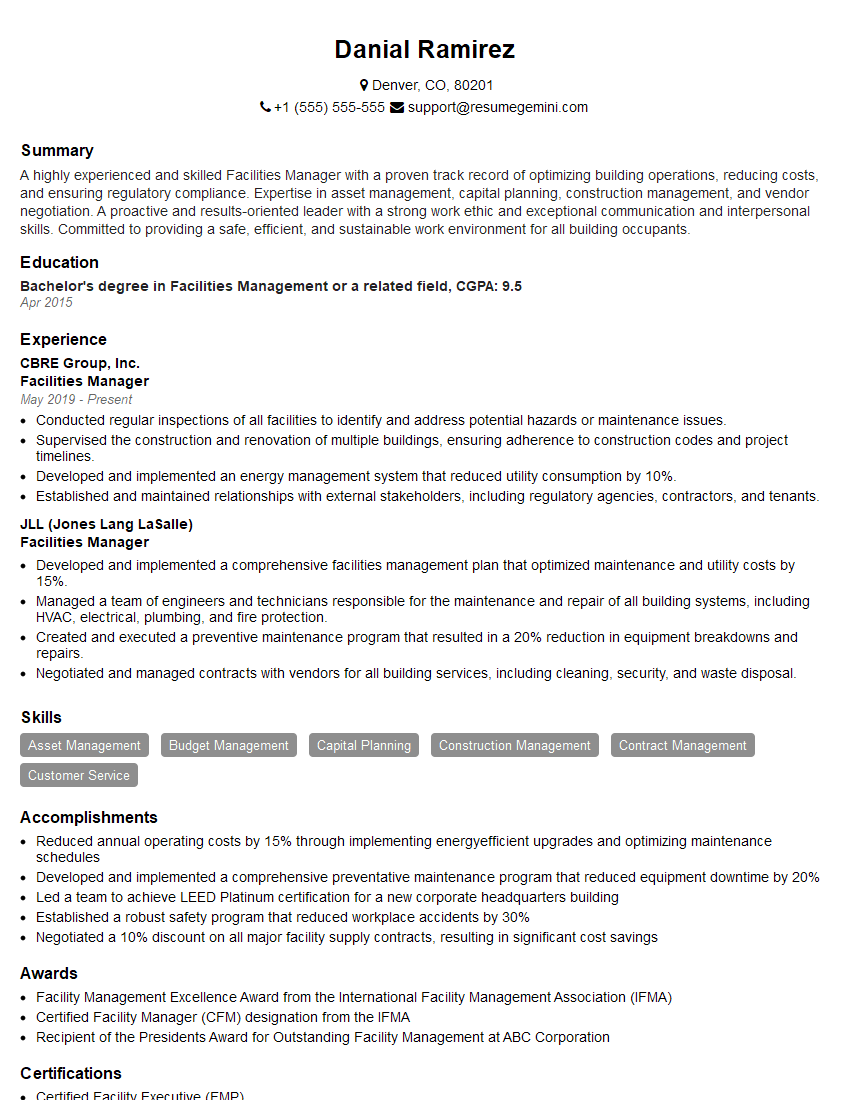
Facilities Manager Resume Sample
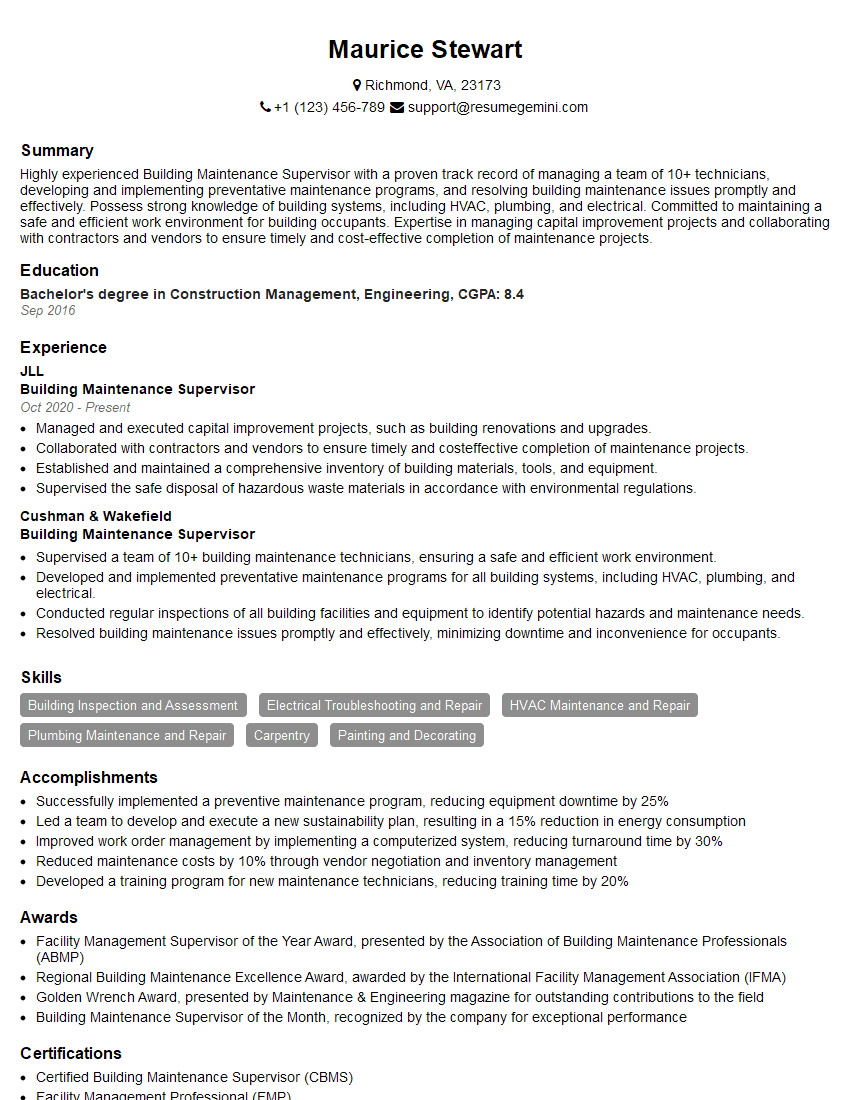
Building Maintenance Supervisor Resume Sample
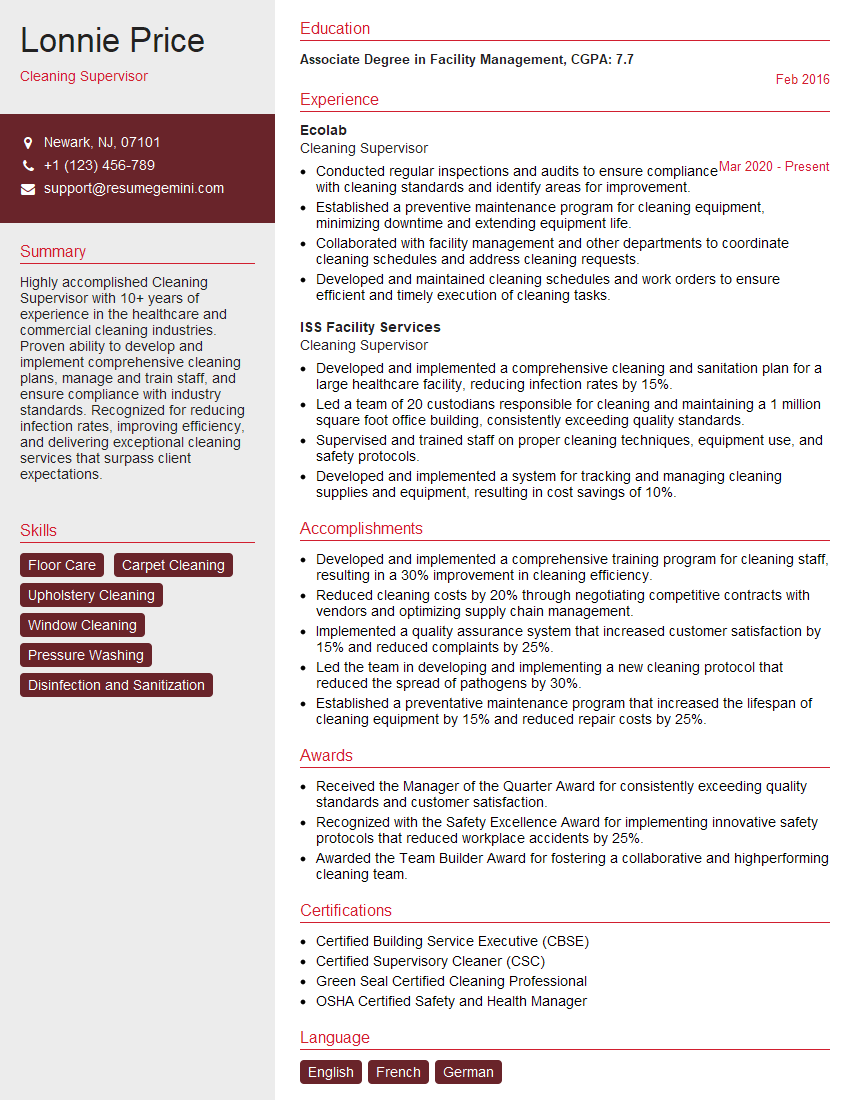
Cleaning Supervisor Resume Sample
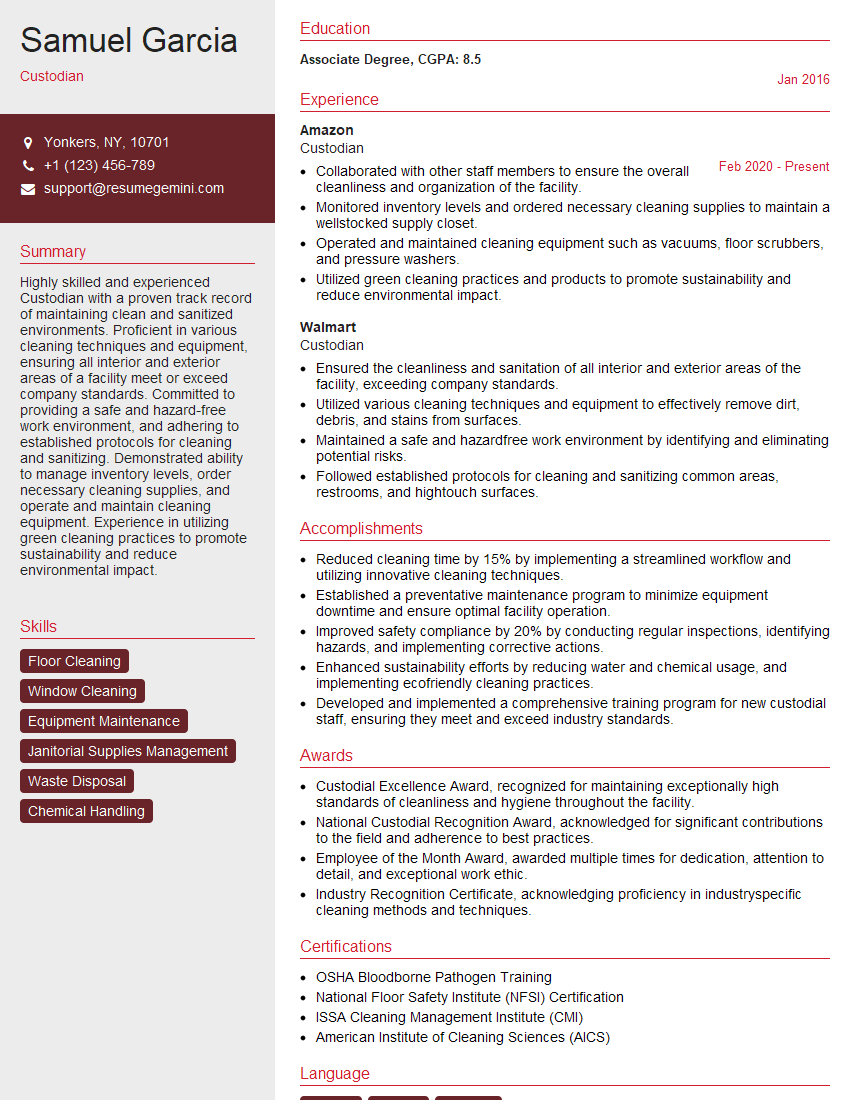
Custodian Resume Sample
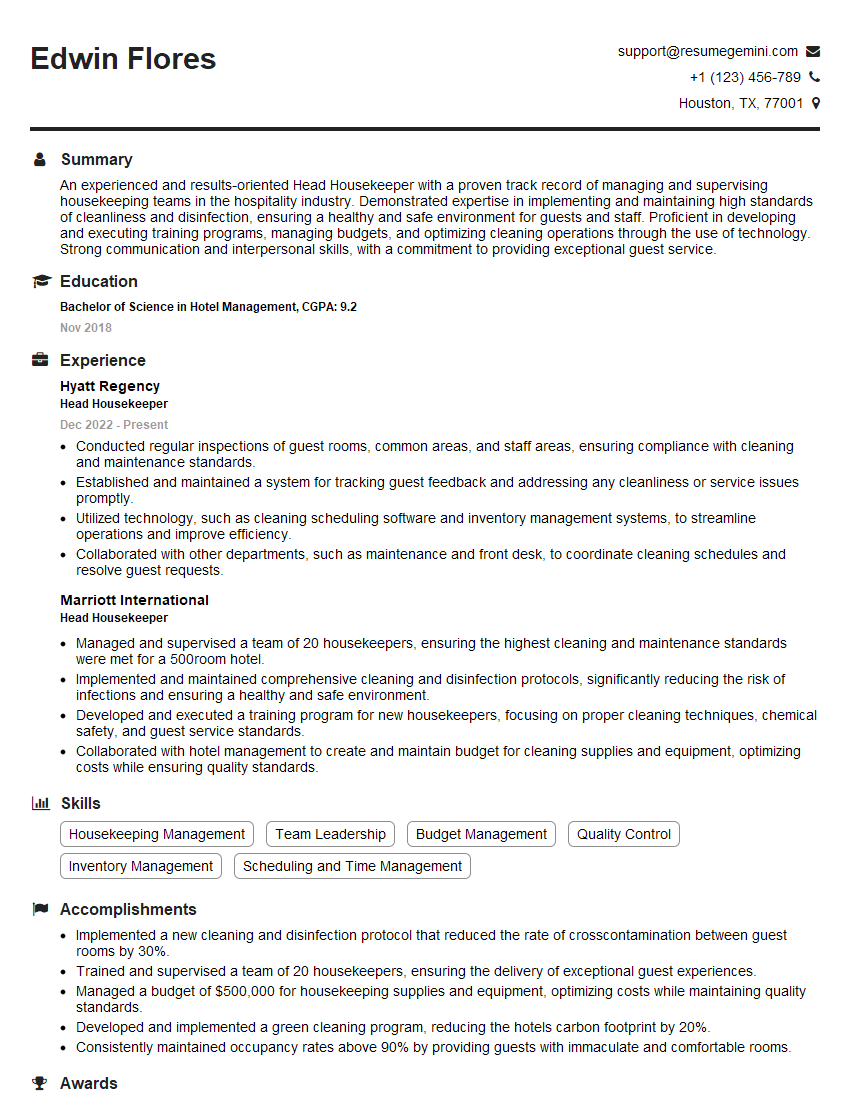
Head Housekeeper Resume Sample
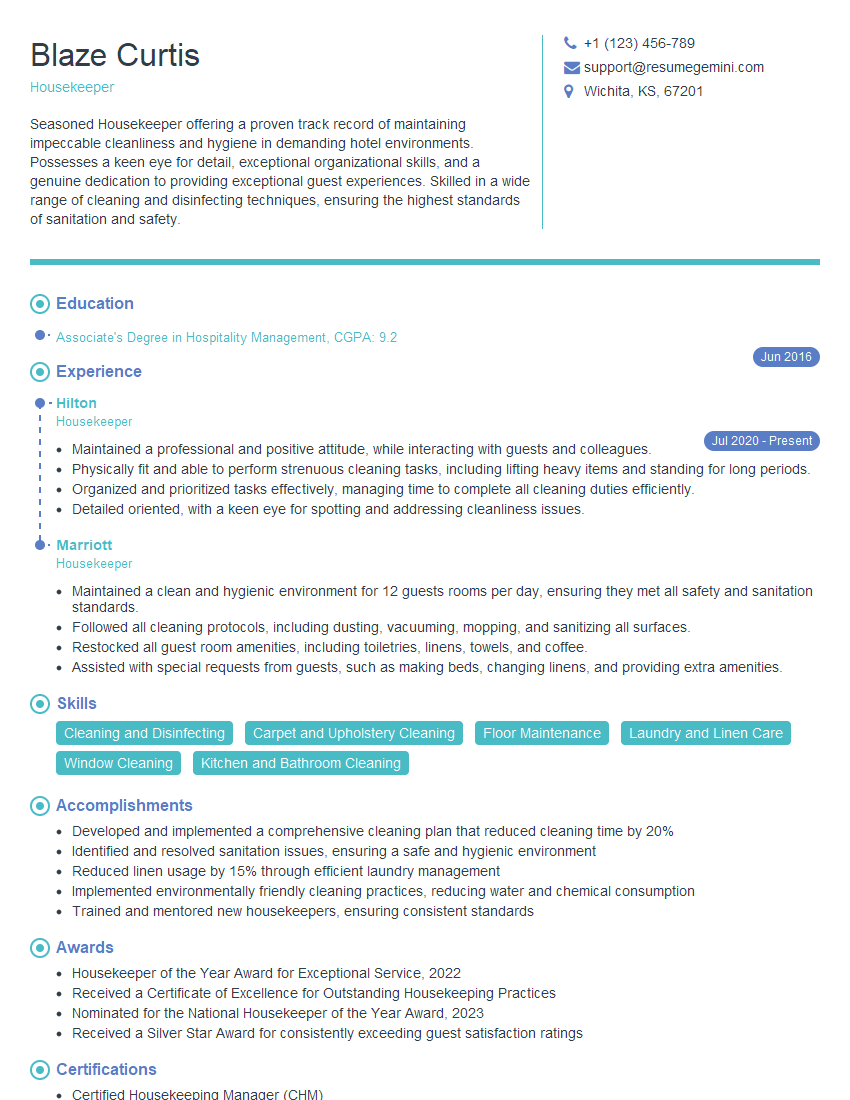
Housekeeper Resume Sample
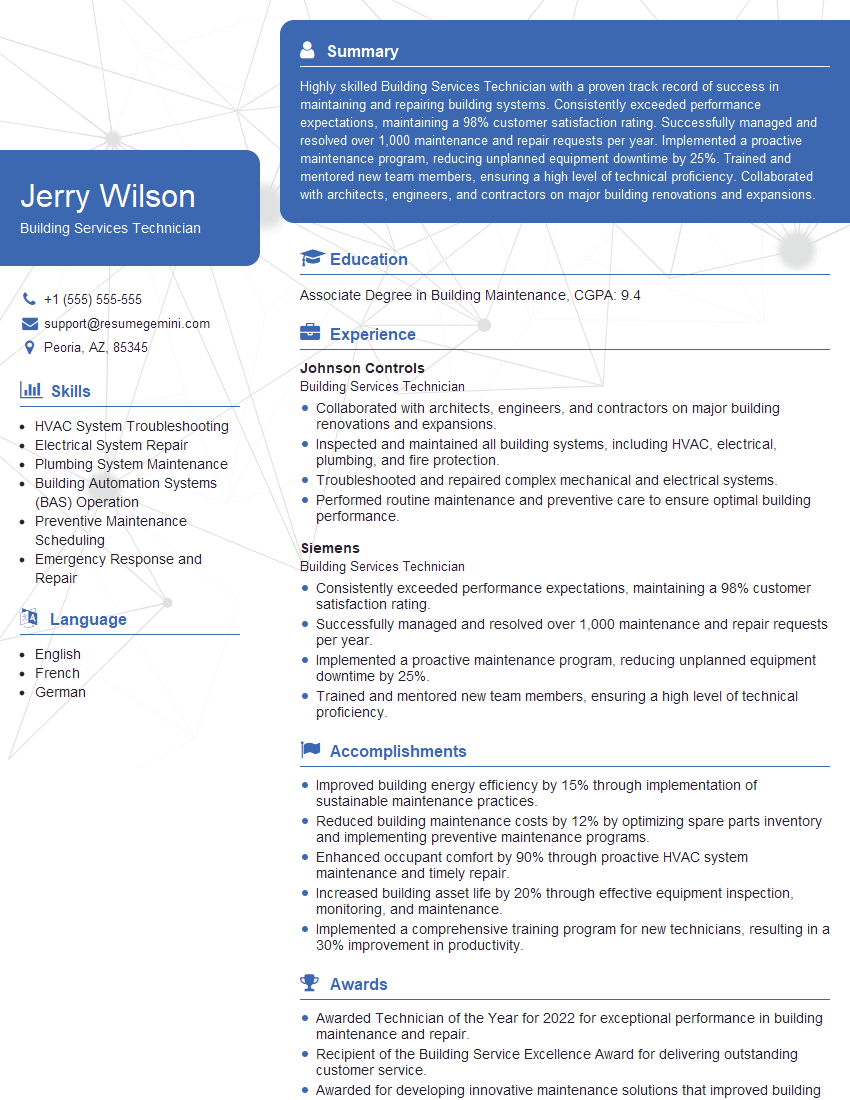
Building Services Technician Resume Sample

Carpet Cleaner Resume Sample
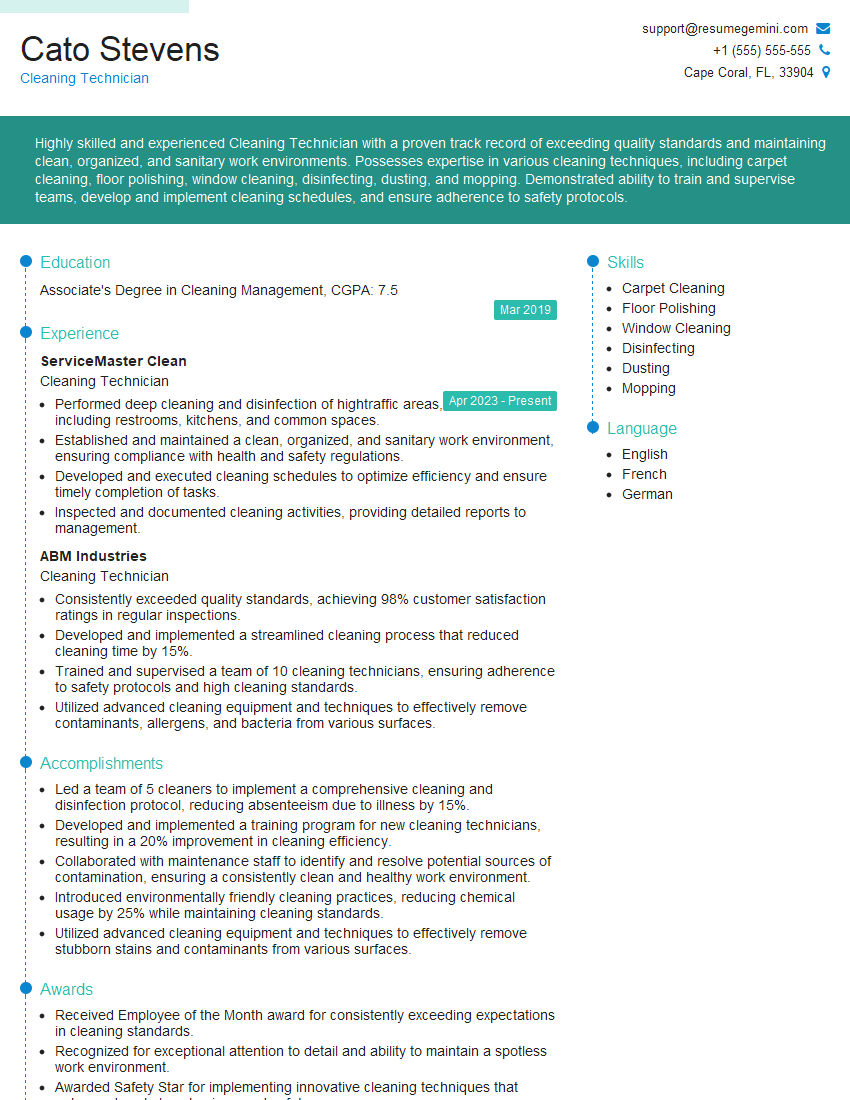
Cleaning Technician Resume Sample
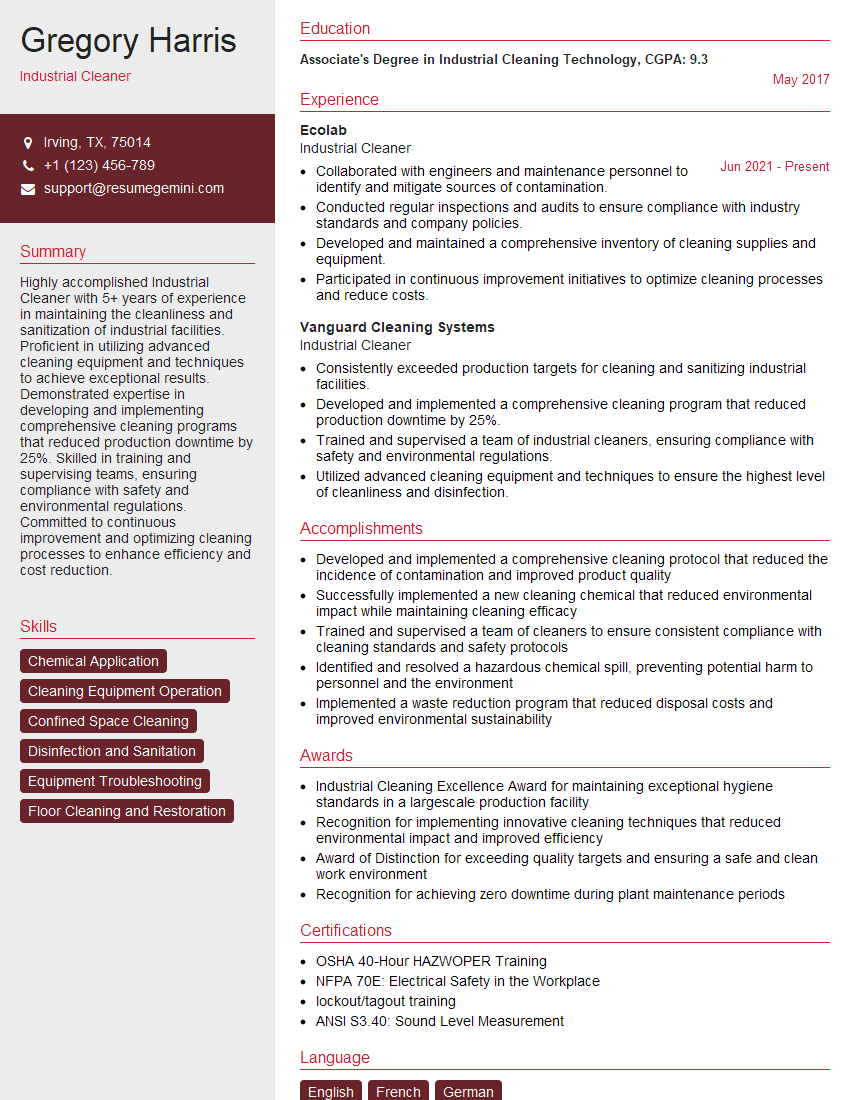
Industrial Cleaner Resume Sample
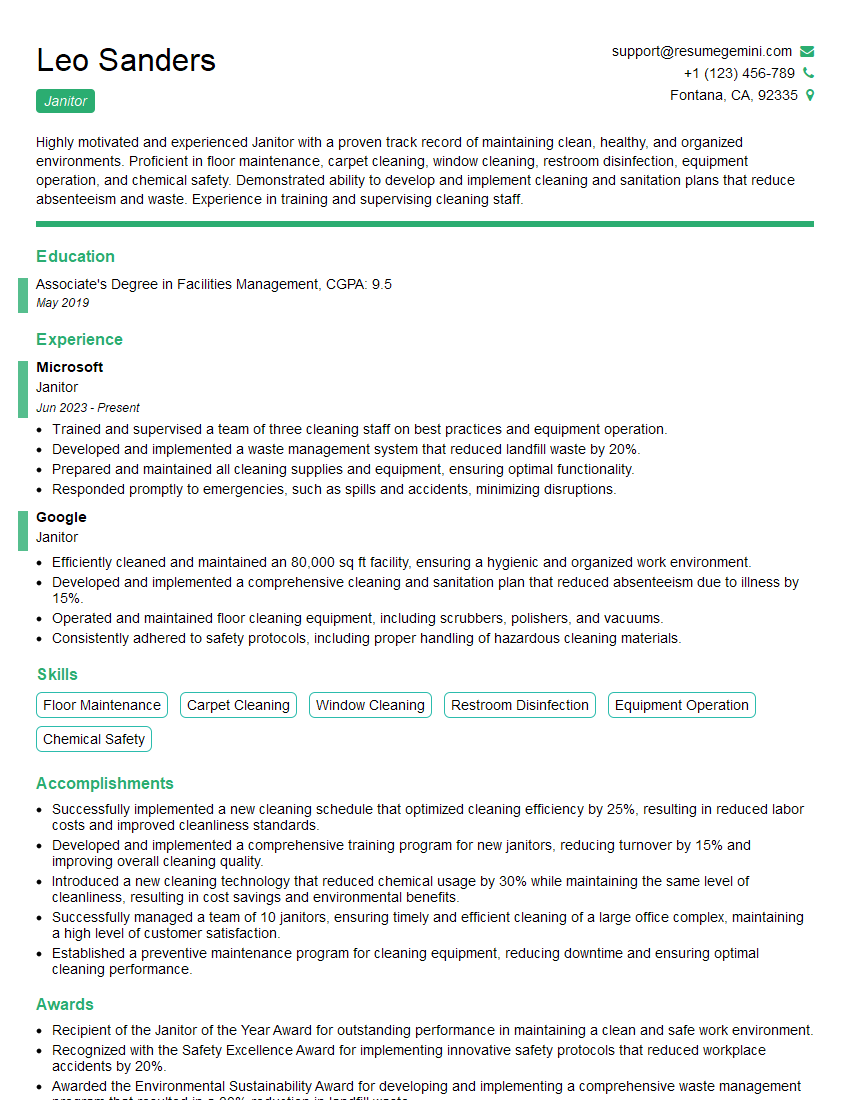
Janitor Resume Sample
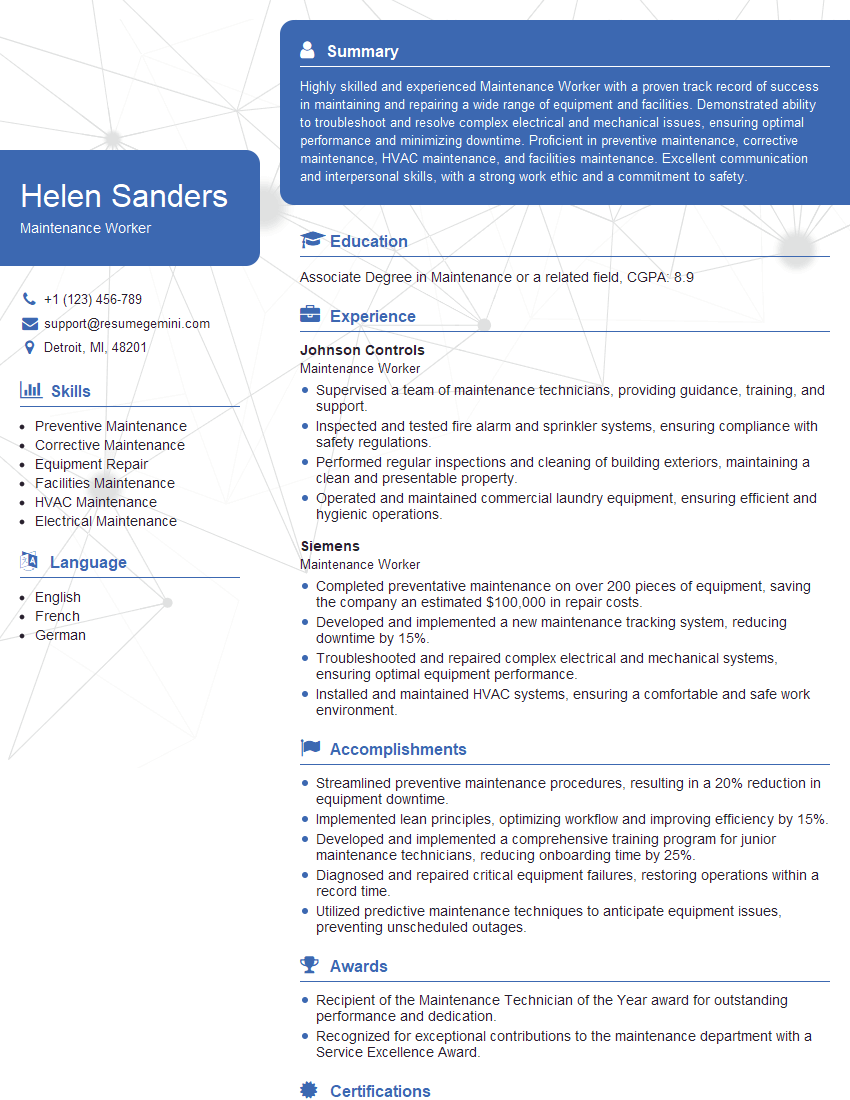
Maintenance Worker Resume Sample
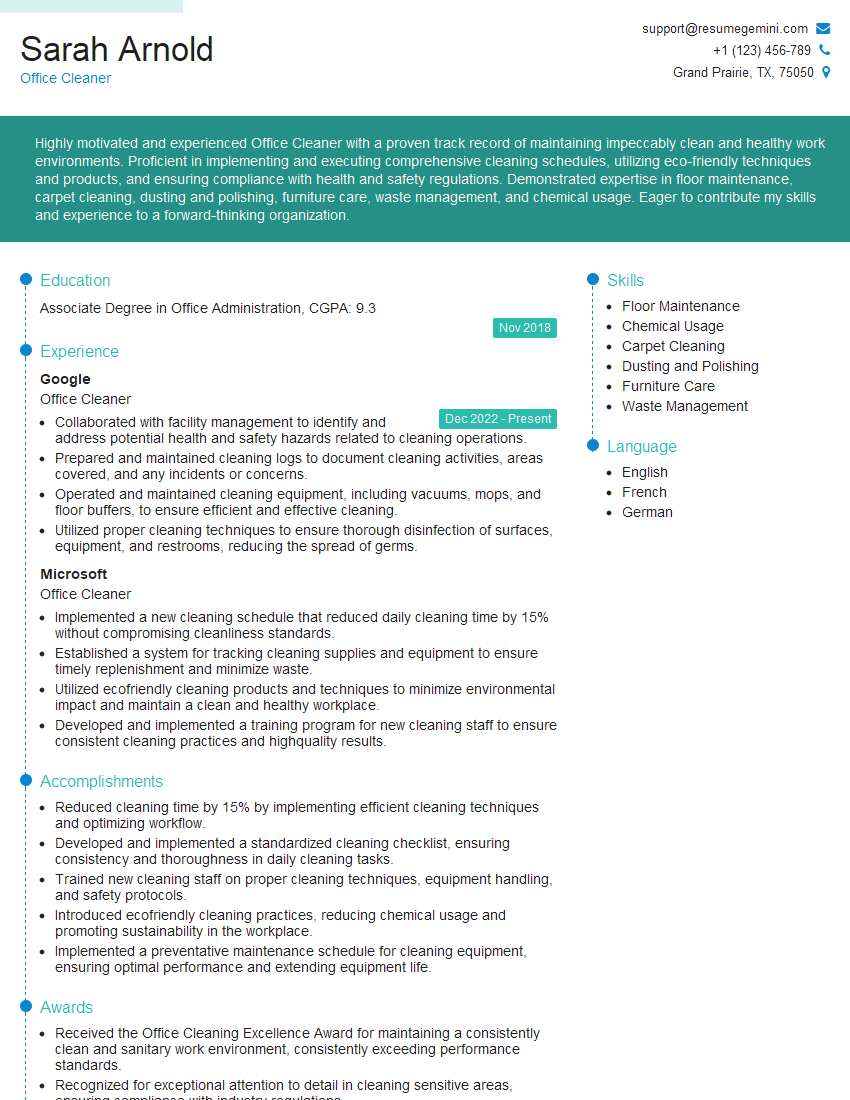
Office Cleaner Resume Sample
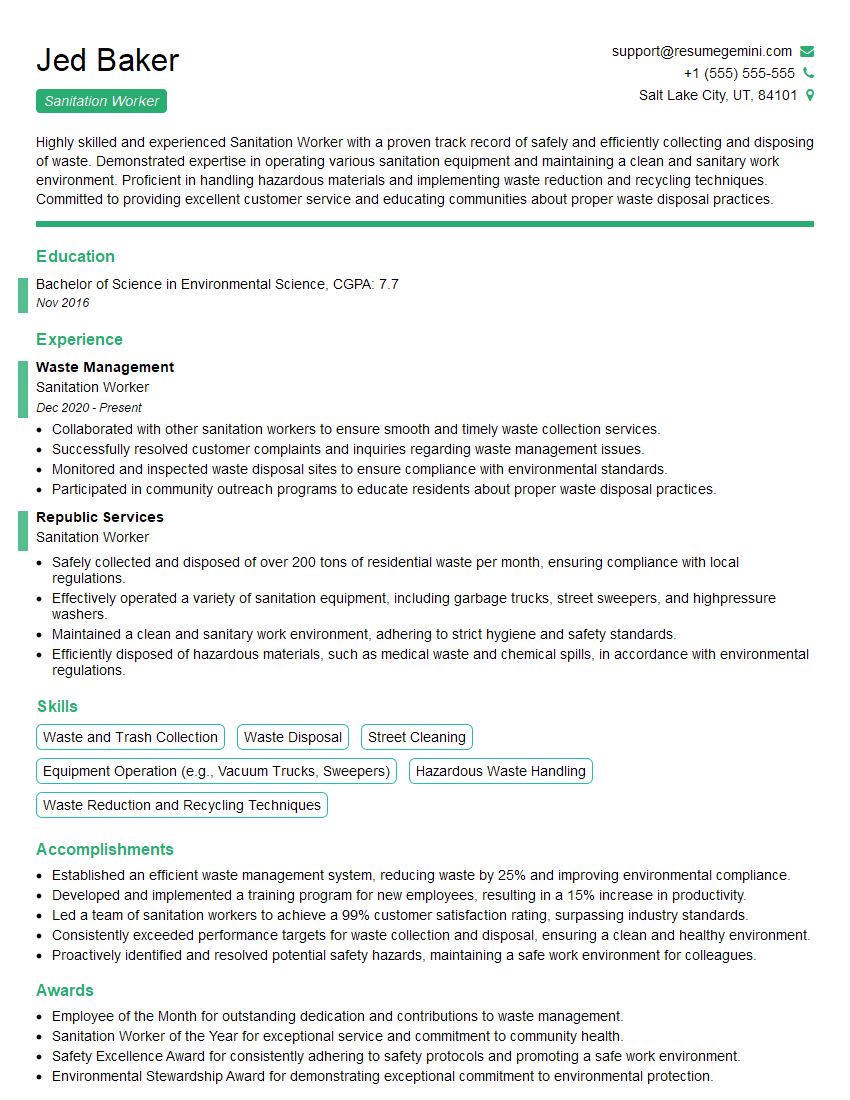
Sanitation Worker Resume Sample
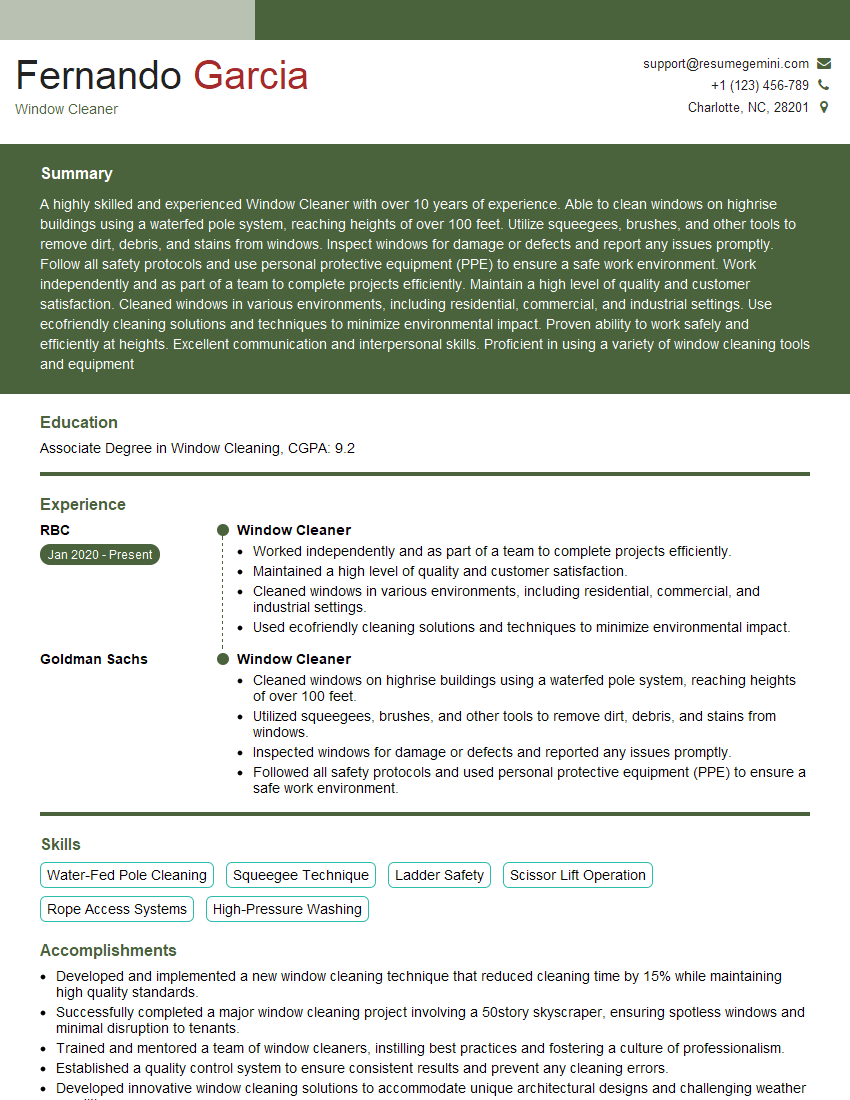
Window Cleaner Resume Sample
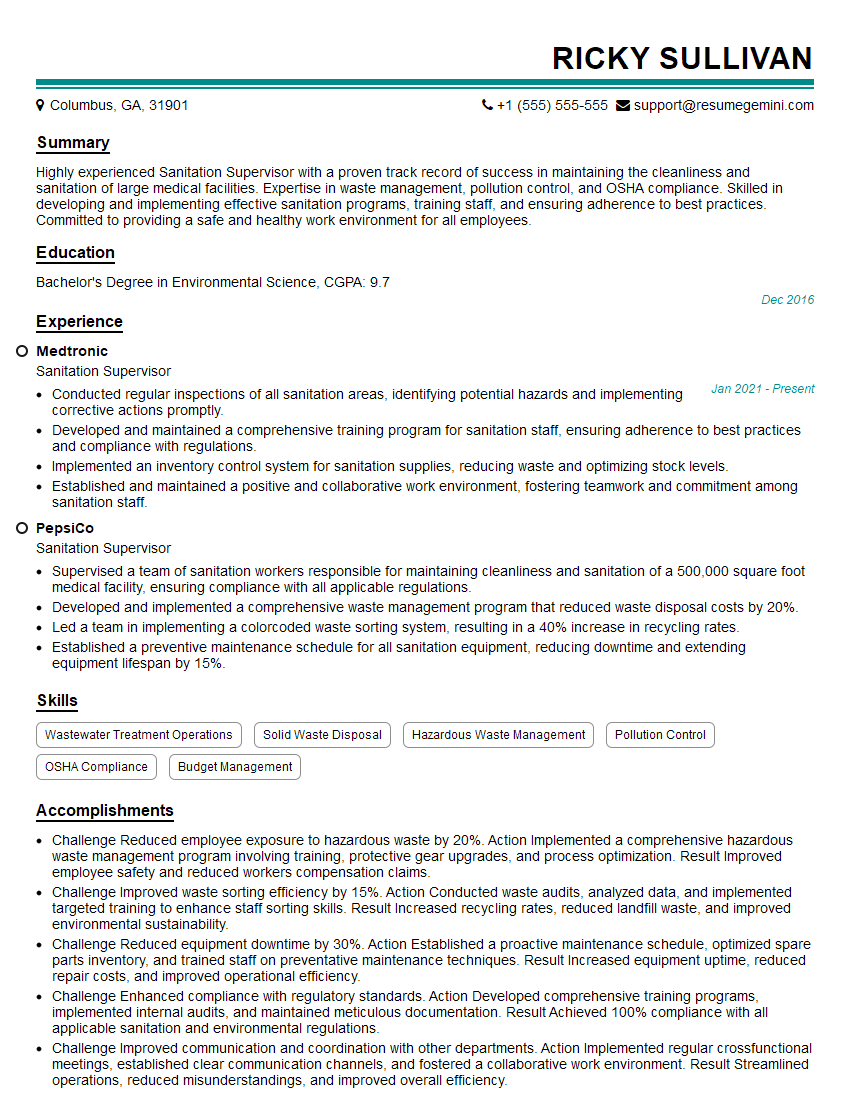
Sanitation Supervisor Resume Sample
Explore more articles
Users Rating of Our Blogs
Share Your Experience
We value your feedback! Please rate our content and share your thoughts (optional).
What Readers Say About Our Blog
Really detailed insights and content, thank you for writing this detailed article.
IT gave me an insight and words to use and be able to think of examples