Interviews are more than just a Q&A session—they’re a chance to prove your worth. This blog dives into essential ISO 9001 Standards and Procedures interview questions and expert tips to help you align your answers with what hiring managers are looking for. Start preparing to shine!
Questions Asked in ISO 9001 Standards and Procedures Interview
Q 1. Explain the core principles of ISO 9001.
ISO 9001’s core principles are the foundation of any effective Quality Management System (QMS). They aren’t just guidelines; they’re the philosophical underpinnings for achieving consistent customer satisfaction and continuous improvement. Think of them as the ‘why’ behind the ‘how’ of the standard.
- Customer Focus: Understanding and meeting customer needs and expectations is paramount. This goes beyond just fulfilling orders; it’s about proactively anticipating needs and exceeding expectations to build loyalty. For example, a software company might regularly solicit customer feedback to identify areas for improvement in their product.
- Leadership: Leaders at all levels must be committed to the QMS and foster a culture of quality. This means creating a supportive environment where employees are empowered to identify and solve problems. A clear example is a manufacturing plant where managers actively involve staff in problem-solving sessions.
- Engagement of People: Motivated and skilled employees are essential. This requires providing them with the training, resources, and empowerment to do their jobs effectively and contribute to quality improvements. Think about regular training sessions for staff on new machinery or quality control procedures.
- Process Approach: Managing processes systematically and effectively is crucial. Defining, monitoring, and improving processes ensures consistent output and efficiency. A logistics company, for instance, might meticulously track delivery times and identify bottlenecks in their shipping process.
- Improvement: Continuously striving for improvement in performance is a core tenet. This is achieved through regular monitoring, analysis, and implementation of corrective and preventive actions. Imagine a restaurant consistently analyzing customer feedback and modifying menus or services based on that data.
- Evidence-based Decision Making: Decisions should be made based on data analysis and objective evidence, not just gut feeling. This avoids biases and ensures that improvements are targeted and effective. For example, a sales team might analyze sales figures to determine which marketing strategies are most successful.
- Relationship Management: Building and maintaining good relationships with suppliers and other stakeholders is critical for the entire supply chain’s effectiveness and quality. A clothing manufacturer might work closely with their fabric suppliers to ensure consistent quality of materials.
Q 2. Describe the PDCA cycle and its application in a QMS.
The PDCA cycle (Plan-Do-Check-Act) is a fundamental iterative process for continuous improvement. It’s a simple yet powerful framework applicable to any process, from manufacturing to customer service.
- Plan: Define the objective, identify resources, and develop a plan to achieve it. This might involve setting a goal (e.g., reduce defect rate by 10%), determining the necessary resources (training, equipment), and creating a detailed action plan.
- Do: Implement the plan and collect data on the results. This involves actually carrying out the plan and diligently recording all relevant information such as measurements and observations.
- Check: Analyze the data to determine whether the plan was effective in achieving the objective. This might involve comparing the actual results against the target, and identifying any deviations or unexpected outcomes.
- Act: Based on the analysis, take action to standardize successes and correct any deficiencies. This involves implementing improvements based on the findings from the ‘Check’ phase, possibly modifying the initial plan and repeating the cycle to achieve continual progress.
In a QMS, PDCA is used throughout various processes. For example, to improve a specific manufacturing process, you’d plan improvements, implement them, check the results, and then act based on the data to further refine the process.
Q 3. What are the key clauses in ISO 9001:2015?
ISO 9001:2015, while containing many clauses, has certain key ones that are particularly crucial. These clauses form the backbone of the QMS and ensure compliance with the standard’s requirements.
- Clause 4: Context of the organization: Understanding the organization’s internal and external environment (its context) is essential to defining the scope of the QMS. This includes determining factors that can influence the ability to achieve intended results (risks and opportunities).
- Clause 5: Leadership: Leadership commitment and responsibility for the effectiveness of the QMS. This includes demonstrating a commitment to the quality policy, ensuring resources are available, and fostering a culture of improvement.
- Clause 6: Planning: Defining the QMS’ scope, establishing objectives, and planning for changes to ensure they align with organizational goals.
- Clause 7: Support: Resources needed for the QMS, such as infrastructure, personnel, competence, and monitoring/measurement resources.
- Clause 8: Operation: Controlling and managing operational processes to achieve consistent outputs and meet customer requirements. This includes aspects like planning, implementation, control, and internal communication.
- Clause 9: Performance Evaluation: Monitoring, measuring, analyzing, and evaluating the QMS’ effectiveness. This includes regular monitoring of key performance indicators (KPIs) and taking corrective and preventive actions.
- Clause 10: Improvement: Continuously improving the QMS’ effectiveness through nonconformity management, corrective action, and preventive action.
These clauses aren’t isolated; they are interconnected and work together to create a robust QMS. Understanding their interrelationship is vital for effective implementation.
Q 4. How do you conduct an internal audit according to ISO 9001?
An internal audit is a systematic and independent examination to determine whether the QMS conforms to the planned arrangements and whether these arrangements are implemented and maintained effectively. It’s a crucial part of the continuous improvement process.
- Planning: Define the scope, objectives, and timeline of the audit. Identify the areas to be audited, the audit team, and the necessary resources.
- Audit Execution: The audit team performs the audit using various techniques like document review, observation, interviews, and checks of records. Evidence is gathered to support findings.
- Reporting: The audit team prepares a report summarizing the findings, including conformity and nonconformity observations, and recommendations for improvement. The report should be objective and factual.
- Follow-up: Management reviews the audit report and addresses the findings, implementing corrective actions for nonconformities. The effectiveness of corrective actions should be verified.
For example, in a manufacturing company, an internal audit might focus on the effectiveness of a particular production process, checking if the procedures are followed and if quality control measures are working as intended. The audit team will examine relevant documents, observe the process in action, and interview employees to gather comprehensive evidence.
Q 5. Explain the difference between corrective and preventive actions.
Corrective and preventive actions are both crucial for continuous improvement, but they address different issues:
- Corrective Action: Addresses a problem that has already occurred. It aims to eliminate the cause of a nonconformity and prevent its recurrence. For example, if a batch of products fails quality checks, a corrective action would be to investigate the root cause of the failure (e.g., faulty equipment, incorrect procedures) and fix it to prevent further failures in future batches. This is a reactive approach.
- Preventive Action: Addresses a potential problem before it occurs. It aims to eliminate the cause of a potential nonconformity. For instance, if an analysis reveals a potential risk of equipment failure, a preventive action might involve replacing the equipment or scheduling preventative maintenance. This is a proactive approach.
The key difference lies in the timing: corrective action deals with existing problems, while preventive action anticipates future problems. Both are essential for maintaining a robust and efficient QMS. A well-defined system for both includes documenting the process, implementing changes, verifying their effectiveness, and regularly reviewing the actions taken.
Q 6. What is a quality management system (QMS)?
A Quality Management System (QMS) is a structured framework of processes, procedures, and resources designed to achieve consistent quality in products, services, or processes. Think of it as a roadmap guiding an organization to consistently meet customer expectations and improve its performance. It’s not just a set of documents; it’s a living system that adapts to changing needs and continually strives for excellence.
A QMS covers all aspects of an organization’s operations, including planning, resource management, production, delivery, and customer feedback. It establishes clear responsibilities, defines procedures, and provides mechanisms for monitoring and improvement. A well-implemented QMS leads to higher customer satisfaction, improved efficiency, and reduced costs through proactive identification and resolution of problems.
Q 7. Describe your experience with document control within a QMS.
Document control is a vital aspect of any effective QMS. It ensures that all documents are current, accurate, readily available, and appropriately authorized. In my experience, a robust document control system is essential for maintaining consistency and traceability.
My experience involves developing and implementing document control procedures within different QMS frameworks. This includes:
- Creating and maintaining a document register: This provides a centralized repository for tracking all documents, their versions, and their approval status. This often involves using a dedicated software solution or a well-organized database.
- Defining document approval workflows: Establishing clear procedures for creating, reviewing, approving, and releasing documents to ensure that only authorized and current versions are used. This includes defining roles and responsibilities for each step.
- Implementing procedures for document revision and obsolescence management: Defining methods for updating documents and managing outdated versions to avoid confusion and ensure that everyone uses the latest information. This often involves version control and a clear process for retiring old documents.
- Ensuring document accessibility: Providing controlled access to documents based on roles and responsibilities, and using secure storage to safeguard sensitive information. This can involve password protection, access control lists, and secure document management systems.
- Regular audits of document control procedures: Conducting periodic internal audits to verify that procedures are followed and that the system remains effective. This helps identify areas for improvement and ensures ongoing compliance.
Through this structured approach, document control contributes significantly to an organization’s ability to consistently deliver high-quality products and services. A well-managed document control system minimizes the risks associated with using outdated or incorrect information and improves overall organizational efficiency.
Q 8. How do you ensure compliance with ISO 9001 requirements?
Ensuring ISO 9001 compliance is a multifaceted process that requires a robust Quality Management System (QMS). It’s not simply about ticking boxes; it’s about embedding quality principles into the very fabric of the organization. This involves several key steps:
- Documented Procedures: Developing and maintaining documented procedures for all key processes. These procedures should clearly outline responsibilities, work instructions, and quality control checks. For example, a procedure for handling customer complaints should detail steps from initial contact to resolution and follow-up.
- Internal Audits: Regularly conducting internal audits to assess compliance with the QMS and ISO 9001 requirements. These audits identify areas for improvement and ensure the system’s effectiveness.
- Management Review: Regularly reviewing the QMS’s performance during management review meetings. This high-level review identifies trends, opportunities for improvement, and ensures alignment with strategic business goals.
- Corrective and Preventive Actions (CAPA): Implementing a robust CAPA system to address any identified nonconformities and prevent their recurrence. This is crucial for continuous improvement and preventing future problems.
- Employee Training: Ensuring all employees understand and adhere to the QMS and their roles within it. This includes training on relevant procedures, quality standards, and their responsibilities for maintaining quality.
- Record Keeping: Maintaining accurate records to demonstrate compliance with requirements. This includes evidence of training, audits, CAPA implementation, and management review meetings.
In my experience, a proactive approach, involving all levels of the organization, is essential. It’s not enough for the quality department to be responsible; quality must be everyone’s responsibility.
Q 9. What is risk-based thinking and how does it apply to ISO 9001?
Risk-based thinking is a proactive approach to identifying, assessing, and addressing potential problems before they impact quality, safety, or the organization’s objectives. In ISO 9001, it’s integrated throughout the QMS, emphasizing prevention over reaction.
Applying risk-based thinking in ISO 9001 involves:
- Risk Identification: Identifying potential risks that could affect the ability to meet customer requirements and the QMS objectives. Examples include supplier issues, process failures, or changes in technology.
- Risk Analysis: Evaluating the likelihood and potential impact of each identified risk. This may involve using risk matrices to prioritize risks based on their severity.
- Risk Response: Developing and implementing appropriate strategies to mitigate, avoid, transfer, or accept the identified risks. This could include implementing new controls, modifying processes, or utilizing insurance.
- Risk Monitoring and Review: Regularly monitoring the effectiveness of risk responses and reviewing risks to ensure they remain relevant and adequately addressed.
For example, if a company identifies a risk of supplier delays affecting product delivery, it might implement a risk response strategy involving diversifying suppliers, holding safety stock, or establishing clear communication protocols with existing suppliers. Risk-based thinking enables a more effective and efficient QMS, ensuring better resource allocation and preventing problems before they escalate.
Q 10. Explain the importance of management review in a QMS.
The management review is a critical process in any QMS, serving as a high-level assessment of the system’s effectiveness and alignment with the organization’s strategic goals. It’s not just a formality; it’s a crucial opportunity for continuous improvement.
Its importance lies in:
- System Performance Evaluation: Reviewing the effectiveness of the QMS and its contribution to achieving the organization’s quality objectives. This involves analyzing data on key performance indicators (KPIs), customer satisfaction, internal audit findings, and nonconformities.
- Continuous Improvement Identification: Identifying areas for improvement in the QMS, considering both opportunities and potential problems. This is where the management team can strategically steer the system towards better performance.
- Resource Allocation: Determining the appropriate allocation of resources to support the QMS and facilitate continuous improvement. This could involve investments in training, technology, or process improvements.
- Strategic Alignment: Ensuring that the QMS is aligned with the organization’s overall strategic goals and objectives. The management review ensures that quality efforts support the broader business vision.
- Communication and Accountability: Providing a forum for communication among management and other stakeholders regarding the QMS and its performance. This reinforces accountability and promotes ownership of quality across the organization.
Imagine a management review identifying a recurring customer complaint about slow delivery times. This review would prompt discussions on process improvements, potential investments in logistics, and reallocation of resources to address the issue. This demonstrates the vital role management review plays in driving continuous improvement and achieving organizational success.
Q 11. Describe your experience with internal audit reporting.
My experience with internal audit reporting involves a structured approach, ensuring objectivity and thoroughness. The process typically begins with a pre-audit planning phase, including scoping the audit and selecting qualified auditors.
During the audit, findings are meticulously documented, including evidence of both compliance and nonconformities. After the audit, a formal report is prepared, outlining all findings, classified according to their severity (e.g., minor, major, critical). The report contains clear descriptions of the observed issues, supporting evidence, and recommendations for corrective actions. I typically utilize a standardized reporting template to ensure consistency and clarity.
A crucial aspect is presenting the findings clearly and concisely to management, facilitating easy understanding and action. I’ve often used visual aids like graphs and charts to illustrate trends and patterns observed during the audit. Furthermore, I always follow up on the implemented corrective actions to verify their effectiveness and ensure that nonconformities are truly resolved.
For example, in one audit, we identified a lack of documented procedures for a critical production process. Our report detailed this nonconformity, providing specific evidence and suggesting the creation of a detailed, step-by-step procedure. Following the audit, we monitored the implementation of the new procedure to verify its effectiveness and that it addressed the identified gap.
Q 12. How do you handle nonconformities identified during an audit?
Handling nonconformities identified during an audit requires a structured approach that ensures timely resolution and prevents recurrence. It’s not about assigning blame, but about improving the system.
My approach follows these steps:
- Documentation: Meticulously document the nonconformity, including details of the observation, location, severity, and potential impact.
- Root Cause Analysis: Conduct a thorough root cause analysis (RCA) to determine the underlying reasons for the nonconformity. Techniques like the 5 Whys or fishbone diagrams are helpful here.
- Corrective Action: Develop and implement corrective actions to address the immediate issue and prevent its recurrence. This may involve revising procedures, retraining personnel, or improving equipment.
- Preventive Action: Develop and implement preventive actions to prevent similar nonconformities in other areas of the QMS. This requires identifying potential weaknesses in the system and addressing them proactively.
- Verification: Verify the effectiveness of the corrective and preventive actions. This involves reassessing the area where the nonconformity was identified to ensure the problem has been permanently resolved.
- Record Keeping: Maintain a detailed record of the entire process, including the initial nonconformity report, the RCA, corrective and preventive actions, and verification results.
For example, if an audit reveals that a batch of products failed a quality control test due to incorrect calibration of a measuring instrument, the corrective action would involve recalibrating the instrument. The preventive action would involve establishing a regular calibration schedule to prevent future calibration errors.
Q 13. What are the key performance indicators (KPIs) you would monitor in a QMS?
The key performance indicators (KPIs) monitored in a QMS should be aligned with the organization’s strategic objectives and provide a clear picture of the system’s effectiveness. The choice of KPIs depends on the specific context, but some common examples include:
- Customer Satisfaction: Measured through surveys, feedback forms, and complaint rates. This is crucial for understanding customer perceptions of product and service quality.
- Defect Rate: The percentage of products or services that do not meet quality standards. This KPI helps identify areas needing improvement in processes and procedures.
- Process Yield: The percentage of successfully completed units within a process. This indicates the efficiency and effectiveness of processes.
- Lead Time: The time taken to complete a process or deliver a product or service. Reducing lead time improves efficiency and customer satisfaction.
- Internal Audit Findings: The number and severity of nonconformities identified during internal audits. This provides insights into the system’s overall effectiveness and areas for improvement.
- Corrective Action Effectiveness: The percentage of corrective actions implemented that successfully resolve the underlying problems. This KPI evaluates the effectiveness of the CAPA system.
- Employee Training Completion Rate: The percentage of employees who have completed required training on quality procedures and standards. This shows the organization’s commitment to quality awareness.
These KPIs should be monitored regularly and reviewed during management reviews. Analyzing trends in these KPIs provides insights into the overall health of the QMS and guides strategic decision-making.
Q 14. How do you ensure continuous improvement within a QMS?
Continuous improvement is a fundamental principle of ISO 9001, and it’s more than just reacting to problems. It involves proactively seeking out opportunities to enhance the QMS and improve overall performance.
Here are some key strategies for ensuring continuous improvement:
- Regular Internal Audits: These audits identify areas for improvement and ensure the QMS remains effective and compliant.
- Management Review: Regular reviews provide a platform to assess QMS performance, identify improvement opportunities, and allocate necessary resources.
- Data Analysis: Analyzing KPIs and other data to identify trends and areas requiring attention. Data-driven decision-making is critical for effective improvement.
- Employee Involvement: Encouraging employees to contribute ideas and participate in improvement initiatives. Employee empowerment leads to better solutions.
- Benchmarking: Comparing the organization’s performance against industry best practices and competitors to identify opportunities for improvement.
- Process Optimization: Streamlining processes to eliminate waste, reduce lead times, and enhance efficiency. Techniques like Lean and Six Sigma can be invaluable.
- Corrective and Preventive Actions (CAPA): Implementing a robust CAPA system to address nonconformities and prevent their recurrence.
- Regular Training and Development: Investing in employee training to enhance skills and knowledge in quality management principles.
In essence, continuous improvement is a journey, not a destination. It involves fostering a culture of quality awareness, where improvement is an ongoing, collaborative effort that permeates the entire organization. Using a plan-do-check-act (PDCA) cycle helps to structure improvement initiatives and ensures that improvements are sustained.
Q 15. What is your experience with root cause analysis techniques?
Root cause analysis (RCA) is a systematic approach to identifying the underlying causes of problems, not just the symptoms. It’s crucial in a quality management system (QMS) for preventing recurrence. My experience encompasses various techniques, including the 5 Whys, Fishbone diagrams (Ishikawa diagrams), Fault Tree Analysis (FTA), and Pareto analysis.
For example, using the 5 Whys, if a customer received a faulty product, I wouldn’t stop at ‘The product was faulty’. I’d ask ‘Why was it faulty?’ repeatedly until we uncover the root cause, perhaps revealing a flaw in the assembly process or inadequate quality control checks. The Fishbone diagram helps visualize potential causes categorized by factors like materials, methods, manpower, and machinery, facilitating brainstorming and identification of interconnected causes. FTA is particularly useful for complex systems, charting potential failure points and their cascading effects. Finally, Pareto analysis helps prioritize issues by focusing on the vital few, rather than the trivial many, based on frequency and impact.
Career Expert Tips:
- Ace those interviews! Prepare effectively by reviewing the Top 50 Most Common Interview Questions on ResumeGemini.
- Navigate your job search with confidence! Explore a wide range of Career Tips on ResumeGemini. Learn about common challenges and recommendations to overcome them.
- Craft the perfect resume! Master the Art of Resume Writing with ResumeGemini’s guide. Showcase your unique qualifications and achievements effectively.
- Don’t miss out on holiday savings! Build your dream resume with ResumeGemini’s ATS optimized templates.
Q 16. Describe your experience implementing or maintaining an ISO 9001 QMS.
I’ve been involved in both implementing and maintaining ISO 9001 QMS across multiple organizations. This includes developing and documenting quality procedures, conducting internal audits, performing management reviews, and leading the certification process. In one instance, I led a team in transitioning a small manufacturing company to an ISO 9001 compliant QMS. This involved a comprehensive gap analysis, creating new procedures and documentation, staff training, and finally, successful certification. Maintaining the QMS involved regular internal audits, corrective and preventive actions (CAPA), and continuous improvement initiatives focusing on key performance indicators (KPIs) such as customer satisfaction, defect rates, and on-time delivery.
Another experience involved improving an existing QMS by streamlining processes and leveraging technology for better data management and tracking. This resulted in a significant reduction in nonconformances and improved efficiency.
Q 17. How familiar are you with ISO 9001 Annex SL?
I am very familiar with ISO 9001:2015 Annex SL, which is the high-level structure (HLS) used for all ISO management system standards. This common structure enhances integration between different management systems within an organization, fostering consistency and efficiency. Annex SL provides a standardized framework for clauses addressing context of the organization, leadership, planning, support, operation, performance evaluation, and improvement. Understanding this structure is key to effectively implementing and maintaining an integrated management system.
The Annex SL focus on risk-based thinking is particularly significant, requiring organizations to proactively identify and mitigate potential risks and opportunities impacting the effectiveness of their QMS. This shift from reactive to proactive management is a key improvement over previous versions of the standard.
Q 18. Explain your understanding of process mapping and its use in QMS.
Process mapping is a visual representation of a process, showing the steps, inputs, outputs, decision points, and stakeholders involved. It’s an essential tool in a QMS for understanding and improving processes. Different techniques exist, including flowcharts, swimlane diagrams, and value stream mapping.
For example, a flowchart might depict the steps in a product manufacturing process, starting from raw material intake to final product delivery. A swimlane diagram would further clarify the responsibilities of each department or team involved in the process. Value stream mapping goes a step further by identifying waste and bottlenecks within the process, guiding improvement initiatives. Process mapping helps identify redundancies, inefficiencies, and areas for optimization, which leads to improved quality, reduced costs, and faster cycle times.
Q 19. Describe your experience with customer feedback and its impact on the QMS.
Customer feedback is vital for continuous improvement in a QMS. It provides direct insights into customer satisfaction and helps identify areas needing improvement. My experience involves establishing systems for collecting customer feedback through surveys, feedback forms, direct communication, and analyzing this data to pinpoint trends and address concerns.
For instance, I’ve implemented a customer satisfaction survey system to gather quantitative data on various aspects of our products and services. We also analyze qualitative feedback from customer calls and emails to gain deeper insights into their experiences. This information is crucial for initiating corrective actions, improving products or services, and adjusting processes to better meet customer needs and expectations. Regular analysis of customer feedback is essential for demonstrating continuous improvement within the QMS, showing a commitment to customer satisfaction and adherence to ISO 9001 principles.
Q 20. How would you handle a conflict between quality requirements and production schedules?
Conflicts between quality requirements and production schedules are common. Resolution requires a balanced approach, prioritizing quality while being mindful of deadlines. My strategy involves:
- Open Communication: Clearly communicate the conflict to all stakeholders involved, including management, production, and quality control.
- Prioritization: Collaboratively determine the impact of compromising on either quality or schedule. Sometimes, minor quality concessions might be acceptable for meeting crucial deadlines, but this must be carefully assessed and documented, ensuring compliance with specifications where critical.
- Risk Assessment: Analyze the risks associated with both options (compromising on quality vs. delaying the schedule). Document these risks and develop mitigation strategies.
- Problem Solving: Explore alternative solutions. This could involve optimizing processes, reallocating resources, or finding ways to accelerate production without compromising quality.
- Decision Making: Based on the risk assessment and potential solutions, make a well-informed decision, documenting the rationale and informing all relevant parties.
The key is proactive communication and collaboration to find solutions that minimize the negative impact on both quality and schedule.
Q 21. What are your strategies for effective communication within a quality team?
Effective communication is paramount in a quality team. My strategies include:
- Regular Meetings: Scheduled meetings provide a forum for updates, issue discussions, and collaborative problem-solving.
- Clear Communication Channels: Establishing clear channels for communication, such as email, instant messaging, and project management software, ensures information flows efficiently.
- Documentation: Thorough documentation of decisions, actions, and findings ensures transparency and facilitates accountability. This is critical for traceability in any audit.
- Active Listening: Encouraging active listening during meetings and discussions promotes understanding and fosters collaboration.
- Constructive Feedback: Creating a safe space for providing and receiving constructive feedback is essential for improvement and growth.
- Training: Providing training on effective communication techniques enhances the team’s ability to convey information clearly and concisely.
Using a combination of these techniques facilitates a positive, collaborative working environment that prioritizes clear communication and information sharing. This is essential for continuous improvement and successful implementation of the QMS.
Q 22. Explain your understanding of quality objectives and how they are set.
Quality objectives are measurable, achievable goals that demonstrate an organization’s commitment to continuous improvement within its Quality Management System (QMS). They’re not simply statements of intent; they must be specific, measurable, achievable, relevant, and time-bound (SMART). Think of them as the stepping stones towards achieving overall quality policy.
Setting quality objectives involves a multi-step process:
- Understanding Context: This involves analyzing the organization’s internal and external context, including customer requirements, market trends, and competitor analysis. For example, a manufacturing company might analyze customer feedback showing a need for faster delivery times.
- Defining the Scope: Objectives need to be aligned with the organization’s overall strategic goals. For the manufacturer, this might be reflected in an objective to reduce lead times by 15% within the next year.
- Establishing Metrics: Each objective needs quantifiable metrics for measurement and tracking. The manufacturer would track lead times weekly and measure the reduction against their 15% goal.
- Resource Allocation: Sufficient resources (personnel, budget, technology) need to be allocated to achieve the objectives. The manufacturer might invest in new software to streamline their production process.
- Review and Update: Objectives should be regularly reviewed and updated to ensure they remain relevant and effective. The manufacturer would monitor the lead time reduction and adjust their plan if needed.
Effective quality objectives are cascaded down from the top management to all levels of the organization ensuring everyone understands their role in achieving the overall quality goals.
Q 23. Describe your experience with supplier management related to quality.
My experience with supplier management encompasses all aspects of ensuring consistent quality from external providers. It’s crucial to establish a robust supplier selection, evaluation, and monitoring process. This includes:
- Supplier Selection: Rigorous pre-qualification based on criteria like quality certifications (ISO 9001, IATF 16949), capacity, and financial stability. We often use a weighted scoring system to objectively compare potential suppliers.
- Contract Management: Clearly defined contracts outlining quality expectations, acceptance criteria, and corrective action procedures. This includes specific clauses on quality control measures that the supplier must follow.
- Performance Monitoring: Regular audits (both on-site and through document review) and performance reviews based on Key Performance Indicators (KPIs) like defect rates and on-time delivery. We use control charts to monitor supplier performance over time.
- Continuous Improvement: Collaboration with suppliers on identifying and resolving quality issues, implementing corrective and preventive actions (CAPAs), and driving continuous improvement initiatives. This includes regular communication and joint problem-solving workshops.
For instance, in a previous role, we implemented a system for tracking supplier performance using a dashboard that visualized key metrics. This allowed for immediate identification of underperforming suppliers and the implementation of corrective actions, ultimately preventing costly defects downstream.
Q 24. How do you ensure the effectiveness of training programs within the QMS?
Ensuring the effectiveness of training programs within a QMS relies on a structured approach that focuses on both the design and the evaluation of the training. It’s not enough to just deliver training; we need to verify its impact.
- Needs Assessment: Training must address specific skill gaps identified through regular competency assessments and performance reviews. This ensures training is targeted and relevant.
- Curriculum Development: Training materials should be well-structured, engaging, and aligned with the organization’s specific needs and processes. This might involve using various methods like e-learning, workshops, and on-the-job training.
- Delivery and Facilitation: Training should be delivered by qualified and experienced instructors who can effectively engage participants. Methods such as role-playing and case studies can increase engagement.
- Evaluation and Feedback: Effectiveness is assessed through various methods including pre- and post-training assessments, observation of on-the-job performance, and feedback surveys. This allows for continuous improvement of the training program.
- Records Management: Maintaining accurate records of training attendance, assessments, and performance evaluations is crucial for demonstrating compliance and effectiveness. This might involve a dedicated training management system.
In a past project, I implemented a competency matrix to identify skill gaps, resulting in a targeted training program focused on specific areas. Post-training assessments showed a significant improvement in employee performance and knowledge retention, validating the effectiveness of the approach.
Q 25. How do you ensure data integrity and traceability within the QMS?
Data integrity and traceability are paramount in a QMS. This means ensuring that data is accurate, complete, and consistently reliable throughout its lifecycle, allowing for easy tracking of products, processes, and changes.
- Documented Procedures: Clear documented procedures for data creation, handling, storage, and retrieval are essential. This includes defining roles and responsibilities for data management.
- Data Validation: Regular checks and audits ensure data accuracy and completeness. This often involves cross-referencing data from multiple sources.
- Version Control: A robust version control system prevents confusion and ensures that the latest version of documents and data is always used. This might involve using a document management system.
- Audit Trails: Comprehensive audit trails track all changes made to data, providing traceability and accountability. This allows for investigation if discrepancies are found.
- Secure Storage: Data must be stored securely to prevent unauthorized access, modification, or loss. This could involve utilizing secure servers and access control measures.
For instance, implementing a unique identification system for all products throughout the production process, coupled with electronic data capture, allows for complete traceability from raw material to finished product, dramatically improving our ability to manage recalls or identify the root cause of quality issues.
Q 26. Explain your experience with using statistical process control (SPC).
Statistical Process Control (SPC) is a powerful tool for monitoring and improving processes by using statistical methods to identify and address variation. I have extensive experience applying SPC techniques to various aspects of quality management.
- Control Charts: I’m proficient in using various control charts, such as X-bar and R charts, p-charts, and c-charts, to monitor process stability and identify trends. These charts visually display data over time, allowing for early identification of deviations from expected values.
- Capability Analysis: I utilize capability studies (Cp, Cpk) to assess the ability of a process to meet specifications. This informs decisions about process improvement and the feasibility of meeting customer requirements.
- Process Optimization: I use data collected through SPC to identify root causes of variation and implement corrective actions to improve process efficiency and reduce defects. This often involves the use of tools such as Pareto charts and fishbone diagrams.
- Data Analysis: I utilize statistical software packages to analyze data collected from SPC charts and perform more advanced statistical analysis, such as regression analysis and ANOVA, to understand the relationships between variables.
In one project, we used control charts to monitor a critical manufacturing process. By analyzing the data, we identified a specific machine setting as the root cause of increased variation. Adjusting this setting resulted in a significant reduction in defects and improved process capability.
Q 27. Describe a time you identified and resolved a quality issue. Focus on the methodology used.
In a previous role, we experienced a significant increase in customer complaints regarding the surface finish of a particular product. My role involved investigating and resolving this issue using a structured approach based on the 8D problem-solving methodology.
- D1: Define the problem: Clearly define the problem – increased customer complaints related to surface finish defects.
- D2: Describe the problem: Detailed description of the defect, including the frequency, severity, and impact on customers.
- D3: Containment: Immediate actions taken to prevent further defects, such as segregating affected products and halting production.
- D4: Corrective Actions: Identified root cause (worn polishing tool) through data analysis (defect logs, production records) and process observation.
- D5: Root Cause Correction: Replaced worn polishing tool and implemented a preventative maintenance schedule.
- D6: Preventative Actions: Improved the monitoring system to detect tool wear earlier and implemented a more robust tool selection process.
- D7: Verification: Monitored the process post-corrective actions, confirming a significant reduction in defects. Statistical process control charts were used to confirm improvement.
- D8: Documentation: Documented all actions taken, including root cause analysis, corrective and preventive actions, and the effectiveness of the implemented solutions.
This systematic approach ensured a comprehensive solution to the problem, preventing future occurrences and improving customer satisfaction.
Q 28. What are the benefits of ISO 9001 certification for an organization?
ISO 9001 certification offers numerous benefits for an organization, significantly enhancing its credibility and operational efficiency.
- Enhanced Customer Confidence: Certification demonstrates a commitment to quality and provides customers with assurance that the organization adheres to internationally recognized standards.
- Improved Operational Efficiency: The implementation of a robust QMS leads to streamlined processes, reduced waste, and improved productivity.
- Increased Profitability: Reduced defects, improved efficiency, and enhanced customer satisfaction contribute to increased profitability.
- Competitive Advantage: Certification provides a significant competitive advantage in the marketplace, differentiating the organization from competitors.
- Risk Mitigation: A well-implemented QMS helps identify and mitigate potential risks, minimizing the likelihood of product failures or customer dissatisfaction.
- Improved Employee Engagement: A strong emphasis on quality enhances employee morale and engagement, creating a more positive work environment.
- Access to New Markets: ISO 9001 certification can open doors to new markets and customers who require or prefer to work with certified suppliers.
Essentially, ISO 9001 certification acts as a badge of honor, showcasing the organization’s commitment to quality and providing a framework for continuous improvement. It’s a valuable investment that offers long-term benefits and contributes to sustained success.
Key Topics to Learn for ISO 9001 Standards and Procedures Interview
- Understanding the ISO 9001 Quality Management System (QMS): Explore the core principles, clauses, and the overall framework of the standard. Consider how these principles translate into practical application within different organizational contexts.
- Risk-Based Thinking and Proactive Management: Learn how to identify, analyze, and mitigate risks effectively. Practice applying risk assessment techniques and developing preventative actions. Understand the integration of risk management into the QMS.
- Internal Audits and Corrective Actions: Master the process of conducting internal audits, identifying nonconformities, and implementing effective corrective and preventative actions (CAPA). Familiarize yourself with audit methodologies and reporting techniques.
- Document Control and Record Management: Understand the importance of controlled documents and records in maintaining a robust QMS. Practice applying best practices for document control and efficient record management.
- Management Review and Continuous Improvement: Learn about the role of management review in driving continuous improvement within the QMS. Understand key performance indicators (KPIs) and how they are used to monitor and improve the effectiveness of the QMS.
- Process Approach and Improvement Methodologies: Gain familiarity with process mapping, process analysis, and improvement methodologies such as Lean and Six Sigma. Understand how to apply these techniques within the context of ISO 9001.
- Customer Focus and Satisfaction: Explore the importance of understanding customer needs and expectations and how these are integrated into the QMS to ensure customer satisfaction.
- Implementation and Maintenance of the QMS: Understand the practical steps involved in implementing and maintaining a certified QMS, including the stages of certification and ongoing compliance requirements.
Next Steps
Mastering ISO 9001 Standards and Procedures significantly enhances your career prospects in quality management and related fields. It demonstrates a commitment to excellence and a deep understanding of industry best practices. To increase your chances of securing your dream role, it’s crucial to present your skills and experience effectively through a well-crafted resume. An ATS-friendly resume is essential for navigating applicant tracking systems and ensuring your application gets noticed. ResumeGemini is a trusted resource that can help you build a professional and impactful resume tailored to the specific requirements of ISO 9001 roles. Examples of resumes tailored to ISO 9001 Standards and Procedures are available to guide you through the process.
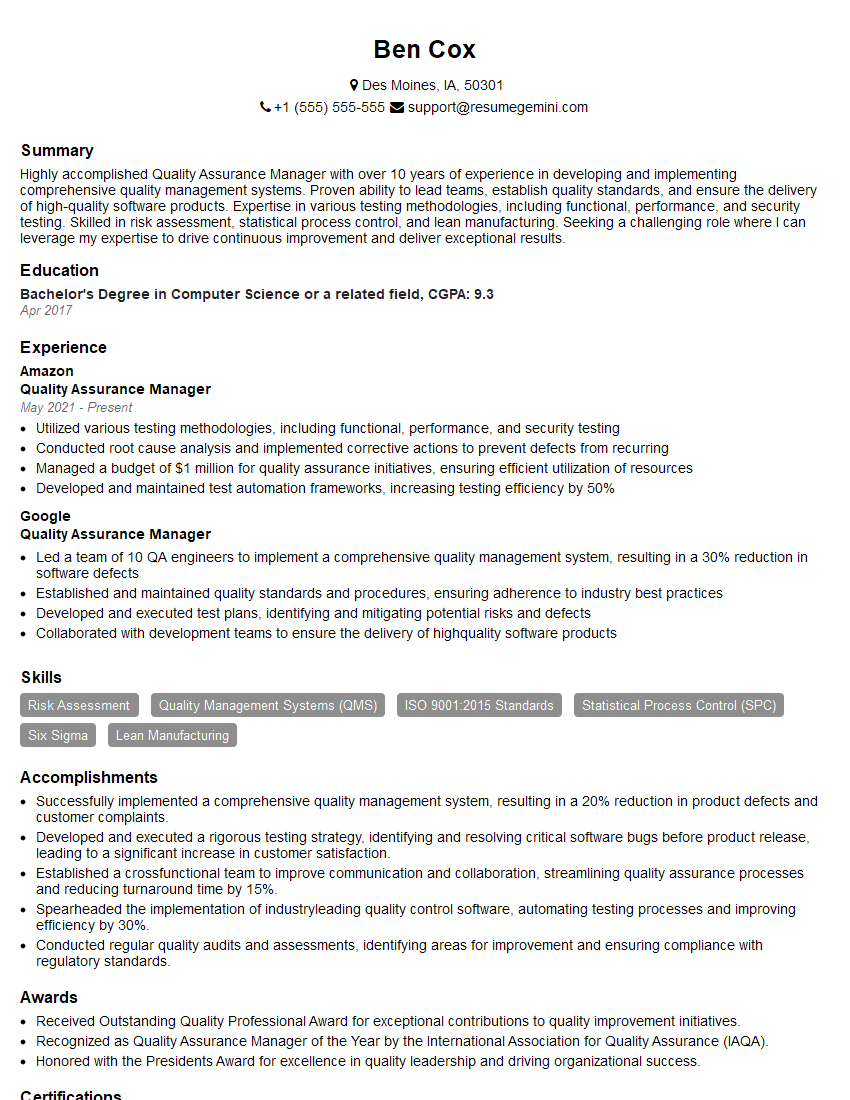
Quality Assurance Manager Resume Sample
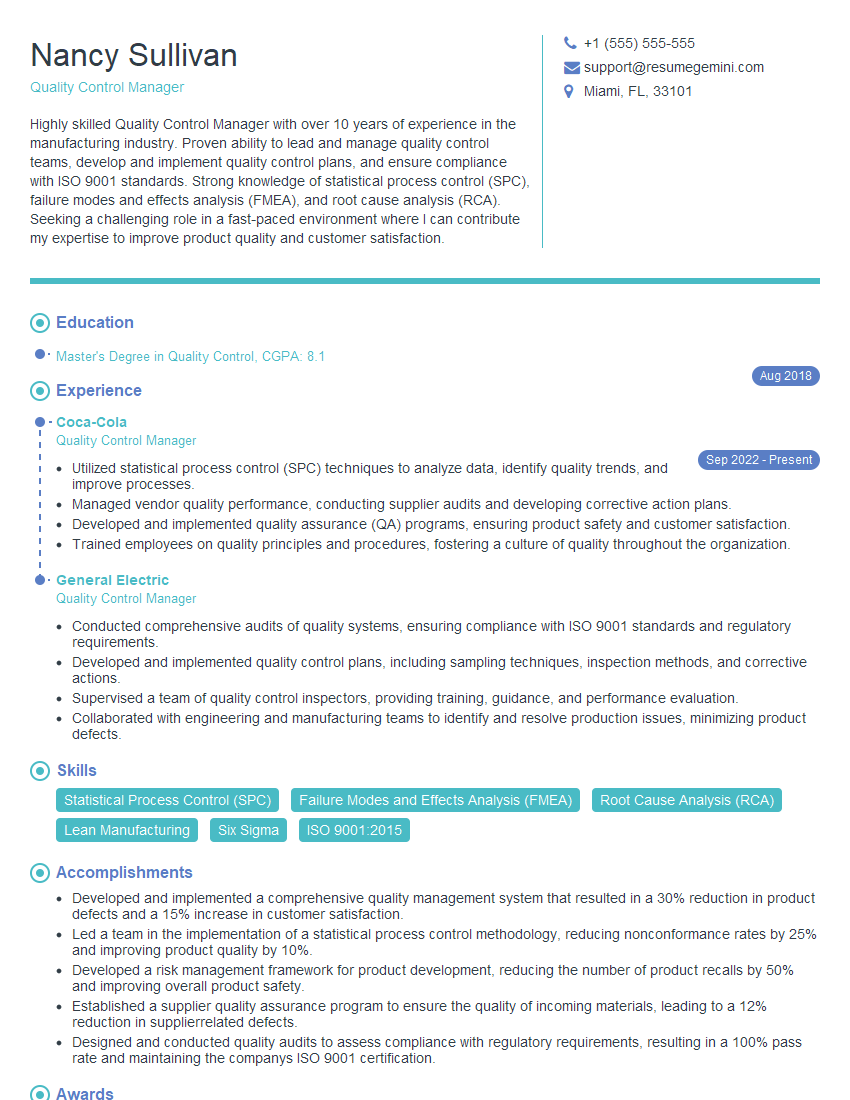
Quality Control Manager Resume Sample
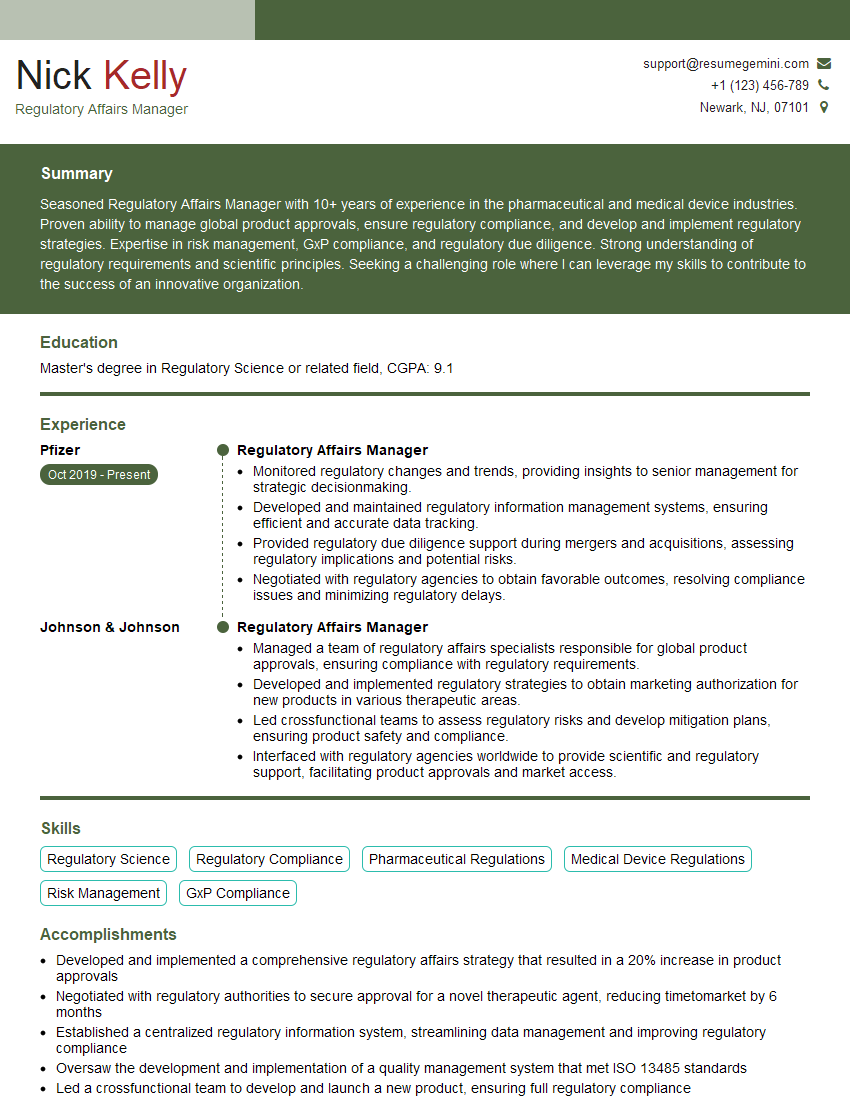
Regulatory Affairs Manager Resume Sample
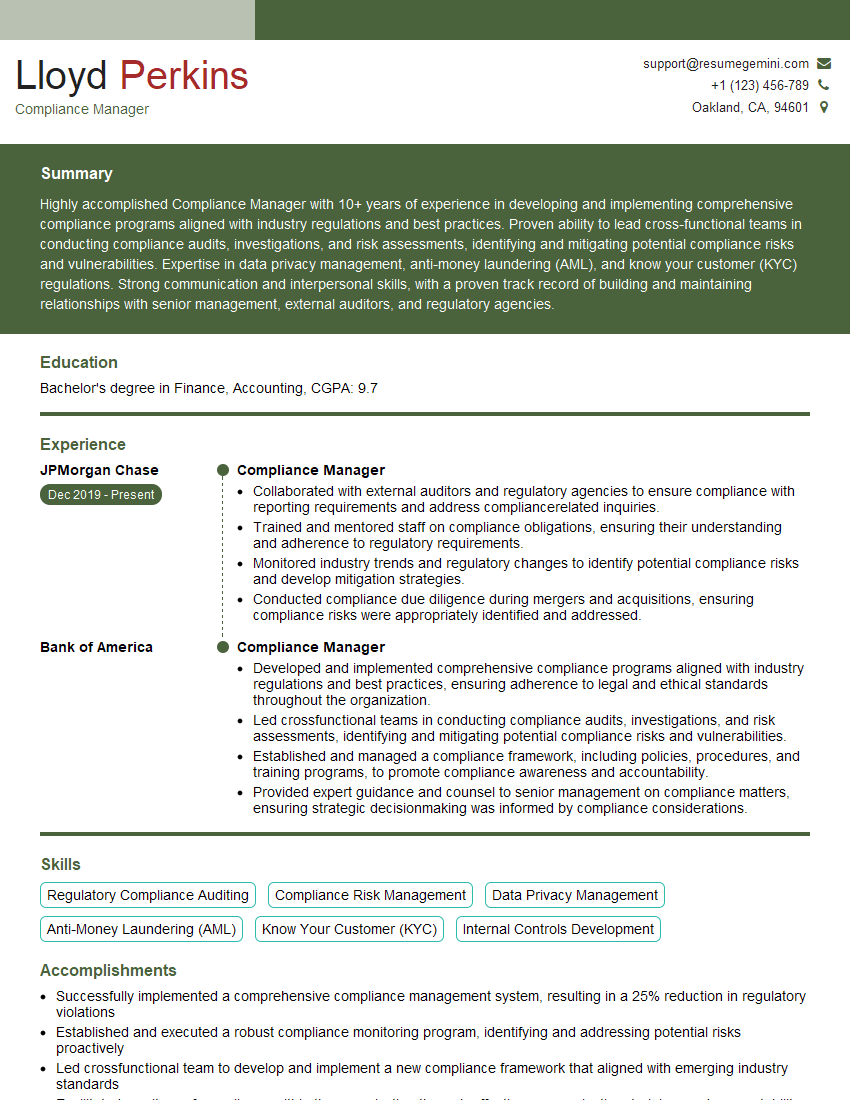
Compliance Manager Resume Sample
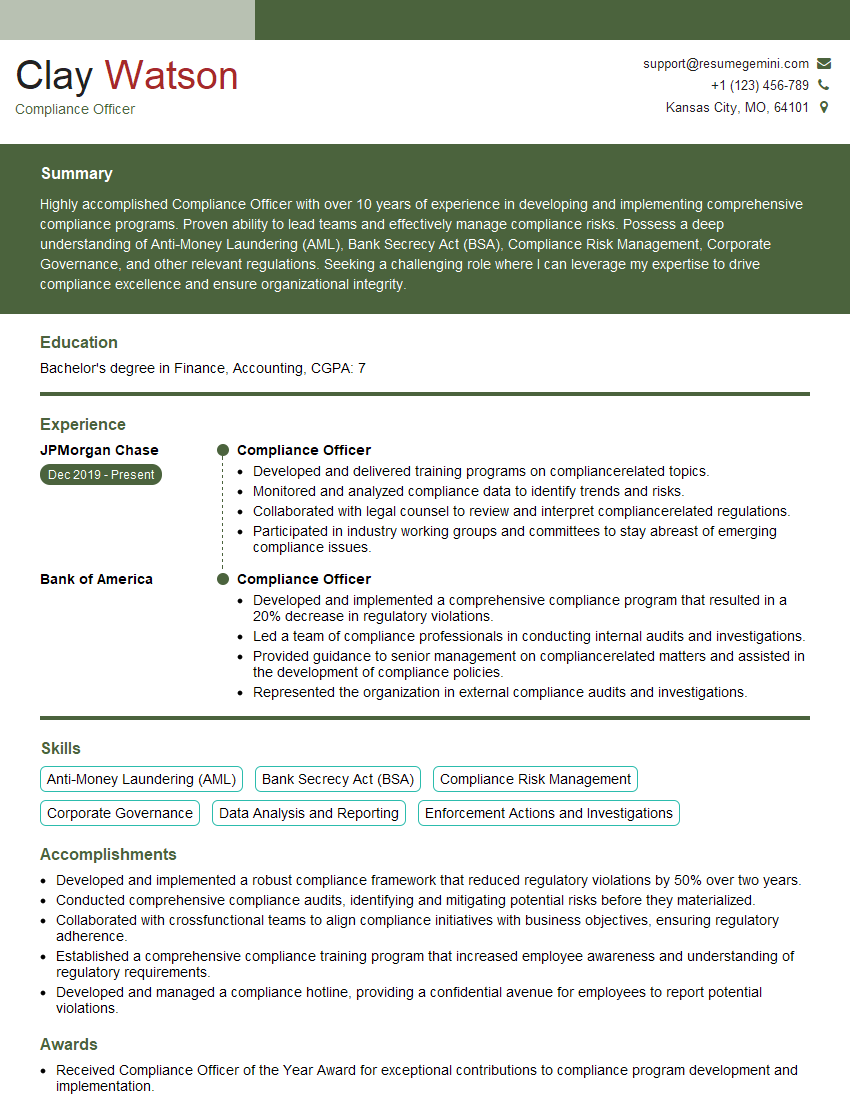
Compliance Officer Resume Sample
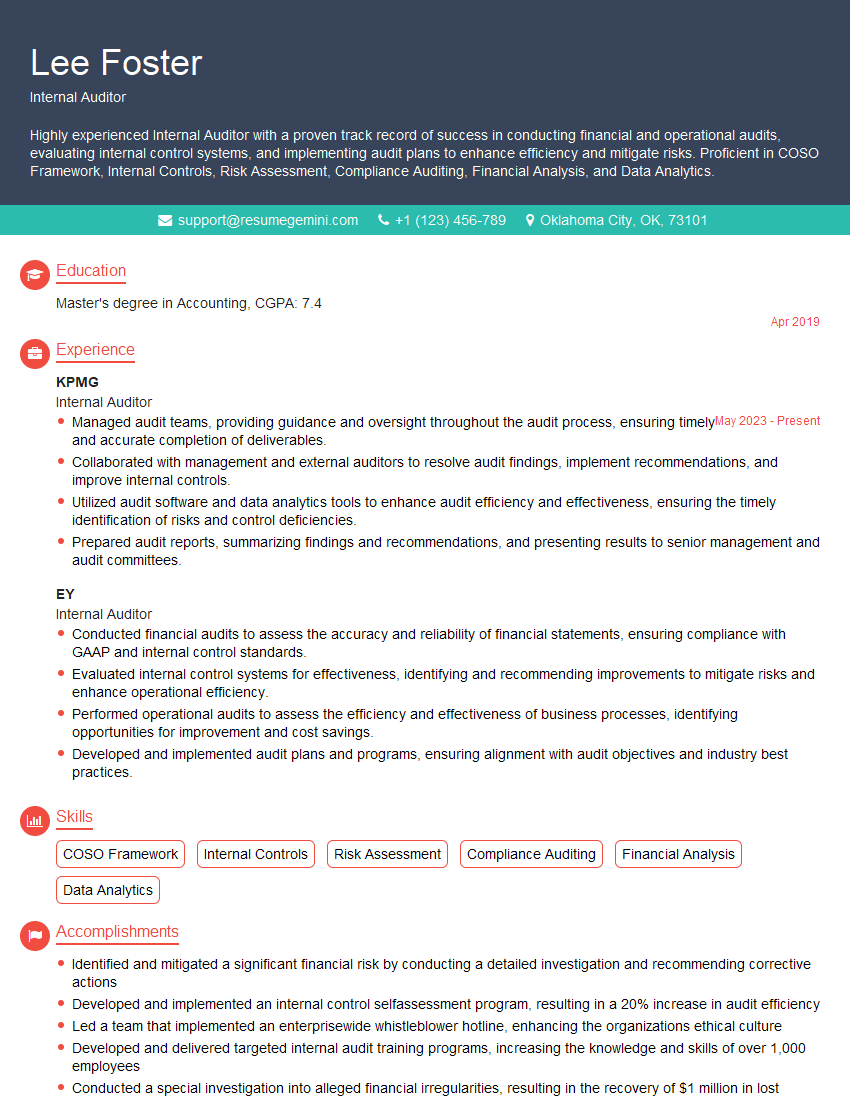
Internal Auditor Resume Sample
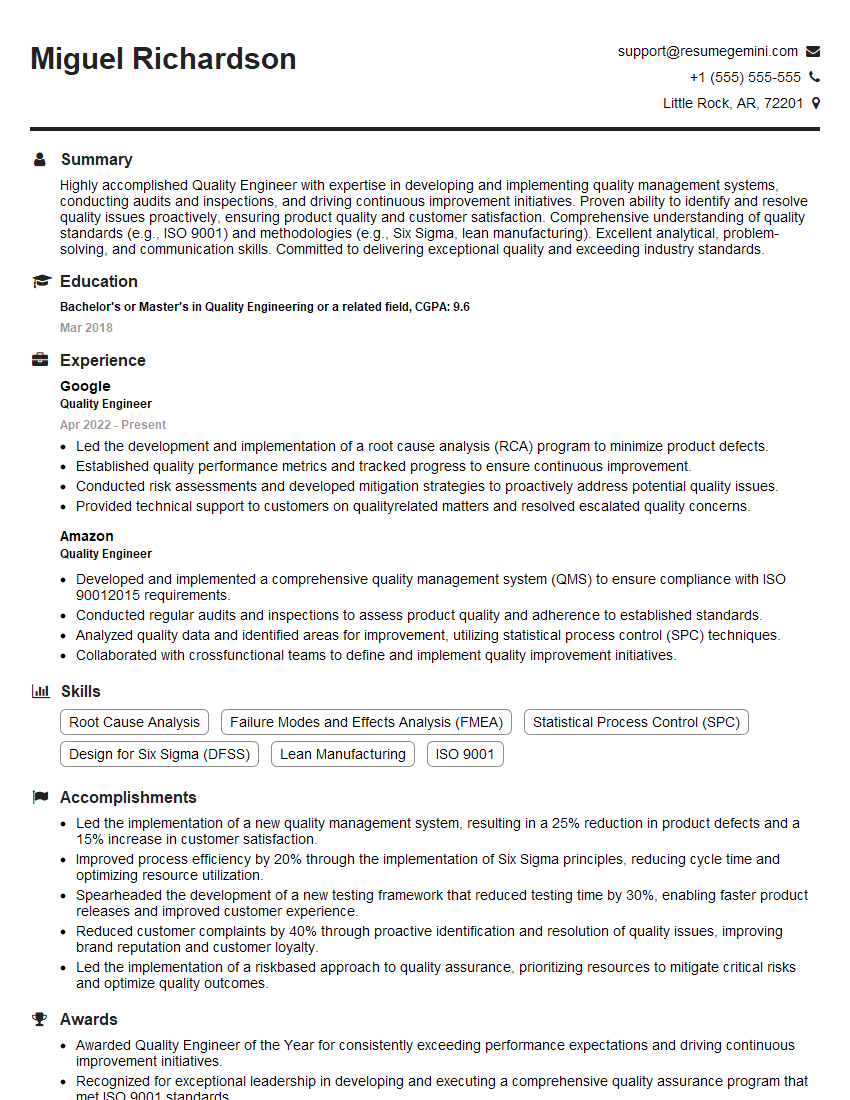
Quality Engineer Resume Sample
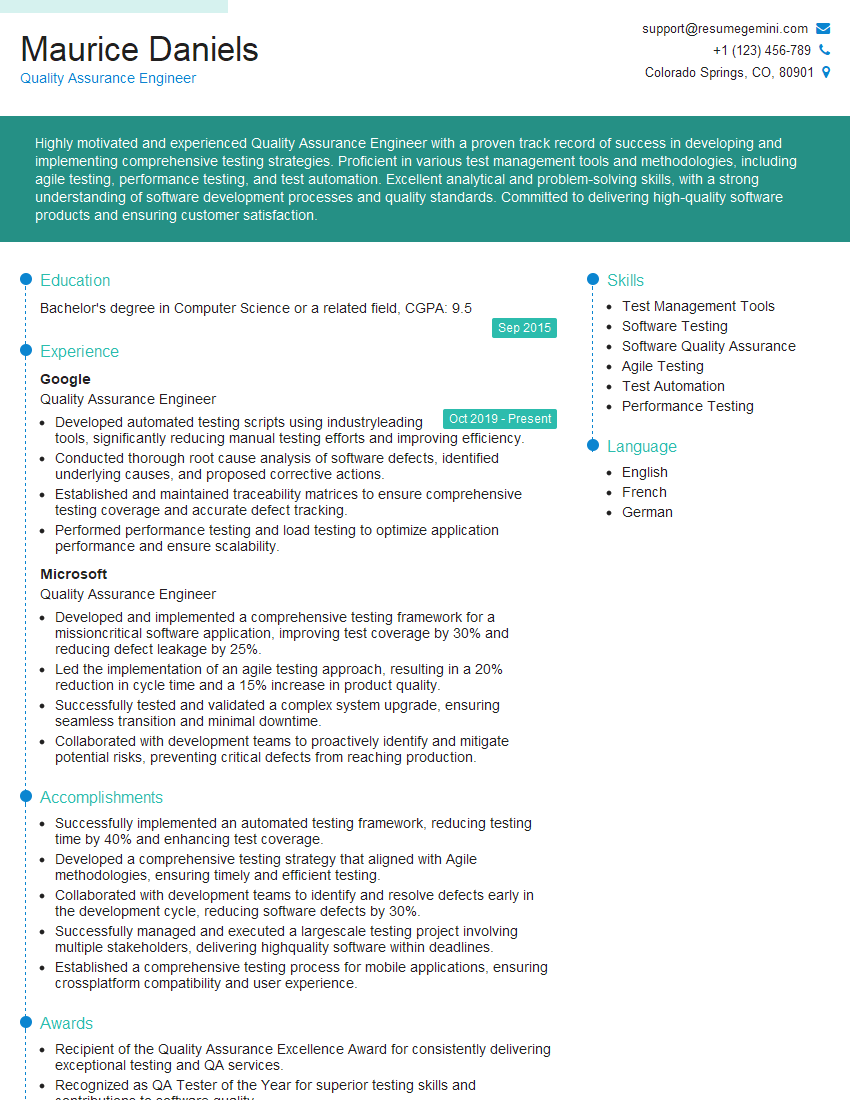
Quality Assurance Engineer Resume Sample
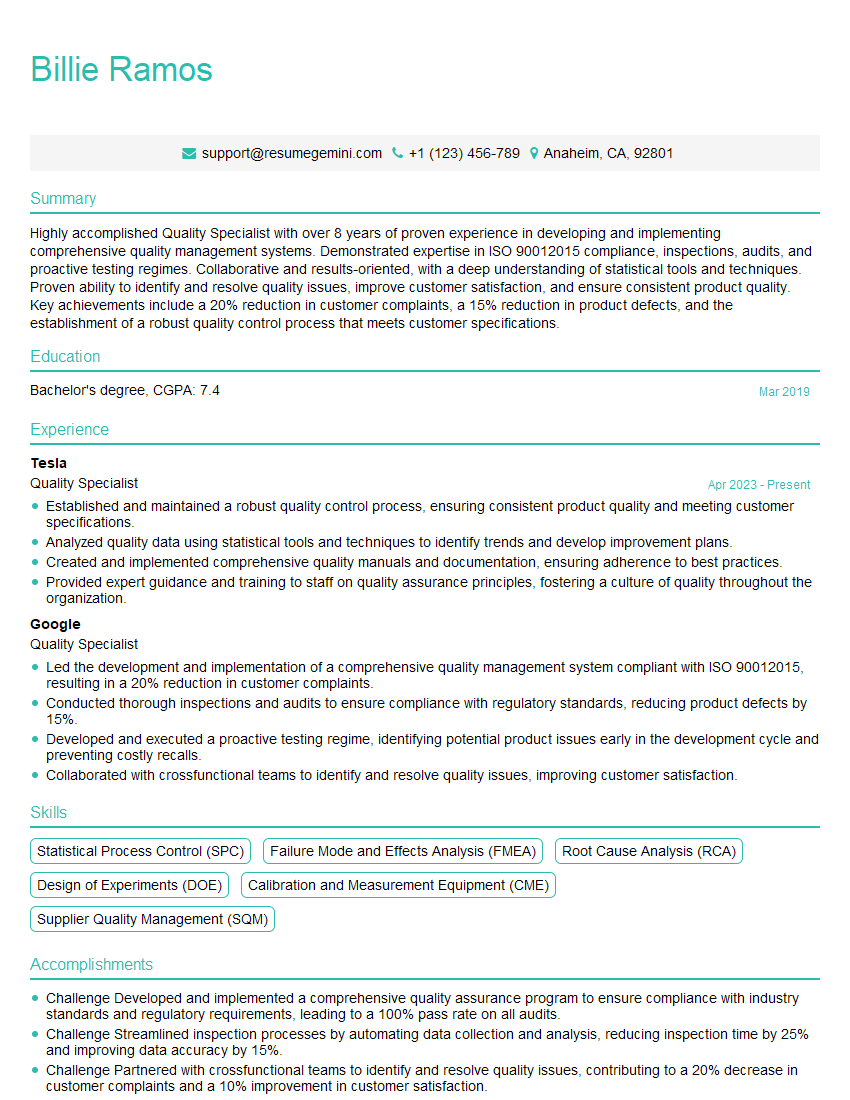
Quality Specialist Resume Sample
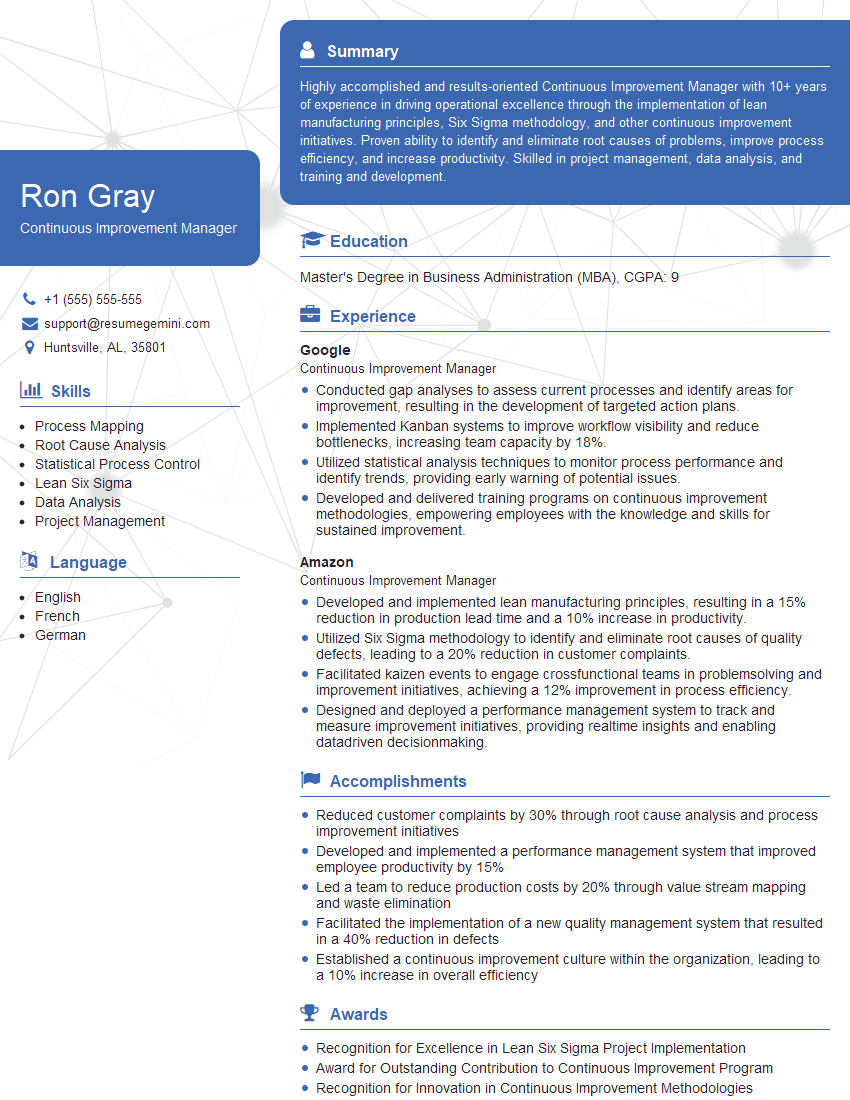
Continuous Improvement Manager Resume Sample
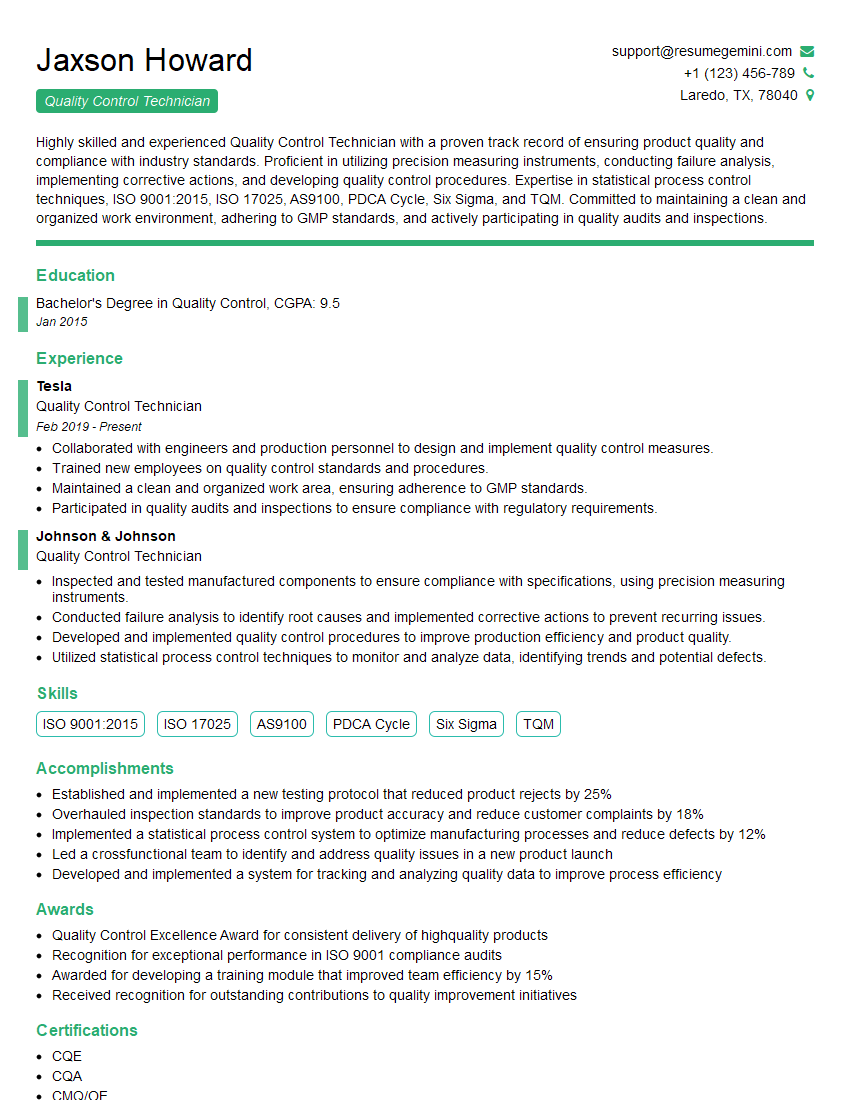
Quality Control Technician Resume Sample

Quality Control Inspector Resume Sample
Explore more articles
Users Rating of Our Blogs
Share Your Experience
We value your feedback! Please rate our content and share your thoughts (optional).
What Readers Say About Our Blog
Really detailed insights and content, thank you for writing this detailed article.
IT gave me an insight and words to use and be able to think of examples