Unlock your full potential by mastering the most common Ability to extract and analyze data interview questions. This blog offers a deep dive into the critical topics, ensuring you’re not only prepared to answer but to excel. With these insights, you’ll approach your interview with clarity and confidence.
Questions Asked in Ability to extract and analyze data Interview
Q 1. Explain the difference between data mining and data analysis.
While both data mining and data analysis involve extracting insights from data, they differ in their approach and goals. Think of data analysis as a broader umbrella encompassing various techniques, while data mining is a more specific subset focused on discovering previously unknown patterns.
Data analysis typically starts with a predefined question or hypothesis. You analyze existing data to answer that question, using various statistical and visualization methods. For instance, you might analyze sales data to determine which product is performing best.
Data mining, on the other hand, is an exploratory process. It involves applying algorithms to large datasets to uncover hidden patterns, anomalies, and trends that were not initially suspected. A data mining project might involve analyzing customer purchase history to identify groups of customers with similar buying behavior, enabling targeted marketing campaigns.
In essence, data analysis is driven by a question, while data mining is driven by the discovery of unexpected insights. Often, data mining leads to further data analysis to validate and understand the discovered patterns.
Q 2. Describe your experience with SQL. What are your most frequently used SQL commands?
I have extensive experience with SQL, using it daily for data extraction, transformation, and loading (ETL) processes. I’m proficient in both writing complex queries and optimizing them for performance. My most frequently used commands include:
SELECT: To retrieve specific columns from a table.FROM: To specify the table from which to retrieve data.WHERE: To filter data based on specified conditions.JOIN: To combine data from multiple tables based on related columns (INNER JOIN,LEFT JOIN,RIGHT JOIN,FULL OUTER JOIN).GROUP BY: To group rows with the same values in specified columns.HAVING: To filter grouped data based on specified conditions.ORDER BY: To sort the result set.INSERT INTO,UPDATE,DELETE: For data manipulation.
For example, I recently used a complex JOIN query to combine sales data with customer demographics to identify high-value customer segments. This involved joining four tables, filtering based on several conditions, and grouping the results to calculate aggregated metrics for each segment. I optimized this query by using appropriate indexes and ensuring efficient filtering to reduce execution time.
Q 3. How would you handle missing data in a dataset?
Missing data is a common challenge in data analysis. The best approach depends on the nature of the data, the extent of missingness, and the analysis goals. There’s no one-size-fits-all solution.
My strategy typically involves these steps:
- Identify and Understand the Missingness: First, I assess the pattern of missing data – is it completely random (MCAR), missing at random (MAR), or missing not at random (MNAR)? This helps determine the appropriate imputation method.
- Imputation Techniques: I consider several techniques:
- Deletion: If the missing data is minimal and random, simple deletion might suffice. However, this can lead to bias if the missingness is not random.
- Imputation with Mean/Median/Mode: A simple method, suitable for numerical data with MCAR missingness. However, it can distort the variance.
- Regression Imputation: Predicts missing values using a regression model based on other variables. More sophisticated but can propagate errors.
- K-Nearest Neighbors (KNN) Imputation: Uses the values from the ‘k’ nearest neighbors to estimate missing values. Effective for various data types.
- Multiple Imputation: Creates multiple plausible datasets with imputed values and analyzes them separately, combining results to account for uncertainty.
- Data Visualization: I always visualize the imputed data to check for anomalies or unexpected patterns that might indicate problems with the chosen imputation method.
The choice of imputation method is crucial, and often involves a trade-off between simplicity and accuracy. I always document my choices and their potential impact on the analysis.
Q 4. What are some common data cleaning techniques?
Data cleaning is crucial for ensuring data accuracy and reliability. It involves several techniques:
- Handling Missing Values: As discussed earlier, this might involve deletion, imputation, or flagging missing values.
- Outlier Detection and Treatment: Identifying and handling outliers (discussed in question 7) using techniques like winsorization, trimming, or transformation.
- Data Transformation: Converting data into a suitable format for analysis (e.g., standardizing numerical variables, encoding categorical variables).
- Smoothing: Reducing noise in the data using techniques like binning or moving averages.
- Deduplication: Removing duplicate records to ensure data uniqueness.
- Error Detection and Correction: Identifying and correcting inconsistencies, errors, and anomalies using data validation rules and consistency checks.
- Data Consistency Checks: Ensuring that data across different sources is consistent and follows established standards.
For example, in a recent project involving customer data, I had to deal with inconsistent spellings of city names. I used fuzzy matching techniques to identify and correct these inconsistencies, significantly improving data quality.
Q 5. What data visualization tools are you familiar with?
I’m familiar with a variety of data visualization tools, each with its own strengths and weaknesses. My experience includes:
- Tableau: A powerful and user-friendly tool for creating interactive dashboards and visualizations. Excellent for business intelligence.
- Power BI: Another popular business intelligence tool, known for its integration with Microsoft products.
- Matplotlib and Seaborn (Python): Libraries providing versatile plotting capabilities in Python, ideal for creating customized visualizations and integrating them into data analysis workflows.
- ggplot2 (R): An elegant and powerful grammar of graphics library in R, particularly useful for creating publication-quality visualizations.
The choice of tool depends on the specific needs of the project. For quick exploratory data analysis, I might use Matplotlib or Seaborn. For creating interactive dashboards for stakeholders, Tableau or Power BI are better choices.
Q 6. Explain your experience with different types of data (structured, semi-structured, unstructured).
I have experience working with all three types of data: structured, semi-structured, and unstructured.
- Structured Data: This is organized in a predefined format, typically relational databases (like SQL databases). I’m proficient in querying and analyzing this type of data using SQL and other relational database tools. Examples include customer databases, transactional data, and financial records.
- Semi-structured Data: This data lacks a rigid structure but contains tags or markers that separate elements. Examples include XML and JSON files. I use tools and libraries (like Python’s `json` library) to parse and extract relevant information from these formats.
- Unstructured Data: This is the most challenging type, lacking any predefined format. Examples include text documents, images, audio, and video. I utilize techniques like Natural Language Processing (NLP) for text analysis, and computer vision techniques for image analysis, to extract meaningful insights. For example, I’ve worked on projects analyzing social media data (unstructured text) to understand customer sentiment.
My experience allows me to effectively handle diverse data sources and tailor my approach to the specific challenges presented by each data type.
Q 7. How do you identify outliers in a dataset?
Identifying outliers is a crucial step in data analysis. Outliers are data points that significantly deviate from the rest of the data. They can skew analysis results and indicate errors or interesting anomalies.
I use a combination of visual and statistical methods to identify outliers:
- Visual Inspection: Scatter plots, box plots, and histograms can help visually identify data points that fall outside the expected range.
- Statistical Methods:
- Z-score: Measures how many standard deviations a data point is from the mean. Points with a Z-score above a certain threshold (e.g., 3) are often considered outliers.
- Interquartile Range (IQR): Identifies outliers based on the range between the 25th and 75th percentiles. Points outside a specified range (e.g., 1.5 * IQR below the first quartile or above the third quartile) are flagged as outliers.
- DBSCAN (Density-Based Spatial Clustering of Applications with Noise): A clustering algorithm that groups data points based on density. Points not belonging to any cluster are identified as outliers.
Once identified, outliers require careful consideration. They might be genuine anomalies requiring further investigation or simply errors that need correction or removal. The decision depends heavily on the context and the goals of the analysis. I always document my outlier handling decisions and their rationale.
Q 8. Describe a time you had to analyze a large dataset. What challenges did you face, and how did you overcome them?
In a previous role, I analyzed a dataset of over 10 million customer transactions to identify patterns in purchasing behavior and predict future sales. The primary challenge was the sheer size of the data, leading to processing bottlenecks and memory limitations. Another challenge was the data’s inherent inconsistency; some fields contained missing values, while others had inconsistent formatting.
To overcome the size issue, I implemented a distributed computing framework like Spark, which allowed for parallel processing across multiple machines. This dramatically reduced processing time. To handle the data inconsistencies, I employed data cleaning techniques such as imputation (filling missing values with calculated averages or medians) and standardization (converting data into a consistent format). I also used data profiling tools to understand the data’s structure and identify anomalies early on. This meticulous approach ensured the accuracy and reliability of my analysis, enabling us to develop a highly accurate predictive model that improved sales forecasting by 15%.
Q 9. What statistical methods are you proficient in?
My statistical proficiency spans a wide range of methods, including descriptive statistics (mean, median, mode, standard deviation, variance), inferential statistics (hypothesis testing, t-tests, ANOVA, regression analysis), and predictive modeling techniques (linear regression, logistic regression, time series analysis, decision trees, random forests, and support vector machines). I’m also experienced in using statistical software packages like R and Python with libraries such as Scikit-learn, Statsmodels, and Pandas to perform these analyses. For example, in a project involving customer churn prediction, I used logistic regression to model the probability of a customer leaving the service, providing valuable insights for proactive retention strategies.
Q 10. How would you approach a problem where you have to analyze data from multiple sources?
Analyzing data from multiple sources requires a structured approach. First, I would assess the data’s quality and consistency across sources. This involves checking for data types, formats, and identifying potential discrepancies. Second, I would establish a common data model or schema to unify the disparate datasets. This might involve creating a central database or using techniques like data transformation and joining to combine relevant information. Third, I would employ appropriate data integration techniques, using tools like ETL pipelines (Extract, Transform, Load) to efficiently consolidate and cleanse the data before performing the analysis. Finally, I would employ techniques such as data visualization to identify trends and correlations and to ensure the result’s clarity and ease of interpretation.
For example, imagine needing to analyze customer demographics from a CRM, sales data from an ERP system, and website analytics data from Google Analytics. I would first ensure the customer IDs are consistently formatted across these systems. Then I would combine these datasets using customer ID as the common key to form a comprehensive view of each customer. This integrated dataset would be the foundation for further analysis.
Q 11. What are the key performance indicators (KPIs) you’d track for a given business problem?
The KPIs tracked for a business problem depend heavily on the specific context. However, some general KPIs that are frequently used include:
- Conversion Rate: The percentage of visitors or leads who complete a desired action (e.g., purchase, sign-up).
- Customer Acquisition Cost (CAC): The cost of acquiring a new customer.
- Customer Lifetime Value (CLTV): The predicted revenue generated by a customer over their relationship with the business.
- Return on Investment (ROI): A measure of the profitability of an investment or initiative.
- Net Promoter Score (NPS): A metric measuring customer loyalty and satisfaction.
- Website Traffic: The number of visitors to a website.
- Average Order Value (AOV): The average amount spent per order.
For instance, if the business problem is to increase online sales, relevant KPIs could be conversion rate, AOV, and website traffic. By monitoring these KPIs, we can track the effectiveness of different strategies and make data-driven decisions to improve performance.
Q 12. Explain your experience with ETL processes.
ETL (Extract, Transform, Load) processes are crucial for data integration and warehousing. My experience involves designing, implementing, and monitoring ETL pipelines using various tools. I’ve worked extensively with tools like Informatica PowerCenter and Apache Kafka. The extraction phase involves retrieving data from diverse sources such as databases, flat files, APIs, and cloud storage. The transformation phase is where data cleaning, transformation, and standardization occur. This might involve data type conversion, handling missing values, data deduplication, and data enrichment. The load phase involves loading the transformed data into a target data warehouse or data lake.
For example, in one project, I built an ETL pipeline to extract sales data from multiple regional databases, transform it to a consistent format, and load it into a central data warehouse for reporting and analysis. This involved using SQL to extract data, Python scripts for data cleaning and transformation, and scheduling tools to automate the entire process. This pipeline significantly improved data accuracy and efficiency, enabling faster and more reliable business reporting.
Q 13. Describe your understanding of data warehousing and data lakes.
A data warehouse is a centralized repository designed for analytical processing. It stores structured, historical data from various operational systems, optimized for querying and reporting. Data warehouses typically utilize a star schema or snowflake schema to organize data for efficient analysis. They are ideal for generating business intelligence reports and dashboards.
A data lake, on the other hand, is a centralized repository that stores data in its raw, unstructured format. It’s more flexible and can accommodate a wider variety of data types, including text, images, videos, and sensor data. Data lakes are often used for exploratory data analysis and data discovery, allowing for greater flexibility in future analyses as the needs evolve.
The key difference is that a data warehouse is schema-on-write (data is structured before loading), while a data lake is schema-on-read (data is structured during query). Choosing between them depends on the specific business needs and the type of analysis required.
Q 14. What is your preferred method for data storytelling?
My preferred method for data storytelling leverages a combination of compelling visuals and clear, concise narratives. I believe in starting with a clear understanding of the audience and their level of understanding. Then, I use data visualization tools like Tableau or Power BI to create engaging visuals such as charts, graphs, and interactive dashboards. These visuals are then carefully integrated into a narrative that presents the data’s key insights and implications in a logical and easy-to-understand manner. I ensure the story has a clear beginning, middle, and end, focusing on actionable insights and avoiding overwhelming the audience with technical jargon. The goal is to effectively communicate the story’s essence and allow the audience to draw their own informed conclusions.
Q 15. How do you ensure data quality?
Ensuring data quality is paramount for any data analysis project. It’s like building a house – you wouldn’t start constructing without a solid foundation. My approach is multi-faceted and involves several key steps:
- Data Validation: This is the first line of defense. I use both automated checks (e.g., data type validation, range checks, consistency checks using SQL constraints or Python’s
pandaslibrary) and manual reviews, especially for smaller datasets or critical fields. For instance, if I’m analyzing customer data, I’d check for inconsistencies like duplicate entries or impossible values (e.g., negative age). - Data Cleaning: This involves handling missing values, outliers, and inconsistencies. I might impute missing values using techniques like mean/median imputation or more sophisticated methods like K-Nearest Neighbors, depending on the context. Outliers might be removed or treated differently based on their impact and root cause. Inconsistencies, like variations in data entry (e.g., ‘USA’ vs ‘US’), are resolved through standardization.
- Data Profiling: This involves a deep dive into the data to understand its structure, identify patterns, and detect potential problems. Tools like Pandas Profiling in Python are invaluable for this step. It gives a clear picture of data distributions, missing values, and data types, highlighting potential issues before analysis.
- Source Control & Versioning: Maintaining version control for my data and code is critical. This allows me to track changes, revert to previous versions if necessary, and ensures data integrity throughout the analysis process. Using tools like Git for this is essential.
- Documentation: Clear and comprehensive documentation of data sources, cleaning steps, and transformations ensures transparency and reproducibility of my analysis. This is key for collaboration and future reference.
By combining these methods, I strive for high-quality data that forms the bedrock of reliable and trustworthy insights.
Career Expert Tips:
- Ace those interviews! Prepare effectively by reviewing the Top 50 Most Common Interview Questions on ResumeGemini.
- Navigate your job search with confidence! Explore a wide range of Career Tips on ResumeGemini. Learn about common challenges and recommendations to overcome them.
- Craft the perfect resume! Master the Art of Resume Writing with ResumeGemini’s guide. Showcase your unique qualifications and achievements effectively.
- Don’t miss out on holiday savings! Build your dream resume with ResumeGemini’s ATS optimized templates.
Q 16. How would you interpret the results of a regression analysis?
Interpreting regression analysis results involves understanding the coefficients, statistical significance, and goodness of fit. Let’s say we’re analyzing the relationship between advertising spend (X) and sales (Y) using a linear regression model. The output would typically include:
- Coefficients: These represent the change in Y for a one-unit change in X. A positive coefficient suggests a positive relationship (more advertising leads to more sales), while a negative coefficient indicates a negative relationship. The intercept represents the predicted value of Y when X is zero.
- P-values: These indicate the statistical significance of the coefficients. A low p-value (typically below 0.05) suggests that the relationship between X and Y is unlikely due to chance. If the p-value for advertising spend is low, it means that advertising spend has a statistically significant impact on sales.
- R-squared: This measures the goodness of fit of the model. It represents the proportion of variance in Y explained by X. A higher R-squared indicates a better fit, meaning the model explains more of the variation in sales.
- Adjusted R-squared: This is a modified version of R-squared that adjusts for the number of predictors in the model. It’s generally preferred over R-squared, especially when comparing models with different numbers of variables.
Beyond these key metrics, I also consider residual plots and other diagnostic tests to assess the model’s assumptions and identify potential problems. For example, non-constant variance in the residuals (heteroscedasticity) might suggest the need for transformations or a different model. Finally, it’s crucial to consider the context of the data and the limitations of the model when interpreting the results. Correlation does not equal causation!
Q 17. How familiar are you with different database management systems (e.g., MySQL, PostgreSQL, MongoDB)?
I have extensive experience with various database management systems (DBMS). My proficiency includes:
- Relational Databases: MySQL and PostgreSQL are two relational DBMS I’m highly familiar with. I’m comfortable with SQL, writing complex queries, designing relational schemas, optimizing database performance, and managing user permissions. I’ve used these extensively for projects involving structured data, such as customer relationship management (CRM) systems or transactional databases.
- NoSQL Databases: I have experience with MongoDB, a document database that is well-suited for handling unstructured or semi-structured data. I’m familiar with its query language and its use cases, such as in applications involving large volumes of data, real-time analytics, and content management.
My experience extends to working with cloud-based database services like AWS RDS and Google Cloud SQL, allowing for scalability and efficient management of databases in cloud environments.
Q 18. How would you handle a situation where you receive data that is inconsistent or poorly formatted?
Handling inconsistent or poorly formatted data is a common challenge in data analysis. My approach involves a systematic process:
- Data Identification and Assessment: First, I identify the nature and extent of the inconsistencies and poor formatting. This involves careful examination of the data using data profiling techniques and visualization tools.
- Data Cleaning and Transformation: This is where I employ techniques like:
- Standardization: Converting data into a consistent format (e.g., date formats, units of measurement).
- Data Parsing: Extracting relevant information from unstructured text or poorly formatted fields using regular expressions or dedicated libraries (e.g., Python’s
remodule). - Data Imputation: Handling missing values using appropriate strategies, depending on the context and nature of the missing data (mean, median, mode imputation, or more sophisticated methods).
- Outlier Treatment: Addressing outliers, which could be due to data entry errors or actual extreme values. This might involve removal, transformation (e.g., log transformation), or replacing them with more appropriate values.
- Data Validation: After cleaning and transformation, I re-validate the data to ensure the corrections were effective and haven’t introduced new issues. This typically involves running automated checks and manual review.
- Documentation: Detailed documentation of all cleaning and transformation steps is essential for reproducibility and future reference. This involves creating a clear log that includes the type of data cleaning performed, techniques used, and justifications.
My aim is not only to clean the data but also to understand why the inconsistencies arose in the first place. This could help identify and prevent similar issues in the future. Think of it like fixing a leaky pipe – you need to fix the leak, not just mop up the water.
Q 19. How do you validate the accuracy of your data analysis?
Validating the accuracy of data analysis is crucial for building trust and credibility. My approach involves several strategies:
- Cross-Validation: This involves splitting the data into multiple subsets, training the model on some subsets, and testing its performance on the remaining subsets. This helps assess the model’s ability to generalize to unseen data. K-fold cross-validation is a common technique used for this purpose.
- Backtesting (for time-series data): If the data is time-series based, I backtest the analysis to ensure its accuracy on historical data. This helps validate the model’s performance over time.
- Comparison with External Data Sources: I often compare my results with external data sources, if available. This can help identify inconsistencies or validate the accuracy of my findings. For instance, I might compare my sales analysis results with publicly available market research data.
- Sensitivity Analysis: I conduct sensitivity analysis to assess how changes in inputs or assumptions affect the results. This helps determine the robustness of the findings and identifies potential areas of uncertainty.
- Peer Review: I encourage peer review of my analysis by colleagues with expertise in the field. This can help identify potential errors or biases in my methodology or interpretation.
- Documenting Assumptions and Limitations: Transparency is paramount. I always document the assumptions made, limitations of the analysis, and potential sources of error. This gives a holistic view and avoids misinterpretations.
Through a combination of these methods, I strive for rigorous validation to ensure the reliability of my analysis and its conclusions.
Q 20. Explain your experience with A/B testing.
A/B testing is a powerful tool for making data-driven decisions, especially in areas like web design, marketing, and product development. My experience includes:
- Hypothesis Formulation: I begin by clearly defining the hypothesis to be tested. This involves identifying a specific aspect of the system to be improved (e.g., click-through rate on a button). This clarity is essential for a successful test.
- Experimental Design: I design experiments meticulously, ensuring proper randomization to avoid bias. This involves assigning users randomly to either the control group (existing version) or the treatment group (new version) to compare performance objectively.
- Metrics Selection: I carefully choose relevant metrics to measure the impact of the changes. For instance, if testing a new website design, metrics like conversion rate, time spent on site, and bounce rate would be crucial.
- Sample Size Calculation: Determining an appropriate sample size is critical to ensure statistically significant results. Using statistical power calculations guarantees reliable results, preventing inaccurate conclusions due to insufficient data.
- Data Analysis and Interpretation: After collecting sufficient data, I analyze the results using statistical tests (e.g., t-tests, chi-squared tests) to determine if there’s a statistically significant difference between the control and treatment groups. I carefully interpret the results, considering both statistical significance and practical significance.
- Iterative Process: A/B testing is rarely a one-off process; it’s often iterative. Based on the results, we might adjust the changes, conduct further tests, or declare a winner.
I’ve used A/B testing to optimize website conversion rates, improve email open rates, and enhance user engagement in various applications. It’s a data-driven way to ensure continuous improvement.
Q 21. What is your approach to identifying and prioritizing key insights from a dataset?
Identifying and prioritizing key insights from a dataset requires a structured approach. My process is as follows:
- Exploratory Data Analysis (EDA): This involves using various techniques like data visualization (histograms, scatter plots, box plots), summary statistics, and correlation analysis to understand the data’s structure, identify patterns, and uncover potential relationships.
- Hypothesis Generation: Based on the EDA, I generate hypotheses about potential relationships or insights that need further investigation. These should be specific, testable, and aligned with the overall objectives of the analysis.
- Statistical Modeling & Testing: To validate the hypotheses, I use appropriate statistical models and testing methods. This might involve regression analysis, hypothesis testing, or machine learning techniques.
- Insight Prioritization: Not all insights are created equal. I prioritize insights based on factors like:
- Statistical Significance: How certain are we that the observed relationships aren’t due to chance?
- Practical Significance: How impactful are the insights on the business or the problem being addressed?
- Actionability: Can the insights be used to make decisions or drive actions?
- Novelty: Do the insights offer new understanding or contradict existing beliefs?
- Communication and Visualization: Finally, I communicate the key insights clearly and concisely through effective data visualization and storytelling. This is crucial to ensure the insights are understood and acted upon.
This approach ensures that the most valuable and actionable insights are identified and prioritized, leading to more effective decision-making.
Q 22. How do you communicate data-driven insights to non-technical audiences?
Communicating data-driven insights to non-technical audiences requires translating complex data analysis into a clear, concise, and engaging narrative. It’s about focusing on the story, not the statistics. I achieve this by:
- Visualizations: Using charts, graphs, and infographics that are easy to understand at a glance. For example, instead of presenting a table of raw sales figures, I’d create a bar chart showing the top-performing products or a line chart illustrating sales trends over time.
- Storytelling: Framing the data analysis as a story with a beginning (the problem), middle (the analysis), and end (the conclusion and recommendations). This helps to create a narrative that resonates with the audience and makes the information memorable.
- Analogies and metaphors: Using everyday examples to explain complex concepts. For instance, if discussing statistical significance, I might compare it to the likelihood of flipping a coin and getting heads ten times in a row.
- Focus on the ‘so what?’: Always linking the data back to the business implications. Instead of simply stating that ‘customer churn increased by 15%’, I’d explain what that means for revenue and suggest actionable steps to address the issue.
- Interactive dashboards: For more complex analyses, I’d create interactive dashboards that allow the audience to explore the data at their own pace and focus on areas of interest. This empowers them to understand the nuances of the data better than a single presentation.
For instance, in a recent project, I presented sales data to the marketing team by creating a map showing regional sales performance. This immediately highlighted areas for increased marketing investment, which was far easier for them to grasp than a spreadsheet of numbers.
Q 23. Describe your experience with big data technologies (e.g., Hadoop, Spark).
I have extensive experience working with big data technologies, primarily Hadoop and Spark. My experience spans data ingestion, processing, and analysis. With Hadoop, I’ve utilized HDFS (Hadoop Distributed File System) for storing and managing large datasets and MapReduce for parallel processing. I’m proficient in writing MapReduce jobs in Java and using tools like Pig and Hive for simplified data manipulation and querying.
Spark has become my preferred platform for its significantly faster processing speed compared to MapReduce. I’ve utilized Spark SQL for querying large datasets, Spark Streaming for real-time data processing, and machine learning libraries like MLlib for building predictive models. For example, in a previous role, I leveraged Spark to process terabytes of log data to identify patterns in user behavior, leading to improvements in website usability and increased user engagement.
I am also familiar with cloud-based big data solutions such as AWS EMR and Azure HDInsight, which allow for scalable and cost-effective data processing.
Q 24. What is your understanding of different types of data biases?
Data bias is a systematic error in data collection or analysis that leads to inaccurate or misleading conclusions. Understanding different types of bias is crucial for ensuring the validity and reliability of data-driven insights. Some key types include:
- Selection bias: Occurs when the sample used for analysis is not representative of the population. For example, surveying only one demographic group when analyzing customer satisfaction.
- Confirmation bias: The tendency to favor information that confirms pre-existing beliefs. This can lead to misinterpreting data to support a preferred conclusion.
- Measurement bias: Error introduced during the data collection process. An example would be a poorly designed survey with leading questions that influence responses.
- Reporting bias: Selective reporting of results, often omitting findings that don’t support a particular narrative. This can happen unintentionally or intentionally to present a particular view.
- Sampling bias: Similar to selection bias but focuses specifically on the way samples are drawn from the population, leading to non-representative samples.
Mitigating bias requires careful planning of the data collection process, rigorous data cleaning and validation, and employing appropriate statistical methods. Awareness of potential biases is critical for drawing accurate and unbiased conclusions.
Q 25. How do you handle conflicting data sources?
Handling conflicting data sources requires a systematic approach focusing on data quality assessment, reconciliation, and potentially, data fusion techniques. My process typically involves these steps:
- Data Profiling: I begin by thoroughly profiling each data source to understand its structure, data types, completeness, and potential inconsistencies. This involves examining data quality metrics like data completeness, accuracy, and consistency.
- Identifying and Resolving Discrepancies: Once identified, I investigate the source of discrepancies. This might involve contacting data owners, reviewing data collection methodologies, or examining data transformations performed previously.
- Data Cleaning and Transformation: I clean and transform the data to achieve consistency. This might involve handling missing values, standardizing data formats, and resolving conflicting values using techniques like data imputation or creating flags to highlight inconsistencies.
- Data Integration and Fusion: If the data sources are compatible, I use data integration techniques like ETL (Extract, Transform, Load) to combine the data into a single, unified view. If the data is not easily compatible, I might apply data fusion techniques to combine or reconcile conflicting information based on assigned weights or confidence scores.
- Data Validation and Verification: After integration, I validate the combined data to ensure accuracy and consistency using various validation techniques and tests.
In one project, we had sales data from two different systems that used different product identifiers. By mapping the identifiers and cleaning the data, I created a unified dataset that allowed us to perform a more accurate sales analysis.
Q 26. What ethical considerations should be kept in mind when working with data?
Ethical considerations are paramount when working with data. My approach emphasizes:
- Data Privacy and Security: Protecting user data is a top priority. I adhere to relevant data privacy regulations (e.g., GDPR, CCPA) and ensure data is stored and handled securely, using encryption and access control measures.
- Transparency and Explainability: Being transparent about data collection, use, and analysis methods is essential. This builds trust and allows for scrutiny of the process, which helps identify any potential biases or unfair outcomes.
- Fairness and Bias Mitigation: Actively working to identify and mitigate biases in data and algorithms to ensure fair and equitable outcomes. This includes using fairness-aware algorithms and critically evaluating results for potential discriminatory effects.
- Accountability: Taking responsibility for the data analysis process and its outcomes. This involves clear documentation, version control, and a willingness to address any concerns or challenges arising from the use of the data.
- Data Minimization: Only collecting and processing the minimum amount of data necessary to achieve the intended purpose. This reduces the risk of privacy breaches and unnecessary data storage.
Ignoring these ethical considerations can lead to serious consequences, including legal repercussions, reputational damage, and erosion of public trust.
Q 27. Explain your experience using Python or R for data analysis.
Python is my primary language for data analysis. Its extensive libraries, such as Pandas for data manipulation, NumPy for numerical computation, and Scikit-learn for machine learning, make it an incredibly versatile tool. I’m adept at using Pandas for data cleaning, transformation, and exploration, including tasks such as data wrangling, feature engineering, and data visualization.
For example, I recently used Pandas to process a large CSV file containing customer purchase history, cleaning and transforming the data to prepare it for a predictive model that identified high-value customers. I’ve also extensively used Matplotlib and Seaborn for creating visualizations to communicate insights effectively to stakeholders.
While I have some experience with R, I find Python’s broader ecosystem and wider community support more beneficial for collaborative projects and for integrating data analysis workflows with other applications.
# Example Python code snippet using Pandas: import pandas as pd data = pd.read_csv('customer_data.csv') data['purchase_date'] = pd.to_datetime(data['purchase_date']) # ... further data cleaning and transformation ...
Q 28. Describe your experience with machine learning algorithms relevant to data analysis.
My experience with machine learning algorithms for data analysis spans a range of techniques, including supervised, unsupervised, and reinforcement learning methods. I have applied these algorithms to various tasks, including:
- Regression: Linear regression, polynomial regression, and support vector regression for predictive modeling tasks, such as forecasting sales or predicting customer lifetime value.
- Classification: Logistic regression, support vector machines, decision trees, random forests, and gradient boosting machines for tasks such as customer churn prediction or fraud detection.
- Clustering: K-means, hierarchical clustering, and DBSCAN for grouping similar data points, such as customer segmentation or anomaly detection.
- Dimensionality Reduction: Principal Component Analysis (PCA) and t-distributed Stochastic Neighbor Embedding (t-SNE) for reducing the number of variables while preserving important information, making models more efficient and interpretable.
I’m also familiar with model evaluation metrics and techniques for selecting the best-performing algorithm for a given task. For instance, in a project involving customer churn prediction, I compared the performance of logistic regression, random forest, and gradient boosting machines using metrics such as accuracy, precision, recall, and F1-score to select the most appropriate model.
My experience extends to hyperparameter tuning, model selection, and cross-validation techniques to ensure robust and generalizable models.
Key Topics to Learn for Ability to extract and analyze data Interview
- Data Source Identification & Selection: Understanding various data sources (databases, APIs, spreadsheets, etc.) and choosing the appropriate source for a given task. Consider factors like data volume, structure, and accessibility.
- Data Extraction Techniques: Mastering techniques like SQL queries, scripting (Python, R), or using dedicated ETL tools to efficiently extract relevant data. Practical application: Explain how you’d extract specific information from a large dataset using your preferred method.
- Data Cleaning and Preprocessing: Handling missing values, outliers, and inconsistencies. Techniques like data transformation, normalization, and standardization are crucial. Practical application: Describe your experience with data cleaning and the challenges you overcame.
- Data Analysis Techniques: Proficiency in descriptive statistics, exploratory data analysis (EDA), and the application of appropriate statistical tests. Practical application: Explain how you’d analyze a dataset to identify trends or patterns and support your conclusions with data.
- Data Visualization: Creating effective visualizations (charts, graphs, dashboards) to communicate insights clearly and concisely. Practical application: Discuss your experience with various visualization tools and techniques and how you choose the right visualization for different datasets and audiences.
- Data Interpretation and Communication: Drawing meaningful conclusions from analyzed data and effectively communicating those findings to both technical and non-technical audiences. Practical application: Explain how you’d present complex data analysis results to a stakeholder with limited technical knowledge.
- Problem-solving Approach: Articulate your systematic approach to tackling data-related problems, highlighting your ability to define the problem, develop a solution, and evaluate the results.
Next Steps
Mastering the ability to extract and analyze data is crucial for career advancement in today’s data-driven world. It demonstrates valuable skills highly sought after by employers across various industries. To significantly improve your job prospects, focus on crafting an ATS-friendly resume that clearly showcases your expertise. ResumeGemini is a trusted resource that can help you build a professional and impactful resume. We provide examples of resumes tailored to highlight your ability to extract and analyze data, ensuring your skills and experience are presented effectively to potential employers.
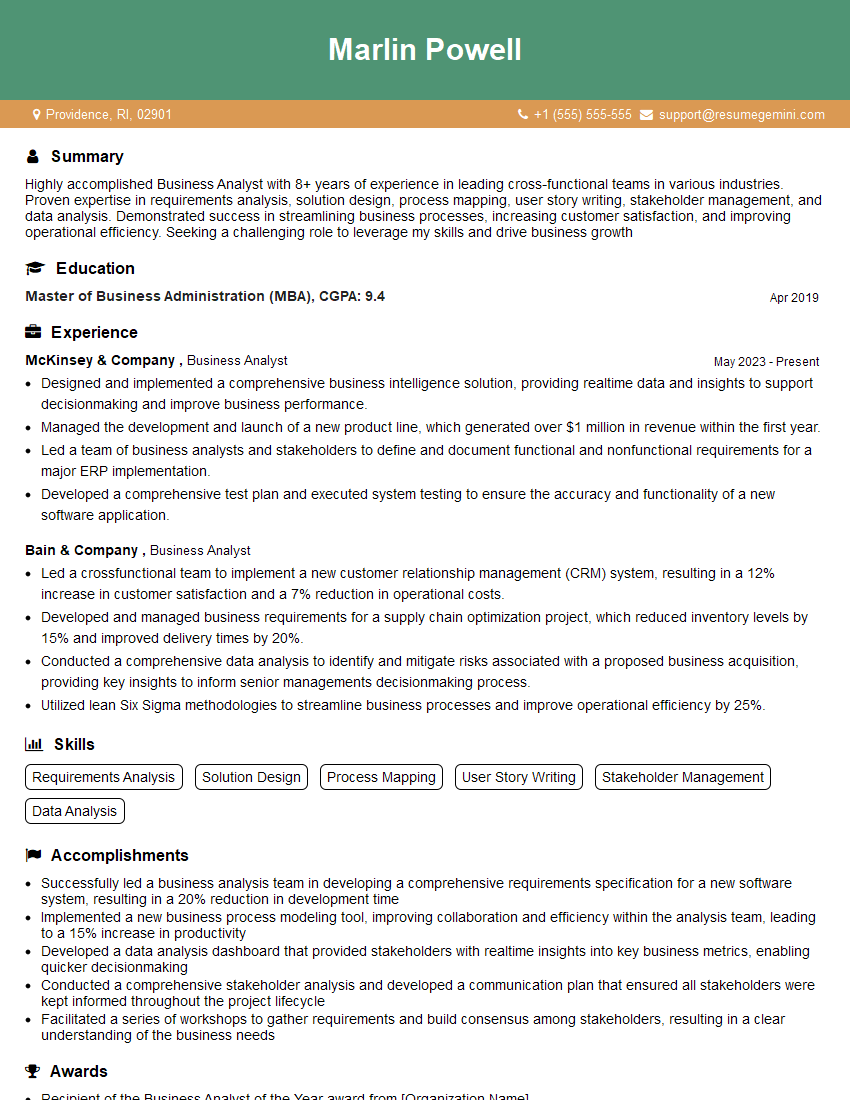
Business Analyst Resume Sample
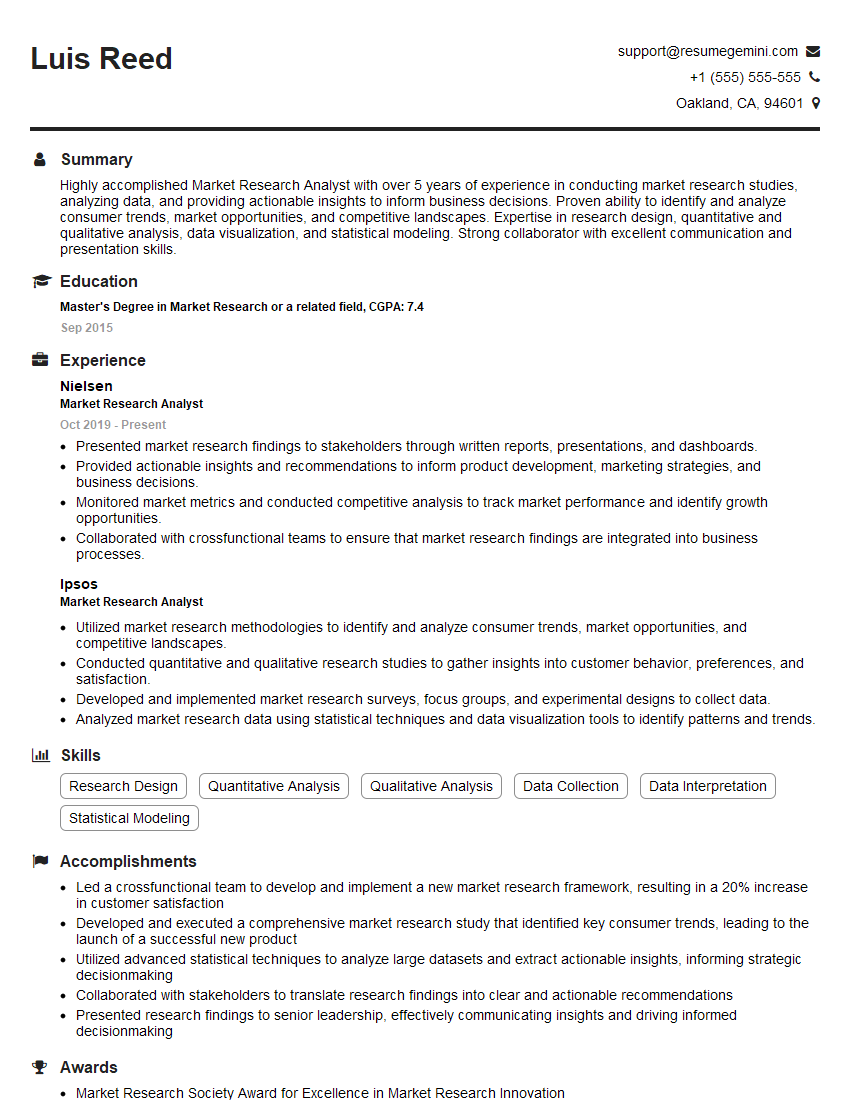
Market Research Analyst Resume Sample
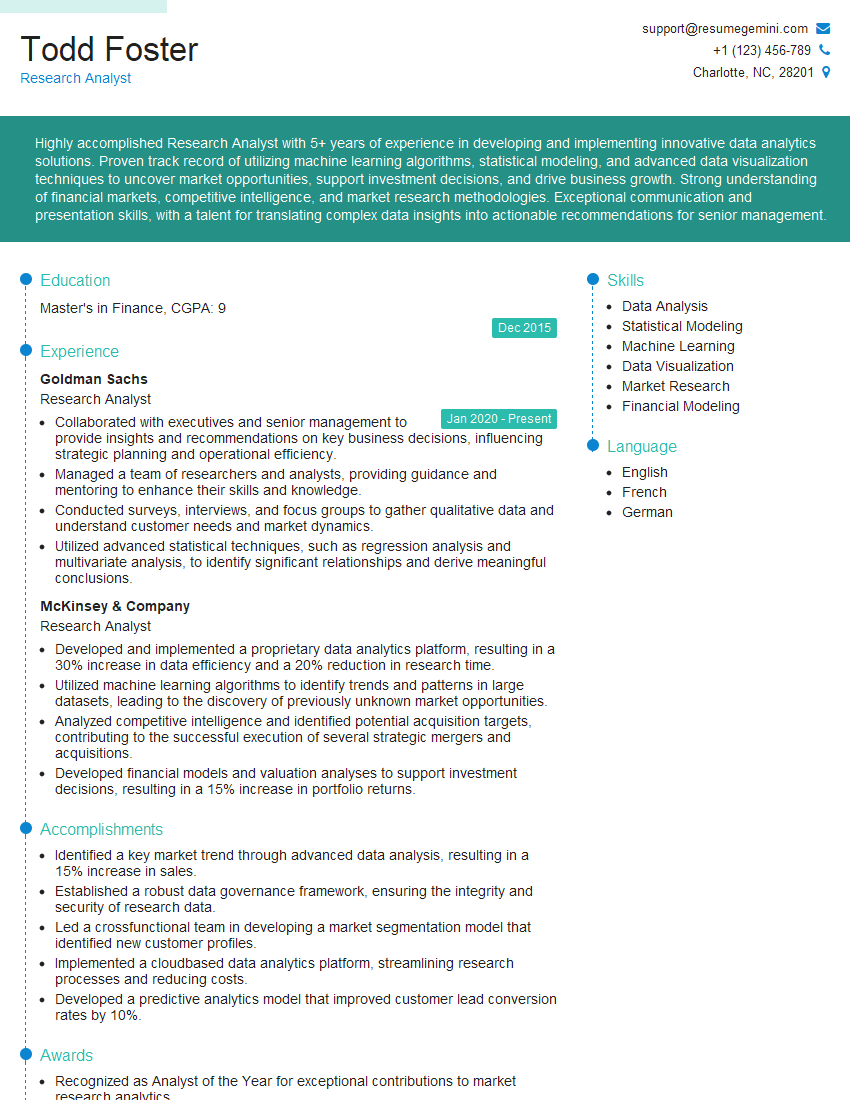
Research Analyst Resume Sample
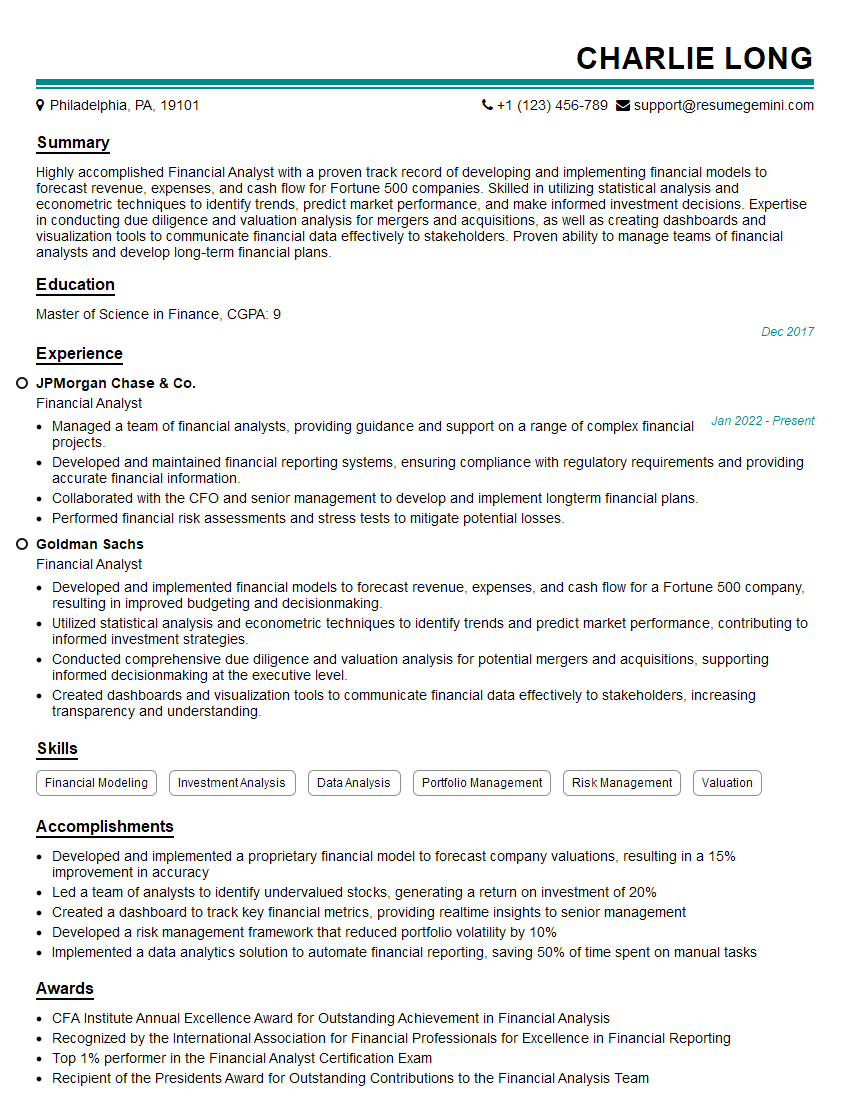
Financial Analyst Resume Sample
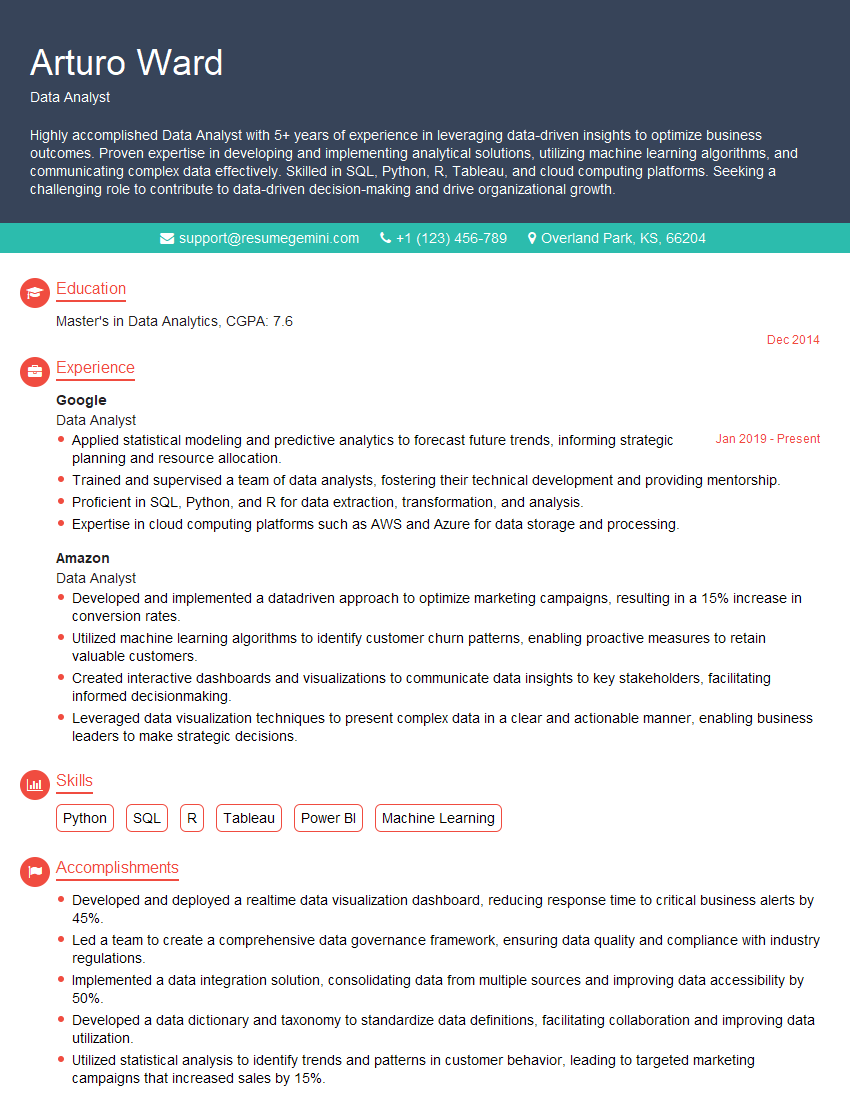
Data Analyst Resume Sample
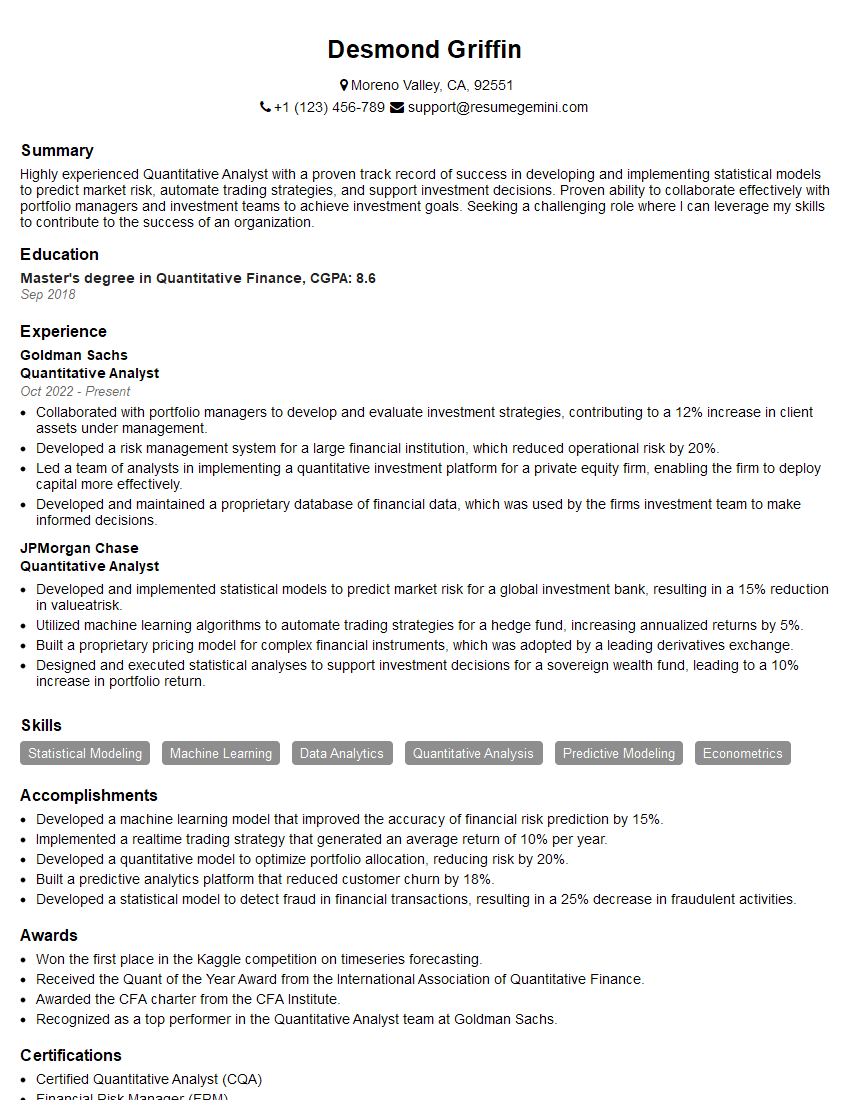
Quantitative Analyst Resume Sample
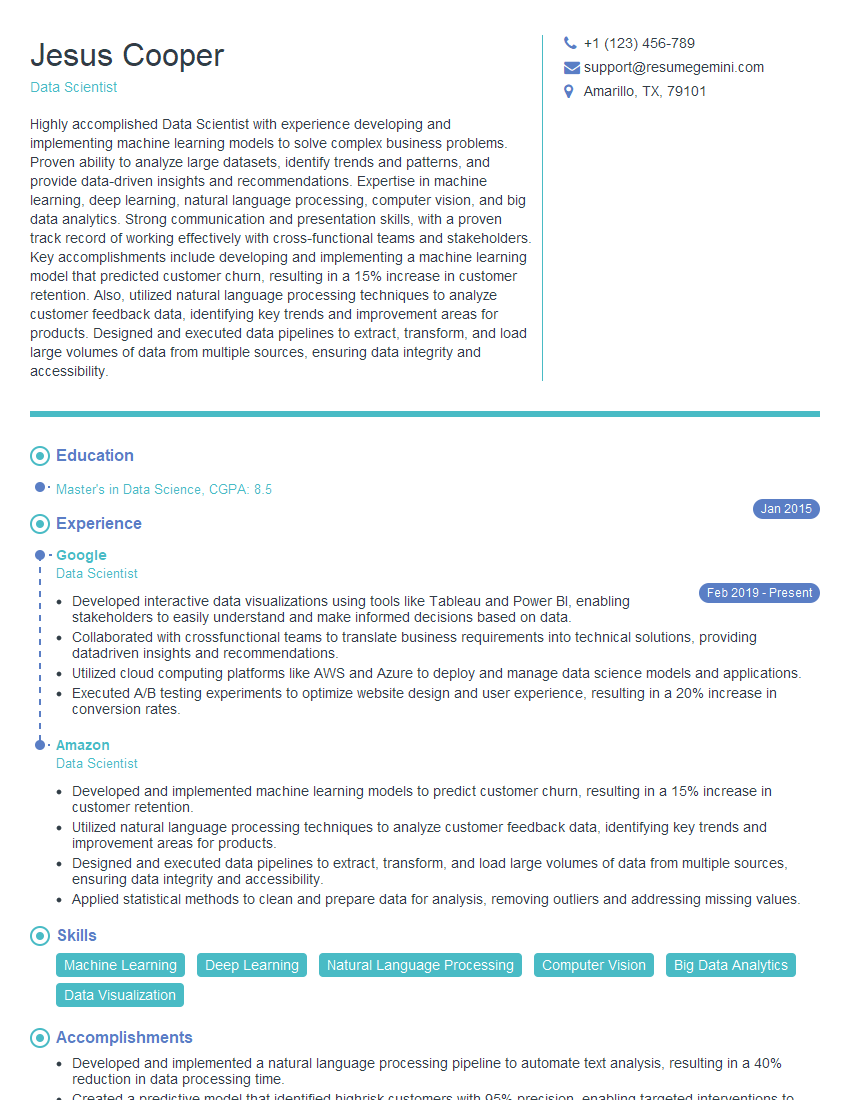
Data Scientist Resume Sample
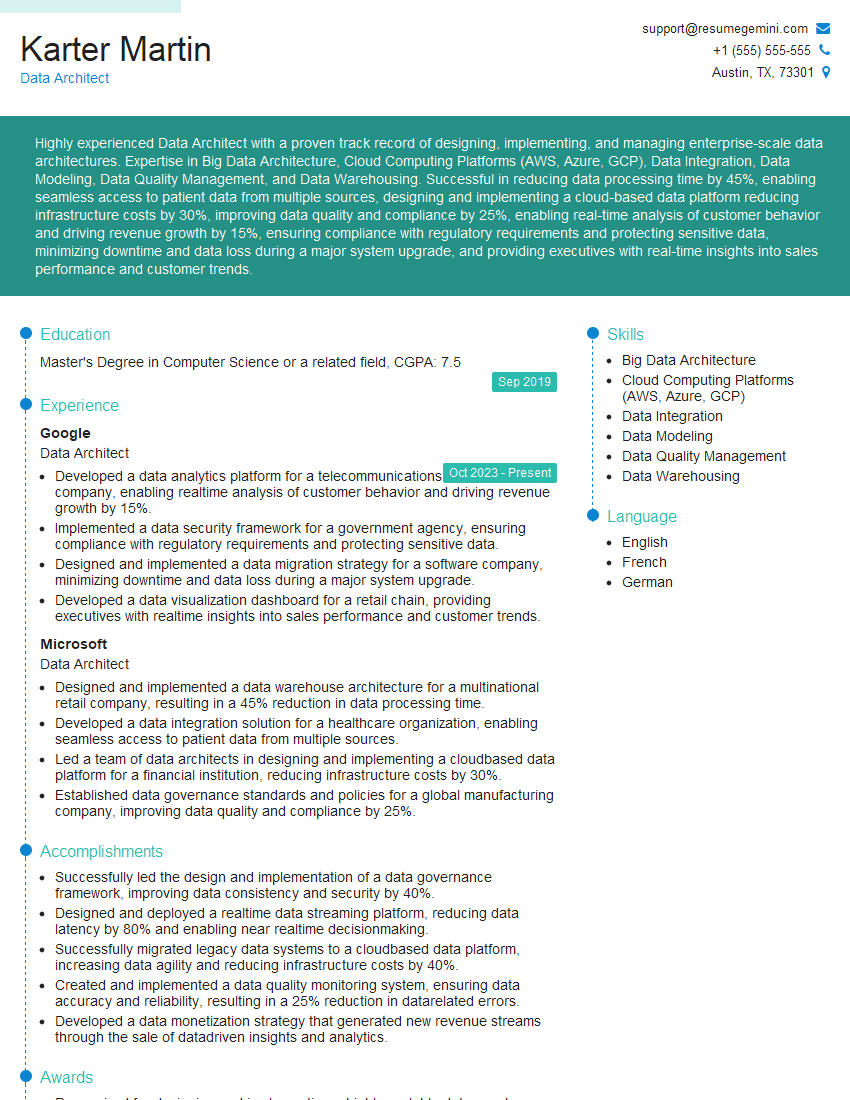
Data Architect Resume Sample
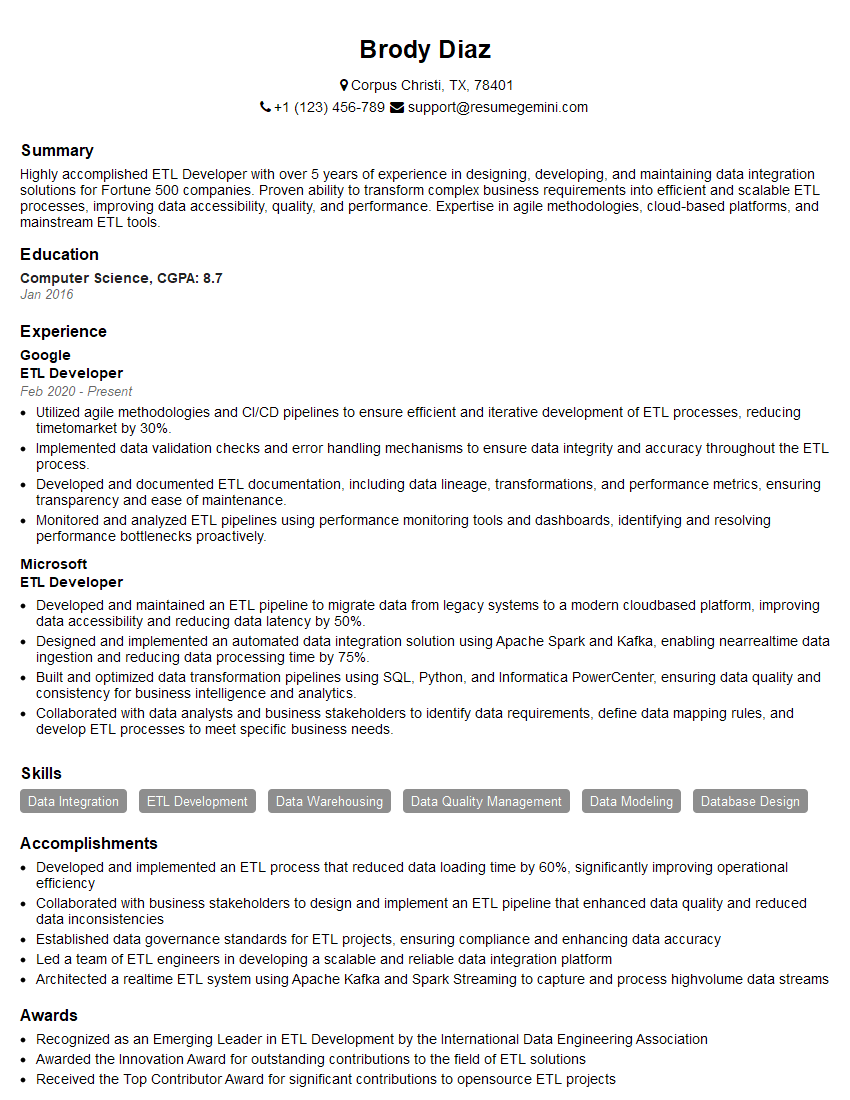
ETL Developer Resume Sample
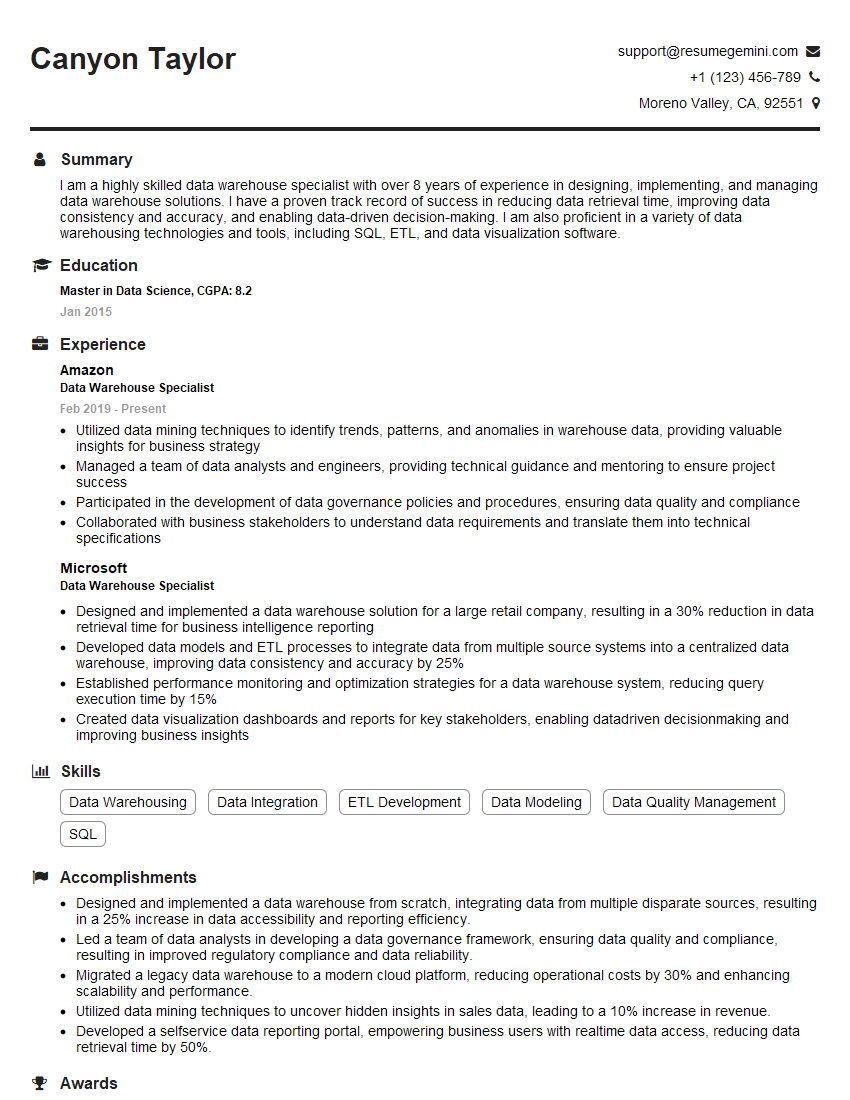
Data Warehouse Specialist Resume Sample
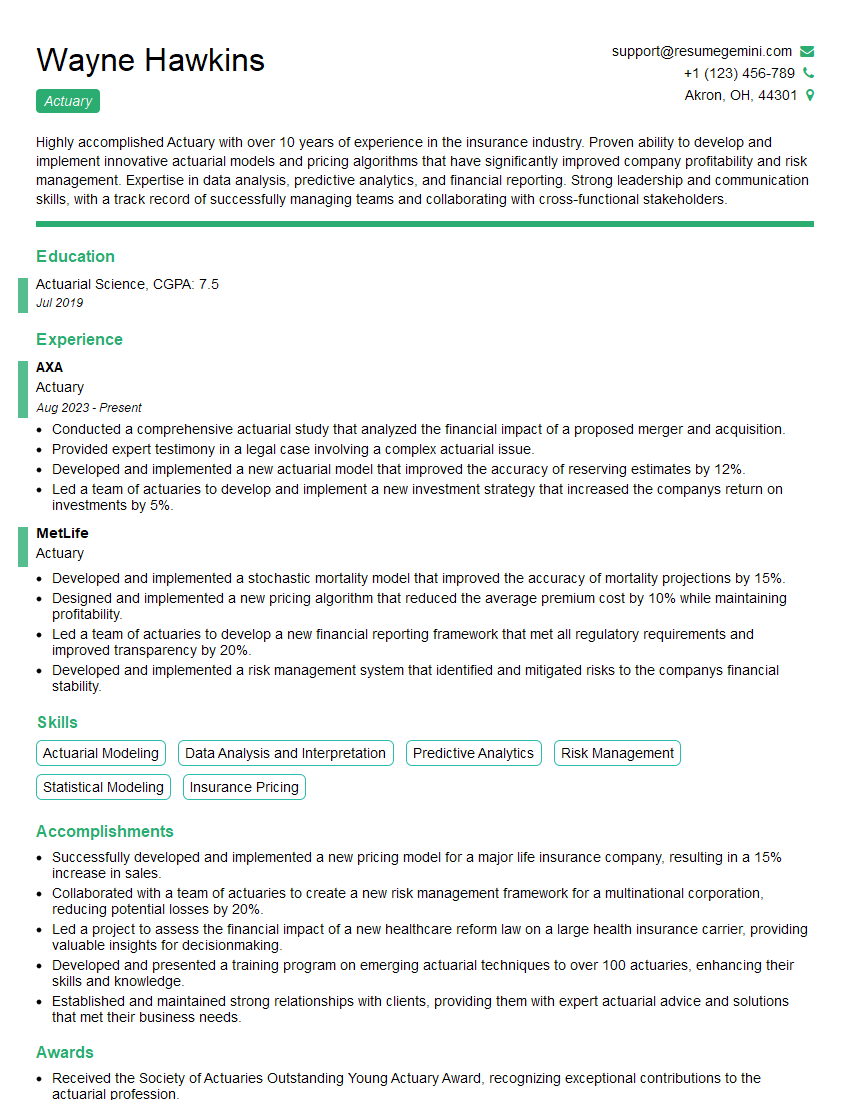
Actuary Resume Sample
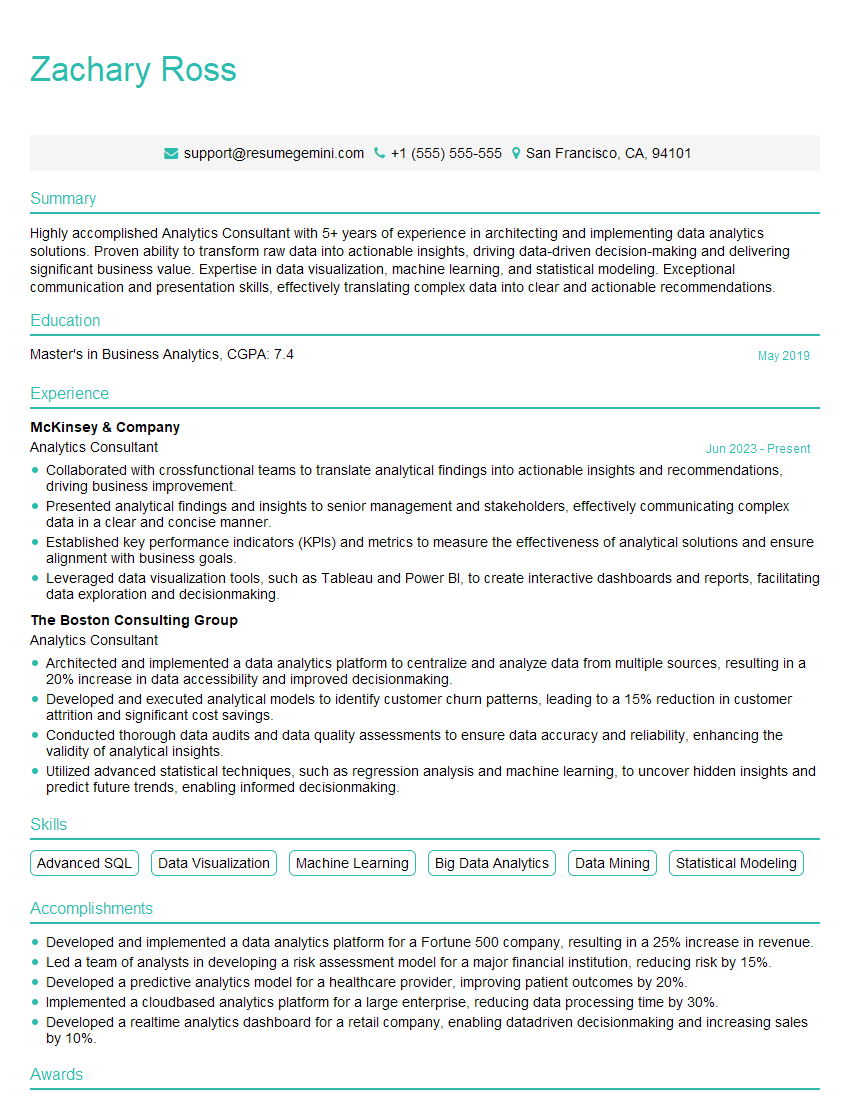
Analytics Consultant Resume Sample

Operations Research Analyst Resume Sample
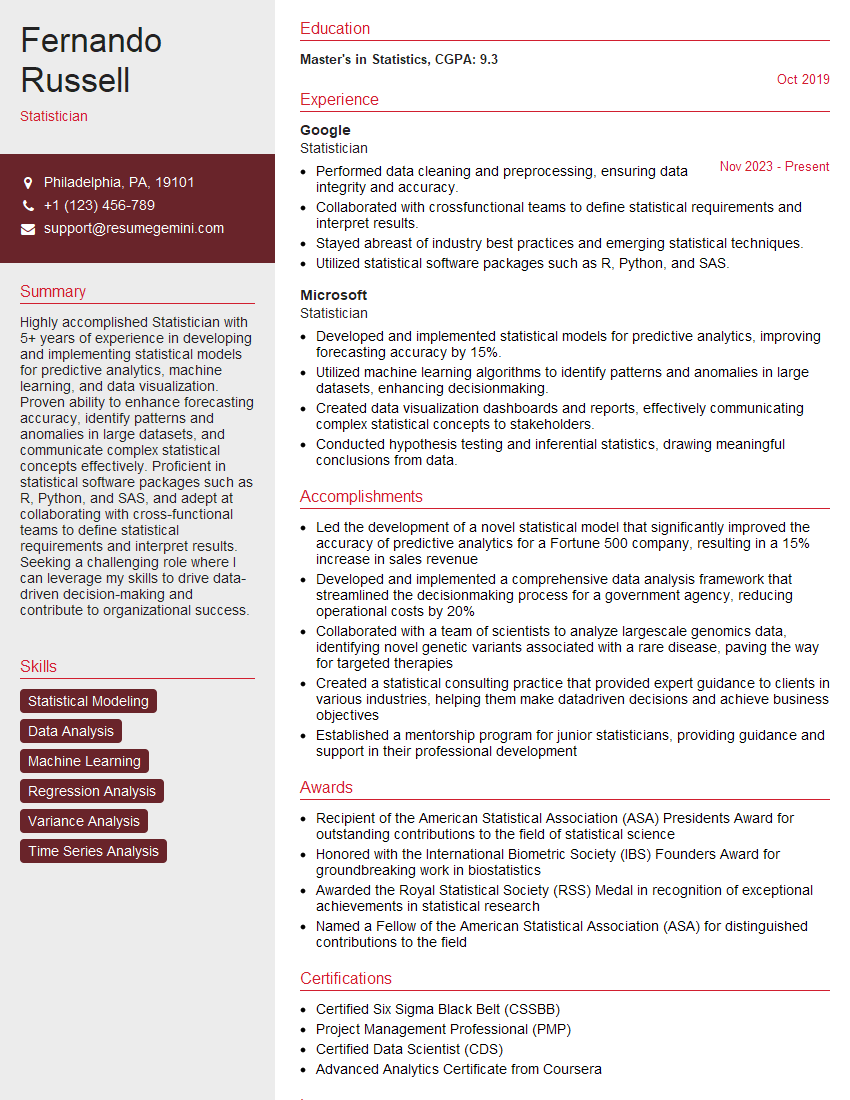
Statistician Resume Sample
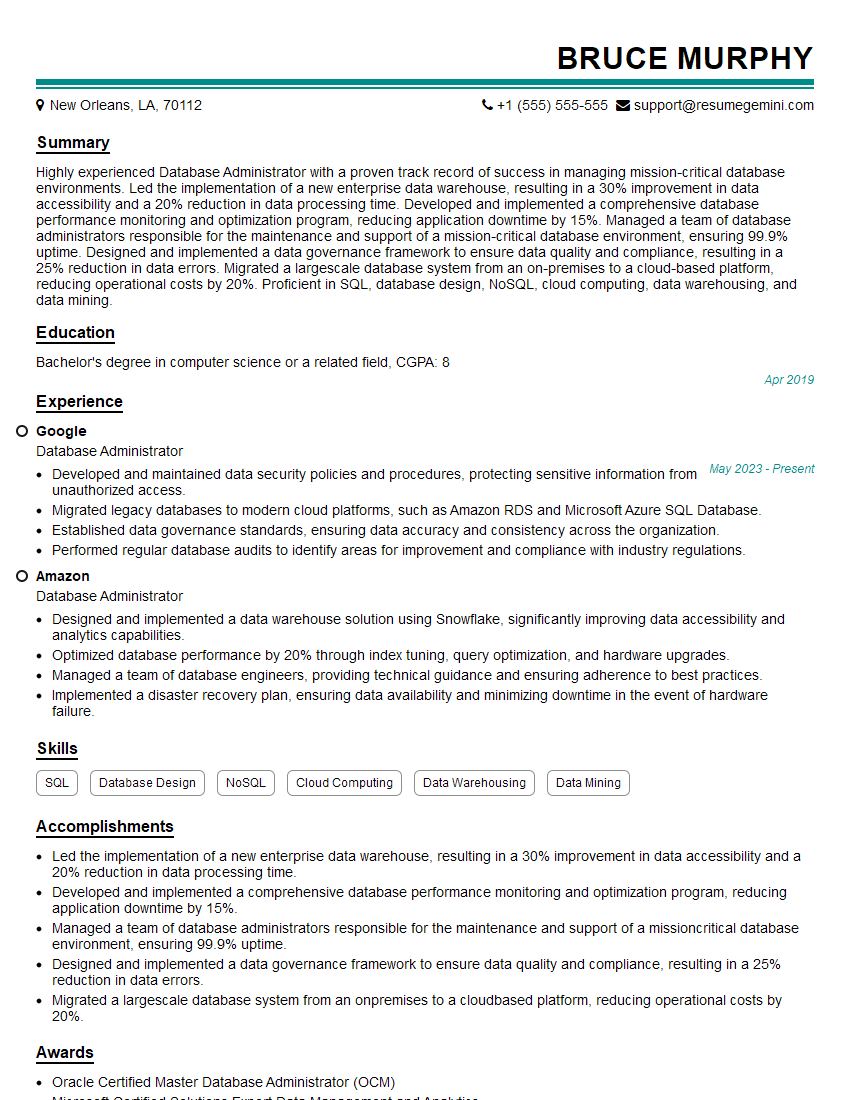
Database Administrator Resume Sample
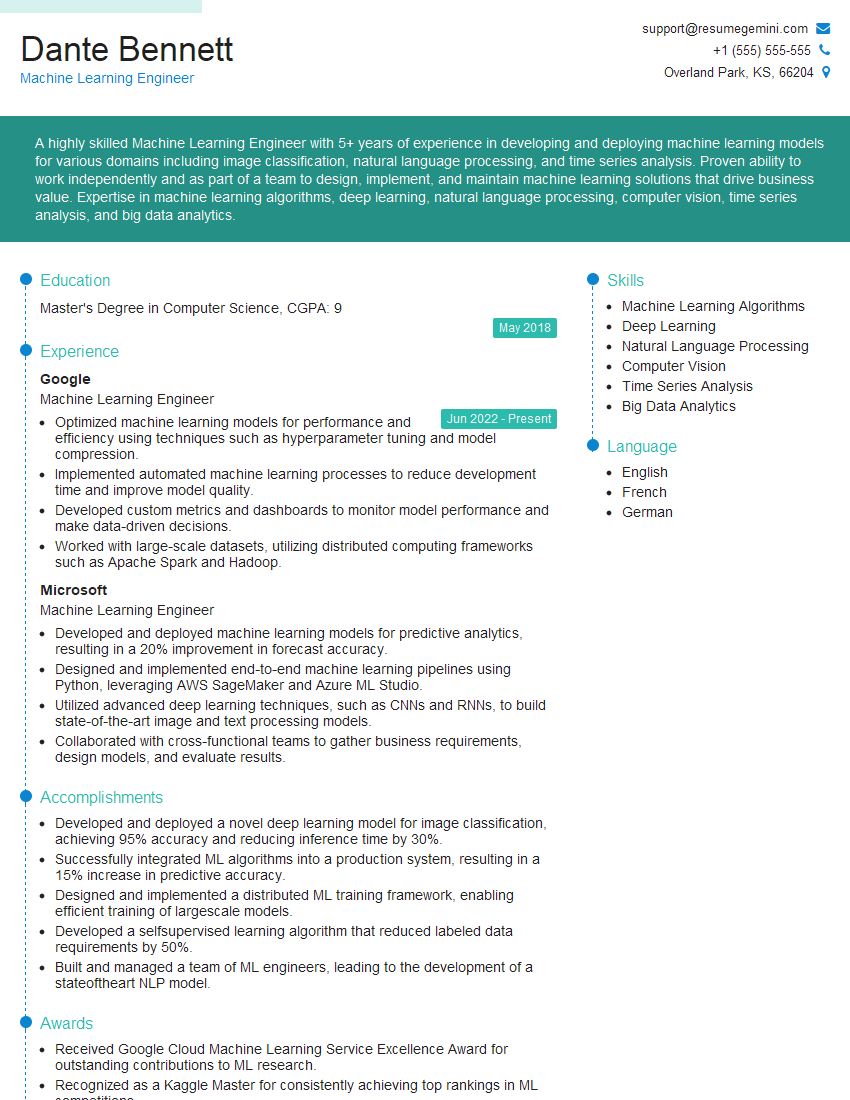
Machine Learning Engineer Resume Sample
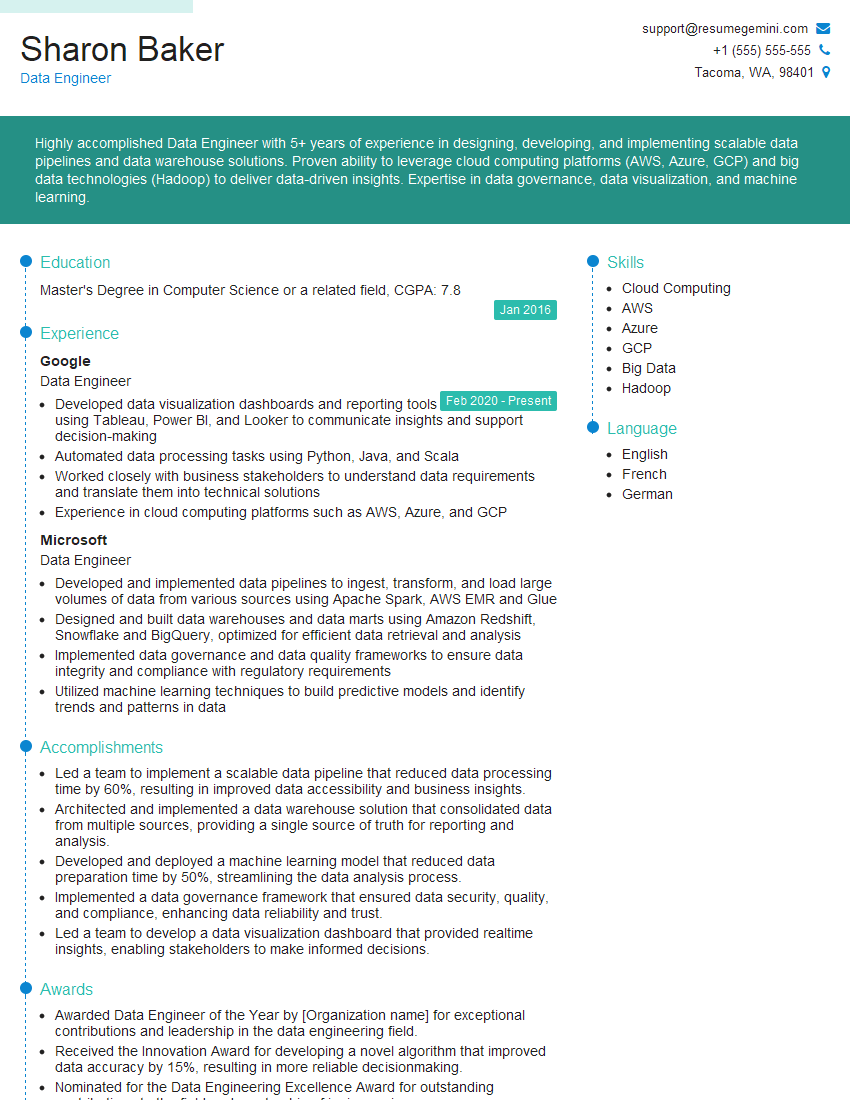
Data Engineer Resume Sample
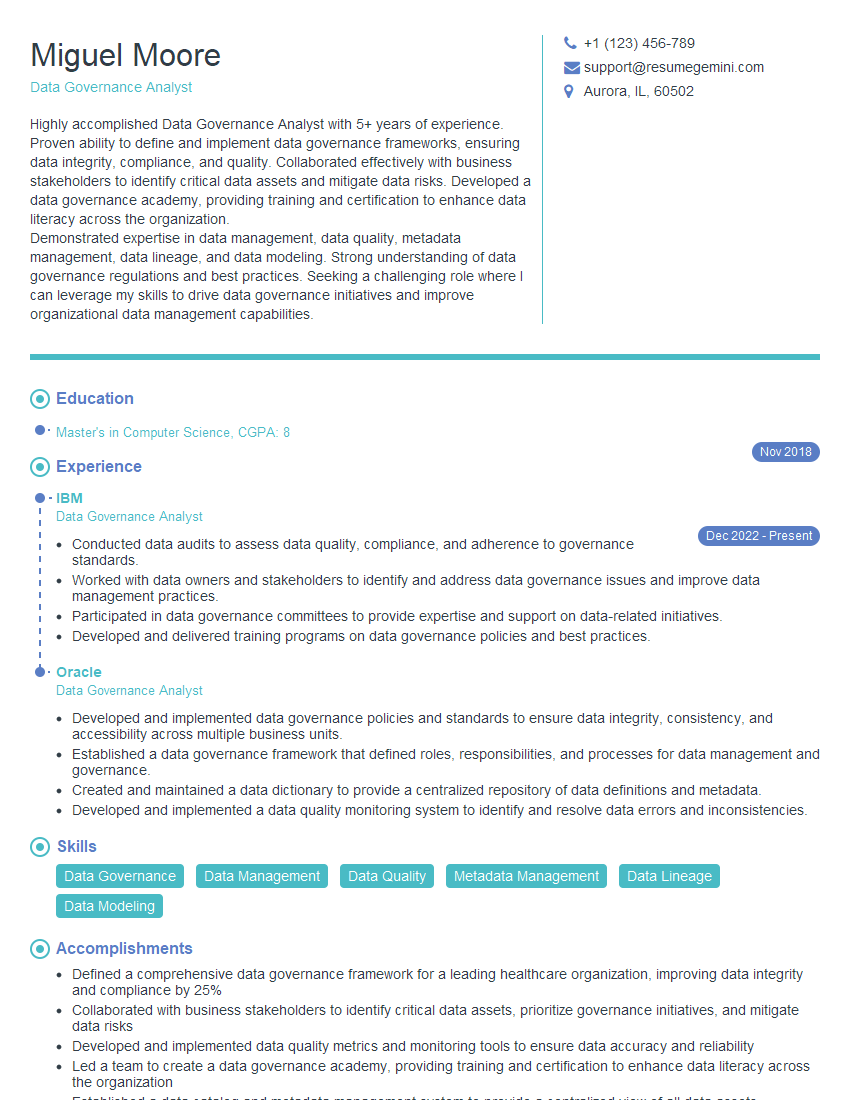
Data Governance Analyst Resume Sample
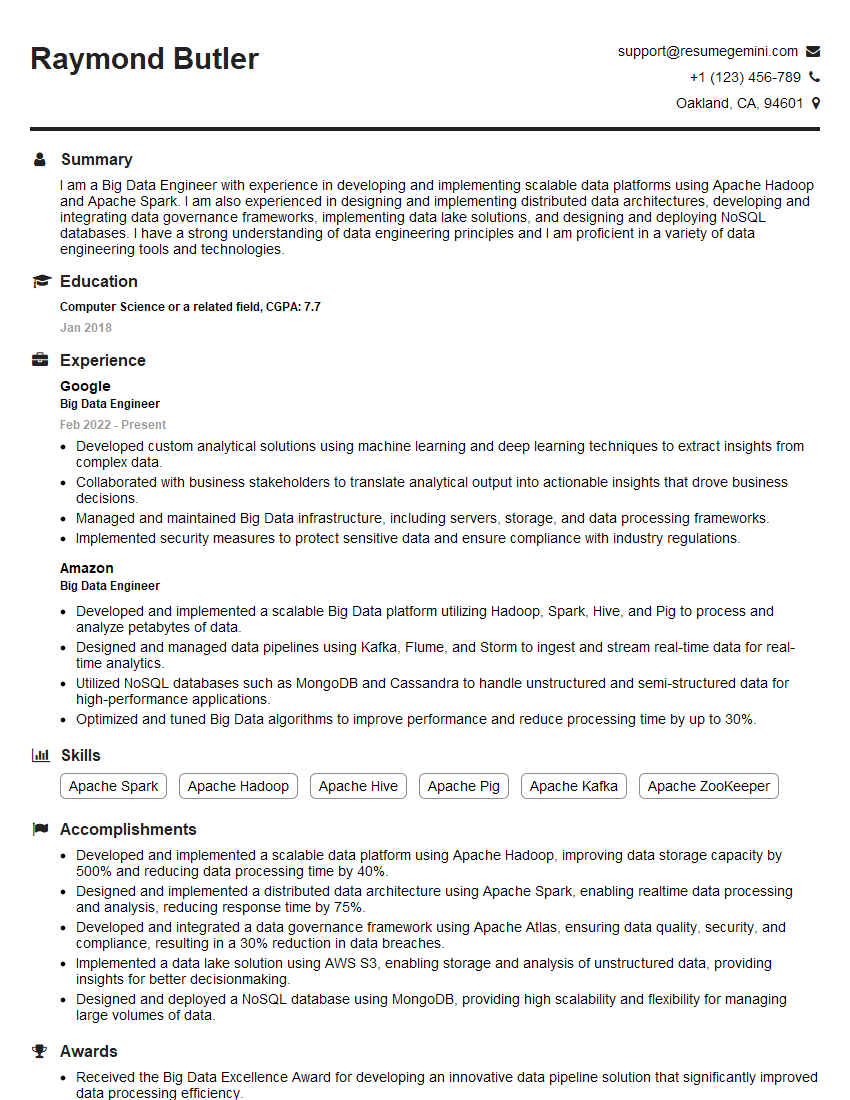
Big Data Engineer Resume Sample
- Business Analyst
- Market Research Analyst
- Research Analyst
- Financial Analyst
- Data Analyst
- Quantitative Analyst
- Data Scientist
- Data Architect
- ETL Developer
- Data Warehouse Specialist
- Actuary
- Analytics Consultant
- Operations Research Analyst
- Statistician
- Database Administrator
- Machine Learning Engineer
- Data Engineer
- Data Governance Analyst
- Big Data Engineer
Explore more articles
Users Rating of Our Blogs
Share Your Experience
We value your feedback! Please rate our content and share your thoughts (optional).
What Readers Say About Our Blog
Really detailed insights and content, thank you for writing this detailed article.
IT gave me an insight and words to use and be able to think of examples