Feeling uncertain about what to expect in your upcoming interview? We’ve got you covered! This blog highlights the most important Ability to handle hazardous materials interview questions and provides actionable advice to help you stand out as the ideal candidate. Let’s pave the way for your success.
Questions Asked in Ability to handle hazardous materials Interview
Q 1. Describe your experience handling different classes of hazardous materials.
Throughout my career, I’ve handled various classes of hazardous materials, encompassing everything from flammable liquids (like gasoline and solvents used in cleaning processes) to corrosive acids (such as sulfuric acid in industrial settings) and reactive substances (like sodium metal in chemical research). I’ve worked with oxidizers (e.g., hydrogen peroxide used in bleaching), toxic substances (e.g., pesticides in agricultural applications), and even radioactive materials (in a strictly controlled laboratory environment under the supervision of qualified personnel). Each class demanded a unique approach to safe handling, storage, and disposal, tailored to its specific hazards.
For instance, during my time at [Previous Company Name], I was responsible for the safe management of Class 3 flammable liquids used in the manufacturing process. This included regular inspections of storage areas, ensuring proper ventilation, and training colleagues on safe handling procedures. My experience with corrosive materials came from my work at [Another Previous Company Name], where we adhered to strict protocols for handling acids, including the use of specialized protective clothing and equipment to prevent exposure and contamination.
Q 2. Explain the process of identifying and classifying hazardous materials.
Identifying and classifying hazardous materials is crucial for safety. The process typically begins with reviewing the Material Safety Data Sheet (MSDS), a document that provides comprehensive information about a chemical’s properties, hazards, and safe handling procedures. The MSDS often includes the chemical’s classification according to systems like the Globally Harmonized System of Classification and Labelling of Chemicals (GHS).
If an MSDS isn’t available, we need to utilize other identification methods like visual inspection (looking for warning labels, physical properties), chemical testing (to determine composition), or consulting specialized databases or experts. Once identified, we classify the material based on its inherent hazards using standardized systems such as the Globally Harmonized System (GHS) which assigns hazard classes (flammable, corrosive, toxic, etc.) and hazard statements. This classification dictates the appropriate handling procedures, storage requirements, and necessary personal protective equipment.
Q 3. What safety precautions are necessary when handling corrosive substances?
Handling corrosive substances requires meticulous safety precautions to avoid severe burns and other injuries. The first line of defense is always appropriate Personal Protective Equipment (PPE), including chemical-resistant gloves (often made of nitrile or neoprene), eye protection (goggles or face shields), and a lab coat or apron made of a chemically resistant material. It’s also essential to work in a well-ventilated area to minimize exposure to fumes.
Furthermore, we need to ensure that any containers are handled with care, avoiding spills and leaks. Spills should be handled immediately and according to the established spill response plan. The work area should be kept clean and free from obstructions. Neutralizing agents may be needed for certain spills, but this should only be done by trained personnel. Finally, proper disposal methods for corrosive materials must be followed, often involving specialized containers and waste disposal services.
Think of it like this: handling a corrosive substance is like handling a venomous snake – you need the right equipment and training to avoid a painful and potentially dangerous situation.
Q 4. How do you ensure compliance with OSHA regulations regarding hazardous materials?
OSHA compliance regarding hazardous materials is paramount. We ensure compliance through comprehensive training programs for all personnel involved in handling hazardous materials, covering topics such as hazard identification, proper PPE usage, emergency procedures, and waste disposal. We also maintain detailed records of training, inspections, and any incidents involving hazardous materials. We conduct regular workplace inspections to ensure that safety procedures are being followed and equipment is in good working order.
Proper labeling, storage, and handling procedures are meticulously followed, adhering to OSHA standards. This includes maintaining up-to-date safety data sheets (SDS), conducting regular safety audits, and actively participating in OSHA compliance training. Finally, we promptly report any incidents or accidents, investigating them thoroughly to determine the root cause and implement corrective actions to prevent recurrence. A proactive and comprehensive approach to safety is essential for consistent compliance.
Q 5. What are the proper procedures for handling a chemical spill?
Handling a chemical spill requires a rapid and systematic response. The first step is always to ensure the safety of personnel; evacuation of the immediate area may be necessary. Next, we assess the nature and extent of the spill, identifying the chemical involved through its labeling or MSDS. Then, based on the chemical’s properties, we use the appropriate containment and cleanup procedures. This may involve using absorbent materials like spill pads or diatomaceous earth to soak up the spill, followed by proper disposal in designated containers.
Specialized equipment like spill kits, which contain various absorbents, neutralizers (if needed), and protective equipment, is essential. Proper personal protective equipment (PPE) is critical throughout the cleanup process. After containment and cleanup, the area should be thoroughly decontaminated, and the incident should be reported and documented. The process varies depending on the type and quantity of the spilled material. Always consult the relevant SDS and emergency response protocols.
Q 6. Describe your experience with personal protective equipment (PPE) for hazardous materials handling.
My experience with personal protective equipment (PPE) is extensive, covering a wide array of materials and situations. I’m proficient in the selection and use of various types of PPE, including chemical-resistant gloves, safety glasses, face shields, respirators (both air-purifying and supplied-air), coveralls, and specialized suits for handling hazardous materials. The choice of PPE always depends on the specific hazard involved. For instance, when handling corrosive chemicals, I would opt for neoprene or nitrile gloves, a face shield, and a lab coat. Working with airborne hazards would necessitate a respirator appropriate for the specific contaminant.
I’ve undergone extensive training on proper PPE donning and doffing techniques to minimize contamination risk, emphasizing the importance of not contaminating the outside of the suit when removing it. Regular inspection and maintenance of PPE are essential to ensure its effectiveness and integrity. In every situation, the safety of myself and those around me takes precedence. This is why proper PPE selection and use is an integral part of my approach.
Q 7. Explain the importance of Material Safety Data Sheets (MSDS).
Material Safety Data Sheets (MSDS), now often called Safety Data Sheets (SDS), are essential documents that provide comprehensive information about the hazards of a chemical and how to work with it safely. They’re like instruction manuals for hazardous materials. An SDS details the chemical’s identity, its physical and chemical properties, potential health hazards (acute and chronic effects), safe handling and use procedures, emergency response information (first aid, spill response), and appropriate disposal methods.
Access to accurate and up-to-date SDSs is crucial for maintaining a safe working environment. They guide us in selecting appropriate PPE, implementing proper storage techniques, and understanding the potential risks associated with a specific chemical. Before working with any hazardous material, consulting the SDS is not just good practice; it is a critical safety precaution. Ignoring an SDS is risking serious consequences.
Q 8. What are the emergency procedures for exposure to hazardous materials?
Emergency procedures for hazardous material exposure hinge on rapid, decisive action to minimize harm. The first step is always immediate evacuation from the contaminated area. This is followed by a thorough decontamination process, which might involve removing contaminated clothing, showering, and using specialized cleaning agents depending on the material.
Medical attention is crucial. It’s essential to contact emergency services immediately and provide them with as much detail as possible about the hazardous material involved – its name, its properties, and the extent of exposure. This enables them to deploy the appropriate medical response.
For example, if someone is exposed to a corrosive chemical, immediate flushing of the affected area with water is paramount before seeking medical aid. In cases of inhalation, moving the person to fresh air is critical. Each hazardous material has a specific protocol – these are often detailed in Safety Data Sheets (SDS).
Proper documentation is vital post-incident, including details of the exposure, the decontamination procedures used, and medical treatment received. This information aids in future risk assessment and prevention.
Q 9. How do you ensure the safe storage and transportation of hazardous materials?
Safe storage and transportation of hazardous materials requires meticulous attention to detail and adherence to stringent regulations. Storage areas must be well-ventilated, secure, and appropriately labeled to indicate the nature and hazard level of each material. Incompatible substances should never be stored together to prevent dangerous reactions. For example, oxidizers should be kept far away from flammables.
Containers must be properly sealed and in good condition to prevent leakage or spillage. Regular inspections of storage areas are crucial to identify any potential issues, such as leaks or deterioration of containers. Proper inventory management ensures materials are accounted for and that storage capacity is not exceeded.
Transportation involves the use of specifically designed containers and vehicles that meet safety standards. These often include placards clearly indicating the type of hazard being transported (e.g., flammable, corrosive, toxic). Drivers must have the necessary training and permits to handle hazardous materials. Route planning should avoid sensitive areas and consider potential weather conditions that might exacerbate risks. Furthermore, documentation is key, including shipping manifests and emergency response plans for en-route incidents.
Q 10. Describe your experience with hazardous waste disposal procedures.
My experience with hazardous waste disposal procedures encompasses a wide range of activities, from initial assessment and segregation to final disposal or treatment. I’ve worked extensively with various types of hazardous waste, including chemical solvents, heavy metals, and infectious medical waste. The process begins with a thorough characterization of the waste to determine its properties and regulatory classification. Then, it is segregated into different categories to ensure compatible materials are handled together.
Following characterization and segregation, the waste is prepared for transport to licensed treatment, storage, and disposal facilities (TSDFs). This may involve packaging, labeling, and secure containment. I’ve been involved in coordinating transport logistics, ensuring compliance with all relevant transportation regulations. The final stage involves documentation and record-keeping, maintaining comprehensive logs of all waste disposal activities.
One specific example includes managing the disposal of used chemical solvents from a laboratory. This involved careful neutralization of acidic materials, proper containment of volatile organic compounds (VOCs) to minimize air emissions, and selecting a TSDF with the capabilities to handle those specific materials safely and in compliance with environmental regulations.
Q 11. What is your understanding of the Globally Harmonized System of Classification and Labelling of Chemicals (GHS)?
The Globally Harmonized System of Classification and Labelling of Chemicals (GHS) is an internationally agreed-upon system for classifying chemicals based on their hazards and communicating those hazards through labels and safety data sheets (SDS). It aims to standardize the way chemicals are classified and communicated worldwide, reducing confusion and enhancing safety.
The GHS uses a standardized set of hazard classes and categories, such as flammability, toxicity, and corrosivity. Each hazard class has specific criteria that determine the classification of a chemical. This classification then dictates specific label elements – including pictograms, signal words (danger or warning), hazard statements, and precautionary statements. The SDS provides more detailed hazard information, safe handling instructions, and emergency response procedures.
For instance, a GHS-compliant label on a corrosive chemical will feature a corrosive pictogram, the signal word “Danger,” hazard statements describing the corrosive nature of the chemical, and precautionary statements advising on protective measures like wearing gloves and eye protection. The SDS will contain even more detailed information such as the chemical’s composition, potential health effects, and first aid procedures.
Q 12. How do you conduct a risk assessment for hazardous materials handling?
A risk assessment for hazardous materials handling is a systematic process to identify potential hazards and evaluate the risks associated with handling those materials. It’s a crucial step in establishing safe work practices and minimizing the likelihood of accidents and incidents.
The process typically involves these steps:
- Identifying hazards: This includes identifying all potential sources of hazards associated with the handling of the material, such as physical hazards (e.g., flammability, reactivity), health hazards (e.g., toxicity, carcinogenicity), and environmental hazards.
- Identifying exposure routes: Determining how workers might be exposed to the hazardous material—inhalation, skin contact, ingestion, etc.
- Evaluating the risks: Assessing the likelihood and severity of potential incidents. This often involves considering factors like the quantity of material handled, the frequency of handling, and the effectiveness of control measures in place.
- Implementing control measures: Developing and implementing measures to mitigate risks, such as engineering controls (e.g., ventilation systems, enclosed containers), administrative controls (e.g., standard operating procedures, training programs), and personal protective equipment (PPE).
- Monitoring and reviewing: Regular monitoring of the effectiveness of control measures and periodic review of the risk assessment to ensure it remains relevant.
For example, when working with highly flammable solvents, a risk assessment might identify ignition sources as a major hazard. Control measures could include providing adequate ventilation, using explosion-proof electrical equipment, and training workers on fire safety procedures. The assessment would also determine necessary PPE, like flame-resistant clothing.
Q 13. What are the different types of hazardous waste and their disposal methods?
Hazardous waste encompasses a broad range of materials posing substantial risks to human health and the environment. They can be categorized in many ways, including by their physical, chemical, and biological characteristics. Some common types include:
- Flammable waste: Materials that readily ignite and burn, such as solvents, oils, and paints.
- Toxic waste: Materials that are poisonous or cause adverse health effects, such as heavy metals (lead, mercury), pesticides, and certain chemicals.
- Corrosive waste: Materials that cause chemical burns or damage to living tissues, such as strong acids and bases.
- Reactive waste: Materials that are unstable and readily undergo violent chemical changes, potentially causing explosions or fires.
- Infectious waste: Materials contaminated with pathogenic microorganisms, such as medical waste and laboratory samples.
Disposal methods vary drastically depending on the type of waste. They range from incineration (for flammable and some toxic wastes), chemical treatment (neutralization of acids and bases), landfilling (for some stable non-hazardous materials after treatment), to specialized processes for radioactive or biological materials. The regulatory framework governing hazardous waste disposal is extremely stringent, designed to prevent environmental contamination and protect human health. All disposal activities must be conducted by licensed facilities following strict protocols.
Q 14. Explain the role of emergency response teams in hazardous material incidents.
Emergency response teams play a crucial role in mitigating the impact of hazardous material incidents. These teams are specially trained and equipped to handle a wide range of hazardous materials and emergencies. Their primary responsibilities include:
- Initial assessment and scene control: Quickly evaluating the situation, establishing a perimeter to contain the spread of hazardous materials, and identifying the nature and extent of the incident.
- Decontamination: Implementing procedures to remove hazardous materials from affected individuals and equipment.
- Containment and cleanup: Using specialized techniques and equipment to prevent further release or spread of hazardous materials and clean up spills or leaks.
- Medical assistance: Providing first aid and transporting injured individuals to medical facilities.
- Environmental monitoring: Assessing the environmental impact of the incident and implementing measures to mitigate any harm.
Emergency response teams are typically composed of personnel from fire departments, emergency medical services, and specialized hazardous materials response units. They undergo rigorous training and regular drills to ensure they are prepared to effectively manage a wide range of incidents. They utilize advanced protective equipment and technologies to minimize risks to responders and the public. Their coordinated actions are essential to save lives, protect property, and minimize environmental impact.
Q 15. Describe your experience with respiratory protection equipment.
My experience with respiratory protection equipment (RPE) spans over ten years, encompassing selection, fit testing, use, and maintenance of various types of respirators. I’m proficient in selecting the appropriate respirator based on the specific hazard, including those involving particulate matter, gases, and vapors. This involves understanding the assigned protection factor (APF) and the limitations of each respirator type.
For example, I’ve used half-mask respirators with particulate filters for tasks involving asbestos abatement and full-face respirators with supplied air for working with highly toxic chemicals. I’m also experienced in conducting fit testing, ensuring a proper seal to prevent leakage and guaranteeing the respirator’s effectiveness. Regular maintenance, including cleaning, inspecting, and replacing cartridges, is crucial, and I strictly adhere to all manufacturer guidelines and OSHA regulations. I’ve even trained others in the proper selection, fit testing and use of RPE, emphasizing the importance of a thorough understanding of the hazards and the limitations of the equipment itself.
- Half-mask respirators: Used for lower concentration airborne hazards.
- Full-face respirators: Offer greater protection, covering the entire face.
- Supplied-air respirators: Provide a continuous supply of clean air, ideal for high-hazard environments.
Career Expert Tips:
- Ace those interviews! Prepare effectively by reviewing the Top 50 Most Common Interview Questions on ResumeGemini.
- Navigate your job search with confidence! Explore a wide range of Career Tips on ResumeGemini. Learn about common challenges and recommendations to overcome them.
- Craft the perfect resume! Master the Art of Resume Writing with ResumeGemini’s guide. Showcase your unique qualifications and achievements effectively.
- Don’t miss out on holiday savings! Build your dream resume with ResumeGemini’s ATS optimized templates.
Q 16. What is your experience with confined space entry procedures related to hazardous materials?
Confined space entry involving hazardous materials requires meticulous planning and execution. My experience includes participating in and leading numerous confined space entries, always adhering to a strict permit-required confined space (PRCS) program. This involves a thorough pre-entry assessment to identify potential hazards, including oxygen deficiency, toxic gases, and flammables. We utilize atmospheric monitoring equipment to test for hazardous atmospheres before, during, and after entry. Before entry, the space must be properly ventilated and purged of any hazardous materials. A comprehensive rescue plan is developed and practiced prior to any entry. The team must always employ proper PPE, including SCBA (self-contained breathing apparatus), and maintain constant communication using designated communication systems.
For instance, during a recent confined space entry to inspect a chemical storage tank, we followed a strict procedure, including atmospheric monitoring for hydrogen sulfide and other toxic gases, using a multi-gas meter. A standby team remained outside the confined space, ready to assist in case of emergency. Every step was documented meticulously, ensuring complete compliance with all safety regulations and company procedures. We used a written checklist to ensure no critical step was missed.
Q 17. How do you ensure proper decontamination procedures after handling hazardous materials?
Decontamination procedures are paramount after handling hazardous materials to prevent cross-contamination and protect personnel and the environment. The process is highly dependent on the specific hazardous material. My experience includes implementing and supervising decontamination procedures for a variety of chemicals, including acids, bases, solvents, and pesticides. This involves using appropriate decontamination solutions, equipment, and procedures, all of which are carefully selected based on the specific substance handled. A dedicated decontamination area is established, often including a designated ‘clean’ zone and ‘contaminated’ zone, to maintain the integrity of the process. Personnel go through a series of steps, from initial wash-down to secondary decontamination, frequently involving thorough rinsing and disposal of contaminated materials according to proper guidelines. Documentation of the entire process is essential.
For example, when handling pesticide residues, we utilized a specific decontamination solution followed by a thorough rinsing with clean water. All clothing and equipment were properly disposed of, or decontaminated following the manufactures instructions and all surfaces were cleaned and decontaminated. I’ve developed and implemented site-specific decontamination procedures for various projects ensuring the safety of all personnel.
Q 18. Describe your knowledge of different types of hazardous material containers and their proper use.
My knowledge of hazardous material containers encompasses various types, including drums, carboys, cylinders, and bulk containers. Each type has specific design features and handling requirements. Drums are commonly used for liquids and solids, while carboys are designed for smaller quantities of corrosive liquids. Cylinders are used for compressed gases, requiring special handling due to pressure. Bulk containers are employed for large volumes of materials and often necessitate specialized handling equipment. Understanding the labeling and markings on these containers is crucial, as they provide vital information about the contents, hazards, and handling precautions. Proper use involves selecting the right container for the specific material, ensuring proper closure and labeling, and employing appropriate handling techniques to prevent leaks or spills.
For example, I’ve personally handled numerous scenarios involving the safe transfer of chemicals from 55-gallon drums to smaller containers. This required the use of personal protective equipment, appropriate transfer techniques, and careful adherence to safety procedures to prevent spills or exposure. Understanding the differences between DOT placards and labels is also crucial in determining proper handling of these containers. Improper handling can lead to serious incidents, so adherence to regulations and best practices is non-negotiable.
Q 19. What is your experience with incident reporting and investigation related to hazardous materials?
Incident reporting and investigation related to hazardous materials require a systematic and thorough approach. My experience includes investigating numerous incidents, ranging from minor spills to more serious exposures. This involves immediately securing the area, providing first aid if necessary, and preventing further exposure. A detailed investigation follows, involving collecting evidence, interviewing witnesses, and analyzing the root cause of the incident. This information is then compiled into a comprehensive report, identifying contributing factors, recommending corrective actions, and outlining preventative measures to avoid future incidents. Compliance with OSHA reporting requirements is mandatory.
One particular incident involved a chemical spill. My role included securing the area, initiating emergency response procedures, and thoroughly documenting the event. The subsequent investigation revealed a faulty valve as the root cause, leading to improvements in equipment maintenance protocols and operator training. The whole incident was meticulously documented with photographs and witness statements.
Q 20. How do you ensure the proper training of personnel handling hazardous materials?
Ensuring proper training of personnel handling hazardous materials is critical. My approach involves developing and delivering comprehensive training programs tailored to the specific hazards involved and the employees’ roles. These programs are typically modular and include both classroom instruction and hands-on training. The training covers topics such as hazard communication, proper use of personal protective equipment, emergency response procedures, and safe handling and storage practices. Assessment of employee competency is essential, usually using written tests, practical demonstrations, and regular audits. Refresher training is provided periodically to reinforce safe practices and update employees on new regulations or procedures.
I’ve successfully trained numerous teams, using a mix of interactive lectures, practical demonstrations, and simulations to enhance understanding and retention. This approach creates an engaging learning environment that empowers employees to confidently handle hazardous materials and respond effectively to potential emergencies. Regular competency assessments are an integral part of my training program to validate learned skills and ensure ongoing safe practices.
Q 21. Explain your understanding of emergency response plans specific to hazardous materials incidents.
Emergency response plans specific to hazardous materials incidents are critical for mitigating risks and protecting personnel and the environment. My understanding encompasses developing, implementing, and regularly reviewing these plans. These plans should clearly define roles and responsibilities, emergency contact information, evacuation procedures, and the use of specific equipment, such as spill containment kits, personal protective equipment, and decontamination facilities. They must also include procedures for contacting emergency services and coordinating response efforts with external agencies. Regular drills and training exercises ensure that personnel are familiar with the plan and their roles in responding to an emergency.
For example, I’ve developed emergency response plans for various sites involving specific hazardous materials. These plans included detailed procedures for handling specific spill scenarios, utilizing appropriate containment measures, and coordinating the response with local emergency responders and other stakeholders. Regular drills help team members practice the plan, and continuous improvement is an integral part of the process through feedback and lessons learned from actual incidents or exercises.
Q 22. How do you interpret and apply safety data sheets (SDS)?
Safety Data Sheets (SDS) are crucial documents providing comprehensive information about hazardous materials. They’re essentially the instruction manuals for safe handling. My interpretation involves a systematic review of several key sections:
Identification: This section details the material’s name, manufacturer, and emergency contact information – vital for quick response in case of an incident. For example, knowing the exact chemical name is crucial for selecting the correct Personal Protective Equipment (PPE).
Hazards Identification: This section outlines potential health hazards (e.g., carcinogenicity, toxicity), physical hazards (e.g., flammability, explosivity), and environmental hazards. Understanding these helps determine necessary precautions, such as ventilation requirements or the need for specialized containers.
Composition/Information on Ingredients: This lists the chemical components and their concentrations. This is critical for understanding potential synergistic effects (where the combined effect is greater than the sum of individual effects).
First-aid measures: This section outlines immediate actions in case of exposure. Knowing the correct procedure – like flushing eyes for a specific duration with specific solution – can be life-saving.
Fire-fighting measures: This specifies appropriate extinguishing agents and procedures. Using the wrong agent could exacerbate the situation, so understanding this section is crucial for emergency response.
Accidental release measures: This section guides containment and cleanup procedures. This is extremely important because incorrect handling can spread contamination and create bigger problems.
Handling and storage: These instructions are essential for daily operations, detailing proper storage conditions (temperature, ventilation) and safe handling practices to avoid accidental exposure or spills.
Exposure controls/personal protection: This outlines necessary PPE, like respirators, gloves, and eye protection, specifying the appropriate type and level of protection required.
I apply this information by developing site-specific procedures that align with SDS recommendations and relevant regulations. This ensures that everyone handling the material understands the risks and knows how to mitigate them.
Q 23. Describe your experience using lockout/tagout procedures on equipment handling hazardous materials.
Lockout/Tagout (LOTO) procedures are essential for preventing accidental equipment startup during maintenance or repair, especially when hazardous materials are involved. My experience includes performing LOTO on various equipment, such as pumps, mixers, and reactors, that handle chemicals like solvents and acids. The process always followed a strict sequence:
Energy Isolation: Shutting off all power sources (electrical, hydraulic, pneumatic) to the equipment. This usually involves turning off breakers, closing valves, and disconnecting air lines.
Lockout: Applying a personal lock to the energy isolation device, preventing unauthorized re-energizing. Each individual involved in the maintenance work would add their lock.
Tagout: Attaching a tag clearly stating the reason for lockout, the date, and the individual’s name. This visually confirms that the equipment is locked out and should not be operated.
Verification: Verifying that the equipment is completely de-energized before commencing work. This usually involves double-checking the status of energy sources and performing tests as required.
Tagout Removal: Once maintenance is complete, the individual removes their lock and tag, ensuring everyone else has also done the same. The equipment is only re-energized once all locks and tags are removed and the area is deemed safe.
I’ve always meticulously documented each step of the LOTO process, ensuring compliance with both company and regulatory standards. A failure to follow LOTO correctly could lead to serious injury or fatality.
Q 24. What is your experience with air monitoring and sampling for hazardous materials?
Air monitoring and sampling for hazardous materials is crucial to ensure worker safety and environmental compliance. My experience involves using various instruments, including personal sampling pumps and fixed-point monitors, to measure the concentration of airborne contaminants. I’m familiar with different sampling techniques like active sampling (using pumps to draw air through a collection medium) and passive sampling (using diffusive samplers that absorb contaminants over time).
For instance, I’ve used active sampling to measure the concentration of volatile organic compounds (VOCs) in a paint manufacturing facility and passive sampling to assess the levels of formaldehyde in a laboratory setting. The data collected helps determine if engineering controls (e.g., ventilation systems) or personal protective equipment (e.g., respirators) are adequate to maintain worker exposure below permissible limits. I’m also familiar with the calibration and maintenance requirements of these instruments and the relevant regulatory standards, such as OSHA’s Permissible Exposure Limits (PELs).
The interpretation of the air monitoring results involves comparing measured concentrations to the relevant occupational exposure limits (OELs) or environmental standards. If the measured concentrations exceed the limits, immediate corrective actions are required, which might involve improving ventilation, implementing additional controls, or temporarily halting operations.
Q 25. How familiar are you with the regulations concerning the transportation of hazardous materials?
I have extensive knowledge of the regulations concerning the transportation of hazardous materials, primarily focusing on the US Department of Transportation (DOT) regulations (49 CFR) and the Globally Harmonized System of Classification and Labelling of Chemicals (GHS). These regulations dictate how hazardous materials are classified, packaged, labeled, and transported to ensure safety. My experience includes:
Hazardous Materials Classification: Accurately classifying materials based on their physical and health hazards, using the appropriate hazard classes and divisions.
Packaging Requirements: Selecting appropriate packaging that meets DOT and UN specifications for the type and quantity of material being transported.
Labeling and Marking: Ensuring proper labeling and marking of packages according to the hazardous materials classification.
Shipping Papers: Completing shipping papers accurately, including the correct descriptions and quantities of hazardous materials.
Emergency Response Information: Providing detailed emergency response information, including the Safety Data Sheet (SDS) and the Emergency Response Guide (ERG).
Understanding and complying with these regulations is crucial to prevent accidents during transportation. Failure to comply can result in significant fines and legal ramifications.
Q 26. Explain your experience in using and maintaining equipment used in hazardous materials handling.
My experience includes using and maintaining a variety of equipment used in hazardous materials handling. This includes:
Personal Protective Equipment (PPE): I’m proficient in selecting, using, inspecting, and maintaining various types of PPE, including respirators (both air-purifying and supplied-air), gloves, eye protection, and protective clothing. Regular inspection is crucial to ensure the PPE is in good working order and provides adequate protection.
Spill Containment Equipment: I have experience using spill kits, absorbent pads, and booms to contain and clean up spills of various hazardous materials. Proper training and understanding of the compatibility of absorbent materials with the spilled substance is essential.
Sampling Equipment: As previously mentioned, I am experienced with using and maintaining air monitoring and sampling equipment, ensuring its proper calibration and accuracy for reliable data collection.
Specialized Handling Equipment: I’ve worked with equipment designed for handling specific hazardous materials, such as specialized pumps, transfer systems, and safety cabinets. This experience includes understanding operational procedures and the necessary maintenance protocols.
Regular maintenance and inspection are crucial for all equipment to prevent malfunction, which can lead to accidents or exposure incidents. I always adhere to manufacturer’s instructions and follow established maintenance schedules. Proper maintenance ensures the longevity and efficiency of the equipment and, more importantly, worker safety.
Q 27. Describe a situation where you had to handle a hazardous materials incident. How did you respond?
In a previous role, we experienced a small spill of concentrated sulfuric acid during a transfer operation. The spill was immediately contained using absorbent pads and a spill kit, following the established emergency response plan. My role involved:
Securing the Area: Immediately evacuating the area and establishing a safety perimeter to prevent further exposure.
Assessing the Situation: Determining the extent of the spill, the amount of acid spilled and identifying the potential hazards.
Implementing Control Measures: Using the appropriate absorbent materials to neutralize the acid and contain the spill, preventing it from spreading.
Personal Protection: Ensuring all personnel involved wore appropriate PPE, including acid-resistant gloves, eye protection, and respirators to avoid direct contact with the acid.
Cleanup and Disposal: Following proper procedures for the cleanup and disposal of the contaminated materials, in accordance with local and federal regulations. The contaminated absorbent pads were placed in designated containers for hazardous waste disposal.
Reporting: Documenting the incident, including the cause, the response actions, and the outcome. This information was used for root cause analysis to prevent future similar incidents.
Through swift action and adherence to established procedures, we successfully mitigated the situation without injury or significant environmental impact. The incident highlighted the importance of thorough training, readily available emergency response plans, and the proper use of PPE and spill containment equipment.
Key Topics to Learn for Ability to Handle Hazardous Materials Interview
- Hazardous Material Identification and Classification: Understanding different hazard classes (flammable, toxic, corrosive, etc.), using Safety Data Sheets (SDS), and interpreting hazard labels.
- Personal Protective Equipment (PPE): Selecting and properly using appropriate PPE such as respirators, gloves, eye protection, and protective clothing based on the specific hazard.
- Safe Handling Procedures: Knowing and applying safe practices for storage, transportation, mixing, and disposal of hazardous materials; understanding spill response procedures.
- Emergency Response and Spill Control: Familiarize yourself with emergency procedures, containment strategies, and notification protocols in case of spills or accidents involving hazardous materials.
- Regulatory Compliance: Understanding relevant regulations (OSHA, EPA, etc.) and how they apply to handling hazardous materials in your specific industry.
- Waste Management and Disposal: Knowing proper procedures for the disposal of hazardous waste, including segregation, labeling, and transportation to designated facilities.
- Risk Assessment and Mitigation: Conducting thorough risk assessments to identify potential hazards and implementing control measures to minimize risks.
- Incident Reporting and Investigation: Understanding procedures for reporting incidents and participating in investigations to identify root causes and prevent future occurrences.
- Communication and Teamwork: Effective communication with colleagues and supervisors regarding hazardous materials handling procedures and potential risks.
Next Steps
Mastering the ability to handle hazardous materials is crucial for career advancement in many high-demand industries. It demonstrates a commitment to safety and a deep understanding of critical operational procedures. To significantly boost your job prospects, crafting a compelling and ATS-friendly resume is paramount. ResumeGemini can help you create a professional and effective resume that highlights your skills and experience in this area. We offer examples of resumes tailored to highlight expertise in handling hazardous materials, ensuring your application stands out.
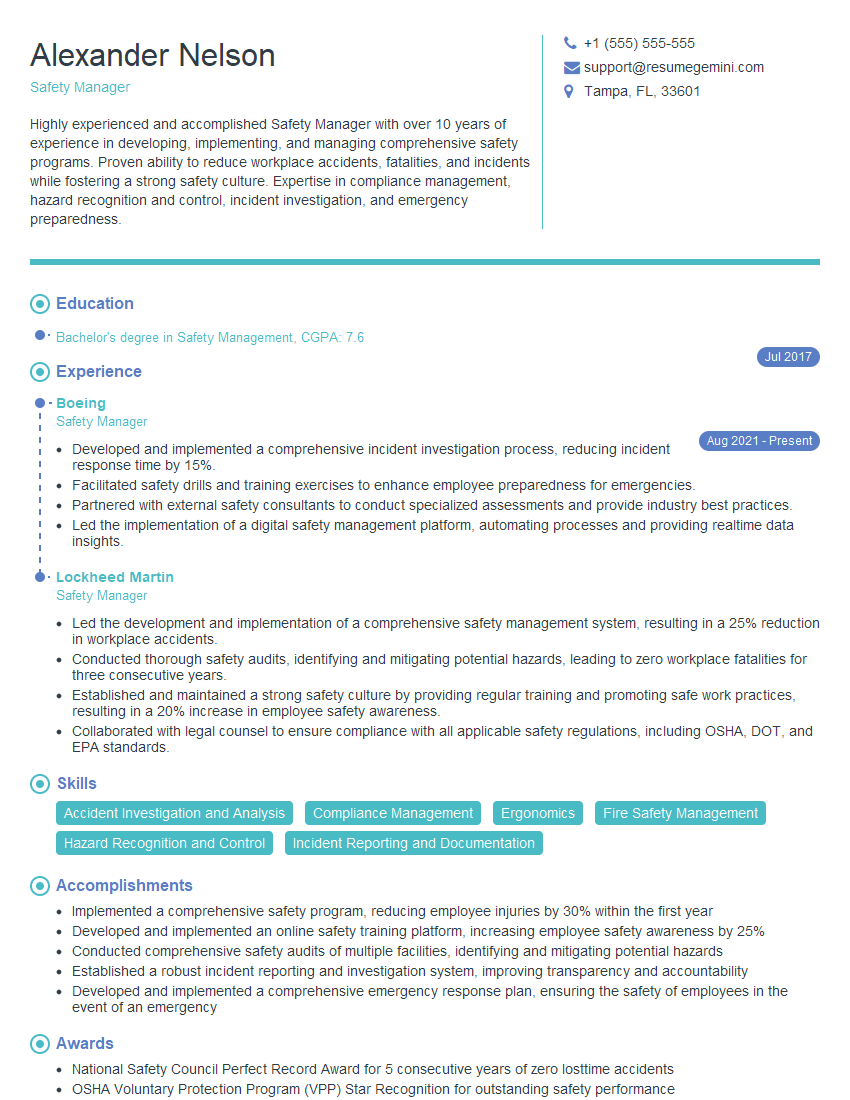
Safety Manager Resume Sample
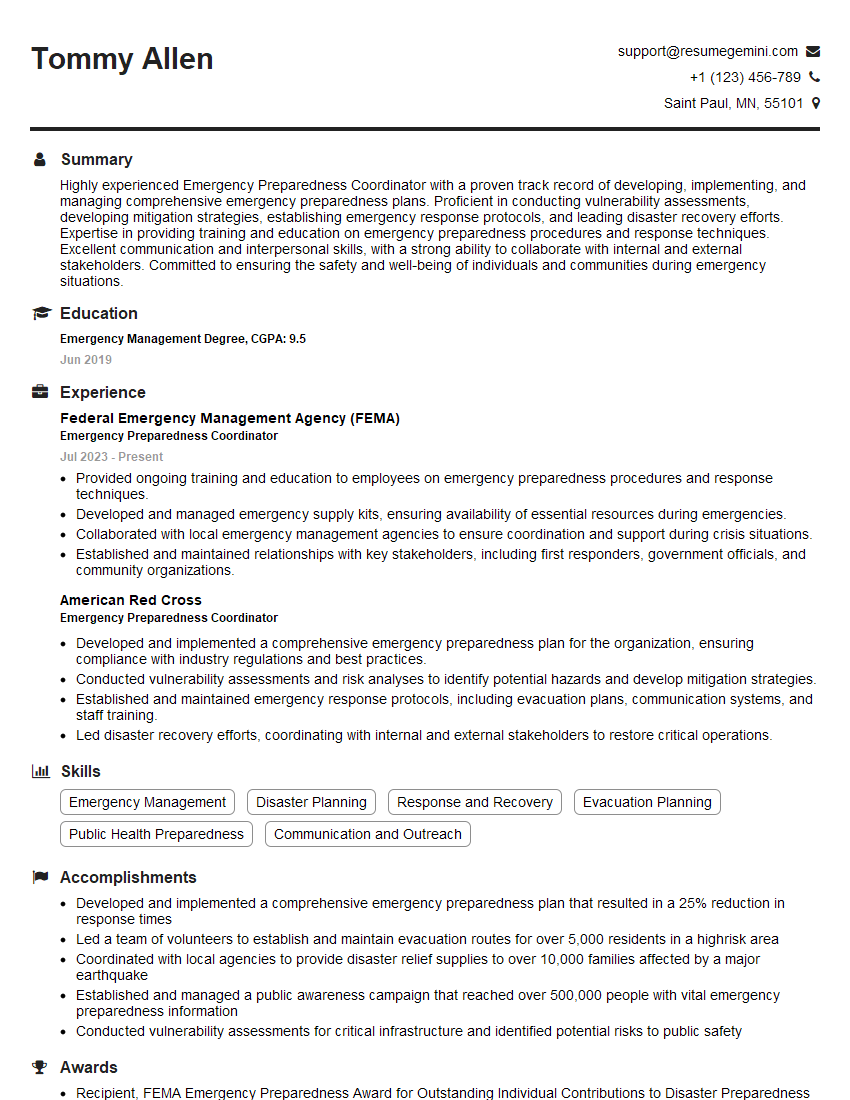
Emergency Preparedness Coordinator Resume Sample

Compliance Manager Resume Sample
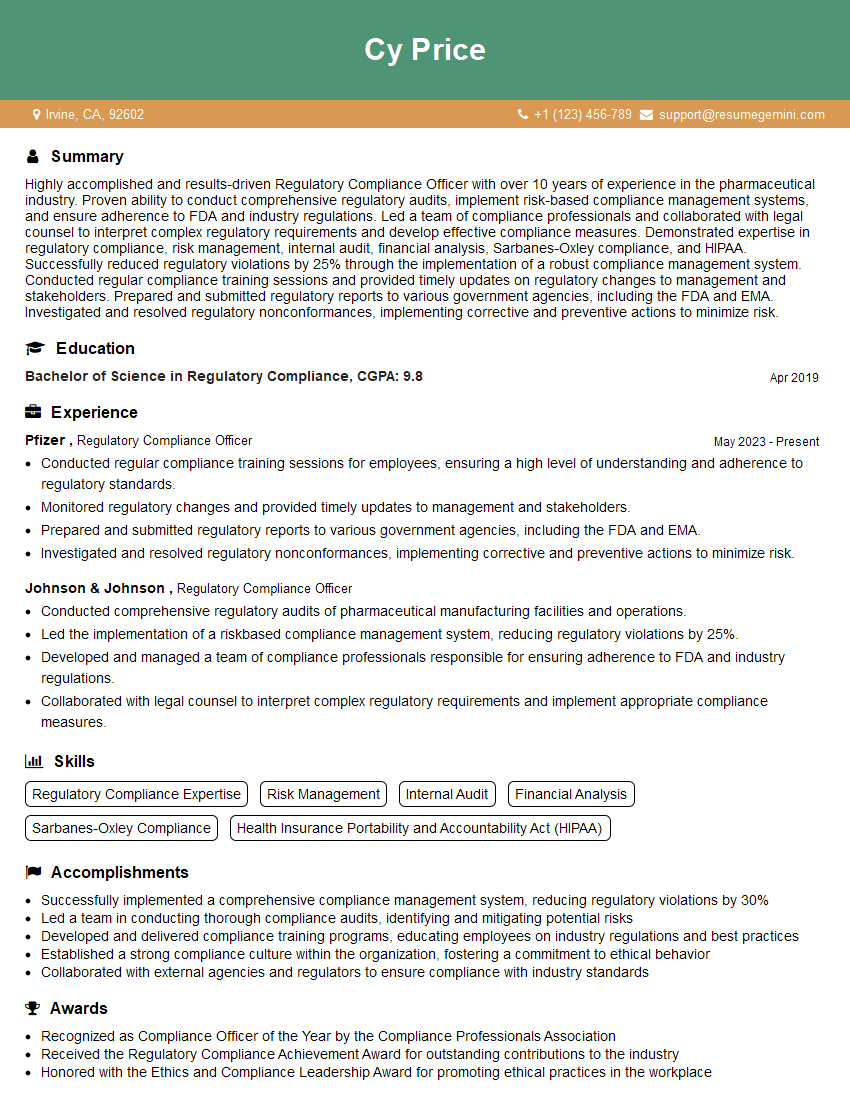
Regulatory Compliance Officer Resume Sample
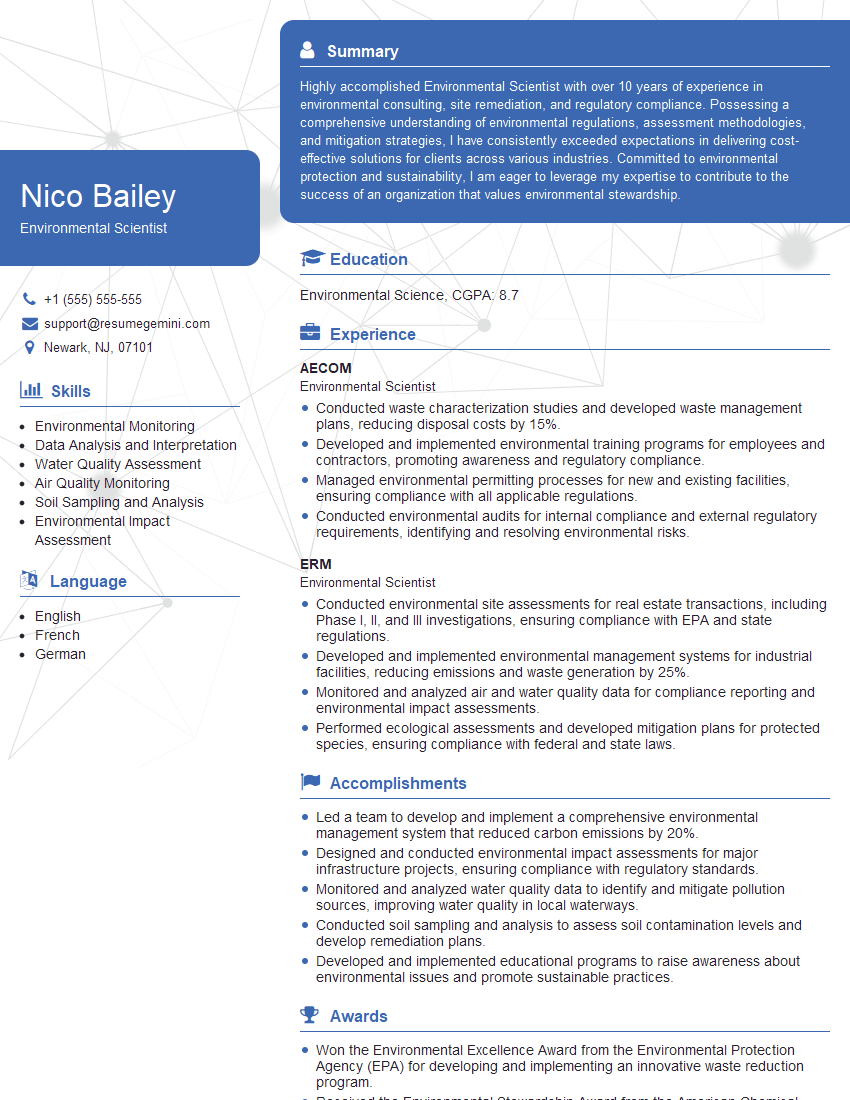
Environmental Scientist Resume Sample
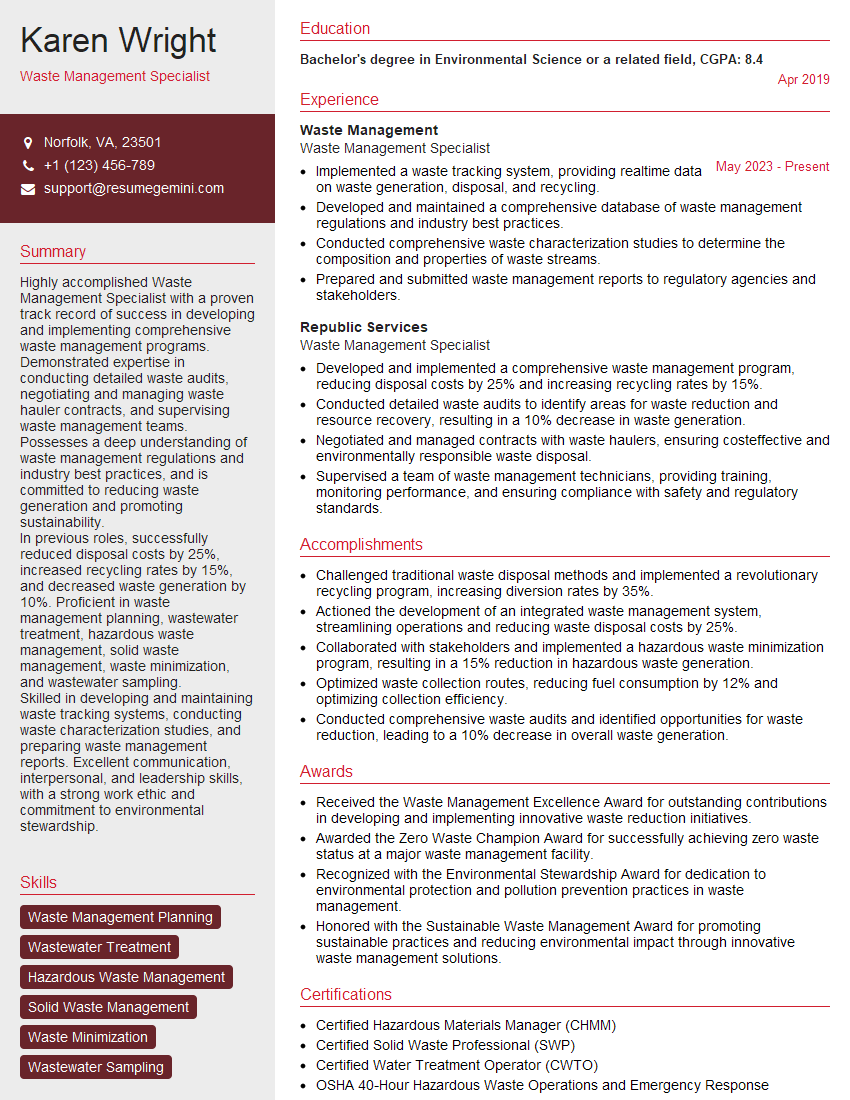
Waste Management Specialist Resume Sample
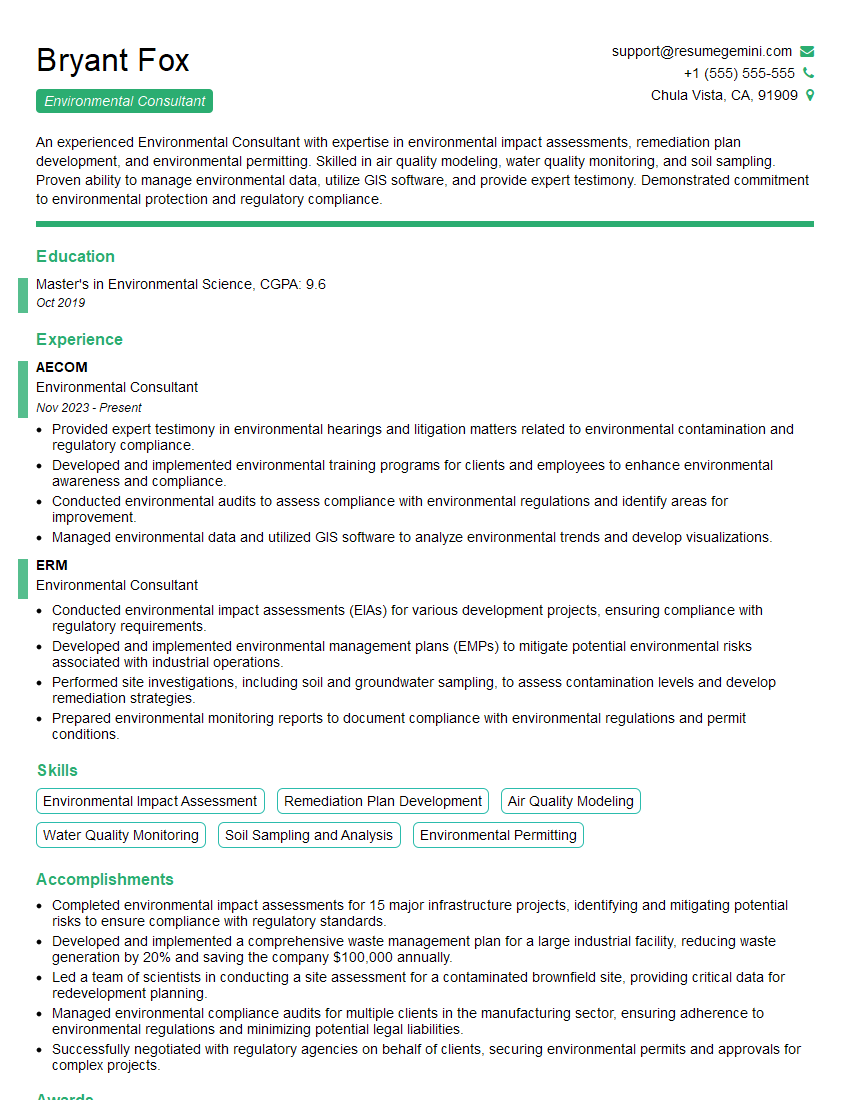
Environmental Consultant Resume Sample
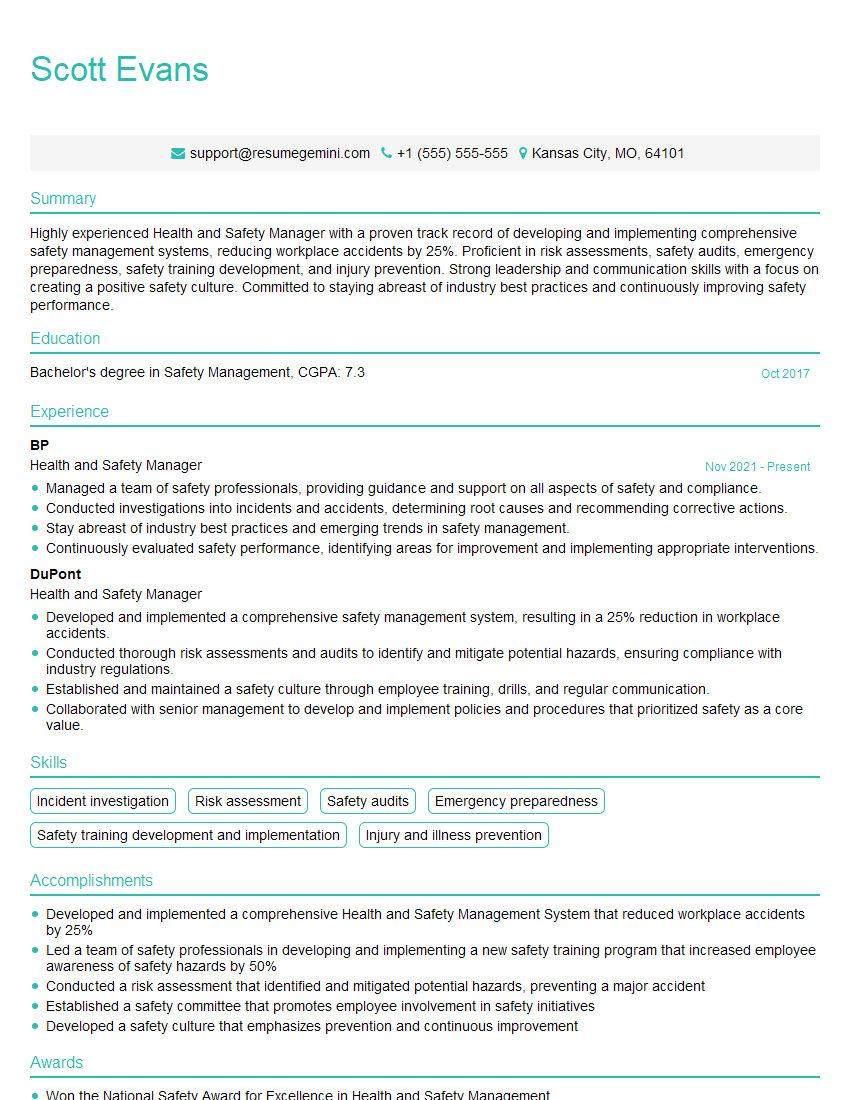
Health and Safety Manager Resume Sample
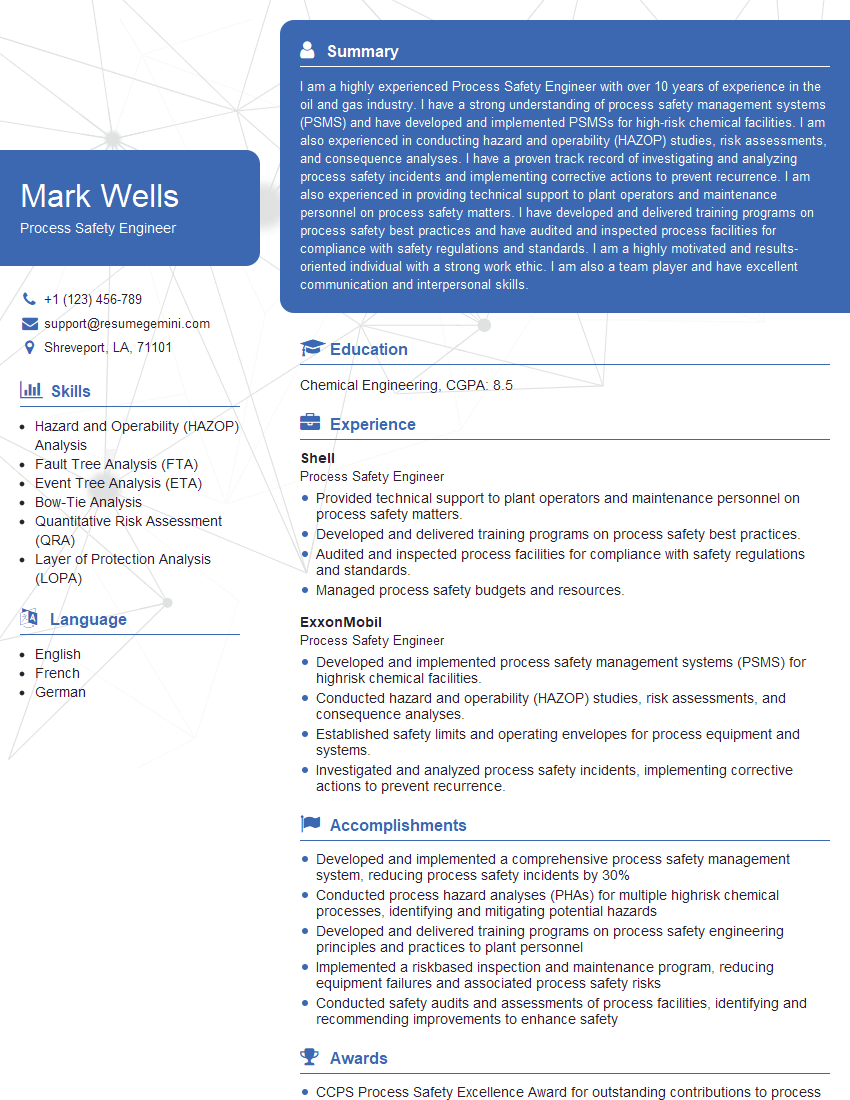
Process Safety Engineer Resume Sample

Safety Engineer Resume Sample
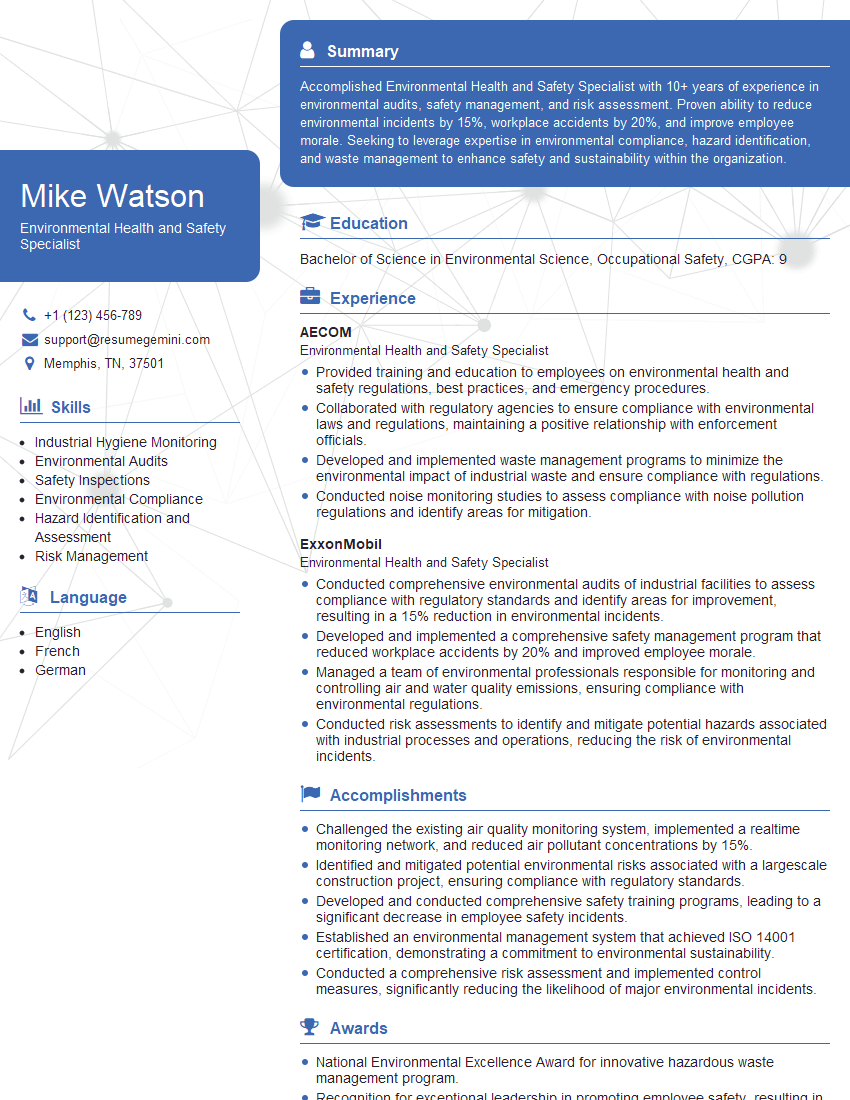
Environmental Health and Safety Specialist Resume Sample

Chemical Technician Resume Sample
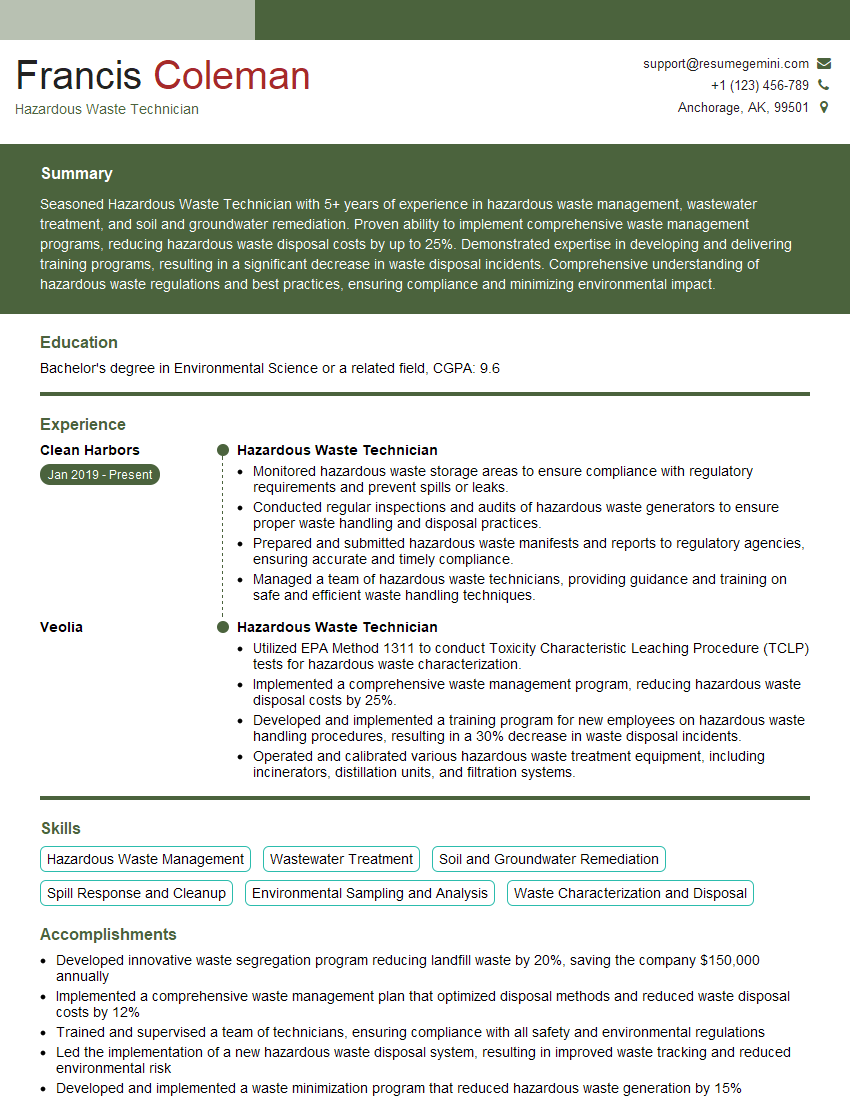
Hazardous Waste Technician Resume Sample
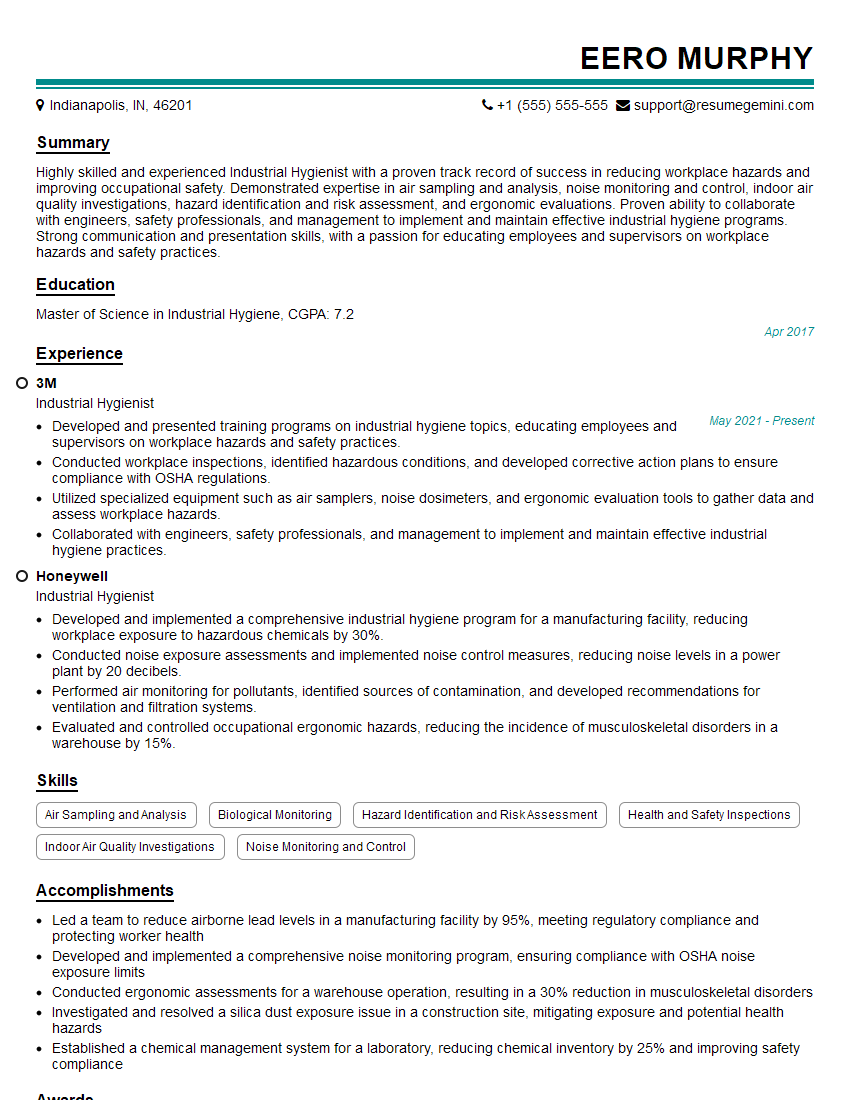
Industrial Hygienist Resume Sample

Safety Officer Resume Sample

Hazardous Materials Handler Resume Sample
- Safety Manager
- Emergency Preparedness Coordinator
- Compliance Manager
- Regulatory Compliance Officer
- Environmental Scientist
- Waste Management Specialist
- Environmental Consultant
- Health and Safety Manager
- Process Safety Engineer
- Safety Engineer
- Environmental Health and Safety Specialist
- Chemical Technician
- Hazardous Waste Technician
- Industrial Hygienist
- Safety Officer
- Hazardous Materials Handler
Explore more articles
Users Rating of Our Blogs
Share Your Experience
We value your feedback! Please rate our content and share your thoughts (optional).
What Readers Say About Our Blog
Really detailed insights and content, thank you for writing this detailed article.
IT gave me an insight and words to use and be able to think of examples